Assessment of voters’ attitudes in the aftermath of the 2023 general election in Anambra State

Citation

Mba, A. (2025). Assessment of voters’ attitudes in the aftermath of the 2023 general election in Anambra State. International Journal of Research, 12(3), 935–951. https://doi.org/10.26643/ijr/2025/1

Alex Mba

Department of Political Science

Chukwuemeka Odumegwu Ojukwu University,

Igbariam Campus, Anambra State

ao.mba@coou.edu.ng

Abstract

The 2023 general election in Nigeria marked a significant moment in the country’s democratic development. The election generated widespread public interest due to increased youth participation, the introduction of the Bimodal Voter Accreditation System (BVAS), electronic transmission of results, and heightened expectations for electoral transparency. Despite these innovations, the election was characterized by logistical challenges, security concerns, allegations of irregularities, and legal disputes that shaped public perceptions of the electoral process. This paper examines voters’ attitudes in the aftermath of the 2023 general election in Anambra State. The study explores citizens’ perceptions of electoral credibility, trust in electoral institutions, political participation, voter satisfaction, and confidence in democratic governance. It argues that voters’ post-election attitudes are influenced by their assessment of electoral administration, campaign conduct, political leadership, security conditions, and institutional performance. The paper draws on Democratic Legitimacy Theory and Political Trust Theory to explain how electoral experiences shape public confidence in democratic institutions. The study concludes that although the 2023 general election stimulated greater political awareness among citizens, concerns regarding electoral management, insecurity, and judicial interventions continue to influence voters’ attitudes in Anambra State. The paper recommends reforms aimed at strengthening electoral administration, improving voter education, enhancing electoral security, and promoting transparency in electoral processes.

Keywords: Voters’ attitudes, 2023 general election, electoral credibility, political trust, democratic governance, Anambra State.

Introduction

Elections remain one of the most important features of democratic governance because they provide citizens with the opportunity to choose political leaders, influence public policy, and participate in governance. Democratic elections strengthen political accountability, promote peaceful transfer of power, and reinforce the legitimacy of government institutions. The quality of elections often determines the level of public confidence in democratic systems and influences citizens’ willingness to participate in future electoral processes (Diamond, 2008).

Nigeria returned to democratic governance in 1999 after several years of military rule. Since then, the country has conducted successive general elections aimed at consolidating democratic institutions and promoting constitutional governance. Despite these democratic advances, elections in Nigeria have frequently been accompanied by allegations of electoral malpractice, violence, vote buying, intimidation, logistical shortcomings, and disputes over election results (Jega, 2017). These challenges have affected public confidence in electoral institutions and shaped citizens’ perceptions of democracy.

The 2023 general election represented one of the most closely contested elections in Nigeria’s democratic history. The election attracted unprecedented public attention because of the emergence of new political alignments, increased youth participation, widespread use of social media for political mobilization, and the introduction of technological innovations by the Independent National Electoral Commission (INEC). The deployment of the Bimodal Voter Accreditation System (BVAS) and the INEC Result Viewing Portal (IReV) generated expectations that electoral transparency and credibility would improve significantly (Independent National Electoral Commission [INEC], 2024).

Public expectations before the election were exceptionally high. Many Nigerians believed that the use of technology would minimize electoral fraud, improve voter accreditation, reduce ballot manipulation, and strengthen confidence in election outcomes. The Electoral Act 2022 also introduced important legal reforms designed to improve electoral administration, regulate political parties, and enhance transparency throughout the electoral process.

Despite these reforms, the conduct of the election generated mixed public reactions. Several polling units experienced delays in the arrival of election materials, technical difficulties with electronic accreditation, late commencement of voting, and security concerns in some parts of the country. Political parties and election observers also raised concerns regarding the transmission of election results and compliance with electoral guidelines (Yiaga Africa, 2023).

Anambra State presented a distinctive electoral environment during the 2023 general election. The state has historically recorded relatively high levels of political awareness, educational attainment, and civic engagement. Electoral competition in the state has often reflected strong political consciousness among citizens. The state’s political landscape is characterized by the presence of influential political parties, vibrant civil society organizations, and active media engagement.

The election in Anambra State occurred within a broader context of insecurity in southeastern Nigeria. Concerns over attacks on public institutions, restrictions on movement in some communities, and fears regarding personal safety affected electoral preparations and voter turnout. These conditions shaped voters’ experiences before, during, and after the election.

Voters’ attitudes after elections provide valuable insights into democratic consolidation. Citizens evaluate electoral processes based on fairness, transparency, efficiency, and the extent to which election outcomes reflect the popular will. Positive electoral experiences strengthen democratic legitimacy and encourage future participation. Negative experiences may produce political apathy, declining institutional trust, and reduced confidence in democratic governance (Norris, 2014).

Attitudes toward elections extend beyond satisfaction with election outcomes. They include citizens’ confidence in electoral institutions, perceptions of electoral integrity, trust in political leaders, willingness to participate in future elections, and overall assessment of democratic governance. Electoral experiences therefore shape long-term political behaviour and influence democratic stability.

Several studies have examined electoral behaviour, voter turnout, election administration, and democratic governance in Nigeria (Jega, 2017; Kukah, 2019). Much of the existing literature has focused on electoral violence, political participation, vote buying, and institutional reforms. Comparatively fewer studies have examined voters’ attitudes after the 2023 general election, particularly within Anambra State, where political dynamics differ from many other parts of Nigeria.

Understanding voters’ attitudes in the aftermath of the 2023 general election is important because public confidence in electoral institutions remains central to democratic consolidation. Citizens who perceive elections as credible are more likely to participate in future democratic processes and support constitutional governance. Where electoral confidence declines, democratic legitimacy may be weakened.

This study therefore examines voters’ attitudes in the aftermath of the 2023 general election in Anambra State. It seeks to assess how electoral experiences have influenced citizens’ confidence in democratic institutions, electoral participation, and future political engagement.

Statement of the Problem

The conduct of democratic elections is fundamental to political legitimacy, democratic stability, and good governance. Elections provide citizens with opportunities to express political preferences and determine those who govern them. Public confidence in electoral processes depends largely on perceptions of transparency, fairness, accountability, and institutional effectiveness.

The 2023 general election introduced significant electoral reforms through the Electoral Act 2022 and technological innovations such as the Bimodal Voter Accreditation System (BVAS) and the INEC Result Viewing Portal (IReV). These reforms generated high public expectations regarding electoral credibility. Many Nigerians anticipated improvements in election administration and transparency.

Despite these expectations, concerns emerged during and after the election regarding delays in election logistics, technical failures, security challenges, allegations of electoral irregularities, and controversies surrounding the transmission of election results. These issues generated public debate regarding the credibility of the electoral process and the performance of electoral institutions.

Anambra State provides an important setting for examining post-election attitudes because of its politically active population, relatively high literacy level, and history of vibrant electoral competition. Citizens in the state actively participated in political campaigns, voter education programmes, and electoral debates before the election. Their post-election perceptions therefore provide important evidence regarding the effectiveness of recent electoral reforms.

Although several reports have assessed the conduct of the 2023 general election, limited empirical attention has been given to voters’ attitudes after the election within Anambra State. Existing studies have focused largely on electoral administration, election observation, political campaigns, and legal disputes. There remains a need to understand how voters themselves evaluate the electoral process after the election and how these evaluations influence confidence in democratic governance.

This study seeks to fill this gap by assessing voters’ attitudes in the aftermath of the 2023 general election in Anambra State.

Objectives of the Study

The broad objective of this study is to assess voters’ attitudes in the aftermath of the 2023 general election in Anambra State.

The specific objectives are to:

  1. Examine voters’ perceptions of the credibility of the 2023 general election in Anambra State;
  2. Assess the level of public confidence in the Independent National Electoral Commission (INEC) after the election;
  3. Examine factors influencing voters’ attitudes toward the electoral process;
  4. Determine the relationship between electoral experiences and future political participation; and
  5. Identify measures capable of strengthening public confidence in future elections.


Research Questions

The study seeks to answer the following questions:

  1. How do voters perceive the credibility of the 2023 general election in Anambra State?
  2. What is the level of public confidence in INEC following the election?
  3. Which factors influenced voters’ attitudes toward the electoral process?
  4. How have post-election experiences influenced citizens’ willingness to participate in future elections?
  5. What measures can improve public confidence in future electoral processes?

Literature Review

Concept of Voters’ Attitudes

Attitude refers to an individual’s evaluation, perception, or disposition toward a person, institution, event, or issue. In political science, voters’ attitudes describe citizens’ opinions, beliefs, emotions, and behavioural tendencies regarding political institutions, electoral processes, political leaders, and democratic governance. Voters’ attitudes influence electoral participation, voting behaviour, political trust, and civic engagement (Campbell et al., 1960).

Political attitudes develop through personal experiences, political socialization, education, media exposure, and interactions with political institutions. Electoral experiences play a significant role in shaping these attitudes because elections provide opportunities for citizens to evaluate the performance of democratic institutions.

Positive electoral experiences strengthen political efficacy, institutional trust, and democratic participation. Negative experiences may generate dissatisfaction, political apathy, distrust, and declining electoral participation.

Elections and Democratic Governance

Elections constitute the foundation of representative democracy. Through elections, citizens confer legitimacy upon governments and hold political leaders accountable for their actions. Electoral integrity therefore remains essential for democratic consolidation.

Free and fair elections are characterized by equal political participation, impartial electoral administration, transparent vote counting, respect for the rule of law, and acceptance of election outcomes by competing political actors (Norris, 2014).

Electoral credibility depends not only on the conduct of polling but also on voter registration, campaign regulation, election security, dispute resolution, result management, and judicial independence. Weaknesses in any of these areas may undermine public confidence in elections.

Electoral Reforms in Nigeria

Nigeria has implemented several electoral reforms aimed at improving election administration since the country’s return to democratic governance in 1999. These reforms have focused on strengthening the legal framework, improving voter registration, reducing electoral fraud, and enhancing institutional independence.

The Electoral Act 2022 introduced important changes regarding electronic transmission of election results, political party primaries, campaign finance, and voter accreditation. The introduction of the Bimodal Voter Accreditation System (BVAS) represented one of the most significant technological reforms in Nigeria’s electoral history.

BVAS was designed to improve voter authentication through fingerprint and facial recognition technologies. The system sought to reduce multiple voting, eliminate identity fraud, and strengthen electoral credibility.

The 2023 General Election

The 2023 general election attracted considerable domestic and international attention because of heightened political competition and widespread public expectations for credible elections. Political campaigns were characterized by extensive use of traditional and digital media, increased youth participation, and vigorous civic engagement.

Election observers acknowledged improvements in voter accreditation through BVAS while also identifying operational challenges relating to logistics, security, polling delays, and result management. These experiences shaped citizens’ post-election evaluations of the electoral process.

Public reactions following the election reflected varying perceptions regarding electoral credibility. While some voters expressed confidence in aspects of the electoral process, others questioned institutional performance and electoral transparency.

Voters’ Attitudes after Elections

Post-election attitudes influence democratic consolidation because they shape future political behaviour. Citizens who perceive elections as credible are more likely to trust political institutions, participate in future elections, and support democratic governance.

Conversely, dissatisfaction with electoral administration may reduce voter turnout, increase political distrust, encourage political disengagement, and weaken democratic legitimacy. Public confidence therefore depends on continuous improvements in electoral management, institutional accountability, and transparent governance.

Theoretical Framework

This study is anchored on Democratic Legitimacy Theory and Political Trust Theory. The theories provide a useful framework for understanding how electoral experiences influence voters’ attitudes toward democratic institutions after elections. Democratic Legitimacy Theory explains that governments derive their authority from the consent of the governed through free, fair, and credible elections. The theory argues that the legitimacy of any democratic government depends largely on citizens’ confidence in the electoral process and their acceptance of election outcomes (Beetham, 1991). Democratic legitimacy is strengthened when elections are transparent, inclusive, competitive, and conducted in accordance with constitutional and legal provisions. Citizens are more likely to support government institutions when they perceive electoral processes as credible and reflective of the popular will.

Conversely, elections characterized by irregularities, violence, manipulation, or lack of transparency weaken democratic legitimacy. Such experiences reduce public confidence in electoral institutions and may discourage future political participation. In the context of the 2023 general election in Nigeria, citizens’ attitudes toward democratic governance were influenced by their assessment of the electoral process. Public perceptions regarding the effectiveness of technological innovations such as the Bimodal Voter Accreditation System (BVAS), election logistics, security arrangements, and result management shaped confidence in democratic institutions.

The theory is appropriate for this study because it explains how perceptions of electoral credibility influence citizens’ trust in government and willingness to participate in future elections.

Political Trust Theory

Political Trust Theory emphasizes the relationship between institutional performance and citizens’ confidence in political institutions. Political trust refers to the belief that government institutions will perform their responsibilities competently, fairly, and in the public interest (Hetherington, 2005).

Political trust develops when institutions consistently demonstrate transparency, accountability, responsiveness, and effectiveness. Electoral institutions occupy a central position in democratic governance because they administer elections and guarantee citizens’ political rights.

Following elections, citizens evaluate the conduct of electoral institutions based on fairness, impartiality, transparency, and efficiency. Positive evaluations strengthen institutional trust, while negative experiences encourage political distrust and democratic dissatisfaction.

Political trust also influences future electoral behaviour. Citizens who trust electoral institutions are more likely to vote in subsequent elections, comply with democratic rules, and support constitutional governance. Where trust declines, voter apathy, political disengagement, and democratic dissatisfaction become more common. Political Trust Theory therefore provides an appropriate framework for examining voters’ attitudes in the aftermath of the 2023 general election in Anambra State.

Conceptual Review

Voter Attitude

Voter attitude refers to the opinions, beliefs, perceptions, and behavioural tendencies that citizens hold regarding elections, political institutions, political parties, candidates, and democratic governance. Political attitudes influence voting decisions, electoral participation, civic engagement, and confidence in government institutions.

Voter attitudes develop through interactions with political institutions, media exposure, personal experiences, education, family influence, and community values. Electoral experiences constitute one of the strongest determinants of post-election attitudes because they shape perceptions regarding fairness, transparency, and institutional performance.

Positive voter attitudes are reflected through:

  • confidence in election outcomes;
  • trust in electoral institutions;
  • willingness to participate in future elections;
  • acceptance of democratic procedures;
  • satisfaction with electoral administration.

Negative attitudes may include:

  • distrust of electoral institutions;
  • dissatisfaction with election management;
  • political apathy;
  • declining voter turnout;
  • rejection of election outcomes.

Electoral Credibility

Electoral credibility refers to the extent to which citizens perceive elections as free, fair, transparent, and conducted according to established legal procedures. Credible elections require impartial administration, effective logistics, transparent vote counting, equal political competition, and peaceful electoral conduct.

Electoral credibility enhances democratic legitimacy because citizens are more willing to accept election outcomes when they believe the process was transparent.

Several factors influence perceptions of electoral credibility, including:

  • voter registration;
  • accreditation procedures;
  • election security;
  • availability of election materials;
  • vote counting;
  • result transmission;
  • dispute resolution mechanisms.

Political Participation

Political participation refers to citizens’ involvement in activities intended to influence governmental decisions. Such activities include voting, attending political meetings, campaigning, civic advocacy, election observation, and community mobilization.

Voting remains the most common form of political participation in democratic societies. Citizens who believe elections are meaningful are more likely to participate actively in future elections.

Political participation contributes to democratic accountability because elected officials remain responsive to citizens’ preferences.

Electoral Reforms

Electoral reforms involve legal, administrative, technological, and institutional changes aimed at improving election management.

Nigeria has implemented several reforms since 1999 to improve electoral integrity. The Electoral Act 2022 introduced major innovations, including:

  • electronic accreditation through BVAS;
  • electronic transmission of election results;
  • improved political party regulation;
  • enhanced legal provisions governing electoral administration.

These reforms sought to strengthen public confidence in elections and reduce opportunities for electoral malpractice.

Independent National Electoral Commission (INEC)

The Independent National Electoral Commission (INEC) is constitutionally responsible for organizing and conducting elections in Nigeria.

Its responsibilities include:

  • voter registration;
  • regulation of political parties;
  • conduct of elections;
  • declaration of election results;
  • voter education;
  • delimitation of constituencies.

Public confidence in INEC significantly influences perceptions of electoral credibility and democratic legitimacy.

Empirical Review

Several scholars have examined voter behaviour, electoral credibility, democratic governance, and political participation in Nigeria. Jega (2017) examined electoral reforms in Nigeria and concluded that improvements in electoral administration had increased public confidence in elections. The study emphasized that institutional independence remained essential for credible elections.

Norris (2014) argued that electoral integrity significantly influences democratic legitimacy. Citizens who perceive elections as fair demonstrate higher levels of institutional trust and political participation. Kukah (2019) examined democratic consolidation in Nigeria and observed that electoral violence, political intolerance, and institutional weaknesses continued to undermine public confidence in elections.

The Independent National Electoral Commission (2024) reported that the 2023 general election recorded improvements in voter accreditation through BVAS while acknowledging operational challenges relating to logistics and election-day administration. Yiaga Africa (2023), through its election observation mission, reported improvements in technological deployment but identified concerns regarding delays in polling unit operations, result management, and election logistics.

The European Union Election Observation Mission (2023) concluded that although legal reforms introduced important innovations, implementation challenges affected public perceptions of electoral credibility. Afrobarometer surveys conducted in Nigeria consistently demonstrate that public confidence in democratic institutions depends largely on institutional performance, transparency, and accountability.

Bratton (2013) observed that African voters increasingly evaluate governments based on governance performance rather than political rhetoric. Citizens who perceive institutions as effective demonstrate stronger democratic commitment. Lindberg (2006) argued that repeated credible elections contribute to democratic consolidation by strengthening institutional legitimacy and public confidence. Alemika (2011) examined elections and democratic governance in Nigeria and concluded that credible elections remain essential for democratic stability and national development.

These studies indicate that citizens’ post-election attitudes depend largely on perceptions of electoral integrity, institutional performance, and democratic accountability.

Gap in Literature

Most Nigerian studies have focused on electoral violence, voter turnout, election administration, campaign strategies, and democratic consolidation. Comparatively fewer studies have examined voters’ attitudes after elections, particularly following the 2023 general election.

Existing studies also tend to assess elections at the national level without focusing on state-specific political environments. Anambra State possesses unique political characteristics arising from its high literacy rate, political awareness, active civil society organizations, and distinctive electoral history. There is therefore limited empirical evidence regarding how voters in Anambra State assessed the credibility of the 2023 general election and how these perceptions influence confidence in democratic institutions.

This study addresses this gap by examining post-election attitudes among voters in Anambra State.


Conceptual Framework

The study conceptualizes voters’ attitudes as the dependent variable, influenced by electoral experiences and institutional performance.

Fig 1: Conceptual framework on Voter’s attitude

Figure 1 indicates where the framework assumes that positive electoral experiences strengthen confidence in democratic institutions, while negative experiences reduce institutional trust and electoral participation.

Independent variables shows the electoral credibility, performance of inec, election security, electoral transparency, campaign conduct, political trust, election logistics, result management. the intervening variables involves; educational attainment, political awareness, media exposure, political party affiliation, previous voting experience, civic education.


Dependent variable voters’ attitudes, the indicators include: confidence in elections; trust in democratic institutions; willingness to vote in future elections; satisfaction with electoral processes; acceptance of election outcomes; political participation.

Methodology

The study adopts a descriptive survey research design. The design is appropriate because it allows the collection of data from a representative sample of voters regarding their attitudes toward the 2023 general election. The study is conducted in Anambra State, located in the South-East geopolitical zone of Nigeria. The state consists of twenty-one Local Government Areas and is recognized for high literacy, vibrant political participation, and active civic engagement. The population comprises all registered voters aged 18 years and above residing in Anambra State who participated in or were eligible to participate in the 2023 general election. Using Cochran’s sample size formula for large populations, approximately 384–400 respondents are considered adequate for the study. A multistage sampling procedure was used. The three senatorial districts was be randomly selected. Communities and respondents will subsequently be selected through systematic random sampling.

The study employs a structured questionnaire divided into sections covering: demographic information; electoral participation; perceptions of electoral credibility; confidence in INEC; satisfaction with election management; willingness to participate in future elections. Responses will be measured using a five-point Likert scale ranging from Strongly Agree (5) to Strongly Disagree (1). Reliability was determined using Cronbach’s Alpha, with a coefficient of 0.70 or above considered acceptable for internal consistency. Questionnaires should be administered personally by trained research assistants across selected communities within Anambra State.

Method of Data Analysis: Data was analysed using both descriptive and inferential statistics. The descriptive statistics include: frequencies; percentages; means; standard deviations. Inferential statistics include: Pearson Product Moment Correlation; Chi-square analysis; Multiple Regression Analysis; Independent Sample t-test where appropriate.

Discussion of Findings

The assessment of voters’ attitudes following the 2023 general election in Anambra State reveals that electoral experiences significantly shaped public perceptions of democratic governance, electoral institutions, and future political participation. The study indicates that voters evaluated the election not only on the basis of the declared outcomes but also on the transparency of electoral procedures, the effectiveness of electoral technology, the conduct of electoral officials, security arrangements, and the responsiveness of the Independent National Electoral Commission (INEC). These factors collectively influenced the confidence citizens placed in the electoral process.

The study found that the introduction of the Bimodal Voter Accreditation System (BVAS) positively influenced public perceptions of voter accreditation. Many voters considered the technology an important step toward reducing multiple voting and identity fraud. The introduction of electronic accreditation enhanced confidence in the integrity of the voting process because voters perceived that it minimized opportunities for ballot manipulation. This finding suggests that technological innovation remains an important instrument for strengthening electoral credibility in Nigeria.

Despite the positive perception of BVAS, voters expressed dissatisfaction with several operational aspects of the election. Delays in the arrival of electoral materials, technical difficulties experienced in some polling units, inconsistent application of electoral procedures, and controversies surrounding result management reduced confidence in the overall electoral process. These operational shortcomings created uncertainty among voters regarding the effectiveness of electoral administration and weakened public trust in electoral institutions.

The findings also indicate that security conditions influenced voters’ attitudes during and after the election. In Anambra State, concerns regarding insecurity before the election affected voter turnout in some communities. Fear of violence, restrictions on movement, and uncertainty surrounding election-day security discouraged some eligible voters from participating fully in the electoral process. These experiences reinforced the perception that electoral security remains an essential component of credible elections.

Public confidence in INEC appeared to be mixed. While many respondents acknowledged improvements in voter accreditation and electoral planning, concerns remained regarding logistics, communication, and election management. Voters expected higher levels of transparency following the enactment of the Electoral Act 2022 and the introduction of electoral technologies. Where these expectations were not fully realized, dissatisfaction emerged regarding institutional performance.

The findings support the assumptions of Democratic Legitimacy Theory. Citizens derive confidence in democratic institutions when elections are perceived as transparent, credible, and reflective of the people’s will. Electoral experiences therefore influence the legitimacy citizens attach to democratic governments. Where voters perceive shortcomings in election administration, confidence in democratic institutions may decline regardless of the eventual election outcome.

The findings are also consistent with Political Trust Theory. Citizens develop trust in public institutions through consistent institutional performance. Electoral management bodies that demonstrate fairness, transparency, accountability, and efficiency are more likely to enjoy public confidence. Conversely, operational failures and perceived irregularities reduce institutional trust and influence future political participation.

Another important finding concerns future electoral participation. Many voters indicated that their willingness to participate in subsequent elections depends on improvements in electoral administration. Citizens who perceived the 2023 election as reasonably credible expressed greater willingness to vote again. Those who experienced dissatisfaction with election management indicated that significant reforms would be necessary before confidence could be fully restored.

The study further reveals that voter attitudes extend beyond individual political preferences. Citizens evaluated the electoral process from the perspective of democratic accountability, institutional competence, and constitutional governance. Their post-election attitudes therefore provide an important measure of democratic consolidation in Anambra State.

Conclusion

The 2023 general election represented a significant milestone in Nigeria’s democratic development. The election introduced important technological and legal reforms designed to strengthen electoral credibility and improve public confidence in democratic institutions. The experiences of voters in Anambra State demonstrate that electoral reforms have the potential to improve election administration when effectively implemented.

The study concludes that voters’ attitudes after the election were shaped largely by their assessment of electoral transparency, institutional performance, election security, and the effectiveness of electoral technology. Positive experiences strengthened confidence in democratic processes, while operational shortcomings reduced public trust in electoral institutions.

Although the introduction of BVAS and reforms contained in the Electoral Act 2022 contributed to improvements in voter accreditation and electoral administration, concerns regarding logistics, result management, security, and communication affected citizens’ overall evaluation of the election. These concerns continue to influence public confidence in democratic governance.

The study also concludes that voter confidence remains essential for democratic consolidation. Sustainable democracy depends not only on conducting elections but also on ensuring that citizens perceive electoral processes as fair, transparent, inclusive, and accountable. Electoral institutions must therefore continue to improve operational efficiency and institutional credibility to sustain public trust.

The assessment further demonstrates that democratic legitimacy is strengthened when electoral institutions consistently perform their constitutional responsibilities without bias or administrative deficiencies. Improving voters’ experiences during elections will encourage greater political participation and strengthen Nigeria’s democratic institutions.

Recommendations

Based on the findings of this study, the following recommendations are made: INEC should strengthen election logistics and operational planning. Early deployment of electoral personnel and materials should become a priority to reduce delays experienced during elections. The deployment and maintenance of electoral technology should be improved. Technical support teams should be available in all polling units to address operational challenges associated with electronic accreditation and result management.

Continuous voter education programmes should be expanded. Citizens should receive adequate information regarding electoral procedures, voting technologies, electoral reforms, and their constitutional rights before every election. Security agencies should improve election security planning. Effective collaboration among security agencies should ensure peaceful elections while protecting voters, electoral officials, election observers, and election materials.

INEC should strengthen communication with the public during elections. Timely dissemination of accurate information can reduce misinformation, speculation, and public anxiety during electoral processes. Political parties should promote issue-based campaigns. Campaigns focused on public policy rather than ethnic, religious, or personal attacks will contribute to healthier democratic competition. Political actors should respect electoral laws and democratic principles. Compliance with electoral regulations will strengthen public confidence in elections and reduce post-election disputes. Government should continue implementing electoral reforms. Regular review of electoral laws and administrative procedures will improve election management and strengthen democratic consolidation.

Suggestions for Further Research

Future studies should consider the following areas:

  1. A comparative assessment of voters’ attitudes across the six geopolitical zones of Nigeria following the 2023 general election.
  2. A longitudinal study examining changes in public confidence in electoral institutions between the 2023 and subsequent general elections.
  3. An investigation into the influence of social media on post-election political attitudes among Nigerian youths.
  4. A comparative analysis of voters’ attitudes in urban and rural communities within Anambra State.

The assessment of voters’ attitudes in the aftermath of the 2023 general election in Anambra State demonstrates that electoral experiences significantly influence public confidence in democratic governance. While the introduction of electoral technology and legal reforms improved certain aspects of election administration, operational challenges affected citizens’ perceptions of electoral credibility. Sustaining democracy in Nigeria requires continuous improvements in electoral management, institutional transparency, public accountability, voter education, and electoral security. Strengthening these areas will enhance public trust, encourage greater political participation, and reinforce the legitimacy of democratic institutions.


References

Afrobarometer. (2022). Afrobarometer Round 9 survey in Nigeria, 2022: Summary of results. Afrobarometer. https://www.afrobarometer.org

Alemika, E. E. O. (2011). Post-election violence in Nigeria: Emerging trend and lessons. CLEEN Foundation.

Beetham, D. (1991). The legitimation of power. Macmillan.

Bratton, M. (2013). Voting and democratic citizenship in Africa. Lynne Rienner Publishers.

Campbell, A., Converse, P. E., Miller, W. E., & Stokes, D. E. (1960). The American voter. University of Chicago Press.

Diamond, L. (2008). The spirit of democracy: The struggle to build free societies throughout the world. Times Books.

European Union Election Observation Mission. (2023). Nigeria general elections 2023: Final report. European Union.

Federal Republic of Nigeria. (2022). Electoral Act, 2022. Federal Government Printer.

Hetherington, M. J. (2005). Why trust matters: Declining political trust and the demise of American liberalism. Princeton University Press.

Independent National Electoral Commission. (2024). Report on the 2023 general election. Independent National Electoral Commission.

Jega, A. M. (2017). Electoral reforms in Nigeria: Challenges and prospects. Independent National Electoral Commission.

Kukah, M. H. (2019). Broken truths: Nigeria’s elusive quest for national integration. Bookcraft.

Lindberg, S. I. (2006). Democracy and elections in Africa. Johns Hopkins University Press.

Norris, P. (2014). Why electoral integrity matters. Cambridge University Press. https://doi.org/10.1017/CBO9781107280886

Ojo, E. O. (2007). Elections: An exploration of theoretical postulations. Journal of African Elections, 6(2), 4–13.

Okolie, A. M. (2005). Contemporary issues in Nigerian politics. John Jacob’s Classic Publishers.

Omotola, J. S. (2010). Elections and democratic transition in Nigeria under the Fourth Republic. African Affairs, 109(437), 535–553. https://doi.org/10.1093/afraf/adq040

Onapajo, H. (2014). Violence and votes in Nigeria: The dominance of incumbents in the use of violence to rig elections. Africa Spectrum, 49(2), 27–51.

Suberu, R. T. (2007). Nigeria’s muddled elections. Journal of Democracy, 18(4), 95–110. https://doi.org/10.1353/jod.2007.0067

Yiaga Africa. (2023). Watching the vote (WTV): Final report on the 2023 general election. Yiaga Africa.


Daily writing prompt
Is a little chaos actually good for us?

Nuclear Weapons: A Comprehensive Overview

Daily writing prompt
What’s your favorite month of the year? Why?

By Shashikant Nishant Sharma

Nuclear weapons are among the most powerful and destructive technologies ever created by humanity. They have the capacity to inflict catastrophic damage, both through direct blasts and long-term environmental consequences. Despite their relatively brief history, nuclear weapons have significantly altered the course of global politics, military strategy, and international relations. This article explores the development, types, effects, and global implications of nuclear weapons.


The Development of Nuclear Weapons

1. The Atomic Age Begins:

The origins of nuclear weapons can be traced back to early 20th-century scientific discoveries. In 1938, German scientists Otto Hahn and Fritz Strassmann discovered nuclear fission, the process by which atoms split into smaller particles, releasing vast amounts of energy. This discovery triggered a series of experiments and research, culminating in the development of nuclear weapons.

2. The Manhattan Project (1942–1945):

During World War II, the U.S. initiated the Manhattan Project, a top-secret program aimed at developing nuclear weapons before Nazi Germany could. The project was led by physicist J. Robert Oppenheimer and involved scientists such as Enrico Fermi, Niels Bohr, and Leo Szilard. In July 1945, the first successful test of a nuclear weapon, known as the “Trinity Test,” took place in the New Mexico desert, signaling the dawn of the nuclear age.

3. The First Use of Nuclear Weapons:

In August 1945, the United States dropped two nuclear bombs on Japan: Little Boy (uranium bomb) on Hiroshima on August 6, and Fat Man (plutonium bomb) on Nagasaki on August 9. The bombings led to Japan’s surrender on August 15, 1945, effectively ending World War II. These events demonstrated the devastating power of nuclear weapons and began an era of nuclear arms competition, particularly during the Cold War.


Types of Nuclear Weapons

Nuclear weapons can be classified into two main types: atomic bombs and hydrogen bombs.

1. Atomic Bombs (Fission Bombs):

An atomic bomb works by splitting the nucleus of heavy atoms (typically uranium-235 or plutonium-239), releasing large amounts of energy in the form of a shockwave, heat, and radiation. This is known as nuclear fission. Atomic bombs are the type of weapons used in Hiroshima and Nagasaki. They are typically smaller and less powerful than hydrogen bombs but still have immense destructive potential.

2. Hydrogen Bombs (Fusion Bombs):

A hydrogen bomb, or thermonuclear bomb, uses the process of nuclear fusion, where light atomic nuclei (usually isotopes of hydrogen such as deuterium and tritium) combine under extreme temperature and pressure to form a heavier nucleus, releasing a far greater amount of energy than fission. A fusion bomb generally has a two-stage design: the fission reaction ignites a secondary fusion reaction, significantly amplifying the explosion’s power. The yield of hydrogen bombs can be many times greater than that of atomic bombs, making them vastly more destructive.


How Nuclear Weapons Work

Nuclear weapons, regardless of type, rely on the principles of nuclear reactions to release energy. These reactions produce several distinct effects, which combine to cause massive destruction.

1. The Explosion (Blast):

The initial explosion of a nuclear weapon creates an intense shockwave that can level buildings, structures, and anything in its immediate vicinity. The blast radius can extend for several miles, depending on the yield of the weapon. For example, a 10-megaton hydrogen bomb could cause devastation over hundreds of square miles.

2. Heat and Radiation:

Nuclear explosions release intense heat, often reaching temperatures higher than the surface of the sun. This heat causes immediate fires and severe burns, potentially igniting fires across large areas. The explosion also generates a burst of radiation, which includes gamma rays and neutrons. These particles can cause radiation sickness and long-term health effects, such as cancer and genetic mutations.

3. Fallout:

After a nuclear explosion, radioactive particles are propelled into the atmosphere. These particles eventually fall back to Earth as nuclear fallout. Fallout can contaminate vast areas, posing long-term health risks to survivors. Depending on the wind and the scale of the explosion, fallout can spread across entire continents. Fallout may remain dangerous for years, even decades, depending on the half-lives of the isotopes involved.

4. Electromagnetic Pulse (EMP):

A nuclear detonation, especially at high altitudes, can produce an electromagnetic pulse (EMP) that disrupts or damages electrical and communication systems over a large area. This effect could cripple entire societies, disabling technology and infrastructure.


Global Implications of Nuclear Weapons

1. Nuclear Deterrence:

Following the end of World War II, the threat of nuclear war became a defining characteristic of international relations, particularly during the Cold War. The principle of mutually assured destruction (MAD) emerged, based on the understanding that a nuclear war between two superpowers (such as the U.S. and the Soviet Union) would lead to the annihilation of both. This deterrence strategy was founded on the idea that the presence of nuclear weapons prevented their use, as no nation would risk the devastating consequences of full-scale nuclear war.

2. The Arms Race and Cold War:

The Cold War period saw the United States and the Soviet Union engage in a fierce arms race, both developing and testing increasingly powerful nuclear weapons. By the 1960s, both countries had stockpiled thousands of nuclear warheads. This competition also led to the development of new delivery systems, such as intercontinental ballistic missiles (ICBMs), submarine-launched ballistic missiles (SLBMs), and nuclear-powered bombers.

3. Non-Proliferation Efforts:

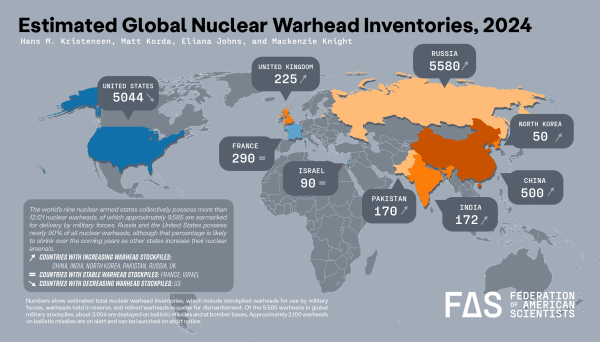
The spread of nuclear weapons to additional countries has been a source of concern since the 1960s. In 1968, the Treaty on the Non-Proliferation of Nuclear Weapons (NPT) was signed by 191 countries, with the goal of preventing the spread of nuclear weapons and promoting disarmament. However, several countries, including India, Pakistan, and North Korea, have developed their own nuclear weapons, complicating efforts to limit proliferation.

4. Nuclear Disarmament and Arms Control:

Throughout the late 20th and early 21st centuries, various international agreements have sought to reduce nuclear stockpiles and prevent nuclear testing. Notable agreements include the Strategic Arms Reduction Treaty (START), the Comprehensive Nuclear-Test-Ban Treaty (CTBT), and the Intermediate-Range Nuclear Forces Treaty (INF). Despite these efforts, tensions over nuclear proliferation and the possibility of new arms races persist.

5. Ethical and Humanitarian Concerns:

The use of nuclear weapons raises profound ethical and humanitarian concerns. The long-term environmental and health consequences of nuclear warfare, including the potential for nuclear winter (a theory that suggests large-scale nuclear war could lead to global climate change), have led many to question the moral justification for maintaining nuclear arsenals. Organizations such as the International Campaign to Abolish Nuclear Weapons (ICAN) advocate for the complete elimination of nuclear weapons.


Conclusion

Nuclear weapons represent a unique and dangerous aspect of human technological achievement. While they have played a central role in shaping international relations, military strategy, and global security, they also pose unprecedented risks to humanity. The challenges of nuclear proliferation, disarmament, and maintaining peace in a world with nuclear-armed states are ongoing, and the threat of nuclear war, though diminished since the Cold War, remains a significant concern.

As the global community continues to grapple with the consequences of nuclear weapons, the potential for both catastrophic destruction and peace hinges on the careful management of these powerful devices. Whether through diplomatic negotiation, arms control agreements, or advances in technology, the future of nuclear weapons will depend on humanity’s ability to balance the deterrence they provide with the existential dangers they pose.

References

Gusterson, H. (1999). Nuclear weapons and the other in the Western imagination. Cultural Anthropology14(1), 111-143.

Jervis, R. (1988). The political effects of nuclear weapons: A comment. International Security13(2), 80-90.

Prăvălie, R. (2014). Nuclear weapons tests and environmental consequences: a global perspective. Ambio43(6), 729-744.

Sharma, S. N. (2017). Geopolitics and Terrorism in Asia-Pacific Region vis-a-vis India.

Sharma, S. N. Unveiling the Top Secret Skills to Thrive in the Modern Age.

Shultz, G. P., Perry, W. J., Kissinger, H. A., & Nunn, S. (2007). A world free of nuclear weapons. Wall Street Journal4(01), 2007.

Waltz, K. N. (1981). The spread of nuclear weapons: More may be better: Introduction.

An Exploration of Cultural Displacement and Immigration in Naipaul’s Half a Life

Daily writing prompt
You get some great, amazingly fantastic news. What’s the first thing you do?

By S. Hemalatha

Asst Professor, Department of English 

St Thomas College of Arts and Science, Chennai

hemasun321@gmail.com

Abstract:

This research article explores the themes of immigration and cultural displacement in the novel Half a Life by V.S. Naipaul. Through a comprehensive analysis of the protagonist’s journey, it investigates the psychological and sociocultural impacts of immigration on individuals caught between two worlds. Drawing upon literary criticism, psychology, and sociology, this study delves into the complexities of identity formation, assimilation, and belonging. It also examines the broader implications of immigration policies and societal attitudes towards migrants. Ultimately, this research sheds light on the universal human experiences of navigating between cultures and the quest for selfhood in the face of displacement.

Keywords: Immigration, Cultural Displacement, Identity, Assimilation, Belonging, Nostalgia, Cultural Disagreement, Homeland

Introduction:

Immigration has been a perennial aspect of human civilization, with individuals and communities relocating across borders in search of better opportunities, refuge from persecution, or simply in pursuit of a new life. However, the process of migration is not merely physical but also entails profound psychological and sociocultural adjustments. Half a Life by V.S. Naipaul offers a poignant exploration of these themes through the protagonist’s journey of immigration and cultural displacement. This research article seeks to unravel the complexities inherent in such experiences and their broader implications.

Literature Review:

The literature on immigration and cultural displacement encompasses a diverse array of disciplines, including literature, psychology, sociology, and anthropology. Scholars have examined the multifaceted nature of immigrant experiences, ranging from acculturation and assimilation to the negotiation of identity in transnational contexts. Additionally, literary analyses of immigrant narratives have provided valuable insights into the subjective dimensions of migration, offering nuanced portrayals of the emotional and existential struggles faced by individuals caught between worlds.

Methodology:

This research employs a qualitative approach, drawing upon textual analysis of Half a Life by V.S. Naipaul. By closely examining the protagonist’s narrative arc, thematic motifs, and character development, this study seeks to elucidate the psychological and sociocultural dynamics of immigration depicted in the novel. Additionally, insights from secondary sources, including literary criticism and scholarly articles, are incorporated to provide a comprehensive understanding of the text and its broader implications.

Analysis:

The term ‘displacement’ is closely linked to expatriate literature, which explores the diaspora’s complex emotions of both sadness and joy. The phenomena of migration and diaspora arise from a multitude of social, political, and economic occurrences, resulting in the marginalisation of individuals in social, economic, and cultural aspects. According to Ashcroft, Griffiths, and Tiffin (1998), cultural displacement happens as a result of imperial domination and the subsequent encounters linked to this occurrence. The phenomenon can arise from the relocation of individuals from one country to another through means such as slavery, imprisonment, invasion, and settlement. It can also occur as a consequence of voluntary or involuntary migration from a familiar to an unfamiliar region. “(p73)”. 

The displaced individuals and expatriates are burdened by a profound feeling of deprivation, an inherent need to regain what has been lost, to nostalgically look back, even if it entails becoming into pillars of salt. However, if we choose to reflect on the past, we must acknowledge the existence of significant uncertainties. Our physical detachment from India makes it highly unlikely that we can fully recover what was lost. In essence, we will only be able to construct illusions, rather than real cities or villages. These illusions will take the form of intangible realms, imaginary homelands, mental representations of India. The citation “(Rushdie, 1983)” refers to a source written by Rushdie in 1983.

Half a Life revolves around the life of Willie Chandran, a protagonist who grapples with the complexities of his identity as an Indian immigrant in postcolonial Africa and later in England. Naipaul intricately portrays Willie’s internal conflicts, stemming from his ambivalence towards his cultural heritage and his quest for self-realization in unfamiliar landscapes. Through vivid descriptions and poignant introspections, the novel captures the sense of displacement and estrangement experienced by Willie as he navigates between different cultural milieus.

The main character of Naipaul’s Half a Life, Willie Somerset Chandran, is of Indian origin, born to parents from the Brahmin and Dalit castes. Willie Chandran’s father abandoned his relatives and married a woman from a lower social caste in order to establish a new identity. He desired to bolster his country by wholeheartedly supporting the fight for freedom while simultaneously forging a fresh sense of self.  Willie Chandran’s father, being of brahmin descent and being from a lineage of government officials, would have likely enjoyed a privileged and effortless occupation. He disavows his familial heritage, since he desired to avoid having his life shaped by his family circumstances. Willie’s familial background is shaped by his father’s choice to wed a financially disadvantaged woman from a socially marginalised caste. Willie consistently feels embarrassed by his family’s past. Willie’s family circumstances also motivates him to leave India, which he accomplishes by receiving a scholarship to London.

“He went by ship. And everything about the journey so frightened him – the size of his own country, the crowds in the port, the number of ships in the harbour, the confidence of the people on the ship – that he found himself unwilling to speak, at first out of pure worry, and then, when he discovered that silence brought him strength, out of policy.”(49)

Willie’s irrepressible urge to create a new identity drove him to migrate. Feeling suffocated and in search of independence, he travels to London in pursuit of a new life. But little did he know that his life would be navigating between multiple cultures. The novel delves into topics such as identity, alienation, and the problems of belonging in a world of cultural displacement. Willie tries to find his way in an unfamiliar culture in London, encountering discrimination and battling with his own immigrant identity.

As McLeod (2015) states that the state of displacement is obviously not comfortable for immigrants. 

“They can be deemed not to belong there and disqualified from thinking of the new land as their home” (p. 212)

Central to Willie’s journey is his struggle to reconcile the conflicting demands of assimilation and authenticity. In his adopted countries, he faces pressures to conform to dominant cultural norms while simultaneously grappling with feelings of alienation and marginalization. His ambivalent relationship with his Indian identity reflects the complexities of diasporic subjectivities, characterized by a sense of hybridity and dislocation. Moreover, Willie’s experiences underscore the enduring legacy of colonialism and its impact on postcolonial identities, highlighting the entanglement of personal histories with broader historical forces.

Forced to leave his familiar environment, the displaced man sets out on an endless quest to integrate pieces of cultures, languages, and experiences in order to form a new mosaic of identity that aligns with his restless spirit. He reinvents himself amidst unfamiliar terrains and alien societies, navigating the dynamic interaction between traditional and contemporary cultures to forge a durable sense of self. Willie’s motivation to explore a fresh identity arises from the significant changes in society, prompting him to craft his own story in order to assimilate into the new cultural context. Willie must establish a fresh persona, disavowing his childhood identity, which has been marred by his father’s behaviour. Willie then strives to cultivate his own individuality by attending a university in London. He falsifies his ancestry and claims to originate from a former Christian community in India. Willie engages in this behaviour to foster self-assurance in his uniqueness while distinguishing it from his father’s persona. For him, it was a wretched existence, markedly different from his prior life. In order to assimilate into the University environment, Willie had to modify his customs and behaviour, adopting a more affected and ostentatious demeanour. He was further perplexed by a newfound sensation of autonomy, which he utilised to investigate.

“No one he met, in the college or outside it, knew the rules of Willie’s own place, and Willie began to understand that he was free to present himself as we wished. He could, as it were, write his own revolution. The possibilities were dizzying. He could, within reason, remake himself and his past and his ancestry.”(57)

Willie is confused by the significant culture differences in the new country where migrants settle. In order to establish his own identity and separate himself from his hometown, he participates in sexual adventures as a method to regain confidence. Willie creates a sense of ease and establishes a small number of associates, such as Percy Cato, who aim to help him overcome his self-doubts through engaging in sexual relations. He consistently develops romantic feelings for his friends’ female companions and experiences frequent distress and unease regarding his own emotions. Throughout this period, he masters the art of writing and produces a compilation of his personal short stories. After weeks of anticipation, he finally received a response from his follower, Ana, and developed romantic feelings for her. Ana instills him with confidence and faith by wholeheartedly embracing his true self. Willie is not required to hide his history or personality. Once his scholarship ends, he marries Ana and moves to the Portuguese colony in Africa, where Ana’s grandfather constructed a splendid estate with his wealth. During his voyage to Africa, he has a feeling of “isolation and insecurity” (Cohen, 2008, p. 22) when he comes across people speaking different languages.

An immigrant sets out on a series of migrations with the aspiration of making a significant impact in the new world, in their quest for a fresh start. Ana and Willie journey to Ana’s residence in a Portuguese town in Africa, where preexisting cultural and ethnic problems are present. Overcoming the linguistic and cultural barrier was a novel challenge. They dedicate multiple years to the task of establishing new identities and altering their self-perceptions. Willie acknowledges that he had never contemplated the life he is currently living with Ana. Nevertheless, Willie acquires proficiency in the language and assumes the role of estate manager over those tumultuous eighteen years.  He realised that the affection between them had diminished. They establish friendships with the neighbouring plantation owners and present themselves as a pleasant duo, but a division has arisen among the couple. Willie seeks to reconnect with his true identity by engaging in social interactions with his friends and engaging in regular sexual experiences. Willie ultimately attempts to return to his usual locations. However, he remains troubled and melancholy. He endeavours to discover meaning in his existence by journeying to a neighbouring coastal metropolis, however finds scant fulfilment. Willie develops romantic feelings for Graca, the woman who recently relocated near Willie and Ana’s property. Following the assassination of Graca’s husband by rebel soldiers, he engages in several extramarital relationships with her. As time progresses, life gets increasingly unpredictable. Willie and Ana currently occupy separate bedrooms, however they continue to engage with each other. At the age of 41, Willie falls on the front steps of the estate and informs Ana in the hospital that he desires a divorce. “However, the most fulfilling period of my life has passed, and I have not achieved anything.” (117) He believed that he had achieved nothing in his life and had lived a life that was not his own.

At the age of forty, Willie ultimately moves to Berlin to reunite with his sister Sarojini, who is also involved in a mixed-race marriage, due to his struggle to establish his own identity. Sarojini, her sister, also experienced the same fate of being forcibly moved and uprooted. Her youth was characterised by uncertainty as she faced the challenge of finding a suitable marriage partner, while her father worried that her only opportunity to escape their impoverished conditions would be through an international marriage. Sarojini ultimately weds an elderly German gentleman who is travelling through Germany and relocates to Germany beside him. She harbours significant worry for Willie and often dispatches extensive letters to him, wherein she critiques his conduct in a manner like to that of a maternal figure. During the pinnacle of the story, she is in a state of separation from her spouse, anticipating the arrival of her sibling. Consequently, the failure of the inter-racial marriage results in the complete negation of any prospects for assimilation. Consequently, all hopes for integration are completely shattered.

Implications:

The themes explored in Half a Life resonate with contemporary debates surrounding immigration, multiculturalism, and national identity. By foregrounding the subjective experiences of immigrants, the novel challenges essentialist notions of culture and belonging, emphasizing the fluidity and plurality of identity formations. Furthermore, it prompts critical reflections on the ethical responsibilities of host societies towards migrants and the need for inclusive policies that acknowledge the complexities of cultural diversity.

Conclusion:

In conclusion, Half a Life offers a compelling meditation on the intricacies of immigration and cultural displacement, illuminating the existential dilemmas faced by individuals caught between worlds. Through its rich narrative and profound insights, the novel invites readers to empathize with the struggles of immigrants and to contemplate the enduring quest for belonging and selfhood in an increasingly interconnected world.

References

  • Ashcroft, Bill. Key Concepts in Postcolonial Studies. London: Routledge. 1998
  • Cohen, R. Global Diasporas: An Introduction. 2nd ed. London and New York: Routledge. 2008
  • D’Souza, Florence. “V. S. Naipaul’s Quest for a Voice of His Own: The Enigma of Arrival and Half a Life.” In Mittapalli, Rajeshwar& Monti Alessandro. (eds.). Commonwealth Fiction: Twenty-First Century Readings. New Delhi: Atlantic Publishers and Distributors (P) Ltd., 2008. Print.
  • McLeod, John. (2015). Postcolonialism. Manchester University Press, Oxford Road.
  • Naipaul, V. S. Half a Life. Picador, 2002.
  • Rushdie, S. (1983). The Eye of the Beholder: Indian writing in English. Ed. Maggie Butcher. London: Common Wealth Institute
  • Vishnu, Ashwini Kumar. “Half a Life”: A Reading in Sense, Sensibility and Sensuality.” V.S. Naipaul Critical Essays Volume III. Ed. Mohit K. Ray. New Delhi: Atlantic Publishers & Distributors, 2005. 262-270. Print.

Link to Download

The Mode of Documentation Decodes Tragedy in Githa Hariharan’s Fugitive Histories

Dr. Krishna Kant Singh

Professor of English

P. G. Dept. of English

Veer Kunwar Singh University, Ara

            Githa Hariharan’s novel Fugitive Histories deals with an often discussed and oft – quoted problem or we can call it disaster – the communal riots between Hindu and Muslims and its repercussions in comprehensive manner with full microscopic view of presentation. This novel of Githa Hariharan touches the heart of the literary world for many reasons altogether, especially for unfolding the bitter truth of inhumanity which comes out during the communal riots in the shape of unwanted bloodshed and violence in which not the rich and the poor but the poor humanity dies all the time. Unlike her other books like – The Art of Dying, The Ghosts of Vasu Master, When Dreams Travel, In Times of Siege or her first novel. The Thousand Faces of Night, Fugitive Histories, is an account of dying humanity in the modern era because of false conceptions of Hindu Muslim myth. A reviewer rightly remarks in Tehelka in these worlds about the novel Fugitive Histories:

To Githa Hariharan’s great credit, she looks unflinchingly into the ugliness of sectarian destructiveness and strife with an almost photographically realistic lens, but always remains within earshot of her protagonists ‘small, personal voices … As subtly constructed as Chinese box, concealing narratives within narratives and yet remaining blindly clear in all its exposition of public and private realities, complex though it is, Fugitive Histories is Hariharan’s most compelling simple book. 

            The novel has three parts: – Missing Person, Crossing Borders and Funeral Rites. Three different cities – Delhi, Bombay and Ahmadabad have discovered in the journey of memories. Almost all the characters of the novel – Bala, the grandmother of Mala, Mala, Asad, Samar, Sara, Yasmin, Rajat, Nima and many more – are not the victims of time and space, rather they have victimized time. The basic question the novel arises in the context of communal riots – whether human beings victimize time for their own personal purposes. The novel is based on the reflections of the memories of the characters in the journey of the time. The novel opens with the memory of Mala, the central protagonist of the novel. Mala’s husband Asad is now no more because of his demise. Mala lives in this world with Asad’s memories, especially with his paintings which seem to be the real source of inspiration for Mala.

            The novel opens when Mala was diving deep into memories of Asad, her husband, a muslim fellow who is now no more, but his memories of Asad. The novelist writes in these words:

Asad’s diaries, his notes to himself, include stray words, a few captions an occasional paragraph in that space – devouring handwriting. But most of it is image – notes. There are meticulously detailed drawings, as whole and complete as poems, an occasional rough drafts, pencil, pen, charcoal or watercolour giving up midway before it has completed its sentences; several doodles, many of them far from funny. Most of the images are portraits of people. In some of them, people who didn’t know each other or live in the same place or even in the same time inhabit the same sheet of paper.

            Mala is spending her life without Asad who is now no more. But his paintings are enough to inspire Mala to live life with full of memories. Mala and Asad had two children – one son and one daughter. Now both of them have become young and spending happy life in Bombay. Sara joined an NGO office and works for the documentary film along with Nina and others. Samar, too, works in Bombay but in different companies. On the other hand, Mala has to spend her life only with the memories of Asad, her husband. Sara is very crazy in her life. Her life becomes too much obsessive with her desire to work for NGO and discover something new in her life, especially do something to highlight life of the riot victims of Gujarat. She tries to discover something new in the lives of those victims who are still suffering a lot for different reasons altogether. She gathers many documents related to 2002 communal riots occurred in Gujarat after Godhara train incident in which many Hindus were burnt. The document reads:

On 27 February 2002 the Sabarmati Express was attacked in Godhra station in Gujarat and two of its carriages set on fire. The train was carrying ‘Hindu activists’ on their way back from Ayodhya. Godhara is a muslim locality. In the days and weeks that followed, the muslims of Gujarat became the target of brutal violence. The statements of survivours, eyewitnesses and relief workers suggested that state officials and the police connived with the attackers. 

            After Godhara incidents, a large number of innocent people lost their lives in the bloodshed and violence. More than one thousand people from both sides lost their life in the communal violence and bloodshed. A large number of mothers became childless, children became orphans, women became widows, sisters become brotherless and brother became sisterless. A large number of girls and women had been raped and molested. Sara would like to discover the world of the victims who had lost everything. They had become refugees in their own country. Their own country had become a different land for them. The novelist writes at this juncture:

To this day the dispossessed of Gujarat live in ‘safe areas’ – muslim ghettoes – without civic amenities. In Ahmadabad, for instance, people who used to be part of the city’s life – bakers, on to drivers, shopkeepers, engineers, school – teachers – are now refugees in their own city.

            In the eyes of the critics and readers, the attitude and arguments of Asad may be called progressive in nature but in the eyes of the respective communities, they are the culprits for their crime, they have to face the consequences through whole of their lives in this world. In India or also in the countries of the Muslim communities, it is quite difficult to break the stigma and cross the border line easily. Still Hindu and Muslim are two extreme poles as North and South and when the question of community comes, even the so – called intellectuals and progressives belonging to communities lose control and utter a lot over such trivial issues. But Githa Hariharan has presented Asad as a real progressive in his attitude. It perhaps happen because of his inclination towards art or the sacrifice of Mala in his eyes is too great that he never wants to think of the questions of borderline. Asad asserts his opinion:

A women marrying into the community is one more womb colonized. That is how both sides see it. It would have been a better test of the lady and co. If Nasreen wanted to marry a Hindu; he sounds sorry he cannot turn female to make his point. Then he cheers up, ‘Anyway we have nothing to do with either lot. It is not as if we think of ourselves as Hindu or Muslim. 

            In the portrayal of the characters of Mala and Asad, Githa Hariharan retains her acute sense of realism all the time. In the traditional set of Indian society, love marriage is still the matter of beyond imagination and such things are not seen with respectable way. The society in which the individuals live does not allow them to do such things for unknown reasons. If anyone would like to be famous in India, he or she must have to elope and cross the borderline by marrying a boy or girl belonging to the opposite community. Githa Hariharan is aware of this fact and she reveals in the novel in these words without any hesitation:

Mala has become almost famous at least in the neighbourhood in Madras where her parents live, and among her extended family scattered across three continents – for having eloped with a Muslim. 

            Still in the conservative Hindu community, Muslims are considers the untouchables and they are not allowed to participate in the functions or visit the temples or even not allow to eat in the same plates or drink water in the same glass. Githa Hariharan is quite aware of this quality of the Indian society and narrates the events in which Asad is not allowed to eat in the same plate or not invited in the family function. The novelist writes about all these things to highlight the problem.

Surprisingly, the uncle is quite courteous to Asad the barbarian, especially when courtesy does not include eating with him. In any caste, he has made sure there will be no polluting accidents. The cook has been instructed to serve Asad’s food on a white plate, not the usual stainless steel ones. Mala recognises this plate instantly. It is an old friend – or enemy; it is the plate reserved for any woman in the household who has to eat alone because she has her periods. The plate is almost basin – shaped; it has always reminded Mala of the kind of plate people used to feed their pet dogs. 

            Anyhow, Sara is able to meet Yasmin, a muslim girl whose brother Akbar is still missing. Sara is able to find the new house of Yasmin in the refugee’s camp. But Sara has to cross the borderline and crossing this borderline is not easy at all. An unwanted borderline has been created in the city and across the borderline the Muslim community lives with pain and pathetic lot in their hearts and mind. The novelist narrates the compassionate state of the newly established territory. She writes about this mini Pakistan as the people of the city always remark:

‘They call this a border… and some call this area mini Pakistan… the auto crosses the border, enters the safe for muslims zone, goes deep into its bowels, just in case. It makes a sharp turn into a winding road. Swerring and jolting and barking to avoid people, pothels, animals, hawkers, loiterers. Despite people, the open shops, the stalls, the noise, all the breathing, throbbing signs of life, the road is somehow cheerless, as if it has assessed the whole business of living and knows it’s pointless. The auto too gives up, it stutters to a halt at the mouth of a lane twisting away from the road. The lane itself leads to a clutch of unhappy buildings.

            Yasmin would like to do something in her life for her aging parents. She has many things to do in her life. She has different notions in his life. She has different ambitions and aspirations in her life because of different reasons altogether. She has to fulfil the dreams of not only hers but at the same time of many people. Yasmin’s character symbolizes a unique as well as inevitable struggle in the vast domain of emotions and feelings. In this world, she has to fulfil the ambitions of many people. She is the dream of her Abba and Ammi. She has to realize this and the beauty of her character is that she often realises of her character is that she often realises this fact. 

            Sara meets with a large number of people in Ahmadabad and herself visualises the bitter experiences of the people living in that area. There is a long list of especially women engaged in different types of work. Some of them consider themselves lucky and some of them consider themselves unlucky as well. Here, Sara meets with Sultana also who is also the victim of that communal riot. The thoughts of Yasmin always dive deep into human emotions and passions. There is an essence of struggle in the character of Yasmin. The novelist beautifully narrates the feelings and thoughts of Yasmin in these words:

            Sara would like to meet the Ammi of Yasmin to know about the horror and terror of those communal riots. Yasmin gives details of her entire family in unique way. Yasmin’s Ammi and Abba were still hopeful about the return of his son Akbar. Every morning, they went to the police station to make enquiry about their lost son Akbar who was missing since the communal violence. But the police did not give any proper and suitable reply. All the time, the police gave false reply to Yasmin’s parents but they developed the habit of hearing all these things patiently and silently:

Every morning they set out for the police station, their faces swollen with anxiety and hope. Making that report tricked them, it gave them hope. They wanted to believe that saying what had happened, making a report, filling it in the thana, would mean Akbar would come back unharmed or at least come back.

            Githa Hariharan does not leave an opportunity to present the devastating effect of the communal violence. How people became mad and attacked each – other without any emotions and feelings. The father of Yasmin visited many places in order to make an enquiry about his missing son who had not returned after that communal violence.  He went here and there in search of the dead body of his son and that is quite pathetic for him. Githa Hariharan has narrated the entire episode with open eyes in order to show the mental disturbance of such people who are not only helpless but hopeless also. She narrates the stories of the people searching the dead bodies of their relatives in these words:

Abba spent all his time visiting the places where the corps were piling up. He had never seen anything like it before, the parade of body after body that bore so little resemblance to a real body. To a human being, even a dead one … it meant missing a body part – an arm, a leg, even ahead… there was one body with its belly torn open… another body was just burnt   coal… 

                        In India, it has been seen that problem is not being tackled like the problem. Indian politicians have made the problems worst; in spite of solving the problems, they are more interested to multiply the problems. And that happens every time when such unfortunate incidents take place. Sara once upon a time or even today in her life face the same problem in her life. Both Sara and Yasmin were in search of safe place and their search is continuous. Yasmin refers a place “in between” place as the safe for living. Sara also finds herself in the same place. Githa Hariharan writes about this ‘in – between’ as referred by both Yasmin and Sara in these words:

In – between whenever Yasmin refers to the safe area in which she lives now, that is the phrase that comes to Sara’s mind. In – between in transit, on the way to somewhere else, there is a silver of hope in the coupled words that says this place is only in between, there is something else coming after. But there is also the uncertainty of it, the waiting involved without knowing for what. What comes after may be better, but it may also be worse. Sara too is in between. She’s seeing and hearing almost as well as Asad would have liked her to, but she cannot talk about it yet, leave alone begin writing a script. 

            The communal violence in India occurs frequently and people of the both communities have become quite crazy about such trivial things. They do consider it as something inevitable and the continuous process of the making of the society in general. How they dare and their hands do not stop at the time of killing of the fellows living in the same area for many generations is certainly the matter of surprise and wonder. How they burnt the houses and livelihood of each – other is also the matter of surprise and wonder for each other. But they do it and do it and after doing that they call themselves religious or devotees of God. It is shame on their part. They molest little girls and rape the minor one without any hesitation. During communal violence in 2002 in Gujarat, a large number of little girls were molested and minor girls were raped by the people involved in the communal violence. They did it for the sake of religion. Certainly it was shameful action. Do religious allow or force them to do such things? Certainly not, they are the real threats to humanity and supposed to be the puppets playing in hands of the politicians.  

            During the communal violence of 2002 in Gujarat, the house and shop of Yasmin were burnt and nothing was left safe in the house and shops both. Not only house and shop was set to fire, but at the same time their emotions and feelings were set to fire, they remained hopeless and helpless too. Such is the condition of Yasmin, her parents and many more who are the victims fo such communal violence. People became too hostile to each other that they are bound to kill each – other without any thinking. They would like to spread the message of terror and horror everywhere. 

            Fugitive Histories is certainly a novel of frightening memories which have been shared by the community in state of fear and darkness for generations. The horror and terror of those days and right were not easy to be washed out from the mere water. 

            Githa Hariharan beautifully presented the horror and terror exists in the mind of the people. in the novel, Reshma, Zainab Bano, Najma, Razia, Nusreen, Zahida Khala, Zakia, Zulckha and many more are still living in the state of discomfort and this discomfort is not only physical but emotional and mental. Certainly, the experience of these women is a blot to the so – called advanced world which acknowledges it as more human than anything else. The cruelty and brutality the people show during such occurrences is the symbol of loss of faith in human values. Here it will be appropriate to quote the experiences of these women to show how humanity and morality die during communal violence within stroke. For instance, Salma say:

First they asked for jewellery, money. Then they started cutting so people could not run away. I saw a woman’s foot being cut … she fell. She was raped, she was cut some more. Then she was burnt. 

            Farida has also the same experience. She tells pathetically about that nightmare which was the reality:

We do not know the names of the others or where they came from, but they had trishuls with them. They wore saffron cloth round their heads. There is no mystery about who they were. 

            Even Zakia, a pregnant girl has the same experience of those horrible and terrible nights. She unfold her own heart to Sara in these words:

I saw it with my own eyes. The little boy next door, they poured petrol in his mouth. They put a lit matchstick into his mouth as if it was a lollipop. He just burst. 

            Among all those girls or women who are eager to share their experiences of horror and terror, the experience of Zulekha is more compassionate and full of pathetic lot. She has a sense of anger in her heart and states her arguments before Sara and Nima in the same mood:

So you want to hear what really happened? You would not be able to bear it. Once you have heard it, it’ll never let you forget. Those girls were screaming, they were begging us to remove the stumps of wood that had been pushed into them. Each one was crying, “me first, remove mine first,” I will never forget their screams. Even now, when I tell you this, my blood boils.

            The experience of Sufia Bano is no less horrible. She unfolds her own heart in these pathetic words to Sara and Nina about her sleeping in the graveyard for many days:

We spent weeks sleeping in a graveyard. The relief camp we sent to was in a graveyard. We were still living but we had to sleep where the dead sleep. We had to sleep between the graves.

            The experience of Sufia is so pathetic and full of compassion that there is no word for it. The horror and terror in the mind of these women which one can notice is certainly asking many questions at the time. Her washing of many dead bodies before putting them into the graveyard is full of emotional touch and at the same time it fulfils every human heart full of anger. Abeda tells Nima and Sara once again:

I washed so many bodies before they buried them. One day I washed fifteen of them and only one was in one piece. The others were split down the middle or they did not have hands or fact or a head. All of them were burnt. The next day I just could not do it. I throw water over them and left them. I could not do anything more.

            Noorjehan also has the same kind experience like other women of the community. All of them have their own experiences of suffering and exploitations. Noorjehan’s words are certainly alarming but full of pathos and it may fulfil every heart with hate and outrage. She tells Sara in these words:

My name is Noorjehan. They burnt my husband, they burnt my father, they burnt my son. His name was Safique, he was just fifteen years old. If only I could have buried them properly, with some dignity … if only I could have given them the respect everyone should have in death.

            Many activities acknowledge administration and the police. But one thing that is taken into account that if human beings are such and behave like this, what can the administration and the police do. The role of the police or the administration is to establish the rule of law and order. But when the moral and cultural fabric of the nation or the society is bleak, what can other things do something to save – that is the big question. Communal violence, bloodshed, riots cannot be stopped at all unless and until there is a sense of morality, love and respect for each – other.

            But the role of the police and administration is quite devastating and alarming the communal violence during 2002 in Gujarat, the land of Mahatma Gandhi, the worshipper of truth and non – violence forever. The blame of the people was quite right because several communions have been constituted to recognise the responsibility of the police and administration during those riots. But the common opinion of the people was the same for many reasons altogether. The public blame the police in these words without any hesitation.

The police was with them. When we ran, the police began firing.

We had nothing but stones to pelt them with,

We could do nothing but hide.

We hid in the toilets.

We hid on the roof.

We hid in our neighbour’s house.

We hid in the fields.

We hid in the well.

We hid underground, in the water tank.

When they found us we were already grieving for each – other,   we knew we were lost. 

            Certainly, the role of the police and the administration was not enough at all. They must have been protective. I still remember the words of Late Prime Minister Atal Bihari Vajpayee who was highly critical of those communal riots bloodshed and violence. He told the then chief minister of Gujarat that the government, civil administration and the police must have followed the rule of “Raj dharma”. If the kings failed to protect the people of their realm, who might happened to humanity, it can be noticed in such communal riots and violence. There was a common outrage in the minds of the people:

Government? What government says every Hindu will vote for them because they got rid of muslims? 

            The novelist also acknowledges the fact that the minority still lives in the state fear and panic, especially in the time of the festivals. Muslims are always in the state of fear that anything can happen during festival and we have seen the same fact that so many communal violence took place during the festivals. But each and every citizen of the Hindu community is not bad as it is commonly believed the muslims. It has been observed that a large number of people helped the injured and such needy persons at the time of violence and bloodshed. 

            In India, people are more concerned and conscious about these types of feelings. We can observe the mentality of the people especially about those children like Sara and Samar who belong to both Hindu and Muslim communities or belong to nowhere. For Asad, the question of his cremation or burial is not important because he is now no more here to listen or seen such tupes of moments. But what will happen to Sara and Samar. The entire people present at the time of the death of Asad were busy in discussing the question whether Asad’s body would be buried or cremated. But they are not aware of the fact that real graveyard in such condition lies in the open air as the novelist writes about:

The real graveyard is an open, sunny place.

            Githa Hariharan is quite critical about communal violence or bloodshed or riots. People always exploit such moments especially spread during communal violence. The novelist is aware with the sheer mentality of the people involved in communal violence and she writes about Aslam’s feelings:

Words of feelings do not rape and kill and burn, people do. It was only a question of time. We have been idiots, we got too comfortable thinking it would not happen again. 

            The novel puts many questions before the readers which are still answered because of the dilemma and attitude of the society in which we are living does not allow us to think in that direction. Asad’s own life was the symbol of internal pain and suffering. Mala, too, is the victim of time and space. Asad’s danger is not external but internal and always feels the same in closed walls of his room. Although he was an artist of great rank his imagination always goes beyond but he cannot stop the advances of the society in the form of the critical remarks or such rubbish things which cannot be easily avoided. The novelist writes about the mental state of Asad in these questioning words:

The real Asad looked for safety in a room without a view, not on the street or on the sidewalk. 

            In the society in which there is more care about traditional or religious imposition, the emotion and feeling of the people have less significance. The society divided into such caste as well as religious politics, does nothing to create a healthy atmosphere for living. Sara, who discovered the life of Yasmin, failed to do the same for her because of the many reasons. She provided an identity to Yasmin but the same she could not do for her. 

            Thus, Githa Hariharan’s Fugitive Histories is certainly a classic in terms of unfolding the crisis in the form of communal violence, bloodshed and riots on the one hand, and the question of identity especially of those like Mala, Asad, Sara and Samar, and many more like them on the other hand. Really, the book seems to discover a new world in which all these people along with Yasmin and others may live with ease and comfort in the midst of real humanity or in the religion of humanity which is certainly above everything.

 Works Cited: –

  1. Githa Hariharan , “Missing Persons”, Fugitive Histories,  Penguin Books, 2009
  2. Githa Hariharan, “Crossing Borders”, Fugitive Histories
  3. Githa Hariharan, “Funerral Rites”, Fugitive Histories
  4. K. R. S. Iyengar, Indian Writing in English, Sterling Publishing Pvt. Ltd., 2013
  5. M. K. Naik, History of Indian English Literature, Sahitya Academy, 2011
  6. Tehelka  – quoted in the novel Fugitive Histories by Githa Hariharan.
  7. Verve – quoted in the novel.

UNIDENTIFIED FLYING OBJECTS

I Know I am late a moment ago I came to know about that 2nd July was UFO day, I am really very flatter to know about this day in my school days I was very much curious about the galaxy , the unknown mysterious world, other planets , aliens then with the time  I am distracted from my this world, but always when I get time I tried to gather information .so 1st I am telling you the reason behind the day

World UFO Day is an awareness day for people to gather together and watch the skies for unidentified flying objects. The day is celebrated by some on June 24, and others on July 2. June 24 is the date that aviator Kenneth Arnold reported what is generally considered to be the first widely reported unidentified flying object sighting in the United States,[ while July 2 commemorates the supposed UFO crash in the 1947 Roswell UFO Incident.

RoswellDailyRecordJuly8,1947.jpg
Roswell Daily Record, July 8, 1947, announcing the “capture” of a “flying saucer” source WIKIPEDIA

What is other side of the sky? Once This question always going round in my mind, other planets, solar system , milky way, black eye galaxy this things are fascinated millions , years after year scientist research and now the craze to know the unknown world , creature from other planet is really noticeable. Series, documentaries, movies based on aliens, other world.  But you know In Chhattisgarh ancient rock painting depicting UFO exist suggesting Alien communication with humans since prehistoric times, Archaeologists JR Bhagat, who discover them , said they depict strange humanoids with no facial features and other painting of flying discs.

CHARAMA (Chhattisgarh): Chhattisgarh state department of sarchaeology department has sought help from NASA and ISRO experts.

The finding suggest that humans in prehistoric times may have seen or imagined beings from other planets which still create curiosity among people and researchers.

Traditional water conservation techniques of India

Traditional water wisdom and systems of RajasthanNews Cusp | News Cusp
A jhalara in Rajasthan

1. Jhalaras

Jhalaras are typically rectangular-shaped stepwells that have tiered steps on three or four sides. These stepwells collect the subterranean seepage of an upstream reservoir or a lake. Jhalaras were built to ensure easy and regular supply of water for religious rites, royal ceremonies and community use. The city of Jodhpur has eight jhalaras, the oldest being the Mahamandir Jhalara that dates back to 1660 AD.

2. Talab /Bandhi

Talabs are reservoirs that store water for household consumption and drinking purposes. They may be natural, such as the pokhariyan ponds at Tikamgarh in the Bundelkhand region or man made, such as the lakes of Udaipur. A reservoir with an area less than five bighas is called a talai, a medium sized lake is called a bandhi and bigger lakes are called sagar or samand.

3. Bawari

Bawari | Hindi Water | Flickr

Bawaris are unique stepwells that were once a part of the ancient networks of water storage in the cities of Rajasthan. The little rain that the region received would be diverted to man-made tanks through canals built on the hilly outskirts of cities. The water would then percolate into the ground, raising the water table and recharging a deep and  intricate network of aquifers. To minimise water loss through evaporation, a series of layered steps were built around the reservoirs to narrow and deepen the wells.

4. Taanka

Taanka is a traditional rainwater harvesting technique indigenous to the Thar desert region of Rajasthan. A Taanka is a cylindrical paved underground pit into which rainwater from rooftops, courtyards or artificially prepared catchments flows. Once completely filled, the water stored in a taanka can last throughout the dry season and is sufficient for a family of 5-6 members. An important element of water security in these arid regions, taankas can save families from the everyday drudgery of fetching water from distant sources.

5. Ahar Pynes

Ahar Pynes are traditional floodwater harvesting systems indigenous to South Bihar. Ahars are reservoirs with embankments on three sides that are built at the end of diversion channels like pynes. Pynes are artificial rivulets led off from rivers to collect water in the ahars for irrigation in the dry months.  Paddy cultivation in this relatively low rainfall area depends mostly on ahar pynes.

6. Johads

Water Johads: A Low-Tech Alternative to Mega-Dams in India

Johads, one of the oldest systems used to conserve and recharge ground water, are small earthen check dams that capture and store rainwater. Constructed in an area with naturally high elevation on three sides, a storage pit is made by excavating the area, and excavated soil is used to create a wall on the fourth side. Sometimes, several johads are interconnected through deep channels, with a single outlet opening into a river or stream nearby. This prevents structural damage to the water pits that are also called madakas in Karnataka and pemghara in Odisha.

7. Panam Keni

The Kuruma tribe (a native tribe of Wayanad) uses a special type of well, called the panam keni, to store water. Wooden cylinders are made by soaking the stems of toddy palms in water for a long time so that the core rots away until only the hard outer layer remains. These cylinders, four feet in diameter as well as depth, are then immersed in groundwater springs located in fields and forests. This is the secret behind how these wells have abundant water even in the hottest summer months.

8. Bamboo Drip Irrigation

Bamboo Drip Irrigation

Bamboo Drip irrigation System is an ingenious system of efficient water management that has been practised for over two centuries in northeast India. The tribal farmers of the region have developed a system for irrigation in which water from perennial springs is diverted to the terrace fields using varying sizes and shapes of bamboo pipes. Best suited for crops requiring less water, the system ensures that small drops of water are delivered directly to the roots of the plants. This ancient system is used by the farmers of Khasi and Jaintia hills to drip-irrigate their black pepper cultivation.

9. Eri

The Eri (tank) system of Tamil Nadu is one of the oldest water management systems in India. Still widely used in the state, eris act as flood-control systems, prevent soil erosion and wastage of runoff during periods of heavy rainfall, and also recharge the groundwater. Eris can either be a system eri, which is fed by channels that divert river water, or a non-system eri, that is fed solely by rain. The tanks are interconnected in order to enable access to the farthest village and to balance the water level in case of excess supply. The eri system enables the complete use of  river water for irrigation and without them, paddy cultivation would have been impossible in Tamil Nadu.

Pat System

The Pat system, in which the peculiarities of the terrain are used to divert water from hill streams into irrigation channels, was developed in the Bhitada village in Jhabua district of Madhya Pradesh. Diversion bunds are made across a stream near the village by piling up stones and then lining them with teak leaves and mud to make them leak-proof. The Pat channel then passes through deep ditches and stone aqueducts that are skilfully cut info stone cliffs to create an irrigation system that the villagers use in turn.

The revival of Neanderthal: The Return of our ancestor

We, the homo sapiens, now are the most advanced creature compared to our ancestors after a long evolution history dated back around 15 million years ago. Humans belong to the order primates and class Mammalia with our other members like the well-known apes, gorillas, chimpanzees, macaques, orangutans, etc. which originated from 85 million years ago. You might have seen several illustrations of human evolution, as shown below.

The evolution of a man . Courtesy: Britannica Encyclopedia

If you are familiar with the biology subject, you may know the reason. Charles Darwin, the father of evolution in his book, The Origin of Species, mentions about the series of natural selection, the struggle to exist in the world, survive by making proper tools, variation, and changes in the body like shape, color, etc. As a result of mutation and many more factors like genetic recombination, We know the stages of human evolution right from Dryopithecus, Ramapithecus, Australopithecus, Homo Erectus, Homo Sapiens Neanderthals and finally Homo Sapiens Sapiens. The closest ancestors were Neanderthals. There were others in the timeline like Homo Habilus and many more, but now researches have found a way to revive the brain of a Neanderthal. By this we can know more about, let’s see how.

The Father of Evolution: Charles Darwin

Neanderthals with a big brain and vast muscular body in size compared to Homo Sapiens. Additionally, a large head was its specialty along with powerful jaws, hunters with the tools used by them were advanced when compared to their ancestors. The researchers at Basel, Switzerland, the neuroscientists specifically grew up small replicas or copies of the brain from stem cells along with the DNA of Neanderthals. We, being a modern man, still may share about 1 to 4 percent similarity in the genes compared to them. This theory holds as the genomes of a European family matched with the reference of a 2010 model of Neanderthal genome by Svante Pääbo, a geneticist.

The following finding helped to generate three-dimensional objects of brain tissues in a petridish used in laboratories. Organoids of these miniature-sized brains are commonly used to test the effects of drugs. This information may help us more to know about the previous lifestyle, the diet of a Neanderthal. Our ancestors had a problem of communication, maybe due to the absence of language as we use today effectively. These brains were grown from pluripotent stem cells using five cell lines to produce brain organoids, leading to single-cell RNA sequencing data to learn more about their cell composition in the past.

The miniature brain cells grown from the stem cells.

We still share some common characteristics with our ancestors, like hair and skin color. Neanderthals and Denisovans genomes were found in caves, depicting they lived around 80 to 120 thousand years ago. This researches in the future may help to find the proper treatment for cancer. Just imagine, for a while, the stem cells are a gift from nature. It’s unique, usually seen during the development of a baby child, and it can generate all different cells right from a muscle cell to the most crucial brain cells. They help to recover the damages formed in the tissues also. The science of cell being so small may amaze you, and it does.

For more details, refer to the PDF: https://www.cell.com/stem-cell-reports/pdf/S2213-6711(20)30190-9.pdf

A Woman Who Shaped History in her Own Right.

– By Shivam Pathak
There is this fallacy that women are incompetent to change the course of the future because of this fallacy women’s credentials are always being questioned. This mistaken belief doesn’t emerge recently it took its roots long back in history when women were only considered as an object of sexual pleasure and delight, but just as in today’s gelation there were also some women in history who proved this fallacy a misconception. One among the mighty and intelligent women who made history by exemplifying their remarkable achievements was Wu Zetian, a woman who rose from a lowly concubine to become the emperor of China. The only female emperor in Chinese 2000 years of imperial history who ruled China with an iron fist. Here a question may arise in your mind that how a woman elevates her status from a mere concubine to the emperor of China. It all commenced way back 637 AD when Wu entered the imperial court as a 14-year-old concubine serving emperor Taizong.wuzetian3
Emperor had more than 100 concubines, but somehow one way or the other Wu paved her route to the emperor’s heart and quickly gained favours of the emperor. Her ambition to become the emperor of China was very clear from the beginning. An instance to support this narrative was that when Lady Yang ( Wu Zetian’s mother) wept bitterly at the time of parting from her daughter Wu, Wu responded ‘ How do you know that it is not my fortune to meet the son of heaven ( title given to the monarch of China). Lady Yang as reported then understood her desire and therefore stopped crying. Traditional folklore portrays Wu as a power-hungry woman with no care for who she hurt or what she did. But early excavations discovered something different that determined traditional folklore wrong about Wu’s reign and the reflections of her characteristics. In excavations, archaeologists found a skeleton of a woman with fabled Phoenix crown of ancient china. The name of that was Li Chua, she was a minor descendent of Wu Zetian who wore the opulent crown embedded with carnelian from Uzbekistan, garnet from India, amber from Iran and ivory from Sri Lanka. This shows that how luxurious life was in Wu’s reign as the emperor.
Her period marked a major expansion of the Chinese empire, extending it far beyond from its previous territorial limits. After Taizong’s death she assumed some level of power in her hand and became the second wife of his son emperor Gaozong. But after Gaozong’s death in 660, Wu became the administrator of the court, a position equal to the emperor’s until 70s. Wu Zetian was not only a national leader, but she was also an international leader. Historical pieces of evidence suggests that she shared a good relationship with foreign countries and she also had ambassadors from Mongolia, Korea, Greece and Persia. Daming palace made under her reign was the largest in the world. It is assumed to be five times bigger than the Forbidden city. Jaws of the emissaries were dropped at the first sight of the palace which shows the imperial grandeur of Wu’s capital Chang’an ( today is known as Xi an). She encouraged women to be entrepreneurs and to divorce and marry freely. She even appointed a female prime minister.
As Wu Zetian grew older her mind started turning towards her afterlife, she want forgiveness for her sins she had committed throughout her life. She wrote a confession that had been engraved on a golden tablet and have that tablet taken to a holy place to perform a sacred ritual. She then cast down the tablet from Mount Song in order to attain forgiveness for her doings. Wu Zetian died in 705 and was buried at the east of the phoenix gate within the Qianling Mausoleum. The Mausoleum not only housed the remains of Emperor Wu, but is also served as the epitome of the imperial splendour, high rank and social importance of Wu Zetian. Wu may be regarded by the chronicles as the ruthless in her endeavours to grab power, but there is no doubt that she left her legacy that even in yore times a woman could do everything a man could do. In Wu’s reign, women’s status was higher than ever before. Consequently, Wu Zetian was an extraordinary woman, attractive in appearance, exceptionally gifted political astute and an excellent judge of men.