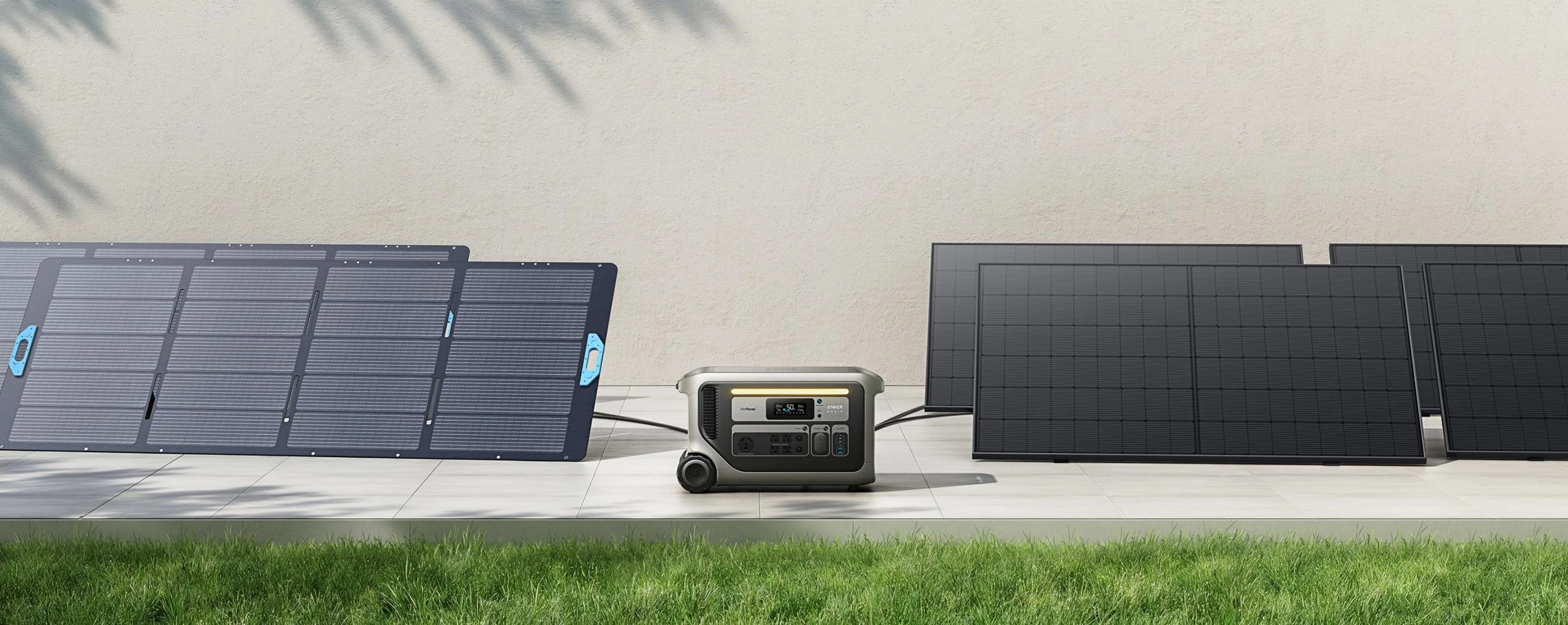
How to Extend Portable Power Station Runtime?

Extending portable power station runtime starts with using less energy, matching loads to battery capacity, and preparing reliable ways to recharge. Many users focus only on battery size, but actual backup time depends just as much on what you power, how you charge, and how efficiently the station operates between sessions. Small adjustments, such as turning off idle AC output, avoiding unnecessary devices, and planning solar or wall charging in advance, can add meaningful hours of use. With the right habits, you can get longer backup time without changing your core equipment at all.
6a6c0b955b9ae.webp

Reduce Energy Consumption to Maximize Runtime

Prioritize Essential Devices and Avoid Unnecessary Loads

The fastest way to extend runtime is to decide which devices truly matter. Start with essentials such as phones, lights, routers, medical equipment, or a small refrigerator, then disconnect comfort items that add steady drain without much value. High-wattage appliances, space heaters, and large cooking devices can empty a battery far faster than expected. It also helps to avoid plugging in chargers or electronics that remain in standby mode, because small phantom loads add up over several hours. Create a simple priority list before an outage or trip so you know what stays on first. That approach prevents waste and preserves power for the devices you actually need most.

Use Energy-Efficient Charging Methods and Settings

Charging devices efficiently can preserve more stored energy for longer use. Whenever possible, charge phones, tablets, cameras, and similar electronics through DC or USB outputs instead of running the inverter for small loads, since AC conversion introduces losses. Lower screen brightness, enable battery saver modes, and charge devices before they drop to critically low levels, because deep recharging multiple items at once increases demand. If your power station offers app-based monitoring, use it to spot inefficient usage patterns and adjust output settings in real time. The Anker app for the Anker SOLIX F3800 Plus Portable Power Station helps track charging, usage, and battery status, making it easier to reduce waste.

Optimize Portable Power Station Usage for Longer Backup Time

Understand Battery Capacity and Device Power Demands

Longer backup time begins with knowing how much energy your station stores and how quickly your devices consume it. Battery capacity is usually measured in watt-hours, while device demand is measured in watts. Divide usable watt-hours by the total running wattage to estimate runtime, then reduce that figure slightly to account for conversion losses. A 100-watt load will run far longer than a 1,000-watt appliance, even on the same unit. Check both running wattage and startup surges, especially for refrigerators, pumps, and tools. When you understand these numbers, you can rotate loads, avoid overloads, and make smarter decisions about what to power continuously versus only when needed.

Manage AC Output, Charging Cycles, and Standby Consumption

Portable power stations often lose energy through unnecessary inverter use, repeated partial charging habits, and standby draw from connected equipment. Turn on AC output only when you need to power AC devices, then switch it off afterward to reduce idle consumption. Unplug adapters, chargers, and appliances that continue drawing power even when they seem inactive. Try to group charging sessions instead of cycling the battery for many small, scattered tasks throughout the day. Fewer unnecessary cycles can support better long-term battery performance. It also helps to monitor output patterns regularly so you can catch waste early. Small operational changes like these often deliver noticeable runtime gains without changing battery size or usage goals.

6a6c0ba2642e7.webp

Improve Runtime Through Better Preparation and Maintenance

Plan Recharging Options Before Extended Use

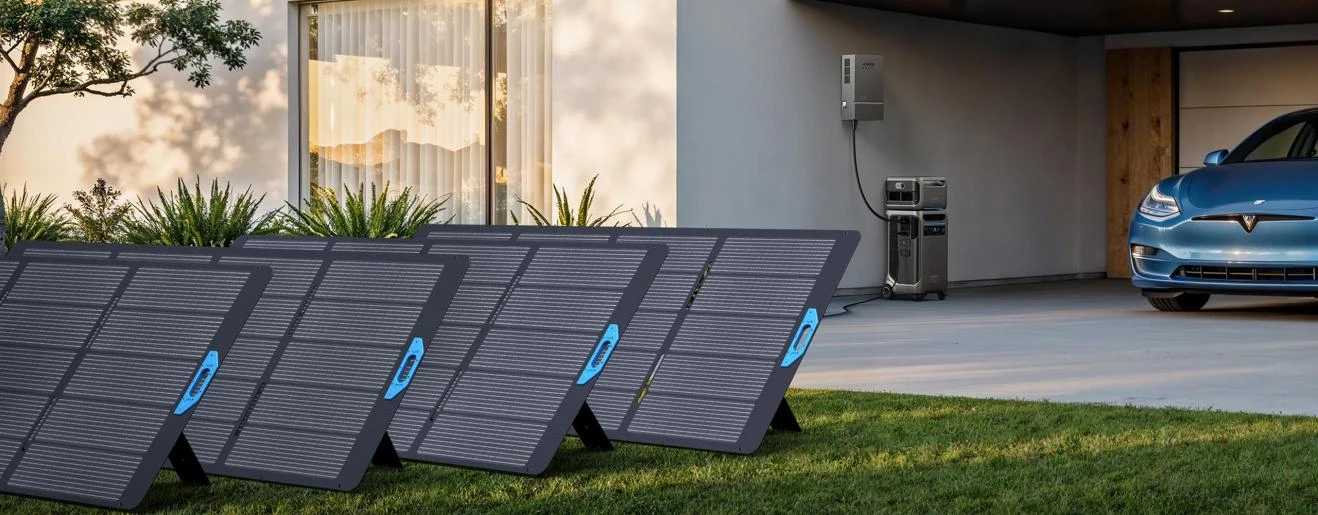
Preparation matters as much as conservation when you need longer runtime. Before camping, road travel, or outage season, map out how and when you can recharge. Wall charging is often the fastest reset between uses, while solar can sustain longer off-grid operation if conditions are good. The Anker SOLIX F3800 Plus Portable Power Station supports up to 3,200W solar input with dual MPPT across an 11-165V range, allowing a full recharge in under 2 hours in optimal sunlight. It is also compatible with 240V AC wall outlets for faster recharging and 240V pure sine gas generators for extended outages, with 6,000W bypass support. Redundant charging options greatly improve uptime.

Store and Maintain the Power Station Properly

Good maintenance helps your power station deliver reliable runtime over the long term. Store it in a cool, dry place away from direct heat, freezing conditions, and excessive humidity, because temperature stress can reduce battery performance. If you will not use it for a while, keep the battery at a moderate state of charge rather than fully empty or permanently topped off. Check the unit periodically, recharge it as recommended, and inspect cables, ports, and ventilation openings for dust or damage. Keep firmware updated when applicable so charging behavior and system monitoring remain accurate. Consistent care protects battery health, supports stable output, and helps preserve expected backup time when you need it.

Conclusion

To extend portable power station runtime, focus on three things: reduce unnecessary consumption, use the station more efficiently, and prepare dependable recharging options. Prioritizing essential devices, limiting AC inverter use, and understanding watt-hour versus watt demand can quickly stretch available power. Better habits, such as avoiding standby losses and maintaining proper storage conditions, also support stronger long-term performance. When you pair smart daily operation with advance planning for wall, solar, or generator charging, your power station becomes far more dependable. Runtime is not only about battery size. It is the result of informed power management before, during, and after each use.

Daily writing prompt
Who is the fictional character you relate to the most?

How Does Weather Affect Solar Generator Performance?

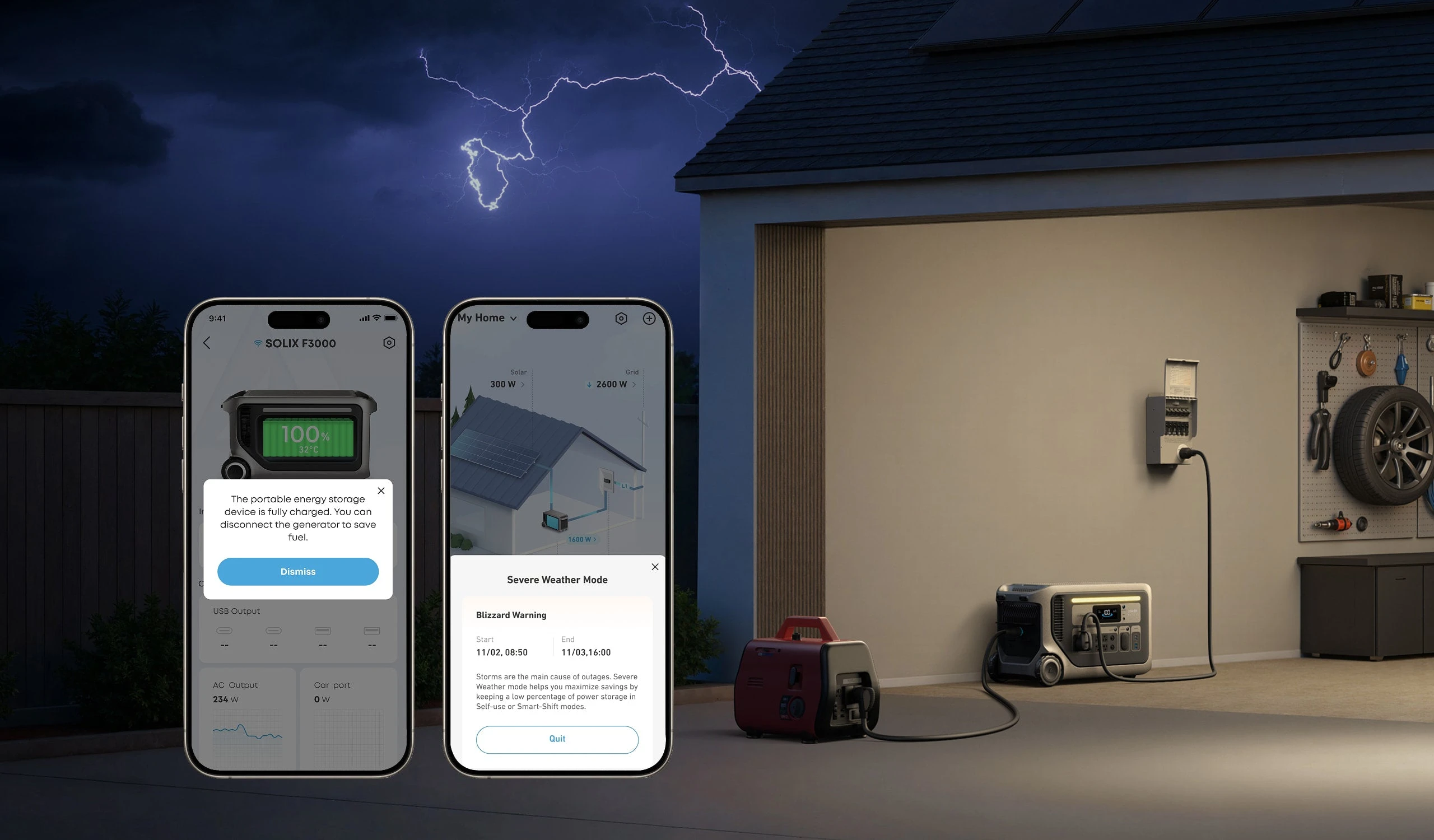
Weather directly affects how well a solar generator charges, how much power it can deliver, and how reliably it supports your devices. Sunlight intensity, cloud cover, temperature, rain, dust, and seasonal daylight hours all influence solar panel output and battery performance. Bright, consistent sun produces the fastest charging, while overcast skies and short winter days reduce energy collection. Heat can also lower panel efficiency even when conditions look ideal. Understanding these effects helps you plan charging times, manage stored power, and protect equipment outdoors. With the right setup and habits, you can keep a solar generator performing more consistently through changing weather conditions year-round.

6a6c0b38a5383.webp

How Different Weather Conditions Influence Solar Charging Performance?

Sunlight, Cloud Cover, and Changes in Energy Generation

Sunlight is the main driver of solar charging performance. When panels receive direct, unobstructed sun, they generate the most electricity and charge a solar generator much faster. Cloud cover reduces irradiance, which lowers output, sometimes moderately under thin clouds and much more during dense overcast conditions. Early morning, late afternoon, shade, and low winter sun angles also cut production because panels receive weaker or less direct light. Seasonal differences matter too, since longer summer days provide more charging time than shorter winter days. A system such as the Anker SOLIX F3000 supports up to 2,400W solar input and can fully charge in under 2 hours with optimal sunlight.

Temperature, Rain, and Environmental Factors That Affect Output

Temperature has a more complex effect than many people expect. Solar panels need sunlight, but excessive heat can reduce their electrical efficiency, so output may dip on very hot days even under clear skies. Batteries are also sensitive to temperature extremes, with cold weather often slowing charging and reducing available capacity temporarily. Rain lowers charging by blocking strong sunlight, though light rain can help wash dust and pollen from panel surfaces. Humidity, haze, smoke, and airborne debris can also limit the amount of light reaching the cells. Wind may cool hot panels and slightly improve performance, while accumulated dirt, snow, or leaves can physically block sunlight and reduce output.

Ways to Maintain Reliable Solar Generator Performance in Changing Weather

Optimizing Solar Panel Placement and Charging Conditions

Good panel placement helps offset changing weather and improves charging consistency. Position panels where they receive the longest period of direct sunlight and avoid shade from trees, vehicles, tents, or rooflines, even for part of the day. Adjust the tilt angle to match the sun’s seasonal path so more light hits the panel surface directly. If possible, reposition portable panels as the sun moves rather than leaving them flat. Keep panels clean, since dust, pollen, and bird droppings reduce light absorption. During hot weather, allow airflow beneath the panels to limit heat buildup. In variable conditions, start charging early so you capture available sunlight before clouds or storms arrive.

Managing Battery Use During Limited Solar Availability

When sunlight is limited, smart battery management becomes just as important as charging conditions. Prioritize essential loads first, such as phones, medical devices, lights, or communication equipment, and delay high-wattage appliances until solar input improves. Track battery percentage regularly so you can adjust usage before levels become critical. Charging devices during peak sun hours helps reduce strain on stored energy. If your solar generator supports multiple charging methods, recharge from wall power before a storm or extended cloudy period when possible. Lowering unnecessary standby consumption also extends runtime. By matching energy use to expected weather and available input, you can maintain more stable power through cloudy, rainy, or short winter days.

6a6c0b43b3e93.webp

Preparing Solar Generators for Outdoor and Seasonal Conditions

Protecting Equipment From Weather Exposure and Storage Issues

Outdoor use requires protecting both the generator and the solar panels from direct weather exposure. Keep the power station on a dry, stable surface and avoid placing it in standing water, mud, or heavy rain unless the unit and connections are specifically protected. Use covered areas or weather-aware placement that still allows safe cable routing to the panels. After wet, dusty, or sandy conditions, wipe down panels and inspect ports, connectors, and cables for buildup or corrosion. For seasonal storage, keep the unit in a cool, dry place and maintain a partial charge level according to the manufacturer’s guidance. Proper storage helps preserve battery health and ensures dependable performance when needed again.

Planning Energy Needs Around Local Weather Patterns

Reliable solar generator use improves when you plan around the weather patterns common in your area. In sunny regions, you can often schedule charging during predictable midday peaks and rely more heavily on solar input. In places with frequent cloud cover, storms, or long winters, build in extra charging time and maintain a larger energy reserve. Check forecasts before camping trips, outdoor work, or backup power use at home so you know when to charge fully in advance. Estimate daily energy needs realistically and include a buffer for reduced output during poor conditions. Matching your power plan to local climate helps prevent shortfalls and makes solar energy more dependable throughout the year.

Conclusion

Weather affects solar generator performance in clear, practical ways. Strong direct sun delivers the fastest charging, while clouds, shade, short days, dirt, and precipitation reduce energy generation. High heat can lower panel efficiency, and cold temperatures can affect battery behavior. The best results come from combining good panel placement, routine cleaning, careful battery management, and weather-aware planning. Protecting equipment from exposure and storing it correctly also supports long-term reliability. If you understand how local conditions influence charging and output, you can use a solar generator more effectively and maintain dependable power for travel, outdoor work, emergency backup, and everyday off-grid needs.

Daily writing prompt
Who is the fictional character you relate to the most?

The Battery Math Behind Going Off-Grid

Ask ten installers how many batteries a house needs and you’ll get ten answers, because the honest reply is “it depends.” What it depends on is easier to pin down than most people expect: how much electricity the home burns through, how many sunless days it has to carry on its own, and whether it’s cutting the cord for good or just building a cushion against outages. The average American home runs through roughly 29 kilowatt-hours a day, according to the U.S. Energy Information Administration — and that one number is where every sizing decision begins.

Two different problems, two different answers

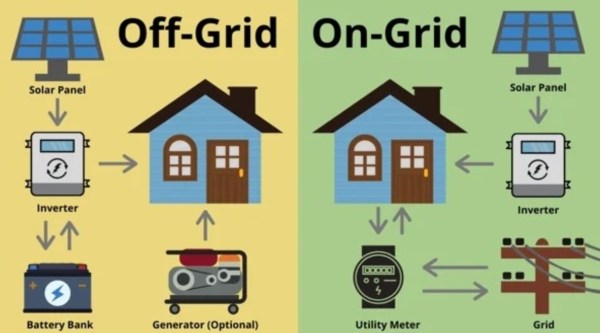
Going off-grid means no utility connection at all. The battery bank, paired with solar, has to supply every kilowatt-hour the household uses, in February as well as July, through whatever stretch of bad weather shows up. A home microgrid, by contrast, is a self-contained system that can run on its own but stays tied to the utility — islanding during an outage, then leaning on the grid the rest of the time.

That distinction drives the battery count more than any spec sheet. An off-grid bank has to survive the worst week of the year; a microgrid only has to bridge the gaps. The same house can need four times the storage under the first scenario as under the second, which is why modular battery systems that stack as needs grow tend to suit both jobs — owners add capacity to match the goal instead of guessing up front.

The one formula that does the work

Battery sizing comes down to a single line: daily use × days of autonomy ÷ depth of discharge = the capacity to install.

“Days of autonomy” is how long the batteries can power the home with zero solar coming in — most off-grid designers plan for two to three. “Depth of discharge” is the share of a battery’s rated capacity that’s safe to actually use; lithium iron phosphate (LFP) chemistry handles around 90 percent, where older lead-acid tops out near half.

Autonomy days exist because sunshine isn’t steady. Production-modeling data from the National Renewable Energy Laboratory shows how sharply solar output can fall between a clear summer afternoon and a gray winter week — the reason an off-grid system has to bank far more than a single day’s worth.

What the numbers look like for a real house

Run the 29-kilowatt-hour home through both scenarios.

SetupWhat it coversCapacity to installApprox. modules
Fully off-gridWhole home, ~3 days~97 kWh10–12
Grid-tied microgridCritical loads, ~1 day~13 kWh2–3

Off the grid, three days of full coverage works out to about 97 kWh of installed capacity. With 9-kWh LFP modules — the BAT 9.0 packs in a SigenStor build, for instance — that comes to roughly eleven of them, or two stacks, since a single stack tops out near 54 kWh.

A microgrid is a different story. Most homeowners back up only what matters during an outage: the refrigerator, lights, internet, a well pump, maybe a furnace blower. That’s a fraction of the daily total, so two or three modules on a single stack usually cover it. A unit like the Sigen LoadHub decides which circuits stay live and switches over in milliseconds, so the household barely notices the cutover.

The takeaway is simple: there’s no universal battery count, only the right one for a clearly defined goal. Pinning down daily use and autonomy days first — then choosing solar battery storage sized to match — avoids both the cold, dark mornings of an undersized bank and the wasted money of an oversized one. For anyone weighing the two paths, modeling the load before any hardware gets ordered is the step that pays off most.

Daily writing prompt
Who is your favorite blogger to follow?

Green Prosperity Amidst Water Damage Challenges

Where there is damage, there is always a way to repair and rejuvenate. This rationale is especially important today as people face unprecedented challenges in climate and environment. It is time to discuss a pressing topic – how your efforts towards green prosperity can help tackle water damage challenges and mold a sustainable path forward.

Defining Green Prosperity

The term “green prosperity” may seem abstract or esoteric at first glance, but it encapsulates an essential idea. It refers to the conjunction of environmental preservation with healthy economic growth. As people’s understanding of the lasting impacts of industrial expansion has matured, so too has the realization that economic success doesn’t have to come at nature’s expense.

In fact, green prosperity suggests that true, sustainable growth occurs when industries are aligned with the principles of conservation and restoration. It lays down an intersection between advanced social performance and environment-friendly practices. Challenges like water damages are precisely where green prosperity’s approach can make a significant difference.

Photo by Rachel Claire on Pexels.com

Dwelling on Water Damage

Water damage is one of the most prevalent issues everyone faces today. Unexpected events like flash floods due to irregular weather patterns or leakages resulting from failing infrastructure can lead to significant water damage. This damage not just affects property values but also poses serious threats to human health, considering it creates a breeding ground for microorganisms like mold and mildew.

Aside from this, long-term water logging can also affect structural integrity of buildings, tarnish wooden furnishings and corrode metals. Thus, while it may seem like a localized issue, water damage truly needs a global approach for successful mitigation.

Green Recovery Strategies

To leverage green prosperity principles in addressing water damage, people need green recovery strategies. These are all about minimizing environmental impact while ensuring effective recuperation from water damage. Also, these strategies promote sustainable practices and energy conservation. This has led many to navigate to the Water Damage Specialist for green restoration practices.

For instance, rather than discarding water-damaged items straight away, the green recovery approach would focus on thorough cleaning, decontamination and restoration. This method cuts down waste, reduces the need for replacement production, and ultimately contributes to a greener economy.

Incorporating Water Efficiency

Water efficiency plays an important role in the quest for green prosperity amidst water damage challenges. By adopting more water-efficient practices like rainwater harvesting, greywater recycling etc., you can minimize the risk of future water damages due to shortages or excess supply. Efficient use of water also leads to other environmental benefits like lessening energy required to treat and distribute water.

From installing efficient plumbing fixtures in homes and commercial spaces to changing agricultural irrigation practices – every drop saved contributes towards a more resilient future.

Collaborative Approaches Involved

The journey towards green prosperity through effective water damage control demands collaboration; be it between citizens and authorities, between different industries or even between countries. Working collectively enables shared learning, pooled resources and yields resilient solutions that are applicable at different scales.

Collaborative initiatives like community-level alarm systems for early flood warnings or joint investments into improved infrastructure can make a world of difference. Look out for opportunities where you can participate in these collaborative approaches.

Nature-Based Solutions Role

Finally, explore the role of nature-based solutions in this mission. These are strategies that focus on the natural ecosystem’s ability to tackle environmental challenges. For instance, restoring wetlands can be seen as a nature-based solution as it boosts water absorption capacity hence reducing flood damage.

Effective implementation of these solutions requires community-wide awareness and participation. Remember – aligning your actions with nature’s wisdom is central to achieving green prosperity and addressing water damage challenges sustainably.

Flood Resilience Planning

To preempt water-related damages, strategic and comprehensive flood resilience planning becomes indispensable. This involves recognizing prone-to-damage areas, devising emergency response strategies, and preparing contingency relief plans. It’s essential to understand that such planning not only encompasses built infrastructure but also natural ecology.

As individuals, it is crucial that people actively participate in community-led resilience initiatives, educate themselves about local flood risks, and be well-versed with evacuation plans. Implementing resilience practices at household-level such as rain gardens or permeable pavings can also significantly contribute towards larger goals.

Exploring the Water Damage Specialist

Fighting water damages at scale requires experienced professionals. The experts on this website are trained in assessing the extent of damage, identifying potential risks and implementing effective, eco-friendly recovery tactics. They employ advanced tools and proven methodologies that ensure comprehensive recuperation while minimizing environmental footprints.

While their expertise is irreplaceable, you can contribute by being proactive about addressing any signs of water damage promptly and opting for firms that prioritize green methods.

Economic Impact Analysis

An economic impact analysis takes into account the direct and indirect consequences of water damage on a region’s economy. This includes both short-term impacts like job losses or interrupted supply chains, and long-term ones like reduced property values or tourism. Understanding these helps formulate informed mitigation strategies and invest wisely in prevention measures.

As advocates for green prosperity, people must demand transparent economic impact analyses for water events in different regions. Utilize the findings to lobby for pertinent policy adjustments or effective resource allocation.

Climate Advocacy Efforts

While individual efforts are important, the scale of water damage challenge requires collective action – climate advocacy serves as an effective tool here. Advocating for stronger regulations against activities harming water bodies, pressing for transparency about companies’ water footprints, advocating government investment in sustainable alternatives – are all parts of the struggle.

Remember that every voice matters – use yours assertively to bring about transformational changes needed for achieving green prosperity.

Clean Energy In Recovery

Instead of conventional energy sources that leave a lasting imprint on the environment, opting for clean energy can be an effective method in recovery efforts from water damage. This implies using solar-powered dehumidifiers, wind-powered pumps or bio-energy sourced heating systems in the restoration process.

Choosing such options ensures that the path towards recovery doesn’t contradict the pursuit of green prosperity.

Sustainable Community Involvement

A collective approach is key to tackling water damage on a macro scale. Encouraging sustainable practices within local communities can go a long way in preventing future occurrences of such damages. These may include organizing tree-planting drives, encouraging rainwater harvesting, or advocating for waste management reforms.

Such community actions not only favors immediate mitigation of current issues but also promotes long-term conservation goals for broader green prosperity.

Policies Shaping Actions

Policies have a significant influence on how individuals and organizations react to and prepare for events like water damages. Effective regulations encouraging sustainability, resilience building and resource conservation can shape actions at all levels – from household habits to industry operations.

Educate yourself about existing policies, lobby for necessary ones and ensure compliance at your personal and professional levels to make sure policy influence is maximized towards achieving green prosperity.

To Summarize

The journey towards green prosperity amidst continual threats like water damage may seem daunting, yet the collective perseverance holds the power to overcome these challenges. By adopting resilient strategies, encouraging sustainable practices, advocating for effective policies, and harnessing technological and natural solutions, you can indeed transcend these trials.

Remember, each one of us has an essential role to play in this journey – commit to your part and help build a sustainable and prosperous future. The green prosperity amidst water damage challenges is not just about survival, but it is a path towards thriving with nature.

Innovative Research on Emergency Electrical Services

Welcome to a world where technology undeniably rules every sphere, including emergency electrical services. Imagine having no power in the middle of the night, and as you pick your phone to call your local technician, who arrives promptly to resolve the issue. This article unwraps the transformative journey of emergency electrical services and glimpses into what the future holds.

Photo by Pixabay on Pexels.com

Defining Emergency Electrical Services

When you take a moment to think about it, it’s surprising how much people depend on electricity. Even a short outage becomes a crisis. As such, you need to first understand what these crucial services entail.

Emergency electrical services are professional assistance provided to correct sudden electrical failures at any time of day or night. They include repair and replacement of faulty wiring, panels, outlets and other issues that pose risk to properties and lives.

These services stand out because of their instant availability and prompt response. Now that you know what they are, dig into who delivers them.

The Local Electrician’s Role

You’re probably familiar with seeing The Local Electrician around your community doing routine check-ups or repairs. For years, local electricians have played an essential role in providing emergency services to residential and commercial entities.

Their responsibilities stretch beyond restoring power during outages; they also ensure safety by detecting potential hazards linked to faulty circuits. It is their skills and expertise that prevent risks like electrical fires.

Now, with technological advancements at play, their roles are evolving for better service delivery.

Evolution of Emergency Electrical Services

The lights go off unexpectedly! What would’ve been frustration turns into comfort knowing the help you need is just a call away. But then, was it always like this? No. Over the decades, emergency electrical services have evolved in significant ways.

Years ago, waiting for an electrician to show up could take forever leaving residents to manage with oil lamps.

Today, faster response times and 24-hour availability are now among standard provisions of these services due to technological advancements. Now further discuss how technology is impacting service delivery.

Contemporaneous Techniques in Service

As emergency electrical services continue evolving, so do the techniques used by electricians. For example, current approaches employ innovative technologies that can establish predictive analysis using AI models.

Through these predictive models, it’s possible for electrical systems anomalies to be detected and addressed before causing serious problems.

This kind of preemptive action helps prevent potential electrical emergencies—a significant leap towards service improvement.

Innovations in Equipment Handling

We must appreciate the role of innovation in this field. With improved equipment handling procedures also comes advanced safety measures for electricians on duty.

Leveraging innovative tools and following stringent handling processes can notably reduce the number of work-related accidents.

From accurate testers to reliable power drills and insulated hand tools, all these enhance their efficiency while maintaining higher safety standards during operations.

Advancements in Quick Response Solutions

In great part thanks to technological advancements, today’s service providers are equipped with efficient communication channels. These facilitate real-time updates and smart routing reducing response times even more importantly during emergencies.

In addition, modern GPS tracking systems allow prompt location of affected areas which guide electricians swiftly towards their destination.

The benefits don’t end here; the endless possibilities of potential innovations hold a promising future for emergency electrical services.

Revamping Traditional Service Protocols

The methodologies employed by electricians to resolve power emergencies have witnessed substantial transitions. Traditional ways of service implementation were time-consuming and sometimes unsafe. Today, this sector is moving beyond the conventional utility provider-customer framework, focusing on individualized, solution-oriented service.

Streamlined coordination between dispatch teams and service technicians, along with data-driven solutions for call logging and third-party collaborations, has become commonplace in protocol revamp. On-site safety procedures are stringently enforced in this new model.

The concept of digital natives or early adopters became a defining factor for improved, seamless operations in the field of emergency electrical services.

Role of Technology in Service Delivery

Technology plays an increasingly significant role in emergency electrical service delivery enhancement. Embedding technology within the usual practice offers a competitive edge to the providers. Real-time analytics and Internet of Things based remote inspection are major game-changers.

By leveraging embedded systems technology, preventive maintenance can be provided, thus reducing unscheduled downtime due to abrupt appliance failures. Choice-based power supply customization has become feasible due to technological integration in services.

Moreover, remote client engagement technology helps better understand customer requirements and build trust through transparency.

Futuristic Trends in Emergency Services

The future holds immense possibilities for this sector. The prospect of smart energy systems is rapidly emerging as a trendsetter transforming the landscape of emergency electrical services. Furthermore, next-generation asset performance management looks promising.

We may witness the incorporation of drones and robots for assessment and emergency responses on larger industrial scales. This can minimize human involvement and potentially risk-prone situations.

Artificial Intelligence incorporated autonomous vehicles could be deployed for interactive solutions decreasing response time substantially.

Vital Safety Measures Integrated

The integration of vital safety measures into emergency electrical services has also witnessed substantial improvement. Electrical Safety Management Systems (ESMS) has emerged as a critical tool for proactive safety management.

Safety-focused training and competency development have been given importance, thanks to innovative eLearning platforms. The implementation of Protective and Control Relays (PCR) and Advanced Distribution Management Systems (ADMS) are major steps towards injury prevention.

This new model ensures optimal coordination between various facets of the operation, which, in turn, bolster safety levels significantly.

Digitalization Impact on Services

Expanding digitalization has brought about sweeping changes in the delivery of these services. From online booking of services to digital payment options and invoicing, it provides customers with convenience while ensuring efficiency for service providers.

Advanced CAD systems are now used for designing electrical systems and digitally simulating them before installation, definitely a game-changer!

The importance cannot be overstated; digital twin and virtual reality training enhance service quality and safety to an exponential level!

Skill Specialization in Electricians

The evolving needs of the emergency electrical services sector call for more skill specialization among electricians. Apart from the basic skills required, technicians today also need to master a different set of competencies related to updated technologies.

Certification courses are now focusing on specialized areas like advanced circuitry studies or responsive problem-solving with intelligent devices.

This website has tech-savvy electricians who possess extensive knowledge in smart grids. AI-enabled diagnosis tools are leading the way forward in this digital age.

The Critical Role of Regulations

As emergency electrical services continue to advance through technology innovations, appropriate regulations play a pivotal role in guiding this progress. Well-defined rules ensure improved safety, quality assurance, accountability, and customer protection.

Key areas that necessitate robust regulations include service provider registration, standard pricing, response time metrics, safety protocols, training and certification criteria. Guidelines for ethical practices must also be instituted considering the vulnerability of customers during emergency situations.

Additionally, policies around sustainable technology adoption can promote positive environmental impact without compromising service delivery. Compliance requirements and periodical audits would further bolster adherence while identifying areas needing reinforcement.

Gleaning Conclusions

The changing face of emergency electrical services is powered by robust technological advancements. A collaborative effort between innovation, safety, customer-centric service, and the courage to evolve places this sector at the threshold of a revolutionary transformation. The road ahead embraces the incredible potential of AI, analytics, IoT and smart technology. This journey is just beginning!