How to Extend Portable Power Station Runtime?

Extending portable power station runtime starts with using less energy, matching loads to battery capacity, and preparing reliable ways to recharge. Many users focus only on battery size, but actual backup time depends just as much on what you power, how you charge, and how efficiently the station operates between sessions. Small adjustments, such as turning off idle AC output, avoiding unnecessary devices, and planning solar or wall charging in advance, can add meaningful hours of use. With the right habits, you can get longer backup time without changing your core equipment at all.
6a6c0b955b9ae.webp

Reduce Energy Consumption to Maximize Runtime

Prioritize Essential Devices and Avoid Unnecessary Loads

The fastest way to extend runtime is to decide which devices truly matter. Start with essentials such as phones, lights, routers, medical equipment, or a small refrigerator, then disconnect comfort items that add steady drain without much value. High-wattage appliances, space heaters, and large cooking devices can empty a battery far faster than expected. It also helps to avoid plugging in chargers or electronics that remain in standby mode, because small phantom loads add up over several hours. Create a simple priority list before an outage or trip so you know what stays on first. That approach prevents waste and preserves power for the devices you actually need most.

Use Energy-Efficient Charging Methods and Settings

Charging devices efficiently can preserve more stored energy for longer use. Whenever possible, charge phones, tablets, cameras, and similar electronics through DC or USB outputs instead of running the inverter for small loads, since AC conversion introduces losses. Lower screen brightness, enable battery saver modes, and charge devices before they drop to critically low levels, because deep recharging multiple items at once increases demand. If your power station offers app-based monitoring, use it to spot inefficient usage patterns and adjust output settings in real time. The Anker app for the Anker SOLIX F3800 Plus Portable Power Station helps track charging, usage, and battery status, making it easier to reduce waste.

Optimize Portable Power Station Usage for Longer Backup Time

Understand Battery Capacity and Device Power Demands

Longer backup time begins with knowing how much energy your station stores and how quickly your devices consume it. Battery capacity is usually measured in watt-hours, while device demand is measured in watts. Divide usable watt-hours by the total running wattage to estimate runtime, then reduce that figure slightly to account for conversion losses. A 100-watt load will run far longer than a 1,000-watt appliance, even on the same unit. Check both running wattage and startup surges, especially for refrigerators, pumps, and tools. When you understand these numbers, you can rotate loads, avoid overloads, and make smarter decisions about what to power continuously versus only when needed.

Manage AC Output, Charging Cycles, and Standby Consumption

Portable power stations often lose energy through unnecessary inverter use, repeated partial charging habits, and standby draw from connected equipment. Turn on AC output only when you need to power AC devices, then switch it off afterward to reduce idle consumption. Unplug adapters, chargers, and appliances that continue drawing power even when they seem inactive. Try to group charging sessions instead of cycling the battery for many small, scattered tasks throughout the day. Fewer unnecessary cycles can support better long-term battery performance. It also helps to monitor output patterns regularly so you can catch waste early. Small operational changes like these often deliver noticeable runtime gains without changing battery size or usage goals.
6a6c0ba2642e7.webp

Improve Runtime Through Better Preparation and Maintenance

Plan Recharging Options Before Extended Use

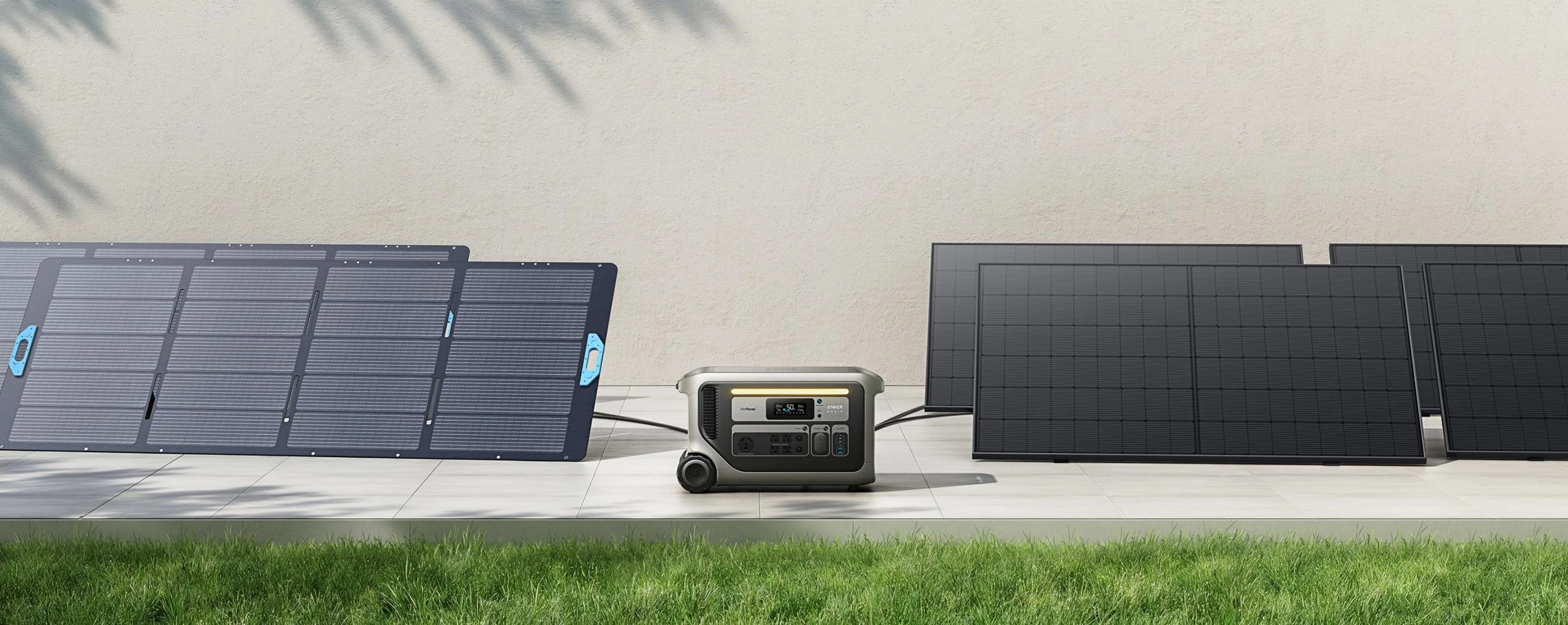
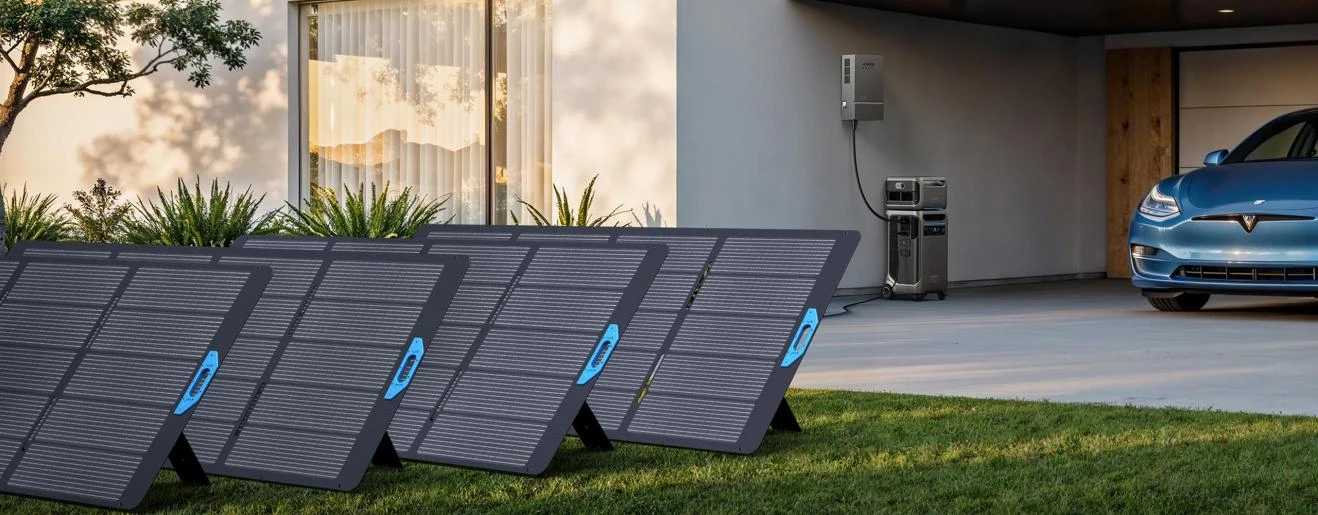
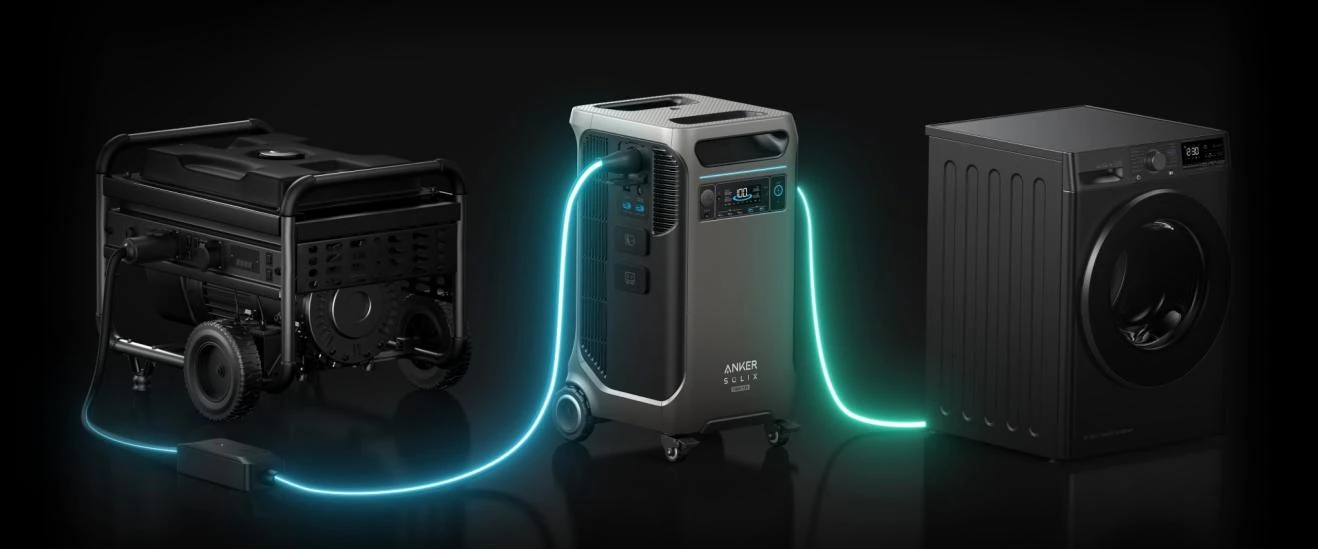
Preparation matters as much as conservation when you need longer runtime. Before camping, road travel, or outage season, map out how and when you can recharge. Wall charging is often the fastest reset between uses, while solar can sustain longer off-grid operation if conditions are good. The Anker SOLIX F3800 Plus Portable Power Station supports up to 3,200W solar input with dual MPPT across an 11-165V range, allowing a full recharge in under 2 hours in optimal sunlight. It is also compatible with 240V AC wall outlets for faster recharging and 240V pure sine gas generators for extended outages, with 6,000W bypass support. Redundant charging options greatly improve uptime.

Store and Maintain the Power Station Properly

Good maintenance helps your power station deliver reliable runtime over the long term. Store it in a cool, dry place away from direct heat, freezing conditions, and excessive humidity, because temperature stress can reduce battery performance. If you will not use it for a while, keep the battery at a moderate state of charge rather than fully empty or permanently topped off. Check the unit periodically, recharge it as recommended, and inspect cables, ports, and ventilation openings for dust or damage. Keep firmware updated when applicable so charging behavior and system monitoring remain accurate. Consistent care protects battery health, supports stable output, and helps preserve expected backup time when you need it.

Conclusion

To extend portable power station runtime, focus on three things: reduce unnecessary consumption, use the station more efficiently, and prepare dependable recharging options. Prioritizing essential devices, limiting AC inverter use, and understanding watt-hour versus watt demand can quickly stretch available power. Better habits, such as avoiding standby losses and maintaining proper storage conditions, also support stronger long-term performance. When you pair smart daily operation with advance planning for wall, solar, or generator charging, your power station becomes far more dependable. Runtime is not only about battery size. It is the result of informed power management before, during, and after each use.

Daily writing prompt
Who is the fictional character you relate to the most?

How Does Weather Affect Solar Generator Performance?

Weather directly affects how well a solar generator charges, how much power it can deliver, and how reliably it supports your devices. Sunlight intensity, cloud cover, temperature, rain, dust, and seasonal daylight hours all influence solar panel output and battery performance. Bright, consistent sun produces the fastest charging, while overcast skies and short winter days reduce energy collection. Heat can also lower panel efficiency even when conditions look ideal. Understanding these effects helps you plan charging times, manage stored power, and protect equipment outdoors. With the right setup and habits, you can keep a solar generator performing more consistently through changing weather conditions year-round.

6a6c0b38a5383.webp

How Different Weather Conditions Influence Solar Charging Performance?

Sunlight, Cloud Cover, and Changes in Energy Generation

Sunlight is the main driver of solar charging performance. When panels receive direct, unobstructed sun, they generate the most electricity and charge a solar generator much faster. Cloud cover reduces irradiance, which lowers output, sometimes moderately under thin clouds and much more during dense overcast conditions. Early morning, late afternoon, shade, and low winter sun angles also cut production because panels receive weaker or less direct light. Seasonal differences matter too, since longer summer days provide more charging time than shorter winter days. A system such as the Anker SOLIX F3000 supports up to 2,400W solar input and can fully charge in under 2 hours with optimal sunlight.

Temperature, Rain, and Environmental Factors That Affect Output

Temperature has a more complex effect than many people expect. Solar panels need sunlight, but excessive heat can reduce their electrical efficiency, so output may dip on very hot days even under clear skies. Batteries are also sensitive to temperature extremes, with cold weather often slowing charging and reducing available capacity temporarily. Rain lowers charging by blocking strong sunlight, though light rain can help wash dust and pollen from panel surfaces. Humidity, haze, smoke, and airborne debris can also limit the amount of light reaching the cells. Wind may cool hot panels and slightly improve performance, while accumulated dirt, snow, or leaves can physically block sunlight and reduce output.

Ways to Maintain Reliable Solar Generator Performance in Changing Weather

Optimizing Solar Panel Placement and Charging Conditions

Good panel placement helps offset changing weather and improves charging consistency. Position panels where they receive the longest period of direct sunlight and avoid shade from trees, vehicles, tents, or rooflines, even for part of the day. Adjust the tilt angle to match the sun’s seasonal path so more light hits the panel surface directly. If possible, reposition portable panels as the sun moves rather than leaving them flat. Keep panels clean, since dust, pollen, and bird droppings reduce light absorption. During hot weather, allow airflow beneath the panels to limit heat buildup. In variable conditions, start charging early so you capture available sunlight before clouds or storms arrive.

Managing Battery Use During Limited Solar Availability

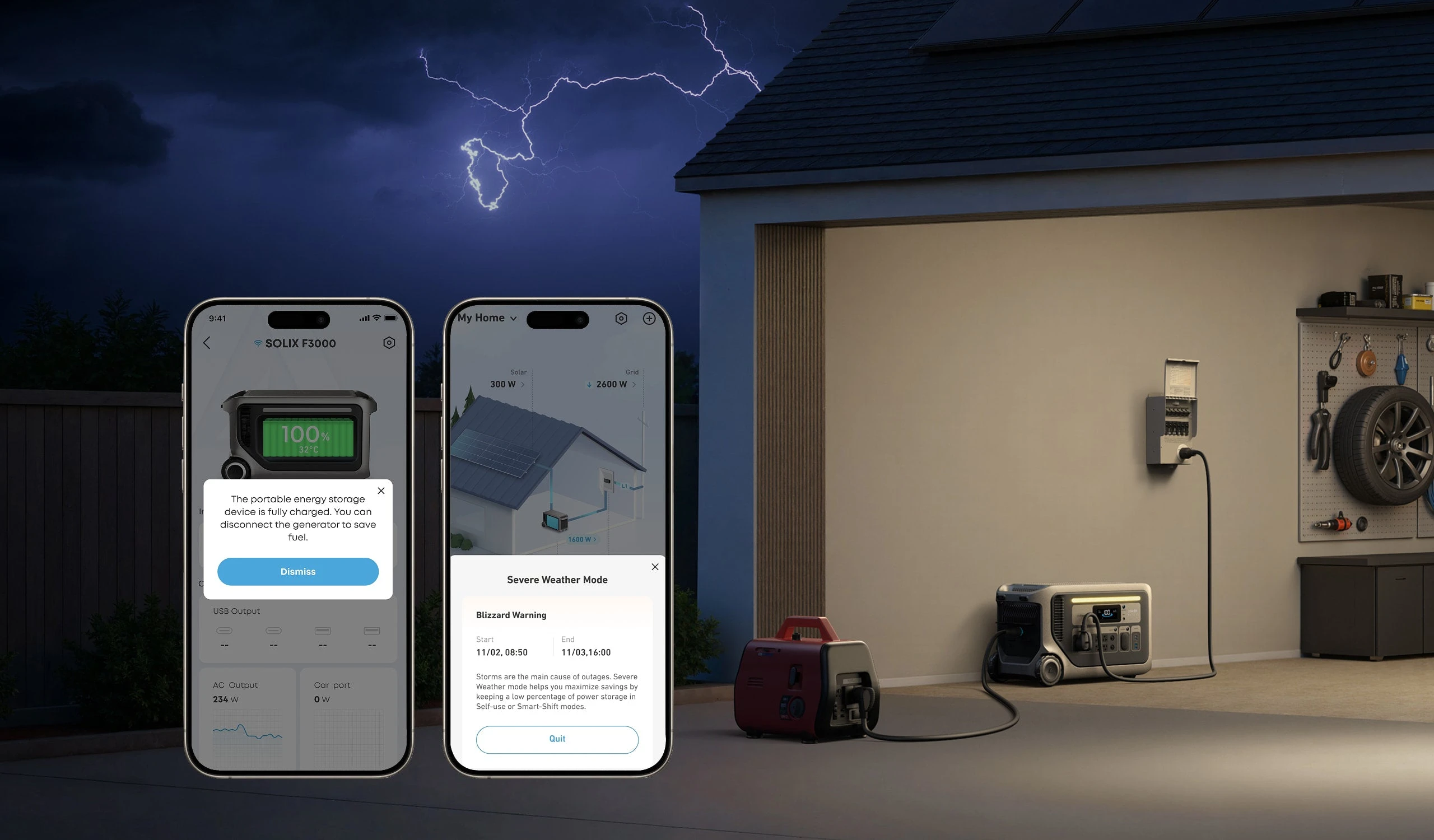
When sunlight is limited, smart battery management becomes just as important as charging conditions. Prioritize essential loads first, such as phones, medical devices, lights, or communication equipment, and delay high-wattage appliances until solar input improves. Track battery percentage regularly so you can adjust usage before levels become critical. Charging devices during peak sun hours helps reduce strain on stored energy. If your solar generator supports multiple charging methods, recharge from wall power before a storm or extended cloudy period when possible. Lowering unnecessary standby consumption also extends runtime. By matching energy use to expected weather and available input, you can maintain more stable power through cloudy, rainy, or short winter days.

6a6c0b43b3e93.webp

Preparing Solar Generators for Outdoor and Seasonal Conditions

Protecting Equipment From Weather Exposure and Storage Issues

Outdoor use requires protecting both the generator and the solar panels from direct weather exposure. Keep the power station on a dry, stable surface and avoid placing it in standing water, mud, or heavy rain unless the unit and connections are specifically protected. Use covered areas or weather-aware placement that still allows safe cable routing to the panels. After wet, dusty, or sandy conditions, wipe down panels and inspect ports, connectors, and cables for buildup or corrosion. For seasonal storage, keep the unit in a cool, dry place and maintain a partial charge level according to the manufacturer’s guidance. Proper storage helps preserve battery health and ensures dependable performance when needed again.

Planning Energy Needs Around Local Weather Patterns

Reliable solar generator use improves when you plan around the weather patterns common in your area. In sunny regions, you can often schedule charging during predictable midday peaks and rely more heavily on solar input. In places with frequent cloud cover, storms, or long winters, build in extra charging time and maintain a larger energy reserve. Check forecasts before camping trips, outdoor work, or backup power use at home so you know when to charge fully in advance. Estimate daily energy needs realistically and include a buffer for reduced output during poor conditions. Matching your power plan to local climate helps prevent shortfalls and makes solar energy more dependable throughout the year.

Conclusion

Weather affects solar generator performance in clear, practical ways. Strong direct sun delivers the fastest charging, while clouds, shade, short days, dirt, and precipitation reduce energy generation. High heat can lower panel efficiency, and cold temperatures can affect battery behavior. The best results come from combining good panel placement, routine cleaning, careful battery management, and weather-aware planning. Protecting equipment from exposure and storing it correctly also supports long-term reliability. If you understand how local conditions influence charging and output, you can use a solar generator more effectively and maintain dependable power for travel, outdoor work, emergency backup, and everyday off-grid needs.

Daily writing prompt
Who is the fictional character you relate to the most?