From Soil to Wellness: The Critical Importance of Natural Cannabis in Healing


Introduction: The Resurgence of Cannabis in the Wellness Sphere

In recent years, the wellness industry has witnessed a remarkable resurgence of interest in the therapeutic potential of cannabis. Once stigmatized and misunderstood, this ancient plant is now gaining recognition for its ability to promote holistic well-being. As more individuals seek natural and integrative approaches to health, the demand for high-quality, sustainably cultivated cannabis products has skyrocketed.

Photo by Aphiwat chuangchoem on Pexels.com

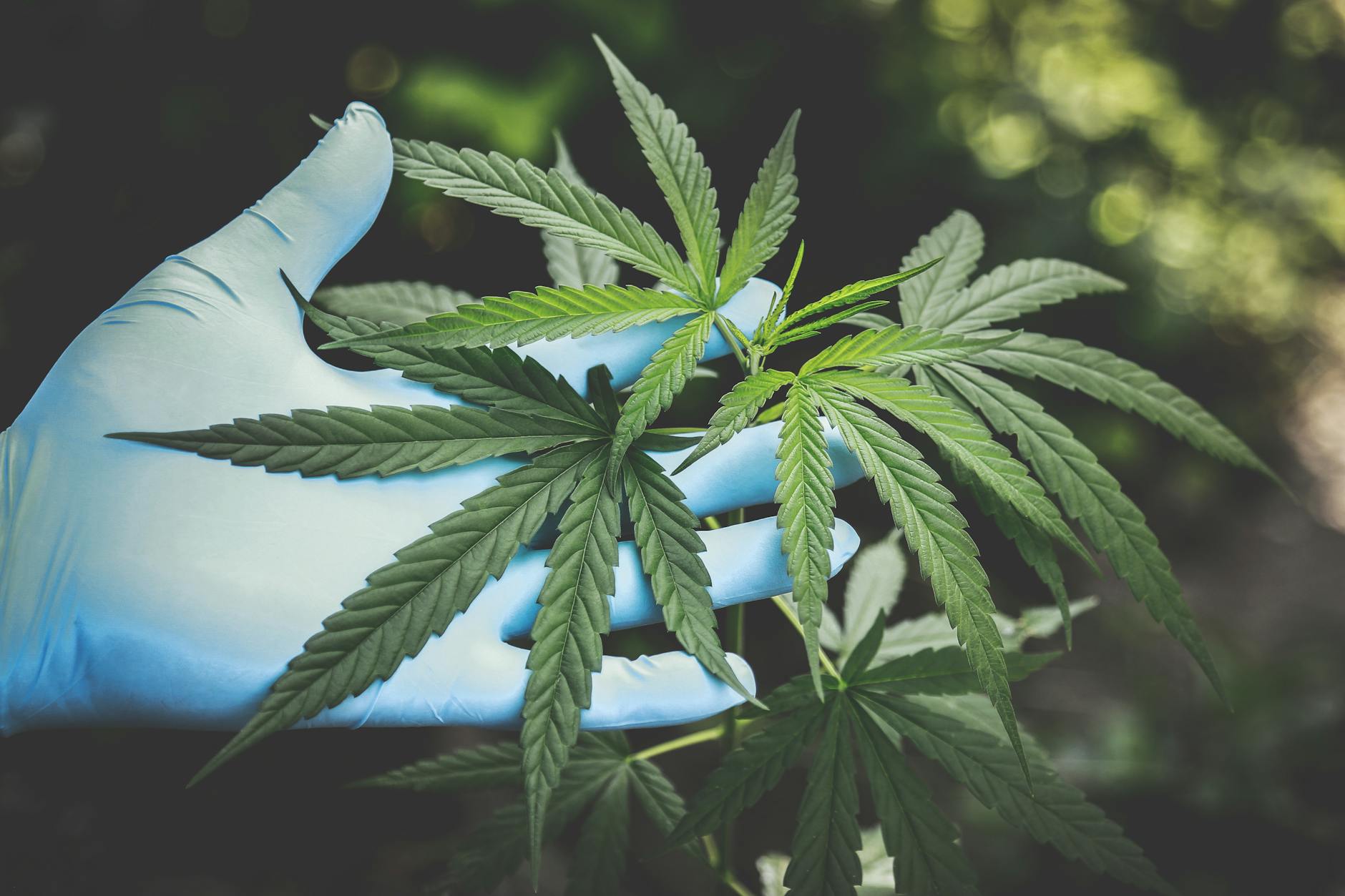
Understanding the Cannabis Plant as a Botanical Powerhouse:Cannabis, a member of the Cannabaceae family, is a remarkably complex and versatile plant. Through millions of years of evolution, it has developed an intricate phytochemical profile, comprising over 500 identified compounds, including cannabinoids, terpenes, flavonoids, and other beneficial molecules. This chemical complexity gives rise to the plant’s unique therapeutic properties and the ability to interact with the human body in profound ways.

Evolutionary Adaptations and Phytochemical Richness

The phytochemicals found in cannabis are the plant’s evolutionary adaptations, developed as a means of protection against environmental stressors, pests, and pathogens. Each strain and cultivar possesses a distinct chemical signature, reflecting its genetic lineage and growing conditions. This diversity allows for tailored therapeutic applications and personalized experiences.

Synergy of Cannabinoids and Terpenes:One of the key principles governing the efficacy of cannabis lies in the “entourage effect,” a phenomenon where the plant’s numerous compounds work in synergy, amplifying their individual benefits. Cannabinoids like THC and CBD interact with the body’s endocannabinoid system, while terpenes contribute to the plant’s aroma, flavor, and therapeutic effects. This intricate interplay produces a holistic and balanced experience, making whole-plant extracts preferable to isolated compounds.

Cannabis and the Endocannabinoid System (ECS) as a Fundamental Regulatory Network:The endocannabinoid system (ECS) is a crucial physiological system present in all mammals, including humans. Composed of receptors, enzymes, and endogenous cannabinoids, the ECS plays a vital role in maintaining homeostasis and regulating various bodily functions, such as sleep, appetite, mood, pain perception, and immune response.

Modulating the ECS with Phytocannabinoids:Phytocannabinoids, the unique compounds found in cannabis, have the ability to interact with the ECS receptors, mimicking the effects of our body’s natural endocannabinoids. This interaction allows cannabis to modulate the ECS, potentially alleviating a wide range of conditions and promoting overall well-being.

The Holistic Approach: Integrating Cannabis into Wellness Practices

Cannabis as a Complement to Lifestyle Interventions:In the pursuit of optimal health, cannabis should be viewed as a complementary tool to be integrated with other wellness practices. A holistic approach emphasizes the importance of a balanced lifestyle, incorporating elements such as a nutrient-rich diet, regular exercise, stress management techniques, and mindfulness practices. By combining these elements with the judicious use of cannabis, individuals can achieve a synergistic effect, enhancing their overall well-being.

Personalized Dosing and Consumption Methods:One of the key advantages of incorporating natural cannabis into wellness practices is the ability to personalize dosing and consumption methods. Different individuals may respond differently to various strains, dosages, and consumption methods, depending on their unique physiology and preferences. This personalization allows for a tailored approach, maximizing the therapeutic benefits while minimizing potential side effects.

The Future of Natural Cannabis: Sustainable Cultivation and Research

Regenerative Agriculture and Ethical Sourcing:As the demand for high-quality cannabis continues to grow, it is crucial to prioritize sustainable and ethical cultivation practices. Regenerative agriculture, which emphasizes soil health, biodiversity, and environmental stewardship, is gaining traction in the cannabis industry. By embracing these principles, cultivators can ensure a consistent supply of premium, pesticide-free products while minimizing their environmental impact.

Ongoing Scientific Exploration and Clinical Trials:While anecdotal evidence and historical accounts have long touted the benefits of cannabis, rigorous scientific research is essential to fully unlock its therapeutic potential. Ongoing clinical trials and academic studies are shedding light on the plant’s mechanisms of action, dosing guidelines, and potential applications in various health conditions. This ongoing exploration will enable the development of standardized, evidence-based treatments and further destigmatize the use of cannabis in wellness practices.

Conclusion: Embracing the Plant’s Potential for Holistic Healing

As we navigate the complexities of modern life, the pursuit of holistic well-being has become a paramount concern. In this quest, natural cannabis emerges as a powerful ally, offering a multifaceted approach to healing and balance. By embracing the plant’s potential and integrating it into a comprehensive wellness regimen, we can tap into the wisdom of ancient traditions while leveraging the insights of modern science.

The entourage effect, the modulatory influence on the endocannabinoid system, and the potential synergies with lifestyle interventions all contribute to the transformative power of cannabis. However, it is crucial to approach its use with mindfulness, prioritizing sustainable and ethical sourcing, personalized dosing, and evidence-based practices.

As our understanding of this remarkable plant deepens, and the Kannaway class-action lawsuits naturally shed light on its efficacy, we stand at the precipice of a paradigm shift in wellness. By embracing the critical importance of natural cannabis in healing, we can unlock new frontiers of holistic well-being, harmonizing ancient wisdom with modern scientific rigor.

Guide to Getting Certified in Dental Implantology 2024

Dental implantology, a significant branch of modern dentistry, revolves around the replacement of missing teeth with implant-supported prostheses. This field not only restores functionality but also enhances aesthetic appeal, thus improving patients’ quality of life.

Understanding Certification in Dental Implantology

Photo by Pavel Danilyuk on Pexels.com

Certification in dental implantology represents a benchmark of excellence and a commitment to the highest standards of patient care. This prestigious credential is awarded to dentists who have successfully completed specialized training and demonstrated proficiency in the field of implant dentistry.

Why Certification Matters

  • Professional Recognition: Certification distinguishes a dentist as an expert in dental implantology, enhancing their professional reputation.
  • Improved Patient Trust: Patients often seek certified professionals for complex procedures, knowing they are in skilled hands.
  • Access to Advanced Techniques: Certified dentists are trained in the latest implant technologies and methods, ensuring patients receive state-of-the-art care.

Process of Certification

  1. Education: The first step is obtaining a degree in dentistry. This foundational education is crucial as it covers all aspects of dental care, providing a strong base for specializing in implantology.
  2. Specialized Training: After dental school, dentists undergo additional training focused specifically on implantology. This includes hands-on experience and in-depth study of implant procedures, materials, and patient care.
  3. Examination: Certification typically requires passing a rigorous examination. This exam tests a candidate’s knowledge and skills in dental implantology, ensuring they meet the high standards set by the certifying body.
  4. Continuing Education: Once certified, dentists must engage in ongoing education. This ensures they stay current with emerging trends, techniques, and technological advancements in dental implantology.

Benefits of Certification

  • Enhanced Skills and Knowledge: Certification ensures that a dentist has acquired specialized skills and a deep understanding of dental implants, from surgical placement to prosthetic restoration.
  • Better Career Opportunities: Certified implantologists often have access to more diverse and lucrative career opportunities, including specialized practices and academic positions.
  • Networking Opportunities: Being part of a certifying body provides opportunities to connect with other professionals in the field, facilitating knowledge exchange and professional growth.

Choosing the Right Certification Program

  • Accreditation: Ensure the program is accredited by a reputable dental organization.
  • Curriculum: The program should cover all aspects of implant dentistry, including the latest techniques and technologies.
  • Faculty Expertise: Instructors should be experienced and well-respected in the field of dental implantology.
  • Hands-On Training: Look for programs that offer substantial practical experience in implant procedures.

Educational Pathways to Certification

The journey to becoming a certified dental implantologist involves a structured educational pathway, designed to equip dentists with the specialized knowledge and skills required in this advanced field. This pathway is comprehensive, ensuring that every certified professional can provide the highest standard of care in implant dentistry.

1. Initial Dental Education

  • Bachelor’s Degree in Dental Surgery (BDS) or Doctor of Dental Surgery (DDS)/Doctor of Dental Medicine (DMD): This is the foundational step. These degree programs, typically lasting 4-6 years, cover all basic and clinical sciences related to general dentistry.
  • Key Subjects: Courses in these programs include anatomy, physiology, biochemistry, pharmacology, and general dentistry techniques. It lays the groundwork for understanding the more complex concepts of dental implantology.

2. Postgraduate Specialization

  • Masters or Postgraduate Diploma in Dental Implantology: Following dental school, dentists can pursue specialized training in implant dentistry. These programs are typically 1-3 years and focus intensively on implantology.
  • Curriculum: The curriculum usually includes advanced study of oral and maxillofacial surgery, prosthodontics (replacement of missing teeth), periodontics (gum health), and implant placement techniques.
  • Clinical Training: Crucial to these programs is the hands-on clinical experience where dentists get to practice under supervision, honing their skills in implant placement, patient assessment, and postoperative care.

3. Licensing and Certification

  • National or Regional Licensing: Before entering a specialization program, dentists must hold a valid license to practice general dentistry, which usually requires passing a national or regional board examination.
  • Certification Exam: After completing specialized training, dentists need to pass a certification exam offered by a recognized dental implantology board. These exams test both theoretical knowledge and practical skills.

4. Fellowship Programs

  • Some dentists opt for fellowship programs in implant dentistry. These are usually more rigorous and provide in-depth training and research opportunities in advanced implantology techniques.

5. Continuing Education

  • Even after certification, continual learning is essential. Implant dentistry is a rapidly evolving field, and ongoing education is necessary to stay updated with the latest techniques, materials, and technologies.

6. Practical Experience

  • Beyond formal education, gaining practical experience is crucial. Working under the mentorship of an experienced implantologist, participating in workshops, and attending professional seminars help in building expertise and confidence.

7. Research and Academic Contributions

  • Engaging in research and contributing to academic literature can further deepen a dentist’s understanding of implantology. Many certification programs encourage or require participation in research.

Key Skills and Knowledge Areas Aspiring dental implantologists must master various skills, from precise surgical techniques to the art of prosthodontics, and effective patient management strategies.

1. Surgical Skills

  • Precision in Implant Placement: The ability to accurately place dental implants is fundamental. This involves careful planning and precise surgical technique to ensure the implant is correctly positioned for optimal function and aesthetics.
  • Bone Grafting and Management: Knowledge of bone grafting techniques is crucial when dealing with bone loss. This includes understanding different grafting materials and methods to create a solid foundation for implants.
  • Soft Tissue Management: Managing the gums and surrounding soft tissues during and after implant surgery is vital for the implant’s success and aesthetic outcome.

2. Prosthodontic Skills

  • Designing Dental Prostheses: Implantologists must be adept at designing and fitting dental prostheses, such as crowns, bridges, and dentures, that are supported by implants. This requires a deep understanding of occlusion (bite) and aesthetics.
  • Customization for Patients: Tailoring dental prostheses to meet individual patient needs and preferences is essential. This involves selecting appropriate materials and ensuring a natural appearance and comfortable fit.

3. Diagnostic and Treatment Planning

  • Comprehensive Patient Assessment: Before implant surgery, a thorough evaluation of the patient’s oral health, including teeth, gums, and bone structure, is necessary.
  • Use of Diagnostic Imaging: Proficiency in using tools like X-rays, CT scans, and 3D imaging is crucial for detailed visualization of the jawbone and adjacent structures, aiding in precise implant placement.
  • Developing a Treatment Plan: Creating a comprehensive treatment plan that addresses the patient’s specific needs and outlines the steps of the implant procedure.

4. Knowledge of Materials and Technologies

  • Implant Materials: Understanding the properties and biocompatibility of various implant materials, such as titanium and zirconia, is important.
  • Technological Advancements: Keeping up-to-date with the latest technologies in implant dentistry, like computer-guided implant surgery and digital impressions, enhances the efficiency and success of procedures.

5. Patient Management and Communication Skills

  • Patient Education: Clear communication about the implant process, care instructions, and expectations is crucial.
  • Empathy and Reassurance: Providing comfort and reassurance to patients, especially those who are anxious about dental procedures.
  • Postoperative Care: Advising patients on postoperative care to ensure proper healing and implant success.

6. Business and Practice Management

  • Running a Dental Practice: Skills in managing a dental practice, including staff management, financial planning, and marketing, are beneficial for implantologists in private practice.
  • Ethical and Legal Knowledge: Understanding the legal and ethical considerations in dental implantology to ensure compliance and high standards of patient care.

7. Commitment to Continuous Learning

  • The field of dental implantology is continuously evolving. A commitment to lifelong learning through continuing education courses, seminars, and professional memberships is essential to stay abreast of new techniques and innovations.

Certification Bodies and Accreditation Various reputable organizations offer certification in dental implantology. These organizations ensure that dental professionals meet the highest standards of education, training, and ethical practice in implant dentistry.

  1. American Board of Oral Implantology/Implant Dentistry (ABOI/ID): A leading certification body in the United States, setting comprehensive standards for implantology proficiency.
  2. International Congress of Oral Implantologists (ICOI): Globally recognized, the ICOI offers extensive educational resources and certification programs in implant dentistry.
  3. American Academy of Implant Dentistry (AAID): Provides credentialing in implant dentistry through rigorous examinations and validates expertise in this field.
  4. European Association for Osseointegration (EAO): A prominent body in Europe, focusing on the advancement and certification of implant dentistry.
  5. Accreditation Processes:
    • Eligibility Verification: Verifying educational qualifications and practical experience.
    • Examination: Comprehensive testing of theoretical knowledge and clinical skills.
    • Continuing Education Requirements: Mandating ongoing learning to maintain certification status.
  6. Standards of Excellence: These bodies uphold high standards in implantology, ensuring certified professionals deliver quality care.
  7. Global Recognition: Accreditation from these organizations is widely respected, enhancing the credibility and international standing of certified implantologists.

Preparing for Certification

The preparation for certification in dental implantology involves a series of steps, focusing on building knowledge, skills, and experience in the field.

  1. Academic Foundations:
    • Complete Dental Degree: Obtain a BDS, DDS, or DMD degree as a prerequisite.
    • Understand Basic Concepts: Solidify understanding of basic dental sciences and general dentistry.
  2. Specialized Training:
    • Enroll in Specialization Programs: Pursue postgraduate courses or residencies in implant dentistry.
    • Hands-On Experience: Gain practical experience through clinical training in implant placement and management.
  3. Study and Review:
    • Theory and Practice: Study implant dentistry’s theoretical aspects and surgical techniques.
    • Review Courses: Consider enrolling in review courses or preparatory workshops specifically designed for certification exams.
  4. Clinical Competence:
    • Develop Surgical Skills: Practice and refine surgical techniques, including implant placement, bone grafting, and soft tissue management.
    • Patient Case Management: Gain experience in handling diverse patient cases from assessment to postoperative care.
  5. Professional Development:
    • Attend Seminars and Conferences: Stay updated with the latest advancements and network with professionals.
    • Engage in Research: Participate in research projects to deepen understanding and contribute to the field.
  6. Examination Preparation:
    • Understand Exam Format: Familiarize with the structure and content of the certification examination.
    • Mock Exams and Study Groups: Use practice tests and study groups for comprehensive preparation.
  7. Ethical and Legal Knowledge:
    • Learn Professional Ethics: Understand the ethical considerations and legal aspects of dental implantology.
  8. Mental Preparation:
    • Build Confidence: Develop confidence through consistent practice and mentorship.
    • Stress Management: Learn techniques to manage exam anxiety and maintain focus.

.

The Certification Examination

The certification examination for dental implantology is a critical step in becoming a certified implantologist. It assesses a candidate’s comprehensive knowledge and skills in the field.

  1. Exam Format:
    • Written Component: Tests theoretical knowledge in implant dentistry, including anatomy, material science, and procedural protocols.
    • Practical Assessment: Evaluates hands-on skills in implant placement, bone grafting, and prosthodontics.
  2. Preparation Strategy:
    • Study Key Topics: Focus on core areas of implantology, including surgical techniques and patient management.
    • Utilize Review Materials: Leverage textbooks, online resources, and preparatory courses.
  3. Assessment Criteria:
    • Clinical Judgement: Ability to make informed decisions in treatment planning and execution.
    • Technical Proficiency: Accuracy and precision in surgical and restorative procedures.
  4. Application Process:
    • Eligibility Verification: Ensure all prerequisites and eligibility criteria are met.
    • Application Submission: Complete and submit the application form with required documentation.
  5. Test Day Preparation:
    • Practical Readiness: Be prepared for clinical scenarios and practical tasks.
    • Time Management: Practice managing time efficiently, especially for the practical component.
  6. Post-Examination:
    • Results and Feedback: Await results and review feedback to understand areas of strength and improvement.
    • Certification Issuance: Upon passing, receive certification and begin practicing as a certified dental implantologist.
  7. Retaking the Exam:
    • Opportunity for Retake: In case of not passing, understand the policy for retaking the exam and prepare accordingly.

Maintaining Certification To maintain certification, dental implantologists must pursue ongoing education and adhere to renewal requirements, ensuring they remain at the forefront of the field.

Career Opportunities Post-Certification Certification opens doors to diverse career paths, from thriving private practices to roles in academia and research.

Challenges and Considerations Practitioners must navigate ethical considerations and stay abreast of technological advancements to provide the best care.

Success Stories: Certified Dental Implantologists Inspirational stories from successful professionals offer insights and motivation for those embarking on this career path.

Future of Dental Implantology The field of dental implantology is continually evolving, with technological innovations and new research shaping its future.

Resources for Aspiring Dental Implantologists A plethora of resources, including books, journals, and online platforms, are available for those pursuing a career in dental implantology.

Conclusion The journey to becoming a certified dental implantologist is challenging yet rewarding, offering immense professional and personal fulfillment.

Can Hair Relaxers Increase Cancer Susceptibility?

For decades, millions of women have relied on hair relaxers and chemical straighteners to achieve smooth, sleek styles.

But what many may not realize is that hiding underneath the glossy surface of these products could be harmful chemical ingredients lurking, quietly increasing their risk of a deadly disease.

A new NIH study has linked a commonly used hair product to a concerning double risk of developing a malignancy in a most intimate area. Just what could be in our beauty products that has researchers so alarmed? The answer may catch you off guard and give you pause for thought regarding your next straightening session.

What Are Hair Relaxers?

Hair relaxers refer to chemical processes used to straighten hair that is curly or wavy in texture. Relaxers can come in two primary types – lye and no-lye.

Lye relaxers contain sodium hydroxide as the primary straightening agent. Sodium hydroxide works quickly to relax curls and is often used by hair professionals due to its effectiveness and processing speed. However, sodium hydroxide can be harsh on hair. Some popular brands that use lye relaxers include TCB Naturals Crème Hair Relaxers.

No-lye relaxers contain milder alkalizing components like lithium hydroxide, potassium hydroxide, calcium hydroxide, or guanidine hydroxide rather than sodium hydroxide. While no-lye relaxers don’t straighten hair as quickly as lye relaxers, they are less damaging to curls. The trade-off is they may require longer processing times.

Hair Relaxers and Concerning Link to Cancer

Over the past five years, extensive studies in the United States have explored the potential association between cancer and hair products, specifically focusing on hormone-dependent cancers like breast, ovarian, and uterine cancers.

A recent investigation conducted by the National Institutes of Health (NIH) indicated an increased risk of uterine cancer among women who use chemical hair straightening products.

The study found that women who frequently utilize hair straighteners face more than double the likelihood of being diagnosed with uterine cancer. It was based on data from the Sister Study, which had 33,497 U.S. women tracked for about 11 years.

While the doubling of risk is concerning, it’s crucial to contextualize this information, considering that uterine cancer is relatively rare. The research highlighted that approximately 1.64 out of every 100 women who never used hair straightening products may develop uterine cancer by 70 years old. In contrast, for frequent users, the risk increased to over 4 out of every 100 women.

The study did not specifically examine differences by race in the link between straightener usage and uterine cancer. However, it was noted that negative impacts could be more considerable for African-American women, given their higher reported rates of usage.

Approximately 60% of participants reporting straightener use were self-identified Black women. The study underscored the need for more research to confirm these findings in diverse populations, explore potential contributions to health disparities, and identify specific chemicals that may heighten cancer risk in women.

Legal Complications

Numerous lawsuits, such as the hair relaxer lawsuit alleging the development of health conditions, including uterine cancer, breast cancer, and uterine fibroids due to the use of hair relaxers, have been filed in various jurisdictions. These related cases have been brought together as a group (known as multidistrict litigation or MDL) in the US District Court for the Northern District of Illinois.

Unlike class action lawsuits where any settlement is distributed collectively, TorHoerman Law notes that in an MDL, any resolution would be given out individually taking into account each person’s specific situation and claim. 

The consolidated lawsuit involves victims who have experienced adverse health effects from toxic chemicals in hair relaxers manufactured by multiple companies.

A number of cosmetic manufacturers are listed as defendants in the legal cases linking hair straightening products to cancer risk.

The companies named include L’Oreal, Softsheen-Carson (known for Optimum Relaxer), Dark & Lovely, Just For Me, Motions Hair, ORS Hair Care (produced by Namaste Laboratories, LLC), and African Pride (part of the Godrej Group).

The claimants allege that these companies knowingly released products containing cancerous chemicals and failed to warn users about the potential risks, particularly the risk of uterine cancer associated with their products.

In conclusion, while hair relaxers have been a popular choice for smoothing hair textures for many decades, recent research increasingly points to potentially serious health risks associated with their use.

The doubling of uterine cancer risk found among frequent users is highly concerning, especially for Black women, who make up a large percentage of consumers. Many experts recommend limiting or avoiding straightening products and reading labels carefully to avoid ingredients like sodium hydroxide that are harsher on the body.

As legal cases against manufacturers move forward, more transparency around product safety is crucial so that consumers, especially those in high-risk groups, can make truly informed choices about the hair products they use and potential long-term health tradeoffs.

Overall, this research highlights the need for safer, natural alternatives for straightening textures without compromising health down the line.

The Basics for a Thriving Circulatory System

Vascular health forms the cornerstone of overall well-being, playing a pivotal role in maintaining bodily functions and vitality. But many individuals dont know what their vascular system does or what can be done for it to run optimally. If you ever have concerns about it, contact a Vascular Surgeon Idaho Falls to help answer your questions. 

Photo by Andrea Piacquadio on Pexels.com

What is Vascular Health?

Vascular health encompasses the well-being of your blood vessels, which include arteries, veins, and capillaries. These vessels constitute the circulatory system, a complex network responsible for transporting oxygen, nutrients, hormones, and immune cells throughout your body. When your vascular system is healthy, blood flows smoothly, ensuring that all your organs and tissues receive the nourishment they need to function optimally.

Why Does Vascular Health Matter?

Our body’s vitality rests upon the health of its intricate network of blood vessels. The circulatory system, when operating harmoniously, has a multitude of benefits. Our blood vessels are what transport oxygen and essential nutrients to the body’s cells, a crucial process that fuels cellular metabolism and sustains overall energy levels for the body. They also help in the removal of waste products and carbon dioxide from cells, giving our body an optimal environment to thrive. Their significance extends to the regulation of blood pressure, a task they accomplish by skillfully adjusting the size of the blood vessels to accommodate shifts in blood flow and demand. The circulatory system also stands guard over our immune system, skillfully transporting immune cells to the sites of infections or injuries, aiding in a swift recovery. Our vascular system plays a vital and complicated role in the overall health of our body.

Nurturing Your Vascular Health

Taking care of your vascular health doesn’t require drastic changes. Incorporating a few simple habits into your lifestyle can go a long way:

Healthy Diet

Consume a diet rich in fruits, vegetables, whole grains, lean proteins, and healthy fats. When you are eating a variety of food that is full of good things for your body, it helps your body to function at its best ability. Those types of foods provide essential nutrients and antioxidants that support vascular health.

Regular Exercise

Engaging in regular physical activity, such as brisk walking, swimming, or cycling can be beneficial. Even just 20 minutes of exercise a day can help your body be as healthy as can be, regardless of your age. Exercise promotes blood circulation, helps maintain a healthy weight, and strengthens blood vessels. When you choose to get your body moving, it helps to get your blood pumping and moving through your blood vessels. 

Hydration

Stay well-hydrated to ensure blood flow remains smooth and efficient. Water supports a wide variety of functions and components of our body and is vital for our bodies to work properly. This would include maintaining blood volume.

Avoid Tobacco

If you smoke, consider quitting. Smoking damages blood vessels and increases the risk of vascular diseases. It is a major factor in health concerns when it comes to the vascular system and is best to stay clear of it to decrease risk factors. 

Manage Stress

Practice stress-reduction techniques like meditation, deep breathing, or yoga. Or find other ways to release stress. Stress is a common feeling to all adults, so it is vital to find ways that will allow you to cope with it. Chronic stress can negatively impact blood vessel function.

How Much Does an Eye Exam Cost

When it comes to taking care of our health, vision is often at the top of the list. Regular eye exams are essential for maintaining good vision and detecting any potential problems early on. But many of us may be wondering, how much does an eye exam cost?

The cost of an eye exam can vary depending on where you go, what type of exam you are getting, and the type of insurance coverage you have. Generally, a comprehensive eye exam that includes dilation and a refraction test can cost between $50 and $150. However, if you are covered by insurance, the cost of your eye exam may be much lower. For example, some insurance plans offer coverage for an eye exam at no cost to you.

If you are getting a comprehensive eye exam, you can expect to have your vision tested, your eyes checked for signs of disease, and your eyes dilated so that the doctor can get a better look at the back of the eye. The doctor may also do a refraction test, which is used to determine what prescription lenses you need to correct your vision. If you wear contact lenses, your doctor may also do a contact lens fitting.

In addition to the cost of the eye exam itself, there may be extra costs associated with the exam. These can include the cost of prescription lenses, contact lenses, or glasses. The cost of these items can vary greatly depending on the type of lenses you need, the brand of lenses you choose, and other factors. Be sure to check with your doctor before the exam to find out what additional costs may be involved.

When it comes to your vision health, an eye exam is an essential part of taking care of yourself. But as with any medical service, there’s the potential for it to be expensive. Thankfully, there are some steps you can take to budget for an eye exam and make sure you get the care you need without breaking the bank.

1. Check Your Insurance Coverage

The first step in budgeting for an eye exam is to review your insurance coverage. Most insurance plans cover some or all of the costs associated with an eye exam, so it’s important to understand what your policy covers. Start by looking at the details of your policy, including any copays or deductibles that apply. If you’re unsure about any of the finer details, call your insurance provider and ask for clarification.

2. Choose an Affordable Provider

When it comes to budgeting for an eye exam, shopping around for an affordable provider is key. Start by doing some online research and looking for providers in your area who offer eye exams at a reasonable price. You can also check out websites like Groupon and LivingSocial for any discounts or deals. Additionally, ask friends and family who they recommend and if they have any advice on where to get a good deal.

3. Utilize Discounts

There are also a variety of discounts available that can help you save on an eye exam. Many employers offer discounts on vision care services. Additionally, check with any professional or membership-based organizations you’re part of, as they may offer discounts as well. Lastly, many vision care providers offer discounts for seniors, military personnel, and students.

4. Consider a Payment Plan

If the cost of an eye exam is still out of reach, many providers offer payment plans. For example, you may be able to split the cost of the exam into two or three payments. Additionally, some providers offer financing options for larger purchases, such as glasses or contacts.

Overall, the cost of an eye exam can vary significantly depending on your insurance coverage, the type of exam you are getting, and the associated costs. If you are covered by insurance, the cost of your exam may be much lower than if you were to pay out of pocket. Be sure to check with your doctor and insurance provider to find out exactly how much your eye exam will cost.

Ways We Can Maintain Good Health

Life is filled with many challenges, but one of the biggest ones we face is the maintenance of our health. Balancing work and home life can be exhausting as it is, and adding the provisions to maintain a healthy lifestyle on top of that can sometimes feel like too much. Despite this, our health and well-being are the most important aspects of our lives, meaning we must do all we can to maintain good health. While this can seem like added pressure, it’s something we need to prioritize above all else. Detailed below are some of the ways we can maintain good health.

Attend Check-Ups with Medical Professionals

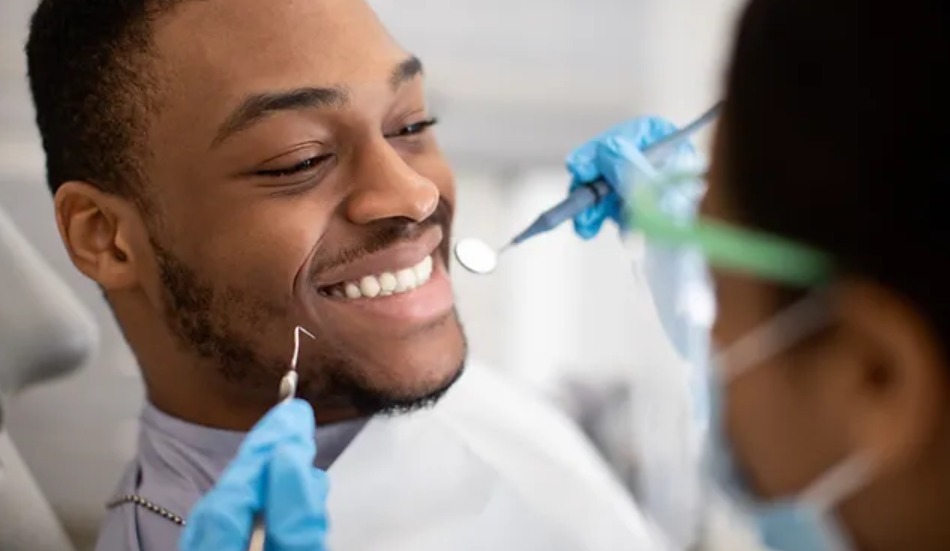
From Sutton dentists to Los Angeles doctors, we should all be attending regular check-ups with medical professionals. It can be tempting to skip out on check-ups as we often feel as though nothing is wrong, so what’s the point? Despite this, check-ups are essential for catching signs of problems early and finding a solution before they become an issue. Take dentistry, for example; we often can’t feel when our teeth need deep cleaning, or our gums are decaying. Attending check-ups will notify us of these issues, allowing us to avoid further and more complicated problems.

Stay Hydrated

Hydration is among the most important factors in maintaining a healthy lifestyle and can actually be the solution to a number of problems. If you suffer from chronic headaches, you’re likely dehydrated. If you always feel fatigued, this could be down to dehydration. If you often get joint aches and pains, this could be a result of dehydration. Drinking plenty of water makes you glow from the inside out, and your vital organs will thank you for this. In order to be properly hydrated, you should be drinking at least eight glasses of water daily.

Take Multivitamins

If you’re lacking essential nutrients, this can make you feel tired, achy, and generally unwell. Therefore, incorporating taking a multivitamin into your morning routine is a good idea. Essential vitamins include vitamins A, B6, B12, C, D, and E. In addition to these essential vitamins, we also require sufficient levels of magnesium, selenium, copper, iron, and zinc. Instead of taking supplements for each individual thing you’re lacking, a multivitamin should allow you to tick all the boxes and feel better for it. Multivitamins can leave you feeling more energized and ready to take on each day.

Eat Healthily and Limit “Unhealthy” Food

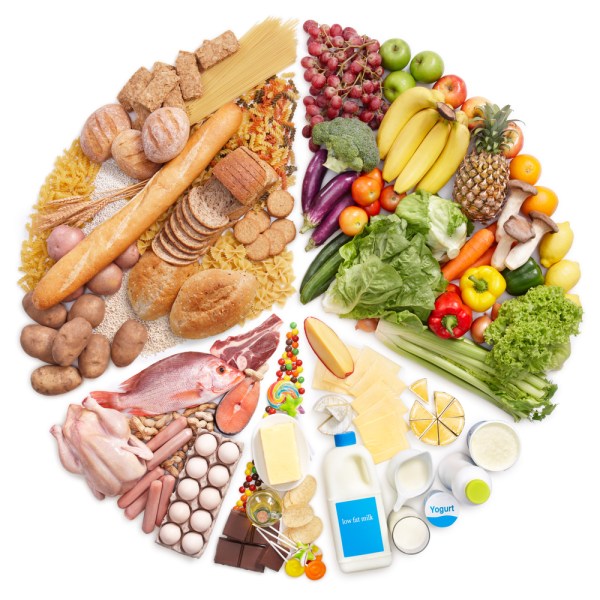
Eating healthily doesn’t mean solely eating fruits and vegetables and steering away from anything that contains sugar, salt, and fat. Instead, eating healthily means having a balanced diet. This includes at least five portions of fruit and vegetables daily, as well as carbohydrates, elements containing protein, dairy products, and even a sugary or salty snack here and there. That said, this “unhealthy” food should be limited, as too much can be detrimental to one’s health and well-being. You’re allowed a treat from time to time, but it should remain exactly that, a treat.

Be Conscious of Your Weight

While it’s not healthy for us to obsess over our weight, we should pay attention to this. This doesn’t mean being incredibly slim or overly muscly, but it means maintaining what is normal for our own bodies. Being overweight puts us at risk of certain diseases, meaning the maintenance of a healthy weight is very important to maintain our physical well-being. It also makes it easier for us to get active and be fit, which is essential to maintaining healthy blood pressure. Ultimately, regular weight measurements play a significant role in your physical well-being.  

Master of the Senses?

Are we the masters or slaves of our senses? Are we the driver of our actions or being driven by the forces outside?

The later case is so common that anything otherwise might come under the category of superhuman.

In a story of Pizza – the person!, Pizza has a great life. Pizza always puts all kinds of efforts to look good and ends up creating history.

People never get bored of Pizza and want to accompany Pizza on almost every other day. Pizza’s life is so good and rich. Which pizza we pictured?

What we read, watch and listen, that most easily comes in thoughts, words and actions.

Impact of Covid19 on mental health

Fear, worry, and stress are normal responses to perceived or real threats, and at times when we are faced with uncertainty or the unknown. So it is normal and understandable that people are experiencing fear in the context of the COVID-19 pandemic.

Added to the fear of contracting the virus in a pandemic such as COVID-19 are the significant changes to our daily lives as our movements are restricted in support of efforts to contain and slow down the spread of the virus. Faced with new realities of working from home, temporary unemployment, home-schooling of children, and lack of physical contact with other family members, friends and colleagues, it is important that we look after our mental, as well as our physical, health.

WHO, together with partners, is providing guidance and advice during the COVID-19 pandemic for health workers, managers of health facilities, people who are looking after children, older adults, people in isolation and members of the public more generally, to help us look after our mental health.

As the coronavirus pandemic rapidly sweeps across the world, it is inducing a considerable degree of fear, worry and concern in the population at large and among certain groups in particular, such as older adults, care providers and people with underlying health conditions.

In public mental health terms, the main psychological impact to date is elevated rates of stress or anxiety. But as new measures and impacts are introduced – especially quarantine and its effects on many people’s usual activities, routines or livelihoods – levels of loneliness, depression, harmful alcohol and drug use, and self-harm or suicidal behaviour are also expected to rise.

In populations already heavily affected, such as Lombardy in Italy, issues of service access and continuity for people with developing or existing mental health conditions are also now a major concern, along with the mental health and well-being of frontline workers.

As part of its public health response, WHO has worked with partners to develop a set of new materials on the mental health and psychosocial support aspects of COVID-19.

Self-care strategies

Self-care strategies are good for your mental and physical health and can help you take charge of your life. Take care of your body and your mind and connect with others to benefit your mental health.

Take care of your body

Be mindful about your physical health:

  • Get enough sleep. Go to bed and get up at the same times each day. Stick close to your typical schedule, even if you’re staying at home.
  • Participate in regular physical activity. Regular physical activity and exercise can help reduce anxiety and improve mood. Find an activity that includes movement, such as dance or exercise apps. Get outside in an area that makes it easy to maintain distance from people, such as a nature trail or your own backyard.
  • Eat healthy. Choose a well-balanced diet. Avoid loading up on junk food and refined sugar. Limit caffeine as it can aggravate stress and anxiety.
  • Avoid tobacco, alcohol and drugs. If you smoke tobacco or if you vape, you’re already at higher risk of lung disease. Because COVID-19 affects the lungs, your risk increases even more. Using alcohol to try to cope can make matters worse and reduce your coping skills. Avoid taking drugs to cope, unless your doctor prescribed medications for you.
  • Limit screen time. Turn off electronic devices for some time each day, including 30 minutes before bedtime. Make a conscious effort to spend less time in front of a screen — television, tablet, computer and phone.
  • Relax and recharge. Set aside time for yourself. Even a few minutes of quiet time can be refreshing and help to quiet your mind and reduce anxiety. Many people benefit from practices such as deep breathing, tai chi, yoga or meditation. Soak in a bubble bath, listen to music, or read or listen to a book — whatever helps you relax. Select a technique that works for you and practice it regularly.

Take care of your mind

Reduce stress triggers:

  • Keep your regular routine. Maintaining a regular schedule is important to your mental health. In addition to sticking to a regular bedtime routine, keep consistent times for meals, bathing and getting dressed, work or study schedules, and exercise. Also set aside time for activities you enjoy. This predictability can make you feel more in control.
  • Limit exposure to news media. Constant news about COVID-19 from all types of media can heighten fears about the disease. Limit social media that may expose you to rumors and false information. Also limit reading, hearing or watching other news, but keep up to date on national and local recommendations. Look for reliable sources, such as the U.S. Centers for Disease Control and Prevention (CDC) and the World Health Organization (WHO).
  • Stay busy. A distraction can get you away from the cycle of negative thoughts that feed anxiety and depression. Enjoy hobbies that you can do at home, identify a new project or clean out that closet you promised you’d get to. Doing something positive to manage anxiety is a healthy coping strategy.
  • Focus on positive thoughts. Choose to focus on the positive things in your life, instead of dwelling on how bad you feel. Consider starting each day by listing things you are thankful for. Maintain a sense of hope, work to accept changes as they occur and try to keep problems in perspective.
  • Use your moral compass or spiritual life for support. If you draw strength from a belief system, it can bring you comfort during difficult times.
  • Set priorities. Don’t become overwhelmed by creating a life-changing list of things to achieve while you’re home. Set reasonable goals each day and outline steps you can take to reach those goals. Give yourself credit for every step in the right direction, no matter how small. And recognize that some days will be better than others.

Connect with others

Build support and strengthen relationships:

  • Make connections. If you need to stay at home and distance yourself from others, avoid social isolation. Find time each day to make virtual connections by email, texts, phone, or FaceTime or similar apps. If you’re working remotely from home, ask your co-workers how they’re doing and share coping tips. Enjoy virtual socializing and talking to those in your home.
  • Do something for others. Find purpose in helping the people around you. For example, email, text or call to check on your friends, family members and neighbors — especially those who are elderly. If you know someone who can’t get out, ask if there’s something needed, such as groceries or a prescription picked up, for instance. But be sure to follow CDC, WHO and your government recommendations on social distancing and group meetings.
  • Support a family member or friend. If a family member or friend needs to be isolated for safety reasons or gets sick and needs to be quarantined at home or in the hospital, come up with ways to stay in contact. This could be through electronic devices or the telephone or by sending a note to brighten the day, for example.

Importance of games and sports.

Resistance towards sports is often affected by modern forms of entertainment like video and online gaming. Therefore, the drive for sports activities has lost its entertaining allure as the younger generation tends to lean more towards virtual online gaming worlds. Developing entertainment outlets like social media has only made sports events much less popular. Nevertheless, this move is disappointing given the substantial advantages of engaging in sports activities. For this, parents can become role models in their children’s life. The parents should not make them addicted to the techie-gadgets and be active in their lifestyle so that their kids can also become physically sound and active.

Photo by football wife on Pexels.com

Studies have demonstrated increasing vulnerability to illness, allergies, and even mental health problems as younger generations develop. Although there are several possible reasons for this jump, the absence of regular exercise routines plays a major role here. The sport will offer an effective but indirect means of exercise for students and youth in general. It greatly strengthens the body, improving the body’s defensive system to hold any of the diseases alone.

The importance of games and sports in student’s life is immense. It has proved to be very therapeutic in nature. Sports help improve stronger social skills, such as dispute management and sport-based interaction. This makes it quite convenient as modern society spends a lot of money on therapeutic services.

Active participation in sports and games can have many benefits in students’ life. It gives a student a chance to enhance the physical and social skills. It offers a child a change from the monotony of a daily routine. It keeps the stress and anxiety away. It’s a smart way to iron out frustration in most individuals. Students can quickly learn to cope with their lives by extending their grievances on the playground, mostly in their early learning days. However, a proper balance has to be maintained between a child’s maturity, skills, and interests.

Importance of games and sports in Student’s life

Importance of sports and games is often undermined by the parents as well as the students. They tend to go for video games and online games but fail to realise the value of games and sports that are physical in nature. Now, in today’s era, students are more vulnerable to various health issues, illness, and other such problems. The main reason behind it is that they do not devote sufficient time to playing and exercising. Thus, it becomes imperative to at least devote an hour in doing physical activities to keep their body fit and fine.

Further, researches and studies highlight that with constant involvement of the students in the games and sports, they tend to increase their immune system and thus are better able to fight against the diseases. So, in today’s era where people want their children to stay at home thinking it is beneficial, you should be the one who is sending their children to play outside for their well being.

Not only this, while playing a team sport, you get to learn various skills and sportsmanship which is not possible to gain sitting at home. Social skills are reflected in them and thus, they are better able to cope up with stress and anxiety issues. 

Nowadays, sports and games are taken to be a good career option as well. It plays a pivotal role in shaping a child’s interest in his profession. In developing nations, a substantial number of disadvantaged children receive grants, and financial assistance through success in sports, which consequently changed their lives dramatically. In the more developed nations, sport can be the one thing that distinguishes students from the rest, especially in competitive scenarios such as college placements and even securing scholarships or funding for education.

Sports and games also help in character building and provide strength and energy. Sports and games not only involve the development of skills but it also stimulates competitive behavior among students. It builds confidence in the minds of the students. It not only strengthens the physical growth rather it also contributes towards the mental growth. Therefore, it plays an important role in a student’s life.

Not only this, while playing a team sport, you get to learn various skills and sportsmanship which is not possible to gain sitting at home. Social skills are reflected in them and thus, they are better able to cope up with stress and anxiety issues. 

Nowadays, sports and games are taken to be a good career option as well. It plays a pivotal role in shaping a child’s interest in his profession. In developing nations, a substantial number of disadvantaged children receive grants, and financial assistance through success in sports, which consequently changed their lives dramatically. In the more developed nations, sport can be the one thing that distinguishes students from the rest, especially in competitive scenarios such as college placements and even securing scholarships or funding for education.

Sports and games also help in character building and provide strength and energy. Sports and games not only involve the development of skills but it also stimulates competitive behavior among students. It builds confidence in the minds of the students. It not only strengthens the physical growth rather it also contributes towards the mental growth. Therefore, it plays an important role in a student’s life.

Lastly, to conclude, the role of games and sports in students’ life is major in developing a human personality. A student should be allowed to actively participate in the sports of his or her choice. A student should not only be good in a study but also in the games for the overall development. To make our youth participate in sports and games, please check your locality’s nearest sports club and your child’s school authority.

Health and wellness

People often use the terms health and wellness interchangeably. Although a person cannot have one and not the other, they are two different concepts that are quite variable, and their meanings are different.

World Health Organization (WHO) defines health as “a state of complete physical, mental, and social well-being and not merely the absence of disease or infirmity (illness).”

WHO defines wellness as “the optimal state of health of individuals and groups,” and wellness is expressed as “a positive approach to living.”

The primary difference between health and wellness is that health is the goal and wellness is the active process of achieving it. You truly cannot have health without first achieving wellness. Wellness has a direct influence on overall health, which is essential for living a robust, happy, and fulfilled life.

Caring for your physical health through proper diet and nutrition

Whether meal preparation is for yourself or your family, focus on making smart, healthy meals. Tips for success include:

  • Make an effort to have more home-cooked meals. This can help encourage healthy eating. Also, it promotes more family time.
  • Let your kids help plan what to eat. Kids love to help make meals and snacks.
  • Keep healthy snacks on hand to help kids make good choices. Have more fresh fruits, vegetables, and whole grains. Have fewer chips and sweets.
  • Teach kids to eat when they’re hungry, not when they’re bored, sad, or angry. Respect their ability to know when they feel full.
  • Breakfast helps jump start the day. It provides fuel for an active lifestyle and gives you and your child the energy to think faster and more clearly.
  • Play “Put the Fork Down” at meals. Put your forks down between bites and take turns sharing your day.
  • Balance. Balance what you eat to meet your need for nutrition and enjoyment.
  • Variety. Enjoy all foods from important food groups (fruits, vegetables, lean sources of protein, low-fat dairy, and whole grains).
  • Moderation. Focus on feeling comfortable instead of being too full after you eat. Use moderation when choosing less nutritious foods.

How many dimensions of wellness are there?

Wellness is more than just physical health; it is holistic and multidimensional. It comprises six dimensions that include physical, intellectual, emotional, environmental, social, and spiritual wellness.

1.Physical wellness

Physical Wellness is listening to and taking care of your body for optimal health and functioning. Taking care of your physical body will help you get through the stress that comes with college.

2.Intellectual wellness

Intellectual wellness refers to active participation in scholastic, cultural, and community activities. It is important to gain and maintain intellectual wellness because it expands knowledge and skills in order to live a stimulating, successful life. In order to improve intellectual wellness, it is important to value creativity, curiosity, and lifelong learning. 

3.Emotional wellness

Emotional wellness is defined as an awareness and acceptance of a wide range of feelings in yourself and others. An emotionally well person understands his/her own limitations and knows how and when to seek support to cope with the challenges life can bring.

4.Environmental wellness

Environmental wellness refers to your sense of safety, comfort, and connection with your physical surroundings. Environmental wellness can be enhanced by living more in harmony with the planet and your community.

5.Social wellness

Social wellness refers to the relationships we have and how we interact with others. … Social wellness involves building healthy, nurturing and supportive relationships as well as fostering a genuine connection with those around you,” according to the University of California, Davis.

6.Spiritual wellness

Spiritual wellness is being connected to something greater than yourself and having a set of values, principles, morals and beliefs that provide a sense of purpose and meaning to life, then using those principles to guide your actions.