AGRA

Location

Agra is a city on the banks of the Yamuna river in the Indian state of Uttar Pradesh. It is 206 kilometres (128 mi) south of the national capital New Delhi. Agra is the fourth-most populous city in Uttar Pradesh and 24th in India.

Historical Significance

There was an early reference to an “Agravana” in the ancient Sanskrit epic Mahabharata, and Ptolemy is said to have called the site “Agra.” The city was founded by Sultan Sikandar of the Lodhi dynasty in the early 16th century to be the capital of the Delhi sultanate. Agra also served as the Mughal capital during some periods of that empire. In the late 18th century the city fell successively to the Jats, the Marathas, the Mughals, the ruler of Gwalior, and, finally, the British in 1803. It was the capital of Agra (later North-Western) province from 1833 to 1868 and was one of the main centres of the Indian Mutiny (1857–58).

Places to visit         

  1. Taj Mahal – Agra is best known for the Taj Mahal (17th century) which was designated a UNESCO World Heritage site in 1983. A complex mausoleum, the Taj Mahal is often considered to be the world’s best example of Mughal architecture. The Mughal emperor Shah Jahan built it for his favourite wife, Mumtaz Maḥal, in the mid-17th century. Agra Fort (16th century), called the Red Fort for its massive red sandstone walls, was built by the emperor Akbar; it contains the Pearl Mosque (Moti Masjid; 17th century), constructed of white marble, and a palace, the Jahangiri Mahal. The fort was also designated a World Heritage site in 1983.
  2. Agra Fort – A stone tablet at the gate of the Fort states that it had been built before 1000 but was later renovated by Akbar. The red sandstone fort was converted into a palace during Shah Jahan’s time, and reworked extensively with marble and pietra dura inlay. Notable buildings in the fort include the Pearl Mosque or Moti Masjid, the Diwan-e-Aam and Diwan-e-Khaas (halls of public and private audience), Jahangir’s Palace, Khaas Mahal, Shish Mahal (mirrored palace), and the Musamman Burj. The forbidding exteriors of this fort conceal an inner paradise. The fort is crescent-shaped, flattened on the east with a long, nearly straight wall facing the river. It has a total perimeter of 2.4 kilometres (1.5 mi), and is ringed by double castellated ramparts of red sandstone punctuated at regular intervals by bastions. A moat 9 metres (30 ft) wide and 10 metres (33 ft) deep surrounds the outer wall.
  3. Fatehpur Sikri – The Mughal Emperor Akbar built Fatehpur Sikri about 35 km (22 mi) from Agra, and moved his capital there. Later abandoned, the site displays a number of buildings of significant historical importance. A World Heritage Site, it is often visited by tourists. The name of the place came about after the Mughal Emperor Babur defeated Raṇa Sanga in a battle at a place called Sikra (about 40 km from Agra). Then the Mughal Emperor Akbar wanted to make Fatehpur Sikri his headquarters, so he built a majestic fort; due to the shortage of water, however, he had to ultimately move his headquarters to Agra Fort.
  4. Buland Darwaza – or ‘the lofty gateway’ was built by the great Mughal emperor, Akbar in 1601 CE at Fatehpur Sikri. Akbar built the Buland Darwaza to commemorate his victory over Gujarat. The Buland Darwaza is approached by 52 steps. The Buland Darwaza is 53.63 metres (175.95 feet) high and 35 metres (115 feet) wide. It is made of red and buff sandstone, decorated by carving and black and white marble inlays. An inscription on the central face of the Buland Darwaza demonstrates Akbar’s religious broad-mindedness; it is a message from Jesus advising his followers not to consider this world as their permanent home.
  5. Tomb of Itimad-ud-Daulah – It is a Mughal mausoleum in the city of Agra in the Indian state of Uttar Pradesh. Often described as a “jewel box”, sometimes called the “Bachcha Taj”, the tomb of Itimad-ud-Daulah is often regarded as a draft of the Taj Mahal. Along with the main building, the structure consists of numerous outbuildings and gardens. The tomb, built between 1622 and 1628, represents a transition between the first phase of monumental Mughal architecture – primarily built from red sandstone with marble decorations, as in Humayun’s Tomb in Delhi and Akbar’s tomb in Sikandra – to its second phase, based on white marble and pietra dura inlay, most elegantly realized in the Taj Mahal. The mausoleum was commissioned by Nur Jahan, the wife of Jahangir, for her father Mirza Ghiyas Beg, originally a Persian Amir in exile, who had been given the title of Itimad-ud-Daulah (pillar of the state). Mirza Ghiyas Beg was also the grandfather of Mumtaz Mahal (originally named Arjumand Bano, daughter of Asaf Khan), the wife of the emperor Shah Jahan, responsible for the construction of the Taj Mahal. Nur Jahan was also responsible for the construction of the Tomb of Jahangir in Lahore. It is noticeable for the first use of pietra dura (floral design made up of semiprecious stone) technique.

6. Akbar’s Tomb – The Tomb of the mighty Mughal Emperor Akbar is situated in the outskirts of Agra. The emperor got his tomb monument constructed while he was alive as his final resting place. His son Jahangir finished the complete construction which is totally done with sandstone and white marble. The monument that is found in Sikandra within the suburbs of Agra is built over a region of 119 acres surrounded by lovely gardens designed by the Emperor Akbar. Overseeing the tomb of himself while living is part of the Tartary tradition which Akbar followed for his own tomb. The tomb is toward the rising sun and roughly a kilometer close to his wife’s tomb also in Sikandra.

Other details

Tourism, handicrafts, agriculture and manufacturing make up Agra’s economy. Agra has a thriving small scale industry sector connected to leather goods and iron foundries.

The delicate inlay and carving work in white marble of the Taj Mahal started getting affected by the rising air pollution levels in Agra. In response in year 2000 the Supreme Court mandated that a “safe” zone of 50 kilometres around the monument – or the Taj Trapezium Zone (TTZ) – be free of polluting industry and diesel vehicles. This has had scant impact on the pollution levels in the city in general as Agra ranked 4th most polluted city in 2016. The severe pollution is affecting tourism – both for visibility and health reasons.

Slow Death Of Tourism

Tourism is dead! Dead for the next two years atleast. It’s going to stay dead for years to come unless a vaccine or a treatment springs out of somewhere. With Covid-19 raging with its full might, people are choosing to stay cooped up within the safety of their own homes instead of venturing out and risking their safety. Although the economy is slowly opening up, no one wants to risk falling sick in an unknown place with a deadly virus preying on them.

The exotic fruits, smell and visual splendour will cease to attract when a person’s well being is at stake! Small tours and travel businesses are closing down while the big companies are left groping for the scarce tourists to garner. The monuments, the different wonders of the world will lie bare with very few to gasp at their magnificence. The exotic cuisines will be left undiscovered by many while the world grapples to survive.

The Indian government and governments around the world promote travel and tourism as it helps the economy a lot. Japan recently in a bid to attract tourism has offered treatment for coronavirus for free if someone happens to contract the virus in the country. The economy is reeling under the impact of the virus and no one knows how long the pandemic will last and with some predicting that the virus isn’t going away anytime soon and the fact that we would all have to live with it is scary.

Vloggers are taking the place of actual tourists, providing beautiful and virtual tours of different places through videos. Popular vloggers like Volpe, Best Ever Food Review Show, Karl Rock etc have gaining followers for the same reason even before the pandemic. The virtual tours through the videos are captivating and addictive, providing an alternative to actual tourism through videos. Virtual tourism is economical and allows you to see the globe from the comfort of your homes.

Though Virtual tourism is growing at a rapid pace, it can never replace actual tourism wherein one gets to bask in the new smells, enjoy visually and savour new foods. The added excitement that comes with going to a foreign place without knowing what to expect can never be replaced virtually or otherwise. One can avail and purchase goods indigenous to a particular place or country. So many industries will suffer from the paucity of tourism to greet them.

With many places already strapped of tourism due to reasons like pollution and crime rate, Covid-19 has been like a final nail in the coffin for many places.  People will not travel or barely travel anywhere unless compelled to do so. Many are doing so for business purposes and for official work but apart from that people are staying away from booking the flight tickets to different places. No one knows what the future holds and for the time being people are taking virtual tours through the vloggers around the globe to enjoy the visual splendour of places that our planet has to offer.


A Break in Between

The high school focuses on the textbook education of a child. As a student, you will be provided with insights on the Nazis and the best topography for the coniferous trees. But by the time you graduate from high school, you get so focused on your formal education that you are completely burnt out for the real world. There are still lessons waiting for you out there, many of which you need to learn before you enter your university and get a taste of the real world.

Although most students head directly from the high school to the university courses, it can be healthy to take a break from school and focus on building your character for once. What most people don’t believe is that education can be continued outside a classroom too.

A gap year is the answer for such students who are lost. It will give you the opportunity to take a breath before you dive headlong into university life. You can go to another country and instead of simply reading about the place you get a firsthand experience of its culture, traditions, and people. The change in scenery will aid in your networking and give you a global perspective on life.

The one-year gap is a breather for you to understand what you want to pursue in your life. You will get the experience of making tough decisions and be more independent.

Here are 4 benefits of taking a gap year in a country that is not yours.

  1. Accelerated maturity

You can be a good student easily but there is nothing to support your statement. A gap year allows you to gain quality life experiences. You get to witness different things the world has to offer, from new sites to new foods. You learn about the people and more importantly, about yourself. Living in a place that is not your home allows you to handle things on your own, making you more responsible and self-reliant.

  1. Better performance in college

If you are a student struggling to decide upon your major in college, the bridge year gives you a chance to explore your interests and allows you to make an informed decision regarding your field of study. It also gives you the time to refine the specific skills you feel you are lacking and catch up on them before you begin university.

  1. Boost your job prospects

Since you return to college invigorated with a newly found confidence and perspective, you will have a better chance at any future employment prospects. You will be able to cater to the needs of diverse customers. Your time spent volunteering will be proof of your empathetic side which most employers seek while hiring.

  1. Discover a hidden passion

In one year’s time, you can learn a new language or pursue a new hobby. Maybe you can even hone a previous skill of yours like writing, public speaking, and cooking. These skills will give you an edge in your career or help you in your personal life by making you feel relaxed. Either way, you’ll become a well-rounded person creating positive opportunities along your way and leading a rich and rewarded life.

Image Courtesy: Google

Top 5 places to visit post-corona

The unexpected wallop of the novel Corona Virus has violently thrown and locked us up in our homes. We are all stuck in our beds dreaming about the sublime places we can only wish to visit anytime soon. While nature is at it’s zenith right now, exploring  some of them post- lockdown would be different and mesmerising! Let’s put them on your radar.

KATHMANDU

A glimpse from trekking base camp, Mt. Everest.

Kathmandu, the name of serenity and tranquility. Located at a whopping height of 4600 feet, the city is the capital and the only metropolitan city of Nepal.

It offers everything— ranging from spiritual peace to thrilling adventures, all one place. It’s monasteries, temples and notable places of Buddha’s life are the major spiritual tourist hotspots. Trekking, rafting, rock climbing and a hot air balloon ride are a few attractions from a bunch the place offers!

BRANSON, MISSOURI

Popularly called, “The Live Music Capital of the Universe”, Branson has over 50 musical theatres! It has almost every genre of live music. The outdoor recreational activities likes biking, climbing and canoeing, make it one of the most popular tourist destinations in the U.S. This is an awesome place to visit with family.

HONOLULU

Situated in Hawaii, Honolulu is the capital of the country, best known for beaches and tourism. Waikiki beach is one of the busiest and most popular beaches. You can have thrilling water adventures in waves, be it canoeing or paddle-boarding. This should be a go-to destination for all water sport freaks!

DUBAI

Why not, Dubai has to be there. And guess what, Dubai is already planning to open it’s tourism. With the most exotic malls, Dubai is famous as a shopping centre. necessary and thrilling visit to the world’s largest skyscraper and structure— The Burj Khalifa. `The Palm Island is the largest artificially created island, with the best recreational activities. The country has amazingly maintained a low temperature throughout the island, while the country has one of the most arid climates. 

HARIDWAR

Well known for some of the oldest temples and Ram Setu, Haridwar is a tourist hotspot. But more than any of that, River Ganga needs to be given a prime importance. Since the outset of lockdown in India, the industrial dumping of effluents has stopped and the river is at it’s peak of beauty. Pure, cold and soothing— everything you need after a long and tiring stay in your house!

Let the adventure begin!

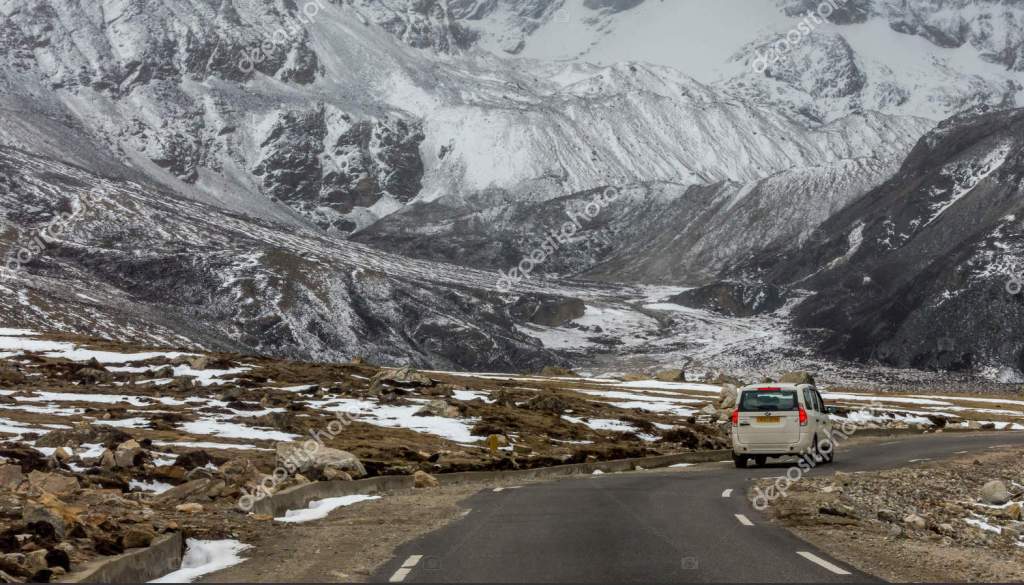
SIKKIM – Beauty Of North-East

Sikkim wan an independent kingdom ruled by Namgyal. Namgyal dynasty was founded by Phuntsog Namgyal in 1642. Over the years kingdom witnesses several raids and provincial losses. In 1700, the Sikkim was attacked by the Bhutanese. Between 1717 and 1733, the kingdom faced many attacks by Nepalese and Bhutanese lead to the destruction of the capital Rabdentse.In the 19th century, Sikkim become a British Protectorate. On 16 may 1975 Sikkim become the 22nd state of the Indian union.

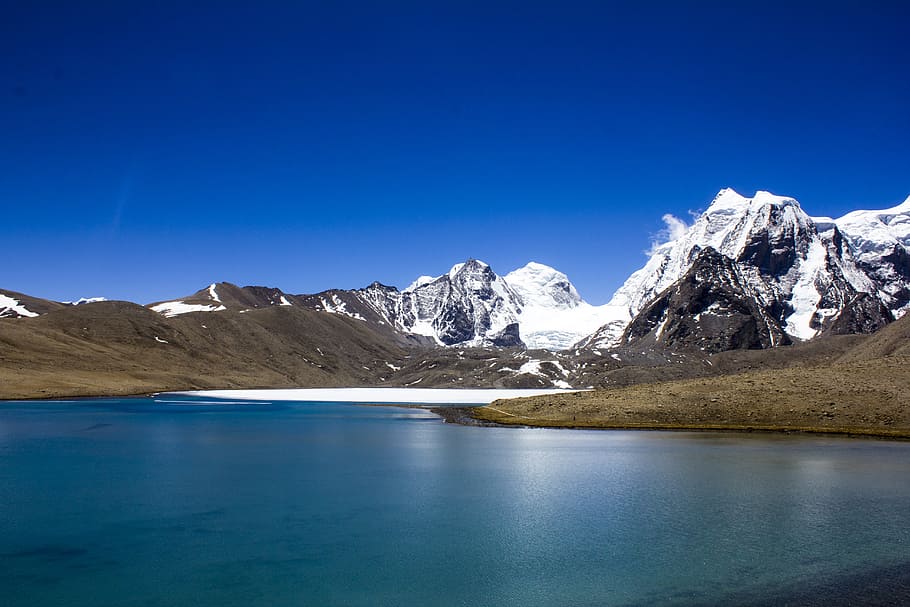
Sikkim capital is Gangtok. Almost 35% of the state land is covered by Khangchendzonga National Park. Sikkim is the least populous state among all the Indian states. Sikkim is unforgettable for its biodiversity and as being the host to the second-highest mountain in the world Kangchenjunga.

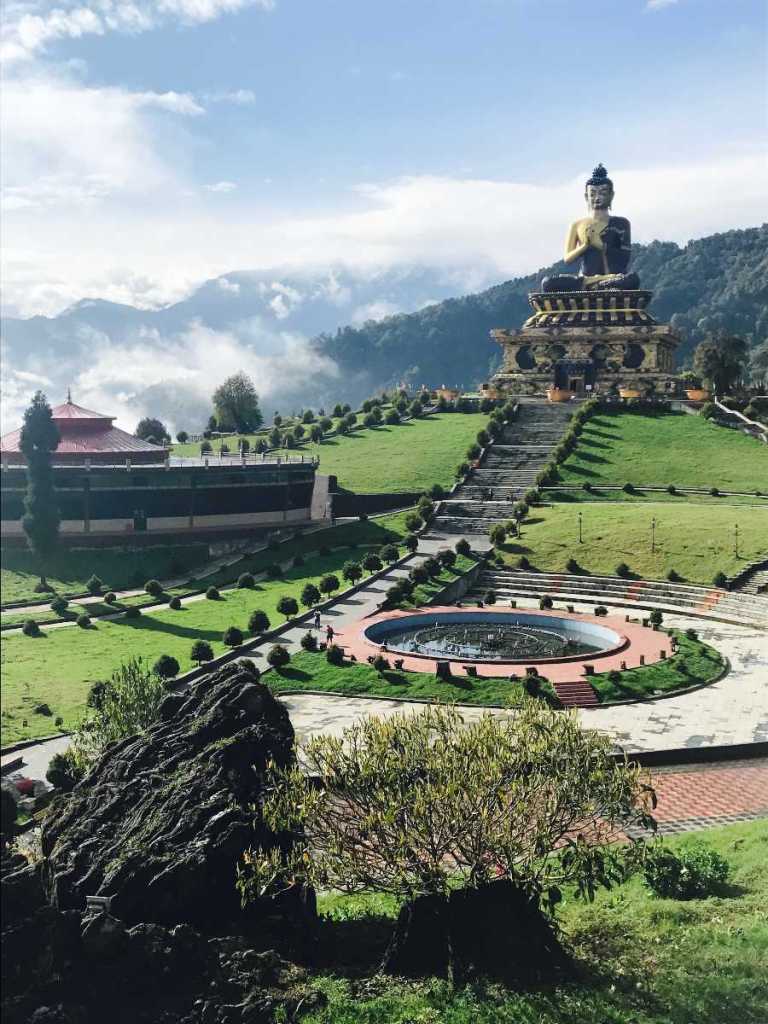
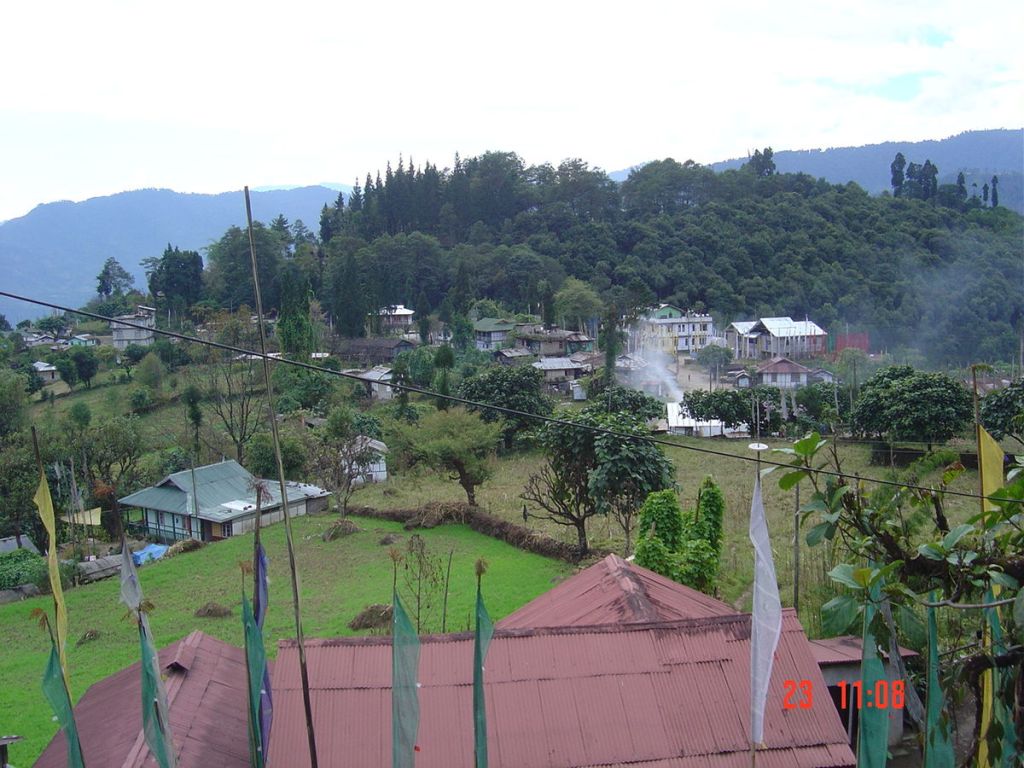
Sikkim’s economy is largely dependent on agriculture and tourism. Sikkim accounts for the second-highest spices producers. Sikkim is the Home Of Ancient Buddhist Monasteries. Weather is pleasant in almost all part of Sikkim throughout the year and that makes it the one of favourite holidays destination. Sikkim attraction its waterfalls, virgin forest, alpine meadows make Sikkim be in the bucket list of traveller. Sikkim surrounds the most astonishing pristine natural beauty of the Himalayas which has to explore. You will find a unique essence of nature in Sikkim.

These places in Sikkim are known for their magnificence and natural beauty.

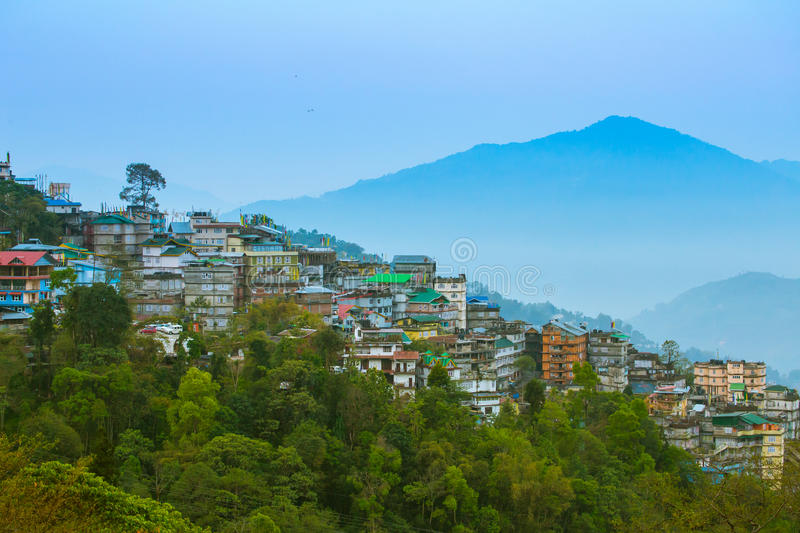
  1. Gangtok-Gangtok is the capital of Sikkim and it is the most visited place in Sikkim. Gangtok is surrounded by natural attraction Tsomgo Lake, Ban Jhakri falls, Kyongnsola Waterfall and many more. Gangtok is also famous for its arrangement in trekking and hiking. Gangtok is a must-visit place in Sikkim.

2. Pelling– Pelling is a must-visit place in the west district of Sikkim, the main attraction of the place is the incredible sight of the Khangchendzonga and the neighbouring peaks.Rich in heritage and culture and two old Buddhist monasteries. Pelling is one of the best-chosen tourist places in Sikkim. More than that, Pelling is the place where all the astonishing tourist spots of West Sikkim can be visited. City blesses you with breathing view from singshore bridge and city has the largest fall in the city and there are many more amazing places to visit Sewaro Rock Garden, Sewaro Rock Garden and many more.

3. Yuksom-Yuksom is a beautiful town located in the western region of Sikkim. Yuksom has historical importance to the Sikkimese with the first Chogyal crowned here. The Khecheopalri Lake considered holy by the Sikkimese is another tourist attraction of the place. Dubdi Monastery, Kathok Wodsalin monastery, Norbugang Park are some of the historic and charming places to visit Yuksom.

4.Lachen -Lachen is situated in the northern part of Sikkim and it is the least populated and reason being a natural beauty here is preserved. The serene vegetation is worth praising. The major attraction of these place is Chopta Valley, Green Lake, Cho-Lamu, Gurudongmar Lake and Shinghba Rhododendron Sanctuary.

There are many more amazing places to visit in Sikkim including Lachung ,Changu lake ,Naathula pass ,Teesta river and many more .

These are some of the interesting facts about Sikkim

1. Sikkim is a nation turned state.

2. Sikkim has eleven official languages.

3. Sikkim has the third-highest literacy rate in India.

4. Sikkim has 28 mountain peaks and more than 80 glaciers.

5.Every year International Flower Festival is held in Sikkim.

6. The red panda is a state animal of Sikkim.

7. Sikkim has over 552 different species of birds and 690 species of butterflies.

8. It is the third-smallest GDP among all the state of India.

9. Sikkim has 227 altitudes lakes ,five major hot springs and more than 100 river and stream.

10. Sikkim has 619,000 inhabitants.

Please let me know your thoughts in the comment below and have a wonderful day.