KASHMIR

Location

Kashmir is the northernmost geographical region of the Indian subcontinent. Until the mid-19th century, the term “Kashmir” denoted only the Kashmir Valley between the Great Himalayas and the Pir Panjal Range. Modern usage of the term encompasses a larger area that includes the Indian-administered territories of Jammu and Kashmir and Ladakh, the Pakistani-administered territories of Azad Kashmir and Gilgit-Baltistan, and Chinese-administered territories of Aksai Chin and the Trans-Karakoram Tract.

History

In the first half of the first millennium, the Kashmir region became an important centre of Hinduism and later of Buddhism; later still, in the ninth century, Kashmir Shaivism arose. In 1339, Shah Mir became the first Muslim ruler of Kashmir, inaugurating the Salatin-i-Kashmir or Shah Mir dynasty. Kashmir was part of the Mughal Empire from 1586 to 1751, and thereafter, until 1820, of the Afghan Durrani Empire. That year, the Sikhs, under Ranjit Singh, annexed Kashmir. In 1846, after the Sikh defeat in the First Anglo-Sikh War, and upon the purchase of the region from the British under the Treaty of Amritsar, the Raja of Jammu, Gulab Singh, became the new ruler of Kashmir. The rule of his descendants, under the paramountcy (or tutelage) of the British Crown, lasted until the partition of India in 1947, when the former princely state of the British Indian Empire became the subject of the Kashmir conflict. The modern region is administered by three countries: India, Pakistan, and China.

How to go

By air: To fly into Kashmir, take the Srinagar Airport (15 km away), which is well connected to prime Indian cities. Air India, GoAir, IndiGo and Jet Airways operate regular flights for Delhi, Goa, Jammu, Leh Mumbai and Bangalore. After reaching the airport, visitors can hire taxis to reach various cities and towns of Kashmir.

By train: Jammu Tawi Railway Station, situated at a distance of about 330 km, is the nearest railhead serving the beautiful valley of Kashmir. New Delhi-Jammu Tawi Rajdhani Express, Jammu Mail and Jammu Tawi Express are some of the prominent trains operating from Delhi. From outside the railway station, one can hire private taxis or take state or private buses to reach various places in Kashmir.

By road: The state of Kashmir is well connected by a network of state and private buses with several nearby cities and towns. National Highway 1-A connects Srinagar with Jammu. Also, the popular Jawahar Tunnel connecting Jammu with the valley of Kashmir also falls on the way. A number of J&K State Road Transport Corporation (JKSRTC), luxury and private deluxe buses ply frequently to and from state. These buses are extremely comfy and cost-effective.

Tourist Places

Srinagar: Srinagar is undoubtedly one of the most beautiful and famous places to visit in Kashmir as well as in India. From boating to trekking, bird watching to water skiing, Srinagar place has it all. Locally this place is known as the mirror to the mountains, Srinagar is a first stopover for every traveler and there is a long list of places to visit in Srinagar, Kashmir. The largest city of Kashmir, this place is enclosed by the green mountains and the main highlight being the Dal Lake which is the gem of the city. This place gives a close outlook to the Kashmiri cuisine and the state’s culture.

Gulmarg: Famously known as the ‘Meadow of Flowers’, Gulmarg is a treat to the eyes with its spread of vibrant flowers against snow capped mountains as backgrounds. Gulmarg is considered to be one of the best places to visit in Kashmir for all right reasons. This region of Kashmir is also known as the adventurer’s paradise because of its vast options of skiing in the snow while enjoying the views around. The best time to visit Kashmir for snowfall is in winter season i.e. December-January.

Sonamarg: Sonamarg, as the name suggests, is famous as the ‘Meadow of Gold’. An endless stream of stunning flowers and undulated trekking routes are its attractions. Sonamarg has to be in every visitors’ list of places to visit in Kashmir for its mesmerizing aura and breathtaking views. The best season to visit Kashmir would be in summer i.e. May-June when the valley is blooming with variegated flowers.

Leh: Leh is one of the best and safe places to visit in Kashmir in summers. The lofty mountains, the alpine lakes, and the quaint settings enable Leh one of the best places to visit. This place is every biker’s dreamland. Clad in the beauty and love of nature, Leh offers breathtaking views, leaving no visitor disappointed. You must explore all the top places to visit in Leh when traveling to Kashmir.

Kupwara: Kupwara is a small district located in the state of Jammu and Kashmir and situated at a distance of 90 kilometres from the state capital, Srinagar. Blessed with nature’s finest views, the thriving meadows, alpine mountains, and the gushing clear water make Kupwara a must-visit destination in Kashmir. This city epitomizes the beauty of Kashmir.

Why should you visit Kashmir?

Breathtaking landscapes: There would be not a single person on this planet who doesn’t love nature. We all admire nature, but no one sees it in chaotic cities. Kashmir has everything including mountains, dense forests, green meadows, grasslands, and water streams that together create wonderful scenery. From Aru Valley to Saffron fields, Zabarwan Mountain range to the Chashme Shahi, Badam Vari to Apple Garden, Almond trees to Chinar Tress, all these naturally beautiful locations make Kashmir a Heaven on Earth. Gulmarg, Pahalgam & Sonmarg are some such marvelous locations that everyone loves to visit repeatedly.

Wonderful climate: Plan your trip to Kashmir in the scorching heat of summers when the temperature rises up to 40 degrees. Kashmir is cool even in the harshest of summer and you can visit this valley between March and May to see the blooming flowers, green meadows, and Chinar trees. Overall you can experience the new phase of spring in the Valley of Kashmir. If you plan your trip in Winter Season then you will enjoy beautiful snowfall that would be an incredible experience. The snow-capped mountains fill the region with exquisite surroundings and the snow-capped trees look awesome while offering a serene feeling to everyone. Also, you can enjoy the most stunning views of sunrise and sunset at Dal Lake in Srinagar.

Pristine Lakes: Your Kashmir trip is not complete without taking a ride of Dal Lake and these lakes are the perfect reason to plan a Kashmir trip. It is one of the favorite destinations for the tourists where shutterbugs also love to capture the exquisite scenes. The houseboats and Shikaras are the most famous attraction of Dal Lake. Here, you can see the floating markets and gardens with the sweet smell of flowers and various other attractions. Apart from this, Wular Lake is also popular as the largest freshwater lake in Asia, Mansbal Lake is home to many aquatic birds and surrounded by lush greenery and mountains. Nagin Lake offers the utmost tranquil space to enjoy the serenity. The list doesn’t end here; the waterholes like Gadsar, Gangabal, Tso Moririm, Pangong and Mansar are the greatest attractions for the visitors. The different waterholes provide a perfect landscape in the state of Jammu & Kashmir.

Trekking points: Enclosed by the Great Himalaya and Pir Panjal mountain range, Kashmir Valley is the best place for camping, trekking, and mountaineering. While traveling to this gorgeous land, you will witness the most enchanting views of mountains, lakes, and meadows. Walking through the foothills, Kashmir Great Lakes Trek is popular among tourists where you will cover the lakes of Gangabal, Kishansar and Vishansar that are close to the Harnukh Peak. Aru-Valley, Kolahoi Glacier Trek and Yousmarg Trek are yet another challenge for trekkers. Kashmir is one of the best places for trekkers where fun is boundless.

Art and heritage: You can explore the past events and lifestyle of ancient Kashmiri people in the museums that hold the glory of the rich culture and heritage of the state. These museums include items like paintings, copper utensils, shawls, handicrafts, pottery, stones, arms, and metal substances that stand as proof of the rich sculptural execution of Kashmir. Some of the museums of Kashmir were palaces in old times, which got converted. You can see here some art galleries having old clothes and even a library with old books. Some famous museums of Jammu & Kashmir are Amar Mahal, Dogra Art, Sri Pratap Singh, Kanchenjunga, and Stok Palace Museum where you can check out amazing paintings, old utensils, books, musical instruments, and textiles.

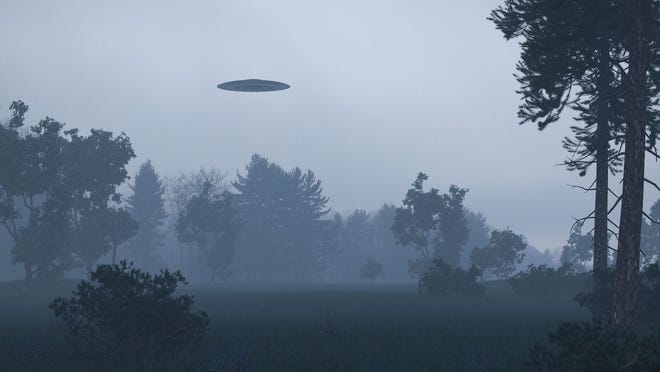
UNIDENTIFIED FLYING OBJECTS

I Know I am late a moment ago I came to know about that 2nd July was UFO day, I am really very flatter to know about this day in my school days I was very much curious about the galaxy , the unknown mysterious world, other planets , aliens then with the time  I am distracted from my this world, but always when I get time I tried to gather information .so 1st I am telling you the reason behind the day

World UFO Day is an awareness day for people to gather together and watch the skies for unidentified flying objects. The day is celebrated by some on June 24, and others on July 2. June 24 is the date that aviator Kenneth Arnold reported what is generally considered to be the first widely reported unidentified flying object sighting in the United States,[ while July 2 commemorates the supposed UFO crash in the 1947 Roswell UFO Incident.

RoswellDailyRecordJuly8,1947.jpg
Roswell Daily Record, July 8, 1947, announcing the “capture” of a “flying saucer” source WIKIPEDIA

What is other side of the sky? Once This question always going round in my mind, other planets, solar system , milky way, black eye galaxy this things are fascinated millions , years after year scientist research and now the craze to know the unknown world , creature from other planet is really noticeable. Series, documentaries, movies based on aliens, other world.  But you know In Chhattisgarh ancient rock painting depicting UFO exist suggesting Alien communication with humans since prehistoric times, Archaeologists JR Bhagat, who discover them , said they depict strange humanoids with no facial features and other painting of flying discs.

CHARAMA (Chhattisgarh): Chhattisgarh state department of sarchaeology department has sought help from NASA and ISRO experts.

The finding suggest that humans in prehistoric times may have seen or imagined beings from other planets which still create curiosity among people and researchers.

GST DAY

Approx most of the day we heard about this Term GST, if we Recharge mobile current postpaid bill is Rs 500, we will have to shell out Rs 590. It is Rs 15 more than what you are currently paying. Food, electricity, gold, land, loans in these services GST is applicable

GST, Goods and Service Tax Act passed in the parliament of India on 27th March 2017 and came into effect on 1st July 2017.

The day was celebrated on 1st July 2018 to mark the first anniversary of the new indirect tax regime.GST is a single indirect tax on the supply of goods and services right from manufacturers to consumers. It’s replaced a number of taxes such As excise duty, service tax, central sales Tax, Value-added Tax(VAT), and Octroi.

Excise duty is an indirect tax that levies on the goods which, are produced within the country. This tax is not related to the Customs Duty. Excise Duty is also known as Central Value Added Tax. value-added Tax is collected by the state government. For example, if we purchase a good then we must pay an additional tax as Value Added Tax to the government. The VAT rate is decided based on the nature of the item and state.Custom duty and OctoroiThis tax is levied on those goods that are imported into India from outside. The Custom Duty tax is paid at the port of entry in the country as the airport. This tax rate also varies over the nature of goods. While the Octroi tax is charged on the goods entering the municipality.

GST was First coneceptual by Former Indian Prime Minister Atal Bihari Vajpayee,1999.

In an official message on the occasion of GST Day, Finance Minister Nirmala Sitharaman on Wednesday said that more efforts are required to ease tax compliance further for the taxpayers, especially the micro, small and medium enterprises (MSMEs). Wednesday marked the third anniversary of the launch of the Goods and Services Tax (GST) regime.In message, Ms Sitharaman herhighlighted the steps taken towards easing the return filing process, including the recently introduced feature of SMS-based filing for nil return

Happy National Doctor’s Day

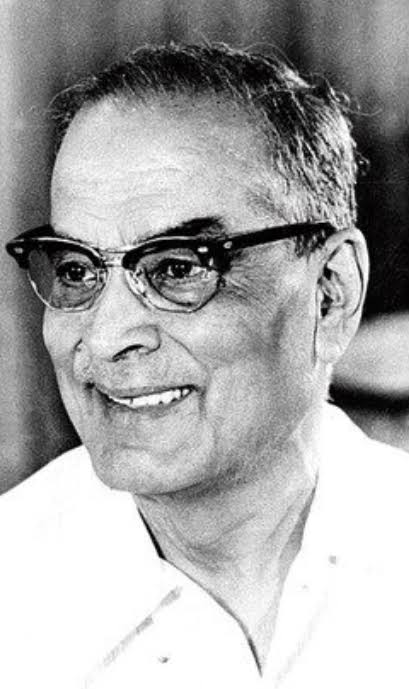
Every year on 1st July India celebrates National Doctor’s Day in honor of Bharat Ratna Dr. Bidhan Chandra Roy former chief minister of West Bengal and someone who represented the best of his profession at a critical time in India’s modern history.

He is still considered the greatest Chief Minister of West Bengal and a visionary of developing the State as after independence lot of industrial development took place in the State.
He was the one to establish the Indian Medical Association in 1928 and the Medical Council of India. He also played a crucial role in establishing the Indian Institute of Mental Health, the Infectious Disease Hospital, and even Kolkata’s first-ever postgraduate medical college.

My Tribute to our life Saviors

And on this Doctor’s Day salute to all the doctors and healthcare workers for their selfless service. In this pandemic, they are real-life heroes, bringing hope in these difficult situations. Keeping us safe, fighting the coronavirus war at The frontline. Their invaluable contribution makes people recover from this dreadful disease.

India- land of large physiography

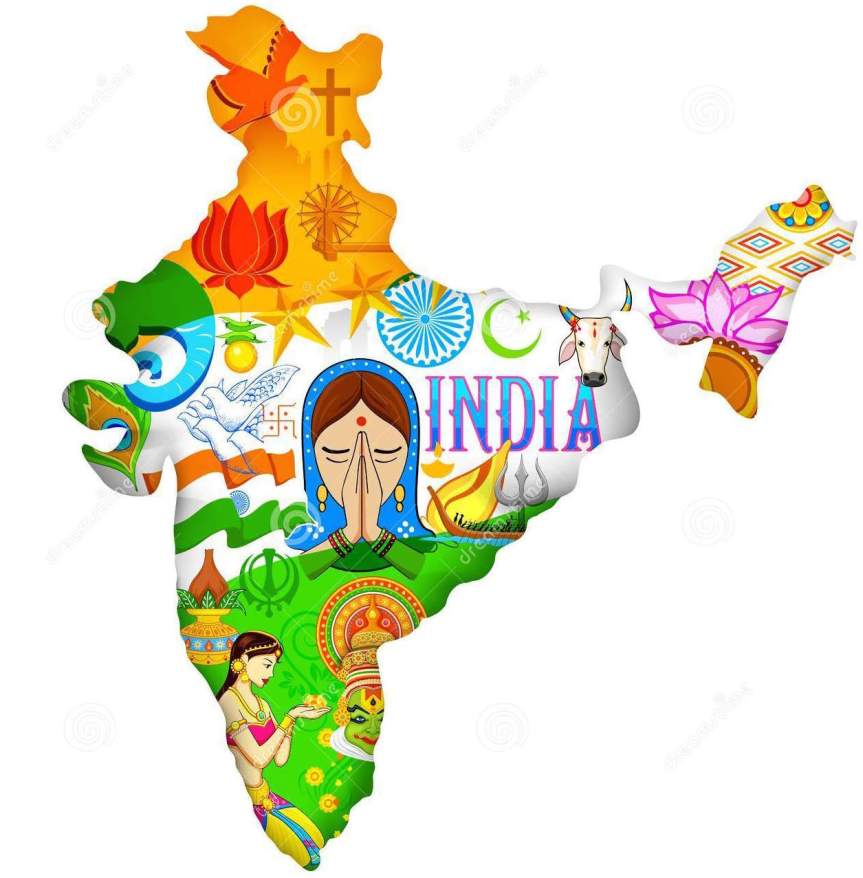
Unity in diversity, So is said about India, is not true only about its people, but it’s physiography, beautiful and insane. Mountain chains, large deserts, beautiful coastlines, beaches, ever flowing rivers, dense forests and the swampy landscapes, all put together to make a divine country, named, India. All these features make India a place worth visiting for, and thereby creating an increase in its rank up on the world stage.

India has been divided into six physiographic zones –

  • Northern and north-eastern mountain
  • Northern plain
  • Peninsular plateau
  • Indian desert
  • Coastal plains
  • Islands

North and north eastern mountains –

Starting right from the Himalayan mountain range, where the heaven on the earth, is one of the most prominent features of Indian physiographic divisions. It not only protects the country from external attacks, but also is responsible for the controlling of the winds flowing in and out of the country. Starting from Hindu Kush mountains in the West, covering all of the Northern India, these get plunge towards the North East, in the states of Arunachal Pradesh and Meghalaya.

Northern plains –

Covering most of the Indian peninsula, the northern plains spread over 2.5-million km sq. Most of the production activities take place over this region, such as, farming, setting up of industrial areas, and other massive activities, also having the most fertile soil to grow crops, i.e. alluvial soil. The region is a way, or the region sustains India’s most of the perennial rivers, like The Ganga, The Yamuna, The Son, etc and etc.

Peninsular plateau –

Peninsular region is the oldest part of the Indian subcontinent. Most of the variations in the land geography, one can find plateaus, fold mountains, ridges, and contains most of the mountain ranges. Peninsular region of India is most famous for its forest areas and diverse range of flaura and fauna.

Desert –

Two type of deserts can be found in India

  • Hot desert
  • Cold desert

Hot desert covers the Western most states of the country, Rajasthan, Gujarat. But the type of deserts still differ from each other, in terms of appearance and salinity. The desert in Gujarat is more saline and is white in appearance, but in the region of Rajasthan, it is alike other deserts found in many of the parts of the world.

Cold desert of India is in the Ladakh region, which is also the coldest and highest regions of the country.

Coastal areas and Islands –

India is bestowed with a large coastline,running from Gujarat towards the South,and ending up in the state of West Bengal. It is because of this large coastal area, most of the economic developments could take place in the country,whether it is fishing, extraction of natural resources,development of ports, and way for exports and imports.

Major islands of the country are Andaman and Nicobar and Lakshadweep,where natural resources are easily available in abundant amount.

This diversity in the physiography of India makes it a beauty of the earth and the presence of natural resources makes the subcontinent into a land which is more favorable for human growth.

SHAILAJA TEACHER: corona virus slayer

Kerala, which recorded India’s first three corona virus cases,has been successful in flattening the curve of new infections. The southern state has reported 3,451 cases, of which 1809 patients were discharged after receiving treatment . Twenty-two deaths have been recorded so far in Kerala.

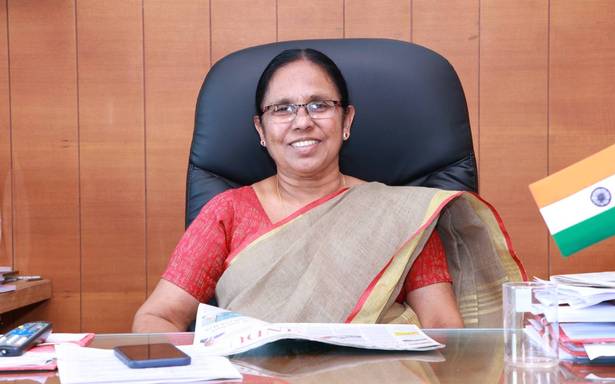
Kerala Health Minister KK Shailaja popularly known as Shailaja Teacher has been hailed for effectively control the Covid-19 curve in the state , at a time when the entire country was devasted by the disease. Kerala was apparently successful to fight with the virus because of timely intervention by the Minister.

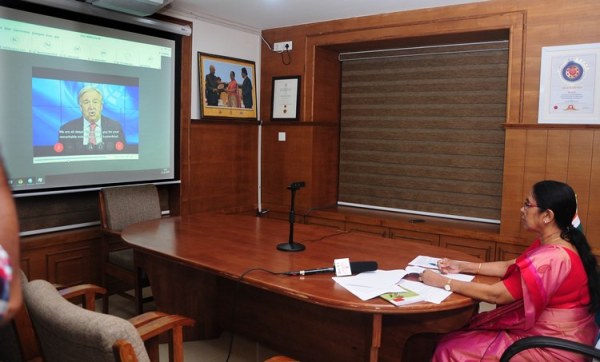
Recently she was honoured by the United Nations during the celebration of Public Service Day for tackling the Covid-19 pandemic Effectively .The UN observed Public Service Day on 23 rd June to honour those who risking their life and health to deliver essential public services amid the ongoing Covid-19 pandemic.

K.K SHAILAJA attending UN Public Service Day Celebration

the event was held at virtual platform and saw the digital participatation of UN secretary General Antonio Guterres and other top dignitaries

BOYCOTT CHINA CONTROVERSY

What is Boycott China controversy?

Boycott of Chinese products is a slogan used by Internet campaigns that advocate a boycott of Chinese-made products. Commonly cited reasons for the boycott include the alleged low quality of products, human rights issues, territorial conflicts involving China, support for separatist movements within China, and objection to more specific matters relating to China, such as the eating of dog meat and the Yulin Dog Meat Festival, and more recently, the government’s alleged mismanagement of the COVID-19 pandemic.

Countries including India, Philippines, and Vietnam have called for a boycott of Chinese goods, as have separatist movements in China itself. A full boycott of Chinese products is considered to be difficult to achieve, as the country manufactures a large number of goods that are widely sold and used across the world, and also holds stakes in various non-Chinese companies.

Causes

China is the largest country in the world by population, and the third largest by territory, sharing long borders with several other nations. Border conflicts have occurred many times between China and their neighbors during its history.] At the center of Asia, some Chinese emperors attempted to expand their empires through war. There are also a lot of conflicting national interests and policies between China and other nations, like the disputes between the other nations with China and its allies. As a result of these conflicts, there is dissent against China amongst its bordering nations, and calls for the boycotting of Chinese products originate from residual resentment due to border conflicts.

In 1949, the Communist Party of China won the Chinese Civil War, gaining control of China. Since the 1980s, with the “reform and opening up”, Chinese leaders have made economic development one of their first priorities. Chinese businesses often produce goods tailored to market expectations; therefore, Chinese products generally may lack quality when consumers prefer to pay a low price.

Overpopulation is also considered a possible reason for manufacturing low-quality products; some firms cannot find enough of the needed raw materials to produce goods that serve customer requirements and follow safety standards, instead producing products made with cheaper or low-quality material. Many companies and businesses also lack capital, industry expertise, and marketing power, leading to their manufacturing of counterfeit products. Many companies produce such goods to piggyback on the popularity of legitimate companies such as Apple, Hyatt and Starbucks are copied. However, by looking at the situation in the context of history, it is often argued that this is simply a normal transition in manufacturing, and that a phase of low quality and counterfeit manufacturing is not unique to China alone, as Japan, South Korea, and Taiwan have undergone very similar economic phases. Keeping the aforementioned information in mind, with high quality goods being delivered from Chinese firms such as Huawei and Lenovo in recent years, it can be observed that the state of Chinese manufacturing quality is ostensibly trending upward.

The 2008 Chinese milk scandal was considered a signal of poor food safety, affecting thousands of people, and as a result, many Chinese parents do not trust Chinese milk products. In recent years, however, the Chinese government has taken many actions in order to prevent sales of substandard food.

Technology produced by Chinese companies has also been a subject of scrutiny, especially by the United States; for example, in 2018, Donald Trump, the President of the United States, signed the National Defense Authorization Act for Fiscal Year 2019 into law, containing a provision that banned Huawei and ZTE equipment from being used by the U.S. federal government, citing security concerns.

Some organisations have used the COVID-19 pandemic as part of campaigns against China; for example, the Vishva Hindu Parishad in India has called for a boycott of China in retaliation for China’s allegedly being directly responsible for the Severe acute respiratory syndrome coronavirus 2 virus strain and the subsequent COVID-19 pandemic.

Boycott in India

India and Tibet have called for a joint campaign to boycott Chinese goods in response to border intrusion incidents allegedly perpetrated by China. Rashtriya Swayamsevak Sangh sarsanghchalak (chief) Mohan Bhagwat stated “We speak about self-dependence and standing up to China. The new government seems to be standing up to it. But where will the government draw strength from if we don’t stop buying things from China?”

In 2016, China denied the entry of India to the Nuclear Suppliers Group. Along with this, China is viewed as a major roadblock by Indians towards its permanent seat in the United Nations Security Council, with China having used its veto power repeatedly to keep India out of the UNSC while the US, UK, France and Russia support India. Meanwhile, China provides Pakistan unconditional support in many international stages; despite the fact that many countries including India and the USA claim that Pakistan is a state sponsor of terrorism. Also, China makes a large amount of investments in Pakistan. During the conflict between the India and Pakistan in August–September 2016 after the Uri attack, the supporting stand of China towards Pakistan led to a campaign to boycott Chinese products in India. As a consequence, sales of Chinese products dipped by about 40 percent in the period immediately after the boycott call. Patanjali Ayurved founder Ramdev Baba was among the many people to have spoken of boycotting Chinese goods amid the 2017 Doklam standoff when nationalist sentiments had risen.

In May 2020, in response to the 2020 China–India skirmishes which were allegedly perpetrated by China’s People’s Liberation Army, Indian engineer, educator and innovator Sonam Wangchuk appealed to Indians to “use your wallet power” and boycott Chinese products. He called for India to “stop using Chinese software in a week and hardware in a year”. This appeal was covered by major media houses and supported by various celebrities.

In spite of various campaigns by notable individuals and organisations, Chinese companies still have influence over various markets, especially relating to consumer technology and software. For example, as in March 2020, Xiaomi, Oppo, Realme and Vivo accounted for approximately 73% of smartphone sales in India. On the other hand, Samsung Electronics and Nokia, both companies that once led the market, together accounted for less than 22% of smartphone sales. In spite of the campaigns, retailers have stated that the growing rhetoric is unlikely to sway consumer behaviour, especially due to alleged “value for money” in Chinese products, especially smartphones.

Chinese companies also invest heavily in Indian companies; 18 out of 30 of India’s billion-dollar startups are funded by China. Major Chinese investment firms like Alibaba Group and Tencent hold investments in major companies that are considered to be Indian, like BYJU’S, Zomato, Ola Cabs and Flipkart. In spite of the Indian government recording the origin of foreign direct investment, many Chinese companies exploit loopholes by investing in Indian companies through their non-Chinese subsidiaries; for example, Alibaba’s investment in Paytm was by Alibaba Singapore Holdings Pvt. Ltd. Hence, these investments don’t get recorded in India’s government data as Chinese investments.

In view of these circumstances, various other issues have been pointed out. For example, B. Thiagrajan, managing director of Blue Star Limited, an Indian manufacturer of air conditioners, air purifiers and water coolers said “We are not worried about finished goods. But most players across the globe import key components such as compressors from China,” and added that it would take a long time to set up local supply chains, and that there were few alternatives for certain kinds of imports. Besides, boycotting popular Chinese apps such as TikTok has been suggested as a more effective alternative to boycotting physical goods in terms of value added because there are multiple alternatives

Is it practically possible to boycott China?

It is not practically possible for India to cease the entry of Chinese products altogether. Even if the Government passes a law to stop the official use of Chinese products, then also Chinese products are going to hit the market through unauthorized entry and smuggling. People are all so attracted towards the Chinese products because they are cheap. We all know that India is a third world country or a developing country. So the majority of the population here are lower middle class or lower class. As a result they do not have enough money to spend on costly luxurious things. So they try to settle for a cheap but look-alike substitute by which they can still enjoy some of the benefits of the modern world. This chiefly includes smartphones, smart watches, laptops and other electronic items.

Apart from that, there is a huge annual transaction between India and China. This boosts the economy of both the countries. But as China is the producer of the goods, so even if they are cornered, they can produce their own stuff and carry on their life almost normally. But if the boycott is started by India, then India will not only suffer monetary losses, but also it will not receive the goods needed for the day to day life of its citizens.

So although the hostilities between India and China in recent times is completely unacceptable and also there have been reports that China heavily funds Pakistan, which is renowned all over the world as the hub of terrorist funding, it is not pragmatic for India to completely stop using Chinese hardware, that too in the course of a year. But, of course, if the Indian Government plans to stop the use of Chinese apps and softwares, that is a still practical decision but then Indian companies will have to come up with applications and softwares that would replace the boycotted Chinese apps. In a nutshell, before India plans to make any drastic decision, it should check all grounds to see if this #BoycottChina is a very practical decision or not.

Boycott China effect? AC-maker Johnson-Hitachi India to halve import, double export

Johnson Controls-Hitachi Air Conditioning India is a 60:40 JV between the American and Japanese companies, respectively, and enjoys 12.5 per cent of the Rs 16,000-crore market in value and 11 per cent of the 65-lakh units domestic AC market as of FY2020.

Leading air-conditioner maker Johnson Controls-Hitachi India is planning to halve its import dependence and at the same time to double its exports over the next one year. The move comes amidst the shrill calls for boycotting Chinese goods following violent skirmishes on the Leh border earlier this month that lead to the killing of 20 Indian soldiers.

The government sees the air-conditioning industry as a priority sector for generating jobs along with furniture, leather and footwear. The domestic AC industry meets almost half of its parts through imports, primarily from China, and turn it to be a key export driver.

The company closed FY2020 with a turnover of Rs 2,300 crore, selling 7.5 lakh units, giving it a market share of over 12.5 per cent, chairman and managing director Gurmeet Singh said. On profit, he said on average they make 8-9 per cent net margin but this year it may slip to 6-7 per cent, as he does not expect to add volume due to the COVID-19 pandemic.

With 12.5 per cent market share, Hitachi is the fourth largest player after Blue Star, Voltas and Daikin overall, and the third largest in window & split segment, he claimed. The company runs a 9-lakh per annum plant (in single shift, and up to 15 lakh in double shifts) at Kadi, on the outskirts of Ahmedabad since 2009 and has made a cumulative investment of over Rs 800 crore.

“We import around 40 per cent parts, of which 50 per cent are China-sourced. The import supply chain suffered due to the pandemic since February and the lockdown since March has left us with huge inventory pile. And I don’t want to have a repeat of either.

“Therefore, my idea is to focus on cutting down imports by half over the next one year and at the same time also to double my exports to 50,000 units or thereabout from the present 25,000-odd units to the middle East and Africa–both of which are under the India,” Singh told PTI over the phone from his New Delhi headquarters.

Singh said on a net basis 70 per cent of the AC market is imported in terms of parts and 30 per cent of the Rs 16,000-crore overall market is fully imported units. Of the remaining Rs 11,200 crore, around 50 per cent parts are again imported, reducing the domestic market pie to just about Rs 8,000 crore.

There are great synergies between India, Africa and the Middle East markets in terms of weather conditions, which demand only minor tweaks in the India made units, Singh explained underlining the scope for exports and noted that while our AC exports are close to nothing, China ships out 4 crore units annually.

“But we can easily do an encore of what we have done in mobile phone manufacturing,” Singh said, adding we can serve Africa, the Middle East, and the SAARC markets. Stating that he does not see an opportunity to grow bigger this year, he said he’d be happy not to lose his people (to the virus) and also market share this year. He said while sales were down 80 per cent in March, the same plunged over 90 per cent in April (he sold 2,000 units to government for COVID hospitals) and June volume is down 65 per cent so far.

@Martin_Christopher

Mawlynnong

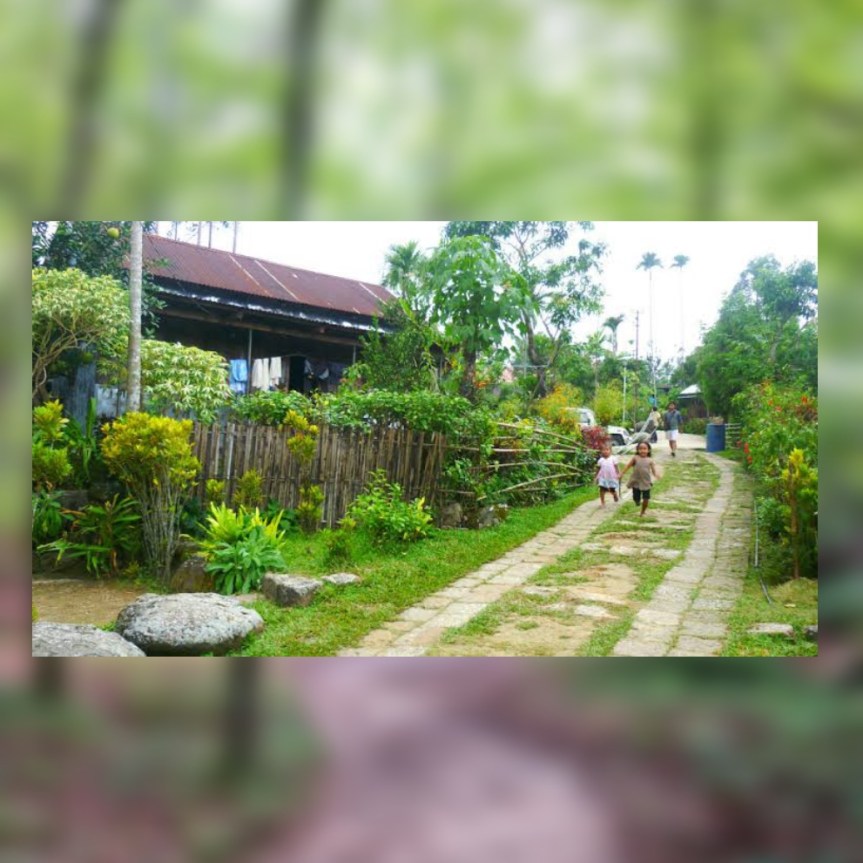
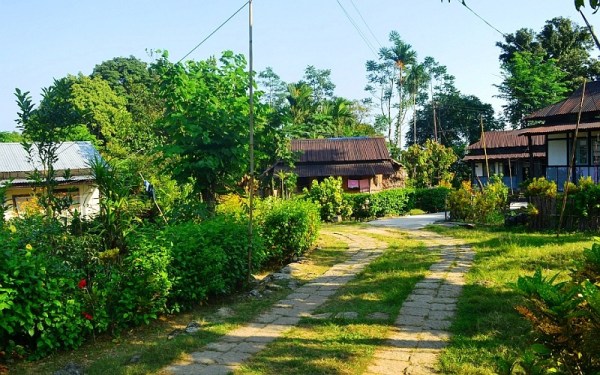
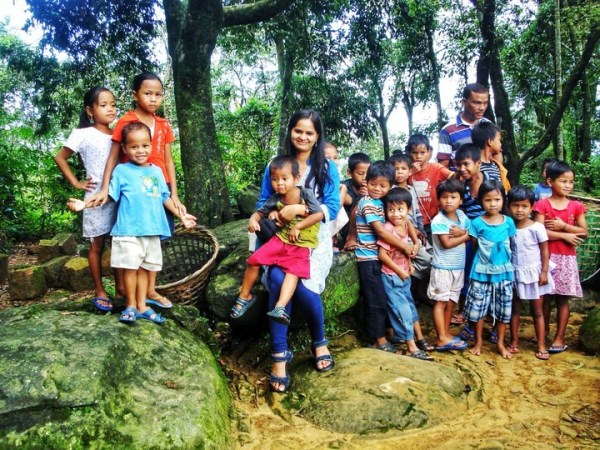
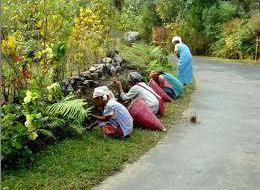
Mawlynnong God’s own garden ,The cleanest village in Asia . It’s a small village in East Khasi Hills district Meghalaya state in North east India .In 2003 It was awarded the title ” cleanest village In Asia” by Discover India. a mysterious paradise, a place far from city life’s pollution .cleaniless really a great achievememt when whole country is struggle for “swachata” along with this the village has approx hundred percent literacy rate and highly progressive scenario for women.

Mawlynnong is located 90km from Shilong , along the India Bangladesh Border. Agriculture is the chief occupation of the local population. Here weather is pleasant all throughout the year, still the best time to visit is Moonsoon. During rainy season village and it’s surroundings become lush green .

each and every house of this village has functional toilets and the whole locality is provided with baboo dustbins,every waste product even dry leaves go into dustbin . Plastic and smoking strictly prohibited here. The Khasi tribe is the biggest attraction of this small village. This is a famous tribe and is well ahead of the patriarchal notions. In this tribe, children inherit their mother’s surnames and property is also passed through the matrilineal lines. Mawlynnong with all these features, proves that women empowerment is completely possible if people are convinced enough.

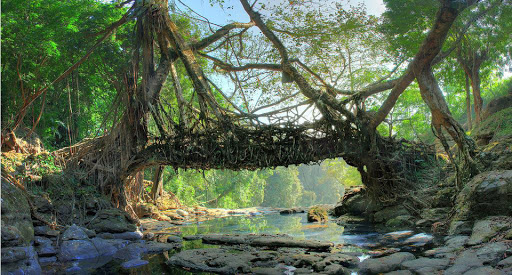
Living roots bridges,This natural wonder has been declared as an UNESCO World Heritage Site. The living route bridges are a phenomenon in itself. The bridges connect the aerial roots of one giant rubber tree and make a bridge hanging above the river. These bridges take years to self construct and can accommodate fifty to seventy people at a time.

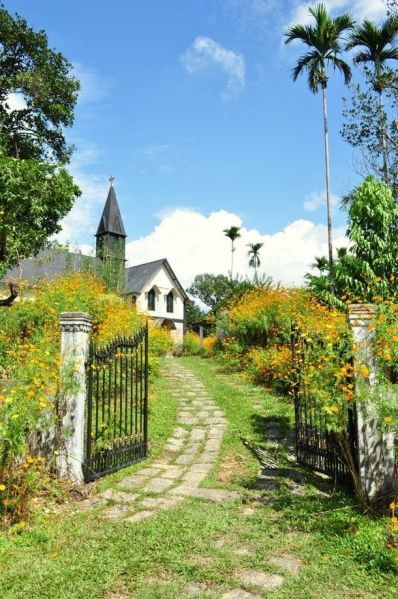
Khasis in Mawlynnong are devout Christians. Surrounded by orange and palm trees, stands a 100-year-old church in the village called ‘Church of the Epiphany’. Narrow stone paths with plants bearing orange flowers reach out to the Church, which is a black and white structure exuding an old-world charm. There are no houses that rise above the Church spire.

natural beauty , simle people ,culture, local dishes , a strange blissful peace and” cleaniness” makes MAWLYNNONG a destination of relief .

Tri-service contingent of Indian Military Participates In Victory Day Parade In Russia

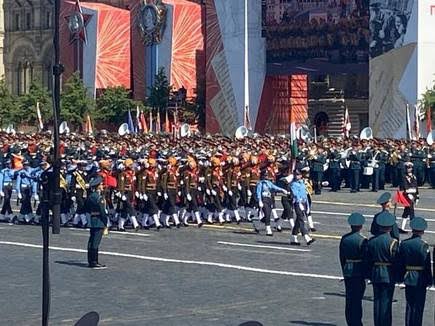
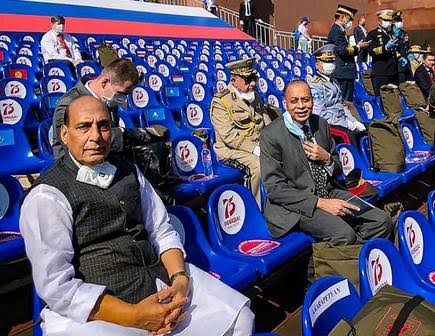
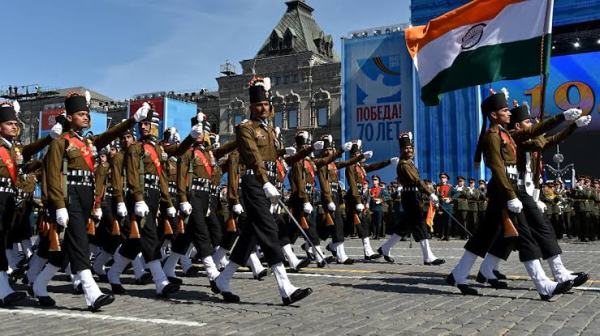
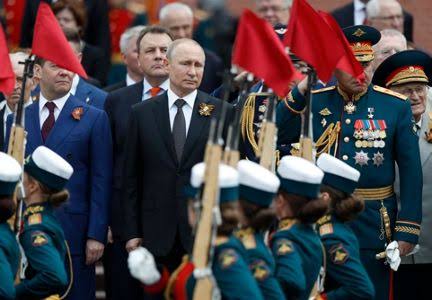
75-member Tri-service contingent of the Indian Armed Forces participated in the 75th anniversary of the Victory Day Parade at the iconic Red Square in Moscow on June 24. Defence Minister Rajnath Singh was one of the high profile guests at the event In Russia. 24 June 2020 Russia celebrated 75th anniversary of the victory of Soviet people in great patriotic second world war 1941-45.

Defense Minister Rajnath Singh At Red square Moscow 24 June with other Guests

“I am proud that a Tri-Service contingent of the Indian Armed Forces is also participating in this parade,”he tweeted.

” impressive turnout of the Tri-Service contingent of the Indian Armed Forces at the Victory Day Parade in Moscow is indeed an extremely proud and happy moment for me,”Mr. Singh said in another tweet.

Indian Military Marched down at the wide road of the Red Square Moscow June 24 2020

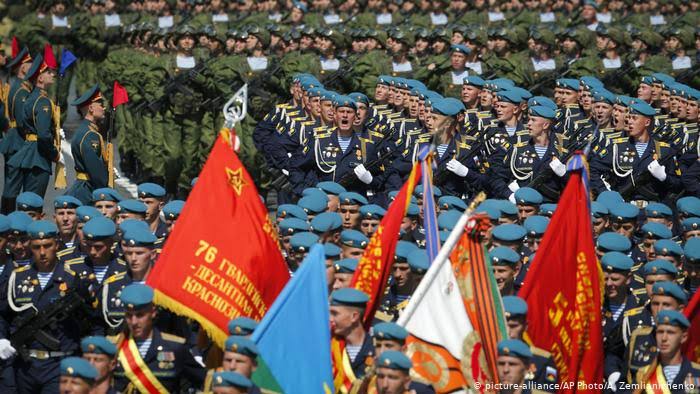
The Tri-Service contingent of the Indian Armed Forces comprised 75 all ranks and marched along with contingents of Russian Armed Forces and 17 other countries, according to an official statement. The parade was reviewed by Russian President Vladimir Putin, war veterans, and guests, including Defence Minister Rajnath Singh.This year, 14,000 troops and several hundred military machines took part in the parade, including 30 historic T-34 tanks. President Putin congratulated the military and guests, saying this victory determined the future of the planet.

Russia postponed its military parade traditionally held on Moscow’s Red Square on May 9 for a later date due to the corona virus pandemic.On May 26, President Putin announced that the Victory Parade would be held on Moscow’s Red Square on June 2.He explained that this was chosen because, on June 24, 1945, the legendary historic parade of victors took place, when soldiers, who fought for Moscow and defended Leningrad, who stood their ground for Stalingrad, liberated Europe and stormed Berlin, marched on Red Square.