Which GPS Robot Mower Features Deliver the Best Results?

Choosing a GPS robot mower is easier when you know which features truly change how well it cuts your lawn. Modern models do more than wander randomly. They map your yard, follow precise routes, and avoid obstacles with smart sensors and AI. Some brands even let the mower learn your lawn layout and optimize coverage over time. Key upgrades like RTK GPS, virtual boundaries, and multi-zone control now set the best performers apart. When those tools work together, you get cleaner cuts, fewer missed patches, and less time spent babysitting your mower or fixing its mistakes.
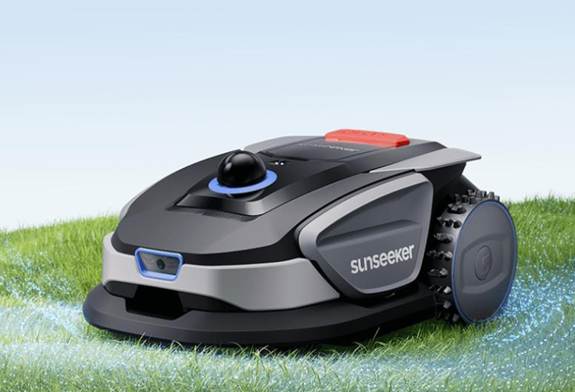
Which GPS Robot Mower Features Have the Biggest Impact on Performance?

RTK GPS Navigation and High-Precision Positioning Systems

RTK GPS navigation gives the robot mower a major boost in accuracy. Standard GPS can drift by several feet, which leads to crooked paths and uncut strips of grass. RTK (Real-Time Kinematic) correction tightens that margin to a few centimeters. The mower always knows exactly where it is on your lawn, even near trees or buildings. This lets it mow in straight, efficient lines rather than random patterns. High-precision positioning also reduces overlap, so the mower uses less time and energy while still covering every area. When paired with wheel sensors and gyroscopes, RTK GPS keeps the mower on track, improving both cut consistency and overall lawn appearance.

Smart Mapping, Virtual Boundaries, and Multi-Zone Management

Smart mapping lets the GPS robot mowers build a digital map of your lawn, so it can mow with intent instead of guesswork. It recognizes the lawn shape and key areas, then plans routes around them. Virtual boundaries replace physical perimeter wires, which simplifies setup and later changes. You can use an app to mark no-go zones around flower beds, pools, or gravel. Multi-zone management takes this further. Some models, like Sunseeker Tech GPS robotic lawn mowers, support up to 60 lawn zones and 5 maps for complex properties. That means separate settings for front yards, backyards, and play areas, giving each section custom schedules, cutting heights, and patterns.

AI-Powered Route Planning and Coverage Optimization Technology

AI-powered route planning helps the mower think ahead rather than move randomly. The mower analyzes the lawn map, past mowing data, and real-time location to choose the best route. It reduces repeat passes and avoids tight turns that waste time and wear down the grass. Coverage optimization technology checks which areas the mower has already cut and redirects it to untouched spots. Over several runs, the system learns where the lawn grows faster or where obstacles frequently block its path. Some advanced mowers adjust their route patterns based on that history. This approach leads to even coverage, less energy use, and fewer visible mowing lines or uncut patches.

How Do Advanced Features Improve Mowing Accuracy and Efficiency?

Obstacle Detection, Collision Avoidance, and Real-Time Adaptation

Obstacle detection helps the mower avoid hitting toys, garden furniture, trees, or pets. Sensors such as ultrasonic, radar, cameras, and bumpers scan the area ahead and around the mower. When it detects something, it slows, stops, or steers around the object instead of pushing into it. Collision avoidance protects both the mower and your property. Real-time adaptation takes this further. The mower changes speed, direction, or cutting pattern when it meets slopes, thicker grass, or narrow passages. It can adjust blade speed in dense patches or reroute if a new object blocks its usual path. These smart reactions keep mowing precise and efficient without constant human intervention.

Automatic Charging, Weather Response, and Intelligent Scheduling

Automatic charging keeps the mowing schedule on track with minimal effort. When the battery runs low, the robot mower returns to its base, charges, and resumes the job from where it left off. Weather response features use rain sensors or cloud data to pause mowing when conditions are wet or unsafe. This protects the lawn from ruts and clumping, and it extends blade life. Intelligent scheduling analyzes lawn size, grass growth, and past mow times to suggest or automate mowing sessions. The mower can run more often during peak growth and scale back in cooler or drier seasons. Together, these features deliver consistent results with less time spent on manual planning.
Mobile App Control, Remote Monitoring, and Software Updates

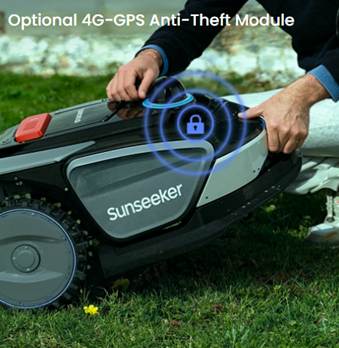
Mobile app control lets you manage the mower from anywhere. You can start, pause, or stop a session, change cutting height, or adjust schedules on the go. Remote monitoring shows real-time location, battery level, and status, so you always know what the mower is doing. If it gets stuck or lifted, you receive alerts and can respond quickly. Software and firmware updates add new features and improve performance over time. Brands often refine navigation, mapping, and safety through over-the-air updates. This means the mower can get smarter after you buy it. App control, live data, and ongoing updates work together to keep the mower efficient, secure, and easy to manage.

Conclusion

The GPS robot mower features that deliver the best results focus on precision, smart planning, and autonomy. RTK GPS and high-precision positioning keep mowing lines straight and coverage consistent. Smart mapping, virtual boundaries, and robust multi-zone support, such as the multi-map options in Sunseeker Tech GPS robotic lawn mowers, tailor performance to varied yards. AI route planning, obstacle detection, and adaptive behavior refine how the mower moves and cuts. Automatic charging, weather-aware scheduling, and app control reduce daily work for the owner. When you combine these tools in one mower, you get a cleaner lawn, less wasted time, and a more reliable mowing routine.

Daily writing prompt
What’s a lesson you’ve learned recently that shifted your perspective?

What is the Best Way to Handle Green Waste Removal?

Daily writing prompt
Describe your dream chocolate bar.

Managing Green waste is a significant problem faced by many households and businesses. However, there are effective solutions, such as the services offered by SDRR, that create a hassle-free removal process.

Photo by Liza Bakay on Pexels.com

Green waste, made up of garden and park waste, can be bulky and challenging to dispose of. Dumping it illegally can have severe environmental repercussions. Therefore, a professional waste removal service is essential to handle this correctly.

Companies like SDRR offer specialized green waste removal services. They not only collect your waste but also ensure it is disposed of or recycled in the most environmentally friendly way possible.

Defining Green Waste

Green waste refers to biodegradable organic materials, primarily composed of yard or garden debris. This includes grass clippings, leaves, branches, and other plant-based debris.

Identifying Green Waste

To effectively handle green waste removal, you first need to know what it comprises. It’s not just about lawn trimmings, shrubbery, or tree branches.

Green waste can also encompass food scraps. From your kitchen peelings and leftovers to expired produce, these add up and contribute significantly to green waste.

The Environmental Impact

The amount of green waste generated by households and businesses is overwhelming. It’s alarming that an estimated 9 million tons of yard trimmings and food scraps end up in landfills each year.

This not only occupies valuable landfill space but also releases methane- a harmful greenhouse gas as they decompose.

Effective Green Waste Handling

Being aware of the potential environmental damage from improper disposal of green waste cultivates the need for effective green waste management strategies.

You can choose different methods such as composting at home or professional services like skip bin hire to manage your green waste responsibly and conveniently.

Last but not least, integrating these practices into your daily routine greatly helps reduce the negative impact on the environment. Implementing sustainable methods can make a world of difference in handling green waste responsibly.

Why Remove Green Waste?

Green waste is organic refuse collected from your garden. It typically includes grass clippings, leaves, twigs, and branches. Removing it is important due to several reasons.

  1. Preventing Diseases: If not adequately managed, green waste may become a breeding ground for pests and diseases. These can harm your plants and even pose health risks.
  2. Clearing Space: It’s undeniable that a yard cluttered with green waste looks unsightly. Regular removal ensures you have a clean and inviting exterior space.
  3. Maintaining Nutrient Balance: While green waste can be beneficial as compost, too much of it can create an imbalance in soil nutrients.
  4. Responsibility to the Environment: Proper green waste removal reduces landfill quantities, contributing to eco-friendly practices.

In conclusion, green waste management improves plant health, enhances property appearance, protects the environment, and maintains soil nutrient balance. Hence, understanding the best methods to manage this waste type will help you reap these benefits.

Eco-Friendly Green Waste Solutions

Having a beautiful garden can lead to a significant accumulation of green waste.

Handling this waste in an eco-friendly manner is crucial for a sustainable future.

Composting at Home

Composting is an effective green waste solution.

It turns your yard waste into nutrient-rich soil conditioner.

This process reduces the need for chemical fertilizers, improving soil fertility organically.

Mulching Garden Beds

Mulch is beneficial in conserving moisture, suppressing weeds, and enriching the soil.

Turning your green waste into mulch helps you manage garden health while recycling your waste responsibly.

Hire Green Waste Removal Services

Sometimes, the volume of green waste exceeds what you can manage sustainably on your own.

In such cases, hiring a professional green waste removal service is advisable.

They have the necessary equipment and expertise to handle and dispose of large volumes of green material in an environmentally friendly manner.

Local Green Waste Programs

Did you know yard trimmings accounted for approximately 34.1 million tons of municipal solid waste in the United States in 2018?

To alleviate this problem, many municipalities offer collection programs for green waste.

These services not only help reduce landfill waste but also support local composting or mulching programs.

DIY Green Waste Disposal

Managing green waste removal at home is both practical and eco-friendly. It allows you, as an individual, to contribute in reducing the approximately 2 million tons of waste generated annually in the United States.

You can start by practicing composting. It’s a natural process that transforms your green wastes into nutrient-rich soil conditioner. All it requires is a small outdoor space and your green kitchen scraps.

Type of Green WasteComposting Method
Garden TrimmingsCold Composting
Kitchen ScrapsHot Composting
Fallen LeavesLeaf Mold Composting
Keep this table handy as you start composting at home.

Besides composting, consider using green waste as mulch. It can improve the health of your plants while reducing the waste that ends up in landfills.

Familiarizing yourself with different disposal methods gives you control over your household waste, promotes sustainable living, and even benefits your garden.

Costs of Green Waste Removal

The expenses associated with green waste removal differ significantly by location and type of materials. These costs may also include services such as collection, recycling, or composting.

One strategy to reduce these costs is by employing composting methods at home. This eco-friendly option encourages reducing, reusing, and recycling waste materials effectively.

  1. Material Separation: Segregate your green waste into separate categories such as leaves, tree branches, grass clipping, garden wastes etc.
  2. Composting: Composting creates a nutrient-rich soil additive that’s terrific for gardening, thereby saving costs and helping the environment.
  3. Community Disposal Programs: Some communities offer subsidized programs for green waste disposal which are worth checking out.

According to a report, about 28% of the household trash in the US is yard trimmings and food scraps that could be converted into compost.

Mindful approaches to green waste removal not only benefit our budgets but also make significant contributions towards our earth’s sustainability mission. This extends beyond just cost savings; it’s about taking responsibility for our planet.

Green Waste Equipment Rental

You might consider green waste equipment rental for effective waste management. Renting equipment alleviates the burden of procurement, storage, and maintenance that comes with owning such machinery.

When choosing a rental company, it’s essential to consider the diversity and quality of their tools. Proper equipment can significantly enhance efficiency and safety in managing green waste.

  • Heavy-duty Shredders: They can handle considerable volumes of waste effectively.
  • Garden Chippers: Ideal for managing smaller sizes of green waste, such as branches or shrubs.
  • Rotary Screeners: These machines help sort out materials, enabling effective composting.

The carbon footprint of green waste composting is substantially lower than landfilling; composting only emits a marginal volume of greenhouse gasses. It’s therefore more eco-friendly to convert your green waste into organic compost through aerobic decomposition than disposing it off in landfills.

Embracing green waste composting can markedly contribute to your efforts towards environment conservation. The compost output also has immense value as a high-quality soil amendment product. Therefore, renting the right equipment can significantly streamline your operations in managing green waste.

Professional Green Waste Removal

The task of green waste removal can seem overbearing; however, professional services make it easier. Usually, these services enable you to handle green waste wisely and efficiently.

  • Expert Advice: Professionals provide guidance on the kind of waste permissible and that which should be removed.
  • Suitable Disposal Method: Being experts in waste disposal, they apply suitable methods that guarantee efficient disposal.
  • Time efficient: Employing a professional service saves time and effort.

A significant benefit is composting. You can reduce the volume of your green waste by 50-75% through composting. 

This method of green waste removal transforms your waste into rich compost, which can then be used to enrich your soil, improve plant growth, and reduce your reliance on chemical fertilizers.So don’t let the green waste sit around in your backyard gathering dust and becoming an eyesore. Make use of professional green waste removal services to turn this ‘waste’ into something beneficial for your garden.