
The landscape of luxury hospitality has undergone a massive transformation over the past decade. For modern hotel operators, providing excellent room accommodations is no longer sufficient to maintain a competitive edge. Premium on-site amenities, particularly diverse dining options, now play a foundational role in boosting overall hotel profitability and customer retention. As highlighted in multidisciplinary studies on service sector economics, factors influencing guest satisfaction have shifted away from traditional luxuries toward experiential value. In this environment, food and beverage operations have evolved from secondary conveniences into primary drivers of global brand loyalty. During the first half of 2025 alone, food and beverage revenue per occupied room at resort hotels increased by 3.8 percent, successfully outpacing the 3.0 percent growth seen in total hotel revenue.
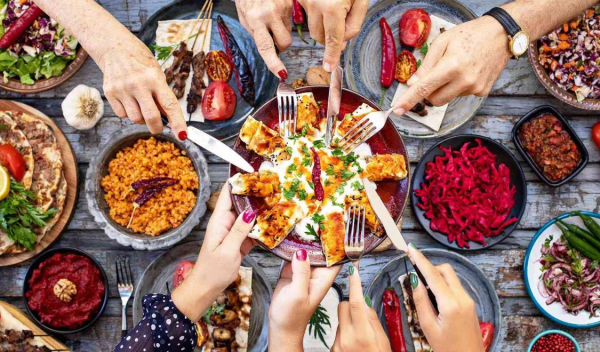
The Economic Impact of Culinary Tourism
To understand the business value of in-house dining, industry leaders must look at the broader numbers driving modern travel behavior. Culinary tourism is no longer a niche market. It has become a central pillar of global travel economics. According to Grand View Research, the global culinary tourism market is projected to reach $76.4 billion by 2033, expanding at a remarkable 21.9 percent compound annual growth rate. In fact, their market research summary notes that roughly 50 percent of global travelers now prioritize food to the point of making restaurant reservations before they even book their flights.
This shift demonstrates that investing in premium dining experiences is a necessary strategy for customer acquisition and maximizing average daily rates. Industry strategists utilizing the push and pull model identify culinary diversity as a primary pull factor for luxury hospitality. Recent data shows that 81 percent of global travelers actively crave new food experiences during their trips. By meeting this demand, properties can capture a larger share of the expanding consumer market.
Redefining Hotel Revenue Streams Through Gastronomy
In standard full-service hotels, food and beverage operations typically account for 20 to 30 percent of total revenue. However, in luxury and resort properties, these operations can generate between 35 and 45 percent of overall hotel revenue. This significant financial impact is largely fueled by regional culinary diversity and the ability to cater to a global clientele under one roof. Within the ultra-luxury hotel segment, total ancillary revenue per guest has risen dramatically over the last few years, a surge largely credited to premium in-house culinary experiences.
For example, in highly competitive markets, offering a comprehensive and premium dining experience can be the deciding factor for prospective guests. A luxury property featuring a renowned international buffet Singapore provides a prime example of how multicultural culinary strategies serve as powerful business assets. By satisfying the diverse palates of international tourists and local patrons alike, hotels can capture higher ancillary revenue per guest while establishing themselves as distinct culinary destinations in high-density hubs. In Singapore specifically, high-value tourist demographics have demonstrated a nearly 20 percent surge in food and beverage consumption, reinforcing the value of diverse luxury dining.
Core Strategies for Optimizing F&B Profitability
Operating high-end dining facilities requires strategic foresight to protect profit margins and maintain exemplary service standards. Industry surveys indicate that 85 percent of modern diners prioritize ingredient sourcing and quality over sheer volume. To balance these consumer demands with corporate sustainability goals, hospitality managers are adopting several innovative strategies:
- Centralizing Procurement: Hotels are increasingly shifting toward centralized managed procurement to negotiate better supplier contracts. This protects profit margins, where the cost of goods sold averages 24 percent of departmental expenses, without sacrificing food quality.
- Creating Third Spaces: Luxury food and beverage operations are being repositioned as community hubs. By attracting local residents alongside international guests, hotels can stabilize cash flow and mitigate the financial risks associated with seasonal tourist lulls.
- Implementing Dynamic Analysis: Managers are utilizing tools like dynamic-trend importance-performance analysis to track evolving customer expectations regarding food freshness and dining atmospheres as guest familiarity increases.
- Optimizing Dish Sizes: Leading hospitality groups are modernizing high-end dining by refining portion sizes and reducing over-production. This dual approach improves corporate sustainability metrics while enhancing departmental profitability.
The intersection of culinary diversity and luxury hospitality represents a critical area of growth for the modern business landscape. Urban centers worldwide are taking notice, with initiatives like Vienna’s recent visitor economy strategy explicitly leveraging culinary diversity as a sustainable economic tool. As travelers increasingly seek out authentic and varied gastronomic experiences, hotels that elevate their in-house dining operations will secure a distinct competitive advantage. By treating food and beverage divisions as strategic assets rather than obligatory amenities, luxury hospitality brands can successfully drive revenue growth, foster deep customer loyalty, and position themselves at the forefront of the global tourism economy.


