Reducing Costs and Complexity with 3PL Services and Solutions

Many businesses are struggling to keep up with the logistics demands in today’s fast-moving e-commerce world. Brands are expected to deliver products quickly, maintain accurate inventory levels, control shipping costs, and meet rising expectations.

For many businesses, especially startups, handling these operations in-house can lead to higher expenses, operational inefficiencies, and limited scalability. This is where 3PL services come into play.

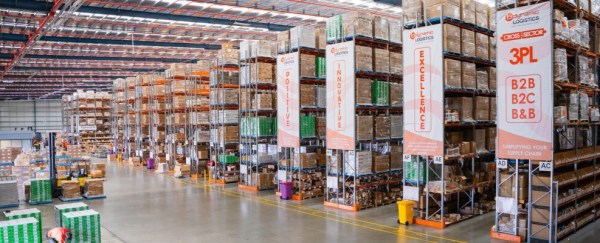
3PL partners provide businesses with key logistics functions, such as warehousing, transportation, inventory management, order fulfillment, and distribution.
How 3PL Services Reduce Operational Expenses

Instead of entrepreneurs investing heavily in logistics and supply chain management, they can leverage the expertise and established networks of 3PL providers to operate more efficiently.

One of the primary ways 3PL services decrease expenses is through shared resources. Companies offering 3PL services manage large warehouse facilities and transportation fleets that serve multiple clients. With this partnership, you don’t have to worry about leasing storage space or hiring more employees during peak shopping seasons.

3PL companies also help reduce shipping costs by optimizing transportation routes. Their connections with delivery companies often enable them to negotiate better freight rates than you could if you approached them as an individual business owner.

Another significant benefit of using a 3PL service provider like Packageman is access to advanced logistics technologies, such as warehouse management systems and inventory forecasting tools. With these systems in place, you can manage your inventory and track your orders. This helps minimize inventory errors, reduce delays, and improve overall operational efficiency.

Choosing the Right 3PL Services Partner for Your Business Needs

Several 3PL firms have set up shop due to the high demand for quality logistics and supply chain services. However, you must be careful when evaluating 3PL partners since your selection can directly impact your company’s efficiency, customer satisfaction, and long-term growth.

The first thing you should do is confirm whether the 3PL partner offers services that align with your current operational needs and future business goals. Moreover, they should have adequate experience within your niche. 3PL companies with experience within your sector will have a proper understanding of the unique challenges, regulations, and delivery expectations involved.

Next, focus on scalability. As your business grows or experiences seasonal demand fluctuations, a flexible 3PL partner will have the resources to quickly adapt operations without disrupting the supply chain.

Finances and how much you are paying for the 3PL services should also matter when searching for a 3PL company. Reliable logistics firms will be open and transparent with their cost structure. Take a minute to carefully review the cost breakdown to ensure pricing is transparent and delivers value without hidden fees.

Finally, don’t overlook reliability and customer service. A good place to start is reading reviews from other users; if you can get customer testimonials from third-party sites, even better. Proper communication, consistent delivery performance, and responsive support are key to smoother operations and better customer experiences.

Wrapping up

Failure to address logistics challenges can destroy a promising business or brand. The good thing is that there are several 3PL services companies ready to help you manage and streamline your supply chain operations.

Partnering with the best 3PL company will give you an edge in the competitive e-commerce space, allowing you to focus on other areas of your business.  

Daily writing prompt
What’s a classic book that you think is overrated?

Navigating the Logistics of Storage Container Transportation

In today’s globalized economy, the transportation of goods is a crucial aspect of any business operation. Companies often rely on storage containers to securely transport their products across long distances, whether it be by land, sea, or air. 

However, the logistics of storage container transportation can be complex and challenging to navigate. From choosing the right mode of transportation to ensuring timely delivery and managing the cost, there are several factors that must be carefully considered to ensure a smooth and efficient supply chain. Here, we will delve into the world of storage container transportation and explore the key considerations that businesses must take into account to successfully transport their goods.

From understanding the different types of containers to the various modes of transportation available, we will provide a comprehensive guide to navigating the logistics of storage container transportation. Whether you are a small business owner or a logistics professional, this article aims to equip you with the knowledge and tools necessary to effectively manage the transportation of your goods and streamline your supply chain.

Efficiently transport goods with storage containers.

The use of storage containers has revolutionized the transportation industry by providing a reliable and efficient method for transporting goods. These containers offer a secure and standardized means of shipping various types of products, regardless of their size or nature. With their durable construction and weatherproof design, storage containers can withstand the rigors of long-distance transportation, ensuring that goods arrive at their destination intact and undamaged. 

Moreover, the standardized dimensions of these containers enable seamless integration with multiple modes of transportation, including trucks, trains, and ships. This versatility allows businesses to streamline their logistics operations and minimize costly handling processes, ultimately leading to enhanced efficiency and reduced transportation costs. 

Whether it’s for domestic or freight shipping, storage containers have become an integral part of the modern supply chain, providing a reliable solution for efficiently transporting goods.

Consider size and weight restrictions.

Efficiently navigating the logistics of storage container transportation requires careful consideration of size and weight restrictions. Before loading goods into a container, it is essential to assess their dimensions and weight to ensure they comply with the limitations imposed by transportation regulations. 

Overloading a container can lead to safety hazards, as well as potential damage to the goods inside. Moreover, exceeding weight restrictions may result in additional charges or delays during the transportation process. 

By meticulously evaluating the size and weight of the cargo, businesses can effectively get information plan and optimize their container utilization, maximizing efficiency while adhering to industry regulations.

Utilize proper loading and unloading techniques.

To further enhance the efficiency and safety of storage container transportation, it is crucial to utilize proper loading and unloading techniques. This involves employing trained personnel who are knowledgeable about handling different types of cargo and equipped with the necessary tools and equipment. 

By carefully organizing and securing the items within the container, the risk of damage during transportation can be significantly reduced. Additionally, utilizing proper loading and unloading techniques ensures that the container’s weight distribution is balanced, minimizing the potential for accidents or instability during transit. Implementing these techniques not only protects the integrity of the goods being transported but also promotes a smooth and efficient logistics process.

Choose the best mode of transportation.

When it comes to navigating the logistics of storage container transportation, choosing the best mode of transportation is a critical decision. Factors such as distance, time constraints, cost, and the nature of the cargo should all be carefully considered. 

Road transportation offers flexibility and accessibility, allowing for easy pick-up and delivery to various locations. Rail transportation, on the other hand, is ideal for long-distance hauls and can handle large volumes of cargo. For international shipments, sea transportation provides a cost-effective option, especially for bulky or non-perishable goods. 

Lastly, air transportation offers the fastest delivery times, making it suitable for time-sensitive shipments. Evaluating these factors and selecting the most suitable mode of transportation is vital to ensure the efficient and successful movement of storage containers in the logistics industry.

Stay organized with labeling systems.

One essential aspect of efficient storage container transportation is maintaining organization throughout the entire process. One valuable tool that aids in achieving this is implementing effective labeling systems. By utilizing labeling systems, logistics professionals can easily identify and track containers, ensuring accurate inventory management and seamless handling. 

Labels can include vital information such as the contents of the container, destination, handling instructions, and any special requirements. This enables swift identification and retrieval of containers, saving valuable time and minimizing the risk of errors or misplaced shipments. 

Additionally, labeling systems contribute to the overall safety and security of storage container transportation, as they facilitate proper handling and reduce the likelihood of mishaps or confusion. 

With well-implemented labeling systems, navigating the logistics of storage container transportation becomes more streamlined and organized, enhancing efficiency and customer satisfaction in the process.

Overall, navigating the logistics of storage container transportation requires careful planning, attention to detail, and collaboration with experienced professionals. With the right approach, businesses and individuals can successfully transport their goods and ensure they reach their destination efficiently and safely. Whether it’s through land, sea, or air, understanding the process and partnering with reliable transportation companies can make all the difference in a successful and stress-free shipment of storage containers. By following these tips and considering the various factors involved, one can confidently navigate the complex world of container transportation and reach their desired destination with ease.