
Anatomically modern humans First arrived on the soil of India from Africa between 73000 and 55000 years ago by the 4500 BCE the life begins to spread with proficiency and gradually evolved into the ‘Indus Valley Civilization’ civilization was flourishing with its full might but due to drought floods etc. Indus valley population starts to migrate from large urban shelters to the villages. Aryans tribes shifted to Punjab migrated from northwest then came the Vedic period marked with the significance of Vedas preexisting religious cultures traditions gives birth to a significant Religion HINDUISM caste system was introduced with categorization of groups. Janapadas were came into existence more Urbanisation took place but amid of it JAINISM AND BUDDHISM with unique religious concept and practices came into existence. then emergence of Maurya empire ,Gupta empire known to be the golden age of India during this period the culture administration religious activities perspectives of Indian civilization spread within its territory but abroad too in Asia and beyond it. Southern part of Subcontinent witness the emergence of Cholas, Pallava, Chera, Pandyan etc. it was 1192 when due the foolishness of our own people ‘Jayachanda’ who met with the first Islamic invader to defeat the great warrior “Prithvi Raj Chauhan” his son in law to take his revenge this was the first ever defeat Indian soil witness by any foreign Invader otherwise India was flourishing with its economic capability and military might and Cholas went to Columbia to Cumbodia to flourish its flag. But India never bent down down before any foreign invader protests keeps going on across the country wether it was Maharana Pratap, In ‘Rajputana’ leading Mewar wether it was rise of Maratha Shivaji the Maratha Vijayanagar empire Ahom dynasty and Gajapati etc. across every part of the Subcontinent battle and protests keeps going on to save the Motherland India from foreign invasions. Even with small fleets with limited arms but with great patriotism towards their land Indian Warriors challenged foreigners at every point because they want change they did not like to flourish the flag of any foreign invader. Mughals were given Tough challenges and suffered defeat also Wether by Shivaji , Mysoreans, nawabs of Bengal etc. Instead of great and powerful invaders India produces change by sacrificing by bravery by Devotion of great Warriors but We Came across change, and therefore Islamic invaders were failed to conquer whole of India because every part puts effort to change. During mid 18th and mid 19th century East India company annexed large regions of India but they also faced the great might of Indian warriors faced tough challenges given by them Mangal Pandey ignite the light of change against cartage made up of cow beef Vellore mutiny produce a great significance of change, then after it “THE RISE OF GREAT REVOLT OF 1857” ‘Rani Laxmi Bai’ , ‘Nana ji Deshmukh’ etc. leads the way to challenge the British empire to progress the way for change. then it was great ‘Subhash Chandra Bose’ with the rise of AAZAD HIND FOUJ ‘Bhagat Singh’ ‘Chandra Sekhar Aazad’ and many more sacrifices their lives for the change with the rise of ‘Aazad Hind Fouj’ Britishers got indications to leave India because Macauley once said the India rise to its military might it will be the indication to leave India exactly what happened was the same because history of India clearly mentions that it is very tough to challenge them physically. And India Witness the biggest change on 15th of august 1947 when India awake to its freedom and life. And even after independence we had witness great revolutions in infrastructure or foundation for modern India one of interesting incident a form of change Ocurred in Mrs. Indra Gandhi tenure as prime minister after the emergency when elections were declared Europe Russia Usa all predicted that without any doubt Indira is going to win the elections because the democracy flourished where Stomach are full people are educated but Indira Gandhi was defeated his son also suffers the defeat whole country witness a change , and one of significant change which open many doors of economic prosperity was Occured during tenure of Narshima Rao government when India ends Licence raj open its market for foreign direct investment made market economy the core gave up his socialism and a profound change came India grew at 9% GDP after post independence but the man who produce change for the prosperous India suffers change in his election he gets defeated Throughly his party strength was reduced to half. and in our current Scenerio we had seen the change prime minister Narendra Modi swept twice became first non congress Pm to win Consecutively. But can he bring some significant change ?
Category: Culture and History

The Millenial’s culture
Lingo is the new cool
Here,there,everywhere on the internet we find the new blood putting forward their ideas in an open manner, without being judged on the grounds of their maturity level or their age. The number of people using the social media handles is getting larger and larger every day and especially when it comes to the new age teens; they tend to post stories, posts and blogs on these platforms very blatantly. But that’s not enough- very one seeks out an easy mechanism to speak up their field of vision- the youngsters of our country or any country, do not lag behind in using “the lingos.” Yes, it sounds so awkward, instead of using a full fleshed word they go on to use abbreviations of these, but it is the only gospel truth. And why not? Living in an era as this, when pretending to be cool on social media platforms is the only way to survive the world, every individual strive to be the most influential one and is the root cause of rise of a problem which is huge, as huge as a mountain.

We all have gone to school, everybody have experienced that how preserving our teachers were, they made us grasp and master each and every spelling carefully. But, once the stories of their hard work is washed off from our minds, it’s gone then, never even unknowingly they struck in our minds. But unfortunately, this was not the day we digested so much of spellings and got beaten from our teachers when-
Perfect has been replaced with “perf”; though has become ” Tho”; through has been changed into “thru”; an enthusiastic yes has become ” Yaas”; they use words like “bruh” to signify a serious issue; “dead” is unapologetically used when someone is euphorically happy; family is replaced for “fam”, and so on and so forth.
All things considered it is a serious issue hanging out on the flanks of people’s eyesight, since at the end of the day, it is the Millenials who build up the social media and it is them on who’s shoulder the way to get a fresh breed of intellectuals is stationed.
Though the trend is going through all over the social media and these young buds are following it anyway, it has drastically changed the way they speak, they write and also the way they handle with their studies and stuff like that.
It sounds fun to use such lingos as these and that the planet has become flooded with such abbreviations but there are times when we go much out of our ways and start using them in our day to day routines, even with our parents who fails to understand what we want to convey and become “old, fogey and obstinate” Despite knowing the fact that “old never gets odd“
Public

India-Nepal Relation in Deep Maelstrom
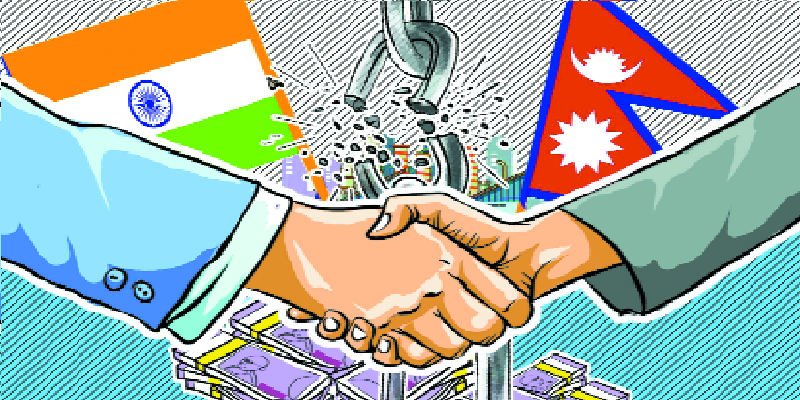
Current Scenario
The Lower House of Nepal’s Parliament passes amendment on a new map. Nepal’s Parliament on Saturday unanimously voted for the second Constitutional Amendment Bill, which guarantees legal status for new political map of the country that includes part of Indian territory in Uttarakhand. Their new map shows places such as Limipiyadhura, Kalapani and Lipulekh, including strategically important Lipulekh pass, which are in Uttarakhand’s Pithoragarh district as part of that country’s territory.
Historical Relation: Treaty of Sugauli
It is a treaty that established the relation about the boundary line of Nepal, was signed on 2 December 1815 and ratified by 4 March 1816 between the East India Company and Raj Guru Gajaraj Mishra with Chandra Shekhar Upadhaya for Nepal following the Anglo-Nepalese War of 1814-16. The treaty represented a Nepali surrender to the British and contained the concession of Nepal’s western territory to the British East India Company. The result of this treaty was that Nepal lost almost one-third of its territories on the east, south and west.
Why are Nepalese not accepting this treaty ?
Nepal is not accepting this treaty because they thought that aim of any treaty is to provide both the sides more or less equal o equitable benefits even of one side get a little more benefits and the other a little less. But Nepal suffered only losses because of the treaty while British India gained a huge territorial advantage. The British got the facilities of the corridor in the concession was made for Nepal.
They also claim that this treaty was not signed by both parties. The draft was prepared by the only East India Company with the signature of Lieutenant Colonel Paris Bradshaw on December 2, 1815. Nepali Majesty signed over the treaty because he threatened by the East India Company.
At present Nepal renounced “all claims to or connection (as in original text with the countries lying to the west of river Kali.” (Art. V.) The land east of the Kali thus remained with Nepal. This claim is reinforced by some old revenue records and gazette notifications.
India’s Stand Over this Issue
India accepts this position, but its claims arise from the ambiguity in the treaty on the identification of the Kali river and its origin. According to India, the river originates from Lipu Lekh and then merges into other streams and tributaries to become the Mahakali. Nepal contends that Kali originates from Limpyadhura and the stream originating from Lipu Lekh is called Lipu Khola. India commented that we can solve this issue by bilateral talks but Nepal does not seem taking interest in this matter. There may be some doubt, opacity or obscurity but it can be solved through the bilateral discussion. Nepal should come over the table and discuss this issue.
The British Government
British government ruled over India for almost 200 years. They took many decisions but all the decisions are in controversy in today’s scenario. Either we talk about the decision over Indo-Pak border or Indo-Nepal border. Everywhere, we will get unsatisfied decision or disputed matter where the British government was involved. The main aim of the British government was to rule over the countries for a long time. And they follow the “divide and rule” principle. First Pakistan raised concern over the Kashmir and now Nepal is behaving in the same way.
Epilogue
The maps issued by the British between 1816 and 1860 may favour the Nepali position. But, the maps issued afterwards endorse India’s position. It is possible that the British administration changes this position through proper surveys or subsequently decided to manipulate this position, to serve its larger strategic and commercial interests in using the Lipu Lekh pass for access to Tibet. Independent India was handed over access to Kalapani and Lipu Lekh by the British.
Blaming India for any encroachment is baseless. It must be borne in mind that much before the British came, not the Gurkha kings annexed Kumanon and Garhwal regions-then surrender under the Sugauli Treaty-Indians were using this route for the pilgrimage to Kailash Mansarovar. The route has deep spiritual and civilisational significance for India. China accepted Lipu Lekh as one of the cultural and commercial transit points with India under its 1954 Peaceful Co-Existence Agreement. This was reiterated in 2015 in a joint statement during the Prime Minister Narendra Modi’s visit to China.
Public

Evaluation of Indian Architecture
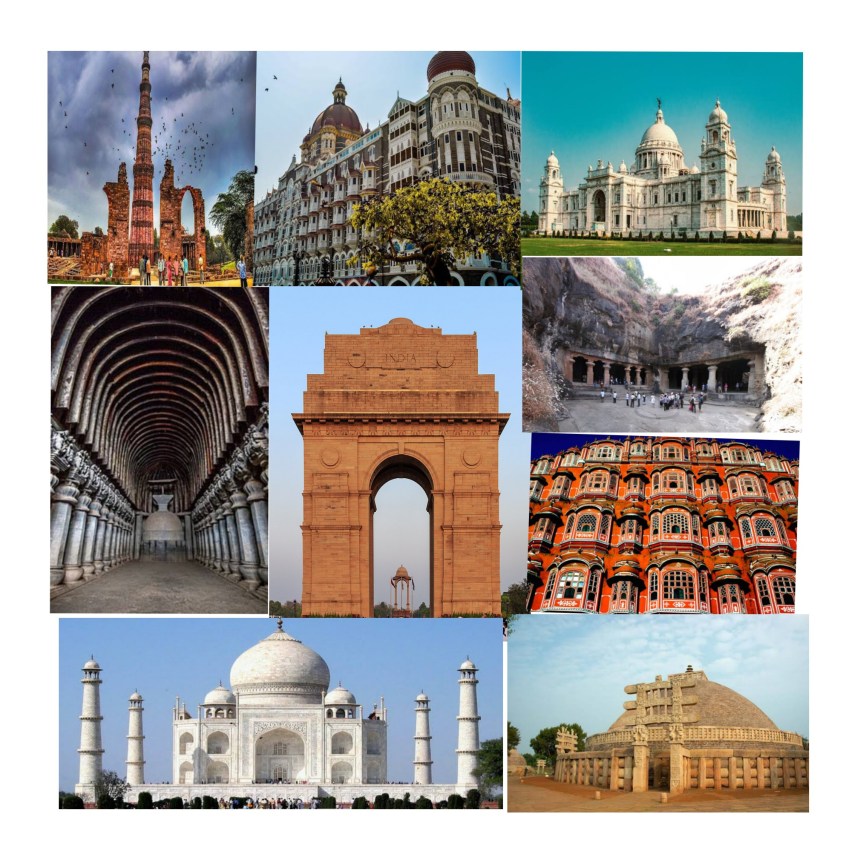
Art, design, creativity, innovation, Music, dance, culture, and heritage is the Identity of INDIA. When we look back at our history of architecture we can understand why It’s Our pride. British, Dutch, Portuguese, Mughal, French foreign forces came to India and Buddhism, Jainism and other religions came here and spread their culture. That’s why Indian architecture is the fusion of a different kind of architectural style and tradition.
The History of India begins with the birth of the Indus Valley Civilization,(2600 BCE – 1900 BCE) The Indus Valley Civilization covered a large area around the Indus River basin and beyond in late Bronze Age India. The civic and town planning and engineering aspects of these are remarkable, There are granaries, drains, water-courses and tanks, but neither palaces nor temples have been identified, though cities have a central raised and fortified “citadel”. Around the 2000 year ago India had Smart cities Like Harappa, Lothal, Mohenjo-Daro
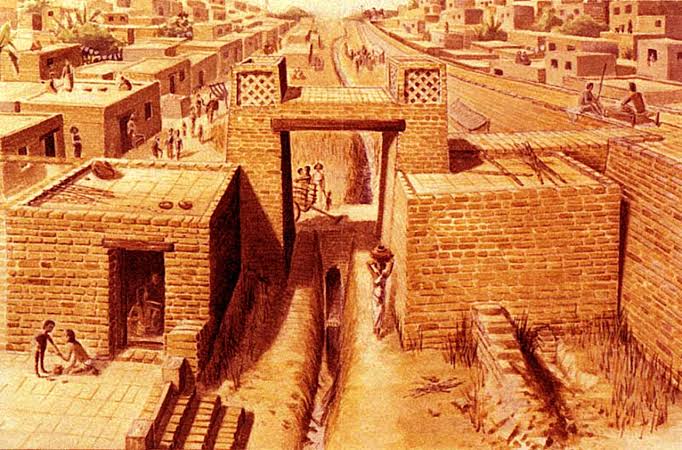
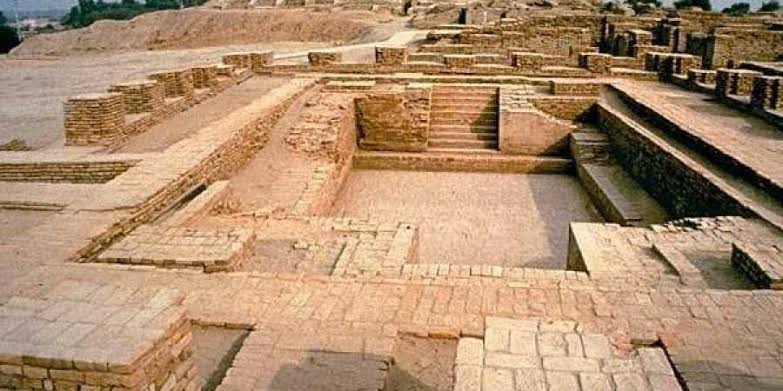
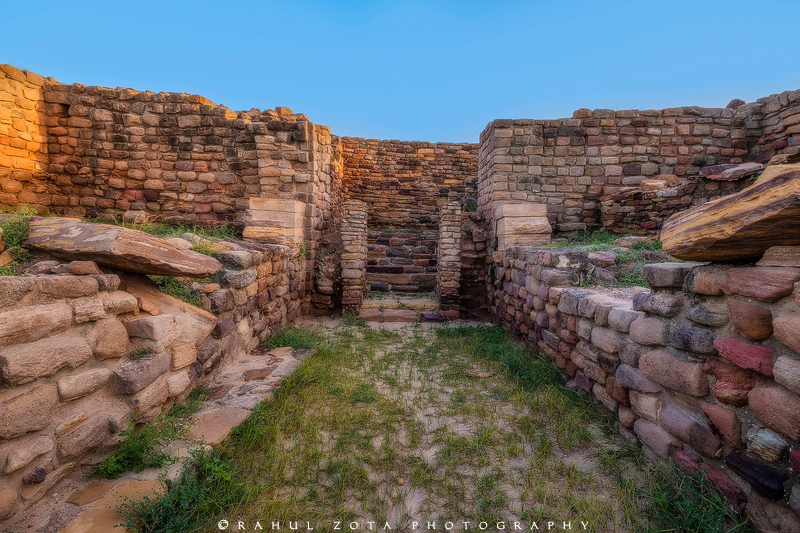
After the Indus Valley Civilization, there are few traces of Indian architecture, which probably mostly used wood, or brick which has been recycled,
Probably around 400 BCE Indian rock-cut architecture, mostly Buddhist, and there are also a number of Buddhist images that give very useful information.
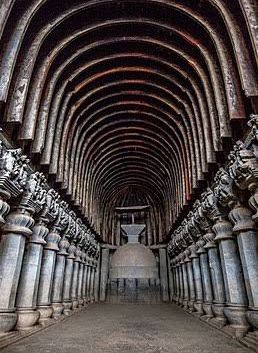
Buddhist construction of monastic buildings apparently begins before the death of Buddha.
The Great Stupa at Sanchi is one of the oldest stone structures in India, and an important monument of Indian Architecture. It was originally commissioned by the emperor Ashoka in the 3rd century BCE. Its nucleus was a simple hemispherical brick structure built over the relics of the Buddha
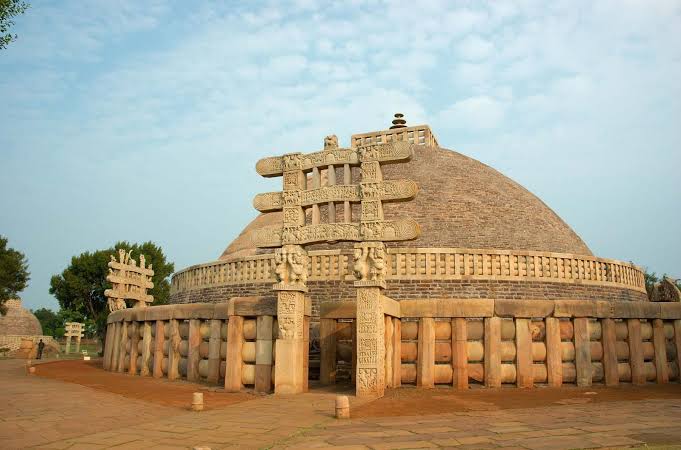
Sanchi Stupa is a Buddhist complex, famous for its Great Stupa, on a hilltop at Sanchi Town in Raisen District of the State of Madhya Pradesh,
Temple Architecture was a gradual evolution starting from the rock cut- cave temples to monolithic rathas which finally culminated in structural temples
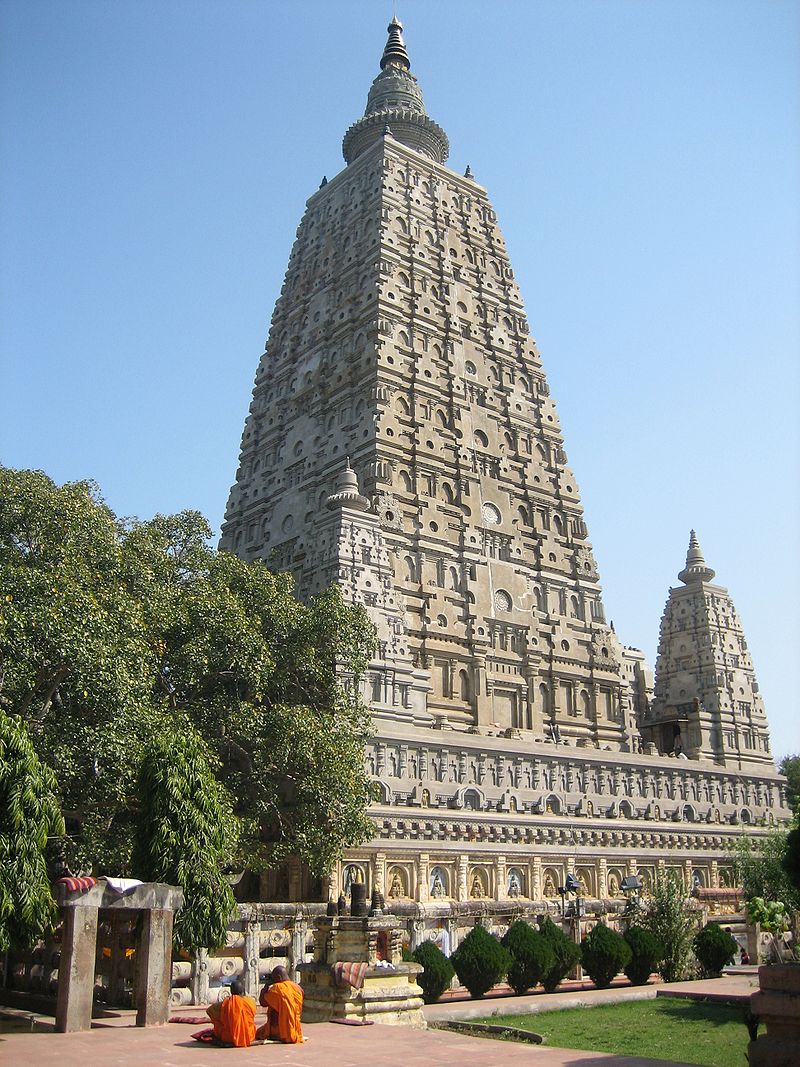
1 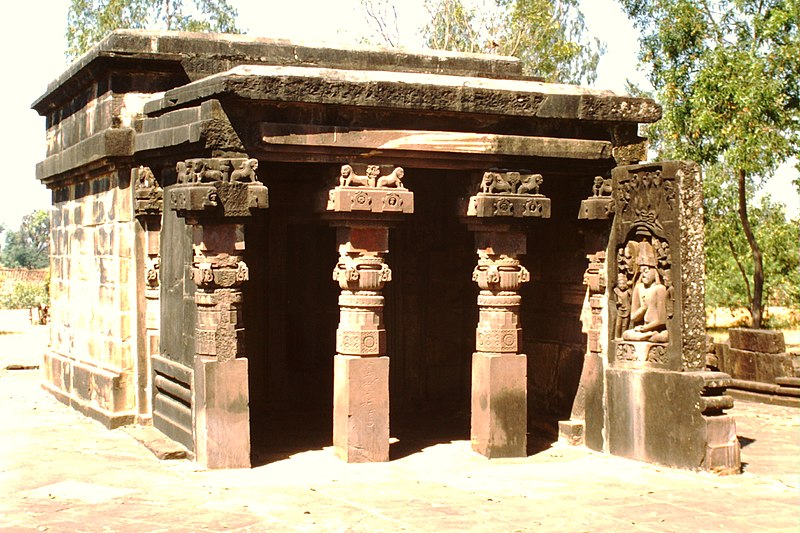
2
The middle period saw great developments in the field of architecture. With the coming of Muslims to India, many new features came to be introduced in buildings. The development of the Muslim Style of Architecture of this period can be called the Indo-Islamic Architecture or the Indian Architecture influenced by Islamic Art. The Indo-Islamic style was neither strictly Islamic nor strictly Hindu, One of the best architectural traditional style
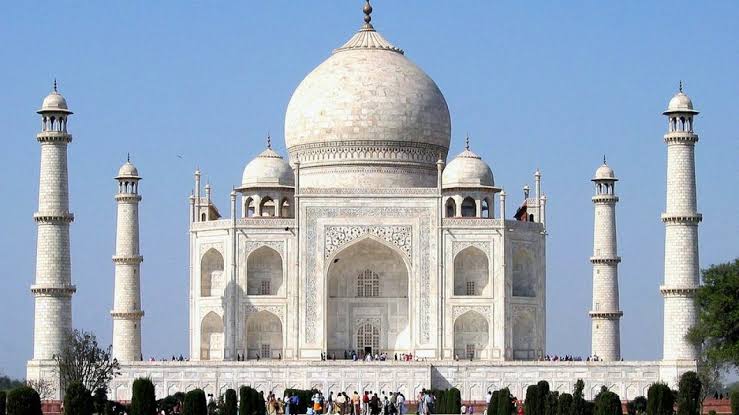
With colonization, a new chapter in Indian architecture began. The Dutch, Portuguese and the French made their presence felt through their buildings but it was the English who had a lasting impact on Colonial architecture.
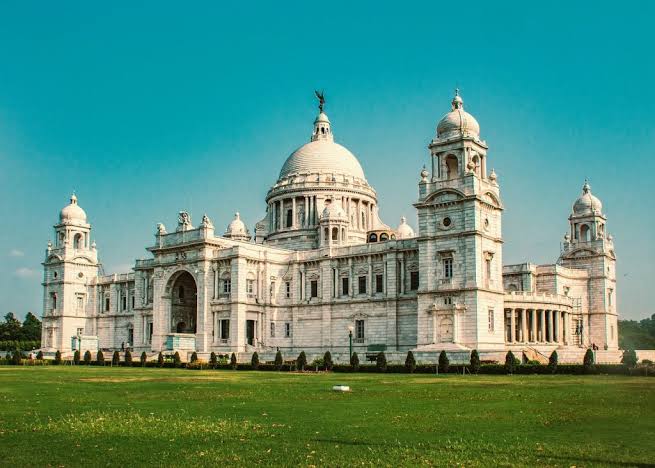
Now we are living in the 21st-century style, traditional, plan structure changed, modified but these architectures are immortal and inspiring generation after generation.
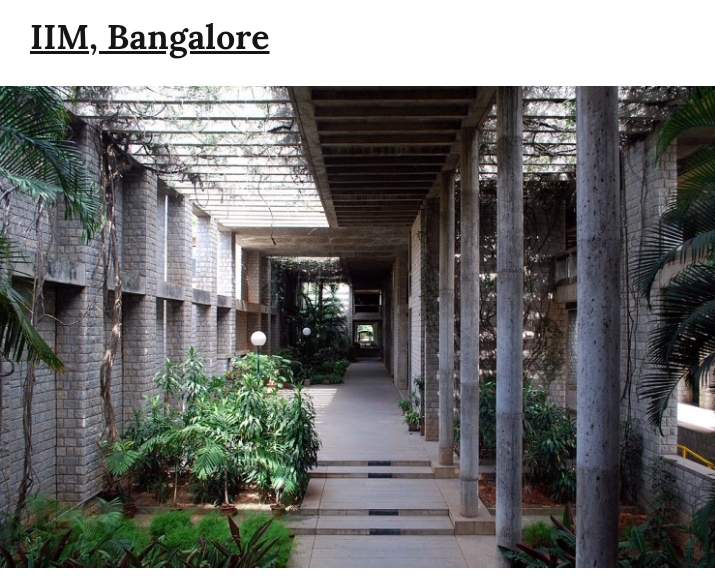
From Indus Valley to eco-friendly plan creativity, hard work, ideas, style tradition makes our country beautiful.
Public

World Blood Donor Day 2020

Today, WHO ( World Health Organization) and All countries celebrate World Blood Donor Day. This year’s theme is “Safe Blood Save lives” with the Slogan “Give blood and make the world healthier”. This event celebrates with a view to thank all selfless blood donors and encourage more people to Give blood freely. WHA (World Health Assembly) in 2005 designated this special day to create awareness among the people and it’s an initiative to increase blood banks in the world.
The history behind the date of celebration of WBD is the Nobel prize winner Scientist Karl Landsteiner. He has got the credit for finding the ABO blood group system. World Blood Donor Day is celebrated on the birthday of Karl Landsteiner which was on 14th June, who discovered various blood groups.
If your blood type is:O Positive, You can give to:O+, A+, B+, AB+ You can receive from :O+, O-
If your blood type is:A Positive , you can give to :A+, AB+ you can receive from : A+, A-, O+, O-
If your blood type is: B positive , you can give to : B+,AB+ you can receive from : B+,B-,O+,O–
If your blood type is: AB+ you can r give to AB+ only you can receive from all
the criteria to donate blood:
The donor must be fit and healthy, and should not be suffering from transmittable diseases.
Age and weight- The donor must be 18–65 years old and should weigh a minimum of 50 kg.
Pulse rate- Between 50 and 100 without irregularities.
Hemoglobin level- A minimum of 12.5 g/dL.
Blood pressure- Diastolic: 50–100 mm Hg, Systolic: 100–180 mm Hg.
Body temperature- Should be normal, with an oral temperature not exceeding 37.5 °C.
The time period between successive blood donations should be more than 3 months.
The need for safe blood is universal. Safe blood is critical both for treatments and urgent interventions. It can help patients suffering from life-threatening conditions live longer and with a higher quality of life and supports complex medical and surgical procedures.Blood donations are needed all over the worldto ensure individuals and communities have access to safe and quality-assured blood and blood products in both normal and emergency situations. Through the campaign, we call on more people all over the world to become life-savers by volunteering to donate blood regularly.
International organizations, including the World Health Organization, the International Federation of Red Cross and Red Crescent Societies, the International Federation of Blood Donor Organizations and the International Society of Blood Transfusion, among others, continue to work in close collaboration to provide guidance and support to their membership in this endeavour.
“Safe Blood Save lives”. “Give blood and make the world healthier”.
Public

Chinese Diplomacy: Changing Nature

Beginning:
The Peoples’ Republic of China founded in 1949. Zhou Enlai was China’s head of government, serving from October 1949 until his death in January 1976. He was also the Foreign Minister. Here giving a very short introduction about Zhou is necessary because he was one of the best diplomats in China. His style of diplomacy came to define Chinese foreign policy over the next century. Mao was the leader of the country but the Zhou Enlai was one who managed the complete government behind the curtain. The official position of Zhou Enlai was premier which was officially head of government. But now there is no value of Premier of China. All control under the Chinese President Xi-Jinping. Over time everything goes cloudy.
Refined and “United front” Approach to Diplomacy
If Mao Zedong represented the crude face of Chinese communism, then Zhou was the epitome of its refinement. Where Mao preferred to exercise his power from “out of the barrel of a gun” but Zhou preferred to seduce his opponents through word and gesture in the pursuit of national self-interest, with the elegance of an opera star. The stick was used rarely, and only when all other means of persuasion failed.
Zhou’s strategy was consistent with the three principles. And these three principles are called the “United Front”.
Avoid isolation: Do not be isolated in the world because China was a communist country at that time which was not recognized as a country by other western countries. But India was the first that recognize China as a country.
Build solidarity with non-aligned countries: During the Cold War, maximum parts of the world divided into two parts. First, the country who took a standoff in favour of the USA and another one who took stand in favour of Russia. But fewer countries remain neutral. And it was China’s policy to build a strong relationship with them.
Divide the West: Ultimately, the goal was set by China to divide the USA, UK and other western countries. Therefore, it shows that China was unofficial stands in favour of Russia.
This United Front defined as isolate the main threat by building unity with all other forces.
Korean War: Examination of Chinese Diplomacy
Korean War started in 1950, one year after the foundation of PRC.
The USA invaded North Korea, Zhou summoned the Indian Ambassador in Beijing to deliver a message to the Americans “If the U.S troops cross the 38th Parallel, then Chine will intervene in this matter and took the side of North Korea because North Korea was also a communist country. If Zhou wanted, he could covey this message by his own, but uses the diplomatic step to take this action. And India was later persuaded to act as a neutral mediator between China and the US during many difficult phases of the negotiations settling the Korean War.
PRC at International Fora
In 1954, PRC participated in Geneva conference on the Korean War and Indo China War
Zhou’s strategy was to undermine western unity – Persuasion and compromise. The US anticipated that Chinese humiliation at the conference but Zhou handle the situation by deploying all his charm, vitality and intelligence. And finally, playing the weaker hand, Zhou turned the tables on the US.
Important Qualities of Chinese Diplomacy in the Past
Under Zhou, diplomats of calibre kept the ship of state steady in churning sea full of norms. When the tide rose, these diplomatic fishermen gathered the fish – expanding China’s global peace presence and gaining international acceptability. When it ebbed they saw to it that the ship remained firmly moored. They navigated the Cold War, playing the Soviets against the Americans. Additionally, 24 Character Strategy supplemented to Zhou’s strategy by other Chinese Diplomats. And it was “observe calmly; secure our position; cope with affairs calmly; hide our capacities and bide our time; be good at maintaining a low profile; and never claim leadership;
And the outcome of this diplomacy was praiseworthy. By the end of the twentieth century, another country was started recognizing China as a powerful developing country. China persuaded US President Richard Nixon to abandon Taiwan. All this was the result of a staggering act of the best diplomacy.
Change in Style
At the current time, China prospered and began to occupy centre stage in the world diplomacy, but the ship began to come apart from its moorings. A new generation of diplomats, with knowledge of the English language, arrogance increases and it has replaced humility. Persuasion is quickly abandoned in favour of the stick when countries take actions contrary to Chinese wishes. China pursuing unilateralism instead of compromise in the South China Sea. In place of ‘united front’ tactics, they are bent on creating problems simultaneously with multiple neighbouring countries. Statements of fact or reasoned opinions are seen by them as insult or humiliation.
Public

Unshed Tears: The Pain of a Repressed Woman

When you’re sleeping peacefully at your home, some painful noises are being suppressed, or even lose their lives. Yes, the crime rates haven’t gone down even in this pandemic; instead, it has surged up a lot. Domestic violence, brutal behaviour towards women are prevalent these days. A girl roaming freely suddenly gets her wings cut and, in some cases, tied to someone who doesn’t even value her priorities and feelings. These women suffer a lot, made to work without any rest, misbehaviour among them is common, which we generally observe, but some people straightforwardly neglect them on the face when they ask for help. What’s wrong with society? Don’t they have a soul for those who want to enjoy and be part of the happiness shared in this world? Do the constitution rights make us so free that we can do anything we wish for ourselves? This behaviour is wrong, and the current generation mindset gets diverted to the wrong path.

Almost 35 percent of women have experienced some physical violence or mental tortures around the world. More than 58 percent of women get killed by their partners or family members. One hundred thirty-seven women die when their member of the family kills them. Nearly 49 percent of all human trafficking victims are adult women. According to an estimation, over 650 million women and girls in the world today get married before age 18 termed as child marriage, as mentioned in most country laws. These marriages often result in early pregnancy and social isolation; schooling gets abandoned; their opportunities get seized and increases more risk of experiencing domestic violence brutally every day. Globally, one out of three students get bullied by their fellow mates in the school.

The UN officially mentioned the above facts. There are many misconceptions across the globe. Sati, one of the historical practices followed in India, where women sacrifice their souls for their husbands’ death. Great enthusiasts like Raja Rammohan Roy, along with Lord William Bentinck, were able to stop the practice. But now, even if a voice gets raised, a thousand question is asked as a follow-up. One who’s already ashamed and shocked by the heinous crime made towards these women, how can they speak up for themselves? They need full support from society. What can we do to stop this? We can make people aware of the pain a woman suffers throughout their entire life. We can stand against the existing laws and create a revolution to curb such crimes, make stricter laws, and deploy faster court proceedings. They should get justice right on time. Just by rallying with candles across the streets won’t bring the change until the demons of the malpractices are caught and punished on time. These prisoners usually escape due to ease in the judiciary system and loopholes in the current policies. This issue requires a lot of attention before it is too late. Save the future and build a positive society around us. Otherwise, these will end up in a huge disaster.
Public

The past is a permanent dimension of human consciousness and values

Never let the past overburden you, but always let it teach you
India, i. e. “Bharat” is the land of diversified cultures and values, beholding in herself the flavours of the longest epics such as “Mahabharata”,stories of valor of Maharana Pratap, struggle of the great social reforms of the 19th century, Rajaram Mohan Roy, Eshwar Chandra Vidyasaagar, Rani laxmi bai, Pandita Ramabai, Dr. B. R. Ambedkar and many more great souls.
Human revolution is one of the most extraordinary phenomenons that took place on the earth. Beginning with inventions of fire and wheel by Humans, to the use of complex iron and copper tools and development of settled livelihood, humans are the most advanced creatures on the planet. But with this great advancement and the ambitions of humans which tend to never end, the most capable animal HUMAN turned wild, mean, consumerist, capitalist and above all self obsessed. The increased volume of practices such as, corruption, crony-capitalism, smuggling, theft, events of eve teasing, rape, sexual assaults etc. and etc. has let the whole human community down.
People have gone out of their senses in this hectic and fast growing world, racing for acquiring wealth and power. The question is, have all of these problems not existed prior 21st century!? The answers to this is that off course these kind of heinous crimes existed earlier as well but this is the power of humans to cope with these situations. History itself is the witness that even during the later Vedic period with emergence of Manusrimti, not only women but the so called lower casts or “shudras” and vaishyas also have to go through discrimination and ill treatment of the Brahaminical class. But people during those times got their ideals in enlightened figures – Gautam Buddha and Mahavira. The two acknowledged figures stood against such practices and showed the path of truth and non violence. Even Mahatma Gandhi during his lifetime took inspiration from these principles and values. These principles were largely about “human salvation, consciousness of mind and soul and humanity.”
The epics of Ramayana, Mahabharata and the story of Jesus Christ, all revolve around great deeds of humanity, dharma, sacrifices etc. People around the world today worship one or the other forms of God, be it Hindu Gods and Goddesses, Jews worshiping Jesus or Muslims worshiping Mohammed Prophet. But do they really worship them for attaining peace and consciousness? Or just for the sake of their own well being and prosperity?! To worship should mean to follow their teachings of love, humanity, ethical values, dharma etc. These religious epics- Quran, Bible, Geeta are the richest sources of human values.
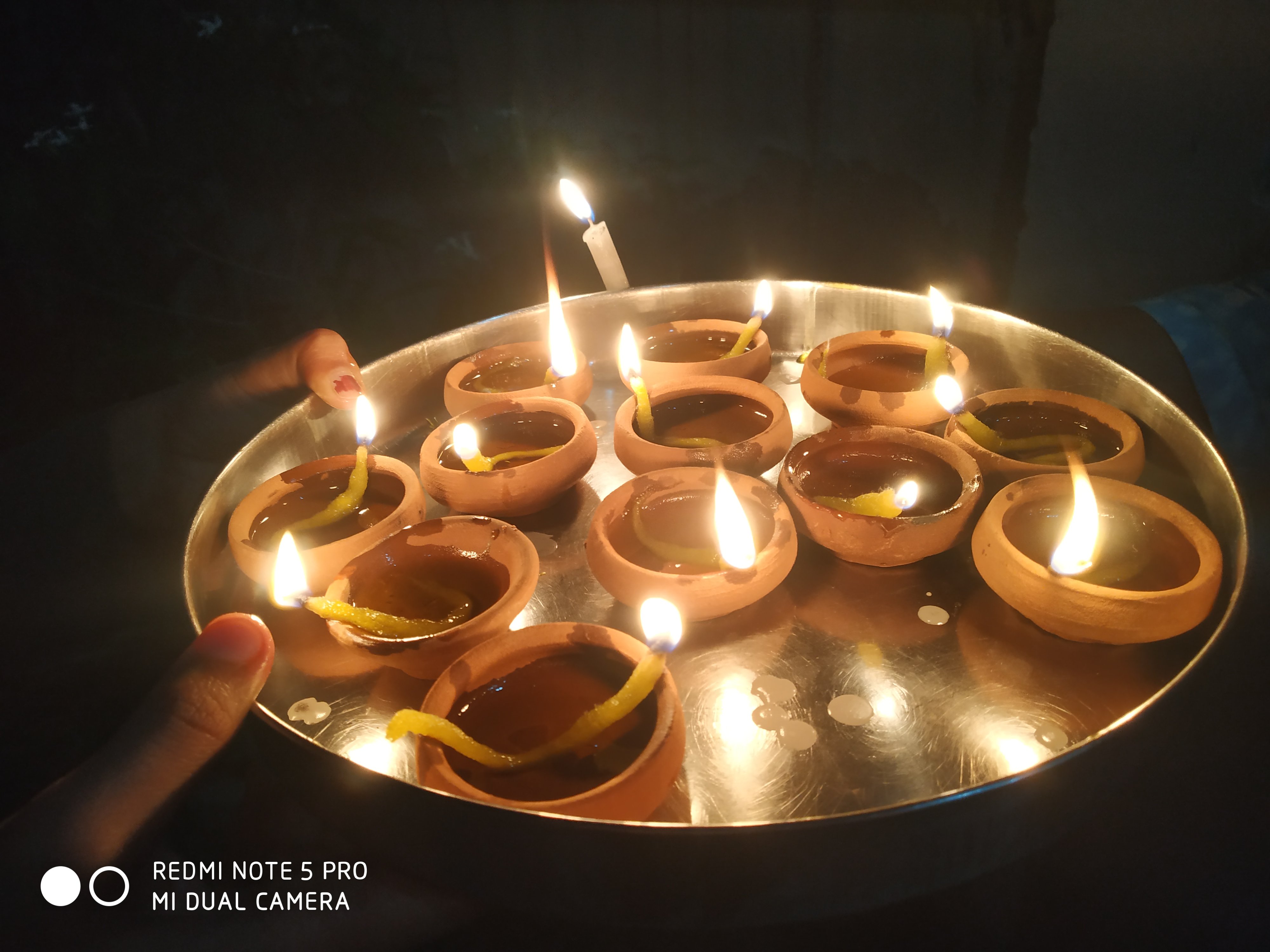
If we move a little forward in history and throw attention towards the great movements of medieval times around the world such as Sufi movement, Bhakti movement etc. we get the evidences of reforms in the original forks of worship, turning the society into more contemporary and realistic forms of profession of devotion towards god and mankind. These movements condemned all forms of cruelty towards humans as well as animals and taught the lesson of mysticism. These emphasized on direct connection with god or the good of everyone. The world today is heading towards India and looking upon it to be a path maker in the field of meditation and yoga, the practices which are a source of escape from the inhumane world into a world where it has patience, peace, love and satisfaction. These virtues has enabled the man to first think and then act.
There is no denial to the fact that past and especially 19th century has shown the world one of the most cruel phase of humanity. The practices of sati, untouchability, child marriage, bonded labour, mass killings of Jews (under Nazism), polygamy, Purdah system and many more were written in Black letters in the history. But all of this came to an end with the tireless efforts of such great human beings as Raja Ram Mohan Roy, who stick stick to his principles despite huge criticism from society and even family. It was his efforts which led to laws such as Abolition of Sati Act. Other great personality is Eshwar Chandra Vidyasaagar whose efforts brought in existence the law of widow Remarriage Act. Leaders like Dr. B. R. Ambedkar, Jyotiba Phule, Mahatma Gandhi, their whole life advocated for abolition of untouchability. Female warriors of those times- Savitribai Phule, Sarojini Naidu, Mother Teresa were, are, and will always be inspiration for the world to strive for achieving equal status for women, poor, unprivileged. These great souls have taught us to work for human betterment, even without any personal gains.
Why can’t today the world look back for one and adopt these values and culture that we owned in the past. The incidents of cow slaughter and mob lynching are nothing but a slap on the face of teachings of Buddha, Mahavira and even ideals of Gandhiji. Abraham Lincoln one of the revolutionaries and a face of anti-black movement of America, fought with all his efforts against black racism in the U. S. A but the events of killing of black activists on the streets of U. S. A by officials is not something for which the nobel man had dream of. History is not just a source of knowledge of the past theories but is a treasure to look back at and learn to cope with the modern day problems destroying humanity and depriving the mankind and consciousness. It’s high time, the world should adopt the principle of Lord Mahavira –
Live and let live.
Public

science behind Hindu rituals and traditions
Hindus have been following many traditions and rituals for centuries.
These rituals and traditions were considered as superstitious, but there is a science behind each ritual that we follow from morning to evening and on some special occasions.
Here, are some of the rituals and traditions and logic behind them-
Namaste–

“Namaste” i.e. joining your hands together. It involves pressing the tips of the fingers of both the hands together. These are linked to pressure points in the eyes, ears, and mind, which activate the mind when we press them together so that we could remember the person for a long time.
secondly, by greeting in this manner we don’t come in contact with the person as we do in shaking hands, so it prevents the transfer of germs.
Sleeping direction-

It is said that while sleeping one’s head should not point in the direction of north. The science behind this said that our earth is a giant magnet it has its own magnet field like the human body.
when we point our head towards north direction then it becomes asymmetrical with the direction of the earth’s magnet field, in order to overcome this our body needs to work harder which can cause problems related to blood pressure.
Fasting–

Fasting has many advantages like it regulates our body’s metabolic activity, boosts brain function, enhances heart health, hormonal balance, etc.
Bhagwat Gita path(chanting)-

Bhagwat Gita is a source of solutions to any of our life’s problem.
It gives the direction in the time of difficulty to a human being. “Karma is the ultimate truth.” Lord Krishna, gives direction for the welfare of the whole world in Bhagwat Gita.
In the battle of Mahabharat as a charioteer, He was a source of direction in the life of Arjuna.
Charan Sparsh (Touching feet)-
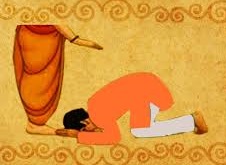
When we touch the feet of our elder ones or god. They are pious for us, we are free from ego, then their hearts emit positive energy, which reaches us through their toes or hands in the form of Ashirwad.
our brains nerves end at our hands when we touch the feet of our elder a circuit is completed and the positive energy reaches our mind.
Ear piercing-

Indian physicians and philosophers believe that piercing the ears helps in the development of intellect, power of thinking, and decision making faculties.
It also helps in speech restraint and ear channels also become free from disorders.
Eating food sitting on the ground-

When we sit on the ground while eating we sit in the “Sukh Asan” position in YOGA. It improves the digestion system.
Applying mehndi on hands and feet-

Mehndi is a medicinal herb, it is cold in nature. It keeps the body cool and releases stress.
Worshipping the “Peepal” tree-

“Peepal” is the only tree that gives oxygen in the night too. In order to save this tree Hindu worship Peepal tree.
Bells in the Hindu temple–
When the bell rings it produces a sound which generates an echo lasts for at least 7 seconds, it unites the left and right portions of our brain, and activates all the seven healing centers in our body.

Tilak on the forehead-

The point on the forehead, between the eyebrows, is the point of concentration and retains all the energy in the body.
From the ancient time, it is believed that the red kumkum in the form of tilak prevents the loss of energy from the body.
women wear toe ring–
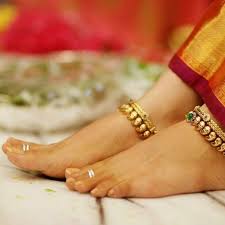
Toe rings are generally worn on the second toe. The nerve from the second toe connects with the uterus. Wearing it on the second toe strengthens uterus and keeps it healthy by maintaining blood pressure.
Worshipping “Tulsi” plant-

Tulsi is a natural herb it prevents the human body from many diseases. It prevents insects and mosquitoes to enter into the house.
Vedic sages called it sanjeevani and Goddess to take care of it.
Applying sindoor by married women-

Sindoor is prepared by mixing turmeric, lime, and the metal mercury. Due to its intrinsic properties, mercury controls blood pressure and activates sexual drive. Thus, sindoor should be applied right up to the pituitary gland, known as the master gland where all our feelings are centered.
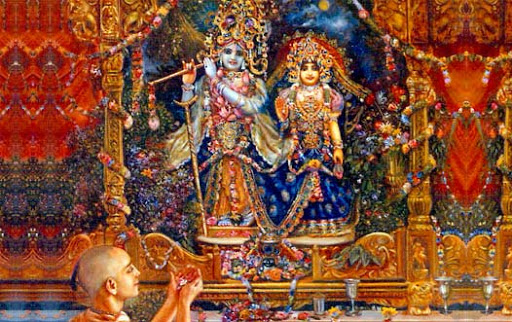
Idol worshipping–
Researchers believe that it was initiated for the purpose of increasing the concentration during the prayers and to gain positive energy.
Public

CAN HARSHER PUNISHMENTS REDUCE CRIME RATES?

Crime is so destructive that not only the victims suffer, but the life of a criminal also undergoes tribulation, and society bears the disturbing news of witnessing it.
It appeals to think that harsh punishment can reduce crime rates. Some criminals are aware of the penalties, but they feel that they will not get caught. They believe this because our crime fighters are limited in number, so efficient vigilance is not always possible over a territory. They know that we have a delayed justice system, procedures are tedious, and thus it doesn’t inhibit wrong intentions. No lawbreaker looks in the law book for penalty or punishment. For some criminals, getting caught does not matter. Committing that particular crime is the only thing which matters to them at that time. They hear, see, feel nothing and have all their senses attached with the wrong intention. For such people, whose minds are so corrupt that there can be no reversal at all, harsh punishment is the way forward.
Some people commit crimes due to unsatisfactory conditions. If India becomes self-sufficient, these crimes will end. There are crimes which occur out of habit, for example, kleptomaniacs (habitual thieves). Such people need rehabilitation more than punishment to condition their mindset and steer it in the right direction. Still, they will get punished as it is in our system. There is varying nature of crimes, and so it cannot be generalized that only harsh punishments reduce crimes. If the justice system is prompt in serving justice, it will substantially reduce crime as it will instil fear in potential lawbreakers. Hence, possible future crimes could be curb to an extent.
We live in a civilized society, and we have a background of a culture which emphasizes the virtue of forgiveness. This virtue shows that humane methods of punishment do work in some cases. Not always do we need to resort to harsh ones. The people who turn into criminals are a part of society, and the reason to ‘why they become criminals when living in the same society’ is a matter of great concern. There must be a stress on moral education at all levels. If it is there, then perhaps crime will reduce.
Crimes cannot be forgiven, and the guilty must be punished, but it does not mean the same person will always remain a criminal. The rebellious lawbreaker inside that person must be eradicated, and a resolve to live non-violent, law-abiding life must be spurred. We must not hate the person but the filth inside the person that created a criminal. If only the person had an atmosphere where he could re-create himself into a better person, then there would be more hope. We see crimes through the eyes of hatred and often get blinded by it. Nobody is born good or bad; the upbringing, circumstance and mental conditioning make a person good or bad.
Enough has been spoken about reducing crime when we should have been making efforts to wipe out the cause that leads to the generation of the criminal mindset. In a developing country like India, millions are starving to death; many have plenty but lacks the moral sense; many think it is fun to commit a crime’ there are many who do it out of emotional outbreak. Some do it because they are situational criminals. If we believe in God, then we must believe in the law of karma. For every good, we will receive will, and for every bad, we will get the same. If we don’t believe in God, then we must believe in our consciousness; we must not think or do anything which makes us fall in our own eyes. Lastly, the solution may not lie in philosophical or even realistic discussions. But why wait for a crime to happen when we must put our energy and mind in churning out ways that eradicate the generation of thought that leads to crime. In a nutshell, harsher punishment might deter people from committing crime to a certain extent, but it is not the only solution. There are more efficient and effective ways to do so as well.

 International Journal of Research (IJR)