India- land of large physiography

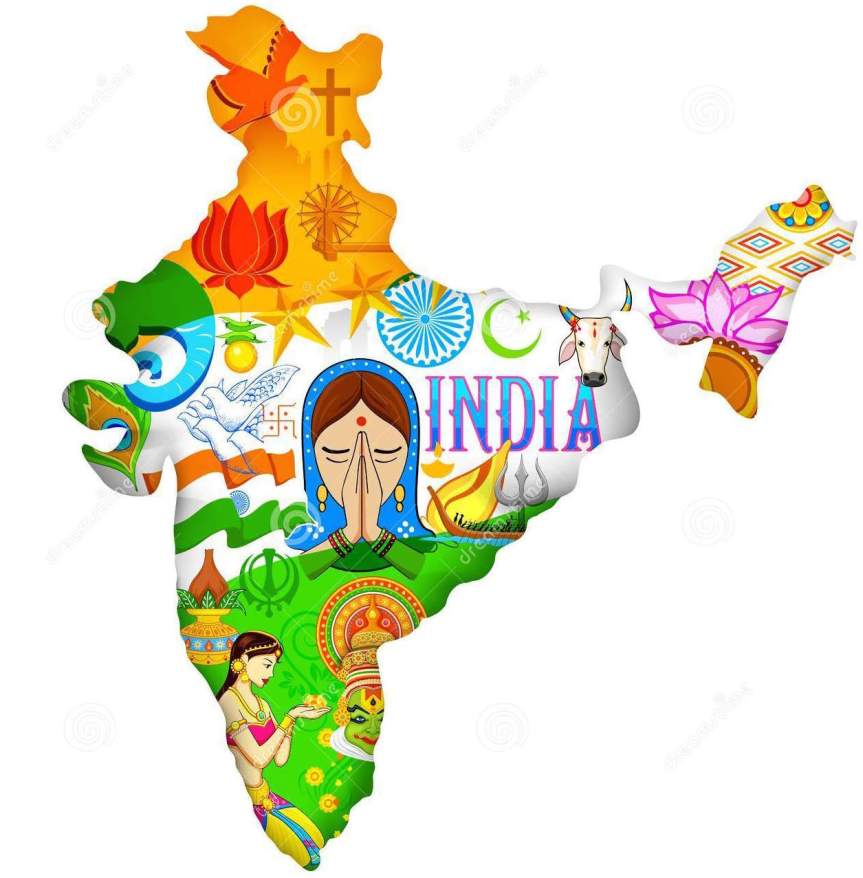
Unity in diversity, So is said about India, is not true only about its people, but it’s physiography, beautiful and insane. Mountain chains, large deserts, beautiful coastlines, beaches, ever flowing rivers, dense forests and the swampy landscapes, all put together to make a divine country, named, India. All these features make India a place worth visiting for, and thereby creating an increase in its rank up on the world stage.

India has been divided into six physiographic zones –

  • Northern and north-eastern mountain
  • Northern plain
  • Peninsular plateau
  • Indian desert
  • Coastal plains
  • Islands

North and north eastern mountains –

Starting right from the Himalayan mountain range, where the heaven on the earth, is one of the most prominent features of Indian physiographic divisions. It not only protects the country from external attacks, but also is responsible for the controlling of the winds flowing in and out of the country. Starting from Hindu Kush mountains in the West, covering all of the Northern India, these get plunge towards the North East, in the states of Arunachal Pradesh and Meghalaya.

Northern plains –

Covering most of the Indian peninsula, the northern plains spread over 2.5-million km sq. Most of the production activities take place over this region, such as, farming, setting up of industrial areas, and other massive activities, also having the most fertile soil to grow crops, i.e. alluvial soil. The region is a way, or the region sustains India’s most of the perennial rivers, like The Ganga, The Yamuna, The Son, etc and etc.

Peninsular plateau –

Peninsular region is the oldest part of the Indian subcontinent. Most of the variations in the land geography, one can find plateaus, fold mountains, ridges, and contains most of the mountain ranges. Peninsular region of India is most famous for its forest areas and diverse range of flaura and fauna.

Desert –

Two type of deserts can be found in India

  • Hot desert
  • Cold desert

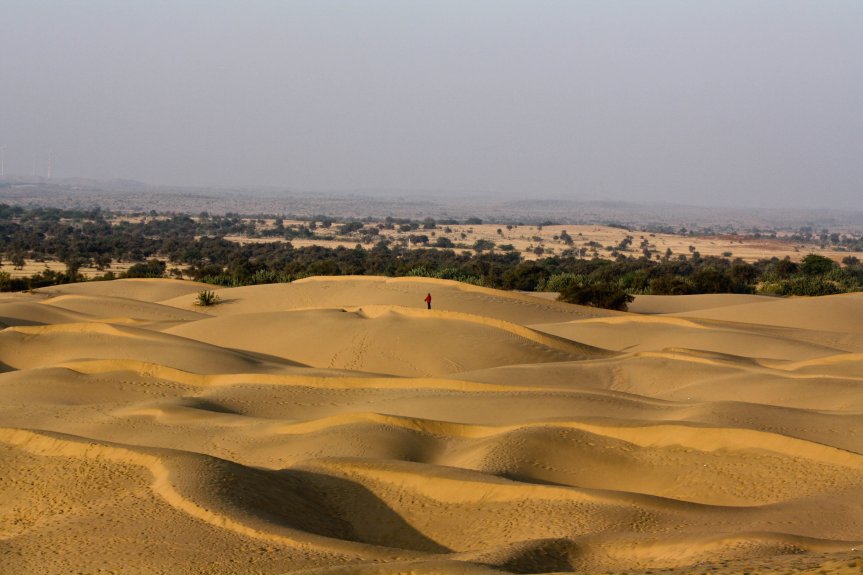
Hot desert covers the Western most states of the country, Rajasthan, Gujarat. But the type of deserts still differ from each other, in terms of appearance and salinity. The desert in Gujarat is more saline and is white in appearance, but in the region of Rajasthan, it is alike other deserts found in many of the parts of the world.

Cold desert of India is in the Ladakh region, which is also the coldest and highest regions of the country.
Coastal areas and Islands –

India is bestowed with a large coastline,running from Gujarat towards the South,and ending up in the state of West Bengal. It is because of this large coastal area, most of the economic developments could take place in the country,whether it is fishing, extraction of natural resources,development of ports, and way for exports and imports.

Major islands of the country are Andaman and Nicobar and Lakshadweep,where natural resources are easily available in abundant amount.

This diversity in the physiography of India makes it a beauty of the earth and the presence of natural resources makes the subcontinent into a land which is more favorable for human growth.

The True Price Of The Medals

John Brown went off to war to fight on a foreign shore
His mama sure was proud of him!
He stood straight and tall in his uniform and all
His mama’s face broke out all in a grin

Bob Dylan begins off by saying that John set out to fight on a foreign shore and his mother was very proud of her son as she thought taking part in the war was of glorious essence. John stood straight and proud in his uniform and his mother couldn’t help but smile.

“Oh son, you look so fine, I’m glad you’re a son of mine
You make me proud to know you hold a gun
Do what the captain says, lots of medals you will get
And we’ll put them on the wall when you come home”

She exclaimed to her son that he looked fine and she was glad to have given birth to him. Her blatant glorification of war is evident in the statement that he made her proud by holding a gun which she considered to be a virtue. She advises him to listen and do whatever the captain tells him to do and he would surely win a lot of medals and then they would the medals on the wall when he would return from the war.

As that old train pulled out, John’s ma began to shout
Tellin’ ev’ryone in the neighborhood:
“That’s my son that’s about to go, he’s a soldier now, you know”
She made well sure her neighbors understood

As the train began to leave, John’s mother began to shout proudly, telling everyone in the neighborhood that it was her son that was about to go in the train and the fact that he was now a soldier. She made the declaration emphatically so as to ensure everyone truly understood the importance of her son being a soldier.  The mindless glorification of going into battle is foolhardy which is subtly implied by Bob Dylan.

She got a letter once in a while and her face broke into a smile
As she showed them to the people from next door
And she bragged about her son with his uniform and gun
And these things you called a good old-fashioned war

She got a letter once in a while and that used to make her smile. She used to go about bragging about her son in the soldier’s uniform.

Oh! Good old-fashioned war!

Then the letters ceased to come, for a long time they did not come
They ceased to come for about ten months or more
Then a letter finally came saying, “Go down and meet the train
Your son’s a-coming home from the war”

Then the true picture of war is shown when the letters from John ceases to arrive for a long time. They had stopped coming for more than ten months and then finally one day a letter came telling her to go down to the train station for her son was coming back home from the war.

She smiled and went right down, she looked everywhere around
But she could not see her soldier son in sight
But as all the people passed, she saw her son at last
When she did she could hardly believe her eyes

She smiled and went to the station and looked everywhere but she couldn’t see her son anywhere and finally after all the people had passed she saw her son at last and she could hardly believe her eyes.

Oh his face was all shot up and his hand was all blown off
And he wore a metal brace around his waist
He whispered kind of slow, in a voice she did not know
While she couldn’t even recognize his face!

John Brown was a picture of pity and his face was all messed up and his hand been blown off and he wore a metal brace around his waist. He whispered slowly in a voice that her mother had never heard before and she couldn’t recognize his face.

Oh! Lord! Not even recognize his face

“Oh tell me, my darling son, pray tell me what they done
How is it you come to be this way?”
He tried his best to talk but his mouth could hardly move
And the mother had to turn her face away

Her mother cried and asked her son to tell her how he came to be in such a horrible condition. However John Brown tried his best yet he could barely speak and his mother turned her face away unable to bear the condition of her son.

“Don’t you remember, Ma, when I went off to war
You thought it was the best thing I could do?
I was on the battleground, you were home . . . acting proud
You wasn’t there standing in my shoes”

John Brown breaks his mother’s perception of war by stating the obvious. He mocks her by stating that she had thought that his going to war was the best thing he could do. He fought in the battlefield while she was home feeling proud. Yet she didn’t know what he was going through for she wasn’t standing in his shoes.


“Oh, and I thought when I was there, God, what am I doing here?
I’m a-tryin’ to kill somebody or die tryin’
But the thing that scared me most was when my enemy came close
And I saw that his face looked just like mine”

John Brown tells her that he wondered as to why he had gone to the battlefield while he was in the midst of the battle. He knew that he had to kill or be killed and the thing that scared him the most was the fact that his enemy looked just like him, human!


Oh! Lord! Just like mine!

“And I couldn’t help but think, through the thunder rolling and stink
That I was just a puppet in a play
And through the roar and smoke, this string is finally broke
And a cannonball blew my eyes away”

He knew through the mud and thunder that he was just a puppet amidst all of this. Then the inevitable happened when a cannonball was fired and he was physically handicapped.

As he turned away to walk, his Ma was still in shock
At seein’ the metal brace that helped him stand
But as he turned to go, he called his mother close
And he dropped his medals down into her hand

As he turned to walk away, his mother was in shock seeing the metal brace that was helping him stand. As he turned to go, he called his mother and put down the medals into her hand that she had once glorified not knowing the price one had to pay to earn them.

Ayurveda – A sustainable alternate medical practice

Coronavirus: Experts suggest Ayurveda helps boost immunity against ...

Ayurveda is a holistic system of medicine that is indigenous to and widely practiced in India. The word Ayurveda is a Sanskrit term meaning ‘science of life.’ Ayu means ‘life’ or ‘daily living’ and Veda is ‘knowing.’ Ayurveda is a medical system that deals with health in all its aspects; physical health, mental balance, spiritual well-being, social welfare, environmental considerations, dietary and lifestyle habits, daily living trends, and seasonal variations in lifestyle, as well as treating and managing specific diseases The origin of Ayurveda is lost in prehistoric antiquity, but its characteristic concepts appear to have matured between 2,500 and 500 B.C. in ancient India. The earliest references to drugs and diseases can be found in the Rigveda and Atharvaveda.

Ayurveda is all about Dharana and Dharma, both Sanskrit words denoting a sustainable complex of life and living: the first within the organism itself and the second within society and the world. Ayurveda is almost – in a positive sense – preoccupied with ‘sustaining life’: as a science it focuses on preserving life down to the cellular level of each living organism, and first and foremost of human beings. One of the reasons that sustaining and preserving human life is so important in Ayurveda, is a result from the fact that it is a spiritual science which sees this life – and our bodies as temples for our souls – as a way to evolve spiritually. This evolution is not for a personal gain, but for the greater common good: Ayurveda sees life as one, and not as a fragmented event.

Ayurveda gives clear guidelines for lifestyle and nutrition, which all fit within a framework of Dharma. Dharma naturally supports something that carries responsibility for the whole of society and humanity, and thus also regarding ethical and environmental matters. Lifestyle – according to Ayurveda – should be helping to preserve a healthy environment and support of nature, in all possible aspects. This cannot but lead to supporting responsible behavior in keeping our water, our nature, our forests, our cities, our air, and in short our whole life, as clean and pure as possible. It also implies a natural care for good and sustainable food sources, and agriculture which preserves not only life in the sense of clean and pure production, but also responsible and safe nutritional methods. Good examples include active support of organic and biodynamic farming, support for natural agricultural systems such as permaculture, as well as active resistance of technical and not safe-proof production methods such as with GMO foods. It also promote the wise and respectful use of animal products.

According to the sustainability goals of Ayurveda, organic and other forms of responsible farming should be used to grow the herbs Ayurveda uses for its remedies. Use of local herbs has been advised over procuring exotic and rare herbs. Commonly availabe spices such as cumin and turmeric have profound healing properties, and are powerful additions in the arsenal of medicinal substances.  Ayurveda is the makes use of small shrubs to big trees for various purposes and to that Ayurvedics follow certain guide lines for collection and cultivation. So in order to obtain herbal medicine Ayurvedics also engage forestation and cultivation. The use of medicinal plants is oriented to take advantage of their ability to harmonize the balance between the patient and the basic influences of life, such as diet, work, and family life. With more than 2700 plants at its disposal, it is clear that Ayurveda in quite close with nature and its powers. In this way both doctors and patients easily see their connections to nature.

The Hospital wastes of Ayurveda are almost biodegradable. The medicines are of Herbal or Mineral or a mixture of both which are easy to dispose in to the earth after their expiry or their use. The pharmaceutical waste of Ayurveda is also biodegradable and some of them make good manure for cultivation. The plastic and other artificial materials not used for treatment makes Ayurveda an Eco friendly system. In Ayurvedic system each and every part of the environment is given importance which makes the optimum utilization of natural resources from Daily usage to the Drug. For example, neem- plant is used for Twigs, tooth brushing and tongue cleaning; Leaves-for medicating the bathing water; Seed oil, for external application over scalp for healthy hair etc.

This approach to nature as the source of healing and to personal care, as a source of loving health care, with emphasis on the preventive side, is a very welcome feature of Ayurveda, which could permeate and facilitate our approaches to sustainability and to the rich relationships between people (society), things (economy) and nature (ecology). Environmental sustainability is highly related to conscious mental and bodily good practice, of which Ayurveda could be considered as a very useful model, not only in the countries where it is traditionally applied, but everywhere. Ayurveda not only teaches to live healthy, but also teaches to love nature and live with nature.

binary number system and indian history

Binary numbers, number system, decimal codes, computer and technology, Binary codes , information theory, digitallogic gate these things are co-realated with each other . Binary numbers we generally come to know about this number system in our junior year computer class and we used to solve this kind of binary protblemes like convert the decimal number to binary number .

so let’s know what is binary number system binary number is a number expressed in the base-2 numeral system or binary numeral system, which uses only two symbols: typically “0” (zero) and “1” (one).A binary code represents text, computer processor instructions, or any other data using a two-symbol system. The two-symbol system used is often “0” and “1” from the binary number system. The binary code assigns a pattern of binary digits, also known as bits, to each character, instruction, etc

now if we serch for the history for the binary number system theory or binary code , source show that the modern binary number system, the basis for binary code, was invented by Gottfried Leibniz in 1689 and appears in his article Explication de l’Arithmétique Binaire. The full title is translated into English as the “Explanation of the binary arithmetic”, 

But In India the binary number system came around 3rd or 2nd century, Acharya Pingala an ancient Indian mathematician invented binary system , it,s assumes that he was 1st inventor of binary system in the world. Acharya Pingala authored Chandaḥśāstra (Pingala-sustra) or Chandhas refers to one of the six Vedangas or limbs of vedic studies Chandaḥśāstra literally translate to sciece of meters in Sanskrit. Pingala used binary numbers in the form of short and long syllebles making it similar to Morse code, here the binary numbers increased toward the right and not to the left like in The modern binary system, in this book number started from 1 not 0 . Pingala used laghu(light) and guru(heavy) rather than 0 and 1 described syllbles,(four short syllables—binary “0000”—is the first pattern),

That the binary code was invented in India is hardly a surprise. Not long ago, scientists discovered a very intriguing  ancient Indian text known as the Bakhshali manuscript that re-writes history of number zero and mathematics.

Bakhshali manuscript – Image credit: Bodleian Library


Pottery: A sustainable alternative

For the love of pottery | Delhi/NCR Activity with TogetherV

With the current environmental situations prevailing in our surroundings, it has become a duty and responsibility of each individual to use more renewable and recyclable products. It is a known fact that not all the products can be recycled, in which case, using products which have a high level of recyclability is advisable. Earthenware products are easily recycled and its recyclability rate is also extremely high. From the broken pots to old utensils, all can be recycled completely, with the help of a simple process and can be carved easily and quickly into newly desirable shapes. The recyclability rate of clay is 95 percent. This is a very high rate, highlighting that people should buy terracotta products more for preserving the environment. All the products that are made of clay possess the attribute of being highly durable and they are built with the main focus of being long-lasting. It is due to this aspect that they can tolerate a high level of wear and tear. In addition to this, the product has a high level of weather and heat resistance.

With growing concern for environment many people are replacing their steel/aluminum cookware with traditional vessels made of clay just like their ancestors. From cooking food to setting curd and storing water, their aim is to be self-sustainable and eco-friendly. Cooking in earthen pots and utensils also has additional benefits. These are:

Clay is alkaline in nature and when it interacts with the acidity in the food, it neutralizes the pH balance eventually making it healthier.

Due to its heat resistance, the food retains all the natural oils and moisture while slow-cooking, hence, extra oil need not be added.

Earthen utensils are not very expensive and cost-efficient compared to most other types of utensil.

Cooking in a clay vessel infuses the food with many important nutrients like calcium, phosphorous, iron, magnesium and Sulphur

Boiling milk, or making curd in Clay pots gives it better taste and texture than metal vessels, as told by veteran Chef Sanjeev Kapoor.

Clay being a porous material, allows heat and moisture circulate evenly through the pot during cooking, unlike with metal or stainless steel pots. This superior form of heat circulation helps in cooking vegetables and meat evenly.

Firstly, Clay cooking pots are extremely effective for slow cooking. Clay cooking vessels are porous in nature. It allows both moisture and heat to circulate easily through them. This aids in even, slow and delicate cooking.  Curry, gravy, and sautéing vegetables/meat are best done in earthenware.

Mawlynnong

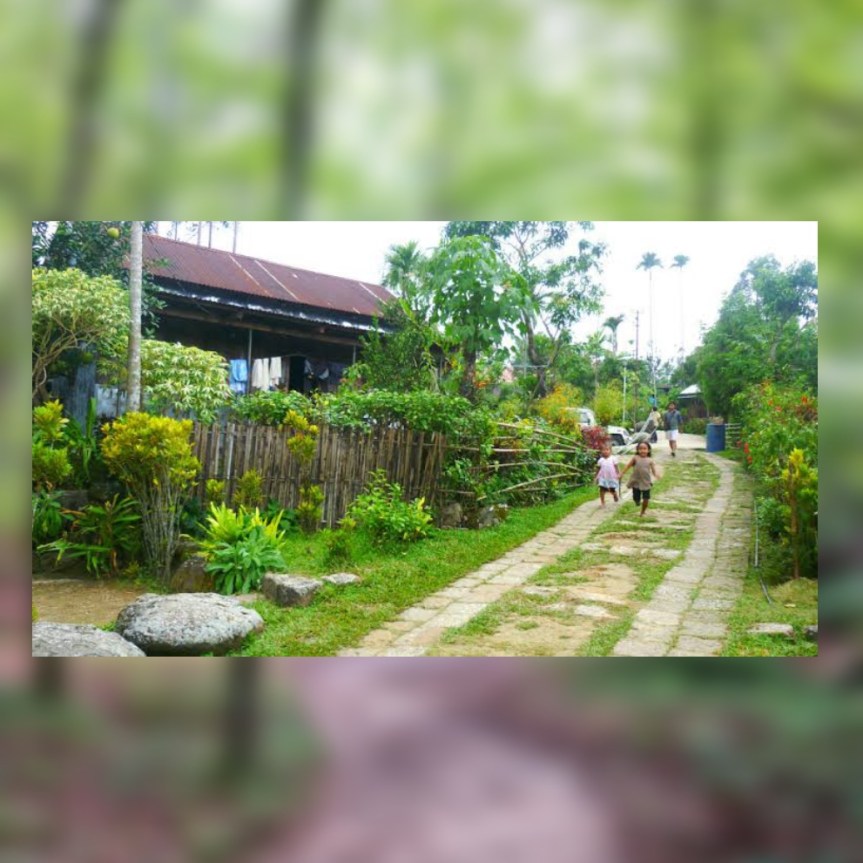
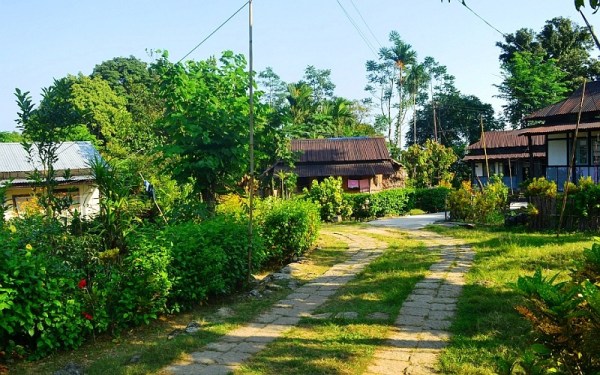
Mawlynnong God’s own garden ,The cleanest village in Asia . It’s a small village in East Khasi Hills district Meghalaya state in North east India .In 2003 It was awarded the title ” cleanest village In Asia” by Discover India. a mysterious paradise, a place far from city life’s pollution .cleaniless really a great achievememt when whole country is struggle for “swachata” along with this the village has approx hundred percent literacy rate and highly progressive scenario for women.

Mawlynnong is located 90km from Shilong , along the India Bangladesh Border. Agriculture is the chief occupation of the local population. Here weather is pleasant all throughout the year, still the best time to visit is Moonsoon. During rainy season village and it’s surroundings become lush green .

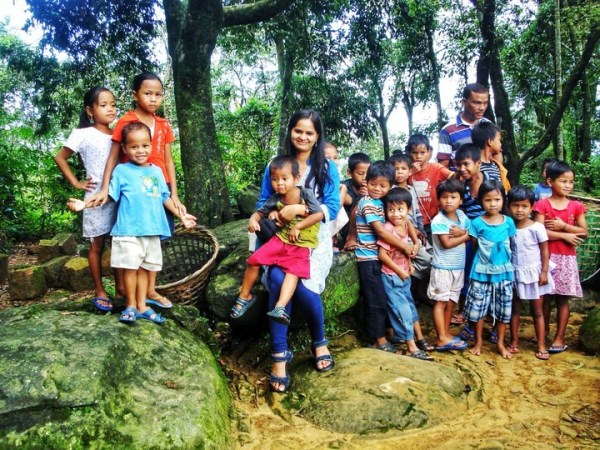
each and every house of this village has functional toilets and the whole locality is provided with baboo dustbins,every waste product even dry leaves go into dustbin . Plastic and smoking strictly prohibited here. The Khasi tribe is the biggest attraction of this small village. This is a famous tribe and is well ahead of the patriarchal notions. In this tribe, children inherit their mother’s surnames and property is also passed through the matrilineal lines. Mawlynnong with all these features, proves that women empowerment is completely possible if people are convinced enough.

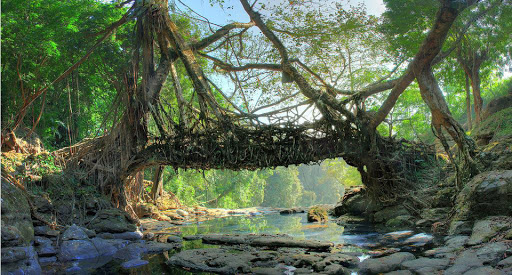
Living roots bridges,This natural wonder has been declared as an UNESCO World Heritage Site. The living route bridges are a phenomenon in itself. The bridges connect the aerial roots of one giant rubber tree and make a bridge hanging above the river. These bridges take years to self construct and can accommodate fifty to seventy people at a time.

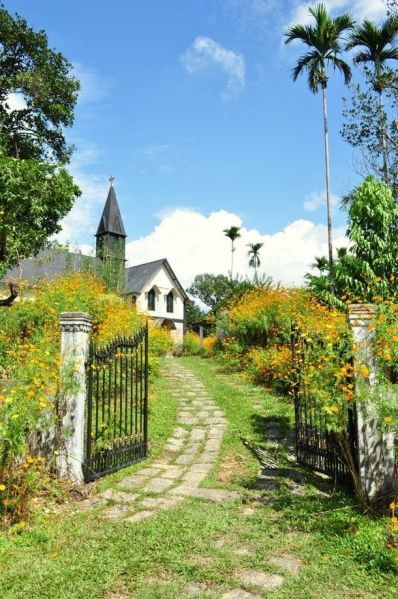
Khasis in Mawlynnong are devout Christians. Surrounded by orange and palm trees, stands a 100-year-old church in the village called ‘Church of the Epiphany’. Narrow stone paths with plants bearing orange flowers reach out to the Church, which is a black and white structure exuding an old-world charm. There are no houses that rise above the Church spire.

natural beauty , simle people ,culture, local dishes , a strange blissful peace and” cleaniness” makes MAWLYNNONG a destination of relief .

HOW THE 1948 OLYMPIC GAMES PLAYED AN IMPORTANT ROLE IN THE AFTERMATH OF WW1

Japan had to agree to an unprecedented one year postponement from the initial insistence that the Olympics would be held on the originally stipulated dates with the usual pomp and pageantry. So now with the Covid-19 pandemic unlikely to depart early, the organisers have acknowledged that if they are cut down to keep expenses so safety risks in place, the only way the Games will be played in 2021 will be. This dream of a “simplified” Olympics – to use Tokyo Governor Yuriko Koike ‘s term – entails ending the one-year countdown to the revamped Games, set for July 23 to August 8 next year, watering down the opening and closing ceremonies.

The organizers plan to check every fan, athlete, coach, and official .  Additionally, the movement of everyone participating in the Games is likely to be considerably limited, in whatever capacity. Both these steps are even more important when the International Olympic Committee has announced that the Olympics will not be delayed again, but will be canceled if they will not take place next year in July-August.

he ongoing pandemic is considered the world’s greatest societal threat since the Second World War. In the wake of which, the London Games of 1948—and sports — helped the world bounce back, that also played a role in morale-boosting. One key difference is that Tokyo had already made arrangements for a grand edition of the Games, and will now have to scale them down, but when the world recovered from the war, London 1948 could not afford the expenditure. Many parts of London still sport a dilapidated look from the bombings. There had been a shortage of certain supplies and the tight rationing for residents for the everyday necessities. In contrast to the Games Village set up at Tokyo Bay, the male athletes in 1948 were housed at Royal Air Force camps while the women stayed at colleges.

As The Guardian writes: “Not only was there no new Olympic stadium, there was no new velodrome, aquatics centre or handball arena either. Nor was there a purpose-built Olympic village… The organisers laid on bedding but asked contestants to bring their own towels.”

By throwing 800 tons of cinders over the greyhound course, they have turned Wembley into an athletics venue.No wonder they were called the ‘Austerity Games’ instead of the 1948 Olympics.It was tough for even British athletes to get the food that were considered essential in their sports for maximum results, which could explain the meagre haul of three gold, 14 silver and six bronze medals in the host country. There were also teams who carried their own food to the Tournaments.

Yet today the Games are remembered for the achievements of likes of Fanny Blankers-Koen, the 30-year-old Dutch mother of two, who won four gold medals, and Emil Zatopek, of Czechoslovakia, who took home the 10,000 m win.

To India, playing for the first time as a free nation at the Olympics, the highlight was its fourth consecutive hockey gold medal – that too beating Britain, its former rulers, in their own backyard.

But the Games — featuring 59 countries, with defeated powers Japan and Germany, kept out and the Soviet Union declining to participate — also brought people some relief amid their post-war struggles. The Guardian writes that the 1948 Olympics even managed a profit of almost £30,000, something unthinkable in the present age of ballooning budgets.

Today, the world is much more interconnected than it was in 1948. If the 2021 Olympics do take place, it will not be just about the sporting achievements. As Emil Zatopek had said at the end of the 1948 Games: “After all those dark days – the bombing, the killing, the starvation – the revival of the Olympic Games was as if the sun had come out… Suddenly there were no frontiers, no more barriers, just the people meeting together.”

Source:https://indianexpress.com/article/explained/explained-when-olympic-games-brought-cheer-after-a-crisis-in-1948-6478167/

Traditional water conservation techniques of India

Traditional water wisdom and systems of RajasthanNews Cusp | News Cusp
A jhalara in Rajasthan

1. Jhalaras

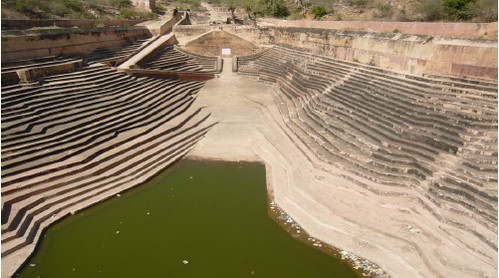
Jhalaras are typically rectangular-shaped stepwells that have tiered steps on three or four sides. These stepwells collect the subterranean seepage of an upstream reservoir or a lake. Jhalaras were built to ensure easy and regular supply of water for religious rites, royal ceremonies and community use. The city of Jodhpur has eight jhalaras, the oldest being the Mahamandir Jhalara that dates back to 1660 AD.

2. Talab /Bandhi

Talabs are reservoirs that store water for household consumption and drinking purposes. They may be natural, such as the pokhariyan ponds at Tikamgarh in the Bundelkhand region or man made, such as the lakes of Udaipur. A reservoir with an area less than five bighas is called a talai, a medium sized lake is called a bandhi and bigger lakes are called sagar or samand.

3. Bawari

Bawari | Hindi Water | Flickr

Bawaris are unique stepwells that were once a part of the ancient networks of water storage in the cities of Rajasthan. The little rain that the region received would be diverted to man-made tanks through canals built on the hilly outskirts of cities. The water would then percolate into the ground, raising the water table and recharging a deep and  intricate network of aquifers. To minimise water loss through evaporation, a series of layered steps were built around the reservoirs to narrow and deepen the wells.

4. Taanka

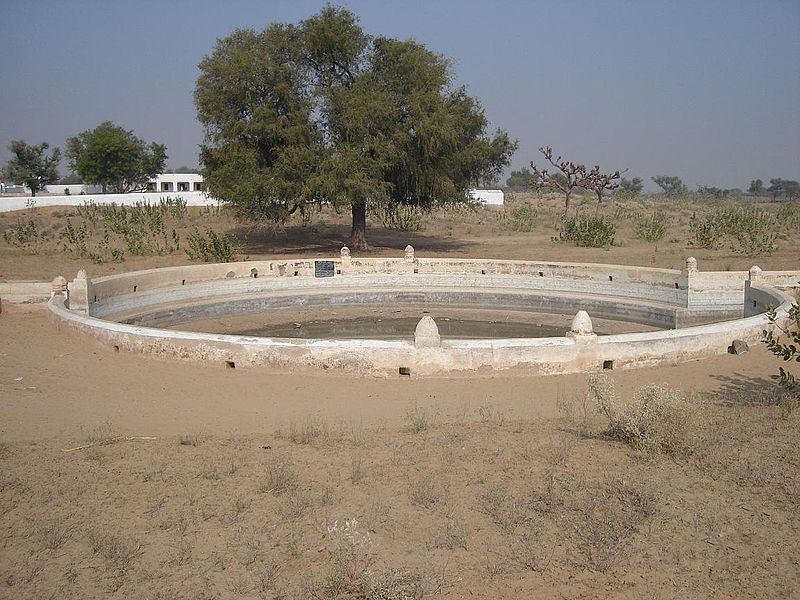
Taanka is a traditional rainwater harvesting technique indigenous to the Thar desert region of Rajasthan. A Taanka is a cylindrical paved underground pit into which rainwater from rooftops, courtyards or artificially prepared catchments flows. Once completely filled, the water stored in a taanka can last throughout the dry season and is sufficient for a family of 5-6 members. An important element of water security in these arid regions, taankas can save families from the everyday drudgery of fetching water from distant sources.

5. Ahar Pynes

Ahar Pynes are traditional floodwater harvesting systems indigenous to South Bihar. Ahars are reservoirs with embankments on three sides that are built at the end of diversion channels like pynes. Pynes are artificial rivulets led off from rivers to collect water in the ahars for irrigation in the dry months.  Paddy cultivation in this relatively low rainfall area depends mostly on ahar pynes.

6. Johads

Water Johads: A Low-Tech Alternative to Mega-Dams in India

Johads, one of the oldest systems used to conserve and recharge ground water, are small earthen check dams that capture and store rainwater. Constructed in an area with naturally high elevation on three sides, a storage pit is made by excavating the area, and excavated soil is used to create a wall on the fourth side. Sometimes, several johads are interconnected through deep channels, with a single outlet opening into a river or stream nearby. This prevents structural damage to the water pits that are also called madakas in Karnataka and pemghara in Odisha.

7. Panam Keni

The Kuruma tribe (a native tribe of Wayanad) uses a special type of well, called the panam keni, to store water. Wooden cylinders are made by soaking the stems of toddy palms in water for a long time so that the core rots away until only the hard outer layer remains. These cylinders, four feet in diameter as well as depth, are then immersed in groundwater springs located in fields and forests. This is the secret behind how these wells have abundant water even in the hottest summer months.

8. Bamboo Drip Irrigation

Bamboo Drip Irrigation

Bamboo Drip irrigation System is an ingenious system of efficient water management that has been practised for over two centuries in northeast India. The tribal farmers of the region have developed a system for irrigation in which water from perennial springs is diverted to the terrace fields using varying sizes and shapes of bamboo pipes. Best suited for crops requiring less water, the system ensures that small drops of water are delivered directly to the roots of the plants. This ancient system is used by the farmers of Khasi and Jaintia hills to drip-irrigate their black pepper cultivation.

9. Eri

The Eri (tank) system of Tamil Nadu is one of the oldest water management systems in India. Still widely used in the state, eris act as flood-control systems, prevent soil erosion and wastage of runoff during periods of heavy rainfall, and also recharge the groundwater. Eris can either be a system eri, which is fed by channels that divert river water, or a non-system eri, that is fed solely by rain. The tanks are interconnected in order to enable access to the farthest village and to balance the water level in case of excess supply. The eri system enables the complete use of  river water for irrigation and without them, paddy cultivation would have been impossible in Tamil Nadu.

Pat System

The Pat system, in which the peculiarities of the terrain are used to divert water from hill streams into irrigation channels, was developed in the Bhitada village in Jhabua district of Madhya Pradesh. Diversion bunds are made across a stream near the village by piling up stones and then lining them with teak leaves and mud to make them leak-proof. The Pat channel then passes through deep ditches and stone aqueducts that are skilfully cut info stone cliffs to create an irrigation system that the villagers use in turn.

Tri-service contingent of Indian Military Participates In Victory Day Parade In Russia

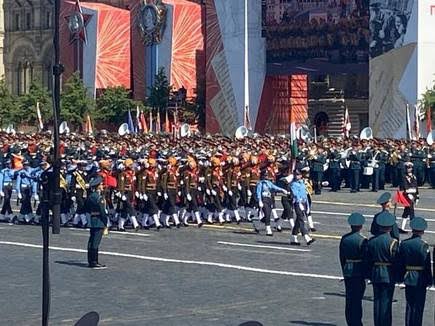
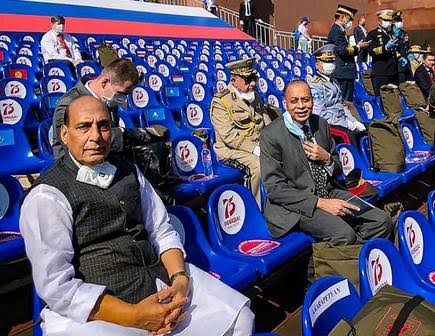
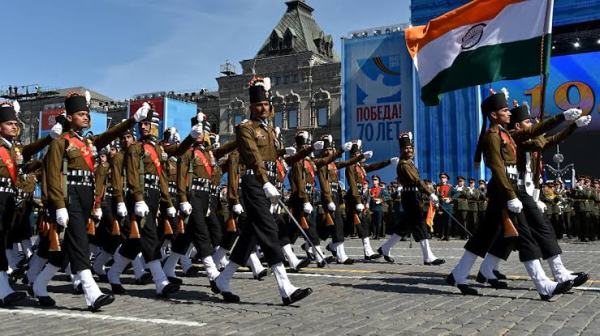
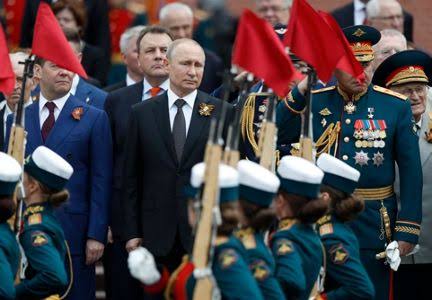
75-member Tri-service contingent of the Indian Armed Forces participated in the 75th anniversary of the Victory Day Parade at the iconic Red Square in Moscow on June 24. Defence Minister Rajnath Singh was one of the high profile guests at the event In Russia. 24 June 2020 Russia celebrated 75th anniversary of the victory of Soviet people in great patriotic second world war 1941-45.

Defense Minister Rajnath Singh At Red square Moscow 24 June with other Guests

“I am proud that a Tri-Service contingent of the Indian Armed Forces is also participating in this parade,”he tweeted.

” impressive turnout of the Tri-Service contingent of the Indian Armed Forces at the Victory Day Parade in Moscow is indeed an extremely proud and happy moment for me,”Mr. Singh said in another tweet.

Indian Military Marched down at the wide road of the Red Square Moscow June 24 2020

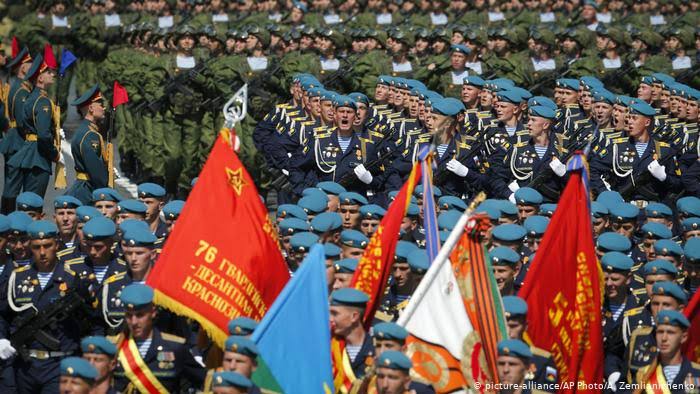
The Tri-Service contingent of the Indian Armed Forces comprised 75 all ranks and marched along with contingents of Russian Armed Forces and 17 other countries, according to an official statement. The parade was reviewed by Russian President Vladimir Putin, war veterans, and guests, including Defence Minister Rajnath Singh.This year, 14,000 troops and several hundred military machines took part in the parade, including 30 historic T-34 tanks. President Putin congratulated the military and guests, saying this victory determined the future of the planet.

Russia postponed its military parade traditionally held on Moscow’s Red Square on May 9 for a later date due to the corona virus pandemic.On May 26, President Putin announced that the Victory Parade would be held on Moscow’s Red Square on June 2.He explained that this was chosen because, on June 24, 1945, the legendary historic parade of victors took place, when soldiers, who fought for Moscow and defended Leningrad, who stood their ground for Stalingrad, liberated Europe and stormed Berlin, marched on Red Square.


🌠Indians-In Debt🌠

Indians-In DebtWith kargil and indo-chaina, with Mangalyaan and Aryabhatt, with the 70’s winning world cups and miss Universe titles,with earthquake and floods India Today is seventy one, not out , not out. So on the fifteen day of August and the twenty sixth day of January we take pride in putting up the tiranga in our cars and on our bikes. We take pride to be an Indian. That’s all great but what hurts is that most of us take pride only on fifteen of August or on twenty six of January. We sing with great power to celebrate our Independence and us being a Republic. We make promise, hoist our flag, clean our streets, and listen to speech with great enthusiasm only on the fifteen of August and twenty sixth day of January. We think about all those martyrs only on days when we feel a sense of belonging. And it hurts more that people don’t even feel for their country like they used to. Everyone looks for an opportunity to flee the nation rather than to contribute towards it’s development. Everyone feels comfortable blaming the government (no matter what majority) when thetmy were the ones who elected them. Everyone will curse the garbage but throw a wrapper on the road themselves. We can aya that India is developing, but it is not progressing. The rich are geeting richer and the poor are geeting poorer. The roads are geeting wider but the pot holes are geeting deeper. The numbers of school are increasing, but rhe quality if education is decreasing. The real politicians are decreasing and corruption is increasing. I can say with a broken heart, India you are a ness right now. I cannot tell what can be done about it or lay my opinion on the table, because to be honest I have no clue. I have no clue how to shut the negativity down. I have no clue how to convince people and seek help for this soon to be drowned Nation with its flawed judiciary, legislative, political and police systems. But all I would like to tell everyone is that fell patriotic three sixty-five days a wear and always remember you are not bound to the nation just with its physical boundary the people make the nation. And I hople we can better ourselves in large and subtle ways to benifit India together.