Prospects of Geographic Information System and Multi-Source Data Integration in Enhancing the Accuracy of Above-Ground Biomass and Carbon Stocks Estimation

Daily writing prompt
Write about a few of your favorite family traditions.

Citation

Omali, T. U., Akpata, S. B. M., & Onyevu, R. O. (2026). Prospects of Geographic Information System and Multi-Source Data Integration in Enhancing the Accuracy of Above-Ground Biomass and Carbon Stocks Estimation. International Journal of Research, 13(1), 484–492. https://doi.org/10.26643/ijr/2026/23

Omali, Thomas Ugbedeojo (PhD)1*; Akpata, Sylvester Balm Mifue2 (PhD);

Onyevu, Rosemary Onyinye (MSc.)3

1National Biotechnology Development Agency (NABDA), Abuja, Nigeria.

2Department of Geoinformatics and Surveying, University of Abuja, Nigeria

3Department of Geoinformatics and Surveying, University of Nigeria, Nsukka, Nigeria.

Corresponding Author’s Email Id: t.omali@yahoo.com

Abstract

Evaluating Above-Ground Biomass (AGB) accurately and the successive calculation of carbon stocks are fundamental process for understanding the global carbon cycle, climate change mitigation and sustainable forest management. The traditional field-based methods for AGB and carbon stocks assessment is effective; but then, they involve more cost, time, and they are not scalable to a large area. Thus, the utilization of cutting-edge technology to support the conventional approach is expedient. This study is a mini review that discuss the prospects of Geographic Information System (GIS) and the need to integrate various data in evaluating AGB and carbon stocks. First, literature search was conducted based on which relevant and quality published articles were selected and used to discuss the topic. The result signifies that the spatially explicit GIS-based techniques can be used to create georeferenced estimates of AGB, and carbon sink/stock potential. Also, data from different sources has their unique advantages and drawbacks, which can affect the accuracy of AGB and carbon stocks assessment. However, integrating these data has proven to be highly efficient. Summarily, GIS provides the essential platform for acquiring, integrating, analyzing, and visualizing diverse data sources. This enables the creation of spatially continuous and accurate map of AGB and carbon stocks across landscapes, regions and continents.

Keywords: Above-Ground Biomass, Activity Data, Carbon Sequestration, forests, GIS, REDD+

  1. Introduction

The tropical forests are generally characterized by high biomass and carbon content, which makes them to have huge influence on the global carbon cycle. They have unlimited potential for mitigating carbon dioxide (CO2) emission through suitable conservation and management. On the other hand, deforestation alone is responsible for approximately 12% of the global human-induced emissions of greenhouse gas (GHG) and peat oxidation while fires on degraded peat lands causes another 6% [1]. Also, 10–25% of global emissions resulting from anthropological activities are linked to combined impact of logging and forest re-growth on abandoned land [2,3]. The significance of deforestation in global carbon cycle is apparent. This gave rise to the Bali Action Plan agreed on enhancement of national/international action on climate change mitigation. This includes inter alia, consideration of policy approaches and payment with regards to reducing forest-related emissions in developing nations [4].

The forest biome is a massive carbon pool that can diminish emissions of net GHG through reduction of sources that enhance sinks of CO2 [5, 6]. Precise spatial and temporal evidence of the existing condition of carbon sources and sinks is required for policy formulation to mitigate greenhouse effects [7]. Monitoring biomass and carbon stocks accurately can now be achieved, thanks to increasingly available of fine resolution and large spatial geographically referenced data. Also, the data can be used to make models that establish the relationship between biomass and their drivers can be used to estimate biomass and carbon at global level. So far, there are many GIS-based spatially explicit approaches for spatiotemporal estimation of carbon sink and stock [8,9]. GIS is a typical processing and visualization tool [9,10]. Nevertheless, much of the existing studies on estimation of terrestrial carbon sequestration and land-use spatial planning have not integrate process-based models with GIS [11].

Mapping and quantifying the tropical AGB is essential in the estimation of carbon dynamics resulting from the modification in LCLU [12]. Though site-specific estimates of AGB based on various modelling is common practice, pan-tropical or global estimates are developed through the combination of ground inventories and remotely sensed forest data. For instance, Saatchi et al. [13] mapped the pan-tropical live biomass at 1-km spatial resolution in 2011. They used a wide-ranging inventory data from 4,079 plots and many remote sensing techniques (optical, microwave and LiDAR sensors). It was revealed that the total of 247 PgC woody biomass was stored in the tropical vegetation. In this, AGB contributed 78% of carbon stocks while 22% of carbon stocks was from below ground biomass. An improved map of the pan-tropical AGB at 500m resolution emerged in 2012 as a result of additional work. The integrated data to create this map were from field inventories, 70 meters resolution LiDAR, and 500 meters resolution MODIS images [12]. Similar to this, Kanja, Zhang, and Atkinson [14] evaluated the capacity to map the AGB of Zambia’s Miombo woodlands using data from Landsat-8 OLI, Sentinel-1A, and extensive national forest inventory.

  • Methodology

This review discussed Geographic Information System and multi-source data integration for enhancing the accuracy of above-ground biomass and carbon stocks estimation. Relevant materials used consisted of research articles availed from reputable electronic databases including Web of Science and Scopus. Apart from research articles, grey literatures were equally cited in this paper. The main search for information on the review topic was conducted from September 2025 to November 2025.

  • Results and Discussion
    • Role of Geographic Information System for AGB and Carbon Stocks Estimation

A Geographic Information System is a computer-based tool for storing, retrieving, modifying, analysing, and displaying georeferenced data. It is an automated mapping and analysis system, which depends on data that are related to the geographic location of physical entities, and activities. Its intention is to locate and describe places on the Earth’s surface.

GIS data can be used for spatiotemporal monitoring of Land use and Land cover (LULC). LULC and LULC change are used as Activity Data (AD) in carbon stocks assessment. LULC is responsible for approximately 10 percent of global greenhouse gas [15]. According to Yadav [16], the boundaries of LULC classes from satellite-based analysis are typically transferred to a map to create mapping units. These units can then be digitally transformed into a GIS environment to create a vector polygon map. It is noteworthy that GIS is a spatial platform for creating data layers and databases. Apart from accurate and effective management of features [17] such as forests, GIS can be used to easily create spatial models for simulating various situations.

Additionally, georeferenced estimates of carbon sink and stock potential can be produced using spatially explicit GIS-based methods. The GIS is typically used for processing model inputs (e.g., soil texture, land cover) and visualizing the outcomes. For instance, Fatoyinbo and Simard [18] used GIS to combine height data from the Shuttle Radar Topography Mission (SRTM) and spatial coverage of the mangrove generated from Landsat imagery with the intention of computing Africa biomass of mangroves. Furthermore, Malysheva et al. [19] studied the GIS-based assessment of carbon dynamics for Russian forests. In another study, Kehbila et al. [20] carried out a comparative multi-criteria evaluation of Cameroonia’s sustainable development plans and climate policies to create a GIS decision-support tool for the creation of the best possible REDD+ plan.

It is good to note that carbon sequestration provides a major economic value of the ecosystem. Thus, it has become an essential tool for application by United Nations Framework Convention on Climate Change (UNFCCC) in REDD+ programme. Generally, the financial estimation of forest environment services is significant because it assigns an amount on nature. This estimation can correspondingly serve the purpose of guiding climate change policy-makers and decision-makers [21]. The core of REDD+ initiative is the delivery of financial reward to developing nations for keeping carbon stored in their natural forests. The economic worth of carbon sink and stock of forest environment can be mapped and quantified in a GIS environment. In this case, GIS is used for developing database, executing spatial analysis and mapping economic worth. The appraisal process used to determine and monetize the amount of carbon stock and carbon sequestered was measured and validated by Pache et al. [22]. This was accomplished through combination of terrestrial scanning, and monetary valuation to display the sequestered carbon’s spatiotemporal market value

The ground-based field measurements are the most accurate methods for biomass assessment. It is used to obtain precise data on tree for creating allometric models for computing AGB [23]. But field measurements are possible only on a limited number of points at the sample plot scale. Also, their sampling density are insufficient to afford the requisite spatial variability; and it is usually hard to sample large areas [24]. The ground-based field measurements are also costly, time consuming, and labour intensive [25]. Remote Sensing technology is thus adopted for collecting data or for large-scale mapping and monitoring of various entities such as forest AGB, vegetation structure, vegetation productivity and others [26]. However, remote sensing application has its own associated issues.

By and large, three of the key data sources that are currently being employed for forest AGB mapping and assessment include ground surveys, satellite imagery, and LiDAR. Of course, each data source has its advantages and disadvantages [27]. Thus, the combination many data from various sources can help in analyses of variables that cover a large extent. Integrating multisource data including satellite imagery into a GIS is a potential method for producing spatially-explicit estimates of AGB across a large extent. The majority of current forest estimating research has shown higher accuracy and capacity over a wide area by merging multisource remote sensing data [28]. For example, Forkuor et al. [29] mapped the forest Above-ground biomass by combining Sentinel-1 (S1) and Sentinel-2 (S2) with derivative data. Ma et al. [30] used PALSAR-2 and topographic data to predict AGB in China. Tariq, Shu, Li, et al. [31] effectively analyzed prescribed forest burning and showed Using S1 data.

Many types of satellite data can be used to estimate forest biomass [32] with each type characterized by its advantages and disadvantages. For example, optical sensors were primarily used for forest remote sensing [33]. Although optical data are commonly employed in AGB estimation, their general use is constrained by data saturation issues in places with high vegetation biomass or canopy density, and regular cloud cover. The data from Radar may flow through forest canopies and clouds, unlike passive optical systems [34], however it is impacted by signal saturation [35]. Furthermore, LiDAR data can record a forest’s vertical structure in great detail, hence, it is an excellent substitute for optical and radar data. The 3D data provided by LiDAR is closely linked to forest biomass [36].

  • Conclusion and Future Scope

In this paper, we reviewed the application of Geographic Information System, and the significance of data integration in appraising above-ground biomass and carbon stocks. It has been demonstrated in this study that spatially explicit GIS techniques can be used to create georeferenced estimates of AGB, and carbon sink/stock prospects. With GIS, it is easy to process model inputs and also visualize the results. A GIS decision-support tool for creating the best possible REDD+ plan is available through the GIS-based evaluation. Also, many data sources available for mapping and estimation of AGB and carbon stocks has their unique pros and cons. Therefore, integrating them will normally produce highly accurate result.

Finally, there is likelihood that spatially precise outlines of the worth regarding forest carbon sink and stock may soon require at various scales. Thus, be mapped using GIS techniques can be used to map the forest ecosystem and its values. Of course, this will provide managers with a foundation for identifying which areas need additional focus.

References

  • G.R. Van der Werf, D.C. Morton, R.S. Defries, J.G.J. Olivier, P.S. Kasibhatla, R.B. Jackson, G.J. Collatz, & J.T. Randerson, “CO2 Emissions from Forest Loss. Nat Geosci., Vol.2, pp.737-738, 2009.
  • F. Achard, H.D. Eva, H. Stibig, P. Mayaux, J. Gallego, T. Richards, & J. Malingreau, “Determination of Deforestation Rates of the World’s Humid Tropical Forests,” Science, 297, 999-1002, 2002.
  • R.E. Gullison, P.C. Frumhoff, J.G. Canadell, C.B. Field, D.C. Nepstad, K. Hayhoe, R. Avissar, LM. P. Friedlingstein, C.D. Jones, et al., “Tropical Forests and Climate Policy,” Science, Vol.316, pp.985-986, 2007.
  • United Nations Framework Convention on Climate Change (UNFCCC). “Report of the Conference of the Parties on its thirteenth session, held in Bali from 3 to 15 December 2007. Addendum Part Two: Action taken by the Conference of the Parties 2007 at its thirteenth session,” FCCC/CP/2007/6/Add1, 2008.

http://unfccc.int/resource/docs/2007/cop13/eng/06a01.pdf.

  • B.H.J. De Jong, R. Tipper, & G. Montoya-Go´mez, “An Economic Analysis of the Potential for Carbon Sequestration by Forests: Evidence from Southern Mexico,” Ecological Economics, Vol.33, pp.313–327, 2000.
  • K.R. Richards, & C. Stokes, “A Review of Forest Carbon Sequestration Cost Studies: A Dozen Years of Research,” Climatic Change, Vol.63, pp.1–48, 2004.
  • G.X. Wang, T. Oyana, M.Z. Zhang, S. Adu-Prah, S.Q. Zeng, H. Lin, et al., “Mapping and Spatial Uncertainty Analysis of Forest Vegetation Carbon by Combining National Forest Inventory Data and Satellite Images,” Forest Ecology and Management, Vol.258, pp.1275-1283, 2009.
  • J.M. Chen, W.M. Ju, J. Cihlar, D. Price, J. Liu, W.J. Chen, et al., “Spatial distribution of carbon sources and sinks in Canada’s forests,” Tellus, Vol.55B, pp.622–641, 2007.
  • R. Ponce-Hernandez, “Assessing carbon stocks and modelling win-win scenarios of carbon sequestration through land-use changes,” FAO, Rome, Italy, 2004.
  • J. Ardö, L. Olsson, “Assessment of Soil Organic Carbon in Semi-arid Sudan using GIS and the Century Model,” Journal of Arid Environments, Vol.54, pp.633–651, 2004.
  • J. Wang, J. M. Chen, W. M. Ju, M. C. Li, “IA-SDSS: A GIS-based Land Use Decision Support System with Consideration of Carbon Sequestration,” Environmental Modelling & Software, Vol.25, pp.539-553, 2010.
  • A. Baccini, S. J. Goetz, W. S. Walker, N. T. Laporte, M. Sun, D. Sulla-Menashe, J. Hackler, P. S. A. Beck, R. Dubayah, M. A. Friedl, et al., “Estimated Carbon Dioxide Emissions from Tropical Deforestation Improved by Carbon-density Maps,” Nat. Clim. Chang. Vol.2, pp.182–185, 2012. [CrossRef.
  • S.S. Saatchi, N.L. Harris, S. Brown, M. Lefsky, E.T.A. Mitchard, W. Salas, B.R. Zutta, W. Buermann, S.L. Lewis, S. Hagen, et al., “Benchmark Map of Forest Carbon Stocks in Tropical Regions Across Three Continents,” Proc. Natl. Acad. Sci. Vol.108, pp.9899–9904, 2011. [CrossRef] [PubMed].
  • K. Kanja, C. Zhang, P.M. Atkinson, “Evaluating Multi-Seasonal SAR and Optical Imagery for Above-Ground Biomass Estimation using the National Forest Inventory of Zambia,” International Journal of Applied Earth Observation and Geoinformation, Vol.139, p.104494, 2025.
  • G. Grassi, J. House, F. Dentener, S. Federici, M. den Elzen, J. Penman, “The Key Role of Forests in Meeting Climate Targets Requires Science for Credible Mitigation,” Nat. Clim. Chang., Vol.7 Issue 3, 220–226, pp.2017. https://doi.org/10.1038/nclimate3227.
  • S.K. Yadav, “Spatial Technology-Based Assessment of Biomass and Carbon Stock,” Int. J. Environmental Sci.: Dev. Moni., Vol.4, Issue 3, pp.73-76, 2013.
  • S. Mukherjee1, S.S. Rizvi, G. Biswas, A.K. Paswan, S.P. Vaiphei, T. Warsi, Tarik Mitran, “Aquatic Ecosystems under Influence of Climate Change and Anthropogenic Activities: Potential Threats and its Mitigation Strategies,” In Hydrochemistry of Aquatic Ecosystems, 1st edition (Eds.), S. Madhave, V.B. Singh, M. Kumar, S. Singh. John Wiley and Sons Limited 307–331, 2022.
  • T.E. Fatoyinbo, & A.M. Simard, “Height and Biomass of Mangroves in Africa from ICESat/GLAS and SRTM,” Int. J. Remote Sens., 34, pp.668–681, 2013.
  • N. Malysheva, T. Zolina, A. Tsyplenkov, & A. Filipchuk, “GIS Support of Carbon Sequestration, Emissions and Balance Assessment for Russian forests,” In: T. Bandrova, Konečný M., Marinova S. (Eds.), 8th Proceedings International Conference on Cartography and GIS, Vol.1,2020.
  • A.G. Kehbila, D. Alemagi, & P.A. Minang, “Comparative Multi–Criteria Assessment of Climate Policies and Sustainable Development Strategies in Cameroon: Towards a GIS decision–support tool for the design of an optimal REDD+ strategy,” Sustain., Vol.6, pp.6125–6140, 2014. doi:10.3390/su6096125
  • G. Valatin, “Carbon Valuation in Forestry and Prospects for European Harmonization–European Forest Institute Technical Report,” Vol.97. 2014. Available online: https://efi.int/sites/default/files/files/publication-bank/2018/tr_97.pdf.
  • R.-G. Pache, I.V. Abrudan, M.-D. Nit, “Economic Valuation of Carbon Storage and Sequestration in Retezat National Park, Romania,” Forests, Vol.12, p.43, 2021. https://doi. org/10.3390/f12010043
  • D.C. Chojnacky, L.S. Heath, J.C. Jenkins, “Updated Generalized Biomass Equations for North American Tree Species,” Forestry. Vol.87, Issue 1, pp.129–151, 2014.
  • S. Tadese, T. Soromessa, T. Bekele, A. Bereta, F. Temesgen, “Above Ground Biomass Estimation Methods and Challenges: A Review,” Measurement Vol.9, pp.12–25, 2019. https://doi.org/10.7176/JETP/9-8-02.
  • S. Attarchi, R. Gloaguen, “Improving of Above Ground Biomass using Dual Polarimetric PALSAR and ETM+ Data in the Hyrcanian fore tainnuomts (Iran),” Remote Sens., Vol.6, pp.3693–3715, 2014.   
  • C.S.R. Neigh, D.K. Bolton, M. Diabate, J.J. Williams, N. Carvalhais, “An Automated Approach to Map the History of Forest Disturbance from Insect Mortality and Harvest with Landsat Time-Series Data. Remote Sens., Vol.6, pp.2782–2808, 2014.   
  • S. Abbas, M.S. Wong, J. Wu, N. Shahzad, S. Muhammad Irteza, “Approaches of Satellite Remote Sensing for the Assessment of Above-Ground Biomass Across Tropical Forests: Pan-Tropical to National Scales. Remote Sens., Vol.12, pp.3351, 2020. https://doi.org/ 10.3390/rs12203351.).
  • D. Lu, Q. Chen, G. Wang, L. Liu, G. Li, E. Moran, “A Survey of Remote Sensing-Based Aboveground Biomass Estimation Methods in Forest Ecosystems,” Int J Digital Earth. Vol.9, Issue 1, pp.63–105, 2016.
  • G. Forkuor, J.-B. Benewinde Zoungrana, K. Dimobe, B. Ouattara, K. P. Vadrevu, J.E. Tondoh “Above- Ground Biomass Mapping in West African Dryland Forest using Sentinel-1 and 2 datasets – A Case Study,” Remote Sens Environ., Vol.236, p.111496, 2020.
  • J. Ma, X. Xiao, Y. Qin, B. Chen, Y. Hu, X. Li, B. Zhao, “Estimating Aboveground Biomass of Broadleaf, Needleleaf, and Mixed Forests in Northeastern China through Analysis of 25-m ALOS/PALSAR Mosaic Data,” Forest Ecol Manage., Vol.389, pp.199–210, 2017.
  • A. Tariq, H. Shu, Q. Li, O. Altan, M.R. Khan, M.F. Baqa, L. Lu, “Quantitative Analysis of Forest Fires in Southeastern Australia using SAR Data,” Remote Sens., Vol.13, Issue 12, p.2386, 2021.
  • Y. Lin, & West, G. “Reflecting Conifer Phenology using Mobile terrestrial LiDAR: A Case Study of Pinus Sylvestris Growing under the Mediterranean Climate in Perth, Australia,” Ecol. Indic., Vol.70, pp.1–9, 2016.
  • R. Pu, & J. Cheng, “Mapping Forest leaf area index using Reflectance and Textural Information Derived from Worldview-2 Imagery in a Mixed Natural Forest Area in Florida, US,” Int. J. Appl. Earth Obs. Geoinf., Vol.42, pp.11–23, 2015.
  • E. Santi, S. Paloscia, S. Pettinato, G. Fontanelli, M. Mura, C. Zolli, …, G. Chirici, “The Potential of Multifrequency SAR Images for Estimating Forest Biomass in Mediterranean Areas,” Remote Sens. Environ., Vol.200, pp.63–73, 2017.
  • T. Zhou, Z. Li, & J. Pan, “Multi-Feature Classification of Multi-Sensor Satellite Imagery based on Dual-Polarimetric Sentinel-1a, Landsat-8 OLI, and Hyperion Images for Urban Land-Cover Classification,” Sensors, Vol.18, pp.373, 2018.
  • G. Laurin, V., Chen, Q., Lindsell, J. A., Coomes, D.A., Del Frate, F., Guerriero, L., …, R. Valentini, “Above Ground Biomass Estimation in an African Tropical Forest with LiDAR and Hyperspectral Data,” ISPRS-J. Photogramm. Remote Sens., Vol.89, pp.49–58, 2014.

Interesting Facts about Ladakh

The place brings peace to soul

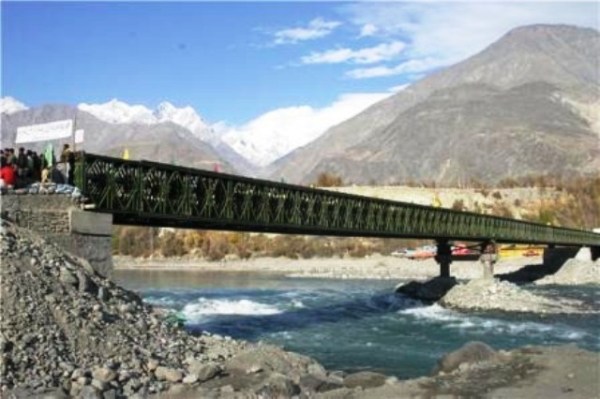
The Bailey Bridge in Ladakh is the highest Bridge

A Bailey bridge between the Suru River and Dras River in Ladakh, India is the highest bridge in the world at an altitude of 5,602 metres  above sea level. It was built in 1982 by the Indian

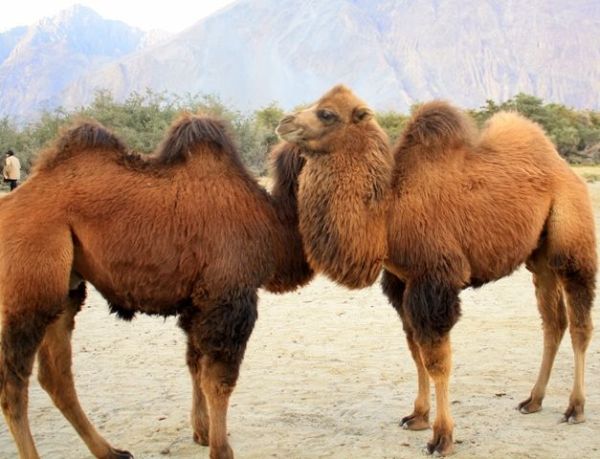
Only place in India where twin Humped camel only be found

The Bactrian camel (two-humped) is a large, even-toed ungulate native. The Bactrian camel has two humps on its back, in contrast to the single-humped dromedary camel, they are rare compared to single hump camels

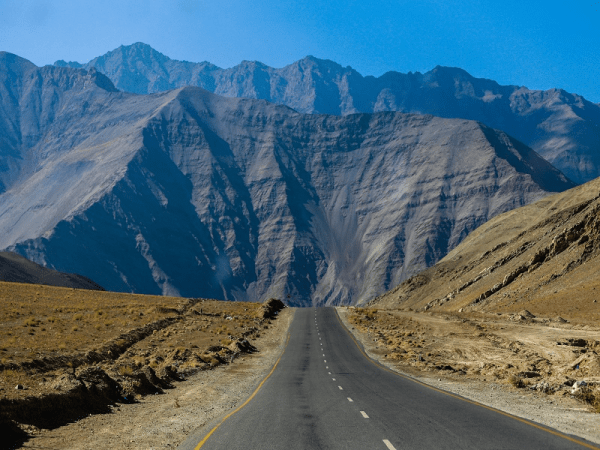
Zero-Gravity Hill

Technically speaking the Magnetic Hill of Ladakh is an optical illusion. Although it looks like an uphill route, it is actually downhill. So, if you leave your vehicle in neutral and turn off the ignition, it would look like your car is being pulled uphill.

Their Own Calendar

While the rest of the world follows the Georgian calendar, the Ladakhis follow the Tibetan calendar. Under this calendar, each year has 12 months with 30 days in each. It looks pretty normal, right? Well, here is where it starts to get weird. Every third year will have 13 months. The months do not have any name and are just numbered. The days are named after the five visible planets, the sun, and the moon. That extra month in every third year is added at the time of any auspicious days and any inauspicious weeks or days are just cut off from the calendar.

Highest Desert In The World

Katpana desert is the highest desert in the world, located 2,226m above the mean sea level. This desert runs between Khaplu Valley and Nubra Valley (Ladakh)

It has the highest natural ice hockey ring:

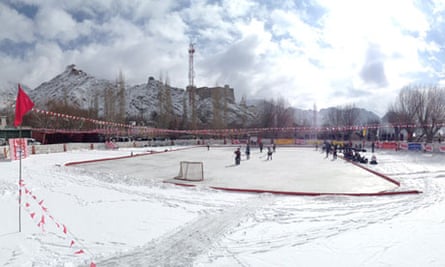
 The Karzoo Ice Hockey Rink in Ladakh is the world’s highest natural ice hockey rink. This rink comes to life during winters when the subzero temperatures are superior throughout the day. Winter sports are popular on a wide scale on this naturally built rink. Whereas the history of this sport in Ladakh dates back to the early 70s.

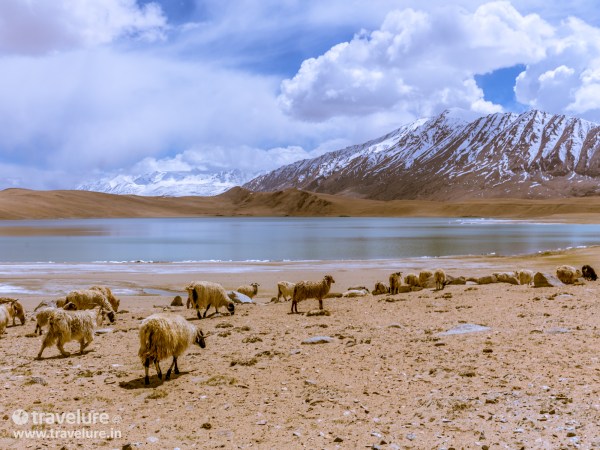
The most visited “high grassland lake”

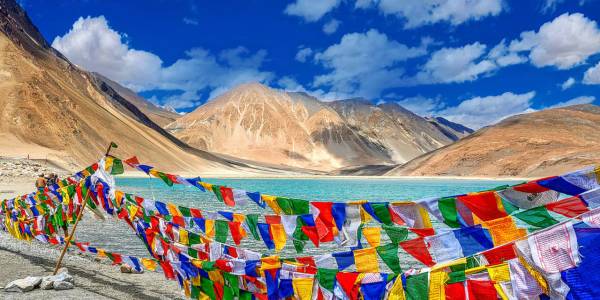
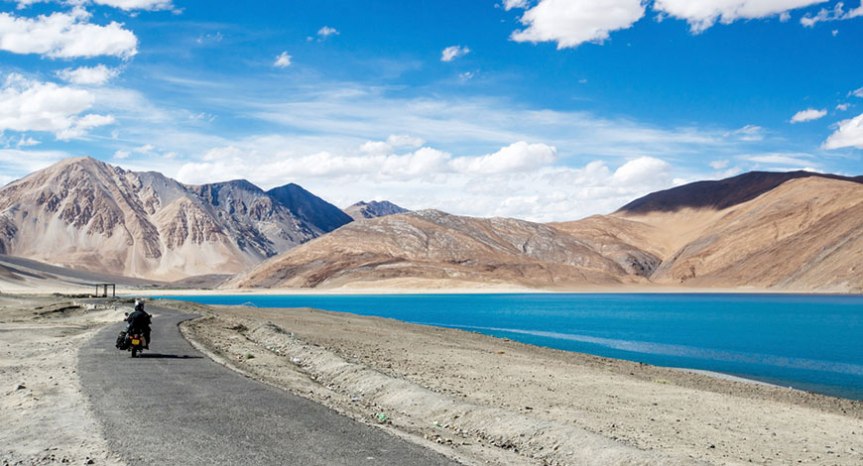
Pangong Tso means “high grassland lake” in the Tibetan language. Commonly referred to as Pangong Lake, it is an endorheic lake in the Himalayas situated at the height of about 4,350 meters. During winter the lake freezes completely, despite being a salt lake.

ROOPKUND: SKELETON LAKE

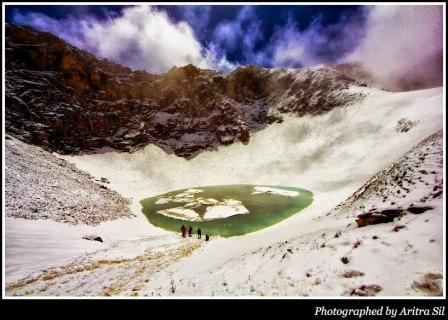
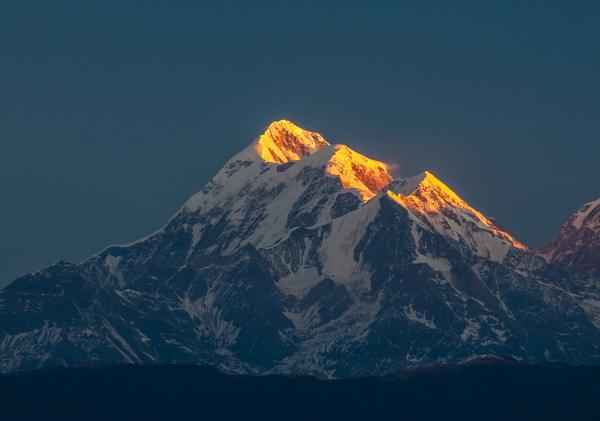
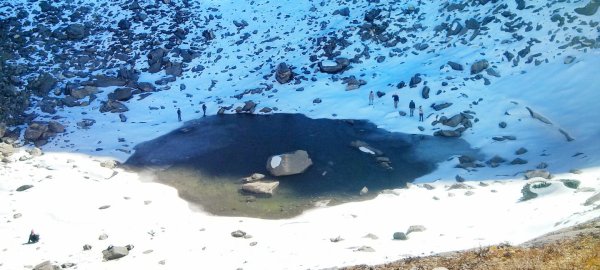
ROOPKUND locally known as skeleton Lake or Mysterious Lake , It’s lies in the Lap of Trishul  Massif , located in the Himalayas. It’s a high altitude glacial lake in the Uttarak hand  Roopkund is one of the important places for trekking in Chamoli District, Himalayas, near the base of two Himalayan peaks: Trisul (7,120 m) and Nanda Ghunti (6,310 m)  The Lake is flanked by a rock face named Junargali to the North and a peak named Chandania Kot to the East. Roopkund lake is covered with ice for most of the year Roopkund is known as a mystery lake and is surrounded by rock-strewn glaciers and snow-clad mountains. The lake is about two metres deep and invites hundreds of trekkers and pilgrims every year

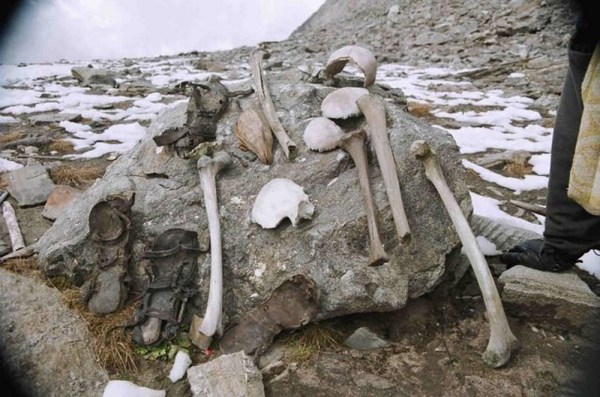
IN 1942 A BRITISH FOREST guard in Roopkund, India made an alarming discovery. Some 16,000 feet above sea level, at the bottom of a small valley, was a frozen lake absolutely full of skeletons. That summer, the ice melting revealed even more skeletal remains, floating in the water and lying haphazardly around the lake’s edges.

SKELETON AT ROOPKUND

Something horrible had happened here. The immediate assumption (it being war time) was that these were the remains of Japanese soldiers who had died of exposure while sneaking through India. The British government, terrified of a Japanese land invasion, sent a team of investigators to determine if this was true. However upon examination they realized these bones were not from Japanese soldiers—they weren’t fresh enough. As it turns out, all the bodies date to around 850 AD. DNA evidence indicates that there were two distinct groups of people, one a family or tribe of closely related individuals, and a second smaller, shorter group of locals, likely hired as porters and guides. Rings, spears, leather shoes, and bamboo staves were found, leading experts to believe that the group was comprised of pilgrims heading through the valley with the help of the locals.The researchers concluded that the death was due to a fatal blow on the back of their heads and not due to any wound by weapons, avalanche or landslide. The marks on their skulls and shoulders indicated at being hit by something round, like a cricket ball. The absence of injuries to other body parts indicated that hard round objects, possibly cricket ball sized hail stones or ice balls, fell from above.

Mawlynnong

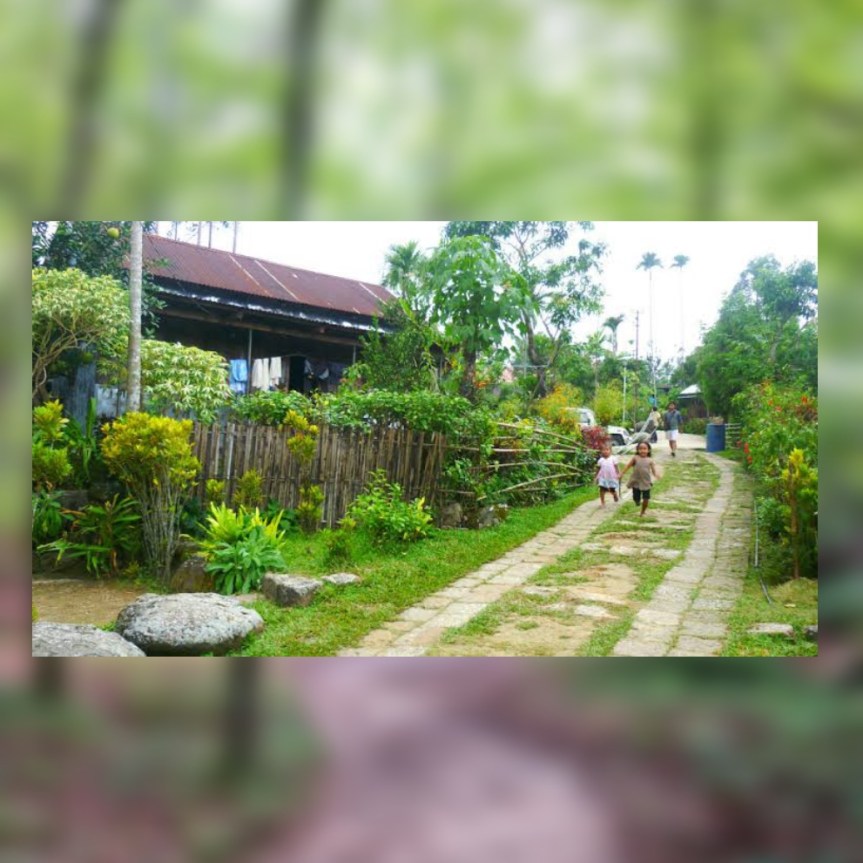
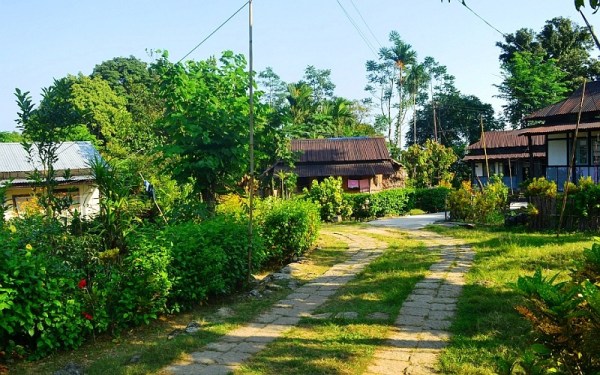
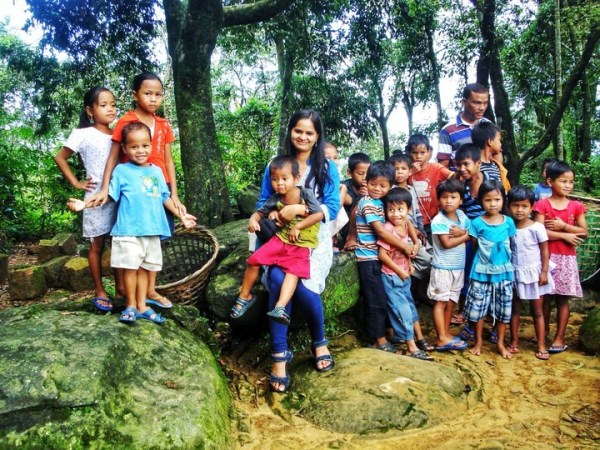
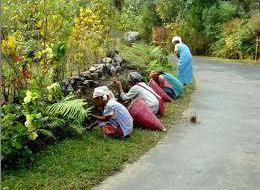
Mawlynnong God’s own garden ,The cleanest village in Asia . It’s a small village in East Khasi Hills district Meghalaya state in North east India .In 2003 It was awarded the title ” cleanest village In Asia” by Discover India. a mysterious paradise, a place far from city life’s pollution .cleaniless really a great achievememt when whole country is struggle for “swachata” along with this the village has approx hundred percent literacy rate and highly progressive scenario for women.

Mawlynnong is located 90km from Shilong , along the India Bangladesh Border. Agriculture is the chief occupation of the local population. Here weather is pleasant all throughout the year, still the best time to visit is Moonsoon. During rainy season village and it’s surroundings become lush green .

each and every house of this village has functional toilets and the whole locality is provided with baboo dustbins,every waste product even dry leaves go into dustbin . Plastic and smoking strictly prohibited here. The Khasi tribe is the biggest attraction of this small village. This is a famous tribe and is well ahead of the patriarchal notions. In this tribe, children inherit their mother’s surnames and property is also passed through the matrilineal lines. Mawlynnong with all these features, proves that women empowerment is completely possible if people are convinced enough.

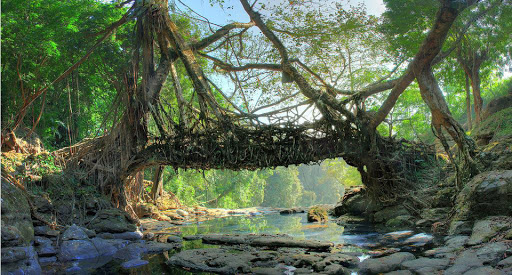
Living roots bridges,This natural wonder has been declared as an UNESCO World Heritage Site. The living route bridges are a phenomenon in itself. The bridges connect the aerial roots of one giant rubber tree and make a bridge hanging above the river. These bridges take years to self construct and can accommodate fifty to seventy people at a time.

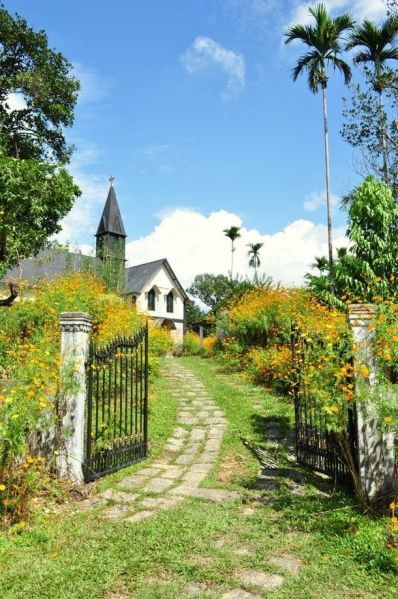
Khasis in Mawlynnong are devout Christians. Surrounded by orange and palm trees, stands a 100-year-old church in the village called ‘Church of the Epiphany’. Narrow stone paths with plants bearing orange flowers reach out to the Church, which is a black and white structure exuding an old-world charm. There are no houses that rise above the Church spire.

natural beauty , simle people ,culture, local dishes , a strange blissful peace and” cleaniness” makes MAWLYNNONG a destination of relief .

SHILLONG

Location

Shillong is a hill station in the northeastern part of India and the capital of Meghalaya, which means “The Abode of Clouds”. Shillong lies on the Shillong Plateau, the only major uplifted structure in the northern Indian shield. The city lies in the centre of the plateau and is surrounded by hills, three of which are revered in Khasi tradition: Lum Sohpetbneng, Lum Diengiei, and Lum Shillong.

It is the headquarters of the East Khasi Hills district. Shillong is the 330th most populous city in India with a population of 143,229 according to the 2011 census. It is said that the rolling hills around the town reminded the British of Scotland. Hence, they would also refer to it as the “Scotland of the East”.

Shillong, the capital city of Meghalaya is just 100 km from Guwahati, which can be accessed by road along NH 40, a journey of about 2 hours 30 minutes through lush green hills and the magnificent Umiam Lake in between.

History

The Shillong Municipal Board has a long history dating back to 1878, when a proclamation was issued constituting Shillong and its suburbs, including the villages of Mawkhar and Laban, into a station under the Bengal Municipal Act of 1876. Inclusion of the villages of Mawkhar and Laban (Lumparing, Madan laban, Kench’s Trace and Rilbong) within the Municipality of Shillong was agreed to by Hain Manik Syiem of Mylliem under the agreement of 15 November 1878. But, there is no trace of Shillong in the British era maps dating back to 1878, up to 1900.

Shillong was also the subject of the great earthquake that occurred on 12 June 1897. The earthquake had an estimated moment magnitude of 8.1. Twenty-seven lives from Shillong town alone were lost and a major part of the town was destroyed.

How to go

By air: Shillong Airport in Umroi is a small airport that is available for the flights and is located at a distance of 40 km from Shillong. Bus services are provided by Meghalaya Transport Corporation from the airport to the various cities of the state. There are regular flights from Shillong to Ahmedabad, Aizawl, Bangalore, Chennai, Delhi and various other destinations.

 By rail: There are as such no proper rail lines in Meghalaya. Guwahati railway station is the nearest railway station situated at a distance of 105 Km from Shillong. The city is well connected to all other major cities of the country via rail medium. There are also taxi as well as bus facility for Shillong.

By road: Assam State Transport Corporation and Meghalaya Transport Corporation run buses from Guwahati to Shillong. The main interstate bus stand is located near to Guwahati railway station. Reasonable prices for different types of buses like AC, AC Sleeper, luxury and Volvo buses are available for Shillong. Some of the places nearby which you can visit are Cherrapunji and Jowai.

Places to visit

Umiam Lake: Umiam Lake, a mesmerizing man-made reservoir, is located at a distance of 15 kilometres north of Shillong which is the capital of the north-eastern Indian state of Meghalaya. The lake was formed after a dam was constructed to generate hydroelectric power. The scenic Umiam Lake is encircled by lush green East Khasi hills that form one of the best panoramic sights for nature-lovers in the country. The sunrise at the lake is a treat to watch and shouldn’t be missed. The Umiam Lake has a park adjoining it which is a hotspot for picnics and frequented by locals for a getaway from their busy scheduled.

 Elephant Falls: Named after an Elephant like stone at its foot, the Elephant Falls are amongst the most popular falls in the North-East, situated next to Shillong. It is a tourists’ paradise with three layers of the falls accessible to the layman from different vantage points. The Britishers named this fall so owing to the presence of an elephant-shaped rock on one side of the fall. However, the stone disintegrated and was washed away due to an earthquake in 1897. Elephant Waterfalls is a superb place for spending some time in the midst of nature while capturing the incredible moments for your keepsake.

Police Bazaar: Police Bazaar is the major market of Shillong, and a popular shopping haunt for locals and tourists alike. In addition to an array of restaurants, hotels and big brand stores, the Police Bazaar also has a flea market section which is pocket-friendly and draws the maximum number of tourists owing to its traditional handicrafts stores, exquisite Meghalaya merchandise, regional apparels, junk jewellery and the like. The colourful market is thronged by shopping enthusiasts as well as foodies.

Laitlum Canyons: Perched on the East Khasi Hills, Laitlum Canyons is a less explored but one of the most picturesque tourist and trekking destinations in Shillong. The canyons are located about 21 kilometers south of Shillong which is about a half-hour drive away. Literally, translating to ‘End of hills’, this exotic viewing site offers the best panoramic views of the whole of Meghalaya embraced by the majestic hills and valleys. The spot is secluded and serene, ideal for quiet and peaceful getaways. It can be visited by families, friend groups as well as couples. To catch this place at its best, visit Laitlum Canyons either during sunrise or sunset.

Shillong Peak: At the height of 6449 ft or 1965 m above sea level, Shillong Peak is the highest point of Shillong. It offers a breathtaking panoramic view of the entire city, the Himalayas, its waterfalls as well as of the Bangladesh plains. A telescope is available for tourists to get a bird’s eye view. Trekking up to this semi-circular Shillong Peak is highly recommended for the best views but it is often bounded by heavy fog.

Mawphlang: Mawphlang, home to Meghalaya’s Sacred Forest, is a beautiful village situated 25 kilometres away from Shillong, the capital city of the north-east Indian state of Meghalaya. The village lies in the district of East Khasi Hills and is famous for its sacred groves. The village is named Mawphlang as it is one of the several monoliths in the Khasi Hills. The name Mawphlang means Grassy Stone and is a land of legendary stories, sacrifices and unique culture. For the ones who want a glimpse of the tradition, culture and lifestyle of the Khasis that is fading away in the modern world, Mawphlang is the place to visit.

Ward’s Lake: A pretty artificial lake surrounded by gardens is an ideal evening get away! Also known as the Polok Lake, it is usually flocked by couples, picnickers and locals.

Don Bosco Museum: Hailed as Asia’s largest Museum of Indigenous Cultures, the Don Bosco Museum is the house of the beautiful culture and tradition of North East India. It is conveniently located in the Mawlai area, near the Police Bazaar. With its seven storeys, it rises into the skyline of Shillong and flaunts 16 laid out galleries that showcase artifacts, paintings, figures significant to the Northeastern culture. Not only do these provide a feast to the eyes of the visitors, but also give an insight into the lifestyle of the North-Eastern people.

David Scott Trail: Most popular trekking routes of Meghalaya, this path was originally laid by David Scott, a British officer as early as in the 1800s. It is still used to commute between Assam and Bangladesh.

Mawlynnong: Mawlynnong is a small village situated around 90 km from Shillong in the East Khasi Hills, Meghalaya and is also known as God’s own Garden. It was declared as the cleanest village in Asia in 2003 by Discovery India which certainly which makes it one of the most popular tourist destinations in the Indian state. Mawlynnong village is a community-based ecotourism initiative where the entire community made collective efforts in making and maintaining the cleanliness of the village.

Why visit Shillong?

Rarest and friendly tribes: The Shillong population mostly belongs to the Khasi tribe, who are predominantly Christian. There are also a significant number of Assamese, Bengali and Nepali minorities. An interesting aspect of the Khasis is that they are a matrilineal society. Therefore the mother’s surname is passed on to the children and the youngest daughter inherits the ancestral property.

Can you imagine the celebration the birth of a daughter entails? And the special pampering the youngest daughter receives?

Thrilling peak: Located at a height of 1,496 meters above sea level, Shillong is a great destination and a treat for nature lovers. Situated 10 kilometers from the city, the Shillong Peak offers spectacular views of the city from a lofty height of 1,965 meters above sea level. Being the highest point in Shillong, it gives impressive views of lush greenery and cascading waterfalls. On a cloudless day you will be able to view the majestic Himalayan peaks and the forever inundated Bangladesh plains in the distance. The Indian Air Force has its radar station here.

Cherapunjee: Meghalaya or the Abode of the Clouds is famous for Cherrapunji and Mawsynram, which are the wettest places on earth. This makes it a popular monsoon destination. Cherrapunji, which lies 15 kilometer to the east of Shillong, offers guest houses, resorts, cottages and home-stays for visitors. Eating in Cherrapunji is a great experience. You can enjoy the succulent Khasi cuisine like pork rice. Sohra Pulao, which is rice cooked with oil and vegetables without spices, should not be missed.

Living Root Bridges: Deep in the dense tropical forests of Meghalaya, and shrouded in cloud and rain for much of the year, are some astonishing natural wonders. Known as living root bridges, and preserved as UNESCO heritage site, these roots of ancient rubber trees or Ficus Elastica have been trained by the Khasi tribesmen, to grow in a tangled mess, which have then been intertwined and intermingled to form double and single decker root bridges that are intriguing the world. Strong as they are, the bridges take 10 to 15 years to become functional enough to hold the weight of more than 50 people at a time. The wonderful bridges are alive and still growing and thus get stronger over time.

Mawsmai Caves: Meghalaya has the longest cave system of India situated in the Jaintia Hills. Of them all, Mawsmai are easily the most favourite caves for many travellers, as it is one of the few caves one can explore without a guide. Just about 6 kilometers from the main town of Cherrapunji and an enchanting drive through golden autumnal grasslands, one finally reaches a thick grove. Mawsmai, the limestone caves, lie hidden beneath these trees! The cave has a wide opening but it soon gets narrower and is best avoided if one is claustrophobic, has health issues or weight problems.

The cave is a one way road, so the adventurous visitor enters from one end and goes out of the other. In the middle, there are places where you’ve to bend and squeeze yourself out. The channel gets narrower and the walking pace is slow, but there is no turning back! The cave is well lit with electricity and you can see each and every detail of the rock formation.

The colours and shapes come alive and you can interpret different figures for the fun of it. Rocks glint in the light as water drips down from the stone tips. It’s a marvel how these tiny drops change the appearance of hard rocks, working on them tirelessly for decades like a patient artist. With bats and insects flying around, tiny passages where one shrinks and crawls, shadows and shapes filling the air and the thrill of being inside a cave, the mere 150 meters of the cave length appears unending and hugely exciting.

So what are you waiting for? Pack up your bags and set out to seek the unknown!

Who Does This Body Belong To?

Remember the Magic Mirror from Snow White? The one who always answered in the affirmative that the Queen was the fairest of all in the whole world?

I feel this was specifically scripted for young little girls who are coming of age just so they could understand that each of them is the fairest (read: unique).

Whenever you look into the mirror what do you see? Is there anything about your appearance that you like? Is the anything you want to change, or maybe alter in some way? Is the number of things you want to change more than the number of things you like?

Most people see at least one aspect of themselves that they don’t like. Worrying about the body image has been rooted deep in our minds from a very young age. Constant media exposure of flawless human beings without an ounce of shortcomings has been fed to our minds since birth. Magazines are filled with articles on how to get a toned stomach or six-pack abs, those sharp cheekbones or, a sexy summer body. No wonder there is an increase in the number of people facing body image issues.

body1

Someone is slightly annoyed by a tiny birthmark above her left eyebrow. Someone spends all her time to exercise for leaner legs. Then there is almost every other girl not happy with her flabby stomach. Many-a-times people develop an obsession with a small body part that comes to rule their lives. These flaws intrude every waking moment of the people suffering from body dysmorphic disorder (BDD) which is a mental health disorder, characterized by a continuous obsession a body part. This is the cause of severe distress that interferes with their daily functioning and the worst part of it all is the flaw that is affecting the person so much may even be nonexistent or barely visible to others.

The issue is so deeply ingrained in the minds of people that they don’t even realize they are body shaming someone. A little remark here from your grandmother and a little poke there your brother could make all the difference. Even if at first you feel there is nothing wrong with your body, the frequent gibes and quips add up one day and you slowly give in to the cultural expectation that everybody is inherently flawed.

Then there comes a point when, if something cannot be changed, you simply accept it for what it is and stop wishing for something different before it consumes you wholly. This is your moment of acceptance.

body2

Even if you feel you are flawed in some way, be grateful that you are still breathing. Listen to the needs of your body; no one knows it better than you do. It is the home of your soul and it needs nourishment and nurturing. Rewire your brain to interrupt your negative thoughts. Most importantly, re-evaluate your self- worth. Meditation makes you more aware of your body and soul. A radical shift in self-worth can be experienced in a few days’ time.

People get so caught up in one small thing they don’t like about themselves. You need to remember that salt and baking powder go into a cake and those things taste funny alone but the cake turns out to be pretty delicious.

Image Courtesy: GOOGLE

Limbo of the Lost

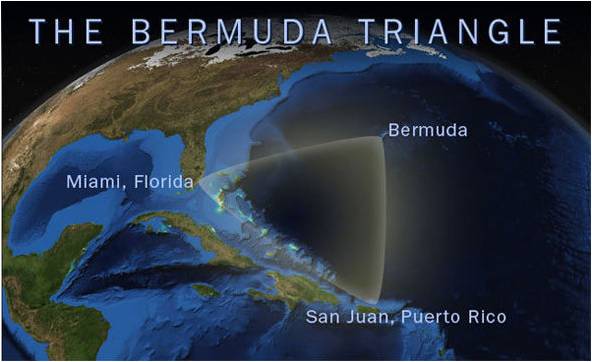
Growing up you solve so many puzzles – picture puzzles, riddles, and word quizzes – so that your mind gets accustomed to questioning everything around you. This develops in you an inquisitive nature and you start to see mysteries in everyday things around you. You try to question the existence of some things and the non-existence of others. In this world full of mysteries, one such mystery is that of the Bermuda Triangle.

bermuda

Also known as the Devil’s Triangle, the Bermuda Triangle is a section of the Atlantic Ocean, roughly bounded by Miami, Bermuda, and Puerto Rico. Mythical literature revels in the stories of ghost ships, of airplanes disappearing forever, and of instruments going haywire around the Bermuda Triangle. But these are just fanciful theories; there is no solid proof that these types of mysterious disappearances occur less in the other well-traveled sections of the ocean than they do in the Bermuda Triangle. As a matter of fact, there are many people who navigate the Bermuda Triangle on a daily basis without any incident. So why do we still think of Bermuda Triangle as an unsolved mystery?

Covering about 500,000 square miles of the ocean, the area was sailed through by Christopher Columbus on his first voyage. He reported that a great flame of fire crashed into the sea which was probably a meteor. Also, his observations about the erratic compass readings could be explained by the fact that at that time a sliver of the Bermuda Triangle was one of the few places on earth where the true north and the magnetic north aligned together.

Reports of unexplained disappearances started capturing people’s interest around the early twentieth century when the USS Cyclops, a 542-meter long navy ship with 300 men and thousands of ton of manganese onboard, sank somewhere between Barbados and the Chesapeake Bay in 1918. Although they were equipped to do so, the Cyclops never sent an SOS distress call and the extensive search yielded no wreckage.

After that, an alleged pattern started to form when five navy bombers carrying 14 got severely lost in the area in 1945. The nave bombers were forced to ditch at sea when they ran low on fuel. A rescue plane with 13 men also disappeared while searching for them. Even a weeks-long investigation failed to turn up any evidence.

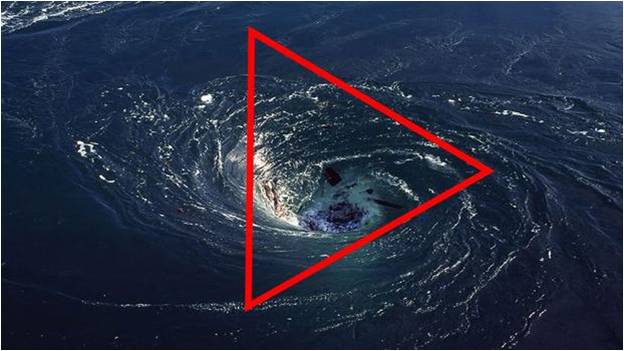
triangle

In a 1946 magazine article, author Vincent Gaddis coined the phrase “Bermuda Triangle” for the first time after which it became a sensational legend with reports of planes going down despite having just sent “all’s well” messages. Paranormal writers blamed the triangle’s lethality on everything from aliens and Atlantis to time warps and reverse gravity fields while scientific theories, on the other hand, pointed to magnetic anomalies, waterspouts, and methane gas eruptions from the ocean floor.

In all probability, however, many don’t recognize the Bermuda Triangle as a hazardous place. There is no single theory that solves the mystery but there has been nothing discovered indicating the casualties were a result of anything other than physical harm. No extraordinary factors have ever been identified.

Image Courtesy: Google

Ring of Fire: Mystery of the dark sky

Solar eclipse captured by a professional photographer.
An image of a solar eclipse captured on a camera.

Nature has hundreds, thousands, and many more of underlying mysteries unsolved. It has left us astonished, including the researchers, scientists, and even us, while endorsing the creation of the beautiful environment around us. Let us decode the riddle all about the ring of fire. Ring of fire may confuse you with the area in the Pacific Ocean, but here it’s about the solar solstice.

This year, you will observe one of the rarest eclipses, the ring of fire. But what is the solar solstice, you might have come across this term while you’ve studied environmental science in your childhood. The word originated from the Old French solstice and from the Latin sōlstitium where sōl means the Sun and sistō refers to stand still. The solstice happens two times every year in June and December when the Sun arrives at its one of the unique positions in the sky as we can see from the North Pole or the South Pole. Solar Eclipse, on the other hand, refers to when the Moon is directly between the Sun and the planet Earth, which usually occurs twice in a year and can go up to 5 of them in a year occasionally.

The most significant thing is that how do you observe this spectacular event. During this occasion, wearing proper eye protection is a must, or else it can cause retinal burns. Even a slight revelation to this light can destroy cells in the retina: vision, one of the essential senses through which we can watch the world around us through the brain, you cannot risk to lose it. We can use a pinhole projector, which can be your next science-related DIY project, as one of the methods to observe it properly. There are other methods like telescope attached with solar filters, or you can even watch them online when the various astronomical organisations broadcast it around the world.

We always had a desire to look into the Sun directly in the sky and go blank for a while, unable to see things for the next few minutes. But this opportunity allows us to see the Sun in its most enthralling form. On June 21, 2020, the first solar eclipse in the year full of events like the recent pandemic, which affected everyone directly and indirectly. Now when Mother Earth has been recovering to its fullest, this will be one of the most awaited moments of the year to capture and create some positive memories. You can check the path of the eclipse on the official NASA site mentioned below.

https://eclipse.gsfc.nasa.gov/SEgoogle/SEgoogle2001/SE2020Jun21Agoogle.html

Eclipses have occurred several times throughout the history of humanity. There are several myths which leads to a reason that some of us take it in a positive manner or vice-versa. In the end, it teaches us the fact that there is always a way to light after every darkness, no matter how deep or bad memories do you go through, there is still a way to recover from it. In the 21st century, where science and technology are advancing day by day, but watching out nature’s fantasies, is what still keeps us connected to the field of astronomy, history, and beliefs and can be a motivational factor for the growth of a positive character within you.