
Trade shows are more than just networking events—they’re marketing battlegrounds. With businesses competing for limited attention in crowded expo halls, visual branding has become a critical factor in how effectively a booth draws traffic and communicates value.
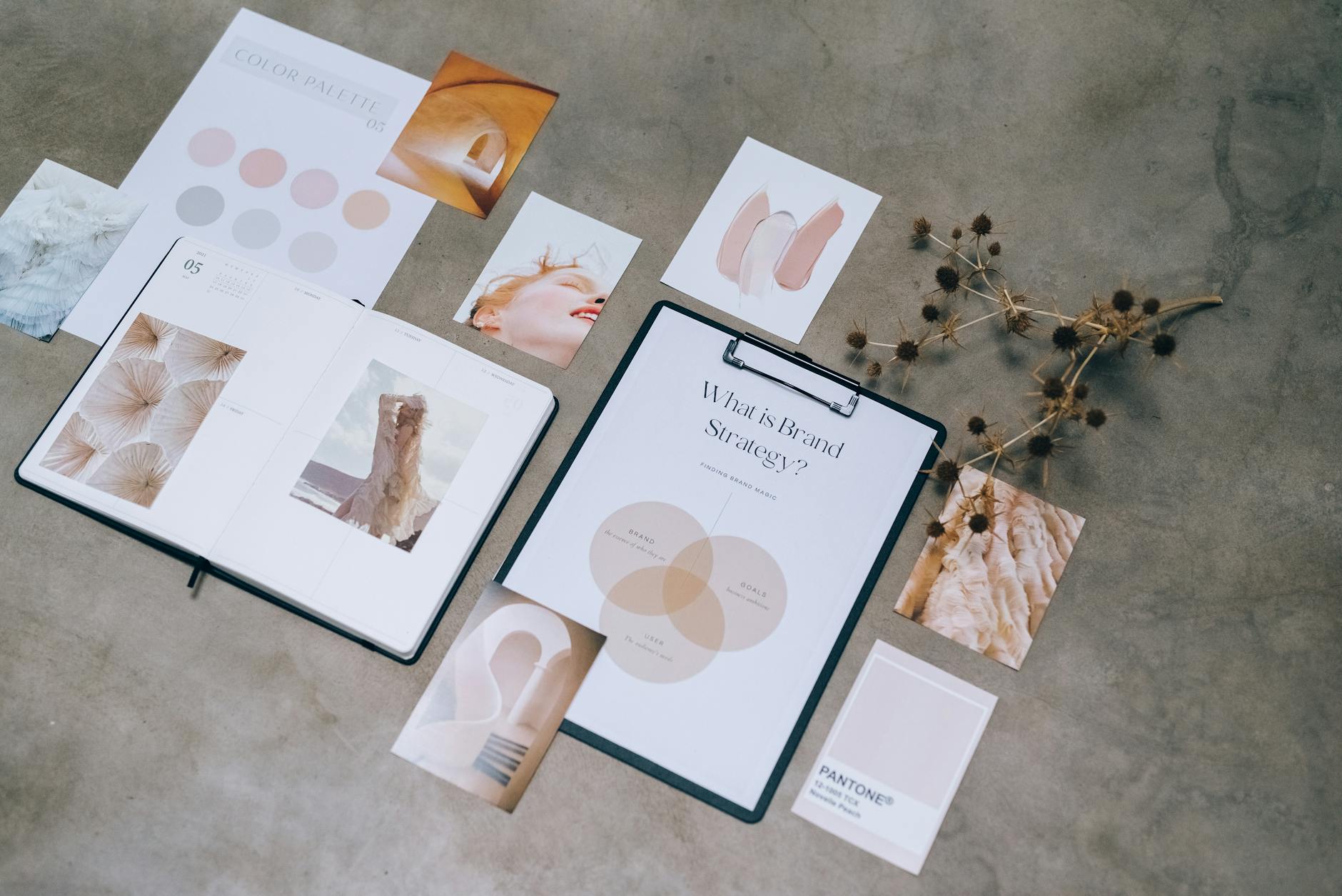
This field study explores the role booth aesthetics play in exhibitor success, focusing on layout, design elements, and visual consistency. The findings point to a clear trend: booths that prioritize visual branding consistently outperform those that rely on passive displays or generic setups.
Why First Impressions Matter
In a trade show setting, the average attendee spends just 3 to 5 seconds glancing at a booth before deciding whether to engage. That makes your visual presentation not just a decorative choice—but a functional tool for conversion.
According to a 2023 report from Freeman and CEIR, 64% of trade show attendees say the visual appeal of a booth influences their decision to stop and engage.
This means your visuals must instantly communicate professionalism, relevance, and value.
Key Elements of Effective Booth Aesthetics
Through on-site observation and participant interviews at multiple B2B trade shows across North America and Europe, the following elements emerged as the most impactful:
- Color scheme: Consistency with brand colors reinforces recognition and credibility.
- Lighting: Strategic lighting draws attention to key areas like demos or product displays.
- Signage: Clear, legible text with a focused message—ideally one bold takeaway—is more effective than cluttered copy.
- Layout: Open booth designs with visible entry points invite exploration; enclosed or cluttered layouts repel.
- Branded materials: Items like custom table covers, banners, and floor mats provide low-cost, high-impact branding that ties the space together.
These aren’t just aesthetic choices—they influence traffic flow, visitor engagement, and ultimately lead generation.
Real-World Observations
At a recent international manufacturing expo, two mid-sized companies in similar industries provided a direct comparison. One featured a minimalist booth with branded fabric displays, coordinated staff apparel, and professionally printed collateral. The other used a generic rental booth with stock signage and limited branding.
Despite being located side-by-side, the branded booth reported over 3x the foot traffic, a longer average dwell time, and twice as many qualified leads. Interviews with attendees confirmed they perceived the more polished booth as more “established” and “trustworthy,” even though both companies had similar experience and offerings.
The Psychology Behind It
Design psychology plays a major role in visual branding. Humans are drawn to symmetry, contrast, and clean lines. We trust what looks organized. A booth that feels visually cohesive—where the color palette, typography, and materials align with the company’s brand—sends an unspoken signal of competence.
Conversely, inconsistent branding or poorly arranged visuals create subconscious friction. Visitors may walk by without consciously realizing why they didn’t stop.
Integrating Visual Branding Into Pre-Show Strategy
Effective trade show branding starts well before setup day. It requires a strategy that connects your booth design to your broader marketing goals. Here’s a checklist to include during your planning phase:
- Finalize brand messaging and value proposition
- Design signage and displays that match brand colors and tone
- Order customized elements like banners or custom table covers ahead of time
- Consider lighting and layout when booking booth space
- Prep staff with uniforms or badges that reinforce your brand identity
Planning for visual impact isn’t just about grabbing attention—it’s about creating a consistent experience from first glance to post-show follow-up.
Final Thoughts
Trade shows offer a rare opportunity: high volumes of potential customers walking past your brand in person. But attention is earned, not given. Visual branding is no longer optional—it’s essential. Booths that invest in cohesive, thoughtful aesthetics don’t just look better. They perform better. And in a space where every footstep matters, that makes all the difference.









 International Journal of Research (IJR)