thank you for your insecurities

Take a look in the mirror. What will you cry about today?  Is it your big nose, or those pimples? Not good enough.  How about those stretch marks, or that awful cellulite. While you’re at it, maybe be mindful of those hideous hip dips, or that unattractive hairline. Congratulations, you’ve just discovered some brand new flaws in yourself. What’s that, you love yourself just the way you are? Hmm, maybe take a look at this effortlessly gorgeous supermodel we’ve hired to advertise our product, and all these insecurities are sure to come flooding back. So what’s the solution? Buy our brand new futile beauty product, to fix these horrendous faults in you. Once you’ve bought them, we’ll just point out more and more blemishes in you, so you keep giving your money to us to hide what you cry over each night, while we peacefully sleep in our multi-million dollar mansions, made with your tears and powered by your defects. Whatever your insecurities are, we will always have something to market to you. Thank you, for being insecure.

What you’ve just read is a satirical example of present day marketing and media. In today’s world, there is an array of beauty products in the market, ranging from skin whitening creams to anti-aging shampoo (yes that is a real thing).The idea of spending your hard earned money on something as superfluous as this, is completely barbaric. Yet, somehow their clever marketing tactics have convinced you that if you don’t have the latest Kylie Jenner lip scrub, your life is insignificant. In the patriarchal society we live in, the modern day woman holds herself to incredibly high standards, and resents the fact that every aspect of her life is not effortlessly flawless. Her worth isn’t tested by her qualifications, but by how she looks and presents herself, because god forbid a woman be anything but attractive and perfect.

The millions of creams, gels, and powders manufactured every day are not only made by poor children in third world counties for minimum wage, and tested on animals , but also packed with harmful chemicals like parabens , phthalates ,BHT etc which have been linked to different kinds of cancers, reproductive issues, and even liver damage. Alas, why would billion dollar companies care about any of this when they can successfully alter the perceptions of millions of young, impressionable children about their bodies, so that they hate themselves enough and  are compelled to buy more and more of such products to “fix themselves”.

Speaking from personal experience, such campaigns and commercials slowly chip away at your confidence, and lower your self esteem to an extent from which recovery is difficult. They convinced teenagers all around the world that their knowledge and credentials are worth nothing if they don’t live up to a certain beauty standard.  The idea that if you don’t look like the charming super model, who they so eagerly cast in their advertisements, then your existence is meaningless is genuinely one of the worst things you can ingrain in a young child’s mind.

Is this the best we can do? How can we prevent further damage from happening?  Our main weapon in this fight is education. Educate yourself about what you buy, watch documentaries, and read books to avoid falling victim to such sneaky tactics. Work towards being less materialistic and superficial. Remember, every flaw you point out about yourself means more money for the  corporations living to profit off of your insecurities. So the next time you see such a commercial, pay no attention to what they say , you’re beautiful just the way you are.

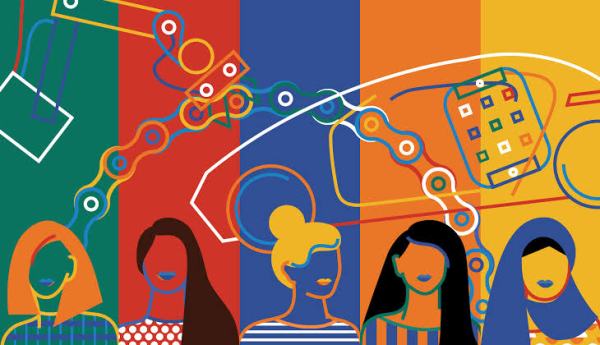
Women in engineering.

Engineering is the most male-dominated field. It may perhaps be the most male-dominated profession in the India. Engineering is dominated by men, but the women successfully breaking into the sector report good things. Barriers to entry for women are numerable, but career satisfaction is high; more than 80% of female engineers are either happy or extremely happy with their career choice, and 98% find their job rewarding.

Women make up just 8.5% of all engineers in the India, and only one in five of jobs are held by women in the wider engineering sector as a whole.

We’re losing potential engineers at every stage of life, and it starts from a young age because bias and misconceptions in media and toys often implant ideas into children’s minds that engineering is for men and involves getting your hands dirty and fixing things, which doesn’t appeal to girls if they’re brought up to believe they should be quiet, neat and tidy. The mentality needs to be changed.

There’s so much embedded in our culture saying engineering isn’t for girls, and people still think of engineers as the men who fix your washing machine, not the people at the forefront of designing creative solutions to the world’s problems.

Live-In Relationships IN INDIA

In a much awaited observation on live-in relationships, the Supreme Court opined that a man and a woman living together without marriage cannot be construed as an offence. “When two people want to live together, what is the offence? Does it amount to an offence?” a special three-Judge Bench constituting the Chief Justice of India, K.G. Balakrishnan and Justices Deepak Verma and B.S. Chauhan observed. The Supreme Court said that there was no law prohibiting live-in relationships or pre-marital sex. “Living together is a right to live” the Supreme Court said, apparently referring to Article 21 of the Constitution of India which guarantees right to life and personal liberty as a fundamental right. The Supreme Court made the observation while reserving its judgment on a Special Leave Petition filed by a noted South Indian actress, Khushboo seeking to quash 22 criminal cases filed against her after she allegedly endorsed pre-marital sex in interviews to various magazines in 2005[1].

Meaning
Live-in relation i.e. cohabitation is an arrangement whereby two people decide to live together on a long-term or permanent basis in an emotionally and/or sexually intimate relationship. The term is most frequently applied to couples who are not married.

Today, cohabitation is a common pattern among people in the Western world. People may live together for a number of reasons. These may include wanting to test the compatibility or to establish financial security before marrying. It may also be because they are unable to legally marry, for instance, if they are of the same sex, some interracial or inter-religious marriages are not legal or permitted. Other reasons include living with someone before marriage in an effort to avoid divorce, a way for polygamists or polyamorists to avoid breaking the law, a way to avoid the higher income taxes paid by some two-income married couples (in the United States), negative effects on pension payments (among older people), philosophical opposition to the institution of marriage and seeing little difference between the commitment to live together and the commitment to marriage. Some individuals may also choose cohabitation because they see their relationships as being private and personal matters, and not to be controlled by political, religious or patriarchal institutions.

Position Of Live-In Relationships Abroad
With the Supreme Court declaring that the right to live together is a part of the right to life, it is necessary to look at the legal rights and obligations for live-in couples around the world. While heterosexual couples who are in a live-in relationship are called “cohabitant”, same sex couples are legally defined as “civil partners”. But the law on cohabitation rights is largely evolving and many participants are still unaware of their rights and duties to each other.
• Scotland
Family Law (Scotland) Act, 2006, for the first time identified, and in the process by default, legalized live-in relationships of over 150000 cohabiting couples in the country. Section 25(2) of the Act states that a court of law can consider a person as a cohabitants of another by checking on three factors; the length of the period during which they lived together, the nature of the relationship during that period and the nature and extent of any financial arrangements.

• France
Live-in relationships in France are governed by the Civil Solidarity Pact of ‘pacte civil de solidarite’ or PaCS, passed by the French National Assembly in October 1999. Cohabitation is defined as a “de facto stable and continuous relationship” between two persons of different sexes or of the same sex living together as couple. The pact defines the relationship as a contract, and the couples involved as “contractants”. The contract binds “two adults of different sexes or of the same sex, in order to organize their common life.” For a valid contract to exist, the contractants “may not be bound” by another pact, “by marriage, sibling or lineage.”

• United Kingdom
Live-in relationships in the United Kingdom are largely covered by the Civil Partnership Act, 2004. Though a man and woman living together in a stable sexual relationship are often referred to as “common law spouses”, the expression is not wholly correct in law in England and Wales. The Government feels that live-in partners owe each other more than that to be worthy of the term. As per a 2010 note from the Home Affairs Section to the House of Commons, unmarried couples have no guaranteed rights to ownership of each other’s property on breakdown of relationship. If a cohabiting couple separates, the Courts have no power to override the strict legal ownership of property and divide it as they may do on divorce. Unmarried partners have no automatic inheritance over their partner’s assets on death. Cohabiting couples are treated as unconnected individuals for taxation purposes.

• Canada
Living together in Canada is legally recognised as “common law marriage”. In many cases common law couples have the same rights as married couples under the federal law of the country. A common law relationship gets legal sanctity if the couple has been living in a conjugal relationship for atleast 12 continuous months, or the couple are parents of a child by birth or adoption, or one of the persons has custody and control of the child and the child is wholly dependent on that person for support.

• Ireland
Though living together is legally recognised in Ireland, news reports says the public is up in arms against a new legislation to introduce legal rights for “separated” live-in couples to demand maintenance or share their property with their dependent partners. The scheme will apply to both opposite sexs and same sex unmarried couples who have been living together for three years, or two years in the case of a cohabiting couple with children. The Government, with this legislation, intends to provide legal and financial protection for the vulnerable and financially dependent cohabitants in the event of death or the break up of a relationship.

• Australia
The Family Law Act of Australia states that a “de facto relationship” can exist between two people of different or of the same sex and that a person can be in a de-facto relationship even if legally married to another person or in a defacto relationship with someone else.

• United States
Cohabitation was illegal in the United States prior in 1970, but went on to gain status as a common law, subject to certain requirements. The American legal history was then a witness to several consensual sex legislations, which paved the way for living together contracts and their cousins, the “prenuptial agreements”. The country later institutionalized cohabitation by giving cohabiters essentially the same rights and obligations as married couples, a situation similar to Sweden and Denmark. Those living together are not recognized as legal parents.

Position Of Live-In Relationships In India
In India, cohabitation had been a taboo since British rule. However, this is no longer true in big cities, but is still often found in rural areas with more conservative values. Female live-in partners have economic rights under Protections of Women and Domestic Violence Act, 2005.

The Maharashtra Government in October 2008 approved a proposal suggesting that a woman involved in a live-in relationship for a ‘reasonable period’, should get the status of a wife. Whether a period is a ‘reasonable period’ or not is determined by the facts and circumstances of each case.

The National Commission for Women recommended to the Ministry of Women and Child Development in 30th June, 2008 that the definition of ‘wife’ as described in section 125 of Cr.P.C., must include women involved in a live-in relationship. The aim of the recommendation was to harmonise the provisions of law dealing with protection of women from domestic violence and also to put a live-in couple’s relationship at par with that of a legally married couple. There was a Committee set up by the Supreme Court for this purpose, called the Justice Malimath Committee, which observed that “if a man and a woman are living together as husband and wife for a reasonable long period, the man shall be deemed to have married the woman.”

The Malimath Committee had also suggested that the word ‘wife’ under Cr.P.C. be amended to include a ‘woman living with the man like his wife’ so that even a woman having a live-in relationship with a man would also be entitled to alimony. On 16.09.2009, the Supreme Court in a case[2] observed that it is not necessary for a woman to strictly establish the marriage, to claim maintenance under section 125 of Cr.P.C.. A woman in a live-in relationship may also claim maintenance under section 125 Cr.P.C..

In a case[3] the Allahabad High Court ruled out that “a lady of about 21 years of age being a major, has the right to live with a man even without getting married, if both so wish”. The Supreme Court observed that a man and woman, if involved in a live-in relationship for a long period, they will be treated as a married couple and their child would be considered as legitimate.

Pros And Cons Of Live-In Relationships
The Supreme Court’s controversial observation okaying live-in relationships and pre-marital sex has generated fierce debate across the country. The historic observation has made to upset many orthodox groups fearing that it would destroy the sanctity of marriage. A fragment of the society including noted social activists and prominent dignitaries have stepped ahead and shared their precious views on this.

“We hope the Government shall take proper steps to safeguard Indian women’s rights and dignity and save the society from chaos”, said Maa Ghara Foundation Trustee, Rutuparna Mohanty. “It will start unraveling the fabric of Indian family life”, she said. She also viewed that it would give rise to child pregnancy and has far reaching ramifications, adding despite its aim to restrict multiple partners; it would have an adverse impact on the youths and result in the spread of HIV/AIDS. “Children born out of living together relationships would not be properly brought up,” Mohanty rued.

Social scientists have already identified grave social problems like young age pregnancy of adolescent girls, drug abuse, violence and juvenile delinquencies and in the wake of the controversial ruling, the erstwhile objectionable social behavior gets legalized, many felt. This way, the new generation will be more spoilt. They will prefer live-in relationships to marriages arranged by their parents. There is no guarantee that the male in such relationship will turn out to be a loyal partner in the long run or would not leave the woman with their issues and run away without prior notice.

BJP spokesperson Shaina, expressed that, according to the Hindu Marriage Act, 1955, there is no provision for a second wife among Hindus. Hence, enabling the mistress to get the status of a legally married wife in all matters, including share in property, inheritance, and maintenance is contrary to the Act as well as Hindu customs.”

When the Maharastra Government approved a proposal suggesting that a woman involved in a live-in relationship for a ‘reasonable period’, should get the status of a wife, Shaina said that the Government on one hand has banned dance bars because they are spoiling the social atmosphere, while on the other it is promoting illicit relationships through such amendments. Senior BJP leader Jaywantiben Mehta also opposed the amendment. “It will have adverse effect on our values. The amendment will prove to be a loss for the women instead of gain,” she said.

On the other hand, the section advocating freedom of choosing live-in relationship has hailed it as a pragmatic move. The recent observations, as they see, should be welcomed because it lays down emphasis on individual freedom. It opens frontiers to understand the personality traits of their partner well. Since there are no legal complications in a live-in relationship, walking out of such a relationship would be much easier than walking out of a marriage. Metro life that throws floodgates of challenges also supports this kind of an arrangement. The individuals should be free to live as they think best, subject only to the limitation that their actions and choices should not cause harm to others. It is a very radical attitude. Some people are of the view that women should be given the liberty to choose their life partners and should not be forced into marriages if they are not ready.

As expected, women from various walks of life have welcomed progressive moves on live-in relationships. Jaishree Misra, a New Delhi based author says, “India has changed. If people think youngsters are losing their values, then I would say they are becoming more pragmatic. In today’s times, it is better for them to know what they are getting into”.

This is not the first time live-in relationship is in the ambit of debates and discussions. There has been a long-standing controversy whether a relationship between a man and a woman living together without marriage can be recognized by law. With changing social hypothesis entering the society, in most places, it is legal for unmarried people to live together. Now even in a country like India bounded by innumerable cultural ethics and rites, the law finds legally nothing wrong in live-in relationships.

This, however, cannot be construed that law promotes such relationships. Law traditionally has been biased in favour of marriage. It reserves many rights and privileges to married persons to preserve and encourage the institution of marriage. Such stands, in particular cases of live-in relationship, it appears that, by and large, is based on the assumption that they are not between equals and therefore women must be protected by the courts from the patriarchal power that defines marriage, which covers these relationships too.

Legitimacy Of The Child Born Out Of A Live-In Relationship
The Supreme Court on an earlier occasion, while deciding a case involving the legitimacy of a child born out of wedlock has ruled that if a man and a woman are involved in a live-in relationship for a long period, they will be treated as a married couple and their child would be legitimate. Also, the recent changes introduced in law through the Domestic Violence Act, 2005 gives protection to women involved in such relationships for a ‘reasonable long period’ and promises them the status of wives. A Supreme Court Bench headed by Justice Arijit Pasayat declared that children born out of such a relationship will no more be called illegitimate. “Law inclines in the interest of legitimacy and thumbs down ‘whoreson’ or ‘fruit of adultery’.”

Inheritance Rights
The Supreme Court held that a child born out of a live-in relationship is not entitled to claim inheritance in Hindu ancestral coparcenary property (in the case of an undivided joint Hindu family) and can only claim a share in the parents’ self-acquired property. The Bench set aside a Madras High Court judgment, which held that children born out of live-in relationships were entitled to a share in ancestral property as there was a presumption of marriage in view of the long relationship.

Reiterating an earlier ruling, a Vacation Bench of Justices B.S. Chauhan and Swatanter Kumar said, “In view of the legal fiction contained in Section 16 of the Hindu Marriage Act, 1955 (legitimacy of children of void and voidable marriages), the illegitimate children, for all practical purposes, including succession to the properties of their parents, have to be treated as legitimate. They cannot, however, succeed to the properties of any other relation on the basis of this rule, which in its operation, is limited to the properties of the parents.”

A child can only make a claim on the person’s self acquired property, in case the child is illegitimate. It can also be interpreted in a way in which a child could lay a claim on the share of a parents’ ancestral property as they can ask for that parents’ share in such property, as Section 16 permits a share in the parents’ property. Hence, it could be argued that the person is not only entitled to self acquired property but also a share in the ancestral property.

The Apex Court also stated that while the marriage exists, a spouse cannot claim the live-in relationship with some other person and seek inheritance for the children from the property of that other person. The relationship with some other person, while the husband is living is not ‘live-in relationship’ but ‘adultery’.[4] It is further clarified that ‘live in relationship’ is permissible in unmarried heterosexuals (in case, one of the said persons is married, the man may be guilty of adultery and it would amount to an offence under Section 497 of the Indian Penal Code).

Conclusion And Suggestions
Live-in relationships are now very popular in India. The law does not prescribe how we should live; it is ethics and social norms which explain the essence of living in welfare model. The Court itself notices that what law sees as no crime may still be immoral. It has said in a judgement of 2006, notices by the Court now, that two consenting adults engaging in sex is not an offence in law “even though it may be perceived as immoral.”[5] Of course, such protective sanctions may potentially lead to complications that could otherwise be avoided. But simply raising the hammer may not be the best route to taming the bold and the brave. Awareness has to be created in these young minds not just from the point of the emotional and societal pressures that such a relationship may create, but also the fact that it could give rise to various legal hassles on issues like division of property, violence, cases of desertion by death of a partner and handling of custody and other issues when it comes to children resulting from such relationships.

While the Supreme Court’s opinion might not have the undesirable effect on more and more couples preferring live-in relationships rather that opting to wed, it could certainly embolden more young men and women as they would now be convinced that there is no breach of law in the live-in relationship. One can only weigh the pros and cons and take into account the impact of their decision on their family and most importantly on themselves.

CYBER CRIMES

It is a crime which involves computer and a network and is also known as computer oriented crime. It involves the use of computer to illegal ends for activities like: committing fraud, trafficking in child pornography and intellectual property, stealing identities, or violating privacy. It especially involves internet. It is an attack on information of individuals, companies or government. In this digital age our virtual identities are very important elements to all of us. Cyber crime aims at hampering our virtual identities. The main problem with cyber crime is that it is of non local nature which means it can happen even from faraway places. Thus there is a problem in enforcement of law.  Internet offers criminals multiple hiding places in the real world as well as in the network itself. Cyber criminals leave clues as their location which makes them easy to track. It is required by the Internet Service Providers to store information on their customers’ transactions and to turn this information over on demand.

TYPES OF CYBER CRIME

It involves various crimes. It involves breach of personal or corporate privacy, like: assaults on the integrity of information held in digital depositories and the use of illegally obtained digital information to blackmail a firm or individual. There is a growing crime of identity theft. There are transaction-based crimes such as fraud, trafficking in child pornography, digital piracy, money laundering, and counterfeiting. Criminals hide themselves in the anonymity provided by the internet. There are crimes which involve attempts to disrupt the actual workings of the Internet. These range from spam, hacking, and denial of service attacks against specific sites to acts of cyber terrorism—that is, the use of the Internet to cause public disturbances and even death.

ATM FRAUD

In order to withdraw cash from ATM a person supplies a card and personal identification number. Criminals have developed means to intercept both the data on the card’s magnetic strip as well as the user’s PIN. In turn, the information is used to create fake cards that are then used to withdraw funds from the unsuspecting individual’s account. A particularly effective form of fraud has involved the use of ATM’s in shopping centers and convenience stores. These machines are free-standing and not physically part of a bank. Criminals can easily set up a machine that looks like a legitimate machine; instead of dispensing money, however, the machine gathers information on users and only tells them that the machine is out of order after they have typed in their PINs.

CHILD PORNOGRAPHY

The possession of child pornography, defined here as images of children under age 18 engaged in sexual behavior, is illegal , but it remains a problem that has no easy solution. The Internet also provides pedophiles with an unprecedented opportunity to commit criminal acts through the use of “chat rooms” to identify and lure victims. In many countries, state authorities now pose as children in chat rooms; despite the widespread knowledge of this practice, pedophiles continue to make contact with these “children” in order to meet them “off-line.” That such a meeting invites a high risk of immediate arrest does not seem to deter pedophiles. It is because the Internet allows individual privacy to be breached that the authorities are able to capture pedophiles.

CYBERSEX TRAFFICKING

Cybersex trafficking is the transportation of victims and then the live streaming of coerced sexual acts and or rape on webcam. Victims are abducted, threatened, or deceived and transferred to ‘cybersex dens. The dens can be in any location where the cybersex traffickers have a computer, tablet, or phone with internet connection.  Perpetrators use social media networks, video conferences, dating pages, online chat rooms, apps, dark web sites, and other platforms.

There are many more computer oriented crimes all over the internet.

COMBATING COMPUTER CRIME

  1. Investigation
  2. Prevention
  3. Legislation
  4. Penalties
  5. Awareness
  6. Intelligence
  7. Diffusion of cyber crimes

partiality in a family

Partiality is a big bias which is a big forfeit Nowadays in our society.so let us see what is Partiality and its consequences? How can we decide that we are biased?

1)WHAT IS PARTIALITY and WHAT ARE THE CONSEQUENCES?

Partiality is an unfair bias. This is also called favoritism i.e, doing the works by concerning only a single person. This partiality will be shown when the situation demands. But this bias will tend to so many unexpected things like clashes between two persons, getting hurt and letting him forget the value of a relationship. Some times, this will leads to suicides, getting away from his family.

HOW CAN WE DECIDE THAT WE ARE BIASED?

When we feel uncomfortable when we see that others are been praised besides we did so much, we can say that we are biased.
inklings where we can say that we are biased with this partiality:-
1)Unfair advantage
2)Scolding always only one person
3)Trash talking about one
4)Gender bias also a part in the favoritism

Parental favoritism-Main weed plant for this partiality in a family:-

having two siblings in a family will actually show this one.actually these are of somany types.but there are 4 main types which betray this partiality:-

1)Rent spending to make favor

Spending of money will talk about the preference of a child easily, analyze when your parents are don’t worry about the money and spending it for the career of the younger child.

2)Wondering more about their every actions

your parent conversation when they more excited and describe every action of your sibling towards your bro rather than you,it betrays the bias.

3)Check their actions

When a parent takes care of a child than another child is the sign of their love towards the child.this portrays the bias.

4)Feeling happy to get away with them

Some parents are used to take their favorite child out, know whether your parents take you or your sibling out for multiple times.But they dont prefer you. 

Effects of favoritism:-

1)Stress and self-esteem

2)Emotional effects

3)Favoured children grow up to become spoiled brats

4)Fosters sibling rivalry

5)Suppresses talents

Finally, I want to say that I am facing this favoritism from my parents. My parents are praising my brother rather than me. So please don’t show partiality and don’t suppress the future.

Urstruly,

KC

(KRISHNA CHAITANYA NEMANI)

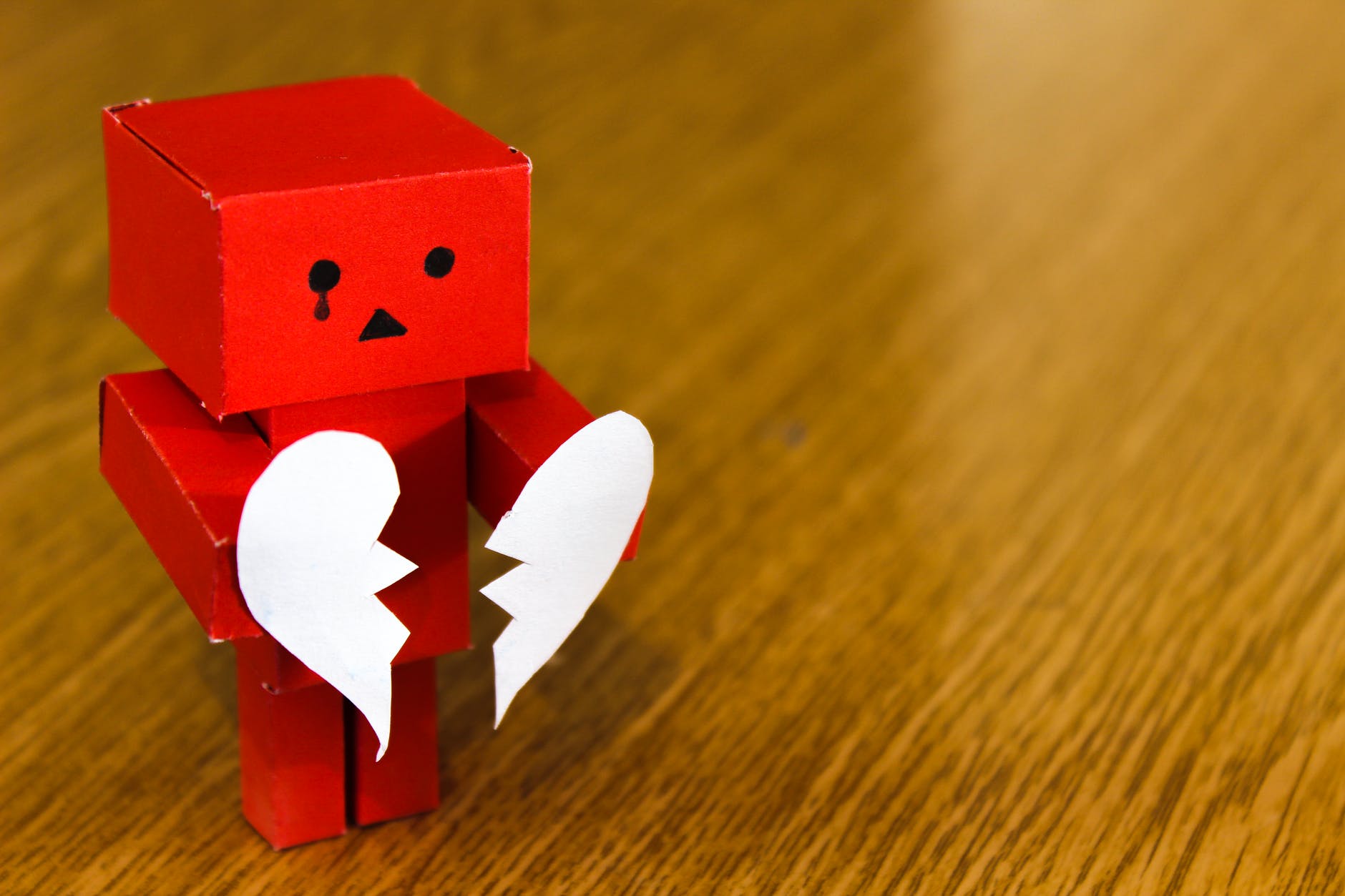
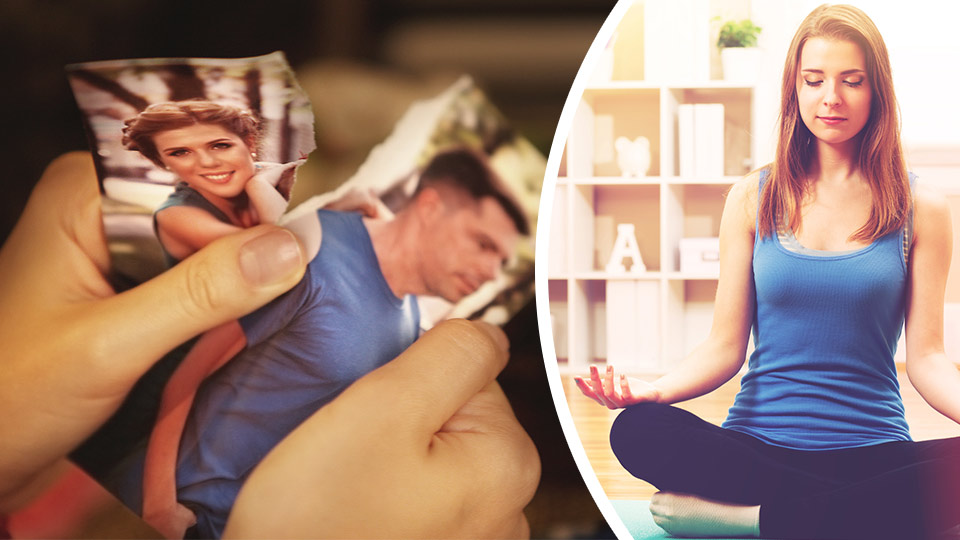
WAYS TO LOVE YOURSELF AFTER A BREAKUP

Getting out of a toxic relationship is the first step to getting to know yourself better. Breaking up with a toxic person can sometimes feel like your whole world is falling apart and you see no hope left in you nor the world around you. Being in a relationship with a toxic person can make you feel like you can’t live without them. Here you realize that you are better off without that person in your life.

Some ways to learn to love yourself are:

1. Learn to let go-I know letting go of someone you thought you’ll spend your entire life with is difficult. It is easy to say this but it is difficult for the person to take this step but remember you will see A new you at the end who has learned to love oneself. It’ll be difficult at first, but the more you practice.

2. Have some”me time”- This is the time to do things your partner never gave you “permission” to do. Go meet those friends, pamper yourself with manicures, write a novel, take up a new hobby.

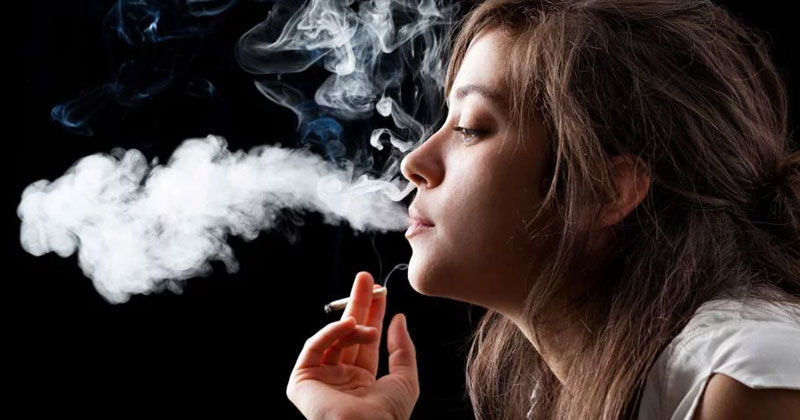
3. Minimize your bad habits-After a breakup it gets intriguing to go for drinks, smoke, or some other bad habits. You might feel good in the short span but later on, you’ll find yourself ruining your life even more. So let go of those bad habits!

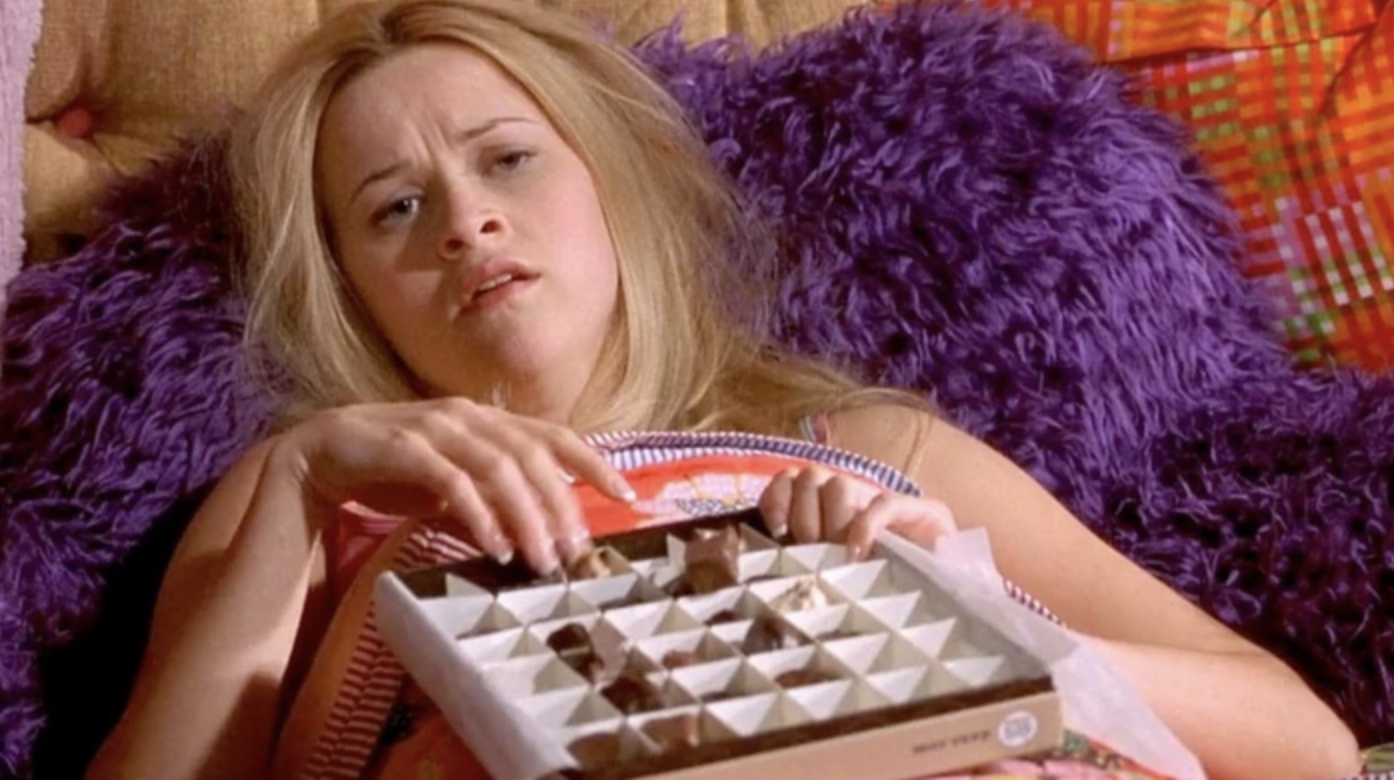
4. Make your health a priority- Exercise instead of turning to junk food or binge-watching Netflix. Start eating healthier. It will boost you up and help you sleep better.

5. Take control-After some time away from the toxic person you will feel the urge to go back to that person, Stop yourself! Channel your energy in something productive.

6. Communicate with others- A tough breakup can make you wonder in life. At this time the people you should surround yourself with are your friends and loved ones. Discussing the emotions and feelings you have after a breakup can make you feel better. Having someone who not only hears you but listens to you is a blessing.period.

7. Try practicing mindfulness-After a breakup letting go of negative thoughts and emotions is important. This is where mindfulness can help.

“Much of spiritual life is self-acceptance, maybe all of it.”

-Jack Kornfield

8. Focus on the positive-It will take some time to get rid of the toxic thoughts and focus on the positive. But when you finally do it you will realize that you give more to yourself than one could ever give. You learn to accept your flaws and this positive outlook in life will help you connect and meet new people.

9. Be patient-Healing from the damage could take some time but you need to be patient; with time passing you’ll think that you cannot trust anyone again and then realize that this isn’t true. Practicing different types of exercises and new habits will ultimately help you let go of the past and make you a much confident person. So remember, patience is the key!

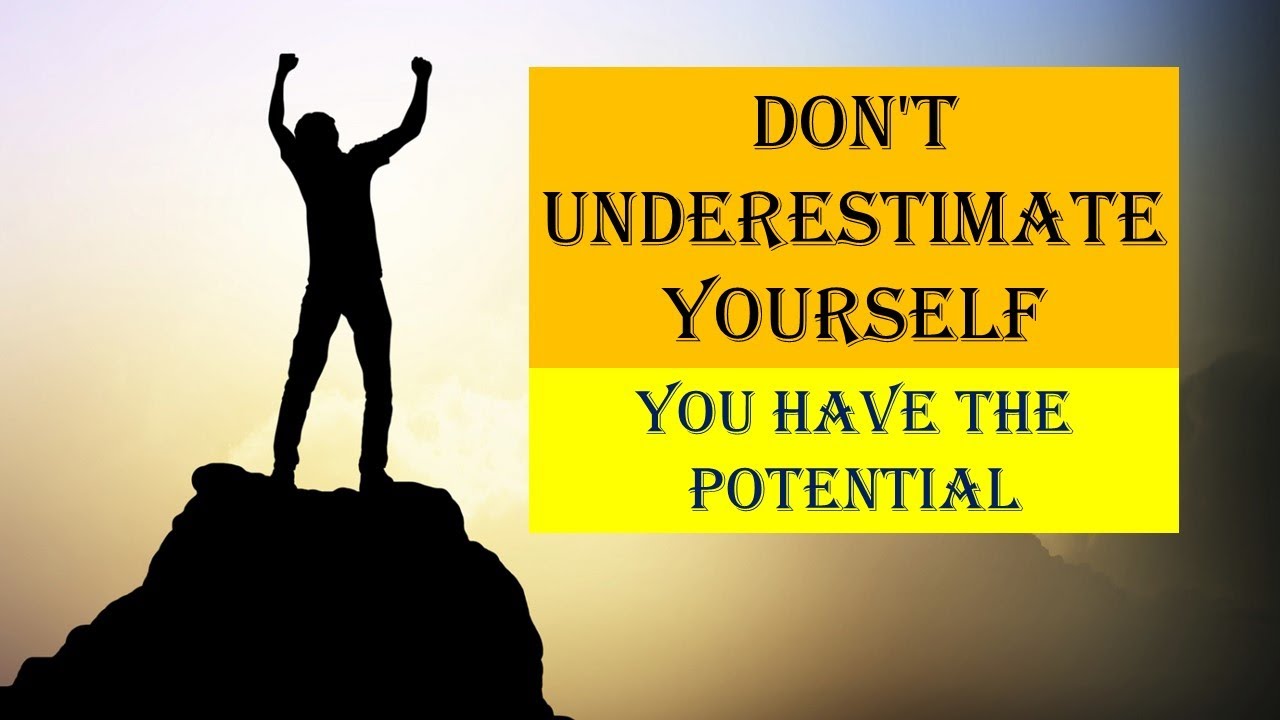
10.Never underestimate yourself-Never underrate yourself because you alone know the emotions and hurt you’ve gone through. Molding yourself into a stronger person is in your hands.

When you learn to love yourself everything will fall into place.

-SHANAIA COLACO

Online Studies

Online education is the new okay , as it is convenient and saves a lot of time and money. Knowing how to make use of the online sources saves costs, because ordering books or paying registration fees is not needed.

The influence of the Internet is growing with incredible speed becoming more powerful with every single day, as it affects all spheres of our lives. People have become so dependent on being connected and online that life without internet looks unbearable. It is being used for entertainment, education, politics, terrorism and many other activities – legal and illegal. Knowing how to make the best use of it and exploit its infinite resources well will bring a rapid development in every single area of scientific research including education.

As already mentioned, online educations are a great choice for people who want to continue with their studies while being occupied with working or taking care of a household. In that way, people are not limited geographically. Courses can be attended by participants living and working everywhere in the world. That new type of education will give a chance to many who are not able to attend traditional educational courses and to obtain a degree.

how to live more sustainably

“If it can’t be reduced, reused, repaired, rebuilt, refurbished, refinished, resold, recycled, or composted, then it should be restricted, designed or removed from production”

~ Pete Seeger

Sustainable living is something which needs to be adopted  now more than ever. It can be defined as a lifestyle that attempts to reduce an individual’s or society’s use of the Earth’s natural resources, and one’s personal resources. Our current methods of living are far from sustainable. Our planet is slowly dying; we’re the ones killing it. It has been talked about a lot, but not always taken into practice . If we are to preserve this Earth for the future generations, we need to switch up our lifestyles and make them more eco-friendly. Here are a few ways to achieve it:
  • Go Vegan/Vegetarian 

The Meat and dairy industry are one of the greatest contributors to climate change. If you want to reduce your carbon emissions, then try going vegetarian or vegan. Research has shown that a vegan diet can promote weight loss and reduce your risk of heart disease by lowering cholesterol levels. Even if you cannot completely give up meat and dairy, then try reducing your intake of them. Remember, it is better if a 1000 people practice sustainability imperfectly, than if 3 people do it perfectly.

  • Be mindful of your purchases

If you can afford it, then choose to buy fair trade, organic and non plastic goods. Fair trade certified products promote environmentally friendly production method, and safe working conditions for the works for goods like coffee or chocolate. Also, we all know the adverse effects of plastics, and how beneficial it is to give up plastic. Similarly, watch what materials comprise the clothes you purchase. Or, you can try thrifting and fixing up old clothes. So, making better purchasing choices can promote a sustainable lifestyle. (However, I understand that not everyone can afford to buy such products. So don’t worry about it, there are still many ways you can lead a sustainable life.)

  • Go for reusable options

You might not realise it, but the little plastic bags, straws and water bottles you purchase really add up. In the long run, it is crucial to give up plastic, a material which has damaged much of our oceans. Carrying around cloth bags, having a glass or metal straw, and keeping a reusable water bottle is not only much better for the environment, but also a much cheaper option as it saves you the hassle of having to buy these products whenever you need them.

  • Switch up your modes of transportation 

Greenhouse gas emissions emitted from the millions of vehicles driven around each day, and the flights which fly everyday,  are of no help to the environment. Substituting your car ride for a walk or cycling drastically reduces your carbon footprint, and keeps you in great health. Try limiting the number of flights you take in a year, or even replacing them with a train ride can prove to be far more sustainable.

Sustainability is not just limited to these practices. Don’t feel disheartened if you can’t always buy ethical produce, or completely quit meat and dairy. Planting trees, replacing our light bulbs, composting etc. can all be done to promote a greener way of living. The smallest of changes can sometimes have the largest of impacts 

Human Rights Violation


Human rights violation have become very common now-a-days. The Newspapers and T.V. tell us that every day and at every moment, somewhat in the world, Human Rights are being violated. Broadly speaking “Human Right” means the right to life, liberty, equality, and the dignity of an individual irrespective of caste, creed or sex. These human rights are natural rights, required to be protected for peaceful existence of a provisions, the violation of these rights is very frequently taking place. The protection and preservation of Human Rights is a great challenge to every country in the world. Cases of violence, murder, torture, rape, child abuse, death due to starvation, death due to dowry, sexual harassment, custodial death have become rampant in the society.

The Human Rights of the people have been protected by “The Protection of Human Rights Act, 1993”. It has been amended by Protection of Human Rights (Amendment Act, 2006. The Act is passed for the constitution of a National Human Rights Commission (NHRC), State Human Rights Commission in States and Human Rights Courts for the better protection of human rights and for matters connected therewith or incidental thereto.

The National Human Rights Commission (NHRC) has been able to touch the tip of iceberg of the problem of Human Rights violation. But NHRC can’t be blamed, when the entire society is culpable in respect of Human Rights violations in one way when the entire society is culpable in respect of Human Rights violations in one way or the other. It is not possible NHRC to keep vigil on every human being in the country.

The Former Chairperson of the National Human Rights Commission, Dr. Justice A.S. Anand has emphasized that it is the obligation of the State to ensure everyone the right to adequate food, education and enjoyment of highest attainable standards of physical and mental health. These rights have to be respected and made available to the citizens by the State, said Justice Anand while inaugurating the two-day Capacity Building Workshop on “Economic, Social and Cultural Rights” jointly organized by the National Human Rights Commission and the Indian Institute of Public Administration.

“India being a signatory to Universal Declaration of Human Rights, International Covenant on Economic, Social and Cultural Rights and other international instruments, is legally as well as morally committed to ensure basic human rights to all its citizens and enact laws accordingly”.
With every passing year, conviction has grown in the Commission that for right to live with human dignity, it is essential to focus in equal measures on economic, social and cultural rights and civil and political rights. The indivisibility and interrelated nature of these rights is a reality and there is a symbiosis between them. Those in the field must, therefore, ensure that the concern and anxiety, which they show for political and social rights, are also manifested in economic, social and cultural rights as we he said.

The abject poverty prevailed in the country, denies basic Human Rights to millions of poor in our country. Poverty is the major cause of various Human Rights violation. Child labor, Bonded labor and Illiteracy are various vulnerable points of Human Rights violation. The Human Rights of women are violated from birth to death. Even the female’s right to born is taken away by Sex determination tests, with termination of female fetus. Female infanticide is common in many parts of the country even as on date. Sexual abuse of female children, dowry deaths, flourishing flesh trade, rape case, pitiable conditions of windows living in Vrindawan and Varanasi are some flagrant examples of violations of the fair sex. Ours is male dominated society, where women are being treated as their subordinates. Most of the women in real terms, do not enjoy any rights at all, they are just living first as per wish of their parents and after marriage as per whims of their husband and in the old age, as per convenience of their sons and daughters in-law.

The NHRC has tried to check the human rights violations in wide range of spheres. The Commission has asked the States and Union Territories in April 2000, to compulsorily video film the post-mortem examination in all cases of custodial deaths. The Commission has asked the State governments to sensitize the police and jail officials. The NHRC also taken up the cases of victimized women in all perspective. It has also recommended that the maintenance allowance for divorced women be increased from Rs. 500 to Rs. 5000 per month. Cases of violation of children’s right, like trafficking in children, imprisonment of juveniles, child marriage, have also taken up by the NHRC. NHRC also taken up cases of rape, death and detention without trials, vehemently.

The Founding Fathers of the Indian Constitution had a vision of the Indian society, which they wanted to realize through the Constitution. That vision was primarily reflected in the Preamble, the chapters on Fundamental Rights and Directive Principles of State Policy is the product of human rights movement in the country. It is the duty of the State to guarantee what is said in the Constitution. But the shocking evidence that the State is itself the culprit, according to Mr. J.S. Verma, the former chairman of the NHRC. According to a statement made by him on Jan. 15, 2003, just a few days before his dim the office: “It is often the State which is violator of Human Rights in maximum cases in the country. But the maximum responsibility to protect and safeguard the rights of its citizens also lies with the State”.

The former Chairperson of the National Human Rights Commission, Dr. Justice A.S. Anand stressed the need for making human rights the focal point of good governance. He called for greater role for National Human Rights Commission in the work of United Nations, its treaty bodies and specialized agencies, stressing the need to further develop cooperation between them. He made these observations while delivering a Statement to the 60th Session of the Commission on Human Rights at Geneva on 14th April 2004.

He emphasized the protection of human rights not only requires vigilance by various agencies but sustained cooperation at regional and international levels.
No commission or no Police station can police every nook and corner of the country. No NGO, no any other agency can be present everywhere to protect the Human Rights. It is the we people; it is the duty of every civilized person to rise to the occasion. This can be brought about only through general awakening which make everyone understand the eternal values of life and dignity of an individual irrespective of caste, creed or sex. In the words of Swami Vivekananda that the “Self in you is the Self everywhere.”

DRUG ABUSE

Usage of a substance for the purpose of creating pleasurable effects on the brain is known as drug abuse. It leads to self-destruction and significant problems and distress. A person can become addicted to drugs. Addiction is a disease that affects your brain and behavior. When you’re addicted to drugs, you can’t resist the urge to use them, no matter how much harm the drugs may cause.

ABUSE VS. ADDICTION

Abuse is when you use legal or illegal drugs in ways you shouldn’t. Usually a person is able to quit it altogether.

Addiction is when a person cannot quit the use of the drug even if it causes harm to the health or harm emotionally, financially or to the loved ones. The person cannot quit even if he wishes to.

CAUSES OF DRUG USE

  1. Curiosity
  2. Peer pressure
  3. Avoid reality
  4. Recreational purposes
  5. Fun
  6. Means of obtaining creative inspiration

DRUG CATEGORIES

  1. Depressants
  2. Hallucinogens
  3. Stimulants

Examples: alcohol, tobacco, opium, cocaine, nicotine, heroin, ecstasy, LSD etc.

PHYSICAL AND PSYCHOLOGICAL EFFECTS OF DRUG USE

  1. Euphoria
  2. Depression
  3. Suicidal thoughts
  4. Sleepiness
  5. Slowed breathing
  6. Rapid heart rate
  7. Tremors
  8. Seizures

WARNING SIGNS THAT A PERSON HAS DRUG USE DISORDER

  1. Loss of memory
  2. Sadness
  3. Mood swings
  4. Having blackouts
  5. Indulging in repeated arguments
  6. Spending less time on life

EFFECTS ON BRAIN

  1. Functions of the brain are particularly impaired
  2. Can lead to the substance abuser engaging in aggressive, sexual, criminal, dangerous, or other activities
  3. The ability to perform executive functions diminishes
  4. Judgment, decision making, ability to learn, memory gets hurt

MOST LIKELY TO GET EFFECTED

  1. Family history
  2. Early drug use
  3. Mental disorders
  4. Troubled relationships

SIGNS OF ADDICTION

  1. Urge to use the drug everyday
  2. You spend more time alone
  3. You feel sick when you try to quit
  4. You do dangerous things
  5. You don’t care how you look

TREATMENT

  1. First step: acknowledging that the use of the drug has become a problem in a person’s life. There is a need to abstain from the substance. Several treatment options are available.
  2. Detoxification: it involves clearing a substance from the body and limiting withdrawal reactions.
  3. Counseling and behavioral therapies: Therapy might occur on a one-to-one, group, or family basis depending on the needs of the individual. Different types of therapy include- cognitive-behavioral therapy, multi-dimensional family therapy, motivational interviewing and motivational incentives.

REHABILITATION PROGRAMS

Longer term treatment programs for drug abuse disorders can be highly effective on remaining drug free, they are rehabilitation programs.

Fully licensed residential facilities are available to structure a 24-hour care program, provide a safe housing environment, and supply any necessary medical interventions or assistance.

A few types of facilities are:

  1. Short-term residential treatment
  2. Therapeutic communities
  3. Recovery housing

SELF HELP GROUPS

These may help the recovering individual meet others with the same addictive disorder which often boosts motivation and reduces feelings of isolation. They can also serve as a useful source of education, community, and information.

MEDICATIONS

A person might take medication on a continuous basis when recovering from a substance-related disorder and its related complications. Longer-term use of medications helps to reduce cravings and prevent relapse, or a return to using the substance after having recovered from addiction. People most commonly use medications during detoxification to manage withdrawal symptoms. The medication will vary depending on the substance that the person is addicted to.

Example- Alcohol

  1. Naltrexone
  2. Acamprosate, or Campral
  3. Disulfiram, or Antabuse

DRUGS TAKE YOU TO HELL SO SAY NO TO THEM