
The origin of cooking in general goes back to the prehistoric era. Humans
began eating the products of their own pickings. Such as fungus, , roots,
fruits etc. Then they began to kill or catch animals to eat flesh.
The discovery of fire marked the beginning of cooking. Cooked meats or fish was first eaten by accidental when the forest caught fire. And one could discover some flesh of some animal. The same may happened in case of salt with – mountain or sea.
Later the human learnt the art of agriculture. They started living together in groups for bettersecurity. They cultivated cereals, pulses and gradulally vegetables. Frits tree were introduced by Romans such as peaches, lemon,Cherries, apricots, plums etc. brought from far awaytrips to eastern countries.
At the very early stage of First Civilization, Mesopotanians, Aryans,
Egyptians, Greeks, Romans developed the art of cooking for their kings.
Game meat was almost a unique one until came geese and pork breeding.
The Romans also taught French people how to make wone, and bread which have remained staple diet. Most oprobably cumin was the first spiceand vinegar, the first condiment.
Onion and arlic were the main aromates and spices came from Asia and were of high prices. At thwe end of the 12th century most of the
commodities were used. When the spice road opened, invasions mainly
contributed to gastronomy.
The Greeks and Latins created the basics of modern cookery, wine making, baking, stewing, pickling etc. Epicuro and Lacullus were the most famous gourmet who spoke about the art of eating well. The invasion of France by Romans and then Scandinaviansand North
Africans were dominant factors in culinary history. India, Turkish,
Moghulsinvasion and British occupancy influenced the style of contintental foods served. 11:04 AMhe Portuguese and the French people in their respective colonies were also responsible for theirregional development. Pilgrimage, travel and trade were the factors in opening the first roadside eating place INN. Probably Marco Polo’s trip to China is ne of the reason why the pasta is the staple food of Italy. The King’s table contributed to thefast promotion of gastronomy with many chefs’ contributions like: Antonie
Careme, Auguste Escoffier etc. They were considered Chef of Kings and king of Chefs. Soup was ntroduced. Soupa means with slice of bread. Su Pa in Sanskrit means good food taken from the frirst book from Philip IV and Charles Iv. In 1392, William Tyral was Chef de Cuisine and wrote a book on royal kitchen, “Le Lure Fort Excellent”, published in 1540AD, written by
P.Pinoux. Catherine de Medici in 1575 ad brought to France the culinary art.
Italian cooks and pastry chefs- Pllatina, Messitrya, Romati, and Roselli have
contributed lot. The fork for eating was introduced by Henry IV.
Menus beceme balanced with more vegetables and less meat. Around17th
century Champagne, a famous sparkling wine from France was discovered
by monk Dum Perignon. In Table service crystal were introduced. Potatotes
were introduced by Parmentier.
In 1653ad, Laverine, cook of Marguis Deuxelle wrote the French Cook Book.
L.S. Robert’s wrote on 15 years of progress in 1660 in 1671. A sauce stiil has
a name Vatil , was the first victim of cookery. He committed suicide when
the fish delivery for the King’s banquet did not arrive on time. During the
reign of Louis XIV also known as Louis de Bechamel created a sauce. The Duke of Rechelein, winner of battle named the sauce Riche. The Duke of Mirepoix created exotic recipes with Quail. Chocolate was introduced as beverage as tea and coffee. An Italian named Prolopioli Colleti opened the
first café in Paris.in 16 78 wich still exists. Tea was introduced during
renaissance and mostly used as drugs. The first critic for restaurants was
Grimod de Reeymere

‘SheshNaag’, Indian Railway’s 2.8 KM Long train
Indian Railways has created another record by operating the longest freight train. It has been named “SheshNaag”. It is a 2.8 km long train amalgmating 4 empty BOXN rakes powered by 4 sets of electric locomotives. The rake had a total of 251 wagons which were pulled by four electric locomotives which were fitted in between. This target is achieved in the South East Central Railway Zone of the Indian Railways. The train had empty BOXN rakes.
Indian Railways are now moving to priortise toward freight trains network as the passenger trains are not running in full utilisation due to the spread of Coronavirus pandemic. They are trying to move multiple freight rakes together as it helps in saving the transportation time and also help in the decongestion of the rail route.
Public
The Ballad Of Father Gilligan
The old priest Peter Gilligan
Was weary night and day
For half his flock were in their beds
Or under green sods lay.
Once, while he nodded in a chair
At the moth-hour of the eve
Another poor man sent for him,
And he began to grieve.
William Butler Yeats talks about an old priest who was extremely tired all day and night. Half of his flock was dead and he was depressed. One day while he was nodding in a chair another poor man sent for him as he was about to die and needed the priest’s blessings. Having being extremely tired and not getting a chance to rest, he began to weep out of frustration. God’s work was tiring and starting to take a toll on his humanly old body.
‘I have no rest, nor joy, nor peace,
For people die and die;
And after cried he, ‘God forgive!
My body spake not I!’
He knelt, and leaning on the chair
He prayed and fell asleep;
And the moth-hour went from the fields,
And stars began to peep.
He cried that he got no chance to rest and had no joy or peace in his life for people only died. He only had so much work to do and got no time for relaxation. He cried to God to forgive him and that his body was speaking and not him. He meant that although he wanted to do God’s work, his ageing body was failing to keep up. He knelt and leaning on the chair He prayed and fell asleep. The night came and so did the stars but Father Gilligan kept sleeping unaware.
They slowly into millions grew,
And leaves shook in the wind
And God covered the world with shade
And whispered to mankind.
Upon the time of sparrow chirp
When the moths came once more,
The old priest Peter Gilligan
Stood upright on the floor.
The stars filled the sky and the leaves shook in the wind. God covered the world with shade and whispered to mankind. During the time of sparrow chirps, the moths came once more, the old priest Peter Gilligan awoke on the floor. He had slept throughout the night.
‘Mavrone, mavrone! The man has died
While I slept in the chair.’
He roused his horse out of its sleep
And rode with little care.
He rode now as he never rode,
By rocky lane and fen;
The sick man’s wife opened the door,
‘Father! you come again!’
The priest expressed his grief by crying mavrone for he knew that man had died while he had slept in the chair. He woke up his horse from its sleep and rode in a rash manner by rocky lanes and fen. He reached the sick man’s home and the wife opened the door and exclaimed her surprise on seeing him again.
‘And is the poor man dead?’ he cried
‘He died an hour ago.’
The old priest Peter Gilligan
In grief swayed to and fro.
‘When you were gone, he turned and died,
As merry as a bird.’
The old priest Peter Gilligan
He knelt him at that word.
Father Gillian cried in desperation and asked if the man had died. The wife affirmed that her husband had indeed died an hour ago. Remorse and grief gripped Father Gillian. The wife said that when father Gilligan had gone, he had died as merry as a bird. The priest knelt and realised what had happened.
‘He Who hath made the night of stars
For souls who tire and bleed,
Sent one of this great angels down,
To help me in my need.
‘He Who is wrapped in purple robes,
With planets in His care
Had pity on the least of things
Asleep upon a chair.’
The Priest cried and understood that God who had made the starry night skies for souls who are tired and bleed had given him rest. God had sent one of his angels to help the Priest get his much-needed rest by doing his work. God had taken pity on him and had his work done by sending an Angel to emulate him and bless and take care of the sick and dying man.
Public
Geeta Saar

Whatever has happened, has happened for good.
Whatever is happening, is happening for good.
Whatever will happen, shall also happen for good.
What have you lost, that you cry for?
What did you bring, that you lost?
What did you create, that was destroyed?
You came empty handed, and will go empty handed.
Whatever is yours today, was somebody else’s yesterday, and will be somebody else’s tomorrow.
Source : Wikipedia
Public

Jio Platform Launches New Videoconferencing APP ‘jio Meet’
Jio Platforms, a subsidiary of Mukesh Ambani controlled Reliance Industries Ltd has launched a videoconferencing app, JIOMEET. It is a ‘Made in India’ free videoconferencing app. It can be used for one on one video calls and hosting meetings with up to 100 users with enterprise – grade host controls, Jio Platforms said on its website. It is available on App store and Google Play Store.
The app was commercially available since July 2. The company had on April 30 announced the launch of its nationwide video calling service. By March end the app already had over 100,000 installs on Play Store.
The app is launched when there is rising clamour for adoption of Make in India products as a result of ban of 59 Chinese apps. It is a great initiative by Reliance Industries in support of Make in India campaign and work from home culture during the pandemic.
Public
“How to be immortal?”
Life is the best gift that each one of us gets from our creator. It is something that all of us want and we fear from losing it. We all want to live our beautiful journey of life happily and peacefully. Everyone wants to live forever and create wonderful memories with their dear ones.
To remain alive on this planet, people try many new things. We spend a great amount of money on our health. We do everything that is possible to maintain our fitness. From staying fit to eating healthy and maintaining a robust lifestyle, we all do our bit to increase our life span.
But the bitter truth is that nobody in this world is immortal. A person who has taken birth has to die some or the other day. But, there is a way to live even after you die. This can happen by following some of the measures listed below.
● The best thing that you can do to remain immortal is by donating your body organs to the needy people. Your eyes, kidney, heart, liver, pancreas, etc. are the vital organs in your body. You can choose to donate these organs after you die. You can thus give a new life to the people who need these organs to live a healthy life and continue to live inside their body.
● You can be immortal by doing good deeds and helping people. You will be remembered by people forever for your good work, kind behaviour and helping nature. So, all you need to do is change your attitude towards people and be more kind and generous. Try to help people in whichever way you can, donate useful things to the needy and poor. This will definitely prove useful to make a place in people’s heart and live in their hearts forever.
● During your life, you shall try to create good and happy memories with everyone. These memories will be remembered forever by other people even after your death. So, always try to spend some good time with people, have fun with them and make an effort to never hurt them in anyway.
● Behave nicely with everyone. Treat others with respect and never judge anyone. It is your attitude that can prove useful to make you immortal. If your behaviour is bad or rude towards people, they will not favour you. But, if you act pleasingly with others, they will like your company and will remember you forever.
● You can be immortal by your good deeds and also by encouraging others to do them as well. You shall involve other people in your charity work. This will motivate them to continue the work even in your absence. This will benefit more and more people and they will remember you in their happiness.
So, at least now you will believe, that life after death is certainly possible. You might not be able to enjoy your life by physically being present but by being a part of other’s lives and memories you can still be able to live your life.
Public
5 Ways to Improve your Efficiency when Working from Home

The outbreak of novel coronavirus has disrupted a normal life where humans today have realized how it feels to be caged. While the global lockdown has turned out to be the new normal after 4 months, people have started adjusting and adapting to new means and measures to continue living their personal and professional life in peace.
Maintaining a balance between personal and professional life was difficult even before, because we were short of time (as we spent most of our time travelling). However those who entered the quarantine phase thinking it would give them the additional hours to spend quality time with themselves and families, BOOM! here comes additional workload and irregular working hours.
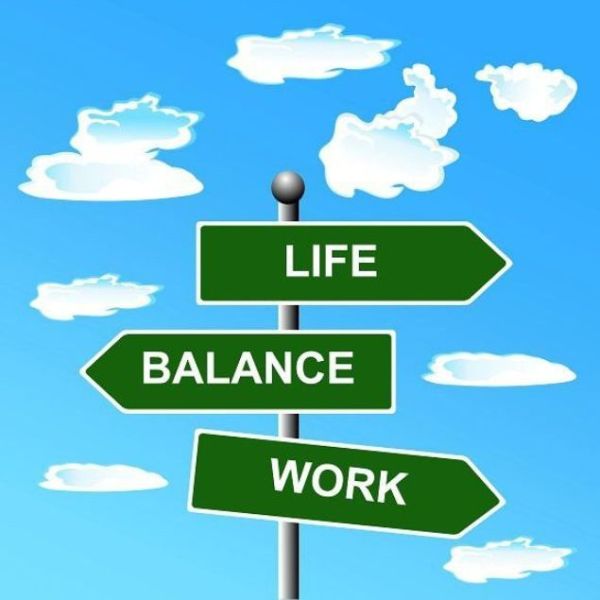
Caged in our homes for nearly 4 months, it’s high time we set something’s right that helps us improve our work efficiency leaving us with more quality personal time.
Miss Diva Supranational 2019 Shefali Sood, who is also a mental health advocate, certified life coach and a motivational speaker in an exclusive has shared 5 effective ways to improve our ‘work from home’ situation.
1. Set up a workstation!

Setting up a workstation, a designated work space. Decorate it, fill it up with stuff that puts you in work mode and helps you concentrate. My workstation is surrounded with a cooling drink that I sip on when I work, a snack, a notebook and pen, my phone and laptop , stationery that I might need, and some decorative items. My workstation is surrounded with a cooling drink that I sip on when I work, a snack, a notebook and pen, my phone and laptop , premium stationery that I might need, and some decorative items.
2. Plan your day!

Having control over small elements of your day gives you a semblance of order and discipline even when there is so much uncertainty
3. Plan breaks:
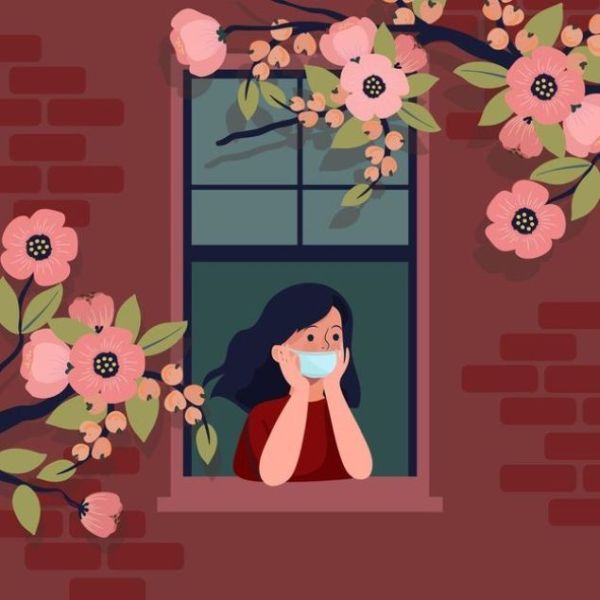
Plan your breaks. It is important to take 10 minute breaks after every hour of productive hard work because it helps you rejuvenate
4. Have an activity to look forward to!

After a long day of work we need an activity that we enjoy or one that will help us unwind! So plan a fun activity like sports or games or just family time or Netflix after work as a reward for all that hard work
5. Lastly, leave work at the workstation!
Make sure that your work time does not overlap with the rest of your day and you do not let work interfere with your daily activities or leisure time just because you’re working from home!

@martin_christopher
Public

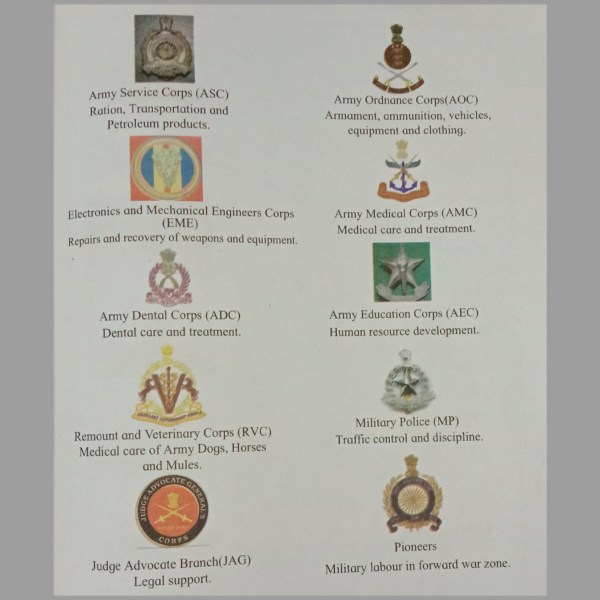
INDIAN ARMY
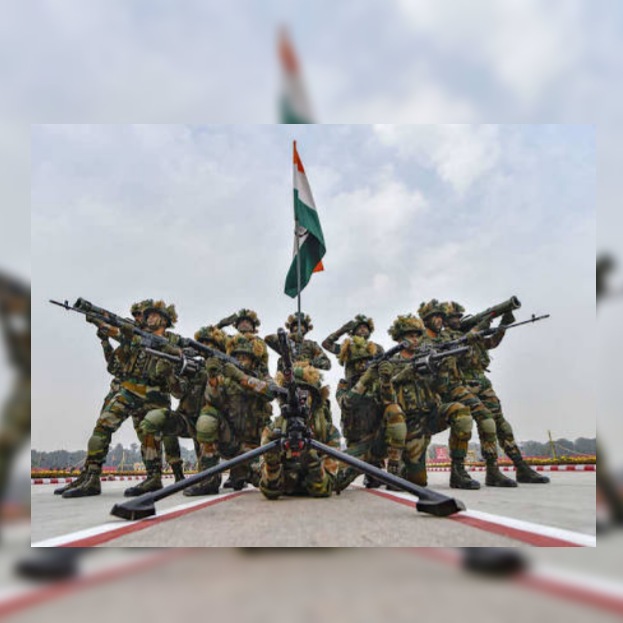
The Indian army is the oldest among the three armed forces.It has very and ancient heritage of more than 2000 year from the Times of Chandragupta Maurya . The foundation of the present army was inherited from the British Indian Army . Netaji Subhash Chandra Bose lead the Indian National Army (INA) during the world war 2 to fight for India’s Independence from British Rule . Women also formed part of the INA. Captain Laxmi Swaminathan headed the women’s wing.
Role of Indian Army
- Go to war to defeat an External Aggression
- Strengthen the internal security Management to defeat Internal threats.
- Project force wherever and whenever called upon to safeguard the nation’s interest.
- To support the peace keeping operations or Military Assistance to friendly foreign countries
- Render Humanitarian, Disaster relief and Aid to civil authorities
The Indian Army spread over six operational commands based on geography and the preceived security threats.
Areas of responsibility of geographical commands
Northern command: Northern command is head quater in Udhampur .It is responsible for operations in Jammu and Kashmir against china in the east and Pakistan In the west.
Western Command :Western Command in Chandigarh. It is responsible for operation in Punjab,and Himachal Pradesh against China in the east and Pakistan in the west.
South Western Command:South Western Command is headquarter in Jaipur .It is responsible for operations in North and central Rajasthan and Haryana.
Southern Command: headquater Pune, responsible for operation in south Rajasthan and Gujarat, Maharashtra, karnataka, Kerala, Tamilnadu, Andhra Pradesh
Central Command : headquater in Lucknow. It is responsible for operations in Uttarakhand, Uttar pradesh, Bihar, Orrisa, Jharkhand, Chhattisgarh against China in the North as also security along the Indo-Nepal border with UP and Bihar
Eastern Command: headquarter in kolkata . It is responsible for operations in Sikkim, Bhutan, Arunachal Pradesh, Nagaland, Manipur, Tripura, Mizoram and also Against China and security Indo – Nepal, Mayanmar, Bangladesh Border
Public

‘Hyderabad’ the best city to live in!
The capital city of Telangana ‘Hyderabad’ has been declared as the best city to live in. Proud to say that it has been ranked as the best city to live in since five straight year’s in a row according to the survey held by Mercer’s quality of living. Often called as the city of pearls. Why Hyderabad is best city to live in? Lets find it out.
Reasons as why it is the best city.
1) Weather:- It has the pleasant weather. Whether it be any season it serves you plentiful. You can enjoy the weather to the fullest. Be winter days, rainy days, or monsoon you have to bear with the sunny days(April to June). Since 10 years or more, hyderabad has been reported to have the increased temperature in the summer. As its metropolitan city and is developing rapidly in terms of infrastructure, technology, and seemingly increase of industrial sector leads to the deforestation which in turn is causing such weather.
The sapling plantation is covering the greenery yet needs to be covered fully. GHMC is planning to have 27 parks across the city. Also people should take a stand too to share their part of job as a responsible citizen.
2) Safest city:- No wonder hyderabad is safest city as compared to other metropolitan and mega cities. Hyderabad has become lesser safe as compared before. Eventually there is no such place where crime doesn’t takes place. But comparatively here we have less crime rate.
This city is also safe for kids and women and they can travel alone during the day time as well the early evening. (And personally myself being living here, then I feel safe side here.)
3) Quality of living:- For the past 3 years it has also been ranked as best Indian city for the quality of living in Hyderabad. Talking about essentials and groceries then, the prices are quite reasonable. The rental rate is not high in addition the electricity units are less. But in the old city people might face the water scarcity.
HI-TEC city is an abbreviation of Hyderabad Information Technology and Engineering Consultancy City is the major attraction as its the IT hub.
4) Cuisine:- Hyderabad is best known for its Biryani basically non-veg, but it doesn’t disappoint you as it serves with the best dosa, idli , sambhar vada..perks of living in south! You can find it in each and every corner available to you even in the mroning at 4 am. And trust me people visits in the cars in the early morning to have the brunch.
Be it veg or non-veg, Hyderabad doesn’t fail in serving you with the best food. Its also famous for the ‘Karachi biscuits’ and ‘Paradise biryani’
5) Heritage:- Hyderabad is famously know as the city of pearls which once were ruled by the Nawabs. It has become the major tourist attraction for both the Indians and the foreigners. The monuments and the historical places defines the true culture and the essence of the city.
There are several places to visit to insight the historical monuments and the glory of Hyderabad. Charminar is the most famous place, following the Golkonda fort, Chowmahalla palace, Mecca masjid (the largest mosque in the India) Qutub shahi Tombs, Falaknuma palace has the elegant beauty, Hussain sagar lake where the twin cities meets.
Lastly, people around here. They have the friendly and mingling nature towards the visitors, they’re humble and approaching and no racism can be find here. The language(Telugu) is quite complicated. But if you are good at Hindi then there is no language barrier as every other person knows hindi here. And the Hyderabad has its Hyderabadi language which is indeed impressive and humorous.
Give a chance to yourself to visit this city. Trust me it will not disappoint you.
Public
JAIPUR
Location
Jaipur is the capital and the largest city of the Indian state of Rajasthan. As of 2011, the city had a population of 3.1 million, making it the tenth most populous city in the country. Jaipur is also known as the Pink City, due to the dominant color scheme of its buildings. It was constructed within a period of four years and Jaipur is the only city that has been planned as per rules & regulations of the Vastu Shastra and the Shilpa Shastra. It is located 268 km (167 miles) from the national capital New Delhi.
Jaipur is a popular tourist destination in India and forms a part of the west Golden Triangle tourist circuit along with Delhi and Agra (240 km, 149 mi). It also serves as a gateway to other tourist destinations in Rajasthan such as Jodhpur, Jaisalmer, Udaipur, Kota and Mount Abu. Jaipur is located 616 km from Shimla.
History
Jaipur was founded in 1727 by the Rajput ruler Jai Singh II, the ruler of Amer, after whom the city is named. It was one of the earliest planned cities of modern India, designed by Vidyadhar Bhattacharya. During the British Colonial period, the city served as the capital of Jaipur State. After independence in 1947, Jaipur was made capital of the newly-formed state of Rajasthan.
On 6 July 2019, UNESCO World Heritage Committee inscribed Jaipur the ‘Pink City of India’ among its World Heritage Sites. The city is also home to the UNESCO World Heritage Sites Amber Fort and Jantar Mantar.
How to go?
By air: Sanganer airport is the nearest airport to the city of Jaipur. It is located at a distance of 10 kilometers from the city centre. The airport has flight connectivity with major Indian cities like Mumbai and Delhi. International tourists can take connecting flights to Jaipur from Mumbai or Delhi airport.
By rail: The railway junction at Jaipur connects it with various cities. For a royal experience one can take the Palace on Wheels. This train leaves from Delhi and connects various cities in Rajasthan.
By road: Jaipur has good network of roads connecting it with major Indian cities. NH 8, NH 11 and NH 12 are the main national highways connecting the city of Jaipur with other cities. National capital New Delhi is just 235 KM from this beautiful city while the city of the Taj Mahal, Agra, is only 220 KM from here. Other important cities include Ajmer at 130 KM, Mathura at 196 KM and Gwalior at 250 KM. There are good services of Buses and Cabs available like buses from Jaipur to Delhi bus.
Tourist Places
Amer Fort: Amber Fort, situated 11 kilometers from Jaipur, is a fort built with great artistic taste. Cradled on the top of a hill forming a beautiful reflection in Maotha Lake, it is popularly known as Amer Fort.
City Palace: Located in Jaipur, The City Palace is the main palace from where the Maharaja reigned from. The palace includes the Chandra Mahan and Mubarak Mahal along with various other buildings within the complex. It is located towards the north-eastern side of Jaipur.
Hawa Mahal: The Hawa Mahal stands at the intersection of the main road in Jaipur, Badi Chaupad. It is regarded as the signature building of Jaipur and was built by Maharaja Sawai Pratap Singh.
Jantar Mantar: Jantar Mantar in Jaipur is the largest stone astronomical observatory in the World. It is located just next to the city palace of Jaipur in Rajasthan. Built during the period between 1727 and 1733, the Jantar Mantar is still in a running condition and it stands as a witness regarding the wisdom of former age.
Nahargarh Fort: Nahargarh Fort, situated on the outer skirts of Jaipur is an epitome of great architecture and planning. Drenched with rich past, the fort allows you a picturesque view of the entire city. Built in 1734, this grand architecture is a perfect way to begin the excursion of this pink city.
Chokhi Dhani: Chokhi Dhani is a luxury heritage resort synonymous with Rajasthani village culture. It is located a little on the outskirts of the city on the Tonk Road. The concept of the village is to give you a tangible feel of rural Rajasthan. It is a true depiction of traditional Rajasthan with ancient artifacts, handicrafts, paintings, folklore and sculptures. The village offers myriad entertainment options- folk dances, singing, camel rides, puppet shows, fortune-tellers, acrobatics, predicting parrots, magic shows, horse riding, boating etc.
Bapu Bazar: Besides the plethora of palaces and forts and havelis and wildlife, Jaipur is also the ultimate shopping paradise. Among the numerous flourishing flea markets of Jaipur is the Bapu Bazaar. Situated in the heart of the Pink city between Sanganer Gate and New Gate, the market is known for its alluring Rajasthani quintessential products including textiles, handicrafts, brass works and precious stones. The bazaar attracts tourists from all over India and worldwide owing to its authenticity, diversity and giveaway price products.
Jal Mahal: Amidst the chaos of the city of Jaipur, lies the splendid Jal Mahal, or Water Palace. Floating in the centre of the Sagar Lake, this low rise symmetrical Palace was once a shooting lodge for the Maharajas. This unique palace fascinates a large number of visitors from all over the world.
Panna Meena Ka Kund: Established in the 16th century, the place is also known by many other names locally, some of which are just derivations of the original name in the local language. A baori or a stepwell is a concept solely originating from the Indian subcontinent and were the most popular source of water during the old times. These are mostly man-made pools of water that can be reached by descending a series of stairwells. Panna Meena ka Kund in Jaipur is one of the many famous stepwells that still stand in the western part of India, where they were mostly constructed. The original purpose of this Baori was to supply the locals with water for drinking and other daily needs, especially during the dry summers, as well as crop irrigation.
So what are you waiting for? Pack your bags and set out to discover yourself back in time! Set out to go into history!
 International Journal of Research (IJR)