Quwwat Ul Islam mosque – place that reveals a great dynasty

Situated at the center of the Qutub Minar complex in the city of Mehrauli,the Quwwat Ul Islam Mosque is the first ever mosque made in India, during the sultanate period. Today, stand by only it’s walls which represents extravagant yet very minute architecture of the Slave dynasty. It’s marvelous architecture and design makes it an attraction point of the Qutub complex, against which stands the Mehrauli iron pillar. And is added up as UNESCO‘s World Heritage Site. The history of this site is both so interesting and large that makes a huge amount of visitors to pay a visit to this place every year.

The history –

It was in the year 1193 AD, when Qutub ud – din Aibak, founder of The Slave dynasty conquered the Quila Rai Pithora of the Chauhans and was eager to leave the imprints of his religion to the new territory. He commissioned the mosque using the ruins of 27 Hindu and Jaina temples. And was built over the site of a large temple located at the center of the citadel.
Quwwat ul Islam mosque, also known as Jami masjid or the Friday mosque  then came to be used for performing the adhan and became one of the best architectures of the sultanate period, that also made a benchmark for the coming sultans to think upon.

Architecture and design –

Archaeological Survey of India states that the mosque was raised over the remains of a temple, and in additio, it was also constructed from materials taken from other demolished temples. Historical records compiled by a Muslim historian Maulana Hakim Saiyid Abdul Hai corroborate to the use of iconoclasm by Qutub ud din Aibak, which was common during his reign.
The mosque was further extended by Sultan Iltutamish (1296), who gave a more complexity to its design.
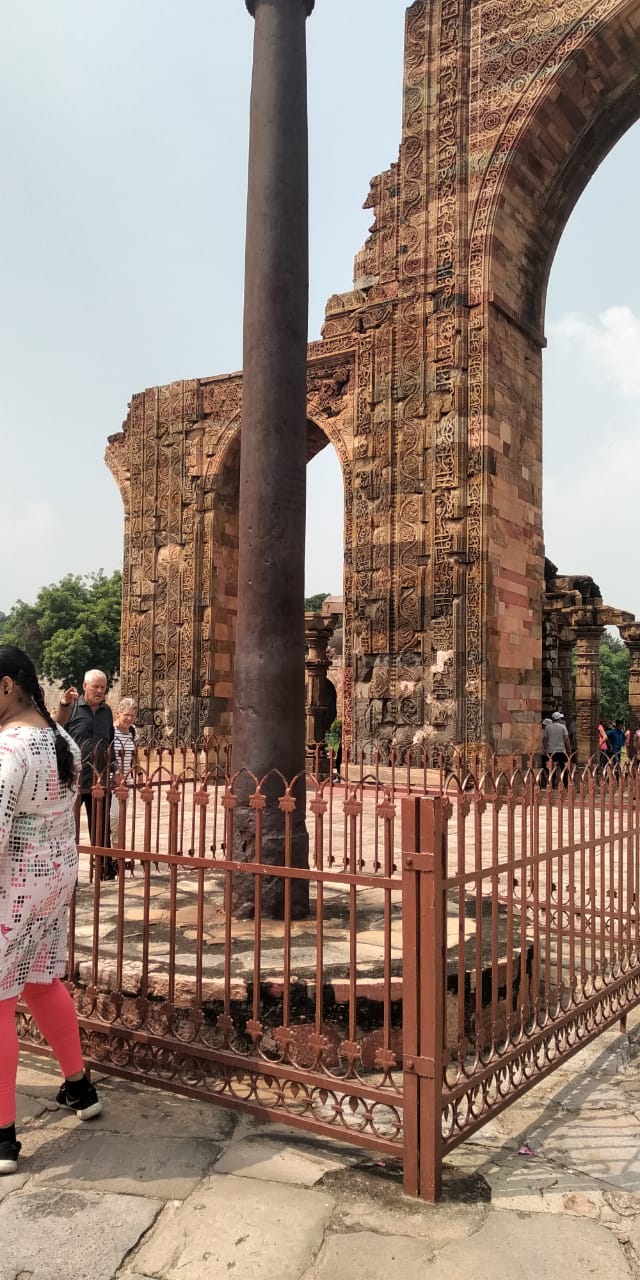
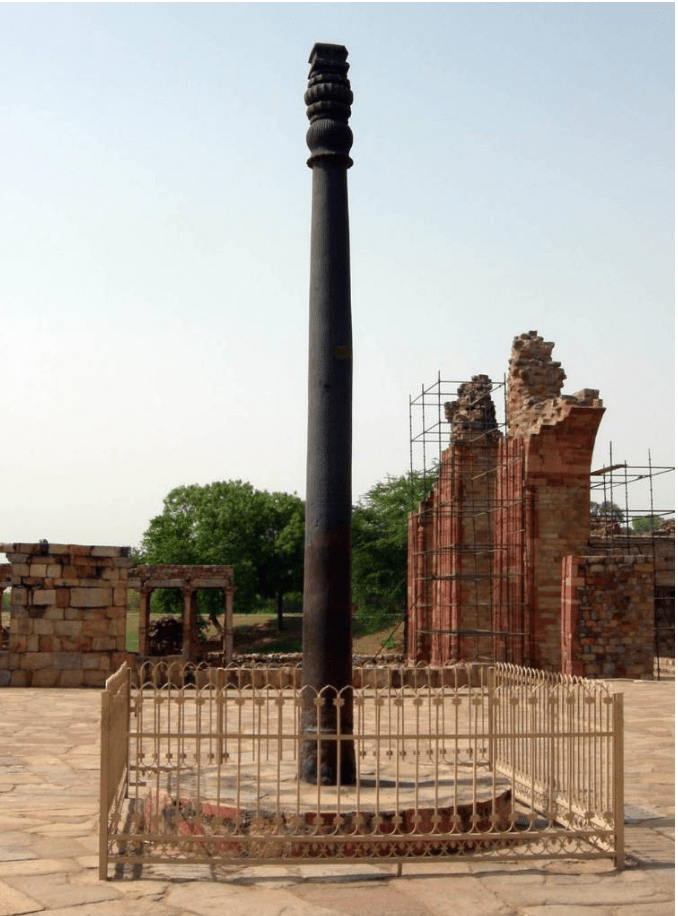
The iron pillar of Mehrauli, located on the stone pavement in front of it adds to its beauty and history.
The complexity of its design and architecture is what intrigues most of the visitors paying visit to the place. The central arch of the mosque is ogee in shape and the screen is sculpted with religious texts and floral patterns. One of the historians believe that it was not constructed on scientific approach, but in Corbel style as indicated by the variations in the patterns of the arches. The front wall that we see standing still today came to be known as the Western Wall. Though it was a magnificent monument, built with an entrance to the courtyard, and grey colonnades made of greystone.

Quwwat Ul Islam mosque today –

It is a great example of Muslim architecture and establishes a prominent role of the sultans in portraying their power and rule over the city of Delhi. But today it stands in ruins with only it’s front wall remaining with indigenous corbelled arches, floral morifs and geometric patterns, along with other Islamic structures. As per the government data reviewed by ET, Qutub minar complex is the second most visited monument in the country in 2018-19. It is estimated that 2.9 million people visited the place in 2018-19.It’s really a place worth appreciating, and attracts the visitors due to its everlasting beauty. The place is a true example of establishment of the power of Slave dynasty in Delhi and India.

The 1600 Year Old Rust Free: The Iron Pillar of Delhi

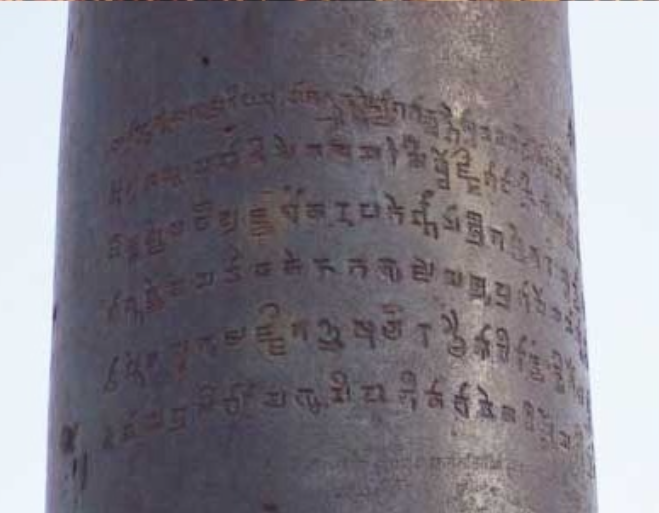
An unsolved mystery, the IRON PILLAR OF DELHI now standing at Quwwatul mosque at Mehrauli in Delhi, India. The 7.21 meters tall structure all most 1600-year-old stands completely rust-free. The pillar was constructed by “King Chandra” probably Chandragupta2

Iron Pillar Of Delhi

pillar was certainly used as a trophy in building the Quwwat-ul-Islam mosque and the Qutb complex, its original location, whether on the site itself or from elsewhere, is debated. The Iron pillar of Delhi is one of the most curious metal objects in the world. It was manufactured by the forge welding of pieces of wrought iron. In a report published in the journal Current Science, R. A critical corrosion-resistant agent called iron hydrogen phosphate hydrate makes the pillar resistant to rusting.

Experts at the Indian Institute of Technology have resolved the mystery behind the 1,600-year-old iron pillar in Delhi, which has never corroded despite the capital’s harsh weather.
Metallurgists at Kanpur IIT have discovered that a thin layer ofmisawite“, a compound of iron, oxygen and hydrogen, has protected the cast iron pillar from rust.

The pillar bears an inscription which states that it was erected as a flagstaff in honor of the Hindu God and in the memory of the Gupta King Chandragupta II (375-413). How the pillar moved to its present location remains a mystery.

The question remains that how was such chemically advanced agent manufacture 2000 ago.

The pillar is a living testimony to the skill of metallurgists of ancient India

Flavors of Delhi

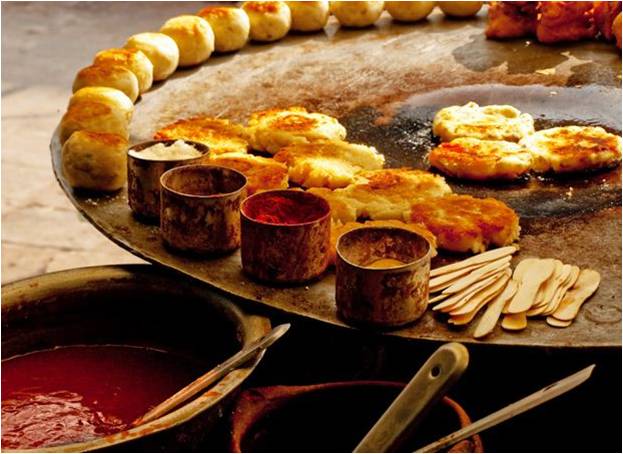
Aloo Tikki, Afghani Street Bites, Chaat, Kebabs, Kachori Aloo, Chhole Bhature, Rajma Chawal, Parathas – these are reasons enough to call the Capital Delhi-Belly.

Delhi has always been a diverse city with people coming from all over India to settle and start a new life here. Many people know Delhi to be a city of rich cultural heritage. But Delhi, as a city, is so much more than that. And one aspect of this is the food in Delhi that makes it a great tourist place. The people of different cultures and traditions have brought with them their unique tastes to Delhi too.

It is not a hidden fact that Delhi has no particular food culture; the city acquires the identity of all types of people living here in its food preferences. The maze-like alleyways and marketplaces of Delhi are known to lure foodies with their curbside kiosks serving rich in taste street food while the studded restaurants add their own charm and elegance to the cuisine of the city.

Being an amalgamation of several cultures, Delhi is among the few places where you can find a South Indian devouring a serving of Butter Chicken and a Bengali enjoying Idli Sambhar, and it is not even astonishing anymore. The best part about this is that all these recipes are age-old, being handed down from generations after generations, helping them stay true to their original flavors.

Here’s what Delhi has to offer, apart from the traditional cuisine from all the states:

  • Mughlai Cuisine: One of the oldest cuisines being served to the Delhiites is the Mughlai cuisine. Even today the taste of the Mughal era can be felt in the Kebabs from the time of Delhi Sultanate while Nihari and Biryani have become a household name. The delicious fruit-flavored sorbets or Kulfi as we know them today were originally served in the Mughal kitchens. Karim’s and Ghantewala, famous for their Kebabs and Karachi Halwa respectively, have also served many of the Mughal emperors in the past.
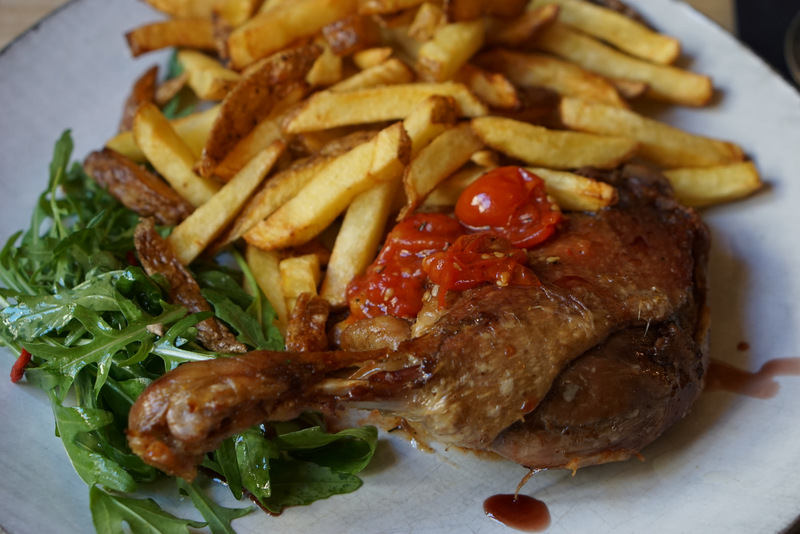
  • Street Food: Another group of delicacies bringing the people together is the street food available in almost every lane of the city. Names like Sita Ram Diwan Chand, Bittu Tikki Wala, Nataraj Dahi Bhalla, Daulat Ki Chaat, and Al Jawahar have been churning out some of the country’s best street grub. There is a street named Parathe Wali Gali in Chandni Chowk which in itself is enough to show the love people of this city have for Parathas.

  • International Cuisine: Along with the traditional dishes, Delhiites have also truly embraced the authentic International cuisines which means there is no trouble finding Chinese, Thai, Italian, and French cuisine to name a few. The Churros with chocolate sauce at La Bodega, the Glass Noodles at Gung, and the Cheese Kunafa at Zizo are gradually making their way into the hearts of Delhiites.

The diversity that Delhi shows in its food culture is a mere reflection of the people who have lived here in the past and the people who call it their home in the present. It is this diversity that brings the people together and makes Delhi a better tourist spot.

Slow Death Of Tourism

Tourism is dead! Dead for the next two years atleast. It’s going to stay dead for years to come unless a vaccine or a treatment springs out of somewhere. With Covid-19 raging with its full might, people are choosing to stay cooped up within the safety of their own homes instead of venturing out and risking their safety. Although the economy is slowly opening up, no one wants to risk falling sick in an unknown place with a deadly virus preying on them.

The exotic fruits, smell and visual splendour will cease to attract when a person’s well being is at stake! Small tours and travel businesses are closing down while the big companies are left groping for the scarce tourists to garner. The monuments, the different wonders of the world will lie bare with very few to gasp at their magnificence. The exotic cuisines will be left undiscovered by many while the world grapples to survive.

The Indian government and governments around the world promote travel and tourism as it helps the economy a lot. Japan recently in a bid to attract tourism has offered treatment for coronavirus for free if someone happens to contract the virus in the country. The economy is reeling under the impact of the virus and no one knows how long the pandemic will last and with some predicting that the virus isn’t going away anytime soon and the fact that we would all have to live with it is scary.

Vloggers are taking the place of actual tourists, providing beautiful and virtual tours of different places through videos. Popular vloggers like Volpe, Best Ever Food Review Show, Karl Rock etc have gaining followers for the same reason even before the pandemic. The virtual tours through the videos are captivating and addictive, providing an alternative to actual tourism through videos. Virtual tourism is economical and allows you to see the globe from the comfort of your homes.

Though Virtual tourism is growing at a rapid pace, it can never replace actual tourism wherein one gets to bask in the new smells, enjoy visually and savour new foods. The added excitement that comes with going to a foreign place without knowing what to expect can never be replaced virtually or otherwise. One can avail and purchase goods indigenous to a particular place or country. So many industries will suffer from the paucity of tourism to greet them.

With many places already strapped of tourism due to reasons like pollution and crime rate, Covid-19 has been like a final nail in the coffin for many places.  People will not travel or barely travel anywhere unless compelled to do so. Many are doing so for business purposes and for official work but apart from that people are staying away from booking the flight tickets to different places. No one knows what the future holds and for the time being people are taking virtual tours through the vloggers around the globe to enjoy the visual splendour of places that our planet has to offer.


Japan’s economy in turmoil

The Bank of Japan has expanded the total size of its funding packages for cash-strapped companies from about $700 billion reported last month to $1 trillion. While they announced on Tuesday that they would keep monetary conditions stable and hold on to their expectation that the economy would slowly rebound from the coronavirus pandemic on it’s on, suggesting that they have taken ample measures to sustain recovery for now. The BOJ remains focused on steps to ease corporate funding strain.

“Given markets have calmed down and the economy appears to be bottoming out, there’s no reason for the BOJ to take action anytime soon,” said Hiroshi Shiraishi, senior economist at BNP Paribas Securities.

“Fiscal policy will play a main role in responding to the virus fallout, so the central bank will continue to indirectly help the government by keeping borrowing costs low,” he said.

The BOJ kept its yield curve control targets at -0.1 per cent for short-term interest rates and 0 per cent for long-term rates in a widely expected move. The central bank has also made no significant improvements to its programmes to alleviate the pressures of corporate finance, including a loan facility aimed at channeling funds to businesses.

Due to the way it is designed, the amount of money to be pumped out via the programmes will reach 110 trillion yen ($1 trillion) if more loans are taken out via government schemes, the central bank said.That was larger than an estimate of 75 trillion yen made in May, as the government expanded the range of eligible loans under a second stimulus package.

Japan’s economy appears to have hit bottom and is eyeing a recovery from the damage caused by the coronavirus pandemic, its finance minister said, underscoring cautious optimism spreading among policymakers after the relaxation of lockdown measures.

“We’ve succeeded in putting a floor on the economy, which seems to have hit bottom. How strong the recovery will be depends not just on domestic conditions but overseas developments,” Finance Minister Taro Aso told parliament on Friday.

In April, Prime Minister Shinzo Abe proclaimed a state of emergency telling enterprises to shut down and people to remain at home, a development that dealt a serious blow to income and sales by corporations. Although the state of emergency was lifted in late May, economists estimate that in the current year, after falling into recession in January-March, the economy experienced more than a 20 percent annualized contraction.

Last year, Japan was a tourist mecca welcoming 31.9 million foreign visitors. That was a peak after seven consecutive years of growth.But in a sudden turn of events, prolonged coronavirus travel bans have brought Japan’s tourism industry to a standstill, with a 99.9 percent fall in tourists in April, the high time for cherry blossom viewings.The tourism Industry in almost all countries around the world have been devastatingly affected due to the pandemic.

However, the new domestic travel improving initiative from the government — the “Go To” program unveiled last month — has since been delayed after reports of an unsustainable administrative and office expense allocation. The “Go To” program is a collaborative public-private partnership that provides consumers purchasing travel goods from approved distributors in the four groups, tentatively named Go To Ride, Go To Eat, Go To Case, and Go To Shopping Strips, discount vouchers of 50 to 20 percent off. The initiative was dubbed “murky” and “untransparent” by the opposition.

Adding to the controversy is the bidding method the government adopted to attract business contractors. Before the official bidding start date, the Ministry of Economy had interviewed Japanese global advertising giant Dentsu 10 times. But the minister for economy explained that meetings had been held with 50 businesses along with Dentsu and that the 10 interviews with Dentsu had been consultations for reference due to the company’s experience in “implementing projects of unprecedented scale.”

In response to criticisms the government said it would suspend the open recruitment for business contractors and would revise the budget from the ground up to ensure unnecessary expenses are removed. The tourism recovery campaign was expected to launch in July, but to the disappointment of struggling local businesses a new start date has yet to be determined.

Source: 1.https://in.reuters.com/article/us-japan-economy-boj/bank-of-japan-holds-fire-pledges-1-trillion-to-struggling-firms-idINKBN23N0D5

2.https://japantoday.com/category/politics/Japan’s-economy-bottoming-out-says-Aso

3.https://thediplomat.com/2020/06/japans-campaign-to-revive-virus-hit-tourism-sector-postponed-amid-cost-controversy/

Lucknow – The City of Nawab

Introduction

Lucknow is the capital of Uttar Pradesh. It is also known as the City of Nawab. It has been listed as the 17th fastest growing city in India and 74th in the world. It is situated on the bank of river Gomti. Nawab Asaf-ud-Daula is known as the Creator of this city. This city is known as the centre of Urdu poetry and courtly diction and reached its zenith during the reign of Wajid Ali Shah who was the expert of music and poetry. Lucknow has always been a multicultural city that flourished as a North Indian Culture and artistic hub. It was the seat of power of Nawabs in the 18th and 19th century. It continues to be an important centre of governance administration, education, commerce, design and tourism etc. It was bounded on the east by Barabanki, on the west by Raibarelli and in the north by Sitapur and Hardoi. Lucknow along with Agra and Varanasi is listed in the UP Heritage Arc, a chain of survey triangulation created by UP govt to boost tourism.

History

Historically, Lucknow was the capital of the Awadh region controlled by the Delhi Sultanate and later the Mughal Empire. It was transferred to the nawabs of Awadh. Lucknow also claims that this is one of the most ancient Hindus states with rich cultural heritage and monuments. Its original name was Lakhimpur or Laxmanpur because it was gifted to Lakshman bother of Lord Rama after their period of exile from the forest. In 1856, The British East India Company abolished local rule and took complete control of the city along with the rest of Awadh and in 1857, transferred it to the British Raj. It got independent in 1947 along with whole India. It got its title City of Nawabs after the reign of the third Nawab when Lucknow became their capital. It was best remembered for extra emergence and redefined culture and lifestyle. Here, you will found a mix of Hindu – Muslim culture which is known as “Ganga-Jamuni Tehzeeb

Climate and Geographical Touch

In Lucknow, you will find humid subtropical climate with cool, dry winters from mid-November to February and dry hot summers with sunshine from March mid – May. Fog is quite common from mid – December to late January. As earlier, it was mention that Lucknow was situated in the bank of river Gomti. The city surrounded by rural town and villages. 

Famous Festival 

Lucknow Festival: This is one of the most popular festivals celebrated in Lucknow during November – December. This festival is celebrated for ten days and it mainly showcases the culture, heritage, arts and cuisines of people of this state. Other common festivals celebrated in Lucknow include – HoliDiwali and Dussehra.

Famous Places for Visit

Lucknow’s buildings show different styles of architecture with the many iconic buildings built during the British and Mughal Era. The UP Tourism Department organizes a “Heritage Walk” for tourists covering the popular monuments. 

Husainabad Clock Tower

Kaiserbagh Palace of Complex

National Botanical Research Institute

State Museum Zoo

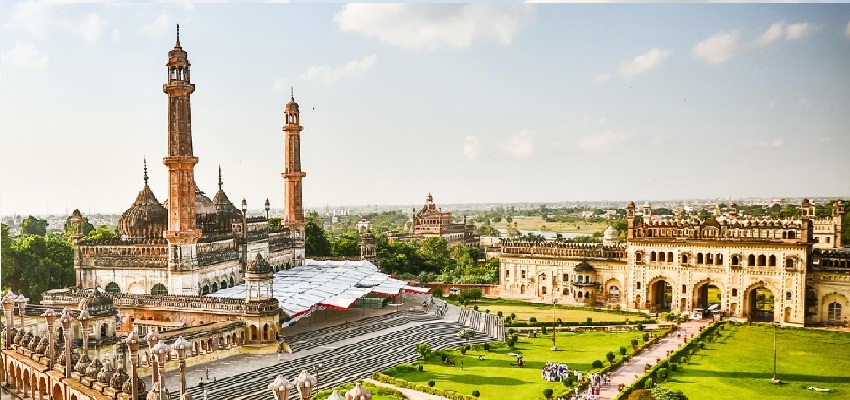
Hussainabad Imambara

Shah Najaf Imambara

Post Graduation Opportunities In Australia

The world is your oyster! The world is yours to conquer after you complete your graduation in Australia. There are plenty of routes one can take to enhance their career or to settle down. Once graduation is complete, the students can apply for further studies to enhance their knowledge and creative pursuits. Like a candy shop for students, there are several post-graduate courses and diplomas available in various universities across Australia that a student can choose from.

There are various Visas that students can apply for. There is the attractive Temporary Graduate Visa (Subclass 485) that students can apply for to stay longer(18 months) in the country to work and hone their skills and get work experience and eventually get a permanent residency. The 402 Training and Research Visa for students allow them to enhance and improve their skills for two years under the guidance of the employer. The 487 Regional Sponsored Visa leads to permanent residency with work for 3 years. There are other Visas like the 885, 886 and 887 Visa which allows permanent residency too.

There are various top-class universities in Australia that students can choose to do their post-graduate studies. The top 5 Universities in Australia according to QS World University Rankings are -:
1) University of Melbourne
2) Australian National University
3) University of Sydney
4) University of Queensland
5) UNSW Sydney

There are varying Master’s degrees for those who wish to continue with their academic studies.
1) Traditional Masters- This is the traditional form of Masters which allows students to study the subject of their choice in more details. This generally paves the way to research. 

2) “Change of direction Masters” -This is for students who want to gain information and study a new field which is different from their field of study in graduation.

3) “Professional development Masters”- This allows students to have a more comprehensive understanding of their field through training. For example, a teacher can enhance his/her skills by opting for Education management.

The various postgraduate programmes in Australia can cost the student anywhere between AUD $22,000 and AUD $50,000 per year (USD $15,100-34,305) for overseas students. However, like Universities around the world, different courses have different fees. A MA in Arts and Humanities will cost less while a course in Science will cost more.

Barring academics, students can opt to work in a field of their choice where the employer may keep the employees via Employer Nomination Scheme Visa and then they can stay in Australia for as long as they keep working under the employer. Students can also decide to take a break from academics and work and travel the country. The students can apply for the Tourist visa which allows international students to stay in the country for either three, six or twelve months. Australia has a lot of scenic tourist spots such as the Sydney Opera House, Great Barrier Reef Marine Park, Uluru-Kata Tjuta National Park, Sydney Harbour Bridge, Blue Mountains National Park, Bondi Beach to name a few which is a pleasure for the senses.

Australia, the largest country in Oceania offers a lot of opportunities for students to pursue post their graduation. It is up to the students to decide the direction they want to take. They can also decide to return back to their own country as a graduate degree from Australia is invaluable in any country and commands respect.

Evaluation of Indian Architecture

Art, design,  creativity, innovation, Music, dance, culture, and heritage is the Identity of INDIA. When we look back at our history of architecture we can understand why It’s Our pride. British, Dutch, Portuguese, Mughal, French foreign forces came to India and Buddhism, Jainism and other religions came here and spread their culture. That’s why Indian architecture is the fusion of a different kind of architectural style and tradition.

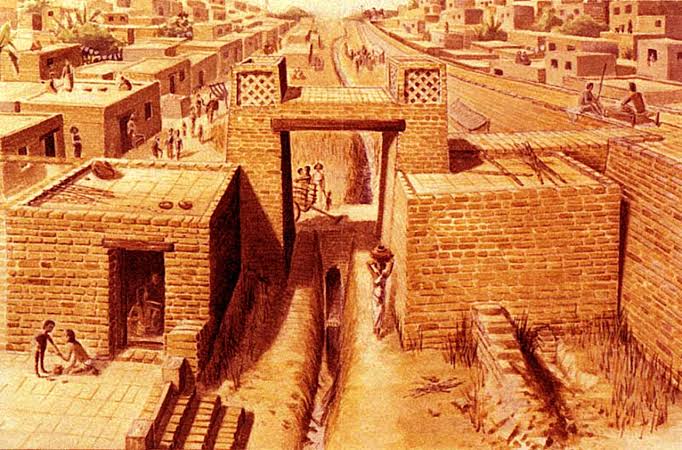
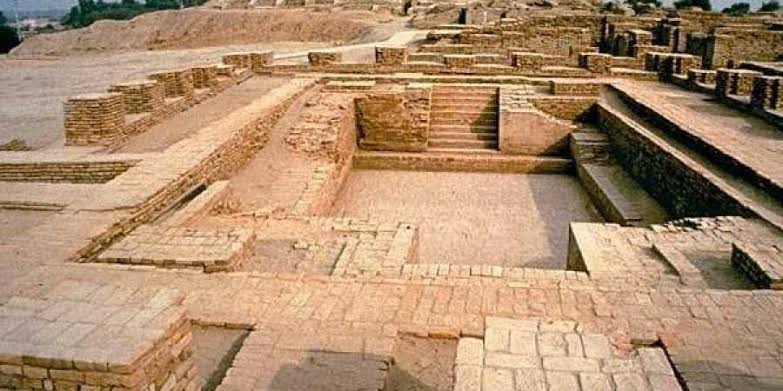
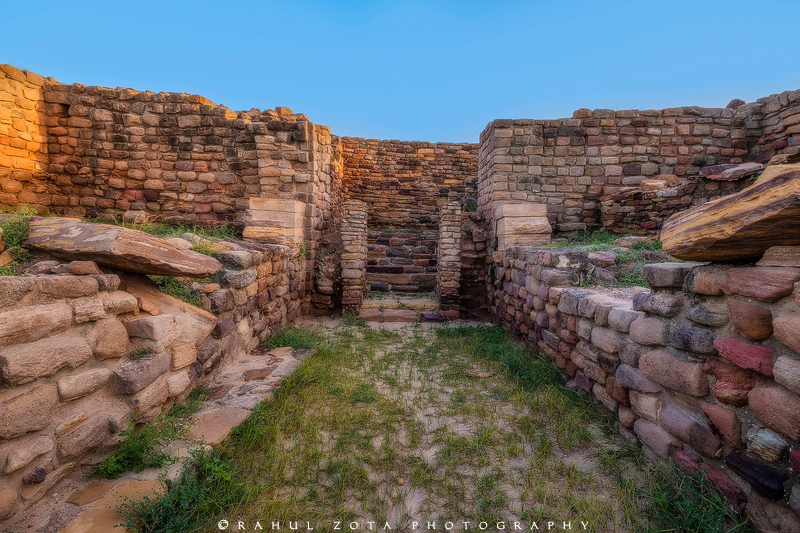
The History of India begins with the birth of the Indus Valley Civilization,(2600 BCE – 1900 BCE) The Indus Valley Civilization covered a large area around the Indus River basin and beyond in late Bronze Age India. The civic and town planning and engineering aspects of these are remarkable, There are granaries, drains, water-courses and tanks, but neither palaces nor temples have been identified, though cities have a central raised and fortified “citadel”. Around the 2000 year ago India had Smart cities Like Harappa, Lothal, Mohenjo-Daro

After the Indus Valley Civilization, there are few traces of Indian architecture, which probably mostly used wood, or brick which has been recycled,

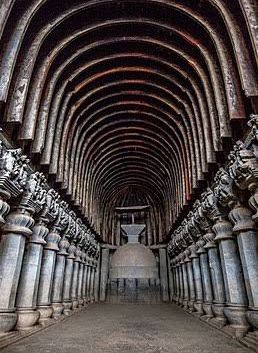
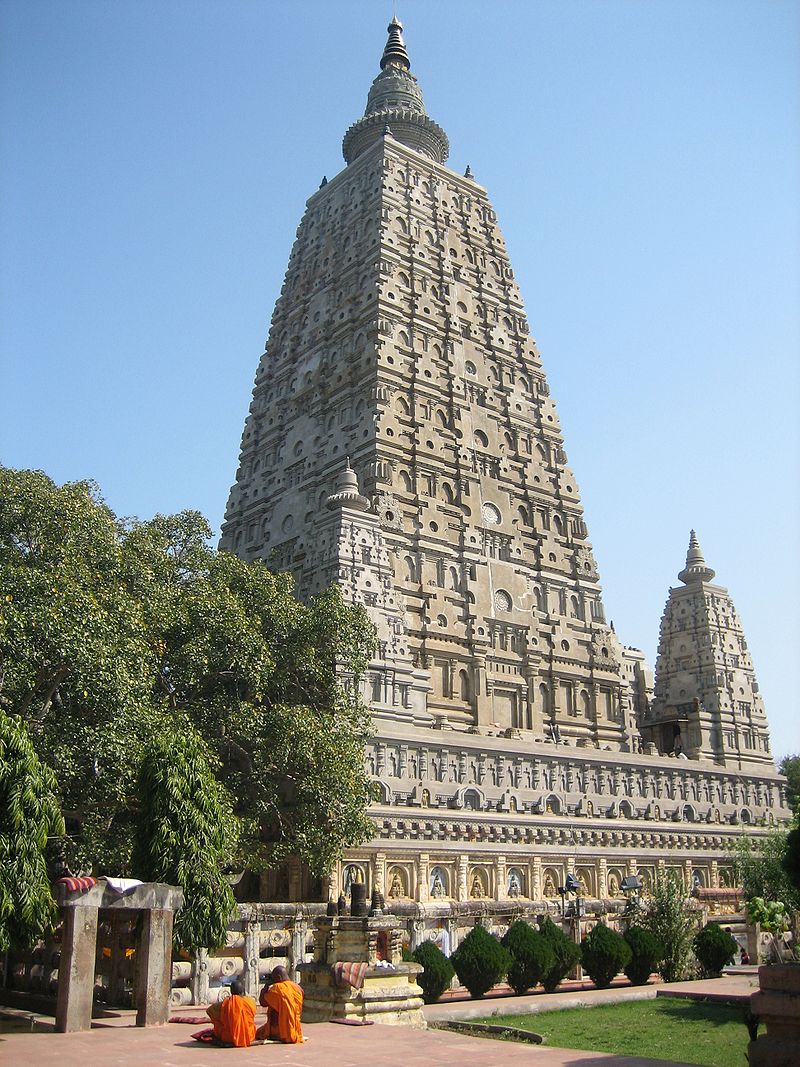
Probably around 400 BCE Indian rock-cut architecture, mostly Buddhist, and there are also a number of Buddhist images that give very useful information.

A STUPA FROM AJANTA CAVE

Buddhist construction of monastic buildings apparently begins before the death of Buddha.

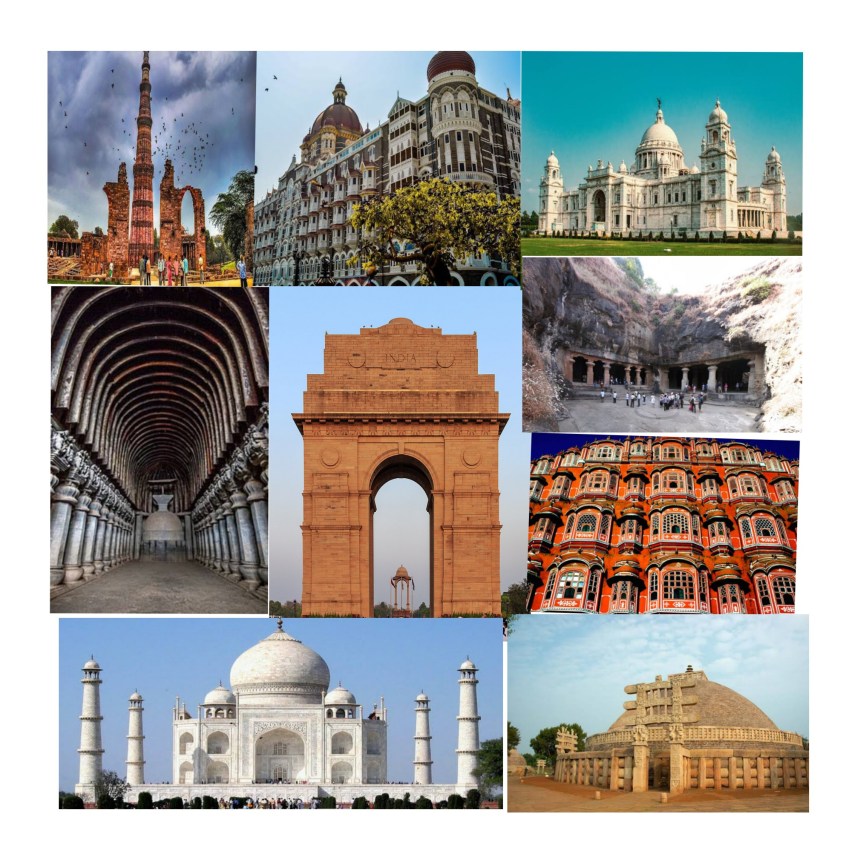
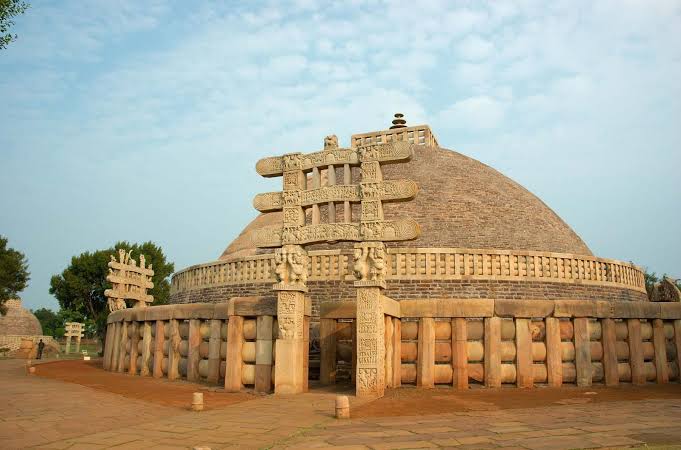
The Great Stupa at Sanchi is one of the oldest stone structures in India, and an important monument of Indian Architecture. It was originally commissioned by the emperor Ashoka in the 3rd century BCE. Its nucleus was a simple hemispherical brick structure built over the relics of the Buddha


Sanchi Stupa is a Buddhist complex, famous for its Great Stupa, on a hilltop at Sanchi Town in Raisen District of the State of Madhya Pradesh,

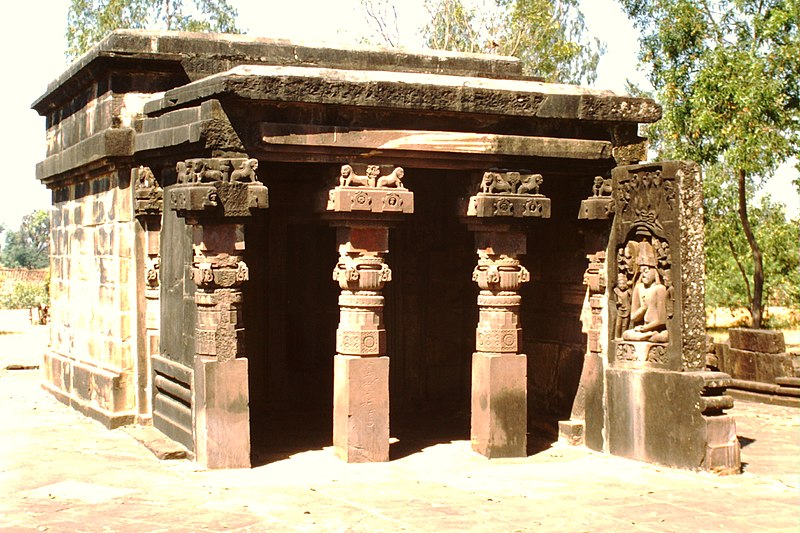
Temple Architecture was a gradual evolution starting from the rock cut- cave temples to monolithic rathas which finally culminated in structural temples

The middle period saw great developments in the field of architecture. With the coming of Muslims to India, many new features came to be introduced in buildings. The development of the Muslim Style of Architecture of this period can be called the Indo-Islamic Architecture or the Indian Architecture influenced by Islamic Art. The Indo-Islamic style was neither strictly Islamic nor strictly Hindu, One of the best architectural traditional style

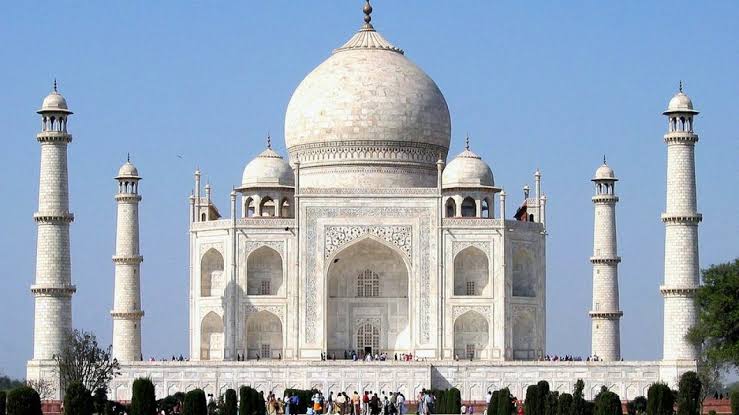
The Taj Mahal,  one of the universally admired masterpieces of the world’s heritage.

With colonization, a new chapter in Indian architecture began. The Dutch, Portuguese and the French made their presence felt through their buildings but it was the English who had a lasting impact on Colonial architecture.

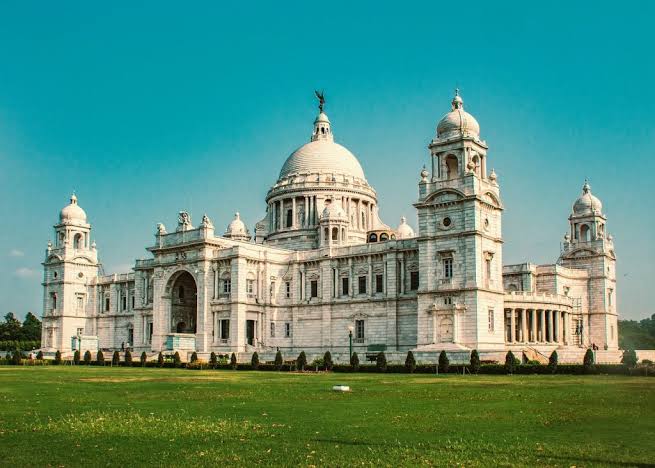
The Victoria Memorial is a large marble building in Kolkata, West Bengal, India, which was built between 1906 and 1921

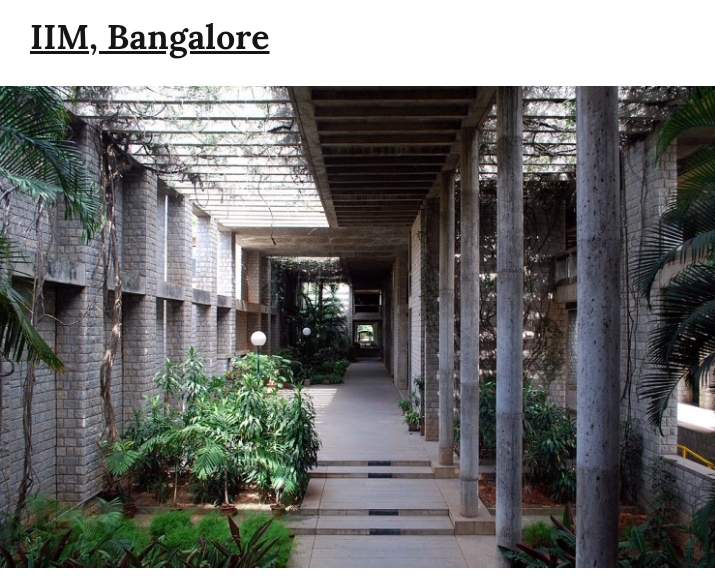
Now we are living in the 21st-century style, traditional, plan structure changed, modified but these architectures are immortal and inspiring generation after generation.

Eco-Friendly Architectural plan

From Indus Valley to eco-friendly plan creativity, hard work, ideas, style tradition makes our country beautiful.

A visit to Tourism “Mandav: The City Of Joy “

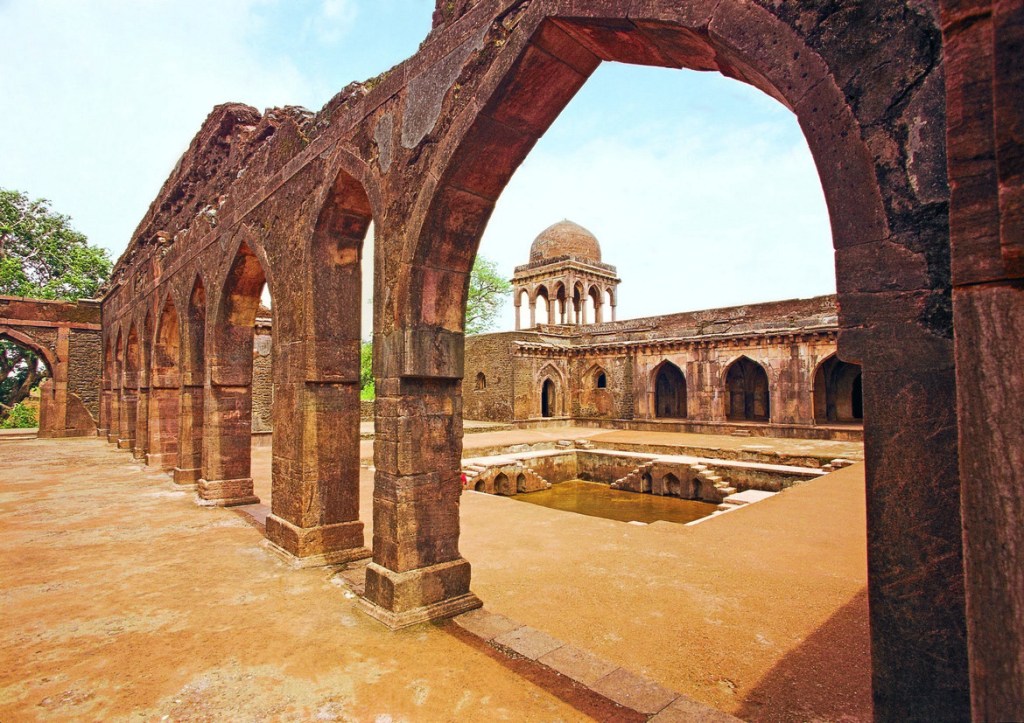
Mandav, also known as Mando is one of the most attractive tourist places near Indore.

Mandav is a town in Dhar district of Madhya Pradesh. It is situated in the Vindhyanchal Range at 2,000 feet above sea level. 

Mandav is 100km from Indore, the nearest airport.

This place shows the love of the poet prince Baz Bahadur, for his beloved companion Rani Roopmati.

Mandav is known from the Paramara period 8th century A.D.

Later it was under the Mughal rule, they called it ‘Shadiabad- The city of joy. 

The monuments are an exquisite mixture of the Hindu and Afghan style of architecture.

Some of the places to visit in the city.

Jahaz Mahal and Hindola Mahal

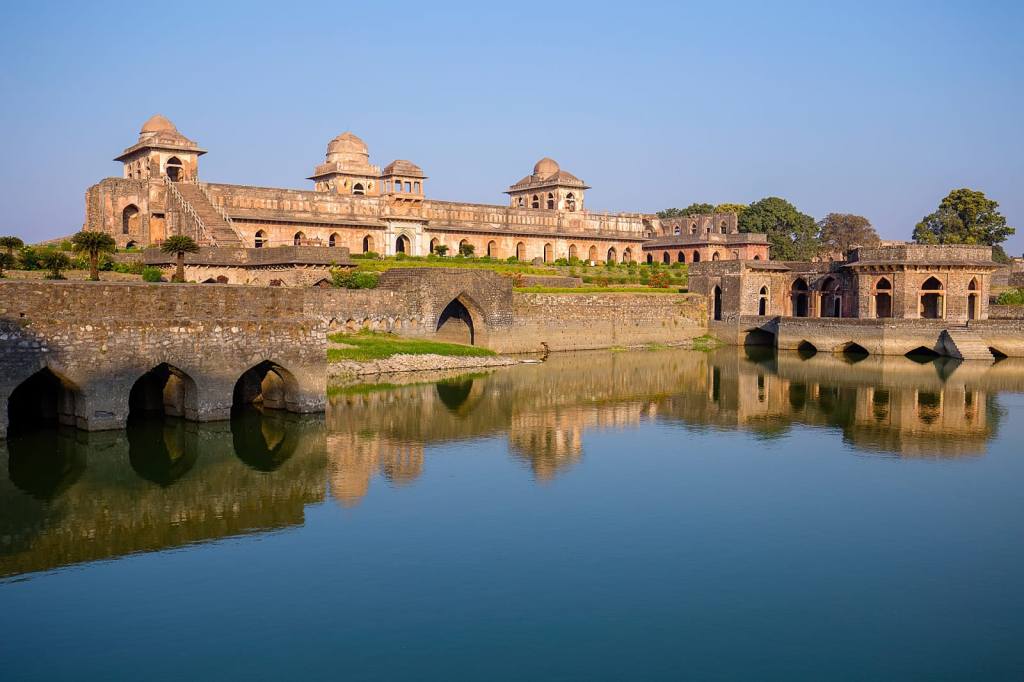
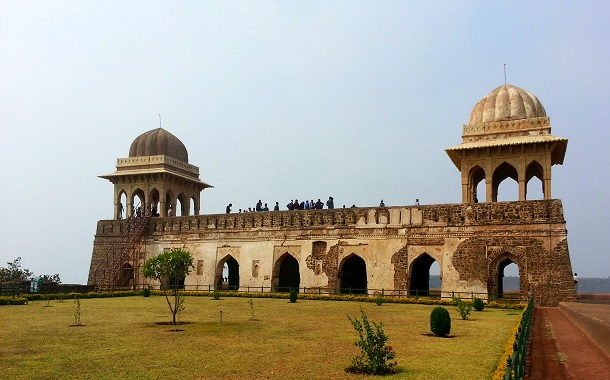
Jahaz Mahal : ship palace

This enlarged building measuring 110 meters in length and only 15 meters in-breath is built during the reign of Ghiyathuddin Khalji (1469 – 1500).

This palace is named as Jahaz Mahal or ship palace because it stands with the two water bodies on either side of it, Munj Talao on the west and the Kapur Talao on the east. This gives it a ship-like structure.

It is a double-storeyed tower to a height of 9.7 meters. The ground floor of the palace has three large halls. Each of the halls has balconies over to look at the Munj Talao.

The western side of central houses a large balcony, a domical ceiling. It offers mesmerizing views of the Munj Talao extending up to the Royal Palace in the south and Jal Mahal in the southeast.

At the far northern end of the ground floor of Jahaz Mahal, a couple of steps descends to a large swimming pool shaped like a blooming flower.

At the northern end of the terrace of the Jahaz Mahal, which too houses a similar pool but much smaller in size. The northern end of the terrace provides a bird’s eye view of the lower pool.

The terrace provides great views of the Royal Complex in the northern part of the Citadel of Mandu. 

On the east are great views of Kapur Talao, with the Taveli Mahal on its southern side. On the west us Munj Talao with the Royal Palace to the north and the Jal Mahal on the northeast.

A beautiful picture of Hindola Mahal : Swinging palace

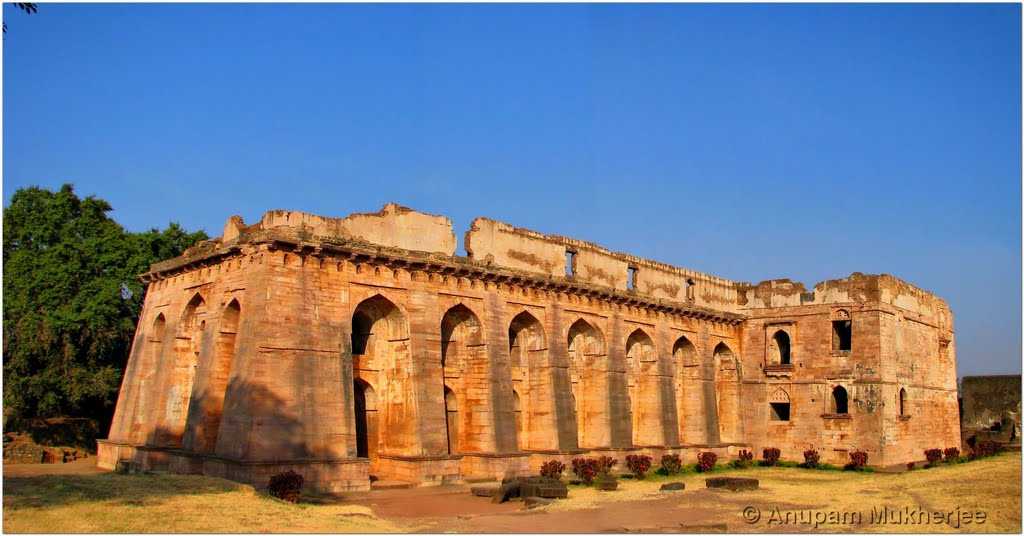
Hindola Mahal means “swinging palace” is a great tourist attraction place in Mandu. It is built in 1425 C.E. during the rule of Hoshang Shah. It was later modified in the 15th century under the rule of Ghiyasuddin Khilji.

The T-shaped building with a transverse projection towards the north has sloping walls which give it the name Hindola Mahal.

The Darbar halls of Ghiyasuddin Khilji can be seen in the palace, which is also known as the royal court of the sultan.

The Mahal was constructed from sandstone with exquisitely carved columns with the provision of hot and cold water connected with the rooms situated underground.

Palace of Roopmati and Bazbahadur

Bazbahadur palace

Bazbahadur palace which reveals the love story of poet Roopmati and king Bazbahadur. It was built in 1509.

The palace has a huge courtyard, large halls, and a terrace that offers mesmerizing views from it.

A scenic view of Roopmati palace

Roopmati Mahal lies to the south of Bazbahadur’s palace. Bazbahdur got fascinated by the melodious voice of Roopmati and offered to marry her. She agreed to marry on a condition that she would stay in such a place from where she would be able to view the palace of Bazbahadur as well as flowing Narmada because she used to pay homage to the river before having her food.

hence Roopmati Mahal was built undee the reign of Bazbahadur for his beloved wife.  

It provides the view of the Bazbahadur Mahal and the River Narmada as a slivery shimmering line in the Nimar plains.

Bazbahadur was later defeated in a battle and fled from the battlefield. Roopmati committed suicide after consuming poison. The balladeers of Malwa still tell you their story.

Hoshang Shah’s Tomb

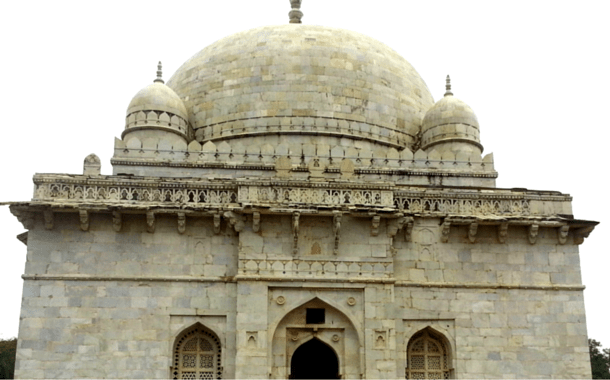
Hoshang Shah Tomb

It is said to be an inspiration for the Taj Mahal, it is built of white marble in its entirety. It is also said that this was the first marble structure of India. The elegant structure embraces Afghan art and architecture along with intricate lattice work and a well constructed dome. Hoshang Shah, being a dominant figure and a daredevil of his time, definitely ensured that he was laid down in style.

The city of lights

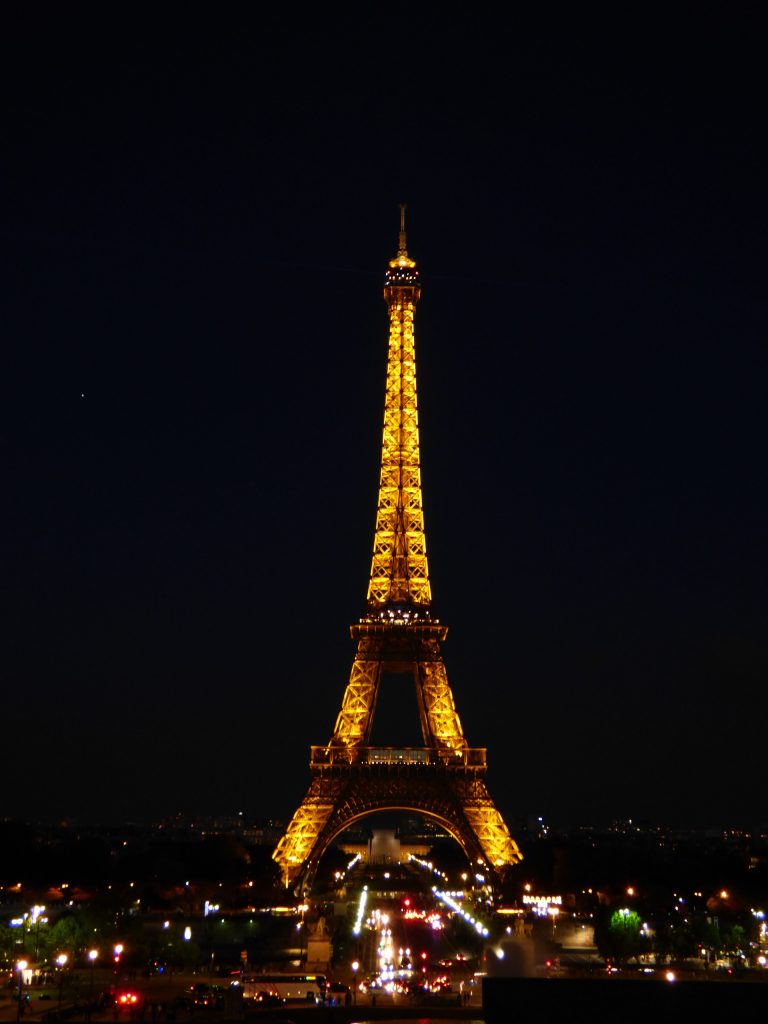
Welcome everyone today, we are going to know about the City of light. Do you have any guess about which city I am going to tell you about, well some of you have guessed right? The city of light is nor other than Paris.

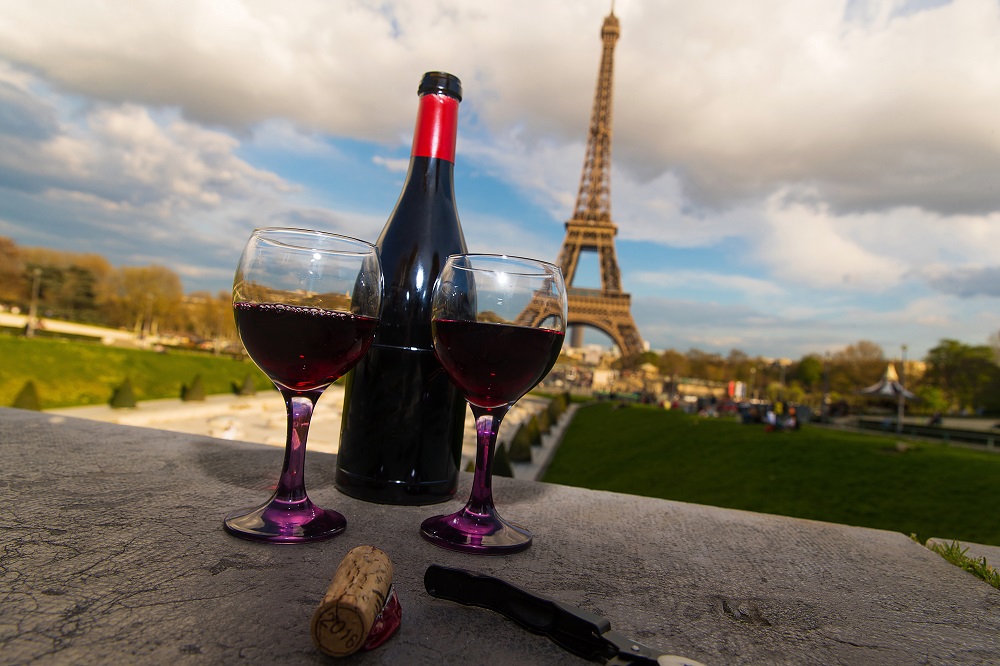
It is the capital and most famous city in France. Paris is referred to as the City of light because, at the Age of Enlightenment, Paris was the one is first to use gas street lighting on a large scale on its masterpieces and streets. Paris is the most visited place in the world of course who doesn’t want to go to Paris. I love traveling, but I had never visited out of India if I would get to chance to visit Paris I would like to go to see the Eiffel Tower because this is the wish that I want to fulfill. I know some of you who are reading this article had visited Paris and some have not, so don’t get upset if you have not visited Paris one day will come you will surely visit Paris. So, I hope your wish come true.

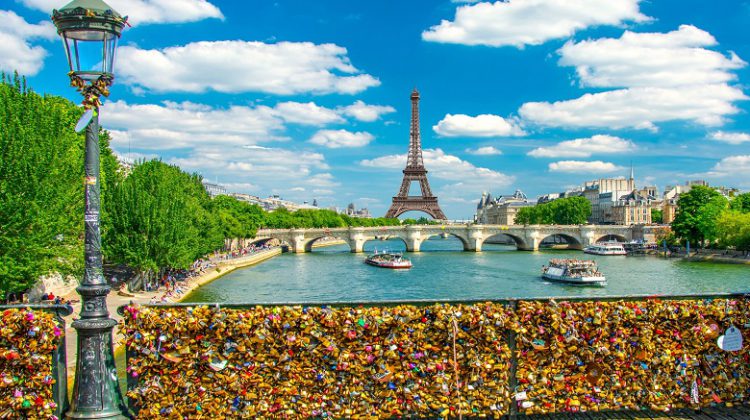
You all have heard there is a bridge where the couples go and lock in the bridge, and throw the key into the water, well I feel that is the most romantic places in Paris. Recently the love locks have been removed from the bridge for some safety reasons.

So there are fun and romantic things we can do in Paris:-

1. If you are going to Paris use should taste their French food Because, in this city, you can have the delightful recipes to eat.

2. You must taste their wine while you visit in Paris, as they have excellent wines in the city.

3. You can do their camp as in camping you can see the whole gorgeous city. While camping, people can climb to Eiffel Tower, visit the Louvre from there you can see the whole city from those places. I can say that when you will visit those places you will have the most enjoyable and lively.

So these are the fun things you can experience in Paris.

There are some mind-blowing facts about Paris you must know.

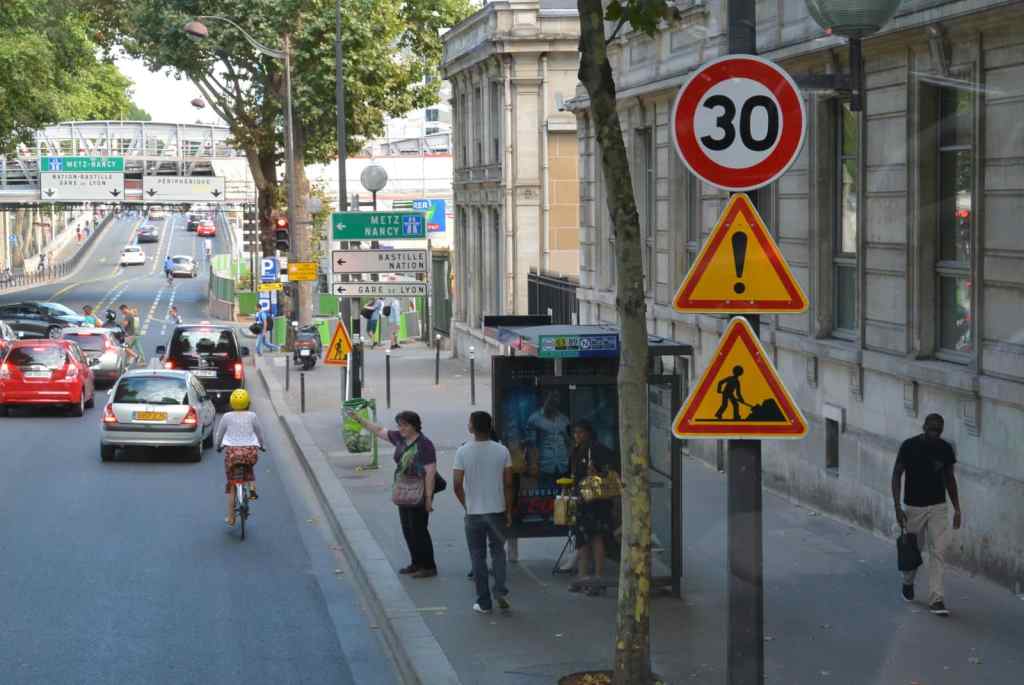
First, In Paris, you can see only one stop sign. Yes it is real in Paris there were no other stop signs, and this stop sign is located at the exit of the building company drive.

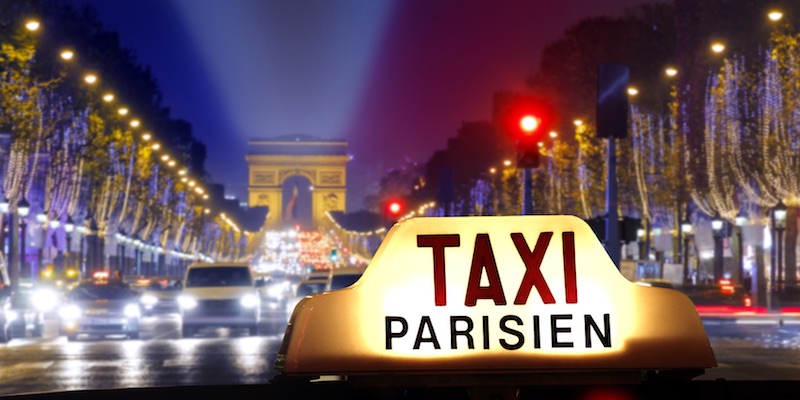
Second, In Paris, it is difficult to find a Taxi and if you get a taxi, you have to pay nearly 200,000 Euros. Yes, you indeed have that much money with you to hire a Taxi.

Third, there is a Statue of Liberty in Paris. You must be thinking that the Statue of Liberty is in New York how it can be in Paris? But there is indeed a Statue of Liberty.

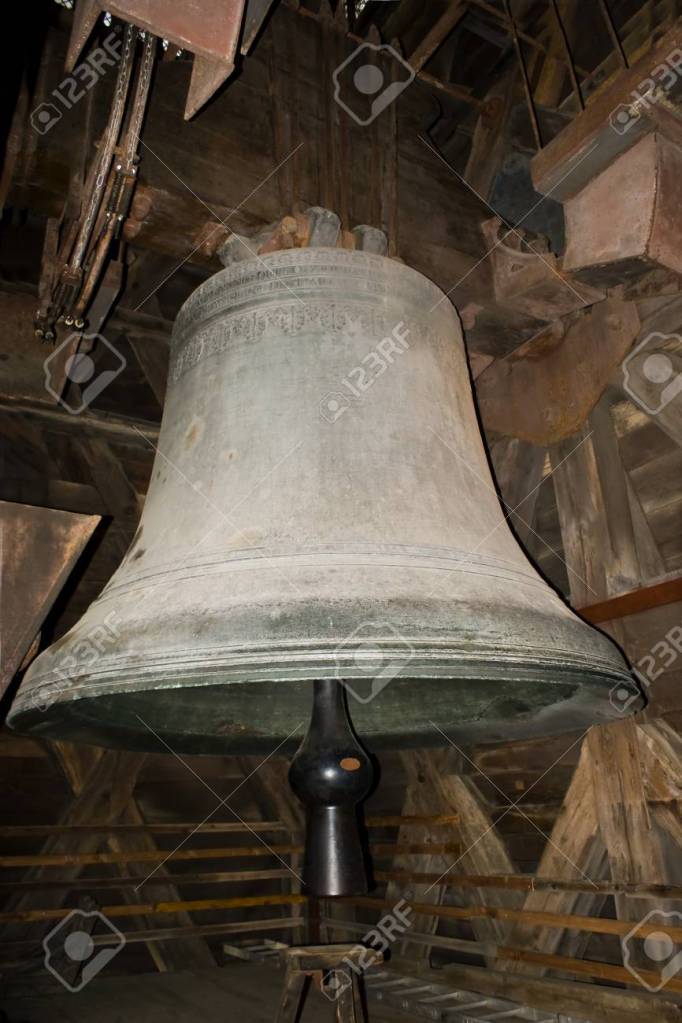
Fourth, The bell which is of the Notre Dame Cathedral is about the weight over 13 tons. It means it is the weight of three big elephants. So these are the facts about Paris.

I hope you enjoyed this article, let me know have you attended Paris or not and what do you think about Paris.

Thank you for reading my article and have a nice day.