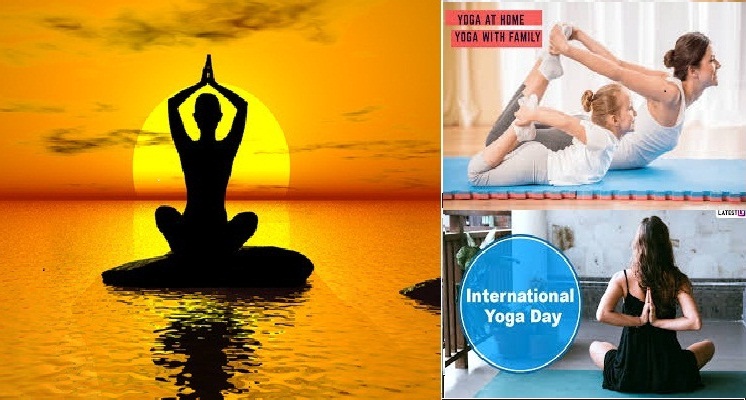
Increasing Relevance of Yoga in Modern Times

Yoga is one of the most ancient Indian Philosophical and Practical system propounded by sage Patanjali (150BCE). Yoga enhances the potentialities of the people. One should control the mind and practice the moral and ethical disciplines before attempting serious Yoga. Yoga should become lifestyle and people should control their food habits, entertainment, trade and commerce in order to be good citizens of the country. Ever since UNO declared June 21st as International Day of Yoga, celebration of this event has become a good phenomenon. Yoga is not about stretching of the body, it is about the self realization.

Yoga-Indian Ethos

Yoga should become a part of our everyday life. Yoga is an ancient Indian science having a scientific background which has an antiquity of 11,500 years. Practice of Yoga can enhance physical, mental, emotional, intellectual and spiritual powers of people. Sage Patanjali says: ‘Yoga can control the modification of our mind-stuff’. Sage Vashisth says in Yoga Vashista treatise that ‘The means for calming mind is called Yoga. India is in the frontline of information technology, biotechnology, nano-science and other types of research. The internal and external stresses of people in these fields can be relieved by practicing Yoga and also for attaining peace and comfort. Various Yoga organization and NGOs and several central universities have popularized Yoga worldwide with efforts.

Yoga and Health

The systems of Ayurveda, Veda and Yoga have enhanced the health and longevity of Indians since time immemorial. Chakara while elaborating on the issue of health of an individual says that complete health means the totality of health body, sense organs and pleasant mind which has been incorporated in the motto of World Health Organisation. In this context, the great contributions of ancient Indian medical doctors like Chakras, Nagarjuna and other Vedic sages merit our attention.

Yoga and Youth:

Yoga should be imparted to children from very young age and it should become their lifestyle. Yoga would become a powerful means for promoting ageless Indian culture and tradition. The practice and perfect understanding of four streams of Yoga such as knowledge ( Jnana Yoga), action (Karma Yoga), devotion (Bhakti Yoga) and meditation (Raja Yoga) would calm down body, mind and release stress. Indian youth who form more than 50% of total population should practice Yoga for the overall development of their personalities. One can learn good habits, become model citizens on the country by practicing Yoga ethics and this alone can bring holistic health for people. Yoga lore are the principles and techniques that are practically applied in the SMET (Self-Management Excessive Tension) program, which has received global popularity for its effectiveness in the stress reduction. Especially the super-busy Executive world has finding great value in regular SMET practice; as it brings about the ‘expansion of awareness’ and ‘depth of perception’ through cyclic pattern of stimulation and relaxation. Yoga could promote the concept of ‘Earth is but one family’ (Vasudhaiva Kutumbakam). India can emerge in yogic and spiritual planes and earn the encomium of Yoga Vishwa Guru among the comity of nations in the coming years.

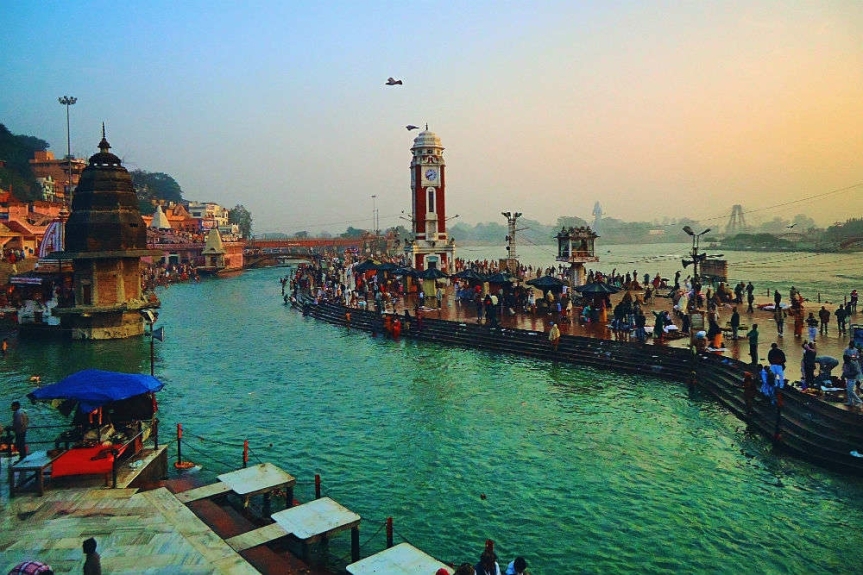
River ganga – the goddess of India

Emerging from the pure hairs of the lord Shiva, the river Ganga, is considered the holiest and the purest of all, which is said to heal up all the pains and grievings of those who worship it with a pure heart. Despite being worshipped for centuries, its condition is has been worsened over the past few years. Continuous growth of the human civilization and performing the rituals at the same time has become a bane for the river that is worshipped with love and respect.Originating from the lap of Himalayas, it has made its way through most of the states in India. Right from Gangotri, to West Bengal it sheds its water and provides livelihood to million and thousands of humans as well as animals.

Ganga – the holy river

The Ganges, it is the sacred river to Hindus along every fragment of its length. Every year millions of people come and pay homage to the holy river and bring back with them the pure water of this river, along with performing lots and lots of rituals, such as paying homage to their ancestors, offering flowers. And its historic significance is worth noting that makes it the most beautiful and sacred rivers in the history of Indian culture.

The story begins with a sage, Kapila, whose intense meditation has been disturbed by the sixty thousand sons of King Sagara. Livid at being disturbed, Kapila sears them with his angry gaze, reduces them to ashes, and dispatches them to the netherworld. Only water of Ganges, then in heaven, can bring the dead sons their salvation. A descendant of these sons, king, Bhagirath, anxious to restore his ancestors, undertakes rigorous penance and is eventually granted the prize of Ganges’s descent from heaven. However, her turbulent force could also have shattered the earth, Bhagirath persuades Shiva in his abode on Mount Kailash to receive Ganges in the coils of his tangled hair & break her fall. Ganges descends, and arrives in the Himalayas.

It’s history and religious significance is far from what we hear and believe today. The river that has been given the status of “mother”, it has been seen from time to time in different contexts and religious books. Yet, one or the other story is left behind which seems to be there in Puranas and books.

Ganga – geology and humans

Made with the confluence of Bhagirathi and Alaknanda rivers, the length of the river is frequently said to be slightly over 2,600 km long. The discharge of of the Ganges also differs by source, and it has changed its course a different periods of time.Human development, mostly agriculture, has replaced nearly all of the original natural vegetation of the Ganges basin. More than 95% of the upper Gangetic Plain has been degraded. The river suffers from severe pollution, caused due to dwelling of millions of people close to the river, industrial waste, sewerage disposal and mining, etc.

World Bank estimates that the health costs of water pollution in India equals 3% of India’s GDP.

Adding a huge amount of pollution to the river the cities of Varanasi, Kolkata, Patna, Kanpur produces the most waste that eventually results in conditions such as –

  • Shortage of water for basic requisites
  • Killing of large and rare fauna species
  • Degradation of quality of water
  • High risk of water borne diseases

Economy, environment and mission –

The river Ganga is not only a river, but attracts a large number of tourists every year because of its long history and religious beliefs associated with it. The Kumbh Mela, is one such example that attracts millions of “Bhakts” and tourists from every corner of the world. Adding to the country’s economy and providing a fair amount of money in terms of tourism. But, it is an unfortunate circumstances for the country that the holiest river is constantly loosing its beauty and religious belief due to increased risk of pollution and water degradation. Due to which the government is constrained to take stricter actions.Several projects, such as Namami Gange programme, NMCG (National Mission for Clean Ganga), Rejuvenation Protection and Management. The government has also made tireless efforts to maintain a ministry for Water Resources, River Development and Ganga Rejuvenation. A total budgetary outlay of Rs. 20,000 crores for 5 years period till dec. 2020 has been provided to accomplish the twin objective of effective abatement of pollution, conservation and rejuvenation of National River Ganga.It’s never too late to start off with a good deed and protect our national wealth, and its the right time to prevent our sacred river Ganga from getting degraded and providing it a new life, so that not only us, humans could be benefited, but can provide a home to rare and endangered species of flora and fauna. Be it government, or the common country man, the joint effort of both can bring unbelievable results and preserve its historicity, economy as well as the geology of the country.

Amber Fort

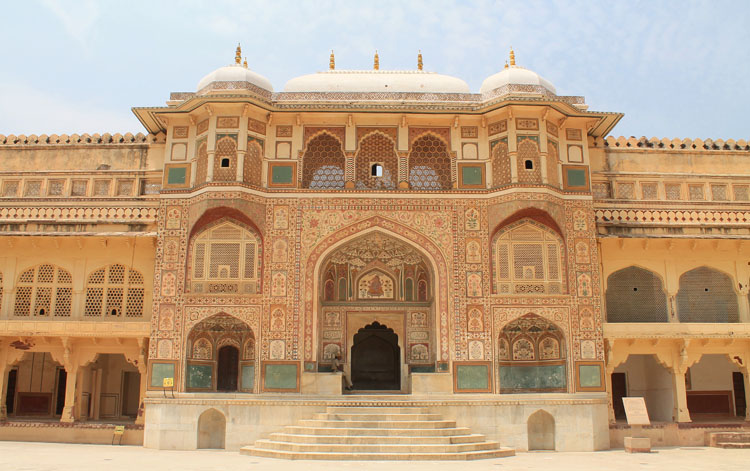
Amber Fort is very famous tourists place in India. It is located in Amer, Rajasthan, India. Amer is basically a town in Rajasthan ahead of Jaipur which is also the capital of Rajasthan. This Fort is mainly built by Meenas which is tribe in Rajasthan, India. Many people or tourists are attracted to This Fort whenever they come to visit Rajasthan, India. It is the principal of tourist attraction. This Fort is also name as the Artistic style elements. With large series of gates and ramparts, makes it attractive. The only source of water in the Fort is Maota Lake.

Amer or Amber name derives from the Ambikeshwar Temple, which was built atop the Amer Fort. The name Ambikeshwar is a local name for God Shiva. However the local people says that the name Amber derives from Amba, the Mother Goddess Durga. This palace is situated on a forested hill and a narrow road leads to the entrance gate which is also called the Suraj Pol (Sun Gate). Earlier for riding up to the Fort elephants are used for riding but now jeeps are being used for riding up to to the fort. The architecture of this fort is very attractive as well as beautiful. There are mainly six separate sections in the Fort with their own entrance gate and courtyard. The first main entrance is Suraj Pol (Sun Gate) which leads to first courtyard. The second courtyard is up to the stairways which is the Diwan-i-Aam or the Public Audience Hall. Third courtyard is entered through Ganesh Pol or Ganesh Gate. It is a courtyard where private quarters of Maharaja, his family and attendants were located. Fourth courtyard is where all the queens are resided. This courtyard has many rooms with a common corridor as all the rooms are opened. This palace was constructed of red sandstone and marble with opulent palace laid with four levels, each with a courtyard.

This Fort of Rajasthan with six courtyards are included in the UNESCO World Heritage Site during 37th meeting of the World Heritage Committee in June 2013. It was considered as the examples of Rajput Military hill architecture. Around 4000 to 5000 per day tourists are being visited during peak tourists season. In the main entry there were guards so that no one can unknowingly visit into the Fort. For visiting into the court one has to go through the entry charges. This fort is known in medieval period as Dhundar which means attributed to sacrificial mount in the western frontiers. The current Amer place was created in 16th century with larger palace to the already existing home of the rulers. The older palace was known as the Kadimi Mahal (Persian of Ancient). It is the only serving palace in India.

Hence this fort is the most visited place in India. Although many ancient structures are destroyed or replaced in the medieval period. However, Amer Fort is very well preserved and a place to be visited in India.

Quwwat Ul Islam mosque – place that reveals a great dynasty

Situated at the center of the Qutub Minar complex in the city of Mehrauli,the Quwwat Ul Islam Mosque is the first ever mosque made in India, during the sultanate period. Today, stand by only it’s walls which represents extravagant yet very minute architecture of the Slave dynasty. It’s marvelous architecture and design makes it an attraction point of the Qutub complex, against which stands the Mehrauli iron pillar. And is added up as UNESCO‘s World Heritage Site. The history of this site is both so interesting and large that makes a huge amount of visitors to pay a visit to this place every year.

The history –

It was in the year 1193 AD, when Qutub ud – din Aibak, founder of The Slave dynasty conquered the Quila Rai Pithora of the Chauhans and was eager to leave the imprints of his religion to the new territory. He commissioned the mosque using the ruins of 27 Hindu and Jaina temples. And was built over the site of a large temple located at the center of the citadel.
Quwwat ul Islam mosque, also known as Jami masjid or the Friday mosque  then came to be used for performing the adhan and became one of the best architectures of the sultanate period, that also made a benchmark for the coming sultans to think upon.

Architecture and design –

Archaeological Survey of India states that the mosque was raised over the remains of a temple, and in additio, it was also constructed from materials taken from other demolished temples. Historical records compiled by a Muslim historian Maulana Hakim Saiyid Abdul Hai corroborate to the use of iconoclasm by Qutub ud din Aibak, which was common during his reign.
The mosque was further extended by Sultan Iltutamish (1296), who gave a more complexity to its design.
The iron pillar of Mehrauli, located on the stone pavement in front of it adds to its beauty and history.
The complexity of its design and architecture is what intrigues most of the visitors paying visit to the place. The central arch of the mosque is ogee in shape and the screen is sculpted with religious texts and floral patterns. One of the historians believe that it was not constructed on scientific approach, but in Corbel style as indicated by the variations in the patterns of the arches. The front wall that we see standing still today came to be known as the Western Wall. Though it was a magnificent monument, built with an entrance to the courtyard, and grey colonnades made of greystone.

Quwwat Ul Islam mosque today –

It is a great example of Muslim architecture and establishes a prominent role of the sultans in portraying their power and rule over the city of Delhi. But today it stands in ruins with only it’s front wall remaining with indigenous corbelled arches, floral morifs and geometric patterns, along with other Islamic structures. As per the government data reviewed by ET, Qutub minar complex is the second most visited monument in the country in 2018-19. It is estimated that 2.9 million people visited the place in 2018-19.It’s really a place worth appreciating, and attracts the visitors due to its everlasting beauty. The place is a true example of establishment of the power of Slave dynasty in Delhi and India.

Film Review Of an overrated B’wood Movie I’ve Seen In Recent Times

Well, overrated would actually be quite an inappropriate word to use, so let’s just say it was a disappointing movie for it did fail at delivering what I and most of the viewers expected it to.

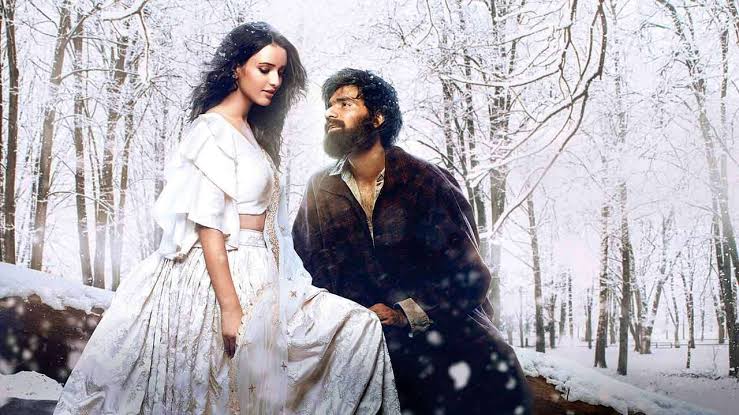
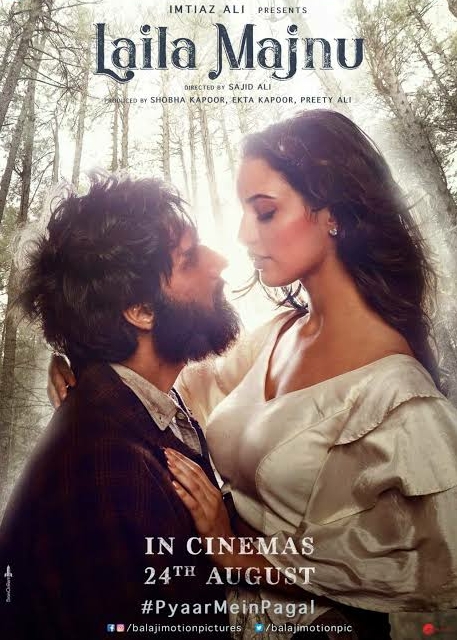
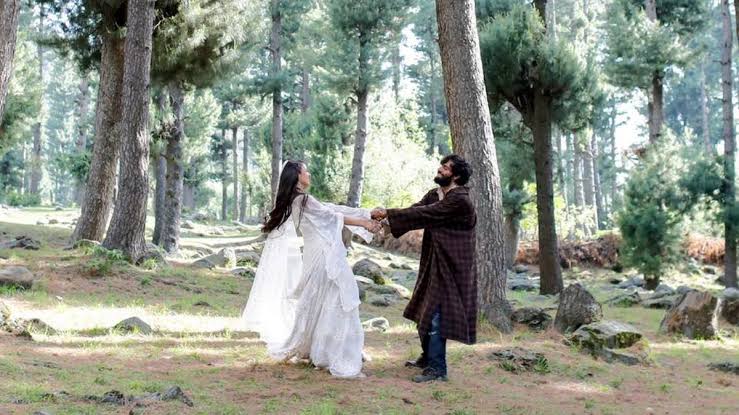
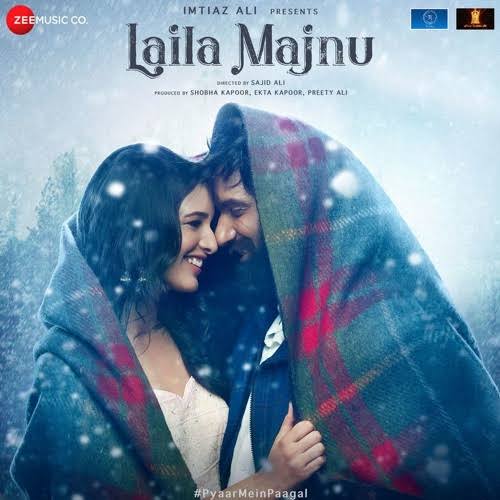
This movie that I had watched just 2 weeks ago ,”Laila Majnu” set in Kashmir directed by Imtiaz Ali went a bit over my head and hence became a reason of my dislike. The first half an hour is fine and in fact quite engaging. The male and female protagonist are into a kind of flirtationship, some cliché stalking from the guy’s side happens and then they soon fall for each other, ask the girl finally gives into to the boy’s advances. The romantic medley depicting this blossoming of love is just amazing! #Aahista Check out this clip here. https://www.instagram.com/p/BmQVM8thKNQ/?igshid=efdd6ydad9my

Their families are arch rivals. Laila gets married to somebody else owing to a misunderstanding. The story then takes a turn of events until both of the leads get united post Laila’s repentance as she came vis-à-vis the reality of (Qais) Majnu’s innocence and her husband’s real attitude soon after her marriage. So she was delighted to see Qais aka THE Majnu back in the town after 4 long years. After her husband’s demise in an accident, Laila had to wait for 3 more months to be able to marry Majnu as per an Islamic tradition.

Majnu was heartbroken still did not express anything because he was tired of waiting for his ladylove so he sought refuge in his distant, tranquil farmhouse. There he is portrayed as a mad lover through typical actions of running around, screaming out loud and it just didn’t seem to make sense to me. Seemed as if he got struck by sufism and that he came to realize that he didn’t any longer require Laila for the fulfillment of his love story. For he is so content and at absolute peace by just seeing Laila (an illusion actually) in a beautiful white fairy gown in front of his eyes, he is seen talking to her and that’s the reason why the people declared him mad.

  Laila then came to see him and she realised this as well that Majnu no longer needs her physical self to celebrate his love, for his love has evolved much more in deeper sense and left her body soonafter. Majnu is also shown to be dead near Laila’s grave. The ever-so-mind-bewildering story then ends with the song Jab Se Tu Meri Hai Tab Se Main Tera hu Laila. What questions pops up on my mind is that when one attains such deeper, higher form of divine, selfless love then it definitely would not lead to the downfall of that person that he would go insane. From what I know, true love only supports growth of both individuals and can never result in negativity as it is the only positive this world has to offer. So this story line contradicted the universal truth and just didn’t go well with me otherwise the scenes, the acting, the dialogues,
music and everything was top notch except for the way in which it’s plot progressed.

The leads, Avinash Tiwary and Tripti Dimri are coming together, yet again, for a Netflix Original “Bulbbul”. Checkout the trailer. Given that the chemistry of the leads was sizzling and they look cute together, I am sure you would not want to miss out on this one, especially if you love psychological, supernatural or thriller stuff.


https://www.instagram.com/tv/CBmurMRJI0O/?igshid=nzog9sschu2y

Architectural Beauties of India

India is one of the oldest civilizations in the world. Among all the known civilizations in India, Indus Valley civilization(2600 BC- 1900 BC)is the oldest one. 

It produced several cities marked by great uniformity within and between sites, including Harappa, Lothal, and the UNESCO World Heritage site MohenjoDaro

After this civilization, many empires have established in India among which architectures of the Maurya Empire and Gupta Empire show magnificent beauties.

The rock pillar of Ashoka shows a variety of influences in its details.

The Buddhist culture was one of the dominating cultures in India. Buddhist monasteries and stupas were built all over India before it eventually spread to other countries.

Ajanta, Elephanta, and Ellora are architectures of respectively Buddhist, Hindu, and mixed including Jain cultural beauties.

In south India Pallavas and Cholas, buildings are also amazing examples of some of the Flamboyant beauties of India.

some of the Architectural Wonders of India are-

      The Taj Mahal

Magnificient Taj Mahal

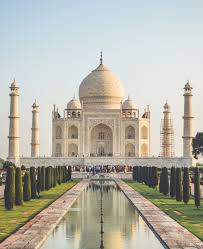
TAJ Mahal, the symbol of love was built by the Mughal emperor Shah Jahan in 1653 AD in the memory of his beloved wife Mumtaz. 

It is a combination of Hindu and Indo-Islamic architecture. The white marble was bought in from Makrana in Rajasthan and was transported by elephants.

This one of the seven wonders of the world comprises of a square plinth having a central structure topped by a huge dome and surrounded by four minarets at each corner.

This white marble beauty’s exterior changes colors from a pinkish hue in the dawn to a dull gold at noon and finally, all enduring sparkling white under the moonlight.

The Ellore Caves

Ellora Caves

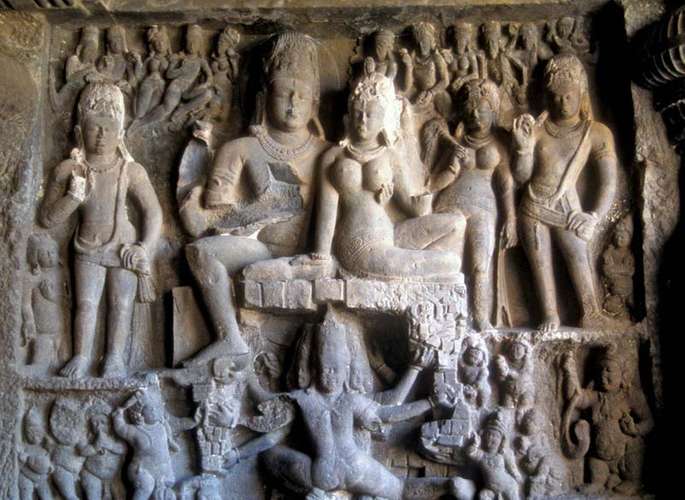
Ellora caves are listed by UNESCO as a world heritage site located in Maharastra. It is a combination of Buddism, Jainism, and brahmins cultures.

Ellora served as a group of monasteries (vihara) and temples (chaityas); some of the caves include sleeping cells that were carved for itinerant monks.

The caves consist of series of 34 rock-cut temples. Kailasa temple, Hindu Caves, Buddist Caves, Vishwakarma Caves are some of the caves of the Ellora. Among which Kailasa temple is the largest rock-cut structure anywhere.

The elegance of Dravidian Sikhara, which is a flat-roofed mandapa positioned over sixteen pillars, the gigantic Ravana figure reflecting the strength of this villainous legend as the sculpture here shows him lifting Mt Kailasha is an epitome of the ancient Indian art.

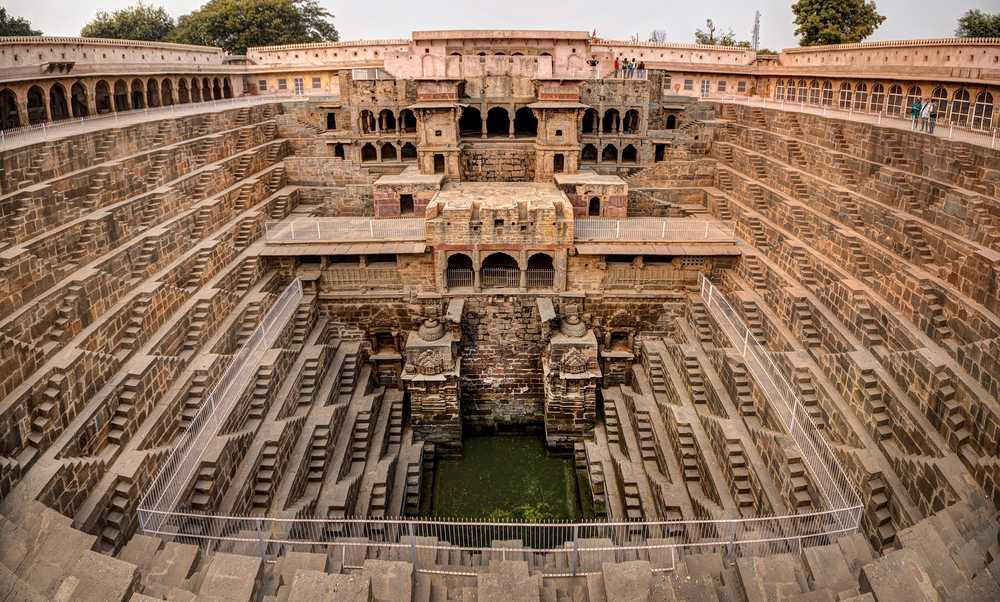
Chand Baori

Chand Baori

It was built in the 9th century by the king Chanda. Chand Baori consists of 3500 steps called Baori or Bawdi, which leads down to the water of the well.

It is about 64 feet deep and India’s largest and deepest stepwell with 13 floors.

The exquisite geometry of the stepwell attracts tourists from all over the world.

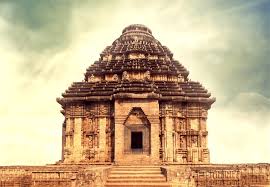
Sun temple KONARK

Sun temple Konark

Dedicated to Hindu God Sun, Sun temple KONARK was built in 13th century CE at Konark about 35 kilometers from Puri on the coastline of Orissa, India.

Temple complex has the appearance of a 100-foot (30 m) high chariot with immense wheels and horses, all carved from stone. 

Lying on the coast of Bay of Bengal, it is considered one of the best examples of Dravidian Architecture. Also known as the Black Pagoda, it is considered as one of the grandest temples in India. Built-in the 13th century, it has a form of a giant chariot with twelve intricately crafted wheels led by seven horses. A true marvel that shows the advanced craftsmanship as well as love and devotion of that era for art.
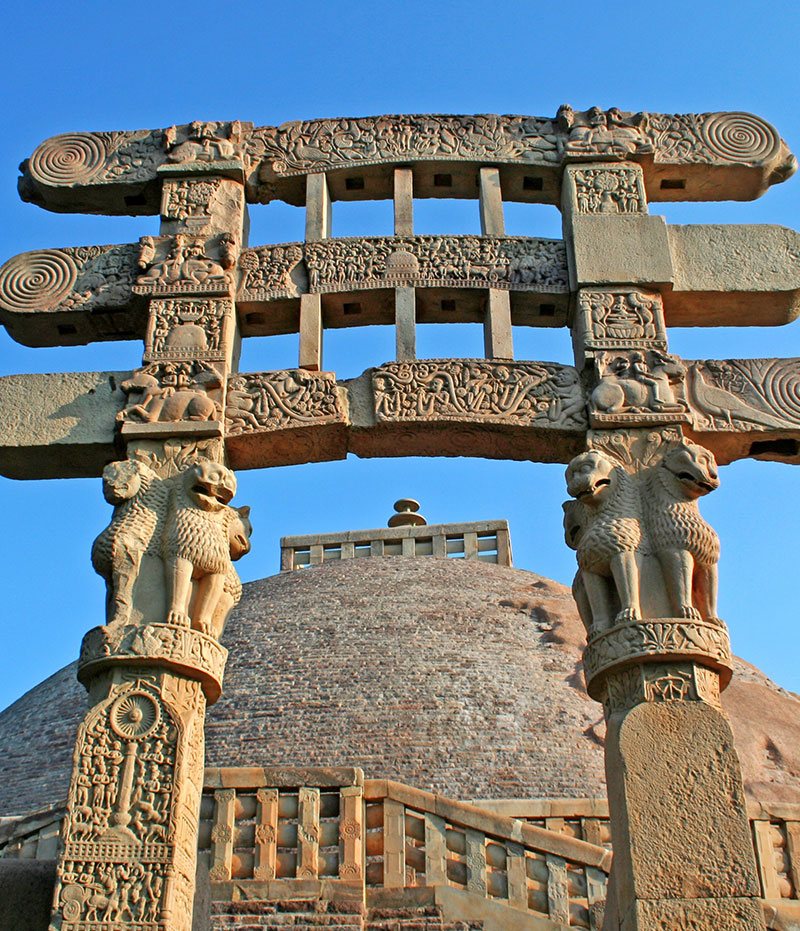
The Sanchi Stupa

Sanchi Stupa

It was built in the 3rd century BC on the order of Emperor Ashoka to spread Buddhist Philosophy.

 A stupa is generally a hemispherical dome structure containing relics of Lord Buddha. In this particular stupa, Lord Buddha has been symbolically represented by footprints, thrones, wheels, etc. and all of them are exquisitely ornamented.

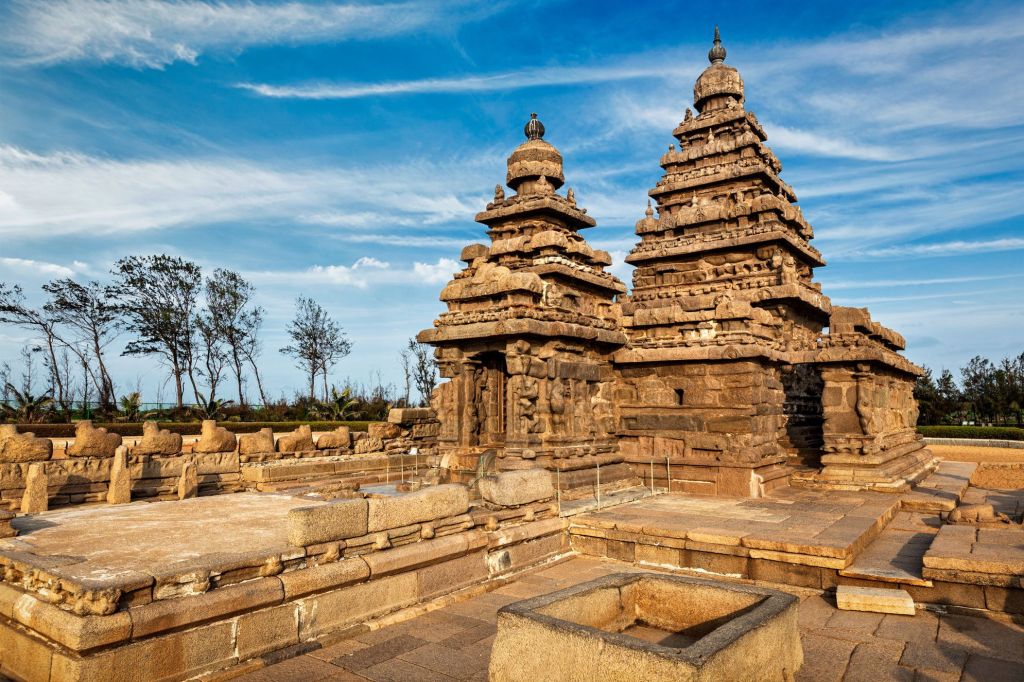
Mahabalipuram Temple

Mahabalipuram Temple

The rock-cut carving of Mahabalipuram depicts the scenes of the great epic Mahabharat.

The temple is most famous for its depictions of the chariots of the warriors of the Mahabharata, called Rathas all of which are in a specifically designated form, some rising to as high as two or three stories. There is another remarkable sculpture that adorns the temple walls which is called the Descent of the Ganges. Depicting the time when Lord Shiva made the River Ganga descend from the heavens to the earth, it uses the natural relief of the rock to emphasize the river and has carvings of various Gods and Goddesses beholding the wonder with their open eyes. The intricacy and ingenuity of the carvings are an example of the skill of the craftsman who constructed these temples way back in the 7th Century!

Khajuraho Temple

Khajuraho Temple

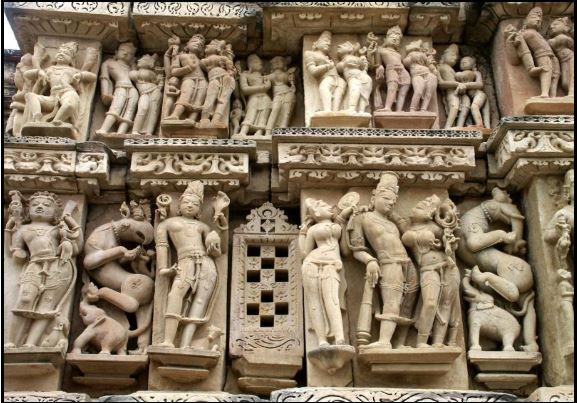
Khajuraho temples were built between 950 AD to 1050 AD by the Chandela dynasty. These are a group of Hindu and Jain temple in Chhatarpur district Madhya Pradesh.

These are a group of 85 temples. Falling into ruins, wars, and natural hazards, only 22 out of these remain today and are spread over a stunning area of 6sq.km. 

The temple complex has three distinct types of carvings, the cult icons, the Apsaras (beautiful maidens), and demigods that are supposed to guard the temple. An example of the finest craftsmanship and precision all of the figurines appear in perfect human symmetry, is it a wonder then that it is said that to see all the stages of human life and its activities, one has but to visit these temples and observe the carvings!

Indian Culture

India is a republic country which is situated in South Asia. It is the most popular democratic country, second most popular country with its population and seventh most largest country by its area. It’s culture is also most popular in the world. The culture of India is unique and distinct of all the communities and religions present in India. Its architecture, dance, art, music, food, languages and customs are different from rest of the countries. These different culture also differ from place to place in the country. That’s why Indian culture is unique and different in its own way.

Indian culture basically come from its communities and religions. Every religion or community in India has their own unique specialty. It is a birthplace of Hinduism, Buddhism, Jainism, Sikhism and other religions. Indian society culture is one of the most religious and ethnical diverse society in the world. Every state in India has their different religion as well as different festivals within the society. With being multi-cultural, India respects every religion and their culture or festivals. These festivals are being celebrated with great enthusiasm among all the religions. Not only with the festivals but also with dance and art of every religion is being appreciated by everyone in the country as well as around the world. It is a specialty of India. With different in art, dance and festivals there also come food. Indian food is also very famous around the world. It carries good cooking technique, styles, unique presentations, etc. which also different in its own way. From vegetarian to non-vegetarian, Indian food has its own style and specialty. Other than food, Indian culture is also famous for its clothing. Traditional clothing is very popular in India. They know the perfect sense of makeup as well as styling themselves with ornaments and other fashion.

Not only just food, arts, clothing, and festivals has the specialty but also there are many more which a special and unique in their style such as:

  1. Architecture (India is among the most visited tourists country in the world for its architecture.)
  2. Sculpture (Leads to classical Indian art)
  3. Performing Arts (includes dance, music, theatre)
  4. Sports (Indian Martial Arts)
  5. Media (Television, Cinema)
  6. Greetings (traditionally forms of greetings may be absent in the world of business)
  7. Languages and Literature (distinguished languages of various religions)
  8. Animals (varied and rich wildlife has an impact on region culture)

Indian culture made it unique and uncommon with its huge diversity. It also inspired many writers to write upon Indian culture. Indian culture is being looked over around the world and hence it is the most visited tourists country among the world. However, Indian Culture will developed time to time without forgetting its ethics and values.

“In religion, India is the only millionaire. The one land that people desire to see and having seen once, by even a glimpse, would not give that glimpse for all the shows of all the rest of the globe combined.”– By Mark Twain

The 1600 Year Old Rust Free: The Iron Pillar of Delhi

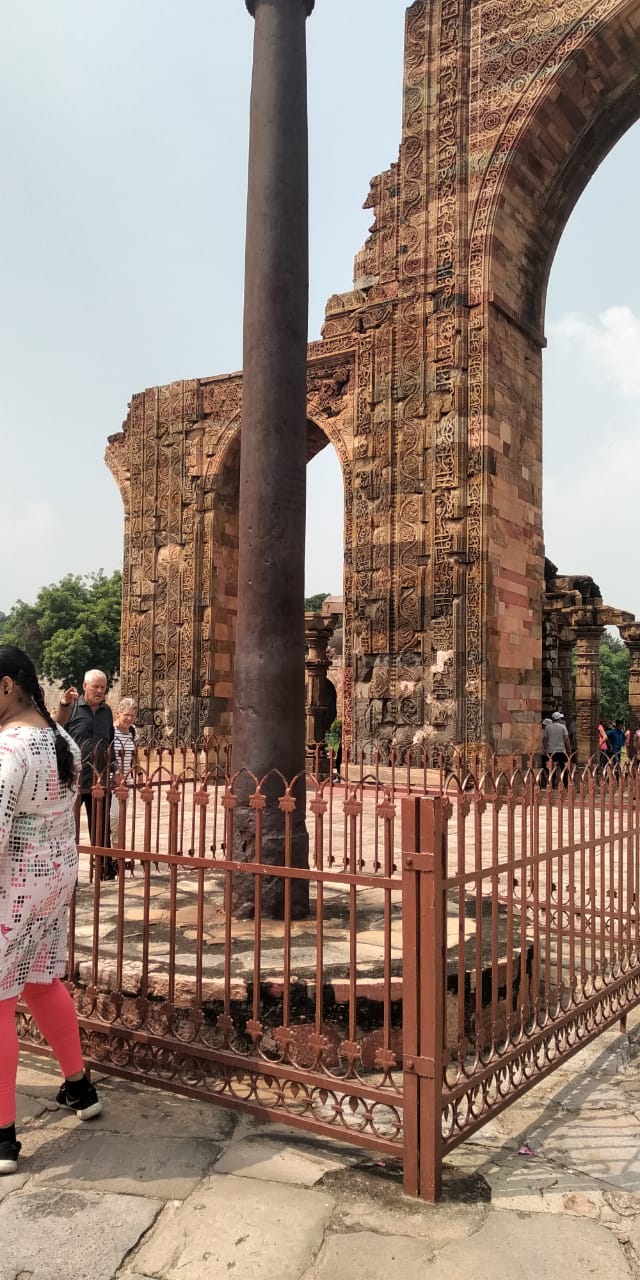
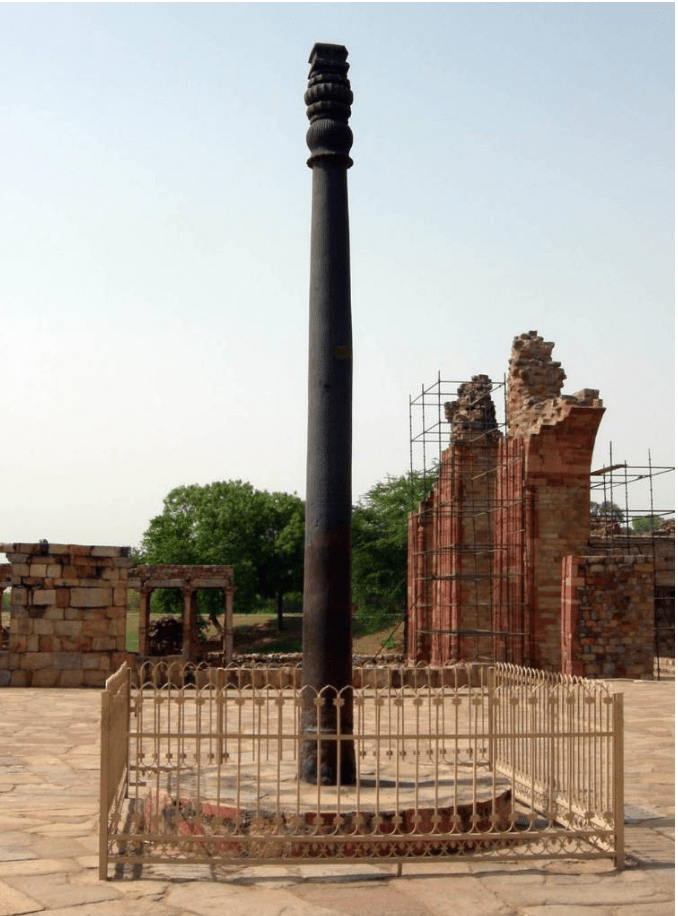
An unsolved mystery, the IRON PILLAR OF DELHI now standing at Quwwatul mosque at Mehrauli in Delhi, India. The 7.21 meters tall structure all most 1600-year-old stands completely rust-free. The pillar was constructed by “King Chandra” probably Chandragupta2

Iron Pillar Of Delhi

pillar was certainly used as a trophy in building the Quwwat-ul-Islam mosque and the Qutb complex, its original location, whether on the site itself or from elsewhere, is debated. The Iron pillar of Delhi is one of the most curious metal objects in the world. It was manufactured by the forge welding of pieces of wrought iron. In a report published in the journal Current Science, R. A critical corrosion-resistant agent called iron hydrogen phosphate hydrate makes the pillar resistant to rusting.

Experts at the Indian Institute of Technology have resolved the mystery behind the 1,600-year-old iron pillar in Delhi, which has never corroded despite the capital’s harsh weather.
Metallurgists at Kanpur IIT have discovered that a thin layer ofmisawite“, a compound of iron, oxygen and hydrogen, has protected the cast iron pillar from rust.

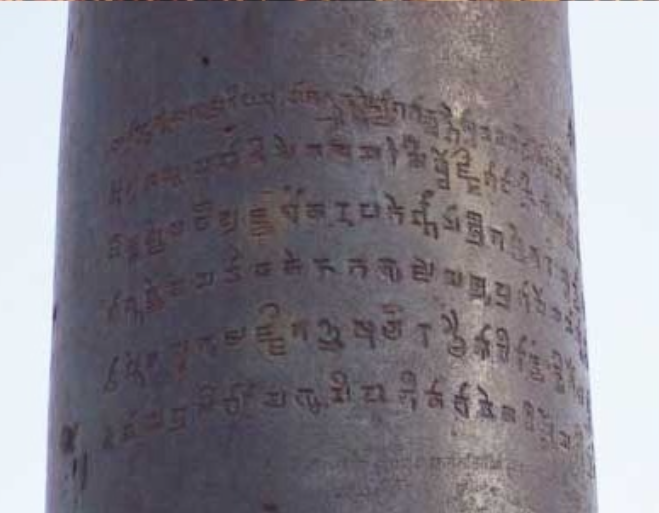
The pillar bears an inscription which states that it was erected as a flagstaff in honor of the Hindu God and in the memory of the Gupta King Chandragupta II (375-413). How the pillar moved to its present location remains a mystery.

The question remains that how was such chemically advanced agent manufacture 2000 ago.

The pillar is a living testimony to the skill of metallurgists of ancient India

Flavors of Delhi

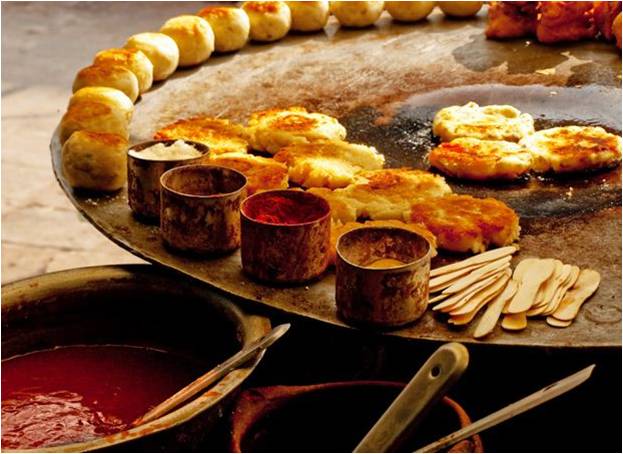
Aloo Tikki, Afghani Street Bites, Chaat, Kebabs, Kachori Aloo, Chhole Bhature, Rajma Chawal, Parathas – these are reasons enough to call the Capital Delhi-Belly.

Delhi has always been a diverse city with people coming from all over India to settle and start a new life here. Many people know Delhi to be a city of rich cultural heritage. But Delhi, as a city, is so much more than that. And one aspect of this is the food in Delhi that makes it a great tourist place. The people of different cultures and traditions have brought with them their unique tastes to Delhi too.

It is not a hidden fact that Delhi has no particular food culture; the city acquires the identity of all types of people living here in its food preferences. The maze-like alleyways and marketplaces of Delhi are known to lure foodies with their curbside kiosks serving rich in taste street food while the studded restaurants add their own charm and elegance to the cuisine of the city.

Being an amalgamation of several cultures, Delhi is among the few places where you can find a South Indian devouring a serving of Butter Chicken and a Bengali enjoying Idli Sambhar, and it is not even astonishing anymore. The best part about this is that all these recipes are age-old, being handed down from generations after generations, helping them stay true to their original flavors.

Here’s what Delhi has to offer, apart from the traditional cuisine from all the states:

  • Mughlai Cuisine: One of the oldest cuisines being served to the Delhiites is the Mughlai cuisine. Even today the taste of the Mughal era can be felt in the Kebabs from the time of Delhi Sultanate while Nihari and Biryani have become a household name. The delicious fruit-flavored sorbets or Kulfi as we know them today were originally served in the Mughal kitchens. Karim’s and Ghantewala, famous for their Kebabs and Karachi Halwa respectively, have also served many of the Mughal emperors in the past.

  • Street Food: Another group of delicacies bringing the people together is the street food available in almost every lane of the city. Names like Sita Ram Diwan Chand, Bittu Tikki Wala, Nataraj Dahi Bhalla, Daulat Ki Chaat, and Al Jawahar have been churning out some of the country’s best street grub. There is a street named Parathe Wali Gali in Chandni Chowk which in itself is enough to show the love people of this city have for Parathas.

  • International Cuisine: Along with the traditional dishes, Delhiites have also truly embraced the authentic International cuisines which means there is no trouble finding Chinese, Thai, Italian, and French cuisine to name a few. The Churros with chocolate sauce at La Bodega, the Glass Noodles at Gung, and the Cheese Kunafa at Zizo are gradually making their way into the hearts of Delhiites.

The diversity that Delhi shows in its food culture is a mere reflection of the people who have lived here in the past and the people who call it their home in the present. It is this diversity that brings the people together and makes Delhi a better tourist spot.

Indian Women Who Are FIRSTS In Their Field

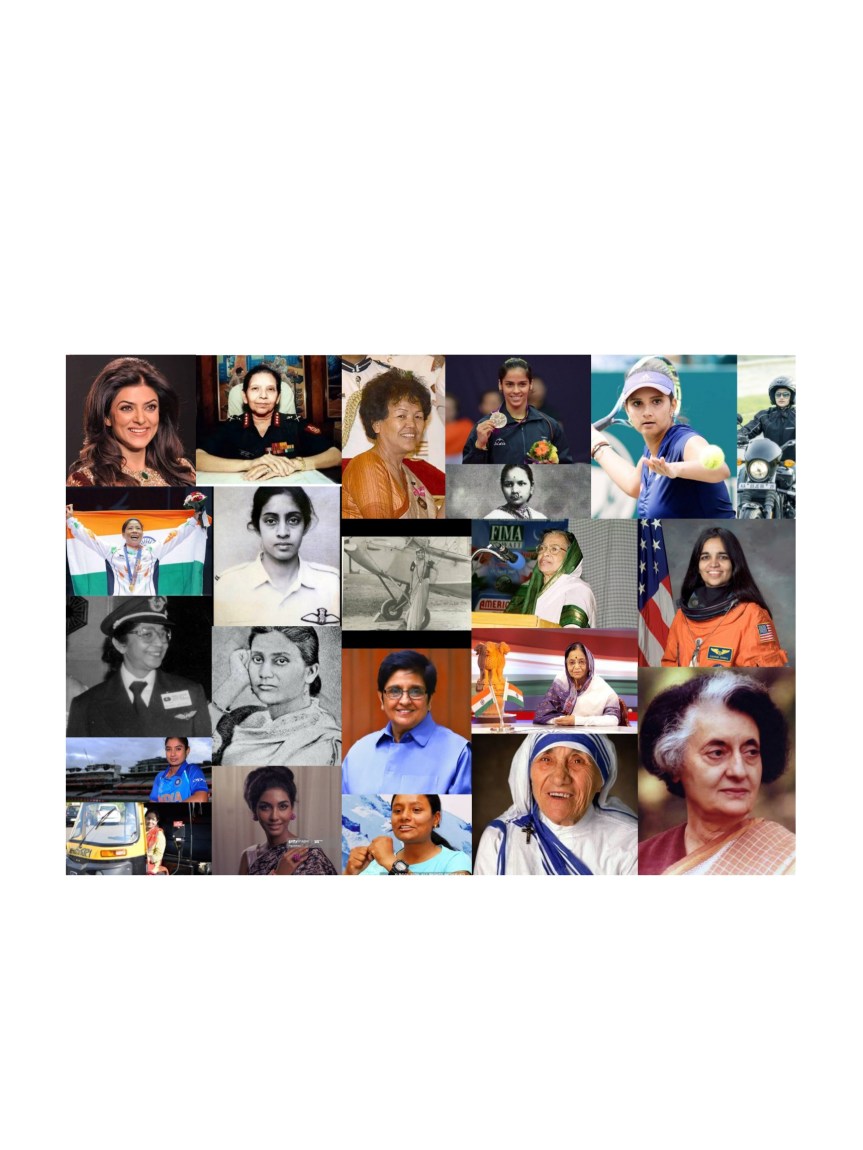
In Indian history, where we find once upon a time women were not allowed to come in front of the males. They didn’t have the right to study, they didn’t have the freedom to talk. But some of the women who had broken the gender barriers worked hard for their rights and pioneers of woman empowerment, let’s see those women who are proved themselves in different fields and inspired millions.

1.Kadambini Ganguly was the first Indian and South Asian female physician and surgeon,1886 trained in western medicine, as well as one of the first female graduates in India, 1882

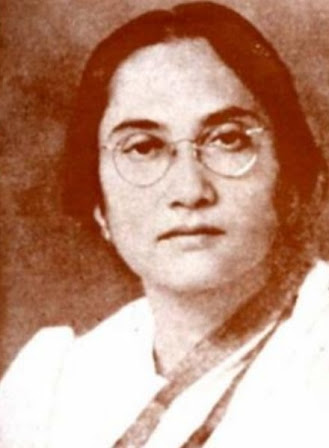
2.Chandramukhi Basu was one of the first two female graduates of the British Empire. In 1882, along with Kadambini Ganguly, 

3.Anandibai Gopalrao Joshi became the first Indian female physician in the year 1887.

4.Kamini Roy was a Bengali poet, social worker, and feminist in British India. She was the first woman honors graduate in British India.

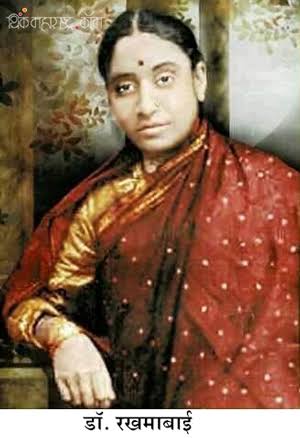
5.Rukhmabai was an Indian physician and feminist. She is best known for being one of the first practicing women doctors in colonial India


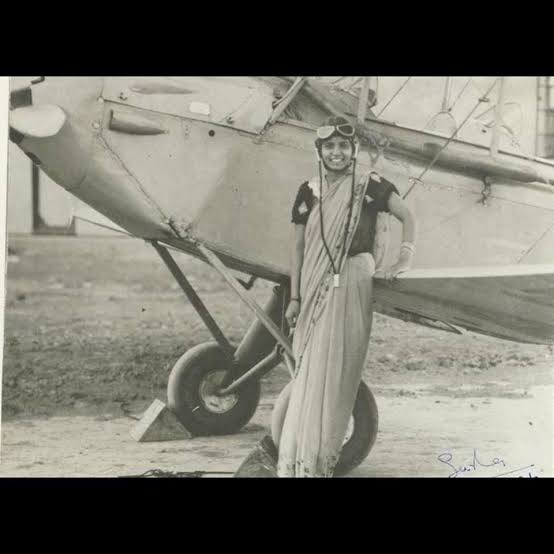
6. Sarla Chakra was the first Indian woman to fly an aircraft,she earned an aviation pilot license in 1936 at the age of 21 and flew a Gypsy Moth solo.

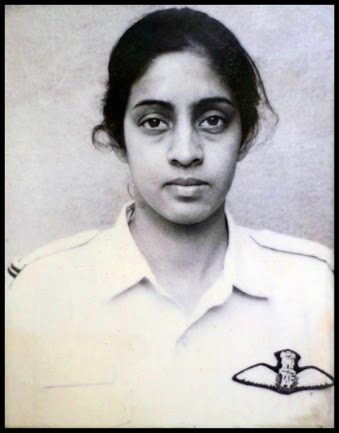
7.Durba Banerjee was the first pilot of Indian Airlines in 1956 and the first Indian woman commercial pilot.

8.Harita Kaur Deol was the first woman pilot to fly solo in Indian Air Force 1994

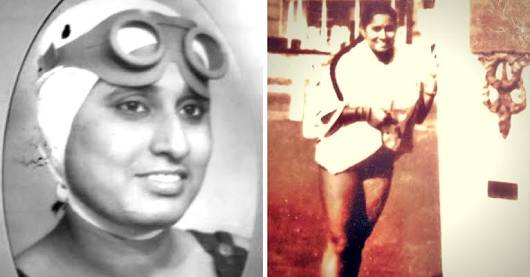
9.Arati Saha was an Indian long distance swimmer, best known for becoming the first Asian woman to swim across the English Channel in 29 September 1959. 

10.Bachendri Pal became the first Indian woman to reach the summit of Mount Everest In 1984. 

11. Arunima Sinha is the first female amputee to climb Mount Everest. She is also the first Indian amputee to climb the Everest

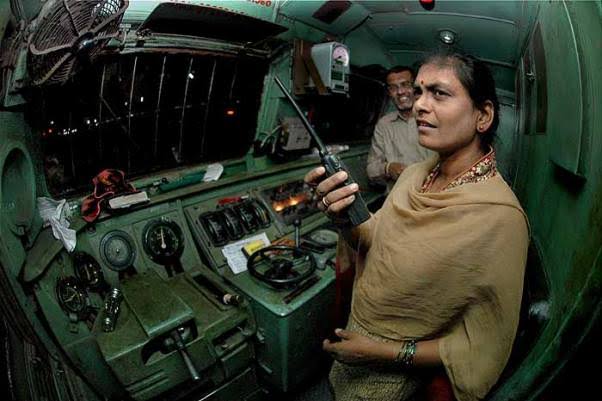
12. Surekha Shankar Yadav is a female loco pilot of the Indian Railways in India. She became India’s first female train driver in 1988.

13.Shila Dawre became the country’s first woman auto-rickshaw driver when she first stepped into the ‘male-dominated’ zone in the year 1988. 

14.Roshini Sharma recently became the first Indian woman to ride a motorbike from Kanyakumari to Kashmir.


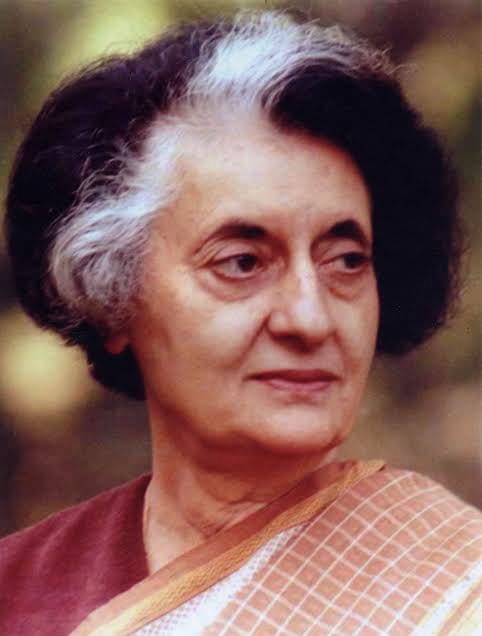
Indira Gandhi became the first woman Prime Minister of India and served from 1966 to 1977.1971, she became the first woman to receive the Bharat Ratna award.

Mother Teresa became the first Indian woman to win the Nobel Peace Prize in 1979

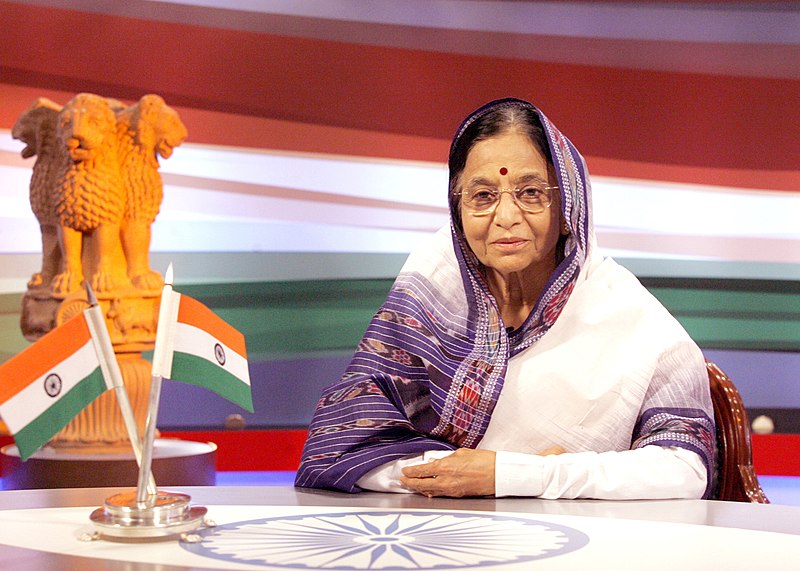
Pratibha Patil, Indian lawyer, and politician who was the first woman to serve as president of India (2007–12).

Justice M. Fathima Beevi became the first female judge who was appointed to the Supreme Court of India in 1989. 

Isha Basant Joshi She was the first woman ICS officer of British India

Kiran Bedi, joining Indian Police Service (IPS) in 1972, Kiran Bedi became the first woman officer in India.


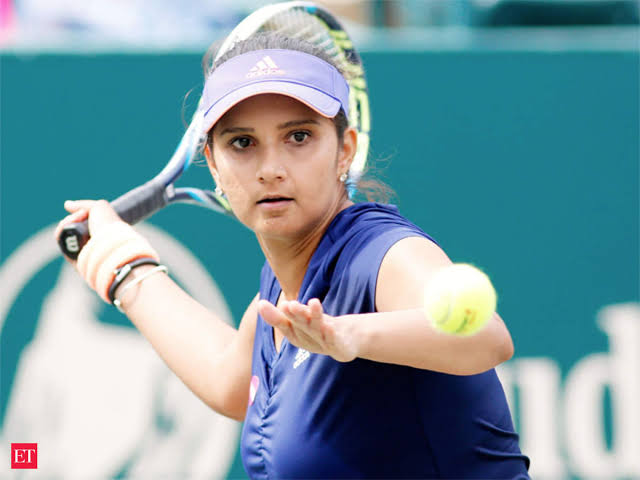
Sania Mirza,a professional tennis player, became the first ever Indian woman to win the Women’s Tennis Association (WTA) title in 2005.

Mangte Chungneijang Mary Kom, also known as Mary Kom is the only woman boxer who has won a medal in each of the six World Championships. 

Mithali Raj was the first woman to score a double hundred in Test Cricket (214* against New Zealand at Wellington, 2004). 

Kalpana Chawla was an American astronaut, engineer, and the first woman of Indian origin to go to space. She first flew on Space Shuttle Columbia in 1997 

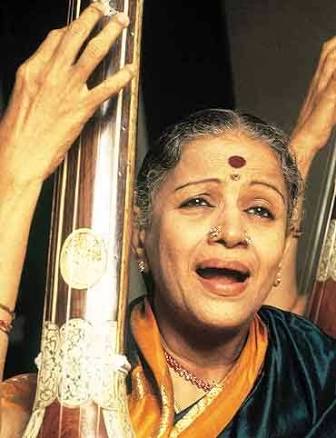
Bharataratna Madurai Shanmukhavadivu Subbulakshmi was an Indian Carnatic singer from Madurai, Tamil Nadu. She was the first musician ever to be awarded the Bharat Ratna, India’s highest civilian honour. 

Homai Vyarawalla, commonly known by her pseudonym Dalda 13, was India’s first woman photojournalist