

Self consciousness, up to a point, is necessary to self development;for without an awareness of the dignity of one’s own role or function, one cannot give one’s best to the world.
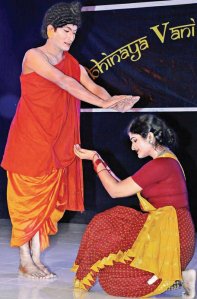
The above, are the lines from one of the most underrated dramas of Rabindranath Tagore, in the world of literature – Chandalika. A drama with a lots of love, compassion, over compassion, feeling of inferiority, new birth, and culmination of great teachings of Buddha. This drama has a vast history and has been portrayed over centuries as a musical drama, music to give more life to it, and make the audience understand the intensity of the emotions that the protagonists carry in themselves, during the play.
Themes –
A religion that insults is a false religion. Everyone united to make me conform to a creed that blinds and gags. But since that day something forbids me to conform any longer. I’m afraid of nothing now.
The story that is revealed in the plot is all about discovering new dimensions of life, as well as, discovering one’s inner self. Readers also come across new experiences of life through the characters themselves, in each and every scene that is being played on. Set in an old city of Shravasti, in the then Uttar Pradesh, the story has to offers many aspects of human approaches, such as, over obsession for something can be as disastrous as gulping poison. Another aspect of the play is discovered through the act of quenching thirsty Buddhist monk, that proves to be a kind of “rebirth” for a girl who is meant to be untouchable. The presence of the mother is a cue of saying that, one should not step out of the boundaries that are set by the religion and society for any person living on this earth. Rebellion against the wall of system and society, is another thing that is portrayed by the drama. The presence of a Buddhist monk in the play, rejuvenates it, bringing whole of a new sense to the play, teachings of Buddha, determination towards life and bringing up the best of a person, is that converts it into a multi dimensional and psychological drama of intense spiritual conflict. Finally, turning into a sort of redemption, along with self realisation, the drama yet has a tale to tell, that –
Love does not claim possession, but it gives freedom.
Introducing the characters –
Chandalika, as the name suggests, is about a chandal girl belonging to the lowest untouchable caste, who gives water to a beautiful monk and falls for him. Unable to restrain herself, she made her mother chant the spells and bound him to be presented at their house at night. Filled with lust and sensitivity, the character of Prakriti portrays the nature’s qualities, she is aggressive, ready to make sacrifices, adorably tolerant, love excessively, mostly alike our mother nature. The story is not of a wicked girl roused to lust by the physical beauty of the monk, but of a very sensitive girl, condemned by her birth to a despised caste, suddenly awakened to a consciousness of her full rights as a woman.
Anand, the famous disciple of Buddha, is a monk in a real sense, pure, loved all the creatures of the world, spread the enlightenment, and victim of the lust of a girl, who unknowingly, is put to remorse and shame.
Symbolizing the social evils prevailing in the society, in the contemporary time, Prakriti’s mother, is yet another character of the play, who, unfortunately had to pay heavy price of her daughter’s love, by giving sacrificing every nerve and cell of her body. She is, as protective, as every other mother ever lived on this earth. At the same time, preventing her to not to claim such a pure soul, Anand, as her’s.
The plot –
For wisdom is not happiness, and renunciation is not fulfilment.
Forgotten that I was a human being, these words always pinched Prakriti’s ears for many years, when one day in vaisakh, she, sitting under the blistering sun was introduced to a person in town, whom she could only think to be standing some fifty feets apart from “a girl, as she. ” It is, Anand, the monk, pure as heaven, beautiful,englitened, who has renounced the earthly leisures, approaches her to quench his thirst. But, being a Chandal, Prakriti was bound not to offer him water from a lake as unpure as herself, on which he laments, and speaks to her, if the black clouds of sravana are dubbed chandal, what of it? It doesn’t change their nature, or destroy the virtue of their water. Don’t humiliate yourself;self humiliation is a sin, worse than self murder. It is when comes twist in the tale, she is revealed to a new birth of herself and is determined to bring him back to her, and discover a cherish her new birth with herself.
Hearing this from Prakriti’s own mouth, her mother is shaken up and thinks that somebody has chant some spell over her. She is awestruck by the idea of her talking of the humanism, caste, and want for the monk. Not ready to listen to her mother, Prakriti wants the monk back, by hook or by crook, that could be achieved when the mother chants her spell over him, and call him off straight to her place. The mother rebels and protests against this idea of her, saying, we only churn up the mud, his power is much more greater than hers, and by chanting spell over him, she can commit a great sin.
The utmost desire to have the monk right next to her is unshakable, and being the only loveable daughter of her, the mother is bound to chant the magic spells. She makes her prepare all the stuff that is required to fulfill the strength of the words, and giving her a magic mirror, tells her to be attentive of the paththat Anand will choose to come over here. Magically, her spells worked out, but in a different manner, though Anand came all the way to her house, without any second thought, but his radiance withered, the shining, the purity, the heavenly glow, all gone, faded, destroyed to pieces. Also, her mother was exhausted till now, she was lying on the floor, counting last of her breath,as overpowering such a majestic personality was a difficult task to do.
It was the time when Prakriti again realised, was awakened to life, that she has committed a sin, redeemed for the second time, purged of the pride and egoism that had made her forget that love does not claim possession, but gives freedom. Also, the holy monk is taken back into his earlier state by the powers of The Buddha.
The drama is a delight to the readers, a tragedy with a lot of teachings and morals to tell. Self redemption, obsession, realization, rebirth, it is a bunch of great dialogues, that takes the reader into in itself.







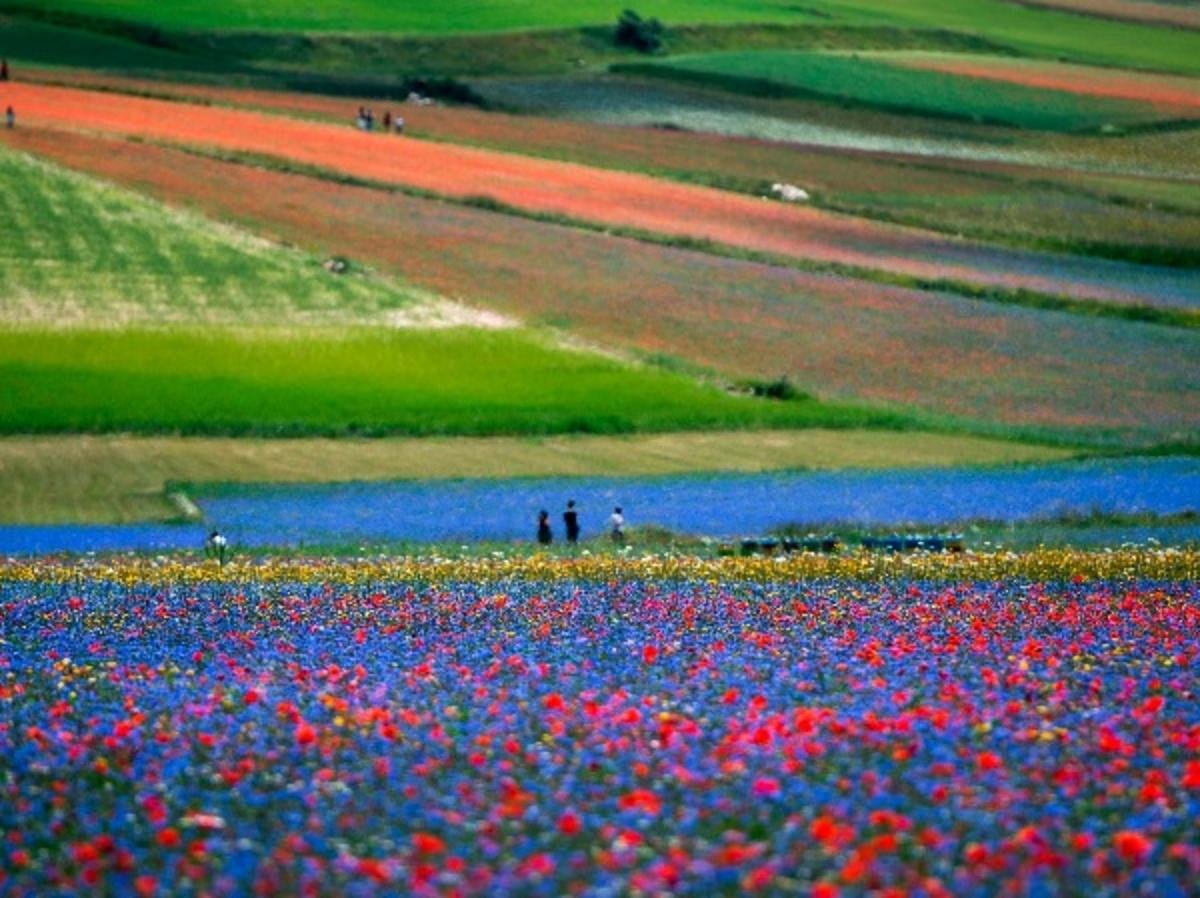
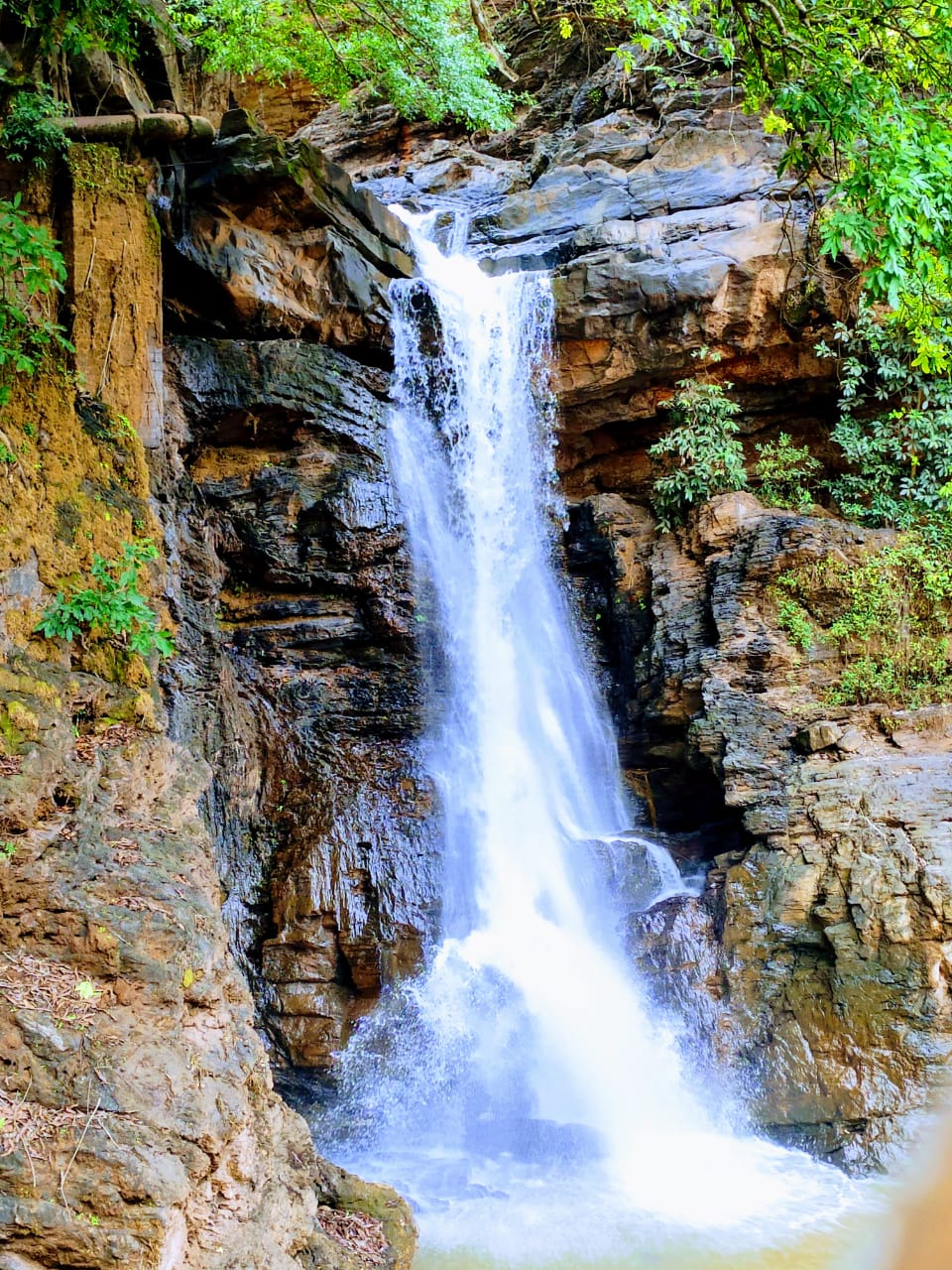 उत्तराखण्ड (पूर्व नाम उत्तरांचल), उत्तर भारत में स्थित एक राज्य है जिसका निर्माण ९ नवम्बर २००० को कई वर्षों के आन्दोलन के पश्चात भारत गणराज्य के सत्ताइसवें राज्य के रूप में किया गया था। सन २००० से २००६ तक यह उत्तरांचल के नाम से जाना जाता था। जनवरी २००७ में स्थानीय लोगों की भावनाओं को ध्यान में रखते हुए राज्य का आधिकारिक नाम बदलकर उत्तराखण्ड कर दिया गया। राज्य की सीमाएँ उत्तर में तिब्बत और पूर्व में नेपाल से लगी हैं। पश्चिम में हिमाचल प्रदेश और दक्षिण में उत्तर प्रदेश इसकी सीमा से लगे राज्य हैं। सन २००० में अपने गठन से पूर्व यह उत्तर प्रदेश का एक भाग था। पारम्परिक हिन्दू ग्रन्थों और प्राचीन साहित्य में इस क्षेत्र का उल्लेख उत्तराखण्ड के रूप में किया गया है। हिन्दी और संस्कृत में उत्तराखण्ड का अर्थ उत्तरी क्षेत्र या भाग होता है। राज्य में हिन्दू धर्म की पवित्रतम और भारत की सबसे बड़ी नदियों गंगा और यमुना के उद्गम स्थल क्रमशः गंगोत्री और यमुनोत्री तथा इनके तटों पर बसे वैदिक संस्कृति के कई महत्त्वपूर्ण तीर्थस्थान हैं।देहरादून, उत्तराखण्ड की अन्तरिम राजधानी होने के साथ इस राज्य का सबसे बड़ा नगर है। गैरसैण नामक एक छोटे से कस्बे को इसकी भौगोलिक स्थिति को देखते हुए भविष्य की राजधानी के रूप में प्रस्तावित किया गया है किन्तु विवादों और संसाधनों के अभाव के चलते अभी भी देहरादून अस्थाई राजधानी बना हुआ है।राज्य का उच्च न्यायालय नैनीताल में है।राज्य सरकार ने हाल ही में हस्तशिल्प और हथकरघा उद्योगों को बढ़ावा देने के लिये कुछ पहल की हैं। साथ ही बढ़ते पर्यटन व्यापार तथा उच्च तकनीकी वाले उद्योगों को प्रोत्साहन देने के लिए आकर्षक कर योजनायें प्रस्तुत की हैं। राज्य में कुछ विवादास्पद किन्तु वृहत बाँध परियोजनाएँ भी हैं जिनकी पूरे देश में कई बार आलोचनाएँ भी की जाती रही हैं, जिनमें विशेष है भागीरथी-भीलांगना नदियों पर बनने वाली टिहरी बाँध परियोजना। इस परियोजना की कल्पना १९५३ मे की गई थी और यह अन्ततः २००७ में बनकर तैयार हुआ। उत्तराखण्ड, चिपको आन्दोलन के जन्मस्थान के नाम से भी जाना जाता है।फुरसती, साहसिक और धार्मिक पर्यटन उत्तराखण्ड की अर्थव्यस्था में महत्वपूर्ण भूमिका निभाते हैं, जैसे जिम कॉर्बेट राष्ट्रीय उद्यान और बाघ संरक्षण-क्षेत्र और नैनीताल, अल्मोड़ा, कसौनी, भीमताल, रानीखेत और मसूरी जैसे निकट के पहाड़ी पर्यटन स्थल जो भारत के सर्वाधिक पधारे जाने वाले पर्यटन स्थलों में हैं। पर्वतारोहियों के लिए राज्य में कई चोटियाँ हैं, जिनमें से नंदा देवी, सबसे ऊँची चोटी है और १९८२ से अबाध्य है। अन्य राष्टीय आश्चर्य हैं फूलों की घाटी, जो नंदा देवी के साथ मिलकर यूनेस्को विश्व धरोहर स्थल है।
 उत्तराखण्ड में, जिसे “देवभूमि” भी कहा जाता है, हिन्दू धर्म के कुछ सबसे पवित्र तीर्थस्थान है और हज़ार वर्षों से भी अधिक समय से तीर्थयात्री मोक्ष और पाप शुद्धिकरण की खोज में यहाँ आ रहे हैं। गंगोत्री और यमुनोत्री, को क्रमशः गंगा और यमुना नदियों के उदग्म स्थल हैं, केदारनाथ (भगवान शिव को समर्पित) और बद्रीनाथ (भगवान विष्णु को समर्पित) के साथ मिलकर उत्तराखण्ड के छोटा चार धाम बनाते हैं, जो हिन्दू धर्म के पवित्रतम परिपथ में से एक है। हरिद्वार के निकट स्थित ऋषिकेश भारत में योग क एक प्रमुख स्थल है और जो हरिद्वार के साथ मिलकर एक पवित्र हिन्दू तीर्थ स्थल है।हरिद्वार में संध्या आरती के समय हर की पौड़ी का एक दृश्य।हरिद्वार में प्रति बारह वर्षों में कुम्भ मेले का आयोजन किया जाता है जिसमें देश-विदेश से आए करोड़ो श्रद्धालू भाग लेते हैं। राज्य में मंदिरों और तीर्थस्थानों की बहुतायत है, जो स्थानीय देवताओं या शिवजी या दुर्गाजी के अवतारों को समर्पित हैं और जिनका सन्दर्भ हिन्दू धर्मग्रन्थों और गाथाओं में मिलता है। इन मन्दिरों का वास्तुशिल्प स्थानीय प्रतीकात्मक है और शेष भारत से थोड़ा भिन्न है। जागेश्वर में स्थित प्राचीन मन्दिर (देवदार वृक्षों से घिरा हुआ १२४ मन्दिरों का प्राणंग) एतिहासिक रूप से अपनी वास्तुशिल्प विशिष्टता के कारण सर्वाधिक महत्वपूर्ण हैं। तथापि, उत्तराखण्ड केवल हिन्दुओं के लिए ही तीर्थाटन स्थल नहीं है। हिमालय की गोद में स्थित हेमकुण्ड साहिब, सिखों का तीर्थ स्थल है। मिंद्रोलिंग मठ और उसके बौद्ध स्तूप से यहाँ तिब्बती बौद्ध धर्म की भी उपस्थिति है।पर्यटन स्थलउत्तराखण्ड में बहुत से पर्यटन स्थल है जहाँ पर भारत ही नहीं बल्कि पूरी दुनिया से पर्यटक आते हैं, जैसे नैनीताल और मसूरी। राज्य के प्रमुख पर्यटन स्थल हैं:केदारनाथ नैनीताल गंगोत्री यमुनोत्री बद्रीनाथ अल्मोड़ा ऋषिकेश हेमकुण्ड साहिब नानकमत्ताफूलों की घाटी मसूरी देहरादून हरिद्वारऔलीचक राता रानीखेत बागेश्वर भीमताल कौसानीलैंसडाउनरहन-सहनउत्तराखण्ड एक पहाड़ी प्रदेश है। यहाँ ठण्ड बहुत होती है इसलिए यहाँ लोगों के मकान पक्के होते हैं। दीवारें पत्थरों की होती है। पुराने घरों के ऊपर से पत्थर बिछाए जाते हैं। वर्तमान में लोग सीमेण्ट का उपयोग करने लग गए है। अधिकतर घरों में रात को रोटी तथा दिन में भात (चावल) खाने का प्रचलन है। लगभग हर महीने कोई न कोई त्योहार मनाया जाता है। त्योहार के बहाने अधिकतर घरों में समय-समय पर पकवान बनते हैं। स्थानीय स्तर पर उगाई जाने वाली गहत, रैंस, भट्ट आदि दालों का प्रयोग होता है। प्राचीन समय में मण्डुवा व झुंगोरा स्थानीय मोटा अनाज होता था। अब इनका उत्पादन बहुत कम होता है। अब लोग बाजार से गेहूं व चावल खरीदते हैं। कृषि के साथ पशुपालन लगभग सभी घरों में होता है। घर में उत्पादित अनाज कुछ ही महीनों के लिए पर्याप्त होता है। कस्बों के समीप के लोग दूध का व्यवसाय भी करते हैं। पहाड़ के लोग बहुत परिश्रमी होते है। पहाड़ों को काट-काटकर सीढ़ीदार खेत बनाने का काम इनके परिश्रम को प्रदर्शित भी करता है। पहाड़ में अधिकतर श्रमिक भी पढ़े-लिखे है, चाहे कम ही पढ़े हों। इस कारण इस राज्य की साक्षरता दर भी राष्ट्रीय औसत से कहीं अधिक है।त्यौहारशेष भारत के समान ही उत्तराखण्ड में पूरे वर्षभर उत्सव मनाए जाते हैं। भारत के प्रमुख उत्सवों जैसे दीपावली, होली, दशहरा इत्यादि के अतिरिक्त यहाँ के कुछ स्थानीय त्योहार हैं।देवीधुरा मेला (देवीधुरा, चम्पावत)पूर्णागिरी मेला (टनकपुर, चम्पावत)नन्दा देवी मेला (अल्मोड़ा)गौचर मेला (गौचर, चमोली)वैशाखी (उत्तरकाशी)माघ मेला (उत्तरकाशी)उत्तरायणी मेला (बागेश्वर)विशु मेला (जौनसार बावर)हरेला (कुमाऊँ)गंगा दशहरानन्दा देवी राजजात यात्रा जो हर बारहवें वर्ष होती हैखानपानइन्हें भी देखें: पहाड़ी खाना एवं भारतीय खानाउत्तराखण्डी खानपान का अर्थ राज्य के दोनों मण्डलों, कुमाऊँ और गढ़वाल, के खानपान से है। पारम्परिक उत्तराखण्डी खानपान बहुत पौष्टिक और बनाने में सरल होता है। प्रयुक्त होने वाली सामग्री सुगमता से किसी भी स्थानीय भारतीय किराना दुकान में मिल जाती है।यहाँ के कुछ विशिष्ट खानपान हैआलू टमाटर का झोलचैंसूझोईकापिलूमंण्डुए की रोटीपीनालू की सब्जीबथुए का पराँठाबाल मिठाईसिसौंण का सागगौहोत की दालवेशभूषापारम्परिक रूप से उत्तराखण्ड की महिलायें घाघरा तथा आँगड़ी, तथा पुरूष चूड़ीदार पजामा व कुर्ता पहनते थे। अब इनका स्थान पेटीकोट, ब्लाउज व साड़ी ने ले लिया है। जाड़ों (सर्दियों) में ऊनी कपड़ों का उपयोग होता है। विवाह आदि शुभ कार्यो के अवसर पर कई क्षेत्रों में अभी भी सनील का घाघरा पहनने की परम्परा है। गले में गलोबन्द, चर्यो, जै माला, नाक में नथ, कानों में कर्णफूल, कुण्डल पहनने की परम्परा है। सिर में शीषफूल, हाथों में सोने या चाँदी के पौंजी तथा पैरों में बिछुए, पायजेब, पौंटा पहने जाते हैं। घर परिवार के समारोहों में ही आभूषण पहनने की परम्परा है। विवाहित औरत की पहचान गले में चरेऊ पहनने से होती है। विवाह इत्यादि शुभ अवसरों पर पिछौड़ा पहनने का भी यहाँ चलन आम है।लोक कलाएँलोक कला की दृष्टि से उत्तराखण्ड बहुत समृद्ध है। घर की सजावट में ही लोक कला सबसे पहले देखने को मिलती है। दशहरा, दीपावली, नामकरण, जनेऊ आदि शुभ अवसरों पर महिलाएँ घर में ऐंपण (अल्पना) बनाती है। इसके लिए घर, ऑंगन या सीढ़ियों को गेरू से लीपा जाता है। चावल को भिगोकर उसे पीसा जाता है। उसके लेप से आकर्षक चित्र बनाए जाते हैं। विभिन्न अवसरों पर नामकरण चौकी, सूर्य चौकी, स्नान चौकी, जन्मदिन चौकी, यज्ञोपवीत चौकी, विवाह चौकी, धूमिलअर्ध्य चौकी, वर चौकी, आचार्य चौकी, अष्टदल कमल, स्वास्तिक पीठ, विष्णु पीठ, शिव पीठ, शिव शक्ति पीठ, सरस्वती पीठ आदि परम्परागत रूप से गाँव की महिलाएँ स्वयं बनाती है। इनका कहीं प्रशिक्षण नहीं दिया जाता है। हरेले आदि पर्वों पर मिट्टी के डिकारे बनाए जाते है। ये डिकारे भगवान के प्रतीक माने जाते है। इनकी पूजा की जाती है। कुछ लोग मिट्टी की अच्छी-अच्छी मूर्तियाँ (डिकारे) बना लेते हैं। यहाँ के घरों को बनाते समय भी लोक कला प्रदर्षित होती है। पुराने समय के घरों के दरवाजों व खिड़कियों को लकड़ी की सजावट के साथ बनाया जाता रहा है। दरवाजों के चौखट पर देवी-देवताओं, हाथी, शेर, मोर आदि के चित्र नक्काशी करके बनाए जाते है। पुराने समय के बने घरों की छत पर चिड़ियों के घोंसलें बनाने के लिए भी स्थान छोड़ा जाता था। नक्काशी व चित्रकारी पारम्परिक रूप से आज भी होती है। इसमें समय काफी लगता है। वैश्वीकरण के दौर में आधुनिकता ने पुरानी कला को अलविदा कहना प्रारम्भ कर दिया। अल्मोड़ा सहित कई स्थानों में आज भी काष्ठ कला देखने को मिलती है। उत्तराखण्ड के प्राचीन मन्दिरों, नौलों में पत्थरों को तराश कर (काटकर) विभिन्न देवी-देवताओं के चित्र बनाए गए है। प्राचीन गुफाओं तथा उड्यारों में भी शैल चित्र देखने को मिलते हैं।उत्तराखण्ड की लोक धुनें भी अन्य प्रदेशों से भिन्न है। यहाँ के बाद्य यन्त्रों में नगाड़ा, ढोल, दमुआ, रणसिंग, भेरी, हुड़का, बीन, डौंरा, कुरूली, अलगाजा प्रमुख है। ढोल-दमुआ तथा बीन बाजा विशिष्ट वाद्ययन्त्र हैं जिनका प्रयोग आमतौर पर हर आयोजन में किया जाता है। यहाँ के लोक गीतों में न्योली, जोड़, झोड़ा, छपेली, बैर व फाग प्रमुख होते हैं। इन गीतों की रचना आम जनता द्वारा की जाती है। इसलिए इनका कोई एक लेखक नहीं होता है। यहां प्रचलित लोक कथाएँ भी स्थानीय परिवेश पर आधारित है। लोक कथाओं में लोक विश्वासों का चित्रण, लोक जीवन के दुःख दर्द का समावेश होता है। भारतीय साहित्य में लोक साहित्य सर्वमान्य है। लोक साहित्य मौखिक साहित्य होता है। इस प्रकार का मौखिक साहित्य उत्तराखण्ड में लोक गाथा के रूप में काफी है। प्राचीन समय में मनोरंजन के साधन नहीं थे। लोकगायक रात भर ग्रामवासियों को लोक गाथाएं सुनाते थे। इसमें मालसाई, रमैल, जागर आदि प्रचलित है। अभी गाँवों में रात्रि में लगने वाले जागर में लोक गाथाएं सुनने को मिलती है। यहां के लोक साहित्य में लोकोक्तियाँ, मुहावरे तथा पहेलियाँ (आंण) आज भी प्रचलन में है। उत्तराखण्ड का छोलिया नृत्य काफी प्रसिद्ध है। इस नृत्य में नृतक लबी-लम्बी तलवारें व गेण्डे की खाल से बनी ढाल लिए युद्ध करते है। यह युद्ध नगाड़े की चोट व रणसिंह के साथ होता है। इससे लगता है यह राजाओं के ऐतिहासिक युद्ध का प्रतीक है। कुछ क्षेत्रों में छोलिया नृत्य ढोल के साथ शृंगारिक रूप से होता है। छोलिया नृत्य में पुरूष भागीदारी होती है। कुमाऊँ तथा गढ़वाल में झुमैला तथा झोड़ा नृत्य होता है। झौड़ा नृत्य में महिलाएँ व पुरूष बहुत बड़े समूह में गोल घेरे में हाथ पकड़कर गाते हुए नृत्य करते है। विभिन्न अंचलों में झोड़ें में लय व ताल में अन्तर देखने को मिलता है। नृत्यों में सर्प नृत्य, पाण्डव नृत्य, जौनसारी, चाँचरी भी प्रमुख है।उत्तराखंड एक् विविधता का दर्शन देता हैं|उत्तराखंड साहि मैं भारत की सही अनुभुती हैं|


 International Journal of Research (IJR)