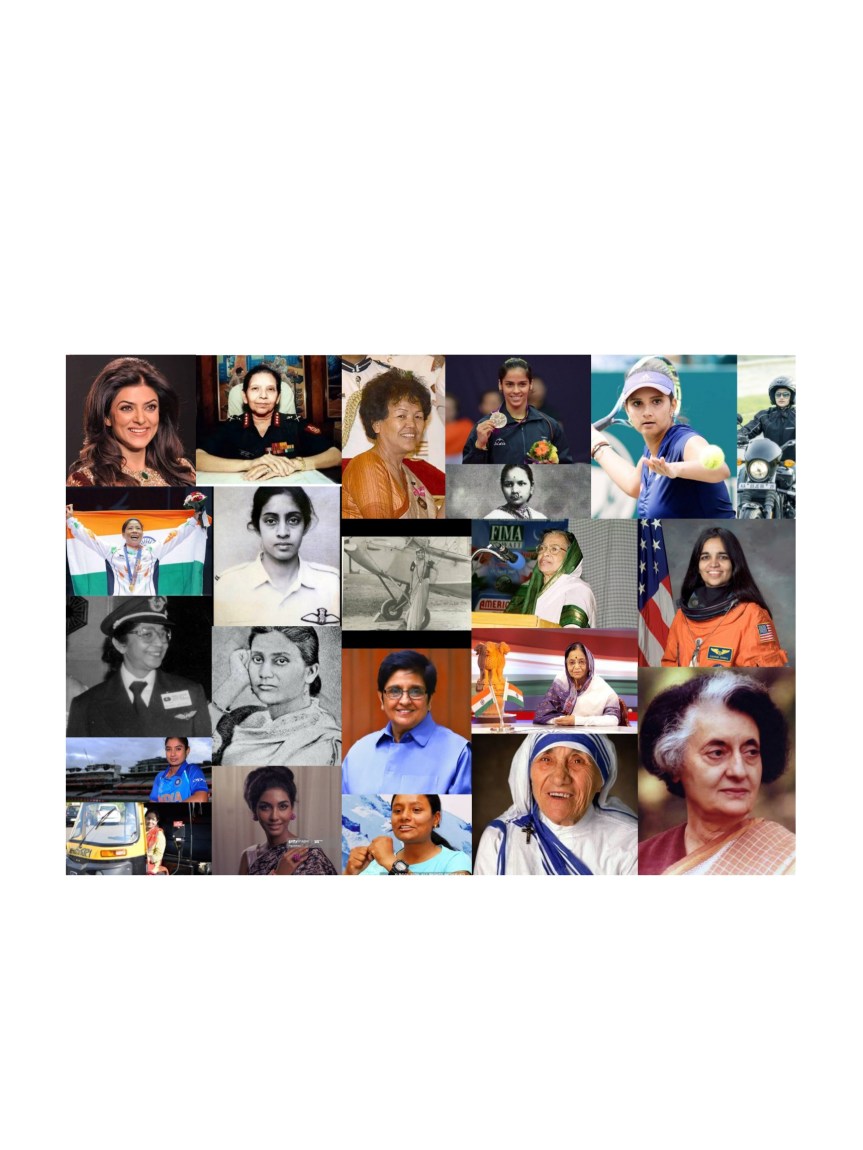
Indian Women Who Are FIRSTS In Their Field

In Indian history, where we find once upon a time women were not allowed to come in front of the males. They didn’t have the right to study, they didn’t have the freedom to talk. But some of the women who had broken the gender barriers worked hard for their rights and pioneers of woman empowerment, let’s see those women who are proved themselves in different fields and inspired millions.

1.Kadambini Ganguly was the first Indian and South Asian female physician and surgeon,1886 trained in western medicine, as well as one of the first female graduates in India, 1882

2.Chandramukhi Basu was one of the first two female graduates of the British Empire. In 1882, along with Kadambini Ganguly, 
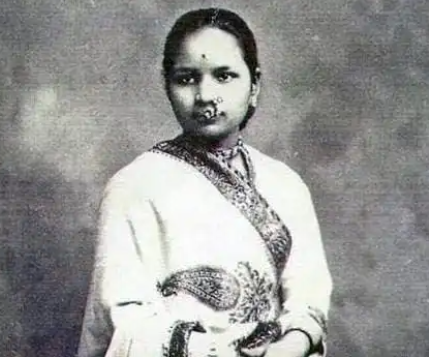
3.Anandibai Gopalrao Joshi became the first Indian female physician in the year 1887.
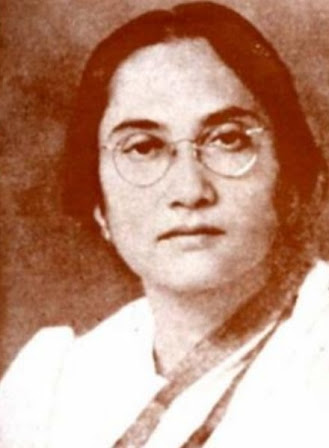
4.Kamini Roy was a Bengali poet, social worker, and feminist in British India. She was the first woman honors graduate in British India.
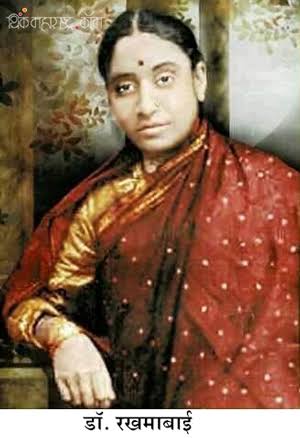
5.Rukhmabai was an Indian physician and feminist. She is best known for being one of the first practicing women doctors in colonial India
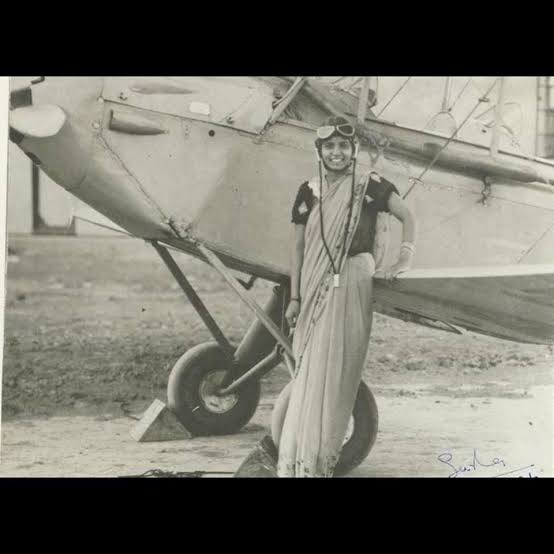

6. Sarla Chakra was the first Indian woman to fly an aircraft,she earned an aviation pilot license in 1936 at the age of 21 and flew a Gypsy Moth solo.

7.Durba Banerjee was the first pilot of Indian Airlines in 1956 and the first Indian woman commercial pilot.
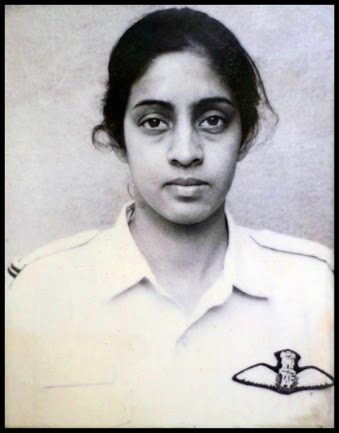
8.Harita Kaur Deol was the first woman pilot to fly solo in Indian Air Force 1994
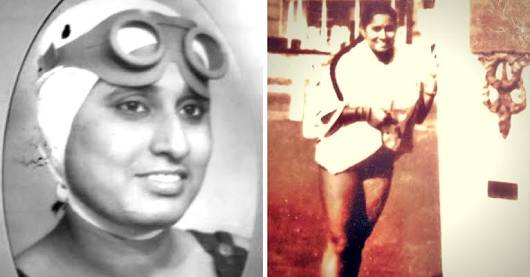
9.Arati Saha was an Indian long distance swimmer, best known for becoming the first Asian woman to swim across the English Channel in 29 September 1959. 

10.Bachendri Pal became the first Indian woman to reach the summit of Mount Everest In 1984. 

11. Arunima Sinha is the first female amputee to climb Mount Everest. She is also the first Indian amputee to climb the Everest
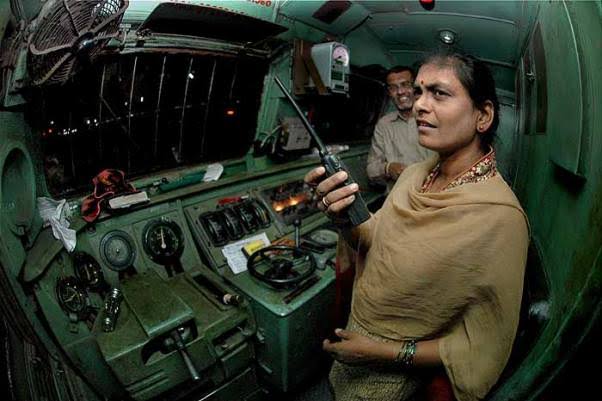
12. Surekha Shankar Yadav is a female loco pilot of the Indian Railways in India. She became India’s first female train driver in 1988.

13.Shila Dawre became the country’s first woman auto-rickshaw driver when she first stepped into the ‘male-dominated’ zone in the year 1988. 

14.Roshini Sharma recently became the first Indian woman to ride a motorbike from Kanyakumari to Kashmir.
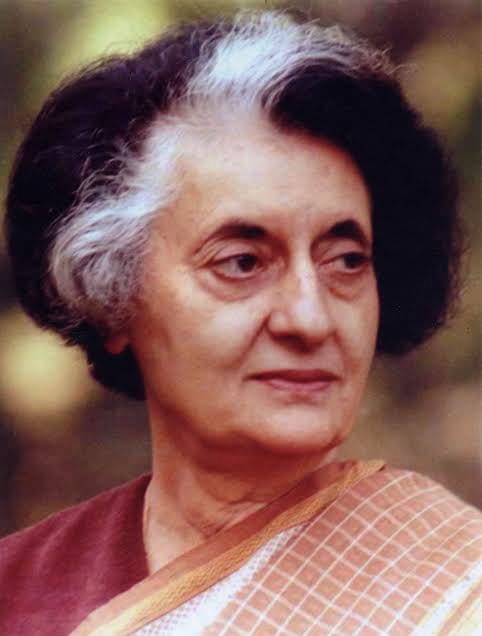

Indira Gandhi became the first woman Prime Minister of India and served from 1966 to 1977.1971, she became the first woman to receive the Bharat Ratna award.

Mother Teresa became the first Indian woman to win the Nobel Peace Prize in 1979
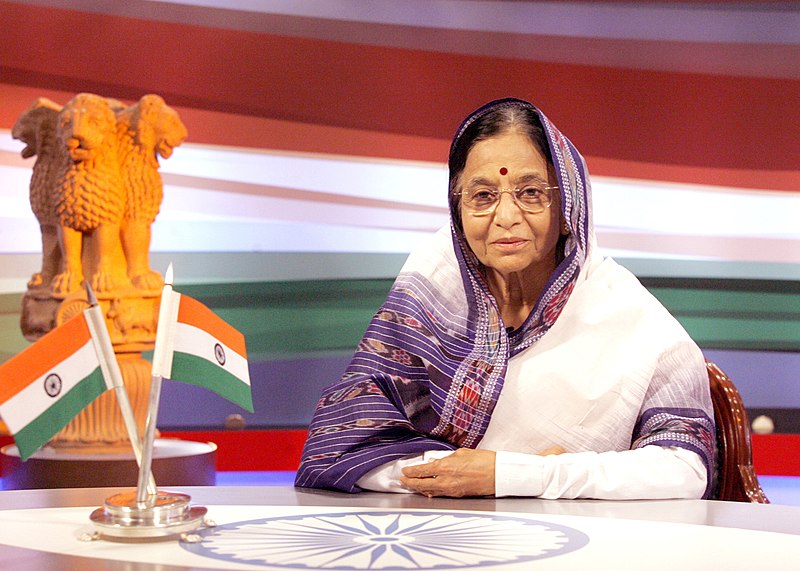
Pratibha Patil, Indian lawyer, and politician who was the first woman to serve as president of India (2007–12).

Justice M. Fathima Beevi became the first female judge who was appointed to the Supreme Court of India in 1989. 

Isha Basant Joshi She was the first woman ICS officer of British India

Kiran Bedi, joining Indian Police Service (IPS) in 1972, Kiran Bedi became the first woman officer in India.
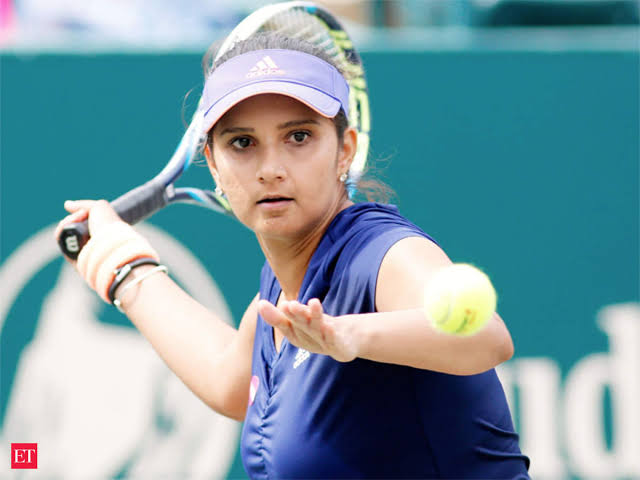

Sania Mirza,a professional tennis player, became the first ever Indian woman to win the Women’s Tennis Association (WTA) title in 2005.

Mangte Chungneijang Mary Kom, also known as Mary Kom is the only woman boxer who has won a medal in each of the six World Championships. 

Mithali Raj was the first woman to score a double hundred in Test Cricket (214* against New Zealand at Wellington, 2004). 

Kalpana Chawla was an American astronaut, engineer, and the first woman of Indian origin to go to space. She first flew on Space Shuttle Columbia in 1997 
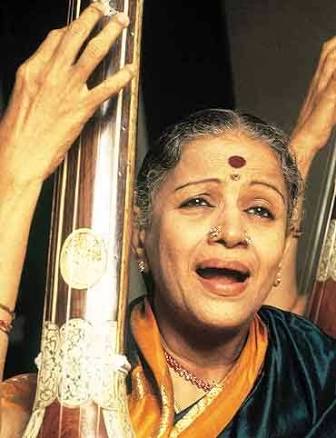
Bharataratna Madurai Shanmukhavadivu Subbulakshmi was an Indian Carnatic singer from Madurai, Tamil Nadu. She was the first musician ever to be awarded the Bharat Ratna, India’s highest civilian honour. 

Homai Vyarawalla, commonly known by her pseudonym Dalda 13, was India’s first woman photojournalist

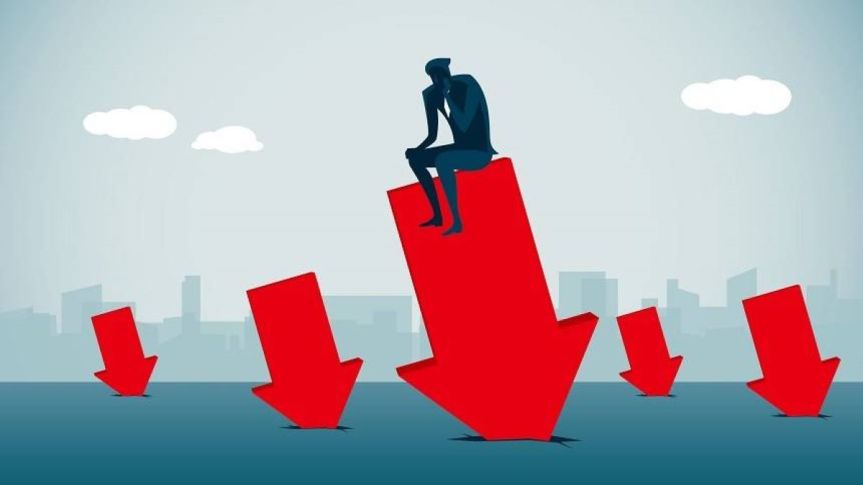
Japan’s economy in turmoil

The Bank of Japan has expanded the total size of its funding packages for cash-strapped companies from about $700 billion reported last month to $1 trillion. While they announced on Tuesday that they would keep monetary conditions stable and hold on to their expectation that the economy would slowly rebound from the coronavirus pandemic on it’s on, suggesting that they have taken ample measures to sustain recovery for now. The BOJ remains focused on steps to ease corporate funding strain.

“Given markets have calmed down and the economy appears to be bottoming out, there’s no reason for the BOJ to take action anytime soon,” said Hiroshi Shiraishi, senior economist at BNP Paribas Securities.

“Fiscal policy will play a main role in responding to the virus fallout, so the central bank will continue to indirectly help the government by keeping borrowing costs low,” he said.

The BOJ kept its yield curve control targets at -0.1 per cent for short-term interest rates and 0 per cent for long-term rates in a widely expected move. The central bank has also made no significant improvements to its programmes to alleviate the pressures of corporate finance, including a loan facility aimed at channeling funds to businesses.

Due to the way it is designed, the amount of money to be pumped out via the programmes will reach 110 trillion yen ($1 trillion) if more loans are taken out via government schemes, the central bank said.That was larger than an estimate of 75 trillion yen made in May, as the government expanded the range of eligible loans under a second stimulus package.

Japan’s economy appears to have hit bottom and is eyeing a recovery from the damage caused by the coronavirus pandemic, its finance minister said, underscoring cautious optimism spreading among policymakers after the relaxation of lockdown measures.

“We’ve succeeded in putting a floor on the economy, which seems to have hit bottom. How strong the recovery will be depends not just on domestic conditions but overseas developments,” Finance Minister Taro Aso told parliament on Friday.

In April, Prime Minister Shinzo Abe proclaimed a state of emergency telling enterprises to shut down and people to remain at home, a development that dealt a serious blow to income and sales by corporations. Although the state of emergency was lifted in late May, economists estimate that in the current year, after falling into recession in January-March, the economy experienced more than a 20 percent annualized contraction.

Last year, Japan was a tourist mecca welcoming 31.9 million foreign visitors. That was a peak after seven consecutive years of growth.But in a sudden turn of events, prolonged coronavirus travel bans have brought Japan’s tourism industry to a standstill, with a 99.9 percent fall in tourists in April, the high time for cherry blossom viewings.The tourism Industry in almost all countries around the world have been devastatingly affected due to the pandemic.

However, the new domestic travel improving initiative from the government — the “Go To” program unveiled last month — has since been delayed after reports of an unsustainable administrative and office expense allocation. The “Go To” program is a collaborative public-private partnership that provides consumers purchasing travel goods from approved distributors in the four groups, tentatively named Go To Ride, Go To Eat, Go To Case, and Go To Shopping Strips, discount vouchers of 50 to 20 percent off. The initiative was dubbed “murky” and “untransparent” by the opposition.

Adding to the controversy is the bidding method the government adopted to attract business contractors. Before the official bidding start date, the Ministry of Economy had interviewed Japanese global advertising giant Dentsu 10 times. But the minister for economy explained that meetings had been held with 50 businesses along with Dentsu and that the 10 interviews with Dentsu had been consultations for reference due to the company’s experience in “implementing projects of unprecedented scale.”

In response to criticisms the government said it would suspend the open recruitment for business contractors and would revise the budget from the ground up to ensure unnecessary expenses are removed. The tourism recovery campaign was expected to launch in July, but to the disappointment of struggling local businesses a new start date has yet to be determined.

Source: 1.https://in.reuters.com/article/us-japan-economy-boj/bank-of-japan-holds-fire-pledges-1-trillion-to-struggling-firms-idINKBN23N0D5

2.https://japantoday.com/category/politics/Japan’s-economy-bottoming-out-says-Aso

3.https://thediplomat.com/2020/06/japans-campaign-to-revive-virus-hit-tourism-sector-postponed-amid-cost-controversy/

Health facilities in life support

There is constant fear among the frontline health workers in India that the system is under severe stress and can crumble anytime in the middle of the covid-19 pandemic. India is a country that spends just over 1% of its GDP in health infrastructure. Hundreds of people lining up from different parts of the country outside hospitals like AIIMS, RML, GTB etc. is testament to our governments failing to provide affordable basic healthcare facilities to people. Even before the pandemic hit the country, there was 82% shortage of specialists and professionals in all government hospitals. Same goes for lab technicians, nurses and pharmacists.

Now, the covid-19 pandemic has tested and even defeated the health facilities of countries that provide the best healthcare in the world. Even in countries like Italy, Spain, United States and France; hospitals were continuously running out of staff, beds, oxygen cylinders, ventilators, medicines and many other essentials. There was a severe shortage of doctors, nurses and other medical staff to attend the admitted patients and then treatment was eventually handed out in priority basis.

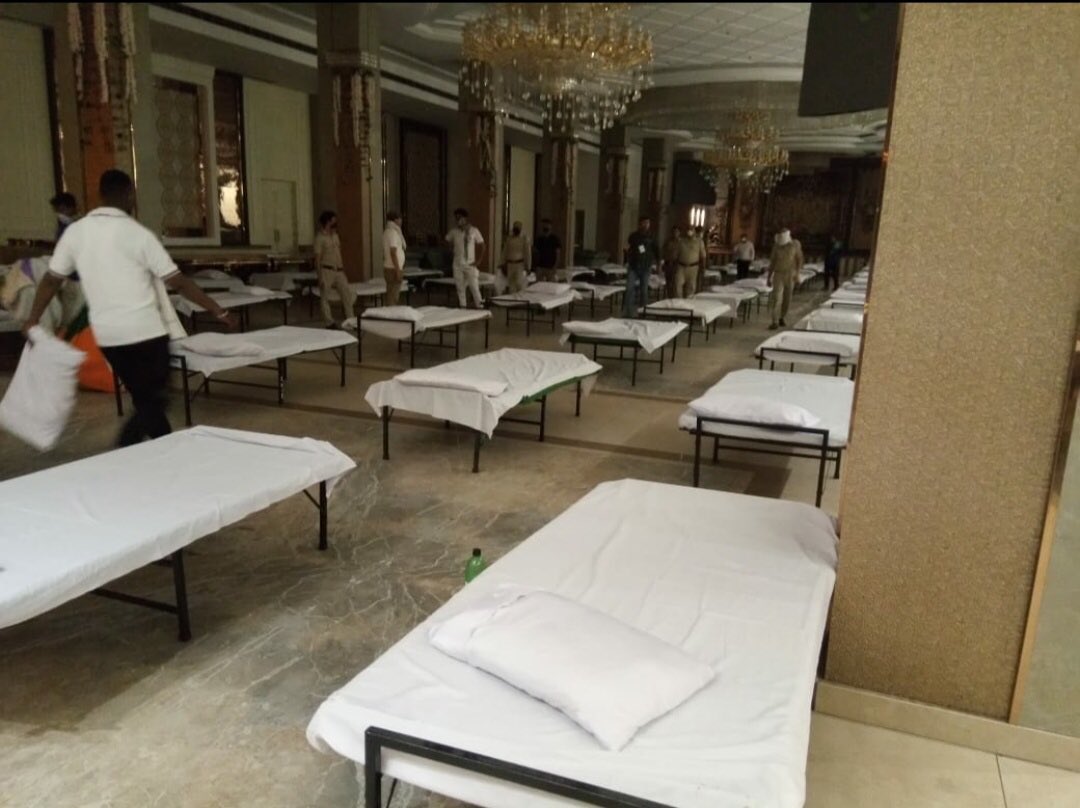
Image
Wedding halls in Delhi being converted into corona isolation wards

Now consider the nightmare scenario India is currently in. Already the number of positive cases are rising exponentially with no signs of slowing down or even flattening. The ICUs and general wards of Delhi and Mumbai hospitals are almost full. Patients are being denied admission and treatment even for the most serious cases.  There are harrowing reports of people struggling to get a hospital bed including many grieving relatives saying that their loved ones died at the doorsteps of hospitals. In some cases, people even visited 6-7 hospitals and were still denied admission citing non availability of beds.

Nearly 70% beds vacant in COVID-19 hospitals run by Delhi govt, private facilities almost full
Patients waiting for their admission in a hospital in Delhi

And the misery persists even after death. Dozens of grieving men and women keep waiting outside hospitals throughout the day to identify the bodies of their loved ones who died due to COVID-19. Bodies are pilling up in hospital wards. There are chilling visuals of dead bodies left unattended by the hospital staff along with the patients. The relatives are handed over wrong bodies and patients are dangling out of their beds. These sights are becoming increasingly common in government hospitals all across the country.

After receiving hundreds of public interest litigations and taking suo moto cognizance after looking at numerous reports of gross violations of human rights, the high courts and the Supreme Court have come down heavily on central and state governments. The Supreme Court said that the situation is “horrendous” with respect to the handling of Covid-19 patients in Delhi, the capital city, and that the patients are being treated “worse than animals”. The court also slammed the Delhi government on mishandling of the situation and asked them why do the patients have to undergo such pathetic conditions in the hospitals. The situation is more or less the same in the rest of the country too. In Maharashtra, the state which has the maximum number of coronavirus cases, the high court had to direct the government to conduct more tests and increase the number of beds. Many doctors and health experts have said that Mumbai, the financial capital of India, has less than 30 ICU beds remaining.

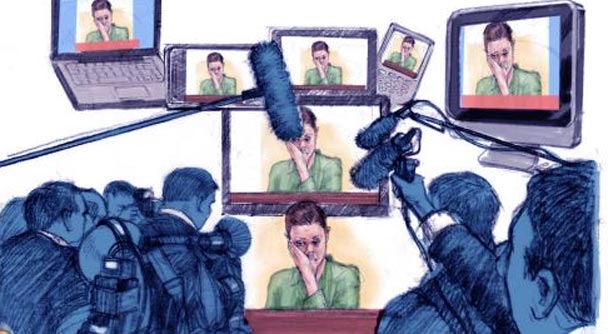
Should media play the role of judge and jury?

There have been numerous cases where the media has succeeded in bringing about change. It is a powerful influencer as it speaks directly to the public and can shape opinions. The Jessica Lal murder case is a strong example. The accused, Manu Sharma, was the son of Vinod Sharma, a wealthy and influential Congress MP from Haryana. Sharma tried to use his power to manipulate the case and did succeed initially by destroying evidence and turning witnesses hostile. The Delhi High Court was forced to acquit Sharma on grounds of lack of evidence. The acquittal resulted in a huge backlash throughout the nation which was helped on by the media. Jessica Lal’s sister, in an interview with Daily News and Analysis, said, “The media proved to be an extremely powerful force that came to our aid…It was the power of the media that enabled us to get justice. Had it not been for the media, people would have never known about how a family is being denied justice”.

However in another case, the media faced a lot of criticism. In the Ayushi Talwar murder case, Dr. Rajesh and Nupur Talwar were portrayed as guilty of the murder of their daughter and their servant, even though there was no such statement by the police and no conclusive evidence available. Media plays a vital role in moulding the opinion of the society and it is capable of changing the whole viewpoint through which people perceive various events. The media can be commended for starting a trend where the media plays an active role in bringing the accused to hook.

What critics of media trail say?

The Law Commission in its 200th report, Trial by Media: Free Speech versus Fair Trial under Criminal Procedure (Amendments to the Contempt of Courts Act, 1971), recommended a law to debar the media from reporting anything prejudicial to the rights of the accused in criminal cases, from the time of arrest to investigation and trial.

The media cannot be granted a free hand in the court proceedings as they are not some sporting event. Everyone has a right to free and fair trail and the media cannot take this away even from people accused of most heinous crimes.

The right to fair trial has not explicitly been made a fundamental right. That does not mean that it is a less important right. More than a legal right, it is basic principle of natural justice that everyone gets a fair trial and an opportunity to defend oneself. The commission believed that biased reporting by media publications have a  prejudicial impact on the suspects, accused, witnesses and even judges and in general on the administration of justice. This is criminal contempt of court, according to the commission; and for that laws should be made to impose reasonable restrictions on freedom of speech.

What the media says?

This is really a grey area and laws can be used to gag the media unnecessarily. Governments accused of corruption will try to suppress the truth during trial if media is not allowed to report on cases of misgovernance, corruption etc. It is true that contempt of court is a ground for restricting the freedom of speech, but the media has not tried to lower the dignity of the judiciary by exposing loopholes of the investigation and the prosecution. And if judicial decisions also appear to be arbitrary, they must be subjected to ruthless scrutiny. It will be dangerous to gag the press in the name of contempt of court. If the appellate court feels that the media publicity affected fair trial, it can always reverse the decision of the lower court.

Instead of a law gagging media, there should be a self-regulatory body with sufficient punitive powers. The existing bodies of PCI and NBA are merely organizations that can give out a warning but cannot take any action. They should be given more powers so that they can punish media organizations that break rules and conduct unfair media trials.

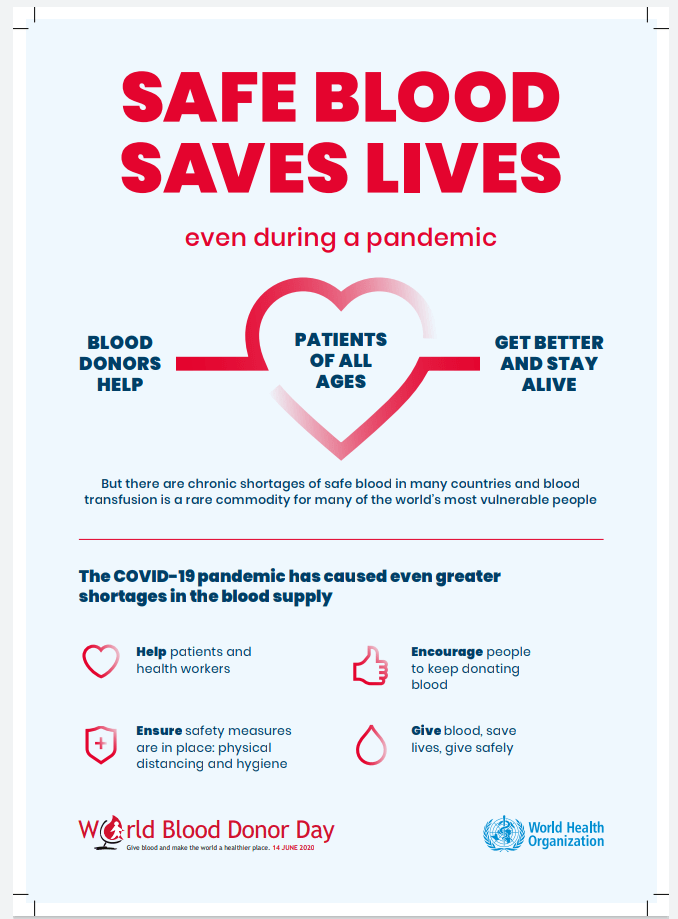
World Blood Donor Day 2020

Today, WHO ( World Health Organization) and All countries celebrate World Blood Donor Day. This year’s theme is “Safe Blood Save lives” with the Slogan “Give blood and make the world healthier”. This event celebrates with a view to thank all selfless blood donors and encourage more people to Give blood freely. WHA (World Health Assembly) in 2005 designated this special day to create awareness among the people and it’s an initiative to increase blood banks in the world.

The history behind the date of celebration of WBD is the Nobel prize winner Scientist Karl Landsteiner. He has got the credit for finding the ABO blood group system. World Blood Donor Day is celebrated on the birthday of Karl Landsteiner which was on 14th June, who discovered various blood groups.

If your blood type is:O Positive, You can give to:O+, A+, B+, AB+ You can receive from :O+, O-

If your blood type is:A Positive , you can give to :A+, AB+ you can receive from : A+, A-, O+, O-

If your blood type is: B positive , you can give to : B+,AB+ you can receive from : B+,B-,O+,O

If your blood type is: AB+ you can r give to AB+ only you can receive from all

the criteria to donate blood:

The donor must be fit and healthy, and should not be suffering from transmittable diseases.

Age and weight- The donor must be 18–65 years old and should weigh a minimum of 50 kg.

Pulse rate- Between 50 and 100 without irregularities.

Hemoglobin level- A minimum of 12.5 g/dL.

Blood pressure- Diastolic: 50–100 mm Hg, Systolic: 100–180 mm Hg.

Body temperature- Should be normal, with an oral temperature not exceeding 37.5 °C.

The time period between successive blood donations should be more than 3 months.

The need for safe blood is universal. Safe blood is critical both for treatments and urgent interventions. It can help patients suffering from life-threatening conditions live longer and with a higher quality of life and supports complex medical and surgical procedures.Blood donations are needed all over the worldto ensure individuals and communities have access to safe and quality-assured blood and blood products in both normal and emergency situations. Through the campaign, we call on more people all over the world to become life-savers by volunteering to donate blood regularly.

International organizations, including the World Health Organization, the International Federation of Red Cross and Red Crescent Societies, the International Federation of Blood Donor Organizations and the International Society of Blood Transfusion, among others, continue to work in close collaboration to provide guidance and support to their membership in this endeavour.

“Safe Blood Save lives”. “Give blood and make the world healthier”.

Chinese Diplomacy: Changing Nature

Beginning:

The Peoples’ Republic of China founded in 1949. Zhou Enlai was China’s head of government, serving from October 1949 until his death in January 1976. He was also the Foreign Minister. Here giving a very short introduction about Zhou is necessary because he was one of the best diplomats in China. His style of diplomacy came to define Chinese foreign policy over the next century. Mao was the leader of the country but the Zhou Enlai was one who managed the complete government behind the curtain. The official position of Zhou Enlai was premier which was officially head of government. But now there is no value of Premier of China. All control under the Chinese President Xi-Jinping. Over time everything goes cloudy.

Refined and “United front” Approach to Diplomacy

If Mao Zedong represented the crude face of Chinese communism, then Zhou was the epitome of its refinement. Where Mao preferred to exercise his power from “out of the barrel of a gun” but Zhou preferred to seduce his opponents through word and gesture in the pursuit of national self-interest, with the elegance of an opera star. The stick was used rarely, and only when all other means of persuasion failed. 

Zhou’s strategy was consistent with the three principles. And these three principles are called the “United Front”.

Avoid isolation: Do not be isolated in the world because China was a communist country at that time which was not recognized as a country by other western countries. But India was the first that recognize China as a country. 

Build solidarity with non-aligned countries: During the Cold War, maximum parts of the world divided into two parts. First, the country who took a standoff in favour of the USA and another one who took stand in favour of Russia. But fewer countries remain neutral. And it was China’s policy to build a strong relationship with them. 

Divide the West: Ultimately, the goal was set by China to divide the USA, UK and other western countries. Therefore, it shows that China was unofficial stands in favour of Russia.

This United Front defined as isolate the main threat by building unity with all other forces.

Korean War: Examination of Chinese Diplomacy

Korean War started in 1950, one year after the foundation of PRC.

The USA invaded North Korea, Zhou summoned the Indian Ambassador in Beijing to deliver a message to the Americans “If the U.S troops cross the 38th Parallel, then Chine will intervene in this matter and took the side of North Korea because North Korea was also a communist country. If Zhou wanted, he could covey this message by his own, but uses the diplomatic step to take this action. And India was later persuaded to act as a neutral mediator between China and the US during many difficult phases of the negotiations settling the Korean War.

PRC at International Fora

In 1954, PRC participated in Geneva conference on the Korean War and Indo China War

Zhou’s strategy was to undermine western unity – Persuasion and compromise. The US anticipated that Chinese humiliation at the conference but Zhou handle the situation by deploying all his charm, vitality and intelligence. And finally, playing the weaker hand, Zhou turned the tables on the US.

Important Qualities of Chinese Diplomacy in the Past

Under Zhou, diplomats of calibre kept the ship of state steady in churning sea full of norms. When the tide rose, these diplomatic fishermen gathered the fish – expanding China’s global peace presence and gaining international acceptability. When it ebbed they saw to it that the ship remained firmly moored. They navigated the Cold War, playing the Soviets against the Americans. Additionally, 24 Character Strategy supplemented to Zhou’s strategy by other Chinese Diplomats. And it was “observe calmly; secure our position; cope with affairs calmly; hide our capacities and bide our time; be good at maintaining a low profile; and never claim leadership;

And the outcome of this diplomacy was praiseworthy. By the end of the twentieth century, another country was started recognizing China as a powerful developing country. China persuaded US President Richard Nixon to abandon Taiwan. All this was the result of a staggering act of the best diplomacy.

Change in Style

At the current time, China prospered and began to occupy centre stage in the world diplomacy, but the ship began to come apart from its moorings. A new generation of diplomats, with knowledge of the English language, arrogance increases and it has replaced humility. Persuasion is quickly abandoned in favour of the stick when countries take actions contrary to Chinese wishes. China pursuing unilateralism instead of compromise in the South China Sea. In place of ‘united front’ tactics, they are bent on creating problems simultaneously with multiple neighbouring countries. Statements of fact or reasoned opinions are seen by them as insult or humiliation.

We are finding it difficult to manage our waste.

Who is responsible for clearing Capital's garbage mountains ...
A garbage mound in New Delhi

Mountains of waste being generated as a by-product of economic development is taking a serious toll on the environment. Because of rapid urbanization, the country is looking at massive waste management challenge. Nearly 400 million urban residents in living in 8000 towns and cities produce 62 million tons (MT) of solid waste annualy. Out of 62MT, only 42 MT is collected and even out of 43 MT, only 11.9MT is recycled or treated and rest goes to landfill sites or garbage mounds.

Uncontrolled dumping, is the major waste disposal method in India, and is also a major source of disease. In Mumbai, 12% of total solid waste is burned either openly on the streets or in landfills, a practice that releases black carbon, dioxins and carcinogenic furans.

A CSE survey data shows that 70-80 percent of India’s wastewater ends up in water bodies. No proper sanitation facilities, frequent, uncontrolled discharge of wastewater and industrial discharges are the major causes of water-borne diseases, especially in India’s densely populated slum areas and ghettoes. Findings show that out of 816 municipal sewage treatment plants (STPs) listed across India only 522 work. So out of 62000 million liters of Sewage generated, only 18,883 gets treated and the rest is discharged into the water bodies.

Sewage water pollution - refused directly into water basins
Sewage being discharged into water bodies

According to State of India’s Environment 2019 data, the country also recorded a 56 % increase in hazardous-waste generating industries between 2009 and 2017. These industries are also not complying with rules and regulation set by the authorities. A recent joint study by The Associated Chambers of Commerce of India (ASSOCHAM) says that that nearly 74.6 lakh tons of hazardous waste is generated in India.

The lack of infrastructure for scientific disposal and recycling of hazardous waste has caused severe environmental damage. There are only 17 disposal facilities in India with both secured landfills and modern scientific incinerators. States like Karnataka, Kerala, Punjab and Orissa do not have safety regulations and infrastructure to safely recycle and dispose hazardous waste. Workers who collect hazardous waste are exposed to its dangerous chemical nature, resulting in them contracting severe diseases. They do not have modern equipment, are poorly trained and not paid well.

‘True Cost of Sanitation’, a report of economic cost of sanitation released in 2015, stated that India lost near 106.7 Billion from its GDP. Poor sanitation has impacts on the society and the economy. It causes fatal diseases and also gives rise to related losses in productivity due to sickness and increased healthcare costs from caring for the sick.

Social Media: The perfect tool for Digital Marketing

As indicated by one Facebook report, there has been a 70% expansion in time spent on the application in Italy. A March 2020 study of U.S. conducted on online networking users discovered that 43.1%  would scroll through Instagram more whenever staying home while 63.7% and 62.3% used YouTube and Facebook, in comparison to the other websites, more.

Presently is a prime chance to develop business accounts by putting out valuable content that doesn’t focus on a hard sell. The objective should rather be to assemble an internet following through: 

1) For example, how to extract productivity out of “work from home” and methods of reducing expenses on veggies.

2) Posting harious content of mockery, similar to funny clippings and memes. 

3) Collaborating with an influencer. 63% of shoppers trust influencers more than brands and COVID-19 has allowed influencers over a wide scope of ventures to make their administrations accessible at a sensible cost. 

With relatively little expense and exertion, an organization can understand results that keep on profiting them long after the situation improves.

GENERATING MARKETING SCHEMES OVER THE WEB

Online campaigns help to spread the word about their businesses and the new ways of functioning, with less amount of time and effort invested, than asking their regular set of customers to do so.

This can be achieved through Smart bidding like Google Ads, Content Marketing and Coupons designed from Easy Promo Or Woobox

CARRYING OUT DAY-TO-DAY OPERATIONS ONLINE

There are not many organisations can transition their day-to-day functioning using internet. However due to the availability of video conferencing facilities like Zoom and Google Meet, there can still be interactions between the customers and the buyers. 

Orders of groceries and other essentials can be taken online, education through schools and Institutions is being provided online and live tutorials and sessions are being conducted in which clients are asked to make the payments online. There are several other courses available on digital marketing too  which can be availed to enhance the speed of the working staff and enable them to make the most out of the present situation.

WHAT’S IN IT FOR YOUR BUSINESS? 

Numerous organizations are curtailing their showcasing endeavors due to COVID-19, however what they should do is multiply while making the most of the new open doors that are springing up. 

This accentuation on digital marketing isn’t something that they’ll need to back off on once the lockdown is over. Internet shopping won’t stop at any point in the near future, and most organizations will find that online associations are more helpful than in-person interactions. 

While it might be viewed right now as an alternate course of action, when the pandemic is over, everybody will probably understand that it’s much more than that.

On the off chance that a very much upgraded site, all around arranged advertising devices, and selection of virtual interchanges can get an organization through one of the most exceedingly terrible crises in present day times, for what reason can’t digital-based promoting make its all intents and purposes relentless?

(Part 3/3)
Hope you all had a good time reading!

CAN HARSHER PUNISHMENTS REDUCE CRIME RATES?

PC: Harsh Punishments backfires in prison, Josh Mitchell/Photolibrary/Getty Images.

Crime is so destructive that not only the victims suffer, but the life of a criminal also undergoes tribulation, and society bears the disturbing news of witnessing it.

It appeals to think that harsh punishment can reduce crime rates. Some criminals are aware of the penalties, but they feel that they will not get caught. They believe this because our crime fighters are limited in number, so efficient vigilance is not always possible over a territory. They know that we have a delayed justice system, procedures are tedious, and thus it doesn’t inhibit wrong intentions. No lawbreaker looks in the law book for penalty or punishment. For some criminals, getting caught does not matter. Committing that particular crime is the only thing which matters to them at that time. They hear, see, feel nothing and have all their senses attached with the wrong intention. For such people, whose minds are so corrupt that there can be no reversal at all, harsh punishment is the way forward.

Some people commit crimes due to unsatisfactory conditions. If India becomes self-sufficient, these crimes will end. There are crimes which occur out of habit, for example, kleptomaniacs (habitual thieves). Such people need rehabilitation more than punishment to condition their mindset and steer it in the right direction. Still, they will get punished as it is in our system. There is varying nature of crimes, and so it cannot be generalized that only harsh punishments reduce crimes. If the justice system is prompt in serving justice, it will substantially reduce crime as it will instil fear in potential lawbreakers. Hence, possible future crimes could be curb to an extent.

We live in a civilized society, and we have a background of a culture which emphasizes the virtue of forgiveness. This virtue shows that humane methods of punishment do work in some cases. Not always do we need to resort to harsh ones. The people who turn into criminals are a part of society, and the reason to ‘why they become criminals when living in the same society’ is a matter of great concern. There must be a stress on moral education at all levels. If it is there, then perhaps crime will reduce.

Crimes cannot be forgiven, and the guilty must be punished, but it does not mean the same person will always remain a criminal. The rebellious lawbreaker inside that person must be eradicated, and a resolve to live non-violent, law-abiding life must be spurred. We must not hate the person but the filth inside the person that created a criminal. If only the person had an atmosphere where he could re-create himself into a better person, then there would be more hope. We see crimes through the eyes of hatred and often get blinded by it. Nobody is born good or bad; the upbringing, circumstance and mental conditioning make a person good or bad.

Enough has been spoken about reducing crime when we should have been making efforts to wipe out the cause that leads to the generation of the criminal mindset. In a developing country like India, millions are starving to death; many have plenty but lacks the moral sense; many think it is fun to commit a crime’ there are many who do it out of emotional outbreak. Some do it because they are situational criminals. If we believe in God, then we must believe in the law of karma. For every good, we will receive will, and for every bad, we will get the same. If we don’t believe in God, then we must believe in our consciousness; we must not think or do anything which makes us fall in our own eyes. Lastly, the solution may not lie in philosophical or even realistic discussions. But why wait for a crime to happen when we must put our energy and mind in churning out ways that eradicate the generation of thought that leads to crime. In a nutshell, harsher punishment might deter people from committing crime to a certain extent, but it is not the only solution. There are more efficient and effective ways to do so as well.

Is Digital Marketing The New Approach Companies Need To Adopt During The Times Of Covid 19?

Some issues tend to just disappear if they don’t receive our attention for a longer period of time. However, the coronavirus pandemic is a mammoth issue for the companies all over the world. It is becoming extremely troublesome to just let go of the problem for it is hugely influencing the way business is being carried out globally.

Furthermore, a lot of businessmen, managers and directors are finding it difficult to bring about a change in their marketing strategies so as to get used to this short-term “new normal”.

The possible reasons could be that they maybe still not convinced to adapt to this sense of normalcy with so much going around and them facing their own issues but whatever the reason, this is only going to lead to much bigger problems and could even result in the downfall of their respective companies.

Moreover, handshakes are being replaced by the new norms of digital marketing and remote work forces during the signing of the business deals amongst a handful of other organisations.

These dynamic companies are not only accepting the Covid-19 world with open arms but are also ramparting the need of the hour, the recession resiliency.

HOW HAVE THE BUSINESSES BEEN IMPACTED?

Despite the fact that somehow, every business has been able to keep itself intact amidst the current situation, it hasn’t been any easier for the small startups due to the lack of capital or reserves to sustain their existence especially those which were massively dependent on physical interactions like beauty salons, fashion boutiques, Health Care Centres for yoga etc.

Since these startups were habituated to getting constant customer reviews and then stimulating their growth, they are now afflicted by colossal losses to such an extent that their spontaneous takeaway on this entire situation has been to minimise the product marketing expenditure which should have otherwise been to explore much innovative methods.

All the types of businesses irrespective of their magnitude of growth can easily extract benefits out of digital marketing. The only thing that needs to be done is to bring about a small change in the route of reaching their customers i.e by making business accounts on social media to ensure the prolonged survival of their businesses.

Because customers are in immediate need of all sorts of products but they cannot step out of their homes so the only way to flourish is by doing business digitally.

THE FIRST STEPS TO CARRYING OUT A BUSINESS ONLINE

In the pre Covid era, every customer was well aware of the the “best” that every local business had to offer. Now as we take the present situation into consideration, some of these local businesses have been shutdown after being categorised as “non essential”. Also, the customers are not informed that whether or not they can still continue to buy products from their local favorites as there is a huge question mark on them being still in business.

So now this is the time that these affected startups and local businesses grab most of the opportunity and make this bold decision to step out from the confining walls of their stores and expose themselves to new horizons by establishing their accounts on social media and connecting with customers all over.

 CONNECTING WITH CUSTOMERS

Given below are enlisted three steps which are crucial in springing up that link between the buyer and the seller and keeping the momentum going to ensure the business continuity and also building strong connections by adhering to the technological aspects of the process.

1) The first email: If the delivery of products like milk, groceries etc has been affected by Covid 19, the business should make an effort to inform its customers via Email or WhatsApp briefing about the new changes. 

2) ‎Updating about post-corona functioning on existing platforms: Businesses who already own emails or other digital communication facilities should inform their customers about the new methoods of operation.

3) ‎ Making announcements: Lastly, a public post on social media needs to be made regarding the resuming of online orders while also briefing about how their business is responding to the pandemic.

P.S~ This is a highly detailed research report that I have done on this topic and hence this is just PART 1 of it so that it doesn’t become too lengthy or monotonous.
Next part would be published soon.

Reference article for deeper insights: https://napoleoncat.com/blog/digital-marketing-during-covid-19/