Indians and their food

A person’s way to his heart is way through his stomach.

From the 1st century B. C. E Indians started off with the agricultural practices and they not only produced vegetables, but were also engaged in the production of herbs, spices and all kinds of cereals and pulses. At the same time, a lot of food, vegetables, cereals, meat, and other type of food was brought into the Indian subcontinent with each and every dynasty that ruled over this foodie country for hundreds of years. And India came to be known for it’s enormous variety of food – whether it is of the Indian origin or a mixture of Indi-foreign tastes – the country made it it’s own and presented it with a tinch of selfness. Centuries have passed away and the very essence of the Indianness of the Indian street and nobel cuisines.

It’s been years now, since we have been eating and experiencing a continuous change in a lot of local as well as foreign cuisines. The changing trend in this field has delighted both the restaurant chains as well as the connoisseur of food and new type of food. Not only, but Rajasthani, Bengali, Gujarati, Punjabi, or South Indian food has gained love in every Indian plate but, cuisines such as Chinese, Italian, Thai and Mexican have made their way out and is loved all over the Indian subcontinent. Street food has taken over all of the towns and cities and people eat them with great pleasure;be it Indian or Chinese or any other type of meal, everyone tend to get more and more of dishes onto their plates.

The history –

Around 700 BCE, agriculture spread from the Fertile Crescent to the Indus Valley, a wheat and barely began to be grown. Sesame, and humped cattle were domesticated in the local farming communities. By 3000 BCE, turmeric, cardamom, black, pepper and mustard were harvested in India. The ancient Hindu text Mahabharata mentions rice and meat cooked together, and the word “pulao” is used to refer to the dish in ancient Sanskrit works, such as Yājñavalkya Smrti. These evidences are far enough to provide a great example of the historicity of India and the Indian food.

The mingling of cultures –

The coming of various dynasties and rulers over the Indian land has marked a great change in the way Indians looked at their food. The Mughals, the Persians, the Turks, Dutchess, Afghans and a large number of rules that ruled over this vast country brought with them new and delicious food that mingled with the flavours of Indianness. Travellers traveling to India during the 16th century or middle ages introduced new cooking methods and products to the region. These fusioned cuisines tend to adapt India cooking and seasoning techniques and made dishes well integrated.

Change in the eating habits –

Indian texts such as The Mahabharata, Bhagvad Gita and Buddhist texts focuses primarily on their eating of Saatvic, raajsic, or taamsic food, as consumption of beef was considered taboo, due to cows being considered sacred in Hinduism. It was only after the coming up of Afghans, Mughals and Turks that eating beef or meat became an integral part of every Indian kitchen.

Today, street food have gained a lot of popularity among the youngsters as well as enthusiasts of food. Every Indian and foreign meal has taken over the Indian streets and made people fall for them. Apart from the restaurants, every dish is made available at the small shops and street vendors’ stalls, that has made the food cheaper and everyone can taste the food available at every part of the world

Indians have always been known for their food and eating habits that makes them shine on the world level. It is it’s historicity and the use of spices that has helped the Indian cuisine to be one of the favorites in the world that according to a report on Food Tourism issued by the UN World Tourism Organization states that

Over a third spending is devoted to food which shows how important the Indian cuisine has become.

Flavors of Delhi

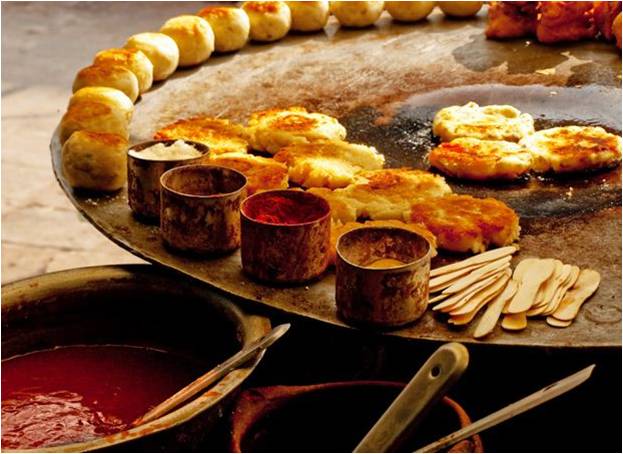
Aloo Tikki, Afghani Street Bites, Chaat, Kebabs, Kachori Aloo, Chhole Bhature, Rajma Chawal, Parathas – these are reasons enough to call the Capital Delhi-Belly.

Delhi has always been a diverse city with people coming from all over India to settle and start a new life here. Many people know Delhi to be a city of rich cultural heritage. But Delhi, as a city, is so much more than that. And one aspect of this is the food in Delhi that makes it a great tourist place. The people of different cultures and traditions have brought with them their unique tastes to Delhi too.

It is not a hidden fact that Delhi has no particular food culture; the city acquires the identity of all types of people living here in its food preferences. The maze-like alleyways and marketplaces of Delhi are known to lure foodies with their curbside kiosks serving rich in taste street food while the studded restaurants add their own charm and elegance to the cuisine of the city.

Being an amalgamation of several cultures, Delhi is among the few places where you can find a South Indian devouring a serving of Butter Chicken and a Bengali enjoying Idli Sambhar, and it is not even astonishing anymore. The best part about this is that all these recipes are age-old, being handed down from generations after generations, helping them stay true to their original flavors.

Here’s what Delhi has to offer, apart from the traditional cuisine from all the states:

  • Mughlai Cuisine: One of the oldest cuisines being served to the Delhiites is the Mughlai cuisine. Even today the taste of the Mughal era can be felt in the Kebabs from the time of Delhi Sultanate while Nihari and Biryani have become a household name. The delicious fruit-flavored sorbets or Kulfi as we know them today were originally served in the Mughal kitchens. Karim’s and Ghantewala, famous for their Kebabs and Karachi Halwa respectively, have also served many of the Mughal emperors in the past.
  • Street Food: Another group of delicacies bringing the people together is the street food available in almost every lane of the city. Names like Sita Ram Diwan Chand, Bittu Tikki Wala, Nataraj Dahi Bhalla, Daulat Ki Chaat, and Al Jawahar have been churning out some of the country’s best street grub. There is a street named Parathe Wali Gali in Chandni Chowk which in itself is enough to show the love people of this city have for Parathas.
  • International Cuisine: Along with the traditional dishes, Delhiites have also truly embraced the authentic International cuisines which means there is no trouble finding Chinese, Thai, Italian, and French cuisine to name a few. The Churros with chocolate sauce at La Bodega, the Glass Noodles at Gung, and the Cheese Kunafa at Zizo are gradually making their way into the hearts of Delhiites.

The diversity that Delhi shows in its food culture is a mere reflection of the people who have lived here in the past and the people who call it their home in the present. It is this diversity that brings the people together and makes Delhi a better tourist spot.

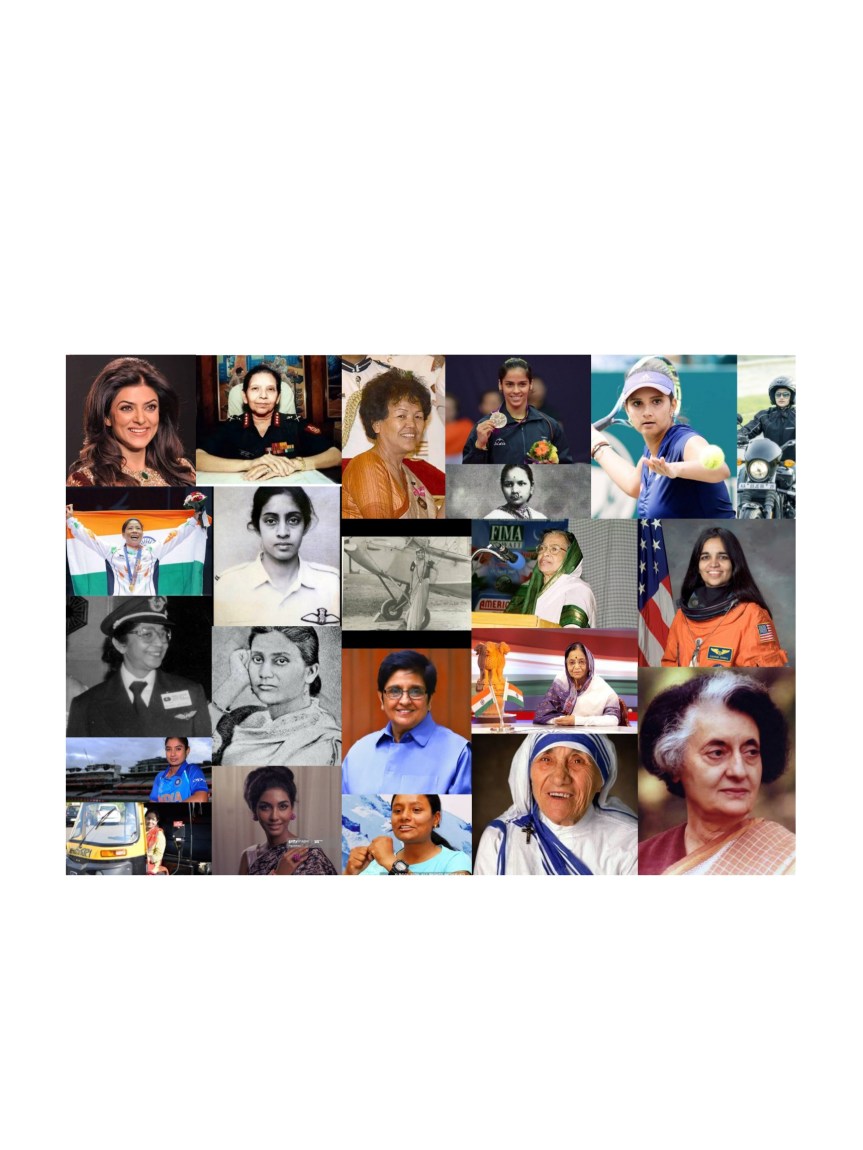
Indian Women Who Are FIRSTS In Their Field

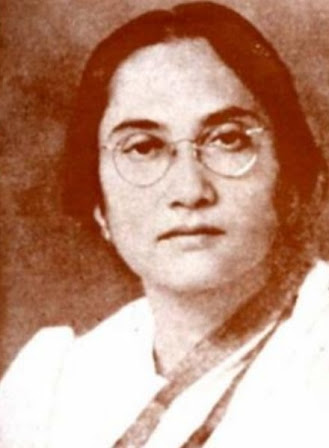
In Indian history, where we find once upon a time women were not allowed to come in front of the males. They didn’t have the right to study, they didn’t have the freedom to talk. But some of the women who had broken the gender barriers worked hard for their rights and pioneers of woman empowerment, let’s see those women who are proved themselves in different fields and inspired millions.

1.Kadambini Ganguly was the first Indian and South Asian female physician and surgeon,1886 trained in western medicine, as well as one of the first female graduates in India, 1882

2.Chandramukhi Basu was one of the first two female graduates of the British Empire. In 1882, along with Kadambini Ganguly, 

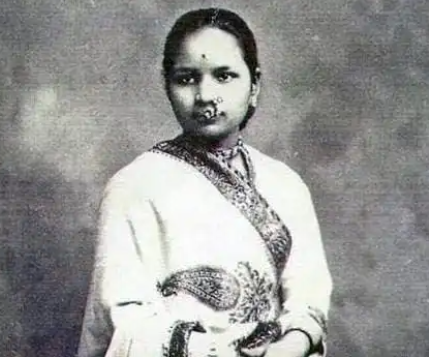
3.Anandibai Gopalrao Joshi became the first Indian female physician in the year 1887.

4.Kamini Roy was a Bengali poet, social worker, and feminist in British India. She was the first woman honors graduate in British India.

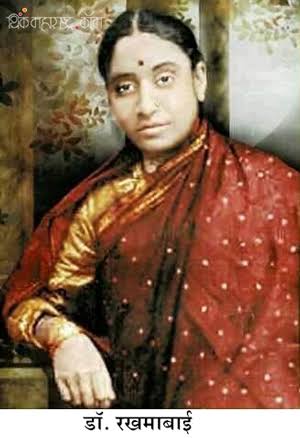
5.Rukhmabai was an Indian physician and feminist. She is best known for being one of the first practicing women doctors in colonial India


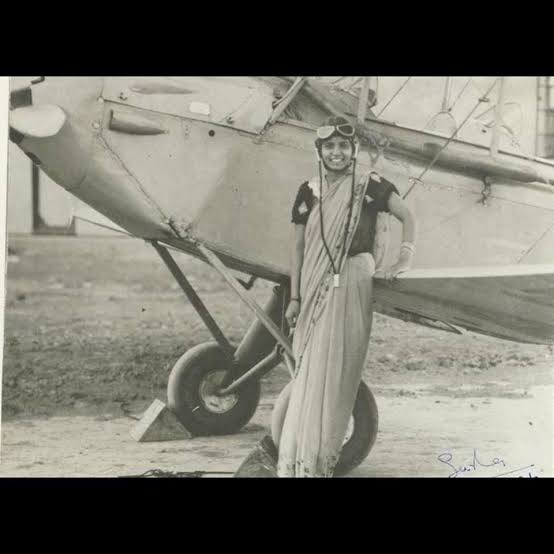
6. Sarla Chakra was the first Indian woman to fly an aircraft,she earned an aviation pilot license in 1936 at the age of 21 and flew a Gypsy Moth solo.

7.Durba Banerjee was the first pilot of Indian Airlines in 1956 and the first Indian woman commercial pilot.

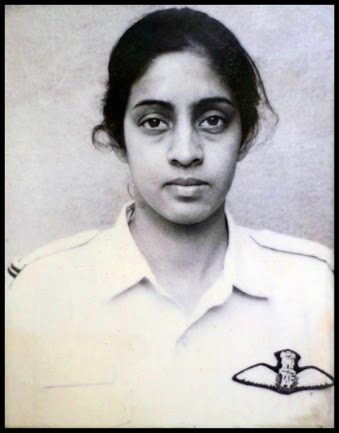
8.Harita Kaur Deol was the first woman pilot to fly solo in Indian Air Force 1994

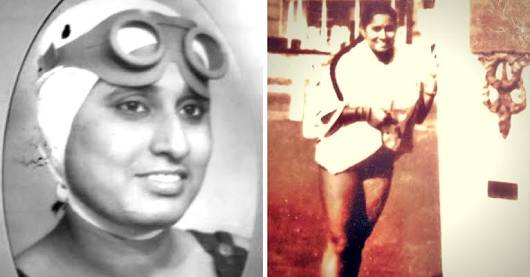
9.Arati Saha was an Indian long distance swimmer, best known for becoming the first Asian woman to swim across the English Channel in 29 September 1959. 

10.Bachendri Pal became the first Indian woman to reach the summit of Mount Everest In 1984. 

11. Arunima Sinha is the first female amputee to climb Mount Everest. She is also the first Indian amputee to climb the Everest

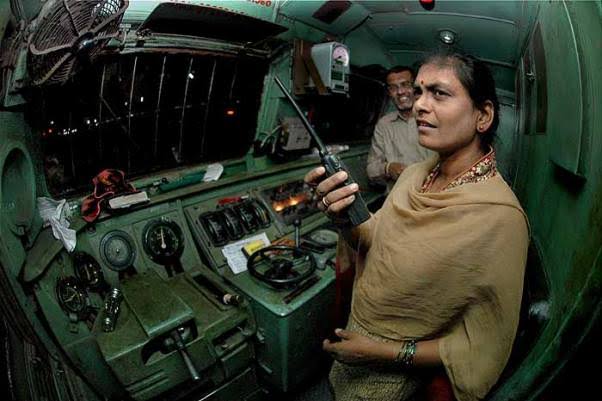
12. Surekha Shankar Yadav is a female loco pilot of the Indian Railways in India. She became India’s first female train driver in 1988.

13.Shila Dawre became the country’s first woman auto-rickshaw driver when she first stepped into the ‘male-dominated’ zone in the year 1988. 

14.Roshini Sharma recently became the first Indian woman to ride a motorbike from Kanyakumari to Kashmir.


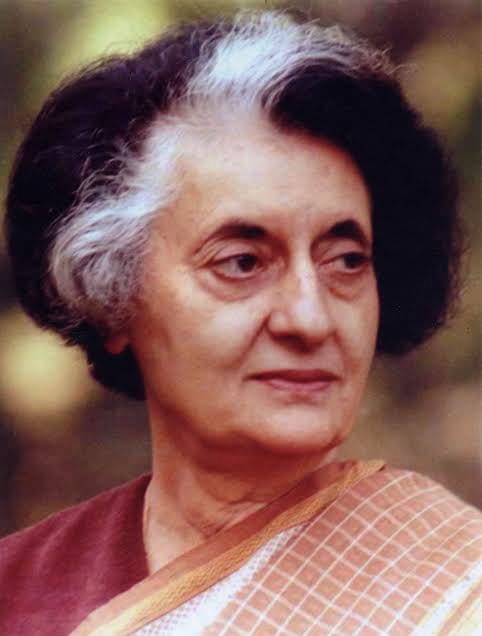
Indira Gandhi became the first woman Prime Minister of India and served from 1966 to 1977.1971, she became the first woman to receive the Bharat Ratna award.

Mother Teresa became the first Indian woman to win the Nobel Peace Prize in 1979

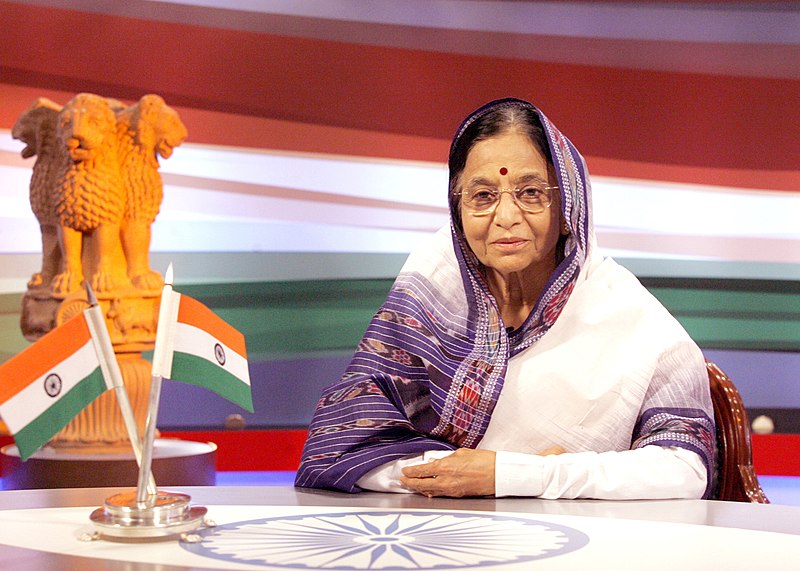
Pratibha Patil, Indian lawyer, and politician who was the first woman to serve as president of India (2007–12).

Justice M. Fathima Beevi became the first female judge who was appointed to the Supreme Court of India in 1989. 

Isha Basant Joshi She was the first woman ICS officer of British India

Kiran Bedi, joining Indian Police Service (IPS) in 1972, Kiran Bedi became the first woman officer in India.


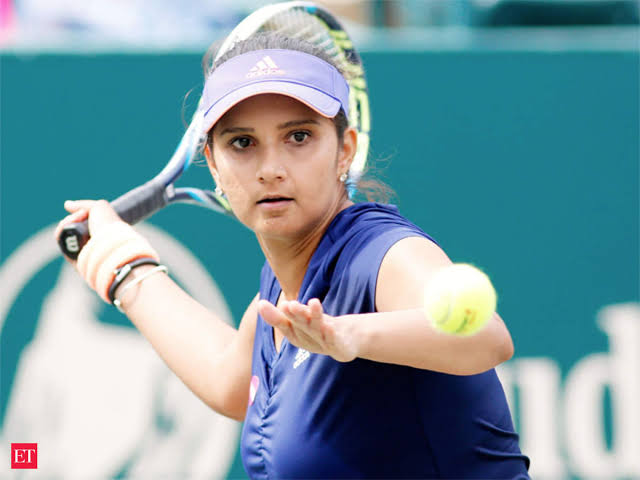
Sania Mirza,a professional tennis player, became the first ever Indian woman to win the Women’s Tennis Association (WTA) title in 2005.

Mangte Chungneijang Mary Kom, also known as Mary Kom is the only woman boxer who has won a medal in each of the six World Championships. 

Mithali Raj was the first woman to score a double hundred in Test Cricket (214* against New Zealand at Wellington, 2004). 

Kalpana Chawla was an American astronaut, engineer, and the first woman of Indian origin to go to space. She first flew on Space Shuttle Columbia in 1997 

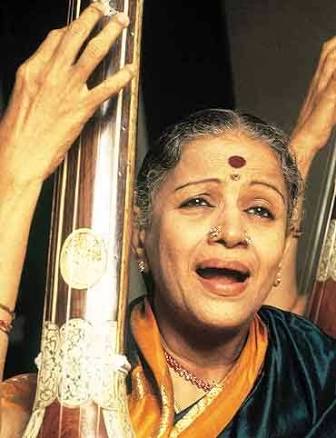
Bharataratna Madurai Shanmukhavadivu Subbulakshmi was an Indian Carnatic singer from Madurai, Tamil Nadu. She was the first musician ever to be awarded the Bharat Ratna, India’s highest civilian honour. 

Homai Vyarawalla, commonly known by her pseudonym Dalda 13, was India’s first woman photojournalist

Evaluation of Indian Architecture

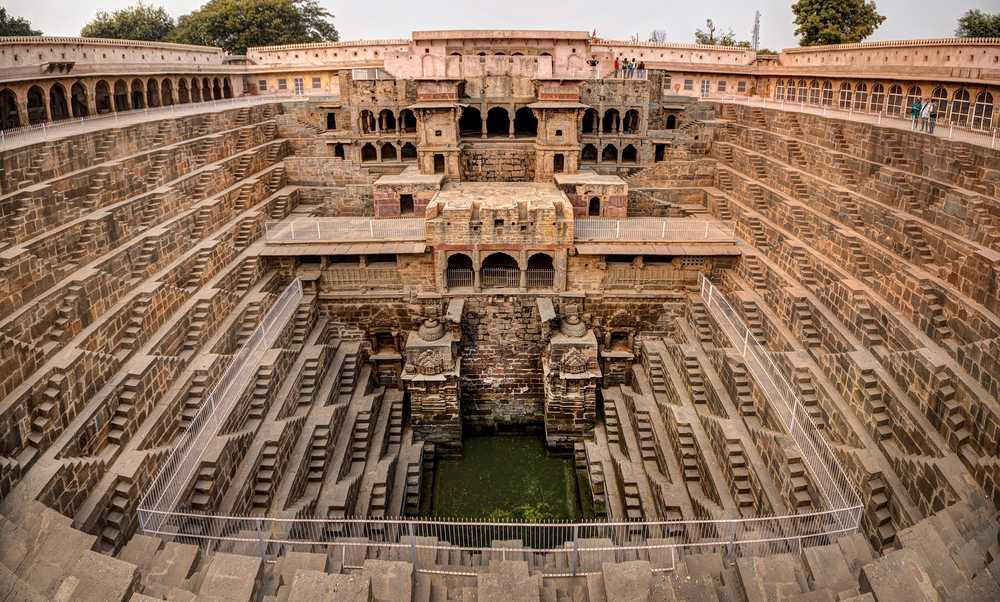
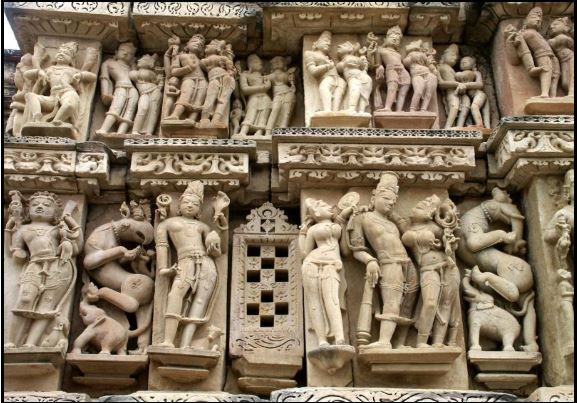
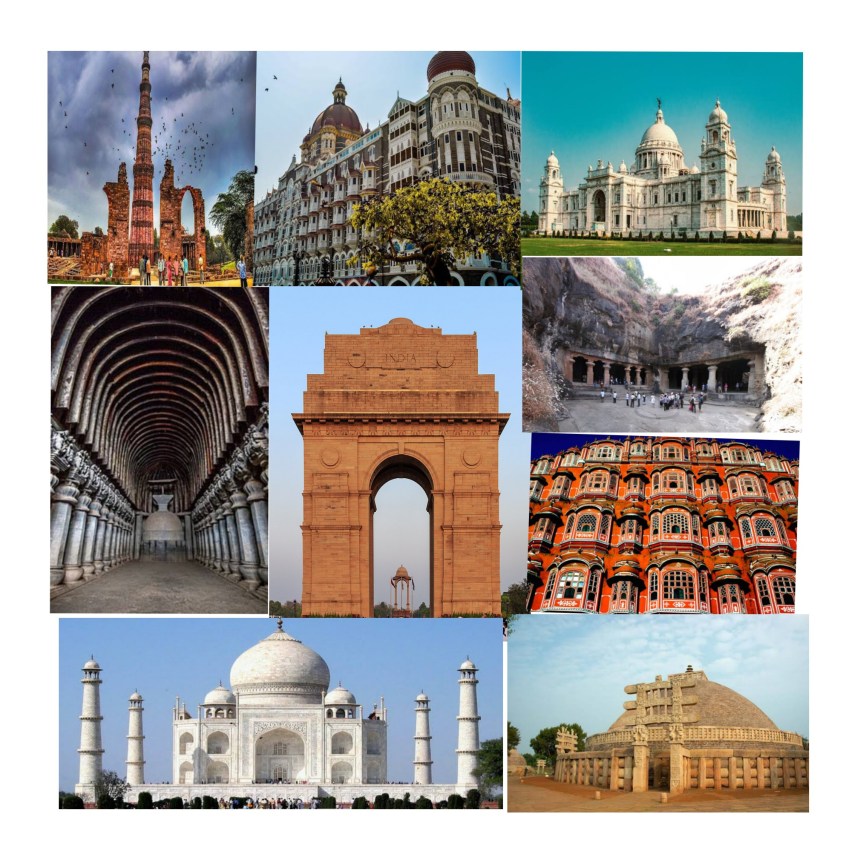
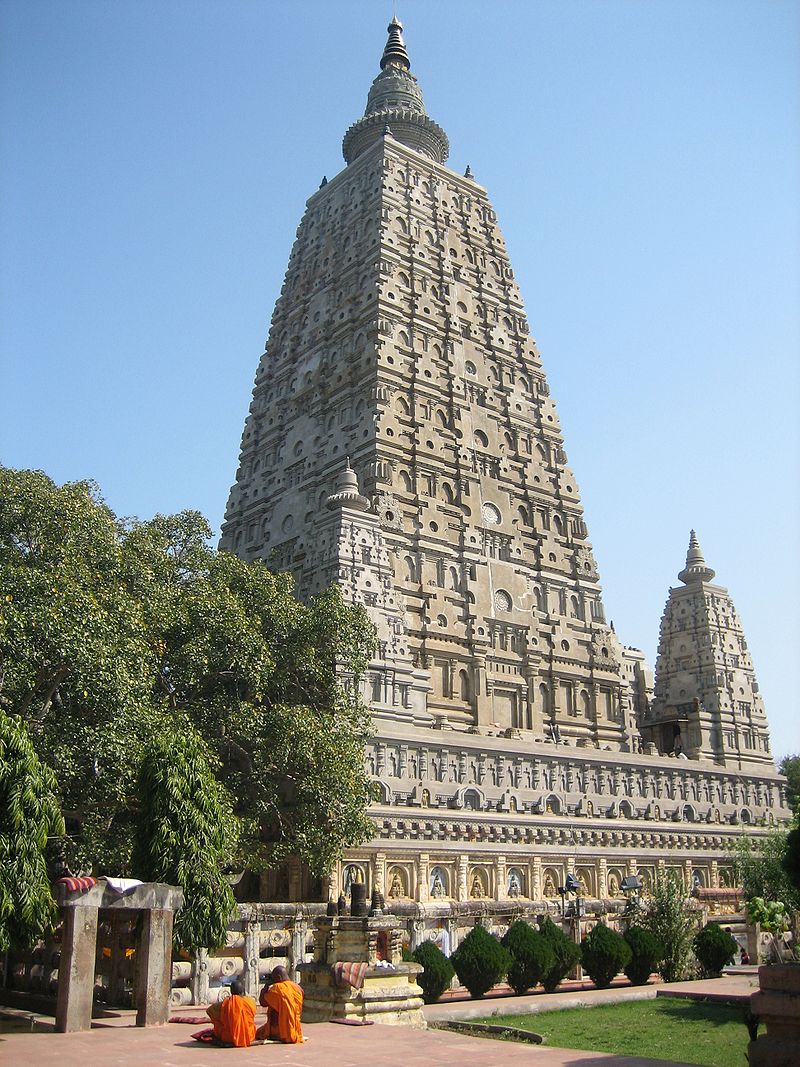
Art, design,  creativity, innovation, Music, dance, culture, and heritage is the Identity of INDIA. When we look back at our history of architecture we can understand why It’s Our pride. British, Dutch, Portuguese, Mughal, French foreign forces came to India and Buddhism, Jainism and other religions came here and spread their culture. That’s why Indian architecture is the fusion of a different kind of architectural style and tradition.

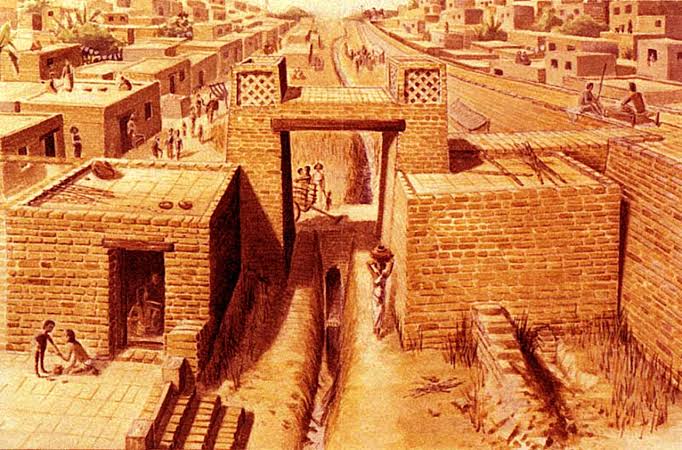
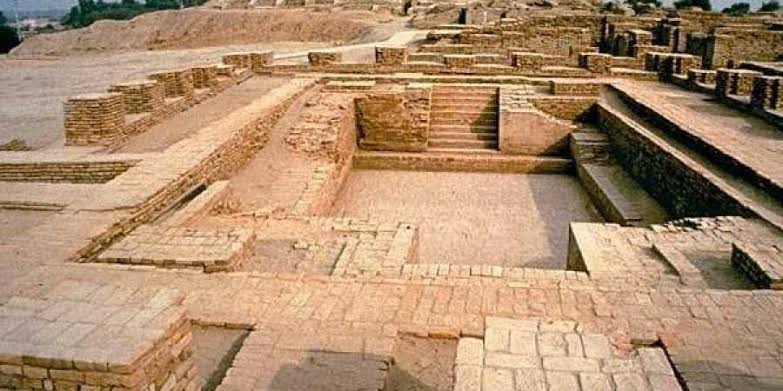
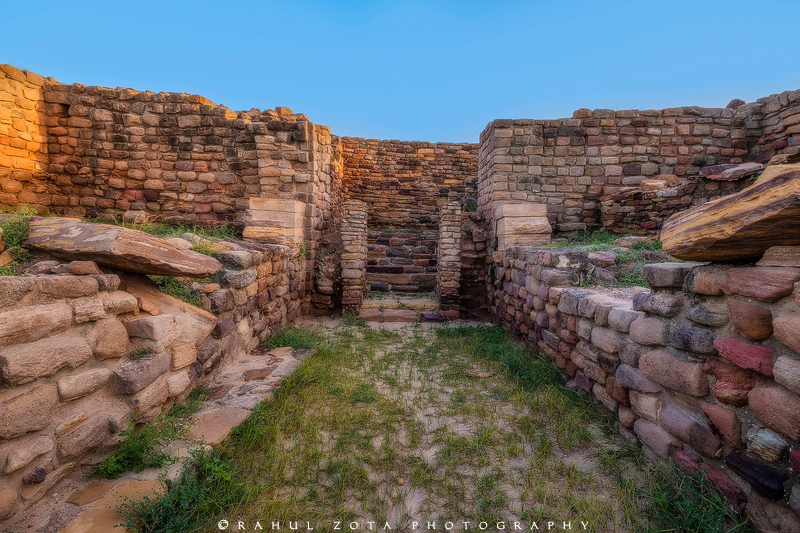
The History of India begins with the birth of the Indus Valley Civilization,(2600 BCE – 1900 BCE) The Indus Valley Civilization covered a large area around the Indus River basin and beyond in late Bronze Age India. The civic and town planning and engineering aspects of these are remarkable, There are granaries, drains, water-courses and tanks, but neither palaces nor temples have been identified, though cities have a central raised and fortified “citadel”. Around the 2000 year ago India had Smart cities Like Harappa, Lothal, Mohenjo-Daro

After the Indus Valley Civilization, there are few traces of Indian architecture, which probably mostly used wood, or brick which has been recycled,

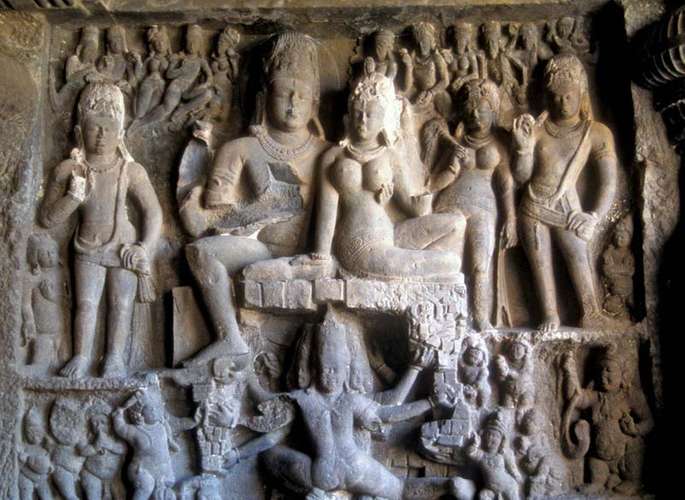
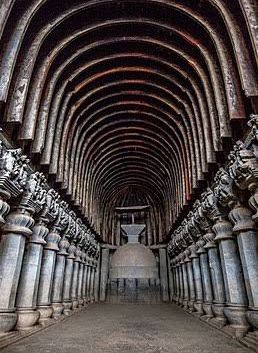
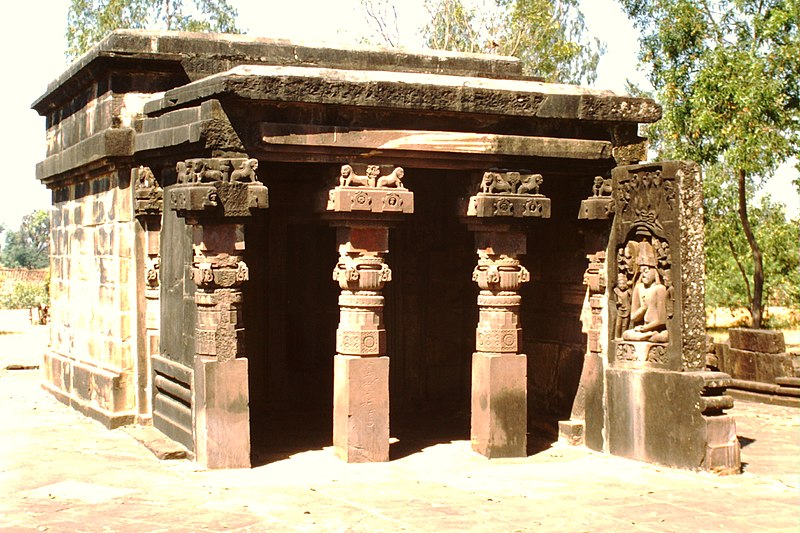
Probably around 400 BCE Indian rock-cut architecture, mostly Buddhist, and there are also a number of Buddhist images that give very useful information.

A STUPA FROM AJANTA CAVE

Buddhist construction of monastic buildings apparently begins before the death of Buddha.

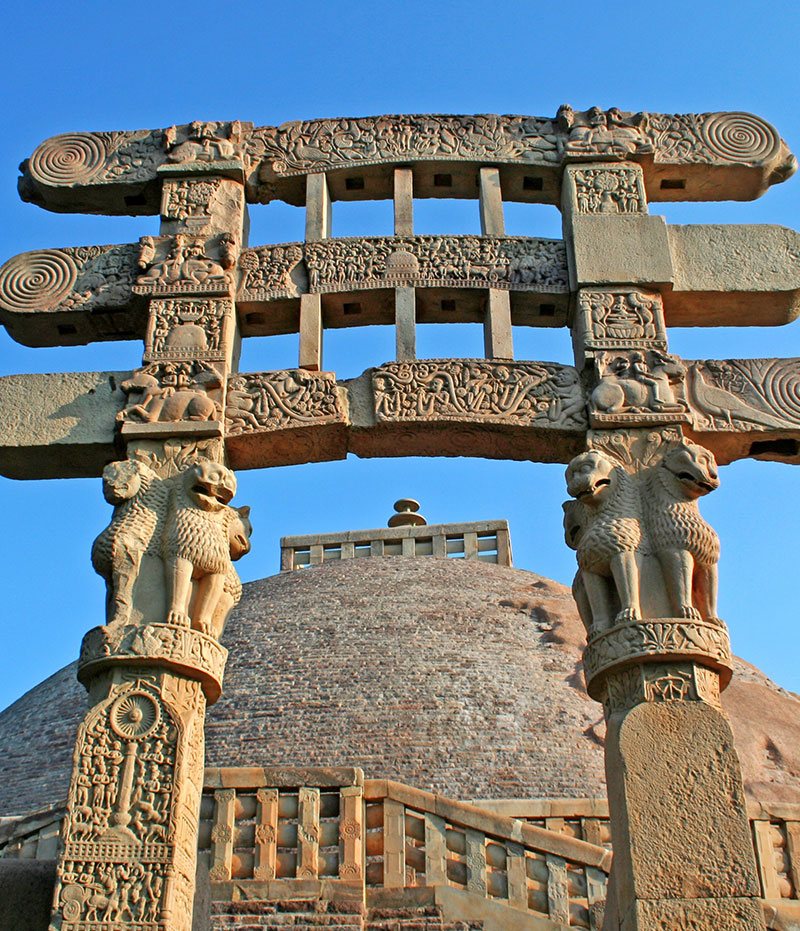
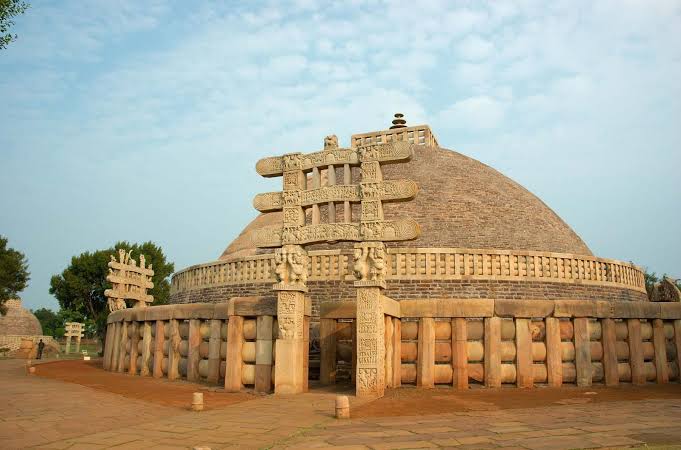
The Great Stupa at Sanchi is one of the oldest stone structures in India, and an important monument of Indian Architecture. It was originally commissioned by the emperor Ashoka in the 3rd century BCE. Its nucleus was a simple hemispherical brick structure built over the relics of the Buddha


Sanchi Stupa is a Buddhist complex, famous for its Great Stupa, on a hilltop at Sanchi Town in Raisen District of the State of Madhya Pradesh,

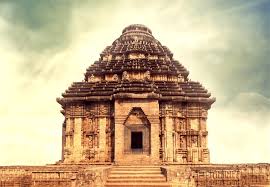
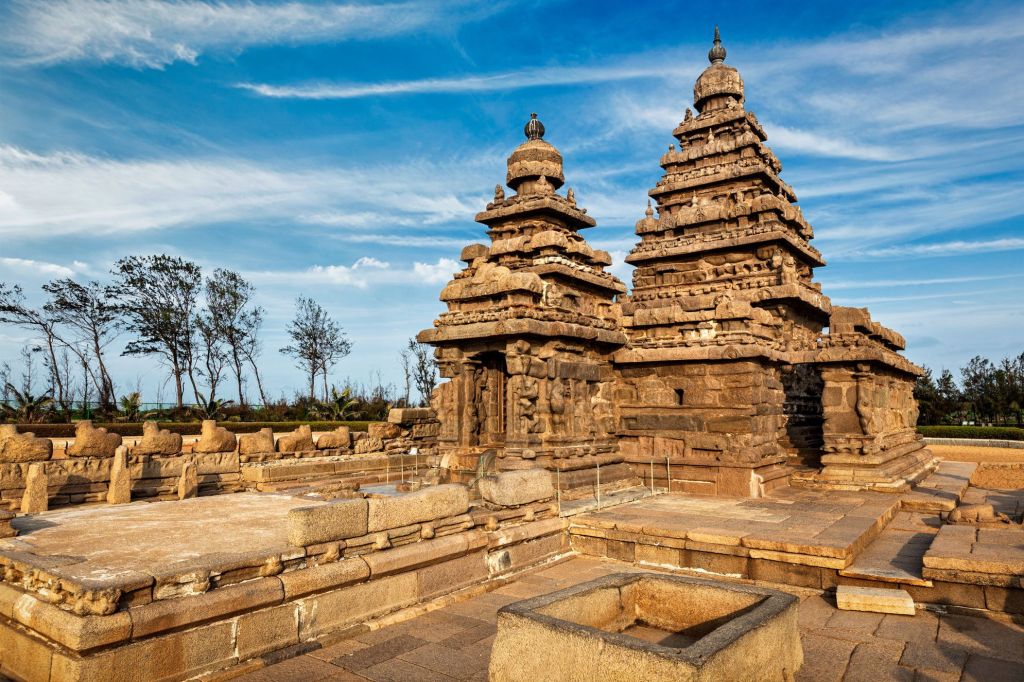
Temple Architecture was a gradual evolution starting from the rock cut- cave temples to monolithic rathas which finally culminated in structural temples

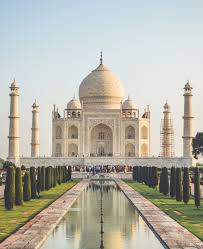
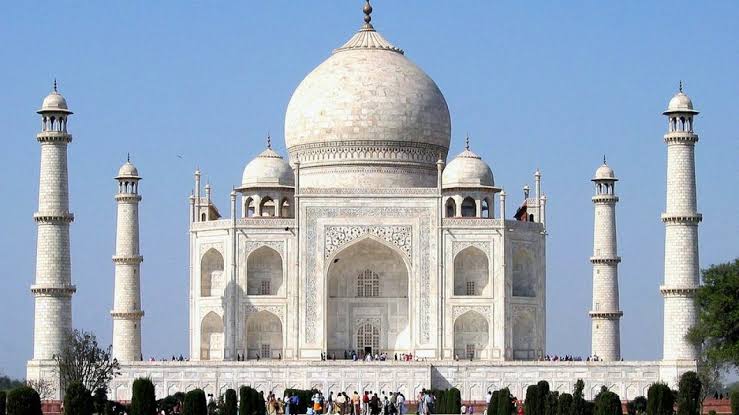
The middle period saw great developments in the field of architecture. With the coming of Muslims to India, many new features came to be introduced in buildings. The development of the Muslim Style of Architecture of this period can be called the Indo-Islamic Architecture or the Indian Architecture influenced by Islamic Art. The Indo-Islamic style was neither strictly Islamic nor strictly Hindu, One of the best architectural traditional style

The Taj Mahal,  one of the universally admired masterpieces of the world’s heritage.

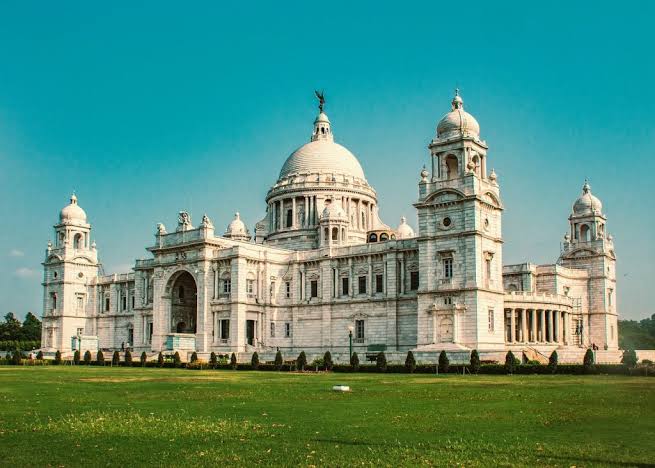
With colonization, a new chapter in Indian architecture began. The Dutch, Portuguese and the French made their presence felt through their buildings but it was the English who had a lasting impact on Colonial architecture.

The Victoria Memorial is a large marble building in Kolkata, West Bengal, India, which was built between 1906 and 1921

Now we are living in the 21st-century style, traditional, plan structure changed, modified but these architectures are immortal and inspiring generation after generation.

Eco-Friendly Architectural plan

From Indus Valley to eco-friendly plan creativity, hard work, ideas, style tradition makes our country beautiful.

LAC- India v/s China

Amid the going tensions of the world crisis, Indian and Chinese armies are again and again clashing at various points along the Line of Actual Control (LAC). Although, there were many times in the past when the two armies clashed with each other since there has not been a proper demarcation of the border lines between the two large economies. Also, incidents as these are uncommon along the LAC as both sides have differing perceptions of the alignment of boundaries. But what has caused a sudden attack on the Line of Actual Control?

Reasons for the current standoff-

Recently the standoff at LAC occurred at four places- Pangong Tso, Galwan Nalah, Demchock in Ladakh and Naku La in Sikkim, though the specific reasons for these clashes remain unclear. However, co-ordinated nature of Chinese intrusions at different points along LAC have raised concerns about Beijing’s intentions. At times it’s been noted that China’s reaction to Indian efforts over the last few years to build border infrastructure has been ultrasensitive and it fears that activities such as-
  • Construction of a feeder road near Galwan river connecting with the DS-DBO road.
  • Building a road in Pangong lake area.
Although both the new roads lie on the Indian side of LAC, their purpose is to strengthen further the Indian position along the LAC which might have irritated China which feared it and might have threatened it’s occupation of Aksai Chin and Lhasa-Kashgar highway. Also, China remains much more concerned about the newly constructed Dharchula to Lipulekh and believes that this newly inaugurated road has affected China’s border security in Tibet. While India decided to split Ladakh from Jammu and Kashmir last year, a that unsettled Pakistan. Many experts believe India’s aggressive position on the issue of Ladakh and PoK is the real reason behind current standoff.

What is China trying to signal?

This time, the scope, scale and posture of China’s moves were unprecedented. Against the backdrop of dramatically slowing economy, criticism for the handling of the outbreak of the Coronavirus and worsening ties with many countries, Chinese leaders may have felt the need to show strength, especially over questions of national sovereignty. This can be seen, not only regarding the border with India, but also regarding Taiwan, Hong Kong and the South China Sea. Considering the United States as it’s main “rival”, and not India, it generally seeks to maintain stability in the border dispute with India.

Current status-

After a tough tug and war between the two countries along their security lines, both the sides are currently engaged in the dialogue process at an appropriate level to avoid every kind of tensions between the two.Senior military commanders of India and China were scheduled to meet on 6th June to find a solution, and as a result, both sides have slightly retreated from their current positions. While Chinese Army had reportedly retreated by 2kms, the Indian Army has stepped back by one kilometres.

History of LAC-

In 1993, after years of territorial standoffs and negotiations, China and India finally signed an agreement which attempted to mark out a long stretch of border between the two countries. This came to be known as the Line of Actual Control, but it’s precise location can be blurry, and there is still dispute between both of the world’s leading powers.
So far, this LAC has served as the de facto border between these two countries. Since, India is close to complete a major upgrade of border roads, including a strategic military-use road that connects an airfield at Dalut Beg Oldie in northern tip of the Western section with the villages of Shyok and Darbuk towards the South, also India reactivated and rebuilt airfields along the border. It has also raised two mountain divisions and is creating a mountain strike corps to conduct offensive operations against China along the border.
Thus, the increased frequency of standoffs between the two are major cause of worry. If these standoffs drags on, nationalistic fervour is bound to kick in. The resultant public groundswell would restrict the options available to political leaders of both sides to resolve the issue.

13 REASONS WHY! Ever wondered about the mystery behind some common Hindu traditions? Here’s what science has to say!
1) Tilak on forehead

The  circularspot between the eyebrows  is viewed as a significant nerve point in the human body. A tilak is accepted to forestall the loss of vitality, and hold this to control different degrees of focus. In addition, the demonstration of applying this guarantees the focuses on the mid-temple area and Adnya-chakra are squeezed, encouraging blood gracefully to the facial muscles and ensuring the natural glow.

2) Mehendi on palms

Mehendi is an incredible therapeutic herb, and its application on our palms and feet can pre-empt worry and nervousness during weddings, something which is really common in the first-time brides. Moreover, it cools the body and shields the nerves from being tensed.

3) Namaste (Pranaam)

There is a logical purpose for the ‘Namaskar’ in Hindu culture. Joining two hands together guarantees contacting the tips of the considerable number of fingers together, which are connected to pressure focuses in the eyes, ears, and brain. Squeezing them together is said to actuate these, helping us recollect that individual moment for quite a while.

4) Ringing bells in the temples

Devotees strike the temple bells upon entering as its sound is said to clear our brain and assist us with remaining sharp, keeping our full fixation on dedication towards the almighty. Besides, these bells are made so that the sound they produce makes solidarity in the left and right pieces of our cerebrums. The term of the chime reverberation is perfect to enact all the seven recuperating focuses in our body, freeing us from antagonism.

5) Wearing bangles

Bangles cause steady grinding with the wrist which builds the blood flow level. Further more, the power dropping through external skin is again returned to one’s own body in light of the ring molded bangles.

6) Toe rings (bichhiya)

Indian ladies regularly wear toe rings on the subsequent toe. A specific nerve from this associates the uterus and goes to heart. Along these nerve-endings, a toe ring on this toe reinforces the uterus, keeping it solid by directing the blood stream to it. Besides, a lady’s menstrual cycle is supposed to be regularized.

7) Tossing coins away in a holy stream or river

Verifiably, most money in the ancient period, was made of copper, an essential metal for the human body. Throwing coins in a holy water body was an approach to allow adequate copper, as a major constituent of water, to be consumed by us. As wells, drawing in water from these rivers were the main sources of drinking water.

8) Piercing of the ears

Indian doctors and scholars have acknowledged that piercing ears helps in the advancement of mind, intensity of reasoning and dynamic resources. This is the scientific reason behind most of the indian ladies piercing their ears while also serving the purpose for jewellery.

9) Not laying down with your head pointing north

The human body has its own magnetic field, while the Earth, as we all know, is a mammoth magnet. At the point when you lay down with your head pointing north, your body’s attractive field gets hilter-kilter to the Earth’s, causing issues identified with circulatory strain since your heart needs to work more diligently so as to defeat this.

10) Touching the feet of elders (Charan Sparsh)

At the point when you contact the feet of the old, their hearts discharge positive considerations and vitality, which they transmit through their hands and toes. Basically, the finished circuit empowers stream of vitality and increments grandiose vitality, turning on a soulful associate between two personalities and hearts. Your fingers and palms become the ‘receptor’ of vitality and the feet of the other individual become the ‘supplier’ of vitality.

11) Sindoor

Sindoor is set up by blending turmeric, lime and the metal mercury. Because of its inborn properties, mercury controls pulse and enacts oxytocin production. Along these lines, sindoor ought to be applied right upto the pituitary organ where every one of our sentiments are focused.

12) Idol Worship

Hinduism engenders idol venerate much more than any other religion does. This was started to expand focus during supplications or prayers. As per therapists, a man will shape his musings in accordance to what he sees.

13) Fasting on felicitous occasions

Ayurveda sees the fundamental reason for some infections as the amassing of poisonous materials in the stomach related framework. Ordinary purifying of poisonous materials keeps one sound. By fasting, the stomach related organs get rest and all body components are purified and rectified.

LADAKH

Location and history

Ladakh (“land of high passes”) is a region in northern India. It is located between the Kunlun mountain range in the north and the main Himalayas to the south. Ladakh is well-known for its remote mountain scenery. It is inhabited by a mix of Indo-Aryan and Tibetan people. Their la nguage is an archaic dialect of the Tibetan language. It is sometimes called “Little Tibet”, because it has been strongly influenced by Tibetan culture. Ladakh is one of the least populated regions in the area.

Historically, the region of Ladakh included neighboring Baltistan, the Indus and Zanskar Valleys, Lahaul and Spiti, Aksai Chin and the Nubra Valley. The modern region borders Tibet to the east, Lahaul and Spiti to the south, and Kashmir, Jammu and Baltistan to the west. The largest town in Ladakh is Leh. It is one of the few remaining places in South Asia where Buddhism is very strong. A majority of Ladakhis are Tibeta Buddhists and the rest are mostly Shia Muslims. Leh is followed by Kargil as the second largest town in Ladakh. 

How to go

The nearest airport to Ladakh is Kushok Bakula Rimpochee Airport in Leh which is just 3.8 km from the main city. The cabs are available outside the airport; by which you can get transferred to the heart of Ladakh easily. This is one of the highest commercial airports that is directly connected to the major cities like Kolkata, Mumbai, Delhi, Srinagar and Jammu. The International travelers can directly board a flight from the major cities like Kolkata, Mumbai and Delhi to reach Leh Airport by air and then ultimately to Ladakh, by a cab.

Places to Visit

Pangong Lake:

Pangong Tso or Pangong Lake is an endorheic lake in the Himalayas situated at a height of about 4,350 m (14,270 ft). It is 134 km (83 mi) long and extends from India to the Tibetan Autonomous Region, China. Approximately 60% of the length of the lake lies within the Tibetan Autonomous Region. The lake is 5 km (3.1 mi) wide at its broadest point. All together it covers 604 km2. During winter the lake freezes completely, despite being saline water. It is not a part of the Indus river basin area and geographically a separate landlocked river basin.

Zanskar valley:

Zanskar or Zahar (locally) or Zangskar is a subdistrict or tehsil of the Kargil district, which lies in the Indian union territory of Ladakh. The administrative centre is Padum. Zanskar, together with the neighboring region of Ladakh, was briefly a part of the kingdom of Guge in Western Tibet. The Zanskar Range is a mountain range in the union territory of Ladakh that separates Zanskar from Ladakh. Geologically, the Zanskar Range is part of the Tethys Himalaya, an approximately 100-km-wide synclinorium formed by strongly folded and imbricated, weakly metamorphosed sedimentary series. The average height of the Zanskar Range is about 6,000 m (19,700 ft). Its eastern part is known as Rupshu.

Chadar trek:

The Chadar Trek or the Zanskar Gorge is a winter trail in the Zanskar, in the Indian administered union territory of Ladakh. Traditionally the only means of travel in the area during the harsh winter months, the trail has become popular with international adventure tourists.

Nubra valley:

Nubra is a subdivision and a tehsil in the Indian union territory of Ladakh. Its inhabited areas form a tri-armed valley cut by the Nubra and Shyok rivers. Its Tibetan name Ldumra means “the valley of flowers”. Diskit, the headquarters of Nubra, is about 150 km north from Leh, the capital of Ladakh. The Shyok River meets the Nubra or Siachan River to form a large valley that separates the Ladakh and Karakoram Ranges. The Shyok River is a tributary of the Indus River. The average altitude of the valley is about 10,000 ft. i.e. 3048 metres above the sea level. The common way to access this valley is to travel over the Khardung La pass from Leh town.

Hemis National Park:

Hemis National Park (or Hemis High Altitude National Park) is a high altitude national park in the eastern Ladakh Union Territory of the Republic of India. Globally famous for its snow leopards, it is believed to have the highest density of them in any protected area in the world It is the only national park in India that is north of the Himalayas, the largest notified protected area in India (largest National park) and is the second largest contiguous protected area, after the Nanda Devi Biosphere Reserve and surrounding protected areas. The park is home to a number of species of endangered mammals, including the snow leopard. Hemis National Park is India’s protected area inside the Palearctic ecozone, outside the Changthang Wildlife Sanctuary northeast of Hemis, and the proposed Tso Lhamo Cold Desert Conservation Area in North Sikkim. The park is bounded on the north by the banks of the Indus River, and includes the catchments of Markha, Sumdah and Rumbak, and parts of the Zanskar Range.

Magnetic Hill:

Magnet Hill is a “Cyclops hill” located near Leh in Ladakh, India. The layout of the area and surrounding slopes create the optical illusion of a hill. The hill road is actually a downhill road. Objects and cars on the hill road may appear to roll uphill in defiance of gravity when they are, in fact, rolling downhill. It is 7.5 km southeast of Nimmoo and 26.5 km west of Leh on Srinagar-Ladakh road.

Why visit Ladakh?

Sweeping scenic beauty

Enclosed in between the Himalayan and Karakoram mountain ranges, the Ladakh region is a highland that is layered in spectral of red, orange, brown, green, and grey with large crystal blue water bodies. The rugged landscape under the stark blue sky, aligned by snow crested peaks and some lush green patches of vegetation along the valleys formed by the perennial streams together make for a surreal scenic beauty. So if you are still thinking that Ladakh is just a barren landscape, I’m afraid, you are going to miss the shelter in heaven.

Foodie benefits

I know you must have tried out both momos and thukkpas out here in the city at some Indo-Tibetan restaurant or at any edge eateries. But out there in the mass of indigenous Indo-Tibetan sphere you will just relish each bite of momos and slurp of thukkpa. Just imagine that there is a mystical spice hidden in the valley that top-ups the steamy momos to a lip smacking snack and lashing of red chilli in the bowl of thukkpa will just counteract the chilly and dry winds ensuing a great solace.

Vibrant and indigenous festivals

You might have read or heard about the indigenous culture of the Indo-Tibetans – about their lifestyle, rituals and festivals. I bet it will be a pleasure to your eyes if you are visiting Ladakh during the auspicious festivals of Losar, Hemis, Naro Nasjal, Kalachakra, Dosmoche, Tak, and Phyang. These festivals are not just vibrant and unique in their own ways, but if you trigger the traveler inside you, you will find a sensational vibe of ritual that drives away the evil spirit. And if you can’t trigger that out, you have got to capture and enjoy the drama performance, which is a fusion of drums and trumpets, and thumping steps of the masked Lamas.

Lose yourself in the barren panorama

So, when you can afford your sound health to that altitude then why not to spend a bit more and explore the barren and rugged beauty that is dispersed throughout the region.  It is a region where you can breathe in some fresh air, let go all the weariness and explore the untraceable landscape of Ladakh.

Limber up your photography skills

The mountainscapes, desertscapes and riverscapes altogether offers a wonderful scenic frame to limber up your photography skills. So you have got a chance to click countless candid moments. Not to miss moments are the heavenly horizons, unplugged landscapes, wildlife and culture and sparkling blue lakes.

Conquer the highest trekkable peaks and mountain passes

You know Ladakh is quite popular for certain trekkable peaks like Stok Kangri, Nun-Kun and Kang-Yatse? Well conquering that altitude isn’t a cup of tea but you are still fit to go for it. You can dream of a strenuous climb and days like Eskimos! Even if you think it is hard for you to get acclimatized to the high altitude of 6,000 meters and above, you got those historical mountain passes that used to be the trade routes once upon a time between India and China. Once you conquer one of these mountain passes I bet you will receive the best bird’s eye view of the distant valleys and remote villages tucked in the midst of the Trans-Himalayan ranges. Some of the notable mountain passes are the Khardung La, Tanglang La, Chang La, Wari La, and Namshang La.

Being an abode of some of the ancient Buddhist monasteries and gompas

The Ladakh region is also notable for housing some of the ancient Buddhist monasteries and gompas that chronicle the footsteps of Buddhism in India. The vibrant festivals, indigenous attire and strange rituals are some other things that you are going to see in addition when you visit these monasteries. Further, the artistic décor, ancient manuscripts and antiques like statues, thangkas and murals are simply going to take you back to the pre-historic era. Some of the notable Buddhist monasteries and gompas in the Ladakh region are the Hemis monastery, Alchi monastery, Matho monastery, Spituk monastery, Thiksey monastery, Stakna monastery, Stok monastery, and Lamayuru monastery.

Acclimatize your driving skills and snaking through mountain passes

If you are a traveler on wheels the aslant roads snaking through the barren mountains will give you an opportunity to acclimatize your driving skills. The drive from Manali to Leh, crossing some of the highest motorable mountain passes in the world; an expedition through Khardung La to Nubra Valley; and a thrilling journey from Leh to Srinagar is some of the best routes in Ladakh region where you can whizz and snake through the mountainscapes.

Stretch your money with cheap accomodations

Ladakh is one such destination where you are going to spend much on travelling than lodging. You will find neat and tidy rooms in Leh starting at just Rs. 600 even during the peak tourist season. Then you can also find accommodation in some local villages in the Ladakh region and experience the local culture throughout your trip. Further, you have plenty of options for camping in Ladakh.

Away from the Hi-tech life, live like a nomad

Overlooking the sparkling blue Pangong Lake an overnight camping is much needed for techies like you. Just imagine a life other than technology, civilization and infrastructure and you step into the wide open space of nature. How about a part of your life spending at the Hunder Sand Dunes? It is beyond your dreams. Amid the towering mountains camping in Hunder Sand Dunes makes you feel like you are living life like a nomad. There again if you can afford further couple of days, camping at the Tso Moriri Wetland will surely give you an opportunity to get acquainted with some of the beautiful species of high altitude birds and animals.

So if you are still thinking why to visit the Ladakh region once in your lifetime, you have got your own vibe to add further as another reason. If you are an adventurer then the winter is the best time to exploit every bit of Ladakh. The Snow Leopard trek and Frozen River trek are some of the notable winter expeditions in the Ladakh region which you can go for. If you are a leisurescaper, then you have time to plan a customized trip starting from April and continuing till October. So what are you waiting for?

From Chubby Cheeku to Virat THE FITNESS FREAK Kohli

Virat Prem Nath Kohli who is currently captaining the Indian cricket team across all the 3 formats is not an unknown figure to any but is known majorly for his consistency, his unflagging hunger to outperform himself everytime, his aggression and intensive passion on the field and is always in talks because of the fitness regime that he follows. Let’s take a deeper dig into the Fitness Mantra the sportsman has not only followed himself but also continued to advocate, over the years, amongst his fellow counterparts and the young enthusiasts who wish to play the sport at an international level.

We are all well familiar with the Chubby Cheeku who led the Indian side to a victorious 2008 U-19 World Cup. Often he is bombarded with questions from the curious interviewers as to how did he manage to transform so miraculously? To which his answer is subtle yet sublime. He says that the realisation hit back in 2012 when during the IPL months, he realised, looking at himself in the mirror, that this is not how an international cricketer should look like. That’s where the journey to transform began mentally for him. Nextly, the diet had to change and the Delhi-born Punjabi Munda made a firm decision to give up on his all-time favourite Chole Bhature and other delicacies. The first three months were dreadful. Virat told Jatin Sapru in an interview for Star Sports that he had to eat boiled Kabuli chana and for a person whose taste buds are accustomed to having spicy food, it was no less than a disaster. But he didn’t give it up then, despite the temptations, knowing in his head that this shall soon become a habit and get easier and is now reaping the fruits, which the whole sporting world is a witness of.

JW Marriott Hotel, Pune in 2017
Kohli with Shankar Basu

We have heard Virat giving away the major credit to Shankar Basu, on several occasions, who was his fitness coach working with him in RCB. Although, Virat was initially quite reluctant to lift weights due to sustaining back issues and do the other types of exercises to strengthen the lower body, he kept following Mr Basu’s instructions and soon felt the body exceeding its previous limits. He was able to run swiftly between the wickets and during fielding, the match recovery was happening quickly and everything else seemed to fall in place. It’s more of a mental struggle than it is physically. The mindset has to be right and the energy has to be channelized towards the bigger picture, which for him, has always been the victory of the team and not individual milestones. And that is the major reason behind why the transformation happened so smoothly. Virat has truly been an epitome of relentless towards fitness because to him, it isn’t any special or out of the box thing, but a basic requirement of his job. He has been very strict with his nutritional intake to such an extent that if he would feel really drained out post big innings in a test match, he only affords to have a gluten-free dark chocolate bar to ensure just enough supply of energy and speeden up the recovery process for the next day. No Sweets please!!! He has always been so adamant about his exercising routines even during this lockdown which his social media profiles are a living proof of and all of that requires a lot of self control, dauntlessness and that desire to always be one of the bests in the world, which for sure he has become.

Taking inspiration from him are many, his teammates like Dhawan, Ashwin etc , the younger players like Chahal, Kuldeep Yadav Hardik Pandya, KL Rahul, Navdeep Saini, Shubman Gill etc are repeatedly seen acknowledging their captain for raising the bar and being a constant source of motivation to them and so many other future-cricketers of India. “Virat Kohli is like lion, his hunger is never-ending”, Shreyas Iyer was quoted as saying. The admiration and appreciation is not just confined to the junior lot but also a lot of senior players like Sachin Tendulkar and Sir Vivian Richards regard Kohli for bringing about a fitness revolution in not just India but globally and across all sports.

We are proud of you Captain Kohli for setting such a high benchmark in terms of keeping fit which has only taken Indian Cricket forward and we at Eduindex News wish you and your Indian Cricket Team all the very best for the forthcoming matches.

Finance Bill 2020

The Finance Bill 2020 has been passed by the Lok Sabha on 23 March 2020 and also duly returned by the Rajya Sabha. There were significant changes made to the original Finance Bill 2020 which was introduced in the Lok Sabha on 1 February 2020.

The Lok Sabha passed the Finance Bill by voice vote with 40 amendments amidst the coronavirus pandemic. On March 27, President Ram Nath Kovind gave assent to amend the Finance Bill 2020 and now it became the Finance Act 2020.

In the Union Budget 2020-2021, the government proposed to spend INR 30,42,230 crore in the next Fiscal Year which is 12.7% higher than the revised estimate of the year 2019-2020. After the Financial Bill 2020 has passed in the Lok Sabha, these proposals have been given effect.

What is a Finance Bill?

As per Article 110 of the Indian Constitution, Finance Bill is a Money Bill having a Memorandum containing explanations of the provisions included in it. The Finance Bill can only be introduced in Lok Sabha. However, Rajya Sabha can recommend amendments to be made in the Bill and it is up to Lok Sabha to accept or reject the recommendations. The bill must be passed by the Parliament within 75 days of its introduction.

Importance of Finance Bill

All the elements included in the Finance Act associated with a particular Financial Year are of course important. Even so, there are particular elements that take precedence over the others. The most important element is the rules laid down in the Act with respect to Income Tax Rates. Every year, the Act lays down in detail all the associated provisions related to Income Tax in the country. Since this applies to a large number of taxpayers, it is considered one of the most important elements.

The Finance Act is responsible for laying down the tax slabs that applies to taxpayers. The Act includes various details related to – Income through salary, agricultural income, tax slabs for senior citizens, tax slabs for very senior citizens, income Tax Surcharges, taxes chargeable to companies and advance tax.

These are a few important elements included and elaborated upon in detail in the Finance Act for a particular year.

Direct taxes

The Finance Act for a particular financial year also includes the amendments that have been made with respect to Direct Taxes. The Amendments made under various sections are noted down in this section of the Finance Act and each amendment of every section is noted down separately. Also included in the Finance Act are the details of the insertion of new sections, if any.

List of important amendments in the Finance Bill 2020

1- Additional excise duty on Petrol and Diesel by up to Rs 18 per litre and Rs 12 per litre respectively as and when required.

2- The original Finance Bill proposed to reduce the time spent in India by the Indian citizens or people of Indian origins to qualify as Indian tax resident from earlier 182 days to 120 days in 2019. Now, the Finance Act states that the 120-day rule will not apply to those citizens having Indian-sourced income less than INR 15 lakh in the relevant Fiscal Year. 

3- The Tax Deducted at Source or TDS rate on payment of dividend to non-residents and foreign companies have been set at 20% after the amendment. 

4- In the original Finance Bill, the dividend received by the shareholders was taxable. However, after the amendment, the dividends received by the shareholders will not be taxed if DDT has been paid as per the original law with effect to April 1. 

5- After the amendment, 1% of TDS has been imposed on e-commerce transactions. 

6- Finance Act, 2020 has extended reduced tax withholding rate of 2% to royalty in the nature of consideration for sale, distribution or exhibition of cinematographic films.

The Big R Or The Invisible C?

Amidst the raging Corona pandemic, another widespread form of a virus known as racism has resurfaced and come to light and is making waves amidst the global community currently under lockdown. George Floyd, a black 46-year-old man died after a white police officer Derek Chauvin put his knee on Floyd’s neck for almost nine minutes leading to his untimely death. This incident took place in Minneapolis, Minnesota leading to mass protests throughout the US and soon leading to global protests with around 50 countries like UK, Australia, Germany, Austria etc joining in the protests.

The protests are taking place whilst the corona pandemic is raging throughout the globe. People have been flouting social distancing norms with no regard for their personal safety. People have been protesting throughout the globe through mass gatherings. So the big question that needs to be answered is what do the people fight? An invisible enemy that takes lives or the grave discrimination that profiles humans based on skin colour?

Darren Sammy, a West Indies cricketer pointed out that he had been racially profiled as “Kalu” in India which he had mistaken as a compliment during his stay as an IPL cricketer. The tendency amongst humans to judge their superiority based on their skin colour is foolhardy. Kids grow up emulating those around them and observing blatant racist jibes and practices which mould them into toxic human beings from their tender years. Often black children are bullied in schools and mistreated leading to them suffer from depression, low self-esteem and some eventually succumbing to the emotional abuse through suicide.

On the other hand, over 70 lakh people have been globally infected with Covid-19 as on 8th June 2020 with over 4 lakh deaths. Thus one may question as to why people would have mass protests with thousands huddled together, flouting the social distancing norms and risk personal safety and pose a public hazard.  The answer may lie in the repetitive instances of insensitive discrimination based on race and skin colour. People are frustrated with already having to deal with a deadly virus and then tolerating gruesome racist treatment from people who are no less than the human incarnation of viruses. The wrath of the people could be visible in Bristol where they pulled down the statue of a controversial slave trader named Edward Colston who worked for a company that had transported 80,000 men, women and children to America.

We need to work towards eradicating Corona from our planet yet such sad incidents like the George Floyd murder impedes our progress in doing so. The wrath and intolerance of people towards such incidents are totally justifiable yet the mass protests, devoid of social distancing may have laid seeds for an even bigger monster and may end up costing the global community more lives than just one. We need a community devoid of prejudice towards our fellow beings. We are one and black lives do matter. However, we have to be wise in fighting and combatting both these grave impediments to a flourishing global community.

While the fight against Covid-19 may have an eventual end with a vaccine but the fight against racism will continue for ages to come. The seeds of racial profiling and discrimination have been embedded in our global culture through our ancestors and put into practice by our society. A deeper psychological evaluation may lead one to discover that the constant need to feel superior from other races may evolve from deep-seated insecurity of one’s own culture and race. The big R or the invisible C? We can’t choose one over the other. We have to fight both of them wisely.