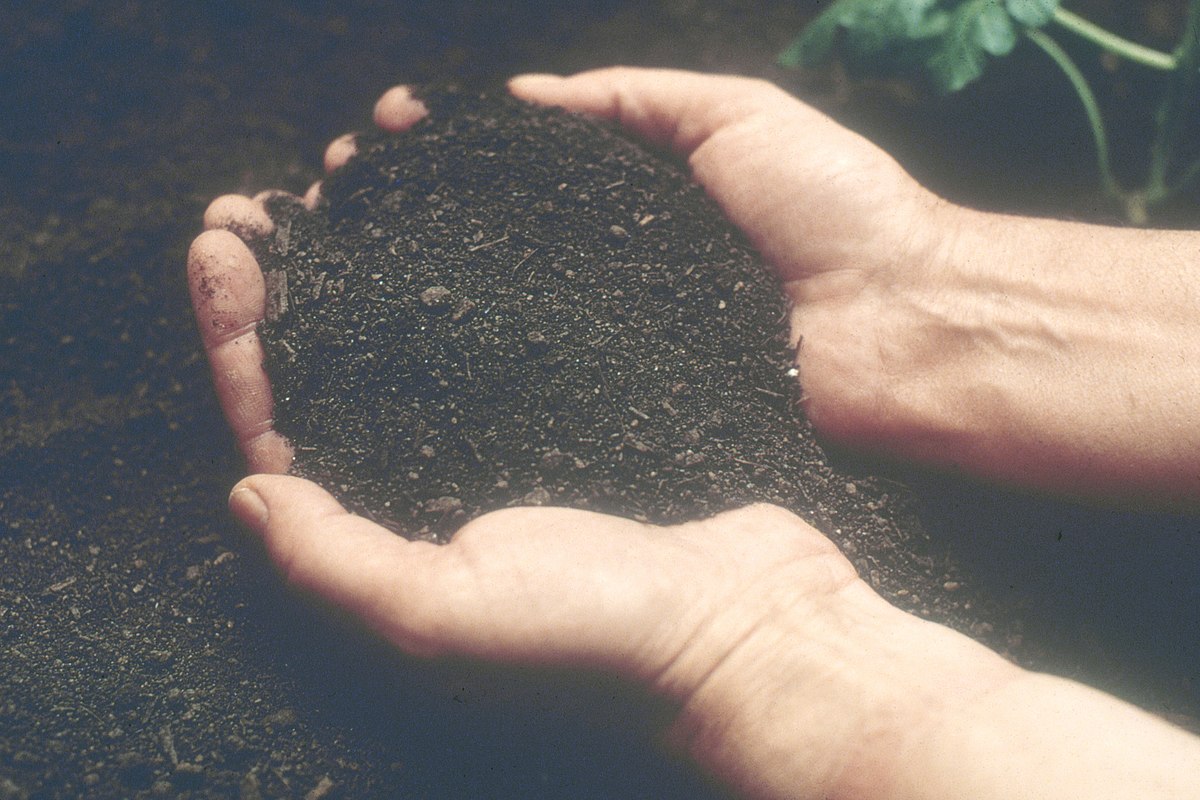
NO TILL FARMING

Alternative modern farming

PATTIKONDA:16/07/2020.

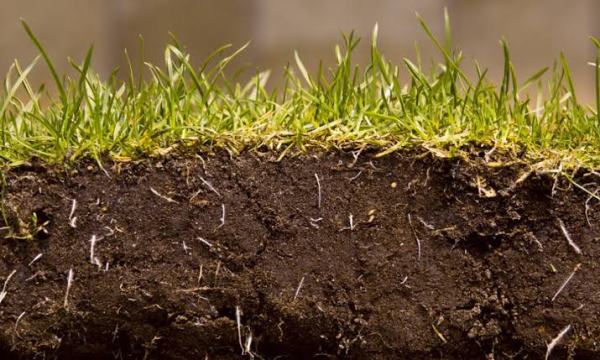
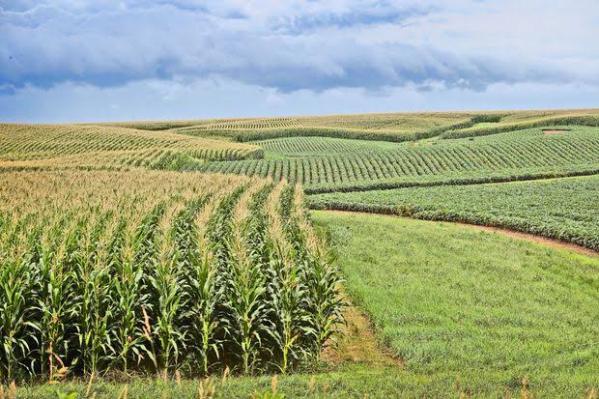
No-till farming ,also known as zero tillage or direct drilling is an agricultural technique for growing crops or pasture without disturbing the soil through tillage.No-till farming decreases the amount of soil erosion. tillage causes in certain soils, especially in sandy and dry soils on sloping terrain

The effects of tillage can include soil compaction loss of organic matters; degradation of soil aggregates; death or disruption of soil microbes and other organisms including mychorrazea, arthopods, and earth worms; and soil erosionwhere top soil is washed or blown away. Tillage is the Agricultural preparation of soil by mechanical agitation

Crop culture and tradition

The uses of tillages are In some cases it may reduce labour, fuel, irrigation and machinery costs.No-till can increase yield because of higher water infiltration and storage capacity, and less erosion.it reduces costs like A combination of technique, equipment, pesticides, crop rotation, fertilization, and irrigation have to be used for local conditions.

It used for One of the purposes of tilling is to remove weeds. No-till farming changes weed composition: faster growing weeds may be reduced as increased competitions with eventual growth of perninals, shrubs and trees. No-till occasionally uses  cover crops to help control weeds and increase organic residue in the soil 

No-till farming reduces nitrous oxide (N2O) emissions by 40-70%, depending on rotation.Nitrous oxide is a potent greenhouse gas, 300 times stronger than CO2, and stays in the atmosphere for 120 years.No-till farming improves aggregates and reduces erosion Soil erosion might be reduced almost to soil production rates.

But it have some draw backs like using morr herbicides and again and again tillage,risks to control weeds,take more time to yields and less crop yield.

ENVIRONMENTAL IMPACT OF AGRICULTURE

Why we loss our practices

PATTIKONDA:16/07/2020.

Environmental impact of Agriculture is the effect that different farming practices have on the ecosystems around them. The environmental impact of Agriculture varies based on wide variety. It also depend on other climatic changes such as rainfall and temperature. The environmental impact depends on production practices of system used by farmers

There are two types of indicators of environmental impact: “means-based”, which is based on the farmer’s production methods, and “effect-based”, which is the impact that farming methods have on the farming system or on emissions to the environment. Some of the environmental issues that are related to agriculture are climate changedeforestationdead zonesgenetic engineeringirrigation problems, pollutantssoil degradation, and waste.

Pollution plays key role.

Climatic changes and Agriculture are interrelated process, Global warming is projected impacts like temperature, precipitation,glacial runoff. Rising carbondioxide effects both detrimental, beneficial on crop yields. The radioactive forcing, Land use, deforestation, desertification change global warming which is reduce rains.

  • Deforestation causes loss of habit for millions of species. It isalso known as climatic changer. It reduces water cycle,which water vapour back to the environment. The removal of trees also causes extreme fluctuations on temperature
  • Irrigation can led to number of problems. If we over irrigated,it leads to water pollution ,soil degradation,chemical pollution and salinity increases.
  • Pollutants like fertilizers,pesticides,herbicides can control pests but degrade soil nutrients and fertility. It residue in foods,air pollutants spray,bio remedies.
  • Wastes like Agricultural,animals,plastic reduces soil nature.

By using organic materials and primitive farming we can reduce environmental impacts on farming.Major current environmental issues may include climate change, pollution, environmental degradation, and resource depletion.  If we resolve we can sustain more farming.

CBSE result declared -what are the positives & negatives?

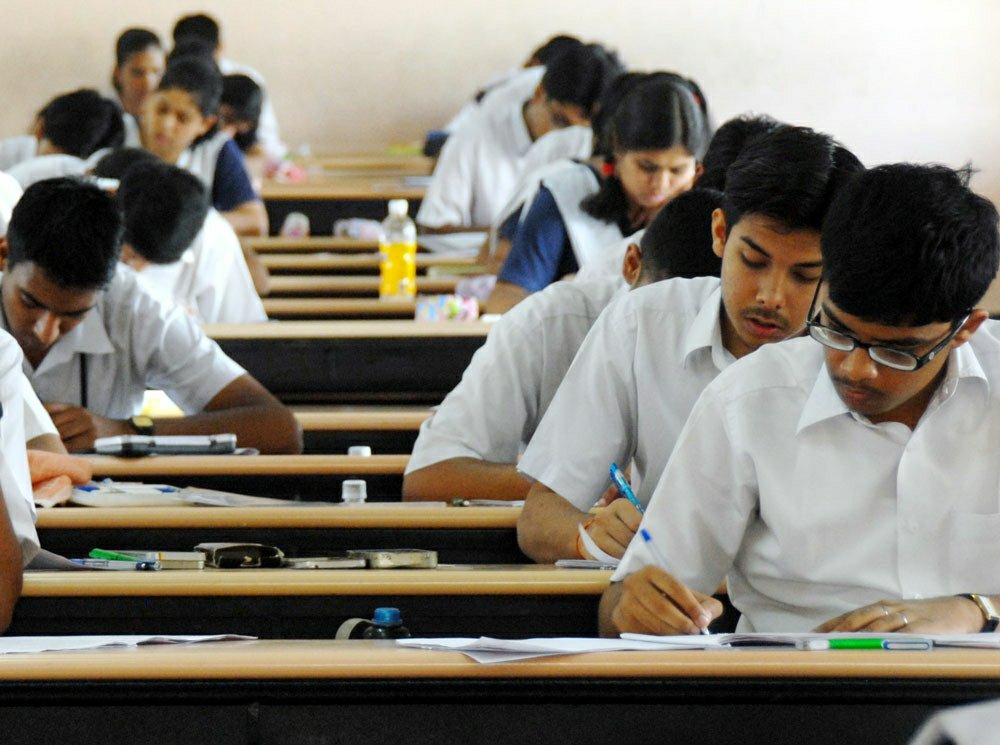
13th, july, 2020, the day CBSE declared the result of class 12th board examination, which were held haphazardly, only due to the ongoing series of a pandemic called the Novel Coronavirus. Students gave their sweat and hearts to perform gloriously in the examinations, some passed away with flying colors, but unfortunately some were unable to stand up to their own and the family’s expectations.

The total passing percentage of students has been recorded an incredible increase of 5.38% compared to 2019, and it touched the parameter of 88.78%. Where girls outshine the boys.

But, it was not the end of the session, as CBSE decided not to announce the merit list, which is a great step indeed. People were still worried and dumbstruck listening about a girl getting 100% pass percentage.

Consequently, every body have their opinion about the results declared. While some applaud the efforts made by students,as well as CBSE for declaring such positive results, some other group of people reckon that, it is an unfair decision or way to promote the students, i.e. without taking any examination.

The positives –

Amid the pandemic, when everyone panicked about the completion of the remaining examinations. The Central Board of Secondary Education, decided not to mention the names of the meritorious students, in order to lower the burden of competition among students, and more importantly the parents.

Also, it has miraculously swept away the mental pressure that earlier alarmed as a bell in the students’ ears. Along with lowered burden of competition, the news have not been exposed by the media like a wild fire, consequently avoiding all the stuff that was heard from the neighbors, relatives, family members, friends, and the teachers. Let’s take in other way, the pandemic proved to them, a saviour, a Messiah, the escape from all the problems that could have possibly bumped into them, then.

The negatives –

While there were many things that made everyone very happy and light headed. The other flip of the coin has to reveal something else;since teachers were the unable to gather at the centers to check out the copies,due to the norms set up by the government, the sheets were directly sent to them at their respective homes to fulfill the same,without any eye keeping a check on them, leniency was at its best. Therefore making it easy for the students to score more than what they really deserved.

It is clear that, the earlier batches who gave their sweat and heart to achieve the highest score, but, instead, the present batch was passed without any pressure among them,doing injustice to the previous ones. Ease in the checking criteria, will definitely result in an increase in cut off in many of the top universities of the country,making it difficult for them to nail the admission criteria in the top universities of the country.

Despite there being so much hubbub about the examinations and the consequences of those, the pandemic has proven the humans that, conducting the exams, along with classes, and many other things online is a new way to live our lives.

Farming systems in india

The farming country

PATTIKONDA:14/07/2020.

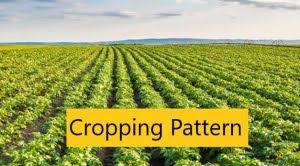
Farming Systems in India are strategically utilized, according to the locations where they are most suitable. The farming systems that significantly contribute to the agriculture of India are subsistence farming, organic farming,industrial farming.Regions throughout India differ in types of farming they use; some are based on horticulture, ley farming, agroforestry and many more.

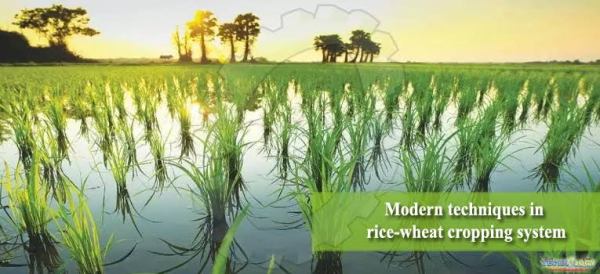
India is the second-largest producer of wheat, rice, cotton, sugarcane, silk, groundnuts, and dozens more. It is also the second biggest harvester of vegetables and fruit, representing 8.6% and 10.9% of overall production. The major fruits produced by India are mangoes,melons,papayas,sapota and bananas. India also has the biggest number of livestock in the world, holding 281 million.

Kharif crops are grown at the start of the monsoon until the beginning of the winter, relatively from June to November. Examples of such crops are rice, corn, millet, groundnut, moong, and urad. Rabi crops are winter crops that are sown in October -November months and harveted in February – March. Its typical examples are wheat, boro paddy, jowar, nuts, etc. The third type is Zaid crops which are summer crops. It is sown in February – March and harvested in May – June. Its examples are aush paddy, vegetables, jute.

Paddy and wheat.

There are four types of farmings india. Intensive commercial farming: This is a system of agriculture in which relatively large amounts of capital or labor are applied to relatively smaller areas of land.Extensive commercial farming: This is a system of agriculture in which relatively small amounts of capital or labor investment are applied to relatively large areas of land.Plantation agriculture: Plantation is a large farm or estate usually in a tropical . Commercial grain farming: This type of farming is a response to farm mechanization and it is the major type of activity in the areas

Co-operative farming refers to the pooling of farming resources such as fertilizers, pesticides, farming equipment such as tractors.This system has become an essential feature of India’s Five Year Plans. There is immense scope for co-operative farming in India although the movement is as yet in it infancy.

India always a Farming Nation.

CBSE 12th Result 2020 updates

CBSE Board formally declared the CBSE 12th Result 2020 for Senior Secondary Students by 12 PM today. The official Result portal of CBSE is cbseresults.nic.in, crashed for nearly 4 hours at that time due to some technical bug, later on it get sort out.  Alternatively, students can also opt to check CBSE Class 12 Results 2020 online via DigiLocker App, Umang App and through IVRS Telephone Line. To make the CBSE i students check their results easily.

SUBSISTENCE FARMING

A way of farming

Subsistence agriculture occurs when farmers grow food crops to meet the needs of themselves and their families. In subsistence agriculture, farm output is targeted to survival and is mostly for local requirements with little or no surplus. 

Subsistence agriculture was predominant in parts of Asia, especially India, and later emerged in various areas including Mexico.In Central and Eastern Europe subsistence and semi-subsistence agriculture reappeared within the transition economy since about 1990.

Subsistence farming continues today in large parts of rural Africa, and parts of Asia and Latin America. In 2015, about 2 billion people (slightly more than 25% of the world’s population) in 500 million households living in rural areas of developing nations survive as “smallholder” farmers, working less than 2 hectares(5 acres) of land.

A way to livestock of Agriculture

There are four types of subsistence farming They are shifting farming that is used for fodder crops and leave after yield. Nomadic farming is changing one place to one along with animals and tools. Primitive farming is like slash and burn of field to cultivate. Intensive subsistence farming is using simple tools and more labour at small area.

Subsistence agriculture can be used as a poverty alleviation strategy, specifically as a safety net for food-price shocks and for food security. Subsistence agriculture can be used in low-income countries as a part of policy responses to a food crisis in the short and medium term, and provide a safety net for the poor in these countries.

MEDICAL WASTE MANAGEMENT

We all would agree the fact that Doctors are living God and now we are seeing it in this pandemic how doctors and medicine are involved and important in the society. Likewise it is a time to check the proper treatment for medicinal wastage disposal systems in our locality. COVID-19 has caused hospitals to become overrun as patients and health care workers to go through medical supplies and disposable personal protective equipment at a rapid rate. Governments are encouraged to treat this waste as urgent in order to minimise possible secondary impacts on the health of both the public and the environment

What is Medicinal Waste?

Medical waste disposal is one of the biggest day-to-day challenges faced by healthcare providers. It’s often complicated by other concerns like HIPAA, epidemiology, potential civil litigation, and state and local regulation. Because at MedPro Waste Disposal we aim to help providers become better providers, we’re taking a look at the key concepts around medical waste.

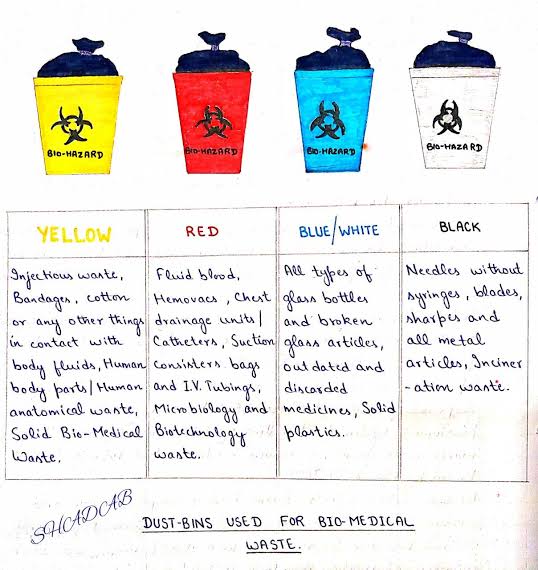
Biomedical waste is generated from biological and medical sources and activities, such as the diagnosis, prevention, or treatment of diseases. Common generators (or producers) of biomedical waste include hospitals, health clinics, nursing homes, emergency medical services, medical research laboratories, offices of physicians, dentists, veterinarians, home health care and morgues or funeral homes. In healthcare facilities (i.e. hospitals, clinics, doctor’s offices, veterinary hospitals and clinical laboratories), waste with these characteristics may alternatively be called medical or clinical waste.

WASTE MANAGEMENT

Importance of healthcare during Pandemic

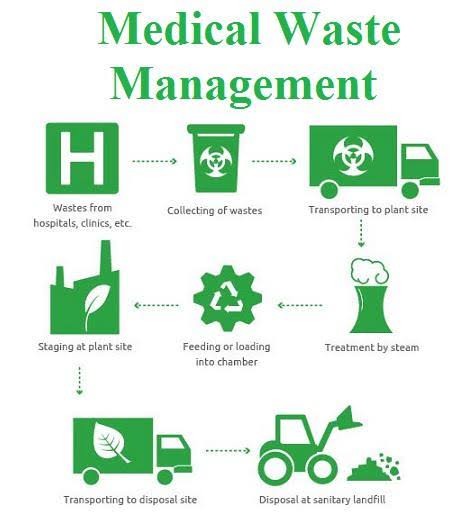
During this outbreak, medical and hazardous waste – such as infected masks, gloves and other protective equipment – needs to be discarded correctly, or it will have detrimental effects on human health and the environment. As such, the safe handling and final disposal of this waste is a vital element in an effective emergency response.

Medical waste generated during the pandemic must be treated as hazardous waste and disposed of separately. This waste should also be separately stored and collected by specialist municipality or waste management operators.

ICSE, ISC Result will declare by tomorrow

ICSE and ISC result will be announced tomorrow on July 10 confirmed by Council for the Indian School Certificate Examination (CISCE) on its website.

The results will be released on the ‘CAREERS’ portal of the council, counsil’s main website, and through SMS as well .

The result will out at 3 PM .Students can check their result by loging  into the Council’s official website, ‘cisce.org’, and ‘results.cisce.org’. Students can also check their result through SMS. To get results on SMS, students would need to send their Unique id to 09248082883 in the following format : ‘ICSE/ISC (Unique ID)’.


“Dynamics Of Population In India”

Look around everywhere you will encounter a large number of masses in the malls, in public meetings, football matches, transportation, tourist places, or nowadays enlocked under the lockdown, every day we are adding over 220000 people to this planet approximately 150 people every minute that equals over 80 million more people every year. The population is growing at a breathtaking pace globally in this scenario India’s population is a significant contributor estimate about 1.3 billion changes yearly with a rate of 0.99% where world population clocks for 7.8 billion and accounts for second-largest in the world.

Population Size: According to the 2011 census India has 1.24 billion population and accounts for 2nd most populated country it contributes 17 percent to the global population a significant percentage contribution and alarming. and this huge number of population covers about 2.4 percent world area. During the period from 1901 to 1951, the rate of growth of the population is 1.33 percent per Annum. But after the Britishers when they leave India population of Independent India grew at a rate of 2.2 percent from 1961 to 1981. but the growth rate of population in India over a Century caused by the Annual Birth Rate and Death Rate of Migration. Over the period India Had witness different trends of the growing population.

Phase 1 : Period from (1901 to 1921 )

During this period the growth rate was very slow, because of the poor health services and poor medical facilities and illiteracy were the factors that contributed to the slower growth rate of the population. Illiteracy and Poor medical Facilities caused a high birth rate and death rate. even from 1911 to 1921 the growth rate was negative due to an influenza epidemic.

Phase 2 : (1921 to 1951)

During this phase India witness a steady growth rate of population. Medical facilities, health facilities and sanitization improves which contributes to steady growth rate of population. Transportation, communication systems were improved which provide connectivity to the various facilities which provides steady growth rate to population.

Phase 3: (1951 to 1981 )

This period had significant surge in population growth rate, this phase is known as phase of ‘population explosion’. Annual growth rate accounts for 2.2 percent. Due to high medical care and various other facilities this phase witness rapid fall in mortality rate but high fertility rate.

Phase 4 : ( Post 1981 till present )

This phase also witness the high growth rate, mean age was increased this period witness high growth with definite signs of slowing down. According to 1st march 2001, stood at 1027015247 comprising of 531277078 males and 495738169 females. and religious census of 2001 accounts 81 % Hindus and 13.5 % Muslims.

Composition : The distribution within a group of people of specific individual attributes such as sex , age , Marital status, etc. is known as composition of Population.

On the basis of religion : All religions accounts for 100% estimated 121 crores in which Hindu accounts for 79.80 % about 96.62 crores, Muslims accounts for 14.23 % which is about 17.22 crores and others which accounts 6% about 7 crores.

Rural-Urban Composition : Rural and urban distribution accounts for 68.84 % and 31.16% respectively. Level of Urbanization increased from 27.81% in 2001 census to 31.16% in 2011 census. The proportion of rural population decreased from 72.19 % to 68.84 %.

Gender Wise : Sex composition accounts for fewer females in comparison to males. According to 2011 census sex ratio of India is 108.176, i.e., 108.176 males per 100 females in 2020.it means that India has 924 females per 1000 males. India accounts for 48.04 % female population compare to 51.96% male Population.

How Books Influence Our Lives

Reading something is like giving food to your brain. Your brain then analyses, contemplates, and absorbs the information it deems worthy of knowing. And the best way to feed your brain is by reading books.

library

Those of you who have a taste for literature will vouch for the fact that a book changed their life during a dark hour or an idle point. It provided them with a sense of direction and taught them a lesson. For some, books help them articulate their thoughts and emotions and helped them find a voice.

Books, especially the good ones, have a sort of magical power. If you let them, they can change your whole life, give you an interesting outlook on things and help you grow as a person. Here are four ways in which a book can make you feel at home and simmer down your anxious minds.

  1. A sense of belonging

When you slowly build up your interest in a book, you begin to connect to the words on the paper. The book you are reading could have been written decades ago or maybe it is a second-hand book and many people have read it before you. You start to feel as if you have known the characters all your life. You begin feeling connected to the previous owner of the book. While reading this book, you are having a conversation with the said author. It is like your dreams and emotions are understood by someone else too. You finally feel like you belong somewhere, you are a part of something bigger than yourself.

  1. Widens your mental horizons

When you read more books, you travel to places mentally all the while exploring new places, vistas, and emotions in the fine print. You begin expanding the horizons of your mind. You learn more about the individuals and their customs, culture, traditions, and laws. All the great personalities have drawn inspiration from a character in a book at some point in time in their lives, whether it was knowingly or unknowingly.

  1. Self-confidence

Reading a book challenges your mind. It makes you question everything you know. The conviction with which a carefully crafted book will shake your beliefs to your core will demand you to stand up and rethink those flabby truths in your life. Your truth will be put to trial many times, inevitably forcing you to defend it and in the process making you stronger than before.

  1. Feeling of joy

If you start a book and don’t have any interest in that particular genre or that author’s writing style, you eventually keep the book down without reading it. You only prefer to keep reading a book that interests you with its plot or the delivery of its contents. This happens because you are reading a book to find pleasure. You look for a return on investment in every book you read, some sort of joy that you experience while reading it, or some sense of knowledge that you gain from it. Life is too short to read what doesn’t matter to us. So read what gives you joy and enriches you, letting it take you to new heights along with it.

Image Courtesy: GOOGLE