Indian Women Who Are FIRSTS In Their Field

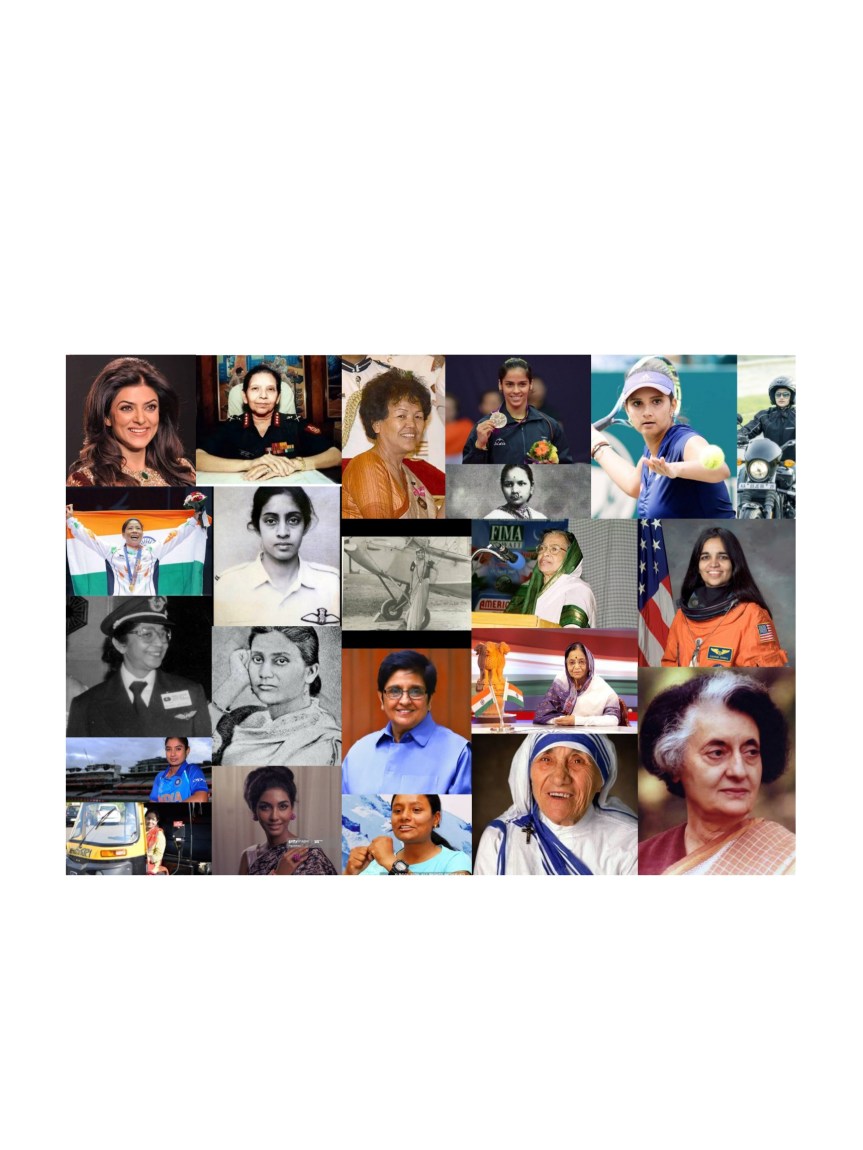
In Indian history, where we find once upon a time women were not allowed to come in front of the males. They didn’t have the right to study, they didn’t have the freedom to talk. But some of the women who had broken the gender barriers worked hard for their rights and pioneers of woman empowerment, let’s see those women who are proved themselves in different fields and inspired millions.

1.Kadambini Ganguly was the first Indian and South Asian female physician and surgeon,1886 trained in western medicine, as well as one of the first female graduates in India, 1882

2.Chandramukhi Basu was one of the first two female graduates of the British Empire. In 1882, along with Kadambini Ganguly, 
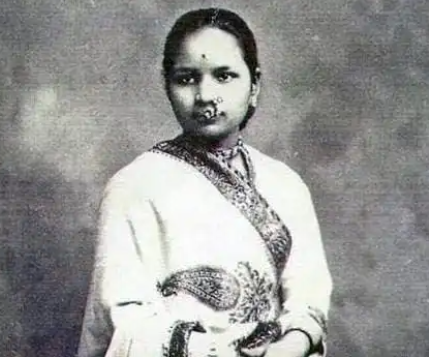
3.Anandibai Gopalrao Joshi became the first Indian female physician in the year 1887.
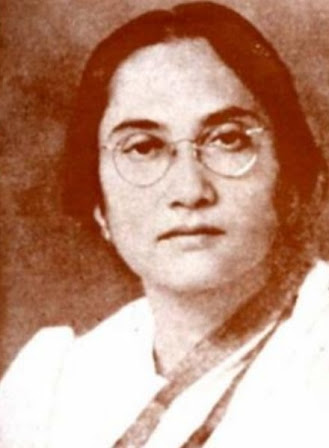
4.Kamini Roy was a Bengali poet, social worker, and feminist in British India. She was the first woman honors graduate in British India.
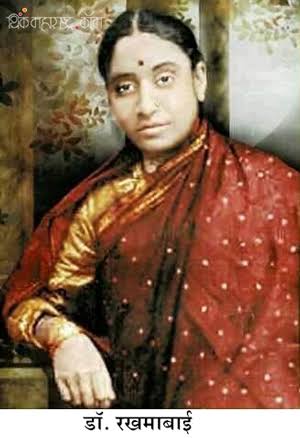
5.Rukhmabai was an Indian physician and feminist. She is best known for being one of the first practicing women doctors in colonial India
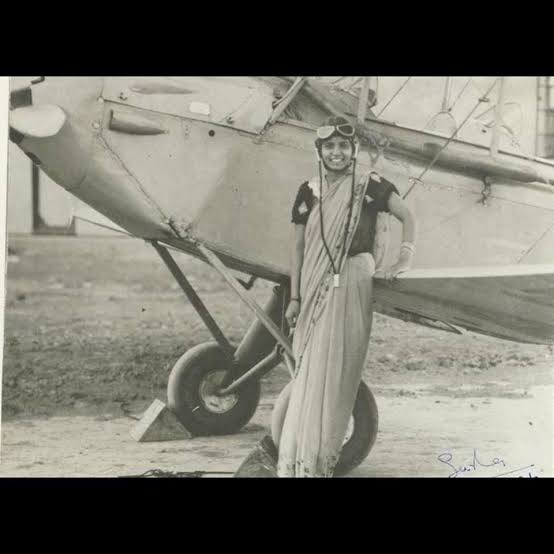

6. Sarla Chakra was the first Indian woman to fly an aircraft,she earned an aviation pilot license in 1936 at the age of 21 and flew a Gypsy Moth solo.

7.Durba Banerjee was the first pilot of Indian Airlines in 1956 and the first Indian woman commercial pilot.
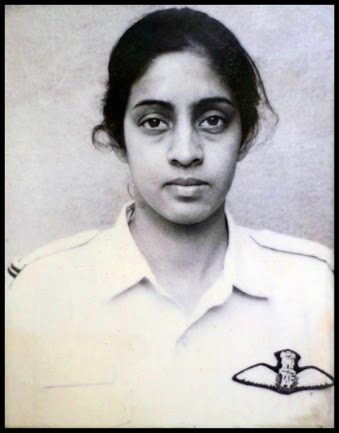
8.Harita Kaur Deol was the first woman pilot to fly solo in Indian Air Force 1994
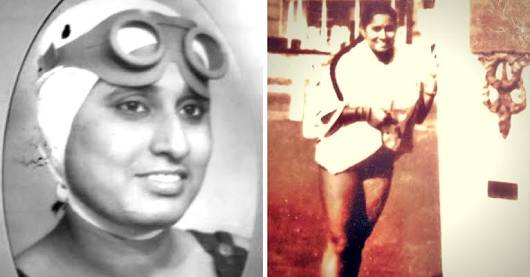
9.Arati Saha was an Indian long distance swimmer, best known for becoming the first Asian woman to swim across the English Channel in 29 September 1959. 

10.Bachendri Pal became the first Indian woman to reach the summit of Mount Everest In 1984. 

11. Arunima Sinha is the first female amputee to climb Mount Everest. She is also the first Indian amputee to climb the Everest
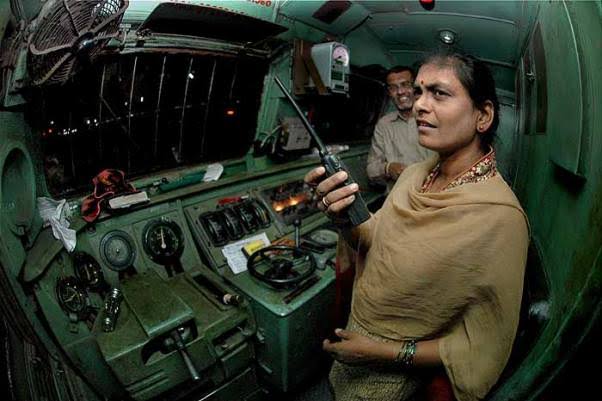
12. Surekha Shankar Yadav is a female loco pilot of the Indian Railways in India. She became India’s first female train driver in 1988.

13.Shila Dawre became the country’s first woman auto-rickshaw driver when she first stepped into the ‘male-dominated’ zone in the year 1988. 

14.Roshini Sharma recently became the first Indian woman to ride a motorbike from Kanyakumari to Kashmir.
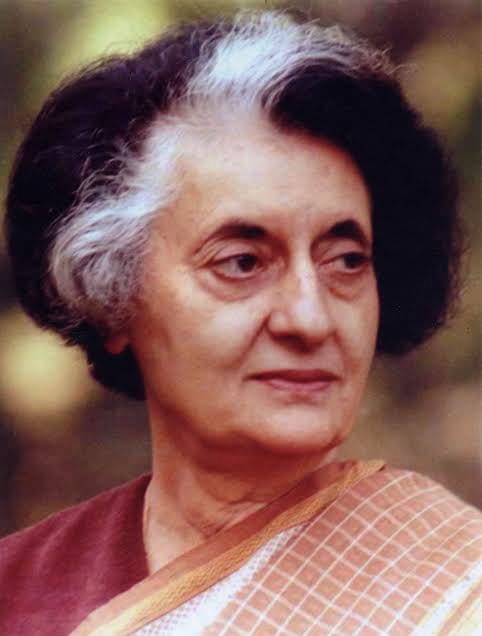

Indira Gandhi became the first woman Prime Minister of India and served from 1966 to 1977.1971, she became the first woman to receive the Bharat Ratna award.

Mother Teresa became the first Indian woman to win the Nobel Peace Prize in 1979
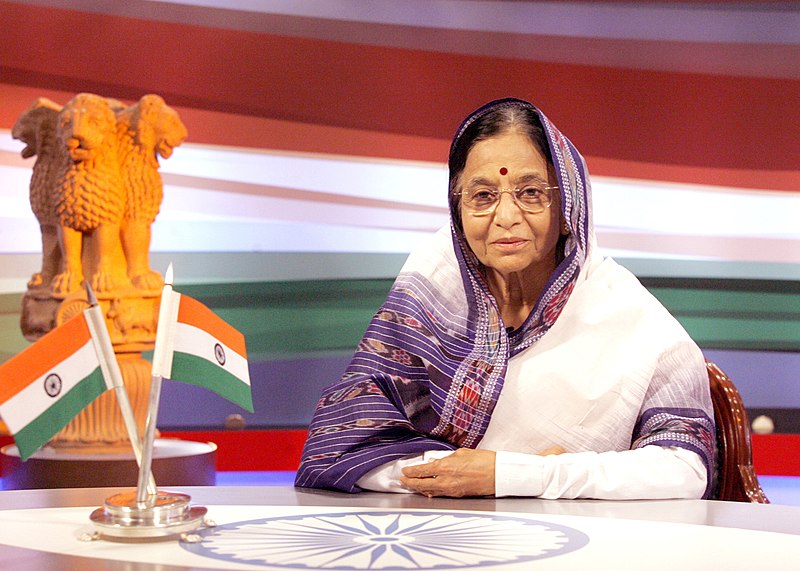
Pratibha Patil, Indian lawyer, and politician who was the first woman to serve as president of India (2007–12).

Justice M. Fathima Beevi became the first female judge who was appointed to the Supreme Court of India in 1989. 
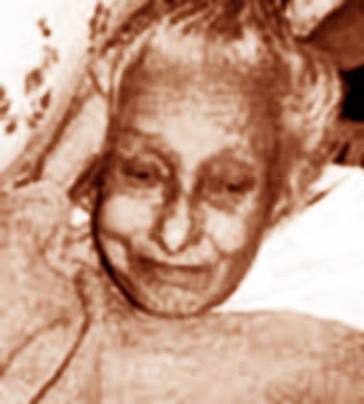
Isha Basant Joshi She was the first woman ICS officer of British India

Kiran Bedi, joining Indian Police Service (IPS) in 1972, Kiran Bedi became the first woman officer in India.
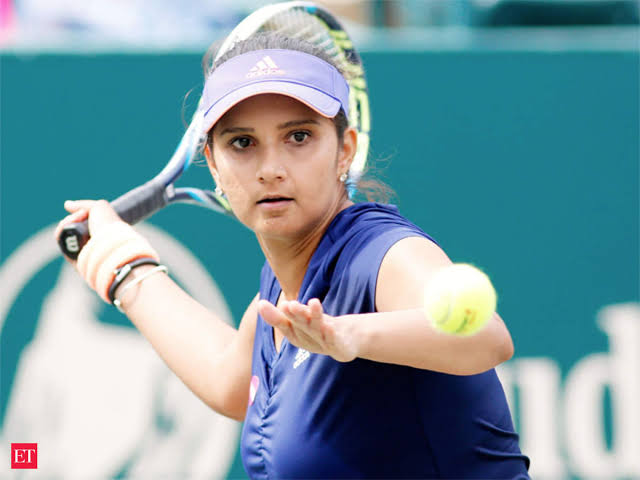

Sania Mirza,a professional tennis player, became the first ever Indian woman to win the Women’s Tennis Association (WTA) title in 2005.

Mangte Chungneijang Mary Kom, also known as Mary Kom is the only woman boxer who has won a medal in each of the six World Championships. 

Mithali Raj was the first woman to score a double hundred in Test Cricket (214* against New Zealand at Wellington, 2004). 

Kalpana Chawla was an American astronaut, engineer, and the first woman of Indian origin to go to space. She first flew on Space Shuttle Columbia in 1997 
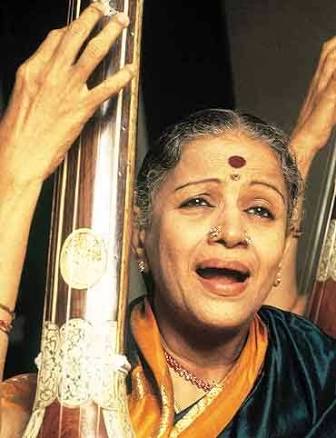
Bharataratna Madurai Shanmukhavadivu Subbulakshmi was an Indian Carnatic singer from Madurai, Tamil Nadu. She was the first musician ever to be awarded the Bharat Ratna, India’s highest civilian honour. 

Homai Vyarawalla, commonly known by her pseudonym Dalda 13, was India’s first woman photojournalist

Mental Health: Children, Young People, and Families

Mental health is a widely overlooked aspect of a person’s health. People don’t consider it as important as their physical health, mostly because the injuries are not visible. However, they often forget that the signs are always there. Mental health problems are often directly proportional to the day-to-day happenings in our lives. Most mental health problems start developing at a very young age, but parents often ignore the warning signs. At such an impressionable age, children need to be taught about their mental well being too. It is imperative that we address the issue of mental health among children, young people, and families.

Children and Young People

It is seen many-a-times that the physical needs of a child are obvious, but his or her mental needs may be neglected. Even when the red flags are identified, there is a stigma associated with mental illness.

Some problems that children suffer from are ADHD, autism, anxiety, anorexia (eating disorder), depression, and bipolar disorder. Warning signs include intense mood swings, self-harm, substance abuse, sudden appetite loss, fidgeting, and continuous nightmares.

health

A few suggestions to nurture a child or adolescent’s mental health could include talking to them about their day; asking them if they are facing any problems at school. This strengthens your bond with them and they start trusting you more. As a parent, make sure that your ward eats a healthy and balanced diet, is physically fit, and takes part in outdoor activities.

Provide children with a healthy environment at home; a child should feel secure in his surroundings. Help them build their self-esteem and confidence while talking to them. Encourage their first steps towards new interests. This would enable them to open up more and express their feelings and doubts. And most importantly, don’t condemn them when they do something wrong. Instead, let them know their mistake and work together to improve it.

Families

It is obvious that an individual’s mental health problems will have consequences for others within his social networks and most importantly his family. When it comes to mental illness, the emotional and behavioral consequences for family members go largely ignored along with having a huge impact on their financial component.

menheal

Family life often becomes unsettled and unpredictable as the needs of the ill become paramount day by day. The afflicted often feels that he’s isolating those close to him. Children may find it difficult to understand why their parent is not his/her usual self. Therefore, many tend to blame themselves and grow up feeling abandoned, lonely, and isolated.

In case a family member suffers from a mental health problem, you should not let him feel dismissed and disregarded. Instead, you could try to understand what he is going through, his inner turmoil, and try to help him cope with that. Children need special care at this time as they are perplexed by the happenings in their lives.

You should try to mend the broken relations, leave the toxic people in your lives behind, and create a positive impact on others’ lives.

Image Courtesy: Google

Health facilities in life support

There is constant fear among the frontline health workers in India that the system is under severe stress and can crumble anytime in the middle of the covid-19 pandemic. India is a country that spends just over 1% of its GDP in health infrastructure. Hundreds of people lining up from different parts of the country outside hospitals like AIIMS, RML, GTB etc. is testament to our governments failing to provide affordable basic healthcare facilities to people. Even before the pandemic hit the country, there was 82% shortage of specialists and professionals in all government hospitals. Same goes for lab technicians, nurses and pharmacists.

Now, the covid-19 pandemic has tested and even defeated the health facilities of countries that provide the best healthcare in the world. Even in countries like Italy, Spain, United States and France; hospitals were continuously running out of staff, beds, oxygen cylinders, ventilators, medicines and many other essentials. There was a severe shortage of doctors, nurses and other medical staff to attend the admitted patients and then treatment was eventually handed out in priority basis.

Image
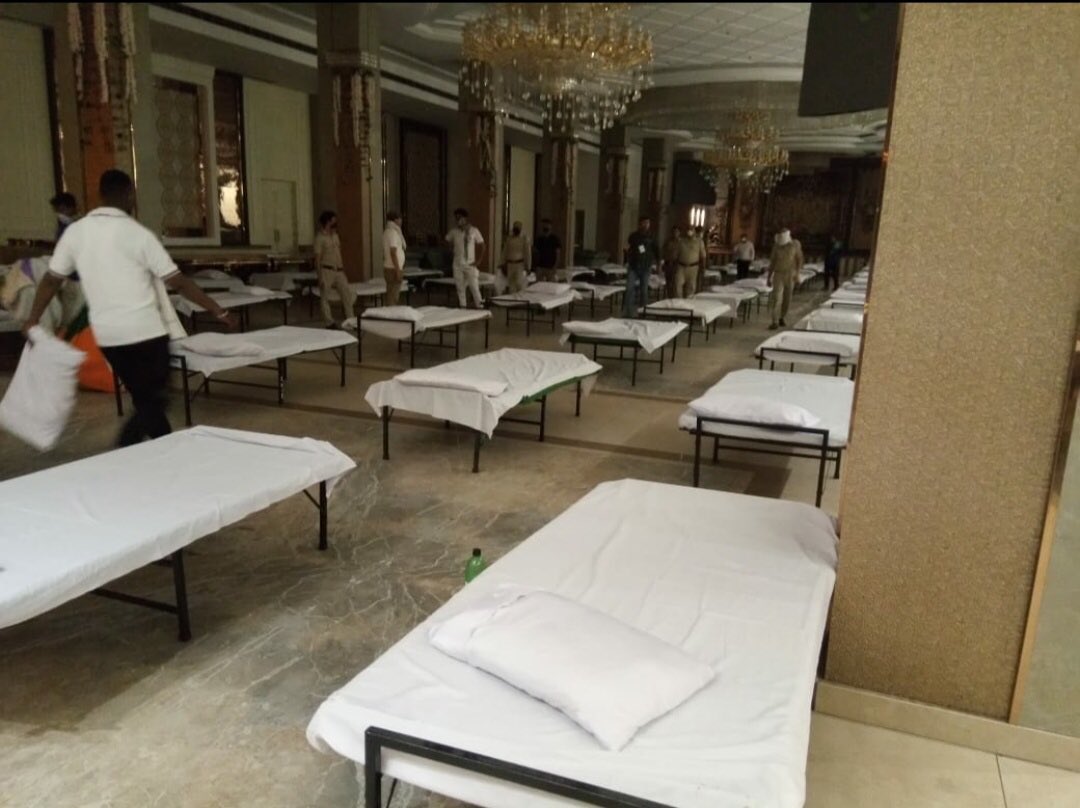
Wedding halls in Delhi being converted into corona isolation wards

Now consider the nightmare scenario India is currently in. Already the number of positive cases are rising exponentially with no signs of slowing down or even flattening. The ICUs and general wards of Delhi and Mumbai hospitals are almost full. Patients are being denied admission and treatment even for the most serious cases.  There are harrowing reports of people struggling to get a hospital bed including many grieving relatives saying that their loved ones died at the doorsteps of hospitals. In some cases, people even visited 6-7 hospitals and were still denied admission citing non availability of beds.

Nearly 70% beds vacant in COVID-19 hospitals run by Delhi govt, private facilities almost full
Patients waiting for their admission in a hospital in Delhi

And the misery persists even after death. Dozens of grieving men and women keep waiting outside hospitals throughout the day to identify the bodies of their loved ones who died due to COVID-19. Bodies are pilling up in hospital wards. There are chilling visuals of dead bodies left unattended by the hospital staff along with the patients. The relatives are handed over wrong bodies and patients are dangling out of their beds. These sights are becoming increasingly common in government hospitals all across the country.

After receiving hundreds of public interest litigations and taking suo moto cognizance after looking at numerous reports of gross violations of human rights, the high courts and the Supreme Court have come down heavily on central and state governments. The Supreme Court said that the situation is “horrendous” with respect to the handling of Covid-19 patients in Delhi, the capital city, and that the patients are being treated “worse than animals”. The court also slammed the Delhi government on mishandling of the situation and asked them why do the patients have to undergo such pathetic conditions in the hospitals. The situation is more or less the same in the rest of the country too. In Maharashtra, the state which has the maximum number of coronavirus cases, the high court had to direct the government to conduct more tests and increase the number of beds. Many doctors and health experts have said that Mumbai, the financial capital of India, has less than 30 ICU beds remaining.

Falling Apart

Our life is never about the destination. Life is a beautiful journey with a lot of stops along the way. We feel if we know what to expect in our future, we will be ready for it. This imagery has become so much a part of our language that we don’t even stop to think about what it actually means for us.

When things don’t go our way, it feels like everything is falling apart. Despite having our bouts of feeling depressed we try to remain in a continual state of happiness. However, this is possible only if we accept the fact that everything is as good or bad as one’s opinion makes it.

Everyone is in a constant state of falling apart. How you deal with it is dictated by your outlook on life. You could, after all, try these few things.

  1. Never hide your emotions

Some people like to cry when they are overwhelmed. Tears are, in fact, a way for your body to get rid of those excess emotions, and if you hold these emotions too long they may corrode your insides. Talk to people – your loved ones, your friends. You will find that every one of them has something difficult going on in their lives.

  1. Be honest

Be true to yourself. If you cannot admit your problem to yourself, you can never openly talk about it which means you will never be able to take the first step towards solving that problem. So much pain mostly comes from not telling the truth. Lying is mostly the reason for things falling apart. After admitting the truth to yourself, make sure you always tell the truth to those around you. It may hurt for a second but eventually, things will fall back into place.

  1. Ask for help

The society inherently and subconsciously teaches us that asking for help is pathetic and a sign of weakness. This makes a person feel trapped and alone, inevitably hurting him and those around him. Accept the fact that everyone struggles at some point in the journey of their life. Instead of acting like it is not universal, start hailing vulnerability for what it actually is – a sign of strength, openness, and hope. Do not be afraid to ask for help.

  1. Have your cheat moments

Just like people have their cheat days from diets, have your cheat moments from the problems you are facing. Do not let your pain entirely rule every aspect of your life. Enjoy some trivial and jovial moments of life guilt-free.

  1. There will be days when you are not okay, and that is okay

The journey of life is a bumpy one. There will be days where the pain and reality of your situation will consume you. Allow yourself to feel helpful on such days. But never forget that tomorrow is a good day and the sun will eventually shine brightly again. When it seems like life is falling apart, it may actually be falling into a place better than expected.

Image Courtesy: Google

India-Nepal Relation in Deep Maelstrom

Current Scenario 

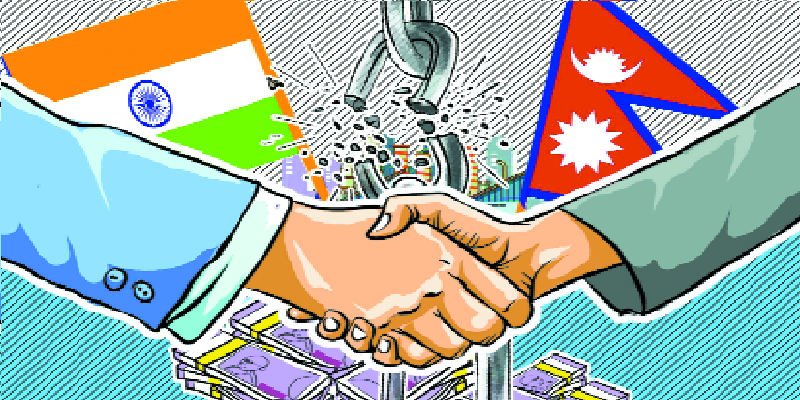
The Lower House of Nepal’s Parliament passes amendment on a new map. Nepal’s Parliament on Saturday unanimously voted for the second Constitutional Amendment Bill, which guarantees legal status for new political map of the country that includes part of Indian territory in Uttarakhand. Their new map shows places such as Limipiyadhura, Kalapani and Lipulekh, including strategically important Lipulekh pass, which are in Uttarakhand’s Pithoragarh district as part of that country’s territory.

Historical Relation: Treaty of Sugauli

It is a treaty that established the relation about the boundary line of Nepal, was signed on 2 December 1815 and ratified by 4 March 1816 between the East India Company and Raj Guru Gajaraj Mishra with Chandra Shekhar Upadhaya for Nepal following the Anglo-Nepalese War of 1814-16. The treaty represented a Nepali surrender to the British and contained the concession of Nepal’s western territory to the British East India Company. The result of this treaty was that Nepal lost almost one-third of its territories on the east, south and west.

Why are Nepalese not accepting this treaty ?

Nepal is not accepting this treaty because they thought that aim of any treaty is to provide both the sides more or less equal o equitable benefits even of one side get a little more benefits and the other a little less. But Nepal suffered only losses because of the treaty while British India gained a huge territorial advantage. The British got the facilities of the corridor in the concession was made for Nepal.

They also claim that this treaty was not signed by both parties. The draft was prepared by the only East India Company with the signature of Lieutenant Colonel Paris Bradshaw on December 2, 1815. Nepali Majesty signed over the treaty because he threatened by the East India Company.

At present Nepal renounced “all claims to or connection (as in original text with the countries lying to the west of river Kali.” (Art. V.) The land east of the Kali thus remained with Nepal. This claim is reinforced by some old revenue records and gazette notifications.

India’s Stand Over this Issue 

India accepts this position, but its claims arise from the ambiguity in the treaty on the identification of the Kali river and its origin. According to India, the river originates from Lipu Lekh and then merges into other streams and tributaries to become the Mahakali. Nepal contends that Kali originates from Limpyadhura and the stream originating from Lipu Lekh is called Lipu Khola. India commented that we can solve this issue by bilateral talks but Nepal does not seem taking interest in this matter. There may be some doubt, opacity or obscurity but it can be solved through the bilateral discussion. Nepal should come over the table and discuss this issue. 

The British Government

British government ruled over India for almost 200 years. They took many decisions but all the decisions are in controversy in today’s scenario. Either we talk about the decision over Indo-Pak border or Indo-Nepal border. Everywhere, we will get unsatisfied decision or disputed matter where the British government was involved. The main aim of the British government was to rule over the countries for a long time. And they follow the “divide and rule” principle. First Pakistan raised concern over the Kashmir and now Nepal is behaving in the same way. 

Epilogue

The maps issued by the British between 1816 and 1860 may favour the Nepali position. But, the maps issued afterwards endorse India’s position. It is possible that the British administration changes this position through proper surveys or subsequently decided to manipulate this position, to serve its larger strategic and commercial interests in using the Lipu Lekh pass for access to Tibet. Independent India was handed over access to Kalapani and Lipu Lekh by the British.

Blaming India for any encroachment is baseless. It must be borne in mind that much before the British came, not the Gurkha kings annexed Kumanon and Garhwal regions-then surrender under the Sugauli Treaty-Indians were using this route for the pilgrimage to Kailash Mansarovar. The route has deep spiritual and civilisational significance for India. China accepted Lipu Lekh as one of the cultural and commercial transit points with India under its 1954 Peaceful Co-Existence Agreement. This was reiterated in 2015 in a joint statement during the Prime Minister Narendra Modi’s visit to China.

“They Are Lucky Who Gets Their work”

The man is work oriented from origins from the roots of man evolution it is work which defines mankind makes him disparate from other species work is a sign of efficiency which shows humans endeavour and enthusiasm and a basic tool to survive in todays modern world makes him impeccable. work is a sign of pleasure, wisdom, happiness, and passion, for many it is a fun to have many hours in laborateries with instruements, chemicals, and tools .for many it is inner satisfaction to practice or to workout without being getting stop in nets or in playgrounds. someone enjoyed working hours on desktops online portals etc. but contrary to it, for someone working long hours is getting tedious, jejune, mundane, and dullsville or work might suit him or not hence the man who is trying to do work for which he is unfitted feels repressed gets totally bewilder or perplexed. working half heartedly without enthusiasm or keen interest produce drudgery outcomes which carried the man to stage where he hates his work its nonetheless melancholy ,gloom, despondency and it all brings unhapiness and sorrow creates a vicious circle of Misfit : inefficient : unhappy : more inefficient which might lead to some serious troubles like depression, anxiety, fear, phobia , crime and a kind of disease is generated which degrade person’s mental and physical health make him more worried and sick makes him hateful towards his work brings destructive ideas thoughts and feelings rather than constructive ideas therefore there is something wrong something abnormal happened. hence when question of choosing work arouse or invoked it is rare a man gets work what suits him the most more than 90 percent entered in a choice of work or profession which is totally unsuited for them that does not matches their domain, which is the primary reason for many sufferings choice one of the greatest handicaps of all classes today is that more than 80 percent of people had introduced to a work blindly irrespective of their interest liking or fitness or opportunities. this is mostly happened when a man wants ultimate leisure and it is well said “the almost universal cry for leisure is due to the almost universal unfitness of men and women for their task”. A wise man knows there is no actual pleasure feeling of inner satisfaction or happiness in leisure. happiness arouse when a man completely lost himself in the work without Repercussions of health time and other factors without caring for anything except his work completely lost in deep oceans swinging within it with complete enthusiasm energy and devotion without getting exhausted. so keeping conscious and cognitive abilities at par related to knowledge of self knowledge of others and knowledge of work and suitable combination of these factors brings out numerous possibilities of happiness. choice of work is an issue of utmost importance and great concern faulty choice consumes energy consumes times and leads to a situation of collapse where one feels Paralysed. people with right choice and right work are lucky and rare but they enjoyed various colours of work enjoying it with ease deeply entrenched within work.

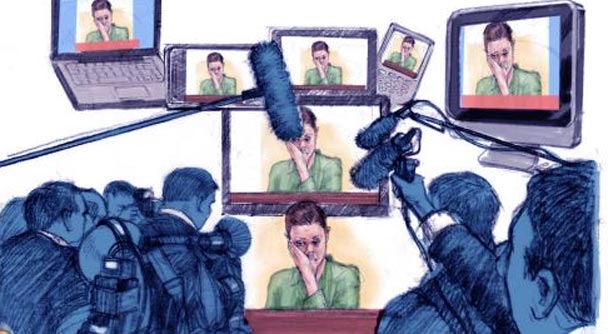
Should media play the role of judge and jury?

There have been numerous cases where the media has succeeded in bringing about change. It is a powerful influencer as it speaks directly to the public and can shape opinions. The Jessica Lal murder case is a strong example. The accused, Manu Sharma, was the son of Vinod Sharma, a wealthy and influential Congress MP from Haryana. Sharma tried to use his power to manipulate the case and did succeed initially by destroying evidence and turning witnesses hostile. The Delhi High Court was forced to acquit Sharma on grounds of lack of evidence. The acquittal resulted in a huge backlash throughout the nation which was helped on by the media. Jessica Lal’s sister, in an interview with Daily News and Analysis, said, “The media proved to be an extremely powerful force that came to our aid…It was the power of the media that enabled us to get justice. Had it not been for the media, people would have never known about how a family is being denied justice”.

However in another case, the media faced a lot of criticism. In the Ayushi Talwar murder case, Dr. Rajesh and Nupur Talwar were portrayed as guilty of the murder of their daughter and their servant, even though there was no such statement by the police and no conclusive evidence available. Media plays a vital role in moulding the opinion of the society and it is capable of changing the whole viewpoint through which people perceive various events. The media can be commended for starting a trend where the media plays an active role in bringing the accused to hook.

What critics of media trail say?

The Law Commission in its 200th report, Trial by Media: Free Speech versus Fair Trial under Criminal Procedure (Amendments to the Contempt of Courts Act, 1971), recommended a law to debar the media from reporting anything prejudicial to the rights of the accused in criminal cases, from the time of arrest to investigation and trial.

The media cannot be granted a free hand in the court proceedings as they are not some sporting event. Everyone has a right to free and fair trail and the media cannot take this away even from people accused of most heinous crimes.

The right to fair trial has not explicitly been made a fundamental right. That does not mean that it is a less important right. More than a legal right, it is basic principle of natural justice that everyone gets a fair trial and an opportunity to defend oneself. The commission believed that biased reporting by media publications have a  prejudicial impact on the suspects, accused, witnesses and even judges and in general on the administration of justice. This is criminal contempt of court, according to the commission; and for that laws should be made to impose reasonable restrictions on freedom of speech.

What the media says?

This is really a grey area and laws can be used to gag the media unnecessarily. Governments accused of corruption will try to suppress the truth during trial if media is not allowed to report on cases of misgovernance, corruption etc. It is true that contempt of court is a ground for restricting the freedom of speech, but the media has not tried to lower the dignity of the judiciary by exposing loopholes of the investigation and the prosecution. And if judicial decisions also appear to be arbitrary, they must be subjected to ruthless scrutiny. It will be dangerous to gag the press in the name of contempt of court. If the appellate court feels that the media publicity affected fair trial, it can always reverse the decision of the lower court.

Instead of a law gagging media, there should be a self-regulatory body with sufficient punitive powers. The existing bodies of PCI and NBA are merely organizations that can give out a warning but cannot take any action. They should be given more powers so that they can punish media organizations that break rules and conduct unfair media trials.

LAC- India v/s China

Amid the going tensions of the world crisis, Indian and Chinese armies are again and again clashing at various points along the Line of Actual Control (LAC). Although, there were many times in the past when the two armies clashed with each other since there has not been a proper demarcation of the border lines between the two large economies. Also, incidents as these are uncommon along the LAC as both sides have differing perceptions of the alignment of boundaries. But what has caused a sudden attack on the Line of Actual Control?

Reasons for the current standoff-

Recently the standoff at LAC occurred at four places- Pangong Tso, Galwan Nalah, Demchock in Ladakh and Naku La in Sikkim, though the specific reasons for these clashes remain unclear. However, co-ordinated nature of Chinese intrusions at different points along LAC have raised concerns about Beijing’s intentions. At times it’s been noted that China’s reaction to Indian efforts over the last few years to build border infrastructure has been ultrasensitive and it fears that activities such as-
  • Construction of a feeder road near Galwan river connecting with the DS-DBO road.
  • Building a road in Pangong lake area.
Although both the new roads lie on the Indian side of LAC, their purpose is to strengthen further the Indian position along the LAC which might have irritated China which feared it and might have threatened it’s occupation of Aksai Chin and Lhasa-Kashgar highway. Also, China remains much more concerned about the newly constructed Dharchula to Lipulekh and believes that this newly inaugurated road has affected China’s border security in Tibet. While India decided to split Ladakh from Jammu and Kashmir last year, a that unsettled Pakistan. Many experts believe India’s aggressive position on the issue of Ladakh and PoK is the real reason behind current standoff.

What is China trying to signal?

This time, the scope, scale and posture of China’s moves were unprecedented. Against the backdrop of dramatically slowing economy, criticism for the handling of the outbreak of the Coronavirus and worsening ties with many countries, Chinese leaders may have felt the need to show strength, especially over questions of national sovereignty. This can be seen, not only regarding the border with India, but also regarding Taiwan, Hong Kong and the South China Sea. Considering the United States as it’s main “rival”, and not India, it generally seeks to maintain stability in the border dispute with India.

Current status-

After a tough tug and war between the two countries along their security lines, both the sides are currently engaged in the dialogue process at an appropriate level to avoid every kind of tensions between the two.Senior military commanders of India and China were scheduled to meet on 6th June to find a solution, and as a result, both sides have slightly retreated from their current positions. While Chinese Army had reportedly retreated by 2kms, the Indian Army has stepped back by one kilometres.

History of LAC-

In 1993, after years of territorial standoffs and negotiations, China and India finally signed an agreement which attempted to mark out a long stretch of border between the two countries. This came to be known as the Line of Actual Control, but it’s precise location can be blurry, and there is still dispute between both of the world’s leading powers.
So far, this LAC has served as the de facto border between these two countries. Since, India is close to complete a major upgrade of border roads, including a strategic military-use road that connects an airfield at Dalut Beg Oldie in northern tip of the Western section with the villages of Shyok and Darbuk towards the South, also India reactivated and rebuilt airfields along the border. It has also raised two mountain divisions and is creating a mountain strike corps to conduct offensive operations against China along the border.
Thus, the increased frequency of standoffs between the two are major cause of worry. If these standoffs drags on, nationalistic fervour is bound to kick in. The resultant public groundswell would restrict the options available to political leaders of both sides to resolve the issue.

World Blood Donor Day 2020

Today, WHO ( World Health Organization) and All countries celebrate World Blood Donor Day. This year’s theme is “Safe Blood Save lives” with the Slogan “Give blood and make the world healthier”. This event celebrates with a view to thank all selfless blood donors and encourage more people to Give blood freely. WHA (World Health Assembly) in 2005 designated this special day to create awareness among the people and it’s an initiative to increase blood banks in the world.

The history behind the date of celebration of WBD is the Nobel prize winner Scientist Karl Landsteiner. He has got the credit for finding the ABO blood group system. World Blood Donor Day is celebrated on the birthday of Karl Landsteiner which was on 14th June, who discovered various blood groups.

If your blood type is:O Positive, You can give to:O+, A+, B+, AB+ You can receive from :O+, O-

If your blood type is:A Positive , you can give to :A+, AB+ you can receive from : A+, A-, O+, O-

If your blood type is: B positive , you can give to : B+,AB+ you can receive from : B+,B-,O+,O

If your blood type is: AB+ you can r give to AB+ only you can receive from all

the criteria to donate blood:

The donor must be fit and healthy, and should not be suffering from transmittable diseases.

Age and weight- The donor must be 18–65 years old and should weigh a minimum of 50 kg.

Pulse rate- Between 50 and 100 without irregularities.

Hemoglobin level- A minimum of 12.5 g/dL.

Blood pressure- Diastolic: 50–100 mm Hg, Systolic: 100–180 mm Hg.

Body temperature- Should be normal, with an oral temperature not exceeding 37.5 °C.

The time period between successive blood donations should be more than 3 months.

The need for safe blood is universal. Safe blood is critical both for treatments and urgent interventions. It can help patients suffering from life-threatening conditions live longer and with a higher quality of life and supports complex medical and surgical procedures.Blood donations are needed all over the worldto ensure individuals and communities have access to safe and quality-assured blood and blood products in both normal and emergency situations. Through the campaign, we call on more people all over the world to become life-savers by volunteering to donate blood regularly.

International organizations, including the World Health Organization, the International Federation of Red Cross and Red Crescent Societies, the International Federation of Blood Donor Organizations and the International Society of Blood Transfusion, among others, continue to work in close collaboration to provide guidance and support to their membership in this endeavour.

“Safe Blood Save lives”. “Give blood and make the world healthier”.

Chinese Diplomacy: Changing Nature

Beginning:

The Peoples’ Republic of China founded in 1949. Zhou Enlai was China’s head of government, serving from October 1949 until his death in January 1976. He was also the Foreign Minister. Here giving a very short introduction about Zhou is necessary because he was one of the best diplomats in China. His style of diplomacy came to define Chinese foreign policy over the next century. Mao was the leader of the country but the Zhou Enlai was one who managed the complete government behind the curtain. The official position of Zhou Enlai was premier which was officially head of government. But now there is no value of Premier of China. All control under the Chinese President Xi-Jinping. Over time everything goes cloudy.

Refined and “United front” Approach to Diplomacy

If Mao Zedong represented the crude face of Chinese communism, then Zhou was the epitome of its refinement. Where Mao preferred to exercise his power from “out of the barrel of a gun” but Zhou preferred to seduce his opponents through word and gesture in the pursuit of national self-interest, with the elegance of an opera star. The stick was used rarely, and only when all other means of persuasion failed. 

Zhou’s strategy was consistent with the three principles. And these three principles are called the “United Front”.

Avoid isolation: Do not be isolated in the world because China was a communist country at that time which was not recognized as a country by other western countries. But India was the first that recognize China as a country. 

Build solidarity with non-aligned countries: During the Cold War, maximum parts of the world divided into two parts. First, the country who took a standoff in favour of the USA and another one who took stand in favour of Russia. But fewer countries remain neutral. And it was China’s policy to build a strong relationship with them. 

Divide the West: Ultimately, the goal was set by China to divide the USA, UK and other western countries. Therefore, it shows that China was unofficial stands in favour of Russia.

This United Front defined as isolate the main threat by building unity with all other forces.

Korean War: Examination of Chinese Diplomacy

Korean War started in 1950, one year after the foundation of PRC.

The USA invaded North Korea, Zhou summoned the Indian Ambassador in Beijing to deliver a message to the Americans “If the U.S troops cross the 38th Parallel, then Chine will intervene in this matter and took the side of North Korea because North Korea was also a communist country. If Zhou wanted, he could covey this message by his own, but uses the diplomatic step to take this action. And India was later persuaded to act as a neutral mediator between China and the US during many difficult phases of the negotiations settling the Korean War.

PRC at International Fora

In 1954, PRC participated in Geneva conference on the Korean War and Indo China War

Zhou’s strategy was to undermine western unity – Persuasion and compromise. The US anticipated that Chinese humiliation at the conference but Zhou handle the situation by deploying all his charm, vitality and intelligence. And finally, playing the weaker hand, Zhou turned the tables on the US.

Important Qualities of Chinese Diplomacy in the Past

Under Zhou, diplomats of calibre kept the ship of state steady in churning sea full of norms. When the tide rose, these diplomatic fishermen gathered the fish – expanding China’s global peace presence and gaining international acceptability. When it ebbed they saw to it that the ship remained firmly moored. They navigated the Cold War, playing the Soviets against the Americans. Additionally, 24 Character Strategy supplemented to Zhou’s strategy by other Chinese Diplomats. And it was “observe calmly; secure our position; cope with affairs calmly; hide our capacities and bide our time; be good at maintaining a low profile; and never claim leadership;

And the outcome of this diplomacy was praiseworthy. By the end of the twentieth century, another country was started recognizing China as a powerful developing country. China persuaded US President Richard Nixon to abandon Taiwan. All this was the result of a staggering act of the best diplomacy.

Change in Style

At the current time, China prospered and began to occupy centre stage in the world diplomacy, but the ship began to come apart from its moorings. A new generation of diplomats, with knowledge of the English language, arrogance increases and it has replaced humility. Persuasion is quickly abandoned in favour of the stick when countries take actions contrary to Chinese wishes. China pursuing unilateralism instead of compromise in the South China Sea. In place of ‘united front’ tactics, they are bent on creating problems simultaneously with multiple neighbouring countries. Statements of fact or reasoned opinions are seen by them as insult or humiliation.