Collaboration Strategies Implementation In Organization That Helps Resilient Culture

Collaboration Strategies Implementation In Organization That Helps Resilient Culture

Source

The resilient organizational culture refers to the organization that rebound and prosper after major disruption in the business functioning.

Resilience is generated when an organization is resistant to change, adaptive, elastic, cooperative and sustainable.

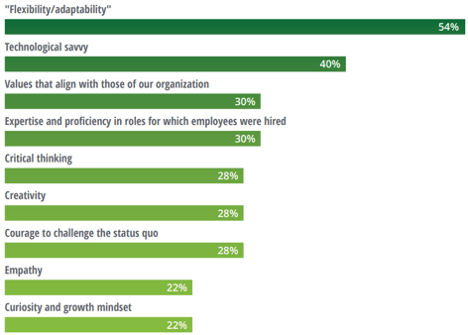
There are different aspects of resilient culture; the most required traits of resilient culture are;
Source

Since the disruption created due to COVID, implementation of resilient culture in organizations is essential.

Let’s elaborate on some of the collaborative strategies to develop a resilient culture in organizations.

1.  Launch a Business Continuity Program

The role of a leader in bringing change is undoubtedly most significant. The leader’s behavior, values, and attitude towards employee create an impact on employees’ productivity and acceptability. 

One of the best ways to show affection towards employees and unite them to accept change is developing a continuity program. Teach employees about different past events that the organization resiliently faced.

Link the organizations’ KPI with the value of resilience and acceptance of the change. Arrange program on a bi-monthly basis, as too much enforcement can create a negative impact on employees.

2.  Empower Resilient Champions

Around 83% of the organizations believe that there is a need for developing leaders on a small-scale. These internal and external actors will maintain collaboration and sustain the process of resilience building. But, the selection of these actors is the real challenge for the organization. 

  • Choose one actor from the following department; Risk, technology, legal, supplier management, and internal audit. 
  • Team them up and elaborate the whole journey of resilience and their contribution. 
  • Empower them to motivate other employees of their department.
  • Use them as a communication channel to narrate any new law or change in business functionality.

It is suggested to select a person who has a strong character with the capabilities to influence others. Survival of some natural disaster can be an effective one, as their personal story will motivate employees. 

3.  Use a Communication Program

The creation of resilient culture is dependent upon the acceptance and flexibility of new processes by employees. The acceptance of new processes depends on communication; most employees show confrontation when briefed regarding new working procedures.

Therefore, leaders should use proper communication channel to brief them. This communication channel is divided into two tiers. 

The first tier will inform the external stakeholders about the policies. The second tier, which includes actors, managers, and leaders, will brief internal stakeholders.

4.  Organize Activities for Organization

Make the resilient culture common. Arrange different collaborative activities that can support you in promoting resilience. 

Find a specific date to celebrate resilience, and include that day in the office calendar. Show movies to support resilience, or arrange contests, talks, and visit to different places. 

You can also celebrate the cultural day at the office to support diversity and show acceptance.  

5.  Utilize Technology for Remote Collaboration

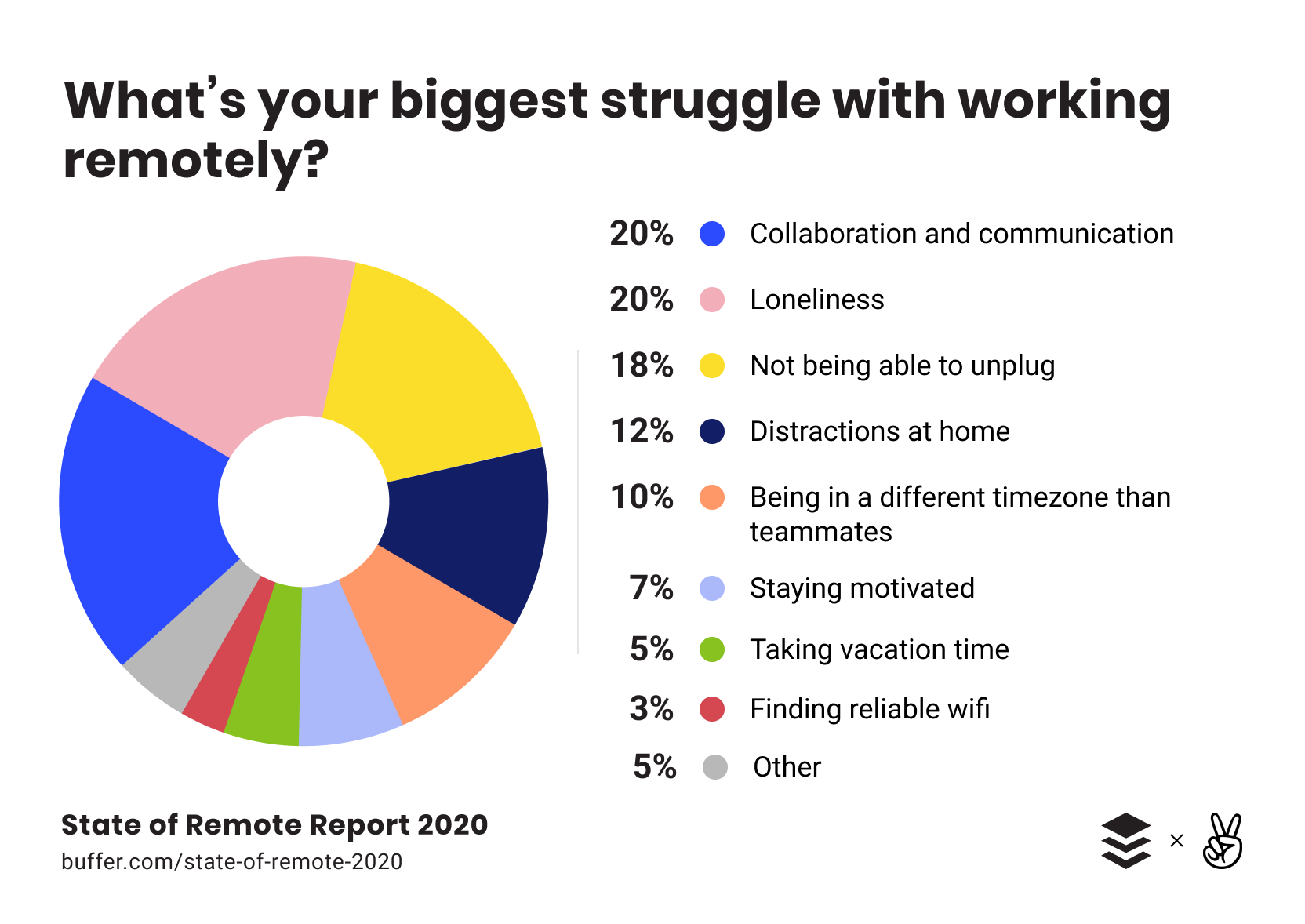
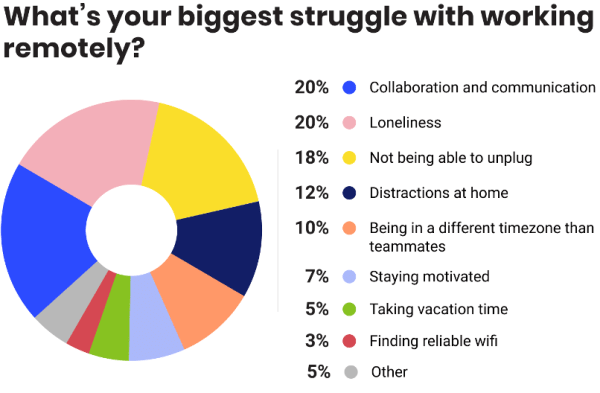
Working from a remote location is a new normal. Since the pandemic, the majority of employees prefer working from home

But, collaboration and communication were the biggest problems faced by employees. 
Source

Therefore, the organization must create a communication and collaboration network that facilitates remote working. Store all the official documents in the cloud and give employees access to their respective files and documents. 

Facilitate them with high-speed internet connectivity. Fix the working hours. To motivate them provide free shopping vouchers to buy assignment UK or any other necessary commodity. 

6.  Appreciate Employee’s Performance

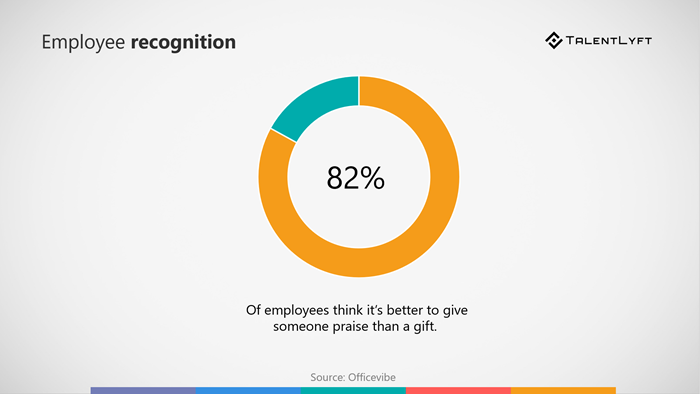
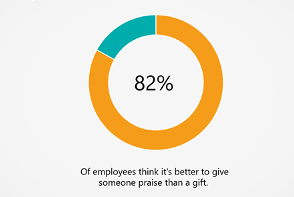
According to Dissertation Assistance UK, appreciating employee’s performance is an adequate way of increasing their engagement level; a well engaged and motivated employee will be more absorbent to changes. 

Employees even ignore monetary gains on praise and acknowledgement. 
Source

Therefore, adequate acknowledgement and praising of employees is necessary. Arrange a meeting with the HR department and guide them to note every employee’s extraordinary performance. 

Appreciate them on a bi and tri-monthly basis. It is suggested not to go for extravagant events, call a meeting in an open space and appreciate that individual’s effort. 

Tesco-The Resilient Culture Experts

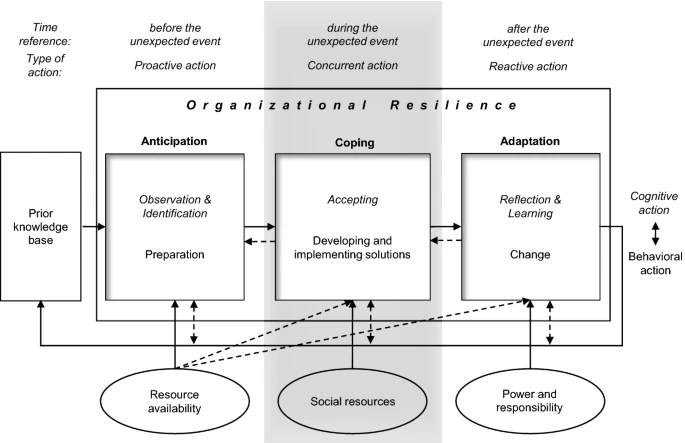
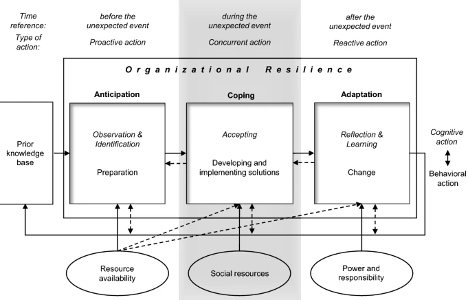
Tesco is considered to be the champion of resilience due to its diverse activates. The leading grocery store was considered extremist due to the activities they carried out. The organization follows the organizational resilience structure;
Source

Almost four years ago, they celebrated ‘Doomsday Activity’ in which they shut down their head office and ask branches to operate on their own. These types of activities promote resilient culture in their organization. 

Therefore, when the pandemic hit, Tesco continues to work at the same pace. Their employees were trained and have practiced resilience before. This is why; they quickly adopt preventive measures and continue their functioning.

Maintaining social distancing, delivering grocery at the doorstep, working and collaborating remotely were practiced efficiently by the employees. 

Another example of resilience was the new hiring; the organization hired 12,000 pickers, 4000 drivers, and 400 vans. This increases working hours, but employees kept on working with the same dedication. The extreme activities and benefit of the resilient culture of Tesco were evident during the pandemic. 

It is also reflected that organizations that have practiced resilient culture before pandemic were secured from ample loss.

Ending Thoughts

Creating a resilient culture in organizations demands a lot. Due to this, the majority of leaders and organizations exempt from the adaptation of this culture. The leaders are required to collaborate and interact with employees continuously. It is also considered to be the test of leadership. 

It also requires engaged and motivated employees, as, without their contribution, nothing is possible. The example of Tesco reflects that adequate practice and resilient organizational culture can prepare organizations for any situation. 

 I hope the details about implementing the resilient culture using collaborative strategies that I have mentioned above will support you in adopting resilient culture. 

Author’s Bio

Stella Lincoln is currently working as an Assistant Editor at Assignment Assistance, the organization famous for its assignment writing service UK. She had served in several organizations, which increases her professional experience. Her dedication to writing is visible from her blogs. 

Stem Cell Research: Definition, Types, and Potential Uses

Stem Cell Research

There have been many advances in the medical and scientific worlds that have advanced human knowledge in various areas. The discovery of penicillin by Alexander Fleming back in 1928 gave the world its first true antibiotic. DNA profiling has changed the way that forensic science is used in criminal investigation, and the introduction of vaccines has saved countless lives.

Vaccines, of course, are in the news constantly now with the various versions being administered to millions to try to halt the spread of Covid and end the pandemic. There is one other incredible advance that is changing the medical world, and that is the use of stem cells.

It has been 10 years since Ernest McCullock passed away but his legacy lives on. It was McCulloch and James Till who first recognized and separated a stem cell. This discovery improved some medical procedures such as bone marrow transplants immediately. The possibilities for stem cell use in the medical world are still being investigated, as they may be so far-reaching.

What are stem cells?

The definition of cell differentiation is described as the process where a young cell forms its own characteristics and features and matures into a cell with a specialized purpose. The cells in the human body are mostly made up of differentiated cells. They have matured and have their purpose in the body and will serve one specific area.

For example, Mesothelial cells’ purpose is to provide a lining to the body’s organs and serous cavities. Keratinocytes are the main cells in the skin and protect against UV radiation, water loss, and viral or fungal infections. Stem cells are different from these differentiated cells.

Stem cells can be classed as being blank or undifferentiated. They are distinct from differentiated cells, which have only one specific purpose in the body, as blank stem cells can mature and carry out many functions and roles.

Stem cells can divide and multiply indefinitely and they will either produce more stem cells or become a differentiated cell such as Keratinocyte.

Are there different types of stem cells?

Medicines can cure disease but only doctors can cure patients, or so the saying goes. Stem cells can help cure many medical problems, but only certain stem cells can cure certain problems. There are a number of different stem cells and they each have different uses:

  • Totipotent or Omnipotent Stem Cells
  • Pluripotent
  • Multipotent
  • Oligopotent
  • Unipotent

The most powerful of all of these is the totipotent, or omnipotent stem cell. A totipotent cell is the most powerful as it can bring about life. Ie it can form a fully functioning living creature. A human fertilized egg is an example of a totipotent cell. Everyone starts out as just one cell, a zygote, and this then divides into two cells, which divide again, and again. After some time, the cells will begin to differentiate and take on their specific purposes.

Pluripotent stem cells are harvested from 3 to 5-day old embryos. Although the embryo is fertilized in a lab and not the human body, it is these stem cells that have caused some of the controversy surrounding the research.

What uses do stem cells have?

There have been many breakthroughs in stem cell research including recently, progress with enteric nervous system disorders. They can be used in many ways as stem cells can develop into whatever cell is needed.

Stem cells could be used for the following purposes:

  • Cardiovascular disease
  • Tissue regeneration
  • Brain disease
  • Blood diseases
  • Cell deficiency therapy

Tissue regeneration is possible with the use of induced pluripotent cells and some other types, and this could lead to huge advances in skin treatments. The biggest organ of a human is the skin and it helps to protect and to create a barrier for the body.

Sometimes wounds cannot heal effectively perhaps due to a severe accident, cancer, or burns. Stem cells could help to regenerate healthy tissue and improve the condition of patients with any number of skin conditions.

Platforms such as Celixir are working with stem cell therapy and hoping to make the next big breakthrough. This may include cell deficiency therapy where it is hoped that soon, laboratories will be able to grow heart cells to fix the damage in patients with heart disease. The same theory could also work for other organs such as the pancreas for diabetes patients.

Summary

Stem cell therapy has no ethical concerns as far as adult cells go but there may be issues elsewhere. For some people, science is a blessing, and to others it is trouble and there is some controversy when it comes to embryonic stem cell research.

However, it could be argued very strongly for the use of stem cell research and therapy after the potential uses are weighed up. Stem cells could potentially be used to treat patients with Alzheimer’s, Parkinson’s, cancer, heart disease, diabetes, and spinal cord damage. With stem cell research platforms driving ahead there could be another major breakthrough in the science and medical world soon.

Online Learning Resources in pandemic| Education and Training

Online learning resources are gaining more attention and importance every turning day, and this is major because of the COVID-19 pandemic. If you are still struggling to find the most helpful plus reliable resources for online learning, education, and training, read this post.

In this post, we will tell you about the best digital resources that can help both teachers and students fill the void created because of the lockdown situation. Infoengine  is an online portal for science education. 

There are hundreds of tools and applications that can contribute to online learning, but we cannot discuss them in one post; this is why we have only listed the top-rated and helpful options for everyone.

Best Online Learning Resources for virtual education!

In this section, we have gathered the top learning resources:

1.    3P learning

This is a learning tool that can help students polish their mathematics and literacy. If you find mathematics and literature boring, just like every other student, you have to make sure to try this tool. You are going to enjoy the creative and interesting lessons of this tool cum app.

2.    Bloomz

This is another online tool that can help teachers a lot in this online learning system. This tool is specifically designed for teachers who want to efficiently communicate with parents and their students from a single platform. This app cum tool is very easy to use, and even a fresh user can learn how to utilize it in less than minutes.

3.    Deck toys

This is another online tool for teachers. The online learning system can be boring as you don’t have the feel of the traditional classrooms. This platform is going to assist teachers in making their digital classrooms interesting. A teacher can easily create and share lessons with their students by using easy tools. There are many features of this tool, but you should know to utilize and enjoy all these features, students and teachers must have an account on MS word.

4.    Trello

Trello is an online application cum website tool that can help students in managing their work. The pandemic situation has ruined our daily routine and has made our life confusing. If you want to get back on the fast lane and complete your assignments and other homework well in time, you can use Trello. This work management app is best for teachers as well as students of all levels. Teachers can assign and check the progress of work by connecting with their students. This can make distance learning more effective.

5.    Google classroom

The day-to-day communication tools and apps cannot cater to online learning and classrooms. So Google classroom is a viable option in this regard. There are many features and options that you can find in Google classroom, so we would suggest teachers and students try this digital platform. The tool is very easy to understand and use. Even a new user can use it like a pro. You can also use other relevant tools with Google classrooms; these include Google slides, Google meet, and many others.

6.    Kahoot

This is another important resource that you should have in your digital pocket. This tool is specially designed for teachers to make online learning interesting. The main purpose of this tool is to turn the education platform into an interesting playground. Teachers can create multiple games that can help students in not just killing time but also learning new stuff. Teachers from all across the globe create more than forty million existing games.

7.    Plagiarism checker by SearchEngineReports.net

The plagiarism checker by searchenginereports.net is a well-known platform for finding plagiarism issues in content. This online plagiarism checker is known best for students only because it is free to use and is extremely reliable and accurate in its work. Students can use this free plagiarism checker to scan assignments before submitting them to their teachers. Teachers can use the plagiarism checker tool in the same way to check the work submitted by their students. This duplication checker is free to use, and there is no need for any registrations and signups. This plagiarism checker can be used on all sorts of devices.

8.    Adventure academy

The adventure academy is another unique platform for students of young age. Online education has created problems mainly for students in junior grades, so this online tool will focus on helping them. This tool offers more than thousands of engaging activities that are both fun and safe for students. A student can enjoy hundreds of hours of gameplay without any hassle. This gameplay would not only be fun but would also be productive for learning. Adventure academy focuses on building critical knowledge for language arts, math, social sciences, and social studies.

You can use these online resources to get help in managing your online education system. These are best for not only learning but also for training!

Call for papers IJR June 2021

International Journal of Research  (IJR) (ISSN 2348-4868) is a Monthly peer reviewed Multi disciplinary journal that publish original and high-quality articles covering a wide range of topics in Engineering, dedicated to promoting high standards in the creation and dissemination of scientific knowledge. IJR is a multidisciplinary international journal accepts research and review papers in the field of Engineering and other fields on the basis of its originality, importance and interdisciplinary interest. Articles that simply replicate known knowledge or techniques and do not add anything new or unique to the science will normally be rejected. With its high standards of scientific quality, the Journal International Journal of Scientific Research and Review provides a meeting ground for researchers who investigate the newest problems related to Multidisciplinary fields.

Send papers for review to ijr@ijrjournal.com

         International Journal of Research is an open access journal, which means that all articles are available on the internet to all users immediately upon publication. Non-commercial use and distribution in any medium is permitted, provided the author and the journal are properly credited. Benefits of open access for authors include: free access for all users worldwide, authors retain copyright to their work, increased visibility and readership, rapid publication, no spatial constraints. Special issues dedicated to international conferences in the topics of the journal are brought out, as well. All submitted manuscripts are initially evaluated by the Editor and, if are found suitable, are sent for further consideration, to peer reviewers for an independent and anonymous expert review process.

Submission Topics for IJR journal

IJR Journal publishes original papers in various fields of Applied Science, Technology and Engineering, Management Science that cover, but are not limited to, the following areas: Electrical Engineering, Power Engineering, Mechanical Engineering, Automation and Control, Measurement and Metrology, Signal Processing,  Telecommunications, Civil Engineering, Chemical Engineering,  Materials Science, Computer Engineering, Information Technology and Informatics, Data Engineering and Software Engineering, Biomedical Engineering and Medical Physics.

IJR – Benefits To Paper Publications:

Easy & Rapid paper publishing process.
Low publication fee to promote the research work
IJR is indexed in Google Scholar, Docstoc, ResearchGate, Scribd and many more.
IJR provides individual Soft Copy of Certificate of Publication to each Authors of paper.

How to Submit Papers

Send papers for review to ijr@ijrjournal.com

Link to access Current Issue of Journal https://ijrjournal.com/index.php/ijr

Importance of Training and Internship

Internships are a great way to apply the knowledge from the classroom to real-world experience. Learning is one thing, but taking those skills into the workforce and applying them is a great way to explore different career paths and specializations that suit individual interests. Having an internship gives you experience in the career field you want to pursue. Not only does this give individuals an edge over other candidates when applying for jobs, it also prepares them for what to expect in their field and increases confidence in their work. Having an internship benefits you in the working environment, and it also builds your professional network. There is a 1 in 16 chance of securing a job by connecting with people, so networking is critical. Internships provide a great environment to meet professionals in the career field you want to pursue, as well as other interns who have similar interests.

According to a 2016 National Association of Colleges and Employers (NACE) survey, more than 56 percent of graduating seniors reported taking part in at least one internship. Of those respondents, 56 percent were paid, while 44 percent were unpaid. Seventy-two percent of those unpaid internships were credit-bearing.
Professionalism. Internships can provide students with the soft skills needed in the workplace and in leadership positions. In a LinkedIn Skills Report (2018), 57% of people rated soft skills as being more important than technical skills. Skills, such as communication, leadership, problem-solving, and teamwork can all be learned through an internship and utilized beyond that experience. Depending on your major, you may read about how organizations thrive and function in textbooks, hear from guest speakers who talk about organizational structures, or dive into case studies about workplace culture, but nothing compares to living the actual experience. Internships help students learn all about workplace culture, employee relations, and leadership structure, which should help them onboard in their first professional job with more ease than if they haven’t had professional experience.
Most organizations and jobs that you apply to following graduation want employees to have some sort of professional experience, even for entry-level jobs. In the event that you are a finalist for a position and haven’t had an internship experience but the other finalist has, you may lose out on a job opportunity, so make sure you at least have one internship on your resume before leaving college to give you a leg up on the competition. Not only will you be helping out the organization you intern with, but they’ll help you out too. While professors and teachers will prepare you for the theoretical side of your field and hands-on projects, internships provide opportunities for receiving feedback from someone who works in your desired field on a daily basis. This might seem common sense – you’re interning to learn skills, after all – but don’t forget to purposefully observe others in their job role to learn the ins and outs of different positions. Consider asking your supervisor if you can shadow them for a day, along with other people in your department. Ask to sit in on departmentwide meetings as well. Act like a sponge and soak up all the information you can during your internship – it will benefit you in the long run. While everyone probably wants to walk away from an internship feeling excited and passionate about the experience, there’s a silver-lining to be found if you didn’t enjoy the job: you’ll know what you don’t like. According to an article from monster.com, “figuring out what type of job you don’t want while you’re interning can help prevent you from accepting an ill-fitting job when you graduate.”

Photo by Ketut Subiyanto on Pexels.com