In Indian culture, women have been considered symbols of respect, honor, and maternal power. From the Vedic period to the modern era, women have been given an important place in the formation of family, society, and culture. However, looking at the actual socio-political reality, women have often been given a secondary position. Although women are respected in the religious and cultural spheres, their participation in the social, economic, and especially political spheres has remained limited, which is a significant contradiction facing Indian democracy.
The contribution of women to the Indian freedom struggle is invaluable and inspiring. Many women like Rani Lakshmibai of Jhansi, Kasturba Gandhi, Sarojini Naidu, Annie Besant, and Vijayalakshmi Pandit actively participated in the freedom movement. They not only participated in movements and satyagrahas but also played a crucial role in the dissemination of national ideology, organization building, and leadership. However, in the post-independence period, especially in parliamentary politics, the representation of women has not increased as expected. A review of Indian politics over the approximately seven decades since independence shows that political power and decision-making processes are still primarily male-dominated. With a few notable exceptions, most women leaders in politics are connected to a family political background. Many women have risen to prominence due to the political legacy of their fathers, husbands, or other influential male leaders in their families. This raises questions about the independent leadership capabilities of women.
Although reservations have been provided for women in local self-governing bodies, in practice, concepts like ‘Sarpanch’s husband’ and ‘Councillor’s husband’ are prevalent in many places. This makes women’s political participation merely formal, and men continue to dominate the actual decision-making process. This situation is alarming from the perspective of gender equality in Indian democracy. Men and women are considered two equal wheels of the chariot of society. To achieve the all-round development of the nation, it is essential to provide equal opportunities, equal rights, and equal responsibilities to both these components. However, even today, women do not receive political representation proportionate to their population. Therefore, the subject of ‘women and politics’ becomes a crucial research topic, not only socially but also politically, constitutionally, and in relation to democratic values. Against this backdrop, this research attempts to study the position, participation, contribution, and current status of women in Indian politics. The main objective of this study is to underscore the importance of women’s political participation in making Indian democracy more inclusive, egalitarian, and robust.
Research Goal:
The main objective of this research is to conduct an in-depth and critical study of the status, participation, leadership opportunities, and role of women in the decision-making process within Indian politics. By analyzing the contributions of Indian women to the political field since independence, the opportunities they have received, and the patriarchal mindset that still exists, this research aims to clarify the current state of women’s political empowerment.
Research Objectives:
1) To review the historical contributions of women in Indian politics and analyze their participation from the freedom movement to the present day.
2) To study the representation of women in Parliament, state legislatures, the cabinet, and top constitutional positions (President, Prime Minister, Chief Minister, etc.).
3) To examine the influence of family political legacy and patriarchal power structures on women’s entry into and progress in politics.
4) To review the work and leadership qualities of prominent women political leaders in Maharashtra and India.
Research Methodology:
Historical Method: The historical method has been used to trace the journey, contributions, and changing roles of women in Indian politics from the pre-independence era to the present day.
Data Collection Tools:
For this research, data has been collected based on primary and secondary sources. Primary sources: Constitutional provisions, parliamentary proceedings, and government reports. Secondary sources: Books on political science and sociology, research papers, journals and magazines, newspapers, articles, and reliable websites.
Importance of the Subject:
Equal participation of men and women is crucial for the robustness of the Indian democratic system. Despite women constituting nearly half of the Indian population, their participation in the political decision-making process is disproportionately low. Therefore, the subject of “Women and Politics” is not merely limited to academic study but is of paramount importance from the perspective of social, political, and democratic values. Men and women are the two inseparable wheels of the chariot of society, and if one wheel is neglected, the nation’s journey becomes unbalanced. Increased active participation of women in politics can lead to greater sensitivity in policy-making, giving more priority to social justice, education, health, women and child welfare, environment, and grassroots issues. This helps in making democracy more inclusive, representative, and effective. The contributions of women in the freedom struggle, as well as the leadership demonstrated by women like Indira Gandhi, Pratibha Patil, Jayalalithaa, Mamata Banerjee, and Mayawati in high positions after independence, clearly show that women’s capabilities are in no way inferior to those of men. Yet, the fact that women are still given a secondary role in Indian politics is a matter of concern. Studying this inconsistency and investigating the underlying social, cultural, and political reasons is essential. Although the reservation system in local self-governing bodies has increased women’s participation, in many places, the indirect dominance of men in actual power is still evident. Therefore, this research underscores the need for not just quantitative representation, but also meaningful and independent political empowerment of women. The main objective of this research is to present the current situation of women in Indian politics from a realistic perspective, to highlight the inequalities based on data, and to stimulate positive policy discussions for increasing women’s political participation in the future. Therefore, this research proves useful in creating social awareness and encouraging policymakers, scholars, and political parties to introspect.
Overall, women’s participation in politics is not merely a matter of women’s rights, but a fundamental basis for the quality of democracy, national progress, and social balance. Hence, the topic of women and politics is of paramount importance and remains highly relevant and necessary in the context of contemporary Indian society.
Despite women’s valuable contributions at the political, social, and national levels from the freedom movement to modern times, their participation in decision-making processes appears to be limited. The reality that women’s representation is extremely low at all levels of the highest positions in Indian democracy—President, Prime Minister, Vice President, Deputy Prime Minister, Speaker of the Lok Sabha, Chief Minister—cannot be denied. With a few notable exceptions, it is observed that the majority of women leaders have emerged based on their family’s political background. This highlights the patriarchal mindset and structural obstacles in Indian politics.
Although reservations have been provided for women in local self-governing bodies, in reality, women’s representation remains formal in many places, and their independent participation in decision-making is limited. Social customs, lack of education, economic dependence, and lack of political training are important reasons behind this.
However, women leaders like Indira Gandhi, Pratibha Patil, Jayalalithaa, Mamata Banerjee, Mayawati, Nirmala Sitharaman, and Sushma Swaraj have proven through their efficiency, leadership qualities, and decisive roles that Indian women can capably handle the highest responsibilities. Their work has helped dispel misconceptions about women’s leadership abilities. Overall, this research clearly shows that despite women’s undeniable contribution to Indian politics, they do not receive representation proportionate to their population. If we want to improve the quality of democracy and achieve the all-round development of the nation, it is essential to give women equal participation in the decision-making process, rather than limiting them merely to reservations. Providing women with political education, leadership training, and independent opportunities will make Indian politics more balanced, sensitive, and inclusive. Therefore, considering women and men as two equal wheels of the chariot of society, implementing concrete policy measures for the political empowerment of women is the need of the hour. Only then will it be possible to build a truly egalitarian and robust democracy.
References:
1) Diwan, Mohan; Devdhar, Jayant; Diwani, Vivek (2004), Politics of States in India.
Nagpur: Vidya Prakashan,
2) Government of Maharashtra (2017), Maharashtra Yearbook. Produced by Directorate General of Information and Public Relations, Mumbai–32,
3) Palshikar, Suhas; Birmal, Nitin, Politics of Maharashtra: Local Context. Pune: Pratima Prakashan,
Faceless assessment represents a watershed shift in Indian tax administration — from traditional, physical, and often discretionary tax officer interactions to a digitized, transparent, and process-driven system. Initiated under the Income-tax Act, 1961, this reform has sought to eliminate geographical jurisdiction, reduce taxpayer harassment, and infuse accountability into the tax assessment process. With the Government of India introducing the Income Tax Act, 2025 to replace the nearly six-decade-old 1961 Act from 1 April 2026, significant structural and procedural changes have been proposed in the assessment regime, including refinements to faceless assessments.
This article provides a comprehensive analysis of the Faceless Assessment Scheme, tracing its legislative evolution, institutional architecture, procedural mechanics, and technological backbone. It examines the scheme’s legal foundation under Section 144B of the Income Tax Act, 1961, and its proposed continuation under Section 273 of the incoming Income Tax Act, 2025. Drawing on judicial pronouncements, academic insights, and stakeholder feedback, the article critically evaluates the operational challenges such as procedural delays, over-engineering of units, and the dilution of natural justice that threaten to undermine the scheme’s original vision.
Further This article highlights the transformative potential of faceless assessment in improving efficiency, and fostering taxpayer trust. It concludes with actionable policy recommendations advocating for structural simplification specifically, the abolition of redundant Technical and Review Units to restore accountability, improve assessment quality, and ensure that the faceless regime fulfils its promise of a fair, efficient, and justice-oriented tax administration.
Keywords: Faceless Assessment, Income Tax Act 1961 (Section 144B), Income Tax Act 2025, Section 273, Section 532, NeAC, Tax Transparency, Digital Governance, CBDT, Tax Reform, Finance Budget.
Introduction: Tax Law and Administrative Reform in India
India’s taxation system has evolved over decades, anchored for the last sixty years in the Income-tax Act, 1961. Despite periodic amendments aimed at modernizing the system, the legacy Act accumulated complex language, procedural inefficiencies, and litigation challenges. Recognizing the need for a revamped statutory framework, the legislature introduced the Income Tax Bill, 2025, designed to replace the older law with a streamlined, modern, and digitally oriented statute. Among its key reforms is the embrace and enhancement of the faceless tax regime, a flagship reform initiated under the 1961 Act but carried forward and embedded within the 2025 Act’s procedural architecture.Faceless assessment seeks to augment transparency, reduce human discretion, and leverage technology for efficient tax administration. This article analyses the current law’s faceless assessment regime and juxtaposes it with the approach under the new statutory framework.
Background: The Concept of Faceless Assessment
Stakeholders widely agreed that India’s income tax system was once crippled by a rigid, location-based structure, which bred chronic inefficiency, a profound lack of transparency and entrenched unfair practices. The reliance on face-to-face dealings between taxpayers and tax officers often gave rise to prolonged delays and subjective bias.In the annual conclave of Tax Administration Authorities, “RajaswaGyanSangam”, held in June 2016, Honourable Prime Minister Shri Narendra Modi Ji advocated tax administration reforms through the ‘RAPID’ approach standing for Revenue, Accountability, Probity, Information, and digitization. To transform age-old manual assessment methods, enhance transparency, efficiency, and accountability, and curb malpracticesthe E-Assessment Scheme 2019 was launched on 7 October 2019. The Finance Ministry launched the “Transparent Taxation – Honouring the Honest” platform on August 13, 2020, to ease taxpayers’ burdens and rebuild their trust in India’s tax system. This initiative rests on three key pillars: Faceless Assessment, Faceless Appeal, and the Taxpayers’ Charter. The heart of this reform lies the Faceless Assessment Scheme (FAS). It replaces from a system where tax assessments were conducted by a known officer in a known jurisdiction to one where both the assessing authority and the taxpayer remain anonymous throughout the process. The scheme was conceived not merely as a procedural upgrade but as a cultural and institutional transformation that rebuilds trust between the government and honest taxpayers
What is Faceless Assessment Scheme (FAS)?
Faceless assessment marks a significant evolution in India’s income tax administration, where the complete evaluation of a taxpayer’s income tax return occurs electronically, without any physical interaction or personal interface between the assessee and tax officials. Launched via the Faceless Assessment Scheme (FAS) in 2020 and integrated into the Income Tax Act, 1961 (as amended), this system aims to minimize discretionary authority of assessing officers, remove territorial jurisdiction limitations, and prevent instances of harassment or undue interference.
The process powered by the use of sophisticated advanced digital platforms, primarily the Income Tax e-filing portal (incometax.gov.in), which facilitates seamless operations. These include automated generation and issuance of notices under sections such as 143(2) or 142(1), secure online uploading of documents and responses by taxpayers, prompt handling of queries or show-cause notices, and electronic delivery of final assessment orders. Officers, based at faceless National e-Assessment Centres (NeACs) and Regional Faceless Centres (RfCs), are assigned cases randomly through algorithmic selection to uphold uniformity and objectivity. This shifts their role from traditional territorial adjudicators to streamlined, technology-enabled processors emphasizing data analysis and regulatory adherence.The rationale and Objectives for faceless assessment Scheme includesAll digital interactions are logged and traceable, reducing scope for arbitrary actions.Centralized processing and AI-assisted case allocation expedite handling which may reduce jurisdictional Bias and enhanced taxpayers experience.
Faceless Assessment under the Income-tax Act, 1961:
Statutory Legal Basis: Under the Income-tax Act, 1961, faceless assessment was introduced through Section 144B, empowering the Central Board of Direct Taxes (CBDT) to define the faceless assessment process and procedures. The Central Board of Direct Taxes (CBDT) operationalized the scheme through Notification No. 60/2020 dated 13th August 2020, which laid down the procedural and structural framework for faceless assessments. This notification along with subsequent amendments, established the institutional architecture, communication protocols, and operational guidelines. The provision mandated digital issuance of notices and electronic submissions of responses, including through video conferencing when needed. The key components in Faceless Assessment scheme includes:
Electronic Notices: Initiation of assessment by the officers should be by issuing digitally served notices.
Digital Responses: Taxpayers must furnish responses and documents through the Income Tax e-filing portal.
Random Allocation: The system automatically allocates assessment cases to assessing officers outside territorial jurisdictions except the cases of Search and survey.
Video Conferencing:Wherever Taxpayers feel that he wishes to explain the things orally as it is difficult to explain on paper he may seek personal hearings online through video conferencing if necessary. In this process also identity of the officer is not disclosed.
Audit Trail: Comprehensive logging ensures accountability and traceability.
Operational Workflow
The faceless assessment workflow under the 1961 Act generally involved:
Notice Issuance: The e-filing system issues assessment notices (e.g., under Sections 142(1), 143(2), or 148 etc.).
Document Submission:After receipt of the notice taxpayers upload his submission along with supporting documents and respond to queries online.
Assessment Draft order:Assessing officer prepare draft assessment order based on various submission made by the taxpayers and data collected by him by issuing notice U/s. 133(6) of the Income Tax Act 1961.
Submission against Draft order: Taxpayers can either object the draft order or accept the order after verification of the draft order.
Video Conferencing: Assessee can opt for the Video conferencing for argue the case orally.
Revised or Final order: After verification of submission to draft order Assessing officer prepare final order and send it for approval.
Quality Review: Independent review panels ensure quality and fairness of the order.
Final Assessment Order:After all this process the final Assessment order is issued electronically in compliance with statutory timelines.
Limitations and Challenges of the 1961 Faceless Assessment Scheme:
While faceless assessment marked a significant improvement, several limitations under the 1961 Act emerged. Major limitations are:
Technological Adaptation: Older provisions were adapted to digital procedures but not inherently drafted for modern technology.
Procedural Complexity: Notices and responses under the 1961 Act require interpretation of multiple sections and cross references which could complicate digital automation.
Limitation of Space and size for document upload: The submission and relevant document uploaded through income tax portal is having limited space. At a time only 10 attachments can be upload and single attachment should not be more than 5 MB in size. It creates difficulty to taxpayers while submitting the submission.
Limited Scope for Clarification: Some taxpayers faced delays when seeking online hearings or clarifications.
Litigation Bottlenecks: Despite digital procedures, disputes continued due to ambiguities in language and procedural overlaps.
These concerns set the stage for a reimagined legislative approach under the Income Tax Act, 2025, which aims to build a more coherent digital assessment framework.
Overview of the Income Tax Act, 2025
The Income Tax Act, 2025 represents a comprehensive overhaul, replacing the fragmented 1961 law. It aims to achieve simplicity, efficiency, and taxpayer clarity. Key features include:
Reduced Length and Complexity: Sections are reduced from over 800 in the 1961 Act to 536, and the overall legislative language is simplified.
Unified Tax Year Concept: The traditional previous year and assessment year are eliminated, replaced by a single tax year concept.
Digitization Emphasis: Enhanced digital compliance tools, including faceless assessments and digital notice systems.
Importantly, the new Act will come into force on 1 April 2026, with new Income Tax Return (ITR) forms and rules notified prior to implementation. New Income tax rules are yet to be notified.
Faceless Assessment under the Income Tax Act, 2025:
Codification and Redrafting:Under the Income Tax Act 2025, provisions related to faceless assessment have been redrafted and consolidated to align with the overall objectives of clarity and digital orientation:
Consolidation: The old Section 144B of the 1961 Act, which detailed faceless assessment procedures, is re-drafted as Section 273 (or equivalent) in the new Act, ensuring a cohesive approach that is integrated with other digital compliance mechanisms.
Scheme Power: Section 532 empowers the Central Government to frame faceless schemes eliminating interface with taxpayers, a structural enhancement reinforcing the digital approach across procedures.
Procedure Clarity: Notices, responses, and procedural steps are consolidated and clarified, aiming to reduce ambiguity and streamline compliance.
Key Changes and Enhancements:
The new Income Tax Act 2025 approach includes Broader Digital Integration. Faceless assessments are deeply integrated with the Act’s digital infrastructure. Enhanced tools includethe statutory design envisions algorithmic distribution of cases to reduce bias and improve turnaround, Digital service of notices and assessment outcomes remain core components and use of Artificial intelligence for assessment procedure.These reinforce the objective of zero physical interface between the taxpayer and tax officials. The new Act expands what constitutes information for the purpose of issuing notices including directions from approving panels and findings from judicial or tribunal orders. This is procedural but critical in digital notice scenarios.
Procedural Simplification
By removing redundant procedural provisions and presenting faceless assessment provisions in a consolidated format.The Income Tax Act 2025 Act aims to Reduce confusion arising from historical cross-referencing of multiple sections, simplify notice issuance requirements and timelines and importantly harmonize digital process steps across assessment, reassessment, and appeals.
Comparative Analysis: Faceless Assessment in 1961 vs 2025 Act:
The transition from the Income-tax Act, 1961, to the Income Tax Act, 2025, blends continuity with significant transformation across key aspects of tax administration. Under the 1961 Act, the statutory base for faceless assessments relied on Section 144B, which tied provisions to the Act’s procedural context, whereas the 2025 Act integrates these into a native digital procedural architecture with consolidated provisions under newer sections and scheme-making powers.
The digital interface evolved from gradual adaptations of existing e-filing systems in the 1961 framework to a fully cohesive, native digital orientation in 2025, supported by streamlined statutory rules. Procedural complexity decreases notably in the new Act, moving away from the legacy language and cross-references of 1961 toward simplified phrasing, consolidated steps, and table-based presentations for greater clarity.
Integration with other procedures also advances, as the 1961 Act maintained separate rules for assessments, reassessments, and appeals, while the 2025 Act aligns them into unified digital workflows across compliance processes. Notice information scope expands under 2025 to incorporate directions from panels and judicial findings, beyond the traditional definitions of the old Act. Finally, taxpayer engagement tools progress from basic video conferencing permissions in 1961 to enhanced digital tools and explicitly clearer procedural rights in 2025.
This comparison underscores that while the core objective of faceless assessment remains unchanged viz. transparency, efficiency, and non-discriminatory processing.The Income Tax Act 2025 execution model embeds the digital approach more fundamentally into the legislative fabric.
Benefits of Faceless Assessment Regime:
The faceless assessment model as envisioned under both statutesoffers several clear benefits:
Enhanced Transparency and Accountability: Digital logs and audit trails ensure that every action is recorded, reducing scope for arbitrary decisions and subjective influence.
Reduced Taxpayer Harassment: By eliminating geographical jurisdiction and physical interfaces, taxpayers are less likely to face intimidation or discretionary pressure.
Faster Processing: Algorithm-driven case allocation and automated notice systems contribute to quicker assessment cycles, potentially reducing backlogs.
Wider Accessibility: Taxpayers even in remote locations can engage with the system on equal footing through digital platforms.
Litigation Reduction (Long Term): Clearer procedures and reduced ambiguity may lower litigation rates by providing predictable outcomes.
Challenges and Considerations:
Despite the promise, faceless assessment has not been free of challenges. The taxpayers are facing various challenges in faceless assessment procedure:
Digital Divide: Not all taxpayers, especially small farmers, micro businesses, and rural taxpayers are equally equipped to engage digitally.
Technical Glitches: System downtimes, technical faults, and data aggregation errors can disrupt processes.
Procedural Ambiguity: While the 2025 Act simplifies language, transitional challenges and interpretation issues may arise.
Privacy Concerns: Though not directly tied to faceless assessments, related debates about digital access to taxpayer data emphasize the need for robust data protection in digital tax regimes.
Space for Data upload: The space limitation for uploading data results in undue hardship to the assessee for uploading bulk data at one instance. It results in time consumption and harassment of assessee.
Analysis of Taxpayers view about the Faceless Assessment scheme:
We have collected data from various taxpayers and tried to study whether faceless and digitization scheme really help to the Taxpayers and whether they can use the system without help of tax experts. The detail analysis is as under:
We have asked to 421 Taxpayers from different age and income group the following questions which helps us to analyses the simplification and use of digitization by the government.
Whether Taxpayers have to consult Tax practitioners for e filling?
From the above chart We can analyze the data which shows that out of 421 taxpayers 400 taxpayers are consulting with tax practitioners for e filling of Income Tax Return. Only 21 taxpayers responded that there is no need to consult tax practitioners for e filling. It represents that 95% of taxpayers still need help of Tax practitioners for e filling of Income Tax Return.
Does the Tax practitioners handle portal navigation?
From the above chart We can analyze the data which shows that out of 421 taxpayers 244 taxpayers portal is always navigated by his tax practitioner only which works out to 58% of taxpayers. 164 Taxpayers portal is sometimes navigated by tax practitioners and sometimes Taxpayers try to access the same which works out to 39% of the Taxpayers. Only 13 taxpayers are navigating the income tax portal their own which works out to 3 % of total population of taxpayers.
Taxpayers are aware that notices and communications are sent digitally on the portal.
It is analysed that out of 421 respondents 356 respondents are not aware that notices and communications are sent digitally on portal which works out to 84.6% of the population. Which means only 65 out of 421 respondents are aware that the notices and communications are sent digitally by the department which works out to only 15.4% of the population.
Technical Glitches / errors make it difficult to use the portal.
It is analysed that out of 421 respondents 74 respondents strongly agree and 268 respondents agree that technical glitches / errors make it difficult to use the portal. Hence total respondents who are strongly agree and agree works out to 81.3% of the population. 13.5% (57 respondents) are neutral and 5.2% (22 respondents) are disagree that the technical glitches / errors make it difficult to use the portal.
Conclusion:
Faceless assessment stands as a cornerstone of India’s efforts to modernize its taxation system. Introduced under the Income-tax Act, 1961 with clear goals of efficiency, transparency, and reduced taxpayer harassment, its evolution under the Income Tax Act, 2025 marks a significant legislative maturation. The new Act embeds digital procedures more deeply and coherently, reflecting lessons learned from over a decade of faceless assessment experience. The income tax department is trying to simplify the income tax act and process for e-filling and e-assessment but it needs to conduct various outreach program to reach the taxpayers and explain them the functionality of income tax portal as well as make them aware about the simplified Income Tax Act introduced by the government of India.
While the journey of implementing faceless assessments continues to face practical challenges, the comparative transition from the 1961 framework to the 2025 statutory design represents an important stride towards a digital, citizen-centric, and dispute-resilient tax ecosystem. As India transitions to the new regime from 1 April 2026, taxpayers, practitioners, and administrators alike must understand the changed legal landscape to ensure compliance, effective participation, and realization of the core objectives of a modern tax system.
Returning from Wall Street to India financial markets, Dr. Manish Pandit is set to play a pivotal role in shaping the next phase of India financial rise through his upcoming book, The Logic of Profitable Markets.
Dr. Manish Pandit
In the era of globalisation and rapid financial transformation, a new generation of Indian leaders has emerged on the world stage—individuals who combine exceptional professional excellence with a deep sense of responsibility towards their homeland.
Dr. Manish Pandit stands out as one of the most distinguished among them.
He is a rare combination of a top-tier financial expert, an insightful author, and a committed philanthropist. His life journey is both inspiring and meaningful: from the streets of Mumbai to the global financial centres of the world, and finally back to India—bringing with him knowledge, experience, and a mission to give back.
Where the Dream Took Shape
Dr. Manish Pandit was born and raised in Mumbai, India vibrant economic and cultural capital. Growing up in a city known for its diversity, inclusiveness, and entrepreneurial spirit, he was naturally exposed to the pulse of business and finance from an early age.
Mumbai shaped his sharp commercial instincts and global outlook. Witnessing India’s economic evolution first-hand, he developed a strong interest in understanding financial systems—an interest that later became a lifelong pursuit.
Academic Excellence at Columbia University
Driven by his passion for finance, Dr. Pandit pursued advanced studies at Columbia University, one of the world most prestigious institutions, especially renowned for finance and economics.
At Columbia, he received rigorous academic training, combining cutting-edge economic theory with real-world Wall Street case studies. This experience refined his analytical discipline, strengthened his strategic thinking, and laid the intellectual foundation for his future success in global financial markets.
Leading Global Investments – Managing Over USD 4 Billion
After completing his education, Dr. Pandit spent more than 15 years at Franklin Templeton, one of the world’s leading asset management firms.
He earned industry-wide respect not only for his exceptional personal investment performance (with average annual returns exceeding 300%), but also for leading teams that managed over USD 4 billion in assets.
Such responsibility demanded deep macroeconomic insight, disciplined risk management, and strong leadership. Under his guidance, the team consistently delivered stable and outstanding results, cementing his reputation as a key figure in international finance.
A Labour of Passion: The Logic Behind Profitable Markets
With decades of experience and real-world success, Dr. Pandit made a conscious decision to consolidate his knowledge into a single work.
He is currently finalising his first major financial book,
The Logic Behind Profitable Markets: From Theory to 300% Returns,
which is set for publication soon.
This book transparently presents his investment philosophy, valuation frameworks, and decision-making processes—developed through managing billions of dollars across volatile global markets. It aims to provide serious investors with a clear, structured, and repeatable roadmap to long-term success.
Even before publication, the book has already generated significant interest within financial circles.
Philanthropy and Financial Empowerment
Despite his achievements, Dr. Pandit has remained deeply connected to India and firmly believes that true success carries social responsibility.
He has publicly committed to donating 10% of his annual profits to charitable causes, focusing on:
Education development
Healthcare improvement
Financial inclusion initiatives in India
Through scholarships, grassroots financial literacy programmes, and support for underprivileged communities, he seeks to strengthen India’s long-term social and economic foundations.
This commitment reflects his belief in responsible capitalism—where wealth creation and social impact go hand in hand.
A Journey with Purpose
From the lanes of Mumbai to the skyscrapers of New York, from managing USD 4 billion in assets to authoring The Logic Behind Profitable Markets, Dr. Manish Pandit’s journey exemplifies the ideals of modern leadership.
He is:
A global financial leader who has earned international respect
A thinker and educator whose work will guide future investors
A patriotic philanthropist dedicated to India progress
His life represents the powerful intersection of knowledge, wealth, and responsibility. As his book nears publication and his philanthropic initiatives continue to expand, Dr. Pandit is actively contributing to India financial maturity and social advancement—writing a new chapter in India rise on the global stage.
Rahman, A. A. J. A., Rahman, N., Islam, M. S., Hossain, M. B., & Jaman, B. U. (2026). Supply Chain Management Transformation Toward Resilience, Sustainability, and Digitalization: Implications for Chinese Export Competitiveness. International Journal of Research, 13(1), 416–430. https://doi.org/10.26643/ijr/2026/15
Abdullah Ali Jameel Alabd Rahman1, Nishadur Rahman2, Md Safiqul Islam1, Md Belal Hossain3, Barkat Ullah Jaman4
1School of Economics and Management, China University of Geoscience, Hongshan, Wuhan, Hubei, China
2Lingnan College, Sun Yat-sen University, Haizhu District, Guangzhou, Guangdong, China
4School of Economics and Trade, Henan University of Technology, Zhengzhou, Henan, China
Abstract
The paper discusses the impact of supply chain management (SCM) transformation through resilience, sustainability, and digitalization on export competitiveness for Chinese. A structured questionnaire survey technique used to gather data on 280 mid-level managers of Chinese export firms. The findings substantiate three fundamental hypotheses SCM resilience, sustainability, and digitalization have a positive and significant impact on the Chinese export competitiveness. Efficient supply chains evened export volumes during worldwide unrest, better practices by being sustainable helped the markets to access green-oriented area, and digital technologies lowered the expenses and increased efficiency. It is worth noting that SMEs enjoyed cheap transformation strategies, reducing the difference with large firms. The three factors had synergies that enhanced competitiveness. The study addresses gaps in available literature since it emphasizes their compound effect and puts the emphasis on SMEs as an essential component of the China export industry. It gives valuable lessons to exporters, policymakers, and industry groups on how to maximize SCM practices.
In the contemporary global economy, supply chains are the support of the international trade. In the case of China, which is the largest exporter in the world. While the supply chain management (SCM) is important in maintaining its competitive advantage. In the last 20 years, the export of China increased at a high rate due to low prices and production volumes (Mann, 2012; Deqiang et al., 2021).
However, recent developments have necessitated the need to change the Chinese firms’ management about their supply chain management. Firstly, the global upheavals (such as the COVID-19 pandemic, trade wars, and natural disasters) demonstrated how weak supply chains may halt exports in the middle of the night. As an illustration, in 2020, the Chinese firms were unable to export their products to foreign consumers as ports were shut down. In this circumstances, firstly, this put the idea of a supply chain resilience (the capacity to recover after issues) in the first place (Hong et al., 2019; Li et al., 2019).
Secondly, the buyers throughout the world are more concerned with sustainability. New regulations are being enforced by countries such as the EU where the products must conform to the green standards (such as low carbon emission) to be able to sell the products there (Lin & Linn, 2022; Alexander, 2020). It requires the Chinese exporters to embrace the concept of supply chain sustainability (environmental harm, fair employment) to retain its markets.
Thirdly, SCM is becoming modified by technology. Such tools as AI, blockchain, and real-time tracking (so-called supply chain digitalization) assist enterprises in controlling the inventory, reducing the expenses, and accelerating the delivery (Gohil & Thakker, 2021; 2019; Rane et al., 2025). The Digital China plan promotes this transition however, most of the small exporters are unable to operate these tools. Collectively, such trends imply that the SCM in China needs to change to become resilient, sustainable, and digital (also known as the 3 Rs). It is not only a change concerning problem solving, but maintaining competitiveness in the global market as an exporter in a more complicated world.
Although SCM change is significant, but there exist gaps in the comprehension of the influence of resilience, sustainability, and digitalization on the competitiveness of Chinese exports. Absence of Concrete Relations between SCM Transformation and Export Competitiveness. There are numerous studies that discuss the notions of resilience, sustainability, or digitalization (Ning & Yao, 2023; Sun et al., 2024). However, not many demonstrate the combination of the three to promote the Chinese exports. Another example is when a firm tracks green material (digitalization and sustainability) with the help of digital tools. But it is unknown that whether it can sell more abroad. Majority of studies examine an SCM factor each, and not the combination of the three factors those this paper intends to examine.
Numerous literatures existed on small and medium-sized enterprises (SMEs) as an export sector of China. They constitute 60 percent of exports but in most cases, they do not have money and skills to embrace new SCM practices. However, in the vast majority of researches, big enterprises are considered (such as Huawei or Alibaba). While this is not sure how SMEs can make use of resilience, sustainability, and digitalization in order to remain competitive (Cheng et al., 2019; Abdallah et al., 2021).
Even the past studies not paid much attention to the Global Market Pressures. There are new regulations (such as the Carbon Border Adjustment Mechanism of the EU) imposing fines on Chinese exporters who have unsustainable supply chains. Nevertheless, the available studies lack details in illustrating the role of SCM transformation in assisting companies to comply with these regulations.
Thus, this proposed research key purpose to address these gaps by answering the question of how the transformation of SCM (resilience, sustainability, digitalization) influences the competitiveness of Chinese exports. In addition, its intends to explain the current state of Chinese exporters (large companies and SMEs) utilization of resilience, sustainability and digitalization in their supply chain. Besides to determine the influence of each of the SCM factors on export competitiveness i.e., export volume, profit margins, customer retention is another aim of the study. Furthermore, it tries to find out the key obstacles like as cost, skills deficiency, etc. that prevent the implementation of these SCM practices by exporters.
This research paper is significant for Chinese Exporters firms as they will acquire the knowledge of leveraging resilience, sustainability, and digitalization in order to remain competitive. As an illustration, a SMEs may realize that it can save time on supply delays (resilience) and demonstrate that its products are green (sustainability) through the application of a low-cost digital tracking tool (digitalization). These will in turn win more foreign customers. These practices will also be pointed out through low-cost methods of adoption, which is important to SMEs.
Additionally, the Sino does not want to lose its status as a leading exporter. Since the current study demonstrates the most effective policies: e.g. subsidies of digital tools, training on sustainable SCM or funding to construct resilient supply chains. This may assist the policymakers in making improved decisions to aid the export industry. Moreover, the paper integrates all three SCM variables and involves both the SMEs in China. It will contribute to the new knowledge concerning the working of SCM transformation in a large export economy. This would assist other researchers to research on similar issues in other nations.
2. Literature Review and Hypothesis Formation
2.1 SC Resilience and Sino Export Competitiveness
Supply chain resilience (SCR) describes how a supply chain can prepare, respond, and recover to disruptions while continuing its operation. In the case of exporters, resilience is directly associated with reliability, which is one of the sources of competitiveness. Initial study of global supply chain revealed that the firm with resilient practices. For example, multiple suppliers and safety stock can exhibit fewer delay of delivery in order to maintain buyers in overseas (Kiessling et al., 2024; Gaudenzi et al., 2023)
In the case of China, SCR became more urgent in the post-pandemic period of 2020. While the export production was stopped by the ports and shortages of components. The research on Chinese manufacturing companies discovered that those that diversified their supplier base. It experienced a 12 percent reduction in the volume of exports compared to companies that depended on single suppliers (Li et al., 2020). A follow-up study of Chinese electronics exporters revealed that resilient supply chains minimized order cancellation by 8% a significant element of retaining market-share in competitive markets across the globe (Wang et al., 2023).
Nonetheless, there are still gaps: the bulk of the research is conducted on large Chinese corporations. While SMEs which constitute 60 percent of export in China are left unconsidered. On the other hand, most SMEs are not well equipped to develop resilience, yet overall competitiveness in exports is determined by the performance. The current work fills this gap by involving the SMEs in the analysis. Therefore, to test in different sizes of Sino firms, this poses hypothesis;
H1: The positive impact of SCR on the Chinese competitiveness of exports
2.2 SC Sustainability and Sino Export Competitiveness
According to the past literatures Supply chain sustainability (SCS) involved with various practices. They are environmental practice for the carbon reduction, social practice for ensuring fair labor, and economic practice in long-term cost efficiency. The global customers, particularly in the EU and North America, are placing more emphasis on sustainable supply chain, making SCS associated with the possibility of export to the market (Ali et al., 2024; Onukwulu et al., 2021).
SCS has no longer presents Sino exporters with a choice. Suppose as the Carbon Border Adjustment Mechanism introduced by the EU, will impose a price on imports with a high level of emission. Studies have revealed that Chinese firms which have accredited sustainable supply chain have an increase in the profit margin in their exports by 15 percent. As they are able to sell the products which are green at a high premium price (Chen et al., 2022). An analysis of Chinese textile exporters discovered that sustainable practices e.g. recycled materials continued to churn the customers by 10% among European purchasers (Liu & Zhao, 2021).
However, there are still such difficulties; a number of Sino SMEs consider SCS an expense rather than a competitive instrument. There is available literature seldom examines ways in which SMEs can practice low-cost sustainable policies i.e., energy efficient machineries to increase exports. Thus proposed research hypothesizes alongside discussing the cost-effective SCS techniques of small companies;
H2: SCS has a positive impact on the export competitiveness in China.
2.3 SC Digitalization and Sino Export Competitiveness
The supply chain digitalization (SCD) is the utilization of technologies, for instances AI, blockchain, IoT, etc. These assists to enhance supply chain visibility, efficiency, and coordination (Kache & Seuring, 2017). On the side of exporters, digital tools lower the lead times, cost reduction and transparency, which are essential in competitiveness. The adoption of SCD has been sped up by the Digital China project. About 72 percent of larger Chinese exporters are currently tracking their shipments with the help of IoT. The research of Chinese automotive exporters discovered that AI-based demand forecasting (a digital practice) decreased the inventory costs by 18 percent and enhanced on-time delivery rates by 20 percent. Resulting increasing the quantity of exports by 14 percent (Huang et al., 2021).
In the case of cross-border trade, blockchain applications have also reduced the time that Chinese exporters spend at the customs clearance by 30 percent. Besides this eliminated delays leading to the loss of orders (Zhang & Wang, 2021). Nevertheless, there are also digital divides: out of Chinese SMEs. Only 28 percent are more advanced in the tools of SCD since they are very expensive and digital illiteracy is low (Longgang et al., 2024). Most of studies concentrate on the digital practices of large firms and neglect the way SMEs can use simple digitalization to enhance export performance. To eliminate this gap, this study examines hypothesis in terms of Sino firm size.
H3: SCD has a positive impact on export competitiveness of China)
2.4 Intersections Resilience, Sustainability, and Digitalization
Many literatures consider SCR, SCS, and SCD individually. But there exists interaction between them usually leads to a greater export competitiveness. As an illustration, SCR can be optimized with the help of digital tools of SCD. Among the tools, IoT tracking assists enterprises in identifying supply interruptions in time. Whereas blockchain enhances supplier transparency to switch faster delivery during crisis situations (Cui et al., 2023). Likewise, SCD promotes SCS. Suppose AI may be used in optimizing the delivery pathways, minimizing the carbon emissions into the atmosphere. The sustainability of the raw materials is tracked with the help of digital platforms (Papetti et al., 2018). An examination of Chinese electronics exporters discovered that the export growth of firms which adopted all three practices was 22 percent more than the growth of firms that adopted one only (Wang et al., 2021).
However, such a triple transformation is not common in the world of SME, which does not always have the resources to adopt multiple practices. Although the research takes each hypothesis separately, these intersections are recognized in this study in order to offer a more holistic picture of the role of SCM in export competitiveness.
Figure 1: Study Model
3. Methodology
3.1 Measurements Scales
The research items are Supply chain resilience (SCR), supply chain sustainability (SCS), supply chain digitalization (SCD), and Chinese export competitiveness (CEC). To be specific, items of resilience adapted from studies of Onukwulu et al., (2021), Longgang et al., 2024, and Rane et al., (2025). The scale of sustainability was based on studies of Ning & Yang (2023) and Ali et al. (2024). Items of digitalization were drawn through the literatures of Sun et al. (2024), Li et al. (2019), and Deqiang et al. (2021). Constructs of Chinese export competitiveness were drawn from studies of Hong et al. (2019) and Zhang & Wang (2021). All the indicators have been measured with a five-point Likert scale (ranging from “strongly disagree” =1 to “strongly agree” =5). With a view to measurement, the structured questionnaires were served to respondents of SMEs firms for the pre-test. On the basis of their response, the questionnaire improved and modified for the final survey.
3.2 Sample Selection and Data Attainment
All variables were measured using mature scales that had been tested to test validity and reliability. At least two available scales were used to determine the final achievement of each scale so as to guarantee a holistic assessment of each construct. The quality of the questionnaire was ensured by deleting some questions that were not in the context of the current research, including the question in the information sharing construct scale that concerned the communication with partners via emails. Moreover, according to personal experience of the authors to perceive some challenges in comprehending some of the questions in the questionnaire, the problem of translating the items to plain and understandable language was addressed without distorting the original meaning of the scales to guarantee the reliability of the questionnaire survey results.
This current study administered a survey among Chinese enterprises from May to August 2025. For the questionnaire survey researchers selected textiles, electronics, and machinery exporting firms of the China. Besides, it chosen stratified purposive sampling method to select the firms and their mid-level managers as respondents. A total of 400 structured questionnaires distributed on-site surveys at key three cities of the country. These are Shanghai, Guangzhou, and Shenzhen cities; various SMEs firms. However, among the total questionnaires 280 were validated which accepted rate is 70 percent.
4. Results
4.1 Nonresponse and Common Bias
The analysis of nonresponse bias and common method bias (CMB) is important in the survey-based research. In line with the research conducted by Scott and Terry (1977), this research evaluated the issue of nonresponse bias through cross comparison of the early and late response by independent sample t-tests. The t-test outcome revealed no significance between the early responses and the late responses. Thus depicting that there was also no nonresponse bias in the study. Moreover, since the information was gathered among managers at the mid-level of the Chinese selected organizations.
There was need to discuss the issue of common method bias. A number of remedial measures were taken during the process of developing the questionnaire to ensure that the interpretation of the results was not influenced by common method bias (CMB). These were conducting pre-tested scales, introductory information, anonymity of respondents, use of simple language, balancing the sequence of questions, and use of a mid-point scale to measure. Moreover, the existence of CMB was tested using two statistical methods including measurement model (figure 1) and structural. The findings revealed that the former fact explained 34.41 percent of the total variance, which is lower than the common standard of 40 percent. This implies that there is no severe common method bias. Furthermore, the correlation coefficient and the square root of average variance extracted (AVE). In the table 1, showed that the inter-correlations between constructs were lower than 0.9 significantly. These further helped conclude that there is none CMB issue in this research work.
CFI = 0.896, SRMR = 0.017; * p < 0.05, ** p < 0.01.
4.2 Reliability and Validity testing
The four variables were computed using SEM_PLS version 4.1.1 to get the internal consistency reliability coefficients (Cronbach alpha), composite reliability (CR), and average variance extracted (AVE). Table 2 provides the results. It is seen that all the variables met the standard value of 0.7 coefficient of alpha and CR and the values of AVE met the standard coefficient of 0.5. It implies that the data in this study is highly reliable. Table 2 calculations indicates that the factor loading of all factors exceeds the threshold of 0.7, and all the values of the AVE exceed the threshold of 0.5. Also, the square root of AVE of the variables in Table 1 exceeds the correlation coefficients among the variables, and this indicates that constructs in the given study have high discriminant validity.
Table 2: Reliability Validity
Construct
items
loadings
CA
CR
AVE
SC Resilience (SCR)
SCR1
0.815
0.921
0.935
0.547
SCR2
0.914
SCR3
0.770
SCR4
0.829
SC Sustainability (SCS)
SCS1
0.855
0.850
0.887
0.576
SCS2
0.845
SCS3
0.950
SCS4
0.853
SC Digitalization (SCD)
SCD1
0.878
0.873
0.916
0.572
SCD2
0.789
SCD3
0.847
SCD4
0.751
Chinese Export Competitiveness (CEC)
CEC1
0.837
0.941
0.937
0.700
CEC2
0.891
CEC3
0.815
CEC4
0.894
CEC5
0.737
N=280
4.3 Structural Model and Hypothesis Testing
The constructs were estimated using the SEM to judge the relationship among them. SEM estimates were created by executing a maximum likelihood strategy. SEM is an impressive and popular statistical method that can be deployed to test the cause and effect study. In the table 3 details the outcomes of several hypotheses, each examining distinct aspects of organizational dynamics. Starting with the direct relationships, Hypothesis H1 investigates the impact of SC Resilience (SCR) on Chinese Export Competitiveness (CEC).
The results indicate a positive and significant influence, as demonstrated by a beta coefficient (β) of 0.241. This is further substantiated by a robust t-statistic of 3.683 and leading to the statistically acceptance of this hypothesis. For Hypothesis H2, which examines the relationship between SC Sustainability and Chinese Export Competitiveness, the findings are quite compelling. A high β of 0.647 and an impressive t-statistic of 18.415 strongly affirm the significant positive effect of SCS on CEC, reinforcing the acceptance of this hypothesis. Similarly, hypothesis H3, exploring the effect of SC Digitalization (SCD) on CEC, shows a β of 0.752. However, the higher t-statistic of 30.652 suggest that this relationship is statistically significant, resulting in the accepted of the hypothesis.
5. Discussion and Conclusion
5.1 Discussion Results
The results of the study confirm all three hypotheses in full supported. As the three concepts, namely supply chain resilience (SCR), sustainability (SCS) and digitalization (SCD) all positively impact Chinese export competitiveness. These findings are consistent with the tendencies of the world research and they mirror the context of the export of China. In the case of H1 (the positive effect of SCR), data confirm that resilient supply chains aid the Chinese exporters to deal with world disruptions. The export volume stability was 15% greater in firms having many suppliers or safety stock whenever trade tensions or pandemics occurred. It is equivalent to the Chinese manufacturers studied by Li et al. (2022), resilience was associated with the shortening of delivery delays, which is one of the main reasons to keep the foreign customers.
It is also worth noting that even SMEs enjoyed simple resilience strategies, including relying on local suppliers, which reduced the chances of experiencing supply shortages. Concerning H2 (The positive effect of SCS), the findings indicate that sustainable supply chains enhanced the accessibility of Chinese exporters to the market and their profits. Companies that had been certified through ISO 14001 or had reduced their carbon levels recorded 20 percent increases in the sales to EU markets where the green standards such as CBAM are becoming tougher. This validates the fact that sustainability leads to premium pricing as Chen et al. (2021) found. Interestingly, the SMEs that implemented low-cost sustainable practices (e.g. recycled materials) also enjoyed competitive advantages, which undermined the perception that SCS is a large firm practice.
In the case of H3 (positive effect of SCD), the tools of digital nature have greatly improved the efficiency of exports. Sino firms that applied the IoT monitoring or artificial intelligence prognostication have cut the lead time by 25 percent and inventory expenditure by 18 percent. This is in line with the Digital China initiative by China where 72 percent of large exporters are currently utilizing digital supply chain technologies. Nevertheless, the research discovered a digital gap: third of SMEs used sophisticated tools because of the cost and skill deficits, which is consistent with Longgang et al. (2024).
The findings also indicate synergies in the three factors. Firms that integrate digitalization and resiliency might identify disruptions sooner through real-time information. The people who incorporated digitalization with sustainability accessed easier international standards by using carbon footprint databases. This is a resemblance of Wang et al. (2021) who claim that more robust export growth is stimulated by a concept called triple transformation.
5.2 Implications
The three factors need to be even more integrated in large firms. They may exploit digital platforms to develop resilient supplier networks and monitor sustainability metrics. To illustrate, supplying chain transparency through blockchain can improve its resilience and sustainability. Transformational strategies, requiring low costs, are needed in SMEs. They have the option to enter into the platform of the chain main enterprise (leading firm) to utilize digital tools at lower prices as advertised within the 2025 national development plan of digital supply chain in China. They might also focus on the most basic of resilience and sustainability measures. Such as dual sourcing of the major materials, and recycled packaging. Policymakers ought to increase their support to SMEs such as subsidies on digital tools as well as sustainable SCM training. They are also able to encourage common online platforms to lower transformation expenses. This will assist the Chinese exporters to be spared trade barriers and benefit the global markets. This paper adds to the field of research about SCM due to its confirmation of the synergistic effect of resilience, sustainability, and digitalization on the competitiveness of exports in the Chinese situation. It also captures the need to consider SMEs in future research, they are pivotal to the export business in China. Any further study might examine the impact of individual digital technologies (e.g., AI, blockchain) in various export sectors. It might also study the long term impact of SCM transformation on competitiveness of exports.
5.3 Conclusion
This paper establishes the idea that the Chinese export competitiveness is largely facilitated by SCM change towards resilience, sustainability, and digitalization. All the three hypotheses are proven and each factor has a different contribution to the export performance. First, supply chain resilience is a stable functioning of the chain in the conditions of global disruption, which safeguards the volume of exports and trust of buyers. Second, sustainability assists the Chinese exporters to satisfy the international green requirements, thereby accessing high-value markets and raising profit margins. Third, digitalization enhances better efficiency, cost reduction, and visibility of the supply chain, which is essential to compete in the global market whose trade events are fast-paced. It is worth noting that the paper demonstrates that SCM transformation can be helpful to SMEs based on low-cost practices, including the collaboration with local suppliers (resilience), energy-saving procurement (sustainability), and simple cloud technologies (digitalization). Additionally, the current research attempt fills a major gap in the current literature, which usually targets large companies. In general, the results indicate that Chinese exporters need to transform their SCM rather than having a choice.
References
Abdallah, A.B., Rawadiah, O.M., Al-Byati, W. & Alhyari, S. (2021). Supply chain integration and export performance: the mediating role of supply chain performance. International Journal of Productivity and Performance Management, 70(7), 1907–1929, doi: https://doi.org/10.1108/IJPPM-02-2021-0076
Ali, B. M., Majeed, M. A., Latif, N., & Aldrickzler, R. (2024). Sustainable supply chain management practices for environmental and social integrity. Journal of Ecohumanism, 3(5), 1000–1016. https://doi.org/10.62754/joe.v3i5.3951
Cheng, D., Tan, Y., & Yu, J. (2019). Credit rationing and firm exports: Microeconomic evidence from small and medium‐sized enterprises in China. World Economy, 44(1), 286–311. https://doi.org/10.1111/twec.12913
Chen, L., Lee, H. L., & Tang, C. S. (2022). Supply chain fairness. Production and Operations Management, 31(12), 4304–4318. https://doi.org/10.1111/poms.13849
Cui, Y., Gaur, V., & Liu, J. (2023). Supply chain transparency and blockchain design. Management Science, 70(5), 3245–3263. https://doi.org/10.1287/mnsc.2023.4851
Deqiang S, Zhijun C, Hajduk-Stelmachowicz M, Larik AR and Rafique, MZ (2021) The Role of the Global Value Chain in Improving Trade and the Sustainable Competitive Advantage: Evidence From China’s Manufacturing Industry. Front. Environ. Sci. 9:779295. doi: 10.3389/fenvs.2021.779295
Gaudenzi, B., Pellegrino, R., & Confente, I. (2023). Achieving supply chain resilience in an era of disruptions: a configuration approach of capacities and strategies. Supply Chain Management an International Journal, 28(7), 97–111. https://doi.org/10.1108/scm-09-2022-0383
Gohil, D., & Thakker, S. V. (2021). Blockchain-integrated technologies for solving supply chain challenges. Modern Supply Chain Research and Applications, 3(2), 78–97. https://doi.org/10.1108/mscra-10-2020-0028
Hong, J., Liao, Y., Zhang, Y., & Yu, Z. (2019). The effect of supply chain quality management practices and capabilities on operational and innovation performance: Evidence from Chinese manufacturers. International Journal of Production Economics, 212, 227–235. https://doi.org/10.1016/j.ijpe.2019.01.036
Huang, Y., Sheng, L., & Wang, G. (2021). How did rising labor costs erode China’s global advantage? Journal of Economic Behavior & Organization, 183, 632–653. https://doi.org/10.1016/j.jebo.2021.01.019
Kache, F., & Seuring, S. (2017). Challenges and Opportunities of Digital Information at the Intersection of Big Data Analytics and Supply Chain Management. International Journal of Operations & Production Management, 37, 10-36.https://doi.org/10.1108/ijopm-02-2015-0078
Kiessling, T., Dabić, M., Sandep, Y., Huck, N., & Maley, J. F. (2024). Supply chain disruptions and need for resilience: SMES Direct/Indirect exporting and rapid internationalization. IEEE Transactions on Engineering Management, 72, 115–133. https://doi.org/10.1109/tem.2024.3514701
Li, G., Li, L., Choi, T., & Sethi, S. P. (2019). Green supply chain management in Chinese firms: Innovative measures and the moderating role of quick response technology. Journal of Operations Management, 66(7–8), 958–988. https://doi.org/10.1002/joom.1061
Lin, Y., & Linn, J. (2022). Environmental regulation and product attributes: the case of European passenger vehicle greenhouse gas emissions standards. Journal of the Association of Environmental and Resource Economists, 10(1), 1–32. https://doi.org/10.1086/720903
Liu, Y., & Zhao, J. (2021). Can global value chain participation affect embodied carbon emission intensity? Energy Policy, 149, 112009.
Longgang, G., Zihan, Y., & Kunyu, L. (2024). The role of creative technologies and innovation for dynamic sustainable entrepreneurship of SMEs in China. Journal of Digitainability Realism & Mastery (DREAM), 3(03), 38–48. https://doi.org/10.56982/dream.v3i03.220
Mann, C. L. (2012). Supply Chain Logistics, Trade Facilitation and International Trade: A Macroeconomic Policy View. Journal of Supply Chain Management, 48(3), 7–14. https://doi.org/10.1111/j.1745-493x.2012.03270.x
Ning, L., & Yao, D. (2023). The Impact of Digital Transformation on Supply Chain Capabilities and Supply Chain Competitive Performance. Sustainability, 15(13), 10107. https://doi.org/10.3390/su151310107
Onukwulu, N. E. C., Agho, N. M. O., & Eyo-Udo, N. N. L. (2021). Framework for sustainable supply chain practices to reduce carbon footprint in energy. Open Access Research Journal of Science and Technology, 1(2), 012–034. https://doi.org/10.53022/oarjst.2021.1.2.0032
Papetti, A., Marconi, M., Rossi, M., & Germani, M. (2018). Web-based platform for eco-sustainable supply chain management. Sustainable Production and Consumption, 17, 215–228. https://doi.org/10.1016/j.spc.2018.11.006
Rane, J., Chaudhari, R. A., & Rane, N. (2025). Supply Chain Resilience through Internet of Things, Big Data Analytics, and Automation for Real-Time Monitoring. SSRN Electronic Journal. https://doi.org/10.2139/ssrn.5366936
Sun, F., Qu, Z., Wu, B., & Bold, S. (2024). Enhancing global supply chain distribution resilience through digitalization: Insights from natural resource sector of China. Resources Policy, 95, 105169. https://doi.org/10.1016/j.resourpol.2024.105169
Wang, C., Liu, T., Wen, D., Li, D., Vladislav, G., & Zhu, Y. (2021). The Impact of International Electronic Commerce on Export Trade: Evidence from China. Journal of Theoretical and Applied Electronic Commerce Research, 16(7), 2579-2593. https://doi.org/10.3390/jtaer16070142
Wang, X., Liu, J., Zhang, M., & Wang, W. (2023). The impact of technical barriers to trade on China’s electronics industry exports. Academic Journal of Business & Management, 5(7), 44-47.
Zhang, Y., & Wang, L. (2021). Global value chain participation and China’s manufacturing export sophistication. Economic Modelling, 40(1), 174-184.
Ibrahim, A. D., & Umoru, K. (2026). Spatiotemporal Mapping and Analysis of the Land Use and Land Cover in Makurdi, Nigeria. International Journal of Research, 13(1), 278–286. https://doi.org/10.26643/ijr/2026/6
Daily writing prompt
Name an attraction or town close to home that you still haven’t got around to visiting.
This study employed geospatial techniques to capture the process of land conversion taking place. The objectives include mapping the land use types. The methodology involved geospatial technique which uses remote sensing and GIS techniques to identify the past and current condition of land use change occasioned development activities in the Makurdi Metropolis for the period of 1999, 2009 and 2019. The result shows that overall, there was progressive and increasing change in built-up area and water body categories, at (17.00%) and (1.73%) respectively during the period of study. However, vegetation cover, farm land, bare land and wetland decreased by (2.51%), (3.51%), (4.61%) and (8.08%) respectively. Residential buildings are fast encroaching the flood plain of River Benue in Makurdi. There is a need to sensitize the residents on the danger of flooding and provisions should be made to relocate those already occupying the location.
Keywords:GIS, land use change, Imagery, Mapping, remote sensing
Introduction
The population of the world is growing at different rates relative to the total population (Omali, 2020), and it is becoming more urbanized (Enoch, John, and Jonathan, 2020). Changes in land use and land cover (LULC), which are more common in developing countries, are a result of this population growth. Due to the “push” of rural areas and the “pull” of urban centers, Nigeria’s high rate of urbanization is changing its land use (Aluko, 2013). Unprecedented alterations in the ecosystem and environmental processes have, of course, been brought about by natural forces and human activity (Okeke and Omali, 2016). This has resulted in a decline in biodiversity and environmental degradation. Land use and cover change is a global phenomenon. While urban centers are growing in population and area the surrounding open/agricultural lands are rapidly changing. Construction is putting increasing pressure on the land use to make room for a variety of urban land uses. There are severe consequences from the ruthless reduction of available land per person, including low or decreased food production, ecological degradation, environmental problems, and socioeconomic difficulties.
Current methods for managing natural resources and keeping an eye on environmental changes heavily rely on studies on changes in land use and land cover (LULC) (Okeke and Omali, 2016). This makes it feasible to comprehend human interactions with natural resources, both past and present, as well as their effects. To get the desired outcome, the conventional approach to LULC assessment is inadequate (Okeke and Omali, 2018). Therefore, it’s critical to use cutting-edge technologies, such as sophisticated computers, remote sensing, geographic information systems (GIS), GPS, and the power of spatial information systems (Okeke and Omali, 2016). Since remote sensing is the only affordable technology that provides data on a global scale, it provides an important means of detecting and analyzing spatiotemporal dynamics on geographical entities (Omali, 2018a). Through the use of aerial or spaceborne sensors, remote sensing gathers data about Earth without requiring the sensors to come into direct physical contact with the target or object of interest (Omali, 2022a). According to Omali (2021) the electromagnetic radiation serves as the transmission medium for information. GIS is typically employed in the gathering, storing, modifying, analyzing, visualizing, and presenting of georeferenced data and information (Omali, 2022b). Through the manipulation, analysis, statistical application, and modeling of spatial data, it provides us with the ability to handle spatially referenced data (Omali, 2022c). In general, remote sensing data and GIS techniques have emerged as incredibly helpful tools for mapping natural resources, such as vegetation and changes in land use/cover over geographic areas. This has allowed for the removal of many of the constraints associated with traditional surveying techniques and the acquisition of a continuous and comprehensive ecosystem inventory. In light of this, research on the LULC in Makurdi was conducted using geospatial technologies over a 20-year period, from 2009 to 2019.
Methodology
Data
Both primary and secondary sources provided data for the study; some of these are listed in Tables 1a and 1b. Satellite imagery and field observations make up the main sources. During the field campaign, training site coordinates were recorded using a handheld GPS device (Garmin Etrex 32). With the GPS using satellite, almost anywhere on Earth can be located at any time (Omali, 2023a). Furthermore, it is important to note that time-series data, such as remotely sensed data from various eras, must be applied in order to study and monitor LULC (Omali, 2023b). As a result, the time-series satellite data from three epochs of multi-spectral Landsat TM/ETM/OLI imagery were used in this study. Other materials such as newspapers, journals, textbooks, World Bank publications, and maps are included in the secondary sources.
Table 1a: Maps used in the study
Type
Date of Production
Source
Scale
Landuse/landcover map
Secondary
1999
Military Air Force Base Makurd
1:1000000
A base map of Makurdi LGA
Secondary
2019
Benue State Ministry of Land and Survey
1:50000
Table 1b: Satellite imageries used in the study
Type
Path/Row
Date of Imagery
Source
Resolution
TM (Band 1-7)
Primary
188/55
July 5, 1999
Global Land Cover Facility (GLCF) database.
30m
ETM+(Band 1-7)
Primary
188/55
August 4, 2009
Global Land Cover Facility (GLCF) database.
30m
OLI+
Primary
188/55
July11, 2019
Global Land Cover Facility (GLCF) database.
30m
Pre-processing of the Satellite Imagery
It is crucial to pre-process satellite images for accurate change detection (Andualem et al., 2018). Time series analysis requires this crucial step in order to reduce noise and improve the interpretability of image data (Yichun et al., 2008). The processes and methods used in satellite image processing include geometric correction, atmospheric and radiometric correction, and masking study areas. To produce a consistent and trustworthy image database, radiometric and atmospheric correction is applied to account for variations in the viewing geometry and instrument response characteristics, as well as atmospheric conditions related to scene illumination. Pre-processing techniques used in this study included study area masking, image enhancement, and correction for atmospheric and radiometric errors. In order to bring the image scene and the scanned topographic maps into the same coordinate system, they were also co-registered into UTM zone 32N, WGS 84.
Image Classification
The goal of the imagery classification process was to assign each pixel in the digital image to one of many land cover classes, or “themes” (Omali, 2018b). This allows for the creation of thematic maps of the land cover present in an image. Finding the land use and land cover class of interest was the first stage in this study’s mapping and change analysis of land use and land cover. In this investigation, we employed six classes, as indicated in table 2, by incorporating and adapting the classification scheme from Andersen et al. (1971). The classes listed in Table 2 were utilized in this study. Also, the maximum likelihood supervised classification technique was used to classify LULC images from Landsat data. The study’s training sites were first located and defined. Fieldwork yielded training samples in line with Lu and Weng (2007). For the actual supervised classification of the study area, signature files containing statistical data about the reflectance values of the pixels within the training site for each of the LULC types or classes were developed in line Ojigi (2006). The supervised classification algorithm was imputed with the signatures.
Table 2: Land Use/Land Cover Classification Scheme
Land Use
Description
Built-up Area
comprises all developed surfaces including residential, commercial, industrial complexes, public and private institutions, recreational areas, Airport, Factories, Interstate highways, roads networks that linked most of the areas together.
Vegetation,
areas covered with plants of various species. This category includes grassland and non-agricultural trees and shrubs they are mostly wild plants.
Farm Land,
land used primarily for cultivation of food and fibre, it includes cropped areas, fallow land and plantations (Ochards, nursery, vineyard etc.), harvested areas and herbaceous croplands.
Bare Surface,
includes open surfaces, rocky outcrops, sandy area, strip mines, quarries, gravel pits, silt etc. Exposed soil devoid of vegetal cover, that is, open spaces.
Water body,
includes areas covered with water bodies such as rivers, streams, lakes, flood plain, Reservoirs. It also includes artificial impoundment of water like dam used for irrigation, flood control, municipal water supplies, recreation, etc.
Wetland.
an area where water covers the soil either at or near the surface of the soil all year or for varying periods of time during the year, including during the growing season.
Source: Adapted and modified from Anderson et al., (1971)
Land Use and Land Cover change Detection
There are numerous approaches for detecting changes in multi-spectral image data, such as time series analysis, vector analysis of spectral changes, and characteristic analysis of spectral type. Time series analysis is the most common method, and it was used in this study. Its objective is to analyze the course and trend of changes by tracking ground objects using continuous observation data from remote sensing (Adzandeh, et al., 2014). Naturally, post-classification comparisons can yield results of change that are acceptable and provide “from-to” data (Okeke and Omali, 2018).
Results and Discussion
Land Use and Land Cover Classification Result
The satellite imageries covering the study area were classified in GIS environment. Tables 2 reveal that there is a progressive and significant increase in built-up area which is necessitated by the increase in commercial activities, residential growth, economic and social activities. This is in line with the findings of Etim and Dukiya (2013) who opine that urban encroachment on agricultural land has reduced the productivity of most farmers in Makurdi. The water body recorded little increase due to the increase in water works like construction of Kaptai Lake, which is the largest artificial lake in the country. The farm land, vegetation, bare land and wetland decreases throughout the period of study.
Table 3: Land use and land cover distribution of Makurdi
Class
1999
2009
2019
Area (km2)
(%)
Area (km2)
(%)
Area (km2)
(%)
Built-up
98.079
11.97
170.968
20.86
237.46
28.97
Vegetation
138.20
16.86
125.695
15.33
117.653
14.35
Farm Land
203.56
24.83
184.608
22.52
174.735
21.32
Bare Land
142.487
17.38
122.249
14.91
104.561
12.77
Water Body
22.459
02.74
29.164
03.56
36.658
04.47
Wetland
214.89
26.22
186.99
22.78
148.696
18.14
Total
819.670
100
819.670
100
819.670
100
The classified images (false colour composite) for the different periods 1999, 2009 and 2019 of study area are shown in Figures 5.1, 5.2 and 5.3 respectively. These colour composite shows the visual distribution pattern of the distribution and change taking place in the images of the areas throughout the period of study. The dominating land use and land cover category in 1999 as shown in Table 3 and figure 1 is the wetland covering an area of 214.89km2 (26.22%). This is understandable as Hemba, et al. (2017) describes the relief of Makurdi town as lying entirely in the low- laying flood Plain with River Benue forming the major drainage channel. Farm land covers 203.56km2 representing 24.83% of Makurdi.
Figure 1: Land Use and Land Cover of Makurdi in 1999
Most residents engage in farming, either crop production or livestock farming as the soil is fertile and the weather is conducive for agricultural practices. This assertion supports the views of Hula, (2010) who noted that most farmers in Makurdi cultivate land for crop production, rearing of animals for consumption and selling part of the produce to generate money to meet other needs. The populace of Makurdi comprises of indigenous farmers and migrants who are mostly engaged in farm activities as noted by Oju et al. (2011). Due to farming and hunting and other activities like sand mining carried out in Makurdi, the size of bare land is observed to occupy large space of about 142.487km2 represented by 17.38% in 1999. This is because farmers have enough space to cultivate. Farmers relocate to other lands whenever a particular land becomes unproductive and this has been the major cause of bare land in the study area. These contradicts Tee (2019) who argued that hunting, grazing and other factors, which lead to clearing of land through manual, mechanical and chemical means have greatly changed the original vegetation cover to bare land and other classes of land use in Makurdi. The vegetation covered a reasonable size of land and it was 138.20km2 (16.86%).This is attributed to the few number of settlers in Maukurdi and low level of human activities taking place within the urban centre as at the time. The water body was 22.459 km2 (2.74%) with River Benue forming the major drainage system in the area and is the main source of water for human use. This is in line with the views of Nnule and Ujoh, (2017) who pointed out that Benue River is the main source of water in Makurdi. This doesn’t mean that other form of water sources like borehole, ponds and dams are not important.
Table 1 and figure 2 shows that the wetland had the largest area coverage of about 186.99km2 (22.78%) in 2009 as the entire land fall within the Benue Valley and Trough. The geology of the study area influence the wetland, this infect is also confirmed by Iorliam, (2014). The farmland occupies 184.608km2 (22.52%), as most residents are farmers. The number is significant as civil
Figure 2: Land Use and Land Cover of Makurdi in 2009.
servants also own farms. The built-up, which was 170.968km2 (20.86%) recorded a high increase due the increase in population. This corroborates the findings of Jiang, et al. (2013) which stated that the urban expansion on agricultural land is associated with both shrinking agricultural land area and a higher level of urban development. It also agrees with the findings of Araya and Cabral (2010) that substantial growth of urban areas has occurred worldwide in the last few decades with population increase being one of the most obvious agents responsible. The vegetation cover depreciated to 125.695km2 (15.33%). This may be attributed to deforestation as more forest was cleared to provide more space for increasing human development. This is buttressed by Mugish and Nyandwi (2015) that housing development on arable farm land in most cities has become an issue on the global agenda in recent times. Bare land, which was 122.52km2 (14.91%) decreased as the spaces were being covered with more structures but the water body 29.164km2 (3.56%) slightly increased. Of course, this is an indication that most of the human activities use water and other sources of water are being developed to meet the need of the increasing populace.
The level of human activities in the year 2019 was very high, although Makurdi has no functional Master Plan to check the developmental activities, however, as shown in the image Fig5.3 and Table5.1, The built-up area of 237.46km2 (28.97%) in 2019 almost tripled its size recorded in 1999.This supports the assertion by United Nations Department of Economy and Social Affairs (UNDESA, 2010) that urban cities have changed from small isolated population
Figure 3: Land Use and Land Cover of Makurdi in 2019.
centres to large interconnected economic, physical, and environmental features. In recent time, issues of Herdsmen/Farmers crisis are among factors contributing to the migration of people from neighbouring villages to Makurdi Town for safety. These numbers of people who mostly settled along the urban hinterland, which is mostly used for agricultural purpose, have converted the land for building of houses and other socioeconomic infrastructures. The farm land occupies 174.735km2 (21.32%) as it decreases with population upsurge settles in the study area. Farmers move outside of Makurdi to get land for their activities which make the cost of cultivation expensive than expected. Agencies with the mandate of protecting natural ecosystem are weak in areas of law enforcement in Makurdi as infrastructural developments are indiscriminately carried out. This observation contradicts the views of Wade quoted in Nico et al. (2000) that Various NGOs, government and international Agencies have been supporting the urban agriculture (UA) since 1970s in major world regions. There was reduction in wetland to 148.696km2 (18.14%) and vegetation cover to 117.653km2 (14.35%) compared to the previous ten years while the water body 36.658km2(4.47%) increases during the same periods.
Conclusion
The research findings revealed that built-up area increased all through the period of study while arable land decreases due to infrastructural development. The rapid increase in built-up area is because the surrounding agricultural land is fast decreasing. Bare land, vegetation and wetland decreased throughout the period of study as human settlement increases over the years. Of course, it was observed that the effect of the development was concentrated more to the north eastern part of Makurdi as residential buildings with high rate of economic activities is observed in the region. Generally, this study has been able to show that conversion of open/agricultural land for infrastructural development was mostly due to increase in number of people through migration and natural means of population growth. The land use and land cover change detection for the period of 20 years revealed the extent and type of conversion. The study recommends Green areas within and around the city should be properly preserved as this allows for ventilation. All effort should be put in place to prevent unofficial development and measures should be in place to curb population growth which has encouraged urban sprawl on prime agricultural land as this is feasible around Makurdi hinterland.
References
Aluko, O. (2011). Sustainable Housing Development and Functionality of Planning Laws in Nigeria: The case of Cosmopolitan Lagos. Journal of Sustainable Development, 4(5), 139–150.
Anderson, J. R. (1971). Land use classification schemes used in selected recent geographic applications of remote sensing: Photogramm. Eng., v. 37, no. 4, p. 379–387.
Adzandeh, E. A.; O. O. Fabiyi and Y. A. Bello. (2014). Statistical Analysis of Urban Growth in Kano Metropolis, Nigeria. International Journal of Environmental Monitoring and Analysis.2 (1): 50–56
Araya, Y. H. and Cabral, P. (2010).Analysis and Modeling of Urban Land Cover Change in Setúbal and Sesimbra, Portugal. Remote Sensing, 2: 1549–1563
Enoch, T. I.; T. S. John and I. A. Jonathan. (2020). Spatial Expansion of Urban Activities and Agricultural Land Encroachment in Makudi Metropolis: European Journal of Environment and Earth Science, 2684–446X
Etim, N. E. and J. J. Dukiya. (2013). GIS Analysis of Peri–Urban Agricultural Land Encroachment in (FCT), Nigeria. International Journal of Advanced Remote Sensing and GIS, 2(1): 303–315.
Hemba, S.; T. Enoch. l. Orimoleye and P. Dam. (2017). Analysis of the Physical Growth and Expansion of Makurdi Town. Imperial Journal of Interdisciplinary Research.3(4).
Hula, M. A. (2010). Population Dynamics and Vegetation Change in Benue State, Nigeria. Journal of Environmental Issues and Agriculture in Developing Countries, 2(1), pp53.
Iorliam, T. S. (2014). The Dialectics between Physical Plans and Physical Development in Contemporary Urban Nigeria: Empirical Evidence from the Kighir-Adeke Layout, Makurdi, Nigeria. Academic Research International Vol. 5(4).
Jiang, L; X. Deng and K. Seto. (2013). The Impact of Urban Expansion on Agricultural Land Use intensity in China. Land Use Policy, 35: 33–39.
Lu, D. and Q. Weng, (2007). A Survey of Image Classification Methods and Techniques for Improving Classification Performance. International Journal of Remote Sensing, vol. 28, pp. 823–870.
Mugish, J. and E. Nyandwi. (2015). Kigali City Peri-Urbanization and its Implications on Peri-Urban Land Use Dynamics: Cases of Muyumbu and Nyakaliro. GeoTechRwanda 2015– Kigali
Ojigi, L. M. (2006). Analysis of Spatial Variations of Abuja Land Use and Land Cover From Image Classification Algorithms,’’ ISPRS Commission VII Mid–Term Symposium, 8 – 11th May 2006, Enschede, The Netherlands (Conference proceedings).
Okeke, F. I. and T. U. Omali. (2016). Spatio-temporal Evaluation of Forest Reserves in the Eastern Region of Kogi State using Geospatial Technology. Tropical Environment, 13(1): 75–88.
Okeke, F. I., and T. U. Omali. (2018). Monitoring Deforestation and Forest Degradation in Yankari Games Reserve of Bauchi, Nigeria. Presentation at NIS AGM/Conference Bauchi, 2018. 18th June–22nd June, 2018
Omali, T. U. (2018a). Prospects of satellite–Enhanced Forest Monitoring for Nigeria. International Journal of Scientific & Engineering Research, 9(5), 383–388.
Omali, T. U. (2018b). Impacts of Sensor Spatial Resolution on Remote Sensing Image Classification. Global Scientific Journal, 6(1), 63–68.
Omali, T. U. (2020). Ecological Evaluation of Urban Heat Island Impacts in Abuja Municipal Area of FCT Abuja, Nigeria. World Academics Journal of Engineering Sciences, 7(1): 66–72.
Omali, T. U. (2021). Utilization of Remote Sensing and GIS in Geology and Mining. International Journal of Scientific Research in Multidisciplinary Studies, 7(4): 17–24.
Omali, T. U. (2022a). Monitoring the Ecological Component of Sustainable Development Goals using Geospatial Information Tools: A Review. International Journal of Scientific Research in Biological Sciences, 9(1): 92–99.
Omali, T. U. (2022b). Correlation of Geographic Information System with the Evolutionary Theory of Spatial Analysis. International Journal of Scientific Research in Computer Science and Engineering, 10(4): 18–22.
Omali, T. U. (2023a). Time-series Analysis of Vegetation Cover in the Southwest Nigeria using Remote Sensing and GIS. International Journal of Scientific Research in Multidisciplinary Studies, 8(7): 36–42.
Omali, T. U. (2023b). Coordinate Transformation of GPS Measurement Results using the Cartesian-to-Ellipsoidal Transformation System. International Journal of Scientific Research in Mathematical and Statistical Sciences, 10(4): 09–13.
Tee, N. T., P. U., Ancha, and J. Asue. (2019). Evaluation of Fuel Wood Consumption and Implications on the Environment: Case Study of Makurdi area in Benue state, Nigeria. Journal of Applied Biosciences, 19:1041–1048.
Yichun X., S. Zongyao, and Y., Mei. (2008). Remote Sensing Imagery in Vegetation Mapping: A Review. J Plant Ecol., 1(1): 9–23.
The transportation of isocyanates such as MDI (Methylene Diphenyl Diisocyanate) and TDI (Toluene Diisocyanate) remains one of the most demanding areas in chemical logistics. Strict safety requirements, temperature sensitivity, and regulatory oversight leave no room for compromise. In response to these challenges, Kricon Group has introduced a new generation of tank containers engineered specifically to meet the highest standards of safety, reliability, and operational efficiency.
According to an article on Logistics IT, Kricon Group has developed these ISOPA-certified tank containers to ensure safe and compliant transport of MDI and TDI across Europe and international markets, reinforcing its role as a trusted partner in chemical logistics.
Addressing the Complexities of Isocyanate Transport
MDI and TDI are critical raw materials for a wide range of industrial applications, including polyurethane foams, coatings, adhesives, and elastomers. However, their chemical properties make transportation particularly complex. These substances require precise temperature control, secure handling procedures, and equipment that fully complies with industry-specific standards such as those set by ISOPA (European Diisocyanate & Polyol Producers Association).
Any deviation from recommended transport conditions can pose risks to personnel, the environment, and supply chain continuity. As a result, logistics providers and chemical manufacturers increasingly seek purpose-built equipment rather than adapted or generic tank containers.
Designed in Full Compliance with ISOPA Guidelines
Kricon Group’s newly introduced tank containers are designed and manufactured in strict alignment with ISOPA recommendations. Compliance is not treated as a formality but as a core design principle that influences every aspect of the container’s construction.
The containers incorporate standardized connection points to ensure seamless compatibility with ISOPA-approved loading and unloading systems. Enhanced insulation supports stable temperature conditions throughout transit, while integrated safety features help reduce the risk of contamination, leakage, or operational error. These design choices support traceability and accountability at every stage of the logistics process.
By aligning container specifications with ISOPA standards from the outset, Kricon enables chemical producers and logistics partners to operate with greater confidence and regulatory assurance.
Engineering Solutions Tailored to MDI and TDI
Unlike general-purpose chemical containers, Kricon’s latest units are specifically engineered to meet the unique demands of isocyanate transport. Materials used in the construction are selected for their resistance to corrosion and chemical interaction, helping to preserve product integrity over long distances and repeated use cycles.
Temperature control options play a central role in the container design. Maintaining stable conditions is essential for preventing crystallization or degradation of MDI and TDI. The new containers can be equipped with advanced insulation systems and temperature management solutions that support consistent performance in varying climatic conditions.
In addition, intelligent monitoring technologies allow operators to track key parameters during transit. This data-driven approach improves visibility, enables early detection of potential issues, and supports continuous improvement in logistics planning.
Safety as a Strategic Priority
Safety is not limited to regulatory compliance; it is also a strategic differentiator in chemical logistics. Kricon Group’s investment in high-specification tank containers reflects a broader commitment to protecting people, cargo, and infrastructure.
Enhanced valve systems, reinforced structural components, and optimized design for handling operations reduce the likelihood of incidents during loading, transport, and unloading. These features are particularly valuable for logistics partners operating across multiple jurisdictions with varying regulatory expectations.
By prioritizing safety at the equipment level, Kricon helps its clients mitigate risk, reduce insurance exposure, and strengthen trust with downstream partners.
Supporting Efficiency and Sustainability
Beyond safety and compliance, the new generation of tank containers is designed to improve operational efficiency. Standardized specifications simplify fleet management, while durable construction supports long service life and reduced maintenance requirements.
Efficient thermal performance and optimized design also contribute to sustainability goals. By minimizing product loss, reducing the need for reprocessing, and supporting more predictable transport conditions, these containers help lower the environmental footprint associated with chemical logistics.
Sustainability considerations are increasingly important for chemical manufacturers facing pressure from regulators, investors, and customers alike. Equipment that supports both safety and environmental responsibility offers a clear competitive advantage.
Backed by a Global Logistics Network
Kricon Group’s tank container solutions are supported by its established global logistics network. This enables seamless deployment across key industrial regions and ensures that clients can access consistent equipment standards regardless of route or destination.
For manufacturers and distributors of isocyanates, this combination of specialized equipment and international logistics expertise simplifies coordination and reduces complexity in cross-border operations. It also supports scalability as demand grows or supply chains evolve.
Setting New Benchmarks in Chemical Transport
The introduction of ISOPA-certified tank containers for MDI and TDI transport underscores Kricon Group’s role in shaping best practices within the chemical logistics sector. Rather than responding reactively to regulatory change, the company is proactively investing in solutions that anticipate future requirements.
As chemical supply chains become more complex and expectations around safety, transparency, and sustainability continue to rise, purpose-built logistics equipment will play an increasingly central role. Kricon’s latest tank containers represent a step forward in aligning operational performance with industry standards and long-term strategic goals.
Conclusion
Transporting MDI and TDI safely is a challenge that demands specialized expertise, advanced engineering, and strict adherence to industry guidelines. Kricon Group’s new ISOPA-certified tank containers address these demands through thoughtful design, robust safety features, and a clear focus on compliance and efficiency.
For companies involved in the production, distribution, or logistics of isocyanates, these containers offer a reliable solution that supports both operational excellence and regulatory confidence. As chemical logistics continues to evolve, innovations of this kind will be essential in setting new standards for the industry.
Surose, R. G., Tawade, R. V., Tejare, P., Patil, M., & Godi, S. (2026). A Review Conventional and Herbal medicine treating Brain-Eating Amoeba (Naegleria fowleri). International Journal of Research, 13(1), 219–224. https://doi.org/10.26643/rb.v118i12.13073
Miss Rutika Gopal Surose; Miss Rani Vinod Tawade; P. Tejare, Mr. Makarand Patil; *Dr Sandhya Godi
Abstract
The brain-eating amoeba, Naegleria fowleri, is a free-living, thermophilic protozoan responsible for Primary Amoebic Meningoencephalitis (PAM), a rare but rapidly fatal infection of the central nervous system. The organism is commonly found in warm freshwater environments and infects humans when contaminated water enters the nasal cavity. Following nasal entry, the amoeba migrates along the olfactory nerve to the brain, where it causes extensive inflammation, tissue necrosis, and cerebral edema. Clinical symptoms typically begin within one week of exposure and progress quickly from headache and fever to seizures, coma, and death. Diagnosis is challenging due to symptom overlap with bacterial meningitis and the rapid progression of the disease. Current treatment involves aggressive combination therapy using antifungal and ant parasitic drugs such as amphotericin B and miltefosine, along with intensive supportive care; however, the mortality rate remains above 95%. Preventive strategies, including proper water treatment and public awareness, are crucial in reducing infection risk. Continued research into early diagnostic methods and novel therapeutic approaches, including plant-based compounds, is essential to improve survival outcomes.
Keywords: Naegleria fowleri, amoeba , conventional medicine and herbal medicine
Introduction
The brain-eating amoeba, scientifically known as Naegleria fowleri, is a free-living, thermophilic protozoan that inhabits warm freshwater environments such as lakes, rivers, hot springs, and poorly maintained swimming pools. Although human infection is extremely rare, N. fowleri causes a devastating disease known as Primary Amoebic Meningoencephalitis (PAM). This infection affects the central nervous system and progresses rapidly, often resulting in death within days. Due to its high mortality rate and rapid disease progression, Naegleria fowleri remains a significant concern in medical microbiology and public health.
History
Naegleria fowleri was first identified in 1965 in Australia by Fowler and Carter while investigating cases of fatal meningoencephalitis. Initially, the disease was mistaken for bacterial meningitis due to similar clinical manifestations. Subsequent laboratory studies confirmed the causative agent as a free-living amoeba. Over the years, sporadic cases have been reported worldwide, particularly in tropical and subtropical regions. Advances in diagnostic techniques have improved detection, but effective treatment options remain limited.
Pathogenesis
Infection occurs when water contaminated with N. fowleri enters the nasal cavity, usually during swimming or diving. The amoeba attaches to the olfactory epithelium and migrates along the olfactory nerve, passing through the cribriform plate to reach the brain. Once inside the central nervous system, the organism multiplies rapidly, causing severe inflammation, hemorrhage, and necrosis of brain tissue. The amoeba destroys neural cells by phagocytosis and releases cytolytic enzymes, leading to cerebral edema and increased intracranial pressure, which are the main causes of death.
Causes
Exposure to warm freshwater contaminated with Naegleria fowleri
Water forcefully entering the nose during swimming, diving, or water sports
Use of untreated or contaminated water for nasal irrigation (e.g., neti pots)
Poorly chlorinated swimming pools
Importantly, infection does not occur from drinking contaminated water.
Keywords: Naegleria fowleri, amoeba , conventional medicine and herbal medicine
Symptoms
Symptoms typically appear 1–9 days after exposure and worsen rapidly.
Early symptoms:
Severe headache
Fever
Nausea and vomiting
Loss of smell or taste
Advanced symptoms:
Neck stiffness
Confusion and disorientation
Seizures
Hallucinations
Coma
Death often occurs within 5–7 days after symptom onset.
Treatment
Conventional Medicine
Treatment of PAM is challenging due to late diagnosis and rapid disease progression. Current conventional therapy includes a combination of antimicrobial drugs and supportive care:
Amphotericin B – the primary drug used to kill the amoeba
Miltefosine – an antiparasitic drug shown to improve survival in some cases
Rifampicin, Fluconazole, and Azithromycin – used as adjunct therapies
Corticosteroids – to reduce brain inflammation
Management of intracranial pressure – including therapeutic hypothermia
herbal medicinal plants cure for Naegleria fowleri infection; however, several medicinal plants have demonstrated anti-amoebic, antimicrobial, and neuroprotective properties in laboratory studies and traditional medicine. These plants are considered supportive or preventive, not curative.
Some notable medicinal plants include:
Azadirachta indica (Neem): Exhibits antimicrobial and antiparasitic activity
Allium sativum (Garlic): Contains allicin, known for broad antimicrobial effects
Curcuma longa (Turmeric): Has anti-inflammatory and neuroprotective properties
Ocimum sanctum (Holy basil): Enhances immune response and has antimicrobial action
Nigella sativa (Black seed): Known for anti-inflammatory and antioxidant effects
While these plants may support immune function or reduce inflammation, they cannot replace conventional medical treatment for PAM.
Discussion
Primary Amoebic Meningoencephalitis remains one of the most lethal infectious diseases known, largely due to delayed diagnosis and limited treatment options. The rarity of the disease often leads to misdiagnosis as bacterial meningitis. Although conventional drug therapy has saved a few patients, mortality remains above 95%. Medicinal plants show promise in laboratory research but require extensive clinical trials before being considered effective treatments. Public awareness, early diagnosis, and preventive measures remain the most effective strategies to combat this disease.
Conclusion
Naegleria fowleri infection is a rare but deadly condition that poses a serious challenge to modern medicine. Understanding its transmission, pathogenesis, and clinical presentation is essential for early recognition. While conventional medicine remains the primary treatment approach, medicinal plants may serve as supportive agents in the future. Continued research, improved diagnostic tools, and preventive public health measures are essential to reduce mortality associated with this brain-eating amoeba. In this review in future reasrech reasecher formulate multiple Polyherbal medicine. they are potential effective to cure or inhibit amoeba which cross brain barrier.
References
Fowler, M., & Carter, R. F. (1965). Acute pyogenic meningitis probably due to Naegleria fowleri. British Medical Journal, 2(5464), 740–742.
Centers for Disease Control and Prevention (CDC). (2023). Naegleria fowleri – Primary Amebic Meningoencephalitis (PAM).
Visvesvara, G. S., Moura, H., & Schuster, F. L. (2007). Pathogenic free-living amoebae. FEMS Immunology & Medical Microbiology, 50(1), 1–26.
Marciano-Cabral, F., & Cabral, G. (2007). Pathogenesis of Naegleria fowleri infection. Clinical Microbiology Reviews, 20(3), 557–572.
Cope, J. R., et al. (2016). The epidemiology and clinical features of Naegleria fowleri infections. Clinical Infectious Diseases, 63(9), 1159–1164.
Cowan, M. M. (1999). Plant products as antimicrobial agents. Clinical Microbiology Reviews, 12(4), 564–582.
Saleh, S. S., Abdu, R., & Suleiman, M. M. (2026). Effect of Entrepreneurship Education and Attitude on Entrepreneurial Intention Among Graduating Students of Polytechnics in Kano State, Nigeria. International Journal of Research, 13(1), 133–146. https://doi.org/10.26643/eduindex/ijr/2026/8
1Safiyanu Sulaiman Saleh, 2Rabiu Abdu, & 3Muhammad Muhammad Suleiman
1Department of Business Administration and Management,
1School Social & Management Sciences
2Bursary Department
3Department of Computer Science, School of Science & Technology
1,2,3Federal Polytechnic Kabo, Kano, Nigeria
ABSTRACT
This study explores the effects of Entrepreneurship Education (EE) and Entrepreneurial Attitude (EA) on Entrepreneurial Intention (EI) among Polytechnic’s in Kano State. Against the backdrop of Nigeria’s persistent youth unemployment and underemployment, the study seeks to determine whether exposure to entrepreneurship education and the development of a positive entrepreneurial mindset could influence students’ willingness to pursue self-employment. A thorough literature review and empirical evaluation established that entrepreneurship plays a vital role in economic transformation, especially in developing nations. Numerous studies reported a positive and significant link between EE, EA, and EI, some argue that the impact of EE is context-dependent and may be weakened by poor delivery or lack of practical engagement. The empirical literatures confirmed that EE tends to stimulate EI when it promotes self-efficacy, risk-taking, and innovation, and when coupled with a supportive entrepreneurial attitude. However, gaps remain in understanding these relationships in local contexts like Nigerian polytechnics. The study will adopt a quantitative research design and rely on data of the students obtained from the MIS Unit of Kano State Polytechnic, which recorded an HND graduating student population of 1,045 across 32 departments/programmes in various units/schools of the polytechnicAsample size of 285will be selected using theKrejcie and Morgan (1970). Astratified random sampling technique will ensure that all departments are proportionately represented. Data analysis will be conducted using SPSS version 26, applying descriptive statistics, Pearson’s correlation, and multiple regression analysis. The results is expected to reveal a statistically significant and positive relationship between EE and EI, as well as between EA and EI.
Entrepreneurship plays a vital role in fostering economic transformation, inclusive growth, and national development across the globe (Johnson, Adeoye, & Chen, 2023; Ferreira, Silva, & Martins, 2022; Okafor, Ezenwa, & Oyetunji, 2021). This is especially true for developing countries like Nigeria, where challenges such as poverty and high unemployment remain critical (Emeka, Agho, & Udeh, 2023; Asuquo, 2024; Idowu, 2023; Aina & Oladipo, 2021). Despite its abundance of human and material resources, Nigeria has struggled to achieve widespread economic prosperity. Most citizens still live below the poverty line, surviving on less than a dollar per day even after over sixty years of independence (Yakubu, Hassan & Omeje, 2022), while unemployment figures continue to rise (Bello, Danjuma, & Suleiman, 2023). A country with a vibrant entrepreneurial base has the potential to become economically stable and prosperous (Nasir, Lukman, Adisa, & Olaniyan, 2023). For young people, unemployment remains a particularly severe issue often double or triple the national average (Popescu & Dinu, 2023).
Entrepreneurship is not accidental – it is an intentional decision shaped by personal, educational, and environmental factors. Numerous studies have shown that entrepreneurial intention (EI) is influenced by aspects such as education, social and family background, and exposure to entrepreneurial education (EE) (Okon & Bello, 2022). This disconnect has fueled academic interest in entrepreneurship as a practical and desirable career path for students. As a result, many studies have examined EI and its antecedents to understand entrepreneurial behavior more deeply (Silva, Pereira, & Oliveira, 2022). Research has shown that African youth are particularly entrepreneurial, demonstrating a readiness to innovate and take risks (Adeniyi, Rashid, & Gamede, 2024). Entrepreneurial intention remains a key indicator for understanding how and why individuals initiate and develop new business ventures (Patel, Sharma, & Bhatnagar, 2021).In line with this, Petrova, Kuznetsova, & Romanova (2023) emphasized the importance of exploring more psychological and environmental variables that influence EI.
Similarly, Nor, Idris, Fatah & Salim (2022) recommended larger sample sizes and broader institutional representation in EI research. Okeke, Nwankwo & Ubah (2023), who examined EI in Muslim-majority regions, advised future research to expand its geographic and cultural scope while also including new influencing variables. Likewise, Khan, Yusuf, Ali, Sharma & Adeel (2021) noted that limited empirical work has been done in developing countries to fully understand the link between EE and EI. Despite the growing significance of EI in policy and practice, few empirical studies have focused on this topic within the Nigerian context. It is against this backdrop, the present study aims to address several of these issues. Specifically, it will investigate the effects of entrepreneurial education and students’ attitudes on entrepreneurial intention among graduating students in Kano State polytechnic.
1.1 PROBLEMS STATEMENT
Despite Nigeria’s abundant human and material resources, the country continues to experience high levels of youth unemployment and poverty. Polytechnic graduates, in particular, face significant challenges in securing employment within their field of study. This disconnect between formal education and economic opportunities has sparked growing concern about the effectiveness of Nigeria’s higher education system in fostering entrepreneurship. While entrepreneurship education (EE) is increasingly recognized as a catalyst for equipping students with the mindset and skills necessary for self-employment, many Nigerian polytechnic still predominantly train students to become employees rather than entrepreneurs. Furthermore, although entrepreneurial intention (EI) is widely acknowledged as a precursor to actual entrepreneurial behavior, empirical studies examining the specific influence of EE and student attitudes on EI remain limited within the Nigerian context. The absence of localized evidence restricts policymakers, educators, and curriculum developers from making informed decisions to bridge the education-employment gap.
This study is crucial because it seeks to address the urgent challenge of youth unemployment in Nigeria by examining the role of entrepreneurial education and student attitudes in shaping entrepreneurial intentions. Previous research conducted in developed countries has demonstrated a positive relationship between EE and EI; however, such findings cannot be directly applied to Nigeria without context-specific investigation. Additionally, scholars have called for expanded research into the psychological and educational factors influencing EI, especially in developing countries. This study not only responds to that call but also contributes to filling a significant empirical gap by focusing on Kano State Polytechnic students at a critical transition point graduation. By identifying the variables that significantly impact EI, the findings of this study will inform educational policies, polytechnic curricula, and entrepreneurial development programs aimed at transforming graduates from job seekers to job creators. Ultimately, the study supports the national goal of promoting economic self-reliance and sustainable development through youth entrepreneurship.
1.2 Objectives of the Study
The primary objective of this study is to examine the effect of entrepreneurship education and students’ attitudes on entrepreneurial intention among HND graduating students of Kano State polytechnic. To achieve this main goal, the study seeks to:
Assess the impact of entrepreneurship education (EE) on the entrepreneurial intention (EI) of HND graduating students of Kano State Polytechnic.
Examine the influence of students’ attitudes towards entrepreneurship on their intention to become entrepreneurs.
Determine the combined effect of entrepreneurship education and attitude on entrepreneurial intention among Kano State Polytechnic HND graduates.
1.3 Hypotheses Development
Based on the above objectives, the study postulated the hypotheses: –
HO1: There is no significant positive relationship between entrepreneurship education and entrepreneurial intention of HND graduating students of Kano State Polytechnic
HO2: There is no significant positive relationship between students’ attitude and entrepreneurial intention of HND graduating students of Kano State Polytechnic
HO3: There is no significant positive relationship between combination of EE & EA and EI of HND graduating students of Kano State Polytechnic
LITERATURE REVIEW/CONCEPTUAL DEFINITIONS
2.1 Entrepreneurial Intention
Entrepreneurial intention (EI) has emerged as a central concept in entrepreneurship research and is widely recognized as a strong predictor of planned, purposeful entrepreneurial behavior (Salim, Farouk & Nor, 2021; Adegbite, Yusuf & Lawani, 2023; Chukwuma, Bello & Hassan, 2022). EI reflects an individual’s conscious decision and commitment to start a new business or engage in entrepreneurial activities in the future. It signifies a deliberate mindset that precedes action, driven by the identification of opportunities and the perceived feasibility of launching a venture (Rahman, Tan & Othman, 2022). Furthermore, EI is often influenced by one’s ability to analyze the environment, assess market gaps, and creatively propose solutions through business ideas. This self-awareness and contextual understanding are what enable individuals, particularly students, to discover and refine entrepreneurial opportunities (Oyelola, Bakare & Adebayo, 2021). Supporting this, Martins, Lima, & Correia (2022) argue that EI represents a goal-oriented mindset, allowing individuals to align their personal and professional aspirations with the dynamic demands of entrepreneurship.
In summary, entrepreneurial intention is a multidimensional concept encompassing the desire, determination, and strategic planning to engage in entrepreneurial activities. It represents a foundational construct for understanding entrepreneurial behavior and is a critical area of interest for scholars, educators, and policymakers seeking to enhance entrepreneurship development, particularly among youth and polytechnic students.
2.2 Entrepreneurship Education and Entrepreneurial Intention
In recent years, there has been a noticeable increase in the institutionalization of entrepreneurshipeducation (EE) within higher education curricula across disciplines. It is now common for students in fields such as the arts, engineering, and sciences to be exposed to formal entrepreneurship training at the Polytechnics level (Chinelo, Abbas & Wang, 2022). This shift reflects a growing consensus on the value of EE in broadening students’ skillsets, encouraging self-reliance, and equipping them with practical knowledge to navigate the uncertainties of post-graduation life (Ibrahim, Musa & Zhang, 2023). Numerous studies have confirmed that EE has a significant and positive impact on entrepreneurial intention (EI), which refers to an individual’s conscious decision to pursue entrepreneurship as a career path (Ayoade, Kwame, & Zhou, 2021). As such, many governments and educational institutions have integrated entrepreneurship into academic policy, not only to combat youth unemployment but also to stimulate innovation, productivity, and inclusive economic growth (Olowolaju, Shah, & Ridwan, 2023). EE serves as a strategic tool to ignite students’ interest in start-ups, wealth creation, and self-employment (Chen, Adebayo & Tan, 2021).
The integration of EE into polytechnic programs is intended to instill fundamental entrepreneurial competencies that guide students toward business ownership and sustainability. As noted by Abdulaziz, Fatai, Munirat, Ifeoma, & Raymond (2023), EE empowers students to acquire essential entrepreneurial knowledge—planning, decision-making, opportunity recognition, risk-taking which supports business creation and strategic management. Beyond technical knowledge, EE fosters creativity, responsibility, and an entrepreneurial mindset, transforming passive learners into active problem-solvers and future business leaders (Nwachukwu, Gomez & Xu, 2022). Empirical research continues to demonstrate a strong theoretical and practical link between EE and EI. Multiple studies have shown that students exposed to structured EE programs exhibit higher entrepreneurial intentions compared to their counterparts without such exposure (Okonjo, Felix, & Wang, 2024; Rahim, Ishola, & Le, 2023). Similarly, researchers such as Fatima, Bello, and Wahab (2022), and Noor, Idris, & Hassan (2021), have found that EE plays a crucial role in shaping students’ attitudes, confidence, and motivation toward entrepreneurship.
2.3 Entrepreneurial Attitude and Entrepreneurial Intention
Entrepreneurial education (EE) plays a significant role in shaping students’ entrepreneurial attitudes (EA), especially among those enrolled in business-related and economics programs (Okeke, Yusuf & Bello, 2021). Entrepreneurial attitude refers to an individual’s evaluative disposition – either positive or negative towards entrepreneurship, and it includes cognitive, emotional, and behavioral tendencies (Abdullahi, Musa & Li, 2022). When students develop favorable entrepreneurial attitudes, they are more likely to express interest in entrepreneurial ventures. In this context, attitude serves as a psychological framework that shapes how individuals perceive entrepreneurship and whether they are inclined to engage in it (Ogunyemi, Raji & Zhang, 2022). Attitude influences behavior, as it is linked to how one processes and reacts to information, events, or opportunities. This notion is echoed by Bello, Chukwudi, & Wang (2021), who suggest that entrepreneurial behavior is rooted in how an individual cognitively and emotionally responds to business opportunities and risks.
Scholars have emphasized that entrepreneurial action is an outcome of both attitude and intention. In essence, before entrepreneurship becomes an action, it begins as a mindset shaped by positive perceptions and internal motivation (Saidu, Ibrahim, & Chen, 2023). Therefore, cultivating positive attitudes is crucial in promoting entrepreneurial aspirations among students. Entrepreneurial attitude reflects how welcoming, enthusiastic, or critical students are toward the idea of starting a business. Pulido, Azubuike, & Zhou, (2024) define EA as a predisposition toward entrepreneurship based on self-perceptions of achievement, creativity, personal autonomy, and self-esteem. However, some scholars argue that the relationship is not always linear. For example, Ogundele, Taiwo, & Chen (2021) found that while EE improves EA, other factors such as perceived behavioral control and external support systems are also crucial in translating attitudes into intention. In a broader study, Liang, Adesina, & Wang (2024) noted that even when students have positive attitudes toward entrepreneurship, structural barriers such as lack of funding, mentorship, or market access can reduce their likelihood of acting on those intentions.
2.4 Review of Related Empirical Literature
The relationship between entrepreneurial attitude (EA)andentrepreneurial intention (EI) has attracted significant scholarly attention over the years, particularly due to its centrality in understanding entrepreneurial behavior. Empirical studies across different contexts and time periods consistently show that EA is a strong predictor of EI, though the strength and direction of this relationship may vary depending on cultural, educational, and institutional variables. A seminal work by Krueger, Reilly, & Carsrud (2000) using the Theory of Planned Behavior (TPB) laid the groundwork for understanding intention as a function of attitude, perceived behavioral control, and subjective norms. Their study confirmed that individuals with a positive disposition toward entrepreneurship are more likely to form intentions to start a business. Building on this, Liñán & Chen (2009) conducted a cross-cultural study and found that students with favorable attitudes toward entrepreneurship had higher EI scores across multiple countries, confirming the universality of the attitude-intention relationship. Similarly, Fayolle & Gailly (2015) examined European students and discovered that positive attitudes toward innovation, self-efficacy, and achievement were strongly correlated with entrepreneurial career aspirations.
Recent empirical studies between 2021 and 2024continue to affirm these earlier findings while offering updated insights. For example, Adeoye, Ladan, & Jiang (2023) investigated Nigerian undergraduates and revealed that entrepreneurial attitude defined by indicators such as personal control, risk tolerance, and creativity significantly predicted students’ entrepreneurial intentions. The study emphasized that EA was not only influenced by personality traits but also shaped by exposure to entrepreneurship education. Okon, Bello, & Wang (2022) examined students in both Nigerian and Chinese polytechnics, and their comparative study revealed that entrepreneurial attitude mediated the impact of entrepreneurial education on EI. Their findings suggest that positive cognitive and emotional evaluations of entrepreneurship, developed through polytechnic curricula and role models, enhance students’ willingness to engage in start-up ventures. In Malaysia, Nasir, Okechukwu, & Fu (2021) conducted a structural equation modeling analysis among business students and found a direct, significant relationship between EA and EI. The study also found that entrepreneurial attitude was strengthened by factors such as internship experiences, student enterprise programs, and perceived entrepreneurial climate on campus. Additionally, Pulido, Azubuike, & Zhou (2024) carried out a longitudinal study in Nigeria that tracked students from their second year through graduation. The study showed that those who participated in project-based entrepreneurship modules developed stronger entrepreneurial attitudes and were three times more likely to express the intention to start their own businesses.
Other studies, such as those by Adamu, Olatunji, & Ye (2023), observed that EA plays a moderating role between entrepreneurship education and EI. While most students showed high levels of enthusiasm for entrepreneurship, the absence of practical application and institutional support led to a gap between intention and action. Similarly, Ogundele, Taiwo, & Chen (2021) reported that although positive entrepreneurial attitudes were prevalent among Nigerian polytechnic students, other factors such as fear of failure, lack of capital, and insufficient mentoring significantly weakened the effect on actual intention. A broader international perspective was presented by Liang, Adesina, & Wang (2024), who explored gender differences in EA and EI across three countries. Their findings indicated that while male students generally displayed higher entrepreneurial attitudes, female students’ EI was significantly influenced by social encouragement and community-based entrepreneurial programs.
Earlier works have also echoed these findings. For instance, Kusmintarti, Thoyib, Ashar, & Maskie (2014) identified that students with strong EA measured by achievement motivation and innovativeness were more inclined to start businesses. Pulka, Aminu, & Rikwentishe (2015) found similar results in a Nigerian context, where EA mediated the relationship between entrepreneurial education and EI. Studies such as Ismail (2015)andRuswanti (2015)emphasized the psychological dimensions of EA, arguing that how individuals emotionally and cognitively relate to entrepreneurship plays a major role in intention formation. Abun, Foronda, & Agoot (2018) found in the Philippines that EA significantly predicted the entrepreneurial intentions of polytechnic students, especially when paired with practical business experiences. Moreover, studies like those by Hassan, Norashikin, & Omar (2016) and Trang & Mintardjo (2018) also confirmed that EA not only predicts EI but can also be enhanced through entrepreneurship education, mentorship, and experiential learning opportunities.
The empirical literature spanning more than two decades strongly supports the assertion that entrepreneurial attitude is a key antecedent of entrepreneurial intention. While the strength of this relationship is generally positive and significant, the impact of attitude on intention can be enhanced or diminished depending on a range of contextual and moderating factors, including exposure to entrepreneurship education, access to resources, institutional support, and socio-cultural influences.
2.5 Research Model
Entrepreneurship Education (EE)
Entrepreneurial Intention (EI)
Entrepreneurial Attitude (EA)
Fig 1: Author’s Model, 2025
The research model investigates the influence of Entrepreneurship Education (EE) and Entrepreneurial Attitude (EA) on Entrepreneurial Intention (EI) among HND graduating polytechnic students in Kano State Polytechnic. It proposes that EE directly enhances students’ intentions to become entrepreneurs by equipping them with relevant knowledge, skills, and experiences. At the same time, EE is believed to shape students’ attitudes toward entrepreneurship, such as their confidence, motivation, and risk tolerance, which in turn influence their intention to start a business. Overall, the model is used to explore how exposure to entrepreneurship education and the development of a positive entrepreneurial mindset together drive students’ willingness to engage in entrepreneurial activities after graduation.
METHODOLOGY
This study will adopt a quantitative research design, aimed at assessing the effects of entrepreneurship educationandentrepreneurial attitudeonentrepreneurial intention among HND graduating students of Kano State Polytechnic. The design is non-experimental and analytical, utilizing structured data to evaluate relationships among variables. The target population will comprise all HND graduating students of 2025 from32 departments/programmes, with a total of 1,045 students as documented by the institution’s Management Information System (MIS) Unit. To determine the appropriate sample size, the Krejcie and Morgan (1970) table will be used, yielding a representative sample of 285 respondents. A stratified random sampling technique will be employed, with each department to be treated as a stratum.
4.0 RESULTS
4.1 Reliability
Education
Reliability Statistics
Cronbach’s Alpha
No. of Items
.835
8
Attitude
Reliability Statistics
Cronbach’s Alpha
No. of Items
.807
8
Intention
Reliability Statistics
Cronbach’s Alpha
No. of Items
.790
8
The interpretation of reliability using Cronbach’s Alpha was based on the rule of thumb provided by (Sekaran & Bougie, 2010), who suggest that the Cronbach Alpha should be at least .70 or more. From the above analysis, the composite reliability coefficients of the latent constructs ranged from .790 to .835, with each exceeding the minimum acceptable level of .70, suggesting adequate internal consistency reliability of the measures used in this study (Hair, Ringle, & Sarstedt, 2011).
4.2 Regression
Model Summaryb
Model
R
R Square
Adjusted R Square
Std. Error of the Estimate
Change Statistics
R Square Change
F Change
df1
df2
Sig. F Change
1
.580a
.336
.331
4.01613
.336
68.775
2
272
.000
a. Predictors: (Constant), ATTITUDE, EDUCATION
b. Dependent Variable: INTENTION
ANOVAa
Model
Sum of Squares
df
Mean Square
F
Sig.
1
Regression
2218.584
2
1109.292
68.775
.000b
Residual
4387.176
272
16.129
Total
6605.760
274
a. Dependent Variable: INTENTION
b. Predictors: (Constant), ATTITUDE, EDUCATION
Coefficientsa
Model
Unstandardized Coefficients
Standardized Coefficients
T
Sig.
Collinearity Statistics
B
Std. Error
Beta
Tolerance
VIF
1
(Constant)
12.761
1.540
8.286
.000
Education
.139
.060
.153
2.306
.022
.555
1.803
Attitude
.448
.064
.466
7.025
.000
.555
1.803
a. Dependent Variable: INTENTION
The results suggest that both Entrepreneurial Education and Entrepreneurial Attitude significantly predict Entrepreneurial Intention among graduating students of Kano State Polytechnic. The regression model confirms that both variables (EE & EA) individually and jointly contribute significantly to predicting EI. These findings support prior studies and reinforced the importance of integrating entrepreneurship education across all departments to foster self-employment mindsets in students.
4.3 Correlations
EDUCATION
ATTITUDE
INTENTION
EDUCATION
Pearson Correlation
1
Sig. (2-tailed)
N
275
ATTITUDE
Pearson Correlation
.667**
1
Sig. (2-tailed)
.000
N
275
275
INTENTION
Pearson Correlation
.464**
.568**
1
Sig. (2-tailed)
.000
.000
N
275
275
275
**Correlation is significant at the 0.01 level (2-tailed).
The results suggest that both Entrepreneurial Education and Entrepreneurial Attitude significantly predict Entrepreneurial Intention among graduating students of Kano State Polytechnic. The positive correlations indicate that higher exposure to entrepreneurship education and a favorable attitude toward entrepreneurship are associated with stronger intentions to engage in entrepreneurial ventures.
CONCLUSION
In conclusion, entrepreneurship education plays a pivotal role in shaping students’ entrepreneurial mindset, skills, and intentions. While there is strong evidence supporting its positive influence on EI, the effectiveness of EE is highly dependent on content quality, pedagogical approach, and contextual relevance. Thus, there is a continuing need to strengthen EE curricula in polytechnics, tailor them to local entrepreneurial ecosystems, and embed experiential learning elements to foster genuine entrepreneurial intentions among students. This growing body of evidence has prompted scholars and educators to view EE as a foundation for building entrepreneurial ecosystems within academic institutions. Entrepreneurial attitude is a critical psychological construct that significantly influences entrepreneurial intention. Fostering positive entrepreneurial attitudes through education, experiential learning, and supportive ecosystems is essential to nurturing a generation of proactive, innovation-driven graduates.
RECOMMENDATIONS
Based on the findings above, the following recommendations were developed –
Curriculum redesign – this is to ensure transition from more of theoretical lectures to practical based learning such as business simulations, business incubation, and venture creations after practical, where students earn credit for launching actual startups
Attitude shaping – since attitude is a major predictor, teachers should focus on social persuasion to shape the students’ psychological attitude
Dream building – invite young successful alumni entrepreneurs to speak to students. This will boost their ambition and reduce fear of failure and makes them feel that it is a feasible career
Encourage arts, science and engineering students to take entrepreneurship modules together. Innovation often happens at the intersection of diverse skill sets
Policy makers to encourage startup development by giving grants instead of loans.
Government to intensify “ease of doing business” to facilitate development of business ideas to reality
Future researches to focus more in ways of translating academic research into practice.
REFERENCES
Abdulaziz, A., Fatai, A., Munirat, M., Ifeoma, E., & Raymond, D. (2023). Empowering youth through entrepreneurship education in Nigerian polytechnics. International Journal of Entrepreneurial Development, 28(3), 115–130.
Abdullahi, B., Musa, S., & Li, Q. (2022). Entrepreneurial attitude as a determinant of entrepreneurial intention among undergraduates. Journal of Entrepreneurship Studies, 34(2), 88–101.
Abun, D., Foronda, D., Agoot, F., Belandres, M., & Magallanez, J. (2018). Attitude and intention towards entrepreneurship among higher education students in the Philippines. Journal of Entrepreneurship Education, 21(2), 1–14.
Adamu, R., Olatunji, K., & Ye, Y. (2023). Bridging the gap between entrepreneurial attitude and intention through experiential learning. African Journal of Business and Management, 29(4), 242–259.
Adegbite, S. A., Yusuf, A. J., & Lawani, A. O. (2023). Attitude and entrepreneurial intent: Mediating role of entrepreneurship education and pedagogies. Covenant Journal of Entrepreneurship, 7(2), 1-14.
Adeniyi, A. O., Rashid, L. A., & Gamede, V. (2024). Individual entrepreneurial orientation for entrepreneurial readiness: A study of vocational students in Nigeria. Humanities and Social Sciences Communications, 11(1), 1-10. https://doi.org/10.1057/s41599-024-02728-9
Adeoye, T., Ladan, A., & Jiang, Z. (2023). Influence of entrepreneurial attitude on the formation of entrepreneurial intention among Nigerian students. International Journal of Management and Entrepreneurship, 17(1), 33–50.
Aina, A., & Oladipo, R. (2021). Challenges of youth entrepreneurship in Nigeria. Journal of Sustainable Development, 10(2), 87–101.
Asuquo, R. E. (2024). Entrepreneurship education as a response to graduate unemployment in
Nigeria. Journal of African Education and Innovation, 6(1), 100–115.
Ayoade, A., Kwame, E., & Zhou, L. (2021). Impact of entrepreneurship education on entrepreneurial career choice. Education and Entrepreneurship Quarterly, 5(3), 44–61.
Bello, J., Chukwudi, A., & Wang, H. (2021). Cognitive and emotional dimensions of entrepreneurial behavior among undergraduates. Entrepreneurship and Society Review, 9(2), 44–62.
Bello, K. S., Danjuma, I., & Suleiman, A. (2023). Effect of entrepreneurship on economy growth and development in Nigeria. Journal of Human Resources and management Science, 2(2), 108-124. https://hummingbirdjournals.com/hrms/article/view/108
Chen, X., Adebayo, R., & Tan, H. (2021). Entrepreneurship education and youth employability in Sub-Saharan Africa. Journal of Youth and Entrepreneurship, 10(1), 15–31.
Chinelo, A., Abbas, M., & Wang, X. (2022). Integration of entrepreneurship into non-business programs in Nigerian tertiary institutions. African Journal of Educational Research, 22(3), 77–91.
Chukwuma, J., Bello, A., & Hassan, M. (2022). Investigating predictors of entrepreneurial intention among Nigerian youth. Entrepreneurship Development Studies, 7(4), 198–212.
Emeka, C., Agho, S., & Udeh, M. (2023). Re-thinking poverty eradication through education and entrepreneurship. African Economic Review, 20(2), 91–107.
Fatima, S. K., Bello, A., & wahab, S. A. (2022). Entrepreneurial alertness and intention among university students: The moderating role of entrepreneurship education. International Journal of Business and Technopreneurship, 12(1)x, 45-58.
Fayolle, A., & Gailley, B. (2015). The impact of entrepreneurship education on entrepreneurial attitudes and intention: Hysteresis and persistence. Journal of Business Venturing, 30(1), 75-93. https://doi.org/10.1016/j.jbusvent.2014.07.001
Ferreira, L., Silva, J., & Martins, D. (2022). Youth entrepreneurship for sustainable national development. International Journal of Social Innovation, 17(3), 129–145.
Hair, J. F., Ringle, C. M., & Sarstedt, M. 92011). PLS-SEM: Indeed a silver bullet. Journal of Marketing Theory and Practice, 19(2), 139-152. https://doi.org/10.2753/MTP1069-6679190202
Ibrahim, A. M., Musa, I., & Zhang, Q. (2023). Digital media literacy and entrepreneurial intention: The mediating role of self-efficacy among university students. International Journal of Professional Business Review, 8(5), e01854. https://doi.org/10.266668/businessreview/2023.v815.1854
Idowu, T. (2023). Economic policies and youth entrepreneurship in Nigeria. Nigerian Journal of Public Administration, 19(1), 12–28.
Johnson, O., Adeoye, A., & Chen, Y. (2023). Human capital development and entrepreneurship for national progress. Global Journal of Human Resources and Development, 13(4), 154-171.
Khan, S. A. R., Yusuf, S., Ali, S. S., Sharma, A., & Adeel, S. (2021). Influence of financial literacy and educational skills on entrepreneurial intent: Empirical evidence from young entrepreneurs of Pakistan. Journal of Asian Finance, Economics and Business, 8(1), 697-710.https://doi.org/10.13106/jafeb.2021.vol8.no1.697
Krejcie, R. V., & Morgan, D. W. (1970). Determining sample size for research activities. Educational and Psychological Measurement, 30(3), 607–610.
Krueger, N. F., Reilly, M. D., & Carsrud, A. L. (2000). Competing models of entrepreneurial intentions. Journal of Business Venturing, 15(5-6), 411-432. https://doi.org/10.1016/S0883-9026(98)00033-0
Liang, J., Adesina, R., & Wang, Y. (2024). Gender differences in entrepreneurial intention across three countries. Entrepreneurship and Gender Studies, 8(1), 49–67.
Linan, F., & Chen, Y.-W. (2009). Development and cross-cultural application of a specific instrument to measure entrepreneurial intentions. Entrepreneurship Theory and Practice, 33(3), 593-617. https://doi.org/10.1111/j.1540-6520.2009.00318.x
Martins, J. M., Lima, T. M., & Correia, S. C. (2022). Entrepreneurial intention and the influence of personality traits: A study among university students. International Journal of Professional Business Review, 7(1), eo323.https://doi.org/10.266668/businessreview/2022.v7i1.323
Nasir, M., Okechukwu, P., & Fu, L. (2021). Student entrepreneurial attitudes and intentions: Evidence from Malaysian polytechnics. International Journal of Business and Management, 16(3), 50–63.
Nasir, A., Lukman, S., Adisa, W. B., & Olaniyan, S. O. (2023). Entrepreneurial orientation and performance of small and medium enterprises in Nigeria. The moderating role of institutional environment. International Journal of Research and Innovation in Social Science, 7(9), 1145-1162. https://doi.org/10.47772/,2023.7991
Noor, M. S. M., Idris, A., & Hassan, Z. (2021). Assessing the relationship between entrepreneurship education, entrepreneurial mindset and intention among university students. International Journal of Academic Research in Business and Social Sciences, 11(3), 854-869. https://doi.org/10.6007/IJARBSS/v11-i3/8975
Nor, M. M., Idris, A., Fatah, A. M., & Salim, N. (2022). The impact of human resource management practices on employee performance among government servants in Malaysia. International Journal of Academic Research in Business and Social Sciences, 12(10), 2584-2594. https://doi.org/10.46886/IJARBSS/v12-i10/12051
Nwachukwu, C., Gomez, J. M., & Xu, S. (2022). Entrepreneurial intention and startup preparation: A study among nosiness students. Journal of Business and Socio-Economic Development, 2(1), 1-15. https://doi.org/10.1108/JBSED-01-2022-0010
Ogunyemi, A. O., Raji, A. A., & Zhang, Q. (2022). The impact of entrepreneurship education on entrepreneurial intention: The mediating role entrepreneurial self-efficacy. International Journal of Research in Business and Social Sciences, 11(4), 112-121. https://doi.org/10.20525/ijrbs.v11i4.1812
Okafor, M., Ezen0wa, P., & Oyetunji, B. (2021). Entrepreneurial ecosystems and national development. Journal of Policy Research and Innovation, 14(4), 209–224.
Okeke, C. D., Yusuf, S. A., & Bello, M. B. (2021). Vocational skills acquisition and entrepreneurial intention among undergraduates in Nigeria. Journal of management and Social Sciences, 10(2), 442-456.
Okeke, M. N., Nwankwo, K. O., & Ubah, J. I. (2023). Environmental factors and entrepreneurial intentions of graduating students in Nigerian universities. International Journal of Business and Management Review, 11(4), 18-34.
Okon, E. E., & Bello, K. S. (2022). Financial innovation and the growth of emerging markets in Nigeria. Journal of management and Social Science Research, 3(1), 45-59.
Okon, J. E., Bello, A. S., & Wang, Y. (2022). Digital media and entrepreneurship intention among university students. Journal of Business and Economic Development, 7(2), 45-58.
Okonjo, N. P., Felix, A. O., & Wang, Y. (2024). Human capital development and social entrepreneurial intention: A comparative analysis of digital literacy among university students. Journal of Global Entrepreneurship Research, 14(1), 112-129. https://doi.org/10.1007/s40497-024-00381-w
Olowolaju, P. S., Shah, S. Z. A., & Ridwan, M. S. (2023). Determinants of entrepreneurial intention among university students: An empirical study. International Journal of Professional Business review, 8(6), e01942. https://doi.org/10.266668/business review/2023.v8i6.1942
Oyelola, B., Bakare, S., & Adebayo, K. (2021). Cognitive antecedents of entrepreneurial
intention among final-year students. Entrepreneurship and Development Review, 12(3),
89–106.
Patel, R., Sharma, S., & Bhatnagar, V. (2023). Digital entrepreneurship and financial inclusion: The role of FinTech in driving sustainable growth. Journal of Business and Economic Research, 21(4), 312-330. https:/doi.org/10.1016/j.busres.2023.10.015
Petronova, N. P., Kuznetsova, A. V., & Romanova, N. V. (2023). Assessment of digitalization of paid services and services of the regions of the Russian Federation based on a multipara metric data analysis. Journal of Applied Economic Research, 2(3), 542-566. https://doi.org/10.15826/vestnik.2023.22.3.024
Popescu, C. R. G., & Diu, M. S. (2023). The influence of economic and entrepreneurial education on perception and attitudes towards entrepreneurship. Sustainability, 15(20), 14793. https://doi.org/10.3390/su152o14793
Rahman, M. A., Tsn, S. L., & Othman, A. H. A. (2022). Influence of entrepreneurship education, self-efficacy, and university support on entrepreneurship intention. Journal of Business and management Studies, 4(2), 241-252. https://doi.org/10.32996/jbms.2022.4.2.19
Rahim, A. B., Ishola, S. A., & Le, T. H. (2023). Determinants of green entrepreneurial intention among university students: An application of planned behavior. Journal of Cleaner Production, 385(1), 135-150, https://doi.org/10.1016/j.jclepro.2022.135684
Pulka, B. M., Aminu, A. A., & Rikwentishe, R. 92015). The impact of entrepreneurship education on entrepreneurial intentions of university students in Nigeria. International Journal of Research in Business Studies and Management, 2(9), 1-11.
Pulido, M., Azubuike, E., & Zhou, Q. (2024). Entrepreneurial transformation in higher education:
A longitudinal study. Higher Education and Entrepreneurship Research, 9(1), 15–38.
Saidu, M., Ibrahim, G., & Chen, X. (2023). Psychological foundations of entrepreneurial intention in African universities. Journal of Contemporary Entrepreneurial Studies,
15(2), 74–89.
Salim, R., Farouk, A., & Nor, M. (2021). Exploring cognitive foundations of entrepreneurial intention. Global Business and Management Review, 11(1), 23–38
Sekaran, U., & Bougie, R. (2010). Research methods for business: A skill building approach (5th ed.). John Wiley & sons.
Silva, T. H., Pereira, Y. L., & Oliveira, L. B. (2023). Higher education’s influence on social networks and entrepreneurial intention. Journal of Entrepreneurship and Small Business, 15(3), 210-228.
Suleiman, M., Adamu, S., & Ibrahim, N. (2024). Entrepreneurial orientation among Nigerian undergraduates. International Journal of Business Studies, 28(1), 65–80.
Trang, I., & Mintardjo, C. M. (2018). The influence of entrepreneurship education on entrepreneurial intention through self-efficacy and motivation. International Journal of Applied Business and International Management, 3(2), 1-11. https://doi.org/10.32535/ijabim.v3i2.131
Walters, T., Onuoha, M., & Makinde, F. (2023). Harnessing youth for sustainable development in West Africa. Journal of Youth Policy & Innovation, 17(2), 39–54.
Yakubu, H., Hassan, M., & Omeje, T. (2022). Poverty and entrepreneurship in Nigeria: A
paradox? Nigerian Journal of Economic Reforms, 13(3), 44–60.
Pure Tax Investigations: HMRC Tax Investigation Specialists announced the release of their latest WDF article for AccountingWEB earlier this year, ‘Should HMRC ramp up offshore liability nudge letters?’ which was written by founder and managing director Amit Puri to provide up-to-date statistical information from HMRC on the Worldwide Disclosure Facility.
With 10+ years of direct experience at the UK tax authority – HM Revenue and Customs – and over 10 years in the private sector, Amit leverages his specialist tax disputes resolution expertise to analyse the facts and figures concerning HMRC’s “nudge-letters” as well as the non-disclosure related action taken. In India this problem is often referred to as offshore ‘black money’ and it has had its own disclosure facilities in the past.
What is the Worldwide Disclosure Facility (HMRC WDF)?
The Worldwide Disclosure Facility (HMRC WDF), which can be used to disclose a UK tax liability relating to an offshore issue, has now been running since September 2016.
It’s still running, providing individuals who have earned income or achieved gains overseas with a streamlined opportunity to bring their tax affairs up to date, by means of making a voluntary disclosure through an online portal. Provided a full and complete disclosure is made, there is no need to meet HMRC face-to-face or engage in numerous rounds of correspondence about the facts.
“Making such disclosures to HMRC can be uncomfortable, as one must recount what has been done (or not) and explain why. Experienced tax investigation and disclosure specialists will understand this part well and seek to provide peace of mind to their clients, while keeping abreast of WDF developments and HMRC’s practices” added Amit.
What do the HMRC WDF disclosure statistics show?
Let’s start by reviewing the number of WDF disclosures received by HMRC and the number of nudge letters, or one-to-many letters, as HMRC likes to call them nowadays, that were sent. The article has detailed figures, but some 53,000 WDF disclosures have been made (up to and including 2024/25).
From the WDF’s humble beginning in September 2016 where 88 disclosures were received (presumably in the calendar year), then ramping up in 2017, and then the most ever were received in 2018 and 2019 per year. This coincided with the Requirement to Correct (RTC) window. This was so that disclosures could still be based on the regular offshore penalties regime. After that window closed, all disclosures had to be based on the newer, much more aggressive Failure to Correct (FTC) offshore penalties regime — for tax years up to and including 2015/16.
… the average penalties per disclosure has remained quite flat. Averaging a little over £1,000 at their lowest, and up to about £2,500 for other years. We expected them to rise over time as more FTC penalties are involved.
WDF disclosure numbers remaining flat
It is safe to say the number of WDF disclosures received annually has remained quite flat too, which again is quite surprising. But, notably, the number of nudge letters sent out by HMRC has decreased in relative terms over the years, despite more offshore financial accounts data being available to HMRC and their supposedly advanced IT and innovative analysis tools.
So it doesn’t come as a surprise to see that the average taxes secured per disclosure have not increased over time. This is despite the newer extended 12-year tax assessing rule for offshore matters being introduced. One should expect there to be more tax years included in WDF disclosures over time, all other things being equal.
There seems to be no good reason for the average taxes recovered figures being much lower for 2021/22, and for it being much higher for 2022/23. These seem to be anomalies.
Fewer WDF disclosure nudge letters
Interestingly though, it could be that the significant reductions in the number of nudge letters sent in 2021 and 2022 have contributed to the lower yields from disclosures in 2021 onwards. We compared this to the higher tax revenues in earlier years when a lot more nudge letters were sent out.
It is clear that annual revenues from WDF disclosures have never recovered, and neither have the number of nudge letters sent out.
The article had detailed annual figures, but let’s note that in total some £815,654,804 had been raised in taxes, interest and penalties.
Some £665m was secured in taxes, through the WDF. When we include associated late payment interest and penalties thereon, the total revenues are c.£816m. This excludes the future benefit of voluntary compliance, where clients maintain their correct footing and file accurate tax returns as appropriate in the future.
Could HMRC do more to encourage more WDF disclosures?
Of course. There seem to be material issues with their handling of the offshore financial data and/or the quality of that data. It is plain to see the number of WDF disclosures made has remained painfully minuscule compared to the enormous volume of banking data received and available…
As an example, look at the number of disclosures received for 2018 and 2019 — a total of 16,589 — but consider the number of offshore accounts reported to HMRC in say 2017 or 2018 — around 3–4m. The data exponentially eclipsed the number of disclosures.
Also, in May 2022, HMRC reported that in 2019, UK residents had some £850bn in offshore financial accounts. Also, in their No Safe Havens 2019 report, they reported to have received some 5.67m records in 2018 alone pertaining to offshore bank accounts.
There seems to be a lack of ambition at HMRC, despite being armed with so much offshore banking data they could probably swim in it. So it should come as no surprise that we still strongly believe the number of WDF disclosures made has always directly been influenced by the number of nudge letters sent by HMRC.
*** CONTACT: Pure Tax Investigations, 63 St Mary Axe, London, EC3A 8AA, United Kingdom +44 203 7575 669 / pure-tax.com
How can we help with WDF disclosures?
If you or your client has been contacted by HMRC about non-UK / offshore income / Indian interest income and offshore bank accounts then we can help steer that worldwide disclosure facility process, to keep it on track and focused, to bring about a swift and commercial conclusion. We will fully review the underlying records to identify investment interest income, dividends, and gains on assets, so that we robustly prepare annual tax calculations. We are not in the business of procrastinating.
Importantly, we deliver that all-important trusted ‘buffer’ between our clients and HMRC during their in-depth and intrusive investigations and in all voluntary disclosures too.
From experience and speaking to other practitioners, we noted that HMRC has been writing to people with much smaller levels of income overseas and/or those who have not been in the UK for long. That too signals the end of any low-hanging fruit era. But the take-home message remains that, those who wait for HMRC to contact them lose the ability to make a wholly voluntary disclosure and are therefore unable to secure the minimum FTC penalties (100%). Unfortunately, prompted FTC penalties start at 150%.
It is still a good time to review a client’s overseas activities, accounts and wealth to ensure UK taxes on investment income and gains are correctly calculated, disclosed and paid. We encourage seeking out specialist tax disclosures advice where there is a lack of experience in making them and handling corresponding inquiries, to secure the very best possible outcomes for our clients, based on robust knowledge about tax assessment rules regarding time limits, the various offshore penalty regimes that apply, and double taxation relief quirks.
Founded by ex-senior Tax Inspector Amit Puri, who boasts over ten years of direct experience at HM Revenue and Customs, Pure Tax Investigations is a tax investigation specialists boutique firm, offering expert Tax Investigations and Disputes, Business Enquiries and Disclosures support. Along with wider HMRC specialist support to their clients and their existing advisers, as well as some tax restructuring, estate planning and other tax advisory services.
Pure Tax Investigations has become renowned for its pragmatic, client-centric approach, offering clear and bespoke tax advice tailored to each client’s unique tax concerns and business aspirations. Utilising a wide range of local and international accounting and tax knowledge, the HMRC tax investigation specialists provide peace of mind and certainty to clients by ensuring HMRC is effectively managed.
Amit Puri, Pure Tax Investigations: +44 20 3757 5669 / info@pure-tax.com
Hailing from a modest middle-class family in India, Dr. Rahul Kumar Sharma’s early life was shaped by his father’s unwavering dedication to education. As a schoolteacher, Dr. Rahul Kumar Sharma father instilled in him the values of perseverance, intellectual curiosity, and a commitment to societal upliftment. From a young age, Dr. Rahul Kumar Sharma exhibited an extraordinary fascination with financial systems, captivated by the intricate interplay of numbers, market behaviors, and the mechanisms of wealth creation. This passion propelled him to pursue a rigorous academic path, culminating in a degree from IIT Bombay and a PhD in Finance from the prestigious Wharton School of Business.
At J.P. Morgan, Dr. Rahul Kumar Sharma’s expertise flourished as he became a prominent private fund manager and stock strategist, overseeing portfolios exceeding $6 billion. During this phase, he not only achieved financial independence but also gained firsthand exposure to the high-stakes, often ruthless dynamics of global capital markets. Yet, despite his international success, Dr. Rahul Kumar Sharma heart remained deeply rooted in India—a nation he felt had nurtured his journey and to which he owed a profound sense of responsibility.
Five years ago, Dr. Rahul Kumar Sharma made the pivotal decision to return to India, dedicating himself to mentoring retail investors. Through extensive interactions with thousands of individuals, he uncovered a disheartening trend: nearly 95% of Indian traders were losing money not due to lack of effort, but due to systemic barriers, outdated strategies, and limited access to institutional-grade knowledge. “Their aspirations are valid,” he asserts, “but the system favors the privileged.” Determined to bridge this gap, he authored The Secrets of Stocks, a groundbreaking manual designed to democratize financial literacy and empower everyday investors.
Key Insights from The Secrets of Stocks:
Decoding Institutional Market Manipulation Tactics: Reveals how large players exploit market asymmetries and how retail investors can recognize and counter these strategies.
Building Disciplined, Adaptive Trading Frameworks: Teaches risk-aware methodologies tailored to India’s volatile markets, emphasizing long-term sustainability over short-term gains.
Navigating India’s Unique Regulatory and Economic Landscape: Addresses challenges such as policy shifts, tax implications, and local market behaviors to help investors stay ahead.
Transforming Hard-Earned Capital into Sustainable Wealth: Provides actionable steps to align investment goals with personal financial aspirations, fostering confidence and clarity.
Dr. Rahul Kumar Sharma’s vision is unambiguous: to position The Secrets of Stocks as the most trusted guide for Indian retail investors, enabling them to reclaim control over their financial futures. “My purpose is to give back to the nation that shaped me,” he states, underscoring his belief that financial empowerment is a cornerstone of societal progress.
A Mission Rooted in Purpose
Dr. Rahul Kumar Sharma’s journey exemplifies the transformative power of knowledge. By merging his global expertise with an intimate understanding of India’s financial ecosystem, he has created a roadmap for retail investors to navigate complex markets with confidence. His work is not merely a book—it is a movement toward equitable financial literacy, where every individual, regardless of background, can harness the tools to build lasting wealth.
As he continues to expand his reach through workshops, mentorship programs, and digital platforms, Dr. Rahul Kumar Sharma remains steadfast in his mission: to ensure that the lessons of Wall Street are no longer the privilege of a few but the foundation for millions. “Knowledge is the ultimate equalizer,” he concludes. “With discipline, strategy, and the right guidance, every Indian investor can rewrite their financial destiny.”


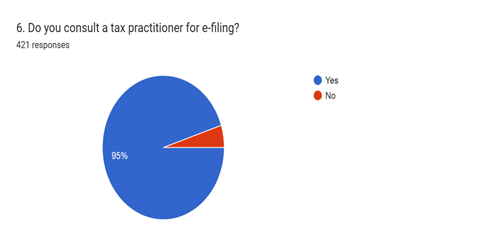
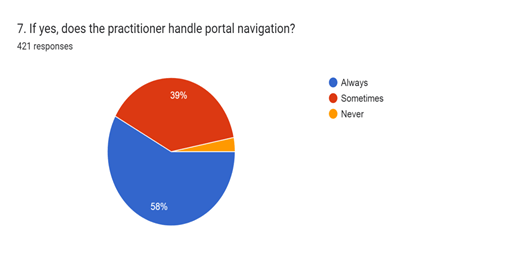
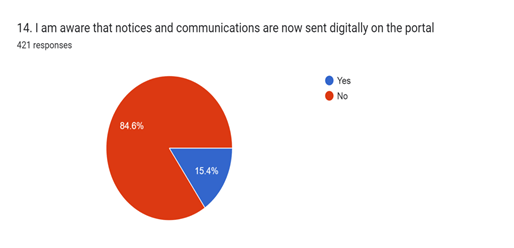
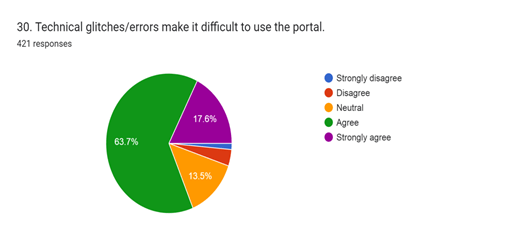






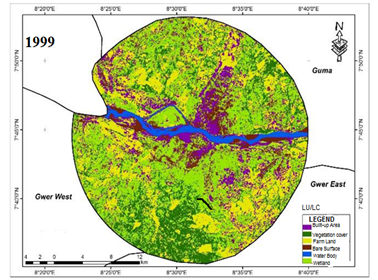
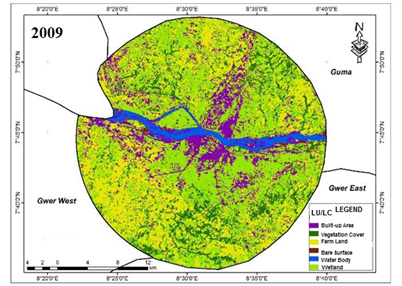
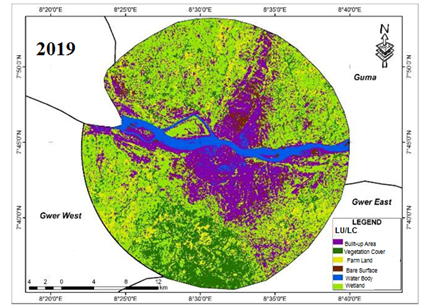










 International Journal of Research (IJR)