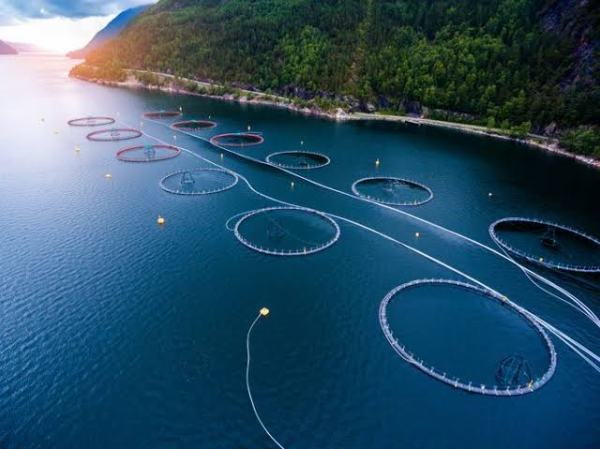
Aqua culture

A way to livestock of people

PATTIKONDA:20/07/2020

Aquaculture , also known as aquafarming, is the farming of fish,crustaces,molluscns,plants and other organisms. Aquaculture involves cultivating freshwater and saltwater. Marineculture refers to aquaculture practiced in marine environments and in underwater habitats.

Particular kinds of aquaculture include fish,shrimps,oyester farming,mariculture, algaculture, and the cultivation of ornamental fish. Particular methods include aquaponics and intrgrated,multi trophic aqua culture, both of which integrate fish farming and aquatic plant farming.
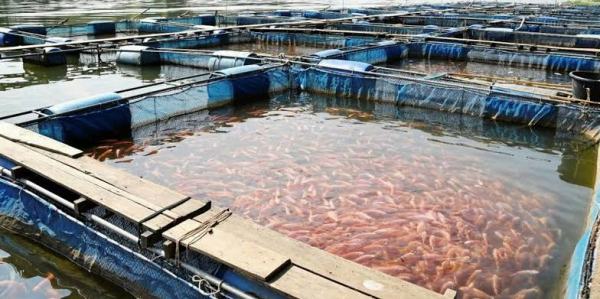
Pond prawns culture

Plants are widely cultivated in aqua culture.Micro algae, also referred to as phytoplankton,microphytes, or planktonic algae, constitute the majority of cultivated algae. Macroalgae commonly known as seaweeds also have many commercial and industrial uses. The sea weed farming is used for medical purposes as well as industrial.

The most important cultivation of aquaculture is fish farms.It involves raising fish commercially in tanks, fish ponds, or ocean enclosures, usually for food. The most important fish species used in fish farming are, in order, carp, salmon, tilapia, and catfish. Tuna farming and salmon farming culture is most developed and common in fish farms. Crustaces are next to fish farms Freshwater prawn farming shares many characteristics with, including many problems with, marine shrimp farming. Thr most cultivation is tiger shrimp,white shrimp and gigantic prawns.

  • The Benefits of aquaculture is
  • the increased production of food for human consumption;
  • the opening of commercially viable business opportunities;
  • the creation of employment, especially in rural areas;
  • increased national exports; and.
  • the substitution of imports by local production.

The most common negative environmental impacts that have been associated with aquaculture include: waters eutrophication, water quality, alteration or destruction of natural habitats; introduction and transmission of aquatic animal diseases.fish may be closely related due to selective breeding and they live closely together.
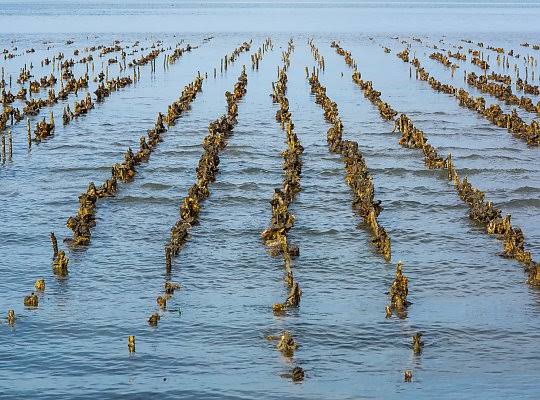
Marine culture.

SPRINKLER SYSTEM

A most useful irrigation system

PATTIKONDA:19/07/2020.

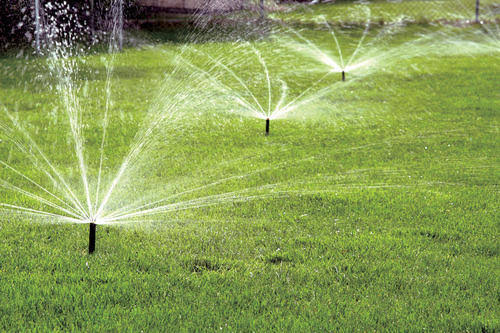
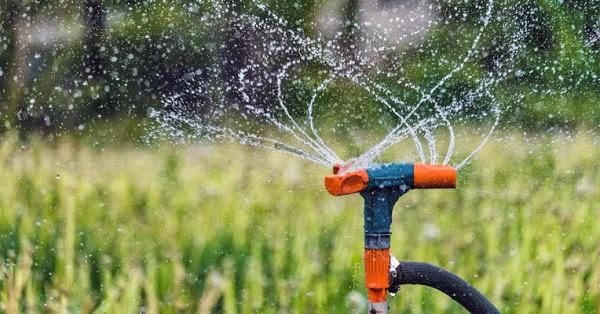
An irrigation sprinkler (also known as a water sprinkler or simply a sprinkler) is a device used to irrigate agricultural crops, lawns, landscapes, golf courses, and other areas. They are also used for cooling and for the control of airborne dust.Sprinkler irrigation is the method of applying water in a controlled manner in way similar to rainfall. The water is distributed through a network that may consist of pumps, valves, pipes, and sprinklers.

Irrigation sprinklers can be used for residential, industrial, and agricultural usage. It is useful on uneven land where sufficient water is not available as well as on sandy soil.In sprinkler or overhead irrigation, water is piped to one more central locations within the field and distributed by overhead high pressure sprinklers or guns.

There are 4 types of sprinklers. They are Industrial , Residential, Agricultural and underground sprinklers. The first use of sprinklers by farmers was some form of home and golf course type sprinklers.Home lawn sprinklers vary widely in their size, cost, and complexity. They include impact sprinklers, oscillating sprinklers, drip sprinklers, underground sprinkler systems, and portable sprinklers

Spread water with maximum efficiency

Many irrigation sprinklers are buried in the ground along with their supporting plumbing, although above ground and moving sprinklers are also common. Most irrigation sprinklers operate through electric and hydraulic technology.Rolling pipe type irrigation system for farms that has become the most popular type for farmers irrigating large fields. The end system method of sprinklers are widely used.

Underground sprinklers function through means of basic electronic and hydraulic technology.Advantages of Sprinkler Irrigation : A sprinkler system makes it easy and convenient to water your field, flowers and plants: just turn them on and walk away. You can use a sprinkler system to water a wide area of different types of crops, and you can usually adjust how large or small an area receives water.

Disadvantages of sprinkler irrigation include: High initial capital costs and high operation costs due to energy requirements for pumping and labor costs.

Modern garden sprinklers at end system method

SOIL REGENERATION

New method for old culture.

PATTIKONDA:18/07/2020

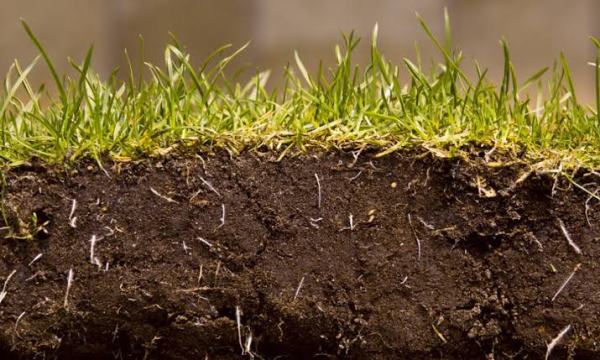
Soil regeneration, as a particular form of ecological regeneration within the field of restoration ecology, is creating new soil and rejuvenating soil health by: minimizing the loss of topsoil, retaining more carbon than is depleted, boosting biodiversity, and maintaining proper water and nutrient cycling.

This has many benefits, such as: soil sequence of  carbon in response to a growing threat of climate change a reduced risk of soil erosion and increased overall soil resilience.Soil is integral to a variety of ecosystem services. These services include food, animal feed, and fiber production, climate moderation, waste disposal, water filtration, elemental cycling

Certain agricultural practices can deplete soil of carbon, such as monoculture where only one type of crop is harvested in a field season after season.Agroecology is an overarching category of approaches to creating a more sustainable agricultural system and increasing the health of soil. These conservation agricultural practices utilize many techniques and resources to maintain healthy soil. It helps inregenerative process.

A scientific process of regenerative process

Permaculture is a type of conservation agriculture which is a system thinking approach that seeks to increase the carbon content of soil by utilizing natural patterns and processes.Utilization of the interconnections of various plants, animals, and processes is a key practice in permacultur. Permaculture and holistic management are two different methods that focus on regenerating biomass, nutrient content, and biodiversity to the soil

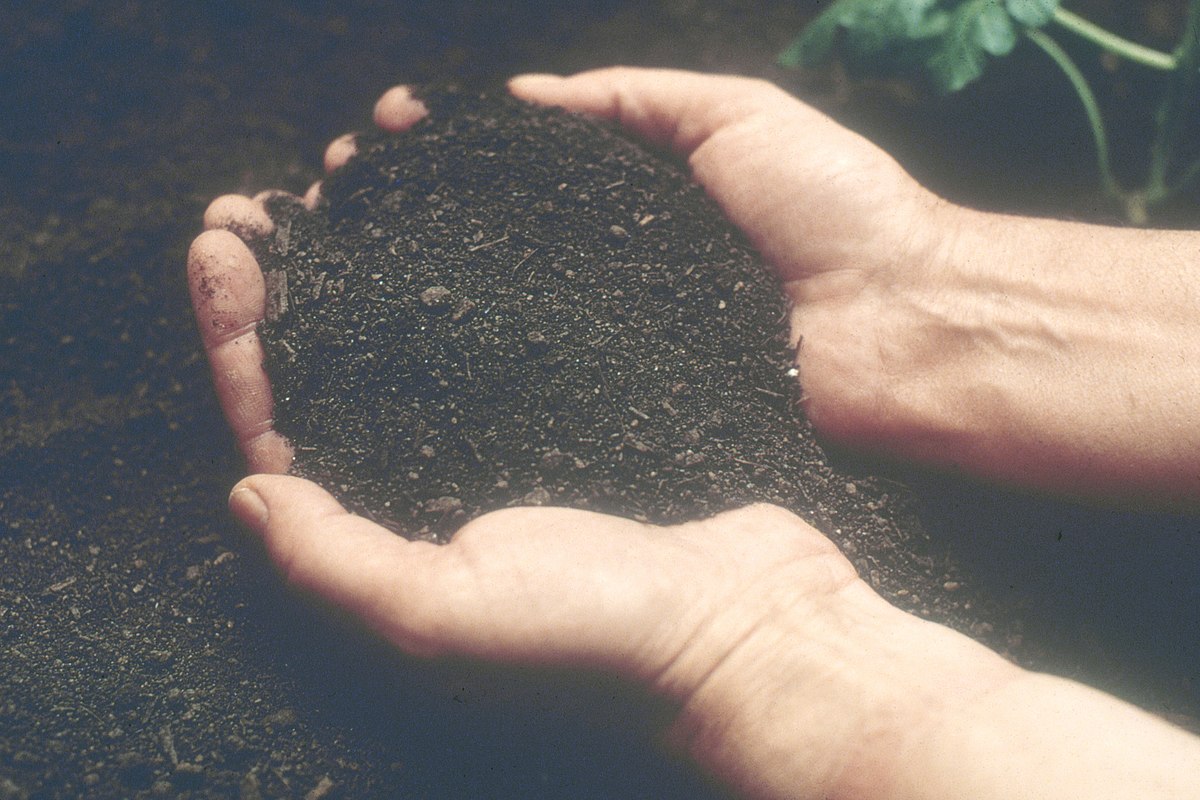
Biochar is an amendment that is full of carbon and is created by pyrolysis, a high temperature decomposition process. Wastes from animals are common soil amendments, usually their manure. The way of regenerative soil is by apply 5-10 cm layer of compost, rotted manure or mushroom compost. cover with a 5 cm layer of cane mulch or hay. wet all ingredients with a soak of water or apply diluted worm liquid or organic liquid fertiliser with a watering can. The soil makes more important at farming.

The key for agriculture, our land our hapiness

CROP SYSTEM

Way to crop technology

PATTIKONDA:17/07/2020.

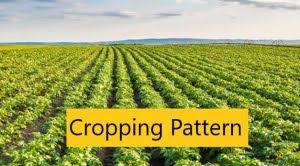
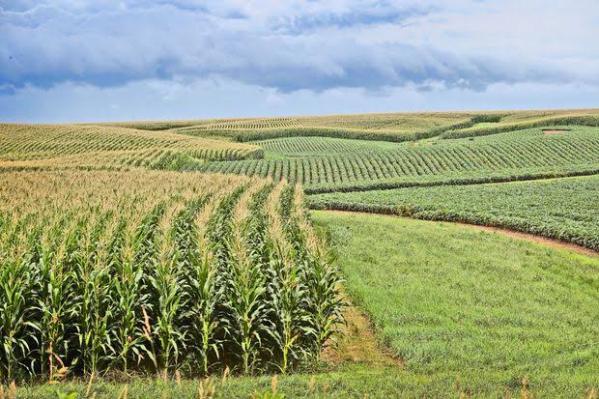
The term cropping system refers to the crops, crop sequences and management techniques used on a particular agricultural field over a period of years. It includes all spatial and temporal aspects of managing an agricultural system.modern agriculture is increasingly concerned with promoting environmental sustainability in cropping systems.

Crop choice is the main aspect in crop system.Farmer must consider its profitability, adaptability to changing conditions, resistance to disease, and requirement for specific technologies during growth or harvesting.Managing crop residues is important in most systems. Some of the nutrients contained in these dead tissues are made available to crops during decomposition, reducing the need for fertiliser inputs. 

Tillage is the primary method by which farmers manage crop residues.Leaving residues on the soil surface results in a mulching effect which helps control erosion,prevents excessive evaporation, and suppresses weeds. Burning are next step for crop In some systems residues are burned. This is a fast and cheap way to clear a field in preparation for the next planting, and can assist with pest control

Modern way to crop choice.

Nutrients are depleted during crop growth, and must be renewed or replaced. A large component of the organic farming movement is a preference for organic-source fertilisers.Soil moisture content is an important factor in plant development. Irrigation and fine-textured amendments can be used to increase soil moisture

The most important factor of crop system is Removal of crop residues.  crop residues may be removed and used for human or animal consumption, or other purposes. This provides a secondary source of sustenance or income, but precludes the benefits associated with leaving residues within the system.

NO TILL FARMING

Alternative modern farming

PATTIKONDA:16/07/2020.

No-till farming ,also known as zero tillage or direct drilling is an agricultural technique for growing crops or pasture without disturbing the soil through tillage.No-till farming decreases the amount of soil erosion. tillage causes in certain soils, especially in sandy and dry soils on sloping terrain

The effects of tillage can include soil compaction loss of organic matters; degradation of soil aggregates; death or disruption of soil microbes and other organisms including mychorrazea, arthopods, and earth worms; and soil erosionwhere top soil is washed or blown away. Tillage is the Agricultural preparation of soil by mechanical agitation

Crop culture and tradition

The uses of tillages are In some cases it may reduce labour, fuel, irrigation and machinery costs.No-till can increase yield because of higher water infiltration and storage capacity, and less erosion.it reduces costs like A combination of technique, equipment, pesticides, crop rotation, fertilization, and irrigation have to be used for local conditions.

It used for One of the purposes of tilling is to remove weeds. No-till farming changes weed composition: faster growing weeds may be reduced as increased competitions with eventual growth of perninals, shrubs and trees. No-till occasionally uses  cover crops to help control weeds and increase organic residue in the soil 

No-till farming reduces nitrous oxide (N2O) emissions by 40-70%, depending on rotation.Nitrous oxide is a potent greenhouse gas, 300 times stronger than CO2, and stays in the atmosphere for 120 years.No-till farming improves aggregates and reduces erosion Soil erosion might be reduced almost to soil production rates.

But it have some draw backs like using morr herbicides and again and again tillage,risks to control weeds,take more time to yields and less crop yield.

ENVIRONMENTAL IMPACT OF AGRICULTURE

Why we loss our practices

PATTIKONDA:16/07/2020.

Environmental impact of Agriculture is the effect that different farming practices have on the ecosystems around them. The environmental impact of Agriculture varies based on wide variety. It also depend on other climatic changes such as rainfall and temperature. The environmental impact depends on production practices of system used by farmers

There are two types of indicators of environmental impact: “means-based”, which is based on the farmer’s production methods, and “effect-based”, which is the impact that farming methods have on the farming system or on emissions to the environment. Some of the environmental issues that are related to agriculture are climate changedeforestationdead zonesgenetic engineeringirrigation problems, pollutantssoil degradation, and waste.

Pollution plays key role.

Climatic changes and Agriculture are interrelated process, Global warming is projected impacts like temperature, precipitation,glacial runoff. Rising carbondioxide effects both detrimental, beneficial on crop yields. The radioactive forcing, Land use, deforestation, desertification change global warming which is reduce rains.

  • Deforestation causes loss of habit for millions of species. It isalso known as climatic changer. It reduces water cycle,which water vapour back to the environment. The removal of trees also causes extreme fluctuations on temperature
  • Irrigation can led to number of problems. If we over irrigated,it leads to water pollution ,soil degradation,chemical pollution and salinity increases.
  • Pollutants like fertilizers,pesticides,herbicides can control pests but degrade soil nutrients and fertility. It residue in foods,air pollutants spray,bio remedies.
  • Wastes like Agricultural,animals,plastic reduces soil nature.

By using organic materials and primitive farming we can reduce environmental impacts on farming.Major current environmental issues may include climate change, pollution, environmental degradation, and resource depletion.  If we resolve we can sustain more farming.

AGRO ECOLOGY

A new way to ecosystem

PATTIKONDA:15/07/2020

Agroecology  is the study of ecology processes applied to Agricultural production systems. Bringing ecological principles to bear can suggest new management approaches in agro-ecosystems. The field of agroecology is not associated with any one particular method of farming, whether it be organic, integrated, or conventional, intensive or extensive farming.

Agroecology is a holistic approach that foster to reconcile agriculture and local communities with natural processes for the common benefit of nature and livelihoods.Agroecology is inherently multidisciplinary, including sciences such as agronomy, ecology, environmental science, socialogy, economics, history and others. Agroecosystems studied may include: productivity, sustainability, stability and equilability.

For agro for all

Agroecological techniques played an important role in alleviating the food crisis in Cuba following the dissolution of soviet union.Cuban organoponics, part of Cuba’s urban agriculture, have been studied in terms of agroecology.

agroecology as a method for achieving food sovereignty. Agroecology has also been utilized by farmers to resist global agricultural development patterns associated with the green revolution.

The five FAO principles for agroecosystems are: 1) improving efficiency in the use of resources; 2) conserving, protecting and enhancing natural ecosystems; 3) protecting and improving rural livelihoods, equity and social well-being; 4) enhancing the resilience of people, communities and ecosystems; 5)recycle and reuse.

Weed and its control

Weeds

PATTIKONDA:14/07/2020.

Weeds reduce farm and forest productivity, they invade crops, smother pastures and in some cases can harm livestock. They aggressively compete for water, nutrients and sunlight, resulting in reduced crop yield and poor crop quality.

Certain classes of weeds share adaptations to ruderal environments.soil or natural vegetative cover has been damaged or frequently gets damaged, disturbances that give the weeds advantages over desirable crops, pastures, or ornamental plants.

  • competing with the desired plants for the resources that a plant typically needs, namely, direct sunlight, soil nutrients, water, and space for growth.
  • providing hosts and vectors for plant pathogens, giving them greater opportunity to infect and degrade the quality of the desired plants.
  • providing food or shelter for animal pests such as seed-eating birds and Tephritid fruit flies that otherwise could hardly survive seasonal shortages.
  • causing root damage to engineering works such as drains, road surfaces, and foundations,blocking streams and rivulets.
Dangerous weed which reduce and drain soil nutrients.

Weed control is important in agriculture. Methods include hand cultivation with hoes, powered cultivation with cultivators, smothering with mulch or soil solarization, lethal wilting with high heat, burning, or chemical attack with herbicides.

Weed control methods vary according to the growth habit of the weeds.Perennial weeds regrow from previously established roots, dormant stolons, tubers, rhizomes, as well as the seed.important for non-chemical methods of weed control, such as plowing, surface scuffling, promotion of more beneficial cover crops, and prevention of seed accumulation in fields

Weeds unwanted plant for all.

Farming systems in india

The farming country

PATTIKONDA:14/07/2020.

Farming Systems in India are strategically utilized, according to the locations where they are most suitable. The farming systems that significantly contribute to the agriculture of India are subsistence farming, organic farming,industrial farming.Regions throughout India differ in types of farming they use; some are based on horticulture, ley farming, agroforestry and many more.

India is the second-largest producer of wheat, rice, cotton, sugarcane, silk, groundnuts, and dozens more. It is also the second biggest harvester of vegetables and fruit, representing 8.6% and 10.9% of overall production. The major fruits produced by India are mangoes,melons,papayas,sapota and bananas. India also has the biggest number of livestock in the world, holding 281 million.

Kharif crops are grown at the start of the monsoon until the beginning of the winter, relatively from June to November. Examples of such crops are rice, corn, millet, groundnut, moong, and urad. Rabi crops are winter crops that are sown in October -November months and harveted in February – March. Its typical examples are wheat, boro paddy, jowar, nuts, etc. The third type is Zaid crops which are summer crops. It is sown in February – March and harvested in May – June. Its examples are aush paddy, vegetables, jute.

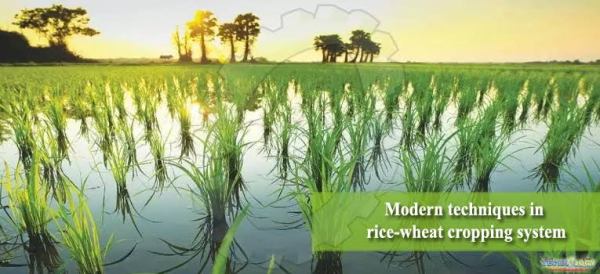
Paddy and wheat.

There are four types of farmings india. Intensive commercial farming: This is a system of agriculture in which relatively large amounts of capital or labor are applied to relatively smaller areas of land.Extensive commercial farming: This is a system of agriculture in which relatively small amounts of capital or labor investment are applied to relatively large areas of land.Plantation agriculture: Plantation is a large farm or estate usually in a tropical . Commercial grain farming: This type of farming is a response to farm mechanization and it is the major type of activity in the areas

Co-operative farming refers to the pooling of farming resources such as fertilizers, pesticides, farming equipment such as tractors.This system has become an essential feature of India’s Five Year Plans. There is immense scope for co-operative farming in India although the movement is as yet in it infancy.

India always a Farming Nation.

SUBSISTENCE FARMING

A way of farming

Subsistence agriculture occurs when farmers grow food crops to meet the needs of themselves and their families. In subsistence agriculture, farm output is targeted to survival and is mostly for local requirements with little or no surplus. 

Subsistence agriculture was predominant in parts of Asia, especially India, and later emerged in various areas including Mexico.In Central and Eastern Europe subsistence and semi-subsistence agriculture reappeared within the transition economy since about 1990.

Subsistence farming continues today in large parts of rural Africa, and parts of Asia and Latin America. In 2015, about 2 billion people (slightly more than 25% of the world’s population) in 500 million households living in rural areas of developing nations survive as “smallholder” farmers, working less than 2 hectares(5 acres) of land.

A way to livestock of Agriculture

There are four types of subsistence farming They are shifting farming that is used for fodder crops and leave after yield. Nomadic farming is changing one place to one along with animals and tools. Primitive farming is like slash and burn of field to cultivate. Intensive subsistence farming is using simple tools and more labour at small area.

Subsistence agriculture can be used as a poverty alleviation strategy, specifically as a safety net for food-price shocks and for food security. Subsistence agriculture can be used in low-income countries as a part of policy responses to a food crisis in the short and medium term, and provide a safety net for the poor in these countries.