Migration and Economic Growth

Social Distancing and ‘stay home, stay safe’ became the mantras when the nationwide lockdown was announced on 24th March in an attempt to arrest the spread on Corona Virus. Due to this most of the employees were allowed to stay at home and do your job from your home. But there are a few sections of working people who depend on the daily wages like labourers working in factories, in the construction sector and so on. In this section, most of the peoples are from another state. These labourers are called a migrant worker. These were the migrant workers who provide support services to every supported themselves without jobs. And though government by declaring as it national disaster had made it obligatory for the employers to pay the wages as per the National Disaster Management Act, it is difficult to assess its implication. This is because, firstly, the administrative machinery to ensure compliance across the nation is far from adequate. Secondly, the income earned by the self-employed workers cannot be termed as wages, which mean that these workers would have to go without earning in piece-rated jobs, whose remuneration would differ depending on pieces made. And finally, the MSMEs or tiny enterprises are financially too fragile to release the wages without production. Perhaps only the domestic workers, whose contracts involve a significant personal component making them relatively indispensable, might have received their wages during the lockdown. By the end of the lockdown 1.0, the virus had made its appearance in urban areas where it was feared to flare faster due to the sheer density population, the use of common toilets, etc. 

A Challenge and an Opportunity

Harris-Todaro model of migration (1970) shows how rural/agricultural workers decide to migrate to urban/industrial spaces when the expected wage rate in the urban-industrial sector is significantly higher than their present wages in the rural sector. The expected wage is a ratio of the present urban wage rate and the ‘chance’ of finding a job. The latter being a ratio of the number of jobs available and the total number of aspirants, which includes those living in the urban sector and the new migrants. Naturally, if the ‘chance’ of finding a job is poor, the expected wage is low and the decision to migrate is put off. What plays an important role in changing this calculation is the presence of kin or a community in the urban sector. Availability of such support induces migration, which is a rational personal choice, by providing at least an initial base to a new migrant. And while every migrant may dream of a secure job in the formal sector, as more migrants flow in, they are compelled to settle in the unorganised or in the formal sector.

Economic Growth: Slowdown and Lock Down

Indian Economy has been going through a rough patch for a while. The GDP growth rate of the economy rate had slipped to 5% in the first quarter of FY20. The annual report of the RBI for the fiscal year 2018-19 shows a significant decline in every macro-economic indicator.

The US-China trade war could be an important exogenous factor affecting the economy. As we move beyond lockdown 4.0 there is a talk that ‘herd immunity’ might work better than social distancing. This is because virologists are warning us of a return of the virus within a year. So extending lockdown might not deliver much.

Yoga and Mental Health

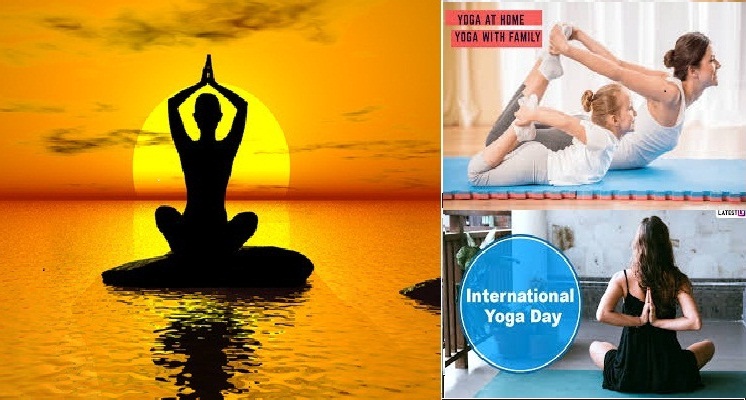
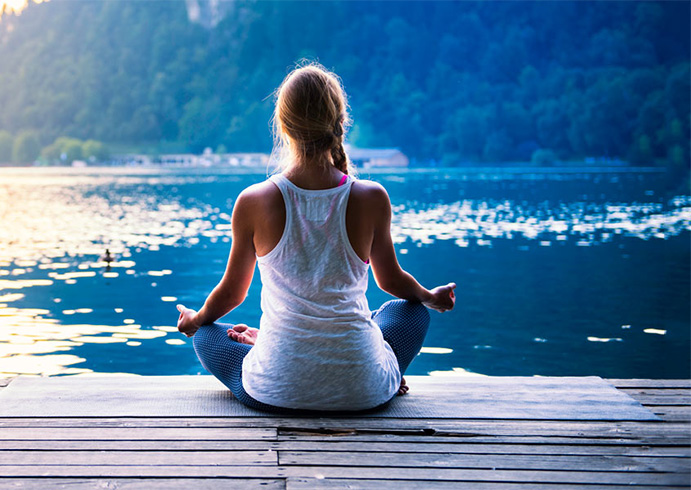
Patanjali in Yoga sutras says “Yogah chitta vritti nirodhah”  which means the primary aim of  Yoga is removal of fluctuation of mind. Yoga brings about positive health by causing relaxation of the whole body, slowing down the respiration (making it quiet and deep) and calming the mind, thereby helping in improving attention and concentration. It improves awareness of the body, emotions and mind; and the flow of healing ‘Pranic Life Energy’. It increases self-reliance and self-confidence, thereby improving the ability to handle stress. It improves self-regulation thereby helping us take the responsibility of our own health. Improvement of dietary habits and facilitating natural emanation of wastes is also an important part of Yoga.

In general, yoga helps reduce anxiety and improves the senses of well being. It leads to better interpersonal relationships, increases attentiveness lowered irritability levels, and an optimistic outlook in life in healthy individuals.

Yoga has been shown to help improves symptoms in several physical disorders, like diabetes, hypertension, asthma and also in mental disorders, like anxiety, depression and psychosis. Yoga practice has been reported to help depressive symptoms since a long time. It lifts the mood and improves interest in activities, attention /concentration/memory, sleep and appetite. It has been found to have effect on the cognitive/behavourial aspects due to its mindfulness component. Research at the National Institute of Mental Health and Neuroscience has also shown that the practice of yoga has effects on biological parameters like increasing the parasympathetic tone, reducing cortisol levels and decreasing the neuro-inflammation in patients with depression. In fact, Yoga has been used as a sole treatment for patient with mild to moderate depression in several recent studies in India and abroad. In patient with psychotic disorder such as schizophrenia, yoga practice has been shown improve socialization, motivation to do activities, occupational functioning, ability to recognize others emotions/feelings, and cognitive abilities. This is probably brought about by the increase in the ‘cuddle hormone’, namely oxytocin, by yoga.

Yoga holds promise as a complementary therapy in cases of tobacco, alcohol and opioid dependence along with routine medical intervention and psychological interventions, with effects during both the acute withdrawal phase and long term relapse prevention. The mechanism include direct decrease in sympathetic discharge that accompanies the withdrawal state as well as improvement in negative mood states and stress reduction during the long term maintenance phase that may prevent a relapse.

The systematic methods of concentration taught in yoga practice have been thought in yoga oractice have been thought to potentially help reduce attention deficits. In addition, yoga may produce a state of calmness and contentment which is lacking in children with Attention –Deficit Hyperactivity Disorder. Yoga may offer benefits as an effective tool to increase imitation, cognitive skills and social-communicative behaviours in children.


Yoga was practiced in ancient times for overall general well-being and spiritual progress. Current research evidence suggests that yoga can be used as an add-on therapy or in some instances as a sole therapy for psychiatric disorders as well. It not only improves the symptoms, but brings about the holistic change in an individual.

Increasing Relevance of Yoga in Modern Times

Yoga is one of the most ancient Indian Philosophical and Practical system propounded by sage Patanjali (150BCE). Yoga enhances the potentialities of the people. One should control the mind and practice the moral and ethical disciplines before attempting serious Yoga. Yoga should become lifestyle and people should control their food habits, entertainment, trade and commerce in order to be good citizens of the country. Ever since UNO declared June 21st as International Day of Yoga, celebration of this event has become a good phenomenon. Yoga is not about stretching of the body, it is about the self realization.

Yoga-Indian Ethos

Yoga should become a part of our everyday life. Yoga is an ancient Indian science having a scientific background which has an antiquity of 11,500 years. Practice of Yoga can enhance physical, mental, emotional, intellectual and spiritual powers of people. Sage Patanjali says: ‘Yoga can control the modification of our mind-stuff’. Sage Vashisth says in Yoga Vashista treatise that ‘The means for calming mind is called Yoga. India is in the frontline of information technology, biotechnology, nano-science and other types of research. The internal and external stresses of people in these fields can be relieved by practicing Yoga and also for attaining peace and comfort. Various Yoga organization and NGOs and several central universities have popularized Yoga worldwide with efforts.

Yoga and Health

The systems of Ayurveda, Veda and Yoga have enhanced the health and longevity of Indians since time immemorial. Chakara while elaborating on the issue of health of an individual says that complete health means the totality of health body, sense organs and pleasant mind which has been incorporated in the motto of World Health Organisation. In this context, the great contributions of ancient Indian medical doctors like Chakras, Nagarjuna and other Vedic sages merit our attention.

Yoga and Youth:

Yoga should be imparted to children from very young age and it should become their lifestyle. Yoga would become a powerful means for promoting ageless Indian culture and tradition. The practice and perfect understanding of four streams of Yoga such as knowledge ( Jnana Yoga), action (Karma Yoga), devotion (Bhakti Yoga) and meditation (Raja Yoga) would calm down body, mind and release stress. Indian youth who form more than 50% of total population should practice Yoga for the overall development of their personalities. One can learn good habits, become model citizens on the country by practicing Yoga ethics and this alone can bring holistic health for people. Yoga lore are the principles and techniques that are practically applied in the SMET (Self-Management Excessive Tension) program, which has received global popularity for its effectiveness in the stress reduction. Especially the super-busy Executive world has finding great value in regular SMET practice; as it brings about the ‘expansion of awareness’ and ‘depth of perception’ through cyclic pattern of stimulation and relaxation. Yoga could promote the concept of ‘Earth is but one family’ (Vasudhaiva Kutumbakam). India can emerge in yogic and spiritual planes and earn the encomium of Yoga Vishwa Guru among the comity of nations in the coming years.

Luxembourg

Introduction

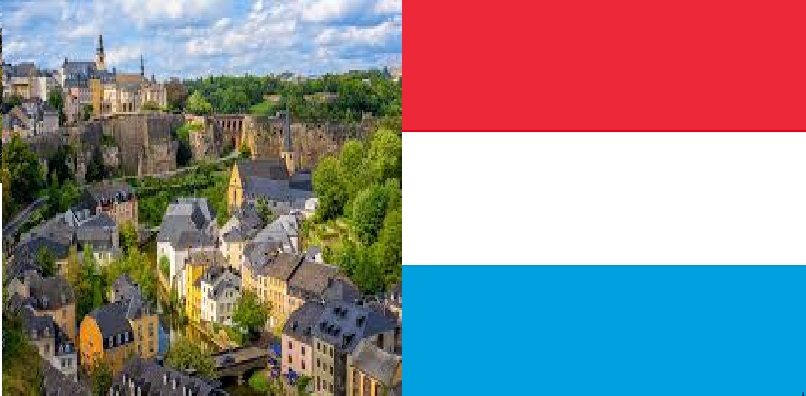
Luxembourg is European landlocked country, situated in northern-western Europe. Luxembourg is one of the world’s smallest countries. Its surrounded by Belgium on the west and north, France on the south, and Germany on the northeast and east. Luxembourg has come under the control of many states and ruling houses in its long history, but it has been a separate, if not always autonomous, political unit since the 10th century.

Its capital, Luxembourg City is one of the four official capitals of the European Union. Luxembourg has three official languages i.e. French, German and national language Luxembourgish. Its culture is specially affected by the France and Germany. The repeated invasion by Germany, especially during the World War 2, resulted in the country’s strong will for mediation between France and Germany as well as including the foundation of European Union.

This country spread an area of 2,586 sq. km. (as per Wikipedia site), it is one of the smallest sovereign states in Europe. In 2019, Luxembourg recorded 6.26 hundred thousand as population. It is one of least populated country in the world. Luxembourg is a developed country, it is empowered with advance economy and of the world’s highest GDP.

Political System:

This country is a constitutional monarchy, a parliamentary democracy and a prominent financial center. The country is a member of the Benelux Economic Union and was one of the founding members of European Union. Monarchical chief of the state is the Grand Duke of Luxembourg. Head of the government is the Prime Minister appointed by the Grand Duchy (normally most popular voted candidate).

Geographical Condition

The northern third of Luxembourg, known as the Oesling, compromises a corner of the Ardennes Mountains, which lie mainly in southern Belgium. It is a plateau that averages 1,500 feet(450 metres) in elevation and is composed of schists and sandstones. This forested highland region is incised by the deep valleys of a river network organized around the Suer (or Sauer) River, which runs eastward through north-central Luxembourg before joining the Moselle (or Mosel) River on the border with Germany. The Oesling’s forested hills and valleys support the ruins of numerous castles, which are a major attraction for the region’s many tourists. The fertility of the relatively thin mountain soils of the region was greatly improved with the introduction in the 1890s of a basic-slag fertilizer, which is obtained as a by-product of the grand duchy’s steel industry.

Climate

Luxembourg has a mild climate with considerable precipitation. The north is slightly colder and more humid than the south. The mean temperatures in Luxembourg city range from the mid-30s F (about 0.7 °C) in January to the low 60s F (about 17 °C) in July, but in the Oesling both extremes are slightly lower. The Oesling receives more precipitation than the Bon Pays, but the greatest amount, about 40 inches (1,000 mm), and the least, about 27 inches (about 685 mm), fall in the southwest and southeast, respectively. The sheltered valley of the Moselle River benefits from a gentler and sunnier climate than does the rest of the duchy.

India-China Conflicts and The World

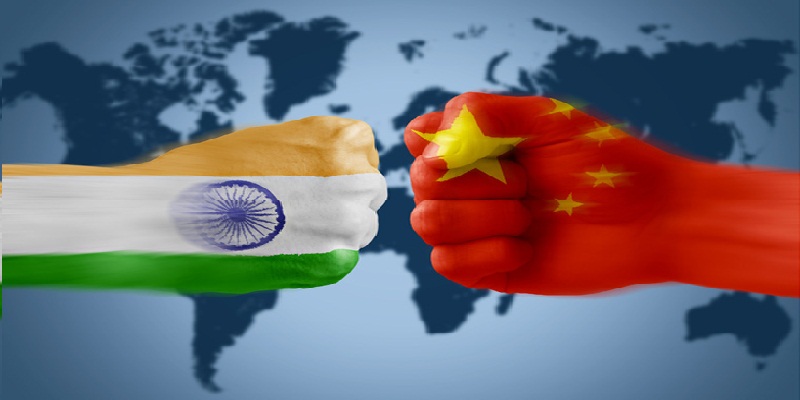
In the recent skirmish on the China-India border, both sides have suffered heavy losses. It has confirmed from the official statement from India that 20 soldiers have martyred and no official data has come from China yet Editor-in-chief of the Chinese government’s news magazine Global Times believes that the Chinese military also suffered casualties. It has been the old attitude of China that whenever there is more loss on its side, it does not share the correct information. We had seen this attitude in the case of Corona also. Although China tries to hide the exact and actual data, somehow it comes out from somewhere.

This incident of the violent skirmish between India and China is extraordinary because such an accident has occurred on the Chinese border the first time after 45 years. Colonel Santosh Babu, who martyred, was leading the Indian contingent during this astonishing incident. According to military sources, this violent skirmish in the Galvan valley started on Monday night due to the changing attitude of Chinese soldiers. The Chinese troops intended to capture L.A.C. through the Galvan valley. But Indian soldiers thwarted the Chinese plan.

The way China has done stabbing behind the back, it proves that China is the most dangerous and vicious enemy for India. All these activities proved that trusting China even more than a century can prove to be the biggest threat for India. In the coming times, there will be unexpected changes in the relationship between India and China. But one thing is clear that a dispute arises on three different boundaries simultaneously, it is a sign of spacious threat. Relations with Pakistan and China are always intense. But Nepal is a neighbouring country whose relationship was not disturbed till date, but by presenting a new map and passed an amendment in the lower house of their Parliament and claiming a small part of India near to the area of Kalapani is the part of Nepal. It is an unfortunate situation for us. Experts of international relations believe that all these concern are interlinked. Chinese Diplomacy transforms from peace to aggression. Their diplomatic policy has changed. If we compare China of the 21st century to the China of the 20th century, we will find an enormous gap between the low profile china diplomacy and leadership china diplomacy. They want all control over the world. China is trying to compete with the United States of America. But the Chinese do not know that they are not like USSR. They could not take the place of the United States of America.

China is a country whose reality was known to the whole world that they do anything to increase its dominance and borders. The way China told the world about the Corona Virus was too late. They hide ambiguous numbers of infected and dead people, revised several bills against it to suppress the violence in Hong Kong and increasing military activities in the South China Sea proves how China is creating an atmosphere of unrest around itself.

China Entering into Its Own Trap

We cannot expect an instant result from Chinese Diplomacy. Chinese are creating issues over the Ladakh border similar to the Doklam issue. Chinese want to pressurize India by this creating controversial concern over the Indo-China border. They want an economical and political deal from India. If there was no bloodbath in the past few years over India-China Border, it does not mean that they are ensuring that there will be no war, no bloodbath in future. China is unable to answer COVID-19. Therefore, China is trying to create conflict in Asia and distract attention from COVID-19. The Chinese government has no answers why did not they provide actual information of COVID-19 beginning. Why there was a delay in this process? Why is China silent about the assassination of the Li-Weinliang, a whistleblower of COVID-19? Corona has created problems for the Indian economy along with the world.

In recent times, China has raised concern in the Galwan. China will not gain profit by war. There must be one more reason behind Chinese activity that insecurity of Kashgar Gwadar Road passing from POK which constructed under the BRI program. India’s policy over PoK never liked by the Chinese government. China never tries to understand Indian points of view over the abrogation of Article 370 and PoK. These are the reason that is China present this issue as a problematic step taken by the Indian government in the UN.

The Global Times, a Chinese newspaper claims that China has sent its troops in Galwan valley due to road construction by Indian soldier. This action has taken under the violation of border control activity. But the construction of roads and bridges were active for a long time ago. In reality, the action taken by the Chinese government is not for the building of roads and bridges in the valley it was for the changing diplomatic nature of the Indian government.
In 1193 and a later agreement was agreed to maintain peace on the border, but even after Indian efforts, China did not agree to mark the ceasefire line. A broad area on the borderline has considered as a border zone in which both parties were patrolling. In this way, China is ignoring the understanding developed by the 1993 agreement. China avoids border demarcation so that it can create a situation of dispute but China, which has brought Pakistan parallel to India, now sees that after Doklam, the thinking of new India has changed. China is amazed to see the rapid increase in the strength and armed forces against the Chinese challenges. If the war happened, then China’s international image will become dusty. If China had to compromise, then he would appear like Joker in the world.

The world stands at the cusp of a new Cold War. China is not the Soviet Union before 1980 that was competing with America. In this cold war, no one has seen with China except North Korea, Pakistan and Iran. This time is the defining time for India. The security of Himalayan borders is no longer the only responsibility of India. Today the world knows the reality of China that it can do anything for its supremacy.

Lucknow – The City of Nawab

Introduction

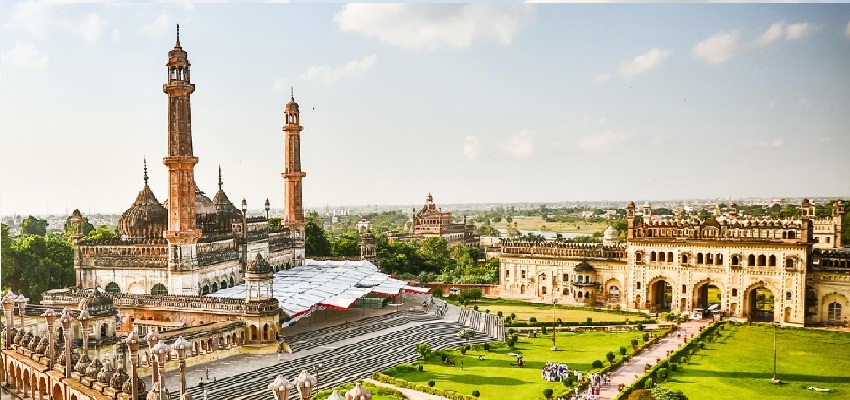
Lucknow is the capital of Uttar Pradesh. It is also known as the City of Nawab. It has been listed as the 17th fastest growing city in India and 74th in the world. It is situated on the bank of river Gomti. Nawab Asaf-ud-Daula is known as the Creator of this city. This city is known as the centre of Urdu poetry and courtly diction and reached its zenith during the reign of Wajid Ali Shah who was the expert of music and poetry. Lucknow has always been a multicultural city that flourished as a North Indian Culture and artistic hub. It was the seat of power of Nawabs in the 18th and 19th century. It continues to be an important centre of governance administration, education, commerce, design and tourism etc. It was bounded on the east by Barabanki, on the west by Raibarelli and in the north by Sitapur and Hardoi. Lucknow along with Agra and Varanasi is listed in the UP Heritage Arc, a chain of survey triangulation created by UP govt to boost tourism.

History

Historically, Lucknow was the capital of the Awadh region controlled by the Delhi Sultanate and later the Mughal Empire. It was transferred to the nawabs of Awadh. Lucknow also claims that this is one of the most ancient Hindus states with rich cultural heritage and monuments. Its original name was Lakhimpur or Laxmanpur because it was gifted to Lakshman bother of Lord Rama after their period of exile from the forest. In 1856, The British East India Company abolished local rule and took complete control of the city along with the rest of Awadh and in 1857, transferred it to the British Raj. It got independent in 1947 along with whole India. It got its title City of Nawabs after the reign of the third Nawab when Lucknow became their capital. It was best remembered for extra emergence and redefined culture and lifestyle. Here, you will found a mix of Hindu – Muslim culture which is known as “Ganga-Jamuni Tehzeeb

Climate and Geographical Touch

In Lucknow, you will find humid subtropical climate with cool, dry winters from mid-November to February and dry hot summers with sunshine from March mid – May. Fog is quite common from mid – December to late January. As earlier, it was mention that Lucknow was situated in the bank of river Gomti. The city surrounded by rural town and villages. 

Famous Festival 

Lucknow Festival: This is one of the most popular festivals celebrated in Lucknow during November – December. This festival is celebrated for ten days and it mainly showcases the culture, heritage, arts and cuisines of people of this state. Other common festivals celebrated in Lucknow include – HoliDiwali and Dussehra.

Famous Places for Visit

Lucknow’s buildings show different styles of architecture with the many iconic buildings built during the British and Mughal Era. The UP Tourism Department organizes a “Heritage Walk” for tourists covering the popular monuments. 

Husainabad Clock Tower

Kaiserbagh Palace of Complex

National Botanical Research Institute

State Museum Zoo

Hussainabad Imambara

Shah Najaf Imambara

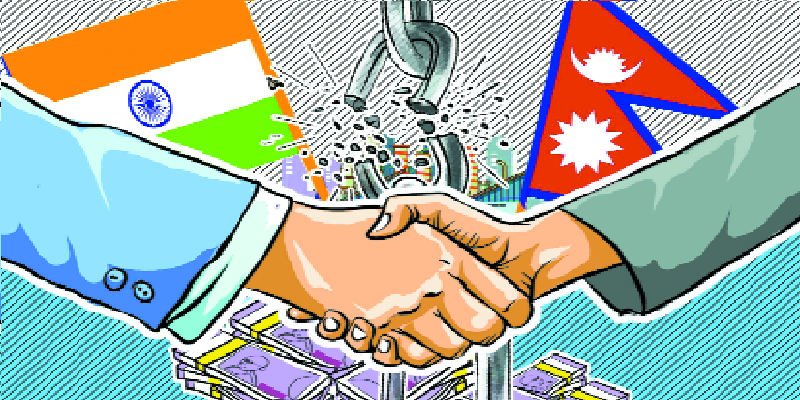
India-Nepal Relation in Deep Maelstrom

Current Scenario 

The Lower House of Nepal’s Parliament passes amendment on a new map. Nepal’s Parliament on Saturday unanimously voted for the second Constitutional Amendment Bill, which guarantees legal status for new political map of the country that includes part of Indian territory in Uttarakhand. Their new map shows places such as Limipiyadhura, Kalapani and Lipulekh, including strategically important Lipulekh pass, which are in Uttarakhand’s Pithoragarh district as part of that country’s territory.

Historical Relation: Treaty of Sugauli

It is a treaty that established the relation about the boundary line of Nepal, was signed on 2 December 1815 and ratified by 4 March 1816 between the East India Company and Raj Guru Gajaraj Mishra with Chandra Shekhar Upadhaya for Nepal following the Anglo-Nepalese War of 1814-16. The treaty represented a Nepali surrender to the British and contained the concession of Nepal’s western territory to the British East India Company. The result of this treaty was that Nepal lost almost one-third of its territories on the east, south and west.

Why are Nepalese not accepting this treaty ?

Nepal is not accepting this treaty because they thought that aim of any treaty is to provide both the sides more or less equal o equitable benefits even of one side get a little more benefits and the other a little less. But Nepal suffered only losses because of the treaty while British India gained a huge territorial advantage. The British got the facilities of the corridor in the concession was made for Nepal.

They also claim that this treaty was not signed by both parties. The draft was prepared by the only East India Company with the signature of Lieutenant Colonel Paris Bradshaw on December 2, 1815. Nepali Majesty signed over the treaty because he threatened by the East India Company.

At present Nepal renounced “all claims to or connection (as in original text with the countries lying to the west of river Kali.” (Art. V.) The land east of the Kali thus remained with Nepal. This claim is reinforced by some old revenue records and gazette notifications.

India’s Stand Over this Issue 

India accepts this position, but its claims arise from the ambiguity in the treaty on the identification of the Kali river and its origin. According to India, the river originates from Lipu Lekh and then merges into other streams and tributaries to become the Mahakali. Nepal contends that Kali originates from Limpyadhura and the stream originating from Lipu Lekh is called Lipu Khola. India commented that we can solve this issue by bilateral talks but Nepal does not seem taking interest in this matter. There may be some doubt, opacity or obscurity but it can be solved through the bilateral discussion. Nepal should come over the table and discuss this issue. 

The British Government

British government ruled over India for almost 200 years. They took many decisions but all the decisions are in controversy in today’s scenario. Either we talk about the decision over Indo-Pak border or Indo-Nepal border. Everywhere, we will get unsatisfied decision or disputed matter where the British government was involved. The main aim of the British government was to rule over the countries for a long time. And they follow the “divide and rule” principle. First Pakistan raised concern over the Kashmir and now Nepal is behaving in the same way. 

Epilogue

The maps issued by the British between 1816 and 1860 may favour the Nepali position. But, the maps issued afterwards endorse India’s position. It is possible that the British administration changes this position through proper surveys or subsequently decided to manipulate this position, to serve its larger strategic and commercial interests in using the Lipu Lekh pass for access to Tibet. Independent India was handed over access to Kalapani and Lipu Lekh by the British.

Blaming India for any encroachment is baseless. It must be borne in mind that much before the British came, not the Gurkha kings annexed Kumanon and Garhwal regions-then surrender under the Sugauli Treaty-Indians were using this route for the pilgrimage to Kailash Mansarovar. The route has deep spiritual and civilisational significance for India. China accepted Lipu Lekh as one of the cultural and commercial transit points with India under its 1954 Peaceful Co-Existence Agreement. This was reiterated in 2015 in a joint statement during the Prime Minister Narendra Modi’s visit to China.

Chinese Diplomacy: Changing Nature

Beginning:

The Peoples’ Republic of China founded in 1949. Zhou Enlai was China’s head of government, serving from October 1949 until his death in January 1976. He was also the Foreign Minister. Here giving a very short introduction about Zhou is necessary because he was one of the best diplomats in China. His style of diplomacy came to define Chinese foreign policy over the next century. Mao was the leader of the country but the Zhou Enlai was one who managed the complete government behind the curtain. The official position of Zhou Enlai was premier which was officially head of government. But now there is no value of Premier of China. All control under the Chinese President Xi-Jinping. Over time everything goes cloudy.

Refined and “United front” Approach to Diplomacy

If Mao Zedong represented the crude face of Chinese communism, then Zhou was the epitome of its refinement. Where Mao preferred to exercise his power from “out of the barrel of a gun” but Zhou preferred to seduce his opponents through word and gesture in the pursuit of national self-interest, with the elegance of an opera star. The stick was used rarely, and only when all other means of persuasion failed. 

Zhou’s strategy was consistent with the three principles. And these three principles are called the “United Front”.

Avoid isolation: Do not be isolated in the world because China was a communist country at that time which was not recognized as a country by other western countries. But India was the first that recognize China as a country. 

Build solidarity with non-aligned countries: During the Cold War, maximum parts of the world divided into two parts. First, the country who took a standoff in favour of the USA and another one who took stand in favour of Russia. But fewer countries remain neutral. And it was China’s policy to build a strong relationship with them. 

Divide the West: Ultimately, the goal was set by China to divide the USA, UK and other western countries. Therefore, it shows that China was unofficial stands in favour of Russia.

This United Front defined as isolate the main threat by building unity with all other forces.

Korean War: Examination of Chinese Diplomacy

Korean War started in 1950, one year after the foundation of PRC.

The USA invaded North Korea, Zhou summoned the Indian Ambassador in Beijing to deliver a message to the Americans “If the U.S troops cross the 38th Parallel, then Chine will intervene in this matter and took the side of North Korea because North Korea was also a communist country. If Zhou wanted, he could covey this message by his own, but uses the diplomatic step to take this action. And India was later persuaded to act as a neutral mediator between China and the US during many difficult phases of the negotiations settling the Korean War.

PRC at International Fora

In 1954, PRC participated in Geneva conference on the Korean War and Indo China War

Zhou’s strategy was to undermine western unity – Persuasion and compromise. The US anticipated that Chinese humiliation at the conference but Zhou handle the situation by deploying all his charm, vitality and intelligence. And finally, playing the weaker hand, Zhou turned the tables on the US.

Important Qualities of Chinese Diplomacy in the Past

Under Zhou, diplomats of calibre kept the ship of state steady in churning sea full of norms. When the tide rose, these diplomatic fishermen gathered the fish – expanding China’s global peace presence and gaining international acceptability. When it ebbed they saw to it that the ship remained firmly moored. They navigated the Cold War, playing the Soviets against the Americans. Additionally, 24 Character Strategy supplemented to Zhou’s strategy by other Chinese Diplomats. And it was “observe calmly; secure our position; cope with affairs calmly; hide our capacities and bide our time; be good at maintaining a low profile; and never claim leadership;

And the outcome of this diplomacy was praiseworthy. By the end of the twentieth century, another country was started recognizing China as a powerful developing country. China persuaded US President Richard Nixon to abandon Taiwan. All this was the result of a staggering act of the best diplomacy.

Change in Style

At the current time, China prospered and began to occupy centre stage in the world diplomacy, but the ship began to come apart from its moorings. A new generation of diplomats, with knowledge of the English language, arrogance increases and it has replaced humility. Persuasion is quickly abandoned in favour of the stick when countries take actions contrary to Chinese wishes. China pursuing unilateralism instead of compromise in the South China Sea. In place of ‘united front’ tactics, they are bent on creating problems simultaneously with multiple neighbouring countries. Statements of fact or reasoned opinions are seen by them as insult or humiliation.

Racism in the USA: Past and Present

Why it is in the news?

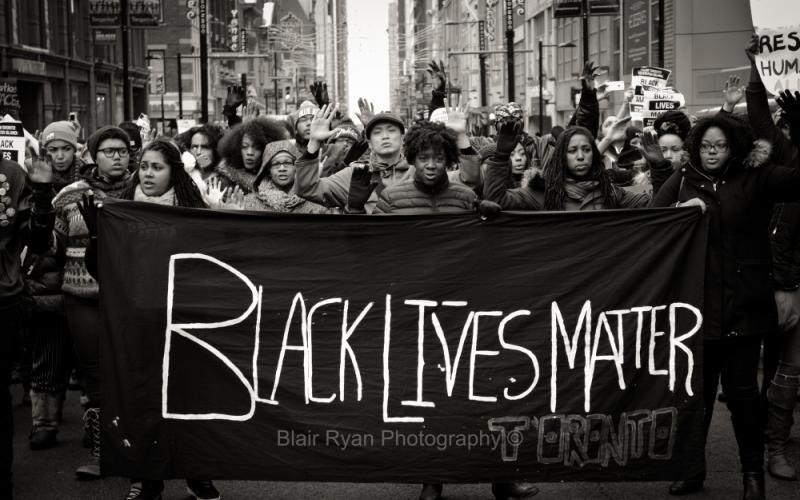
Recently, the accident happened in Minneapolis, the USA which brings this topic into the picture. On May 25, 2020, George Floyd, a 46-year-old black man, was killed in Minneapolis, Minnesota, during an arrest for allegedly using a counterfeit bill. Black Lives Matter Protest began and it broke out all across the USA after the death of George Floyd, an African-American lived in Minneapolis city.

Police have used tear gas and force against demonstrators and President Donald Trump threatened to send the military. Some acts of looting and arson also occurred. President Donald Trump called this movement as riots. 

Historical background of slavery

The revolutionary fights for African-American or The Black people’s rights are connected with the historical background of slavery. Many African citizens were brought from Africa to North America for slavery. There were slaves in 13 colonies which called them as “United States.” African people were working as “slave under The White people. It is a traditional activity from last more than three hundred seventy years. From 16th Century onwards slavery carried on unabated for almost 4 centuries. The United States got independence after the War of Independence even though these slaves were deprived of their fundamental rights and independence. But ultimately Civil War took place in 1861-1865 and the reason was only slavery. In the 1860s the slavery was abolished in Northern parts of the USA but still, slavery was common in the Southern part of USA. And this was the reason why the Civil War took place between Northern and Southern America.

Emancipation

Northern America won the Civil War and passed a law which is called as 13th Amendment by United States Congress for abolishing slavery except as a punishment for crime. By this law, 4 million slaves became freeman and freewoman.

Racism in American Policing

The police department was not in existence in past. The institution of police in modern USA Police started with systematic racism and violence in the form of ‘slave patrol’. At that time the slave state created patrols called as “slave patrol” to nip slave revolts and escape from southern part to northern part of USA. The state of South Carolina was the first to create slave patrols in 1704. By the end of the 1700s, every American slave state had slave patrols. 

The former southern slave patrol transformed into police departments that technically were different from slave patrols, but were still charged with controlling the freed former slaves. This carried on in the Reconstruction and Jim Crow Laws era for the next 80 years.

Reconstruction Era 1863-1877

Reconstruction era started at the end of the Civil War. The aim was to reconstruct the south and integrate frees black people into society. They put efforts to give some legal rights and economic support to recently freed slaves (The Blacks). But they failed to provide any substantial rights. 

For instance, just take the context of voting rights, 15 Amendment incarcerated voting rights discrimination based on race, it left the door open for states to determine the specific qualification for suffrage. Southern state legislatures used qualifications including literacy tests, poll taxes and other discriminatory practices to disenfranchise a majority of black voters in the decades following Reconstruction.

Repeating the History of Racial Segregation

Jim Crow Laws were one of the ways through which racial segregation started against Blacks. Jim Crow laws were state and local laws that enforced racial segregation in the Southern United States. Jim Crow was not the name of any person or place. It was used as a caricature to tease the Blacks. All these laws were enacted in the late 19th and early 20th centuries by white Democratic-dominated state legislatures to disenfranchise and remove political and economic gains made by blacks during the Reconstruction period. The Jim Crow laws were enforced until 1965. This is called Segregation – The Jim Crow Laws. The Jim Crow laws mandated the segregation for whites and blacks in the workplace, public school, public places, public transport, restrooms, restaurants and drinking water points.

Success and The Legal End of Segregation

The Civil Rights Act of 1964 and The Voting Rights Act of 1965 were passed by the Congress and this decisive action towards the ending of Racial Segregation. The Civil Rights Act of 1964 banned segregation in schools and other public places. The Voting Rights Act 1965 banned literacy tests and other methods used to disenfranchise black voters.

#BlackLivesMatter Movement

This movement has past link when George Zimmerman fatally shot an unarmed Trayvon Martin, a 17-year-old African-American high school student. Zimmerman was charged with murder for Martin’s death, but acquitted at trial after claiming self-defence. It was Zimmerman’s acquittal that gave rise to a hashtag and a movement called Black Lives Matter (#Blacklivesmatter).  

 Many cases and accident apart from George Floyd Case and George Zimmerman Case happened in the USA. Racism always existed in the US Police department. In past, several cases were unregistered or not recorded in the form of pictures and videos but in modern times, nothing can hide from the third eye called cameras. Everything got recorded by cameras. The movement in which thousands and millions of people are getting involved during a time when there is a pandemic named COVID-19 a communicable disease which spread by touching and there is no way to save ourselves except social distancing. Therefore, it shows that the disease of racism is more dangerous than COVID-19 pandemic.