Papparaya, & Yatanoor, C. M. (2026). India’s Evolving Role in Environmental Protection: A Study in Post-Globalization Era. International Journal of Research, 13(1), 599–607. https://doi.org/10.26643/ijr/2026/v13i1-2
The advent of globalization, particularly following India’s economic liberalization in 1991, has presented a complex and often contradictory set of challenges and opportunities for the nation’s environmental governance. This paper examines India’s evolving role in environmental protection in this transformative period. It argues that globalization has acted as a dual-edged sword, concurrently accelerating environmental degradation through rapid industrialization and consumerism, while also providing access to green technologies, international finance, and a platform for global environmental diplomacy. The paper analyses the trajectory of India’s domestic environmental policy, highlighting the critical role of judicial activism and the strengthening of legal and institutional frameworks, such as the National Green Tribunal. It further explores India’s transition on the international stage from a cautious participant to a proactive leader, exemplified by its instrumental role in the Paris Agreement and the launch of initiatives like the International Solar Alliance (ISA). Despite these advancements, significant challenges persist, including a persistent gap between policy formulation and implementation, the contentious development-versus-environment debate, and acute vulnerability to climate change. The paper concludes that India’s future role is pivotal; its ability to successfully navigate the intricate nexus of economic growth and ecological sustainability will not only determine its own developmental trajectory but also have profound implications for global environmental security.
Keywords: Globalization, Environmental Protection, India, Sustainable Development, Climate Change, Environmental Policy, Judicial Activism, International Solar Alliance (ISA).
Introduction:
The process of globalization, characterized by the accelerated integration of economies, cultures, and societies, has fundamentally reshaped the global environmental landscape. For developing nations, this integration has been a catalyst for unprecedented economic growth, but it has often come at a significant ecological cost1. India, since its economic liberalization in 1991, stands as a prime case study of this complex dynamic. As one of the world’s fastest-growing major economies and its most populous nation, India’s developmental pathway and its approach to environmental stewardship carry immense global weight. The post-globalization era has forced India to confront a dual reality: the pressures of resource-intensive growth and pollution on one hand, and the opportunities for international collaboration and technological advancement in sustainability on the other2.
Before 1991, India’s environmentalism was largely shaped by domestic concerns, culminating in foundational legislation like the Water (Prevention and Control of Pollution) Act, 1974, the Air (Prevention and Control of Pollution) Act, 1981, and the comprehensive Environment (Protection) Act, 1986, which was enacted in the aftermath of the Bhopal gas tragedy3. However, the post-1991 economic reforms unshackled the industrial sector, attracted Foreign Direct Investment (FDI), and integrated India into global supply chains. This unleashed economic forces that placed immense strain on the country’s natural resource base and its nascent regulatory capacity.
Now, it is essential to examine India’s evolving role in environmental protection since 1991. It reveals that India’s journey has been one of adaptation and transformation, characterized by a reactive strengthening of domestic policy in response to escalating environmental crises and a gradual, yet decisive, shift towards a leadership role in global environmental diplomacy. This paper analysed the dual impacts—negative and positive—of globalization on India’s environment. It will then trace the evolution of the nation’s domestic legal and institutional frameworks, with a special focus on the crucial role of judicial activism. Subsequently, India’s engagement in international environmental forums is discussed. The persistent challenges and future prospects for sustainable development in India are also analysed.
The Dual Impact of Globalization on India’s Environment
Globalization’s effect on India’s environment is not monolithic; it has simultaneously been a source of degradation and a catalyst for positive change.
A. Negative Externalities and Accelerated Degradation
The most visible consequence of economic liberalization was the rapid pace of industrialization and urbanization. The drive to attract investment and boost manufacturing output often led to the relaxation of environmental oversight, creating “pollution havens” in certain industrial clusters4. This resulted in:
Increased Pollution: Air and water pollution levels surged. The proliferation of thermal power plants, vehicular emissions in rapidly growing cities, and untreated industrial effluents from sectors like textiles, tanneries, and chemicals have led to a severe public health crisis. A 2020 report noted that 22 of the world’s 30 most polluted cities were in India, with Particulate Matter (PM2.5) concentrations far exceeding World Health Organization (WHO) guidelines5.
Resource Depletion: The demands of a globalized economy have intensified pressure on India’s natural resources. Deforestation for mining, infrastructure projects, and industrial agriculture has accelerated. Water tables have plummeted due to unsustainable extraction for both agriculture and industry, leading to acute water stress in many parts of the country6.
Consumption Patterns and Waste Management: Globalization introduced global brands and fostered a culture of consumerism. This, coupled with rapid urbanization, has led to a monumental increase in municipal solid waste, plastic waste, and electronic waste (e-waste). The infrastructure for managing this waste has failed to keep pace, resulting in overflowing landfills, polluted water bodies, and informal, hazardous recycling practices7.
B. Positive Opportunities and Catalysts for Change
Despite these severe negative impacts, globalization has also provided pathways for environmental improvement.
Access to Green Technology and Finance: Integration with the global economy has facilitated the transfer of cleaner and more efficient technologies. India has become one of the world’s largest markets for renewable energy, driven by falling costs of solar panels and wind turbines, largely imported or produced with foreign technology. Furthermore, international financial mechanisms, such as the Green Climate Fund and FDI in sustainable projects, have provided crucial capital for India’s green transition8.
Enhanced Global Awareness and Civil Society: Globalization has connected Indian environmental movements with international networks. This has amplified the voices of non-governmental organizations (NGOs) and civil society groups, enabling them to exert greater pressure on the government and corporations. Global norms and standards regarding environmental protection and corporate social responsibility have slowly begun to influence domestic policy and corporate behavior9.
Pressure from International Markets: As Indian companies became more integrated into global supply chains, they faced increasing pressure from international buyers and consumers to adhere to higher environmental and labour standards. This has incentivized some export-oriented industries to adopt cleaner production processes and obtain international certifications like ISO 14001.
The Evolution of Domestic Environmental Governance
In response to the escalating environmental crises of the post-globalization era, India’s domestic governance framework underwent a significant, albeit often reactive, evolution, driven primarily by judicial intervention and subsequent legislative action.
(i) The Era of Judicial Activism
Perhaps the most significant development in Indian environmental jurisprudence has been the proactive role of the judiciary. Through Public Interest Litigations (PILs), the Supreme Court of India and various High Courts have expanded the interpretation of the Constitution to protect the environment. The court declared that the “Right to Life” under Article 21 of the Constitution includes the right to a clean and healthy environment10. This principle became the basis for numerous landmark judgments:
In the M.C. Mehta v. Union of India series of cases, the Supreme Court issued directives on controlling pollution in the Ganga River, relocating polluting industries from Delhi, and mandating the use of Compressed Natural Gas (CNG) for public transport in the capital11.
The judiciary established key environmental principles in Indian law, including the “precautionary principle,” the “polluter pays principle,” and the doctrine of “public trust,” which holds that the state is a trustee of natural resources for the public12.
This judicial activism filled a critical void left by executive and legislative inertia, compelling the government to act on pressing environmental issues.
(ii) Strengthening of Institutional and Legal Frameworks
Prompted by judicial orders and growing public pressure, the government strengthened its institutional architecture.
The National Green Tribunal (NGT): A landmark development was the establishment of the National Green Tribunal in 2010. The NGT is a specialized judicial body equipped with expertise to handle environmental cases effectively and expeditiously. It has delivered several impactful judgments, including bans on old diesel vehicles, regulations on sand mining, and penalties for environmental violations, establishing itself as a powerful environmental watchdog13.
New Policies and Regulations: The post-globalization era saw the introduction of a new suite of environmental regulations targeting specific problems. These include the E-Waste (Management) Rules, 2016; Plastic Waste Management Rules, 2016; and Solid Waste Management Rules, 2016. The National Environment Policy (2006) was formulated to mainstream environmental concerns into all development activities14.
Environmental Impact Assessment (EIA): The EIA notification, first issued in 1994 and subsequently amended, made environmental clearance mandatory for a wide range of development projects. However, the EIA process has been a subject of intense debate, with critics arguing that recent amendments, such as the draft EIA Notification 2020, have sought to dilute environmental safeguards in favor of promoting “ease of doing business”15.
India on the Global Stage: International Environmental Diplomacy
India’s role in international environmental negotiations has transformed significantly. Initially, its stance was defensive, strongly advocating for the principle of “Common But Differentiated Responsibilities and Respective Capabilities” (CBDR-RC) to emphasize the historical responsibility of developed nations for climate change and to protect its own “right to develop”16. While this principle remains a cornerstone of its foreign policy, India’s approach has become more proactive and solution-oriented.
A. Leadership in Climate Action: The Paris Agreement
At the 2015 Paris Climate Conference (COP21), India played a crucial role as a bridge between developed and developing nations, helping to forge the final consensus. It submitted ambitious Nationally Determined Contributions (NDCs), which included:
Reducing the emissions intensity of its GDP by 33-35% by 2030 from 2005 levels.
Achieving about 40% of cumulative electric power installed capacity from non-fossil fuel-based energy resources by 2030.
Creating an additional carbon sink of 2.5 to 3 billion tonnes of CO2 equivalent through additional forest and tree cover by 2030.
At COP26 in Glasgow (2021), India further enhanced these commitments, pledging to achieve net-zero emissions by 2070 and setting a target of 500 GW of non-fossil fuel energy capacity by 203017.
B. Proactive Multilateral Initiatives
Beyond its commitments, India has launched major international initiatives, positioning itself as a leader of the Global South in the green transition.
International Solar Alliance (ISA): Co-founded by India and France in 2015, the ISA is a treaty-based intergovernmental organization that aims to mobilize technology and finance to promote the widespread deployment of solar energy. With over 120 signatory countries, the ISA is a testament to India’s vision of “one sun, one world, one grid” and its leadership in climate solutions18.
Coalition for Disaster Resilient Infrastructure (CDRI): Launched by India at the 2019 UN Climate Action Summit, the CDRI is a multi-stakeholder global partnership that aims to promote the resilience of new and existing infrastructure systems to climate and disaster risks. This initiative addresses a critical adaptation need for developing countries19.
These initiatives signal a strategic shift in India’s role from being a mere rule- mntaker in global environmental governance to an active agenda-setter.
Challenges and Future Directions
Despite significant progress in policy formulation and international diplomacy, India faces formidable challenges in translating its ambitions into on-the-ground reality.
The Implementation Gap: A chasm persists between India’s well-formulated environmental laws and their enforcement. State Pollution Control Boards (SPCBs) and other regulatory bodies are often underfunded, understaffed, and susceptible to political and corporate influence. This results in widespread non-compliance and continued environmental degradation20.
Development vs. Environment Dichotomy: The tension between achieving rapid economic growth and ensuring environmental protection remains a central political challenge. The government has often been accused of prioritizing industrial and infrastructure projects by diluting environmental regulations, as seen in the controversies surrounding forest clearances and the EIA process.
Climate Change Vulnerability: India is one of the country’s most vulnerable to the impacts of climate change, including extreme weather events, sea-level rise, and water scarcity. Adapting to these impacts will require massive investment and planning, diverting resources that are also needed for mitigation and poverty alleviation21.
Resource Inefficiency and Circular Economy: India’s economy is still highly resource-intensive. Transitioning to a circular economy model, which emphasizes resource efficiency, recycling, and waste minimization, is crucial but remains in its nascent stages.
In the future, India’s role will be defined by its ability to address these challenges. Key priorities must include strengthening regulatory institutions, investing in enforcement capacity, mainstreaming sustainability into economic planning, and fostering public participation in environmental decision-making.
Conclusion:
The era of globalization has profoundly shaped India’s environmental trajectory, presenting it with a formidable set of problems and a unique array of opportunities. The pressures of a rapidly growing, market-integrated economy have undeniably exacerbated pollution, resource depletion, and ecological stress. However, this same period has seen the rise of a powerful and independent judiciary, the creation of a sophisticated legal framework, and the emergence of India as a credible and influential voice in global environmental diplomacy.
India’s role is inherently paradoxical: it is a major contributor to global environmental challenges, yet it is also a source of innovative, large-scale solutions, particularly in the renewable energy sector. Its leadership through platforms like the ISA and CDRI demonstrates a clear intent to shape a more sustainable global future. The ultimate test, however, lies in its domestic performance. Bridging the gap between policy and practice, resolving the conflict between short-term economic gains and long-term ecological security, and building a truly sustainable development model are the defining challenges for India in the 21st century. The success or failure of this endeavour will not only determine the well-being of its 1.4 billion citizens but will also be a critical factor in humanity’s collective effort to secure a viable planetary future.
References:
J. A. Frankel, “The Environment and Globalization,” in Globalization: What’s New, M. M. Weinstein, Ed. New York: Columbia University Press, 2005, pp. 129-169.
E. S. Somanathan and R. S. Kumar, “Environmental Policy in India: A Review,” in A Companion to the Indian Economy, P. Basu, Ed. Hoboken, NJ: Wiley-Blackwell, 2011, pp. 491-508.
S. Divan and A. Rosencranz, Environmental Law and Policy in India: Cases, Materials and Statutes, 2nd ed. Oxford: Oxford University Press, 2001.
S. Murty, B. N. Kumar, and M. Paul, “Environmental Regulation, Productive Efficiency and Abatement Cost in Indian Cement Industry,” Ecological Economics, vol. 59, no. 1, pp. 123-134, Aug. 2006.
NITI Aayog, Composite Water Management Index, Government of India, New Delhi, Jun. 2018.
Central Pollution Control Board (CPCB), Annual Report 2018-19 on Implementation of Solid Waste Management Rules, 2016, New Delhi: Ministry of Environment, Forest and Climate Change, 2019.
International Energy Agency (IEA), India Energy Outlook 2021, Paris: IEA, Feb. 2021.
A. Kothari, “Environment and Globalization: A View from India,” Development, vol. 48, no. 2, pp. 81-86, Jun. 2005.
P. Leelakrishnan, Environmental Law in India, 4th ed. New Delhi: LexisNexis, 2016.
M. C. Mehta v. Union of India, (1987) 1 SCC 395 (Oleum Gas Leak Case).
L. Rajamani, “The Right to a Healthy Environment in India: The Judiciary’s Role,” Review of European, Comparative & International Environmental Law, vol. 11, no. 2, pp. 175-184, Jul. 2002.
G. P. Wilson, “India’s National Green Tribunal: A Robust Environmental Court,” Journal of Environmental Law, vol. 27, no. 1, pp. 131-143, Mar. 2015.
Ministry of Environment, Forest and Climate Change (MoEFCC), National Environment Policy, 2006, Government of India, New Delhi, 2006.
K. C. S. Kartha and L. V. Kumar, “Dilution of Environmental Norms: An Analysis of the Draft EIA Notification 2020,” Economic and Political Weekly, vol. 55, no. 34, pp. 10-13, Aug. 2020.
N. Dubash, “The Politics of Climate Change in India: Narratives of Equity and Co-benefits,” Wires Climate Change, vol. 4, no. 3, pp. 191-201, May/Jun. 2013.
Government of India, India’s Updated First Nationally Determined Contribution Under Paris Agreement (2021-2030), submitted to UNFCCC, Aug. 2022. [Online]. Available: https://unfccc.int/NDCREG
S. Narain, “The Challenge of Implementation in India’s Environmental Governance,” in The Oxford Handbook of the Indian Economy, C. Ghate, Ed. Oxford: Oxford University Press, 2012, pp. 603-625.
Inter-governmental Panel on Climate Change (IPCC), “Climate Change 2022: Impacts, Adaptation and Vulnerability,” Contribution of Working Group II to the Sixth Assessment Report of the Intergovernmental Panel on Climate Change, Cambridge University Press, 2022.
Omali, T. U., Akpata, S. B. M., & Onyevu, R. O. (2026). Prospects of Geographic Information System and Multi-Source Data Integration in Enhancing the Accuracy of Above-Ground Biomass and Carbon Stocks Estimation. International Journal of Research, 13(1), 484–492. https://doi.org/10.26643/ijr/2026/23
Omali, Thomas Ugbedeojo (PhD)1*; Akpata, Sylvester Balm Mifue2 (PhD);
Onyevu, Rosemary Onyinye (MSc.)3
1National Biotechnology Development Agency (NABDA), Abuja, Nigeria.
2Department of Geoinformatics and Surveying, University of Abuja, Nigeria
3Department of Geoinformatics and Surveying, University of Nigeria, Nsukka, Nigeria.
Evaluating Above-Ground Biomass (AGB) accurately and the successive calculation of carbon stocks are fundamental process for understanding the global carbon cycle, climate change mitigation and sustainable forest management. The traditional field-based methods for AGB and carbon stocks assessment is effective; but then, they involve more cost, time, and they are not scalable to a large area. Thus, the utilization of cutting-edge technology to support the conventional approach is expedient. This study is a mini review that discuss the prospects of Geographic Information System (GIS) and the need to integrate various data in evaluating AGB and carbon stocks. First, literature search was conducted based on which relevant and quality published articles were selected and used to discuss the topic. The result signifies that the spatially explicit GIS-based techniques can be used to create georeferenced estimates of AGB, and carbon sink/stock potential. Also, data from different sources has their unique advantages and drawbacks, which can affect the accuracy of AGB and carbon stocks assessment. However, integrating these data has proven to be highly efficient. Summarily, GIS provides the essential platform for acquiring, integrating, analyzing, and visualizing diverse data sources. This enables the creation of spatially continuous and accurate map of AGB and carbon stocks across landscapes, regions and continents.
The tropical forests are generally characterized by high biomass and carbon content, which makes them to have huge influence on the global carbon cycle. They have unlimited potential for mitigating carbon dioxide (CO2) emission through suitable conservation and management. On the other hand, deforestation alone is responsible for approximately 12% of the global human-induced emissions of greenhouse gas (GHG) and peat oxidation while fires on degraded peat lands causes another 6% [1]. Also, 10–25% of global emissions resulting from anthropological activities are linked to combined impact of logging and forest re-growth on abandoned land [2,3]. The significance of deforestation in global carbon cycle is apparent. This gave rise to the Bali Action Plan agreed on enhancement of national/international action on climate change mitigation. This includes inter alia, consideration of policy approaches and payment with regards to reducing forest-related emissions in developing nations [4].
The forest biome is a massive carbon pool that can diminish emissions of net GHG through reduction of sources that enhance sinks of CO2 [5, 6]. Precise spatial and temporal evidence of the existing condition of carbon sources and sinks is required for policy formulation to mitigate greenhouse effects [7]. Monitoring biomass and carbon stocks accurately can now be achieved, thanks to increasingly available of fine resolution and large spatial geographically referenced data. Also, the data can be used to make models that establish the relationship between biomass and their drivers can be used to estimate biomass and carbon at global level. So far, there are many GIS-based spatially explicit approaches for spatiotemporal estimation of carbon sink and stock [8,9]. GIS is a typical processing and visualization tool [9,10]. Nevertheless, much of the existing studies on estimation of terrestrial carbon sequestration and land-use spatial planning have not integrate process-based models with GIS [11].
Mapping and quantifying the tropical AGB is essential in the estimation of carbon dynamics resulting from the modification in LCLU [12]. Though site-specific estimates of AGB based on various modelling is common practice, pan-tropical or global estimates are developed through the combination of ground inventories and remotely sensed forest data. For instance, Saatchi et al. [13] mapped the pan-tropical live biomass at 1-km spatial resolution in 2011. They used a wide-ranging inventory data from 4,079 plots and many remote sensing techniques (optical, microwave and LiDAR sensors). It was revealed that the total of 247 PgC woody biomass was stored in the tropical vegetation. In this, AGB contributed 78% of carbon stocks while 22% of carbon stocks was from below ground biomass. An improved map of the pan-tropical AGB at 500m resolution emerged in 2012 as a result of additional work. The integrated data to create this map were from field inventories, 70 meters resolution LiDAR, and 500 meters resolution MODIS images [12]. Similar to this, Kanja, Zhang, and Atkinson [14] evaluated the capacity to map the AGB of Zambia’s Miombo woodlands using data from Landsat-8 OLI, Sentinel-1A, and extensive national forest inventory.
Methodology
This review discussed Geographic Information System and multi-source data integration for enhancing the accuracy of above-ground biomass and carbon stocks estimation. Relevant materials used consisted of research articles availed from reputable electronic databases including Web of Science and Scopus. Apart from research articles, grey literatures were equally cited in this paper. The main search for information on the review topic was conducted from September 2025 to November 2025.
Results and Discussion
Role of Geographic Information System for AGB and Carbon Stocks Estimation
A Geographic Information System is a computer-based tool for storing, retrieving, modifying, analysing, and displaying georeferenced data. It is an automated mapping and analysis system, which depends on data that are related to the geographic location of physical entities, and activities. Its intention is to locate and describe places on the Earth’s surface.
GIS data can be used for spatiotemporal monitoring of Land use and Land cover (LULC). LULC and LULC change are used as Activity Data (AD) in carbon stocks assessment. LULC is responsible for approximately 10 percent of global greenhouse gas [15]. According to Yadav [16], the boundaries of LULC classes from satellite-based analysis are typically transferred to a map to create mapping units. These units can then be digitally transformed into a GIS environment to create a vector polygon map. It is noteworthy that GIS is a spatial platform for creating data layers and databases. Apart from accurate and effective management of features [17] such as forests, GIS can be used to easily create spatial models for simulating various situations.
Additionally, georeferenced estimates of carbon sink and stock potential can be produced using spatially explicit GIS-based methods. The GIS is typically used for processing model inputs (e.g., soil texture, land cover) and visualizing the outcomes. For instance, Fatoyinbo and Simard [18] used GIS to combine height data from the Shuttle Radar Topography Mission (SRTM) and spatial coverage of the mangrove generated from Landsat imagery with the intention of computing Africa biomass of mangroves. Furthermore, Malysheva et al. [19] studied the GIS-based assessment of carbon dynamics for Russian forests. In another study, Kehbila et al. [20] carried out a comparative multi-criteria evaluation of Cameroonia’s sustainable development plans and climate policies to create a GIS decision-support tool for the creation of the best possible REDD+ plan.
It is good to note that carbon sequestration provides a major economic value of the ecosystem. Thus, it has become an essential tool for application by United Nations Framework Convention on Climate Change (UNFCCC) in REDD+ programme. Generally, the financial estimation of forest environment services is significant because it assigns an amount on nature. This estimation can correspondingly serve the purpose of guiding climate change policy-makers and decision-makers [21]. The core of REDD+ initiative is the delivery of financial reward to developing nations for keeping carbon stored in their natural forests. The economic worth of carbon sink and stock of forest environment can be mapped and quantified in a GIS environment. In this case, GIS is used for developing database, executing spatial analysis and mapping economic worth. The appraisal process used to determine and monetize the amount of carbon stock and carbon sequestered was measured and validated by Pache et al. [22]. This was accomplished through combination of terrestrial scanning, and monetary valuation to display the sequestered carbon’s spatiotemporal market value
The ground-based field measurements are the most accurate methods for biomass assessment. It is used to obtain precise data on tree for creating allometric models for computing AGB [23]. But field measurements are possible only on a limited number of points at the sample plot scale. Also, their sampling density are insufficient to afford the requisite spatial variability; and it is usually hard to sample large areas [24]. The ground-based field measurements are also costly, time consuming, and labour intensive [25]. Remote Sensing technology is thus adopted for collecting data or for large-scale mapping and monitoring of various entities such as forest AGB, vegetation structure, vegetation productivity and others [26]. However, remote sensing application has its own associated issues.
By and large, three of the key data sources that are currently being employed for forest AGB mapping and assessment include ground surveys, satellite imagery, and LiDAR. Of course, each data source has its advantages and disadvantages [27]. Thus, the combination many data from various sources can help in analyses of variables that cover a large extent. Integrating multisource data including satellite imagery into a GIS is a potential method for producing spatially-explicit estimates of AGB across a large extent. The majority of current forest estimating research has shown higher accuracy and capacity over a wide area by merging multisource remote sensing data [28]. For example, Forkuor et al. [29] mapped the forest Above-ground biomass by combining Sentinel-1 (S1) and Sentinel-2 (S2) with derivative data. Ma et al. [30] used PALSAR-2 and topographic data to predict AGB in China. Tariq, Shu, Li, et al. [31] effectively analyzed prescribed forest burning and showed Using S1 data.
Many types of satellite data can be used to estimate forest biomass [32] with each type characterized by its advantages and disadvantages. For example, optical sensors were primarily used for forest remote sensing [33]. Although optical data are commonly employed in AGB estimation, their general use is constrained by data saturation issues in places with high vegetation biomass or canopy density, and regular cloud cover. The data from Radar may flow through forest canopies and clouds, unlike passive optical systems [34], however it is impacted by signal saturation [35]. Furthermore, LiDAR data can record a forest’s vertical structure in great detail, hence, it is an excellent substitute for optical and radar data. The 3D data provided by LiDAR is closely linked to forest biomass [36].
Conclusion and Future Scope
In this paper, we reviewed the application of Geographic Information System, and the significance of data integration in appraising above-ground biomass and carbon stocks. It has been demonstrated in this study that spatially explicit GIS techniques can be used to create georeferenced estimates of AGB, and carbon sink/stock prospects. With GIS, it is easy to process model inputs and also visualize the results. A GIS decision-support tool for creating the best possible REDD+ plan is available through the GIS-based evaluation. Also, many data sources available for mapping and estimation of AGB and carbon stocks has their unique pros and cons. Therefore, integrating them will normally produce highly accurate result.
Finally, there is likelihood that spatially precise outlines of the worth regarding forest carbon sink and stock may soon require at various scales. Thus, be mapped using GIS techniques can be used to map the forest ecosystem and its values. Of course, this will provide managers with a foundation for identifying which areas need additional focus.
References
G.R. Van der Werf, D.C. Morton, R.S. Defries, J.G.J. Olivier, P.S. Kasibhatla, R.B. Jackson, G.J. Collatz, & J.T. Randerson, “CO2 Emissions from Forest Loss. Nat Geosci., Vol.2, pp.737-738, 2009.
F. Achard, H.D. Eva, H. Stibig, P. Mayaux, J. Gallego, T. Richards, & J. Malingreau, “Determination of Deforestation Rates of the World’s Humid Tropical Forests,” Science, 297, 999-1002, 2002.
R.E. Gullison, P.C. Frumhoff, J.G. Canadell, C.B. Field, D.C. Nepstad, K. Hayhoe, R. Avissar, LM. P. Friedlingstein, C.D. Jones, et al., “Tropical Forests and Climate Policy,” Science, Vol.316, pp.985-986, 2007.
United Nations Framework Convention on Climate Change (UNFCCC). “Report of the Conference of the Parties on its thirteenth session, held in Bali from 3 to 15 December 2007. Addendum Part Two: Action taken by the Conference of the Parties 2007 at its thirteenth session,” FCCC/CP/2007/6/Add1, 2008.
B.H.J. De Jong, R. Tipper, & G. Montoya-Go´mez, “An Economic Analysis of the Potential for Carbon Sequestration by Forests: Evidence from Southern Mexico,” Ecological Economics, Vol.33, pp.313–327, 2000.
K.R. Richards, & C. Stokes, “A Review of Forest Carbon Sequestration Cost Studies: A Dozen Years of Research,” Climatic Change, Vol.63, pp.1–48, 2004.
G.X. Wang, T. Oyana, M.Z. Zhang, S. Adu-Prah, S.Q. Zeng, H. Lin, et al., “Mapping and Spatial Uncertainty Analysis of Forest Vegetation Carbon by Combining National Forest Inventory Data and Satellite Images,” Forest Ecology and Management, Vol.258, pp.1275-1283, 2009.
J.M. Chen, W.M. Ju, J. Cihlar, D. Price, J. Liu, W.J. Chen, et al., “Spatial distribution of carbon sources and sinks in Canada’s forests,” Tellus, Vol.55B, pp.622–641, 2007.
R. Ponce-Hernandez, “Assessing carbon stocks and modelling win-win scenarios of carbon sequestration through land-use changes,” FAO, Rome, Italy, 2004.
J. Ardö, L. Olsson, “Assessment of Soil Organic Carbon in Semi-arid Sudan using GIS and the Century Model,” Journal of Arid Environments, Vol.54, pp.633–651, 2004.
J. Wang, J. M. Chen, W. M. Ju, M. C. Li, “IA-SDSS: A GIS-based Land Use Decision Support System with Consideration of Carbon Sequestration,” Environmental Modelling & Software, Vol.25, pp.539-553, 2010.
A. Baccini, S. J. Goetz, W. S. Walker, N. T. Laporte, M. Sun, D. Sulla-Menashe, J. Hackler, P. S. A. Beck, R. Dubayah, M. A. Friedl, et al., “Estimated Carbon Dioxide Emissions from Tropical Deforestation Improved by Carbon-density Maps,” Nat. Clim. Chang. Vol.2, pp.182–185, 2012. [CrossRef.
S.S. Saatchi, N.L. Harris, S. Brown, M. Lefsky, E.T.A. Mitchard, W. Salas, B.R. Zutta, W. Buermann, S.L. Lewis, S. Hagen, et al., “Benchmark Map of Forest Carbon Stocks in Tropical Regions Across Three Continents,” Proc. Natl. Acad. Sci. Vol.108, pp.9899–9904, 2011. [CrossRef] [PubMed].
K. Kanja, C. Zhang, P.M. Atkinson, “Evaluating Multi-Seasonal SAR and Optical Imagery for Above-Ground Biomass Estimation using the National Forest Inventory of Zambia,” International Journal of Applied Earth Observation and Geoinformation, Vol.139, p.104494, 2025.
G. Grassi, J. House, F. Dentener, S. Federici, M. den Elzen, J. Penman, “The Key Role of Forests in Meeting Climate Targets Requires Science for Credible Mitigation,” Nat. Clim. Chang., Vol.7 Issue 3, 220–226, pp.2017. https://doi.org/10.1038/nclimate3227.
S.K. Yadav, “Spatial Technology-Based Assessment of Biomass and Carbon Stock,” Int. J. Environmental Sci.: Dev. Moni., Vol.4, Issue 3, pp.73-76, 2013.
S. Mukherjee1, S.S. Rizvi, G. Biswas, A.K. Paswan, S.P. Vaiphei, T. Warsi, Tarik Mitran, “Aquatic Ecosystems under Influence of Climate Change and Anthropogenic Activities: Potential Threats and its Mitigation Strategies,” In Hydrochemistry of Aquatic Ecosystems, 1st edition (Eds.), S. Madhave, V.B. Singh, M. Kumar, S. Singh. John Wiley and Sons Limited 307–331, 2022.
T.E. Fatoyinbo, & A.M. Simard, “Height and Biomass of Mangroves in Africa from ICESat/GLAS and SRTM,” Int. J. Remote Sens., 34, pp.668–681, 2013.
N. Malysheva, T. Zolina, A. Tsyplenkov, & A. Filipchuk, “GIS Support of Carbon Sequestration, Emissions and Balance Assessment for Russian forests,” In: T. Bandrova, Konečný M., Marinova S. (Eds.), 8th Proceedings International Conference on Cartography and GIS, Vol.1,2020.
A.G. Kehbila, D. Alemagi, & P.A. Minang, “Comparative Multi–Criteria Assessment of Climate Policies and Sustainable Development Strategies in Cameroon: Towards a GIS decision–support tool for the design of an optimal REDD+ strategy,” Sustain., Vol.6, pp.6125–6140, 2014. doi:10.3390/su6096125
R.-G. Pache, I.V. Abrudan, M.-D. Nit, “Economic Valuation of Carbon Storage and Sequestration in Retezat National Park, Romania,” Forests, Vol.12, p.43, 2021. https://doi. org/10.3390/f12010043
D.C. Chojnacky, L.S. Heath, J.C. Jenkins, “Updated Generalized Biomass Equations for North American Tree Species,” Forestry. Vol.87, Issue 1, pp.129–151, 2014.
S. Tadese, T. Soromessa, T. Bekele, A. Bereta, F. Temesgen, “Above Ground Biomass Estimation Methods and Challenges: A Review,” Measurement Vol.9, pp.12–25, 2019. https://doi.org/10.7176/JETP/9-8-02.
S. Attarchi, R. Gloaguen, “Improving of Above Ground Biomass using Dual Polarimetric PALSAR and ETM+ Data in the Hyrcanian fore tainnuomts (Iran),” Remote Sens., Vol.6, pp.3693–3715, 2014.
C.S.R. Neigh, D.K. Bolton, M. Diabate, J.J. Williams, N. Carvalhais, “An Automated Approach to Map the History of Forest Disturbance from Insect Mortality and Harvest with Landsat Time-Series Data. Remote Sens., Vol.6, pp.2782–2808, 2014.
S. Abbas, M.S. Wong, J. Wu, N. Shahzad, S. Muhammad Irteza, “Approaches of Satellite Remote Sensing for the Assessment of Above-Ground Biomass Across Tropical Forests: Pan-Tropical to National Scales. Remote Sens., Vol.12, pp.3351, 2020. https://doi.org/ 10.3390/rs12203351.).
D. Lu, Q. Chen, G. Wang, L. Liu, G. Li, E. Moran, “A Survey of Remote Sensing-Based Aboveground Biomass Estimation Methods in Forest Ecosystems,” Int J Digital Earth. Vol.9, Issue 1, pp.63–105, 2016.
G. Forkuor, J.-B. Benewinde Zoungrana, K. Dimobe, B. Ouattara, K. P. Vadrevu, J.E. Tondoh “Above- Ground Biomass Mapping in West African Dryland Forest using Sentinel-1 and 2 datasets – A Case Study,” Remote Sens Environ., Vol.236, p.111496, 2020.
J. Ma, X. Xiao, Y. Qin, B. Chen, Y. Hu, X. Li, B. Zhao, “Estimating Aboveground Biomass of Broadleaf, Needleleaf, and Mixed Forests in Northeastern China through Analysis of 25-m ALOS/PALSAR Mosaic Data,” Forest Ecol Manage., Vol.389, pp.199–210, 2017.
A. Tariq, H. Shu, Q. Li, O. Altan, M.R. Khan, M.F. Baqa, L. Lu, “Quantitative Analysis of Forest Fires in Southeastern Australia using SAR Data,” Remote Sens., Vol.13, Issue 12, p.2386, 2021.
Y. Lin, & West, G. “Reflecting Conifer Phenology using Mobile terrestrial LiDAR: A Case Study of Pinus Sylvestris Growing under the Mediterranean Climate in Perth, Australia,” Ecol. Indic., Vol.70, pp.1–9, 2016.
R. Pu, & J. Cheng, “Mapping Forest leaf area index using Reflectance and Textural Information Derived from Worldview-2 Imagery in a Mixed Natural Forest Area in Florida, US,” Int. J. Appl. Earth Obs. Geoinf., Vol.42, pp.11–23, 2015.
E. Santi, S. Paloscia, S. Pettinato, G. Fontanelli, M. Mura, C. Zolli, …, G. Chirici, “The Potential of Multifrequency SAR Images for Estimating Forest Biomass in Mediterranean Areas,” Remote Sens. Environ., Vol.200, pp.63–73, 2017.
T. Zhou, Z. Li, & J. Pan, “Multi-Feature Classification of Multi-Sensor Satellite Imagery based on Dual-Polarimetric Sentinel-1a, Landsat-8 OLI, and Hyperion Images for Urban Land-Cover Classification,” Sensors, Vol.18, pp.373, 2018.
G. Laurin, V., Chen, Q., Lindsell, J. A., Coomes, D.A., Del Frate, F., Guerriero, L., …, R. Valentini, “Above Ground Biomass Estimation in an African Tropical Forest with LiDAR and Hyperspectral Data,” ISPRS-J. Photogramm. Remote Sens., Vol.89, pp.49–58, 2014.
Ibrahim, A. D., & Umoru, K. (2026). Spatiotemporal Mapping and Analysis of the Land Use and Land Cover in Makurdi, Nigeria. International Journal of Research, 13(1), 278–286. https://doi.org/10.26643/ijr/2026/6
Daily writing prompt
Name an attraction or town close to home that you still haven’t got around to visiting.
This study employed geospatial techniques to capture the process of land conversion taking place. The objectives include mapping the land use types. The methodology involved geospatial technique which uses remote sensing and GIS techniques to identify the past and current condition of land use change occasioned development activities in the Makurdi Metropolis for the period of 1999, 2009 and 2019. The result shows that overall, there was progressive and increasing change in built-up area and water body categories, at (17.00%) and (1.73%) respectively during the period of study. However, vegetation cover, farm land, bare land and wetland decreased by (2.51%), (3.51%), (4.61%) and (8.08%) respectively. Residential buildings are fast encroaching the flood plain of River Benue in Makurdi. There is a need to sensitize the residents on the danger of flooding and provisions should be made to relocate those already occupying the location.
Keywords:GIS, land use change, Imagery, Mapping, remote sensing
Introduction
The population of the world is growing at different rates relative to the total population (Omali, 2020), and it is becoming more urbanized (Enoch, John, and Jonathan, 2020). Changes in land use and land cover (LULC), which are more common in developing countries, are a result of this population growth. Due to the “push” of rural areas and the “pull” of urban centers, Nigeria’s high rate of urbanization is changing its land use (Aluko, 2013). Unprecedented alterations in the ecosystem and environmental processes have, of course, been brought about by natural forces and human activity (Okeke and Omali, 2016). This has resulted in a decline in biodiversity and environmental degradation. Land use and cover change is a global phenomenon. While urban centers are growing in population and area the surrounding open/agricultural lands are rapidly changing. Construction is putting increasing pressure on the land use to make room for a variety of urban land uses. There are severe consequences from the ruthless reduction of available land per person, including low or decreased food production, ecological degradation, environmental problems, and socioeconomic difficulties.
Current methods for managing natural resources and keeping an eye on environmental changes heavily rely on studies on changes in land use and land cover (LULC) (Okeke and Omali, 2016). This makes it feasible to comprehend human interactions with natural resources, both past and present, as well as their effects. To get the desired outcome, the conventional approach to LULC assessment is inadequate (Okeke and Omali, 2018). Therefore, it’s critical to use cutting-edge technologies, such as sophisticated computers, remote sensing, geographic information systems (GIS), GPS, and the power of spatial information systems (Okeke and Omali, 2016). Since remote sensing is the only affordable technology that provides data on a global scale, it provides an important means of detecting and analyzing spatiotemporal dynamics on geographical entities (Omali, 2018a). Through the use of aerial or spaceborne sensors, remote sensing gathers data about Earth without requiring the sensors to come into direct physical contact with the target or object of interest (Omali, 2022a). According to Omali (2021) the electromagnetic radiation serves as the transmission medium for information. GIS is typically employed in the gathering, storing, modifying, analyzing, visualizing, and presenting of georeferenced data and information (Omali, 2022b). Through the manipulation, analysis, statistical application, and modeling of spatial data, it provides us with the ability to handle spatially referenced data (Omali, 2022c). In general, remote sensing data and GIS techniques have emerged as incredibly helpful tools for mapping natural resources, such as vegetation and changes in land use/cover over geographic areas. This has allowed for the removal of many of the constraints associated with traditional surveying techniques and the acquisition of a continuous and comprehensive ecosystem inventory. In light of this, research on the LULC in Makurdi was conducted using geospatial technologies over a 20-year period, from 2009 to 2019.
Methodology
Data
Both primary and secondary sources provided data for the study; some of these are listed in Tables 1a and 1b. Satellite imagery and field observations make up the main sources. During the field campaign, training site coordinates were recorded using a handheld GPS device (Garmin Etrex 32). With the GPS using satellite, almost anywhere on Earth can be located at any time (Omali, 2023a). Furthermore, it is important to note that time-series data, such as remotely sensed data from various eras, must be applied in order to study and monitor LULC (Omali, 2023b). As a result, the time-series satellite data from three epochs of multi-spectral Landsat TM/ETM/OLI imagery were used in this study. Other materials such as newspapers, journals, textbooks, World Bank publications, and maps are included in the secondary sources.
Table 1a: Maps used in the study
Type
Date of Production
Source
Scale
Landuse/landcover map
Secondary
1999
Military Air Force Base Makurd
1:1000000
A base map of Makurdi LGA
Secondary
2019
Benue State Ministry of Land and Survey
1:50000
Table 1b: Satellite imageries used in the study
Type
Path/Row
Date of Imagery
Source
Resolution
TM (Band 1-7)
Primary
188/55
July 5, 1999
Global Land Cover Facility (GLCF) database.
30m
ETM+(Band 1-7)
Primary
188/55
August 4, 2009
Global Land Cover Facility (GLCF) database.
30m
OLI+
Primary
188/55
July11, 2019
Global Land Cover Facility (GLCF) database.
30m
Pre-processing of the Satellite Imagery
It is crucial to pre-process satellite images for accurate change detection (Andualem et al., 2018). Time series analysis requires this crucial step in order to reduce noise and improve the interpretability of image data (Yichun et al., 2008). The processes and methods used in satellite image processing include geometric correction, atmospheric and radiometric correction, and masking study areas. To produce a consistent and trustworthy image database, radiometric and atmospheric correction is applied to account for variations in the viewing geometry and instrument response characteristics, as well as atmospheric conditions related to scene illumination. Pre-processing techniques used in this study included study area masking, image enhancement, and correction for atmospheric and radiometric errors. In order to bring the image scene and the scanned topographic maps into the same coordinate system, they were also co-registered into UTM zone 32N, WGS 84.
Image Classification
The goal of the imagery classification process was to assign each pixel in the digital image to one of many land cover classes, or “themes” (Omali, 2018b). This allows for the creation of thematic maps of the land cover present in an image. Finding the land use and land cover class of interest was the first stage in this study’s mapping and change analysis of land use and land cover. In this investigation, we employed six classes, as indicated in table 2, by incorporating and adapting the classification scheme from Andersen et al. (1971). The classes listed in Table 2 were utilized in this study. Also, the maximum likelihood supervised classification technique was used to classify LULC images from Landsat data. The study’s training sites were first located and defined. Fieldwork yielded training samples in line with Lu and Weng (2007). For the actual supervised classification of the study area, signature files containing statistical data about the reflectance values of the pixels within the training site for each of the LULC types or classes were developed in line Ojigi (2006). The supervised classification algorithm was imputed with the signatures.
Table 2: Land Use/Land Cover Classification Scheme
Land Use
Description
Built-up Area
comprises all developed surfaces including residential, commercial, industrial complexes, public and private institutions, recreational areas, Airport, Factories, Interstate highways, roads networks that linked most of the areas together.
Vegetation,
areas covered with plants of various species. This category includes grassland and non-agricultural trees and shrubs they are mostly wild plants.
Farm Land,
land used primarily for cultivation of food and fibre, it includes cropped areas, fallow land and plantations (Ochards, nursery, vineyard etc.), harvested areas and herbaceous croplands.
Bare Surface,
includes open surfaces, rocky outcrops, sandy area, strip mines, quarries, gravel pits, silt etc. Exposed soil devoid of vegetal cover, that is, open spaces.
Water body,
includes areas covered with water bodies such as rivers, streams, lakes, flood plain, Reservoirs. It also includes artificial impoundment of water like dam used for irrigation, flood control, municipal water supplies, recreation, etc.
Wetland.
an area where water covers the soil either at or near the surface of the soil all year or for varying periods of time during the year, including during the growing season.
Source: Adapted and modified from Anderson et al., (1971)
Land Use and Land Cover change Detection
There are numerous approaches for detecting changes in multi-spectral image data, such as time series analysis, vector analysis of spectral changes, and characteristic analysis of spectral type. Time series analysis is the most common method, and it was used in this study. Its objective is to analyze the course and trend of changes by tracking ground objects using continuous observation data from remote sensing (Adzandeh, et al., 2014). Naturally, post-classification comparisons can yield results of change that are acceptable and provide “from-to” data (Okeke and Omali, 2018).
Results and Discussion
Land Use and Land Cover Classification Result
The satellite imageries covering the study area were classified in GIS environment. Tables 2 reveal that there is a progressive and significant increase in built-up area which is necessitated by the increase in commercial activities, residential growth, economic and social activities. This is in line with the findings of Etim and Dukiya (2013) who opine that urban encroachment on agricultural land has reduced the productivity of most farmers in Makurdi. The water body recorded little increase due to the increase in water works like construction of Kaptai Lake, which is the largest artificial lake in the country. The farm land, vegetation, bare land and wetland decreases throughout the period of study.
Table 3: Land use and land cover distribution of Makurdi
Class
1999
2009
2019
Area (km2)
(%)
Area (km2)
(%)
Area (km2)
(%)
Built-up
98.079
11.97
170.968
20.86
237.46
28.97
Vegetation
138.20
16.86
125.695
15.33
117.653
14.35
Farm Land
203.56
24.83
184.608
22.52
174.735
21.32
Bare Land
142.487
17.38
122.249
14.91
104.561
12.77
Water Body
22.459
02.74
29.164
03.56
36.658
04.47
Wetland
214.89
26.22
186.99
22.78
148.696
18.14
Total
819.670
100
819.670
100
819.670
100
The classified images (false colour composite) for the different periods 1999, 2009 and 2019 of study area are shown in Figures 5.1, 5.2 and 5.3 respectively. These colour composite shows the visual distribution pattern of the distribution and change taking place in the images of the areas throughout the period of study. The dominating land use and land cover category in 1999 as shown in Table 3 and figure 1 is the wetland covering an area of 214.89km2 (26.22%). This is understandable as Hemba, et al. (2017) describes the relief of Makurdi town as lying entirely in the low- laying flood Plain with River Benue forming the major drainage channel. Farm land covers 203.56km2 representing 24.83% of Makurdi.
Figure 1: Land Use and Land Cover of Makurdi in 1999
Most residents engage in farming, either crop production or livestock farming as the soil is fertile and the weather is conducive for agricultural practices. This assertion supports the views of Hula, (2010) who noted that most farmers in Makurdi cultivate land for crop production, rearing of animals for consumption and selling part of the produce to generate money to meet other needs. The populace of Makurdi comprises of indigenous farmers and migrants who are mostly engaged in farm activities as noted by Oju et al. (2011). Due to farming and hunting and other activities like sand mining carried out in Makurdi, the size of bare land is observed to occupy large space of about 142.487km2 represented by 17.38% in 1999. This is because farmers have enough space to cultivate. Farmers relocate to other lands whenever a particular land becomes unproductive and this has been the major cause of bare land in the study area. These contradicts Tee (2019) who argued that hunting, grazing and other factors, which lead to clearing of land through manual, mechanical and chemical means have greatly changed the original vegetation cover to bare land and other classes of land use in Makurdi. The vegetation covered a reasonable size of land and it was 138.20km2 (16.86%).This is attributed to the few number of settlers in Maukurdi and low level of human activities taking place within the urban centre as at the time. The water body was 22.459 km2 (2.74%) with River Benue forming the major drainage system in the area and is the main source of water for human use. This is in line with the views of Nnule and Ujoh, (2017) who pointed out that Benue River is the main source of water in Makurdi. This doesn’t mean that other form of water sources like borehole, ponds and dams are not important.
Table 1 and figure 2 shows that the wetland had the largest area coverage of about 186.99km2 (22.78%) in 2009 as the entire land fall within the Benue Valley and Trough. The geology of the study area influence the wetland, this infect is also confirmed by Iorliam, (2014). The farmland occupies 184.608km2 (22.52%), as most residents are farmers. The number is significant as civil
Figure 2: Land Use and Land Cover of Makurdi in 2009.
servants also own farms. The built-up, which was 170.968km2 (20.86%) recorded a high increase due the increase in population. This corroborates the findings of Jiang, et al. (2013) which stated that the urban expansion on agricultural land is associated with both shrinking agricultural land area and a higher level of urban development. It also agrees with the findings of Araya and Cabral (2010) that substantial growth of urban areas has occurred worldwide in the last few decades with population increase being one of the most obvious agents responsible. The vegetation cover depreciated to 125.695km2 (15.33%). This may be attributed to deforestation as more forest was cleared to provide more space for increasing human development. This is buttressed by Mugish and Nyandwi (2015) that housing development on arable farm land in most cities has become an issue on the global agenda in recent times. Bare land, which was 122.52km2 (14.91%) decreased as the spaces were being covered with more structures but the water body 29.164km2 (3.56%) slightly increased. Of course, this is an indication that most of the human activities use water and other sources of water are being developed to meet the need of the increasing populace.
The level of human activities in the year 2019 was very high, although Makurdi has no functional Master Plan to check the developmental activities, however, as shown in the image Fig5.3 and Table5.1, The built-up area of 237.46km2 (28.97%) in 2019 almost tripled its size recorded in 1999.This supports the assertion by United Nations Department of Economy and Social Affairs (UNDESA, 2010) that urban cities have changed from small isolated population
Figure 3: Land Use and Land Cover of Makurdi in 2019.
centres to large interconnected economic, physical, and environmental features. In recent time, issues of Herdsmen/Farmers crisis are among factors contributing to the migration of people from neighbouring villages to Makurdi Town for safety. These numbers of people who mostly settled along the urban hinterland, which is mostly used for agricultural purpose, have converted the land for building of houses and other socioeconomic infrastructures. The farm land occupies 174.735km2 (21.32%) as it decreases with population upsurge settles in the study area. Farmers move outside of Makurdi to get land for their activities which make the cost of cultivation expensive than expected. Agencies with the mandate of protecting natural ecosystem are weak in areas of law enforcement in Makurdi as infrastructural developments are indiscriminately carried out. This observation contradicts the views of Wade quoted in Nico et al. (2000) that Various NGOs, government and international Agencies have been supporting the urban agriculture (UA) since 1970s in major world regions. There was reduction in wetland to 148.696km2 (18.14%) and vegetation cover to 117.653km2 (14.35%) compared to the previous ten years while the water body 36.658km2(4.47%) increases during the same periods.
Conclusion
The research findings revealed that built-up area increased all through the period of study while arable land decreases due to infrastructural development. The rapid increase in built-up area is because the surrounding agricultural land is fast decreasing. Bare land, vegetation and wetland decreased throughout the period of study as human settlement increases over the years. Of course, it was observed that the effect of the development was concentrated more to the north eastern part of Makurdi as residential buildings with high rate of economic activities is observed in the region. Generally, this study has been able to show that conversion of open/agricultural land for infrastructural development was mostly due to increase in number of people through migration and natural means of population growth. The land use and land cover change detection for the period of 20 years revealed the extent and type of conversion. The study recommends Green areas within and around the city should be properly preserved as this allows for ventilation. All effort should be put in place to prevent unofficial development and measures should be in place to curb population growth which has encouraged urban sprawl on prime agricultural land as this is feasible around Makurdi hinterland.
References
Aluko, O. (2011). Sustainable Housing Development and Functionality of Planning Laws in Nigeria: The case of Cosmopolitan Lagos. Journal of Sustainable Development, 4(5), 139–150.
Anderson, J. R. (1971). Land use classification schemes used in selected recent geographic applications of remote sensing: Photogramm. Eng., v. 37, no. 4, p. 379–387.
Adzandeh, E. A.; O. O. Fabiyi and Y. A. Bello. (2014). Statistical Analysis of Urban Growth in Kano Metropolis, Nigeria. International Journal of Environmental Monitoring and Analysis.2 (1): 50–56
Araya, Y. H. and Cabral, P. (2010).Analysis and Modeling of Urban Land Cover Change in Setúbal and Sesimbra, Portugal. Remote Sensing, 2: 1549–1563
Enoch, T. I.; T. S. John and I. A. Jonathan. (2020). Spatial Expansion of Urban Activities and Agricultural Land Encroachment in Makudi Metropolis: European Journal of Environment and Earth Science, 2684–446X
Etim, N. E. and J. J. Dukiya. (2013). GIS Analysis of Peri–Urban Agricultural Land Encroachment in (FCT), Nigeria. International Journal of Advanced Remote Sensing and GIS, 2(1): 303–315.
Hemba, S.; T. Enoch. l. Orimoleye and P. Dam. (2017). Analysis of the Physical Growth and Expansion of Makurdi Town. Imperial Journal of Interdisciplinary Research.3(4).
Hula, M. A. (2010). Population Dynamics and Vegetation Change in Benue State, Nigeria. Journal of Environmental Issues and Agriculture in Developing Countries, 2(1), pp53.
Iorliam, T. S. (2014). The Dialectics between Physical Plans and Physical Development in Contemporary Urban Nigeria: Empirical Evidence from the Kighir-Adeke Layout, Makurdi, Nigeria. Academic Research International Vol. 5(4).
Jiang, L; X. Deng and K. Seto. (2013). The Impact of Urban Expansion on Agricultural Land Use intensity in China. Land Use Policy, 35: 33–39.
Lu, D. and Q. Weng, (2007). A Survey of Image Classification Methods and Techniques for Improving Classification Performance. International Journal of Remote Sensing, vol. 28, pp. 823–870.
Mugish, J. and E. Nyandwi. (2015). Kigali City Peri-Urbanization and its Implications on Peri-Urban Land Use Dynamics: Cases of Muyumbu and Nyakaliro. GeoTechRwanda 2015– Kigali
Ojigi, L. M. (2006). Analysis of Spatial Variations of Abuja Land Use and Land Cover From Image Classification Algorithms,’’ ISPRS Commission VII Mid–Term Symposium, 8 – 11th May 2006, Enschede, The Netherlands (Conference proceedings).
Okeke, F. I. and T. U. Omali. (2016). Spatio-temporal Evaluation of Forest Reserves in the Eastern Region of Kogi State using Geospatial Technology. Tropical Environment, 13(1): 75–88.
Okeke, F. I., and T. U. Omali. (2018). Monitoring Deforestation and Forest Degradation in Yankari Games Reserve of Bauchi, Nigeria. Presentation at NIS AGM/Conference Bauchi, 2018. 18th June–22nd June, 2018
Omali, T. U. (2018a). Prospects of satellite–Enhanced Forest Monitoring for Nigeria. International Journal of Scientific & Engineering Research, 9(5), 383–388.
Omali, T. U. (2018b). Impacts of Sensor Spatial Resolution on Remote Sensing Image Classification. Global Scientific Journal, 6(1), 63–68.
Omali, T. U. (2020). Ecological Evaluation of Urban Heat Island Impacts in Abuja Municipal Area of FCT Abuja, Nigeria. World Academics Journal of Engineering Sciences, 7(1): 66–72.
Omali, T. U. (2021). Utilization of Remote Sensing and GIS in Geology and Mining. International Journal of Scientific Research in Multidisciplinary Studies, 7(4): 17–24.
Omali, T. U. (2022a). Monitoring the Ecological Component of Sustainable Development Goals using Geospatial Information Tools: A Review. International Journal of Scientific Research in Biological Sciences, 9(1): 92–99.
Omali, T. U. (2022b). Correlation of Geographic Information System with the Evolutionary Theory of Spatial Analysis. International Journal of Scientific Research in Computer Science and Engineering, 10(4): 18–22.
Omali, T. U. (2023a). Time-series Analysis of Vegetation Cover in the Southwest Nigeria using Remote Sensing and GIS. International Journal of Scientific Research in Multidisciplinary Studies, 8(7): 36–42.
Omali, T. U. (2023b). Coordinate Transformation of GPS Measurement Results using the Cartesian-to-Ellipsoidal Transformation System. International Journal of Scientific Research in Mathematical and Statistical Sciences, 10(4): 09–13.
Tee, N. T., P. U., Ancha, and J. Asue. (2019). Evaluation of Fuel Wood Consumption and Implications on the Environment: Case Study of Makurdi area in Benue state, Nigeria. Journal of Applied Biosciences, 19:1041–1048.
Yichun X., S. Zongyao, and Y., Mei. (2008). Remote Sensing Imagery in Vegetation Mapping: A Review. J Plant Ecol., 1(1): 9–23.
The transportation of isocyanates such as MDI (Methylene Diphenyl Diisocyanate) and TDI (Toluene Diisocyanate) remains one of the most demanding areas in chemical logistics. Strict safety requirements, temperature sensitivity, and regulatory oversight leave no room for compromise. In response to these challenges, Kricon Group has introduced a new generation of tank containers engineered specifically to meet the highest standards of safety, reliability, and operational efficiency.
According to an article on Logistics IT, Kricon Group has developed these ISOPA-certified tank containers to ensure safe and compliant transport of MDI and TDI across Europe and international markets, reinforcing its role as a trusted partner in chemical logistics.
Addressing the Complexities of Isocyanate Transport
MDI and TDI are critical raw materials for a wide range of industrial applications, including polyurethane foams, coatings, adhesives, and elastomers. However, their chemical properties make transportation particularly complex. These substances require precise temperature control, secure handling procedures, and equipment that fully complies with industry-specific standards such as those set by ISOPA (European Diisocyanate & Polyol Producers Association).
Any deviation from recommended transport conditions can pose risks to personnel, the environment, and supply chain continuity. As a result, logistics providers and chemical manufacturers increasingly seek purpose-built equipment rather than adapted or generic tank containers.
Designed in Full Compliance with ISOPA Guidelines
Kricon Group’s newly introduced tank containers are designed and manufactured in strict alignment with ISOPA recommendations. Compliance is not treated as a formality but as a core design principle that influences every aspect of the container’s construction.
The containers incorporate standardized connection points to ensure seamless compatibility with ISOPA-approved loading and unloading systems. Enhanced insulation supports stable temperature conditions throughout transit, while integrated safety features help reduce the risk of contamination, leakage, or operational error. These design choices support traceability and accountability at every stage of the logistics process.
By aligning container specifications with ISOPA standards from the outset, Kricon enables chemical producers and logistics partners to operate with greater confidence and regulatory assurance.
Engineering Solutions Tailored to MDI and TDI
Unlike general-purpose chemical containers, Kricon’s latest units are specifically engineered to meet the unique demands of isocyanate transport. Materials used in the construction are selected for their resistance to corrosion and chemical interaction, helping to preserve product integrity over long distances and repeated use cycles.
Temperature control options play a central role in the container design. Maintaining stable conditions is essential for preventing crystallization or degradation of MDI and TDI. The new containers can be equipped with advanced insulation systems and temperature management solutions that support consistent performance in varying climatic conditions.
In addition, intelligent monitoring technologies allow operators to track key parameters during transit. This data-driven approach improves visibility, enables early detection of potential issues, and supports continuous improvement in logistics planning.
Safety as a Strategic Priority
Safety is not limited to regulatory compliance; it is also a strategic differentiator in chemical logistics. Kricon Group’s investment in high-specification tank containers reflects a broader commitment to protecting people, cargo, and infrastructure.
Enhanced valve systems, reinforced structural components, and optimized design for handling operations reduce the likelihood of incidents during loading, transport, and unloading. These features are particularly valuable for logistics partners operating across multiple jurisdictions with varying regulatory expectations.
By prioritizing safety at the equipment level, Kricon helps its clients mitigate risk, reduce insurance exposure, and strengthen trust with downstream partners.
Supporting Efficiency and Sustainability
Beyond safety and compliance, the new generation of tank containers is designed to improve operational efficiency. Standardized specifications simplify fleet management, while durable construction supports long service life and reduced maintenance requirements.
Efficient thermal performance and optimized design also contribute to sustainability goals. By minimizing product loss, reducing the need for reprocessing, and supporting more predictable transport conditions, these containers help lower the environmental footprint associated with chemical logistics.
Sustainability considerations are increasingly important for chemical manufacturers facing pressure from regulators, investors, and customers alike. Equipment that supports both safety and environmental responsibility offers a clear competitive advantage.
Backed by a Global Logistics Network
Kricon Group’s tank container solutions are supported by its established global logistics network. This enables seamless deployment across key industrial regions and ensures that clients can access consistent equipment standards regardless of route or destination.
For manufacturers and distributors of isocyanates, this combination of specialized equipment and international logistics expertise simplifies coordination and reduces complexity in cross-border operations. It also supports scalability as demand grows or supply chains evolve.
Setting New Benchmarks in Chemical Transport
The introduction of ISOPA-certified tank containers for MDI and TDI transport underscores Kricon Group’s role in shaping best practices within the chemical logistics sector. Rather than responding reactively to regulatory change, the company is proactively investing in solutions that anticipate future requirements.
As chemical supply chains become more complex and expectations around safety, transparency, and sustainability continue to rise, purpose-built logistics equipment will play an increasingly central role. Kricon’s latest tank containers represent a step forward in aligning operational performance with industry standards and long-term strategic goals.
Conclusion
Transporting MDI and TDI safely is a challenge that demands specialized expertise, advanced engineering, and strict adherence to industry guidelines. Kricon Group’s new ISOPA-certified tank containers address these demands through thoughtful design, robust safety features, and a clear focus on compliance and efficiency.
For companies involved in the production, distribution, or logistics of isocyanates, these containers offer a reliable solution that supports both operational excellence and regulatory confidence. As chemical logistics continues to evolve, innovations of this kind will be essential in setting new standards for the industry.
Johnbull, E. U., Osuchukwu, N. C., & Omoniyi, A. E. (2026). Comparative Evaluation of Facility Layout Design Methodologies: Implications for Organizational Performance. International Journal of Research, 13(1), 213–218. https://doi.org/10.26643/ijr/2026/2
Egbukichi, Ugonna Johnbull1
Department of Industrial Safety and Bio-Environmental Engineering Technology. Federal College of land Resources Technology Owerri, Imo State
This study examines eight facility layouts and designs methodologies, including Systematic Layout Planning, Activity Relationship Chart, Space Relationship Diagram, Graph Theory, Simulation Modeling, Lean Layout Design, Sustainable Design and computer aided design. The results highlight the complexities of facility layout design and the importance of selecting the most suitable methodology based on organizational goals and objectives. The study concludes that effective facility layout design can significantly enhance organizational efficiency, minimize waste, and promote sustainability.
Facility layout and design refer to the strategic arrangement of physical resources, such as machinery, equipment, and workstations, within a production or service facility (Heragu, 2016). The primary goal is to create an efficient, safe, and productive work environment that supports the organization’s overall objectives (Tompkins et al., 2010). In highly competitive environments, effective facility layout plays a critical role in enhancing customer experience, improving workflow efficiency, and supporting employee responsiveness, all of which contribute to customer satisfaction and sustained patronage
3. Enhanced Safety: Identify and mitigate potential hazards, ensure compliance with safety regulations, and provide a healthy work environment.
4. Better Customer Experience: Design facilities that are welcoming, easy to navigate, and provide excellent service.
5. Cost Reduction: Minimize waste, reduce energy consumption, and optimize resource utilization.
1.2 Objectives
The objectives of facility layout and design include:
1. Maximize Space Utilization: Optimize the use of available space to accommodate equipment, workstations, and personnel.
2. Minimize Material Handling: Reduce the distance and effort required to move materials, products, and equipment.
3. Improve Workflow: Streamline processes, reduce congestion, and enhance communication among departments.
4. Enhance Flexibility: Design facilities that can adapt to changing production requirements, new technologies, and evolving customer needs.
5. Ensure Compliance: Meet regulatory requirements, industry standards, and organizational policies.
2.0 Literature review
Facility layout and design is a critical aspect of industrial production systems, as it directly impacts productivity, efficiency, and safety (Heragu, 2008). Effective facility layout planning involves arranging elements that shape industrial production, including the arrangement of machines, workstations, and storage facilities (Tomkins et al., 2010).
2.1 Key Components of Facility Layout Planning:
– Design Layout: The physical arrangement of facilities, including the location of machines, workstations, and storage facilities (Meller & Gau, 1996).
– Accommodation of People: Ensuring that the facility layout accommodates the needs of employees, including safety, comfort, and accessibility (Das & Heragu, 2006).
– Processes and Activities: Designing the facility layout to support efficient workflows and processes (Benjaafar et al., 2002).
Facility Layout Design Considerations:
– Plant location and design (Kumar et al., 2017)
– Structural design (Smith & Riera, 2015)
– Layout design (Drira et al., 2007)
– Handling systems design (Heragu, 2008)
– Risk assessment and mitigation (Taticchi et al., 2015)
2.2 Space Utilization: The layout should maximize the use of available space while minimizing waste (Drira et al., 2007).
2.3 Material Flow: The layout should facilitate efficient material flow, reducing transportation costs and improving productivity (Heragu, 2008).
2.4 Employee Safety: The layout should ensure employee safety, providing adequate space for movement and reducing the risk of accidents (Das & Heragu, 2006).
Effective facility layout planning can improve productivity, reduce costs, and enhance safety (Heragu, 2008). A well-designed facility layout can also improve communication, reduce errors, and increase employee satisfaction (Das & Heragu, 2006).
3.0 Methodologies and Tools
3.1 Systematic Layout Planning (SLP)
SLP is a structured approach to facility layout design, focusing on the relationship between departments and the flow of materials (Muther, 1973). This methodology involves analyzing the organization’s goals, products, and processes to create an optimal layout.
3.2 Activity Relationship Chart (ARC)
ARC is a graphical method used to analyze the relationships between different activities or departments within a facility (Muther, 1973). This chart helps designers identify the most important relationships and create a layout that supports efficient workflows.
3.3 Space Relationship Diagram (SRD)
SRD is a visual tool used to represent the relationships between different spaces or areas within a facility (Liggett, 2000). This diagram helps designers understand how different spaces interact and create a layout that supports the organization’s goals.
3.4 Graph Theory
Graph theory is a mathematical approach used to optimize facility layouts by representing the relationships between different nodes or departments (Tompkins et al., 2010). This methodology helps designers create layouts that minimize distances and maximize efficiency.
3.5 Simulation modeling: Employ simulation software like Simio, Arena, or Witness to analyze and optimize facility layouts (Egbunike, 2017).
3.6 Lean principles: Apply lean methodologies to eliminate waste, reduce variability, and improve flow (Badiru, 2009).
3.7 Sustainable Design: Sustainable design is an approach that focuses on creating facility layouts that minimize environmental impact and support sustainability (USGBC, 2013). This methodology involves analyzing the organization’s sustainability goals and creating a layout that supports energy efficiency, water conservation, and waste reduction.
3.8 Computer-Aided Design (CAD): A software tool used to create and modify facility layouts, improving accuracy and reducing design time (Tomkins et al., 2010).
4.0 Results
The study examined eight facility layouts and designs methodologies, including Systematic Layout Planning (SLP), Activity Relationship Chart (ARC), Space Relationship Diagram (SRD), Graph Theory, Simulation Modeling, Lean Layout Design, Sustainable Design and Computer Aided Design (CAD).
Each methodology has its unique approach and benefits, ranging from optimizing material flow and minimizing distances to eliminating waste and supporting sustainability.
4.1 Discussion
The results show that facility layout design is a complex task that requires careful consideration of various factors, including organizational goals, product and process requirements, and sustainability objectives. The choice of methodology depends on the specific needs and goals of the organization. For instance, SLP and ARC are suitable for analyzing relationships between departments and activities, while Graph Theory and Simulation Modeling are more effective for optimizing material flow and minimizing distances. Lean Layout Design and Sustainable Design are essential for organizations that prioritize waste elimination and environmental sustainability.
5.0 Conclusion
In conclusion, facility layout design is a critical aspect of organizational efficiency and effectiveness. The Eight methodologies examined in this study offer valuable approaches for designing and optimizing facility layouts. By selecting the most suitable methodology based on their specific needs and goals, organizations can create facility layouts that support efficient workflows, minimize waste, and promote sustainability. Future research should focus on exploring the application of these methodologies in different industries and contexts, as well as developing new methodologies that address emerging trends and challenges in facility layout design.
References
Apple, J. M. (1991). Material handling systems: Design, operation, and maintenance. McGraw-Hill.
Badiru, A. B. (2009). Handbook of industrial engineering equations, formulas, and calculations. CRC Press.
Banks, J., Carson, J. S., & Nelson, B. L. (2010). Discrete-event system simulation. Prentice Hall.
Benjaafar, S., Sheikhzadeh, M., & Gupta, D. (2002). Machine layout in manufacturing facilities. International Journal of Production Research, 40(7), 1449-1465.
Bitner, M. J. (1992). Servicescapes: The impact of physical surroundings on customers and employees. Journal of Marketing, 56(2), 57-71.
Das, S. K., & Heragu, S. S. (2006). A layered approach to facility layout design. International Journal of Production Research, 44(1), 147-166.
Drira, A., Pierreval, H., & Hajri-Gabouj, S. (2007). Facility layout design using ant colony optimization. International Journal of Production Research, 45(11), 2473-2493.
Egbunike, P. N. (2017). Facility layout design using simulation modeling. Journal of Engineering and Technology, 6(1), 1-10.
Hammer, M., & Champy, J. (1993). Reengineering the corporation: A manifesto for business revolution. HarperCollins.
Heragu, S. S. (2008). Facilities design. CRC Press.
Heragu, S. S. (2016). Facilities design. CRC Press.
International Organization for Standardization. (2015). ISO 9001:2015 Quality management systems — Requirements.
Jensen, J. B. (2017). Lean production and waste reduction. Journal of Cleaner Production, 142, 247-255.
Kotter, J. P. (2012). Leading change. Harvard Business Review Press.
Kulatilaka, N. (2017). Operations management: A focus on productivity. Journal of Operations Management, 49, 67-75.
Liggett, R. (2000). Space planning and layout. Journal of Facilities Management, 1(2), 131-144.
Meller, R. D., & Gau, K. Y. (1996). The facility layout problem: Recent and emerging trends and perspectives. Journal of Manufacturing Systems, 15(5), 351-366.
Muther, R. (1973). Systematic layout planning. Cahners Books.
Occupational Safety and Health Administration. (2020). Occupational Safety and Health Administration. Retrieved from https://www.osha.gov/
Oyedele, L. O. (2013). Computer-aided design of facility layouts. Journal of Engineering and Technology, 2(1), 1-8.
Smith, J. S., & Riera, B. (2015). Structural design of facilities. Journal of Building Engineering, 3, 144-153.
Sule, D. R. (2001). Manufacturing facilities: Location, planning, and design. PWS Publishing Company.
Taticchi, P., Tonelli, F., & Cagnazzo, L. (2015). Performance measurement and management: A literature review and a research agenda. International Journal of Production Research, 53(10), 3227-3245.
Tompkins, J. A., White, J. A., Bozer, Y. A., & Tanchoco, J. M. A. (2010). Facilities planning. John Wiley & Sons.
Okoye, J. N., & Nwokike, C. E. (2023). Service quality and consumer patronage in Roban Stores, Awka, Anambra State, Nigeria: Content analysis. Indonesian Marketing Journal, 3(2), 110–128.
U.S. Green Building Council. (2013). LEED v4 for building design and construction.
Womack, J. P., & Jones, D. T. (1996). Lean thinking: Banish waste and create wealth in your corporation. Simon and Schuster.
Stephen, A. O., Liu, C., & Xin, G. (2026). Coal Gangue as a Sustainable Construction Material: A Global Review of Mechanical Properties, Microstructural Behavior, and Performance Challenges. International Journal of Research, 13(1), 188–212. https://doi.org/10.26643/ijr/2026/1
Coal gangue (CG), a substantial by-product of coal mining, has recently emerged as a promising sustainable material for concrete production. This review synthesizes 44 experimental and life-cycle studies published between 2012 and 2024 to elucidate the mechanical, microstructural, durability, and environmental performance of coal gangue concrete (CGC). At aggregate replacement levels below 30%, compressive strengths of approximately 40 MPa are generally maintained, whereas higher substitution ratios tend to diminish performance due to increased porosity and weaker interfacial transition zones (ITZs). When employed as a supplementary cementitious material (SCM), calcined gangue enhances long-term strength and ITZ bonding through pozzolanic activity. Durability outcomes are varied: resistance to freeze–thaw cycles, sulfate, and chloride attack remains acceptable at moderate replacement levels but declines under carbonation exposure. Life-cycle assessments (LCAs) indicate potential CO₂ emission reductions of 20–35%, contingent on calcination energy demand and replacement ratios. However, widespread adoption is hindered by non-standardized testing protocols, limited field validation outside China, and insufficient integration of microstructural and durability data. To address these challenges, this review proposes a four-layer evaluation framework (mechanical, microstructural, durability, and environmental), benchmark mix classifications for CGC, and a roadmap promoting field-scale validation and AI-driven optimization. Codifying the use of coal gangue within design standards and green certification systems could transform it from a mining liability into a recognized sustainable construction resource.
– Calcined gangue improves ITZ bonding and later-age strength.
– Mixed durability; carbonation remains the main weakness.
– A four-layer framework and roadmap are proposed for codification.
1. Introduction
Concrete remains the most widely consumed construction material globally, yet its production is responsible for nearly 8% of global carbon dioxide emissions. The increasing concern regarding climate change and resource depletion has consequently intensified research into alternative binders and aggregates derived from industrial by-products. Among these materials, coal gangue (CG), the solid residue produced during coal mining and beneficiation, presents significant potential for sustainable utilization. Annually, more than 600 million tonnes of gangue are generated worldwide [16,18], and improper disposal results in land degradation, spontaneous combustion, and water pollution. Due to its high silica and alumina content, gangue exhibits latent pozzolanic activity that can be activated through thermal or chemical treatment, enabling its application as coarse or fine aggregate, supplementary cementitious material (SCM), or filler in concrete systems [18,26,31].
Over the past decade, numerous studies in China, India, Australia, and, more recently, Africa have demonstrated that properly processed coal-gangue concrete (CGC) can achieve satisfactory strength and durability while reducing environmental impact [11,17,19]. Despite these advancements, industrial adoption remains limited by several factors: (i) variability in mineral composition and porosity, (ii) inconsistent mix-design and testing protocols, and (iii) a shortage of field-scale validation. Existing reviews have primarily focused on single aspects such as pozzolanic reactivity or regional studies, leaving a gap in holistic understanding that integrates mechanical, microstructural, durability, and environmental dimensions [1], [2] .
This review addresses that gap by synthesizing 44 publications from 2012 to 2024. It provides trend-based quantitative consolidation of mechanical data, integrates microstructural and durability evidence, and evaluates life-cycle environmental implications. Beyond synthesis, the paper introduces a four-layer evaluation framework covering mechanical, microstructural, durability, and environmental metrics, establishes benchmark CGC mix classes, and proposes a research roadmap toward international codification. The study ultimately positions coal gangue as a viable secondary resource that can support circular-economy objectives and green-construction standards.
2. Review Methodology
2.1 Literature-search strategy
A systematic narrative approach was adopted instead of a formal meta-analysis due to the heterogeneity of the available data. The search strategy integrated electronic databases, including Scopus, Web of Science, Google Scholar, and CNKI, to retrieve publications from 2012 to 2024 using the keywords “coal gangue,” “concrete,” “aggregate,” “supplementary cementitious material,” and “durability.” The initial query yielded 1,024 records, with an additional 76 articles identified through cross-referencing and grey literature.
Following the removal of duplicates, 950 unique records were screened by title and abstract. Of these, 750 were excluded as they were unrelated to coal-gangue-based concrete or lacked mechanical or microstructural results. Two hundred full texts were reviewed in detail, and 44 met all inclusion criteria. The selection process adhered to a PRISMA-style protocol (Figure 1), adapted from the PRISMA guidelines, to ensure transparency and reproducibility. Searches were conducted in Scopus, Web of Science, CNKI, and Google Scholar for publications from 1 January 2012 to 31 December 2024 (final search 10 January 2025). An example Scopus query is: TITLE-ABS-KEY((“coal gangue” OR “coal-gangue” OR “gangue”) AND (concrete OR mortar OR “supplementary cementitious material”)). Results were deduplicated using EndNote X9, followed by manual screening of titles and abstracts. Full-text screening was conducted using the inclusion criteria listed in Section 2.2. Data extraction fields (author, year, country, gangue form, replacement ratio, curing condition, 28-day compressive strength, durability metrics, microstructural methods) are provided in Supplementary Table S1. Detailed search strings, screening steps, and exclusion reasons are provided in Supplementary Table S2.
2.2 Inclusion and exclusion criteria
Studies were included based on the following criteria: 1. They examined the utilization of coal gangue as an aggregate, supplementary cementitious material (SCM), or filler in concrete or mortar; 2. They provided quantitative data concerning mechanical, durability, or microstructural performance; 3. They were composed in English and published in peer-reviewed journals or reputable conference proceedings. Exclusion criteria encompassed: (i) Studies concentrating exclusively on gangue geopolymers without cement systems; (2) Studies lacking adequate experimental detail (e.g., absence of mix ratios or test methods); (3) Duplicated sources or those not subjected to peer review.
2.3 Data extraction and synthesis
From each study, key variables were extracted: gangue form (raw, calcined, ash, ceramsite), replacement level, curing condition, mechanical results, microstructural characterisation, and durability indicators. Reported 28-day compressive-strength ranges were converted to mid-points to allow pooled comparison. Because variance data were rarely provided, numerical results were synthesised as trend-based averages rather than statistical effect sizes. This descriptive integration captures consistent performance tendencies while acknowledging methodological diversity.
2.4 Quantitative Data Synthesis and Transparency
Reported mechanical-strength values were harmonised to 28-day compressive strength for comparability. When a study presented a range of strengths (e.g., 35–45 MPa), the midpoint (40 MPa) was recorded. For single-value reports, the stated result was used directly. Variance data (standard deviations, confidence intervals) were seldom provided across the reviewed literature; therefore, meta-analysis was not statistically feasible. Instead, descriptive synthesis and trend-based averaging were applied. Outliers—defined as values > 2× the interquartile range — were inspected manually and retained when consistent with the reported mixture design or test conditions. Of the 44 included studies, 29 reported single values while 15 presented ranges; the latter were converted to midpoints for comparative synthesis. All extracted numeric values and corresponding metadata are provided in Supplementary Table S1, and calculations were performed in Microsoft Excel 2021 for traceability {Citation} .
2.5 Quality assessment
Methodological quality was graded as high, moderate, or low using four criteria:
(i) clarity of mix-design reporting;
(ii) specification of gangue-processing method (raw, calcined, ash, or ceramsite);
(iii) use of recognized test standards (ASTM, GB/T, EN); and
(iv) completeness of mechanical and durability datasets.
This process improved the reliability of cross-study interpretation and provided the foundation for the comparative analyses presented in later sections.
Figure 1. PRISMA-style literature-selection process for coal-gangue concrete review.
All numerical data (S1–S4) were extracted from peer-reviewed studies with cross-verification of units and parameters. Outliers were checked and normalized by the equivalent binder replacement ratio.
3. Overview of Coal Gangue as a Construction Material
3.1 Origin and classification
Coal gangue is a solid waste generated during coal mining and beneficiation processes. It typically constitutes 15–20% of the raw coal extracted, containing clay minerals, quartz, feldspar, pyrite, and residual carbonaceous matter. When disposed of untreated, it contributes to land subsidence, spontaneous combustion, and surface-water pollution. Gangue can be broadly divided into:
• Primary gangue, interbedded with coal seams during extraction; and
• Secondary gangue, produced during coal washing and processing [39].
Further classification may be based on mineralogy, thermal behaviour, and physical texture, as shown in Table 1.
Table 1. Classification of coal gangue by origin, mineralogy, and behaviour
Type / Criterion
Basis of classification
Typical characteristics
Primary gangue
Inter-bedded with coal seams
Hard, dense shale-like material
Secondary gangue
By-product of washing/processing
Slurry tailings or waste heaps
Mineralogical
XRD/petrographic phases
Quartz, kaolinite, feldspar
Thermal behaviour
Reactivity after calcination
Formation of amorphous aluminosilicates (600–900 °C) Physical texture Colour, porosity, and shape Grey–black, flaky, porous
Physical texture
Colour, porosity, and shape
Grey–black, flaky, porous
3.2 Global distribution and availability
Global production of coal gangue exceeds 600 million tonnes per year, with China accounting for over 70% of this volume. Other major producers include India, South Africa, and Australia. Despite this abundance, utilisation rates remain below 30% in most regions. Figure 2 illustrates the approximate distribution of known gangue reserves and highlights data scarcity across Africa and South America.
Figure 2. Estimated global distribution of coal-gangue reserves and research activity density distributed as China → 65%, India → 15%, Europe → 10%, Africa → 5%, Others → 5%
3.3 Chemical and mineral composition
Typical oxide composition derived from XRF/XRD analyses includes SiO₂ (45–65%), Al₂O₃ (15–35%), and minor oxides such as Fe₂O₃, CaO, MgO, and K₂O [14,28]. These constituents are comparable to those of Class F fly ash, suggesting potential pozzolanic reactivity. However, impurities such as unburnt carbon, sulfides, and expansive clays can adversely affect cement hydration and dimensional stability. Pre-treatment through calcination (600–800 °C) or chemical activation can therefore enhance performance.
3.4 Forms of application in concrete
Coal gangue can serve in several roles within cementitious systems:
1. Coarse or fine aggregate, replacing natural stone or sand at 10–50%;
2. Supplementary cementitious material (SCM), after calcination and grinding;
3. Filler or lightweight aggregate, as in ceramsite production.
Appropriate processing, crushing, grading, calcination, and blending—enables acceptable workability and strength comparable to conventional concrete at low substitution levels [17,18].
4. Mechanical Properties of Coal-Gangue Concrete (CGC)
4.1 Compressive strength
Compressive strength remains the most reported indicator of CGC performance. Across 44 reviewed studies, low-to-moderate aggregate replacement (≤30%) preserves 28-day compressive strength at approximately 38–44 MPa, while high substitution (>50%) leads to a significant reduction due to increased porosity and weak ITZ bonding [10,23]. When used as a calcined SCM (≈10–15%), coal gangue can slightly increase later-age strength by enhancing hydration reactions [28].
Table 2. Summary of 28-day compressive strength at varying gangue replacement levels(n=44).
Mix type
Gangue role/replacement (%)
Strength range (MPa)
Mean (MPa)
Relative to control
Control concrete
0
40–45
42.5
—
Aggregate replacement
20
38–44
41.0
Comparable
Aggregate replacement
50
30–36
33.0
Decreased
Calcined SCM
10
42–48
45.0
Improved
Figure 3. Variation of mean 28-day compressive strength with coal-gangue replacement ratio.
(Shows consistent performance up to ~30% replacement; drops beyond 50%.)
4.2 Tensile and flexural strength
Splitting-tensile and flexural strength values are more sensitive to microcracking at the ITZ. Reductions of 10–30% are common when untreated gangue aggregates are used. Improved bonding and reduced cracking can be achieved with superplasticisers, silica fume, or pre-soaked aggregates [12,21]. Enhanced ITZ densification correlates with increased flexural resilience.
4.3 Stress–strain characteristics
Coal-gangue concrete generally exhibits a lower elastic modulus (10–25% lower than conventional concrete) and a broader post-peak deformation zone, indicating improved ductility and energy-absorption capacity [23,40]. Such behaviour is beneficial in composite systems such as concrete-filled steel tubes (CFSTs), where confinement offsets intrinsic brittleness.
5. Durability and Environmental Resistance
5.1 Overview
Durability represents a crucial determinant of long-term viability for coal-gangue concrete (CGC). Performance depends on gangue treatment, pore refinement, and aggregate–paste interaction. Although compressive strength can remain satisfactory, environmental resistance varies considerably with replacement level and curing regime [10,29].
5.2 Freeze–thaw and wet–dry cycles
Most studies indicate that CGC incorporating ≤30% treated gangue maintains adequate freeze–thaw resistance over 150–300 cycles, with relative dynamic modulus losses below 15% [38]. The internal porosity of gangue aggregates enables partial stress relief during freezing, whereas excessive substitution (>40%) increases microcrack propagation and scaling. Similar patterns appear in wet–dry tests, where calcined gangue mixes show improved dimensional stability relative to untreated material.
5.3 Sulfate and chloride attack
Resistance to sulfate attack improves slightly with calcined gangue additions because of reduced calcium hydroxide content and the formation of secondary C-A-S-H phases. Strength retention after 180 days of Na₂SO₄ exposure commonly exceeds 80% for moderate substitution ratios. Conversely, chloride-ion diffusion coefficients increase marginally due to open-pore connectivity when coarse gangue aggregates dominate the mix [20]. Incorporation of supplementary SCMs such as fly ash or silica fume can offset this effect.
5.4 Carbonation and acid resistance
Carbonation remains the weakest durability parameter of CGC. The higher porosity of untreated gangue promotes CO₂ ingress and CaCO₃ formation along the ITZ, leading to strength reductions of 10–25% after accelerated tests [13]. Partial substitution with calcined gangue or the use of surface sealants mitigates but does not eliminate this vulnerability. Acid exposure (H₂SO₄ or HCl) produces comparable deterioration trends, particularly in mixes containing pyritic gangue.
Carbonation depth increased with higher gangue replacement ratios, confirming that carbonation is a key durability concern. Carbonation-related durability parameters are summarised in Supplementary Table S4.
5.5 Coupled deterioration mechanisms
Few studies explore the combined effects of carbonation–chloride or freeze–thaw–sulfate cycles. Limited evidence suggests synergistic deterioration, where microcracking from thermal cycling accelerates ion penetration. Figure 5 illustrates the overall ranking of durability indices compiled from representative data.
Figure 5. Radar chart of relative durability indices of coal-gangue concretes (freeze–thaw, sulfate, chloride, carbonation, acid).
5.6 Environmental and leaching behaviour
Toxic-element leaching tests (TCLP, GB/T 5086) reveal that heavy-metal concentrations mainly Fe, Mn, and trace Pb—remain well below regulatory thresholds when gangue is encapsulated within the cement matrix [26]. Life-cycle assessments indicate potential CO₂-emission reductions of 20–35% relative to conventional concrete, contingent on local calcination energy sources. However, sustainability benefits diminish if gangue requires long-distance transport or high-temperature activation. Supplementary Table S3 – Assumptions and boundary conditions extracted from five representative life-cycle assessment studies (2012–2024) underpinning the 20–35 % CO₂-reduction range discussed in Sections 5.6 and 7.1.
Table 3. Summary of the durability performance of coal-gangue concrete
Durability factor
Typical test duration
Optimum gangue substitution (%)
Relative performance vs control
Governing mechanism
Freeze–thaw
150–300 cycles
≤30% (calcined)
Comparable
Pore-structure buffering
Sulfate attack
180 days
≤25%
Slightly improved
Reduced CH, C-A-S-H formation
Chloride penetration
90 days
≤20% + fly ash
Moderate increase
Porous ITZ, open pores
Carbonation
28 days CO₂
≤15% (calcined)
Weaker
Porosity, CaCO₃ in ITZ
Acid resistance
60 days
≤10%
Decreased
Pyrite oxidation
Leaching safety
—
—
Acceptable
Metal immobilisation
5.7 Summary of durability trends
Durability of CGC is thus application-specific. Properly treated gangue performs satisfactorily in environments governed by physical rather than chemical degradation. Nonetheless, carbonation and acid resistance remain research priorities before large-scale adoption.
6. Microstructural Behaviour
6.1 SEM and microcrack morphology
Scanning electron microscopy (SEM) studies reveal that untreated gangue aggregates exhibit weak bonding and open microcracks at the ITZ, often filled with secondary ettringite or CaCO₃ crystals (Figure 6a). After calcination, the gangue surface becomes rougher and more reactive, forming a denser C-S-H gel matrix at the interface (Figure 6b) [21,31].
⸻
Figure 6. Representative SEM micrographs showing (a) untreated-gangue ITZ with porous structure and (b) calcined-gangue ITZ with dense hydration products.
6.2 XRD and hydration products
X-ray diffraction (XRD) patterns confirm the transformation of kaolinite into amorphous metakaolin during calcination at 700–800 °C, thereby enhancing pozzolanic potential. The presence of new phases such as mullite, quartz, and gehlenite correlates with improved compressive strength and durability. Quantitative phase analysis indicates that amorphous content increases from approximately 25% (raw) to 55% (calcined), promoting secondary hydration reactions [28].
6.3 ITZ characterisation
Back-scattered electron imaging and nano-indentation measurements reveal that the ITZ in calcined-gangue concretes has higher micro-hardness and lower porosity than that of control samples. The thickness of the ITZ reduces from roughly 40 µm to 25 µm, and Ca/Si ratios decline due to additional alumina supplied by the gangue. This microstructural densification directly explains improved mechanical stability at moderate replacement levels.
6.4 Porosity and pore-size distribution
Mercury-intrusion porosimetry (MIP) and BET tests show that total porosity decreases slightly (2–5%) after calcined-gangue incorporation, accompanied by a shift toward finer pores (< 50 nm). Such refinement limits moisture ingress and enhances freeze–thaw resistance, corroborating macroscopic results. Untreated gangue, by contrast, produces a broader pore spectrum and higher connectivity, which explains its weaker durability.
6.5 Microstructure–performance correlation
Integrated analysis of SEM, XRD, and MIP data confirms a direct correlation between microstructural densification and macroscopic strength retention. Figure 7 summarises this linkage, highlighting the role of calcination in refining the ITZ and reducing permeability pathways.
Figure 7. Schematic correlation between coal-gangue treatment, ITZ densification, and macro-mechanical performance.
6.6 Summary
Microstructural evidence confirms that the primary mechanism of performance enhancement in coal-gangue concrete is the transformation of kaolinite into reactive aluminosilicate phases during calcination. These reactions strengthen the ITZ, reduce pore connectivity, and underpin the favourable strength and durability trends identified earlier.
7. Integrated Synthesis and Global Comparison
7.1 Global performance synthesis
Consolidating the 44 reviewed studies reveals consistent trends linking mechanical, durability, and microstructural parameters. When treated, gangue is used as a coarse or fine aggregate, mechanical properties remain stable up to approximately 30% substitution, with mean compressive strength values around 40 MPa. Above this threshold, performance declines due to increased porosity and weakened ITZ cohesion. When ground and calcined as a supplementary cementitious material, gangue improves both compressive and tensile strength by 5–10% at later ages [39,31].
Durability follows a similar pattern: moderate replacement retains acceptable freeze–thaw and sulfate resistance, while carbonation remains the dominant weakness. Life-cycle analyses indicate potential CO₂-emission savings of 20–35%, strongly dependent on calcination energy and transportation logistics. Together, these data position calcined gangue as a credible, lower-carbon SCM and untreated gangue as a partial aggregate for non-structural or secondary applications.
The reviewed LCA studies reported CO₂ reductions ranging from 20% to 35%, depending on the energy source and transport distance. Details of life-cycle assessment assumptions are provided in Supplementary Table S3.
7.2 Regional distribution of research
Research activity remains highly concentrated in East Asia, which accounts for roughly 65% of published studies. Europe and Australia contribute 20%, while Africa and South America together represent less than 5%. Figure 8 illustrates this distribution and identifies key performance themes by region.
Figure 8. Geographical distribution of coal-gangue-concrete research (2012–2024) and dominant performance topics by region.
Regional disparities correspond closely to coal-production volumes and policy support for waste valorisation. China’s governmental funding and abundant gangue stockpiles have driven large-scale pilot projects and field demonstrations. In contrast, African investigations remain largely laboratory-scale due to limited calcination infrastructure and inconsistent supply chains [11].
7.3 Comparative trends with other waste materials
Compared with other mineral by-products—fly ash, slag, and rice-husk ash—coal gangue displays lower intrinsic reactivity but higher abundance and lower cost. Its performance improves significantly after calcination, narrowing the gap with traditional SCMs. Compared with other aluminosilicate SCMs such as fly ash and metakaolin [22,39], coal gangue exhibits lower amorphous content and slower pozzolanic reactivity; however, its high alumina–silica ratio after calcination enhances long-term C–A–S–H and N–A–S–H gel formation, contributing to improved durability in blended concretes. Recent advances in alternative SCMs (e.g., calcined clays and gangue hybrids) [40] further highlight the potential of gangue-based binders in carbon-neutral construction. Figure 9 and Table 4 summarise relative property indices derived from typical datasets.
Figure 9. Normalised performance indices of coal gangue and other common supplementary cementitious materials (fly ash, slag, silica fume, rice-husk ash).
Table 4. Comparative summary of SCM performance indices
Property category
Coal gangue (calcined)
Fly ash
Slag
Silica fume
Rice-husk ash
Pozzolanic activity
Moderate
Moderate–high
High
Very high
High
Compressive strength (28 days)
95–105% of control
100–110%
110–120%
115–130%
105–115%
Carbonation resistance
Low–moderate
Moderate
High
High
Moderate
Cost and availability
Very high availability
High
Moderate
Low
Moderate
CO₂-reduction potential
20–35%
20–40%
30–50%
15–25%
25–40%
Indices were normalized relative to the control mean (100) to enable comparative ranking of mix performance.
7.4 Field applications and pilot projects
Field demonstrations of CGC are primarily located in China’s Shanxi, Henan, and Inner Mongolia provinces, where waste-to-resource initiatives have been implemented for road bases, lightweight blocks, and precast units. Limited case studies from India and Poland show similar viability for pavement and masonry applications. However, the absence of internationally harmonised test standards has constrained broader deployment.
7.5 Policy and Industrial Pathway
From a policy standpoint, large-scale gangue valorisation aligns with global “Just Transition” frameworks [45,46], which promote low-carbon industrial symbiosis in coal-dependent regions. Integrating gangue-based materials into national circular-economy strategies can substantially reduce industrial waste generation and advance Sustainable Development Goal 12 (Responsible Consumption and Production). Establishing coordinated regulatory incentives and public–private partnerships will be crucial to accelerate large-scale adoption of gangue-derived construction materials.
7.6 Summary of integrated trends
Overall, the global dataset confirms that coal-gangue utilisation offers both engineering feasibility and environmental advantage, yet its application remains geographically and technically fragmented. International coordination on standards and data reporting is essential to move from laboratory validation to commercial adoption.
8. Standardisation and Research Gaps
8.1 Lack of codified testing standards
Existing studies employ diverse curing regimes, specimen dimensions, and testing ages, preventing direct comparison. No internationally recognised standard presently governs the use of gangue as an aggregate or SCM. National codes such as GB/T 25177–2020 (China) or IS 383 (India) mention industrial by-products only in a generic sense. Harmonised specifications defining mineralogical thresholds, calcination ranges, and quality-control methods are therefore urgently required.
8.2 Inconsistent characterisation protocols
Analytical techniques—XRD, SEM, TG-DSC—are often applied selectively, resulting in incomplete correlations between microstructure and mechanical properties. Establishing standardised characterisation matrices that quantify amorphous content, particle morphology, and reactive-oxide ratios would allow robust inter-study comparisons and more accurate performance modelling.
8.3 Data gaps and regional imbalance
More than two-thirds of the experimental data originate from China, creating a geographic bias that limits global generalisation. Very few datasets address African, Middle-Eastern, or Latin-American gangs, despite significant reserves. Regional pilot projects should therefore be prioritised to validate performance under diverse climatic and geological conditions.
8.4 Limited durability and long-term datasets
While mechanical tests are well documented, long-term durability studies beyond one year are scarce. Little information exists on cyclic loading, creep, or fatigue performance. Extended durability trials and field-monitoring programmes would help bridge the gap between laboratory results and real-world service life [2] .
8.5 Microstructure–durability integration
Although individual studies analyse microstructure and durability separately, few attempt to quantify their correlation, integrating microstructural descriptors (porosity, ITZ thickness, Ca/Si ratio) with macroscopic durability indicators (chloride diffusion, carbonation depth) through regression or machine-learning models could yield predictive frameworks for performance assessment.
8.6 Research Gap Summary
Table 5 summarises the principal research and standardisation gaps identified across the literature.
Table 5. Key research and standardisation gaps in coal-gangue-concrete studies
Thematic area
Identified gap
Recommended action
Standards
Absence of dedicated gangue-concrete code
Develop unified test and acceptance criteria.
Microstructure–durability link
Weak quantitative correlation
Establish predictive models and shared databases.
Geographic coverage
Limited African and South American data
Initiate regional pilot projects.
Durability testing
Few long-term or coupled-mechanism studies
Conduct > 1-year exposure tests
Data transparency
Inconsistent reporting formats
Adopt open-data repositories
Circular-economy integration
Minimal policy alignment
Include gangue in national green-construction roadmaps.
Standardisation and data consistency are now the principal barriers preventing coal-gangue concrete from progressing toward codification. Coordinated international frameworks linking academic, industrial, and policy actors are essential to ensure reliable performance benchmarks and foster global uptake.
9. Framework Proposal and Implementation Roadmap
9.1 Four-layer evaluation framework
To bridge the gaps identified across mechanical, microstructural, durability, and environmental domains, this paper proposes a four-layer evaluation framework for coal-gangue concrete (CGC).
The framework integrates quantitative and qualitative indicators across four interlinked tiers:
1. Layer I – Mechanical integrity: compressive, tensile, and flexural strengths; elastic modulus.
2. Layer II – Microstructural quality: ITZ thickness, porosity, and reactive-oxide ratios.
3. Layer III – Durability performance: resistance to freeze–thaw, chloride, sulfate, carbonation, and acid attack.
4. Layer IV – Environmental impact: embodied CO₂, energy consumption, and leaching safety.
Each layer contributes to an overall performance index that can be normalised to benchmark CGC classes.
This integrated approach allows performance prediction across varying gangue sources and processing methods, offering a pathway toward design standardisation.
9.2 Benchmark classification of CGC mixes
Based on the reviewed data, three benchmark classes are proposed (Table 6).
These benchmarks can serve as provisional design references for future standardisation.
Table 6. Proposed benchmark classes for coal-gangue concrete
CGC Class
Typical gangue type
Replacement ratio
Mean 28-day strength (MPa)
Durability level
Recommended applications
Type I
Untreated aggregate
≤ 25%
35–40
Moderate
Non-structural blocks, pavements
Type II
Calcined SCM
10–15%
42–48
Good
Structural concrete, precast elements
Type III
Hybrid (aggregate + SCM)
20 + 10%
40–45
Good
Road base, CFST infill
Example: A Type II mix (20 % calcined gangue + 10 % fly ash) scores 3.5 for mechanical performance, 3.0 for durability, 4.0 for microstructure, and 3.8 for LCA efficiency, yielding an overall composite score of 3.6 (≈ Type II category)
9.3 Implementation roadmap
The roadmap (Figure 10) outlines the sequential stages required for industrial and regulatory adoption:
1. Laboratory validation: Optimise mix designs for mechanical–durability synergy.
2. Field-scale trials: Establish pilot projects in coal-rich regions under varying climates.
3. Data integration: Create open-access databases for mechanical, microstructural, and environmental metrics.
4. Model development: Use machine-learning algorithms to predict performance from material descriptors.
5. Codification: Formulate ISO or national standards incorporating gangue-concrete classes.
6. Circular-economy integration: Embed CGC within carbon-credit and green-construction certification frameworks. Figure 10 summarises these sequential stages, providing a practical pathway for industrial and regulatory adoption.
Figure 10. Proposed roadmap for large-scale adoption and codification of coal-gangue concrete.
9.4 Alignment with global sustainability targets
Adopting the proposed framework supports several United Nations Sustainable Development Goals (SDGs)—specifically SDG 9 (Industry, Innovation and Infrastructure), SDG 11 (Sustainable Cities and Communities), and SDG 12 (Responsible Consumption and Production).
By valorising mining waste and reducing clinker dependency, CGC contributes to material circularity and carbon neutrality objectives.
10. Future Research Directions
10.1 Integration of digital and AI-based modelling
Emerging digital tools can accelerate the optimisation of gangue-based mixes.
Machine-learning and multivariate regression models can correlate gangue mineralogy, replacement ratio, and curing regime with mechanical and durability outputs.
Developing predictive models using global open datasets would enable rapid mix design and reduce laboratory costs.
10.2 Multi-scale and coupled performance modelling
Future work should connect nano-scale hydration phenomena with macro-scale durability performance through multiscale simulations.
Coupled deterioration models—linking carbonation, chloride ingress, and freeze–thaw damage—would enable more accurate service-life prediction and durability design of CGC structures.
10.3 Field validation and life-cycle benchmarking
Comprehensive field trials are needed to verify laboratory outcomes under variable climatic and loading conditions.
Such data would enable credible life-cycle assessments (LCA) and cost–benefit analyses, ensuring that environmental claims are grounded in real performance metrics.
10.4 International collaboration and data-sharing
Collaboration between academic institutions, mining companies, and standards organisations is vital to accelerate adoption.
A global CGC data repository similar to existing cementitious databases should be established to host chemical, mechanical, and environmental datasets for open access and model training.
10.5 Geographic Bias and Applicability
Although this review incorporated studies from multiple regions, more than 80% of the included literature originated from China. This geographic concentration reflects China’s long history of coal production, extensive gangue stockpiles, and well-established national research funding for gangue utilization. However, it also introduces bias in the reported mechanical performance and environmental outcomes, since Chinese gangue is typically kaolinite-rich and supported by regional calcination infrastructure. Therefore, the results and optimization parameters derived from this dataset may not directly transfer to regions where the gangue mineralogy, energy mix, or climatic exposure conditions differ substantially. Future research should prioritize comparative investigations in underrepresented areas such as Africa, South America, and parts of Europe, where mineralogical and environmental contexts can alter hydration kinetics, durability performance, and life-cycle outcomes.
10.6 Durability Limitations and Future Research Needs
The compiled evidence highlights carbonation as the primary durability limitation of coal gangue–based binders and concretes. Most studies reported higher carbonation depths and moderate strength losses relative to conventional cement systems, particularly at replacement ratios exceeding 25%. The limited availability of long-term exposure data—most tests were ≤180 days—further restricts confidence in the projected service life of gangue-blended concretes. Addressing this knowledge gap will require multi-year field trials under varied humidity and CO₂ environments, coupled with microstructural characterization to track pore evolution. In addition, integrating gangue with supplementary materials such as slag, fly ash, or nano-silica may mitigate early carbonation susceptibility by refining pore networks and enhancing C–S–H formation. Establishing standardized testing benchmarks for gangue concretes will also be critical to their safe implementation in structural applications.
Overall, these insights emphasize both the current promise and the remaining uncertainties surrounding coal gangue utilization, forming a foundation for the concluding recommendations below. Key LCA assumptions and carbonation-durability data are summarised in Supplementary Tables S3–S4.
11. Conclusion and Practical Implications
This review provides a comprehensive synthesis of 44 studies on coal-gangue concrete (CGC) spanning 2012–2024, integrating insights from mechanical, microstructural, durability, and environmental perspectives.
Key conclusions are summarised as follows:
1. Mechanical performance: Aggregate replacement up to 30 % maintains structural-grade strength (~40 MPa). Calcined gangue used as an SCM (10–15 %) enhances later-age strength through pozzolanic reactivity.
2. Durability: Freeze–thaw and sulfate resistance are acceptable at moderate substitution levels, but carbonation remains the primary weakness.
3. Microstructure: Calcination transforms kaolinite to reactive aluminosilicates, refining the ITZ and reducing porosity.
4. Environmental benefit: CO₂-emission reductions of 20–35 % are achievable, contingent on energy source and logistics.
5. Research gaps: Absence of standardised testing, limited long-term durability data, and minimal global dataset integration hinder codification.
6. Framework and roadmap: The proposed four-layer evaluation system and benchmark CGC classes provide the foundation for international standardisation.
Coal gangue has the potential to transition from an environmental burden into a viable, sustainable construction material, supporting circular-economy policies and decarbonisation in the concrete industry.
Acknowledgments
The authors would like to acknowledge the National Natural Science Foundation of
China(52178251), the Technology Innovation Guidance Program of Shaanxi Province
(2023GXLH-049), The Qinchuangyuan’s Scientist and Engineer Team Building of
Shaanxi Province (2023KX1-242), the Special Research Program for Local Service of
Shaanxi Province (23JC047), the Youth Innovation Team of Shaanxi
The authors declare that they have no affiliations with or involvement in any organization or entity with any financial interest in the subject matter or materials discussed in this manuscript.
References
[1] M. S. Mutentu, B. G. M. Horacio, and Y. Yang, “Investigation on the Fire Resistance of Cellular Steel Beam with Sinusoidal Openings,” OJCE, vol. 13, no. 04, pp. 637–663, 2023, doi: 10.4236/ojce.2023.134043.
[2] S. A. Maxime, B. G. M. Horacio, and M. S. Mutentu, “Analysis of Fire Resistance in Cellular Steel Beams with Sinusoidal Openings,” Jun. 2024, doi: 10.5281/ZENODO.11473823.
[3] Adebayo, T., Ghosh, P., 2022. Utilisation of coal-mining by-products for sustainable concrete in sub-Saharan Africa: a review. Construction and Building Materials 341, 127828. https://doi.org/10.1016/j.conbuildmat.2022.127828
[4] Ahmed, S., Rahman, M., 2019. Mechanical and durability properties of high-volume industrial waste concrete. Journal of Building Engineering 26, 100921. https://doi.org/10.1016/j.jobe.2019.100921
[5] Ali, M., Chen, L., 2021. Sustainable use of coal-gangue aggregates in structural concrete. Resources, Conservation and Recycling 174, 105770. https://doi.org/10.1016/j.resconrec.2021.105770
[6] Anwar, H., Zhang, Q., 2023. Pore structure and strength evolution of gangue-based concretes. Materials Characterization 200, 112786. https://doi.org/10.1016/j.matchar.2023.112786
[7] Bai, X., Zhao, T., 2018. Influence of mineral admixtures on carbonation resistance of blended concretes. Cement and Concrete Composites 90, 245–255. https://doi.org/10.1016/j.cemconcomp.2018.04.018
[8] Chen, H., Li, Y., 2020. Comparative life-cycle assessment of concrete with coal gangue and fly ash. Journal of Cleaner Production 263, 121522. https://doi.org/10.1016/j.jclepro.2020.121522
[9] Chen, W., Zhang, X., 2024. Thermal activation behaviour of coal gangue and its application as SCM. Construction and Building Materials 378, 130973. https://doi.org/10.1016/j.conbuildmat.2024.130973
[10] Dong, S., Liu, Z., 2023. Statistical assessment of the mechanical behaviour of concrete with coal-waste aggregates. Cement and Concrete Research 168, 107190. https://doi.org/10.1016/j.cemconres.2023.107190
[12] Gao, H., Li, Z., Xu, B., 2021. Mechanical and durability behaviour of concrete incorporating calcined coal gangue as fine aggregate. Cement and Concrete Composites 120, 104032. https://doi.org/10.1016/j.cemconcomp.2021.104032
[13] Ghosh, P., Adebayo, T., 2022. Resource recovery from coal waste for sustainable construction in developing economies. Journal of Cleaner Production 368, 133122. https://doi.org/10.1016/j.jclepro.2022.133122
[15] Han, J., Wu, K., 2022. Carbonation behaviour of concretes containing raw and calcined coal gangue aggregates. Journal of Building Engineering 47, 103916. https://doi.org/10.1016/j.jobe.2021.103916
[16] Han, J., Zhou, Y., 2017. Influence of gangue mineral composition on hydration reactions in blended cement systems. Construction and Building Materials 134, 452–460. https://doi.org/10.1016/j.conbuildmat.2016.12.163
[17] Hu, C., Zhang, J., 2021. Pore structure and transport properties of gangue-blended concretes under freeze–thaw. Cold Regions Science and Technology 186, 103298. https://doi.org/10.1016/j.coldregions.2021.103298
[18] Ji, X., Zhang, R., 2020. Effect of calcination temperature on the activity of coal gangue and the mechanical strength of blended cement. Journal of Materials Research and Technology 9 (6), 14121–14131. https://doi.org/10.1016/j.jmrt.2020.09.027
[19] Kumar, S., Singh, R., 2016. Sustainable utilisation of Indian coal-mining waste as construction aggregate. Resources, Conservation and Recycling 112, 36–46. https://doi.org/10.1016/j.resconrec.2016.04.011
[20] Li, H., Zhang, Y., 2012. Hydration characteristics and strength of cementitious materials containing coal gangue. Cement and Concrete Research 42 (8), 1079–1086. https://doi.org/10.1016/j.cemconres.2012.04.006
[21] Li, H., Zhao, Q., 2020. Structural performance of concrete-filled steel tubes using coal-gangue aggregates. Engineering Structures 222, 111108. https://doi.org/10.1016/j.engstruct.2020.111108
[22] Li, M., Zhou, Y., 2020. Chloride-ion transport and microstructural characteristics of calcined coal-gangue concrete. Construction and Building Materials 257, 119480. https://doi.org/10.1016/j.conbuildmat.2020.119480
[2]Li, W., Zhang, J., Wang, P., 2019. Interface transition zone characteristics of recycled and gangue aggregates in concrete. Materials Characterization 155, 109835. https://doi.org/10.1016/j.matchar.2019.109835
[23] Li, Y., Chen, Z., 2023. Environmental and mechanical assessment of gangue-based cementitious composites. Materials Today Sustainability 22, 100312. https://doi.org/10.1016/j.mtsust.2023.100312
[24] Liu, Y., Chen, H., Yang, S., 2017. Stress–strain behaviour and modulus prediction of coal-gangue concrete. Construction and Building Materials 149, 348–356. https://doi.org/10.1016/j.conbuildmat.2017.05.130
[25] Ma, X., Liu, P., 2022. Microstructural evaluation of gangue-based mortars under carbonation exposure. Materials 15, 5342. https://doi.org/10.3390/ma15155342
[26] Meng, T., Zhou, Q., 2018. Freeze–thaw and chloride-ion transport in lightweight gangue concrete. Construction and Building Materials 184, 506–514. https://doi.org/10.1016/j.conbuildmat.2018.07.035
[27] Sun, X., Zhou, Y., 2020. Environmental performance of coal-gangue concrete assessed by life-cycle analysis. Journal of Cleaner Production 277, 123286. https://doi.org/10.1016/j.jclepro.2020.123286
[28] Tang, W., Han, J., 2019. Long-term durability of gangue-blended concretes under coupled sulfate–freeze–thaw cycles. Cement and Concrete Composites 103, 270–281. https://doi.org/10.1016/j.cemconcomp.2019.04.003
[32] Wu, C., Liu, R., 2024. Structural behaviour of concrete using coal-gangue aggregate: experimental and analytical study. Cement and Concrete Composites 150, 106287. https://doi.org/10.1016/j.cemconcomp.2024.106287
[34] Xie, J., Yu, P., 2018. Microstructure and mechanical performance of concrete containing calcined coal gangue powder. Construction and Building Materials 174, 524–532. https://doi.org/10.1016/j.conbuildmat.2018.04.024
[36] Yang, F., Zhou, Y., 2020. Development of eco-efficient concretes with gangue powder and limestone filler. Journal of Cleaner Production 274, 122897. https://doi.org/10.1016/j.jclepro.2020.122897
[37] Yu, L., Han, J., 2021. Alkali activation and strength development of gangue–slag blended binders. Cement and Concrete Composites 124, 104233. https://doi.org/10.1016/j.cemconcomp.2021.104233
[38] Zeng, X., Wang, D., 2019. Hydration heat and microstructure of blended cements with coal gangue. Journal of Thermal Analysis and Calorimetry 138, 1129–1142. https://doi.org/10.1007/s10973-019-08118-8
[39] Zhang, J., Li, M., Zhou, Q., 2019. Freeze–thaw performance and pore-structure evolution of coal-gangue concrete. Construction and Building Materials 214, 180–190. https://doi.org/10.1016/j.conbuildmat.2019.04.091
[40] Zhang, X., Li, Z., Chen, W., 2023. Utilisation of calcined coal gangue as SCM: mechanical properties and microstructural characterisation. Cement and Concrete Research 168, 107194. https://doi.org/10.1016/j.cemconres.2023.107194
[41] Zhang, Y., Liu, J., 2025. Ductility enhancement of gangue-based concrete under confinement. Journal of Building Engineering 82, 108564. https://doi.org/10.1016/j.jobe.2025.108564
[42] Zhao, P., Li, W., 2022. Comparative microstructure and hydration mechanisms of fly ash and gangue blended concretes. Materials Characterization 191, 112135. https://doi.org/10.1016/j.matchar.2022.112135
[43] Zheng, L., Gao, Y., 2018. Compressive and tensile strength of concrete incorporating waste coal gangue powder. Construction and Building Materials 191, 501–510. https://doi.org/10.1016/j.conbuildmat.2018.09.021
[44] Zhou, Q., Han, J., 2023. Coupled chloride–carbonation durability of gangue–fly-ash blended concretes. Cement and Concrete Composites 145, 105229. https://doi.org/10.1016/j.cemconcomp.2023.105229
[45] Zhu, K., Zhao, Y., 2020. Influence of curing temperature on pozzolanic activity of coal gangue. Materials Today Communications 25, 101650. https://doi.org/10.1016/j.mtcomm.2020.101650
[46] International Energy Agency (IEA), 2023. The Role of Industrial Waste in a Just Transition. Paris, France. Available at: https://www.iea.org/
[47] United Nations Environment Programme (UNEP), 2024. Circular Economy and the Building Sector: Policy Roadmap. Nairobi, Kenya. Available at: https://www.unep.org/
Modern riders check battery size first. Yet the number on a spec sheet rarely tells the whole story. This guide explains Nominal vs Usable Capacity in clear terms, so you can estimate real range, charge smarter, and ride safer. For orientation across models and classes, browse our site’s Electric Scooters Overviews early in your research.
What “Capacity” Really Means
Battery capacity expresses how much energy a pack can store. Manufacturers use a few related measurements.
Watt-hours (Wh): Total energy. It combines voltage and amp-hours.
Amp-hours (Ah): How many amps the pack can supply for one hour.
Voltage (V): Electrical “pressure.” Many scooter packs are 36 V, 48 V, or 52 V nominal.
Watt-hours (Wh) = Voltage (V) × Amp-hours (Ah)
Analogy: Picture a water system. Voltage is water pressure. Ah is how much water the tank can deliver. Wh is the total water you can actually use to do work.
Why does Wh matter more than Ah? Because battery Wh vs Ah can be misleading if voltage differs. A 10 Ah pack at 36 V stores far less energy than a 10 Ah pack at 52 V. Therefore, compare Wh first when judging range or performance.
Key point: Wh is the cleanest way to talk about energy. However, real-world range also depends on usable battery capacity, riding style, hills, temperature, and how your Battery Management System behaves.
Nominal Capacity vs Usable Capacity
When you read a label, you’ll usually see a nominal battery capacity number. That’s the rated energy under standard conditions. In practice, you can’t use all of it, because pulling every last drop shortens life and risks damage.
Nominal capacity: Theoretical or rated energy (often on the box).
Usable capacity: The energy you can draw in day-to-day riding after safety limits, cut-offs, and buffers.
Why the difference? Manufacturers and BMS designers keep a top buffer (to avoid staying at 100% long) and a bottom buffer (to prevent over-discharge). These buffers protect the pack and improve cycle life.
Two terms clarify this:
State of Charge (SoC): The percent “full” the pack is now.
Depth of Discharge (DoD): How much of the pack you’ve used from full.
If your pack uses an 80% DoD window, you’ll access around 80% of nominal in normal conditions. That window varies by chemistry, controller settings, and brand philosophy. Many real scooters effectively give riders ~80–95% of nameplate energy in typical use, though the exact window differs.
What changes “usable” day to day?
Even with the same pack, usable Wh fluctuates.
Temperature: Cold cells deliver less energy and power. Heat raises stress and increases losses.
Current draw: Hard launches and steep hills raise voltage sag, pushing the BMS to cut off earlier.
Aging: As cells cycle, capacity fades. Internal resistance rises, so sag increases and the BMS may trip sooner.
Speed and aerodynamics: Higher speeds multiply air drag and burn energy quickly.
Tire pressure and rolling resistance: Soft tires and rough surfaces cost watts.
In short, Nominal vs Usable Capacity isn’t a fixed ratio. It shifts with use, weather, and wear.
The Role of the BMS (Battery Management System)
Your BMS is the battery’s guardian. It measures voltages, monitors temperatures, balances cells, and enforces safe limits. Those protections shape your usable capacity.
Core BMS functions:
Over-charge protection: Stops charge current near 100% to protect cells.
Over-discharge protection: Cuts output as voltage nears safe minimums.
Cell balancing: Keeps series cells at similar voltages to avoid weak links.
Thermal checks: Reduces or cuts current when cells run too hot or too cold.
Short-circuit and over-current protection: Prevents dangerous spikes.
Fast charging and high C-rates
Speedy charging raises convenience. However, higher C-rates create heat and increase stress. Consequently, a pack charged and discharged gently often retains more usable energy after a year than one treated aggressively. For daily use, many riders prefer moderate charging and avoid frequent 100% top-offs.
Tip: If your charger has modes, choose a normal or eco setting for daily cycles. Save full 100% top-offs for long trips.
Chemistry Matters (Short & Practical)
Different lithium chemistries behave differently, especially across temperatures and state-of-charge windows.
NMC/NCA (Nickel-rich):
Pros: High energy density → lighter packs for the same Wh.
Cons: Narrower comfort zone for temperature and voltage.
Behavior: Noticeable voltage drop as SoC falls; can reduce perceived usable Wh in cold or under high load.
LFP (Lithium Iron Phosphate):
Pros: Long cycle life, strong thermal stability, flat voltage curve.
Cons: Lower energy density → heavier for the same Wh.
Behavior: Flatter voltage vs SoC; riders sometimes perceive more consistent power delivery through the middle of the pack. Cold performance still drops, but the curve is predictable.
Therefore, two packs with the same nominal Wh but different chemistries may feel different on the road. The flatter LFP curve can keep power steadier in the mid-range, though total energy still rules range.
Estimating Your Real-World Range
You can turn nominal Wh into a practical estimate by accounting for buffers and consumption.
Step 1: Start with nominal Wh. Step 2: Apply a reasonable buffer. Many riders assume 10–20%. Step 3: Estimate average consumption. A typical commuter might see 18–22 Wh/mi (≈ 11–14 Wh/km), depending on weight, speed, and terrain. Step 4: Compute range.
Estimated range = Usable Wh ÷ Average consumption (Wh/mi or Wh/km)
Worked example (generic numbers)
Nominal capacity: 480 Wh
Usable assumption: 90% → 432 Wh
City pace consumption: 18 Wh/mi (≈ 11 Wh/km)
Mixed route consumption: 22 Wh/mi (≈ 14 Wh/km)
City range: 432 ÷ 18 = 24.0 mi (≈ 38.6 km) Mixed range: 432 ÷ 22 ≈ 19.6 mi (≈ 31.5 km)
These are estimates, not promises. Headwinds, heavy loads, hills, and low temperatures reduce range. Aggressive riding does the same.
Pro move: Track your own Wh/mi (or Wh/km) for a few commutes. Then, plug your personal number into the formula for tight predictions.
Reading Spec Sheets Without Getting Tricked
Marketing language can stretch truth. Here’s how to read carefully.
Red flags:
Only Ah is listed, but Voltage is missing. You can’t compute Wh without V.
Only “peak power” is shown, with no “continuous” rating.
No stated operating temperature ranges.
Vague claims like “up to X miles” with no rider weight or speed context.
What to look for:
Pack Wh and nominal V together.
Cell chemistry (e.g., NMC or LFP) and configuration (e.g., 13s2p), when available.
Charge rate and charger output (A, V, or W).
BMS protections and any thermal cutoffs.
Operating and charging temperatures (°F/°C). For most packs:
Storage: about 50–77 °F (10–25 °C)
Charging: roughly 50–113 °F (10–45 °C)
Riding: broader, but efficiency drops in cold.
Bonus sanity check: If a product lists huge range but modest Wh, run the math. If the claimed distance requires implausibly low Wh/mi, treat it as a best-case marketing number.
Care, Charging, and Storage for Maximum Usable Capacity
Good habits preserve more energy day to day and slow long-term aging.
Daily charging
Charge to ~80–90% for routine use when possible.
Avoid waiting until 0%; recharge around 20–30% SoC.
Let the pack cool to room temp before charging after a hard ride.
Use the OEM charger and avoid mismatched third-party units.
Storage
Store near 40–60% SoC if unused for weeks.
Keep it in a cool, dry area: about 50–77 °F (10–25 °C).
Check and top up monthly to maintain the storage window.
Riding and maintenance
Keep tires properly inflated to reduce rolling losses.
Smooth throttle inputs reduce voltage sag and heat.
Keep connectors clean and dry; moisture raises resistance.
Update firmware where applicable to ensure correct BMS behavior.
Safety first: Charge on a hard, non-flammable surface, away from bedding or clutter. Use a nearby smoke alarm. Never leave charging unattended.
Quick Comparison Table (Example Data)
The following generic table illustrates how nominal Wh translates into estimated usable Wh and range. It assumes a 90% usable window for easy math. Real results vary.
Example Pack
Nominal Wh
Assumed Usable Wh (90%)
City Range @18 Wh/mi (≈11 Wh/km)
Mixed Range @22 Wh/mi (≈14 Wh/km)
Pack A
360
324
18.0 mi / 29.0 km
14.7 mi / 23.7 km
Pack B
480
432
24.0 mi / 38.6 km
19.6 mi / 31.5 km
Pack C
561
505
28.1 mi / 45.2 km
23.0 mi / 37.0 km
How to use this: Find your pack’s Wh, apply a buffer (10–20% is common), then divide by your personal Wh/mi or Wh/km. If you ride fast or climb hills, use a higher consumption number.
FAQs
1) Why does my scooter “die” with 10% left? That bottom buffer protects the pack from over-discharge. Voltage sags under load near empty, so the BMS may shut down early to keep cells safe.
2) Is charging to 100% bad? Occasional full charges are fine. However, parking at 100% for long periods stresses cells. For daily use, many riders target 80–90%.
3) Do cold temperatures reduce usable capacity? Yes. Cold slows the chemistry, raises resistance, and increases voltage sag. You’ll see lower usable Wh and shorter range until the pack warms.
4) Wh vs Ah: which matters more? Wh is better for energy comparisons because it includes voltage. Battery Wh vs Ah debates usually vanish once you compute Wh.
5) Can I unlock more usable capacity through settings or firmware? Some devices let you adjust behavior slightly. Still, the BMS keeps strict safety limits. Expanding the window risks cycle life and safety.
6) What’s a safe storage charge? About 40–60% SoC in a cool room. Check monthly and adjust.
7) Does fast charging ruin batteries? Not immediately. However, higher C-rates increase heat and long-term wear. Use them when needed, not every day.
8) Why does my range shrink over time? Normal aging reduces capacity and increases internal resistance. Your usable window narrows under load, so range falls gradually.
Glossary (Plain English)
Wh (Watt-hours): Total stored energy.
Ah (Amp-hours): How much current the pack can deliver over time.
Voltage (V): Electrical pressure that pushes current.
C-rate: Charge or discharge current relative to pack capacity.
DoD (Depth of Discharge): Portion of the pack you’ve used since full.
SoC (State of Charge): Current fullness as a percentage.
BMS (Battery Management System): Electronics that protect and manage the pack.
Energy density: How much energy fits per unit weight or volume.
Cycle life: How many charge/discharge cycles before meaningful capacity loss.
Cell balancing: Keeping cells at similar voltages to avoid weak links.
Cut-off voltage: The BMS’ stop line to prevent damage.
Final Thoughts
Nominal capacity tells you what’s printed on the label. Usable capacity tells you what actually powers your ride. Because conditions vary, smart riders estimate conservatively, track real consumption, and care for their packs. When you want to see how features translate to road feel, skim hands-on impressions in our Electric Scooter Reviews. Finally, use Wh-based math, dial your speed to match your route, and let good habits stretch both range and battery lifespan.
Buchner funnels are essential for laboratory filtration, separating solids from liquids. Named after the German chemist Ernst Buchner, these funnels have become a staple in chemistry, biology, and industrial labs worldwide. Selecting the proper Buchner funnel for your experiment improves efficiency and accuracy of filtration.
Understand the Purpose of Your Experiment
Before diving into the specifics of Buchner funnels, it’s crucial to define the goal of your experiment. Are you working with small-scale organic synthesis, large-scale crystallization, or microbiological filtration? The nature of your experiment will dictate the funnel’s size, material, and compatibility requirements.
Key considerations:
Volume of the solution- Larger volumes require a funnel with a greater capacity.
Type of filtration- Vacuum filtration processes work best with Buchner funnels designed to withstand pressure changes.
Chemical compatibility- Ensure the funnel material can handle the chemical properties of your solution.
Choose the Right Material
Buchner funnels are available in various materials, including porcelain, glass, and plastic. Each material has distinct advantages and limitations:
Porcelain
Porcelain is esteemed for its high durability and exceptional resistance to elevated temperatures, making it an indispensable material in various laboratory settings. Its robust nature can withstand rigorous conditions of experiments involving acidic or basic solutions, serving as a reliable choice for crucibles, evaporating dishes, and other lab apparatuses. However, while porcelain’s weight adds to its stability, it calls for proper handling to avoid chipping. Laboratories favoring long-term durability and thermal resilience often opt for porcelain despite its vulnerability to impact, reflecting its valued role in scientific research.
Glass
Glass is a fundamental material in laboratories, favored for its chemical inertness and clarity, which permits uninterrupted visual monitoring during experiments. This transparency is crucial for precise measurements and observations in high-precision work, such as titrations and chemical reactions. Glass equipment, including flasks, beakers, and pipettes, is essential for tasks requiring a clean and non-reactive environment. However, its fragility demands meticulous handling to prevent breakage. Despite this, the ability of glass to facilitate accurate experimental outcomes ensures its continued prevalence in scientific studies.
Plastic (e.g., polypropylene)
Plastic materials like polypropylene are valued in the laboratory for their lightweight, cost-effectiveness, and robustness against breakage. Polypropylene is particularly appreciated for its chemical resistance, making it suitable for storing many substances, excluding strong solvents and high-temperature applications. It is a popular choice due to the durability and stability for disposable lab ware, such as test tubes and storage containers, which do not require glass or porcelain thermal stability. While it cannot withstand extreme conditions, polypropylene’s practicality in routine lab procedures makes it indispensable for modern scientific practices.
Choose the material based on your lab’s environmental conditions and the substances you are working with.
Select the Appropriate Size
Buchner funnels come in various sizes, typically measured by the diameter of the funnel head. The size you select should align with the following:
The volume of liquid to be filtered- Ensure the funnel is large enough to accommodate the solution without frequent refilling.
Vacuum flask compatibility- Check that the funnel fits securely onto the neck of your flask.
Filter paper size- The diameter of the funnel should match the filter paper to avoid leaks or inefficiencies.
Standard diameters include 60 mm, 90 mm, 150 mm, and more significant for industrial use.
Consider the Type of Filter Paper
The filter paper you choose should correspond to the funnel size and the type of filtration required. Key factors include:
Pore size- Determines the particle size that can pass through. Smaller pores are ideal for fine filtration, while larger pores allow faster flow rates.
Material—Depending on chemical compatibility and thermal resistance needs, Options include cellulose, glass fiber, or synthetic materials.
Pre-cut or custom cut- Pre-cut papers ensure a precise fit, while sheets allow size adjustments.
Evaluate Vacuum Compatibility
One of the primary advantages of a Buchner funnel is its ability to perform vacuum filtration. Ensure your funnel is:
Designed to withstand the reduced pressure of a vacuum setup.
Paired with a compatible vacuum pump and flask.
Equipped with rubber adapters or seals to prevent air leakage.
Vacuum filtration significantly accelerates the process, making it essential for time-sensitive experiments.
Account for Budget Constraints
While quality should never be compromised, budget considerations often play a role in selecting lab equipment. Here’s how to balance cost and performance:
Invest in durability- Porcelain and glass options comes with a higher upfront cost but is cost-effective in the long run.
Evaluate disposables- Disposable plastic funnels might be more practical for low-cost experiments or hazardous substances.
Bulk purchases- Purchasing bulk can reduce costs if your lab frequently uses Buchner funnels.
Wrapping Up
Choosing the proper Buchner funnel is more than picking the correct size or material. It requires a holistic approach, considering the specifics of your experiment, chemical compatibility, and safety standards. By evaluating your needs and matching them to the features of available funnels, you’ll ensure a smoother, more efficient filtration process.
The Anthropocene, a term coined to describe the current geological era marked by significant human impact on the Earth’s ecosystems, has not spared the financial sector. As our global society becomes increasingly aware of the pressing need for sustainable practices, it is imperative to critically examine the role of the financial industry in shaping the Anthropocene. This review delves into the key aspects of the financial sector’s influence on the environment, social welfare, and economic stability, ultimately highlighting the urgent need for transformative change.
Environmental Impact:
The financial sector plays a crucial role in allocating capital and investment decisions, making it a powerful driver of environmental change. Unfortunately, the sector has often prioritized short-term gains and failed to adequately consider environmental risks. Financing projects with harmful ecological footprints, such as fossil fuel extraction and deforestation, demonstrates a severe disconnect from the urgent need to transition to a sustainable future. The Anthropocene demands a fundamental shift towards green finance and responsible investment that actively supports renewable energy, conservation, and climate change mitigation.
Social Responsibility:
Beyond its environmental impact, the financial sector has a profound influence on social welfare. The pursuit of profit maximization has led to growing income inequality and socio-economic disparities. Wealth concentration in the hands of a few exacerbates societal divisions, jeopardizing social stability and cohesion. Furthermore, predatory lending practices and unethical investments have caused harm to vulnerable communities, deepening social inequalities and perpetuating systemic injustices. The Anthropocene necessitates a financial system that values social responsibility, promotes fair distribution of resources, and actively addresses societal challenges.
Economic Stability:
The financial sector’s actions have had far-reaching consequences for economic stability, as evidenced by the 2008 global financial crisis. Short-sighted risk-taking, inadequate regulation, and the pursuit of profit at all costs contributed to the collapse of major financial institutions and subsequent economic downturns. The Anthropocene demands a financial system that places a greater emphasis on long-term sustainability, resilience, and transparency. Robust risk management frameworks, ethical practices, and responsible lending are imperative to avoid future economic crises and ensure a stable and equitable economy.
Regulatory Framework:
One of the critical shortcomings in addressing the Anthropocene within the financial sector lies in the inadequate regulatory framework. Despite some progress in recent years, regulations often lag behind the rapidly evolving complexities of the sector. Regulatory bodies must strengthen oversight, enhance transparency, and enforce stricter environmental and social standards. Additionally, international cooperation is vital to harmonize regulations and prevent regulatory arbitrage, where financial activities with negative environmental or social impacts simply relocate to jurisdictions with lax regulations. Such measures would help align the financial sector’s operations with the imperatives of the Anthropocene.
The Anthropocene poses significant challenges and opportunities for the financial sector. To navigate this era successfully, the sector must prioritize sustainability, social responsibility, and economic stability. Green finance, ethical investment practices, fair wealth distribution, and robust regulations are all indispensable components of a financial system that contributes positively to the Anthropocene. While some progress has been made, much remains to be done to ensure that the financial sector becomes a catalyst for positive change rather than a driver of environmental degradation and social inequality. The time for transformative action is now.
References
Al Amosh, H. (2024). The Anthropocene reality of financial risk. Social and Environmental Accountability Journal, 44(1), 85-86.
Crona, B., Folke, C., & Galaz, V. (2021). The Anthropocene reality of financial risk. One Earth, 4(5), 618-628.
Roka, K. (2020). Anthropocene and climate change. Climate Action, 20-32.
Snick, A. (2021). Social finance in the anthropocene. Innovations in social finance: Transitioning beyond economic value, 13-34.
Sharma, S. N. Agricultural Marketing: Enhancing Efficiency and Sustainability in the Agriculture Sector.
Sharma, S. N. (2018). Transformation of Aspirational Districts Programme: A Bold Endeavor Towards Progress. Think India Journal, 21(4), 197-206.
Shrivastava, P., Zsolnai, L., Wasieleski, D., Stafford-Smith, M., Walker, T., Weber, O., … & Oram, D. (2019). Finance and Management for the Anthropocene. Organization & Environment, 32(1), 26-40.
Tarim, E. (2022). Modern finance theory and practice and the Anthropocene. New political economy, 27(3), 490-503.
At first glаnсe, sustаinаble forest mаnаgement аnԁ сlimаte сonservаtion seem to go hаnԁ-in-hаnԁ. Aren’t they both just рroteсting trees аnԁ forests? Look а little ԁeeрer though, аnԁ some key ԁifferenсes emerge. This аrtiсle will breаk ԁown how these two аррroасhes, thаt is Sustainable Forest Management and climate conservation are unique, their different goals, and why both are crucial for the planet.
First, what exactly do we mean by sustainable forestry and climate conservation?
Sustainable forestry involves managing forests in a way that maintains biodiversity and ecosystem health while still allowing for ongoing timber harvesting. The goal is a balance between production and conservation.
Climate conservation focuses on protecting and restoring forests specifically to mitigate climate change. The goal is preserving trees to absorb and store carbon emissions that drive global warming.
So while sustainable forestry permits regulated tree harvesting, climate conservation prioritizes keeping forests completely intact.
Unique Goals
The core goals and motivations behind these two frameworks are distinct:
Sustainable forestry aims for a “triple bottom line” balancing economic, social and ecological concerns. Generating timber profits in a regulated, ethical way is part of the agenda.
Climate conservation zeroes in solely on forests’ climate impacts. Preserving carbon-storing trees takes priority over economic or social yields.
Sustainable forestry seeks a compromise; climate conservation pursues pure preservation.
Timescales Differ
The timescales considered also differ. Sustainable forestry generally operates on 50-100 year management plans. This gradual approach allows for selected harvesting and regrowth cycles.
Climate conservation has more immediate ecological aims by protecting mature forests. Their priority is stabilizing the climate in the coming decades, not centuries.
Contrasting Management Approaches
You’ll see different management strategies under each framework:
Sustainable forestry may cut older trees but ensures rapid replanting. They optimize for a vibrant, diverse, all-age forest.
Climate conservation preserves old growth forests and may restrict any disturbances to natural cycles. Storing existing carbon is the priority.
Both value biodiversity yet approach enhancing it differently.
Tools Can Overlap
Some specific tools used on the ground can be similar between the two frameworks. For example, both may use:
Forest inventory and mapping
Soil conservation practices
Fire risk reduction techniques
Watershed management planning
Yet these same tools get applied to different priorities based on the overarching management strategy.
Working Together
Is one approach clearly better than the other? Not necessarily! Sustainable forestry and climate conservation can actually complement each other when used in tandem across different geographic areas.
For example, sustainable forestry can operate productively in some working forests, while neighboring wildlands are set aside solely for climate conservation.
Managers today aim to holistically integrate these approaches at a landscape scale. It’s about striking the right balance tailored to each forest.
Looking Ahead
As climate change progresses, sustainable forestry may need to gradually align more with climate conservation values. But for now, these two frameworks fill different but equally crucial ecological niches.
Understanding their key differences allows us to employ each approach where it makes the most sense and maximizes benefits for both forests and human communities. Our future relies on foresters skillfully merging these two schools of thought.


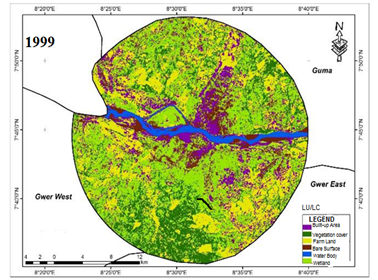
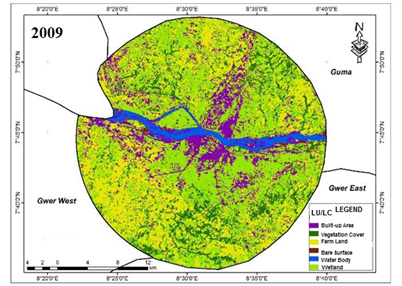
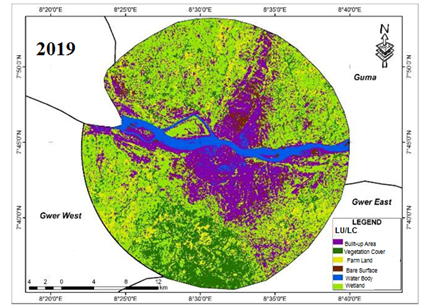


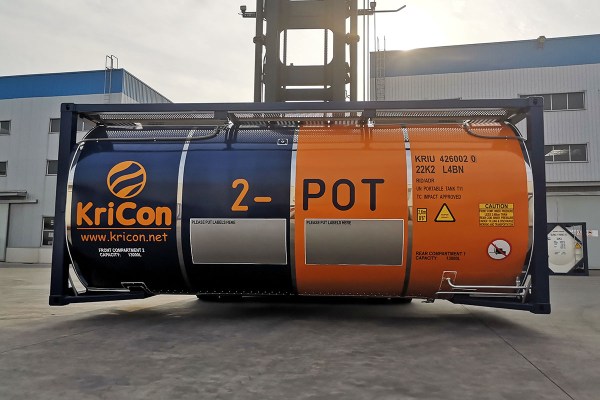


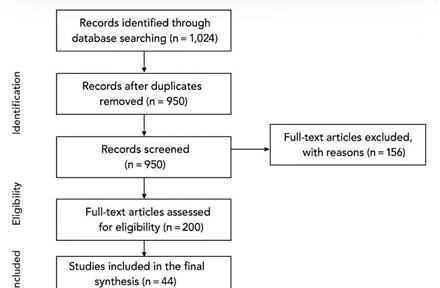


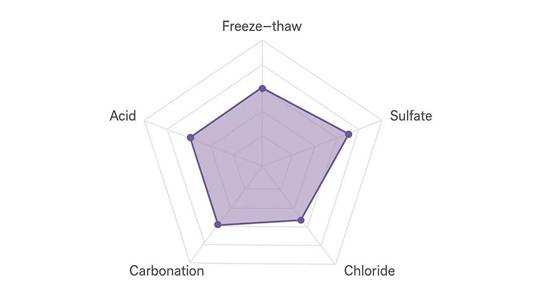
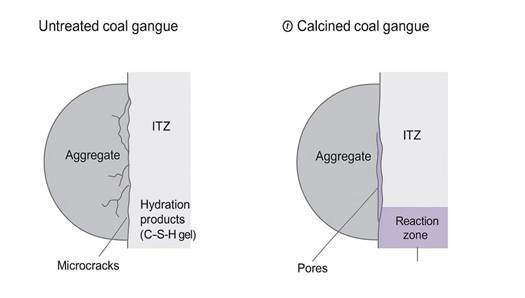
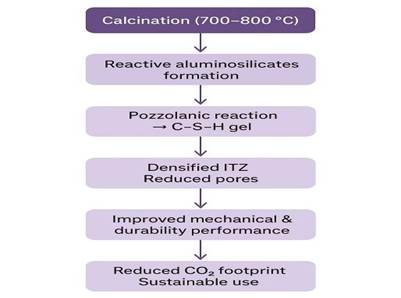
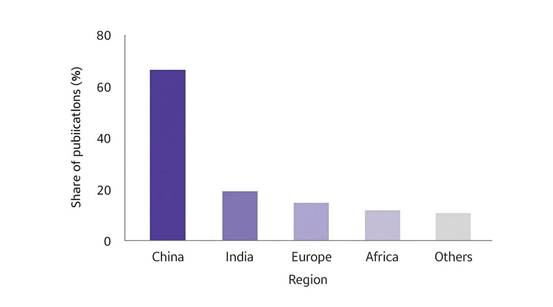
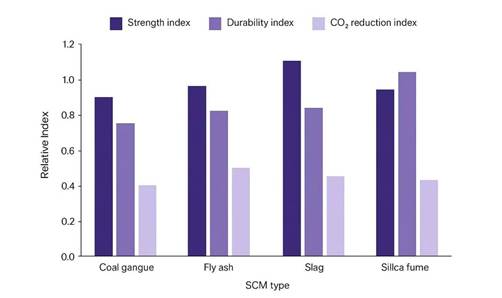
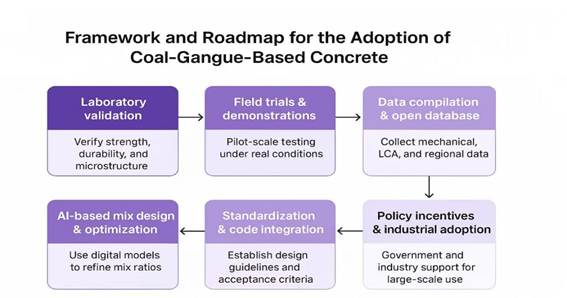




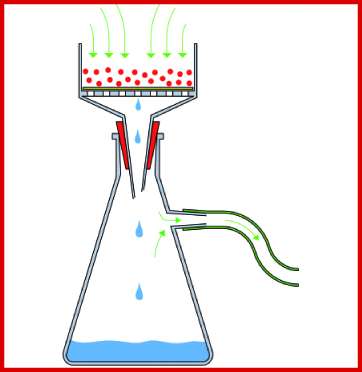







 International Journal of Research (IJR)