Analysing the Perception of Violence in Walker’s Short Story Collection In Love and Trouble: Stories of Black Women

Daily writing prompt
Have you ever unintentionally broken the law?

Dr. Ireshadsaheb Usmansaheb Shaikh

U. P. Arts and Science College, Dahiwel, Dhule (M.S.) Dec. 2025

ireshad.shaikh11@gmail.com

Abstract: Alice Walker is a renowned African American novelist, poet, short-story writer, and social activist.She became known worldwide with the publication of her seminal work, The Colour Purple. She is regarded as a radical black feminist author. She propagated her theory of womanism in her stories. Violence is a recurring theme in her stories. Walker’s narratives demonstrate the hardships, tribulations, and dilemmas faced by African American immigrants in the United States. Alice Walker’s short story collections explore the theme of violence, particularly as it relates to women of color during the era of chattel slavery in the United States. Women of colour have historically been subjected to violence by both white and black men. While violence against black women is dehumanising, their resistance offers the possibility of a new identity.  Walker exposes the traumatic lives of black women resisting oppression and violence in her short story collections in various forms, such as physical, mental, self-inflicted, and societal violence.

Keywords: Violence, Oppression, Resistance, Resilience, Mammies, Emotional abuse, Sexual harassment.

Alice Walker is a versatile and globally recognised American author, best known for her Pulitzer Prize-winning novel The Color Purple (1982). She is regarded as a radical feminist writer and is known for formulating Womanism, also known as Black Feminism. Walker believed that the feminist movement was primarily owned by white women, leaving little room for women of colour, as white feminists often failed to acknowledge or relate to the experiences of Black women. Along with other Black feminist critics, she helped develop a feminist theory that includes the issues and problems of women of colour. For Black feminists, race and class are as vital as gender is for white feminists. Racial and gender discrimination have equally contributed to the dehumanisation of women of colour, prompting efforts to dismantle racist structures. 

A recurring theme in Alice Walker’s short story collection In Love and Trouble: Stories of Black Women(1973) is the testament of the exercise of verbal and physical violence against women of colour in the public and domestic spheres. She lays bare the truth of crafting an image of a Black woman as subhuman, unworthy of empathy, asexual, servile, angry, and bestial. Despite being labelled as inhuman, these women persist in asserting their voices and expressing pride in their cultural heritage. Walker’s narratives demonstrate the hardships, tribulations, and dilemmas faced by African American immigrants in the United States. Through these experiences, Walker’s Black female characters endure racism and ultimately gain the strength to challenge and dismantle oppressive patriarchal structures within American society.

Alice Walker’s short story collections explore the theme of violence, particularly as it relates to women of colour during the era of chattel slavery in the United States. Enslaved women were often subjected to dehumanising stereotypes, being labelled as breeders, mammies, jezebels, hoochie mamas, and sapphires. In her stories, Walker delineates these negative perceptions. Representations of Black women in art, literature, and popular culture have frequently depicted them as strong, masculine, bulky, boisterous, and angry, which has contributed to the notion that they could endure or were susceptible to violence. In the story ‘Everyday Use,’ a mother describes herself as,

“a large, big-boned woman with rough, man-working hands……. I can kill and clean a hog as mercilessly as a man. My fat keeps me hot in zero weather. I can work outside all day, breaking ice to get water for washing; I can eat pork liver cooked over the open fire minutes after it comes steaming from the hog. One winter I knocked a bull calf straight in the brain between the eyes with a sledgehammer and had the meat hung up to chill before nightfall.” (Walker 46)

A prominent example of colonial and racial exploitation in European history is the case of Sarah Baartman, who was paraded and exhibited half-naked in street shows in London and Paris around 1811. Crowds were invited to observe her body, described as large, uncommon, and erotic, and she was labelled the ‘Hottentot Venus’. After her death, her body parts were preserved in jars and displayed in a museum. This violence was perpetuated by the dissemination of negative images of black women. Baartman’s narrative documents abuse, violence, sexual harassment, and rape. The construction of a false narrative about women of colour was intended to coerce them into inhumane and degrading conditions, thereby normalising violence against them and discouraging resistance. Women of colour have historically been subjected to violence by both white and black men. While violence against black women is dehumanising, their resistance offers the possibility of a new identity. In “Her Sweet Gerome”, the black female protagonist is described as a “big awkward woman, with big bones and hard rubbery flesh” (Walker 26) and endures domestic violence. Her husband physically abuses her and fails to recognise her as an equal partner. She gives him all her money and attempts to conceal the visible marks of abuse with makeup. She married him for his perceived gentlemanly behaviour towards other women and initially felt proud to be his wife, but his actions ultimately contradict this image. Although he is a civil rights activist, he beats her “black and blue” (Walker 27), yet the community continues to regard him as a gentleman.

Walker exposes the harshness of black men even as they fight for their own rights, highlighting the violation of the protagonist’s rights. He never treats her as a wife; when she seeks affection, he responds with violence. He also inherits her father’s money. Despite enduring his violent and abusive behaviour and spending all her resources, she becomes distraught upon discovering his affairs with other women. In her search for the truth, she realises his obsession with the Civil Rights Movement and the black revolution. In a moment of heartbreak, she destroys his books with a knife and sets fire to the bedroom. “Overwhelming with pain,” she hides her face behind her slightly burned hands and “screamed and screamed” (Walker 34).

“The Child Who Favored Daughter” depicts the severe abuse, crime, and violence experienced by women of colour at the hands of both white masters and black men. The narrative centres on the suffering of three women. The story begins with a black man described as “father, judge and giver of life” (Walker 35) who has a daughter named Daughter. In his youth, his sister, also named Daughter, fell in love with his white master, who treated them inhumanely. She is described as “like honey, tawny, wild and sweet,” and her brother cared for her deeply. Despite his pleas, she left with the white man. She later returned, accompanied by another woman’s husband, appearing hysterical and profoundly changed. She had lost her long hair, “her teeth wobbled in her gums when she ate,” and no longer recognised anyone. She sang continuously and was “tied on the bed as she was at the mercy of everyone.” To keep her silent at night, her father beat her with a belt. Eventually, she was found dead on the compound spikes.

The narrative describes a man who, overwhelmed by his emotions, violently abuses his wife, ultimately causing her death and leaving behind a daughter. This daughter, depicted metaphorically as a flower, mirrors her mother’s fate by falling in love with a white man. Upon discovering this, the father subjects her to prolonged physical abuse, as described: “he beats her for a long time with a harness from the stable, and where the buckles hit, there is a welling of blood that comes to be level with the tawny skin, the spill over and falls” (Walker 43). The violence continues the following morning, culminating in further brutality: “he sees her blouse, wet and slippery from the rain, has slipped completely off her shoulders and her high young breast is bare.” In a frenzied state, he “gathers their fullness in his fingers……. he is suddenly burning with unnamable desire……draws the girl away from him pulling off his own arm and with quick slashes of his knife leaves two bleeding craters the size of grapefruits on her bare bronze chest and flings……to the yelping dogs” (Walker 43). Walker poignantly narrates the girl’s traumatic experience, drawing a comparison to flowers and emphasizing her defiance: “flowers pledge no allegiance to the banners of any man” (Walker 44). The story explores the pervasive violence faced by women of colour, particularly within familial and romantic relationships. Walker’s narratives detail the profound suffering of black women as they navigate relationships with fathers, brothers, husbands, and lovers, striving to survive and find meaning within oppressive circumstances.

“The Welcome Table” exposes the racist and violent actions of white individuals toward a poor, elderly Black woman in the American South. The protagonist attempts to pray at a church, but, due to her age and mental state, she does not realise it is a church designated exclusively for white congregants. Convinced that her devotion to Jesus Christ will protect her, she enters, only to be forcibly removed by members of the congregation. She experiences humiliation and injury and is found dead beside the road the following day. The narrative highlights her deprivation of human rights and the community’s indifference to her suffering and the injustice she endures. Similarly, “Flowers” depicts the realities of violence, lynching, and segregation during the Civil Rights Movement. White individuals would often fabricate accusations of rape against Black men to justify lynching, which served as a tool to degrade and dehumanise Black communities. The story follows Myop, a young girl who discovers the body of a lynched Black man, leading to her loss of innocence as she confronts the brutal realities of racial violence. Her stories are poignant and address themes of physical violence, beatings, fear, threats, the threat of rape, lynching, and death.

The story “The Revenge of Hannah Kemmhuff” explores the theme of physical violence. Here, the protagonist, Hannah, is physically abused by her husband, leading to a dramatic and violent confrontation. “Really, Doesn’t Crime Pay?” is another powerful story in Walker’s collection that deals with emotional abuse. The protagonist, Roselily, is trapped in an oppressive marriage with a man who emotionally manipulates and controls her, while another man in her life destroys her creativity by stealing her manuscript of stories. Stories like “Roselily”, “Everyday Use”, “The Welcome Table”, “Strong Horse Tea”, and “The Diary of an African Nun” demonstrate the societal violence, through systemic racism and sexism, confronted by women of colour, making them prone to violence and oppression. Stories like “Entertaining God’ and “We Drank Wine in France” reveal the theme of self-inflicted violence. Walker’s female characters struggle with internalised oppression, leading to self-destructive behaviours.Walker’s stories expose dark realities of the experiences of women of colour, filled with violence and subordination. Her stories attest to the resistance and resilience of women of colour.

Reference:

  1. Allaham, Ali Ahmad. “The Short Story As a Form of Resistance :A Study of the Short Stories of Ghassan Kanafani, Ngugi Wa Thiong’o, and Alice Walker.” 2009,  https://core.ac.uk/download/153778714.pdf.
  2. Bagabas, Riham. “Analyzing “The Welcome Table” by Alice Walker from a WomanistPerspective.” 2022.Christian, Barbara. “The Contrary Women of Alice Walker.” The Black Scholar, 1981, pp. 21–71, doi:117.240.50.232. Accessed 4 Dec. 2025.
  3. Collins, Patricia Hill. “What’s in a Name? Womanism, Black Feminism and Beyond.” The Black Scholar, vol. 26, no. 1, 2001, pp. 9–26.
  4. Harris, Trudier. “Folklore in the Fiction of Alice Walker: A Perpetuation of Historical and Literary Traditions.” Black American Literature Forum, vol. 11, no. 1, 1977, pp. 3–8. JSTOR, https://doi.org/10.2307/3041531. Accessed 13 Mar. 2024.
  5. Harrison, Jade M. “The Core Four: An Examination of Contemporary Black Women\U27s Writing in  The Norton Anthology of African American Literature.” 2019,  https://core.ac.uk/download/635587962.pdf.
  6. Hubbard, Dolan. “Society and Self in Alice Walker’s ‘In Love and Trouble.’” Obsidian II, vol. 6, no. 2, Summer 1991, pp. 50–75. JSTOR, http://www.jstor.org/stable/44485248. Accessed 4 Dec. 2025.
  7. Mickelson, Anne Z. Reaching Out: Sensitivity and Order in Recent American Fiction by Women. Scarecrow Press, 1979.
  8. Morrison, Toni. Playing in the Dark: Whiteness and the Literary Imagination. Harvard University Press, 1992.
  9. Murugan, Seema. The Fiction of Alice Walker: A Study of Black Images. Authors Press, 2008.
  10. Petry, Alice Hall. “Alice Walker: The Achievement of the Short Fiction.” Modern Language Studies, vol. 19, no. 1, Winter 1989, pp. 12–27. JSTOR, http://www.jstor.org/stable/3195263. Accessed 4 Dec. 2025.
  11. Ross, Sinclair. “Racism.” Oxford Reference, Oxford University Press, http://www.oxfordreference.com/display/10.1093/oi/authority.20111012125231893. Accessed 8 Dec. 2025.
  12. Walker, Alice. The Color Purple. 10th ed., Phoenix, 1982.
  13. The Complete Stories. 1994. Phoenix, 2005.
  14.  In Search of Our Mothers’ Gardens. Harcourt Brace Jovanovich, 1983.
  15. Weida, Kaz. “Womanism.” Encyclopedia Britannica, 5 Dec. 2023, http://www.britannica.com/topic/womanism.
  16. Winchell, Donna Haisty. Alice Walker. Twayne Publishers, 1992.

Accessed January 6, 2025.

Myth and Folklore in Naga-Mandala by Girish Karnad

Daily writing prompt
Who are your favorite people to be around?

Vijay Tulshiram Jadhav

Department of English

Mahatma Gandhi Vidya Mandir, Karamveer Bhausaheb Hiray Arts, Science and Commerce College, Nimgaon, Tal–Malegaon, Dist.–Nashik

Email: vjadhav8390@gmail.com

Abstract

Girish Karnad is a major figure in modern Indian English theatre, known for his effective use of Indian myths, history, and folklore to examine contemporary social issues. Rather than merely retelling traditional stories, Karnad reshapes them to address problems related to marriage, gender relations, and individual identity. His play Naga-Mandala (1988), which is based on two Kannada folktales, is a clear example of this creative method.

This paper examines how myth and folklore function as important narrative devices in Naga-Mandala. Through symbols such as the serpent (Naga), magic roots, the anthill, and the Raat-Rani flower, Karnad brings attention to the suppressed emotional and sexual experiences of women within a patriarchal social system. These symbolic elements expose the emotional distance, moral weakness, and hypocrisy that often exist within male-dominated institutions, especially marriage. The contrast between the socially respected but emotionally indifferent husband and the caring mythical lover highlights the failure of patriarchal masculinity to provide emotional fulfilment.

The paper argues that Naga-Mandala uses folklore as a means of feminist expression by giving space to women’s inner experiences and desires. At the same time, it also reveals the limitations of traditional belief systems, as women’s acceptance depends on social and ritual approval. By combining oral folk traditions with modern theatrical form, Karnad shows that myth continues to be a meaningful and effective medium in contemporary Indian English drama.

Keywords: Girish Karnad, myth, folklore, patriarchy.

Introduction

After India’s independence, Indian English drama gradually moved away from Western dramatic models and began to draw inspiration from indigenous cultural sources. Playwrights started using myths, history, and folklore to express social tensions, psychological conflicts, and postcolonial concerns. Among these playwrights, Girish Karnad holds an important place because of his ability to reinterpret traditional stories in a modern and critical manner.

Karnad does not simply retell myths; he questions them. His plays examine the power structures and social values hidden within traditional narratives. Naga-Mandala (1988) is a strong example of this approach. The play is based on oral folktales that are usually told by women within domestic spaces. By transforming these stories into a modern play, Karnad explores issues of patriarchy, marriage, and female desire. Unlike classical myths that focus on male heroes, the folktales used in Naga-Mandala arise from marginal voices, especially those of women, and therefore challenge dominant cultural traditions.

Research Objectives and Methodology

Research Objectives

The objectives of this paper are:

  • To examine how myth and folklore operate as narrative tools in Naga-Mandala.
  • To study the symbolic meaning of elements such as the serpent, magic roots, anthill, and the Raat-Rani flower.
  • To explore how Karnad uses women-centred folktales to question patriarchal marriage systems.
  • To establish Naga-Mandala as a feminist reinterpretation of folklore in modern Indian English drama.

Methodology

This study follows a qualitative method of textual analysis. It makes use of:

  • Myth criticism, especially Northrop Frye’s ideas about archetypes,
  • Feminist literary criticism focusing on gender, power, and sexuality, and
  • Folklore studies, particularly the oral traditions discussed by A. K. Ramanujan.

The primary text for analysis is Naga-Mandala. Secondary sources include critical writings on Karnad, Indian theatre, mythology, and feminist theory.

Girish Karnad and the Use of Myth and Folklore

Girish Karnad’s plays regularly use myths, legends, and folktales to explore modern human problems. In Tughlaq, he presents the conflict between political idealism and failure. In Hayavadana, myth becomes a means to explore questions of identity and completeness. In Naga-Mandala, however, Karnad shifts his attention from classical myths to folktales that come from women’s oral traditions.

These folktales are often seen as simple or insignificant, but they express deep emotional truths about women’s lives. By presenting them on the modern stage, Karnad gives importance to voices that are usually ignored. Folklore thus becomes a medium through which suppressed experiences are expressed and social norms are questioned.

Literature Review

Many critics have discussed Karnad’s use of myth and folklore. Aparna Dharwadker explains that Karnad’s plays create a balance between tradition and modernity, using myth as a space for social and ideological debate rather than mere cultural revival. Meenakshi Mukherjee points out that Indian English writers often adapt traditional narratives to address contemporary social issues.

K. Ramanujan’s work on Indian folktales is particularly important for understanding Naga-Mandala. He observes that folktales often preserve women’s suppressed emotions and experiences, especially in relation to marriage and sexuality. While earlier studies recognize the role of folklore in Naga-Mandala, they pay limited attention to how women’s desire and agency are expressed through symbols. This paper attempts to focus on this aspect.

The Serpent (Naga) Myth and Patriarchal Masculinity

In Indian mythology, the serpent or Naga is commonly associated with fertility, renewal, and masculine power. Karnad reshapes this symbol to question traditional ideas of masculinity. The Naga, who takes the form of Appanna at night, shows affection, care, and sexual sensitivity—qualities missing in the real Appanna.

Appanna enjoys respect in society but lacks emotional depth. His cold behaviour towards Rani reveals the emptiness of patriarchal authority, which values control over emotional connection. The Naga’s presence brings emotional and physical fulfillment into Rani’s life, showing how patriarchal systems deny women genuine intimacy.

Magic Roots, Anthill, and Transformation

Magic roots are common in Indian myths and usually symbolize fertility and change. In Naga-Mandala, the blind woman Kurudavva gives Rani a magic root to awaken Appanna’s desire. When it fails, it exposes Appanna’s emotional weakness. Rani throws the root into an anthill, which leads to the awakening of the Naga.

The anthill acts as a symbol of birth and transformation. Rani’s accidental action leads to a major change in her life. This suggests that nature and folklore offer possibilities of change that rigid social rules do not allow.

Marriage and Patriarchy: A Critical Reading

Marriage in Naga-Mandala is shown not as a sacred relationship but as a social system that supports male dominance. Appanna’s good reputation in society hides his cruel behaviour at home. Rani’s silence in the beginning reflects how women often accept oppression as normal.

The Naga’s role challenges the belief that marriage alone ensures happiness. By presenting an alternative emotional relationship, Karnad exposes the emotional emptiness of patriarchal masculinity.

Folklore as Feminist Resistance

Rani does not openly rebel against her situation, yet folklore works as a silent force that empowers her. At the end of the play, her transformation into a goddess shows how myth validates women’s experiences even when logic and reality fail to do so.

At the same time, Karnad remains critical. Rani’s acceptance by society depends on a test of purity, showing that folklore can support patriarchal values as well. This double nature of folklore makes the play complex and realistic rather than idealistic

Conclusion

Naga-Mandala clearly shows Girish Karnad’s skill in using myth and folklore to examine social realities. By focusing on women’s oral narratives, the play highlights the emotional suffering caused by patriarchy and the neglect of women’s desires. Myth becomes both a means of resistance and a reflection of social contradictions.

Karnad neither blindly supports tradition nor completely rejects it. Instead, he questions its values and power structures. Through Naga-Mandala, he connects the past with the present and confirms the importance of myth in modern Indian theatre. The play establishes Karnad as a major voice in Indian English drama who successfully combines tradition with critical insight.

References

Karnad, Girish. Naga-Mandala: Play with a Cobra. Oxford University Press, 1990.

Dharwadker, Aparna. Theatres of Independence: Drama, Theory, and Urban Performance in India since 1947. Oxford University Press, 2005.

Mukherjee, Meenakshi. The Twice Born Fiction. Heinemann, 1971.

Ramanujan, A. K. Folktales from India. Pantheon Books, 1991.

Frye, Northrop. Anatomy of Criticism. Princeton University Press, 1957.

Beauvoir, Simone de. The Second Sex. Vintage, 1989.

WOMEN EMPOWERMENT

WHAT DO YOU UNDERSTAND BY WOMEN EMPOWERMENT?

Everyone has their own definition of it nowadays , for some it means equal rights in educational field ,for some it might be equal say in decision making process, for some it might be something else. But if you ask me , i would say women empowerment is protecting women’s sense of SELF WORTH,SELF PERSPECTIVE, their ability to voice their opinions, taking a stand for what they believe in.

IF YOU EDUCATE A MAN ,YOU EDUCATE AN INDIVIDUAL.BUT IF YOU EDUCATE A WOMAN, YOU EDUCATE A GENERATION. But even today, girls are not allowed to pursue higher education as they are married off early. And the million little hopes that bride has , a vision of what her life should be like, her own thoughts on the kind of life she wants to live are killed there only and actually celeberated.

PROBLEMS ASSOCIATED WITH WOMEN

There are many but to begin with lets talk about the most difficult one. Every time we see a news regarding domestic violence, rape cases, physical or mental harassment or abuse ,we feel bad ,then news channels cover it for a week or month depending on whether people still want to watch it or not basically depending on their TRP rate. Instagram , Facebook, Whatsapp are flooded with messages of women empowerment ,education and respect. People in thousands come on streets and protest with catchy slogans and demand for justice. AND IN THE MIDST OF FORGETTING THAT ONE INCIDENT ANOTHER INCIDENT COMES IN THE LIMELIGHT THAT SHAKES THE SOUL OF EVERY LITTLE GIRL ON THIS EARTH.

GROWING UP AS BOYS AND GIRLS

Society makes clear differences between boys and girls. And if we think about it ,this difference is created in the smallest and most everyday things. How girls must behave, what games they should play or how they should talk gently or how boys need to be tough and then there are things like boys don’t cry . All these are ways of telling boys that the opposite gender is different, is weak and will need their support to survive. There are still places in INDIA and across the world where the birth of a boy is greeted with great joy while the birth of a girl is seen as something to be sorry about.

STATISTICS AND DATA

TIMES USE SURVEY 2019 revealed that 92% Indian women take part in unpaid domestic work; only 27% men do so. On the other hand , only 22% of women participated in employment and related activities compared to 71% of men.

83.6% of working women in INDIA are engaged in agricultural work. Their work includes planting, weeding, harvesting and threshing. Yet, when we think of a farmer we only think of a man.——-NSS 61ST ROUND (2004-05).

WAY FORWARD

The social system that existed in INDIA always attributed a secondary and sub ordinate position to women. With the continued efforts of feminist activism after independance, the government has come up with a lot of laws that protect women but there is still a lot to be done .The department of women and child development( DWCD) has taken up various projects directed towards advancement of women.

Women’s education at the university and college levels have been diversified and reoriented in tune with the changing requirements of society , industry and trade. Women’s empowerment has become a significant topic of discussion in development and economics .

So, slowly and gradually things are changing and we hope for better things to come up in the future .

FEMINISM

Contrary to popular aggressive fronts of Feminism, I might wish to start on a really passive note. it is very likely that several a time we mistake feminism for being very hostile towards men, some even naming this the ‘anti-men’ movement. Well to interrupt this delusional concept of these few, we might should first address the essential general idea behind feminism. Feminism incorporates the concept of equality between sexes in terms of political equality, social equality, etc. The feminist moment was a awfully radical movement that gained momentum mainly within the west (as the texts might want you to believe) but contrary to popular belief, every a part of the planet was fighting a battle of its own concerning gender equality. Here it’s inevitable to denote what many such arguments have stated if feminism does indeed incorporate the concept of equality between sexes why does it still give more weightage to the upliftment of ladies and not men and girls equally. If we flip through the pages of history we’d find that the plight of ladies was such they were only seen as a childbearing commodity. during this sense, they didn’t have any social standing. to own your own opinion, a distinct state of mind than those of the bulk of men was seen as blasphemous, it absolutely was against god’s wish to administer women an inquisitive mind and a voice. Till this date these instances are inescapable. While being attentive to a particular ted discuss feminism, the speaker didn’t fail to say that what irks us the foremost is that the 19th-century thinking of some opinionated people. Using their critical thinking for the more severe these few people associate the term with the shortcoming to seek out a decent husband. Here the medieval century thinking comes into play where women are tied right down to being managed by men all their life. While many might think that feminism paints a really beautiful picture, but we could only attribute this to the pioneers who went through the gruesome battles, fighting for the rights of ladies and coming this far. The history of India especially had a really dark past. India may be a culturally diverse country that had many such infamous traditions that even the Britishers thought were worth interfering with. The custom of Sati which involved self-immolation of the widow on the pyre of her husband was one such inhuman practice. Sati wasn’t practiced to send the husband and wife into heaven, but because widows, entitled to a number of the family property after their husband’s death (through the Dayabhaga Law in Bengal), became a liability because of the fear that they may claim it. Thus, coercing them into the mound was a secure bet. So it had been one in all the landmark moments in history when an analogous case happened with a young boy who had to witness his sister in law being forced to partake during this practice. This gallant young boy who we all remember as Raja Rammohan Roy then grew up to become one in all the best polygot scholars of Bengal and helped abolish this barbaric practice. Another such stalwart leader of the 19th century was Ishwar Chandra Vidyasagar, who was a prominent figure in advocating widow remarriage, helped accelerate this movement. However, we must always not be oblivious of the accomplishments of some of the lesser-known figures like Fatima Sheikh who is considered the primary Muslim woman teacher in India, Tarabai Shinde who defied the present patriarchy through her works in ‘Stri Purush Tulana’ in Marathi which translates to the comparison of ladies and men, etc. If this ongoing scenario will be described accurately, it’d not be wrong to mention that these great leaders have passed down the baton to us to hold on with the legacy in what looks as if an endless marathon. If we were to carefully assess the hindrances this movement faced, it’s hard to miss that beginning with misogyny, moving on with anti-feminist or misanthropic speeches, and so carrying on with the pseudo feminism, this vicious never-ending cycle has done but little to prevent its progression. Lastly, i’d put this time across that girls are subjugated, maligned, and mistreated throughout the ages but that failed to stop us from fighting for our rights. A bleak and unsure future didn’t deter us from our path.

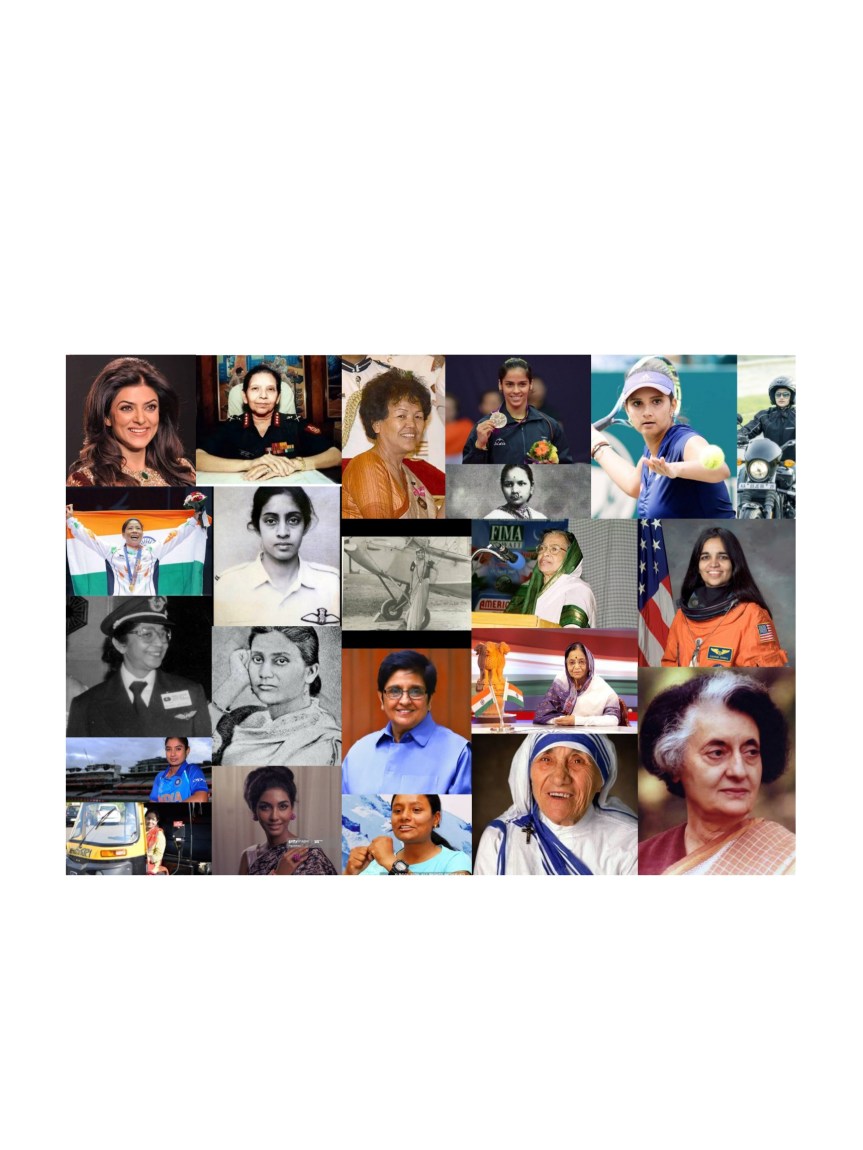
Indian Women Who Are FIRSTS In Their Field

In Indian history, where we find once upon a time women were not allowed to come in front of the males. They didn’t have the right to study, they didn’t have the freedom to talk. But some of the women who had broken the gender barriers worked hard for their rights and pioneers of woman empowerment, let’s see those women who are proved themselves in different fields and inspired millions.

1.Kadambini Ganguly was the first Indian and South Asian female physician and surgeon,1886 trained in western medicine, as well as one of the first female graduates in India, 1882

2.Chandramukhi Basu was one of the first two female graduates of the British Empire. In 1882, along with Kadambini Ganguly, 

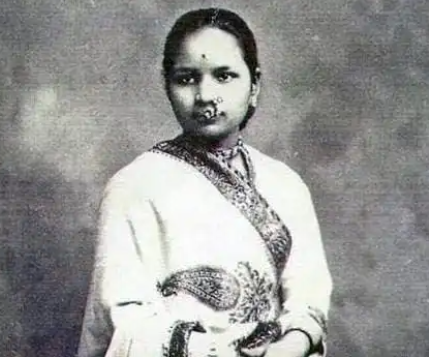
3.Anandibai Gopalrao Joshi became the first Indian female physician in the year 1887.

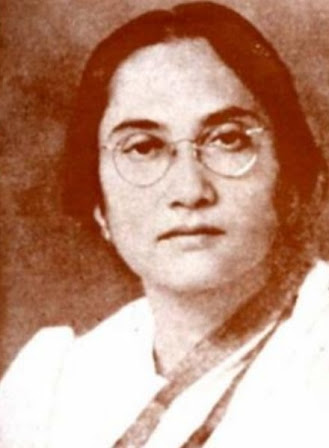
4.Kamini Roy was a Bengali poet, social worker, and feminist in British India. She was the first woman honors graduate in British India.

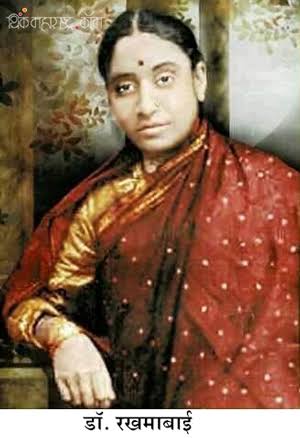
5.Rukhmabai was an Indian physician and feminist. She is best known for being one of the first practicing women doctors in colonial India


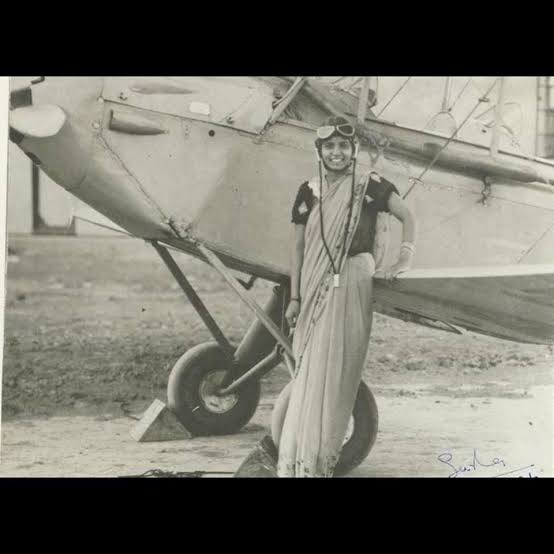
6. Sarla Chakra was the first Indian woman to fly an aircraft,she earned an aviation pilot license in 1936 at the age of 21 and flew a Gypsy Moth solo.

7.Durba Banerjee was the first pilot of Indian Airlines in 1956 and the first Indian woman commercial pilot.

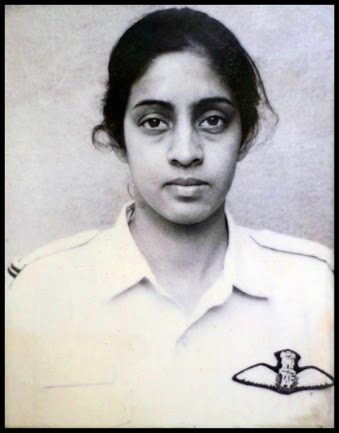
8.Harita Kaur Deol was the first woman pilot to fly solo in Indian Air Force 1994

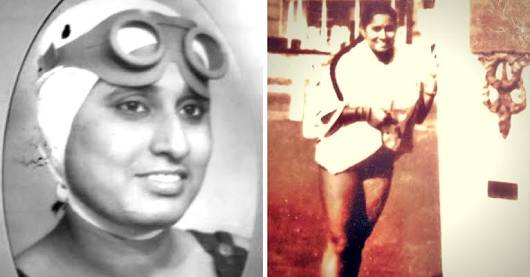
9.Arati Saha was an Indian long distance swimmer, best known for becoming the first Asian woman to swim across the English Channel in 29 September 1959. 

10.Bachendri Pal became the first Indian woman to reach the summit of Mount Everest In 1984. 

11. Arunima Sinha is the first female amputee to climb Mount Everest. She is also the first Indian amputee to climb the Everest

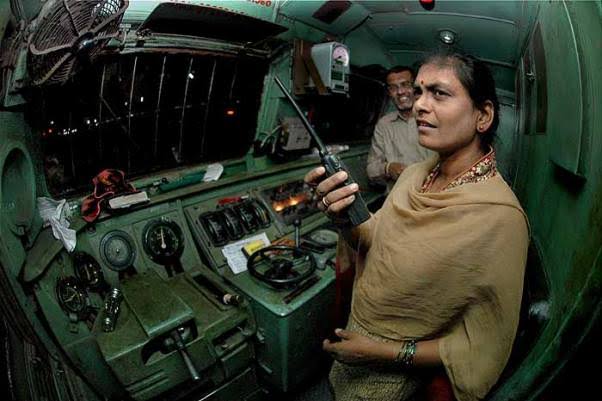
12. Surekha Shankar Yadav is a female loco pilot of the Indian Railways in India. She became India’s first female train driver in 1988.

13.Shila Dawre became the country’s first woman auto-rickshaw driver when she first stepped into the ‘male-dominated’ zone in the year 1988. 

14.Roshini Sharma recently became the first Indian woman to ride a motorbike from Kanyakumari to Kashmir.


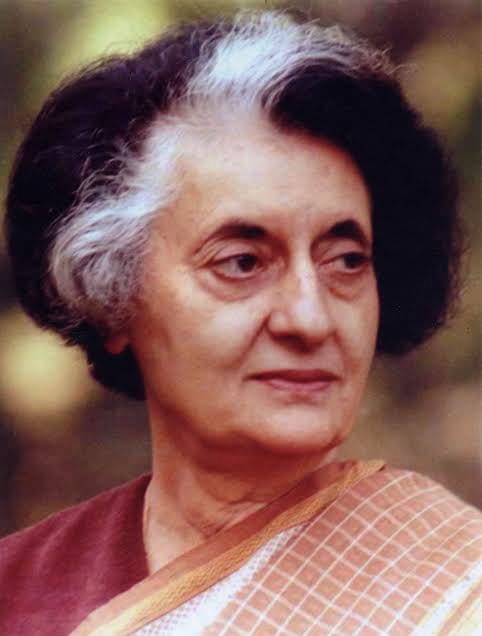
Indira Gandhi became the first woman Prime Minister of India and served from 1966 to 1977.1971, she became the first woman to receive the Bharat Ratna award.

Mother Teresa became the first Indian woman to win the Nobel Peace Prize in 1979

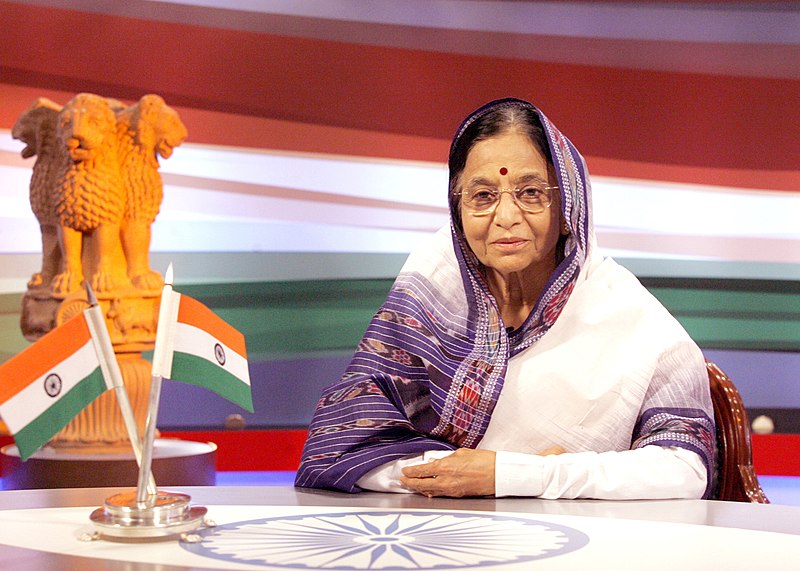
Pratibha Patil, Indian lawyer, and politician who was the first woman to serve as president of India (2007–12).

Justice M. Fathima Beevi became the first female judge who was appointed to the Supreme Court of India in 1989. 

Isha Basant Joshi She was the first woman ICS officer of British India

Kiran Bedi, joining Indian Police Service (IPS) in 1972, Kiran Bedi became the first woman officer in India.


Sania Mirza,a professional tennis player, became the first ever Indian woman to win the Women’s Tennis Association (WTA) title in 2005.

Mangte Chungneijang Mary Kom, also known as Mary Kom is the only woman boxer who has won a medal in each of the six World Championships. 

Mithali Raj was the first woman to score a double hundred in Test Cricket (214* against New Zealand at Wellington, 2004). 

Kalpana Chawla was an American astronaut, engineer, and the first woman of Indian origin to go to space. She first flew on Space Shuttle Columbia in 1997 

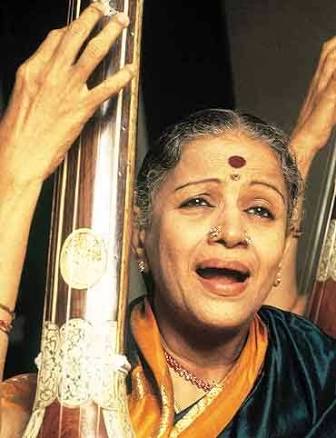
Bharataratna Madurai Shanmukhavadivu Subbulakshmi was an Indian Carnatic singer from Madurai, Tamil Nadu. She was the first musician ever to be awarded the Bharat Ratna, India’s highest civilian honour. 

Homai Vyarawalla, commonly known by her pseudonym Dalda 13, was India’s first woman photojournalist

Women Empowerment in India!

The subject of empowerment of women has becoming a burning issue all over the world including India since last few decades. Many agencies of United Nations in their reports have emphasized that gender issue is to be given utmost priority. It is held that women now cannot be asked to wait for any more for equality.

Inequalities between men and women and discrimination against women have also been age-old issues all over the world. Thus, women’s quest for equality with man is a universal phenomenon. What exists for men is demanded by women?

They have demanded equality with men in matters of education, employment, inheritance, marriage, politics and recently in the field of religion also to serve as cleric (in Hinduism and Islam). Women want to have for themselves the same strategies of change which menfolk have had over the centuries such as equal pay for equal work. Their quest for equality has given birth to the formation of many women’s associations and launching of movements.

#feminism

The position and status of women all over the world has risen incredibly in the 20th century. We find that it has been very low in 18th and 19th centuries in India and elsewhere when they were treated like ‘objects’ that can be bought and sold. For a long time women in India remained within the four walls of their household. Their dependence on menfolk was total.

A long struggle going back over a century has brought women the property rights, voting rights, an equality in civil rights before the law in matters of marriage and employment (in India women had not to struggle for voting rights as we find in other countries).

In addition to the above rights, in India, the customs of purdha (veil system), female infanticide, child marriage, sati system (self-immolation by the women with their husbands), dowry system and the state of permanent widowhood were either totally removed or checked to an appreciable extent after independence through legislative measures.

#women_empowerment

Two Acts have also been enacted to emancipate women in India. These are: Protection of Women from Domestic Violence Act, 2005 and the Compulsory Registration of Marriage Act, 2006. The Domestic Violence Act recognizes that abuse be physical as well as mental.

Anything that makes a woman feel inferior and takes away her self-respect is abuse. Compulsory Registration of Marriage Act can be beneficial in preventing the abuse of insti­tution of marriage and hindering social justice especially in relation to women.

It would help the innumerable women in the country who get abandoned by their husbands and have no means of proving their marital status. It would also help check child marriages, bigamy and polygamy, enable women to seek maintenance and custody of their children and widows can claim inheritance rights. The Act is applicable on all women irrespective of caste, creed or religion. It would truly empower Indian women to exercise their rights.

To what extent legislative measures have been able to raise the status of women in India? Are women now feel empowered in the sense that they are being equally treated by men in all spheres of life and are able to express one’s true feminine urges and energies? These are the important questions to be investigated with regard to women’s empowerment in India.

@martin_Christopher