Choosing The Right X-Ray Clinic For Your Fracture

When a fall or accident leads to a suspected broken bone, getting an x-ray is crucial. But not all radiology centers are equal when it comes to fracture diagnosis. You want accurate, timely results and compassionate care. Here’s guidance on selecting the right x-ray clinic like PRP Imaging to evaluate your injury and get you on the road to healing.

Ask Your Doctor for a Recommendation
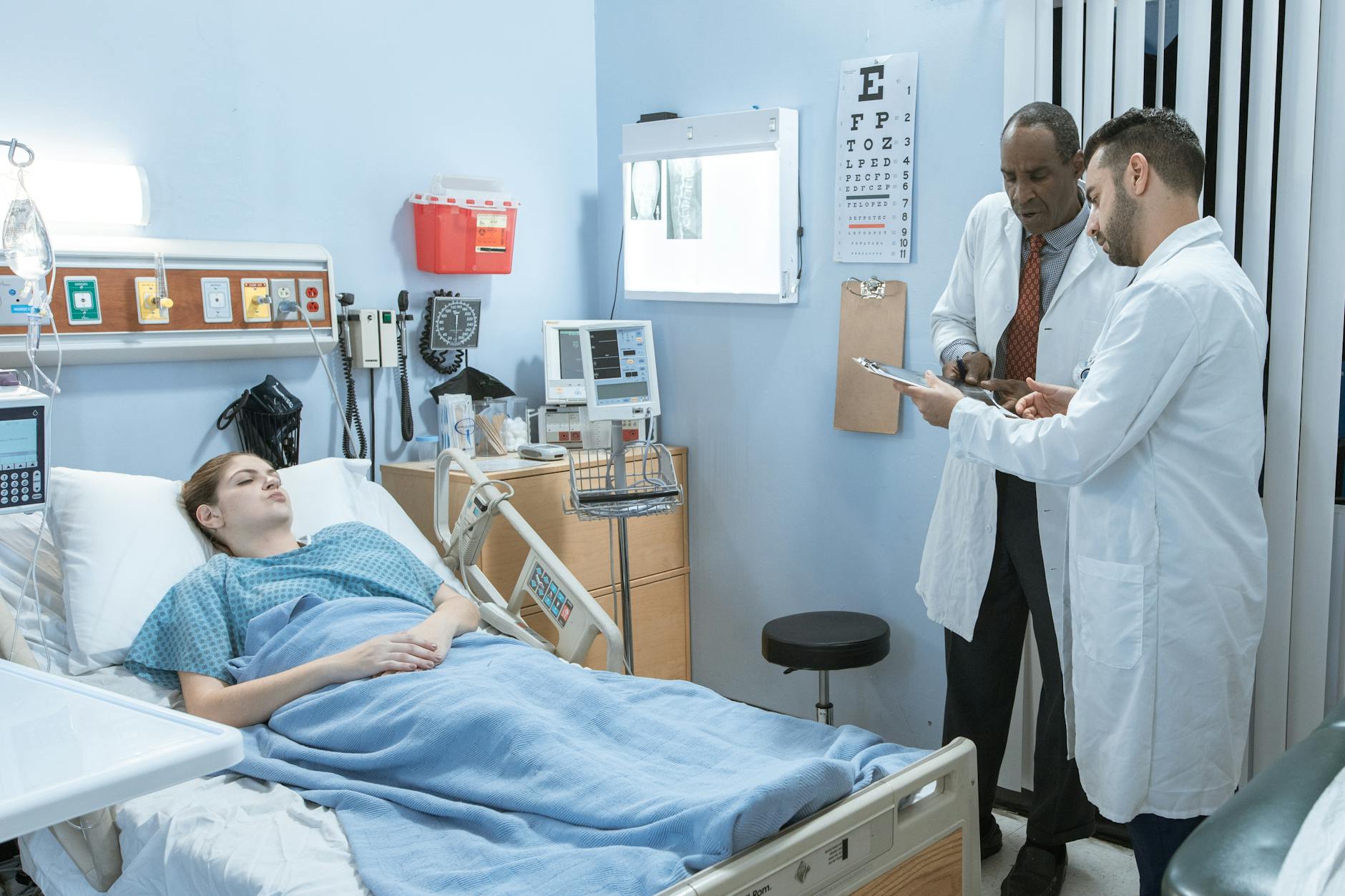
Photo by RDNE Stock project on Pexels.com

Your family physician or orthopedic specialist likely works with several trusted radiology clinics. Ask them to recommend an x-ray facility they use for fractures that provides:

  • Board-certified radiologists experienced at reading bone films
  • Quick turnaround of results sent to the referring physician
  • Careful technicians who can accommodate injuries
  • Clear images even for challenging joint areas

Doctors depend on reliable x-ray results to make treatment decisions, so they’ll refer you somewhere reputable.

Look for Advanced Technology

uptodate equipment delivers crisp, high-resolution x-ray images that are easier for radiologists to evaluate. Quality images ensure nothing gets missed. Top technologies like:

  • Digital radiography for immediate image access
  • Low-dose emitters for radiation safety
  • PACS technology allowing image sharing across sites
  • Fluoroscopy for moving joint visualization
  • 3D CT scanning for complex fractures

Choose a center with robust technology investment to get the most accurate results.

Consider Convenience Factors

Since injuries cause pain and mobility issues, convenience is key. Look for an x-ray clinic with:

  • Extended evening and weekend hours for prompt access
  • Multiple locations to choose what’s nearest to you
  • Parking spots reserved for patients right by the entrance
  • Wheelchairs and staff assistance available

An accommodating clinic makes x-rays less stressful when you’re already in pain.

Look for Patient-Centered Care

A compassionate, patient-focused environment also minimizes the headache of getting an x-ray. Seek out a clinic with:

  • Friendly staff who introduce themselves and explain the process
  • Gentle technicians sensitive to causing discomfort
  • Support getting in and out of positions for imaging
  • Warm blankets and pillows to make you more comfortable
  • Patient-centered care ensures an already difficult injury situation goes smoothly.

Confirm They Have Orthopedic Expertise

Any clinic may be able to do a basic fracture film. But you want radiologists who are seasoned specialists in orthopedic and sports medicine injuries. They will have deep expertise in:

  • Reading and recognizing bone, ligament and tendon trauma
  • Identifying even minute fractures in complex joints
  • Determining urgency for treatment based on findings
  • Communicating results clearly to referring physicians

Their years of orthopedic focus ensure you get an accurate fracture diagnosis for proper treatment.

Ask About Turnaround Time

Once you endure the x-ray process with your injury, you’ll want results ASAP. Ask each clinic you call:

  • How quickly the radiologist reads the images once completed
  • Typical turnaround time for the physician report
  • Whether they offer instant results if critical
  • If they follow up to ensure the doctor contacts you

Look for a center that makes follow-through and timely diagnosis a priority for better patient care.

Conclusion 

Getting the right x-ray clinic matters when fractures are suspected. Take time to find a facility with the compassion, expertise and patient focus needed to evaluate your injury, provide answers, and start your healing off right.

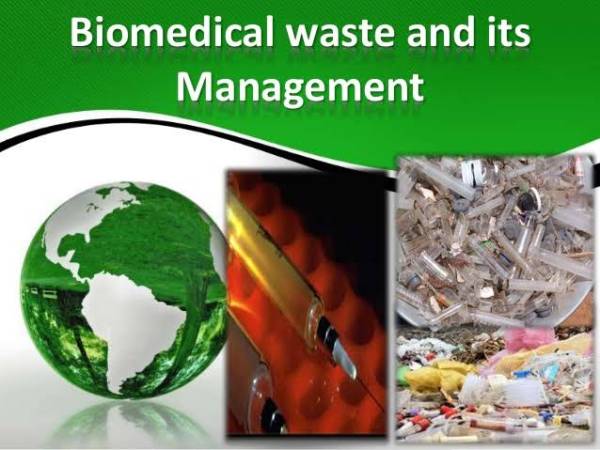
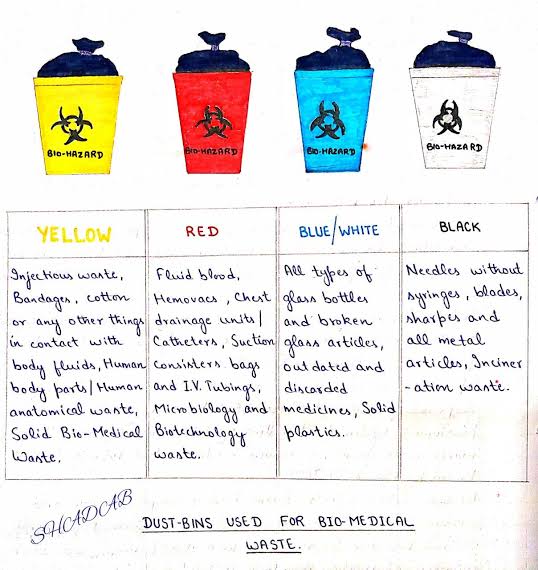
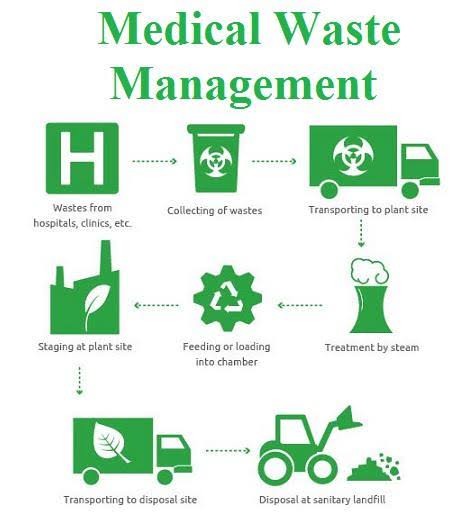
MEDICAL WASTE MANAGEMENT

We all would agree the fact that Doctors are living God and now we are seeing it in this pandemic how doctors and medicine are involved and important in the society. Likewise it is a time to check the proper treatment for medicinal wastage disposal systems in our locality. COVID-19 has caused hospitals to become overrun as patients and health care workers to go through medical supplies and disposable personal protective equipment at a rapid rate. Governments are encouraged to treat this waste as urgent in order to minimise possible secondary impacts on the health of both the public and the environment

What is Medicinal Waste?

Medical waste disposal is one of the biggest day-to-day challenges faced by healthcare providers. It’s often complicated by other concerns like HIPAA, epidemiology, potential civil litigation, and state and local regulation. Because at MedPro Waste Disposal we aim to help providers become better providers, we’re taking a look at the key concepts around medical waste.

Biomedical waste is generated from biological and medical sources and activities, such as the diagnosis, prevention, or treatment of diseases. Common generators (or producers) of biomedical waste include hospitals, health clinics, nursing homes, emergency medical services, medical research laboratories, offices of physicians, dentists, veterinarians, home health care and morgues or funeral homes. In healthcare facilities (i.e. hospitals, clinics, doctor’s offices, veterinary hospitals and clinical laboratories), waste with these characteristics may alternatively be called medical or clinical waste.

WASTE MANAGEMENT

Importance of healthcare during Pandemic

During this outbreak, medical and hazardous waste – such as infected masks, gloves and other protective equipment – needs to be discarded correctly, or it will have detrimental effects on human health and the environment. As such, the safe handling and final disposal of this waste is a vital element in an effective emergency response.

Medical waste generated during the pandemic must be treated as hazardous waste and disposed of separately. This waste should also be separately stored and collected by specialist municipality or waste management operators.

Ayurveda – A sustainable alternate medical practice

Coronavirus: Experts suggest Ayurveda helps boost immunity against ...

Ayurveda is a holistic system of medicine that is indigenous to and widely practiced in India. The word Ayurveda is a Sanskrit term meaning ‘science of life.’ Ayu means ‘life’ or ‘daily living’ and Veda is ‘knowing.’ Ayurveda is a medical system that deals with health in all its aspects; physical health, mental balance, spiritual well-being, social welfare, environmental considerations, dietary and lifestyle habits, daily living trends, and seasonal variations in lifestyle, as well as treating and managing specific diseases The origin of Ayurveda is lost in prehistoric antiquity, but its characteristic concepts appear to have matured between 2,500 and 500 B.C. in ancient India. The earliest references to drugs and diseases can be found in the Rigveda and Atharvaveda.

Ayurveda is all about Dharana and Dharma, both Sanskrit words denoting a sustainable complex of life and living: the first within the organism itself and the second within society and the world. Ayurveda is almost – in a positive sense – preoccupied with ‘sustaining life’: as a science it focuses on preserving life down to the cellular level of each living organism, and first and foremost of human beings. One of the reasons that sustaining and preserving human life is so important in Ayurveda, is a result from the fact that it is a spiritual science which sees this life – and our bodies as temples for our souls – as a way to evolve spiritually. This evolution is not for a personal gain, but for the greater common good: Ayurveda sees life as one, and not as a fragmented event.

Ayurveda gives clear guidelines for lifestyle and nutrition, which all fit within a framework of Dharma. Dharma naturally supports something that carries responsibility for the whole of society and humanity, and thus also regarding ethical and environmental matters. Lifestyle – according to Ayurveda – should be helping to preserve a healthy environment and support of nature, in all possible aspects. This cannot but lead to supporting responsible behavior in keeping our water, our nature, our forests, our cities, our air, and in short our whole life, as clean and pure as possible. It also implies a natural care for good and sustainable food sources, and agriculture which preserves not only life in the sense of clean and pure production, but also responsible and safe nutritional methods. Good examples include active support of organic and biodynamic farming, support for natural agricultural systems such as permaculture, as well as active resistance of technical and not safe-proof production methods such as with GMO foods. It also promote the wise and respectful use of animal products.

According to the sustainability goals of Ayurveda, organic and other forms of responsible farming should be used to grow the herbs Ayurveda uses for its remedies. Use of local herbs has been advised over procuring exotic and rare herbs. Commonly availabe spices such as cumin and turmeric have profound healing properties, and are powerful additions in the arsenal of medicinal substances.  Ayurveda is the makes use of small shrubs to big trees for various purposes and to that Ayurvedics follow certain guide lines for collection and cultivation. So in order to obtain herbal medicine Ayurvedics also engage forestation and cultivation. The use of medicinal plants is oriented to take advantage of their ability to harmonize the balance between the patient and the basic influences of life, such as diet, work, and family life. With more than 2700 plants at its disposal, it is clear that Ayurveda in quite close with nature and its powers. In this way both doctors and patients easily see their connections to nature.

The Hospital wastes of Ayurveda are almost biodegradable. The medicines are of Herbal or Mineral or a mixture of both which are easy to dispose in to the earth after their expiry or their use. The pharmaceutical waste of Ayurveda is also biodegradable and some of them make good manure for cultivation. The plastic and other artificial materials not used for treatment makes Ayurveda an Eco friendly system. In Ayurvedic system each and every part of the environment is given importance which makes the optimum utilization of natural resources from Daily usage to the Drug. For example, neem- plant is used for Twigs, tooth brushing and tongue cleaning; Leaves-for medicating the bathing water; Seed oil, for external application over scalp for healthy hair etc.

This approach to nature as the source of healing and to personal care, as a source of loving health care, with emphasis on the preventive side, is a very welcome feature of Ayurveda, which could permeate and facilitate our approaches to sustainability and to the rich relationships between people (society), things (economy) and nature (ecology). Environmental sustainability is highly related to conscious mental and bodily good practice, of which Ayurveda could be considered as a very useful model, not only in the countries where it is traditionally applied, but everywhere. Ayurveda not only teaches to live healthy, but also teaches to love nature and live with nature.

Medical Breakthrough: Can it save life of a Corona-virus patient?

There was a time when everything was going well. Suddenly a pandemic arises all of a sudden. However, the reason for the origin is not apparent yet, and several kinds of research are going on to prepare vaccines to save the lives of people who want to live peacefully. This virus attacks the respiratory system weakening it day by day. However, some may not know, it is treated by keeping the person under 14 days observatory and building up the immune system stronger. But this isn’t an effective solution to cure the problem. It may return or may contaminate others unwittingly. Some people even don’t know if they have it after through an unknown contact with an infected person, this case is asymptomatic, and it can be very harmful.

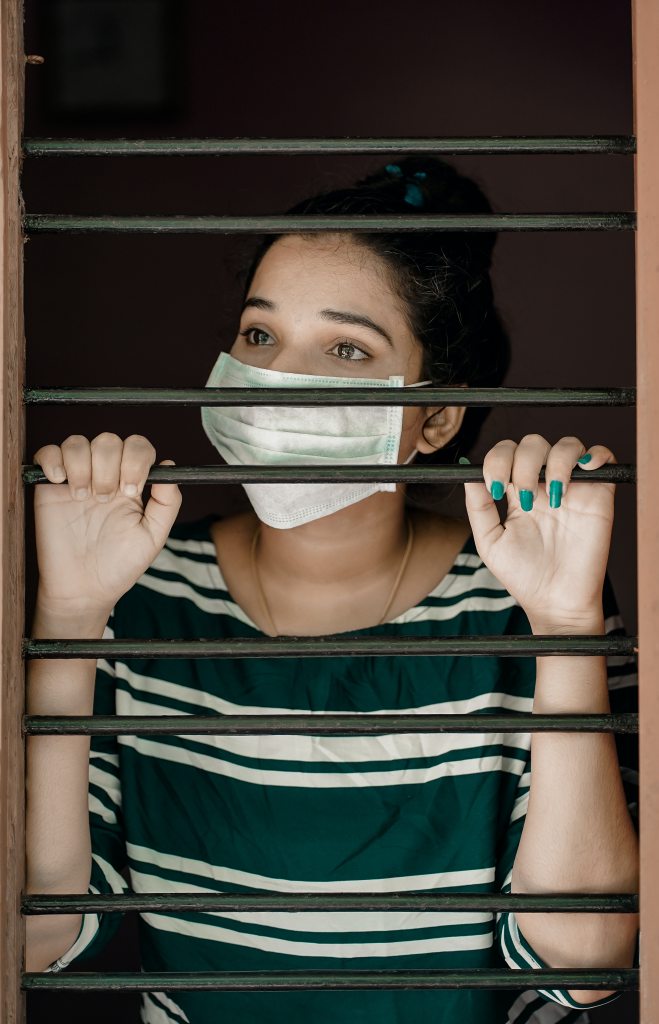
A woman with mask
Face masks are prevalent these days, and it is a must to wear to protect yourself.

All institutions, offices, public places were closed, people protested, some even panicked, instead of death due to this virus, it can be worse when someone passes away being tensed about it and being in depression. Positive things are happening around the globe like you may have heard about like blood plasma transfusion, hydroxychloroquine, remdesivir in the news. These were some of the methods or medicines that tried to cure the patients and treat them effectively. Now new research says that dexamethasone can be the life-saving drug, being one of the costs capable, was tested in England by giving them 28 days reducing the death rate up to 35 percent, and 20 percent for people requiring oxygen while difficulty in breathing.

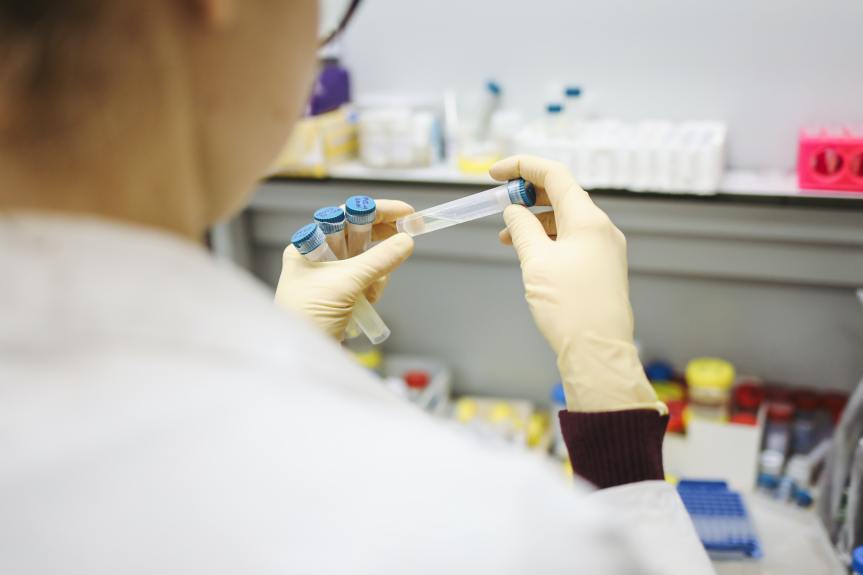
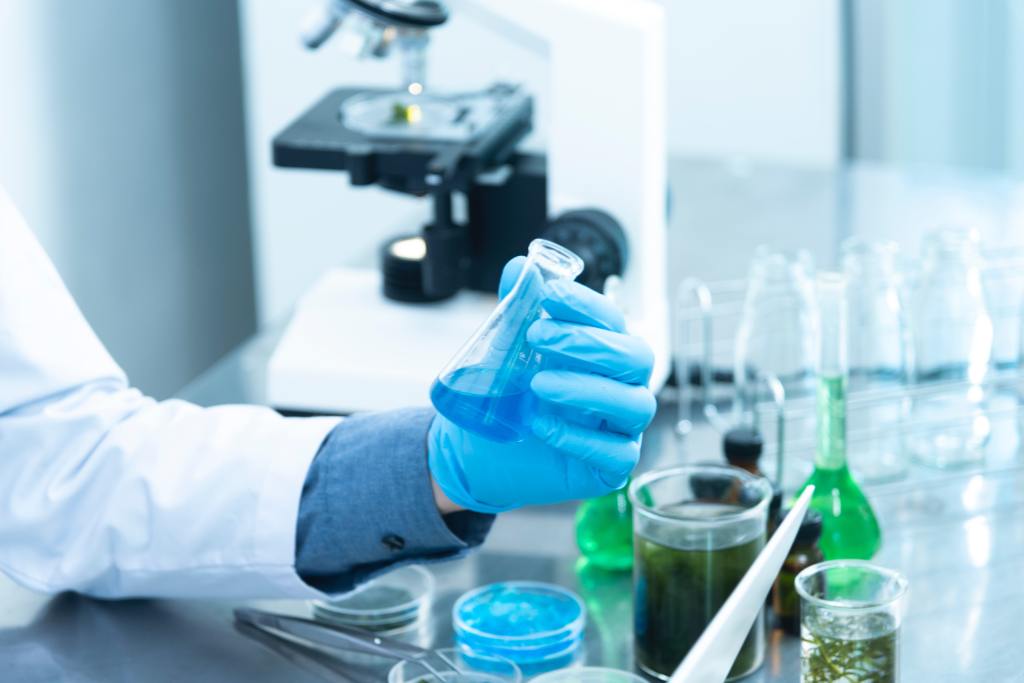
A lab.
A laboratory is in search of new medicine.

Dexamethasone is giving as a steroid to reduce inflammation due to several reasons like allergies, asthma, etc. But WHO strictly advises not to use steroids to treat patients while they’re ill as it can slow the time until the virus clears up. Now they’re almost 100 thousand cases reported every day over the past two weeks across the globe. The researches claimed that it could prevent one death among every eight patients if they’re on a ventilator. This finding got observed by a study leader named Peter Horby at the University of Oxford. The earlier attempts like the HIV combo drug lopinavir-ritonavir were commonly given antibiotics for a viral cold, cough: azithromycin was a part of the study. Also, the anti-inflammatory drug tocilizumab were all tested as a cure to treat the patients as a part of the research for more than 11 thousand patients in England, Wales, Scotland, and Northern Ireland.

A woman with hope.
A lady is looking out with hope for the situations to come in control.

People should strictly follow as there is no proper cure for the problem. The lockdown is for everyone’s betterment. If you have any symptoms like cold, cough for an extended period, frequent occurring fever, difficulty in breathing, one must quickly approach a doctor. The health conditions of a hospital are worsening day by day. The patients are increasing, but the resources are restricted. There is no proper funding for these problems; people don’t cooperate in this period and become a potential risk for others. They’re cases where the hospital authorities, nurses, attendants, and doctors get attacked; they’re saving your lives, researchers are working day and night to help to restore humanity. The business sector is in the state of falling and collapsing. We need to follow guidelines made, or else it will be challenging to control the problem.