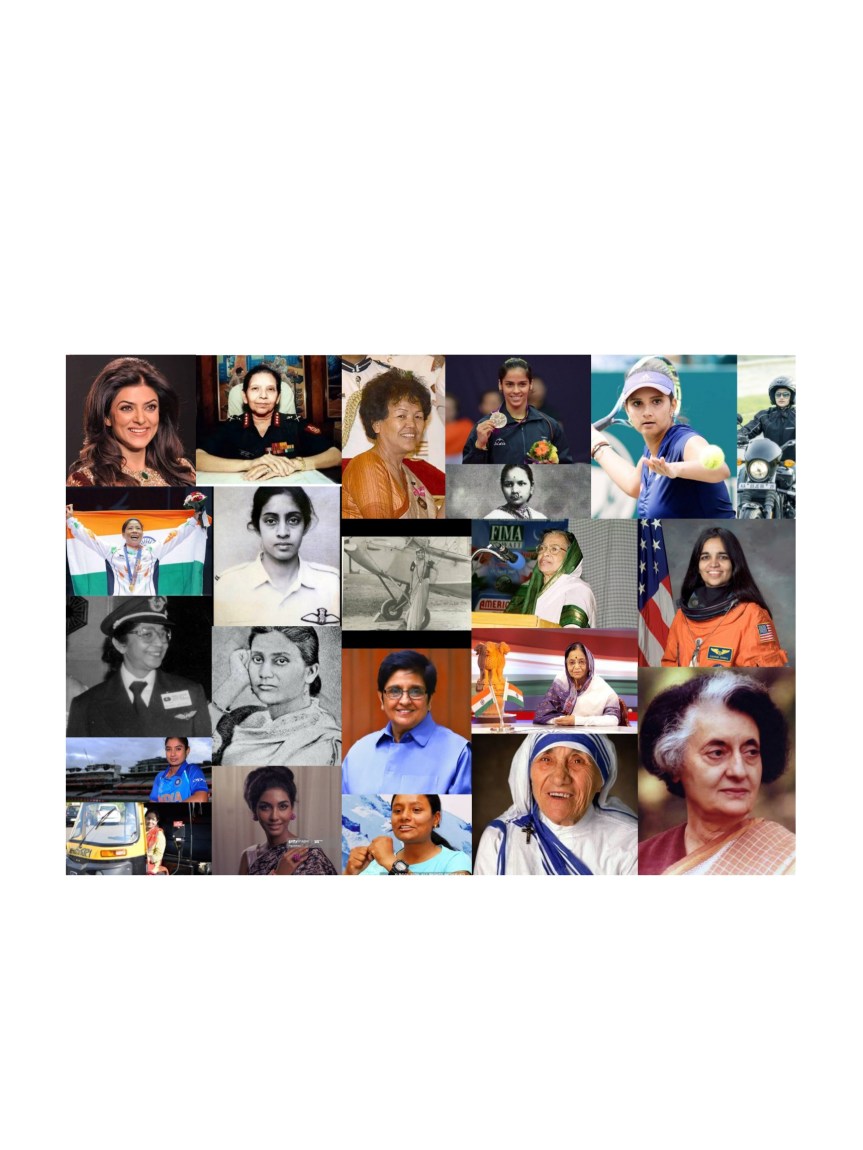
Indian Women Who Are FIRSTS In Their Field

In Indian history, where we find once upon a time women were not allowed to come in front of the males. They didn’t have the right to study, they didn’t have the freedom to talk. But some of the women who had broken the gender barriers worked hard for their rights and pioneers of woman empowerment, let’s see those women who are proved themselves in different fields and inspired millions.

1.Kadambini Ganguly was the first Indian and South Asian female physician and surgeon,1886 trained in western medicine, as well as one of the first female graduates in India, 1882

2.Chandramukhi Basu was one of the first two female graduates of the British Empire. In 1882, along with Kadambini Ganguly, 
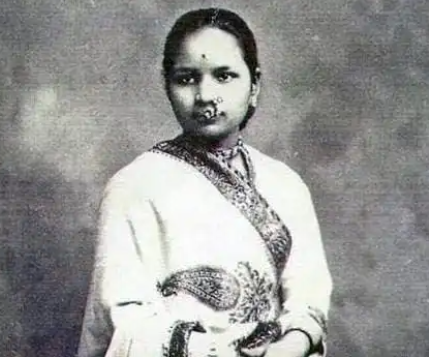
3.Anandibai Gopalrao Joshi became the first Indian female physician in the year 1887.
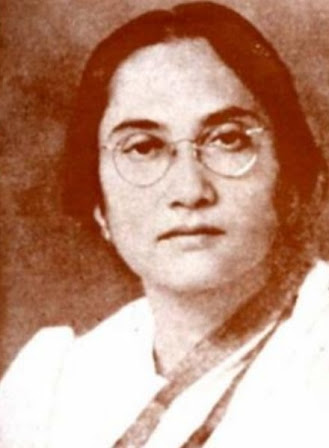
4.Kamini Roy was a Bengali poet, social worker, and feminist in British India. She was the first woman honors graduate in British India.
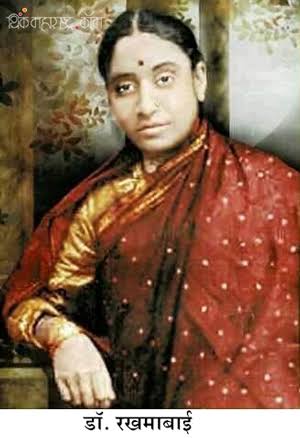
5.Rukhmabai was an Indian physician and feminist. She is best known for being one of the first practicing women doctors in colonial India
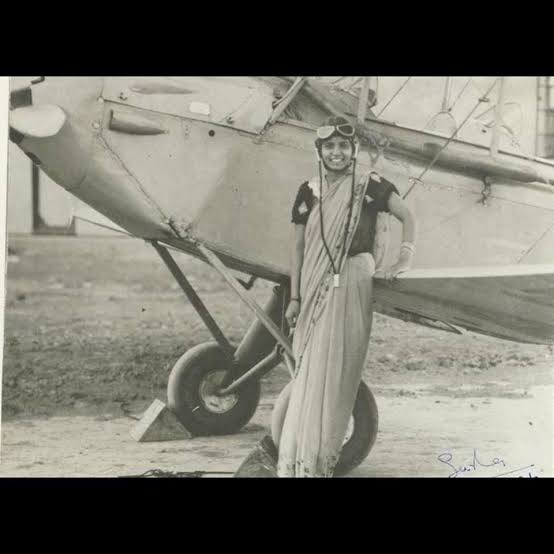

6. Sarla Chakra was the first Indian woman to fly an aircraft,she earned an aviation pilot license in 1936 at the age of 21 and flew a Gypsy Moth solo.

7.Durba Banerjee was the first pilot of Indian Airlines in 1956 and the first Indian woman commercial pilot.
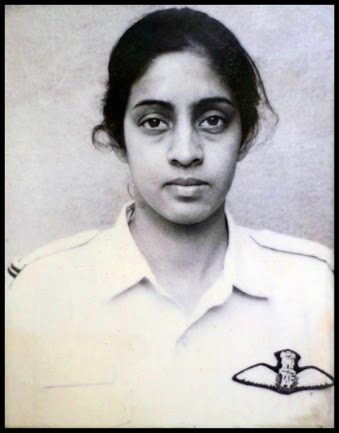
8.Harita Kaur Deol was the first woman pilot to fly solo in Indian Air Force 1994
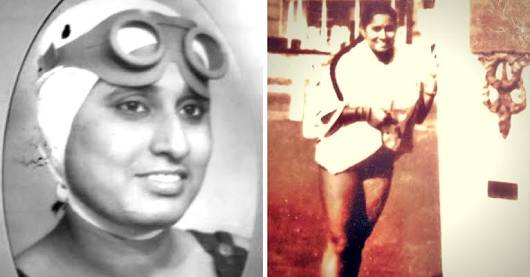
9.Arati Saha was an Indian long distance swimmer, best known for becoming the first Asian woman to swim across the English Channel in 29 September 1959. 

10.Bachendri Pal became the first Indian woman to reach the summit of Mount Everest In 1984. 

11. Arunima Sinha is the first female amputee to climb Mount Everest. She is also the first Indian amputee to climb the Everest
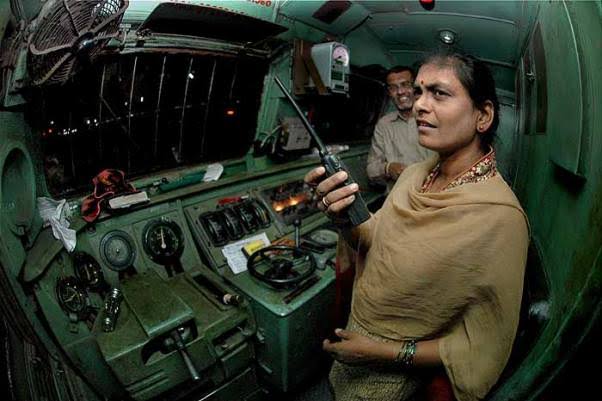
12. Surekha Shankar Yadav is a female loco pilot of the Indian Railways in India. She became India’s first female train driver in 1988.

13.Shila Dawre became the country’s first woman auto-rickshaw driver when she first stepped into the ‘male-dominated’ zone in the year 1988. 

14.Roshini Sharma recently became the first Indian woman to ride a motorbike from Kanyakumari to Kashmir.
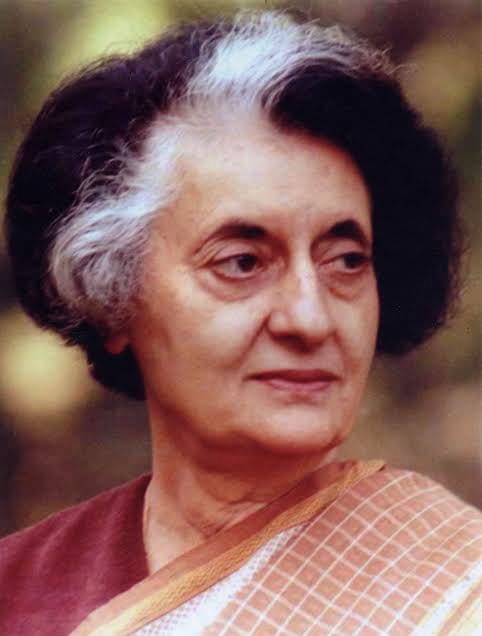

Indira Gandhi became the first woman Prime Minister of India and served from 1966 to 1977.1971, she became the first woman to receive the Bharat Ratna award.

Mother Teresa became the first Indian woman to win the Nobel Peace Prize in 1979
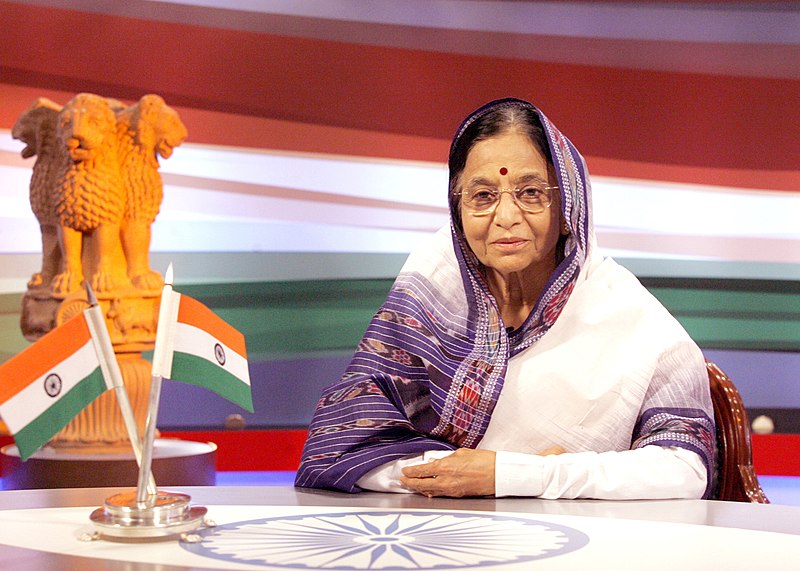
Pratibha Patil, Indian lawyer, and politician who was the first woman to serve as president of India (2007–12).

Justice M. Fathima Beevi became the first female judge who was appointed to the Supreme Court of India in 1989. 
Isha Basant Joshi She was the first woman ICS officer of British India

Kiran Bedi, joining Indian Police Service (IPS) in 1972, Kiran Bedi became the first woman officer in India.
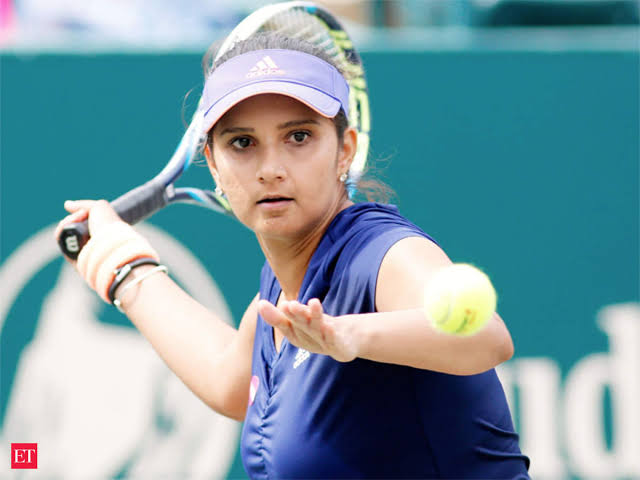

Sania Mirza,a professional tennis player, became the first ever Indian woman to win the Women’s Tennis Association (WTA) title in 2005.

Mangte Chungneijang Mary Kom, also known as Mary Kom is the only woman boxer who has won a medal in each of the six World Championships. 

Mithali Raj was the first woman to score a double hundred in Test Cricket (214* against New Zealand at Wellington, 2004). 

Kalpana Chawla was an American astronaut, engineer, and the first woman of Indian origin to go to space. She first flew on Space Shuttle Columbia in 1997 
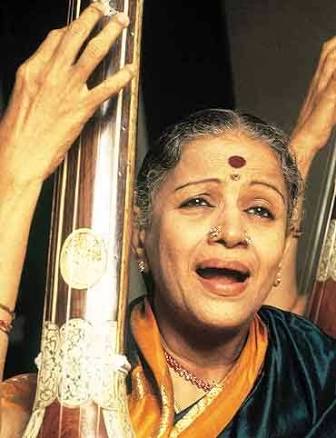
Bharataratna Madurai Shanmukhavadivu Subbulakshmi was an Indian Carnatic singer from Madurai, Tamil Nadu. She was the first musician ever to be awarded the Bharat Ratna, India’s highest civilian honour. 

Homai Vyarawalla, commonly known by her pseudonym Dalda 13, was India’s first woman photojournalist

13 REASONS WHY! Ever wondered about the mystery behind some common Hindu traditions? Here’s what science has to say!

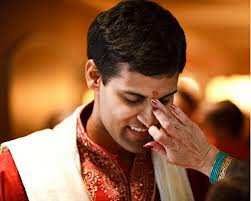
1) Tilak on forehead

The  circularspot between the eyebrows  is viewed as a significant nerve point in the human body. A tilak is accepted to forestall the loss of vitality, and hold this to control different degrees of focus. In addition, the demonstration of applying this guarantees the focuses on the mid-temple area and Adnya-chakra are squeezed, encouraging blood gracefully to the facial muscles and ensuring the natural glow.

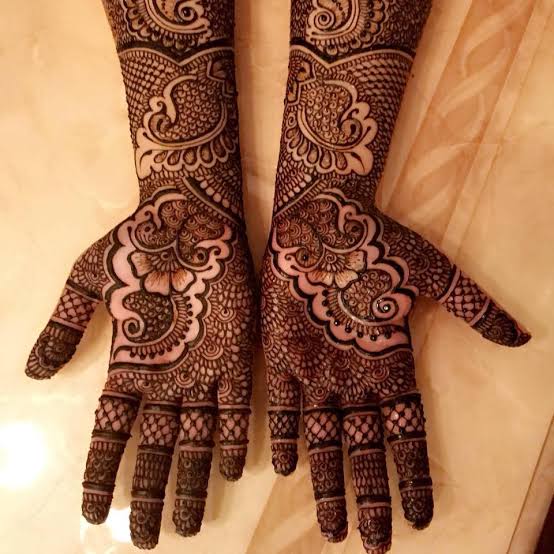
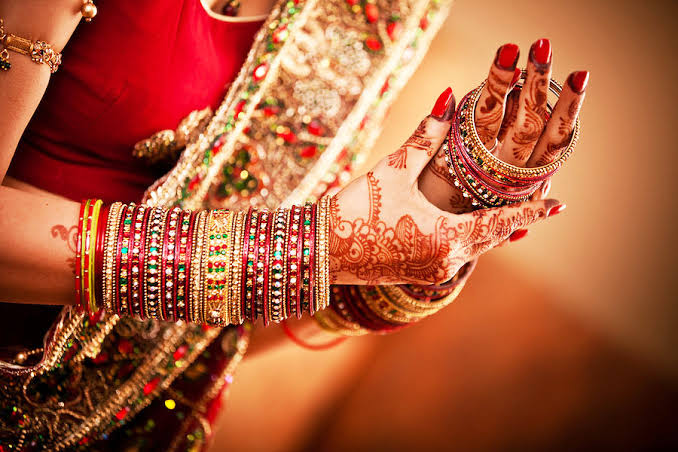
2) Mehendi on palms

Mehendi is an incredible therapeutic herb, and its application on our palms and feet can pre-empt worry and nervousness during weddings, something which is really common in the first-time brides. Moreover, it cools the body and shields the nerves from being tensed.

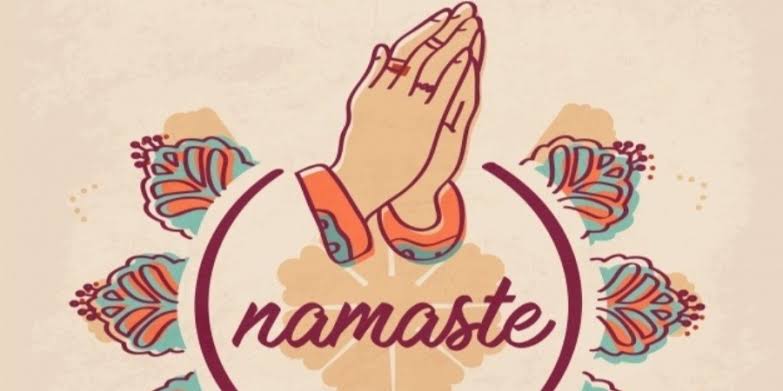
3) Namaste (Pranaam)

There is a logical purpose for the ‘Namaskar’ in Hindu culture. Joining two hands together guarantees contacting the tips of the considerable number of fingers together, which are connected to pressure focuses in the eyes, ears, and brain. Squeezing them together is said to actuate these, helping us recollect that individual moment for quite a while.

4) Ringing bells in the temples

Devotees strike the temple bells upon entering as its sound is said to clear our brain and assist us with remaining sharp, keeping our full fixation on dedication towards the almighty. Besides, these bells are made so that the sound they produce makes solidarity in the left and right pieces of our cerebrums. The term of the chime reverberation is perfect to enact all the seven recuperating focuses in our body, freeing us from antagonism.

5) Wearing bangles

Bangles cause steady grinding with the wrist which builds the blood flow level. Further more, the power dropping through external skin is again returned to one’s own body in light of the ring molded bangles.

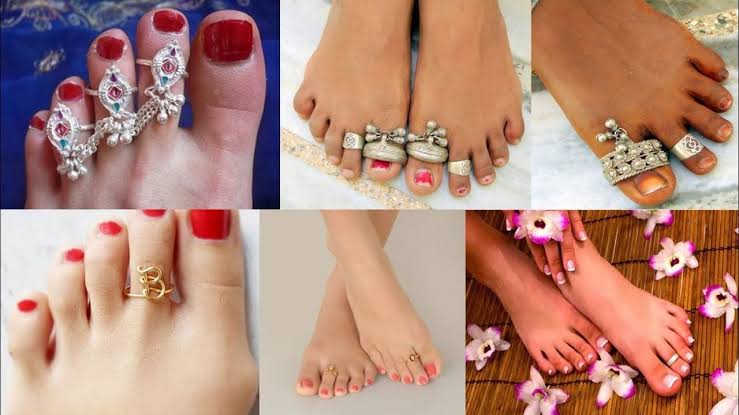
6) Toe rings (bichhiya)

Indian ladies regularly wear toe rings on the subsequent toe. A specific nerve from this associates the uterus and goes to heart. Along these nerve-endings, a toe ring on this toe reinforces the uterus, keeping it solid by directing the blood stream to it. Besides, a lady’s menstrual cycle is supposed to be regularized.

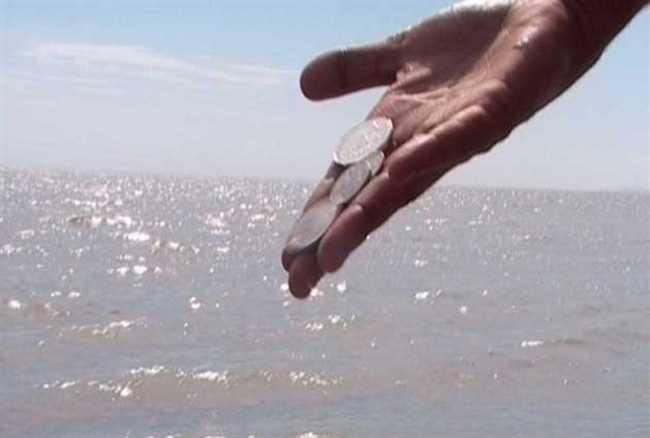
7) Tossing coins away in a holy stream or river

Verifiably, most money in the ancient period, was made of copper, an essential metal for the human body. Throwing coins in a holy water body was an approach to allow adequate copper, as a major constituent of water, to be consumed by us. As wells, drawing in water from these rivers were the main sources of drinking water.

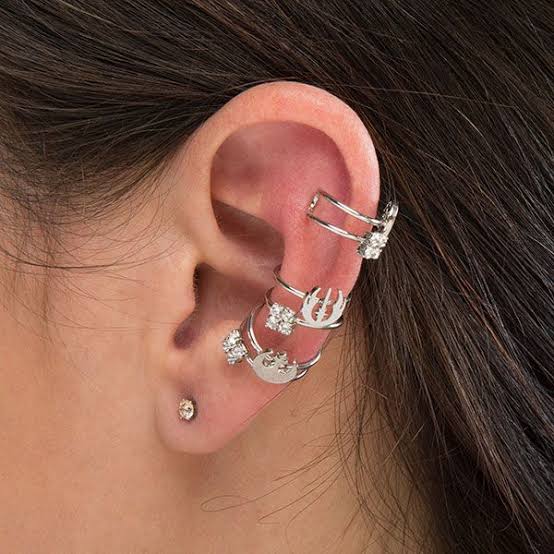
8) Piercing of the ears

Indian doctors and scholars have acknowledged that piercing ears helps in the advancement of mind, intensity of reasoning and dynamic resources. This is the scientific reason behind most of the indian ladies piercing their ears while also serving the purpose for jewellery.

9) Not laying down with your head pointing north

The human body has its own magnetic field, while the Earth, as we all know, is a mammoth magnet. At the point when you lay down with your head pointing north, your body’s attractive field gets hilter-kilter to the Earth’s, causing issues identified with circulatory strain since your heart needs to work more diligently so as to defeat this.

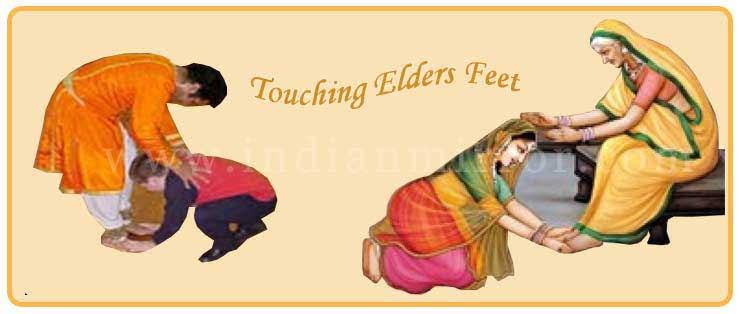
10) Touching the feet of elders (Charan Sparsh)

At the point when you contact the feet of the old, their hearts discharge positive considerations and vitality, which they transmit through their hands and toes. Basically, the finished circuit empowers stream of vitality and increments grandiose vitality, turning on a soulful associate between two personalities and hearts. Your fingers and palms become the ‘receptor’ of vitality and the feet of the other individual become the ‘supplier’ of vitality.

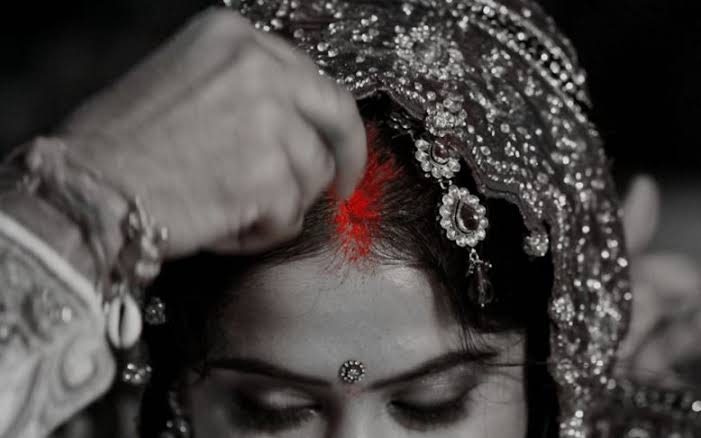
11) Sindoor

Sindoor is set up by blending turmeric, lime and the metal mercury. Because of its inborn properties, mercury controls pulse and enacts oxytocin production. Along these lines, sindoor ought to be applied right upto the pituitary organ where every one of our sentiments are focused.

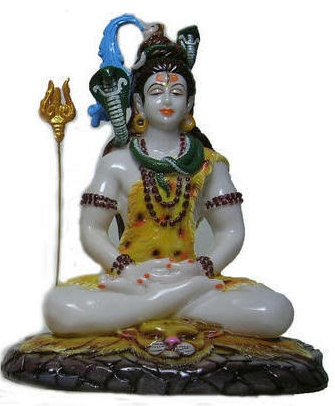
12) Idol Worship

Hinduism engenders idol venerate much more than any other religion does. This was started to expand focus during supplications or prayers. As per therapists, a man will shape his musings in accordance to what he sees.

13) Fasting on felicitous occasions

Ayurveda sees the fundamental reason for some infections as the amassing of poisonous materials in the stomach related framework. Ordinary purifying of poisonous materials keeps one sound. By fasting, the stomach related organs get rest and all body components are purified and rectified.

Indian culture now v/s then

It’s been seventy three years from the day we got independent on, i. e. 15th August 1947 and we have achieved every heights of success which our leaders and freedom fighters wished for. People have sank into a more humanitarian approach rather than blindly believing into the facts and the follies which their religion has provided them through oral transmissions, and long narrative hyms over a long period of time. Althoug there still exist such a people who do not find it a good idea to leave behind the essence of what our legendary elders and policymakers have left behind.

Indian culture then-

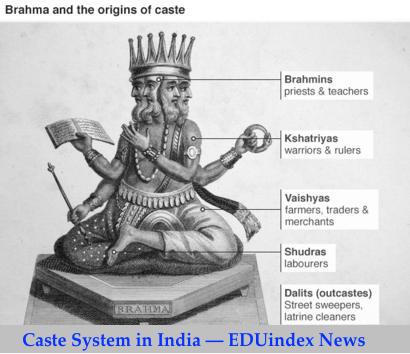
It was in 1500 B.C. when human civilization in India get back on its track and adopted new techniques and the other modes of earning for their livelihood. And it was only back in that period of time when scriptures such as Rigveda,Dharmasutra and Dharmashastra were being written by the literates of this country, and society undergone several changes;they became more concerned fortheir religion and religious practices, followed every path of the Brahmanas who were then the superior of all the four vranas and eventually discovered a perpetual lifestyle for themselves.

Gradually they started worshiping a numerous number of major and local deities, such as Indra, agni, etc. And it all resulted into whole of a superstitious society. But the situation was not tensed back then until the country turned into a secular state.

Indian culture now-

As soon as we (Indians)moved to a more secular state, the feelings of inferiority, superiority also rose to a level that it turned into communal riots and the feeling of disrespect and disbelief in their own religion. Though the article 25 of the Constitution of our country provides us with the feature of –

Freedom of conscience and free profession, practice and propagation of religion.

And therefore there couldn’t have been any complications in following any religion,but the real problem lies within the society itself,they unseeingly follow their religion. And that is the reason people have moved to a humanitarian approach to follow their culture. They try and stick to the core of their religion and are not tricked easily into believing the obnoxious imposture of their own religion and some of the cultural beliefs.

The tough tug and war between the early religious practices and today’s approach towards these practices is endless. And, though most of the people have moved on into thinking their culture and religious beliefs as hoax, there’s something original in those religious books and practices which still binds millions of Indians together, also providing to us a quality of facts that abidingly focus on human progress.