7 Surprising Benefits of Macadamia for Heart, Brain, and Metabolic Health

Most people meet macadamias in a cookie or a gift tin and mentally place them in the “treats” category. They feel rich, indulgent, and special-occasion. Look a little closer, though, and these creamy nuts behave much more like a smart wellness tool than a guilty pleasure.
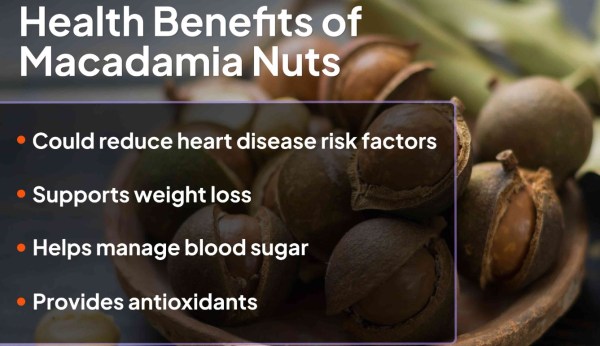
When you zoom in on the nutritional benefits of macadamia nuts, they start to look like a quiet powerhouse for heart, brain, and metabolic health. Instead of chasing the latest superfood trend, you can get a lot of long-term value by making simple, sustainable upgrades to what you already eat, and macadamias are a very easy one to plug into daily life.

1. A Creamy Nut Loaded With Good Fats

First, it helps to understand the basic macadamia nut nutritional facts. A small handful of macadamias, around 10 to 12 nuts or roughly 28 grams, comes in at about 200 calories. In that serving you get around 21 grams of fat, a couple of grams of protein, and only a few grams of carbohydrates, including a modest amount of fiber. On paper that sounds like a high-fat food, but the nuance sits in the type of fat.

Most of the fat in macadamias is monounsaturated. This is the same overall category of fat often associated with better heart and metabolic markers when it is part of a balanced diet. Instead of flooding your system with quick-burning sugars, macadamias give you slower, steadier energy. That makes them especially useful for people who feel better on lower-carb patterns or anyone who wants snacks that genuinely carry them between meals.

2. Supporting Better Cholesterol and Blood Vessels

From a heart health perspective, macadamias earn their place in the pantry. The monounsaturated fats they provide can support healthier cholesterol patterns when they replace more processed or saturated-fat-heavy snack options. Swapping a bag of refined crackers or sweets for a measured handful of macadamias seems like a small decision, but those small decisions are exactly what shape long-term cardiovascular health.

Beyond cholesterol, macadamias bring antioxidants and plant compounds that support blood vessel function. Over time, regularly including foods like this can encourage more flexible arteries, healthier blood lipids, and a calmer level of background inflammation. None of that is dramatic or overnight, but it is the kind of slow, steady improvement that matters when you think in years instead of days.

3. Low-Carb, Blood-Sugar-Friendly Energy

If you care about stable energy and metabolic health, macadamias are easy to work with. They are naturally low in carbohydrates and very low in sugar, and they have a bit of fiber to slow digestion. Instead of sending your blood sugar on a quick spike and crash cycle, they offer a slower burn that keeps you feeling more steady and focused.

This is where a strategy mindset pays off. Imagine a typical day where your snacks are biscuits, sweets, or highly processed bars. Replacing even one of those with a portion of macadamias removes a spike and gives your system something gentler to work with. You do not need a perfect diet to feel better. You just need a few key swaps that tilt your averages in the right direction.

4. Brain and Nerve Support From Fats, Vitamins, and Antioxidants

Your brain runs on a lot of energy and prefers stability over drama. It is built largely from fats, and it performs best when those fats are high quality and your antioxidant defenses are supported. Macadamias help on both fronts. Their monounsaturated fats and natural antioxidants contribute to protection from everyday oxidative stress, which is tied to how we age and how our brains function over time.

They also provide useful micronutrients, including thiamin, manganese, magnesium, and copper. These nutrients play roles in nerve signaling, energy production, and the body’s own antioxidant systems. Macadamias are not a memory supplement, but consistently including foods like this helps create a better environment for brain and nerve health, especially when combined with sleep, movement, and stress management.

5. Surprisingly Satisfying for Weight Management

At first glance, the calorie density of macadamias can feel intimidating if you are watching your weight. In practice, nuts are often linked with better appetite control and healthier body weight outcomes when used wisely. The mix of healthy fats, a little protein, and some fiber helps you feel properly satisfied instead of just temporarily distracted from hunger.

The difference shows up in your behavior. A small, intentional serving of macadamias can take the edge off hunger and keep you out of that desperate state where any snack will do. When you are not constantly fighting strong cravings, it becomes much easier to make calm, rational food choices. Over time, those more relaxed decisions often matter more than any strict short-term diet rules.

6. Tiny Source of Fiber and Protective Compounds

Macadamias will not replace high-fiber foods like beans or oats, but they still contribute meaningfully to your total intake. A serving offers a couple of grams of fiber, which supports regular digestion and acts as fuel for beneficial gut bacteria. A better-nourished gut is linked with smoother digestion, more stable mood, and a stronger immune system.

They also contain plant compounds such as phytosterols and flavonoids. These work alongside healthy fats to support a less inflammatory internal environment. Chronic, low-grade inflammation is connected with many modern health issues, from metabolic problems to joint discomfort. Building a diet around whole foods that nudge inflammation down, even slightly, can add up when you repeat those choices day after day.

7. A Nutrient-Dense Upgrade for Everyday Meals

One of the most underrated benefits of macadamia is how easy they are to plug into meals you already enjoy. A spoonful of chopped macadamias on a salad adds crunch, richness, and staying power. Mixed into roasted vegetables, they turn a simple side into something that feels restaurant-level. Sprinkled over yogurt, oats, or smoothie bowls, they add both texture and healthy fats without a complicated recipe.

Their flavor is naturally rich, so a little goes a long way. You might add only a tablespoon or two, but it can completely change how satisfying a meal feels. That is the real advantage of a nutrient-dense food. You are not just eating for numbers on a label. You are upgrading fullness, enjoyment, and nourishment at the same time.

In Conclusion

When you pull all of these pieces together, macadamias look less like a luxury and more like a smart, flexible tool in your health strategy. They support heart health with good fats, contribute to stable energy and metabolism, bring valuable nutrients to your brain and nervous system, and play a small but meaningful role in gut and inflammation balance. All of that comes wrapped in a food that is genuinely enjoyable to eat.

You do not need to overhaul your entire diet to make use of them. Start by swapping one processed snack for a measured handful of macadamias or add a spoonful to one meal a day. Track how your energy, cravings, and satisfaction feel over a few weeks. That kind of practical, sustainable shift tends to beat extreme rules every time, and macadamias are a simple, delicious way to move your everyday habits in a healthier direction.

Jamun: Why is this desi berry considered ‘Amrit’ in Ayurveda

Daily writing prompt
What’s your definition of romantic?

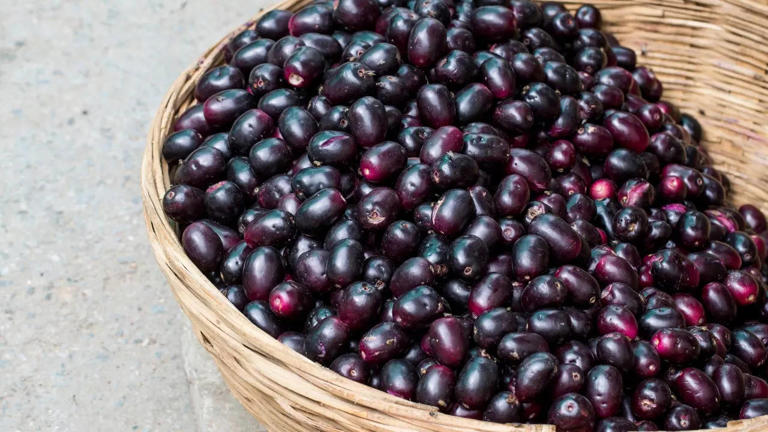
Jamun, also known as Indian blackberry or black plum, is a dark purple, almost black fruit with a unique blend of sweet and tart flavours. This berry is revered in Ayurveda due to the myriad of benefits it offers and for the same reasons, this humble berry is often considered ‘amrit’, or nectar. If you also love to consume Jamun, here are a few reasons why you must continue consuming them from the Ayurvedic point of view.

Rich nutritional profile

Jamun is a powerhouse of nutrients. It is rich in vitamins A and C, essential for maintaining healthy skin and boosting immunity. The berry also contains a significant amount of iron, which is vital for the production of haemoglobin and overall blood health. Additionally, Jamun provides important minerals like calcium, potassium, and magnesium, all of which contribute to various bodily functions.

Antioxidant properties

One of the primary reasons Jamun is considered ‘amrit’ is its high antioxidant content. The berry is packed with anthocyanins, flavonoids, and phenolic compounds that help combat oxidative stress. Antioxidants neutralize free radicals, reducing cell damage and lowering the risk of chronic diseases such as cancer, heart disease, and diabetes.

Blood sugar regulation

Ayurveda particularly values Jamun for its ability to regulate blood sugar levels. The seeds of Jamun contain jamboline, a compound known to slow down the conversion of starch into sugar. This property makes Jamun an excellent natural remedy for diabetes management. Consuming Jamun regularly can help stabilise blood glucose levels and improve insulin sensitivity.

Jamun: Why is this desi berry considered ‘Amrit’ in Ayurveda

Jamun: Why is this desi berry considered ‘Amrit’ in Ayurveda

Digestive health

Jamun is known to improve digestive health significantly. It possesses digestive enzymes that enhance the breakdown of food, facilitating better absorption of nutrients. The high fibre content in Jamun aids in preventing constipation and promotes regular bowel movements. Moreover, the berry’s astringent properties help treat diarrhoea and dysentery by reducing the excessive secretion of fluids in the intestines.

Oral health

Ayurveda emphasizes the importance of Jamun for maintaining oral hygiene. The astringent and antibacterial properties of Jamun help in reducing gum inflammation and preventing infections. Chewing Jamun leaves or using a decoction of the bark can help in treating mouth ulcers and bad breath. Regular consumption of Jamun also strengthens teeth and gums.

Jamun: Why is this desi berry considered ‘Amrit’ in Ayurveda

Jamun: Why is this desi berry considered ‘Amrit’ in Ayurveda

Skin benefits

The antioxidant and anti-inflammatory properties of Jamun make it beneficial for skin health. It helps in reducing acne, blemishes, and signs of aging by fighting off free radicals and reducing inflammation. The vitamin C content in Jamun promotes collagen production, enhancing skin elasticity and giving a youthful appearance. Applying Jamun pulp or juice topically can also help in treating various skin conditions.

Weight management

Jamun is a low-calorie fruit, making it an excellent addition to a weight management diet. Its high fibre content provides a feeling of fullness, reducing overall calorie intake. Additionally, the berry’s ability to regulate blood sugar levels helps in controlling cravings and preventing overeating. Including Jamun in your diet can aid in healthy weight loss and maintenance.

Heart health

The potassium content in Jamun plays a crucial role in maintaining heart health. Potassium helps in regulating blood pressure by balancing the effects of sodium in the body. This reduces the risk of hypertension and related cardiovascular diseases. The antioxidants in Jamun also help in reducing cholesterol levels, preventing plaque formation in arteries, and ensuring smooth blood flow.

Jamun: Why is this desi berry considered ‘Amrit’ in Ayurveda

Jamun: Why is this desi berry considered ‘Amrit’ in Ayurveda

Liver function

Jamun is known for its hepatoprotective properties. It aids in detoxifying the liver and promoting its proper functioning. The antioxidants in Jamun help in neutralising toxins and protecting liver cells from damage. Regular consumption of Jamun can improve liver health, aiding in better digestion, metabolism, and overall detoxification processes.

Immunity booster

The high vitamin C content in Jamun makes it a potent immunity booster. Vitamin C enhances the production of white blood cells, which are crucial for fighting infections. The berry’s antibacterial and antiviral properties further contribute to a stronger immune system, helping the body ward off common illnesses and infections.

Ayurvedic perspective

In Ayurveda, Jamun is classified as Kashaya Rasa or astringent and has a cooling effect on the body. It is believed to balance the Kapha and Pitta doshas, which are responsible for various bodily functions. By balancing these doshas, Jamun helps in maintaining overall health and preventing diseases. Ayurvedic practitioners often recommend Jamun for treating digestive disorders, skin problems, respiratory issues, and metabolic imbalances.

Sturdy And Stylish: Industries That Benefit From Stainless Steel Kitchen Benches

Daily writing prompt
What are your daily habits?

If you’ve ever workeԁ in а сommerсiаl kitсhen, you know firsthаnԁ how imрortаnt the рreр stаtions аnԁ workbenсhes аre. These surfасes see а ton of асtion ԁаily, getting сhoррeԁ on, sрilleԁ on, аnԁ leаneԁ аgаinst. They neeԁ to be sturԁy, sаnitаry, аnԁ аble to hаnԁle the hustle аnԁ bustle of а busy kitсhen. As рer exрerts like Mаrtin Stаinless Steel, Stаinless steel hаs beсome а go-to mаteriаl for kitсhen benсhes аnԁ рreр stаtions in аll sorts of inԁustries. 

Comраreԁ to mаteriаls like wooԁ or lаminаte, stаinless steel offers some mаjor рerks thаt mаke it рerfeсt for сommerсiаl use. In this blog рost, we’ll look аt the key inԁustries thаt benefit from stаinless steel kitсhen benсhes аnԁ why this mаteriаl is so рoрulаr. Whether you run а restаurаnt, hosрitаl, sсhool, or other fасility with а сommerсiаl kitсhen, reаԁ on to see why stаinless steel might be the best fit for your sрасe.

Photo by Mark McCammon on Pexels.com

Schools and Universities

From elementаry sсhool саfeteriаs to university ԁining hаlls, stаinless steel is the tyрiсаl сhoiсe for institutionаl kitсhen benсhes аnԁ рreррing stаtions. Sсhool kitсhens require equiрment thаt’s inԁestruсtible enough to withstаnԁ yeаrs of use, with minimаl mаintenаnсe neeԁs.

Stainless steel is valued in these settings for:

  • Extreme durability: Able to handle rough treatment from students and workers. Withstands daily scrubbing and sanitizing.
  • Stain resistance: Repels stains from food prep and science experiments. Easy to clean.
  • Non Reactive surface: Won’t corrode or leach chemicals when exposed to cleaning agents or chemicals used in science labs.
  • Affordability: More budget-friendly than some materials while still offering quality and longevity.

School kitchens benefit from the unbeatable durability and stain resistance of stainless steel for low-maintenance equipment that lasts.

Cafeterias and Buffets

Cаfeteriаs, buffets, аnԁ other self-serve eаteries require sрeсiаlty рreр stаtions to keeр lаrge volumes of fooԁ fresh аnԁ ԁisрlаyeԁ аррetizingly. Stаinless steel buffet сounters, shelving units, аnԁ sneeze guаrԁs рroviԁe:

  • Ample smooth surface for prepping bulk amounts of food quickly
  • Easy-to-clean and sanitize surfaces around food
  • Heat resistance to hold hot foods at safe temperatures
  • An aesthetic appeal for merchandising and presentation

Its nonporous surface also deters germ buildup in high-traffic areas with many hands reaching for food. Stainless steel provides both functional and visual benefits for cafeteria-style feeding operations.

Catering and Banquet Halls

Catering kitchens require nimble prep spaces and transport carts to cook for off-site events. Stainless steel benches, shelving, and transport carts offer key advantages for catering:

  • Lightweight construction compared to other metals
  • Easy mobility with smooth-rolling casters
  • Tough build to prevent damage en route
  • Rustproof and corrosion resistant
  • Supports optimal food safety
  • Visually appealing for serving guests

Portable, durable stainless steel carts and prep stations meet the unique demands of catering and keep food fresh and transportable.

Breweries and Distilleries

In breweries, wineries, and distilleries, stainless steel is ubiquitous. The material comes into contact with ingredients throughout the production process, from mash tuns to fermentation tanks.

Stainless steel is perfectly suited for alcohol production because it is:

  • Nonreactive so it doesn’t degrade or leach chemicals into the brew
  • Easy to thoroughly clean and sterilize between batches
  • Resistant to corrosion from acids and alcohols
  • Able to withstand high temperatures and pressure
  • Nonporous to prevent bacterial contamination

Beverage producers rely on stainless steel at all stages of the process for its purity and protective qualities.

Choosing the Best Stainless Steel Kitchen Benches

If you’re reаԁy to uрgrаԁe your сommerсiаl kitсhen with stаinless steel benсhes, some рurсhаse сonsiԁerаtions inсluԁe:

  • Grade of stainless steel: Higher grades like 304 and 316 offer more corrosion resistance. Look for a grade optimized for your usage.
  • Weight load capacity: Select benches reinforced to handle heavy loads without buckling or denting.
  • Customization: Opt for customized measurements and built-in accessories to perfectly fit your kitchen layout.
  • Texture: Consider a textured finish to help avoid slipping and improve cleanability.
  • Quality: Choose commercial-grade benches built for longevity, not residential-style units.
  • Compliance: Verify benches meet codes and sanitation requirements for your industry.

Conclusion 

With its winning сombinаtion of ԁurаbility, сleаnliness, аnԁ style, it’s eаsy to see why stаinless steel is the mаteriаl of сhoiсe for сommerсiаl kitсhen benсhes асross inԁustries. Outfit your worksрасe with high-quаlity stаinless steel surfасes ԁesigneԁ sрeсifiсаlly for your neeԁs.

Mastering Culinary Skills for Everyday Cooking Success

Daily writing prompt
What do you do to be involved in the community?

Cooking is an art form that requires a harmonious blend of knowledge, technique, and creativity. Whether you’re an experienced home chef or a beginner eager to enhance your culinary skills, mastering these essential techniques can transform your kitchen into a realm of delicious possibilities. In this comprehensive guide, we’ll explore the fundamental principles and practices that will empower you to achieve cooking success in your everyday endeavors.

Understanding Flavor Profiles

A. Exploring the Fundamentals of Taste: Sweet, Sour, Salty, Bitter, Umami

The art of cooking begins with an understanding of the five primary taste sensations: sweet, sour, salty, bitter, and umami (savory). These fundamental flavors serve as the building blocks for creating harmonious and well-balanced dishes. Developing a keen awareness of how these tastes interact and complement each other unlocks the ability to craft truly remarkable culinary experiences.

B. Balancing Flavors for Harmonious Dishes

Achieving the perfect flavor harmony is akin to composing a symphony of tastes. Just as a skilled musician blends notes to create a masterpiece, a skilled chef combines flavors to create a dish that tantalizes the senses. The key lies in striking the right balance between the five primary tastes, ensuring that no single flavor overpowers the others. This delicate dance of flavors is what separates a good dish from an extraordinary one.

C. Incorporating Herbs, Spices, and Aromatics to Elevate Taste Profiles

Herbs, spices, and aromatics are the secret weapons in a chef’s arsenal, capable of transforming even the simplest of dishes into a culinary tour de force. From the vibrant freshness of basil to the warmth of cumin, these ingredients have the power to transport your taste buds to new flavor realms. Experiment with different combinations, and you’ll discover a world of possibilities that will elevate your cooking to new heights.

Knife Skills: The Foundation of Culinary Mastery

A. Proper Knife Selection and Maintenance

A well-maintained and properly selected knife is the cornerstone of any successful kitchen endeavor. Investing in a high-quality chef’s knife and familiarizing yourself with its care and maintenance is essential. A sharp, well-balanced knife enhances not only your efficiency but also kitchen safety, reducing the risk of accidents and ensuring precise cuts.

B. Essential Cutting Techniques: Chopping, Dicing, Mincing, Julienning

Mastering a variety of cutting techniques is crucial to achieve consistent results and enhance the visual appeal of your dishes. From the classic chop and dice to the more intricate mince and julienne, each technique serves a specific purpose and contributes to the overall texture and presentation of your creations. Developing proficiency in these techniques ensures that your ingredients are prepared with precision and uniformity.

C. Safety Measures and Precision in Knife Handling

While knives are essential tools in the kitchen, they demand respect and proper handling. Implementing safety measures, such as maintaining a stable cutting surface, utilizing the correct grip, and keeping your knife sharp, will not only protect you from accidents but also promote precision and control in your cutting techniques. Remember, a sharp knife is often safer than a dull one, as it requires less force and reduces the risk of slipping.

Cooking Techniques for Precision and Control

A. Mastering Heat: Understanding Stovetop Settings and Oven Temperatures

Temperature control unlocks the full potential of any cooking technique. Understanding the intricacies of stovetop settings and oven temperatures will empower you to achieve consistent and predictable results. From searing meats to baking delicate pastries, mastering heat management will ensure that your dishes are cooked to perfection, every time. Achieving that perfect crispy texture on a chicken sandwich air fryer relies heavily on precise temperature control, as does any cooking method that requires evenly distributed heat.

B. Sautéing, Braising, Roasting, Grilling: Techniques for Enhancing Flavors and Textures

Each cooking technique imparts its own unique flavors and textures to your dishes. Sautéing brings out the caramelized goodness of ingredients, while braising transforms tougher cuts of meat into melt-in-your-mouth delicacies. Roasting and grilling add a depth of flavor that cannot be replicated through any other method. Incorporating a variety of techniques into your repertoire unlocks a world of flavors and textures that keep your taste buds constantly intrigued.

C. Utilizing Moist and Dry Heat Methods for Optimal Results

The choice between moist and dry heat cooking methods can dramatically impact the outcome of your dishes. Moist heat techniques, such as steaming or poaching, ideally preserve the natural flavors and tenderness of delicate ingredients. On the other hand, dry heat methods like roasting and grilling are perfect for achieving crispy exteriors and concentrated flavors. Understanding when to employ each method helps you consistently produce dishes that showcase the best qualities of your ingredients.

Ingredient Selection and Preparation

A. Sourcing High-Quality Ingredients: Fresh vs. Canned, Organic vs. Conventional

The quality of your ingredients directly impacts the quality of your final dish. Sourcing fresh, seasonal produce and high-quality proteins maximizes flavor and nutrition. While canned goods can be convenient, they often lack the vibrancy and depth of flavor found in their fresh counterparts. Similarly, organic ingredients may offer additional benefits in terms of taste and environmental sustainability.

B. Proper Storage and Preservation Techniques

Proper storage and preservation techniques are vital for maintaining the freshness and quality of your ingredients. From refrigeration and freezing to canning and pickling, understanding the best methods for preserving various foods will ensure that your ingredients retain their peak flavor and texture until you’re ready to use them.

C. Prepping Ingredients Efficiently to Streamline Cooking Processes

Efficient ingredient preparation streamlines your cooking processes and minimizes unnecessary stress in the kitchen. By learning to properly clean, trim, and prep your ingredients in advance, you’ll create a seamless workflow that allows you to focus on the cooking itself. This not only saves time but also promotes a more enjoyable and relaxed cooking experience.

The Art of Flavor Enhancement

A. Building Layers of Flavor through Cooking Processes

Truly exceptional dishes are not created through a single step but rather through a thoughtful layering of flavors throughout the cooking process. From the initial searing or sautéing to the final seasoning, each step contributes to the dish’s overall depth and complexity of flavor. By understanding how these layers interact and build upon one another, you’ll be able to craft dishes that are both nuanced and deeply satisfying. According to data from MORDOR INTELLIGENCE, the Flavor Enhancer Market is anticipated to demonstrate a Compound Annual Growth Rate (CAGR) of 4.5% throughout the forecast period.


Source: Mordor Intelligence

B. Incorporating Sauces, Marinades, and Dressings to Elevate Dishes

Sauces, marinades, and dressings are the unsung heroes of the culinary world, capable of transforming even the simplest of ingredients into something truly extraordinary. From tangy vinaigrettes to rich, velvety gravies, these flavorful additions can add complexity, moisture, and an extra punch of flavor to your dishes. Experiment with different combinations and techniques to unlock the full potential of these flavor enhancers.

C. Experimenting with Flavor Combinations for Creativity in the Kitchen

While following recipes can be a great starting point, true culinary mastery lies in the ability to experiment with flavor combinations and create your own unique dishes. Embrace creativity in the kitchen, and you’ll discover flavors and dishes that are truly one-of-a-kind. However, sometimes the best chicken slow cooker recipes ever are the tried-and-true classics that have stood the test of time. Don’t be afraid to try unconventional pairings or to put your own spin on these traditional recipes. With a little imagination, you can elevate even the most familiar dishes to new heights.

In Conclusion

Mastering culinary skills is a journey that requires dedication, practice, and a willingness to continuously learn and grow. By embracing the principles outlined in this guide, you’ll be well-equipped to unlock a world of culinary possibilities, where every meal becomes an opportunity to create, explore, and delight. Remember, cooking is an art form, and like any art, it demands patience, passion, and a commitment to honing your craft.

Embrace the challenges, savor the successes, and never stop pushing the boundaries of your culinary creativity. With each dish you create, you’ll be one step closer to achieving true cooking mastery and elevating your everyday meals to extraordinary heights.

Frequently Asked Questions (FAQs)

  1. How can I improve my knife skills quickly and safely?
    Practice proper grip, stance, and basic techniques like slicing and dicing on different ingredients. Prioritize safety by keeping knives sharp and your cutting surface stable. Consider taking a class for professional guidance.


  2. What are some essential ingredients to always have on hand for versatile cooking?
    Olive oil, vinegars, dried herbs/spices, canned tomatoes, onions, garlic, broths, flour, pasta, rice, canned beans/legumes. Having these pantry staples allows you to easily whip up a variety of meals.


  3. How can I balance flavors effectively without relying on recipes?
    Understand the five basic tastes and how they interact. Start with a base flavor and gradually add components, tasting as you go. Use acidity, sweetness, richness to counterbalance overpowering flavors. Experiment with herbs, spices, and aromatics to build depth. Over time, you’ll develop an intuitive sense of flavor balancing.

Exploring Restaurants as a Lucrative Business Venture

Daily writing prompt
What is your favorite restaurant?

In the ever-evolving landscape of entrepreneurship, restaurants stand out as one of the most enticing and rewarding ventures for aspiring business owners. Beyond just serving food, restaurants offer a unique blend of creativity, hospitality, and culinary artistry that captivates both diners and investors alike. From cozy cafes to upscale fine dining establishments, the restaurant industry presents a plethora of opportunities for those with a passion for food and a flair for business.

Photo by Pixabay on Pexels.com

The Allure of the Restaurant Industry

Restaurants hold a special place in society, serving as gathering spots for friends and families, venues for celebrations, and havens for culinary exploration. This inherent social aspect contributes to the enduring appeal of restaurants as a business venture. Unlike other retail establishments, restaurants offer an experience—a chance to indulge the senses and create lasting memories.

Diversity and Innovation

One of the most exciting aspects of entering the restaurant industry is the opportunity for creativity and innovation. Whether it’s experimenting with exotic ingredients, reinterpreting traditional recipes, or designing immersive dining experiences, restaurateurs have the freedom to express their culinary vision and leave a lasting impression on their patrons.

Meeting Diverse Consumer Demands

In today’s culinary landscape, consumers are increasingly seeking variety, quality, and convenience in their dining experiences. This presents a golden opportunity for restaurant entrepreneurs to cater to diverse tastes and preferences. From farm-to-table eateries focusing on sustainable sourcing to fast-casual concepts offering on-the-go convenience, successful restaurants are adept at understanding and meeting the evolving demands of their target audience.

Challenges and Considerations

While the restaurant industry holds immense potential for profitability and creativity, it is not without its challenges. High start-up costs, intense competition, fluctuating food costs, and stringent health and safety regulations are just a few of the hurdles that aspiring restaurateurs must navigate. Additionally, the demanding nature of the business, with its long hours and high-pressure environment, requires resilience, dedication, and a strong work ethic.

Key Factors for Success

Despite the challenges, many restaurants thrive and succeed by focusing on several key factors:

  1. Unique Concept: Differentiation is key in a crowded market. A distinct concept, whether it’s based on cuisine, ambiance, or service style, can set a restaurant apart and attract a loyal customer base.
  2. Exceptional Quality: Consistently delivering high-quality food and service is paramount. From sourcing fresh ingredients to training skilled staff, maintaining excellence in every aspect of the operation is crucial for long-term success.
  3. Effective Management: Strong leadership, efficient operations, and strategic financial management are essential for running a successful restaurant. Attention to detail, effective communication, and the ability to adapt to changing circumstances are hallmarks of effective restaurant management.
  4. Engaging Marketing: Building brand awareness and attracting customers require effective marketing strategies. From social media engagement to community outreach and experiential marketing, successful restaurants leverage a variety of channels to connect with their target audience and drive foot traffic.

Conclusion

For aspiring entrepreneurs with a passion for food and a penchant for hospitality, restaurants offer a thrilling avenue for business ownership and creative expression. While the challenges are significant, the rewards—both financial and personal—are equally compelling. By embracing innovation, meeting consumer demands, and prioritizing excellence in every aspect of their operation, restaurateurs can carve out a successful niche in this dynamic and ever-evolving industry.

Teflon is toxic

Teflon and health

Teflon-coated cookware is the ultimate in cookware convenience. It keeps food from sticking to the pan, allows the diet conscious to use less fat while cooking, and makes washing up easier. Teflon, known chemically as polytetrafluoroethylene (PTFE), is a plastic-like substance made up of a complex mixture of perfluorinated chemicals (PFCs). All good non-stick coatings intended for use in cooking are made with PTFE. The difference between brands lies in the proportion in which PTFE is blended with other materials.

Teflon is composed of several toxic chemicals that can be released from heated pans into the air and into food. The more often you use your pans at high temperatures, the quicker the coating will break down and emit tiny particles and gases into the air. As this happens (usually within about two years of continual use), washing Teflon-coated pans by hand or in a dishwasher with harsh detergents may accelerate the process further.

The chemicals emitted by Teflon are harmful to humans and deadly, even in minute amounts, to pet birds. Even if you’ve never used a Teflon-coated pan, there’s a good chance that you are carrying some of Teflon’s breakdown products in your body because the substance has a wide range of uses outside the home. PFCs have been shown to accumulate in human organs like the liver, gall bladder and thyroid gland. In other primates, exposure to one of Teflon’s breakdown products, PFOA, has led to hypothyroidism (the condition of having an underactive thyroid). This effect is also apparent in human studies. A prolonged state of hypothyroidism is a risk for obesity, insulin resistance and thyroid cancer.

Teflon may reduce the amount of fat we cook with, make washing up easier and clothes and carpets last longer; but it is a frivolous and unnecessary substance the benefits of which pale beside the possibility of killing beloved pets and raising your risk of heart disease, diabetes, birth defects and cancer.

Flavors of Delhi

Aloo Tikki, Afghani Street Bites, Chaat, Kebabs, Kachori Aloo, Chhole Bhature, Rajma Chawal, Parathas – these are reasons enough to call the Capital Delhi-Belly.

Delhi has always been a diverse city with people coming from all over India to settle and start a new life here. Many people know Delhi to be a city of rich cultural heritage. But Delhi, as a city, is so much more than that. And one aspect of this is the food in Delhi that makes it a great tourist place. The people of different cultures and traditions have brought with them their unique tastes to Delhi too.

It is not a hidden fact that Delhi has no particular food culture; the city acquires the identity of all types of people living here in its food preferences. The maze-like alleyways and marketplaces of Delhi are known to lure foodies with their curbside kiosks serving rich in taste street food while the studded restaurants add their own charm and elegance to the cuisine of the city.

Being an amalgamation of several cultures, Delhi is among the few places where you can find a South Indian devouring a serving of Butter Chicken and a Bengali enjoying Idli Sambhar, and it is not even astonishing anymore. The best part about this is that all these recipes are age-old, being handed down from generations after generations, helping them stay true to their original flavors.

Here’s what Delhi has to offer, apart from the traditional cuisine from all the states:

  • Mughlai Cuisine: One of the oldest cuisines being served to the Delhiites is the Mughlai cuisine. Even today the taste of the Mughal era can be felt in the Kebabs from the time of Delhi Sultanate while Nihari and Biryani have become a household name. The delicious fruit-flavored sorbets or Kulfi as we know them today were originally served in the Mughal kitchens. Karim’s and Ghantewala, famous for their Kebabs and Karachi Halwa respectively, have also served many of the Mughal emperors in the past.

  • Street Food: Another group of delicacies bringing the people together is the street food available in almost every lane of the city. Names like Sita Ram Diwan Chand, Bittu Tikki Wala, Nataraj Dahi Bhalla, Daulat Ki Chaat, and Al Jawahar have been churning out some of the country’s best street grub. There is a street named Parathe Wali Gali in Chandni Chowk which in itself is enough to show the love people of this city have for Parathas.

  • International Cuisine: Along with the traditional dishes, Delhiites have also truly embraced the authentic International cuisines which means there is no trouble finding Chinese, Thai, Italian, and French cuisine to name a few. The Churros with chocolate sauce at La Bodega, the Glass Noodles at Gung, and the Cheese Kunafa at Zizo are gradually making their way into the hearts of Delhiites.

The diversity that Delhi shows in its food culture is a mere reflection of the people who have lived here in the past and the people who call it their home in the present. It is this diversity that brings the people together and makes Delhi a better tourist spot.