Transformational Leadership in Innovations and Modernization Efforts

Daily writing prompt
What could you do more of?

Dr. Raj Vayyavur, Senior, IEEE

 rvayyavur@gmail.com

 Abstract— This paper explores the role of transformational leadership in driving innovations and modernization efforts within organizations. By synthesizing empirical research from the past two decades, we examine the key components of transformational leadership and their impact on organizational change, innovation processes, and modernization initiatives. The findings highlight the significant influence of transformational leadership on fostering a culture of innovation, enhancing employee creativity, and facilitating successful organizational transformations.

KeywordsTransformational Leadership, Innovation, Modernization, Organizational Change, Leadership Effectiveness, Employee creativity, Technology Integration

I. INTRODUCTION

    In an era of rapid technological advancements and global competition, organizations face the constant challenge of innovation and modernization. Transformational leadership has emerged as a critical factor in navigating these challenges successfully. This leadership style, characterized by idealized influence, inspirational motivation, intellectual stimulation, and individualized consideration [1], has been shown to play a pivotal role in driving organizational change and fostering innovation.

This paper aims to synthesize empirical research on transformational leadership and its impact on innovation and modernization efforts. By examining recent studies and meta-analyses, we seek to provide a comprehensive understanding of how transformational leaders influence organizational outcomes in the context of innovation and change.

II. Transformational Leadership: Theoretical FRAMEWORK

Transformational leadership theory, first introduced by Burns and further developed by Bass, posits that leaders can inspire and motivate followers to achieve extraordinary outcomes [2]. Bass and Avolio expanded on this concept, identifying four key components of transformational leadership [3]:

1. Idealized Influence:

Leaders serve as role models, earning respect and trust from followers.

2. Inspirational Motivation:

Leaders articulate a compelling vision and inspire enthusiasm for shared goals.

3. Intellectual Stimulation:

Leaders encourage creativity and innovation by challenging assumptions and seeking new ideas.

4. Individualized Consideration:

Leaders attend to individual needs and provide support for personal growth.

These components form the foundation for understanding how transformational leaders drive innovation and modernization within their organizations.

Fig.1. Transformational Leadership in Innovation & Modernization

III. Transformational Leadership & INNOVATION

Empirical research has consistently demonstrated a positive relationship between transformational leadership and innovation. A meta-analysis by Deng et al. found that transformational leadership significantly predicts individual and team-level innovation performance [4]. The study revealed that transformational leaders foster innovation by:

·         Creating a supportive climate for creativity and risk-taking

·         Encouraging divergent thinking and challenging the status quo

·         Providing resources and support for innovative projects

·         Recognizing and rewarding innovative efforts

These findings are supported by Greimel et al., who examined the role of transformational leadership in virtual teams [5]. Their integrative literature review highlighted that transformational leaders effectively promote innovation in digital environments by leveraging technology to inspire, stimulate, and support team members.

IV. Transformational Leadership in Modernization Efforts

Modernization efforts often involve significant organizational changes and the adoption of new technologies. Schmitz et al. investigated the impact of transformational leadership on technology integration in schools [6]. Their study revealed that transformational leaders:

·         Empower teachers to use technology in more demanding ways

·         Create a shared vision for technology integration

·         Provide individualized support to address teachers’ concerns and needs

·         Foster a culture of continuous learning and experimentation

These findings underscore the importance of transformational leadership in guiding organizations through complex modernization processes.

VI. Empirical Evidence from Recent Studies

    Recent empirical research has provided additional insights into the relationship between transformational leadership and innovation in various contexts:

  • Tegor et al. found that transformational leadership positively influences organizational competitiveness by enhancing employee skills and fostering innovation [9].
  • Ystaas et al. conducted a systematic review in the healthcare sector, revealing that transformational leadership improves patient outcomes by promoting innovative practices and creating a supportive work environment [10].
  • Kilag et al. demonstrated the positive impact of transformational leadership on educational innovation, highlighting its role in driving curriculum reforms and teaching methodologies [11].
  • Pratiwi and Amini showed that transformational leadership enhances lecturer involvement in higher education institutions, leading to increased innovation in teaching and research [12].
  • Asbari found that transformational leadership, combined with organizational structure and learning culture, significantly enhances school innovation capacity [13].

These studies collectively reinforce the crucial role of transformational leadership in driving innovation across various sectors and organizational types.

VII. Challenges and Future Directions

    While the positive impact of transformational leadership on innovation and modernization is well-established, several challenges and areas for future research remain:

Contextual Factors:

Lawrason et al. highlighted the need for more research on how contextual factors influence the effectiveness of transformational leadership development programs [14].

Virtual Environments:

Greimel et al. called for further investigation into the unique challenges and opportunities of transformational leadership in virtual teams [5].

Cross-cultural Applicability:

More research is needed to examine the effectiveness of transformational leadership across different cultural contexts [2].

Long-term Effects:

Longitudinal studies are required to assess the sustained impact of transformational leadership on innovation and modernization efforts over time.

Integration with Other Leadership Styles:

Future research should explore how transformational leadership can be effectively combined with other leadership approaches to maximize innovation outcomes [15].

VIII. CONCLUSION

    This review of empirical research demonstrates the significant role of transformational leadership in driving innovations and modernization efforts. By inspiring followers, fostering creativity, and creating a supportive environment for change, transformational leaders are uniquely positioned to guide organizations through the challenges of innovation and modernization. As organizations continue to face rapid technological advancements and global competition, the principles of transformational leadership offer a valuable framework for leaders seeking to drive positive change and innovation within their organizations.

Acknowledgment

    I would like to express my deepest gratitude to the researchers, scholars, practitioners, and experts whose invaluable contributions have laid the foundation for this research. Your dedication, insights, and pioneering work have been instrumental in shaping the understanding and knowledge within this field. Without your relentless pursuit of excellence, this research would not have been possible. Thank you for your commitment to advancing the boundaries of knowledge, which continues to inspire and guide future endeavors.

References

[1] B. M. Bass and R. E. Riggio, Transformational leadership. Psychology press, 2006.

[2] B. M. Bass, “Two decades of research and development in transformational leadership,” European journal of work and organizational psychology, vol. 8, no. 1, pp. 9-32, 1999.

[3] B. M. Bass and B. J. Avolio, “Transformational leadership and organizational culture,” Public administration quarterly, pp. 112-121, 1993.

[4] C. Deng, D. Gulseren, C. Isola, K. Grocutt, and N. Turner, “Transformational leadership effectiveness: an evidence-based primer,” Human Resource Development International, vol. 26, no. 5, pp. 627-641, 2023.

[5] N. S. Greimel, D. K. Kanbach, and M. Chelaru, “Virtual teams and transformational leadership: An integrative literature review and avenues for further research,” Journal of Innovation & Knowledge, vol. 8, no. 2, p. 100351, 2023.

[6] M. L. Schmitz et al., “Transformational leadership for technology integration in schools: Empowering teachers to use technology in a more demanding way,” Computers & Education, vol. 204, p. 104880, 2023.

[7] A. E. Rafferty and M. A. Griffin, “Dimensions of transformational leadership: Conceptual and empirical extensions,” The leadership quarterly, vol. 15, no. 3, pp. 329-354, 2004.

[8] M. M. Korejan and H. Shahbazi, “An analysis of the transformational leadership theory,” Journal of fundamental and applied sciences, vol. 8, no. 3, pp. 452-461, 2016.

[9] T. Tegor, J. Johannes, R. I. K. Jaya, and S. N. Thasimmim, “Skill, Transformational Leadership, And Competitiveness: Relationships In A Love Triangle,” Al-Tanzim: Jurnal Manajemen Pendidikan Islam, vol. 7, no. 2, pp. 422-434, 2023.

[10] L. M. K. Ystaas et al., “The impact of transformational leadership in the nursing work environment and patients’ outcomes: a systematic review,” Nursing Reports, vol. 13, no. 3, pp. 1271-1290, 2023.

[11] O. K. Kilag et al., “Transformational Leadership and Educational Innovation,” International Multidisciplinary Journal of Research for Innovation, Sustainability, and Excellence (IMJRISE), vol. 1, no. 1, pp. 110-114, 2024.

[12] S. N. Pratiwi and A. Amini, “Efforts to Increase Lecturer Involvement through Organizational Culture, Transformational Leadership and Economic Prosperity,” Al-Tanzim: Jurnal Manajemen Pendidikan Islam, vol. 7, no. 1, pp. 150-164, 2023.

[13] M. Asbari, “The Effect of Transformational Leadership, Organizational Structure and Learning Culture on School Innovation Capacity,” PROFESOR: Professional Education Studies and Operations Research, vol. 1, no. 02, pp. 22-32, 2024.

[14] S. V. Lawrason, R. B. Shaw, J. Turnnidge, and J. Côté, “Characteristics of transformational leadership development programs: A scoping review,” Evaluation and Program Planning, p. 102354, 2023.

[15] P. C. Susanto, L. Agusinta, A. Setyawati, and A. R. P. Panjaitan, “Determinant Organization Commitment and Development Organization: Analysis Servant Leadership, Transformational Leadership, Transactional Leadership,” Formosa Journal of Multidisciplinary Research, vol. 2, no. 3, pp. 541-558, 2023.

Dr. Raj Vayyavur (Senior, IEEE) is a distinguished transformation expert, practitioner, and leader in the IT field with over two decades of experience. He currently serves as the Director of Enterprise Architecture at Public Consulting Group (PCG). His comprehensive expertise spans Enterprise Architecture (EA), Artificial Intelligence (AI), Project Portfolio Management, Software Engineering, IT Management & Governance, and more. Dr. Vayyavur is renowned for his strategic vision, deep technological expertise, and strong business acumen, which he uses to lead transformative initiatives that align IT strategies with business objectives, driving organizational success and delivering measurable outcomes.

A prolific author, Dr. Vayyavur has published numerous research papers on technology, enterprise architecture, and project portfolio management, solidifying his position as a thought leader in the field. His work has been featured in leading journals and conferences, offering actionable insights and bridging the gap between theory and practice. He frequently speaks at prestigious forums, including IEEE conferences, where he shares his insights on the latest trends in technology and enterprise architecture.

Holding advanced degrees in Computer Science, Business Administration, an MBA, and a Doctorate, Dr. Vayyavur is committed to continuous learning and staying at the forefront of industry developments. His active participation in the IEEE and PMI communities, where he serves as a senior member, reviewer, judge, and chair for various committees, further reflects his dedication to advancing the field.

Through his visionary leadership, Dr. Vayyavur has set new standards for technology management, earning recognition as a sought-after transformation expert known for driving innovation and excellence in every project he leads.


Author Guidelines for the International Journal of Research (IJR)

Daily writing prompt
What things give you energy?

The International Journal of Research (IJR) welcomes submissions of high-quality research papers, review articles, and case studies from a wide range of disciplines. To maintain the highest standards, we request authors to adhere to the following guidelines while preparing and submitting their manuscripts.

Photo by Karolina Kaboompics on Pexels.com

1. General Submission Guidelines

  • Language: All papers must be written in English.
  • Originality: Submissions must be original and should not have been published or under consideration in any other journal or conference.
  • Plagiarism Check: All submissions are subject to plagiarism checks, and only papers that pass will be sent for peer review.

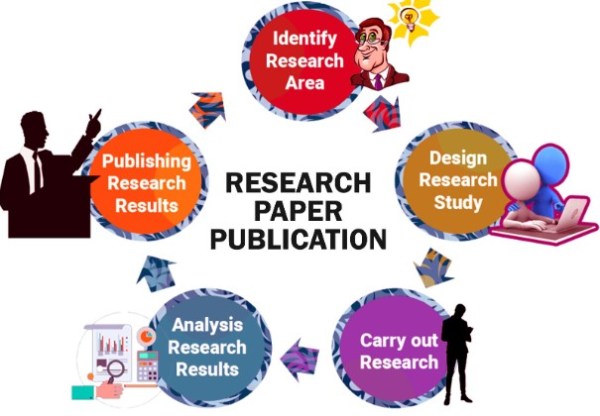
2. Manuscript Format

  • File Format: Manuscripts should be submitted in MS Word format (.doc or .docx).
  • Font and Size: Use Times New Roman, size 12, and 1.5 line spacing.
  • Margins: Maintain a margin of 1 inch on all sides.
  • Length: Papers should generally be between 3000 and 6000 words. Extended research papers or reviews may exceed this limit with prior approval.

3. Manuscript Structure

The manuscript should follow the structure below:

  • Title Page:
    • Title of the paper (clear and concise)
    • Author’s full name, affiliation, and contact details (email)
    • ORCID ID (if available)
    • A short bio (optional, around 100 words per author)
  • Abstract: Provide a brief summary of the research (150-250 words). It should include the research problem, methods, and key findings.
  • Keywords: Include 4-6 relevant keywords.
  • Introduction: Clearly state the research problem, objectives, and the relevance of the study.
  • Literature Review: Highlight previous research related to the topic and establish a gap in the literature.
  • Methodology: Describe the methods, tools, and techniques used in the research. Ensure sufficient detail is provided for replication.
  • Results: Present findings clearly and logically, supported by tables, graphs, or figures if necessary.
  • Discussion: Interpret the results and compare them with previous studies. Discuss implications, limitations, and future research directions.
  • Conclusion: Summarize key findings and their significance.
  • References: Follow APA or MLA citation style. All references must be cited within the text and listed at the end of the manuscript in alphabetical order.

4. Figures and Tables

  • Figures and tables should be included within the text, close to their first citation.
  • All figures should be of high resolution (300 DPI).
  • Each figure and table should have a brief descriptive title.

5. Ethical Considerations

  • Authorship: All contributors should be listed as authors. Anyone who made significant contributions to the research must be included.
  • Conflicts of Interest: Authors must disclose any financial or personal relationships that could inappropriately influence their research.
  • Informed Consent: For research involving human subjects, authors should confirm that informed consent was obtained from participants.

6. Submission Process

  • Online Submission: All manuscripts should be submitted via the IJR journal website [https://www.ijrjournal.com].
  • Peer Review: All submissions will undergo a double-blind peer review process. The review process generally takes 2-4 weeks.

7. Publication Fee

  • Authors are required to pay a nominal publication fee upon acceptance of the manuscript. Fee waivers or discounts are available for scholars from developing countries or those associated with non-profit organizations.

8. Post-Acceptance

Once the manuscript is accepted, authors will be asked to make necessary revisions, if any, and provide the final version. The final version must be in compliance with the formatting and structure guidelines mentioned above.

9. Copyright and Licensing

All accepted papers will be published under an open access model. Authors will retain the copyright of their work and grant IJR the right to publish the manuscript. The publication will be licensed under a Creative Commons Attribution License (CC BY), allowing free distribution and reproduction with proper citation.

10. Contact Information

For any questions or assistance, authors may contact the editorial team at editor@ijrjournal.com.

Discounted Book Publication offer for Readers of IJR from EduPub

Daily writing prompt
What would your life be like without music?

As a valued reader of the International Journal of Research (IJR), we are pleased to extend an exclusive offer for discounted book publication through EduPub. This special offer is designed to help scholars, researchers, and academicians publish their work affordably while maintaining high standards of quality and professionalism.

What We Offer:

  • Exclusive Discount: Avail up to 50% off on our book publication services, available only to IJR readers.
  • Professional Publishing Support: From editing and formatting to cover design, we ensure that your book is presented in the most professional way possible.
  • Global Reach & Visibility: Your book will be available in both digital and print formats, reaching a worldwide audience through multiple distribution platforms.
  • ISBN & DOI Assignment: We provide a unique ISBN and DOI for every published book, increasing your book’s discoverability in academic and research networks.
  • Fast Publication Process: We ensure a streamlined publishing experience with timely production and release of your book.

Who Can Benefit?

  • Researchers, scholars, and academicians from various fields looking to publish monographs, research works, or academic books.
  • Early-career researchers who wish to make their mark in academia.
  • Authors seeking affordable, high-quality publishing with global outreach.

Submission Process:

  1. Prepare your manuscript or book proposal with an abstract and table of contents.
  2. Ensure the content is original and follows academic writing conventions.
  3. Email your manuscript or proposal to editor@edupub.org with the subject line “IJR Reader Book Submission.”

How to Claim Your Discount:

  • Mention your IJR subscription or reference in the email to claim the discount.
  • Contact us for more details about additional discounts for scholars from developing countries and educational institutions.

This offer is available for a limited time, Submit your manuscript for review to ijr@ijrjournal.com

The Top Secrets of Successful Car Dealership Sales

Photo by Antoni Shkraba on Pexels.com

The art of car dealership sales lies not just in the sleek curvature of the cars on display or the finesse of negotiation skills but also heavily on the digital front line where the modern customer begins their journey. In today’s tech-savvy era, successful dealerships understand that an outstanding online presence is key to getting potential buyers to walk through their doors. Below, we unveil the top strategies dealerships must employ to stay ahead in the competitive digital landscape.

Understanding Your Market: SEO Keywords for Targeting Car Buyers

Identifying and utilizing the right SEO keywords is foundational to connecting with potential car buyers. It starts with thorough market research to understand customers’ terms and phrases when searching for their next vehicle. Whether they are looking for a fuel-efficient sedan or a sturdy pickup truck, pinpointing these keywords helps align your online content with consumer intent.

Once the target keywords are identified, incorporating them into your website’s content, from the homepage to the inventory listings, can significantly improve your site’s visibility in search engine results. This not only aids in attracting organic traffic but also increases the chances of matching the right buyer with their ideal vehicle on your lot.

SEO goes beyond mere keyword stuffing, however. It’s about crafting genuinely useful and engaging content for your audience. By providing valuable information that addresses your customers’ questions and pains, you build trust and authority in your niche, which search engines reward with higher rankings.

Crafting Compelling Vehicle Listings: Tips for Seo-Optimized Descriptions

A well-written vehicle listing can do more than inform; it can entice and engage potential customers. To create SEO-optimized descriptions, focus on including primary keywords naturally within the text. Describe the car’s features in a way that answers common queries, like gas mileage or safety ratings, which can also help your listings rank for these terms.

However, great listings don’t stop at keywords. They present the vehicle compellingly, highlighting unique selling points and benefits. Tell a story with your descriptions. Why should a customer care about this particular model? What lifestyle or aspirations does it cater to? Make it relatable.

Don’t forget to include high-quality images and videos, as visual elements can substantially increase engagement. Optimize these with descriptive alt tags and filenames containing relevant keywords, which further assists search engines in understanding your content.

Building an Authoritative Online Presence: Content Marketing for Car Dealerships

An authoritative online presence is crucial for any car dealership aiming to establish itself as a leader in the industry. Content marketing is a powerful way to achieve this, offering insight and value beyond the vehicles themselves. Crafting well-researched blog posts about car maintenance tips, industry trends, or financing options can attract a broader audience.

Beyond the blog, expanding your content types to include how-to guides, infographics, and videos can cater to different consumer preferences and increase the shareability of your content. The goal is to make your dealership’s website a destination for valuable auto-related information, not just a catalog of cars.

Often underutilized, email newsletters can keep your dealership on top of your customers’ minds. A regular newsletter with insightful content, exclusive deals, and personalized vehicle recommendations can entice subscribers to your dealership’s site and into your sales funnel.

Harnessing Customer Reviews and Testimonials: SEO Benefits for Reputation Management

Customer reviews and testimonials are gold mines for local SEO and online reputation management. Positive feedback from clients is a powerful trust signal to prospective buyers and affects your dealership’s search engine rankings, particularly in local searches.

Encourage satisfied customers to leave reviews on prominent platforms such as Google My Business and Yelp. Whether positive or negative, responding to these reviews emphasizes your commitment to customer satisfaction. It also allows you to naturally incorporate keywords related to your dealership and location, bolstering your local SEO.

Lastly, leverage these reviews across other marketing channels. Using car dealership balloons and other promotional materials fosters a good reputation that precedes your online and offline presence.

Overall, when woven seamlessly into your dealership’s fabric, these online strategies form a powerful digital quilt that warms up the sales floor. By mastering SEO, content marketing, social media, and reputation management, car dealerships can drive significant growth and outshine the competition in today’s digital-centric marketplace.

Life of Dr. Sarvepalli Radhakrishnan: A Scholar and Statesman

Daily writing prompt
What are you doing this evening?

By Shashikant Nishant Sharma

Dr. Sarvepalli Radhakrishnan (1888-1975) was a renowned Indian philosopher, statesman, and the second President of India. He was one of the most distinguished scholars of comparative religion and philosophy, and his contributions to Indian education, politics, and intellectual life were remarkable. Radhakrishnan is best remembered for his role as a teacher and philosopher, which earned him immense respect, especially among students. In fact, his birthday, 5th September, is celebrated annually as Teachers’ Day in India.

Early Life and Education

Born on September 5, 1888, in a small village called Tiruttani, Tamil Nadu, Radhakrishnan belonged to a modest Brahmin family. His father, Sarvepalli Veeraswami, was a revenue official, and his mother, Sitamma, a housewife. Radhakrishnan was a bright student from a young age. He completed his early education in Tiruttani and later moved to Vellore and then to Madras (now Chennai) for higher education.

He graduated from Madras Christian College with a Master’s degree in Philosophy. Radhakrishnan’s interest in philosophy developed during his university years, and his thesis on “The Ethics of the Vedanta” demonstrated his keen intellect and profound understanding of Indian philosophy. His work attracted attention for its depth and relevance, marking the beginning of his academic journey.

Academic Career and Philosophical Contributions

Radhakrishnan’s academic career was illustrious. He served as a professor of philosophy at several prestigious institutions, including the University of Mysore and the University of Calcutta. His lectures on Indian philosophy and religion were well-received both in India and abroad. His philosophical writings emphasized the importance of understanding Indian thought in a global context and promoted a bridge between Eastern and Western philosophies.

His works, such as The Philosophy of Rabindranath Tagore (1918), Indian Philosophy (1923), and An Idealist View of Life (1932), are regarded as monumental contributions to the field. Through these, Radhakrishnan introduced Indian philosophical concepts to the Western world, promoting intercultural understanding and the universality of spiritual thought.

Diplomatic and Political Career

Radhakrishnan’s influence wasn’t limited to academics alone. He played a significant role in India’s political and diplomatic affairs. After India gained independence in 1947, he was appointed as the Indian ambassador to the Soviet Union (1949-1952), a crucial position during the early Cold War period. His diplomatic skills helped strengthen India’s relations with the Soviet Union during a critical phase in global politics.

In 1952, he became the Vice President of India, a position he held until 1962, when he was elected as the second President of India. As President (1962-1967), Radhakrishnan emphasized the importance of education and the role of teachers in nation-building. He maintained the dignity of the office with his erudition and commitment to democratic values.

Philosophy and Legacy

Radhakrishnan believed in the unity of all religions and was a proponent of Vedanta, which advocates the idea of spiritual knowledge and the realization of self. He was deeply influenced by the Upanishads and argued that the ultimate goal of human life is the realization of the divine. His philosophical work also reflected a commitment to tolerance, peace, and the search for truth.

As a teacher, he inspired generations of students and became a symbol of intellectual integrity. His birthday, celebrated as Teachers’ Day in India, is a tribute to his immense contribution to education and his belief in the transformative power of teaching.

Conclusion

Dr. Sarvepalli Radhakrishnan’s life was a testament to the power of knowledge, philosophy, and education. As a scholar, teacher, diplomat, and President, he left an indelible mark on the world, particularly in the realm of Indian philosophy and education. His legacy continues to inspire teachers and students, embodying the values of wisdom, understanding, and dedication to learning.

References

Choudhury, S. (2006). Educational Philosophy of Dr. Sarvepalli Radha Krishnan. Deep and Deep Publications.

Murty, K. S., & Vohra, A. (1990). Radhakrishnan: his life and ideas. State University of New York Press.

Schilpp, P. A. (Ed.). (1992). The Philosophy of Sarvepalli Radhakrishnan. Motilal Banarsidass Publ..

Radhakrishnan, S., & Moore, C. A. (1957). A source book in Indian philosophy. Princeton University Press.

Teachers’ Day Celebrations in India

Daily writing prompt
How do you relax?

Teachers’ Day is a special occasion celebrated worldwide to recognize and appreciate the immense contribution of teachers to society. It is a day to honor those individuals who dedicate their lives to shaping young minds and building the future of nations through education. In India, Teachers’ Day is celebrated on September 5th every year, in commemoration of the birth anniversary of Dr. Sarvepalli Radhakrishnan, a philosopher, scholar, and the second President of India, who believed that teachers play a pivotal role in the development of society.

The Significance of Teachers’ Day

The celebration of Teachers’ Day is a tribute to the hard work and dedication of teachers in nurturing and guiding students. Teachers hold a revered place in every society because they not only impart academic knowledge but also instill values, morals, and skills necessary for students to become responsible and productive citizens.

In India, the date holds special significance because of Dr. Sarvepalli Radhakrishnan’s immense respect for education and teachers. When his students wanted to celebrate his birthday, he suggested that it be marked as a day to honor all teachers. Since then, September 5th has become a day for students to express gratitude to their teachers for their selfless service and commitment to education.

Role of Teachers in Society

Teachers serve as the foundation of an educated society. They inspire curiosity, promote critical thinking, and encourage lifelong learning. Through their efforts, they mold the character, discipline, and intellectual growth of their students. Whether in classrooms, online, or through other educational platforms, teachers adapt to changing circumstances, ensuring that learning never stops.

One of the most significant roles teachers play is that of a mentor. Beyond academics, they guide students through various life challenges, helping them navigate personal and social issues. They act as role models, often leaving a lasting impression on students that extends beyond the classroom.

Challenges Faced by Teachers

Despite their crucial role, teachers often face numerous challenges. One of the major challenges is the lack of adequate resources. Many schools, especially in rural and underdeveloped areas, suffer from a shortage of books, teaching materials, and infrastructure. Teachers in such environments often work under difficult conditions, trying to create a conducive learning environment with limited tools.

Additionally, teachers are sometimes undervalued in society, with inadequate pay and limited opportunities for professional development. This lack of appreciation can sometimes lead to burnout, which affects their ability to provide the best education to their students.

In recent times, the COVID-19 pandemic further highlighted the challenges faced by educators. With the sudden shift to online learning, teachers had to quickly adapt to new technologies while managing the emotional and educational needs of their students from a distance. Despite these hurdles, they continued to strive to provide quality education, demonstrating their resilience and commitment.

Teachers’ Day Celebrations

On Teachers’ Day, students across India engage in various activities to show their respect and appreciation. In schools and colleges, students often organize cultural events, perform plays, recite poems, and prepare speeches, all of which are dedicated to their teachers. Some students take on the role of teachers for a day, conducting classes and gaining a deeper understanding of the responsibilities their educators bear.

In many institutions, awards and recognitions are presented to exceptional teachers who have made a significant impact on their students’ lives. The day is also an opportunity for retired teachers to be honored for their lifelong contribution to education.

The Global Celebration of Teachers’ Day

While Teachers’ Day is celebrated on different dates around the world, the common theme of recognizing the hard work and contributions of teachers prevails. Internationally, World Teachers’ Day is celebrated on October 5th. Established by UNESCO in 1994, it marks the adoption of the 1966 ILO/UNESCO Recommendation concerning the Status of Teachers, which outlines standards for the rights and responsibilities of teachers, as well as their preparation and employment conditions.

In countries like the United States, Australia, and China, Teachers’ Day is also celebrated with enthusiasm, although on different dates. These celebrations emphasize the universal value of education and the indispensable role teachers play in society.

Conclusion

Teachers’ Day is a reminder of the vital role that teachers play in shaping the future of individuals and societies. It is a day to recognize their dedication, patience, and the positive influence they have on generations of students. As society continues to evolve, the role of teachers will become even more crucial in guiding young people through the complexities of the modern world. On this day, it is essential not only to celebrate and honor teachers but also to reflect on the need to support them in their efforts to provide quality education for all.

Teachers are the torchbearers of progress, and their contribution deserves recognition every day, not just on Teachers’ Day.

Guide: how to resell sneakers

Reselling sneakers has become a lucrative business, with enthusiasts and entrepreneurs alike diving into this booming market. The key to success in sneaker reselling lies not just in the allure of limited editions and high-demand releases but also in understanding market trends, effective sourcing, and strategic selling. For those looking to venture into this profitable niche, leveraging resources like Resell Calendar can provide a significant advantage. As the #1 news source for resellers, Resell Calendar offers insights into the latest trends, helping you identify which sneakers to buy and sell for substantial profits.

Photo by Melvin Buezo on Pexels.com

Understanding the Sneaker Resell Market

The sneaker resell market thrives on exclusivity and demand. Limited edition releases, collaborations between brands and celebrities, and sneakers with unique histories or features often fetch high prices. The key is to understand which sneakers are likely to appreciate in value and why. Factors influencing this include rarity, demand, cultural significance, and collaborations.

Sourcing Sneakers for Resale

To start reselling sneakers, you need to know where and how to source them. Here are some strategies:

  • Retail Drops: Stay informed about release dates for new sneakers. Manufacturers like Nike and Adidas often announce drops on their websites and apps.
  • Sneaker Apps: Apps like SNKRS and Confirmed are essential for getting access to limited releases.
  • Online Marketplaces: Websites like eBay and StockX can be sources for sneakers, but be cautious of authenticity.
  • Sneaker Conventions: Events like Sneaker Con are great for finding deals, networking with other resellers, and learning more about the market.
  • Retail Arbitrage: Visit local stores for clearance sales or unexpected finds that can be resold at a higher price.

Authenticating Sneakers

Authenticity is paramount in the sneaker reselling business. Buyers are willing to pay top dollar for genuine items, so it’s crucial to:

  • Learn Authentication: Familiarize yourself with brand markings, stitching, and other indicators of authenticity.
  • Use Authentication Services: Platforms like StockX and GOAT offer authentication services, ensuring the sneakers you buy or sell are genuine.
  • Keep Receipts: Retaining purchase receipts can help prove the authenticity of your sneakers to potential buyers.

Setting Up Your Selling Platform

Choosing the right platform to sell your sneakers can impact your success. Consider these options:

  • Online Marketplaces: eBay, StockX, and GOAT are popular choices for sneaker reselling, each with its own set of fees and policies.
  • Social Media: Instagram and Facebook can be effective for reaching potential buyers directly.
  • Your Website: For those serious about sneaker reselling, setting up an e-commerce site can offer greater control and lower fees in the long run.

Pricing Your Sneakers

Pricing sneakers correctly is crucial for making a profit while ensuring they sell. Consider:

  • Market Research: Use Resell Calendar to stay informed about current market prices and trends.
  • Condition: Price sneakers based on their condition. New in box (NIB) sneakers will fetch a higher price than those that have been worn.
  • Scarcity and Demand: Limited edition sneakers or those in high demand can command higher prices.

Marketing and Customer Service

Effective marketing and excellent customer service can set you apart in the competitive sneaker resell market:

  • High-Quality Photos: Use clear, well-lit photos that showcase the sneakers from multiple angles.
  • Engage Your Audience: Use social media to build a following by sharing sneaker news, release tips, and engaging content.
  • Provide Great Service: Be responsive to inquiries, ship promptly, and handle any issues professionally and courteously.

Legal and Ethical Considerations

Navigating the sneaker resell market ethically and legally is important for long-term success:

  • Respect Copyrights: Be aware of copyright laws, especially when creating promotional materials.
  • Pay Taxes: Keep records of your sales and profits for tax purposes.
  • Avoid Counterfeits: Selling counterfeit sneakers is illegal and damaging to your reputation.

Leveraging Trends with Resell Calendar

Staying ahead of market trends is crucial in the sneaker reselling business.Resell Calendar is an invaluable tool for this purpose. It provides up-to-date information on upcoming releases, trending sneakers, and insights into what the community is buzzing about. By leveraging this information, you can make informed decisions on what sneakers to invest in, ensuring you buy low and sell high.

Conclusion

Sneaker reselling can be a highly profitable venture for those with the knowledge and dedication to succeed. It requires staying informed about market trends, sourcing authentic sneakers wisely, and selling them strategically. By utilizing resources like Resell Calendar, you can gain insights into the latest trends and discover goods that could turn substantial profits. Whether you’re

Exclusive Book Publication Offer for Readers of IJR

Daily writing prompt
What motivates you?

Dear Readers,

As a valued reader of the International Journal of Research (IJR), we are excited to offer you an exclusive opportunity to publish your book with us. Whether you are an academic scholar, a researcher, or a passionate writer, this special offer is designed to help you bring your work to the world with ease and professionalism.

What’s Included in the Offer?

  • Free Initial Consultation: Discuss your book idea with our expert editors to refine your manuscript and determine the best publication strategy.
  • Discounted Publication Fees: Enjoy a significant discount on our standard publication fees, making it more affordable to get your work published.
  • Fast-Track Review Process: Priority processing of your manuscript to ensure a swift and smooth publication journey.
  • Complimentary DOI Assignment: Receive a Digital Object Identifier (DOI) for your book, enhancing its visibility and accessibility in the digital world.
  • Global Distribution: Your book will be made available on major online platforms, reaching readers across the globe.
  • Personalized Author Support: Access to dedicated support throughout the publication process, from manuscript preparation to post-publication marketing.

How to Avail This Offer?

  1. Submit Your Manuscript: Send your manuscript to our editorial team at ijr@ijrjournal.com
  2. Mention the Offer: Include “IJR Reader Offer” in your submission email to ensure you receive the special discount.
  3. Consultation and Agreement: Our team will review your submission and schedule a consultation to discuss the publication process.
  4. Finalize and Publish: Once everything is in place, we’ll proceed with the publication of your book, ensuring it meets the highest standards.

Why Publish with Us?

Publishing with IJR Books means more than just getting your work in print. We provide a platform that supports your growth as an author, connecting your research and ideas with a global audience. Our commitment to quality and excellence ensures that your book receives the recognition it deserves.

Contact Us

For more information or to start your publication journey, reach out to us at ijr@ijrjournal.com or visit our website https://books.internationaljournalofresearch.org/

Don’t miss this exclusive offer! Let us help you turn your manuscript into a published book that makes an impact.

Call for Papers – IJR Journal

Daily writing prompt
How do you plan your goals?

International Journal of Research (IJR) invites researchers, scholars, and academicians to submit their original research papers for publication. We welcome high-quality submissions across all disciplines, including science, technology, engineering, management, social sciences, and humanities.

Photo by Ryutaro Tsukata on Pexels.com

Why Publish with IJR?

  • Peer-reviewed and indexed journal
  • Fast publication process
  • Digital Object Identifier (DOI) for each paper
  • Global visibility and impact

Submit your manuscript to: ijr@ijrjournal.com
Visit our website for more details: www.ijrjournal.com

Don’t miss this opportunity to share your research with the world!

The Benefits of Publishing a Research Paper with a DOI from IJR (ijrjournal.com)

Daily writing prompt
If you were going to open up a shop, what would you sell?

In the realm of academic research, publishing your work in a reputable journal is a significant milestone. One such journal that stands out is the International Journal of Research (IJR), accessible via ijrjournal.com. A key feature that IJR offers to its authors is the assignment of a Digital Object Identifier (DOI) to their published research papers. This article explores the multiple benefits of getting your research paper published with a DOI through IJR.

1. Global Visibility and Accessibility

A DOI provides a permanent and unique link to your research paper, making it easily accessible to a global audience. IJR’s wide-reaching platform, combined with the DOI system, ensures that your research can be discovered and cited by scholars worldwide, increasing the potential impact and dissemination of your work.

2. Enhanced Citation and Credibility

Having a DOI attached to your research paper enhances its credibility. DOIs are recognized internationally as a standard for identifying academic content, which encourages other researchers to cite your work. Publications with DOIs are often preferred in citation indexes, leading to a higher citation rate and bolstering your academic profile.

3. Long-term Preservation and Stability

The DOI system is designed to provide long-term access to your research. Even if the journal’s website undergoes changes or the article is relocated, the DOI will always direct readers to your paper. This stability is crucial for the preservation of your research over time, ensuring that it remains available to future scholars.

4. Ease of Integration in Digital Repositories

DOIs are easily integrated into digital libraries, research repositories, and citation management tools. This makes it simple for other researchers to include your work in their literature reviews and reference lists. IJR’s provision of a DOI facilitates the smooth inclusion of your paper in various academic and professional platforms.

5. Improved Research Impact Metrics

With a DOI, your research paper is more likely to be tracked by various impact measurement tools, such as Altmetric and citation tracking services like Scopus or Web of Science. This helps in measuring the real-time impact of your research, allowing you to understand how your work is being utilized and referenced in the academic community.

6. Professional Recognition

Publishing with a DOI from a respected journal like IJR can enhance your professional recognition. It signals to your peers and potential collaborators that your work has been vetted and is accessible through a trusted academic platform. This can open doors for future research opportunities, collaborations, and even funding.

7. Compliance with Academic Standards

Many academic institutions and funding agencies now require that research outputs be published with a DOI. By publishing with IJR and obtaining a DOI, you ensure that your work meets these standards, making it easier to fulfill institutional or grant requirements.

Conclusion

Publishing your research paper with a DOI from IJR (ijrjournal.com) offers numerous benefits, from increased visibility and credibility to long-term preservation and compliance with academic standards. By choosing IJR, you are not only disseminating your research to a global audience but also ensuring that it is securely and permanently accessible, thereby maximizing its impact and value in the academic community.


You can send this article via email to IJR at ijr@ijrjournal.com