How to Choose the Right Buchner Funnel for Your Experiment

Daily writing prompt
What do you complain about the most?

Buchner funnels are essential for laboratory filtration, separating solids from liquids. Named after the German chemist Ernst Buchner, these funnels have become a staple in chemistry, biology, and industrial labs worldwide. Selecting the proper Buchner funnel for your experiment improves efficiency and accuracy of filtration. 

Understand the Purpose of Your Experiment
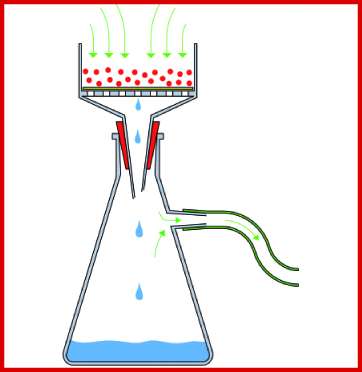
Before diving into the specifics of Buchner funnels, it’s crucial to define the goal of your experiment. Are you working with small-scale organic synthesis, large-scale crystallization, or microbiological filtration? The nature of your experiment will dictate the funnel’s size, material, and compatibility requirements.

Key considerations:

  • Volume of the solution- Larger volumes require a funnel with a greater capacity.
  • Type of filtration- Vacuum filtration processes work best with Buchner funnels designed to withstand pressure changes.
  • Chemical compatibility- Ensure the funnel material can handle the chemical properties of your solution.

Choose the Right Material

Buchner funnels are available in various materials, including porcelain, glass, and plastic. Each material has distinct advantages and limitations:

Porcelain

Porcelain is esteemed for its high durability and exceptional resistance to elevated temperatures, making it an indispensable material in various laboratory settings. Its robust nature can withstand rigorous conditions of experiments involving acidic or basic solutions, serving as a reliable choice for crucibles, evaporating dishes, and other lab apparatuses. However, while porcelain’s weight adds to its stability, it calls for proper handling to avoid chipping. Laboratories favoring long-term durability and thermal resilience often opt for porcelain despite its vulnerability to impact, reflecting its valued role in scientific research.

Glass

Glass is a fundamental material in laboratories, favored for its chemical inertness and clarity, which permits uninterrupted visual monitoring during experiments. This transparency is crucial for precise measurements and observations in high-precision work, such as titrations and chemical reactions. Glass equipment, including flasks, beakers, and pipettes, is essential for tasks requiring a clean and non-reactive environment. However, its fragility demands meticulous handling to prevent breakage. Despite this, the ability of glass to facilitate accurate experimental outcomes ensures its continued prevalence in scientific studies.

Plastic (e.g., polypropylene)

Plastic materials like polypropylene are valued in the laboratory for their lightweight, cost-effectiveness, and robustness against breakage. Polypropylene is particularly appreciated for its chemical resistance, making it suitable for storing many substances, excluding strong solvents and high-temperature applications. It is a popular choice due to the durability and stability for disposable lab ware, such as test tubes and storage containers, which do not require glass or porcelain thermal stability. While it cannot withstand extreme conditions, polypropylene’s practicality in routine lab procedures makes it indispensable for modern scientific practices.

Choose the material based on your lab’s environmental conditions and the substances you are working with.

Select the Appropriate Size

Buchner funnels come in various sizes, typically measured by the diameter of the funnel head. The size you select should align with the following:

  • The volume of liquid to be filtered- Ensure the funnel is large enough to accommodate the solution without frequent refilling.
  • Vacuum flask compatibility- Check that the funnel fits securely onto the neck of your flask.
  • Filter paper size- The diameter of the funnel should match the filter paper to avoid leaks or inefficiencies.

Standard diameters include 60 mm, 90 mm, 150 mm, and more significant for industrial use.

Consider the Type of Filter Paper

The filter paper you choose should correspond to the funnel size and the type of filtration required. Key factors include:

  • Pore size- Determines the particle size that can pass through. Smaller pores are ideal for fine filtration, while larger pores allow faster flow rates.
  • Material—Depending on chemical compatibility and thermal resistance needs, Options include cellulose, glass fiber, or synthetic materials.
  • Pre-cut or custom cut- Pre-cut papers ensure a precise fit, while sheets allow size adjustments.

Evaluate Vacuum Compatibility

One of the primary advantages of a Buchner funnel is its ability to perform vacuum filtration. Ensure your funnel is:

  • Designed to withstand the reduced pressure of a vacuum setup.
  • Paired with a compatible vacuum pump and flask.
  • Equipped with rubber adapters or seals to prevent air leakage.

Vacuum filtration significantly accelerates the process, making it essential for time-sensitive experiments.

Account for Budget Constraints

While quality should never be compromised, budget considerations often play a role in selecting lab equipment. Here’s how to balance cost and performance:

  • Invest in durability- Porcelain and glass options comes with a higher upfront cost but is cost-effective in the long run.
  • Evaluate disposables- Disposable plastic funnels might be more practical for low-cost experiments or hazardous substances.
  • Bulk purchases- Purchasing bulk can reduce costs if your lab frequently uses Buchner funnels.

Wrapping Up

Choosing the proper Buchner funnel is more than picking the correct size or material. It requires a holistic approach, considering the specifics of your experiment, chemical compatibility, and safety standards. By evaluating your needs and matching them to the features of available funnels, you’ll ensure a smoother, more efficient filtration process.

Effective Solutions When Your Water Filter Fails to Improve Taste

Daily writing prompt
Who do you spend the most time with?

In today’s households, improved water quality is a priority, and water filters promise a clear, tasty flow. However, sometimes even though we install water filters, the taste doesn’t seem to improve. If you are facing this issue, we have some effective solutions to help.

Firstly, your filter might not be designed to deal with the specific contaminants impacting the taste of your water. In such cases, it would be useful to have your water tested to identify these contaminants. Once identified, you can search for a filter specifically designed to deal with that contaminant.

Secondly, if your water tastes bad, your filter might be overdue for a replacement. Filters need maintenance to work effectively. Regular replacement ensures it can properly trap and eliminate contaminants.

Photo by Ketut Subiyanto on Pexels.com

Lastly, consider a professional installation to ensure the filter is installed correctly. Improper installations often result in ineffective filtering. We hope you find these tips helpful and succeed in improving your water’s taste.

Identifying Taste Deterioration Causes

When your Soft Water tastes off, it could be due to a plethora of factors. An aged or contaminated filter often contributes to the problem. The filtration system might also be purging impurities incorrectly. Understanding the root cause is key.

Faulty Filters

Defective or worn-out filters can fail to eliminate unwanted elements in your water, leading to an unpleasant taste. Therefore, the quality and functionality of filters plays a crucial role.

Incorrect Purification Methods

Different types of contaminants require specific filtration methods for removal. If your water filter is not designed to tackle the pollutants in your water, it will fall short in enhancing its taste.

Inferior Cleaning Practices

Poorly maintained water filters can accumulate dirt, bacteria or other impurities, compromising the taste and safety of your water. Frequent cleaning and routine maintenance improves longevity and performance of your filtration system.

Water Source Changes

Changes in your water source can alter the taste as well. Different sources contain varying levels of minerals and other substances that affect taste. Understanding your source helps select the right filter solution.

Misaligned Filter Configuration

The wrong filter settings can also lead to subpar results in terms of taste improvement. Ensure the device is calibrated correctly for optimum effectiveness.

Please note that for the most accurate and up-to-date information on why your water filter fails to improve taste, you would need to refer to the latest studies or surveys conducted by organizations in the water purification industry.

Role of Filter Maintenance

Maintaining your water filter is vital for keeping it in optimal working condition. A well-maintained filter ensures that every drop of water you consume is clean, safe and tasty.

Regular Cleaning

Regular cleaning extends the lifespan of a water filter. Cleaning it as per the manufacturer’s instructions helps prevent bacterial growth.

Timely Replacement

Filter cartridges need to be replaced periodically. Usually, manufacturers provide timelines for replacing filter cartridges or components.

Proper Installation

An improperly installed water filter might work inefficiently, causing bad taste. Always follow installation instructions to avoid such issues.

Selection Right Filter

Picking the right filter for your needs directly affects the improved taste. Different pollutants require different types of filters.

Avoid Overlooking Indicators

Numerous modern filters come with indicators that notify you when maintenance or replacement is needed. Neglecting these signs can lead to a decline in water quality.

Effects of Old Filters

Have you ever wondered why the taste of your filtered water dramatically changes over time? The answer is rather simple: It’s probably due to an old or worn-out filter. As filters age, they can no longer effectively trap and neutralize contaminants.

In fact, they can even become breeding grounds for bacteria leading to a change in taste and compromising the health benefits of your filtered water. Identifying this problem early will save you headaches and ensure you consistently enjoy good tasting, clean water.

  1. Off Taste: If your water suddenly tastes unusual, it’s often an indication that your filter needs replacement.
  2. Odorous Water: A strange odor emanating from your filtered water often highlights bacterial growth within an old filter.
  3. Turbidity: Cloudy or murky looking water is a key sign that your filter is no longer working efficiently and requires attention.

Kick-starting preventative measures is always wise. Regular replacement of your water filters as suggested by the manufacturer not only maintains the taste but also safeguards your health.

Familiarizing yourself with these straightforward signs will help you keep a pulse on the condition of your home filtration system. Ignoring these signs risks not only spoiling the taste of your water but also impacts overall health negatively.

Solutions for Tap Water

When your water filter fails to enhance the taste of your tap water, consider replacing the filter. Over time, filters wear out and become less effective at removing impurities, resulting in an unpleasant taste.

Inspecting the source is another effective solution. Contaminants at source can compromise the quality of your tap water. If your filter fails, examination and possible replacement of your plumbing system might be necessary.

  • Tap water-testing kit: These are readily available in stores or online. It provides comprehensive information about the substances present in your water.
  • Replacement filter: If testing shows that the issue lies with your filter, consider purchasing a new one. The deterioration of existing filters is a common reason for unsatisfactory filtration results.
  • Engage professional services: If you find it difficult to identify and rectify issues pertaining to tap water yourself, enlist professionals’ help.

In some cases, adjusting the pH level can significantly improve water taste. For instance, adding alkaline minerals can balance acidity in your water.

Your efforts should yield improvements over time. Patience is key when dealing with issues related to taste and cleanliness of tap water.

Improving Filtered Water Taste

Even with an efficient water filter in place, sometimes the taste of your filtered water may still fail to impress. Do not fret; there are various simple fixes you can implement.

Chances are your filtration system may need a thorough check. Your filter should work optimally to improve the water’s flavor substantially. Check both the filter chamber and cartridge for residues or damage. Ensure regular maintenance is observed.

  1. Refrigerate Filtered Water: Sometimes, all it takes for better taste is to cool down your filtered water before use. The lowered temperature improves its flavor, making it more refreshing.
  2. Clean Water Containers: Make sure you store your filtered water in clean containers. Even the slightest contamination can greatly hamper taste and jeopardize hygiene.
  3. Add Natural Flavors: You can infuse naturally flavored elements such as lemon or cucumber slices into your filtered water. Not only does this add a delicious twist, but it also enhances your hydration experience.

Taste enhancement does not always require complex processes or expensive equipment. Often, simple practical steps can effect remarkable changes in your filtered water’s taste. As they say, the best solutions are often right under your nose!

Importance of Filter Certifications

When selecting a water filter, prioritizing units with recognized certifications is crucial. Certifications, as you can read about on this blog, indicate that the filter has been evaluated independently and meets established filtration performance standards.

Certified filters ensure that your heightened water quality standards are not merely met but surpassed. They eliminate all ambiguities surrounding their ability to deal effectively with common contaminants.

A water filter certification serves as an assurance to you. It’s a confirmation that you’re investing in an item that will improve the taste of your water, not merely claim it. Always remember, uncertified filters might come with a reduced price tag, but they often compromise on quality and can fail to improve your water’s taste.

Water Flavor Elements

Your water’s taste can be significantly influenced by several factors. Not all water sources are created equal, and the compounds present within your water can vary greatly. This short guide aims to assist you in understanding the basic elements influencing your water flavor.

The first factor to consider is minerals. Minerals like calcium and magnesium are naturally occurring substances in hard water areas. They don’t pose any health risks, but they can sometimes give your water an unwanted metallic taste.

  • Minerals: Calcium and magnesium are commonly found minerals in many water sources. These not only influence the taste of your water but also its hardness.
  • Chlorine: Frequently used as a disinfectant in municipal water plants, residual chlorine can leave your water tasting similar to pool water.
  • Pollutants: Industrial waste, agricultural runoff or natural contaminants like algae can infiltrate local water supplies, affecting their taste and safety.

Ideally, a reliable and efficient water filter should address these issues by filtering out unwanted tastes and smells. But sometimes, even the best filters fail to completely improve your water’s taste.

If this happens to you, don’t despair. The solution often lies in identifying and eliminating the specific reasons causing the failure of your filters. Focus on maintenance routines, such as regular filter replacement or cleaning.

The Impacts of Water Tanks on Sustainable Water Management

Water tanks have become a crucial part of sustainable water management, helping to conserve water, reduce consumption, and promote responsible use.

Photo by Tom Fisk on Pexels.com

Used in homes and businesses alike, they collect rainwater for various uses such as washing, cleaning, and even for drinking.

As global populations increase and water sources dwindle, the role of water tanks in water management should not be understated.

Water Tanks: What

Water tanks come in different sizes and types to accommodate specific user needs. There are round tanks suitable for large spaces and slimline tanks perfect for small urban areas.

You can also find underground tanks, saving valuable above-ground space while maintaining the same water storage capacity. They’re an excellent option for places where aesthetics is vital.

For mobile usage like farming or road construction, you can use truck water cartage tanks.

Each tank style has pros and cons, but each contributes significantly to water sustainability initiatives by reducing dependence on municipal supply or groundwater sources. Essentially, water tanks enable you to consume less from the central supply by utilizing harvested rainwater instead.

Water Tanks: Why

Tanks serve as an immediate solution to the pressing need for sustainable water strategies worldwide. As revealed by the WHO/UNICEF (2019), approximately 2.2 billion people globally lack safely managed drinking water services, signaling a pressing need for accessible and sustainable solutions.

Water is life’s necessity dropping one second at a time.

Furthermore, UNESCO highlights that over 80% of wastewater generated society-wide is reintroduced into the ecosystem without being treated or reused. Water tanks can help in mitigating this problem by encouraging water recycling.

Water tanks matter within the agricultural industry as well. Globally, this sector is responsible for about 70% of water extractions, with much of it used inefficiently (FAO, 2020).

  • Improves Water Efficiency: By storing rainwater, water tanks allow for efficient usage during dry periods, lessening the need for direct water extraction.
  • Reduces Water Bills: They can significantly reduce your dependence on municipal supply, thereby lowering your water bills.

In a world where nearly 4 billion people struggle with severe water scarcity, the importance of water tanks in promoting sustainable water management can’t be overstated.

Water Tanks: How

Water tanks form a fundamental element in sustainable water management. Their design and use contribute significantly to water conservation efforts.

Storage Efficiency

“Efficiency is everything in sustainability.”

The sturdy build and capacity of water tanks enhance storage efficiency. The ability to store large quantities reduces the need for constant water collection, saving both time and energy.

Reduction of Waste

Consider the positive implications. Water tanks limit the wastage of clean, drinkable water. Acting as a reserve, they ensure that excess water is not lost but rather recycled for future use.

Water Quality Maintained

Furthermore, water tanks help maintain quality over time. They protect stored water from external pollutants and contaminants, creating a secure environment that preserves its purity.

Our Actions & Impacts

Inundated by environmental concerns? Actions regarding water tank usage can create ripple effects that impact broader sustainability practices. Here’s how:

Conserving Precious Resources

By using water tanks, individuals make significant contributions to global conservation efforts. Every drop saved is a step towards a more sustainable planet.

Promoting Environmental Stewardship

We all play a part. As consumers, choosing to use water tanks aids in minimizing our environmental footprint. Such decisions illustrate commitment towards responsible resource management, embodying practical environmental stewardship.

Fostering Economic Efficiency

Adopting water tanks could lead to potential savings on household utility bills. Thus, sustainable practices via water tanks can also foster economic efficiency.

Human Ambitions and Earth’s Limits

The relationship between human ambitions and Mother Earth’s capacity presents a balance crucial in sustainable water management. Despite our technological advances, the sustainability of the resources remains under threat.

Water tanks play an integral role in managing these threats and promoting resource sustainability. By storing rainwater for future use, they significantly reduce our dependence on groundwater and surface water sources.

  • Reduces groundwater extraction: Indiscriminate extraction of groundwater to meet human needs results in depletion. Water tanks mitigate this by providing an alternative source.
  • Lowers demand on municipal supply: The use of water tanks significantly reduces the strain on municipal water supply, thereby enabling improved sustainability practices.
  • Mitigates drought impacts: During drought situations, water tanks prove invaluable by providing a reliable, stored supply of water.

Goal Setting for Sustainability

Sets ambitious but achievable targets lies at the core of sustainable water management. Critical is understanding how effective implementation of water tanks can aid in achieving these goals.

These devices serve as crucial tools in reducing water waste, conserving natural resources, and promoting environmentally friendly practices. Furthermore, incorporating them into both urban and rural settings fosters more responsible usage patterns among communities.

  • Optimizes resource utilization: Water tanks optimize resource use by storing excess rainwater, which can then be used during periods of shortage or for non-potable tasks like gardening.
  • Improves resilience against drought: With the ability to store large volumes of water for extended periods, tanks improve resistance to drought and other water-related risks.
  • Encourages responsible use: Integrating water tanks in domestic and commercial settings serves as a constant reminder for individuals to utilize water resources more responsibly.

In conclusion, while challenges remain, the implementation of water tanks in sustainable water management strategies provides a hopeful pathway towards balancing human ambition with the earth’s limits.

Planning Water Management Strategies

Strategizing for water management involves identifying potential problem areas, prioritizing them, and implementing suitable measures to address them. This process is instrumental in achieving sustainable water management.

Analyzing Potential Problems

Understanding the potential issues is the first step in water management. These could range from water scarcity to contamination or overuse.

Prioritizing Issues

Upon identifying the problems, it becomes crucial to prioritize them. The severity of a problem, its impacts on communities, and its addressability are some factors to consider when prioritizing.

Implementing Suitable Measures

The successful implementation of strategies depends on their relevance and effectiveness. Solutions could include introducing water tanks, rainwater harvesting, or efficient irrigation techniques.

Analysis of Water Resources

An in-depth analysis of water resources provides insights into their availability, usage patterns, and potential threats. It also helps in designing appropriate strategies for their sustainable management.

DataSource
Two-thirds of the world’s population experience severe water scarcity during at least one month of the year.Mekonnen and Hoekstra, 2016
By 2025, half of the world’s population will be living in water-stressed areas.UN, World Water Development Report
An estimated 1.5 billion people live in areas where groundwater is being used faster than it can be replenished, leading to long-term declines in groundwater levels.WWAP, 2018

These statistics highlight the urgency and importance of effective water management strategies. They also illustrate the interconnectedness of the global water crisis and emphasize the need for a comprehensive approach.

Impact on Sustainable Water

Water tanks play a significant role in promoting sustainable water management. Primarily, they provide efficient water storage, conserving this precious resource for future use.

Moreover, they facilitate the capture of rainwater, an environmentally friendly source of water. This aids in reducing overreliance on mains water and initially reducing water bills.

  • Reduced Flooding: By collecting excess rainwater, water tanks effectively mitigate the risks of flooding.
  • Drought Mitigation: By storing surplus water, these tools prepare communities for periods of water shortfall or droughts.
  • Eco-friendly Irrigation: The stored rainwater significantly supports eco-friendly irrigation of green spaces even during dry seasons.

Education for Sustainable Management

The use of water tanks necessitates essential knowledge in their proper management. Importantly, people should learn about efficient practices on maintenance to ensure the longevity of these tools.

“Education is pivotal to sustainable water management”

An educated community is equipped to make informed decisions about using their stored water judiciously. This awareness contributes immensely to achieving sustainable development objectives in relation to water management.

There are myriad platforms providing informative resources on how to sustainably manage and maintain the longevity of your water tank. Whether you are a homeowner or an installation professional, gaining and sharing this knowledge emphasizes the user’s role in sustainable development processes.

In Conclusion

Water tanks greatly contribute to sustainable water management by offering efficient storage systems and promoting eco-friendly practices. Further, through education and resource sharing, individuals can actively participate in preserving water resources. Together, these steps can make significant strides towards achieving sustainable development goals related to water management.

IMPORTANCE OF DRINKING WATER FOR YOUR SKIN

Drinking an adequate amount of water daily is essential for overall good health because water helps in digestion, circulation of blood, absorption and even excretion. But when we talk about drinking large amounts of water daily for proper skin health does it have any benefits??

Yes it do have certain benefits. Claims have been made that drinking water gives you a radiant, healthy, younger looking complexion and a lot more skin benefits.

The fact is that skins is an organ and just like an other body part our skin is made up of cells where these skin cells too are made up of water. Without sufficient water the organs will certainly not function properly at their best. When your skin does not gets adequate amount of water then it turns dry, tight and flaky due to lack of hydration which will turn our skin more prone to wrinkling.

As water is lost in large quantities every day, you need to replace it somehow. The unfortunate truth about drinking water is that it will reach all other organs before it reaches to skin. So it’s important to apply water on our skin in every possible ways.

Drink more water at least 10 glasses ever day. This will help body rid of toxins and will make your skin glowy. Those who suffer from acne will also feel the same results. But it is to be remembered that nothing will happen overnight, it will take some couple of weeks to see the results in your skin till then start increasing intake of water every day so that you can see how hydration can affect your own skin. But for this you have to try if initially it will not benefit you much then certainly it won’t even hurt you.

Water Conservation and Minimizing Wastage

Like in many philosophical traditions of the world, the Indian tradition puts great emphasis on the importance of water in life. In the ancient Indian tradition, ap or water is one of the five panchmahabhutas or great elements of life. Early Indian literature belonging to Hinduism, Buddhism, Jainism and other traditions had highlighted the importance of water and its conservation. The rich Ayurvedic literature of the subcontinent has countless treaties on water. It goes to the extent of defining it as jiva or life. However, this elixir of life is becoming increasingly scarce due to challenges of rising population, rapid urbanisation, industrial growth and increasing water pollution. Since the second half of the previous century, the world has been urbanizing rapidly. According to the Population Division of the UN Department of Economic and Social Affairs (UNDESA), a division established in 1946 to study “population dynamics and monitoring demographic trends and policies worldwide”, in 1950, only 30 per cent of the world’s population lived in urban areas, whereas by 2018 the world population living in the urban setting had grown to 55 per cent. The urban population of the world has grown rapidly from 751 million in 1950 to 4.2 billion in 2018.

The rapid urbanization has led to a severe crisis of useable water in the world, particularly in developing countries such as ours. In India, per capita availability of water has decreased from 2209 m3/year in 1991 to 1545 m3/year in 2011 and it is estimated to decline further up to 1140m3/ year in the year 2050. Furthermore, demand for water from various sectors viz. irrigation, drinking water, industry, energy and others are expected to rise from 710 billion cubic metres (BCM) in the year 2010 to 843 BCM in the year 2025 and further to 1180 BCM in the year 2050.

 According to a 2018 NITI Aayog report, currently, 600 million Indians face high to extreme water stress and about two lakh people die every year due to inadequate access to safe water. By 2030, the country’s water demand is projected to be twice the available supply, implying severe water scarcity for hundreds of millions of people and an eventual six per cent loss in the country’s GDP. When we speak of water, we generally mean freshwater because even when 70 per cent of our planet is covered with water, only 2.5 per cent of it is consumable. 

According to the UN Environment’s document ‘Freshwater Strategy 2017-2021’, freshwater plays a fundamental role in support of the environment, society and the economy. Since water is a natural resource and it cannot be created in factories or laboratories, the only solution to our looming water crisis is conserving water. 

In seven out of India’s 10 most populous cities, the depth to groundwater has increased significantly over the last two decades. This is an alarming situation because India is the biggest user of groundwater. According to a report India extracts more groundwater than China and the US the next two biggest pullers of groundwater combined. Half of the total clean water needed in our country is met from groundwater. 

The 2014 report o the parliamentary standing committee on water resources constituted on August 5, 2004, found that the groundwater forms the largest share of India’s agriculture and drinking water supply. About 89 per cent of groundwater extracted in India is used for irrigation making it the highest category with 9 per cent share of the extracted groundwater followed by the industry that uses only 2 per cent of it. Similarly, the Central Ground Water Board (CGWB) has stated in Lok Sabha that 50 per cent of urban water requirement and 85 per cent of rural domestic water needs are fulfilled by groundwater. This kind of use has caused a reduction in groundwater levels in India by 61 per cent between 2007 and 2017.

The present government has shown unprecedented interest in water conservation, minimising wastage and ensuring equitable distribution. In his first Mann Ki Baat programme in the second term as the Prime Minister of India, Shri Narendra Modi described the water crisis as on one of the biggest challenges facing India today. Apart from this, to encourage stakeholders like water user associations, institutions, corporate sector, individuals, Non-Governmental Organisations (NGOs), gram panchayats, urban local bodies to adopt innovative practices of groundwater augmentation like creating awareness through people’s participation, rainwater harvesting and artificial recharge, promoting water use efficiency, recycling and reuse of water, the government in 2007 launched the Groundwater Augmentation Awards and National Water Award.

In search of a new life: The Mars planet

Life has been existing over for 3.5 billion years ago. There were significant events in the past, like the extinction of dinosaurs about 66 million years ago. We also know about the start of agriculture, human-made tools used for several purposes. Now in the 21st century, we’ve accomplished a lot of achievements. Still, yes, we are slowly destroying the planet Earth. The nature around us earlier was so satisfying maybe a decade or before that. Suddenly, humanity started constructing buildings, complexes, resorts, artificial reservoirs, etc. This list never ends. They are even cutting down the trees to get more residential areas leading to deforestation. After all, this will all lead to a concrete jungle in the future, there will be no oxygen for survival, the animals will start disappearing, and soon everything will come to an end. This sequence of incidents can be a nightmare for someone, but this can turn into a reality. It’s in our hands to save the planet.

A dinosaur statue.
A dinosaur statue.

On the other side, they’re positive things going around the globe. Scientists and researchers have continuously been looking for existence in life in the other planets. Several space programs have been successfully executed and are still in progress. We know our solar system consisting of eight planets, but we’ve been more interested in the planet Mars. The first mission on Mars on 14th July 1965, Mariner 4, followed by Mariner 9, entered into the orbit. Though the first landing was by Mars 2 but crashed due to a malfunction which later on 2nd December 1971, Mars 3 became the first spacecraft to land on the Mars surface, that too interrupted after 14.5 seconds after its signal transmission failed.

A Mars rover.
An animated Mars rover.

Now in search of water on Mars, there are several types of research claiming that it is in the form of ice caps and many more theories. Still, of these findings, scientists, namely John G. MacDonald, Karien Rodriguez, and Stephen Quirk, developed something unique by which plants can be grown. You heard it right, a polymer through which it can deliver oxygen for the germinating sprout. They claim that regolith has nutrients for plant growth, but not oxygen, the prior requirement of a sapling as 95% of the Martian atmosphere is carbon dioxide. They described two methods of extracting oxygen, either from the metal oxides pre-existing in the regolith and electrolysis, but both processes are time-consuming. The proposed idea is that when the polymer combines with sodium hydroxide and hydrogen peroxide, it becomes an oxygen infused foamed hydrogel. It has the potential to deliver controlled amounts of gaseous oxygen. The foamed matrix, along with regolith, can form the base or be directly coated around the seed to grow plants.

A plant is in a hand.
A person is holding a plant.

The most crucial mission among them was MOM, an interplanetary mission by ISRO, India called Mangalyaan, orbiting since 24th September 2014, becoming the 4th space agency to reach the planet Mars with the lowest cost. This mission has fascinated the kids in India, it got picturised in a movie called “Mission Mangal” in the Hindi language, premiered on 13th August 2019 in theaters. Imagination never ends, everything has a route, and hence it becomes a success, a part of the movie’s storyline. I hope you adhere the same in reality.

For more details about the research, you can visit the site mentioned below:

https://www.liebertpub.com/doi/10.1089/ast.2019.2056