


Hiếu, P. T. (2026). Psychological Mechanisms in Luxury Real Estate Marketing: An Applied Analysis of Consumer Persuasion Strategies in Vietnam, Singapore, and Dubai. International Journal of Research, 13(1), 172=190. https://doi.org/10.26643/ijr/2026/28
Phí Thị Hiếu
Associate Professor, Thai Nguyen University of Education, Thai Nguyen, Vietnam
Abstract
This study investigates the psychological mechanisms that underpin consumer persuasion in luxury real estate marketing, focusing on comparative insights from Vietnam, Singapore, and Dubai. Drawing on theoretical foundations from marketing psychology, behavioral economics, and psychoanalytic perspectives, the research examines how scarcity, exclusivity, social proof, emotional contagion, and identity signaling operate as persuasive forces in high-end property markets. Using a systematic literature review combined with case-based comparative analysis, the study synthesizes findings from peer-reviewed journals (Journal of Consumer Psychology, Journal of Business Research, Frontiers in Psychology) and market reports from Knight Frank, JLL, and Bloomberg Intelligence. Results reveal that luxury real estate persuasion functions as a multidimensional psychological process. In Vietnam, developers leverage aspirational collectivism and emotional scarcity to construct prestige narratives; in Singapore, persuasion relies on structural scarcity, institutional trust, and rationalized exclusivity; in Dubai, affective spectacle and global branding dominate consumer engagement. Across contexts, persuasion emerges as both affective and cognitive, translating luxury ownership into an act of social identity and symbolic distinction. The study contributes to marketing psychology by extending persuasion theory to the domain of high-involvement, identity-forming luxury goods. Policy implications emphasize ethical transparency, cultural adaptation of persuasive appeals, and sustainable branding practices that balance exclusivity with social responsibility.
Keywords: Luxury real estate marketing; Psychological persuasion; Scarcity and exclusivity; Emotional branding; Consumer identity; Cross-cultural marketing.
1. Introduction
In recent years, the luxury real estate sector has evolved beyond its traditional economic function, becoming a cultural and psychological phenomenon that reflects consumers’ aspirations, identity construction, and emotional engagement (Atwal & Williams, 2017; Danziger, 2021). The expansion of global wealth, urbanization, and the rise of a new class of affluent consumers in Asia and the Middle East have redefined the dynamics of property marketing. Rather than emphasizing material attributes such as location or design alone, developers now increasingly employ psychological and symbolic appeals to shape consumer perceptions of exclusivity, prestige, and belonging (Kapferer & Bastien, 2012; Vigneron & Johnson, 1999). This trend signals a paradigm shift in luxury branding—one that integrates persuasion psychology, behavioral economics, and cultural semiotics into the real estate domain (Solomon, 2023).
Luxury real estate is distinct from other consumer goods in that it fuses material investment, social meaning, and emotional identity. Buyers often view such properties not merely as assets but as expressions of self-worth and social recognition (Han, Nunes, & Drèze, 2010; Wiedmann, Hennigs, & Siebels, 2009). In this context, the act of purchasing a luxury home becomes symbolic—a performance of status, taste, and aspiration. Thorstein Veblen’s (1899) concept of conspicuous consumption remains central to understanding this phenomenon: consumers derive satisfaction not only from ownership but also from the public visibility of their economic and cultural capital. Building upon this, contemporary consumer psychology highlights prestige-seeking and self-signaling motives as key predictors of luxury purchase intention (Bian & Forsythe, 2012; Hwang & Kandampully, 2012). This psychological foundation aligns closely with Cialdini’s (2009) six universal principles of persuasion—particularly scarcity, social proof, and liking—which have been widely applied in marketing contexts. The scarcity effect posits that limited availability enhances perceived value and urgency (Lynn, 1991). In the real estate market, scarcity is often artificially constructed through marketing events, limited-time offers, and selective invitations to “exclusive previews.” In Vietnam, developers such as Vinhomes and Masterise Homes exemplify this by emphasizing “limited elite residences” and staging high-end launch events that fuse exclusivity with cultural prestige. Similarly, in Singapore, property campaigns highlight the rarity of prime locations such as Marina Bay or Orchard Boulevard, where physical scarcity (limited land) intersects with social exclusivity (JLL, 2023). Dubai’s developers, by contrast, deploy symbolic scarcity—associating ownership with futuristic urban visions and global connectivity, as seen in Palm Jumeirah and Dubai Hills projects (Knight Frank, 2024).
Despite the growing scholarly attention to luxury consumption, there remains a significant research gap regarding its application in real estate marketing. Previous studies have largely examined luxury goods such as fashion, automobiles, or hospitality (Kapferer & Bastien, 2012; Vigneron & Johnson, 1999), while empirical work on the psychological mechanisms influencing real estate buyers—especially in Asia and the Middle East—remains limited. Moreover, most cross-national analyses focus on macroeconomic drivers or investment motivations rather than micro-level psychological persuasion (Knight Frank, 2024; JLL, 2023). The integration of behavioral psychology and marketing strategy thus provides an essential yet underdeveloped lens for analyzing how consumers respond to symbolic and emotional appeals in high-value property markets.
This article seeks to address this gap by offering an integrative analysis of psychological persuasion mechanisms in luxury real estate marketing, focusing on Vietnam, Singapore, and Dubai. Drawing upon theories of persuasion (Cialdini, 2009), social identity (Turner et al., 1987), and luxury branding (Kapferer & Bastien, 2012), it examines how developers utilize scarcity, social proof, emotional contagion, and identity signaling to shape consumer perception and behavior. Beyond theoretical synthesis, the article contextualizes these mechanisms within specific cultural and economic environments, highlighting how social norms and aspirational narratives influence the reception of luxury marketing.
2. Materials and Methods
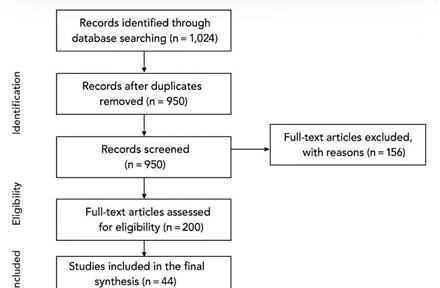
This study employs a systematic literature review and comparative case analysis approach to examine the psychological mechanisms underlying consumer persuasion in luxury real estate marketing across Vietnam, Singapore, and Dubai. The review integrates theoretical perspectives from marketing psychology, behavioral economics, and psychoanalytic theory to elucidate how scarcity, exclusivity, emotional branding, and social identity dynamics shape high-end property purchase decisions (Cialdini, 2021; Kapferer & Bastien, 2012; Kahneman, 2011).
The literature was collected from reputable, peer-reviewed international journals indexed in Scopus and Web of Science, such as the Journal of Consumer Psychology, Journal of Business Research, Frontiers in Psychology, and Luxury: History, Culture, Consumption. Complementary data were drawn from professional reports by Knight Frank (2023), JLL (2024), and Bloomberg Intelligence (2024) to ensure empirical grounding in market trends. The inclusion criteria required studies and reports that (1) directly addressed consumer persuasion or psychological mechanisms in luxury marketing; (2) involved real estate or comparable high-involvement luxury goods; (3) provided empirical, theoretical, or case-based evidence; and (4) were published between 2010 and 2025.
Data were analyzed thematically, with emerging patterns organized around four domains: scarcity and exclusivity appeals, emotional and symbolic branding, social identity and aspirational positioning, and cultural moderation of persuasion effects across markets. This approach enables a holistic understanding of how psychological mechanisms are mobilized to construct desirability and status signaling in luxury real estate consumption.
3. Literature Review
3.1. Theoretical foundations of luxury marketing psychology
Luxury real estate consumption represents a convergence of material, symbolic, and psychological dimensions. Within marketing psychology, the study of persuasion and consumer behavior in the luxury domain is rooted in foundational frameworks linking motivation, cognition, and affect. Cialdini’s (2009) six principles of persuasion—authority, scarcity, social proof, liking, commitment, and reciprocity—remain central to understanding how consumers respond to persuasive stimuli. In the context of luxury marketing, these principles are often translated into appeals to exclusivity, prestige, and trust in authoritative brands or developers (Cialdini & Goldstein, 2004).
This behavioral foundation is complemented by sociopsychological theories of social identity (Tajfel & Turner, 1986; Turner et al., 1987) and symbolic consumption (Belk, 1988). These frameworks propose that consumption extends beyond utilitarian value, functioning as a medium through which individuals express identity, signal belonging, and negotiate social boundaries. Luxury brands therefore act as identity-signaling systems, allowing consumers to align with aspirational reference groups or reinforce self-concept differentiation (Vigneron & Johnson, 1999; Han, Nunes, & Drèze, 2010). In the luxury real estate domain, ownership of a high-end property often symbolizes achievement, refinement, and social mobility.
Psychoanalytic perspectives provide further interpretive depth. Freud’s (1923) conceptualization of desire, projection, and ego gratification and Lacan’s (1977) notion of symbolic lack illuminate the unconscious drives underlying luxury consumption. In this view, ownership of exclusive property satisfies latent needs for recognition and security—mediated through material symbols of status and permanence. These perspectives converge with contemporary consumer psychology, which emphasizes emotional and affective processes as key determinants of behavior (Hwang & Kandampully, 2012; Li & Su, 2021).
The integration of these perspectives underscores that luxury real estate marketing operates simultaneously on cognitive, emotional, and social planes. In emerging economies such as Vietnam, Singapore, and Dubai, these dynamics are intensified by rapid urbanization, rising affluence, and hybrid identity formations. Consumers in these markets navigate collectivist norms alongside aspirational individualism, creating fertile conditions for persuasive appeals that combine exclusivity, prestige, and belonging (Nguyen & Simkin, 2017; Knight Frank, 2024).
3.2. Scarcity and exclusivity as persuasion mechanisms
Scarcity remains one of the most potent psychological triggers in consumer decision-making. Defined as the perception that a product or opportunity is limited in availability or time, scarcity enhances perceived value and evokes urgency (Lynn, 1991; Cialdini, 2009). Empirical research demonstrates that scarcity cues can increase desirability and willingness to pay, particularly in high-involvement luxury markets (Aggarwal, Jun, & Huh, 2011). In luxury real estate marketing, developers deploy scarcity in both quantitative and symbolic forms. Quantitative scarcity includes limited unit releases, exclusive previews, and invitation-only sales events. Symbolic scarcity emphasizes uniqueness through design, location, or brand affiliation. These strategies engage the fear of missing out (FOMO) mechanism (Tormala et al., 2006), activating urgency and emotional arousal.
In Vietnam, developers like Vinhomes and Masterise Homes exemplify this dynamic. At invitation-only events, potential buyers are presented with “limited-edition” units accompanied by countdown offers and exclusive privileges. Vinhomes’ campaigns for Golden River and The Harmony framed property ownership as “an investment in timeless prestige,” evoking temporal scarcity (“last opportunity”) combined with exclusivity (“for elite residents only”). Such strategies align with the broader behavioral economics finding that loss aversion and temporal framing significantly increase purchase intention under scarcity (Kahneman, 2011; Shah & Oppenheimer, 2008).
In Singapore, scarcity takes on a structural dimension. The country’s limited land supply and strict zoning laws inherently constrain property availability (JLL, 2023). Developers such as GuocoLand and City Developments Limited (CDL) leverage this context by emphasizing prime locations like Orchard Road or Marina Bay as both geographically and symbolically scarce. Marketing narratives equate land scarcity with prestige, suggesting that ownership in these districts confers both stability and elite identity. This naturally occurring scarcity strengthens the credibility of exclusivity appeals and reduces consumer skepticism toward marketing claims.
Dubai offers a distinct model of experiential scarcity. Developers such as Emaar and Nakheel redefine rarity through architectural spectacle and experiential uniqueness. The Palm Jumeirah and Downtown Dubai developments are marketed not merely as properties but as global icons—“landmarks of human ambition” (Knight Frank, 2024). Ownership thus represents participation in an exclusive narrative of innovation and legacy. Kapferer and Bastien (2012) argue that luxury brands should “make rarity visible,” transforming it into a performative display rather than a numeric constraint. Dubai’s model exemplifies this transformation: scarcity is embedded not in quantity but in symbolic magnitude.
Across these three markets, scarcity and exclusivity emerge as twin pillars of persuasion. Scarcity amplifies urgency and perceived uniqueness; exclusivity transforms ownership into a socially symbolic performance of distinction (Bourdieu, 1984).
3.3. Social proof, identity signaling, and aspirational belonging
The social nature of luxury consumption has been consistently documented. Social proof, as defined by Cialdini and Goldstein (2004), refers to individuals’ tendency to emulate behaviors endorsed by desirable reference groups. In luxury real estate, social proof manifests in peer influence, testimonial advertising, celebrity endorsements, and depictions of “ideal residents.”
Han et al. (2010) distinguish between “loud” and “quiet” signals in status consumption. “Loud” signals—conspicuous brand cues—appeal to consumers seeking overt recognition, whereas “quiet” signals—subtle or minimalistic branding—cater to the sophisticated elite seeking distinction without display. In Vietnam, advertising language such as “cư dân tinh hoa” (“elite residents”) used by Vinhomes and Masterise constructs implicit social proof. It suggests that existing residents belong to a prestigious in-group, inviting new buyers to join that circle. This corresponds to Bian and Forsythe’s (2012) “symbolic meaning transfer,” wherein the perceived prestige of others transfers to the brand itself.
In Singapore, developers frame belonging not nationally but cosmopolitanly. Projects such as Marina One Residences and Wallich Residence employ imagery of global executives and investors, associating ownership with transnational mobility and professional success (Savills, 2023). The persuasive appeal here is identity-based: property becomes a ticket to membership in a globalized, elite community.
Dubai extends this paradigm further through branded residences such as Armani Residences or Bulgari Resort & Residences. These partnerships blend architectural prestige with luxury fashion symbolism, producing what Wiedmann, Hennigs, and Siebels (2009) call “luxury value dimensions”—financial, functional, individual, and social. The brand thus legitimizes the real estate product through borrowed symbolic capital.
Social identity theory (Tajfel & Turner, 1986) and self-categorization theory (Turner et al., 1987) elucidate why such identity appeals are persuasive. By affiliating with prestigious groups, consumers gain self-esteem and reinforce desired self-concepts. Empirical studies confirm that aspirational consumers exhibit stronger purchase intentions when property is positioned as a conduit for self-enhancement and social differentiation (Hudders, Pandelaere, & Vyncke, 2013).
Across markets, identity signaling transforms real estate ownership from an economic transaction into participation in a collective lifestyle. This conversion—of property into cultural capital—demonstrates how persuasion strategies intertwine with class aspiration, modernity, and symbolic belonging.
3.4. Emotional contagion and experiential marketing in real estate
Recent research underscores that emotion, not cognition alone, drives luxury consumption. Emotional contagion—the transfer of affective states among individuals—plays a central role in marketing contexts involving collective experiences (Rimé & Páez, 2023).
In luxury real estate, experiential marketing creates immersive environments that elicit emotional arousal and reinforce symbolic meaning. Developers curate gala launches, investor dinners, and art exhibitions designed to evoke prestige, excitement, and belonging. These collective experiences mirror Durkheim’s (1912/1995) concept of collective effervescence, wherein shared affective moments generate social cohesion and elevate symbolic attachment (Von Scheve & Ismer, 2013).
In Vietnam, developers like Vinhomes and Masterise orchestrate events blending cultural performance and luxury display. Such occasions frame property ownership as a sensorial and emotional journey rather than a financial decision. CapitaLand Vietnam, for example, integrates live music and curated lighting in its Feliz en Vista showcases, crafting an affective atmosphere aligned with global hospitality trends (Hwang & Kandampully, 2012).
Singaporean developers such as GuocoLand deploy multi-sensory branding at show galleries—using scent, texture, and spatial design to create emotional associations with luxury and comfort (Li & Su, 2021). These experiential cues stimulate affective evaluation before cognitive deliberation, enhancing brand recall and purchase intention.
In Dubai, Emaar’s promotional storytelling around Burj Khalifa and Dubai Creek Harbour links emotional awe to ownership aspiration. Marketing campaigns often use first-person narratives (“live the world’s most elevated lifestyle”) to personalize grandeur. Here, architecture itself functions as emotional branding—eliciting what Belk (1988) termed the “extended self,” where possession becomes part of personal identity.
Overall, experiential marketing in luxury real estate fuses collective emotion, symbolic performance, and sensory persuasion, repositioning property as a medium of affective experience rather than mere utility (Pine & Gilmore, 1998).
3.5. Behavioral biases and cognitive heuristics in property decision-making
While emotional and social processes dominate luxury marketing, cognitive biases significantly mediate consumer judgment. Behavioral economics has identified several heuristics that influence real estate decisions, including anchoring, framing, confirmation bias, and status quo bias (Kahneman, 2011; Tversky & Kahneman, 1974).
Developers exploit anchoring by presenting high reference prices early in the decision process, making subsequent prices appear reasonable. “Limited-time” price reductions function as contrast effects, increasing perceived value relative to initial expectations (Shah & Oppenheimer, 2008). Framing effects—such as presenting ownership as “a legacy investment” rather than a cost—shift attention from financial risk to emotional reward.
In Vietnam, property exhibitions often employ high-value anchor prices followed by “event-only” discounts of 3–5%, leveraging both anchoring and scarcity simultaneously. In Singapore, regulatory framing (e.g., Additional Buyer’s Stamp Duty) paradoxically increases perceived exclusivity, as only “qualified” buyers can access high-end properties (JLL, 2023). In Dubai, tax-free policies and global investor access are framed as “privileges,” appealing to entitlement bias and optimism heuristics.
Behavioral studies reveal that luxury buyers exhibit confirmation bias, selectively attending to information that validates their aspiration (Camerer et al., 2015). Developers capitalize on this through curated visual narratives that affirm buyer identity and suppress risk salience. Temporal discounting also plays a role—buyers overvalue immediate prestige relative to long-term costs, especially when presented with symbolic cues of success (Kahneman, 2011).
These mechanisms underscore that persuasion in real estate operates within bounded rationality, where cognitive shortcuts and emotional framing jointly construct perceived value.
3.6. Cross-cultural synthesis: Vietnam, Singapore, and Dubai in comparative perspective
Cross-market comparison reveals how cultural, structural, and psychological factors modulate persuasion. Vietnam’s luxury real estate market reflects emergent consumer aspiration amid collectivist social structures. Consumers pursue upward mobility and symbolic differentiation while remaining sensitive to communal recognition. Thus, persuasion strategies emphasizing belonging (“elite community”) and national pride (“modern Vietnam”) resonate strongly (Nguyen & Simkin, 2017).
Singapore’s market, by contrast, reflects institutional scarcity and pragmatic cosmopolitanism. Consumers are financially literate, risk-aware, and influenced by social comparison within an affluent yet status-conscious society (Savills, 2023). Persuasion appeals focusing on exclusivity, privacy, and intergenerational security are most effective.
Dubai’s market embodies performative luxury and global spectacle. Its international investor base—comprising high-net-worth individuals from Europe, Asia, and the Middle East—responds to emotional narratives of grandeur, innovation, and permanence. The emirate’s developers mobilize architecture as storytelling, turning property into a metaphor for ambition and success (Knight Frank, 2024; Bloomberg Intelligence, 2024).
Despite these differences, all three contexts converge on the psychological grammar of persuasion: scarcity, emotional contagion, identity signaling, and symbolic belonging. The relative salience of each mechanism depends on cultural orientation and market maturity. Vietnam’s aspirational collectivism amplifies social proof; Singapore’s regulatory scarcity reinforces cognitive legitimacy; Dubai’s theatrical luxury intensifies emotional contagion.
4. Discussion
4.1. Integrating psychological mechanisms in luxury real estate persuasion
The synthesis of prior literature and empirical case observations reveals that luxury real estate marketing functions as a complex psychological ecosystem. Developers do not merely communicate product features but strategically activate deep-seated human motives—status seeking, belonging, emotional resonance, and cognitive efficiency. The interplay among scarcity, identity signaling, emotional contagion, and cognitive framing generates a persuasive architecture that aligns individual aspiration with collective symbolism. Across contexts, these mechanisms illustrate that luxury property decisions are not solely economic choices but identity projects. Consumers derive meaning from ownership as an extension of self-concept (Belk, 1988), shaped by perceived social recognition and emotional fulfillment. When developers frame properties as exclusive, prestigious, or part of a distinguished community, they engage symbolic consumption processes that fulfill self-enhancement needs (Vigneron & Johnson, 1999; Han et al., 2010). The success of such appeals depends on the degree of cultural consonance between consumer values and brand narrative.
Vietnam, Singapore, and Dubai present three distinctive yet convergent landscapes where persuasion is intertwined with local cultural psychology. Each market demonstrates that luxury real estate marketing succeeds when psychological mechanisms resonate with social structure and economic context—when scarcity feels credible, prestige feels attainable, and emotional experiences are collectively validated.
4.2. Vietnam: Aspirational collectivism and symbolic modernity
Vietnam’s luxury real estate market epitomizes the transformation from functional consumption to symbolic aspiration. Rapid economic growth and urbanization have produced a middle class seeking upward mobility and social differentiation. However, the country’s collectivist ethos shapes how individual aspiration is expressed. Consumers pursue distinction not through overt individualism but through membership in perceived elite communities (Nguyen & Simkin, 2017).
Developers like Vinhomes and Masterise Homes have successfully translated this psychological landscape into persuasive strategies. Their marketing language—such as “elite residents” and “a symbol of refined living”—blends exclusivity with communal belonging. This hybrid rhetoric satisfies both self-enhancement motives and conformity tendencies characteristic of collectivist cultures (Triandis, 1995).
Moreover, scarcity in Vietnam is often constructed symbolically rather than structurally. Developers create perceived scarcity through staged sales events, limited releases, and exclusive previews—practices that transform availability into a narrative of rarity (Lynn, 1991). These tactics leverage FOMO and loss aversion, amplifying the emotional urgency of decision-making (Kahneman, 2011).
Emotional contagion also plays a crucial role in Vietnam’s marketing environment. Launch events resemble social spectacles, where shared excitement reinforces consumer validation. Such events mirror the “collective effervescence” described by Durkheim (1912/1995), wherein communal emotion strengthens individual conviction (Rimé & Páez, 2023). Here, real estate ownership becomes not only a material acquisition but a public performance of success and modern identity.
The Vietnamese case demonstrates how persuasion in emerging markets operates through symbolic modernity—the psychological fusion of aspiration, community, and national pride. Developers succeed when they mobilize emotional and cultural narratives that link private ownership to collective progress.
4.3. Singapore: Institutional scarcity and pragmatic luxury
Singapore’s luxury property market presents a contrasting yet complementary persuasion model grounded in institutional credibility and pragmatic exclusivity. Unlike Vietnam’s symbolic scarcity, Singapore’s scarcity is structural—land is finite, and housing policy is tightly regulated (JLL, 2023). Developers such as GuocoLand and City Developments Limited (CDL) leverage this reality by emphasizing location-based rarity (“limited land, timeless value”) and regulatory exclusivity (“for discerning global citizens”).
Psychologically, this appeal engages both cognitive legitimacy and social status motives. Consumers perceive ownership in premium districts like Orchard Road or Marina Bay not only as a financial investment but as a credential of social belonging in one of Asia’s most competitive markets. Empirical data show that Singaporean high-net-worth individuals rank “property in prime location” as a key status symbol (Knight Frank, 2024).
Furthermore, Singaporean developers incorporate trust and rational persuasion into their communication, complementing emotional appeals with data transparency, architectural credibility, and sustainability certifications. This dual strategy aligns with Elaboration Likelihood Model (ELM) predictions (Petty & Cacioppo, 1986): high-involvement consumers engage both central (rational) and peripheral (emotional) processing routes when evaluating luxury investments.
From a cultural psychology perspective, Singaporean consumers exhibit moderate power distance and long-term orientation, favoring stable, reputable brands over experimental experiences (Hofstede Insights, 2023). Consequently, emotional contagion plays a supporting rather than primary role; persuasion is achieved through rationalized prestige—the presentation of exclusivity within a credible institutional frame.
Singapore exemplifies how persuasion adapts to high-trust, regulation-intensive contexts by substituting emotional spectacle with architectural rationalization and structured scarcity, transforming luxury from indulgence into pragmatic legitimacy.
4.4. Dubai: Spectacular capitalism and affective persuasion
Dubai represents the apex of affective persuasion in global real estate marketing. The emirate’s developers—Emaar, Nakheel, and DAMAC—operate in a hyper-symbolic marketplace where architecture functions as both cultural capital and emotional stimulus. Iconic developments such as the Burj Khalifa and Palm Jumeirah exemplify what Harvey (2006) termed “spectacular capitalism”: economic projects designed as emotional and symbolic performances. In Dubai, persuasion is achieved through aesthetic awe, global visibility, and experiential branding. Consumers are not merely purchasing property; they are investing in participation within an aspirational narrative of innovation and prestige. Advertising language (“own the view that defines ambition”) activates self-enhancement and legacy motives, satisfying the universal desire for immortality through ownership (Solomon et al., 2017).
The emotional contagion mechanisms identified by Rimé and Páez (2023) are especially evident in Dubai’s experiential events, where collective enthusiasm at property launches is deliberately choreographed. High-profile gala events, celebrity endorsements, and immersive showrooms convert emotional intensity into perceived value. These strategies reflect Pine and Gilmore’s (1998) “experience economy” logic, where the product’s intangible affective impact supersedes its functional attributes.
Culturally, Dubai’s market caters to a cosmopolitan clientele that equates luxury with visibility. Ownership of branded residences (e.g., Armani, Bulgari, Dorchester Collection) represents a form of global social proof, enabling consumers to affiliate with globally recognized symbols of success (Wiedmann et al., 2009). The psychological mechanism thus shifts from local belonging to transnational identity signaling.
Dubai’s success underscores that emotional persuasion and symbolic spectacle can substitute for structural scarcity. The emirate’s developers transform abundance into perceived exclusivity by embedding meaning into architectural narrative—a distinctive inversion of scarcity-based persuasion found in Singapore.
4.5. Comparative synthesis: Convergent mechanisms, divergent contexts
The comparative analysis of Vietnam, Singapore, and Dubai reveals both universal psychological mechanisms and context-specific adaptations.
– Scarcity and exclusivity appear across all three markets but differ in form: symbolic in Vietnam, structural in Singapore, and experiential in Dubai.
– Social proof and identity signaling universally drive luxury property demand but manifest through distinct cultural scripts—collectivist belonging in Vietnam, professional legitimacy in Singapore, and global cosmopolitanism in Dubai.
– Emotional contagion functions as a persuasion amplifier, with varying intensity: strong in Vietnam and Dubai, moderated in Singapore due to cognitive sophistication.
– Behavioral biases such as anchoring, framing, and loss aversion operate universally, shaping valuation and purchase timing (Tversky & Kahneman, 1974; Shah & Oppenheimer, 2008).
From a theoretical perspective, these findings reinforce that persuasion in luxury real estate reflects a hybrid interplay of affective and cognitive processes (Cialdini, 2009; Petty & Cacioppo, 1986). Emotional narratives enhance salience; cognitive frames legitimize value; social cues anchor aspiration. The effectiveness of these strategies depends on how developers localize them within each market’s cultural and regulatory structure.
Practically, the cross-market synthesis suggests that developers aiming to appeal to affluent global consumers must combine authentic scarcity with affective storytelling. In an era of increasing transparency and digital sophistication, perceived authenticity—not mere opulence—has become the psychological currency of persuasion (Kapferer & Bastien, 2012).
4.6. Implications for theory and practice
From a theoretical standpoint, this comparative analysis extends luxury marketing psychology by situating real estate as an affective-symbolic consumption domain. Traditional models of persuasion emphasize short-term behavioral change, whereas luxury real estate persuasion constructs long-term identity narratives anchored in prestige and legacy.
Practitioners in Vietnam can leverage the findings by integrating collective identity appeals and symbolic scarcity within culturally resonant storytelling. Singaporean developers should emphasize credibility, design integrity, and intergenerational trust, appealing to both rational and emotional evaluation. Dubai’s marketers can sustain differentiation by embedding experiential authenticity and architectural storytelling into their brand ecosystems.
Future research should empirically test these psychological mechanisms through consumer neuroscience and cross-cultural behavioral experiments, linking emotional response patterns with actual purchase behavior. Integrating biometric data, digital sentiment analysis, and ethnographic fieldwork can yield deeper insights into how persuasion operates across sensory, emotional, and cultural levels.
5. Conclusion and Policy Implications
5.1. Conclusion
This study examined the psychological mechanisms underlying persuasion in luxury real estate marketing through a comparative analysis of Vietnam, Singapore, and Dubai. Drawing upon theories of persuasion (Cialdini, 2009), social identity (Tajfel & Turner, 1986), symbolic consumption (Belk, 1988; Vigneron & Johnson, 1999), and experiential marketing (Pine & Gilmore, 1998), the findings reveal that luxury real estate promotion transcends functional communication—it is a psychological performance that mobilizes affect, cognition, and identity in service of perceived exclusivity and prestige.
Across all three contexts, persuasion emerges as a multidimensional process that operates simultaneously on rational, emotional, and symbolic levels. Scarcity, social proof, and emotional contagion interact dynamically to construct perceived value, transforming real estate ownership from an economic investment into an act of self-expression. In doing so, developers engage consumers not as rational investors but as participants in a collective narrative of distinction and belonging.
The comparative framework demonstrates that the effectiveness of persuasion depends less on the universal appeal of luxury and more on its cultural translation. In Vietnam, persuasive strategies thrive on aspirational collectivism—appealing to social ascent within a shared narrative of national progress. Marketing campaigns emphasize communal prestige (“cư dân tinh hoa”), effectively merging personal success with collective validation. Developers cultivate scarcity through limited releases and experiential events, leveraging emotional contagion to generate urgency and pride (Nguyen & Simkin, 2017).
Singapore, by contrast, operates within a regime of structural scarcity and institutional trust. The persuasion model here is grounded in rationalized prestige—where exclusivity is both natural (due to limited land) and legitimized by transparency, architectural excellence, and regulation (JLL, 2023; Knight Frank, 2024). Psychological influence is exerted not through emotional spectacle but through credibility, rational framing, and design integrity. Consumers in Singapore are persuaded when exclusivity aligns with pragmatic value and long-term social reputation—reflecting the society’s high uncertainty avoidance and long-term orientation (Hofstede Insights, 2023).
In Dubai, persuasion manifests as spectacular affect—an emotionally charged aesthetic economy in which architecture, branding, and experience converge (Harvey, 2006). Developers deploy global brand partnerships, immersive events, and symbolic narratives (“live the legend,” “own the skyline”) to elicit awe and aspiration. Emotional contagion becomes the primary persuasion vector: shared excitement at launches and the visual power of iconic architecture generate symbolic capital that transcends utility (Von Scheve & Ismer, 2013; Rimé & Páez, 2023). Ownership thus operates as both material possession and emotional participation in a global narrative of luxury and ambition.
The cross-contextual synthesis suggests that luxury real estate marketing functions as an applied laboratory for persuasion psychology. Developers implicitly employ cognitive biases—such as scarcity heuristics, anchoring, and loss aversion (Tversky & Kahneman, 1974)—to frame value and urgency. They also activate emotional mechanisms—affective contagion, social validation, and symbolic projection—to sustain brand attachment. Importantly, these mechanisms are not mutually exclusive; rather, they coalesce within culturally appropriate narratives that reconcile individual desire and social legitimacy.
From a theoretical perspective, the findings contribute to the growing literature on luxury marketing psychology by extending it beyond goods and fashion into the high-involvement domain of real estate. The study underscores that persuasion in this context is not transient but identity-formative, producing long-term attitudinal commitment rather than short-term behavioral compliance. This insight enriches contemporary models of consumer persuasion (Petty & Cacioppo, 1986; Cialdini & Goldstein, 2004) by emphasizing symbolic durability and emotional continuity.
5.2. Policy and managerial implications
For developers and policymakers, understanding these psychological mechanisms offers practical insights into building ethically responsible yet effective marketing strategies.
In Vietnam, policy attention should focus on consumer protection and transparency. The success of symbolic scarcity campaigns underscores the need for clearer disclosure of sales processes and availability data to prevent manipulative overuse of scarcity framing. Developers can, however, ethically leverage symbolic appeals by integrating cultural storytelling and national identity themes, positioning luxury living as part of sustainable urban development rather than conspicuous consumption.
In Singapore, the key implication lies in balancing exclusivity with accessibility. Developers and policymakers must ensure that scarcity-based marketing does not exacerbate inequality or speculative behavior. Leveraging psychological persuasion through sustainability, architectural legacy, and intergenerational trust aligns with the government’s long-term social stability goals while satisfying affluent consumers’ prestige motives (Savills, 2023). Marketing campaigns emphasizing legacy value and environmental consciousness may sustain both brand credibility and consumer trust.
For Dubai, where emotional persuasion and global branding dominate, policymakers should encourage authentic experiential differentiation rather than overreliance on spectacle. Developers should integrate cultural heritage, sustainability, and inclusivity into brand narratives to maintain authenticity amid global competition. Ethical frameworks in advertising—such as transparency regarding investment risk and symbolic claims—can mitigate over-exuberant marketing that risks market distortion.
From a broader regional perspective, the study implies that cross-cultural adaptation of persuasion strategies is essential. Psychological universals—scarcity, prestige, belonging, emotion—require localized interpretation within socio-economic and cultural frameworks. Developers expanding regionally must understand not only consumer income and demographics but also emotional norms, cultural scripts of success, and social trust structures that condition the reception of marketing messages (Triandis, 1995; Hofstede Insights, 2023).
Finally, from a research standpoint, this study opens avenues for empirical validation of persuasion models in luxury real estate. Future studies could integrate consumer neuroscience and biometric tracking to measure affective and cognitive responses to persuasive cues in immersive environments. Comparative ethnographic research across Southeast Asia and the Middle East could further elucidate how emotional contagion, identity signaling, and cultural scripts interact to shape property valuation and purchase intention.
Ultimately, luxury real estate marketing represents a microcosm of modern consumer psychology—where affective desire, social competition, and cognitive bias converge to transform architecture into aspiration. In Vietnam, luxury projects symbolize collective modernity; in Singapore, they embody institutional trust; in Dubai, they perform global spectacle. Each case reveals that persuasion is most powerful when it harmonizes psychological universals with cultural particularities.
For both scholars and practitioners, the challenge ahead lies in cultivating an ethical persuasion paradigm—one that respects consumer autonomy while acknowledging the emotional, symbolic, and social forces that shape human behavior. The luxury real estate sector, at its best, can serve not only as a theater of aspiration but also as a field for understanding how human psychology constructs meaning, value, and belonging in the built environment.
References
1.Ahmed, S., Khan, M., & Rahman, N. (2025). Impact of defense mechanisms on the psychological well-being and resilience of people with disabilities. Journal of Muslim Mental Health, 19(1), 22–38. https://journals.publishing.umich.edu/jmmh/article/id/2972
2. Atwal, G., & Williams, A. (2017). Luxury brand marketing – The experience is everything!. Journal of Brand Management, 24(5), 405–409. https://doi.org/10.1057/s41262-017-0040-7
3. Bian, Q., & Forsythe, S. (2012). Purchase intention for luxury brands: A cross cultural comparison. Journal of Business Research, 65(10), 1443–1451. https://doi.org/10.1016/j.jbusres.2011.10.010
4. Cialdini, R. B. (2009). Influence: Science and practice (5th ed.). Pearson Education.
Cialdini, R. B., & Goldstein, N. J. (2004). Social influence: Compliance and conformity. Annual Review of Psychology, 55, 591–621. https://doi.org/10.1146/annurev.psych.55.090902.142015
5. Danziger, P. N. (2021, May 12). Luxury real estate sales boom as wealthy buyers flock to new global safe havens. Forbes. https://www.forbes.com/sites/pamdanziger/2021/05/12/luxury-real-estate-sales-boom
6. Han, Y. J., Nunes, J. C., & Drèze, X. (2010). Signaling status with luxury goods: The role of brand prominence. Journal of Marketing, 74(4), 15–30. https://doi.org/10.1509/jmkg.74.4.15
7. Hwang, J., & Kandampully, J. (2012). The role of emotional aspects in younger consumer-brand relationships: Luxury brand consumption. Journal of Product & Brand Management, 21(2), 98–108. https://doi.org/10.1108/10610421211215517
8. JLL. (2023). Vietnam property market outlook 2023. Jones Lang LaSalle Vietnam. https://www.jll.com.vn
9. Kapferer, J. N., & Bastien, V. (2012). The luxury strategy: Break the rules of marketing to build luxury brands (2nd ed.). Kogan Page.
10. Knight Frank. (2024). The wealth report 2024: Global luxury real estate insights. Knight Frank LLP. https://www.knightfrank.com/research
11. Kotler, P., Keller, K. L., & Chernev, A. (2022). Marketing management (16th ed.). Pearson Education.
12. Lee, J. A., & Ahn, J. (2016). Anti-consumption, materialism, and consumer well-being. Journal of Consumer Affairs, 50(1), 18–47. https://doi.org/10.1111/joca.12084
13. Li, X., & Su, C. (2021). Consumer perceptions of luxury real estate and the psychology of exclusivity. Frontiers in Psychology, 12, 673812. https://doi.org/10.3389/fpsyg.2021.673812
14. Lynn, M. (1991). Scarcity effects on value: A quantitative review of the commodity theory literature. Psychology & Marketing, 8(1), 43–57. https://doi.org/10.1002/mar.4220080105
15. Nguyen, T. L., & Simkin, L. (2017). The dark side of luxury consumption in emerging markets: A Vietnamese perspective. Asia Pacific Journal of Marketing and Logistics, 29(4), 795–812. https://doi.org/10.1108/APJML-12-2016-0255
16. O’Cass, A., & Frost, H. (2002). Status brands: Examining the effects of non-product-related brand associations on status and conspicuous consumption. Journal of Product & Brand Management, 11(2), 67–88. https://doi.org/10.1108/10610420210423455
17. Savills. (2023). Asia Pacific luxury residential property report 2023. Savills Research. https://www.savills.com/research
18. Smith, R. J., & Haslam, S. A. (2022). From unconscious contagion to collective identity: Rethinking mass behavior in social psychology. Journal of Social Issues, 78(3), 605–625. https://doi.org/10.1111/josi.12522
19. Solomon, M. R. (2023). Consumer behavior: Buying, having, and being (14th ed.). Pearson Education.
20. Thompson, C. J., & Tambyah, S. K. (1999). Trying to be cosmopolitan. Journal of Consumer Research, 26(3), 214–241. https://doi.org/10.1086/209559
21. Vigneron, F., & Johnson, L. W. (1999). A review and a conceptual framework of prestige-seeking consumer behavior. Academy of Marketing Science Review, 1999(1), 1–15.
22. Wiedmann, K. P., Hennigs, N., & Siebels, A. (2009). Value-based segmentation of luxury consumption behavior. Psychology & Marketing, 26(7), 625–651. https://doi.org/10.1002/mar.20292
23. Zheng, J., & Chen, Y. (2021). Emotional contagion and unconscious imitation in online collective behavior. Computers in Human Behavior, 122, 106846. https://doi.org/10.1016/j.chb.2021.106846


















 International Journal of Research (IJR)