
When it comes to achieving a healthy, confident smile, alignment matters just as much as brushing and flossing. Many people think of straight teeth purely as a cosmetic preference, but the reality goes far deeper. Tooth alignment plays a crucial role in your overall oral hygiene, influences your risk of common dental problems, and can even impact your long-term health.
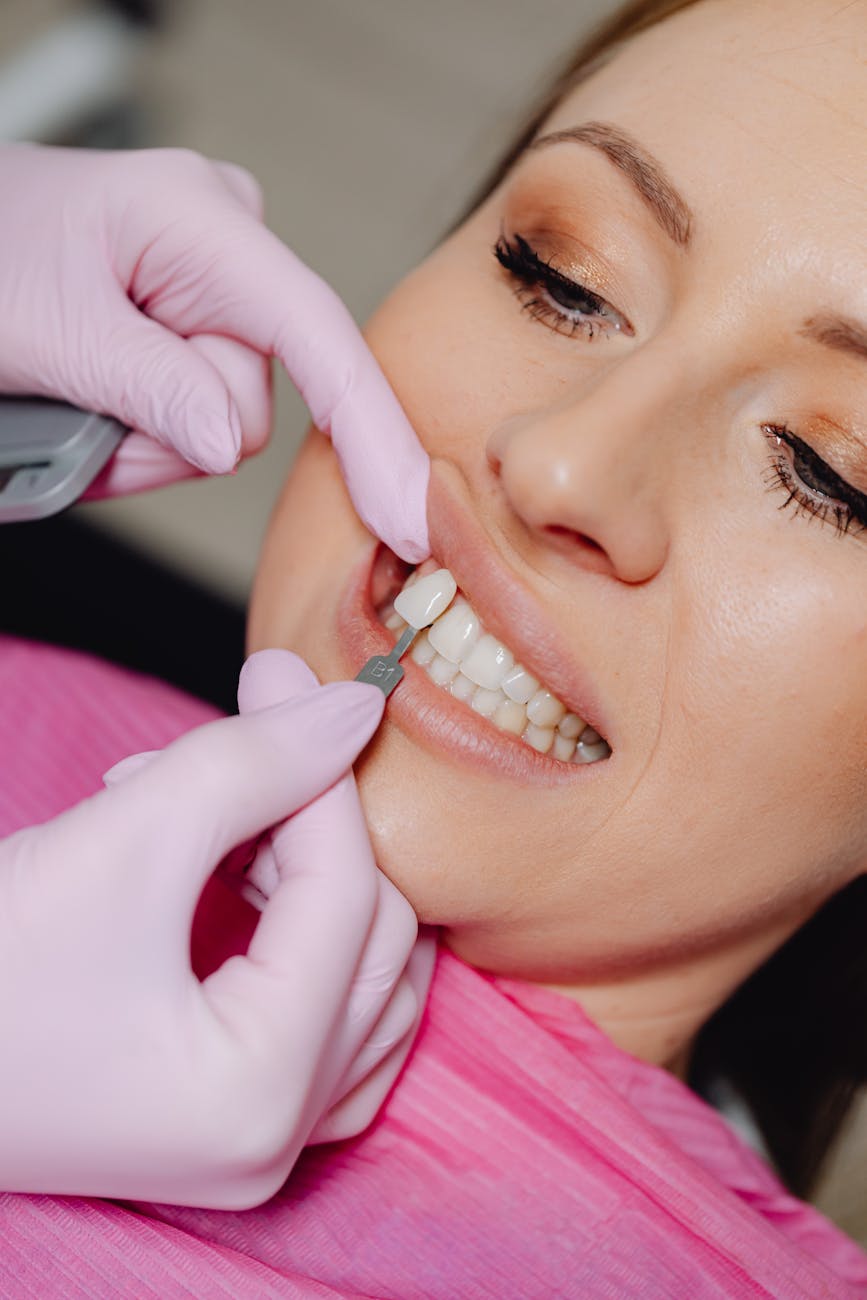
What Does Tooth Alignment Really Mean?
Tooth alignment refers to how your teeth fit together when your jaws are closed. Ideally, your upper teeth should slightly overlap your lower teeth, and your molars should fit together like puzzle pieces. This balanced bite is known as proper occlusion. However, many people experience misalignment issues, also known as malocclusion, which can include crowding, spacing, overbites, underbites, and crossbites.
Why Alignment Isn’t Just About Appearance
It’s natural to desire a straighter smile for aesthetic reasons. But the benefits of proper tooth alignment go beyond looks. Well-aligned teeth:
- Are easier to keep clean
- Function more efficiently during chewing and speaking
- Distribute bite forces equally, reducing wear and tear
- Decrease strain on jaw muscles and joints
Understanding the connection between alignment and oral hygiene can help you make better choices for your dental health.
The Connection Between Alignment and Oral Hygiene
1. Making Cleaning Easier (or Harder)
The placement of your teeth has a direct impact on how easy it is to clean your mouth effectively. Straight teeth allow for smooth brushing and flossing, reaching all surfaces and removing plaque buildup. Misaligned teeth, by contrast, often create problematic nooks and crannies. These tight spots can trap food particles and bacteria, making it difficult for even the most diligent brushers to keep their teeth clean.
Common Issues Resulting from Poor Alignment
- Plaque Accumulation: Crooked or crowded teeth provide sheltered areas for plaque to thrive.
- Tartar Buildup: When plaque isn’t fully removed, it hardens into tartar (calculus), which is much harder to clean and can only be removed by a dental professional.
- Gum Irritation: Misalignment can cause certain teeth to put excess pressure on gums, leading to inflammation or even gum recession.
2. Increased Risk of Tooth Decay and Gum Disease
When plaque stays on the teeth, it produces acids that weaken enamel and irritate the gums. This sets the stage for cavities (tooth decay) and gingivitis (early gum disease). People with misaligned teeth are at higher risk for these issues simply because they cannot clean as effectively.
How Misalignment Affects Gum Health
- Crowding: Teeth that overlap trap food and bacteria, making it easy for gum inflammation to develop.
- Spacing: Large gaps allow more bacteria and debris to pool near the gums, increasing the threat of infection.
3. Wear and Tear on Teeth and Gums
Misaligned teeth are more likely to be subject to uneven force during biting and chewing. Over time, this can cause:
- Abnormal Wear: Certain teeth may wear down faster, leading to chipping, fractures, or sensitivity.
- TMJ Disorders: Jaw joint pain, popping, or clicking can arise from malocclusion, impacting both comfort and function.
- Gum Recession: Excessive force or grinding due to poor alignment can pull gums away from tooth surfaces, exposing roots and making teeth more vulnerable to decay.
How Can You Improve Tooth Alignment?
Modern dentistry offers several options for correcting misalignment and improving oral hygiene:
- Braces: Traditional metal braces, clear ceramic braces, or quick braces gradually move teeth into better positions.
- Clear Aligners: Systems like Invisalign provide nearly invisible solutions for mild to moderate crowding or spacing.
- Retainers: These hold teeth in place after active treatment and help maintain alignment.
- Early Orthodontic Intervention: For children, interceptive treatments can address developing issues before they become severe.
Consulting with an orthodontist is the best way to determine which treatment is right for you.
Oral Hygiene Tips for Misaligned Teeth
If you have not yet corrected misalignment, or are currently undergoing treatment, you can still protect your dental health by:
- Choosing the Right Toothbrush: Use a small-headed brush or an electric toothbrush to reach difficult spots.
- Regular Flossing: Special tools like floss threaders or interdental brushes can access tight spaces.
- More Frequent Dental Cleanings: Schedule professional cleanings every 3-6 months to stay ahead of tartar buildup.
- Rinsing with Antibacterial Mouthwash: This helps reduce bacteria in hard-to-reach areas.
Staying vigilant with at-home care and dental visits is essential if misalignment is making routine oral hygiene a challenge.
The Hidden Benefits of Correcting Alignment
Straightening your teeth doesn’t just boost your confidence. People who undergo orthodontic treatment frequently report:
- Improved Oral Health: Fewer cavities and gum problems due to easier cleaning
- Greater Comfort: Less jaw pain, fewer headaches, and improved chewing function
- Long-Term Savings: Preventing dental issues early reduces the need for complex, costly treatments later
Conclusion
Tooth alignment is crucial for oral health, as misalignment can lead to bigger problems over time. If you’re worried about your bite or find it hard to clean your teeth, consult your dentist. Proper alignment supports healthier teeth and gums, ensuring long-term care.

 International Journal of Research (IJR)