Online businesses often hit the same productivity wall: there’s plenty of work to do, but not all of it is worth a skilled team member’s time. Microtask platforms solve this by letting you delegate small, well-defined jobs to a distributed workforce—so your core team can stay focused on higher-impact priorities.
What microtasks are (and why they matter)
A microtask is a short, specific unit of work that can be completed quickly with clear instructions. Think of it as breaking a bigger project into bite-sized steps that don’t require deep context. The real benefit is not just that tasks get done—it’s that work stops piling up in the “important but not urgent” category.
Common microtasks for online businesses include:
Data entry and formatting (spreadsheets, product attributes, address cleanup)
Lead research (collecting emails, company details, social profiles)
Testing and QA checks (broken links, form submissions, usability notes)
Reviewing search results, competitor pricing snapshots, or marketplace listings
How delegating small jobs increases efficiency
Many businesses lose time not to big projects, but to the constant drag of small tasks: updating listings, moving data between tools, checking errors, compiling research, and cleaning up content. When these tasks stay on the plate of a founder, marketer, or developer, they create two costly problems:
Context switching: Even a 10-minute task can derail momentum for an hour.
Bottlenecks: Work queues form because only a few people have time to “get to it.”
Microtask delegation improves efficiency by turning scattered to-dos into a managed workflow. Instead of handling everything yourself, you push repeatable items into a system. Over time, this creates smoother operations: fewer interruptions, shorter turnaround times, and more consistent execution.
Productivity gains: where microtask platforms make the biggest difference
Microtask platforms can be especially helpful when your business has recurring workloads that aren’t strategic—but still matter for quality, growth, and customer experience.
1) Faster throughput for routine operations
If your team spends hours each week on manual updates (product data, directory submissions, listing checks), microtasking can turn that work into parallel execution. Ten people doing ten small tasks often beats one person trying to power through a long checklist.
2) Cleaner inputs for marketing and sales
Marketing automation and sales systems are only as good as the data you feed them. Microtasks can help you keep CRM fields accurate, standardize naming conventions, verify leads, and enrich contact records—so campaigns and outreach perform better.
3) Better quality control without slowing releases
Before a launch, small verification steps can be overlooked: link checks, formatting review, image placement, mobile display issues. Microtasking enables lightweight QA that reduces embarrassing errors while keeping your main team focused on delivery.
4) More time for deep work
Deep work—strategy, product decisions, creative output—requires long, uninterrupted blocks. Delegating microtasks is one of the simplest ways to protect that time, because it reduces the volume of “quick interruptions” that fragment the day.
For example, platforms like RapidWorkers can be used to offload small online tasks and support day-to-day execution, helping your business maintain momentum without overloading internal staff.
How microtasking supports business automation (instead of replacing it)
Automation is great for predictable, rule-based steps—but many workflows still have “human gaps.” These are moments where judgment, verification, or simple manual intervention is needed: confirming whether a link works, validating if a piece of information is accurate, or interpreting a messy input that automation can’t reliably parse.
Microtask platforms complement automation by handling these gaps quickly, keeping your automated systems clean and reliable. In practice, the best operations often look like a loop:
Automation collects, triggers, or routes items.
Microtasks validate, correct, or enrich the data.
Automation continues downstream with better inputs.
If you’re building more systemized operations, it helps to align microtasking with your automation roadmap. A useful starting point is to identify repetitive steps that could be automated later and begin by delegating them as microtasks today. When you’re ready, you can replace the most stable steps with automation while keeping edge cases handled by people.
To explore automation ideas and tooling options, you can review guides from sources like business process automation resources and map those concepts onto your own workflows.
Practical tips for getting strong results
Microtask success depends on clarity. When tasks are small, instructions need to be even smaller—and more precise. A few habits make a big difference:
Define “done” in one sentence: State exactly what the worker should deliver (a filled row, a screenshot, a URL list, etc.).
Provide examples: One good example can prevent dozens of misunderstandings.
Use checklists: For recurring tasks, a simple checklist reduces variability.
Build in verification: Spot-check results, require proof (like screenshots), or use redundancy for critical items.
Start with low-risk tasks: Begin with work that’s easy to review before assigning anything sensitive.
Common pitfalls to avoid
Vague tasks: “Research competitors” is too broad; “Collect pricing for these 10 SKUs from these 3 sites” is workable.
Overloading a single microtask: If it takes too long, split it into smaller steps with clear outputs.
No ownership on your side: Someone internal should still own the process and review outcomes—microtasks reduce work, they don’t eliminate management.
Skipping process improvement: If the same microtask appears every week, consider templating it—or planning automation later.
Where to start: a simple 30-minute exercise
If you’re unsure what to delegate, try this:
List everything you did last week that took under 20 minutes.
Highlight items that repeat monthly or weekly.
Choose one category (data cleanup, lead research, QA checks).
Write one task template with clear “done” criteria.
Run a small test batch, then refine the instructions.
This approach keeps it manageable and helps you create a repeatable system rather than a one-off outsourcing attempt.
Final thoughts
Microtask platforms can be a practical productivity lever for online businesses because they reduce bottlenecks, protect deep work, and help teams move faster on routine operations. When you combine microtasking with a thoughtful automation strategy, you can build workflows that are both efficient and resilient—without requiring your core team to carry every small task themselves.
Leads are inconsistent. Ad spend keeps rising. You post content, but revenue doesn’t follow. Most founders don’t need more “marketing.” You need coordination. That’s where a real digital marketing agency USA earns its keep.
A true digital marketing company USA doesn’t sell random services. It builds a system that turns attention into measurable revenue. At Five Talents, we’ve seen small businesses waste months hiring freelancers who never spoke to each other. SEO ran one direction, paid ads another, the website converted poorly, and no one owned the funnel. That chaos costs money.
Strategy Before Tactics
Here’s what surprises many entrepreneurs. The best digital marketing agency starts with positioning and numbers, not ads. Before touching PPC advertising services or SEO services, we clarify the offer, margins, and break-even cost per lead. If you don’t know what you can afford to pay for a customer, paid advertising becomes gambling.
We build a clear go-to-market structure: audience, messaging, traffic channels, and conversion paths. That’s not theory. That’s how you protect your budget. A strong results-driven digital marketing company USA. begins with growth strategy consulting and messaging strategy services, because traffic without clarity converts poorly.
Traffic That Actually Converts
Once the foundation is right, traffic matters. This is where many internet marketing companies oversell impressions. You don’t need vanity metrics. You need qualified leads.
We combine Google Ads management services, paid social media services, and professional SEO services so your brand shows up at every stage of the buying cycle. Search engine optimization services build long-term visibility. PPC advertising services generate immediate demand. Social media marketing services warm up cold audiences.
But traffic alone won’t fix weak conversion paths. Your website design services and responsive web design services must support the campaign. We’ve increased demo bookings by over 30% simply by restructuring homepage messaging and tightening calls to action.
Content, Automation, and Retention
Acquiring leads is expensive. Keeping them costs less. A full-service online marketing agency handles content marketing services, email automation services, and sales copywriting services together. Why? Because acquisition and retention are one system.
Blog writing services attract search intent. Email funnel services nurture prospects who are not ready yet. Automated email marketing keeps your pipeline warm. When this runs properly, cost per acquisition drops.
For nonprofits, Google Ad Grant management and Google Ad Grant account setup unlock free Google Ads for nonprofits. Done right, nonprofit Google Ads services can generate thousands of targeted visitors without draining operational budgets.
Branding and Digital Infrastructure
You can run ads, but if your brand identity design feels inconsistent, trust suffers. Branding services, logo and brand design services, and website copywriting services create coherence. That coherence increases conversion.
We often step in as both digital marketing consultant and execution partner. Some clients need full implementation. Others need business growth consulting services and oversight for internal teams. Either way, accountability matters. That’s what separates a vendor from a partner.
If you are looking for a results-driven digital marketing company USA. that understands tight budgets and real growth pressure, visit Five Talents. We build marketing systems that produce leads, close sales, and support long-term business strategy services. If your marketing feels fragmented, it’s time to fix the structure.
Saleh, S. S., Abdu, R., & Suleiman, M. M. (2026). Effect of Entrepreneurship Education and Attitude on Entrepreneurial Intention Among Graduating Students of Polytechnics in Kano State, Nigeria. International Journal of Research, 13(1), 133–146. https://doi.org/10.26643/eduindex/ijr/2026/8
1Safiyanu Sulaiman Saleh, 2Rabiu Abdu, & 3Muhammad Muhammad Suleiman
1Department of Business Administration and Management,
1School Social & Management Sciences
2Bursary Department
3Department of Computer Science, School of Science & Technology
1,2,3Federal Polytechnic Kabo, Kano, Nigeria
ABSTRACT
This study explores the effects of Entrepreneurship Education (EE) and Entrepreneurial Attitude (EA) on Entrepreneurial Intention (EI) among Polytechnic’s in Kano State. Against the backdrop of Nigeria’s persistent youth unemployment and underemployment, the study seeks to determine whether exposure to entrepreneurship education and the development of a positive entrepreneurial mindset could influence students’ willingness to pursue self-employment. A thorough literature review and empirical evaluation established that entrepreneurship plays a vital role in economic transformation, especially in developing nations. Numerous studies reported a positive and significant link between EE, EA, and EI, some argue that the impact of EE is context-dependent and may be weakened by poor delivery or lack of practical engagement. The empirical literatures confirmed that EE tends to stimulate EI when it promotes self-efficacy, risk-taking, and innovation, and when coupled with a supportive entrepreneurial attitude. However, gaps remain in understanding these relationships in local contexts like Nigerian polytechnics. The study will adopt a quantitative research design and rely on data of the students obtained from the MIS Unit of Kano State Polytechnic, which recorded an HND graduating student population of 1,045 across 32 departments/programmes in various units/schools of the polytechnicAsample size of 285will be selected using theKrejcie and Morgan (1970). Astratified random sampling technique will ensure that all departments are proportionately represented. Data analysis will be conducted using SPSS version 26, applying descriptive statistics, Pearson’s correlation, and multiple regression analysis. The results is expected to reveal a statistically significant and positive relationship between EE and EI, as well as between EA and EI.
Entrepreneurship plays a vital role in fostering economic transformation, inclusive growth, and national development across the globe (Johnson, Adeoye, & Chen, 2023; Ferreira, Silva, & Martins, 2022; Okafor, Ezenwa, & Oyetunji, 2021). This is especially true for developing countries like Nigeria, where challenges such as poverty and high unemployment remain critical (Emeka, Agho, & Udeh, 2023; Asuquo, 2024; Idowu, 2023; Aina & Oladipo, 2021). Despite its abundance of human and material resources, Nigeria has struggled to achieve widespread economic prosperity. Most citizens still live below the poverty line, surviving on less than a dollar per day even after over sixty years of independence (Yakubu, Hassan & Omeje, 2022), while unemployment figures continue to rise (Bello, Danjuma, & Suleiman, 2023). A country with a vibrant entrepreneurial base has the potential to become economically stable and prosperous (Nasir, Lukman, Adisa, & Olaniyan, 2023). For young people, unemployment remains a particularly severe issue often double or triple the national average (Popescu & Dinu, 2023).
Entrepreneurship is not accidental – it is an intentional decision shaped by personal, educational, and environmental factors. Numerous studies have shown that entrepreneurial intention (EI) is influenced by aspects such as education, social and family background, and exposure to entrepreneurial education (EE) (Okon & Bello, 2022). This disconnect has fueled academic interest in entrepreneurship as a practical and desirable career path for students. As a result, many studies have examined EI and its antecedents to understand entrepreneurial behavior more deeply (Silva, Pereira, & Oliveira, 2022). Research has shown that African youth are particularly entrepreneurial, demonstrating a readiness to innovate and take risks (Adeniyi, Rashid, & Gamede, 2024). Entrepreneurial intention remains a key indicator for understanding how and why individuals initiate and develop new business ventures (Patel, Sharma, & Bhatnagar, 2021).In line with this, Petrova, Kuznetsova, & Romanova (2023) emphasized the importance of exploring more psychological and environmental variables that influence EI.
Similarly, Nor, Idris, Fatah & Salim (2022) recommended larger sample sizes and broader institutional representation in EI research. Okeke, Nwankwo & Ubah (2023), who examined EI in Muslim-majority regions, advised future research to expand its geographic and cultural scope while also including new influencing variables. Likewise, Khan, Yusuf, Ali, Sharma & Adeel (2021) noted that limited empirical work has been done in developing countries to fully understand the link between EE and EI. Despite the growing significance of EI in policy and practice, few empirical studies have focused on this topic within the Nigerian context. It is against this backdrop, the present study aims to address several of these issues. Specifically, it will investigate the effects of entrepreneurial education and students’ attitudes on entrepreneurial intention among graduating students in Kano State polytechnic.
1.1 PROBLEMS STATEMENT
Despite Nigeria’s abundant human and material resources, the country continues to experience high levels of youth unemployment and poverty. Polytechnic graduates, in particular, face significant challenges in securing employment within their field of study. This disconnect between formal education and economic opportunities has sparked growing concern about the effectiveness of Nigeria’s higher education system in fostering entrepreneurship. While entrepreneurship education (EE) is increasingly recognized as a catalyst for equipping students with the mindset and skills necessary for self-employment, many Nigerian polytechnic still predominantly train students to become employees rather than entrepreneurs. Furthermore, although entrepreneurial intention (EI) is widely acknowledged as a precursor to actual entrepreneurial behavior, empirical studies examining the specific influence of EE and student attitudes on EI remain limited within the Nigerian context. The absence of localized evidence restricts policymakers, educators, and curriculum developers from making informed decisions to bridge the education-employment gap.
This study is crucial because it seeks to address the urgent challenge of youth unemployment in Nigeria by examining the role of entrepreneurial education and student attitudes in shaping entrepreneurial intentions. Previous research conducted in developed countries has demonstrated a positive relationship between EE and EI; however, such findings cannot be directly applied to Nigeria without context-specific investigation. Additionally, scholars have called for expanded research into the psychological and educational factors influencing EI, especially in developing countries. This study not only responds to that call but also contributes to filling a significant empirical gap by focusing on Kano State Polytechnic students at a critical transition point graduation. By identifying the variables that significantly impact EI, the findings of this study will inform educational policies, polytechnic curricula, and entrepreneurial development programs aimed at transforming graduates from job seekers to job creators. Ultimately, the study supports the national goal of promoting economic self-reliance and sustainable development through youth entrepreneurship.
1.2 Objectives of the Study
The primary objective of this study is to examine the effect of entrepreneurship education and students’ attitudes on entrepreneurial intention among HND graduating students of Kano State polytechnic. To achieve this main goal, the study seeks to:
Assess the impact of entrepreneurship education (EE) on the entrepreneurial intention (EI) of HND graduating students of Kano State Polytechnic.
Examine the influence of students’ attitudes towards entrepreneurship on their intention to become entrepreneurs.
Determine the combined effect of entrepreneurship education and attitude on entrepreneurial intention among Kano State Polytechnic HND graduates.
1.3 Hypotheses Development
Based on the above objectives, the study postulated the hypotheses: –
HO1: There is no significant positive relationship between entrepreneurship education and entrepreneurial intention of HND graduating students of Kano State Polytechnic
HO2: There is no significant positive relationship between students’ attitude and entrepreneurial intention of HND graduating students of Kano State Polytechnic
HO3: There is no significant positive relationship between combination of EE & EA and EI of HND graduating students of Kano State Polytechnic
LITERATURE REVIEW/CONCEPTUAL DEFINITIONS
2.1 Entrepreneurial Intention
Entrepreneurial intention (EI) has emerged as a central concept in entrepreneurship research and is widely recognized as a strong predictor of planned, purposeful entrepreneurial behavior (Salim, Farouk & Nor, 2021; Adegbite, Yusuf & Lawani, 2023; Chukwuma, Bello & Hassan, 2022). EI reflects an individual’s conscious decision and commitment to start a new business or engage in entrepreneurial activities in the future. It signifies a deliberate mindset that precedes action, driven by the identification of opportunities and the perceived feasibility of launching a venture (Rahman, Tan & Othman, 2022). Furthermore, EI is often influenced by one’s ability to analyze the environment, assess market gaps, and creatively propose solutions through business ideas. This self-awareness and contextual understanding are what enable individuals, particularly students, to discover and refine entrepreneurial opportunities (Oyelola, Bakare & Adebayo, 2021). Supporting this, Martins, Lima, & Correia (2022) argue that EI represents a goal-oriented mindset, allowing individuals to align their personal and professional aspirations with the dynamic demands of entrepreneurship.
In summary, entrepreneurial intention is a multidimensional concept encompassing the desire, determination, and strategic planning to engage in entrepreneurial activities. It represents a foundational construct for understanding entrepreneurial behavior and is a critical area of interest for scholars, educators, and policymakers seeking to enhance entrepreneurship development, particularly among youth and polytechnic students.
2.2 Entrepreneurship Education and Entrepreneurial Intention
In recent years, there has been a noticeable increase in the institutionalization of entrepreneurshipeducation (EE) within higher education curricula across disciplines. It is now common for students in fields such as the arts, engineering, and sciences to be exposed to formal entrepreneurship training at the Polytechnics level (Chinelo, Abbas & Wang, 2022). This shift reflects a growing consensus on the value of EE in broadening students’ skillsets, encouraging self-reliance, and equipping them with practical knowledge to navigate the uncertainties of post-graduation life (Ibrahim, Musa & Zhang, 2023). Numerous studies have confirmed that EE has a significant and positive impact on entrepreneurial intention (EI), which refers to an individual’s conscious decision to pursue entrepreneurship as a career path (Ayoade, Kwame, & Zhou, 2021). As such, many governments and educational institutions have integrated entrepreneurship into academic policy, not only to combat youth unemployment but also to stimulate innovation, productivity, and inclusive economic growth (Olowolaju, Shah, & Ridwan, 2023). EE serves as a strategic tool to ignite students’ interest in start-ups, wealth creation, and self-employment (Chen, Adebayo & Tan, 2021).
The integration of EE into polytechnic programs is intended to instill fundamental entrepreneurial competencies that guide students toward business ownership and sustainability. As noted by Abdulaziz, Fatai, Munirat, Ifeoma, & Raymond (2023), EE empowers students to acquire essential entrepreneurial knowledge—planning, decision-making, opportunity recognition, risk-taking which supports business creation and strategic management. Beyond technical knowledge, EE fosters creativity, responsibility, and an entrepreneurial mindset, transforming passive learners into active problem-solvers and future business leaders (Nwachukwu, Gomez & Xu, 2022). Empirical research continues to demonstrate a strong theoretical and practical link between EE and EI. Multiple studies have shown that students exposed to structured EE programs exhibit higher entrepreneurial intentions compared to their counterparts without such exposure (Okonjo, Felix, & Wang, 2024; Rahim, Ishola, & Le, 2023). Similarly, researchers such as Fatima, Bello, and Wahab (2022), and Noor, Idris, & Hassan (2021), have found that EE plays a crucial role in shaping students’ attitudes, confidence, and motivation toward entrepreneurship.
2.3 Entrepreneurial Attitude and Entrepreneurial Intention
Entrepreneurial education (EE) plays a significant role in shaping students’ entrepreneurial attitudes (EA), especially among those enrolled in business-related and economics programs (Okeke, Yusuf & Bello, 2021). Entrepreneurial attitude refers to an individual’s evaluative disposition – either positive or negative towards entrepreneurship, and it includes cognitive, emotional, and behavioral tendencies (Abdullahi, Musa & Li, 2022). When students develop favorable entrepreneurial attitudes, they are more likely to express interest in entrepreneurial ventures. In this context, attitude serves as a psychological framework that shapes how individuals perceive entrepreneurship and whether they are inclined to engage in it (Ogunyemi, Raji & Zhang, 2022). Attitude influences behavior, as it is linked to how one processes and reacts to information, events, or opportunities. This notion is echoed by Bello, Chukwudi, & Wang (2021), who suggest that entrepreneurial behavior is rooted in how an individual cognitively and emotionally responds to business opportunities and risks.
Scholars have emphasized that entrepreneurial action is an outcome of both attitude and intention. In essence, before entrepreneurship becomes an action, it begins as a mindset shaped by positive perceptions and internal motivation (Saidu, Ibrahim, & Chen, 2023). Therefore, cultivating positive attitudes is crucial in promoting entrepreneurial aspirations among students. Entrepreneurial attitude reflects how welcoming, enthusiastic, or critical students are toward the idea of starting a business. Pulido, Azubuike, & Zhou, (2024) define EA as a predisposition toward entrepreneurship based on self-perceptions of achievement, creativity, personal autonomy, and self-esteem. However, some scholars argue that the relationship is not always linear. For example, Ogundele, Taiwo, & Chen (2021) found that while EE improves EA, other factors such as perceived behavioral control and external support systems are also crucial in translating attitudes into intention. In a broader study, Liang, Adesina, & Wang (2024) noted that even when students have positive attitudes toward entrepreneurship, structural barriers such as lack of funding, mentorship, or market access can reduce their likelihood of acting on those intentions.
2.4 Review of Related Empirical Literature
The relationship between entrepreneurial attitude (EA)andentrepreneurial intention (EI) has attracted significant scholarly attention over the years, particularly due to its centrality in understanding entrepreneurial behavior. Empirical studies across different contexts and time periods consistently show that EA is a strong predictor of EI, though the strength and direction of this relationship may vary depending on cultural, educational, and institutional variables. A seminal work by Krueger, Reilly, & Carsrud (2000) using the Theory of Planned Behavior (TPB) laid the groundwork for understanding intention as a function of attitude, perceived behavioral control, and subjective norms. Their study confirmed that individuals with a positive disposition toward entrepreneurship are more likely to form intentions to start a business. Building on this, Liñán & Chen (2009) conducted a cross-cultural study and found that students with favorable attitudes toward entrepreneurship had higher EI scores across multiple countries, confirming the universality of the attitude-intention relationship. Similarly, Fayolle & Gailly (2015) examined European students and discovered that positive attitudes toward innovation, self-efficacy, and achievement were strongly correlated with entrepreneurial career aspirations.
Recent empirical studies between 2021 and 2024continue to affirm these earlier findings while offering updated insights. For example, Adeoye, Ladan, & Jiang (2023) investigated Nigerian undergraduates and revealed that entrepreneurial attitude defined by indicators such as personal control, risk tolerance, and creativity significantly predicted students’ entrepreneurial intentions. The study emphasized that EA was not only influenced by personality traits but also shaped by exposure to entrepreneurship education. Okon, Bello, & Wang (2022) examined students in both Nigerian and Chinese polytechnics, and their comparative study revealed that entrepreneurial attitude mediated the impact of entrepreneurial education on EI. Their findings suggest that positive cognitive and emotional evaluations of entrepreneurship, developed through polytechnic curricula and role models, enhance students’ willingness to engage in start-up ventures. In Malaysia, Nasir, Okechukwu, & Fu (2021) conducted a structural equation modeling analysis among business students and found a direct, significant relationship between EA and EI. The study also found that entrepreneurial attitude was strengthened by factors such as internship experiences, student enterprise programs, and perceived entrepreneurial climate on campus. Additionally, Pulido, Azubuike, & Zhou (2024) carried out a longitudinal study in Nigeria that tracked students from their second year through graduation. The study showed that those who participated in project-based entrepreneurship modules developed stronger entrepreneurial attitudes and were three times more likely to express the intention to start their own businesses.
Other studies, such as those by Adamu, Olatunji, & Ye (2023), observed that EA plays a moderating role between entrepreneurship education and EI. While most students showed high levels of enthusiasm for entrepreneurship, the absence of practical application and institutional support led to a gap between intention and action. Similarly, Ogundele, Taiwo, & Chen (2021) reported that although positive entrepreneurial attitudes were prevalent among Nigerian polytechnic students, other factors such as fear of failure, lack of capital, and insufficient mentoring significantly weakened the effect on actual intention. A broader international perspective was presented by Liang, Adesina, & Wang (2024), who explored gender differences in EA and EI across three countries. Their findings indicated that while male students generally displayed higher entrepreneurial attitudes, female students’ EI was significantly influenced by social encouragement and community-based entrepreneurial programs.
Earlier works have also echoed these findings. For instance, Kusmintarti, Thoyib, Ashar, & Maskie (2014) identified that students with strong EA measured by achievement motivation and innovativeness were more inclined to start businesses. Pulka, Aminu, & Rikwentishe (2015) found similar results in a Nigerian context, where EA mediated the relationship between entrepreneurial education and EI. Studies such as Ismail (2015)andRuswanti (2015)emphasized the psychological dimensions of EA, arguing that how individuals emotionally and cognitively relate to entrepreneurship plays a major role in intention formation. Abun, Foronda, & Agoot (2018) found in the Philippines that EA significantly predicted the entrepreneurial intentions of polytechnic students, especially when paired with practical business experiences. Moreover, studies like those by Hassan, Norashikin, & Omar (2016) and Trang & Mintardjo (2018) also confirmed that EA not only predicts EI but can also be enhanced through entrepreneurship education, mentorship, and experiential learning opportunities.
The empirical literature spanning more than two decades strongly supports the assertion that entrepreneurial attitude is a key antecedent of entrepreneurial intention. While the strength of this relationship is generally positive and significant, the impact of attitude on intention can be enhanced or diminished depending on a range of contextual and moderating factors, including exposure to entrepreneurship education, access to resources, institutional support, and socio-cultural influences.
2.5 Research Model
Entrepreneurship Education (EE)
Entrepreneurial Intention (EI)
Entrepreneurial Attitude (EA)
Fig 1: Author’s Model, 2025
The research model investigates the influence of Entrepreneurship Education (EE) and Entrepreneurial Attitude (EA) on Entrepreneurial Intention (EI) among HND graduating polytechnic students in Kano State Polytechnic. It proposes that EE directly enhances students’ intentions to become entrepreneurs by equipping them with relevant knowledge, skills, and experiences. At the same time, EE is believed to shape students’ attitudes toward entrepreneurship, such as their confidence, motivation, and risk tolerance, which in turn influence their intention to start a business. Overall, the model is used to explore how exposure to entrepreneurship education and the development of a positive entrepreneurial mindset together drive students’ willingness to engage in entrepreneurial activities after graduation.
METHODOLOGY
This study will adopt a quantitative research design, aimed at assessing the effects of entrepreneurship educationandentrepreneurial attitudeonentrepreneurial intention among HND graduating students of Kano State Polytechnic. The design is non-experimental and analytical, utilizing structured data to evaluate relationships among variables. The target population will comprise all HND graduating students of 2025 from32 departments/programmes, with a total of 1,045 students as documented by the institution’s Management Information System (MIS) Unit. To determine the appropriate sample size, the Krejcie and Morgan (1970) table will be used, yielding a representative sample of 285 respondents. A stratified random sampling technique will be employed, with each department to be treated as a stratum.
4.0 RESULTS
4.1 Reliability
Education
Reliability Statistics
Cronbach’s Alpha
No. of Items
.835
8
Attitude
Reliability Statistics
Cronbach’s Alpha
No. of Items
.807
8
Intention
Reliability Statistics
Cronbach’s Alpha
No. of Items
.790
8
The interpretation of reliability using Cronbach’s Alpha was based on the rule of thumb provided by (Sekaran & Bougie, 2010), who suggest that the Cronbach Alpha should be at least .70 or more. From the above analysis, the composite reliability coefficients of the latent constructs ranged from .790 to .835, with each exceeding the minimum acceptable level of .70, suggesting adequate internal consistency reliability of the measures used in this study (Hair, Ringle, & Sarstedt, 2011).
4.2 Regression
Model Summaryb
Model
R
R Square
Adjusted R Square
Std. Error of the Estimate
Change Statistics
R Square Change
F Change
df1
df2
Sig. F Change
1
.580a
.336
.331
4.01613
.336
68.775
2
272
.000
a. Predictors: (Constant), ATTITUDE, EDUCATION
b. Dependent Variable: INTENTION
ANOVAa
Model
Sum of Squares
df
Mean Square
F
Sig.
1
Regression
2218.584
2
1109.292
68.775
.000b
Residual
4387.176
272
16.129
Total
6605.760
274
a. Dependent Variable: INTENTION
b. Predictors: (Constant), ATTITUDE, EDUCATION
Coefficientsa
Model
Unstandardized Coefficients
Standardized Coefficients
T
Sig.
Collinearity Statistics
B
Std. Error
Beta
Tolerance
VIF
1
(Constant)
12.761
1.540
8.286
.000
Education
.139
.060
.153
2.306
.022
.555
1.803
Attitude
.448
.064
.466
7.025
.000
.555
1.803
a. Dependent Variable: INTENTION
The results suggest that both Entrepreneurial Education and Entrepreneurial Attitude significantly predict Entrepreneurial Intention among graduating students of Kano State Polytechnic. The regression model confirms that both variables (EE & EA) individually and jointly contribute significantly to predicting EI. These findings support prior studies and reinforced the importance of integrating entrepreneurship education across all departments to foster self-employment mindsets in students.
4.3 Correlations
EDUCATION
ATTITUDE
INTENTION
EDUCATION
Pearson Correlation
1
Sig. (2-tailed)
N
275
ATTITUDE
Pearson Correlation
.667**
1
Sig. (2-tailed)
.000
N
275
275
INTENTION
Pearson Correlation
.464**
.568**
1
Sig. (2-tailed)
.000
.000
N
275
275
275
**Correlation is significant at the 0.01 level (2-tailed).
The results suggest that both Entrepreneurial Education and Entrepreneurial Attitude significantly predict Entrepreneurial Intention among graduating students of Kano State Polytechnic. The positive correlations indicate that higher exposure to entrepreneurship education and a favorable attitude toward entrepreneurship are associated with stronger intentions to engage in entrepreneurial ventures.
CONCLUSION
In conclusion, entrepreneurship education plays a pivotal role in shaping students’ entrepreneurial mindset, skills, and intentions. While there is strong evidence supporting its positive influence on EI, the effectiveness of EE is highly dependent on content quality, pedagogical approach, and contextual relevance. Thus, there is a continuing need to strengthen EE curricula in polytechnics, tailor them to local entrepreneurial ecosystems, and embed experiential learning elements to foster genuine entrepreneurial intentions among students. This growing body of evidence has prompted scholars and educators to view EE as a foundation for building entrepreneurial ecosystems within academic institutions. Entrepreneurial attitude is a critical psychological construct that significantly influences entrepreneurial intention. Fostering positive entrepreneurial attitudes through education, experiential learning, and supportive ecosystems is essential to nurturing a generation of proactive, innovation-driven graduates.
RECOMMENDATIONS
Based on the findings above, the following recommendations were developed –
Curriculum redesign – this is to ensure transition from more of theoretical lectures to practical based learning such as business simulations, business incubation, and venture creations after practical, where students earn credit for launching actual startups
Attitude shaping – since attitude is a major predictor, teachers should focus on social persuasion to shape the students’ psychological attitude
Dream building – invite young successful alumni entrepreneurs to speak to students. This will boost their ambition and reduce fear of failure and makes them feel that it is a feasible career
Encourage arts, science and engineering students to take entrepreneurship modules together. Innovation often happens at the intersection of diverse skill sets
Policy makers to encourage startup development by giving grants instead of loans.
Government to intensify “ease of doing business” to facilitate development of business ideas to reality
Future researches to focus more in ways of translating academic research into practice.
REFERENCES
Abdulaziz, A., Fatai, A., Munirat, M., Ifeoma, E., & Raymond, D. (2023). Empowering youth through entrepreneurship education in Nigerian polytechnics. International Journal of Entrepreneurial Development, 28(3), 115–130.
Abdullahi, B., Musa, S., & Li, Q. (2022). Entrepreneurial attitude as a determinant of entrepreneurial intention among undergraduates. Journal of Entrepreneurship Studies, 34(2), 88–101.
Abun, D., Foronda, D., Agoot, F., Belandres, M., & Magallanez, J. (2018). Attitude and intention towards entrepreneurship among higher education students in the Philippines. Journal of Entrepreneurship Education, 21(2), 1–14.
Adamu, R., Olatunji, K., & Ye, Y. (2023). Bridging the gap between entrepreneurial attitude and intention through experiential learning. African Journal of Business and Management, 29(4), 242–259.
Adegbite, S. A., Yusuf, A. J., & Lawani, A. O. (2023). Attitude and entrepreneurial intent: Mediating role of entrepreneurship education and pedagogies. Covenant Journal of Entrepreneurship, 7(2), 1-14.
Adeniyi, A. O., Rashid, L. A., & Gamede, V. (2024). Individual entrepreneurial orientation for entrepreneurial readiness: A study of vocational students in Nigeria. Humanities and Social Sciences Communications, 11(1), 1-10. https://doi.org/10.1057/s41599-024-02728-9
Adeoye, T., Ladan, A., & Jiang, Z. (2023). Influence of entrepreneurial attitude on the formation of entrepreneurial intention among Nigerian students. International Journal of Management and Entrepreneurship, 17(1), 33–50.
Aina, A., & Oladipo, R. (2021). Challenges of youth entrepreneurship in Nigeria. Journal of Sustainable Development, 10(2), 87–101.
Asuquo, R. E. (2024). Entrepreneurship education as a response to graduate unemployment in
Nigeria. Journal of African Education and Innovation, 6(1), 100–115.
Ayoade, A., Kwame, E., & Zhou, L. (2021). Impact of entrepreneurship education on entrepreneurial career choice. Education and Entrepreneurship Quarterly, 5(3), 44–61.
Bello, J., Chukwudi, A., & Wang, H. (2021). Cognitive and emotional dimensions of entrepreneurial behavior among undergraduates. Entrepreneurship and Society Review, 9(2), 44–62.
Bello, K. S., Danjuma, I., & Suleiman, A. (2023). Effect of entrepreneurship on economy growth and development in Nigeria. Journal of Human Resources and management Science, 2(2), 108-124. https://hummingbirdjournals.com/hrms/article/view/108
Chen, X., Adebayo, R., & Tan, H. (2021). Entrepreneurship education and youth employability in Sub-Saharan Africa. Journal of Youth and Entrepreneurship, 10(1), 15–31.
Chinelo, A., Abbas, M., & Wang, X. (2022). Integration of entrepreneurship into non-business programs in Nigerian tertiary institutions. African Journal of Educational Research, 22(3), 77–91.
Chukwuma, J., Bello, A., & Hassan, M. (2022). Investigating predictors of entrepreneurial intention among Nigerian youth. Entrepreneurship Development Studies, 7(4), 198–212.
Emeka, C., Agho, S., & Udeh, M. (2023). Re-thinking poverty eradication through education and entrepreneurship. African Economic Review, 20(2), 91–107.
Fatima, S. K., Bello, A., & wahab, S. A. (2022). Entrepreneurial alertness and intention among university students: The moderating role of entrepreneurship education. International Journal of Business and Technopreneurship, 12(1)x, 45-58.
Fayolle, A., & Gailley, B. (2015). The impact of entrepreneurship education on entrepreneurial attitudes and intention: Hysteresis and persistence. Journal of Business Venturing, 30(1), 75-93. https://doi.org/10.1016/j.jbusvent.2014.07.001
Ferreira, L., Silva, J., & Martins, D. (2022). Youth entrepreneurship for sustainable national development. International Journal of Social Innovation, 17(3), 129–145.
Hair, J. F., Ringle, C. M., & Sarstedt, M. 92011). PLS-SEM: Indeed a silver bullet. Journal of Marketing Theory and Practice, 19(2), 139-152. https://doi.org/10.2753/MTP1069-6679190202
Ibrahim, A. M., Musa, I., & Zhang, Q. (2023). Digital media literacy and entrepreneurial intention: The mediating role of self-efficacy among university students. International Journal of Professional Business Review, 8(5), e01854. https://doi.org/10.266668/businessreview/2023.v815.1854
Idowu, T. (2023). Economic policies and youth entrepreneurship in Nigeria. Nigerian Journal of Public Administration, 19(1), 12–28.
Johnson, O., Adeoye, A., & Chen, Y. (2023). Human capital development and entrepreneurship for national progress. Global Journal of Human Resources and Development, 13(4), 154-171.
Khan, S. A. R., Yusuf, S., Ali, S. S., Sharma, A., & Adeel, S. (2021). Influence of financial literacy and educational skills on entrepreneurial intent: Empirical evidence from young entrepreneurs of Pakistan. Journal of Asian Finance, Economics and Business, 8(1), 697-710.https://doi.org/10.13106/jafeb.2021.vol8.no1.697
Krejcie, R. V., & Morgan, D. W. (1970). Determining sample size for research activities. Educational and Psychological Measurement, 30(3), 607–610.
Krueger, N. F., Reilly, M. D., & Carsrud, A. L. (2000). Competing models of entrepreneurial intentions. Journal of Business Venturing, 15(5-6), 411-432. https://doi.org/10.1016/S0883-9026(98)00033-0
Liang, J., Adesina, R., & Wang, Y. (2024). Gender differences in entrepreneurial intention across three countries. Entrepreneurship and Gender Studies, 8(1), 49–67.
Linan, F., & Chen, Y.-W. (2009). Development and cross-cultural application of a specific instrument to measure entrepreneurial intentions. Entrepreneurship Theory and Practice, 33(3), 593-617. https://doi.org/10.1111/j.1540-6520.2009.00318.x
Martins, J. M., Lima, T. M., & Correia, S. C. (2022). Entrepreneurial intention and the influence of personality traits: A study among university students. International Journal of Professional Business Review, 7(1), eo323.https://doi.org/10.266668/businessreview/2022.v7i1.323
Nasir, M., Okechukwu, P., & Fu, L. (2021). Student entrepreneurial attitudes and intentions: Evidence from Malaysian polytechnics. International Journal of Business and Management, 16(3), 50–63.
Nasir, A., Lukman, S., Adisa, W. B., & Olaniyan, S. O. (2023). Entrepreneurial orientation and performance of small and medium enterprises in Nigeria. The moderating role of institutional environment. International Journal of Research and Innovation in Social Science, 7(9), 1145-1162. https://doi.org/10.47772/,2023.7991
Noor, M. S. M., Idris, A., & Hassan, Z. (2021). Assessing the relationship between entrepreneurship education, entrepreneurial mindset and intention among university students. International Journal of Academic Research in Business and Social Sciences, 11(3), 854-869. https://doi.org/10.6007/IJARBSS/v11-i3/8975
Nor, M. M., Idris, A., Fatah, A. M., & Salim, N. (2022). The impact of human resource management practices on employee performance among government servants in Malaysia. International Journal of Academic Research in Business and Social Sciences, 12(10), 2584-2594. https://doi.org/10.46886/IJARBSS/v12-i10/12051
Nwachukwu, C., Gomez, J. M., & Xu, S. (2022). Entrepreneurial intention and startup preparation: A study among nosiness students. Journal of Business and Socio-Economic Development, 2(1), 1-15. https://doi.org/10.1108/JBSED-01-2022-0010
Ogunyemi, A. O., Raji, A. A., & Zhang, Q. (2022). The impact of entrepreneurship education on entrepreneurial intention: The mediating role entrepreneurial self-efficacy. International Journal of Research in Business and Social Sciences, 11(4), 112-121. https://doi.org/10.20525/ijrbs.v11i4.1812
Okafor, M., Ezen0wa, P., & Oyetunji, B. (2021). Entrepreneurial ecosystems and national development. Journal of Policy Research and Innovation, 14(4), 209–224.
Okeke, C. D., Yusuf, S. A., & Bello, M. B. (2021). Vocational skills acquisition and entrepreneurial intention among undergraduates in Nigeria. Journal of management and Social Sciences, 10(2), 442-456.
Okeke, M. N., Nwankwo, K. O., & Ubah, J. I. (2023). Environmental factors and entrepreneurial intentions of graduating students in Nigerian universities. International Journal of Business and Management Review, 11(4), 18-34.
Okon, E. E., & Bello, K. S. (2022). Financial innovation and the growth of emerging markets in Nigeria. Journal of management and Social Science Research, 3(1), 45-59.
Okon, J. E., Bello, A. S., & Wang, Y. (2022). Digital media and entrepreneurship intention among university students. Journal of Business and Economic Development, 7(2), 45-58.
Okonjo, N. P., Felix, A. O., & Wang, Y. (2024). Human capital development and social entrepreneurial intention: A comparative analysis of digital literacy among university students. Journal of Global Entrepreneurship Research, 14(1), 112-129. https://doi.org/10.1007/s40497-024-00381-w
Olowolaju, P. S., Shah, S. Z. A., & Ridwan, M. S. (2023). Determinants of entrepreneurial intention among university students: An empirical study. International Journal of Professional Business review, 8(6), e01942. https://doi.org/10.266668/business review/2023.v8i6.1942
Oyelola, B., Bakare, S., & Adebayo, K. (2021). Cognitive antecedents of entrepreneurial
intention among final-year students. Entrepreneurship and Development Review, 12(3),
89–106.
Patel, R., Sharma, S., & Bhatnagar, V. (2023). Digital entrepreneurship and financial inclusion: The role of FinTech in driving sustainable growth. Journal of Business and Economic Research, 21(4), 312-330. https:/doi.org/10.1016/j.busres.2023.10.015
Petronova, N. P., Kuznetsova, A. V., & Romanova, N. V. (2023). Assessment of digitalization of paid services and services of the regions of the Russian Federation based on a multipara metric data analysis. Journal of Applied Economic Research, 2(3), 542-566. https://doi.org/10.15826/vestnik.2023.22.3.024
Popescu, C. R. G., & Diu, M. S. (2023). The influence of economic and entrepreneurial education on perception and attitudes towards entrepreneurship. Sustainability, 15(20), 14793. https://doi.org/10.3390/su152o14793
Rahman, M. A., Tsn, S. L., & Othman, A. H. A. (2022). Influence of entrepreneurship education, self-efficacy, and university support on entrepreneurship intention. Journal of Business and management Studies, 4(2), 241-252. https://doi.org/10.32996/jbms.2022.4.2.19
Rahim, A. B., Ishola, S. A., & Le, T. H. (2023). Determinants of green entrepreneurial intention among university students: An application of planned behavior. Journal of Cleaner Production, 385(1), 135-150, https://doi.org/10.1016/j.jclepro.2022.135684
Pulka, B. M., Aminu, A. A., & Rikwentishe, R. 92015). The impact of entrepreneurship education on entrepreneurial intentions of university students in Nigeria. International Journal of Research in Business Studies and Management, 2(9), 1-11.
Pulido, M., Azubuike, E., & Zhou, Q. (2024). Entrepreneurial transformation in higher education:
A longitudinal study. Higher Education and Entrepreneurship Research, 9(1), 15–38.
Saidu, M., Ibrahim, G., & Chen, X. (2023). Psychological foundations of entrepreneurial intention in African universities. Journal of Contemporary Entrepreneurial Studies,
15(2), 74–89.
Salim, R., Farouk, A., & Nor, M. (2021). Exploring cognitive foundations of entrepreneurial intention. Global Business and Management Review, 11(1), 23–38
Sekaran, U., & Bougie, R. (2010). Research methods for business: A skill building approach (5th ed.). John Wiley & sons.
Silva, T. H., Pereira, Y. L., & Oliveira, L. B. (2023). Higher education’s influence on social networks and entrepreneurial intention. Journal of Entrepreneurship and Small Business, 15(3), 210-228.
Suleiman, M., Adamu, S., & Ibrahim, N. (2024). Entrepreneurial orientation among Nigerian undergraduates. International Journal of Business Studies, 28(1), 65–80.
Trang, I., & Mintardjo, C. M. (2018). The influence of entrepreneurship education on entrepreneurial intention through self-efficacy and motivation. International Journal of Applied Business and International Management, 3(2), 1-11. https://doi.org/10.32535/ijabim.v3i2.131
Walters, T., Onuoha, M., & Makinde, F. (2023). Harnessing youth for sustainable development in West Africa. Journal of Youth Policy & Innovation, 17(2), 39–54.
Yakubu, H., Hassan, M., & Omeje, T. (2022). Poverty and entrepreneurship in Nigeria: A
paradox? Nigerian Journal of Economic Reforms, 13(3), 44–60.
Generating high-quality leads is the engine that keeps your business moving forward. B2B lead generation focuses on identifying and connecting with the right prospects, not just anyone with an email address. The goal? Start real conversations with decision-makers who actually need what you offer.
That’s where the SalesAR lead generation company comes in. With a proven approach to personalized outbound campaigns, SalesAR helps companies cut through the noise, reach the right people, and fill their sales calendars with meetings that matter. Think of it as an extension of your team — focused purely on growth, precision, and results.
Why B2B Lead Generation Is the Foundation of Sales Growth
Waiting for leads to come in organically can feel like watching paint dry. Today’s sales teams can’t afford that. Proactive outreach lets you identify your ideal audience, engage them directly, and start meaningful conversations on your terms.
Outbound lead generation doesn’t replace inbound; it powers it up. While inbound attracts interested prospects, outbound helps you reach those who don’t yet know they need you. Together, they create balance: predictable pipelines, shorter sales cycles, and better-qualified meetings.
The key is targeting the right decision-makers with messages that speak to their real needs — and that’s exactly what SalesAR lead generation agency helps businesses do every day.
The SalesAR Framework for Lead Generation Success
Every successful campaign starts with a process that’s simple, structured, and repeatable. The SalesAR lead generation company has refined its framework over years of real-world experience, ensuring every outreach effort leads to meaningful results.
ICP Development
It all begins with understanding who you want to reach. SalesAR builds a clear profile based on firmographic, technographic, and behavioral data: defining company size, industry, buying triggers, and decision-making roles. This clarity ensures outreach hits the right audience from day one.
Data Research and Enrichment
Quality data is everything. The team researches, verifies, and enriches every contact, ensuring accuracy before a single message goes out. Just clean, actionable data that fuels conversions.
Multichannel Outreach
The SalesAR lead generation agency doesn’t rely on a single channel. Instead, they connect through email, LinkedIn, and well-timed follow-ups. This approach meets prospects where they’re most active, increasing response rates and creating more natural engagement.
Personalized Messaging
Generic templates don’t win meetings. SalesAR crafts outreach sequences tailored to each audience, addressing specific challenges, goals, and business outcomes. The result? Messages that sound human, not automated.
Benefits of Partnering with a Professional Lead Generation Team
Working with a dedicated B2B lead generation company like SalesAR gives you an instant advantage. Instead of building an SDR function from the ground up, you get an experienced team and a proven system that starts delivering results right away.
Key benefits include:
Time and cost savings: No need to hire, train, or manage an in-house SDR team.
Plug-and-play process: The workflow integrates easily with your existing sales tools and CRM.
Consistent results: Predictable pipeline growth through structured outreach and testing.
Scalability: Quickly scale campaigns up or down as business goals shift.
Expert insight: Access to specialists who continuously refine targeting, messaging, and performance.
With SalesAR lead generation agency, your team can focus on building relationships and closing deals, while experts handle outreach and qualification.
Who This Approach Works Best For
This outbound strategy fits best for companies ready to grow but tired of slow results. SaaS and tech businesses often see quick traction because they can target specific industries, roles, or tech stacks with precision.
It’s equally effective for service providers expanding into new markets, where visibility and trust take time to build. Consistent outreach helps introduce your brand, build familiarity, and create opportunities faster.
And for any B2B company chasing a predictable appointment flow, SalesAR lead generation firm provides exactly that. It brings structure to prospecting, clarity to reporting — so your team can focus on turning conversations into revenue.
How to Start Building Your Pipeline
Building a strong B2B pipeline starts with clear steps and smart collaboration. SalesAR treats the process as teamwork: your market knowledge combined with their outreach expertise. Here’s how it unfolds:
Define your Ideal Customer Profile (ICP): Identify who your best-fit buyers are, their roles, industries, and pain points.
Align your messaging: Craft clear, personalized communication that resonates with decision-makers.
Launch targeted outreach: Use email, LinkedIn, and follow-ups to start conversations that lead to real opportunities.
Analyze early results: Track replies, meetings, and feedback to fine-tune your targeting and sequences.
Collaborate closely: SalesAR lead generation firm operates as a transparent, responsive extension of your sales team.
Ready to see what your next campaign could look like? Let’s talk and explore whether SalesAR’s approach fits your business.
Conclusion
Lead generation is a continuous process that builds strength over time. The companies that grow steadily are the ones that stay consistent, test new ideas, and focus on real conversations instead of quick wins.
Quality outreach and communication compound. Each campaign teaches something new, each response sharpens your strategy, and each meeting brings you closer to the right opportunities.
With a structured, data-driven process and a lead generation company like SalesAR by your side, your pipeline flows. Consistency turns outreach into growth, and growth into lasting success.
Artificial intelligence is already reshaping the way organizations operate, from customer service chatbots to fraud detection systems. But what comes next? Looking ahead to 2030, the future of AI in business applications points to a complete transformation of how companies design, manage, and scale their operations.
AI will no longer be a supportive tool but a central driver of decision-making, strategy, and innovation. For businesses planning their next decade, it’s critical to understand where AI is heading and how to prepare for it.
Current State of AI in Business Applications
At present, AI in business applications is widely adopted but still evolving. Companies primarily use artificial intelligence for task automation and data-driven insights. For example, AI-powered chatbots are improving customer support by answering frequently asked questions, while predictive analytics tools help sales and marketing teams forecast demand.
In finance, fraud detection systems analyze transactions in real time, and in retail, recommendation engines personalize product suggestions. Healthcare providers rely on AI for diagnostics and patient data analysis, while logistics companies optimize delivery routes with machine learning.
Despite these advancements, adoption is uneven. Many organizations still face challenges with fragmented data, limited AI expertise, and difficulty scaling pilot projects into enterprise-wide solutions. This shows that while AI is becoming mainstream, artificial intelligence in the future will require more robust integration and governance.
Key Drivers Shaping the Future of AI in Business
Several forces are accelerating the rise of AI in enterprises:
Data growth. Businesses generate more data than ever, creating new opportunities for AI insights.
Cloud and edge computing. Real-time AI applications become scalable and accessible.
Generative AI and AI agents. Moving from predictive models to autonomous decision-making.
Regulations and ethics. Frameworks that ensure AI is used responsibly and transparently.
Predictions for AI in Business Applications by 2030
The next decade will bring a fundamental shift in how enterprises integrate AI into their ecosystems. Some key AI business applications predictions include:
Hyper-Personalized Customer Experience. AI systems deliver real-time, adaptive interactions tailored to each individual.
Autonomous Decision-Making. AI agents handling supply chains, HR, and financial decisions with minimal human input.
Predictive Enterprises. Companies anticipate customer needs and market shifts before they happen.
Integration with Web3 and Blockchain. Decentralized identity management and AI-driven smart contracts.
Industry-Specific AI Applications. Healthcare diagnostics, fintech compliance automation, logistics route optimization, and more.
Human-AI Collaboration. Artificial intelligence evolving from an assistant to a true partner in innovation and strategy.
Benefits of AI in Business Applications by 2030
Looking ahead, the benefits of AI in business applications will expand significantly as technology matures and adoption deepens. By 2030, AI will act not just as an assistant but as a co-pilot for strategic decision-making.
Operational efficiency at scale. AI will automate repetitive tasks across HR, supply chain, and finance, freeing employees to focus on innovation.
Real-time decision support. Advanced algorithms will analyze vast amounts of data instantly, enabling businesses to respond faster to market shifts.
Enhanced compliance and risk control. AI-driven monitoring will reduce errors in auditing, regulatory reporting, and cybersecurity.
Smarter customer engagement. Hyper-personalized experiences will build stronger loyalty and higher conversion rates.
Innovation acceleration. AI will support product R&D with simulations, predictive modeling, and market testing, shortening development cycles.
Together, these benefits will position businesses that adopt AI early as industry leaders, while those that delay may struggle to compete in the AI-powered enterprise era of 2030.
How to Implement AI in Business Applications
For companies aiming to embrace the future of AI in business applications, a structured approach is key. Implementing AI requires careful planning, the right technology, and experienced partners.
Steps to follow:
Define business goals. Identify areas where AI can add value, such as customer support, operations, or financial analysis.
Assess data readiness. Ensure that data is accurate, clean, and available for AI training.
Choose the right technology. Select frameworks, tools, and platforms suited to your use case.
Start small with pilot projects. Test AI in specific workflows before scaling enterprise-wide.
Ensure security and compliance. Integrate AI systems with strong governance and ethical practices.
Scale gradually. Expand use cases once AI demonstrates measurable ROI.
Since AI implementation is complex, it is often better to collaborate with an experienced AI and application development company. Such partners bring proven expertise, security frameworks, and industry knowledge to ensure AI adoption is smooth, compliant, and sustainable.
The future of AI in business applications is not a distant vision, it is an inevitable shift already underway. By 2030, artificial intelligence will be at the core of every enterprise strategy, driving personalization, predictive decision-making, and industry-specific innovation.
Businesses that start preparing today, investing in scalable infrastructure, ethical frameworks, and trusted AI development partners, will not just adapt to change, but lead it.
Artificial intelligence in the future belongs to organizations that see AI not just as a tool, but as the foundation of tomorrow’s success.
Businesses are constantly looking for innovative and effective brand promotion strategies to survive and grow in the competitive world of business. Custom printed bags stand out as one of the best brand promotion tools most businesses can use today. If you are an entrepreneur, it is best that you know how effective these branded tools are. So, let’s dive into it.
One of the reasons why many businesses prefer to use custom printed bags is that they can be customized to suit many different purposes. Businesses using custom printed bags for brand promotion focus on having the business logo, name, colours, and other details on them.
It is also possible to customise them to suit your target audience in terms of size, functionality, and durability. Remember, there are many types of bags you can use for this purpose.
They Have the Power of Everyday Visibility
Custom printed bags provide consistent exposure of your brand, even after the initial purchase. Many other types of marketing strategies are not consistently visible, but a bag can provide exposure for as long as it is functional.
If you are looking for repeated exposure of your product, then you should consider custom printed bags from a reliable seller like RocketBags. Ensure they use high-quality printing and are made of a durable material for a long exposure of your logo and business name.
Custom Printed Bags Are Cost-Effective
Every business is constantly searching for cost-effective yet efficient marketing strategies. It is worth noting that you rely on custom printed bags if you want to save marketing budget. You can choose the type of bag that suits your budget, for instance tote bags, paper bags, or swag bags, which are all very affordable.
This will allow you to give many branded bags to your audience or even target a large number of them at once. Do your research and calculations well so you’ll have enough custom printed bags to promote your brand efficiently.
They Promote Brand Image and Customer Loyalty
Do you want branded products that will promote your brand image? Try custom printed bags for the best results. They do more than just display the logo and the name—they communicate your brand’s values to the target audience.
This will, in return, promote loyalty, bring in new customers, and help your business grow very quickly. Once you give a custom printed bag to a customer, they will most likely remember your business and even recommend it to others.
They Work Perfectly with Other Marketing Strategies
Using custom printed bags to market your business is not enough. You need other strategies, such as the use of your website, social media pages, and video marketing.
Custom printed bags work perfectly with these strategies. For instance, you could promote your website, social media pages, and other marketing platforms on the bags.
Conclusion
As you can see, custom printed bags are a key brand promotion tool in a modern business. Instead of focusing heavily on digital marketing alone, incorporate this strategy as well to see a major positive impact. Assess its impact to discover where you need to improve to make your business better.
Acquiring a buyer is only the opening act; the encore happens after payment clears. Firms that schedule structured outreach, phone, email, chat convert one-time purchasers into vocal advocates. Dedicated follow-upcall center services Philippines set this discipline on autopilot, combining people, data, and timing to protect revenue already earned.
Multiple industry studies show that boosting repeat-purchase rates by 5% can raise profit anywhere from 25–80%, depending on the sector. The logic is simple: marketing costs drop to zero when a satisfied customer returns unprompted. Proactive calls or messages reassure clients, surface tiny frustrations before they metastasise, and remind the buyer that service did not end at the checkout screen.
Reputation and Relationship Building
A timely courtesy check conveys respect. When a representative asks, “How is the installation going?” the brand signals it values experience over transaction. That perception feeds word-of-mouth and review scores. In B2B settings, post-sale dialogue often uncovers implementation insights that inform the next product release, creating a virtuous loop between feedback and innovation.
Identifying New Revenue Pathways
Listening carefully during follow-up often reveals unmet needs that no discovery questionnaire captured. A customer who purchased cloud storage may note that file-sharing permissions feel clumsy. The agent can introduce an add-on licence that streamlines governance, turning goodwill into an incremental margin. Systematic scripts flag these conversational cues and route them to account managers without sounding persuasive.
Containing Complaints Before They Escalate
Regulators and social platforms amplify minor errors rapidly. By integrating consumer response services into the follow-up sequence, firms catch paperwork glitches, billing misunderstandings, or user-error returns while the issue is still private and inexpensive to fix. A brief apology and a corrected invoice defuse tension that could otherwise snowball into negative publicity or chargebacks.
Pillars of an Effective Follow-Up Framework
Element
Purpose
Result
CRM-driven scheduling
Automates outreach at the optimal moment—two days after delivery, one week after activation
Running a night-and-weekend team internally inflates payroll, workspace, and technology overhead. Outsourcing to a partner that focuses on follow-up call center services Philippines converts fixed costs into a variable fee aligned with call volume. Because the vendor already employs multilingual staff and secure infrastructure, onboarding time shrinks from months to weeks, and service levels scale effortlessly with seasonal spikes.
Data-Driven Iteration
Every follow-up interaction produces metadata, call length, sentiment, unresolved questions. Modern consumer response services pipe this information into dashboards that correlate satisfaction with lifetime value. Management can see, for example, that buyers who receive a tutorial video link during the first week churn 18% less and spend 12% more over twelve months. Those findings justify programme budgets with complex numbers rather than anecdotes.
Compliance and Privacy Safeguards
Post-sale calls frequently involve order IDs, medical details, or payment confirmations. Reputable providers operate under ISO-aligned security controls, record consent, and mask sensitive fields from unauthorised eyes. Such governance is critical for meeting GDPR, HIPAA, or PCI obligations and for maintaining customer confidence in an era of constant breach headlines.
Implementing a Pilot
Starting small mitigates risk. Choose one product line, define success metrics, repeat-purchase rate, Net Promoter Score, average revenue per user, and grant the follow-up team access to knowledge bases and escalation paths. Evaluate results after one quarter, refine call scripts, and expand coverage in controlled phases.
Conclusion
In a crowded marketplace, silence after the sale equals missed opportunity. Structured outreach led by specialised follow-up services and strengthened by data-rich call center services Philippines transforms passive customers into lifelong partners.
The payoff is measurable: higher retention, larger average orders, fewer public complaints, and a brand reputation built on genuine care rather than marketing slogans. Businesses that embed this practice now will enter the next fiscal year with a balance sheet that proves courtesy delivers concrete returns.
Customer Relationship Management (CRM) is a strategic approach that combines technology, processes, and people to manage an organization’s interactions with current and potential customers. It focuses on building long-term, mutually beneficial relationships to increase customer satisfaction, retention, and profitability.
In simple terms, CRM is both a business philosophy and a technology platform that helps businesses understand their customers better, serve them more effectively, and ultimately grow.
2. Objectives of CRM
Enhancing Customer Satisfaction – By providing personalized and timely service.
Increasing Customer Retention – Maintaining loyalty through continuous engagement.
Boosting Sales and Revenue – Through better targeting, upselling, and cross-selling.
Streamlining Business Processes – Automating tasks such as lead tracking, follow-ups, and reporting.
Improving Decision-Making – Using customer data to guide marketing, sales, and service strategies.
The primary aim of CRM is to create a seamless and consistent customer experience across all touchpoints. By aligning company goals with customer needs, CRM not only increases loyalty but also improves profitability and operational efficiency.
3. Types of CRM
Operational CRM – Focuses on automating and improving customer-facing processes.
Analytical CRM – Focuses on analyzing customer data for decision-making.
Collaborative CRM – Aims to improve communication between different departments and with customers.
Each type of CRM addresses a different business need. Operational CRM streamlines day-to-day activities, Analytical CRM turns raw data into actionable insights, and Collaborative CRM ensures that every department has access to the same customer information for consistent service delivery. There is one example, JIRA CRM.
4. Core Features of CRM Systems
Contact Management – Storing customer details, communication history, and preferences.
Lead Management – Capturing, tracking, and nurturing leads.
Sales Pipeline Management – Tracking deals at various stages.
Marketing Automation – Running and measuring marketing campaigns.
Customer Support & Service – Managing complaints, queries, and support tickets.
Integration Capabilities – Connecting with ERP, email, social media, and payment systems.
Mobile CRM – Accessing customer data on-the-go.
These features provide a centralized platform for managing all customer-related activities. By automating repetitive tasks and integrating with other business tools, CRM ensures efficiency while giving decision-makers real-time access to important customer data.
5. CRM Process
Customer Acquisition – Attracting potential customers through campaigns and outreach.
Customer Profiling – Collecting demographic, behavioral, and transactional data.
Lead Nurturing & Conversion – Engaging leads and converting them into customers.
Customer Service & Support – Offering post-purchase assistance.
Retention & Loyalty Building – Creating programs and follow-ups to keep customers engaged.
Continuous Improvement – Refining strategies based on analysis and feedback.
The CRM process is cyclical, starting with customer acquisition and continuing through service and retention. Feedback and data analysis feed back into the process, enabling businesses to continually improve their relationship strategies.
6. Benefits of CRM
Improved Customer Experience – By knowing customer needs and preferences.
Increased Sales Efficiency – Through automation and targeted outreach.
Data-Driven Decision Making – Using analytics to guide strategy.
Better Collaboration – Ensuring marketing, sales, and service teams work in sync.
Higher Customer Retention – Building trust and loyalty.
Reduced Costs – By optimizing marketing and operational efforts.
A well-implemented CRM system delivers tangible returns. It helps organizations convert more leads into customers, retain existing ones longer, and maximize the lifetime value of every relationship while minimizing operational inefficiencies.
7. Popular CRM Software Solutions
Salesforce – Cloud-based, customizable, widely used across industries.
HubSpot CRM – Free and integrated with marketing tools.
Zoho CRM – Affordable and feature-rich.
Microsoft Dynamics 365 – Integrated with Microsoft ecosystem.
Pipedrive – Sales-focused, easy-to-use.
Freshsales – AI-powered CRM for small and medium businesses.
The choice of CRM software depends on a company’s size, budget, and specific needs. While Salesforce dominates enterprise-level deployments, tools like Zoho and HubSpot appeal to small businesses seeking cost-effective yet powerful solutions.
8. Challenges in CRM Implementation
High Initial Costs – Especially for premium cloud solutions.
Resistance to Change – Employees may be slow to adopt new systems.
Data Quality Issues – Inaccurate or outdated information can limit effectiveness.
Integration Problems – Connecting CRM with legacy systems can be complex.
Over-customization – Can make the system unnecessarily complicated.
Even though CRM brings great benefits, implementation challenges can slow adoption. Companies need strong leadership, proper training, and clean data to ensure CRM success.
9. Modern Trends in CRM
AI and Machine Learning – Predicting customer behavior and automating processes.
Social CRM – Engaging customers via social media channels.
Voice and Conversational CRM – Using chatbots and voice assistants.
Mobile-First CRM – Optimized for smartphones and tablets.
IoT-enabled CRM – Using connected device data for better service.
Customer Data Platforms (CDP) Integration – Centralizing customer information.
Modern CRM systems are becoming smarter and more connected. AI-driven insights, social media integration, and mobile accessibility are reshaping how companies interact with customers in real time.
10. Conclusion
CRM is more than just software — it’s a customer-centric business strategy. In today’s competitive market, where customer experience is a key differentiator, CRM helps businesses:
Understand their customers deeply
Provide personalized experiences
Drive loyalty and profitability
Organizations that effectively use CRM can transform customer relationships into long-term assets, resulting in sustainable business growth.
Trade shows are more than just networking events—they’re marketing battlegrounds. With businesses competing for limited attention in crowded expo halls, visual branding has become a critical factor in how effectively a booth draws traffic and communicates value.
This field study explores the role booth aesthetics play in exhibitor success, focusing on layout, design elements, and visual consistency. The findings point to a clear trend: booths that prioritize visual branding consistently outperform those that rely on passive displays or generic setups.
Why First Impressions Matter
In a trade show setting, the average attendee spends just 3 to 5 seconds glancing at a booth before deciding whether to engage. That makes your visual presentation not just a decorative choice—but a functional tool for conversion.
According to a 2023 report from Freeman and CEIR, 64% of trade show attendees say the visual appeal of a booth influences their decision to stop and engage.
This means your visuals must instantly communicate professionalism, relevance, and value.
Key Elements of Effective Booth Aesthetics
Through on-site observation and participant interviews at multiple B2B trade shows across North America and Europe, the following elements emerged as the most impactful:
Color scheme: Consistency with brand colors reinforces recognition and credibility.
Lighting: Strategic lighting draws attention to key areas like demos or product displays.
Signage: Clear, legible text with a focused message—ideally one bold takeaway—is more effective than cluttered copy.
Layout: Open booth designs with visible entry points invite exploration; enclosed or cluttered layouts repel.
Branded materials: Items like custom table covers, banners, and floor mats provide low-cost, high-impact branding that ties the space together.
These aren’t just aesthetic choices—they influence traffic flow, visitor engagement, and ultimately lead generation.
Real-World Observations
At a recent international manufacturing expo, two mid-sized companies in similar industries provided a direct comparison. One featured a minimalist booth with branded fabric displays, coordinated staff apparel, and professionally printed collateral. The other used a generic rental booth with stock signage and limited branding.
Despite being located side-by-side, the branded booth reported over 3x the foot traffic, a longer average dwell time, and twice as many qualified leads. Interviews with attendees confirmed they perceived the more polished booth as more “established” and “trustworthy,” even though both companies had similar experience and offerings.
The Psychology Behind It
Design psychology plays a major role in visual branding. Humans are drawn to symmetry, contrast, and clean lines. We trust what looks organized. A booth that feels visually cohesive—where the color palette, typography, and materials align with the company’s brand—sends an unspoken signal of competence.
Conversely, inconsistent branding or poorly arranged visuals create subconscious friction. Visitors may walk by without consciously realizing why they didn’t stop.
Integrating Visual Branding Into Pre-Show Strategy
Effective trade show branding starts well before setup day. It requires a strategy that connects your booth design to your broader marketing goals. Here’s a checklist to include during your planning phase:
Finalize brand messaging and value proposition
Design signage and displays that match brand colors and tone
Order customized elements like banners or custom table covers ahead of time
Consider lighting and layout when booking booth space
Prep staff with uniforms or badges that reinforce your brand identity
Planning for visual impact isn’t just about grabbing attention—it’s about creating a consistent experience from first glance to post-show follow-up.
Final Thoughts
Trade shows offer a rare opportunity: high volumes of potential customers walking past your brand in person. But attention is earned, not given. Visual branding is no longer optional—it’s essential. Booths that invest in cohesive, thoughtful aesthetics don’t just look better. They perform better. And in a space where every footstep matters, that makes all the difference.
In the fast-moving world of digital advertising, fraud has become an expensive, evolving threat. Brands spend billions trying to capture attention online—only to have a significant slice of their budgets eaten up by bots, fake clicks, and deceptive placements. Ad fraud not only drains marketing dollars but also erodes trust in digital ecosystems and skews campaign performance data.
This article explores the current state of digital ad fraud, the methods fraudsters are using, and the tools that marketers and businesses can deploy to protect their investments.
Understanding the Scope of Ad Fraud
Digital ad fraud refers to any deliberate activity that manipulates ad delivery or reporting to generate illegitimate revenue. Common tactics include:
Click fraud: Repeated or automated clicks on pay-per-click ads, often without any real user interest.
Impression fraud: Generating fake ad views using bots or stacked ad units.
Domain spoofing: Misrepresenting low-quality or fraudulent sites as premium publishers.
Pixel stuffing: Hiding multiple ads within a single pixel to falsely increase impressions.
Ad injection: Inserting ads into websites without the publisher’s consent.
These tactics are increasingly automated and sophisticated, making them hard to detect without dedicated monitoring.
The Numbers Are Staggering
According to Statista, global losses from digital ad fraud were estimated to reach $84 billion by 2023, with projections indicating further increases as fraudsters adopt AI-driven techniques.
This means that for every dollar spent on digital advertising, a sizable portion could be going to fraudulent actors instead of real, interested customers.
Current Trends in Ad Fraud
Ad fraud doesn’t stand still—it evolves as fast as the technology used to stop it. Some of the latest trends include:
Mobile app fraud: Fake installs, hidden background clicks, and app spoofing are rampant on mobile platforms.
CTV (Connected TV) fraud: Fraudsters are exploiting the rise in streaming ads by spoofing devices and inflating impressions.
AI-generated bots: Bots that mimic real human behavior (mouse movement, dwell time, etc.) are getting harder to flag.
Affiliate marketing fraud: Fraudsters manipulate tracking links and cookies to claim credit for conversions they didn’t influence.
Understanding these new tactics is crucial for staying ahead of the curve—and avoiding wasted spend.
Tools and Techniques for Prevention
Fortunately, brands and advertisers don’t have to face this battle unarmed. There are several effective tools and strategies to combat fraud at different levels of the funnel:
Traffic validation tools: Platforms like click fraud detection software monitor and block fraudulent clicks in real time, especially on PPC platforms like Google Ads.
Ad verification services: Companies like DoubleVerify and Integral Ad Science help ensure ads are shown in safe, legitimate environments.
Bot detection APIs: Services such as HUMAN and Cloudflare can identify non-human traffic before it skews your data.
Third-party analytics: Independent attribution platforms can help cross-check ad performance and spot anomalies.
Blacklists and whitelists: Maintain updated lists of verified publishers and known fraudulent domains to manage placements more proactively.
The most effective strategy is a layered one—combining automated tools with manual audits and transparent data sharing between partners.
The Role of Regulation and Industry Standards
While tools can help, long-term solutions require stronger regulations and industry-wide cooperation. Organizations like the Interactive Advertising Bureau (IAB) and the Trustworthy Accountability Group (TAG) are working to create certification programs and transparent reporting practices.
Brands can support this by working only with certified partners and demanding better transparency from ad networks. Collective pressure helps close the loopholes fraudsters rely on.
Final Thoughts
Digital ad fraud isn’t going away—but it’s no longer something advertisers can afford to ignore. With fraud tactics growing more sophisticated, proactive defenses are essential. By staying informed, adopting the right tools, and demanding greater accountability from ad partners, marketers can protect their budgets and ensure their campaigns are reaching real people—not bots.















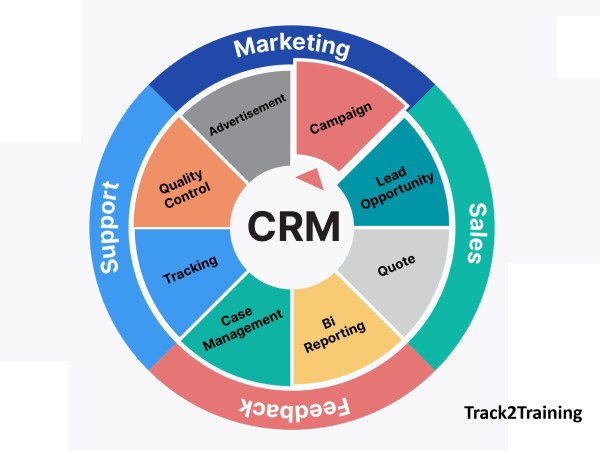





 International Journal of Research (IJR)