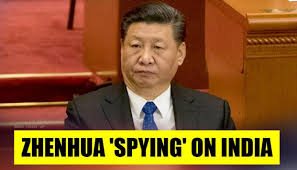
Shenzhen Zhenhua Data Information Technology Co is a big data scraping company that provides open-source intelligence profiling and threat intelligence services. While the data Zenhua uses is publicly available data, Zenhua’s usage of that data is a security concern to democratic countries. The company claims to work with the Chinese government, including Chinese intelligence agencies and the military. In September 2020, a data leak revealed that Zenhua was globally monitoring over 2 million people. The database, called the Overseas Key Information Database (OKIDB), was leaked to American academic who shared the data with Internet 2.0, an Australian based cybersecurity consultancy. On 14 September 2020, a consortium of media outlets published the findings.
Researchers found out that about 20% of the data was not from open source locations.There have been “conflicting assessments” of the value of the data, from it being an entirely “aspirational” venture, to it being a small peak into the world of hybrid warfare and psychological warfare being waged by the Chinese.Internet 2.0 recovered a quarter of a million people from OKIDB, including about 52,000 Americans, 35,000 Australians and 10,000 Britons. British people in the database include prime ministers Boris Johnson and Scott Morrison and their families.Australians in the database include Natalie Imbruglia, Larry Anthony, Emma Husar, Ellen Whinnett and Junaid Thorne.[6] Around 10,000 people and organisations from India were also on the list, including senior India diplomats such as Harsh Vardhan Shringla and Sanjeev Singla, policymakers such as Amitabh Kant, academics such as Romila Thapar, and sportsperson such as Sachin Tendulkar.
There is also a hymn that this company works with the order or command from the Chinese Government.So this issue is to be seen in more depth. FINAL VERDICT:- This is not a good attitude by chinese authorities and will be compensed a lot in the future.
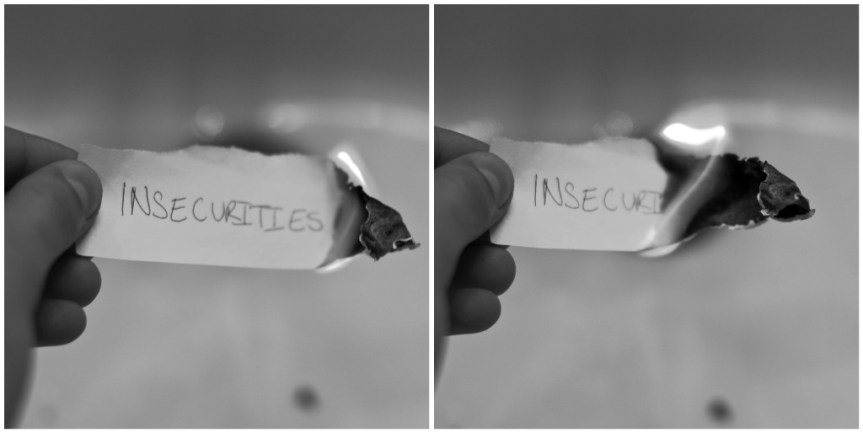
The way people think is different and the way I think is different. Isn’t so? All it depends on the perspective of things other people consider or I consider being a human while looking at different situations. Insecurities are such things that have ruin many people’s lives today, that is needed to be taken care of or that is being based on judgments. The self doubt needed to be cleared. People should also understand the importance of their own perspectives and insecurities are not the final option. Mostly people with insecurities can have good sense of humor or most driven person but they will never consider themselves in that way. This is why insecurities are not valued but needed to be valued the most.
Earlier in the 90s era, as compared to men, many of the restrictions were imposed on women which hinders only from the perspective of others whereas some who don’t let any of the insecurities put on them are strong enough and had achieved a lot in their life. Today, when we talk about equality, mostly we can found equality between men and women but some still needed to accept the theory or importance of equality. People are insecure about their looks, talent, lack of communication skills, etc. They fear for judgments and that gives insecurities. People with no fear of any judgments or believing themselves are living a good quality of life with happiness. The judging nature of people hinders a person’s life, their growth, or left them with dealing with harder situations and so on. This is what insecurity is all about.
Some interesting facts about insecure people:
Avoid meeting new people
Fear of judgment
Not considering themselves better as compared to others
Not being true to themselves
For them, everything is just like nothing
This just can ruin people’s lives but also make them doubt in themselves. The reason is not just because people are being judgmental towards your way of living but also by letting those people judge you for your way of living. As if their beliefs make sense in your life. The motive of telling these facts is that people should start believing in themselves. This will help in overcoming self-doubt and becoming strong with self-confidence in life or having a good quality of living a human being’s life.
In the end, no one is doomed to fail. Even if you fail then learn from it. Make it better for next time. There is always a second chance or sometimes more. Improve the quality of life not just by judging the people or letting their judgments affect your quality of life. Don’t just look for negativities either look for positivity or the best. Live in reality rather than living in imaginary situations. Also, try to spend time with your family and friends or those who care for you. This is the beauty of life.
” Wanting a positive experience is a negative experience; accepting a negative experience is a positive experience.”- Alan Watts
A thought travels faster than light. When I create a thought, it is at that instant itself that it reaches the other person. A human mind creates fifty to sixty thousand thoughts in a day! This is the case when a day goes normal, whereas at other times this number is even higher.
Nothing much is considered lost when a thought is created which was not meant to be created. It could be something created out of anger or it could simply be a waste thought.
The lower the quality, the higher the number. But at other times it is also recommended to not try to stop the thoughts as it will create pressure on the mind.
These thoughts are like cars coming with speed.If thoughts are cars then my many belief systems are different routes.
Beliefs change with knowledge. The best and most effective knowledge is that of knowing the original self.
With passage of every second somehow we come to know about number of surging tally that is mounting every hour every day, Suddenly we came to know about Number of Active cases across the Globe, Across the Country and Even We came to know about detection of Infected Individual within our Range Who is demarcating it ? Measures And policies governments and International community adopting suddenly came as in the form of Information in one Pop Up of Message In notification Bar. We come across every bit of Information and status articulated to Medical services, Vaccine formations, Various preventive measures suggested by Governments and Health Communities around the world by sitting under comfort on a chair Before a screen or By a single click on the screen of the Mobile phone by a single scroll on a computer system. Today we all are aware of every bit of the outer world by just sitting comfortably inside a room or villa because of the Outstanding, Exhortative and Audacious work of Mass Media. Media had Carried Every Single news, every possible information to our doors. Amid of The Pandemic role and Responsibilities reflected by Mass media and people pertinent to mass media is really Appreciable and deserves serious praise. India’s tally had touched the mark of around 29 Lakhs cases across the region in 200 days since the first case was detected on January 30. In the previous 14 days India had Witnessed around 9 lakh cases, but against all the odds and fears Mass media brought Bold steps and played a significant and Incumbent Role.
“ROLES PLAYED BY MASS MEDIA AMID OF PANDEMIC” –
Campaign against the deadly Evil COVID-19
It was the month of januaryworld was Introduced to an unknown life threatening Virus suddenly with the outbreak of COVID-19 in Wuhan In china, and this deadly hidden enemy took many lives around the globe in a single stroke of glimpse, Increased the tensions of WHO and Health communities all over the world, After examining the COVID-19 Health communities around the world purposed several Preventions and precautions How one can kept Safe himself amid of this ‘Corona Kal’ WHO and health communities prescribed “Maintain Social Distancing” “Wash Your hands frequently with soaps and sanitizers” “Avoid Public or Mass Gatherings” etc. and Mass Media played a significant role here by running a campaign over their portfolios channels in the form of writings and spread every bit of proposed precautions and preventive measures against COVID-19 among the Public. Mass and social Media come forward with an appeal to maintain and sustain the proposed preventive measures by the mediums of Acts, Advertisement etc.
Put Forward The Accurate Research and Data-
Mass Media Is a powerful weapon and source that determines how we experience the world and ourselves and Research and data played a significant role in how we perceive ourselves as an aware citizen. Broadcasting information and research work over the time aware us regarding the status of COVID-19. We human beings are undoubtedly the Social Animals so, it is not odd that rumors and misconceptions will not air. Amid this bitter period So many misconceptions and Rumors confronted the masses. But Mass media worked efficiently and carried out the most possible and accurate information pertinent to the COVID-19 by discouraging the fake Information. Some platforms like Youtube, Facebook, and Youtube etc. had produced significantly rumors and misinformation for their self oriented goals becoming a serious concern for the Government and health Authorities but Several Mass media Platforms comes forward with Accurate and Precise Research pertinent to COVID-19 and other issues, provide us every single status when the treatment will approach to the people? What are the trends of trials , What are the significant Results and conclusions put forward by trial agencies and health communities ? What are the possibilities and on every single front of research mass media comes and broadcasts the information.
Social Media Played A role of Encouragement-
NO Doubt ! Covid-19 is life threatening agent but the audacious work carried out by media houses is important to praise and give a hand of appreciation when the world came under the shelter of lockdowns and remained locked in their homes with families People articulated to mass media shows courage and report every single possible platform to carry out information regarding COVID-19 for us. They not only put forward information and data recorded but encouraged us all to maintain all the lock down norms to maintain all the Quarantine Norms and guidelines by encouraging us putting their lives under threat and putting aside their families and reduce panic among people and inject confidence among people to support and follow public health measures and encourages people to ask their queries to share their public opinions and perceptions that can placate the situation of stumbleness.
Visualising Mass Media As Assets Amid OF Pandemic-
In this real time Pandemic Social media is an incumbent source of information, for example Twitter has potential to deliver real time information and data acknowledging the Public health Authorities to answer the questions and concerns of people within a short span of time. CDC (centres for disease control and prevention ) had used social media as an effective source to aware citizens and projecting crucial information for them. Public health departments and authorities used this as a tool to communicate and share information and data.
Emergence of Social Startups and voluntarily works-
Mass Media encourages people to ignite a lamp of hope by projecting the social startups and voluntarily works. People came forward collectively and formed several startups to provide crucial things like food, water to raise public awareness etc. startups made portfolios to deliver best of the information related to the deadly virus disease like Near Medical Care Centre, Near quarantine Centre, Incumbent Medicines etc. Some social startups came with an appeal to encourage people to maintain proper norms and practices while remaining in their houses projects, innovative ideas and virtual competitions and other works of learning for the students.
Impact of Social Media Regarding Covid-19–
Social media coverage and public opinions had produced significant results. Airlines inter state transportation by any means got stopped due to the impact of social media coverage.
Social media and mass media platforms share the important policies and concepts put forward by various experts belonging to the medical sector, economic sector and others sectors and played a role of medium
to carry the voice of many upto the ears of government and articulated bodies. This brought significant results exhorting the government to shape policies and structures keeping in mind the concerns of public opinions. Recently, the government announced the conducting of NEET-2020 Exam but people opposed it and Tamilnadu Government came forward with the opinion of people and refused to conduct the exam.
Similar pictures of public opinion put forward by Mass media amid the immigration of workers showing their griefs and pathetic conditions before the government and accounting this situation government runs the trains and public transportation for the public means.
There was a similar issue of unemployment and medical and a question of living before many poor and social media raise their voice before the government and appealed every single query put forward by people in front of the government and noticeably the government listened and responded with proper solutions like projecting stimulus package and other palacting policies. Government provides employment to the rural labour by the means of MANREGA and by other means.
Education and learning is akin to light; it does not need a medium to propagate as light does not need to propagate. Education and learning are the universal unanimous sign of enlightenment that have capability to reshape the inner conscious of an individual.
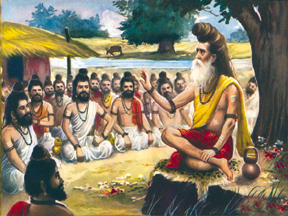
Gaining Education and learning needs not medium such as infrastructures, comfort viabilities etc. Learning and grasping is a phenomenon that involves the active consciousness of a student who had zeal to know to explore to reach at an extent of unknown and a devoted tutor, teacher or according to indian mythology ‘guru’ nothing apart from it needed to foster and fortify the foundation of learning.
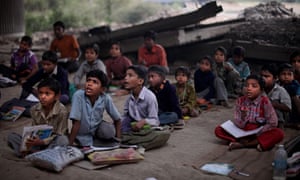
Depiction in the image is reflecting an exhorting tale that is about devotion and zeal to learn keeping aside all the other factors of comfort, facilities and acquiring the main objective i.e., “To Learn”. And this kind of pedagogy depicted in the image provides a glimpse of Ancient Education when Devotee leaves every comfort of their home, keeping behind every Relationship and head away for the “Aashrams” in the forests where they acquired the enlightening source of education from their respected gurus learn various aspects to ignite inner conscious. Learning and education not necessarily required Schools and buildings and infrastructures and other viable comforts. Education can be flourished anywhere it required only the will of student to explore the unknown and blessings of a teacher in the form of his lessons.
“A blessing in the Disguise”
This is very well said, something looking obnoxious has hidden blessings that got revamped in the near future. Efforts made in the situation of harrowing produce stunning charisma in the future. This is an epitome form of grasping and learning anybody can sit under a well designed roof with the coolness of AC’s and anybody can teach on a well standardized platform but teaching under such pathetic condition without any viable source keeping apart every misery and pathetic condition is the extreme form of Education that also have Pious blessings of Almighty god. And students sitting within open under the direct scorching rays of sun with hot bowl like condition or sometimes under the chilling winds of winter but forgetting all the discomforts and putting forward the great essence to learn something is an exceptional thing and this exceptional zeal of students to grow instead of all miseries and discomforts fortify them to every challenge and Almighty god also blessed them with an inner enlightenment of learning.
Pious And Pure Form Of Education-
This Pedagogy under disguise shaped a religion that is a religion of learning In which every single Individual grasping under such conditions believes in the religion of learning. Students articulated to such conditions forgot every means of discrimination disequality, dignity etc. They shape a new universe of learning that does not involves the aspects of status, dignity, condition based upon richness and poorness they prone themselves to the motive of Learning and serves the best motive of education i.e., to believe in everything with a homogenous eye with an eye of equality these teachers and students have only one religion one belief and one aim to learn to grow, keeping behind every other distracting factor and this the pious form of education that have a message and theme to Change change towards move towards world of reformation.
Education and learning can flourish anywhere without any source of availability. It needs only the inner consciousness of a student and the inner devotion of a teacher. And charismatic results of education produced under the Roof of sky and Upon the Carpet of Earth in the name of Almighty god and belief in the devotion of teachers with an inner zeal produce Tremendous Results that are Farsighted and Have Implications for the future. No! One can forget the name of APJ Abdul Kalam and Abraham Lincon and many more who cherish under the roof of such Exhorting Pedagogy.
Today’s world of Communication language acts as a bridge to Consolidate the different aspects of life. From Common gossips of people upto the exhorting speech of the Prime minister these are the words that reflect the essence of the Plot.
In today’s world to foster any activity varying from business world, corporate world, entertainment daily life activities,scientific data, webinars, conferences in every aspect of life language is ‘de rigueur’. So having a good amount of Vocabulary within your pocket can be Tremendously effective and that can add another ‘feather in your cap’.
Methods That are very effective to Improve the Vocabulary-
Reading Habit-
Reading is an efficacious method to ameliorate the vocabulary. Are you a beginner ? Don’t be afraid and get penic about it, just start reading Newspapers, Magazines, Novels and Books and any other stuff that belongs to your domain.Start reading the stuff that gives you a feeling of pleasure and stuck you for a long time, read genres that you like most. Regular habit of Reading introduces you with new words and their usage as per the context and this will enable you to recapitulate with the same word and this will be fortified in the dictionary of your mind, along with reading and preparing a separate diary for collection of new words with their proper definition and meaning.
Writing Habit-
Writing is an effective means not only to express an intuitive voice on any platform but proper and punctilious writing is a practice that is Excessively Crucial and can be proved a milestone in developing Vocabulary. Just simply plot an imagination in your brain or describe any Aspect whatever you like in the form of essays, articles, blogs, etc. Using the Inconclusive and mysterious words you encountered while reading use those outlandish words you had jotted in your diary, this practice will compel you to revise those concealed words with the usage as per the context and effectively your memory can sustain those words for a long time.
Articulate words with Imagination-
While processing words in your mind try to articulate the word with an image so that you can process the meaning of the word pertinent to the subject. Image pertinent to the word will remain for a long time and also helps in learning a significant number of words.
Daily Gossips-
Of Course ! Every Individual has their friend zone in which a lot of gossip is shared through chatting,verbally etc. While jogging in the morning or while walking in parks and playgrounds in evening, Use different outlandish words you interact while reading, watching or from any source, with your friends. Whenever you are chatting over any platform use those words excessively and use those to explore words while interacting with someone while giving speeches, debates, and any programme that involves the part of communication.
Usage Of standard Books and material –
A number of words can be extracted using some good books. Norman Lewis’ can ignite your zeal to learn and to build a good amount of vocabulary. If your flow of learning and exploring vocabulary gets stagnant Just Start It with ‘Norman Lewis’, etc.
There is Something That Unify The Human Civilization That is “Sui generis” makes sapiens collaborate to carry out things collectively and that is believing in something believing in common myths, mystic factors, stories and religion, etc. and these are the factors which contributes significantly to unify Sapiens for a common purpose in multitude, this is belief in something that binds us to perform collectively. According to a scientific study a large number of people can not consolidate with rational logic or information, until you produce among them a ‘belief’ until you tell them a story even a large number of strangers can share their active participation by believing in common myths.
Today, we came across a large number of religious gatherings performing religious practices across the globe and religion is something that operates upon a common belief.
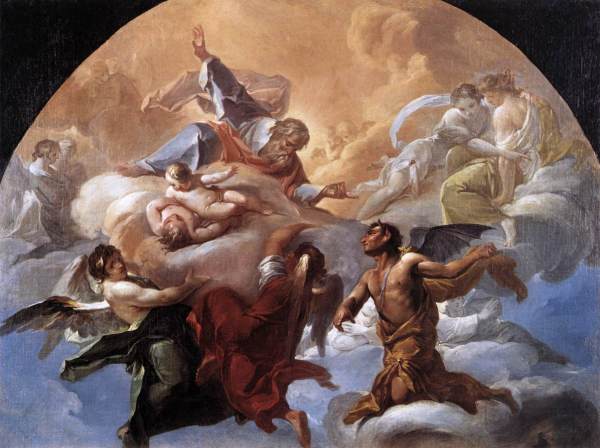
And here the ‘The Psychology of satan” or satanism( A psychology involves religious based psychology which accounts for worshipping of Satan(concept of devil or evil) as deity or concept. It composed of certain rituals and malpractices that involves sexual exploitation murdering etc. and it perceived as a theory of demonology and these all practices are carried out to please the unknown imaginative powers to sustain the glory)
According to the study of scholars Asbjorn Dyrendal and several others they interpret Satanism as “has a history of being a destination made by people against those whom they dislike; Satan or concept of satanism came into existence When the common belief, when mystic factors involves the self interest when belief became a weakness, because belief propagated without rational logic.The theological doctrines which aroused men’s passion so violently that men gets ready to perform any activity to avoid the Hell to Please the Almighty God, and start believing in something that is totally illogical and obnoxious. When the Clergyman structured false beliefs to sustain its glory and men perform any activity by believing in it for being immortal the theory of Satanism came into existence. Satanism is an accumulated form of several ideologies and philosophical theories. The first wave of Satanism started Accelerating with the emergence of the first Church of Satan around 1966. Evil has been defined intentionally to wreak griefs and immoralities on the innocents, from milgram’s famous studies of obedience to zimbardo’s prison study, have cited that roots of the evils actions lies in psychological grounds and this emerged as a notion of ‘pure evil’ as a myth and this gives rise to ‘ theory of devil’ that is limited upto the imaginations but seemed real to those who came under this considerations.
The ideology and concept of Satan reached its apex with the influential Taxil hoax of France in the 1890s that put forward that Freemasonry worshiped Satan, Lucifer, and Baphomet in their rituals.
And in the 1980s and 1990s, the satanic rituals abused hysteria in the middle of fears that Satanists were practicing the mal practices including the sexual harassments and murdering of children.
Throughout the christian history practicing of Satanism remained in light Satanism and the concept of satan has also been used by artists entertainers and various other groups etc. for symbolic expression.Around 1960s satanist identified themselves with distinct identity that categorized as ‘Theistic Satanism’ and ‘Atheistic Satanism’. Where Theistic Satanists Identified themselves as Supernatural deity as a patriarch while Atheistic Satanists Reflect themselves as a symbol of certain human traits.
Whole psychology of satan lies under a complex of fear to gain to sustain to be an integral part of the glory to sustain the throne of glory. And we can clearly point out from the study over calvin amid of french revolution made by ‘Gustave le bon’ that clearly shows that irrelevant and illogical concepts were propagated by calvin that were totally disjoint and irrational he propagated false ideologies and practices to sustain his theological glory what he posses Calvin States as per a para Extracted from last edition of an official Catechism “By the decree of god, for the manifestation of his glory some men and angles are predestinated unto everlasting life and others foreordained to everlasting death.These angles and men, thus predestinated and foreordained to everlasting death. These angels and men thus predestinated and foreordained are particularly and unchangeably designed and their number is so certain and definite that it can not be either increased or diminished.
Those of mankind are predestinated unto life god before the foundation of world was laid according to his eternal and immutable purpose and the secret counsel and good pleasure of his will hath chosen in christ unto everlasting glory, out of his mere free grace and love without any foresight of faith or good works or perseverance in either of them or other things in the creature”.
According to me Satanism was a malpractice to deprive to manipulate the innocent emotions and sentiments of people to rule out wrong things.
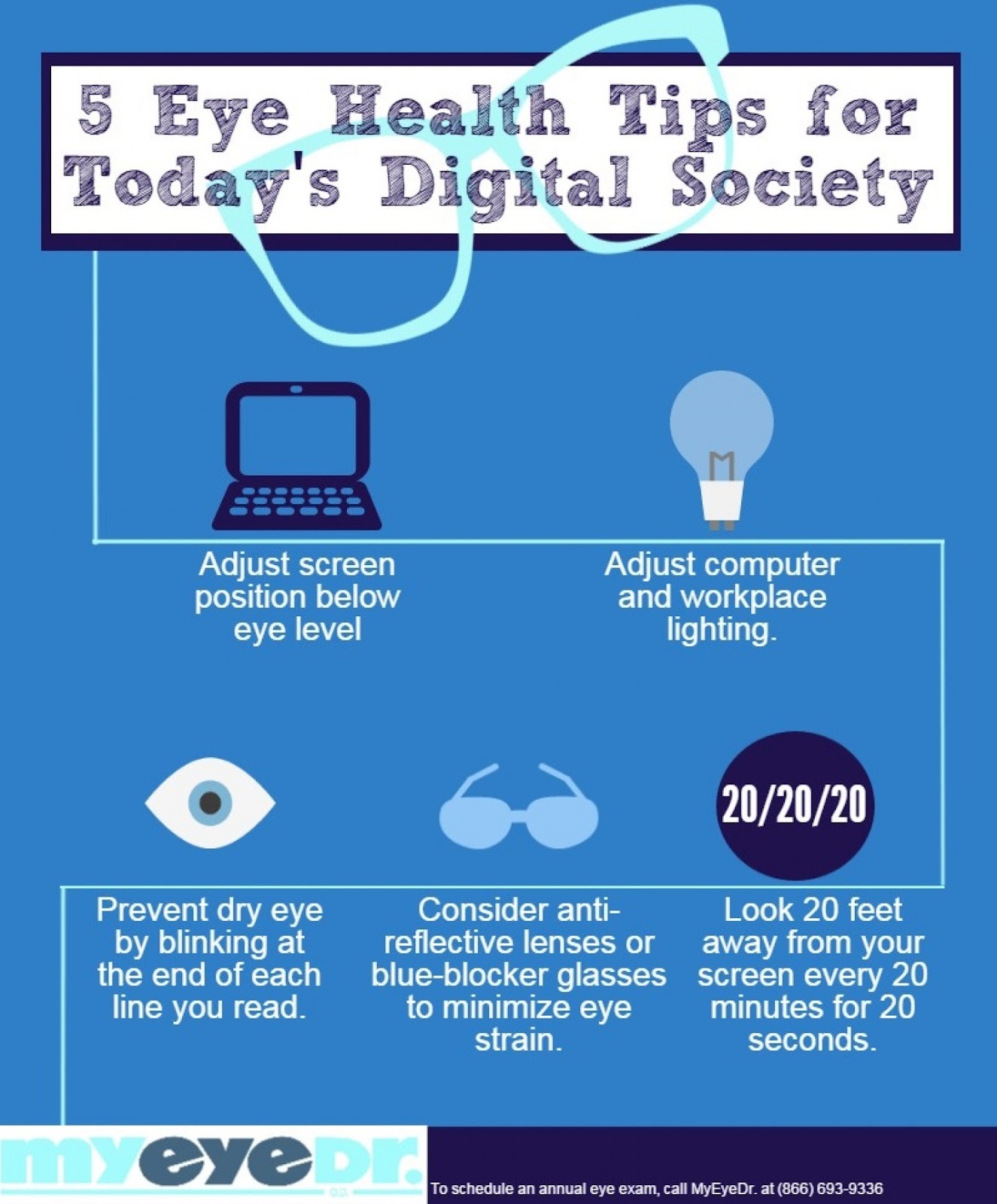
Today’s Human Civilization is Accustomed of Digital Tools and Surrounded With gadgets those operated Digitally, we interacts Every minute every hour with digital tools and and gadgets with the passage of epoch we had developed Advanced systems, tools and mechanism to reduce physical efforts of humans and provide them an era of comfort, and introduce the entire civilization with ‘Digital Endeavour’ Where sitting before a computer system and on a single chair one can operate Significant number of operations involving corporate world ,Business, World of Entertainment etc. But this all had brought us to a stage of ‘Enslavement’ .It Seems Impossible to spend even a single minute without Mobile phones, Laptops, and digital Gadgets. All the deeds and operations are carried out by the means of digitalization and it is also the need of the hour. Today We spent long hours sitting before screens Emitting Blue Lights, UV rays which are Exceptionally Deteriorating for Eyes and Insensitive to eyesight give rise to various Significant Problems Like Dry Eyes, Eye Strain, Blurred Vision, Macular Degeneration and Computer Vision Syndrome, and have Capability even to Block the Colourful world.
So, In today’s world we must bring something in our Diet Schedules and Exercises that is enormously Important. Usage of foods and fruits and Subtle Exercises while working on screens can Sooth your Eyes and also help you in developing Immunology disease patient support.
: Fishes
Fish species like tuna,salmon, and mackerel etc. are composed of rich sources of Omega-3 fatty acids.This is very helpful and shows great effects in recovering dry eyes caused due to spending a lot of time on the computer system
: leafy green vegetables –
Kale, spinach and collards are some of the leafy green vegetables highly composed of Zeaxanthin which is a crucial entity to protect eyes from long exposure to screen lights which are very hazardous to Retina and also helps in reducing risk of cataract.etc.
: Antioxidants and Citrus Containing Foods and-
Oranges, lemons and grapefruits are rich sources of Vitamin C which helps in protecting the capillaries of the retina and thus must be a part of daily dietary schedule
: carrots –
Carrots are the most common available source of Beta carotene and vitamin A and believed traditionally in households for consumption and produce significant results to soothe eyes.
Alongwith Dietary plans We can introduce some crucial exercises in our daily domain to keep our eyes detected from any serious damage and problems. Subtle and habitual practices of some of exercises can exceptionally contribute to eye care.
:Posture –
While working You must keep distance of 20-25 inches from screen and must keep eyes 4-6 inches above the centre.
:Light and Text Size–
While working on a system you must be aware regarding brightness and text size it may contract the cornea and can create eye contraction.You must keep font and brightness in Eye protecting mode.
:20-20 Rule-
After an interval of every 20 minutes while working you must take a gap for 20 sec and must look 20 feet around on surroundings to relax your eyes, etc.
Pranab Mukherjee is an Indian politician who served as the 13th President of India from 2012 until 2017. In a political career spanning five decades, Mukherjee has been a senior leader in the Indian National Congress and has occupied several ministerial portfolios in the Government of India
Former President Pranab Mukherjee passed away on Monday afternoon after he developed a lung infection at the Army’s Research and Referral hospital where he had been admitted for a brain surgery. This morning itself the hospital in a medical bulletin has said that Mr Mukherjee had gone into septic shock due to the lung infection. He had also tested COVID19 positive.
Mr Mukhrejee’s son, former Lok Sabha MP Abhijit Mukherjee, announced his father’s death on twitter on Monday evening stating that despite the best efforts of doctors and prayers of ordinary Indians throughout the country, this had come to pass.
Mr Mukherjee, born in 1935 in Mirati in West Bengal first became an MP, in the Rajya Sabha in 1969 on a Congress nomination. Close to late prime minister Indira Gandhi, Mr Mukherjee held many ministerial positions in the government of India including defence, finance, and external affairs before he was elected President of India in 2012.
A Congressman all his life, Mr Mukherjee had a short break with the party in the Rajiv Gandhi years, over what was termed as his ambitions to be Prime Minister but which was subsequently explained as a misunderstanding in his memoirs. One of the few congressmen to have attended an annual function at the RSS headquarters in Nagpur, in 2018, Mr Mukherjee retained his friendships across party lines, despite heavy criticism from the Congress for his visit to Nagpur. He had went to each and every state to evaluate the budget needed for each and every state.He has been awarded with “BEST FINANCE MINISTER OF ASIA” In the year 2010. His demise is a sudden shock and his service towards indian finance sector is irreplacable.
What is life how can you define or determine it ? Life is an integral process of transformation that passes through inevitable circumstances with sometimes as camaraderie and amiable but sometime like oil of vitriol amid of this changing process the phase of transformation is very incumbent and accumulates and describes what you are and this process of change and transition does not ignites by itself it needs catalyst, changing agent and when I through back myself down the line about passing epoch I confronted with a portray of a person that produce so charismatic essence even today when I set alone and close my eyes and explore those reminiscing moments it seems like He just entered in the class with informal green T-shirt with blue jeans wearing slippers.
His entrance was not so grandiose and even his appearance did not reflect even the slightest count of what a NOBLE LAUREATE he was. But He had something so fervent like keen in a mustard that was clearly projecting from his bright charming and confident eyes with shining face full of enthusiasm and excitement. and here starts the story of my transformation and it was the beginning of a new phase a phase full of exploration, a phase of igniting inner conscious, a phase of Enlightment, a phase towards a journey to know unprecedented and unknown with a zeal to counter the every possible reason of every possible query.
Whenever I sat seriously and think profoundly an image struck within the fiction of my story who was the protagonist of my underlying story who was the Antony of my Drama. I used to be a simple serene and an unexperienced little boy like a juvenile sitting in the front bench of class and have nothing significant zeal to know or to grasp things but suddenly after the augmentation of that innovative guy the story starts spinning every time he Exhorted the class, and filled every single student with a perspective of enthusiasm and eagerness to know more. every time with every single class he came with a magic stick and produce tremendous effects that compel me to think seriously to change myself and pause a question before me. this is the time getup and join the inner conscious of this great legend pious and piety form of learning join this person.
Even today I have every single incident on my fingers about those classes, those channels and processes through which I gone through and stands today what am I? it is all happen because of that Great innovator a teacher with a difference. every time I came with hardest possible query but that great man great and grandiose person with magnanimous attitude respond with the best practical and innovative solution. Even today I had remembered those incidents, he always approach every single query and question with a different mindset, mindset composed of unique approach, multiple disciplinary methods, methods full of innovative solution with the best practice of practicality, and the most significant thing that was induced within me because of great Endeavour and efforts of that great guy was power to visualize the things, exceptional thinking to articulate the realm of subject with the domain of real world what a guy that was really remarkable and exceptionally wonderous hard to for tale and explain within the limits of words.
what is that within him that makes him so significant and inevitably masterful ? Do you like Football ! Do you like dance ! or whatever you like that person is classical to figure out within single stroke of a second, He just inject his inner spirit and soul and completely lost within the conscious of students with great amount of passion and zeal and act and respond as per the requirement. you are a science fellow He will just deal with you Science Demeanour, If you love solving mathematics equations, He will produces roots and solutions with multiple approach for you. he will shake you deeply with deep and profound words that have height as well composed desperate and deliberate essence to lift the inner zeal oaf an individual this is all made him dynamic with a separate mechanism and framing structure with equilibrium of great social traditional and cultural values. He had passed through many tough times lost his beloved peers but stand boldly and it was like every passing incident was building him rather depletion, but he never bend before the situations always remained inclined towards ‘NEVER GIVE UP’ and his famous quote and assertion that produce stimulus within the stagnant world of Any child That is ‘LETS US TRY’. So, iconic in himself that produced so deep impact on me and my life that I had build a dream to be his Best Student.
Thing That makes him Reminiscing and Audaciously the great Innovator and Tutor. whether it was play ground composed of his skills to make a goal within a short glimpse of eye or flick of the wrist while batting he was a great athlete he was a teacher who teaches us mathematical modelling inside the four walls of classroom, morality in the the interval session and great spirit of sports under the open roof on green carpet of DPS. I never saw him empty always found him whether preparing foundation for the future of students or exploring the innovative approach to satisfy the inner persona of not only himself but also to project the best outcomes about anything from history to philosophy to mathematics up-to the great horizon of sports. I had remembered one incident very well I never think about to dance on floor it was a terrible thinking even to whisper but look at the phase changing efforts of that great guy , he ignites the lamp of dance within me prepare only me but mentored a large group of students and within a month produce the best possible group dance, he was a choreographer, dancer a director a musician of his own and I will confess he was homogenous and omnipresent and that made to conclude about him and to articulate him with one great fictional personality plotted in English literature ‘A Man Who Knew TOO Much’.
Tremendously, I had walk through a great journey of learning with him He fortified my inner conscious he transformed me he changed me and built Who Am I today. He was An audacious personality Mr. Aadesh pundir.
So, To pay serious regards and Respect for such a NOBLE LAUREATE I have nothing to discharge and everything will be meager and negligible to showcase my gratitude for his generosity I have words, My respected god the pure and piety form of god My Gurudev Ji Accept my serious and bending regards for you.








 to carry the voice of many upto the ears of government and articulated bodies. This brought significant results exhorting the government to shape policies and structures keeping in mind the concerns of public opinions. Recently, the government announced the conducting of NEET-2020 Exam but people opposed it and Tamilnadu Government came forward with the opinion of people and refused to conduct the exam.









 International Journal of Research (IJR)