In Indian culture, women have been considered symbols of respect, honor, and maternal power. From the Vedic period to the modern era, women have been given an important place in the formation of family, society, and culture. However, looking at the actual socio-political reality, women have often been given a secondary position. Although women are respected in the religious and cultural spheres, their participation in the social, economic, and especially political spheres has remained limited, which is a significant contradiction facing Indian democracy.
The contribution of women to the Indian freedom struggle is invaluable and inspiring. Many women like Rani Lakshmibai of Jhansi, Kasturba Gandhi, Sarojini Naidu, Annie Besant, and Vijayalakshmi Pandit actively participated in the freedom movement. They not only participated in movements and satyagrahas but also played a crucial role in the dissemination of national ideology, organization building, and leadership. However, in the post-independence period, especially in parliamentary politics, the representation of women has not increased as expected. A review of Indian politics over the approximately seven decades since independence shows that political power and decision-making processes are still primarily male-dominated. With a few notable exceptions, most women leaders in politics are connected to a family political background. Many women have risen to prominence due to the political legacy of their fathers, husbands, or other influential male leaders in their families. This raises questions about the independent leadership capabilities of women.
Although reservations have been provided for women in local self-governing bodies, in practice, concepts like ‘Sarpanch’s husband’ and ‘Councillor’s husband’ are prevalent in many places. This makes women’s political participation merely formal, and men continue to dominate the actual decision-making process. This situation is alarming from the perspective of gender equality in Indian democracy. Men and women are considered two equal wheels of the chariot of society. To achieve the all-round development of the nation, it is essential to provide equal opportunities, equal rights, and equal responsibilities to both these components. However, even today, women do not receive political representation proportionate to their population. Therefore, the subject of ‘women and politics’ becomes a crucial research topic, not only socially but also politically, constitutionally, and in relation to democratic values. Against this backdrop, this research attempts to study the position, participation, contribution, and current status of women in Indian politics. The main objective of this study is to underscore the importance of women’s political participation in making Indian democracy more inclusive, egalitarian, and robust.
Research Goal:
The main objective of this research is to conduct an in-depth and critical study of the status, participation, leadership opportunities, and role of women in the decision-making process within Indian politics. By analyzing the contributions of Indian women to the political field since independence, the opportunities they have received, and the patriarchal mindset that still exists, this research aims to clarify the current state of women’s political empowerment.
Research Objectives:
1) To review the historical contributions of women in Indian politics and analyze their participation from the freedom movement to the present day.
2) To study the representation of women in Parliament, state legislatures, the cabinet, and top constitutional positions (President, Prime Minister, Chief Minister, etc.).
3) To examine the influence of family political legacy and patriarchal power structures on women’s entry into and progress in politics.
4) To review the work and leadership qualities of prominent women political leaders in Maharashtra and India.
Research Methodology:
Historical Method: The historical method has been used to trace the journey, contributions, and changing roles of women in Indian politics from the pre-independence era to the present day.
Data Collection Tools:
For this research, data has been collected based on primary and secondary sources. Primary sources: Constitutional provisions, parliamentary proceedings, and government reports. Secondary sources: Books on political science and sociology, research papers, journals and magazines, newspapers, articles, and reliable websites.
Importance of the Subject:
Equal participation of men and women is crucial for the robustness of the Indian democratic system. Despite women constituting nearly half of the Indian population, their participation in the political decision-making process is disproportionately low. Therefore, the subject of “Women and Politics” is not merely limited to academic study but is of paramount importance from the perspective of social, political, and democratic values. Men and women are the two inseparable wheels of the chariot of society, and if one wheel is neglected, the nation’s journey becomes unbalanced. Increased active participation of women in politics can lead to greater sensitivity in policy-making, giving more priority to social justice, education, health, women and child welfare, environment, and grassroots issues. This helps in making democracy more inclusive, representative, and effective. The contributions of women in the freedom struggle, as well as the leadership demonstrated by women like Indira Gandhi, Pratibha Patil, Jayalalithaa, Mamata Banerjee, and Mayawati in high positions after independence, clearly show that women’s capabilities are in no way inferior to those of men. Yet, the fact that women are still given a secondary role in Indian politics is a matter of concern. Studying this inconsistency and investigating the underlying social, cultural, and political reasons is essential. Although the reservation system in local self-governing bodies has increased women’s participation, in many places, the indirect dominance of men in actual power is still evident. Therefore, this research underscores the need for not just quantitative representation, but also meaningful and independent political empowerment of women. The main objective of this research is to present the current situation of women in Indian politics from a realistic perspective, to highlight the inequalities based on data, and to stimulate positive policy discussions for increasing women’s political participation in the future. Therefore, this research proves useful in creating social awareness and encouraging policymakers, scholars, and political parties to introspect.
Overall, women’s participation in politics is not merely a matter of women’s rights, but a fundamental basis for the quality of democracy, national progress, and social balance. Hence, the topic of women and politics is of paramount importance and remains highly relevant and necessary in the context of contemporary Indian society.
Despite women’s valuable contributions at the political, social, and national levels from the freedom movement to modern times, their participation in decision-making processes appears to be limited. The reality that women’s representation is extremely low at all levels of the highest positions in Indian democracy—President, Prime Minister, Vice President, Deputy Prime Minister, Speaker of the Lok Sabha, Chief Minister—cannot be denied. With a few notable exceptions, it is observed that the majority of women leaders have emerged based on their family’s political background. This highlights the patriarchal mindset and structural obstacles in Indian politics.
Although reservations have been provided for women in local self-governing bodies, in reality, women’s representation remains formal in many places, and their independent participation in decision-making is limited. Social customs, lack of education, economic dependence, and lack of political training are important reasons behind this.
However, women leaders like Indira Gandhi, Pratibha Patil, Jayalalithaa, Mamata Banerjee, Mayawati, Nirmala Sitharaman, and Sushma Swaraj have proven through their efficiency, leadership qualities, and decisive roles that Indian women can capably handle the highest responsibilities. Their work has helped dispel misconceptions about women’s leadership abilities. Overall, this research clearly shows that despite women’s undeniable contribution to Indian politics, they do not receive representation proportionate to their population. If we want to improve the quality of democracy and achieve the all-round development of the nation, it is essential to give women equal participation in the decision-making process, rather than limiting them merely to reservations. Providing women with political education, leadership training, and independent opportunities will make Indian politics more balanced, sensitive, and inclusive. Therefore, considering women and men as two equal wheels of the chariot of society, implementing concrete policy measures for the political empowerment of women is the need of the hour. Only then will it be possible to build a truly egalitarian and robust democracy.
References:
1) Diwan, Mohan; Devdhar, Jayant; Diwani, Vivek (2004), Politics of States in India.
Nagpur: Vidya Prakashan,
2) Government of Maharashtra (2017), Maharashtra Yearbook. Produced by Directorate General of Information and Public Relations, Mumbai–32,
3) Palshikar, Suhas; Birmal, Nitin, Politics of Maharashtra: Local Context. Pune: Pratima Prakashan,
Girish Karnad is a major figure in modern Indian English theatre, known for his effective use of Indian myths, history, and folklore to examine contemporary social issues. Rather than merely retelling traditional stories, Karnad reshapes them to address problems related to marriage, gender relations, and individual identity. His play Naga-Mandala (1988), which is based on two Kannada folktales, is a clear example of this creative method.
This paper examines how myth and folklore function as important narrative devices in Naga-Mandala. Through symbols such as the serpent (Naga), magic roots, the anthill, and the Raat-Rani flower, Karnad brings attention to the suppressed emotional and sexual experiences of women within a patriarchal social system. These symbolic elements expose the emotional distance, moral weakness, and hypocrisy that often exist within male-dominated institutions, especially marriage. The contrast between the socially respected but emotionally indifferent husband and the caring mythical lover highlights the failure of patriarchal masculinity to provide emotional fulfilment.
The paper argues that Naga-Mandala uses folklore as a means of feminist expression by giving space to women’s inner experiences and desires. At the same time, it also reveals the limitations of traditional belief systems, as women’s acceptance depends on social and ritual approval. By combining oral folk traditions with modern theatrical form, Karnad shows that myth continues to be a meaningful and effective medium in contemporary Indian English drama.
After India’s independence, Indian English drama gradually moved away from Western dramatic models and began to draw inspiration from indigenous cultural sources. Playwrights started using myths, history, and folklore to express social tensions, psychological conflicts, and postcolonial concerns. Among these playwrights, Girish Karnad holds an important place because of his ability to reinterpret traditional stories in a modern and critical manner.
Karnad does not simply retell myths; he questions them. His plays examine the power structures and social values hidden within traditional narratives. Naga-Mandala (1988) is a strong example of this approach. The play is based on oral folktales that are usually told by women within domestic spaces. By transforming these stories into a modern play, Karnad explores issues of patriarchy, marriage, and female desire. Unlike classical myths that focus on male heroes, the folktales used in Naga-Mandala arise from marginal voices, especially those of women, and therefore challenge dominant cultural traditions.
Research Objectives and Methodology
Research Objectives
The objectives of this paper are:
To examine how myth and folklore operate as narrative tools in Naga-Mandala.
To study the symbolic meaning of elements such as the serpent, magic roots, anthill, and the Raat-Rani flower.
To explore how Karnad uses women-centred folktales to question patriarchal marriage systems.
To establish Naga-Mandala as a feminist reinterpretation of folklore in modern Indian English drama.
Methodology
This study follows a qualitative method of textual analysis. It makes use of:
Myth criticism, especially Northrop Frye’s ideas about archetypes,
Feminist literary criticism focusing on gender, power, and sexuality, and
Folklore studies, particularly the oral traditions discussed by A. K. Ramanujan.
The primary text for analysis is Naga-Mandala. Secondary sources include critical writings on Karnad, Indian theatre, mythology, and feminist theory.
Girish Karnad and the Use of Myth and Folklore
Girish Karnad’s plays regularly use myths, legends, and folktales to explore modern human problems. In Tughlaq, he presents the conflict between political idealism and failure. In Hayavadana, myth becomes a means to explore questions of identity and completeness. In Naga-Mandala, however, Karnad shifts his attention from classical myths to folktales that come from women’s oral traditions.
These folktales are often seen as simple or insignificant, but they express deep emotional truths about women’s lives. By presenting them on the modern stage, Karnad gives importance to voices that are usually ignored. Folklore thus becomes a medium through which suppressed experiences are expressed and social norms are questioned.
Literature Review
Many critics have discussed Karnad’s use of myth and folklore. Aparna Dharwadker explains that Karnad’s plays create a balance between tradition and modernity, using myth as a space for social and ideological debate rather than mere cultural revival. Meenakshi Mukherjee points out that Indian English writers often adapt traditional narratives to address contemporary social issues.
K. Ramanujan’s work on Indian folktales is particularly important for understanding Naga-Mandala. He observes that folktales often preserve women’s suppressed emotions and experiences, especially in relation to marriage and sexuality. While earlier studies recognize the role of folklore in Naga-Mandala, they pay limited attention to how women’s desire and agency are expressed through symbols. This paper attempts to focus on this aspect.
The Serpent (Naga) Myth and Patriarchal Masculinity
In Indian mythology, the serpent or Naga is commonly associated with fertility, renewal, and masculine power. Karnad reshapes this symbol to question traditional ideas of masculinity. The Naga, who takes the form of Appanna at night, shows affection, care, and sexual sensitivity—qualities missing in the real Appanna.
Appanna enjoys respect in society but lacks emotional depth. His cold behaviour towards Rani reveals the emptiness of patriarchal authority, which values control over emotional connection. The Naga’s presence brings emotional and physical fulfillment into Rani’s life, showing how patriarchal systems deny women genuine intimacy.
Magic Roots, Anthill, and Transformation
Magic roots are common in Indian myths and usually symbolize fertility and change. In Naga-Mandala, the blind woman Kurudavva gives Rani a magic root to awaken Appanna’s desire. When it fails, it exposes Appanna’s emotional weakness. Rani throws the root into an anthill, which leads to the awakening of the Naga.
The anthill acts as a symbol of birth and transformation. Rani’s accidental action leads to a major change in her life. This suggests that nature and folklore offer possibilities of change that rigid social rules do not allow.
Marriage and Patriarchy: A Critical Reading
Marriage in Naga-Mandala is shown not as a sacred relationship but as a social system that supports male dominance. Appanna’s good reputation in society hides his cruel behaviour at home. Rani’s silence in the beginning reflects how women often accept oppression as normal.
The Naga’s role challenges the belief that marriage alone ensures happiness. By presenting an alternative emotional relationship, Karnad exposes the emotional emptiness of patriarchal masculinity.
Folklore as Feminist Resistance
Rani does not openly rebel against her situation, yet folklore works as a silent force that empowers her. At the end of the play, her transformation into a goddess shows how myth validates women’s experiences even when logic and reality fail to do so.
At the same time, Karnad remains critical. Rani’s acceptance by society depends on a test of purity, showing that folklore can support patriarchal values as well. This double nature of folklore makes the play complex and realistic rather than idealistic
Conclusion
Naga-Mandala clearly shows Girish Karnad’s skill in using myth and folklore to examine social realities. By focusing on women’s oral narratives, the play highlights the emotional suffering caused by patriarchy and the neglect of women’s desires. Myth becomes both a means of resistance and a reflection of social contradictions.
Karnad neither blindly supports tradition nor completely rejects it. Instead, he questions its values and power structures. Through Naga-Mandala, he connects the past with the present and confirms the importance of myth in modern Indian theatre. The play establishes Karnad as a major voice in Indian English drama who successfully combines tradition with critical insight.
References
Karnad, Girish. Naga-Mandala: Play with a Cobra. Oxford University Press, 1990.
Dharwadker, Aparna. Theatres of Independence: Drama, Theory, and Urban Performance in India since 1947. Oxford University Press, 2005.
Mukherjee, Meenakshi. The Twice Born Fiction. Heinemann, 1971.
Ramanujan, A. K. Folktales from India. Pantheon Books, 1991.
Frye, Northrop. Anatomy of Criticism. Princeton University Press, 1957.
Beauvoir, Simone de. The Second Sex. Vintage, 1989.
This research paper explores diasporic consciousness through Bharati Mukherjee’s novel Wife, which follows Dimple Dasgupta, a young Indian woman navigating the complex realities of immigration in the United States. It discusses how migration heightens issues of identity crisis, cultural displacement, alienation, and gendered oppression. The novel depicts the emotional and cultural confusions faced by immigrants, balancing inherited traditions with assimilation pressures in a foreign land. The analysis shows Mukherjee’s portrayal of diasporic consciousness as a fragmented state characterized by alienation, identity struggles, and cultural disturbance. Dimple’s attempt to reconcile her expectations of marriage, self-identity, and freedom with patriarchal constraints and racial marginalization reveals gendered aspects of the diaspora. The paper argues that Mukherjee depicts diasporic consciousness as a traumatic, dissonant process rather than a seamless cultural blend. Ultimately, the novel highlights the psychological pain of migration and questions the idealized notion of the American Dream for immigrant women.
Keywords:Immigration, Hyphenated Identity, Cultural Displacement, Expatriation, Alienation, Identity Crises.
Introduction
The term for the sense of alienation, nostalgia, and displacement among immigrants is diaspora, derived from the Latin word ‘diasperian’, meaning dispersion. Originally, it refers to the dispersion of Jews outside Israel. The Jews were forced to leave Jerusalem, their homeland, and thus they scattered across the world. This exodus led to the loss of their identity. Sunil Amrith, in his critical work, Migration and Diaspora in South Asia, explains that the term diaspora is “the dispersion or spread of any people from their original homeland” (pg. 57). James Clifford, in his work, Routes: Travel and Translation in the Late Twentieth Century, uses the phrase, “dwellings in displacement” (pg. 310). Since dwelling is a key aspect of defining diaspora, the ideas of home and homemaking are essential in diasporic spaces.
Today, the term now encompasses ideas beyond its initial links to hostility, tragedy, alienation, loss, exile, and the aspiration to return. It also signifies a shared homeland—whether through voluntary or forced migration—and involves feelings of estrangement and marginalization within the host country. Vijay Agnew, a Social Science professor, describes diaspora in his book _Diaspora, Memory, and Identitynot just as the dispersal of people from a particular place but also as involving “the collective memory and trauma involved in such dispersion” (p. 193).
Even though the term ‘Diaspora’ has evolved in meaning over time, it still retains certain characteristics such as rootlessness, homelessness, alienation, and love for the homeland. Salman Rushdie, in his critical work, Imaginary Homeland, shares his personal experience as an expatriate, stating that:
“Exiles or emigrants or expatriates are haunted by some sense of loss, some urge to reclaim, to look back, even at the risk of being mutated into pillars of salt. If we do look back, we must also do so in the knowledge – which gives rise to profound uncertainties – that our physical alienation from India almost inevitably means that we will not be capable of reclaiming precisely the thing that was lost; that we will in short, create fictions, not actual cities or villages, but invisible ones, imaginary homelands, Indias of the mind” (pg.10).
In simple terms, when people leave their homes, they often feel lonely and are surprised by how much they miss the comfort of a real home. Connecting with a new culture can be naturally difficult. Differences in cultural and religious backgrounds often make it hard for individuals to find their identity. During the process of settling into a new environment, many diasporic communities experience psychological trauma. Even after adjusting, these communities often face discrimination, alienation, and identity struggles. Common themes in diasporic literature include feelings of displacement, loneliness, societal alienation, and longing.
P. Malikarjuna Rao states that “the lives of immigrants do not follow straight lines or smooth paths, as they are compelled to confront centuries of history within their lifetime, thereby having to endure the experiences of multiple lives and roles.”
Homi K. Bhabha, in his book The Location of Culture, explores the idea of hyphenated identity. He affirms that “I am both a mixture of my home country and host country”. Through this critical work, Bhabha has discussed the concept of hybridity, which emerges when individuals from different cultural backgrounds come into contact. Bhabha emphasized that diaspora communities often inhabit a space of cultural interaction and negotiation, leading to hybrid identities that challenge fixed notions of belonging. He highlights the idea of ‘Third Space’, where new cultural meanings and identities are formed. Moreover, several other diasporic writers have penned down the plight of diasporic communities who suffered a lot to create their identity and adjust to their newfound world.
Diasporic Consciousness
Immigration
Immigration is frequently regarded as the best option for a better life, despite the challenges and difficulties that come with it. For most Asian immigrants, the United States was a “paradise on earth.” C.L. Chua states that “Discovery of the American passage was a dream of fame and failure of egregious identity and material wealth”. (pg. 54). This land of golden opportunities lent a Midas touch for people entering this ‘Promised Land’. In the New Standard Encyclopaedia, the United States is referred to as “a Melting Pot” and “a nation of nations” (pg. 41). All immigrants must, however, go through the process of becoming adopted, Americanized, and integrated into the country’s social and economic structure.
Dimple’s joy is beyond words when Amit reveals that they will be moving to the United States. She gets ready nicely and realizes that everything she needs for a new life is there. Over the phone, Dimple informs her closest friend, Dixie, that she will not be taking any of her old saris with her to America. Relics from Dimple’s past are something she does not want to keep around. Dimple finds being a mother to be a burden. In self-induced abortion, Dimple appears to use abortion as a means of venting her wrath against the Basu family while also assuming control over her body, signifying her mastery over it. She dislikes being directed by her husband and being subject to Basus’ authority. Dimple is excited to move to a place where she won’t have to deal with the demands of domesticity, where she won’t have to live under Basu’s rule or domestication, and where she can be herself.
Dimple might look for ways to escape the role that her community assigns to a wife in America. Her goal is to investigate ways to deviate from the pattern created for middle-class Indian women. She makes friends with Ina Mullick, who she believes broke the traditional expectations of an Indian bride and embraced American culture.
Identity Crisis
Dimple had dreamed since she was a young girl that marriage would give her all the luxuries in the world, but she is now unhappy and disgusted with the circumstances she has found herself in after getting married. To be considered a proper wife by societal standards, she first had to give up her name and then change her way of life. Because of her dark complexion and Bengali name, Dimple finds Amit’s mother, Mrs. Basu, and his older sister, Mrs. Ghosh, repulsive at their first meeting. Mrs. Basu then changes Dimple’s name to Nandini because she doesn’t like it. Dimple was hesitant but did not oppose, and she couldn’t say anything because she wanted to build a strong relationship with her mother-in-law.
Earlier, Dimple was so excited to go to America and start a new journey. Still, after moving to America, it became tough for her to establish her own identity there. Fakrul Alam states that, ‘It is quite obvious, then, that Dimple has come to America, ready to be transformed and willing to seek out an identity that would take her away from her South Asian Community or connect with mainstream American society’ (pg.41). Dimple is helplessly caught in her quest for a female identity as an immigrant. She wants to be like Ina Mullick, who has made her own identity as ‘more American than Americans’. Dimple is so fascinated by Ina and her American ways. But it was tough for her to fully become an American because of the language barrier. She was also unable to operate the elevators. To gain a new American identity, she indulges in an affair with an American, Milt.
Hyphenated Identity
Homi K. Bhabha, in his book The Location of Culture, explores the idea of hyphenated identity. He affirms that “I am both a mixture of my home country and host country”. Through this critical work, Bhabha has discussed the concept of hybridity, which emerges when individuals from different cultural backgrounds come into contact. Bhabha emphasized that diaspora communities often inhabit a space of cultural interaction and negotiation, leading to hybrid identities that challenge fixed notions of belonging. He highlights the idea of ‘Third Space’, where new cultural meanings and identities are formed.
When Dimple goes to the party in Manhattan, she meets various immigrants from all over the world. They show her different ways that being Indian and being American are connected. She hears about Ina Mullick, a Bengali wife whose careless husband allowed her to become “more American than the Americans” (pg. 10). Bharati Mukherjee illustrates the influence of American ways through the character of Ina Mullick, who represents assimilation. Ina has accepted American ways and attitudes, adapting to American culture, food, clothing, and language.
Cultural Displacement.
Cultural displacement refers to the feeling of dislocation that people experience when their cultural identity is challenged or undermined, especially due to migration, globalization, or societal changes. Shyam M. Asani, in his critical work ‘Identity Crises in The Nowhere Man and Wife,’ states that ‘Dimple is entrapped in a dilemma of tensions between American culture society and the traditional constraints surrounding an Indian wife, between a feminist desire to be assertive and independent and the Indian need to be submissive and self-effacing’ (pg. 42). Because she partially accepts both American and Indian cultures, she becomes frustrated and develops neurosis, which leads her to commit destructive acts such as sin, murder, or suicide. The root of her mental disorder is that she was uprooted from her family and homeland. Amit wants Dimple to be a good Bengali wife who takes care of her home and husband and learns how to live in America without becoming too Americanized, which makes her all the more frustrated.
Expatriation
Expatriation is the process of leaving one’s home country to live in another, often for a long time or permanently. It happens for many reasons, such as work, education, personal relationships, or a desire for a different lifestyle. Expatriation is common in developed countries. Christine Gomez, in her work, ‘The Ongoing Quest of Bharati Mukherjee from Expatriation to Immigration,’ provides a clear definition of the term expatriation.
“Expatriation is a complex state of mind and emotion, which includes wistful longing for the past, often symbolized by the ancestral home, the pain of exile and homelessness, the struggle to maintain the difference between oneself and the new, unfriendly surroundings, an assumption of moral and cultural superiority over the host country and a refusal to accept the identity forced one by the environment. The expatriate builds a cocoon around herself/himself as a refuge from the cultural dilemmas and the experienced hostility or unfriendliness in the new country. (pg. 72)
Through the characters of Jyoti and Meena Sen, Bharati Mukherjee illustrates expatriation. Because America is a land of opportunities, the couple travelled to America to earn money. For Jyoti, America was solely a place of wealth. He aimed to make a lot of money, then return to his hometown and build a home, which would have cost him about five lakhs, and thus become the ‘Maharaj of Lower Circular Road’ (pg.9).
When Dimple and Amit arrived in America, they were received by the Sen family. Dimple was very excited to explore America and embark on a new journey, and thus she is very eager to see the Sen’s house. As they reached their house, Dimple was very astonished to see it, which was a typical Indian house. It is exactly like a common Indian house in Calcutta.Jyoti’s American house is very Indian-like, with no chairs in the room, but only a mat and a rug are served to guests. Jyoti’s house makes Amit comfortable because he feels no difference between his house in Calcutta and Jyoti’s house. This indicates that the Sen couple is living abroad in America and aspires to return home once they have saved enough money.
Alienation
Accordingto the Stanford Encyclopaedia of Philosophy, the concept of alienation identifies a distinct kind of psychological or social ill, namely, one involving a problematic separation between a self and others that belong together. Cetin et al. have explained that alienation expresses that the individual has a decreased adaptation to the social, cultural, and natural environment, loses her/his control over the environment, and becomes isolated by getting gradually helpless.
Dimple and her community of expatriates experience alienation in a country whose ways they cannot understand. Before Dimpled had ever set foot in America, she had friends remark that even though it’s a place to have a lot of fun, one must endure being a foreigner forever.
Before going to America Dimple has been invited in a farewell party sponsored by her friend, Dixie, in that party one of the guests has apprise that, “You may think of it as immigration, my dear…but what you are is a resident alien” (pg.46). When Dimple arrived in New York, she has been informed by Meena Sen that, she feels as an outsider because it was tough to understand American humors and the American language. Earlier, Dimple felt that she was now free from all the clutches of Indian traditions, and she was not obliged to follow the role of a traditional Indian wife. But gradually she feels alienated as it becomes difficult for her to learn American ways and living standards, language becomes one of the obstacles for her to interact with the people around her, and thus she becomes frustrated with not knowing English. When Amit got a job, the couple shifted to an apartment, where she feels alienated, as most of the time she has to be alone in the apartment. She has to spend her time watching television, soap operas, and murder mysteries. Meanwhile, she indulges in an affair with a white man named Milt, with whom she feels safe and protected. Once, after returning from a function with Milt, Dimple feels, “the inhuman maze of New York became as safe and simple as Ballygunge” (pg. 196). When they were together at her apartment, he promised Dimple to protect her, but as he left, she again felt lonelierthan ever.
Conclusion
In Wife, Bharati Mukherjee presents diaspora not as a simple story of migration and opportunity, but as a deeply unsettling psychological rupture. Through Dimple Dasgupta’s experiences, the novel exposes the emotional dislocation, cultural alienation, and identity fragmentation faced by immigrants caught between inherited traditions and an unfamiliar host culture. Dimple’s inability to reconcile her expectations of marriage, freedom, and selfhood with the realities of diasporic life reveals how migration can intensify inner conflicts rather than resolve them. The American dream, instead of offering liberation, becomes a site of isolation and despair. Ultimately, Wife suggests that diaspora, when marked by silence, patriarchal constraints, and cultural dissonance, can erode the self. Mukherjee thus critiques the romanticized notion of migration and highlights the urgent need for emotional anchoring and self-definition within the diasporic experience.
References
Primary Sources
Novel
Mukherjee, Bharti. Wife, Houghton Mifflin Press, New York. 1975. Print
Secondary Sources
Chua, C.L. Passage from India: Migrating to America in the Fiction of V.S.Naipaul and Bharati Mukherjee. Reworlding – The Literature of the Indian Diaspora. Ed. Emmanuel S. Nelson. Westport: Greenwood Press, 1992. Print.
Himandri, Lahiri. Diaspora Theory and Transnationalism. Orient Black Swan. 2019. Print.
Alam, Fakrul. Migration and Settlement in North America in Bharati Mukherjee’s Fiction Asian American Writing: Vol 2. Fiction.Ed. Somdatta Mandel. New Delhi: Prestige Books. Print
Asnani, Shyam, and Rajpal Deepika. Identity Crises in The Nowhere Man and Wife: Quest for Identity in Indian English Writing Part I: Fiction. Ed. Shyam M. Asnani and Deepika Rajpal. New Delhi. Baheri Publication. 1992. Print.
Clifford, James. Diasporas: Cultural Anthropology, vol. 9, no. 3, 1994, pp. 302-338. Print
E-Sources
Bhabha, Homi K. The Location of Culture. Kindle ed. Stephen Fay & Liam Haydon, 2017.
Amrith, Sunil S. Migration and Diaspora in Modern Asia. Kindle ed. Cambridge University Press, 2011.
Agnew, Vijay. Diaspora, Memory, and Identity. Kindle ed. University of Toronto Press, 2005.
Glissant, Édouard. Poetics of Relation. Translated by Betsy Wing, University of Michigan Press, 1997. Kindle ed.
Clifford, James. Routes: Travel and Translation in the Late Twentieth Century. Kindle ed., Harvard University Press, 1997.
Trauma, particularly as experienced by women in patriarchal societies, is a recurring theme in literature that offers profound insights into the intersections of gender, psychology, and cultural norms. In patriarchal frameworks, women often carry the burden of societal expectations and personal sacrifices, leading to unresolved psychological wounds that manifest in their relationships and choices. Marjan Kamali’s ‘The Stationery Shop of Tehran’ provides a poignant exploration of these themes, particularly through the character of Badri,whose unresolved trauma, experiences of betrayal and repression shape the trajectory of the story. Rather than positioning Badri merely as an antagonist, the paper re-reads her as a deeply wounded woman.Her unresolved trauma and internalized fears not only define her identity but also disrupt the lives of those around her, particularly her son, Bahman, and his beloved, Roya.
This study employs feminist trauma theory and post-traumatic stress disorderPTSD theory to analyse the psychological and social dimensions of Badri’s character. By applying Feminist trauma theory underscores the role of systemic patriarchy in shaping Badri’s trauma, revealing how her unfulfilled desires and societal pressures contribute to her controlling and fear-driven behaviours simultaneously PTSD theory provides additional insight into the psychological symptoms she exhibits, such as hypervigilance, emotional withdrawal, and the compulsive need to secure her son’s loyalty.
This interdisciplinary study contributes to the broader discourse on gender, trauma, and the interplay between personal and societal struggles, offering a deeper understanding of women lived experiences in literature.
A recurrent theme in literature for a long time is the complex tapestry of female trauma, woven through the strands of patriarchal oppression.Women’s experiences of oppression, abuse, and psychological misery have been poignantly documented from the boundaries of intimate areas to the broad expanse of societal systems.These experiences have been a common theme in literature;many authors use the storytelling medium to highlight the nuanced ways in which women navigate a society that seeks to constrain them. literature has provided a platform for examining the psychological and emotional impact of patriarchal oppression on women.Literary examinations of female trauma frequently delve into the connection of individual and societal experiences. Authors may shed light on the larger historical and social influences that influence women’s lives by delving into the lives of specific individuals.This intersectionality allows for a deep comprehension of the ways in which trauma is both a personal and a shared experience, rooted in the systemic injustices that women face.
The novelThe Stationery Shop of Tehran by Marjan Kamali explores themes of love, betrayal, and societal constraints, with its characters shaped by the cultural and emotional forces of mid-20th century Iran. Among these, Badri emerges as a complex and tragic figure whose past trauma dictates her present actions, ultimately influencing the lives of those around her.The 14-year-old Badri came from a middle-class family; her father sold watermelons. Her life changed when a young man from anupper-class family named Ali Fakhri became captivated by her charm and beauty.Despite their differing social statuses, they began a secret relationship.However, Ali eventually bowed to familial and societal expectations, leaving Badri to marry a woman of his own class.Years later, Badri encountered Ali again, and he became aware of the devastating impact his betrayal had on her life. When he betrayed her Badri had been pregnant with Ali’s child.Alone and overwhelmed by shame,she tragically decided to end the pregnancy.The experience left her physically weak and emotionally scarred.
In the years that followed, Badri’s life was marked by loss. While she had other children, none survived, leaving her with only her son, Bahman.She developed a strong bond with Bahman and was overcome with fear of losing him.When Bahman fell in love with Roya, Badri perceived Roya as a threat to their bond.Determined to keep her son close, Badri threatened Mr. Fakhri with suicide, coercing him into separating Bahman and Roya. Her relentless efforts ultimately succeeded, driving a wedge between the couple.
According to the descriptions given above, the purpose of this paper applies Feminist Trauma Theory and Post-Traumatic Stress Disorder (PTSD) to analyse Badri’s psychological condition.Feminist Trauma Theory frames Badri’s experiences as a product of patriarchal oppression, exploring how societal norms magnify the impact of her betrayal and perpetuate cycles of harm. PTSD provides a lens to examine the long-term effects of her trauma, focusing on the psychological symptoms she exhibits, such as hypervigilance, emotional instability, and an obsessive fear of loss. By integrating these frameworks, this paper argues that Badri’s repression, shaped by patriarchal forces, drives her eventual emotional ruin, manifesting in destructive behaviours that ripple through her relationships.
Background to Study:
The word “trauma” originates from the Greek word “τραῦμα” (traûma), which means “wound.” This ancient Greek term was primarily used to refer to physical injuries. Now, has evolved to encompass not just physical injuries but also the profound psychological and emotional wounds inflicted by violence, abuse, and systemic oppression.
As the American Psychological Association (2024) defines it,
“Trauma is an emotional response to a terrible event like an accident, crime, natural disaster,physical or emotional abuse, neglect, experiencing or witnessing violence, death of a loved one, war, and more.”When shock, flashbacks, denial, and physical symptoms like headaches or nausea last for a long time after an event, it’s possible that the person is likely suffering from trauma.
While physical harm was the primary focus of the original trauma idea, feminist thinkers have broadened it to encompass the invisible wounds suffered by women and other oppressed groups.It acknowledges that trauma is influenced by power dynamics, cultural norms, and society systems rather than being an objective experience. Sexual violence, domestic abuse, and institutional oppression are among the specific types of trauma that women are particularly susceptible to. This idea emphasizes how these traumas can have enduring psychological and societal effects and are frequently based in patriarchal structures.
Trauma is not just an individual experience, but is also shaped by social and cultural factors.This means that women’s experiences of trauma are often compounded by gender-based discrimination and violence. According to Judith Herman-
“Trauma results from an event or events that overwhelm an individual’s capacity to cope, causing intense fear and helplessness.”Trauma results from experiences that are too overwhelming for a person to handle, leaving them feeling extremely scared and powerless. These incidents have shaped Badri’s behaviour and mentality throughout her life.
The relationship between Badri and Mr. Fakhri is a significant example of social and emotional treachery. As a young, lower-class lady, she puts her trust in him, but when social pressures force him to put his family’s expectations ahead of their relationship, she is dumped. This incident makes her feel incredibly powerless, she is abandoned at a vulnerable moment in her life, bearing the burden of pregnancy and societal shame alone.The stigma of being an unwed, lower-class mother in a patriarchal society instils a fear of judgment, ostracization, and survival.The deaths of most of Badri’s children deepen her sense of helplessness, compounding her grief and fear of loss This un resolved trauma becomes a foundational wound that influences her later actions.
post-traumatic stress disorder (PTSD):
After witnessing or experiencing anything disagreeable, frightening, upsetting, or painful, a person may acquire post-traumatic stress disorder (PTSD). It is a psychological condition that develops following exposure to traumatic events. Symptoms include intrusive memories, hypervigilance, emotional dysregulation, and distorted perceptions of relationships.
Symptoms of PTSD include:
Reliving the horrific experience repeatedly through intrusive thoughts, or flashbacks
Feeling tense all the time, and being easily startled.
Avoiding reminders of the trauma, such as people, places, or activities.
Negative mood and thoughts, thinking negatively about oneself and the world.
Self-destructive behaviour, such as drinking too much or to threaten suicide.
severe physical or emotional reactions to something that brings up a traumatic experience.
The Effects of Post-Traumatic Stress Disorder Suffered by Badri:
Badri’s reactions was a result of her suffering of post-traumatic stress disorder. After being betrayed by Mr. Fakhir, she herself killed her baby and after that witnessing the death of most of her babies made her physically and emotionally weak.Badri’s exposure to a traumatic experienceis what caused the negative effects of post-traumatic stress disorder on her mental health, which in turn affects her psychological disorders.
Avoidance:
Avoidance of Emotional Confrontation,she developed a strong bond with her only surviving son Bahman and was overcome with fear of losing him. She justifies her decisions as protective rather than admitting they were driven by fear or insecurity.As it is seen in the text-“If Bahman marries that girl, I’ll lose him, I know. Roya won’t be like Shahla. She won’t let me stay close to him. As if losing the others wasn’t enough.”( p.271)
Behavioural Impact:
Badri’s efforts to keep Bahman and Roya apart, including forcing Mr. Fakhri to do so, reveal her desperate attempt to keep control in a world in which she feels helpless.Her threat of suicide is a manifestation of trauma that overwhelms her rational decision-making.The fear of losing Bahman, the last remaining connection to her identity as amother, leads her to extreme measures.Badri remains trapped in her unresolved guilt and emotional pain, leaving her isolated and unable to find peace.She sucked in her breath and held her hand to her neck. “Just let her go, Bahman. For me. You communicate with her and I will do it again.”(p.279)
Impact on Relationships:
Badri has a profound and damaging impact on her relationships, particularly with her son, Bahman. Her unresolved trauma compels her to be overbearing and controlling, creating a strained dynamic between them. Badri’s inability to trust others or relinquish control leads her to manipulate Bahman’s life, especially regarding his relationship with Roya, which she views as a threat to her authority and the family’s stability.In sabotaging Bahman’s happiness, Badri not only harms their bond but also perpetuates a cycle of pain and estrangement, illustrating the ripple effects of trauma on familial relationships. Her control which she sees as protective caused tension in her relationship with Bahman, pushing him further away emotionally.
“I wanted my mother to be normal, to be like other mothers. I wanted her to care for and support me, and I wanted her to be at our wedding and to let us live our lives. I wanted that more than anything else. But she was not like other mothers. She was herself. She had the rage, she had the depression, she was violent, she was cruel, she refused to let me live in peace. She wanted to control my life, she told me she loved me so much that she wanted the best for me.”(p.280)
Long term effect:
Badri is trapped in a state of inner turmoil because she is unable to deal with the consequences from her acts or manage her pain.This emotional burden prevents her from experiencing peace or moving forward in her life.She was unable to overcome her trauma or the betrayal by Mr. Fakhri. Her past constantly held her back, preventing her from moving forward in life.Instead of healing from this she kept weakening herself further and constantly worried about enduring more losses in the future.
“You thought you could do whatever you wanted to me, Ali. Behind the mosque. In that square. You got away with everything. You had the money, the privilege. I had nothing.” She wept into her hands. “I was a child!”(p.276)
This act underscores the long-term effects of trauma, her cry of “I was a child!”emphasizes the deep violation of innocence and trust, leaving her emotionally damaged and unableto heal from the scars of her youth, her past experiences leave her unable to process her emotions constructively, perpetuating harm instead.
Conclusion:
The story of Badri in The Stationery Shop of Tehran is a compelling illustration of how systemic injustice and individual trauma interact.Marjan Kamali portrays the devastating effects of patriarchal norms, which not only amplify individual suffering but also perpetuate cycles of harm across generations.Deep emotional wounds from Badri’s betrayal and the demands society places on women’s obedience and purity cause her to act in ways that are driven by control, fear, and an obsession with keeping her son Bahman safe.
By applying Feminist Trauma Theory, this paper has illuminated how Badri’s trauma is deeply gendered, rooted in the cultural and social structures of her time. Her pain is not simply a result of personal misfortune but is exacerbated by systemic inequalities that devalue women’s agency and prioritize appearances over emotional well-being. We have also examined the psychological effects of her unresolved trauma, such as her hypervigilance, emotional instability, and toxic relationships, through the perspective of PTSD.
Together, these frameworks reveal Badri as a complex and tragic figure whose actions, while harmful, are deeply human and shaped by her circumstances. Rather than viewing her merely as an antagonist, this dual analysis positions her as a victim of both personal betrayal and societal oppression.
Ultimately, Badri’s character serves as a reminder of the profound effects of trauma, especially in cultures where women’s lives and choices are restricted by patriarchal structures.Her story underscores the importance of recognizing and addressing both individual and systemic trauma to break the cycles of harm and create a more equitable and compassionate world.
References:
Kamali, Marjan. The Stationary Shop of Tehran. Simon & Schuster, 2021.
Faceless assessment represents a watershed shift in Indian tax administration — from traditional, physical, and often discretionary tax officer interactions to a digitized, transparent, and process-driven system. Initiated under the Income-tax Act, 1961, this reform has sought to eliminate geographical jurisdiction, reduce taxpayer harassment, and infuse accountability into the tax assessment process. With the Government of India introducing the Income Tax Act, 2025 to replace the nearly six-decade-old 1961 Act from 1 April 2026, significant structural and procedural changes have been proposed in the assessment regime, including refinements to faceless assessments.
This article provides a comprehensive analysis of the Faceless Assessment Scheme, tracing its legislative evolution, institutional architecture, procedural mechanics, and technological backbone. It examines the scheme’s legal foundation under Section 144B of the Income Tax Act, 1961, and its proposed continuation under Section 273 of the incoming Income Tax Act, 2025. Drawing on judicial pronouncements, academic insights, and stakeholder feedback, the article critically evaluates the operational challenges such as procedural delays, over-engineering of units, and the dilution of natural justice that threaten to undermine the scheme’s original vision.
Further This article highlights the transformative potential of faceless assessment in improving efficiency, and fostering taxpayer trust. It concludes with actionable policy recommendations advocating for structural simplification specifically, the abolition of redundant Technical and Review Units to restore accountability, improve assessment quality, and ensure that the faceless regime fulfils its promise of a fair, efficient, and justice-oriented tax administration.
Keywords: Faceless Assessment, Income Tax Act 1961 (Section 144B), Income Tax Act 2025, Section 273, Section 532, NeAC, Tax Transparency, Digital Governance, CBDT, Tax Reform, Finance Budget.
Introduction: Tax Law and Administrative Reform in India
India’s taxation system has evolved over decades, anchored for the last sixty years in the Income-tax Act, 1961. Despite periodic amendments aimed at modernizing the system, the legacy Act accumulated complex language, procedural inefficiencies, and litigation challenges. Recognizing the need for a revamped statutory framework, the legislature introduced the Income Tax Bill, 2025, designed to replace the older law with a streamlined, modern, and digitally oriented statute. Among its key reforms is the embrace and enhancement of the faceless tax regime, a flagship reform initiated under the 1961 Act but carried forward and embedded within the 2025 Act’s procedural architecture.Faceless assessment seeks to augment transparency, reduce human discretion, and leverage technology for efficient tax administration. This article analyses the current law’s faceless assessment regime and juxtaposes it with the approach under the new statutory framework.
Background: The Concept of Faceless Assessment
Stakeholders widely agreed that India’s income tax system was once crippled by a rigid, location-based structure, which bred chronic inefficiency, a profound lack of transparency and entrenched unfair practices. The reliance on face-to-face dealings between taxpayers and tax officers often gave rise to prolonged delays and subjective bias.In the annual conclave of Tax Administration Authorities, “RajaswaGyanSangam”, held in June 2016, Honourable Prime Minister Shri Narendra Modi Ji advocated tax administration reforms through the ‘RAPID’ approach standing for Revenue, Accountability, Probity, Information, and digitization. To transform age-old manual assessment methods, enhance transparency, efficiency, and accountability, and curb malpracticesthe E-Assessment Scheme 2019 was launched on 7 October 2019. The Finance Ministry launched the “Transparent Taxation – Honouring the Honest” platform on August 13, 2020, to ease taxpayers’ burdens and rebuild their trust in India’s tax system. This initiative rests on three key pillars: Faceless Assessment, Faceless Appeal, and the Taxpayers’ Charter. The heart of this reform lies the Faceless Assessment Scheme (FAS). It replaces from a system where tax assessments were conducted by a known officer in a known jurisdiction to one where both the assessing authority and the taxpayer remain anonymous throughout the process. The scheme was conceived not merely as a procedural upgrade but as a cultural and institutional transformation that rebuilds trust between the government and honest taxpayers
What is Faceless Assessment Scheme (FAS)?
Faceless assessment marks a significant evolution in India’s income tax administration, where the complete evaluation of a taxpayer’s income tax return occurs electronically, without any physical interaction or personal interface between the assessee and tax officials. Launched via the Faceless Assessment Scheme (FAS) in 2020 and integrated into the Income Tax Act, 1961 (as amended), this system aims to minimize discretionary authority of assessing officers, remove territorial jurisdiction limitations, and prevent instances of harassment or undue interference.
The process powered by the use of sophisticated advanced digital platforms, primarily the Income Tax e-filing portal (incometax.gov.in), which facilitates seamless operations. These include automated generation and issuance of notices under sections such as 143(2) or 142(1), secure online uploading of documents and responses by taxpayers, prompt handling of queries or show-cause notices, and electronic delivery of final assessment orders. Officers, based at faceless National e-Assessment Centres (NeACs) and Regional Faceless Centres (RfCs), are assigned cases randomly through algorithmic selection to uphold uniformity and objectivity. This shifts their role from traditional territorial adjudicators to streamlined, technology-enabled processors emphasizing data analysis and regulatory adherence.The rationale and Objectives for faceless assessment Scheme includesAll digital interactions are logged and traceable, reducing scope for arbitrary actions.Centralized processing and AI-assisted case allocation expedite handling which may reduce jurisdictional Bias and enhanced taxpayers experience.
Faceless Assessment under the Income-tax Act, 1961:
Statutory Legal Basis: Under the Income-tax Act, 1961, faceless assessment was introduced through Section 144B, empowering the Central Board of Direct Taxes (CBDT) to define the faceless assessment process and procedures. The Central Board of Direct Taxes (CBDT) operationalized the scheme through Notification No. 60/2020 dated 13th August 2020, which laid down the procedural and structural framework for faceless assessments. This notification along with subsequent amendments, established the institutional architecture, communication protocols, and operational guidelines. The provision mandated digital issuance of notices and electronic submissions of responses, including through video conferencing when needed. The key components in Faceless Assessment scheme includes:
Electronic Notices: Initiation of assessment by the officers should be by issuing digitally served notices.
Digital Responses: Taxpayers must furnish responses and documents through the Income Tax e-filing portal.
Random Allocation: The system automatically allocates assessment cases to assessing officers outside territorial jurisdictions except the cases of Search and survey.
Video Conferencing:Wherever Taxpayers feel that he wishes to explain the things orally as it is difficult to explain on paper he may seek personal hearings online through video conferencing if necessary. In this process also identity of the officer is not disclosed.
Audit Trail: Comprehensive logging ensures accountability and traceability.
Operational Workflow
The faceless assessment workflow under the 1961 Act generally involved:
Notice Issuance: The e-filing system issues assessment notices (e.g., under Sections 142(1), 143(2), or 148 etc.).
Document Submission:After receipt of the notice taxpayers upload his submission along with supporting documents and respond to queries online.
Assessment Draft order:Assessing officer prepare draft assessment order based on various submission made by the taxpayers and data collected by him by issuing notice U/s. 133(6) of the Income Tax Act 1961.
Submission against Draft order: Taxpayers can either object the draft order or accept the order after verification of the draft order.
Video Conferencing: Assessee can opt for the Video conferencing for argue the case orally.
Revised or Final order: After verification of submission to draft order Assessing officer prepare final order and send it for approval.
Quality Review: Independent review panels ensure quality and fairness of the order.
Final Assessment Order:After all this process the final Assessment order is issued electronically in compliance with statutory timelines.
Limitations and Challenges of the 1961 Faceless Assessment Scheme:
While faceless assessment marked a significant improvement, several limitations under the 1961 Act emerged. Major limitations are:
Technological Adaptation: Older provisions were adapted to digital procedures but not inherently drafted for modern technology.
Procedural Complexity: Notices and responses under the 1961 Act require interpretation of multiple sections and cross references which could complicate digital automation.
Limitation of Space and size for document upload: The submission and relevant document uploaded through income tax portal is having limited space. At a time only 10 attachments can be upload and single attachment should not be more than 5 MB in size. It creates difficulty to taxpayers while submitting the submission.
Limited Scope for Clarification: Some taxpayers faced delays when seeking online hearings or clarifications.
Litigation Bottlenecks: Despite digital procedures, disputes continued due to ambiguities in language and procedural overlaps.
These concerns set the stage for a reimagined legislative approach under the Income Tax Act, 2025, which aims to build a more coherent digital assessment framework.
Overview of the Income Tax Act, 2025
The Income Tax Act, 2025 represents a comprehensive overhaul, replacing the fragmented 1961 law. It aims to achieve simplicity, efficiency, and taxpayer clarity. Key features include:
Reduced Length and Complexity: Sections are reduced from over 800 in the 1961 Act to 536, and the overall legislative language is simplified.
Unified Tax Year Concept: The traditional previous year and assessment year are eliminated, replaced by a single tax year concept.
Digitization Emphasis: Enhanced digital compliance tools, including faceless assessments and digital notice systems.
Importantly, the new Act will come into force on 1 April 2026, with new Income Tax Return (ITR) forms and rules notified prior to implementation. New Income tax rules are yet to be notified.
Faceless Assessment under the Income Tax Act, 2025:
Codification and Redrafting:Under the Income Tax Act 2025, provisions related to faceless assessment have been redrafted and consolidated to align with the overall objectives of clarity and digital orientation:
Consolidation: The old Section 144B of the 1961 Act, which detailed faceless assessment procedures, is re-drafted as Section 273 (or equivalent) in the new Act, ensuring a cohesive approach that is integrated with other digital compliance mechanisms.
Scheme Power: Section 532 empowers the Central Government to frame faceless schemes eliminating interface with taxpayers, a structural enhancement reinforcing the digital approach across procedures.
Procedure Clarity: Notices, responses, and procedural steps are consolidated and clarified, aiming to reduce ambiguity and streamline compliance.
Key Changes and Enhancements:
The new Income Tax Act 2025 approach includes Broader Digital Integration. Faceless assessments are deeply integrated with the Act’s digital infrastructure. Enhanced tools includethe statutory design envisions algorithmic distribution of cases to reduce bias and improve turnaround, Digital service of notices and assessment outcomes remain core components and use of Artificial intelligence for assessment procedure.These reinforce the objective of zero physical interface between the taxpayer and tax officials. The new Act expands what constitutes information for the purpose of issuing notices including directions from approving panels and findings from judicial or tribunal orders. This is procedural but critical in digital notice scenarios.
Procedural Simplification
By removing redundant procedural provisions and presenting faceless assessment provisions in a consolidated format.The Income Tax Act 2025 Act aims to Reduce confusion arising from historical cross-referencing of multiple sections, simplify notice issuance requirements and timelines and importantly harmonize digital process steps across assessment, reassessment, and appeals.
Comparative Analysis: Faceless Assessment in 1961 vs 2025 Act:
The transition from the Income-tax Act, 1961, to the Income Tax Act, 2025, blends continuity with significant transformation across key aspects of tax administration. Under the 1961 Act, the statutory base for faceless assessments relied on Section 144B, which tied provisions to the Act’s procedural context, whereas the 2025 Act integrates these into a native digital procedural architecture with consolidated provisions under newer sections and scheme-making powers.
The digital interface evolved from gradual adaptations of existing e-filing systems in the 1961 framework to a fully cohesive, native digital orientation in 2025, supported by streamlined statutory rules. Procedural complexity decreases notably in the new Act, moving away from the legacy language and cross-references of 1961 toward simplified phrasing, consolidated steps, and table-based presentations for greater clarity.
Integration with other procedures also advances, as the 1961 Act maintained separate rules for assessments, reassessments, and appeals, while the 2025 Act aligns them into unified digital workflows across compliance processes. Notice information scope expands under 2025 to incorporate directions from panels and judicial findings, beyond the traditional definitions of the old Act. Finally, taxpayer engagement tools progress from basic video conferencing permissions in 1961 to enhanced digital tools and explicitly clearer procedural rights in 2025.
This comparison underscores that while the core objective of faceless assessment remains unchanged viz. transparency, efficiency, and non-discriminatory processing.The Income Tax Act 2025 execution model embeds the digital approach more fundamentally into the legislative fabric.
Benefits of Faceless Assessment Regime:
The faceless assessment model as envisioned under both statutesoffers several clear benefits:
Enhanced Transparency and Accountability: Digital logs and audit trails ensure that every action is recorded, reducing scope for arbitrary decisions and subjective influence.
Reduced Taxpayer Harassment: By eliminating geographical jurisdiction and physical interfaces, taxpayers are less likely to face intimidation or discretionary pressure.
Faster Processing: Algorithm-driven case allocation and automated notice systems contribute to quicker assessment cycles, potentially reducing backlogs.
Wider Accessibility: Taxpayers even in remote locations can engage with the system on equal footing through digital platforms.
Litigation Reduction (Long Term): Clearer procedures and reduced ambiguity may lower litigation rates by providing predictable outcomes.
Challenges and Considerations:
Despite the promise, faceless assessment has not been free of challenges. The taxpayers are facing various challenges in faceless assessment procedure:
Digital Divide: Not all taxpayers, especially small farmers, micro businesses, and rural taxpayers are equally equipped to engage digitally.
Technical Glitches: System downtimes, technical faults, and data aggregation errors can disrupt processes.
Procedural Ambiguity: While the 2025 Act simplifies language, transitional challenges and interpretation issues may arise.
Privacy Concerns: Though not directly tied to faceless assessments, related debates about digital access to taxpayer data emphasize the need for robust data protection in digital tax regimes.
Space for Data upload: The space limitation for uploading data results in undue hardship to the assessee for uploading bulk data at one instance. It results in time consumption and harassment of assessee.
Analysis of Taxpayers view about the Faceless Assessment scheme:
We have collected data from various taxpayers and tried to study whether faceless and digitization scheme really help to the Taxpayers and whether they can use the system without help of tax experts. The detail analysis is as under:
We have asked to 421 Taxpayers from different age and income group the following questions which helps us to analyses the simplification and use of digitization by the government.
Whether Taxpayers have to consult Tax practitioners for e filling?
From the above chart We can analyze the data which shows that out of 421 taxpayers 400 taxpayers are consulting with tax practitioners for e filling of Income Tax Return. Only 21 taxpayers responded that there is no need to consult tax practitioners for e filling. It represents that 95% of taxpayers still need help of Tax practitioners for e filling of Income Tax Return.
Does the Tax practitioners handle portal navigation?
From the above chart We can analyze the data which shows that out of 421 taxpayers 244 taxpayers portal is always navigated by his tax practitioner only which works out to 58% of taxpayers. 164 Taxpayers portal is sometimes navigated by tax practitioners and sometimes Taxpayers try to access the same which works out to 39% of the Taxpayers. Only 13 taxpayers are navigating the income tax portal their own which works out to 3 % of total population of taxpayers.
Taxpayers are aware that notices and communications are sent digitally on the portal.
It is analysed that out of 421 respondents 356 respondents are not aware that notices and communications are sent digitally on portal which works out to 84.6% of the population. Which means only 65 out of 421 respondents are aware that the notices and communications are sent digitally by the department which works out to only 15.4% of the population.
Technical Glitches / errors make it difficult to use the portal.
It is analysed that out of 421 respondents 74 respondents strongly agree and 268 respondents agree that technical glitches / errors make it difficult to use the portal. Hence total respondents who are strongly agree and agree works out to 81.3% of the population. 13.5% (57 respondents) are neutral and 5.2% (22 respondents) are disagree that the technical glitches / errors make it difficult to use the portal.
Conclusion:
Faceless assessment stands as a cornerstone of India’s efforts to modernize its taxation system. Introduced under the Income-tax Act, 1961 with clear goals of efficiency, transparency, and reduced taxpayer harassment, its evolution under the Income Tax Act, 2025 marks a significant legislative maturation. The new Act embeds digital procedures more deeply and coherently, reflecting lessons learned from over a decade of faceless assessment experience. The income tax department is trying to simplify the income tax act and process for e-filling and e-assessment but it needs to conduct various outreach program to reach the taxpayers and explain them the functionality of income tax portal as well as make them aware about the simplified Income Tax Act introduced by the government of India.
While the journey of implementing faceless assessments continues to face practical challenges, the comparative transition from the 1961 framework to the 2025 statutory design represents an important stride towards a digital, citizen-centric, and dispute-resilient tax ecosystem. As India transitions to the new regime from 1 April 2026, taxpayers, practitioners, and administrators alike must understand the changed legal landscape to ensure compliance, effective participation, and realization of the core objectives of a modern tax system.
Arun Kolatkar’s Jejuri presents a unique and realistic portrayal of religious experience in modern Indian society by examining the complex relationship between faith and reason. Arun Kolatkar’s Jejuri occupies a significant place in Indian English poetry for its realistic and unconventional treatment of religion and spirituality. The poem Jejuri presents a skeptical and rational view of religious practices through the eyes of a modern pilgrim. Kolatkar depicts the pilgrimage site of Jejuri as a space where devotion coexists with doubt and observation. The poet’s persona neither blindly accepts nor completely rejects religious beliefs; instead, he adopts a balanced perspective that encourages critical reflection. This paper explores the tension between religion and rationality in Jejuri and examines how Kolatkar questions blind faith while appreciating the cultural significance of religious traditions. The study reveals that Arun Kolatkar does not reject religion completely but advocates a balanced approach that harmonizes faith with reason.The study highlights the continued relevance of poet’s vision in an age increasingly shaped by scientific thinking and modern sensibilities.
This paper analyzes how Kolatkar questions mechanical worship and blind faith while recognizing the cultural and emotional significance of religion. It argues that Jejuri promotes a harmonious relationship between religion and rationality, suggesting that true spirituality lies in awareness, inquiry, and human understanding rather than in rigid rituals.
KEYWORDS: Jejuri, traditions, religion, rationality, pilgrim, faith,rituals,unconventional,skepticism, Lord Khandoba,priests.
INTRODUCTION:
Arun Kolatkar (1932–2004) is one of the most prominent figures in modern Indian English poetry. His collection Jejuri (1976) won the Commonwealth Poetry Prize and brought him international recognition. The poem sequence is based on the poet’s visit to Jejuri, a small pilgrimage town in Maharashtra, dedicated to Lord Khandoba. Through a series of short poems, Arun Kolatkar presents his observations of temples, priests, pilgrims, and rituals.Unlike conventional religious poetry that glorifies faith. He presents religion as a lived experience rather than an idealized concept. The poet’s persona in Jejuri is neither a devoted believer nor an outright atheist. Instead, he represents the modern, rational individual who questions traditional beliefs while participating in religious practices.
CONCEPT OF RELIGION AND RATIONALITY:
Religion has traditionally been associated with faith, devotion, and unquestioned belief in divine power. In Indian culture, pilgrimage is seen as a sacred act that strengthens spiritual consciousness. Rationality, on the other hand, emphasizes logic, observation, and critical thinking. A rational individual seeks evidence and clarity rather than accepting beliefs blindly.
In Jejuri, Arun Kolatkar juxtaposes these two forces. The sacred environment of temples and rituals is constantly examined through a rational lens. The poet does not deny the existence of spiritual longing but questions whether religious practices truly fulfill this need. This conflict between belief and reason forms the central theme of Jejuri.
PORTRAYAL OF RELIGION IN JEJURI:
ArunKolatkar presents religion in Jejuri as a mixture of devotion, superstition, and routine. The temples appear old, broken, and neglected, symbolizing the decline of spiritual vitality. In the poem “The Bus,” the journey to Jejuri is depicted in a casual and almost humorous manner, reducing the solemnity usually associated with pilgrimage.
In “The Priest,” the priest is portrayed as mechanically performing rituals without genuine spiritual involvement. His actions appear more professional than devotional. Similarly, in “An Old Woman,” the blind beggar woman symbolizes blind faith. Though physically blind, she possesses unwavering devotion. The poet admires her sincerity but also views her belief with skepticism. This reflects Kolatkar’s balanced attitude toward faith.
RATIONAL OUTLOOK OF THE POET:
The poet’s rationality is evident in his constant questioning and observation. He does not accept religious symbols at face value. In “The Doorstep,” he describes broken stones and discarded idols, suggesting the fragility of religious structures. The sacred is reduced to ordinary material objects.In “Yeshwant Rao,” the poet meets a man who claims to have supernatural powers. Instead of believing him, the poet responds with irony and doubt. This reflects the rational mind that refuses to accept miraculous claims without proof.Kolatkar also uses precise and simple language to maintain an objective tone. His imagery is concrete and realistic, avoiding exaggerated spiritual expressions. This stylistic choice strengthens the rational perspective of the poem.
THE DECLINE OF SACRED AWE:
One of the central concerns of Jejuri is the diminution of the sacred in the face of modern realities. “The roofs are leaking, & the gods are old.”This opening line immediately sets the tone of temporal decay. The temples, once places of awe and wonder, now show signs of neglect. Kolatkar’s god is not timeless; he is aged, almost vulnerable.
The poet’s observation of the landscape intensifies this sense:“The bitter taste of the sun is in the stones.”Here, the natural world around the temple feels harsh and uninviting, as if spirituality itself has been eroded by time and environment.
USE OF IRONY AND SATIRE:
Irony is one of the most powerful tools. Arun Kolatkar uses to expose the gap between religious ideals and actual practice. Many scenes in Jejuri appear humorous but carry serious implications.For example, in “The Bus,” the casual behavior of pilgrims contrasts sharply with the supposed sanctity of the journey. In “Makarand,” the worship of a deity is presented in a manner that highlights human absurdity.Through satire, Arun Kolatkar criticizes blind devotion, hypocrisy, and empty rituals. However, his satire is gentle rather than harsh. He does not insult believers but encourages them to reflect critically on their faith.
Arun Kolatkar’s voice often leans toward irony a technique that allows him to present religious ritual devoid of idealization.“The morning after the festival the village is strewn with coconuts and flowers.”
This image situates the sacred celebration within a very human reality: waste and debris. The aftermath of religious fervor is not transcendental clarity but a messy, littered terrain.Another striking line reveals the poet’s complex attitude toward worship:“Come back next year, Khandoba said.”Here, the anthropomorphized god appears almost bureaucratic, signaling a routine rather than a miraculous intervention.
RELIGION AS CULTURAL EXPERIENCE:
Despite his rational approach, Arun Kolatkar does not dismiss religion completely. He recognizes its cultural and emotional importance. Jejuri is presented as a living space where religion, poverty, history, and human struggle coexist.The poet participates in rituals, observes festivals, and interacts with pilgrims. This shows his involvement with the religious environment. His skepticism does not isolate him from the community. Instead, it allows him to experience religion more honestly.Thus, religion in Jejuri is not merely a spiritual practice but also a social and cultural phenomenon.
RECONCILIATION OF FAITH AND REASON:
One of the most significant aspects of Jejuri is its attempt to reconcile faith and reason. Arun Kolatkar does not advocate complete rejection of religion. Nor does he promote blind belief. He suggests a middle path where faith is guided by intelligence and awareness.The poet respects human devotion but rejects superstition. He values spiritual curiosity but opposes mechanical rituals. This balanced perspective reflects the mindset of modern individuals who seek meaning without abandoning rational thinking.Through this approach, Jejuri becomes a philosophical exploration of belief in the contemporary world.
CONCLUSION:
Arun Kolatkar’s poem Jejuri presents a profound examination of religion and rationality in modern Indian society. By portraying religious practices through a skeptical yet sympathetic lens, the poet challenges blind faith and promotes critical awareness. His use of irony, realistic imagery, and detached narration highlights the tension between tradition and modernity. Through his keen observation and subtle irony, Kolatkar portrays a landscape where faith, tradition, and skepticism coexist in constant tension. Rather than glorifying blind devotion or dismissing belief altogether, the poet adopts a balanced and critical perspective that encourages thoughtful reflection.
Arun Kolatkar neither glorifies nor condemns religion. Instead, he invites readers to reflect on their own beliefs and practices. Jejuri ultimately suggests that true spirituality lies not in rigid rituals but in honest inquiry and human understanding. The poem remains relevant today as it addresses the universal conflict between faith and reason in an increasingly rational world.Arun Kolatkar’s depiction of decaying temples, mechanical rituals, and indifferent priests symbolizes the erosion of unquestioned religious authority in a modern, rational world. At the same time, he acknowledges the emotional and cultural significance of faith in human life. The speaker’s detached yet curious attitude reflects the modern individual’s struggle to reconcile inherited beliefs with logical reasoning and personal experience.
By blending realistic imagery with philosophical insight, Jejuri questions conventional notions of holiness and challenges readers to reconsider the true essence of spirituality. The poem suggests that genuine faith does not lie in rigid practices or superstitions but in self-awareness, moral integrity, and intellectual honesty. Rational inquiry, therefore, becomes not an enemy of religion but a means to deepen understanding.
In conclusion, Jejuri stands as a significant literary work that bridges tradition and modernity, belief and doubt, emotion and reason. Arun Kolatkar successfully highlights the need for a harmonious coexistence between religion and rationality in a rapidly changing world. His poetic vision urges readers to move beyond superficial religiosity and embrace a more reflective, humane, and enlightened approach to spirituality.
Dr. Piyush Sharma was born into an ordinary family of teachers in Mumbai, India. His father was a mathematics teacher. Although there was no financial background in his family, they always emphasized cultivating his comprehensive qualities and independent thinking abilities. As a child, his parents didn’t deliberately expose him to numbers. Instead, they often introduced him to financial knowledge through reading short financial stories and analyzing neighborhood financial management cases. Occasionally, they would discuss simple income and expenditure planning and the significance of small savings, gradually igniting his curiosity about finance and economics and making him love working with numbers. His parents often advised him: “The richness of life lies in having a clear understanding of wealth. Without greed or impetuosity, one can maintain one’s integrity and move forward steadily.” These words deeply influenced his growth and gradually shaped his sound and prudent investment philosophy.
After completing his undergraduate studies, Dr. Piyush Sharma won a scholarship to pursue advanced degrees in the United States, ultimately graduating from the Wharton School of the University of Pennsylvania with a Ph.D. in Finance. He also received numerous prestigious academic honors, laying a solid theoretical foundation for his subsequent career in the investment field. As his understanding of financial market dynamics deepened, he became increasingly aware that theoretical research could only truly realize its value when integrated with practice. Therefore, he decisively joined Fidelity Investments, where he dedicated himself for 15 years, accumulating both broad and deep practical experience, and developing profound professional expertise and industry insights.
Through long-term industry observation and practical research, Dr. Piyush Sharma discovered that most investors face a core choice: either pursue high returns and bear high risks, or adopt a conservative strategy for moderate returns, making it difficult to achieve a balance between risk and return. Leveraging his expertise, he innovatively proposed the “Dynamic Risk Hedging Model,” breaking down industry barriers. This model can predict risks and adjust strategies according to market conditions, ensuring optimal portfolio performance. Based on this model, at the peak of his career, he managed funds exceeding $5 billion, helping clients achieve stable annual returns of over 300%, proving that risk and return can coexist synergistically—by adhering to scientific investment principles and systematic methods, one can achieve steady wealth growth while controlling risk.
Dr. Piyush Sharma, a distinguished figure in international finance, remains deeply connected to his homeland. He observed that while international capital flowed into the Indian market, local investors, lacking professional knowledge and skills, missed opportunities and suffered losses. Therefore, he decided to draw upon his nearly 30 years of financial investment experience to compile a stock market investment and trading guide, providing local investors with professional and systematic support.
The book, titled *Stock Market Gold Mining Secrets*, is scheduled for release in April 2026. It eschews obscure jargon and encapsulates Dr. Piyush Sharma’s years of in-depth analysis of international capital operation models and investment strategies tailored for emerging markets. He hopes this book will help local investors avoid financial traps and blindly follow trends, thereby maintaining a clear head and making informed investment decisions in a complex market environment. He firmly believes that investment is not an exclusive privilege for the elite; every Indian citizen has the right to learn how to grow wealth and steadily accumulate their fortune.
In his efforts to help investors achieve wealth growth, Dr. Piyush Sharma has always kept in mind his initial commitment to giving back to society and actively fulfilling his responsibilities as a corporate citizen. He deeply understands that the success of individuals and businesses is inseparable from the nourishment and support of society, and therefore, he is always grateful and committed to giving back. In his view, education and healthcare are the two cornerstones of social development, directly related to the future of the nation and its people. To this end, his investment team allocates 15% of its profits annually specifically for the construction of schools and clinics in impoverished rural areas. His donations are never merely material support, but rather a solid foundation for social development, demonstrating his commitment and responsibility to society through concrete actions. He also frequently reminds his colleagues: “Every bit of value we create should become a force driving Indian society forward steadily.”
Dr. Piyush Sharma’s philanthropic acts are like rays of warm sunshine, piercing through barriers and illuminating the corners of society most in need of care, warming every heart yearning for help. Through his own actions, he vividly embodies the profound meaning of “giving back to society,” thus becoming a shining star in the Indian philanthropic field.
For many years, Dr. Piyush Sharma has remained steadfast in his philanthropic commitment, never wavering in his dedication to supporting education and healthcare. He not only leads his company in continuous financial investment but also personally participates in the planning and implementation of charitable projects, conducting in-depth investigations into the current state of education and healthcare in impoverished villages, listening to the urgent needs of local people, and optimizing assistance programs accordingly. Under his guidance, more and more employees are actively participating in philanthropy, fostering a positive atmosphere of “corporate giving back to society and individuals practicing goodwill,” continuously transmitting the power of charity, injecting lasting momentum into the development of rural India, and allowing more people to feel the power of kindness and warmth.
Today, more and more investors are inspired by Dr. Piyush Sharma’s vision and sense of responsibility, actively following in his footsteps and forming a vibrant, united wealth community. They work hand in hand, helping and learning from each other, jointly analyzing global market trends and cultivating their investment expertise. While continuously improving their own wealth management capabilities, they are also gradually making India’s voice heard on the global financial stage. As Dr. Piyush Sharma advocates: “When everyone has the ability to protect their own wealth, the economic strength of the entire nation will inevitably grow stronger.”
This visionary and benevolent commitment has made Dr. Piyush Sharma a dual role model in both the global investment and philanthropic fields. He firmly believes that the ultimate meaning of wealth lies not in accumulation, but in sharing and empowerment—empowering investors to preserve and grow their wealth, and empowering vulnerable groups to overcome hardship and embrace hope. Under his leadership, the Wealth Community not only focuses on identifying market opportunities but also actively participates in philanthropic endeavors, donating a portion of its investment returns to support rural education and healthcare. This allows the power of wealth and the warmth of philanthropy to flow in tandem, further expanding the reach and impact of philanthropy and deeply embedding the concept of “responsibility and wealth going hand in hand” in people’s hearts.
Dr. Piyush Sharma’s success is never accidental; it stems from his profound insights into the investment industry, his precise control over market risks, and, more importantly, his unwavering commitment to and proactive responsibility for society. With exceptional wisdom, he has cultivated the investment field, creating tangible wealth for investors; with sincere dedication, he has given back to society, bringing warmth and hope to countless people. Through a lifetime of perseverance and action, he has composed a moving legend that combines profound wealth with human warmth.
Belief alone does not make a disciple. Scripture uses the word “disciple” to describe a learner, yes, but more than that, a follower who rearranges life around a Master. In the Gospels, fishermen left their nets. Tax collectors left tables. Pride, reputation, comfort – laid down on rough pavement. That is the biblical role of a follower of Jesus. Not casual agreement. Costly allegiance.
Not a Fan. A Follower Under Authority
When Jesus said, “Follow Me,” He was not recruiting admirers. He was forming men and women who would submit to His teaching, imitate His character, and carry His mission into hard places. A disciple listens. A disciple obeys. A disciple stays when obedience creates friction at work, tension at home, or misunderstanding among friends.
The word carries weight. It speaks of apprenticeship, discipline, and steady transformation over time. Scripture never presents discipleship as a weekend seminar or a private spiritual hobby. It is a public loyalty. A new center of gravity.
Obedience in the Ordinary Grind
The chasm between Sunday belief and Monday behavior exposes shallow faith. A disciple closes that gap. How money is handled. How anger is restrained. How forgiveness is extended when it feels undeserved. This is where Scripture presses in.
Christ’s teaching shapes speech, sexuality, stewardship, and suffering. The Sermon on the Mount does not float above real life; it digs into it. Discipleship shows up in traffic, in budget meetings, in hospital rooms. In the quiet. In the heat.
This kind of formation requires guidance that is clear and grounded. Through The Mentoring Project ministry, believers are equipped with practical, Scripture-rooted tools designed for daily obedience, not theoretical reflection.
Apprenticeship Requires Tools
A craftsman trains with instruments in hand. A disciple grows with truth applied. That is why the Life Skills guides exist. They address more than 100 everyday struggles, including conflict, anxiety, decision-making, parenting pressure, workplace integrity, and spiritual doubt. Real problems. Real pressure.
Each guide is built to bridge belief and behavior. Short, direct, biblically faithful. Meant to be read, discussed, lived. Those who want steady, gritty growth can discover The Mentoring Project and find resources that move beyond inspiration into formation.
The Fruit of a Lived Faith
A disciple does not aim at image management. The aim is obedience shaped by love for Christ. Over time, that obedience bears fruit: steadiness in trials, humility in success, courage under strain. Not perfection. Direction.
Faith that never alters conduct is hollow. Faith that endures hardship with quiet trust has roots. For those ready to move from agreement to action, visit The Mentoring Project website and read or listen to the free Life Skills guides. Put truth on the pavement. Walk it out.
The integration of technology into pet care has moved far beyond simple webcams. Today’s dedicated pet cameras are sophisticated devices that blend surveillance, interaction, and behavioral monitoring, offering owners a virtual window into their home. However, the expanding feature sets of leading models present a fundamental choice: should the device act as a proactive, interactive guardian, or a simple, reliable portal for passive check-ins? This decision hinges on understanding the trade-offs between advanced functionality and day-to-day usability, which are often rooted in the product’s core design philosophy.
At the heart of any pet camera is video performance. Clarity, field of view, and low-light capability define what you can see. Some models offer high-definition, fixed wide-angle lenses, providing a stable and predictable view of a room. Others incorporate pan-and-rotate mechanics, allowing the view to follow a pet as it moves, which greatly enhances situational awareness but introduces mechanical complexity. Similarly, night vision modes range from traditional monochrome to color, with the latter preserving important contextual details like toy color or a pet’s position relative to furniture, albeit often at a higher cost. The choice here is between consistent framing and adaptive coverage.
The feature dichotomy extends powerfully into alert systems and monitoring style. One approach is behavior-centric, using sound analytics to send notifications for barking or meowing, effectively positioning the camera as a sentry. This creates a more proactive relationship but can also lead to alert fatigue or a reliance on subscription services to unlock full potential. The alternative is a calmer, self-directed model where the camera provides sound and motion alerts but primarily waits for the owner to initiate a check-in. This results in a lower-engagement daily routine, often with less dependency on paid plans. The difference shapes the mental load of ownership, determining whether the device integrates seamlessly into the background or demands regular attention.
Treat dispensing, a popular interactive feature, also reveals design priorities. Considerations include physical capacity—whether measured by piece count or weight—and compatibility with different treat sizes and textures. Some dispensers prioritize anti-jam mechanics with self-clearing functions, while others offer user-adjustable toss strength for placement flexibility. This isn’t merely a novelty; reliability in dispensing affects the consistency of positive reinforcement and the overall hassle of maintenance. Furthermore, the app experience and daily workflow vary significantly. A system with a rotating camera and rich alerts invites more hands-on, app-driven interaction, whereas a fixed camera with straightforward controls supports quicker, more passive viewing.
Beyond hardware, the long-term value proposition is increasingly shaped by software and service models. The trend toward subscription tiers for features like video history, advanced analytics, or extended alert libraries is pronounced. This creates a divergence: some devices retain robust core functionality (live viewing, two-way audio, basic treat tossing) without a recurring fee, while others gate their most compelling monitoring features behind a paywall. For the consumer, this shifts the calculation from a one-time purchase price to a total cost of ownership, making it crucial to assess which features are truly essential.
Practical deployment introduces another layer: connectivity and placement. Most units operate solely on 2.4GHz Wi-Fi bands, which can be congested in dense living environments, impacting stream stability. They are also plug-in devices, requiring thoughtful placement near an outlet for optimal room coverage and treat-tossing efficacy. Reliability, therefore, depends as much on the home network and physical setup as on the device’s own engineering.
For those weighing specific options, a detailed Furbo 360 vs Petcube Bites Lite comparison can serve as a useful case study in these trade-offs, examining how different manufacturers balance these priorities. Ultimately, selecting a pet camera is less about finding an objectively “best” model and more about aligning a product’s design ethos—whether it’s an active monitoring hub or a passive observation tool—with your own lifestyle, budget, and expectations for ongoing engagement. The ideal device is the one whose presence reassures without becoming a source of digital clutter or unexpected recurring expense.
Ukoroije, R. B., Youkparigha, F. O., & Abalist, R. O. (2026). Comparative Bio-Pesticidal Efficacy of Citrus sinensis arancio Leaf and Peel Ethanolic Extracts Against Adult Periplaneta americana. International Journal of Research, 13(2), 11–21. https://doi.org/10.26643/ijr/2026/30
Rosemary Boate Ukoroije1 Felix O. Youkparigha1 and Richard Otayoor Abalist1
1Department of Biological Sciences,
Niger Delta University, Wilberforce Island, Bayelsa State, Nigeria
*Corresponding author email. rukoroije@gmail.com
Abstract
Cockroach infestation poses serious public-health challenges due to their role in the mechanical transmission of pathogenic microorganisms. This study evaluated the comparative bio-pesticidal efficacy of Citrus sinensis leaf and peel ethanolic extracts against a total of seven hundred and twenty (720) adult Periplaneta americana under laboratory conditions. Ethanolic extracts of leaves and peels (5%, 10%, 15%, 20%) were tested for contact toxicity, fumigant activity, and repellency. Phytochemical screening revealed the presence of alkaloids, flavonoids, tannins, terpenoids, phenols, essential oils and limonoids, with peel extract exhibiting higher levels of limonene, flavonoids and volatiles. Mortality increased with concentration and exposure time. At 24 hours, leaf extract caused 64.0–100% mortality, while peel extract induced 74.7–100% mortality. Peel extracts acted faster, producing higher mortality at lower concentrations and earlier time points. Tukey HSD analysis showed no significant difference between leaf and peel overall (p = 0.2388), although variation existed among concentration groups (p < 0.05). Probit analysis showed LC₅₀ and LC₉₀ values of 11.8% and 17.9% for leaf extract and 9.4% and 15.2% for peel extract, confirming potency of the peel. Repellency was also dose-dependent, with peel extract (53–94%) outperforming leaf extract (44–91%). The findings demonstrated that both plant parts possess strong insecticidal and repellent properties, with peel extract exerting more rapid action. This study supports the use of C. sinensis extracts as eco-friendly alternatives to synthetic insecticides in cockroach management.
Cockroaches, particularly Periplaneta americana, remain major urban pests of public-health significance. Their presence in homes, laboratories, hospitals and food-handling facilities increase the risk of mechanical transmission of pathogenic microorganisms (Pai et al., 2005). Several studies have isolated bacteria such as Salmonella spp., Escherichia coli, Staphylococcus aureus, and Klebsiella spp. from P. americana, confirming their role as vectors of food-borne and nosocomial infections (Fakoorziba, et al., 2010). Cockroach allergens also contribute to asthma and allergic respiratory diseases, especially in children (Arruda et al., 2001).
Chemical insecticides, including organophosphates, carbamates and pyrethroids, remain widely used for cockroach control. However, increasing resistance to these compounds has been reported in many regions, reducing their effectiveness (Gondhalekar & Scharf, 2012). In addition, synthetic insecticides pose environmental and human health risks due to toxic residues, indoor air contamination and potential endocrine-disrupting effects (WHO, 2019). This has necessitated the search for safer alternatives that are effective, affordable, and environmentally sustainable.
Botanical pesticides have gained attention as viable alternatives to conventional insecticides. They are generally biodegradable, environmentally compatible and less likely to induce resistance because they contain multiple bioactive compounds with diverse modes of action (Isman, 2020). Plant secondary metabolites such as terpenoids, alkaloids, phenolics and flavonoids may act as neurotoxins, antifeedants, fumigants and repellents against insect pests (Bakkali etal., 2008). These characteristics make plant extracts promising candidates for integrated pest management.
Citrus sinensis (sweet orange) contains several phytochemicals with documented insecticidal properties. The peel is particularly rich in limonene (70–95%), a monoterpene associated with strong fumigant and contact toxicity (Nerio et al., 2010). Citrus leaf and peel extracts have demonstrated insecticidal and repellent activity against mosquitoes, beetles, stored-product insects, and cockroaches (Adebayo et al., 2017; Luciano et al., 2018). These properties suggest that C. sinensis could serve as a readily available and low-cost source of botanical pesticide.
Despite this potential, limited studies have directly compared the efficacy of C. sinensis leaf and peel extracts against P. americana. Understanding which plant part exhibits higher bio-pesticidal activity is essential for optimizing their use in natural insecticide formulations. This study therefore evaluates the comparative adulticidal, knockdown and repellent effects of ethanolic extracts of C. sinensis leaves and peels against adult P. americana under laboratory conditions.
MATERIALS AND METHODS
Study Area
The study was conducted at the Department of Biological Sciences laboratory, Niger Delta University, Bayelsa State, Nigeria. The region experiences a tropical climate with temperatures of 25–32°C and relative humidity of 60–85%, conditions suitable for Periplaneta americana survival (Ngwamah, Mathias & Dakum, 2021).
Experimental Insects
A total of seven hundred and twenty (720) Adults P. americana were collected from residential and commercial locations using baited traps and hand collection. Specimens were identified based on standard morphological characteristics such as reddish-brown coloration, body length (30–40 mm) and fully developed wings (Roth, 2003). Insects were acclimatized for seven days at 28 ± 2°C and 70 ± 5% RH and provided with bread crumbs (Ukoroije et al., 2018).
Plant Material Collection and Preparation
Fresh Citrus sinensis arancio leaves and fruit peels were collected from mature trees in Tombia community, Bayelsa State. Plant materials were authenticated in the Department of Biological Sciences. Leaves and peels were washed, shade-dried at 25–30°C and milled into fine powder following Oliveira et al., (2020).
Extraction Procedure
Ethanolic extraction was performed using 95% ethanol. Powdered leaves or peels (100 g) were soaked in 500 mL ethanol for 72 hours with intermittent shaking and filtered using Whatman No. 1 filter paper. Filtrates were concentrated at 40°C using a rotary evaporator and stored at 4°C. Extracts were prepared into test concentrations of 5%, 10%, 15% and 20% using ethanol diluted with distilled water, following Sharaibi et al., (2022).
Bioassay Experiments
A completely randomized design (CRD) was used for all tests and each treatment was replicated three times.
1. Contact Toxicity
A total of approximately seven hundred and twenty (720) adults Periplaneta americana were used across the three bioassays, with separate batches allocated to each contact toxicity for both leaves and repellency experiments. Filter papers (9 cm diameter) were treated with 2 mL of each extract concentration and air-dried. Ten (10) cockroaches per treatment, 4 concentrations (5, 10, 15, 20%), 3 replicates and 2 extracts (leaf & peel). Per bioassay (10 × 4 × 3 × 2 = 240 cockroaches). Across all three bioassays240 × 3 = 720 cockroaches. Mortality was recorded at 1, 3, 6, 12 and 24 hours post-exposure in replicates (Abbott, 1925).
2. Fumigant Toxicity
Fumigant assays were carried out using 500 mL glass jars. Treated filter paper discs were suspended inside each jar, while cockroaches were placed at the base without direct contact. Knockdown and mortality were assessed at the same intervals as above (Nerio et al., 2010).
3. Repellency Test
A two-choice arena box (50 × 20 × 15 cm) was used. One half was treated with extract, and the other served as control. Fifty insects were released at the center and distribution was recorded after 1, 2, 4, and 6 hours. Percentage repellency was calculated using the formula of Koul et al., (2008):
Where = number of cockroaches in control half, = number in treated half (Koul et al., 2008).
Phytochemical Screening
Qualitative phytochemical screening for alkaloids, flavonoids, tannins, saponins, terpenoids, steroids, phenols, glycosides, essential oils and limonoids was conducted using standard methods of Trease and Evans (2009) and Sofowora (2010).
Data Analysis
Mortality data were corrected using Abbott’s formula (Abbott, 1925). Results were expressed as mean ± standard error (SE). One-way ANOVA followed by Tukey’s HSD test was used to compare treatments at α = 0.05. Lethal concentrations (LC₅₀, LC₉₀) were calculated using Probit analysis following Finney (1971). Statistical analyses were performed using SPSS version 25.
Results
4.1 Phytochemical Screening of Citrus sinensis Leaf and Peel Extracts
Both leaf and peel extracts of C. sinensis contain important secondary metabolites such as alkaloids, flavonoids, tannins, terpenoids, phenols, essential oils and limonoids (table 1). The peel shows a higher intensity of flavonoids, terpenoids, phenols, essential oils and limonoids, which are compounds known for strong fumigant, repellent and neurotoxic effects on insects. The leaf extract shows moderate levels of alkaloids, tannins and flavonoids, indicating good but comparatively lower pesticidal potential. Peel extract contains richer insecticidal phytochemicals than leaf extract.
Table 1: Qualitative Phytochemical Constituents of Citrus sinensis Leaf and Peel Extracts
Mortality of Adult Periplaneta americana Exposed to Citrus sinensis Leaf Extracts
Mortality increases with both concentration and exposure time (table 2). The highest concentration (20%) achieved 100% mortality at 24 hours, while the lowest (5%) reached 64% at 24 hours. Early-time mortality (1–6 hours) was moderate, which showed that leaf extract acted progressively rather than rapidly. Leaf extract was effective but showed slower action compared to peel extract.
Table 2: Mean mortality (%) of Adult P. americana Exposed to Leaf Extracts
Concentration (%)
1 h
3 h
6 h
12 h
24 h
5
6.7
14.7
25.3
42.7
64.0
10
12.0
25.3
42.0
61.3
82.7
15
20.0
38.7
60.0
78.7
91.3
20
30.7
50.7
74.7
87.3
100.0
Control
0
1.3
2.0
4.0
5.3
Mortality of Adult Periplaneta americana Exposed to Citrus sinensis Peel Extracts
Peel extracts caused faster and higher early mortality than leaf extracts (table 3). Mortality at 1 and 3 hours was noticeably higher across all concentrations. At 20%, the extract achieved 100% mortality at 15–24 hours and lower concentrations (10–15%) produced very high mortality. Peel extract exhibited stronger and faster insecticidal activity, consistent with its higher essential oil and limonene content.
Table 3: Mean mortality (%) of Adult P. americana Exposed to Peel Extracts
Concentration (%)
1 h
3 h
6 h
12 h
24 h
5
10.0
22.0
36.0
56.0
74.7
10
18.7
34.7
56.0
72.7
91.3
15
30.7
50.7
74.7
87.3
100.0
20
42.7
64.0
87.3
94.7
100.0
Control
0
1.3
2.0
4.0
5.3
Comparison of Leaf and Peel Extracts on Adult Cockroach Mortality
At 24 hours, peel extract outperformed leaf extract at every concentration (table 4). At 5%: Peel (74.7%) > Leaf (64%), 10%: Peel (91.3%) > Leaf (82.7%), 15%: Peel (100%) > Leaf (91.3%) and 20%: Both 100%. In entirety, Peel extract proved more potent. At high concentrations, both extracts were equally lethal.
Table 4: Comparative of mean mortality (%) of Leaf and Peel Extracts at 24 hours
Concentration (%)
Leaf Extract
Peel Extract
5
64.0
74.7
10
82.7
91.3
15
91.3
100.0
20
100.0
100.0
Tukey HSD Post-Hoc Test (Leaf vs Peel), and all concentrations.
The Tukey HSD test shows no significant difference between leaf and peel extracts (table 5) overall (p = 0.2388). Although peel extract appears stronger descriptively, the variation is not statistically significant when all observations are pooled together. The only pair (table 6) showing a statistically significant difference is 5% vs 20% with a Mean difference: 38.00%, p = 0.0119 and CI: (6.76 to 69.24) does not include zero. All other pairs have a confidence interval crossing zero, Large p-values and therefore, not statistically different e.g. 5% vs 10% (Mean diff = 14.46; ns), 10% vs 15% (Mean diff = 13.54; ns) and 15% vs 20% (Mean diff = 10.00; ns)
Table 5: Tukey HSD Post-Hoc Test Comparing Leaf and Peel Extracts
Comparison
Mean Difference
Lower CI
Upper CI
p-value
Significance (Reject H₀?)
Leaf vs Peel
(ns)
(ns)
(ns)
0.2388
No (Not Significant)
CI = Confidence Interval, ns = non-significant difference (software did not identify confidence bounds due to non-rejection) and α = 0.05.
Table 6: Tukey HSD Post-Hoc Test for Concentration Groups (5%, 10%, 15%, 20%)
Comparison
Mean Difference
Lower CI
Upper CI
p-value
Significant?
5% vs 10%
14.46
–16.78
45.70
0.6019
No
5% vs 15%
28.00
–3.24
59.24
0.0924
No
5% vs 20%
38.00
6.76
69.24
0.0119
Yes
10% vs 15%
13.54
–17.70
44.78
0.6509
No
10% vs 20%
23.54
–7.70
54.78
0.1963
No
15% vs 20%
10.00
–21.24
41.24
0.8242
No
CI = Confidence Interval, ns = non-significant difference (software did not identify confidence bounds due to non-rejection) and α = 0.05.
Lethal Concentrations (LC50 and LC90) of Citrus sinensis Extracts
Probit analysis was performed to determine LC50 (lethal concentration for 50% mortality) and LC90 (lethal concentration for 90% mortality) at 24 hours exposure. Peel extract required a lower concentration to achieve the same mortality as leaf extract, indicating higher potency. LC values confirmed the dose-dependent toxicity observed in previous tables 4.7.Dose-Response Curve LC50 and LC90 Determination, to visualize the lethal concentrations (LC50 and LC90) of leaf and peel extracts against adult cockroaches (fig 1). Peel extract curve lies to the left of leaf extract, indicating lower concentrations required for 50% and 90% mortality. The Probit plot visualizes the relationship between log concentration and mortality. The peel extract curve lies to the left of the leaf extract curve, thus confirmed higher potency. The slope indicated a uniform response among individual cockroaches (fig. 1). Steeper slope indicated more uniform susceptibility among individual cockroaches (fig. 1.)
Table 7: LC50 and LC90 Values of Leaf and Peel Extracts Against Adult Cockroaches
Extract Type
LC50 (%)
LC90 (%)
Leaf Extract
11.8
17.9
Peel Extract
9.4
15.2
FIG.1. Dose-Response Curve LC50 and LC90 Determination. X-axis: Log-transformed concentration (%). Y-axis: Probit mortality. Curves: Leaf and peel extracts.
Repellency of Leaf and Peel Extracts Against Adult Cockroaches
Repellency of Leaf and Peel Extracts of Citrus sinensis Extracts
Repellency increased with concentration of both extracts. Peel extract showed higher repellency at every concentration; At 20%: Peel (94%) > Leaf (91%), At 5%: Peel (53%) > Leaf (44%). Peel extract proved stronger repellent properties, likely due to higher volatile oil content (table 4.8).
Table 8: Percent Repellency of Leaf and Peel Extracts at 6 Hours
Concentration (%)
Nc
Nt
Leaf Extract (%)
Nc
Nt
Peel Extract (%)
5
32
18
44
34
16
53
10
36
14
61
39
11
72
15
41
9
78
44
6
86
20
46
4
91
47
3
94
Time and concentration dependent mortality of adult P. americana exposed leaf and peel extractsof Citrus sinensis
Mortality increased over time and with concentration (figure 2). The graph showed the time-dependent mortalityof adult P. americana at different concentrations of leaf and peel extracts. Peel extracts showed faster knockdown, while higher concentrations increased mortality more quickly. Peel extract lines rose faster, showing quicker knockdown (figure 3). This bar chart compares final mortality at 24 hours between leaf and peel extracts. Peel extracts consistently achieved higher mortality than leaf extracts at the same concentrations. Both reached 100% mortality at 20%. Peel extract bars were generally higher than those of leaf extract, demonstrating higher efficacy at the same concentration (figure 3).
FIG. 2. Time-dependent mortality of adult P. americana exposed to different concentrations of leaf and peel extracts. X-axis: Time (hours: 1, 3, 6, 12, 24). Y-axis: Corrected Mortality (%). Lines: Different concentrations (5%, 10%, 15%, 20%) for leaf and peel extracts
FIG. 3. Bar Chart – Final mortality at 24 hours between leaf and peel extracts at different concentrations. X-axis: Extract type & concentration (e.g., Leaf 5%, Peel 5%, Leaf 10%, etc.). Y-axis: Corrected mortality (%). Bars: Two sets for leaf and peel at each concentration.
DISCUSSION
The present study evaluated the comparative bio-pesticidal efficacy of Citrus sinensis leaf and peel ethanolic extracts against adult Periplaneta americana. Overall, both extracts demonstrated strong insecticidal and repellent activities. This observation aligned with earlier reports by Nerio, Olivero-Verbel & Stashenko, (2010); Adebayo, Olatunde & Adesina, (2017), That citrus-derived phytochemicals possess broad pesticidal properties. The presence of key secondary metabolites such as flavonoids, terpenoids, alkaloids, phenols, and limonoids observed in this study further confirmed the established role of citrus phytochemicals in insect toxicity (Luciano, Pereira & Silva, 2018). Notably, the peel extract contained higher intensities of essential oils and terpenoids, which likely contributed to its stronger bioactivity.
Mortality responses showed clear dose- and time-dependent effects for both extracts. Higher concentrations (15% and 20%) produced rapid and near-total mortality, while lower concentrations (5% and 10%) exhibited slower but progressive toxic effects. Peel extract consistently produced higher early-time mortality compared to leaf extract, which corresponded with the higher limonene content typically found in citrus peels. Limonene is reportedly known for its fast knockdown action due ability to penetrate the insect cuticle and disrupt neural transmission (Bakkali et al., 2008; Nerio et al., 2010). The complete 24-hour total mortality observed at 20% concentration for both extracts confirmed the strong insecticidal potential of C. sinensis, similar to earlier studies that reported citrus essential oils as effective biocontrol agents against cockroaches and other pests (Sharaibi, Adeyemi & Ogundipe, 2022).
Although peel extract appeared descriptively more potent, the Tukey HSD post-hoc analysis revealed no statistically significant difference between leaf and peel extracts when all time points and concentrations were pooled (p = 0.2388). This showed that both plant parts possessed comparable overall insecticidal activity. However, significant differences were observed between concentration groups, specifically between 5% and 20%, indicating that toxicity increased substantially at higher doses. This also aligned with typical dose-response patterns observed in botanical insecticides where potency becomes more pronounced beyond certain threshold concentrations (Isman, 2020).
The LC₅₀ and LC₉₀ values further supported the higher potency of peel extract. The lower LC₅₀ (9.4%) and LC₉₀ (15.2%) values for peel extract indicated that smaller quantities are required to achieve comparable mortality relative to leaf extract (LC₅₀ = 11.8%; LC₉₀ = 17.9%). These findings corresponded with earlier studies where citrus peels exhibited superior toxicity due to their richer content of volatile monoterpenes such as limonene and β-pinene (Oliveira, dos Santos & Souza, 2020). Nonetheless, the leaf extract still demonstrated substantial insecticidal activity, likely due to the presence of flavonoids, tannins, and alkaloids, which are known to exert antifeedant, neuroinhibitory and cytotoxic effects on insects (Bakkali et al., 2008).
Repellency results demonstrated that both extracts effectively deterred P. americana, with repellency increasing with concentration. Peel extract consistently showed higher repellency, likely due to its stronger aromatic profile arising from volatile terpenoids. Repellency above 70% as observed for both extracts at higher concentrations is considered highly effective and is in conformity with reports that essential oils from citrus species interfere with insect olfactory receptors and disrupt host-seeking behavior (Koul, Walia & Dhaliwal, 2008). The combination of strong repellency and high mortality reinforces the potential of citrus extracts as dual-action botanical insecticides.
In totality, the results obtained support the growing evidence that C. sinensis possesses significant pesticidal potential against cockroaches and other urban pests. The rich phytochemical composition, rapid knockdown, high repellency and strong dose-response patterns observed in this study indicated that both leaf and peel extracts could serve as environmentally friendly alternatives to synthetic insecticides. This is particularly relevant given the increased resistance of P. americana to conventional chemicals such as pyrethroids, carbamates and organophosphates (Gondhalekar & Scharf, 2012; WHO, 2019). Botanical pesticides offer a safer, biodegradable and cost-effective solution that could complement integrated pest management strategies.
Conclusion
This study proved that Citrus sinensis leaf and peel ethanolic extracts are effective bio-pesticides against Periplaneta americana. Both extracts caused dose-dependent mortality and strong repellency, with peel extract acting faster and showing greater potency due to its richer phytochemical content. Although peel extract performed slightly better, both extracts demonstrated comparable overall insecticidal potentials. These findings fully support the use of C. sinensis as a natural, eco-friendly alternative to synthetic insecticides.
Recommendations
Citrus sinensis extracts should be explored in developing affordable botanical insecticides against household insect’s pest control. Further studies should include field testing, improved formulation for stability and chemical profiling of active compounds. Integrating citrus-based products into pest management programs may help reduce reliance on synthetic insecticides and their associated risks.
REFERENCES
Abbott, W. S. (1925). A method of computing the effectiveness of an insecticide. Journal of Economic Entomology, 18(2), 265–267.
Adebayo, T. A., Olatunde, A. B., & Adesina, J. M. (2017). Insecticidal efficacy of citrus peel extracts against selected stored-product insects. Journal of Entomology and Zoology Studies, 5(4), 1387–1392.
Arruda, L. K., Vailes, L. D., Ferriani, V. P., Santos, A. B. R., & Chapman, M. D. (2001). Cockroach allergens and asthma. Journal of Allergy and Clinical Immunology, 107(3), 419–428.
Bakkali, F., Averbeck, S., Averbeck, D., & Idaomar, M. (2008). Biological effects of essential oils—A review. Food and Chemical Toxicology, 46(2), 446–475.
Cochran, D. G. (1995). Cockroach biology and behavior. In: Rust, M., Owens, J. M., & Reierson, D. A. (eds) Understanding and Controlling the German Cockroach. Oxford University Press.
Fakoorziba, M. R., Eghbal, F., & Hassanzadeh, J. (2010). Cockroaches as reservoirs and vectors of drug-resistant bacteria. Iranian Journal of Public Health, 39(2), 93–97.
Finney, D. J. (1971). Probit Analysis (3rd ed.). Cambridge University Press.
Gondhalekar, A. D., & Scharf, M. E. (2012). Mechanisms underlying fipronil resistance in the German cockroach. Pesticide Biochemistry and Physiology, 102(2), 124–131.
Isman, M. B. (2020). Botanical insecticides in the twenty-first century—Fulfilling their promise? Annual Review of Entomology, 65, 233–249.
Koul, O., Walia, S., & Dhaliwal, G. S. (2008). Essential oils as green pesticides: Potential and constraints. Biopesticides International, 4(1), 63–84.
Luciano, E. M., Pereira, A. J., & Silva, L. F. (2018). Toxicity of citrus essential oils to insect pests. Industrial Crops and Products, 112, 761–767.
Nerio, L. S., Olivero-Verbel, J., & Stashenko, E. (2010). Repellent activity of essential oils: A review. Bioresource Technology, 101(1), 372–378.
Ngwamah, J. S., Mathias, B. A., & Dakum, Y. (2021). Environmental suitability and seasonal abundance of cockroaches in tropical regions. Journal of Vector Ecology, 46(2), 211–218.
Oliveira, M. S., dos Santos, M. C., & Souza, L. A. (2020). Chemical composition and insecticidal potential of citrus peel extracts. Journal of Essential Oil Research, 32(4), 345–352.
Pai, H. H., Chen, W. C., & Peng, C. F. (2005). Cockroaches as potential vectors of nosocomial infections. Infection Control & Hospital Epidemiology, 26(10), 920–924.
Roth, L. M. (2003). The cockroach fauna of Nigeria. Journal of Orthoptera Research, 12(2), 109–122.
Sharaibi, O. J., Adeyemi, A. A., & Ogundipe, O. T. (2022). Insecticidal and phytochemical properties of citrus extracts. Journal of Applied Sciences and Environmental Management, 26(1), 137–144.
Sofowora, A. (2010). Medicinal Plants and Traditional Medicine in Africa (3rd ed.). Spectrum Books.
Trease, G. E., & Evans, W. C. (2009). Pharmacognosy (16th ed.). Saunders Elsevier.
Ukoroije, B.R., Abowei, J.F.N. and Otayoor, R.A. (2018). The Efficacy of Ocimum gratissimum Leaf Powder and Ethanol Extract on Adult Periplaneta americana under Laboratory Condition. Open Access Library Journal, 5:e4455. https://doi.org/10.4236/oalib.1104455
World Health Organization (WHO). (2019). WHO Specifications and Evaluations for Public Health Pesticides: Guidance Document. WHO Press.


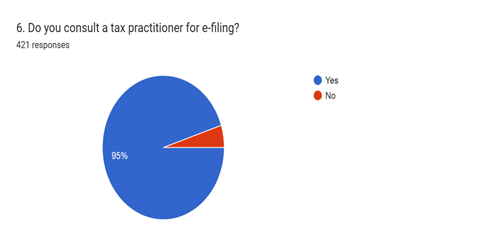
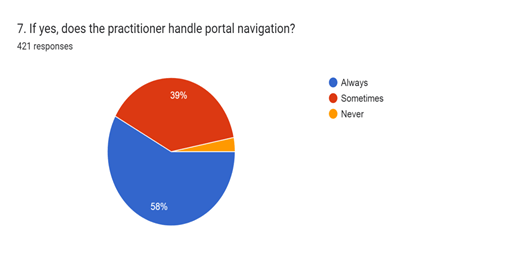
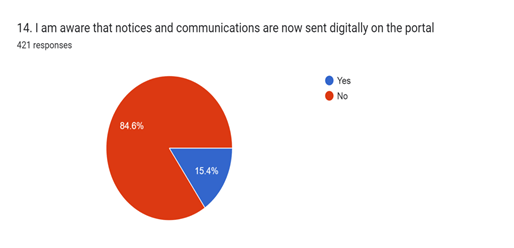
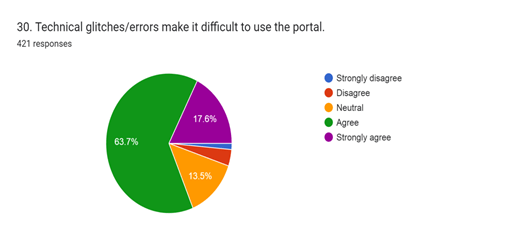










 International Journal of Research (IJR)