The Mode of Documentation Decodes Tragedy in Githa Hariharan’s Fugitive Histories

Dr. Krishna Kant Singh

Professor of English

P. G. Dept. of English

Veer Kunwar Singh University, Ara

            Githa Hariharan’s novel Fugitive Histories deals with an often discussed and oft – quoted problem or we can call it disaster – the communal riots between Hindu and Muslims and its repercussions in comprehensive manner with full microscopic view of presentation. This novel of Githa Hariharan touches the heart of the literary world for many reasons altogether, especially for unfolding the bitter truth of inhumanity which comes out during the communal riots in the shape of unwanted bloodshed and violence in which not the rich and the poor but the poor humanity dies all the time. Unlike her other books like – The Art of Dying, The Ghosts of Vasu Master, When Dreams Travel, In Times of Siege or her first novel. The Thousand Faces of Night, Fugitive Histories, is an account of dying humanity in the modern era because of false conceptions of Hindu Muslim myth. A reviewer rightly remarks in Tehelka in these worlds about the novel Fugitive Histories:

To Githa Hariharan’s great credit, she looks unflinchingly into the ugliness of sectarian destructiveness and strife with an almost photographically realistic lens, but always remains within earshot of her protagonists ‘small, personal voices … As subtly constructed as Chinese box, concealing narratives within narratives and yet remaining blindly clear in all its exposition of public and private realities, complex though it is, Fugitive Histories is Hariharan’s most compelling simple book. 

            The novel has three parts: – Missing Person, Crossing Borders and Funeral Rites. Three different cities – Delhi, Bombay and Ahmadabad have discovered in the journey of memories. Almost all the characters of the novel – Bala, the grandmother of Mala, Mala, Asad, Samar, Sara, Yasmin, Rajat, Nima and many more – are not the victims of time and space, rather they have victimized time. The basic question the novel arises in the context of communal riots – whether human beings victimize time for their own personal purposes. The novel is based on the reflections of the memories of the characters in the journey of the time. The novel opens with the memory of Mala, the central protagonist of the novel. Mala’s husband Asad is now no more because of his demise. Mala lives in this world with Asad’s memories, especially with his paintings which seem to be the real source of inspiration for Mala.

            The novel opens when Mala was diving deep into memories of Asad, her husband, a muslim fellow who is now no more, but his memories of Asad. The novelist writes in these words:

Asad’s diaries, his notes to himself, include stray words, a few captions an occasional paragraph in that space – devouring handwriting. But most of it is image – notes. There are meticulously detailed drawings, as whole and complete as poems, an occasional rough drafts, pencil, pen, charcoal or watercolour giving up midway before it has completed its sentences; several doodles, many of them far from funny. Most of the images are portraits of people. In some of them, people who didn’t know each other or live in the same place or even in the same time inhabit the same sheet of paper.

            Mala is spending her life without Asad who is now no more. But his paintings are enough to inspire Mala to live life with full of memories. Mala and Asad had two children – one son and one daughter. Now both of them have become young and spending happy life in Bombay. Sara joined an NGO office and works for the documentary film along with Nina and others. Samar, too, works in Bombay but in different companies. On the other hand, Mala has to spend her life only with the memories of Asad, her husband. Sara is very crazy in her life. Her life becomes too much obsessive with her desire to work for NGO and discover something new in her life, especially do something to highlight life of the riot victims of Gujarat. She tries to discover something new in the lives of those victims who are still suffering a lot for different reasons altogether. She gathers many documents related to 2002 communal riots occurred in Gujarat after Godhara train incident in which many Hindus were burnt. The document reads:

On 27 February 2002 the Sabarmati Express was attacked in Godhra station in Gujarat and two of its carriages set on fire. The train was carrying ‘Hindu activists’ on their way back from Ayodhya. Godhara is a muslim locality. In the days and weeks that followed, the muslims of Gujarat became the target of brutal violence. The statements of survivours, eyewitnesses and relief workers suggested that state officials and the police connived with the attackers. 

            After Godhara incidents, a large number of innocent people lost their lives in the bloodshed and violence. More than one thousand people from both sides lost their life in the communal violence and bloodshed. A large number of mothers became childless, children became orphans, women became widows, sisters become brotherless and brother became sisterless. A large number of girls and women had been raped and molested. Sara would like to discover the world of the victims who had lost everything. They had become refugees in their own country. Their own country had become a different land for them. The novelist writes at this juncture:

To this day the dispossessed of Gujarat live in ‘safe areas’ – muslim ghettoes – without civic amenities. In Ahmadabad, for instance, people who used to be part of the city’s life – bakers, on to drivers, shopkeepers, engineers, school – teachers – are now refugees in their own city.

            In the eyes of the critics and readers, the attitude and arguments of Asad may be called progressive in nature but in the eyes of the respective communities, they are the culprits for their crime, they have to face the consequences through whole of their lives in this world. In India or also in the countries of the Muslim communities, it is quite difficult to break the stigma and cross the border line easily. Still Hindu and Muslim are two extreme poles as North and South and when the question of community comes, even the so – called intellectuals and progressives belonging to communities lose control and utter a lot over such trivial issues. But Githa Hariharan has presented Asad as a real progressive in his attitude. It perhaps happen because of his inclination towards art or the sacrifice of Mala in his eyes is too great that he never wants to think of the questions of borderline. Asad asserts his opinion:

A women marrying into the community is one more womb colonized. That is how both sides see it. It would have been a better test of the lady and co. If Nasreen wanted to marry a Hindu; he sounds sorry he cannot turn female to make his point. Then he cheers up, ‘Anyway we have nothing to do with either lot. It is not as if we think of ourselves as Hindu or Muslim. 

            In the portrayal of the characters of Mala and Asad, Githa Hariharan retains her acute sense of realism all the time. In the traditional set of Indian society, love marriage is still the matter of beyond imagination and such things are not seen with respectable way. The society in which the individuals live does not allow them to do such things for unknown reasons. If anyone would like to be famous in India, he or she must have to elope and cross the borderline by marrying a boy or girl belonging to the opposite community. Githa Hariharan is aware of this fact and she reveals in the novel in these words without any hesitation:

Mala has become almost famous at least in the neighbourhood in Madras where her parents live, and among her extended family scattered across three continents – for having eloped with a Muslim. 

            Still in the conservative Hindu community, Muslims are considers the untouchables and they are not allowed to participate in the functions or visit the temples or even not allow to eat in the same plates or drink water in the same glass. Githa Hariharan is quite aware of this quality of the Indian society and narrates the events in which Asad is not allowed to eat in the same plate or not invited in the family function. The novelist writes about all these things to highlight the problem.

Surprisingly, the uncle is quite courteous to Asad the barbarian, especially when courtesy does not include eating with him. In any caste, he has made sure there will be no polluting accidents. The cook has been instructed to serve Asad’s food on a white plate, not the usual stainless steel ones. Mala recognises this plate instantly. It is an old friend – or enemy; it is the plate reserved for any woman in the household who has to eat alone because she has her periods. The plate is almost basin – shaped; it has always reminded Mala of the kind of plate people used to feed their pet dogs. 

            Anyhow, Sara is able to meet Yasmin, a muslim girl whose brother Akbar is still missing. Sara is able to find the new house of Yasmin in the refugee’s camp. But Sara has to cross the borderline and crossing this borderline is not easy at all. An unwanted borderline has been created in the city and across the borderline the Muslim community lives with pain and pathetic lot in their hearts and mind. The novelist narrates the compassionate state of the newly established territory. She writes about this mini Pakistan as the people of the city always remark:

‘They call this a border… and some call this area mini Pakistan… the auto crosses the border, enters the safe for muslims zone, goes deep into its bowels, just in case. It makes a sharp turn into a winding road. Swerring and jolting and barking to avoid people, pothels, animals, hawkers, loiterers. Despite people, the open shops, the stalls, the noise, all the breathing, throbbing signs of life, the road is somehow cheerless, as if it has assessed the whole business of living and knows it’s pointless. The auto too gives up, it stutters to a halt at the mouth of a lane twisting away from the road. The lane itself leads to a clutch of unhappy buildings.

            Yasmin would like to do something in her life for her aging parents. She has many things to do in her life. She has different notions in his life. She has different ambitions and aspirations in her life because of different reasons altogether. She has to fulfil the dreams of not only hers but at the same time of many people. Yasmin’s character symbolizes a unique as well as inevitable struggle in the vast domain of emotions and feelings. In this world, she has to fulfil the ambitions of many people. She is the dream of her Abba and Ammi. She has to realize this and the beauty of her character is that she often realises of her character is that she often realises this fact. 

            Sara meets with a large number of people in Ahmadabad and herself visualises the bitter experiences of the people living in that area. There is a long list of especially women engaged in different types of work. Some of them consider themselves lucky and some of them consider themselves unlucky as well. Here, Sara meets with Sultana also who is also the victim of that communal riot. The thoughts of Yasmin always dive deep into human emotions and passions. There is an essence of struggle in the character of Yasmin. The novelist beautifully narrates the feelings and thoughts of Yasmin in these words:

            Sara would like to meet the Ammi of Yasmin to know about the horror and terror of those communal riots. Yasmin gives details of her entire family in unique way. Yasmin’s Ammi and Abba were still hopeful about the return of his son Akbar. Every morning, they went to the police station to make enquiry about their lost son Akbar who was missing since the communal violence. But the police did not give any proper and suitable reply. All the time, the police gave false reply to Yasmin’s parents but they developed the habit of hearing all these things patiently and silently:

Every morning they set out for the police station, their faces swollen with anxiety and hope. Making that report tricked them, it gave them hope. They wanted to believe that saying what had happened, making a report, filling it in the thana, would mean Akbar would come back unharmed or at least come back.

            Githa Hariharan does not leave an opportunity to present the devastating effect of the communal violence. How people became mad and attacked each – other without any emotions and feelings. The father of Yasmin visited many places in order to make an enquiry about his missing son who had not returned after that communal violence.  He went here and there in search of the dead body of his son and that is quite pathetic for him. Githa Hariharan has narrated the entire episode with open eyes in order to show the mental disturbance of such people who are not only helpless but hopeless also. She narrates the stories of the people searching the dead bodies of their relatives in these words:

Abba spent all his time visiting the places where the corps were piling up. He had never seen anything like it before, the parade of body after body that bore so little resemblance to a real body. To a human being, even a dead one … it meant missing a body part – an arm, a leg, even ahead… there was one body with its belly torn open… another body was just burnt   coal… 

                        In India, it has been seen that problem is not being tackled like the problem. Indian politicians have made the problems worst; in spite of solving the problems, they are more interested to multiply the problems. And that happens every time when such unfortunate incidents take place. Sara once upon a time or even today in her life face the same problem in her life. Both Sara and Yasmin were in search of safe place and their search is continuous. Yasmin refers a place “in between” place as the safe for living. Sara also finds herself in the same place. Githa Hariharan writes about this ‘in – between’ as referred by both Yasmin and Sara in these words:

In – between whenever Yasmin refers to the safe area in which she lives now, that is the phrase that comes to Sara’s mind. In – between in transit, on the way to somewhere else, there is a silver of hope in the coupled words that says this place is only in between, there is something else coming after. But there is also the uncertainty of it, the waiting involved without knowing for what. What comes after may be better, but it may also be worse. Sara too is in between. She’s seeing and hearing almost as well as Asad would have liked her to, but she cannot talk about it yet, leave alone begin writing a script. 

            The communal violence in India occurs frequently and people of the both communities have become quite crazy about such trivial things. They do consider it as something inevitable and the continuous process of the making of the society in general. How they dare and their hands do not stop at the time of killing of the fellows living in the same area for many generations is certainly the matter of surprise and wonder. How they burnt the houses and livelihood of each – other is also the matter of surprise and wonder for each other. But they do it and do it and after doing that they call themselves religious or devotees of God. It is shame on their part. They molest little girls and rape the minor one without any hesitation. During communal violence in 2002 in Gujarat, a large number of little girls were molested and minor girls were raped by the people involved in the communal violence. They did it for the sake of religion. Certainly it was shameful action. Do religious allow or force them to do such things? Certainly not, they are the real threats to humanity and supposed to be the puppets playing in hands of the politicians.  

            During the communal violence of 2002 in Gujarat, the house and shop of Yasmin were burnt and nothing was left safe in the house and shops both. Not only house and shop was set to fire, but at the same time their emotions and feelings were set to fire, they remained hopeless and helpless too. Such is the condition of Yasmin, her parents and many more who are the victims fo such communal violence. People became too hostile to each other that they are bound to kill each – other without any thinking. They would like to spread the message of terror and horror everywhere. 

            Fugitive Histories is certainly a novel of frightening memories which have been shared by the community in state of fear and darkness for generations. The horror and terror of those days and right were not easy to be washed out from the mere water. 

            Githa Hariharan beautifully presented the horror and terror exists in the mind of the people. in the novel, Reshma, Zainab Bano, Najma, Razia, Nusreen, Zahida Khala, Zakia, Zulckha and many more are still living in the state of discomfort and this discomfort is not only physical but emotional and mental. Certainly, the experience of these women is a blot to the so – called advanced world which acknowledges it as more human than anything else. The cruelty and brutality the people show during such occurrences is the symbol of loss of faith in human values. Here it will be appropriate to quote the experiences of these women to show how humanity and morality die during communal violence within stroke. For instance, Salma say:

First they asked for jewellery, money. Then they started cutting so people could not run away. I saw a woman’s foot being cut … she fell. She was raped, she was cut some more. Then she was burnt. 

            Farida has also the same experience. She tells pathetically about that nightmare which was the reality:

We do not know the names of the others or where they came from, but they had trishuls with them. They wore saffron cloth round their heads. There is no mystery about who they were. 

            Even Zakia, a pregnant girl has the same experience of those horrible and terrible nights. She unfold her own heart to Sara in these words:

I saw it with my own eyes. The little boy next door, they poured petrol in his mouth. They put a lit matchstick into his mouth as if it was a lollipop. He just burst. 

            Among all those girls or women who are eager to share their experiences of horror and terror, the experience of Zulekha is more compassionate and full of pathetic lot. She has a sense of anger in her heart and states her arguments before Sara and Nima in the same mood:

So you want to hear what really happened? You would not be able to bear it. Once you have heard it, it’ll never let you forget. Those girls were screaming, they were begging us to remove the stumps of wood that had been pushed into them. Each one was crying, “me first, remove mine first,” I will never forget their screams. Even now, when I tell you this, my blood boils.

            The experience of Sufia Bano is no less horrible. She unfolds her own heart in these pathetic words to Sara and Nina about her sleeping in the graveyard for many days:

We spent weeks sleeping in a graveyard. The relief camp we sent to was in a graveyard. We were still living but we had to sleep where the dead sleep. We had to sleep between the graves.

            The experience of Sufia is so pathetic and full of compassion that there is no word for it. The horror and terror in the mind of these women which one can notice is certainly asking many questions at the time. Her washing of many dead bodies before putting them into the graveyard is full of emotional touch and at the same time it fulfils every human heart full of anger. Abeda tells Nima and Sara once again:

I washed so many bodies before they buried them. One day I washed fifteen of them and only one was in one piece. The others were split down the middle or they did not have hands or fact or a head. All of them were burnt. The next day I just could not do it. I throw water over them and left them. I could not do anything more.

            Noorjehan also has the same kind experience like other women of the community. All of them have their own experiences of suffering and exploitations. Noorjehan’s words are certainly alarming but full of pathos and it may fulfil every heart with hate and outrage. She tells Sara in these words:

My name is Noorjehan. They burnt my husband, they burnt my father, they burnt my son. His name was Safique, he was just fifteen years old. If only I could have buried them properly, with some dignity … if only I could have given them the respect everyone should have in death.

            Many activities acknowledge administration and the police. But one thing that is taken into account that if human beings are such and behave like this, what can the administration and the police do. The role of the police or the administration is to establish the rule of law and order. But when the moral and cultural fabric of the nation or the society is bleak, what can other things do something to save – that is the big question. Communal violence, bloodshed, riots cannot be stopped at all unless and until there is a sense of morality, love and respect for each – other.

            But the role of the police and administration is quite devastating and alarming the communal violence during 2002 in Gujarat, the land of Mahatma Gandhi, the worshipper of truth and non – violence forever. The blame of the people was quite right because several communions have been constituted to recognise the responsibility of the police and administration during those riots. But the common opinion of the people was the same for many reasons altogether. The public blame the police in these words without any hesitation.

The police was with them. When we ran, the police began firing.

We had nothing but stones to pelt them with,

We could do nothing but hide.

We hid in the toilets.

We hid on the roof.

We hid in our neighbour’s house.

We hid in the fields.

We hid in the well.

We hid underground, in the water tank.

When they found us we were already grieving for each – other,   we knew we were lost. 

            Certainly, the role of the police and the administration was not enough at all. They must have been protective. I still remember the words of Late Prime Minister Atal Bihari Vajpayee who was highly critical of those communal riots bloodshed and violence. He told the then chief minister of Gujarat that the government, civil administration and the police must have followed the rule of “Raj dharma”. If the kings failed to protect the people of their realm, who might happened to humanity, it can be noticed in such communal riots and violence. There was a common outrage in the minds of the people:

Government? What government says every Hindu will vote for them because they got rid of muslims? 

            The novelist also acknowledges the fact that the minority still lives in the state fear and panic, especially in the time of the festivals. Muslims are always in the state of fear that anything can happen during festival and we have seen the same fact that so many communal violence took place during the festivals. But each and every citizen of the Hindu community is not bad as it is commonly believed the muslims. It has been observed that a large number of people helped the injured and such needy persons at the time of violence and bloodshed. 

            In India, people are more concerned and conscious about these types of feelings. We can observe the mentality of the people especially about those children like Sara and Samar who belong to both Hindu and Muslim communities or belong to nowhere. For Asad, the question of his cremation or burial is not important because he is now no more here to listen or seen such tupes of moments. But what will happen to Sara and Samar. The entire people present at the time of the death of Asad were busy in discussing the question whether Asad’s body would be buried or cremated. But they are not aware of the fact that real graveyard in such condition lies in the open air as the novelist writes about:

The real graveyard is an open, sunny place.

            Githa Hariharan is quite critical about communal violence or bloodshed or riots. People always exploit such moments especially spread during communal violence. The novelist is aware with the sheer mentality of the people involved in communal violence and she writes about Aslam’s feelings:

Words of feelings do not rape and kill and burn, people do. It was only a question of time. We have been idiots, we got too comfortable thinking it would not happen again. 

            The novel puts many questions before the readers which are still answered because of the dilemma and attitude of the society in which we are living does not allow us to think in that direction. Asad’s own life was the symbol of internal pain and suffering. Mala, too, is the victim of time and space. Asad’s danger is not external but internal and always feels the same in closed walls of his room. Although he was an artist of great rank his imagination always goes beyond but he cannot stop the advances of the society in the form of the critical remarks or such rubbish things which cannot be easily avoided. The novelist writes about the mental state of Asad in these questioning words:

The real Asad looked for safety in a room without a view, not on the street or on the sidewalk. 

            In the society in which there is more care about traditional or religious imposition, the emotion and feeling of the people have less significance. The society divided into such caste as well as religious politics, does nothing to create a healthy atmosphere for living. Sara, who discovered the life of Yasmin, failed to do the same for her because of the many reasons. She provided an identity to Yasmin but the same she could not do for her. 

            Thus, Githa Hariharan’s Fugitive Histories is certainly a classic in terms of unfolding the crisis in the form of communal violence, bloodshed and riots on the one hand, and the question of identity especially of those like Mala, Asad, Sara and Samar, and many more like them on the other hand. Really, the book seems to discover a new world in which all these people along with Yasmin and others may live with ease and comfort in the midst of real humanity or in the religion of humanity which is certainly above everything.

 Works Cited: –

  1. Githa Hariharan , “Missing Persons”, Fugitive Histories,  Penguin Books, 2009
  2. Githa Hariharan, “Crossing Borders”, Fugitive Histories
  3. Githa Hariharan, “Funerral Rites”, Fugitive Histories
  4. K. R. S. Iyengar, Indian Writing in English, Sterling Publishing Pvt. Ltd., 2013
  5. M. K. Naik, History of Indian English Literature, Sahitya Academy, 2011
  6. Tehelka  – quoted in the novel Fugitive Histories by Githa Hariharan.
  7. Verve – quoted in the novel.

Child Labour: Past, Present, and Future

Swadha Shudhanshu 

Research Scholar

P. G. Dept. of Economics 

Veer Kunwar Singh University, Ara

Anwar Imam 

P. G. Dept. of Economics 

V. K. S. U., Ara

Abstract:

Child labour is a deeply rooted issue that has plagued societies throughout history. Child labour has been a persistent issue throughout human history, leaving an indelible mark on societies worldwide. This article delves into the historical origins of child labour, its current prevalence, and potential future scenarios. By understanding the past and present dynamics of child labour, we can strive to shape a future that prioritizes the welfare and rights of children. This article draws on historical accounts, statistical data, and expert opinions to shed light on the multifaceted nature of child labour. Additionally, it explores the efforts made to combat child labour and proposes strategies to create a brighter future, free from exploitation and suffering for young minds.

Keywords: Child labour, poverty, exploitation, industrial revolution

Introduction:

Child labour has a long and troubling history, with children being exploited for economic gain in various industries worldwide. This article aims to delve into the past, present, and future of child labour. By understanding the historical evolution of child labour, analyzing its current manifestations, and envisioning a future devoid of child exploitation, we can take informed steps towards ending this grave violation of children’s rights.

1. The Historical Context of Child Labour:

Child labour has been prevalent for centuries, driven by economic, social, and cultural factors. Throughout history, children have been forced into arduous and dangerous work in agriculture, factories, mines, and domestic settings. 

In ancient civilizations like Egypt, Greece, and Rome, child labour was common in agriculture, domestic service, and craftsmanship. Economic necessities and societal norms led to the early engagement of children in various forms of work, often in harsh conditions.

During the medieval period, feudal systems and apprenticeship practices further perpetuated child labour. Children worked as apprentices in guilds and artisanal workshops, sometimes facing exploitation and hazardous tasks.

During the Industrial Revolution, the exploitation of child labour reached its peak as industries sought cheap and malleable labor. The Industrial Revolution marked a significant turning point in child labour history. With the rise of factories and mines, children as young as five were subjected to hazardous working conditions, enduring long hours and meager pay.

The first movements to combat child labour emerged in the 19th century, pushing for child labor reforms and regulations in various countries. These efforts sought to improve the working conditions and protect children from exploitation.

Reform movements and legislation eventually led to the establishment of minimum age limits for employment and improved working conditions. However, child labour still persists in many regions, particularly in developing countries.

2. Current State of Child Labour:

Despite significant progress in combating child labour, it continues to exist in various forms globally. According to the International Labour Organization (ILO), an estimated 152 million children aged 5 to 17 years are engaged in child labour worldwide, with nearly half engaged in hazardous work. Child labour manifests in various forms, including agriculture, domestic work, mining, manufacturing, and the informal sector. Additionally, the emergence of digital platforms and global supply chains has introduced new challenges in monitoring and addressing child labour practices. Poverty, lack of access to education, social inequality, armed conflicts, and migration are among the key factors perpetuating child labour. Children engaged in labour face numerous risks, including physical and psychological harm, limited educational opportunities, and compromised health and well-being.

3. Consequences of Child Labour:

Child labour deprives children of their right to education, impeding their intellectual and emotional development. This loss of potential perpetuates a cycle of poverty and limits future opportunities for these young individuals. Child labourers often endure hazardous conditions, leading to physical injuries, chronic health issues, and psychological trauma. The toll on their well-being can have long-lasting effects on their future. Child labour reinforces social inequalities and hinders overall socio-economic development. It contributes to a cycle of poverty, as uneducated and under-skilled adults struggle to escape their circumstances.

4. Challenges and Interventions in the Present:

Eliminating child labour in the present requires addressing a range of challenges. These include poverty alleviation, ensuring access to quality education, strengthening legal frameworks, and improving enforcement mechanisms. Poverty eradication efforts must focus on creating sustainable livelihoods for families, providing social protection, and breaking the intergenerational cycle of poverty. Access to quality education is vital in empowering children and equipping them with skills for a brighter future. Strong legal frameworks that establish age limits for employment and strict enforcement mechanisms are essential to deter employers from exploiting child labour.

The ILO, the United Nations, and other international organizations have been at the forefront of efforts to combat child labour. Conventions such as the ILO’s Minimum Age Convention and the UNCRC have laid the foundation for legal frameworks and policies to protect children from exploitation. Many countries have enacted laws to prohibit child labour and promote education, but effective enforcement remains a challenge in some regions. Businesses play a crucial role in combating child labour by ensuring their supply chains are free from exploitative practices and supporting ethical sourcing.

5. Envisioning a Future Free from Child Labour:

The future should strive for a world where every child is protected, educated, and provided with opportunities for their holistic development. To achieve this vision, concerted efforts are needed at multiple levels. These efforts include:

  1. Strengthening Education Systems: Investing in comprehensive education systems that prioritize universal access, quality education, and inclusive learning environments is crucial. Education should equip children with the knowledge, skills, and values necessary for their personal growth and active participation in society.
  2. Social Awareness and Advocacy: Raising public awareness about the detrimental effects of child labour and promoting child rights is essential. Advocacy campaigns, community mobilization, and media initiatives can foster a collective commitment to combat child labour and create a supportive environment for children.
  3. Collaboration and Partnerships: Governments, international organizations, civil society, and businesses should collaborate to develop and implement comprehensive strategies to end child labour. Partnerships can ensure the sharing of resources, expertise, and best practices to drive sustainable change.
  4. Monitoring and Data Collection: Continued monitoring of child labour practices and data collection is crucial to measure progress, identify emerging trends, and inform evidence-based policies and interventions.

Conclusion:

Child labour is a persistent global concern that demands urgent attention. By understanding the historical context, recognizing the current challenges, and envisioning a future free from child exploitation, we can work towards sustainable solutions. Governments, organizations, communities, and individuals must join forces to eradicate child labour through targeted interventions, poverty alleviation, education, legal reforms, and societal change. Only by prioritizing the well-being and rights of children can we ensure a future where every child can thrive, learn, and grow into productive members of society.

References:

  1. International Labour Organization (ILO), “Global Estimates of Child Labour,” 2021.
  2. International Labour Organization (ILO), Minimum Age Convention, 1973
  3. International Labour Organization, “https://www.ilo.org/global/topics/child-labour/lang-en/index.htm”
  4. United Nations Convention on the Rights of the Child (UNCRC), 1989.

The Basics for a Thriving Circulatory System

Vascular health forms the cornerstone of overall well-being, playing a pivotal role in maintaining bodily functions and vitality. But many individuals dont know what their vascular system does or what can be done for it to run optimally. If you ever have concerns about it, contact a Vascular Surgeon Idaho Falls to help answer your questions. 

Photo by Andrea Piacquadio on Pexels.com

What is Vascular Health?

Vascular health encompasses the well-being of your blood vessels, which include arteries, veins, and capillaries. These vessels constitute the circulatory system, a complex network responsible for transporting oxygen, nutrients, hormones, and immune cells throughout your body. When your vascular system is healthy, blood flows smoothly, ensuring that all your organs and tissues receive the nourishment they need to function optimally.

Why Does Vascular Health Matter?

Our body’s vitality rests upon the health of its intricate network of blood vessels. The circulatory system, when operating harmoniously, has a multitude of benefits. Our blood vessels are what transport oxygen and essential nutrients to the body’s cells, a crucial process that fuels cellular metabolism and sustains overall energy levels for the body. They also help in the removal of waste products and carbon dioxide from cells, giving our body an optimal environment to thrive. Their significance extends to the regulation of blood pressure, a task they accomplish by skillfully adjusting the size of the blood vessels to accommodate shifts in blood flow and demand. The circulatory system also stands guard over our immune system, skillfully transporting immune cells to the sites of infections or injuries, aiding in a swift recovery. Our vascular system plays a vital and complicated role in the overall health of our body.

Nurturing Your Vascular Health

Taking care of your vascular health doesn’t require drastic changes. Incorporating a few simple habits into your lifestyle can go a long way:

Healthy Diet

Consume a diet rich in fruits, vegetables, whole grains, lean proteins, and healthy fats. When you are eating a variety of food that is full of good things for your body, it helps your body to function at its best ability. Those types of foods provide essential nutrients and antioxidants that support vascular health.

Regular Exercise

Engaging in regular physical activity, such as brisk walking, swimming, or cycling can be beneficial. Even just 20 minutes of exercise a day can help your body be as healthy as can be, regardless of your age. Exercise promotes blood circulation, helps maintain a healthy weight, and strengthens blood vessels. When you choose to get your body moving, it helps to get your blood pumping and moving through your blood vessels. 

Hydration

Stay well-hydrated to ensure blood flow remains smooth and efficient. Water supports a wide variety of functions and components of our body and is vital for our bodies to work properly. This would include maintaining blood volume.

Avoid Tobacco

If you smoke, consider quitting. Smoking damages blood vessels and increases the risk of vascular diseases. It is a major factor in health concerns when it comes to the vascular system and is best to stay clear of it to decrease risk factors. 

Manage Stress

Practice stress-reduction techniques like meditation, deep breathing, or yoga. Or find other ways to release stress. Stress is a common feeling to all adults, so it is vital to find ways that will allow you to cope with it. Chronic stress can negatively impact blood vessel function.

India taking the lead in addressing global concerns

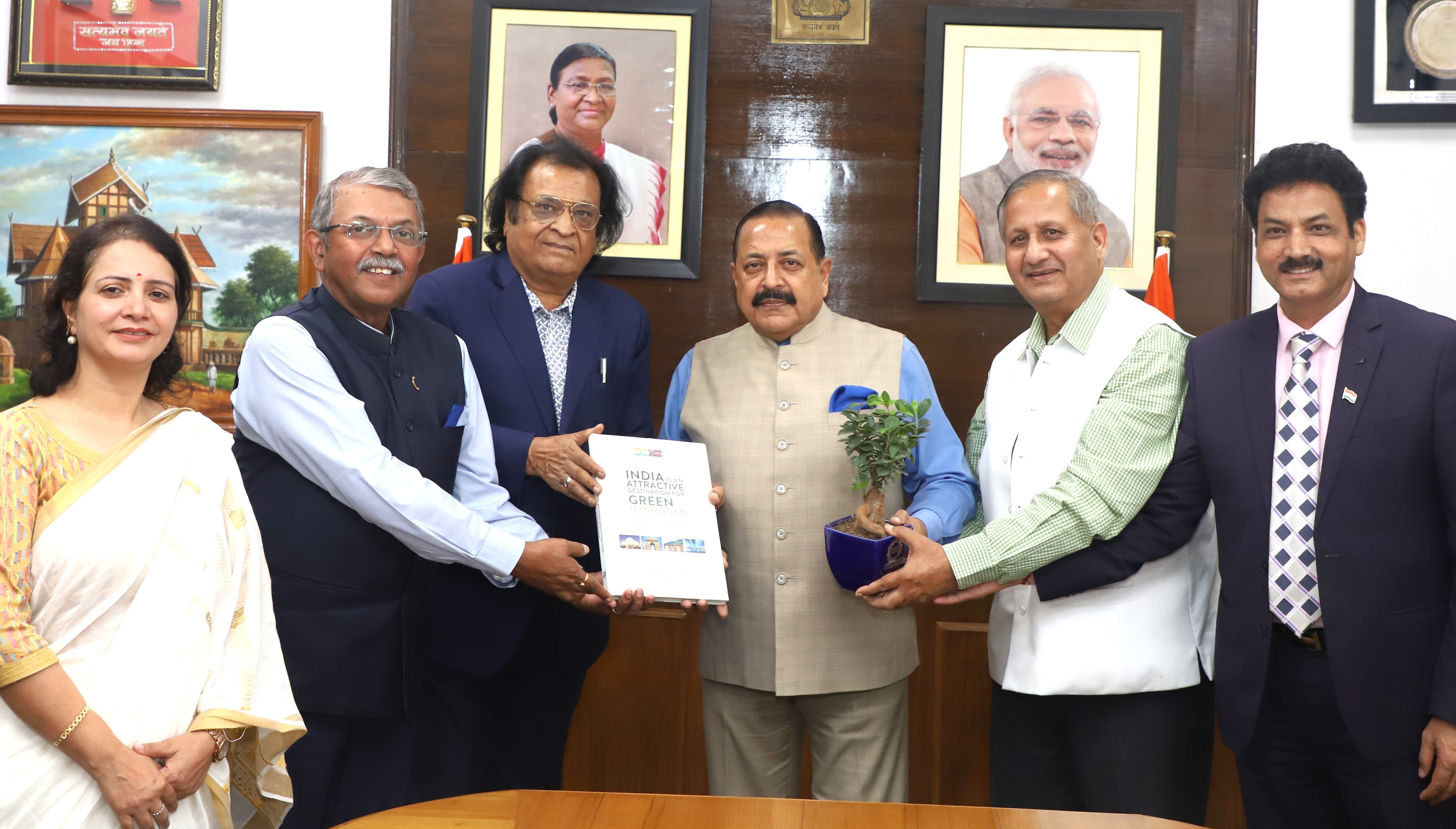
India is taking the lead in addressing global concerns, the Union Minister of State (Independent Charge) Science & Technology; MoS PMO, Personnel, Public Grievances, Pensions, Atomic Energy and Space, Dr Jitendra Singh said today.

“Prime Minister Shri Narendra Modi is leading the global climate movement and the World is ready to be led by India in its fight against climate change- a concern that like the COVID pandemic knows no borders, respects no wealth or any other artificial human division,” said Dr Jitendra Singh, while interacting with a delegation of the PHD Chamber of Commerce and Industry (PHDCCI) who called on him here today.

The PHD Chamber is an Industry Partner for ENTICE – Energy Transitions Innovation Challenge, an innovation platform for accelerating people-positive energy transitions. The Chamber has also set up the Centre of Excellence in Green Hydrogen (CoE-GH), a state-of-the-art knowledge facility to bridge the gap between government, academia, and industry. The Centre aims to facilitate partnerships for capacity building. The Centre intends to assist the SME sector that focuses on the green energy transition and is interested in starting a new business in the green hydrogen sector as well. This Centre is the only facility of this sort in India.

Dr Jitendra Singh called upon the PHDCCI to commercially exploit India’s first indigenously developed hydrogen fuel cell bus, developed by the Council of Scientific and Industrial Research – National Chemical Laboratory (CSIR-NCL) and Central Electrochemical Research Institute (CSIR-CECRI) in collaboration with KPIT Limited, a Pune-based software multinational. The hydrogen fuel cell bus was launched by Dr Jitendra Singh in August last year.

Dr Jitendra Singh said, under the leadership of Prime Minister Narendra Modi, India is implementing the largest Renewable Energy (RE) expansion programme in the world envisaging a 5-fold increase in the overall RE capacity in the country.

“India is committed to achieve 500 GW of installed electricity capacity from non-fossil fuel sources by the year 2030 and reduce the projected emissions by one billion tonnes from now to 2030,” he said.

The Union Minister said that the last nine years have witnessed the Indian crusade against climate change. “We have already achieved our commitment of 40% energy production from renewable sources, way ahead of the 2030 Paris Agreement target,” he said.

He added that apart from the thrust on renewable energy from solar and hydel, the Prime Minister announced major strides in Hydrogen energy from the ramparts of the Red Fort on 15th August 2021. India also launched the National Hydrogen Energy Mission to enable cost competitive green hydrogen production.

Dr Jitendra Singh said India’s energy-mix strategies include a larger shift toward clean energy alternatives, increased manufacturing capacities, energy use efficiency and a policy push for hydrogen including production-linked incentives. In addition, the emerging technologies like 2G Ethanol Pilot, Comfort climate box for tropical regions, Hydrogen Valleys, Heating and cooling virtual repository, are all on the table, the Minister emphasized.

Dr Jitendra Singh said India has developed a roadmap and a strategy for a Bio-based economy which is inching towards 150 billion USD by the year 2025. He said, this will facilitate infrastructure for Bio-manufacturing of low-carbon bio-based products.

Dr Jitendra Singh said, Government of India through Public -Private partnerships is ensuring the funding for clean energy innovations as envisioned under Mission Innovation 2.0. He said that the Clean Energy Ministerial (CEM) setup has been able to provide a unique opportunity for India to showcase its contribution to clean energy development nationally & internationally and quoted some major CEM initiatives which includes CEM’s Global Lighting Challenge (GLC) campaign, Street Lighting National Programme, Unnat Jyoti by Affordable LEDs for All (UJALA) programme, The One Sun-One World -One Grid Initiative which was first floated by the Prime Minister of India to harness tremendous potential of solar energy.

Dr Jitendra Singh asserted that India, through “Mission Innovation”, is actively engaged in collaborative efforts to catalyze inspiring innovation goals. He said, National Mission initiatives such as Make in India, Digital India, Start-up India, Green India and Smart Cities have encouraged hubs of clean energy innovation all over the country. Alongside, India has also taken R&D initiative to develop low carbon alternatives to Single Use Plastics in an integrated manner, the Minister added.

Dr Jitendra Singh said PM Modi had at the 26th session of the Conference of the Parties (COP26) to the United Nations Framework Convention on Climate Change (UNFCCC) held in Glasgow, United Kingdom in November, 2021, expressed to intensify its climate action plan by presenting to the world five nectar elements (Panchamrit) of India’s climate action plan. He said, apart from a five-pronged target for India and its commitment to Net-Zero emissions by 2070, PM Modi also asserted the need to follow a sustainable lifestyle and emphasized on the idea of making ‘Lifestyle for Environment’ (LiFE) a global mission through bolder steps by the global clean energy fraternity.

Dr Jitendra Singh said India is on course to achieve its targets toward climate action like- Reaching a non-fossil fuel energy capacity of 500 GW by 2030; Fulfilling 50 percent energy requirements via renewable energy by 2030; Reducing CO2 emissions by 1 billion tons by 2030; Reducing carbon intensity below 45 percent by 2030; To pave the way for achieving a net-zero emissions target by 2070.

Dr Jitendra Singh said, today when India is celebrating the 75th year of its Independence, the roadmap for the next 25 years for India @100, will be determined by scientific and technological innovations in all walks of life.

Dr Jitendra Singh said, at the initiative of PM Modi, the United Nations observed the International Yoga Day and this year is being celebrated as the International Year of Millets. With Ayushman Bharat – Pradhan Mantri Jan Aarogya Yojana, the government is taking healthcare protection to a new aspirational level. This is the world’s largest government funded healthcare programme targeting more than 50 crore beneficiaries.

Besides, said Dr Jitendra Singh, India is today the world’s 5th largest economy and the total length of the National Highways in the country increased by about 59% in the last nine years. As a result of this expansion, India now has the second largest road network, after the US. Under the Swachh Bharat Mission (Gramin) the Government achieved the impossible task of increasing the sanitation coverage in just five years from 39% in 2014 to 100% by 2019. Under the programme, 10.28 Crore toilets were built in the country and all the districts declared themselves Open Defecation Free (ODF) on 2nd October 2019 as a tribute to the 150th birth anniversary of Mahatma Gandhi. It is the world’s largest behaviour change programme.

Dr Jitendra Singh said the ‘Jal Jeevan Mission (JJM) – Har Ghar Jal’ is the world’s largest drinking water project. When the programme was launched in August 2019, we were at 17% and today JJM has achieved a new milestone of ensuring safe and clean drinking water through taps to more than 12.75 Crore (65.75%) rural households of the country.

<><><><><>

Calling Online Content Creators and OTT Platforms: IFFI invites entries for Maiden Edition of Best Web Series (OTT) Award

Applications are now open for the inaugural edition of Best Web Series (OTT) Award, which is being introduced starting with the 54th edition of the International Film Festival of India, to be held in Goa during November 20 – 28, 2023.

Objectives of the Award

Photo by Ojo Toluwashe on Pexels.com

The Award is aimed at acknowledging, encouraging and honouring the flourishing OTT content and its creators. It seeks to foster growth and innovation in the Indian OTT industry by encouraging and celebrating web series content produced for and screened on digital platforms. The award also aims to encourage OTT content in Indian languages by promoting regional diversity and creativity in the web content industry, including content produced in regional languages. The Award will recognize and reward exceptional talent that has realized its potential due to the opportunities provided by the OTT space in India. In keeping with India’s growing creative economy, the award will also aim to incentivize and create investment opportunities in India’s OTT sector by providing avenues to content creators and OTT platforms to showcase their work, exchange knowledge, and foster international relationships through the International Film Festival of India (IFFI).

The winner will be announced and honoured at the 54th edition of IFFI.

Tell the Story of a Rising and Aspirational New India: I&B Minister

It may be recalled that the Award was announced on July 18, 2023, by the Union Minister for Information and Broadcasting (I&B) Shri Anurag Singh Thakur.

Noting that India is filled with exceptional talent, the Shri Thakur has encouraged content creators to “tell the story of a rising and aspirational New India – ready to lead the world, with a billion dreams and a billion untold stories!” He added that beginning this year at the 54th International Film Festival of India, the award will be presented annually.

Speaking about the intent of the I&B Ministry in introducing the Best Web Series (OTT) Award, the Union Minister had said: “The Indian entertainment industry has seen a tectonic change in the last few years. It is interesting to note that a recent report of FICCI-EnY shows that not only was 3,000 hours of new and original OTT content created in India in 2022, but the viewership on OTT platforms has grown from 13.5 crores to 18 crores in the last few years, whereas the number of cinema hall goers stands at 12.2 crore, 6 crore less than the consumption on OTT. A need was therefore felt to foster and promote the growth of the Indian OTT industry and acknowledge regional talent that India is so rich in.”

Eligibility for the Award

To be eligible for the award, the web series has to be originally created / shot series in any Indian language. It has to be an original piece of work commissioned, produced, co-produced, licensed, or acquired with the purpose of releasing ONLY on the OTT Platform. All episodes of the entry (web series/season) should have been released on an OTT platform between January 1, 2022, and December 31, 2022.

Further, the web series/season under application must have a total runtime of at least 180 minutes, have a minimum of three (3) episodes, have each episode of duration 25 minutes or more and be tied together under the same title or trade name.

How to Apply for the Award

Applicants should submit the entry through the prescribed online entry form, which is available at the Award website: https://bestwebseriesaward.com/. The entries can be submitted online till 6 PM on 25th August, 2023. In addition to the online submission, the stamped and signed hard copy of the submitted online application along with its adjoining material must be received by 31st August, 2023. In the event that 31st August, 2023 is declared a holiday, the next working day will be considered as the final date for receipt of the application.

Award Components

The award for the Best Web Series will be presented to one web series for its artistic merit, storytelling, technical excellence and overall impact. A cash Prize of Rs. 10 lakhs will be awarded, to be shared equally among the Director(s), Creator(s) and the Producer(s) / Production house(s) / OTT Platform (in case of an original production or coproduction). Certificates too will be awarded to Director(s) / Creator(s) or both, and the Producer(s) / Production House(s) /OTT Platform (in case of original production or co-production) and to the OTT platform streaming the web-series.

There shall be a two-tier system, a Preview Committee and a Jury, for making selections for the award. The jury would comprise eminent film / web series professionals / personalities acclaimed in the field of web-series, cinema, and other allied arts from across India. The preview committee and the jury would be constituted by the Ministry of I&B.

More details on eligibility and other details of the Award are available on the Award website: https://bestwebseriesaward.com/. The rules and regulations of the Award can be found here.

***

How Sports Medicine Benefits Recreational Athletes

When you talk about sports with others, most of the time you are talking about the professional athletes that we watch on TV. But there are all levels of athletes out there that enjoy getting involved in sports, even if it’s your local city league. All levels require care if there is an injury. Sports medicine is not solely reserved for the elite athletes that have made a career of playing. It is also needed for recreational athletes or “weekend warriors” who pursue sports and fitness as a passion. From weekend soccer players to fitness enthusiasts, sports medicine principles play a crucial role in optimizing performance, preventing injuries, and ensuring overall well-being for all athletes. There are so many ways that a recreational athlete can benefit from sports medicine, here are some! 

Photo by Oliver Sju00f6stru00f6m on Pexels.com

Injury Prevention and Safe Training

For those that enjoy playing the occasional sports playing, injuries can be a significant setback that interferes with not only their sport but also their daily life. Sports medicine provides valuable tools for injury prevention for everyone that loves to get involved in sports. Such as warm-ups and stretching routines that can be done often to increase flexibility and mobility. When you are able to increase your mobility and flexibility, your muscles, tendons, and ligaments are less at risk of an injury while playing. This allows your body to strengthen but also get loose before playing. You never want to start playing a sport without getting your body loose.

Optimal Training Techniques

With proper training techniques, you can enhance your overall performance and achieve the fitness goals you may have set for yourself. When you choose to work with a sports medicine professional they can create a personalized training program for you and your needs as an athlete. To get the results that you are looking for, they may emphasize progressive overload, appropriate rest intervals, and injury avoidance. Depending on the sports that you participate in, there could be specific tasks that you could be doing in order to enhance your play. Even though it is a sport that is just for fun, the athlete can benefit from sports medicine enhancing their abilities. Combining sports medicine principles with injury prevention strategies, safe training practices, and a comprehensive CPR program like CPR in Mississauga is essential for the safety and performance of athletes. 

Nutrition for Performance and Recovery

Sports nutrition is equally essential for recreational athletes as it is for professionals. Understanding the role of macronutrients, hydration, and nutrient timing can significantly impact a recreational athlete’s energy levels, endurance, and post-workout recovery. There is a lot to consider when it comes to an athlete’s nutrition. You want to look at their body size and goals to make a plan that will benefit them. All macronutrients play a vital role in fueling an athlete and should be consumed. But as an athlete, protein should be a high priority to help refuel and build muscle mass. Sports medicine experts are the ones that give exact numbers in a nutrition plan to meet their goals. And emphasizing the importance of proper hydration can aid an athlete in excelling while playing.

Veer Savarkar International Airport, Port Blair

The Prime Minister, Shri Narendra Modi inaugurated the New Integrated Terminal Building of Veer Savarkar International Airport, Port Blair via video conferencing today. With a construction cost of around Rs 710 crores, the new terminal building is capable of handling about 50 lakh passengers annually.

Addressing the gathering, the Prime Minister said that even though today’s program is taking place in Port Blair, the entire nation is keenly looking towards the Union Territory as the demand for increasing the passenger handling capacity of Veer Savarkar International Airport is being fulfilled. The Prime Minister also expressed his desire to be present on the occasion as he could experience the joyous environment and happy faces of the citizens. “Those who wished to visit Andaman also demanded a larger capacity airport”, he added. 

Further speaking on the growing desire for expansion of the airport facilities at Port Blair, the Prime Minister informed that till now the existing terminal had the capacity to handle 4000 tourists, and the new terminal has taken this number to 11,000 and 10 planes can be parked at any given time on the airport now. More flights and tourists will bring more jobs to the area, he said. Port Blair’s new terminal building will increase Ease of Travel, Ease of Doing Business and connectivity, the Prime Minister added. 

“The scope of development has been limited to big cities for a long time in India”, the Prime Minister said, as he highlighted that the Adivasi and island regions of the country were devoid of development for a long time. He said that in the last 9 years, the present government has not only rectified the mistakes of the governments of the past with utmost sensitivity but also come up with a new system. “A new model of development of inclusion has come up in India. The model is of ‘Sabka Saath, Sabka Vikas’”, the Prime Minister said. He explained that this model of development is very comprehensive and includes the development of every region and every section of society, and every aspect of life such as education, health and connectivity.

The Prime Minister said that in the last 9 years, a new story of development has been written in Andaman. In the 9 years of the previous government Andaman and Nicobar received a budget of Rs 23,000 crores, whereas in the last nine years of the present government, a budget of about Rs 48,000 crores was allocated for Andaman and Nicobar. Similarly, during the 9 years of the previous government 28,000 households were connected with piped water, this number in the last 9 years is 50,000. Today, the Prime Minister continued, everyone in Andaman and Nicobar has a bank account and the facility of One Nation One Ration Card. The current government is also responsible for the medical college in Port Blair whereas, earlier, there was no medical college in the Union territory. Earlier, the Internet was solely dependent on satellites, now, he said, the present government took the initiative of laying the undersea optical fiber of hundreds of kilometres. 

The Prime Minister said that this expansion of facilities is giving momentum to tourism here. Mobile connectivity, health infrastructure, airport facilities and roads promote the arrival of tourists. That is why, said Shri Modi,  tourist footfall has doubled as compared to 2014. Adventure tourism is also thriving and the numbers will rise manifold in the coming years. 

“Andaman is becoming a living and breathing example of the maha-mantra of development and heritage going hand in hand”, the Prime Minister remarked. The Prime Minister noted that even though the Tiranga was hoisted in Andaman way before it was hoisted in the Red Fort, one could only find signs of slavery on the island. He expressed gratitude for getting the opportunity to hoist the national flag at the exact same spot where Netaji Subhas Chandra Bose once hoisted the Tiranga. The Prime Minister highlighted that it was the present government that renamed Ross Island as Netaji Subhas Island, Havelock Island as Swaraj Island and Neil Island as Shaheed Island. He also touched upon renaming the 21 islands after the Param Vir Chakra awardees. “Development of Andaman and Nicobar Islands has become a source of inspiration for the youth of the country”, he added.  

The Prime Minister said that India would have scaled new heights in the last 75 years of Independence as there is no doubt about the capabilities of the Indians. However, the Prime Minister emphasized, corruption and dynastic politics always did injustice to the strengths of the common citizens. The Prime Minister also highlighted the opportunistic politics of certain parties. He criticised the politics of casteism and corruption. He also criticized the acceptance of the people under the cloud of corruption and who, in some cases, are on bail and even convicted. He attacked the mentality of holding the Constitution hostage. He pointed out that such forces are focused on selfish family gains rather than on the development of common citizens. Shri Modi underlined the strength of the youth of India in the fields of defence and startup and lamented how no justice was done for this strength of the youth. 

Concluding the address, the Prime Minister emphasized the need to dedicate ourselves to the development of the country. The Prime Minister said that there are many examples of islands and small coastal countries that have made unprecedented progress in the world today. He highlighted that even though the path of progress is filled with challenges, development arrives with all kinds of solutions. The Prime Minister expressed confidence that the development work being done in the Andaman and Nicobar Islands will further strengthen the entire region. 

Background

Enhancing connectivity infrastructure has been a major focus of the government. The inauguration of the New Integrated Terminal Building, built at a cost of around Rs 710 crores, will play a key role in boosting connectivity of the island UT. With a total built-up area of around 40,800 sqm., the new terminal building will be capable of handling about 50 lakh passengers annually. An Apron suitable for two Boeing-767-400 and two Airbus-321 types of aircraft has also been constructed at Port Blair Airport at a cost of Rs 80 Crores, making the airport now suitable for parking ten aircraft at a time.

Inspired by nature, the architectural design of the airport terminal resembles a shell-shaped structure depicting the sea and islands. The new airport terminal building has a number of sustainability features like Double Insulated Roofing System to reduce heat gain, skylights to provide maximum inlet of abundant natural sunlight during day time to reduce artificial light usage inside the building, LED lighting, and low heat gain glazing. Rainwater catchment in an underground water tank, an on-site sewage treatment plant with 100% of treated wastewater reused for landscaping and a 500 KW solar power plant are some other features of the terminal building to ensure a minimal negative impact on the islands’ environment.

As a gateway to the pristine islands of Andaman and Nicobar, Port Blair is a popular destination for tourists. The spacious New Integrated Terminal Building will boost air traffic and help enhance tourism in the region. It will also help create enhanced employment opportunities for the local community and give a fillip to the region’s economy.

The Easiest Way to Customise Promotional Badges for Your Business

Using promotional badges to market your business’s brand is an affordable yet effective marketing strategy. What’s more, you have a lot of options to customise your branded badges to suit your needs and those of your targeted users. 

Photo by Erik Mclean on Pexels.com

In a modern business setup, most promotional badges are used for marketing products target young users, corporate users, travellers, and badge collectors. If you are sure of where your business fits, then you will be ready to customise your badges. Let’s dive in.

Choose an Appropriate Seller of Promotional Badges

Today, there are many companies that sell promotional badges, and all have a website where potential customers can check what they offer. If you are looking for the best customised branded badges to promote your business, then start by doing research on the web as well as social media platforms.

Consider promotional badge companies with a reputation for customization of badges, great customer service, affordability, and reliability. For added creativity, look for companies that offer machine embroidery designs, allowing you to create unique and high-quality badges. Fortunately, you can evaluate all these by reading online reviews.

Check Their Customisation Catalogue

A great promotional badge seller should have a catalogue with easy customisation. This will mainly allow you to customise the following.

  • The design – They offer a variety of designs to choose from. Some even allow you to bring or create unique designs, especially if you are a branded badge buyer. 
  • Size – Some designs are big while others are small. Consider your users and ensure they get a functional design. For instance, corporate pin badges should be small and neatly finished for ease of wearing on a suit or other office clothes, while metal and PVC badges targeting students can be big and colourful to entice them to wear them.
  • Colours – Focus on colours that promote your brand such as your logo colours. After choosing a design, you can discuss how to blend the colours in that design.

How to Customise the Promotional Message

The most important aspect when shopping for promotional badges is the marketing message they will carry. Some badges such as pin badges are small, so they can only carry a logo, while others such as enamel and PVC badges can have a logo and the brand name because they are large.

You should brainstorm this carefully to have an appealing badge that does not compromise on its usefulness. The badge design should encourage users to wear them so that they can advertise your brand wherever they go. 

The Cost of Customised Promotional Badges

Customised badges come at different prices depending on their customisation. For instance, PVC badges are cheaper than high-quality metal pin badges because of the materials they use. Additionally, the number of badges you need, the colours you choose, the size, and the overall design will determine the price per piece.

So, take your time to assess and plan for your promotional badges so that you can get the best deal, especially if you plan to use this strategy in the long term. 

Final Thoughts

Promotional badges can effectively promote your brand to increase its recognition, grow your customer base, and push your profit margins higher. It is time to decide whether this is a worthy strategy to promote your business or not. Now that you have the insights, you can easily make the right decision.

W20 Summit Women-Led Development; Transform, Thrive and Transcend

Women 20 Summit is set to take place in Radisson Blu Resort Temple Bay, Mahabalipuram, Tamil Nadu, India on 14th – 16th June 2023. The theme of this year’s summit is ‘Women-Led Development- Transform, Thrive and Transcend’. The summit will consist of an exhibition, a Janbhagidari event, 8 sessions and a closed-door meeting.

Photo by Matheus Bertelli on Pexels.com

Under India’s presidency, W20 is committed to ensuring increased grassroots-level participation and enhanced stakeholdership of citizens in the W20  process. The summit will begin with a Janbhagidari (Citizen’s Connect Program) which is set on the theme of ‘The Journey of Empowerment’. During the event, transformational stories of women from across India will be shared with the W20 international delegates. The Janbhagidari event also provides grassroots women of Tamil Nadu the platform for sharing their concerns, stories and questions with global women leaders and policymakers. Ms Bansuri Swaraj, Supreme Court Advocate, W20 India Delegate will deliver the opening remarks followed by five grassroots women of India and Ms Megha Harsha, Artist & Guinness World record holder who will share their inspirational stories with the delegates of W20. Ms Virginia Littlejohn, Co-HoD USA, will enrich the session by sharing her experience in empowering grassroots women. The event has been facilitated by the National Rural Livelihood Mission, Ministry of Rural Development, GOI and the Government of Tamil Nadu.

The summit will also include an exhibition from grassroots entrepreneurs of Tamil Nadu, supported by the Department of Rural Development, Tamil Nadu. The exhibition will offer a platform for women entrepreneurs to showcase their skills, creativity, and innovation. It also includes exhibits by W20 Argentina and W20 Indonesia. The exhibition will be inaugurated on 15th June in the Ball Room of Radisson Blu Resort Temple Bay, Mahabalipuram, Tamil Nadu.

The W20 summit will begin with an inaugural session that will be commenced by the inaugural remarks of Dr Sandhya Purecha, Chair of W20 India. The inaugural session will also be graced by the presence of Dr Shamika Ravi, Chair of the W20 Communique Drafting Committee, Dr Shombi Sharp, UN resident coordinator, India, Shri Amitabh Kant, Sherpa G20, Smt. Smriti Zubin Irani, Hon’ble Minister of Women and Child Development, GoI, and Ms Dharitri Patnaik, Chief Coordinator W20. The W20 Communique 2023, which provides actionable recommendations to the G20 leaders to incorporate in the G20 Leaders’ Declaration, will be released during the inaugural session. W20 will also release a Compendium of Articles on several themes of Women-Led Development written by the delegates and knowledge partners of W20.

On 15th June, three plenary sessions will be conducted on the themes ‘Intersection between Women’s Health, Gender Equality, and Socioeconomic Development’, ‘Women-Led Climate Action’, and ‘Bridging the Gender Digital Divide’. The W20 First Respondent Framework will also be released at the end of the first session. The day will end with a Gala Dinner and Cultural Evening which will showcase the rich cultural heritage of Tamil Nadu and India to the W20 delegates.

Three sessions on the themes ‘Breaking the Glass Ceiling’, ‘Economic Empowerment through Trade and Investment’, and ‘Investing in Services and Infrastructure for an Enabling Care Economy’ will take place on 16th June. The W20 summit will proceed to an end with a closing session on ‘Celebrating the Power of Women Empowerment’, a session that aims to celebrate the power of women empowerment and acknowledge the contribution of women to overall societal and economic progress in the world. The closing session will be graced by the presence of  Smt. Bharati Ghosh, Former IPS, who will deliver the welcome address, Ms Gulden Turktan, Chair W20 Turkey 2015, Ms Linda Laura Sabbadini, Chair W20 Italy 2021, and Ms Uli Silalahi, Chair W20 Indonesia 2022. Dr Sandhya Purecha, W20 Chair 2023 will bring the summit to a close by delivering her closing address. The W20 delegates will also be experiencing the rich historical heritage of Mahabalipuram during an excursion coordinated by the Department of Tourism, Government of Tamil Nadu on 17th June.

The Women 20 (W20) is the official G20 engagement group, created in 2015 under Turkey’s Presidency of G20, with the objective of focusing on gender equity. The primary objective of W20 is women’s empowerment and advocating for women’s rights, raising women’s voices in society. India’s W20 agenda focuses on five key priorities: Women’s Entrepreneurship, Grassroots Women’s Leadership, Bridging the Gender Digital Divide, Education and Skill Development, and Climate Change.

***

What function does a pressure transducer in a natural gas pipeline network system serve?

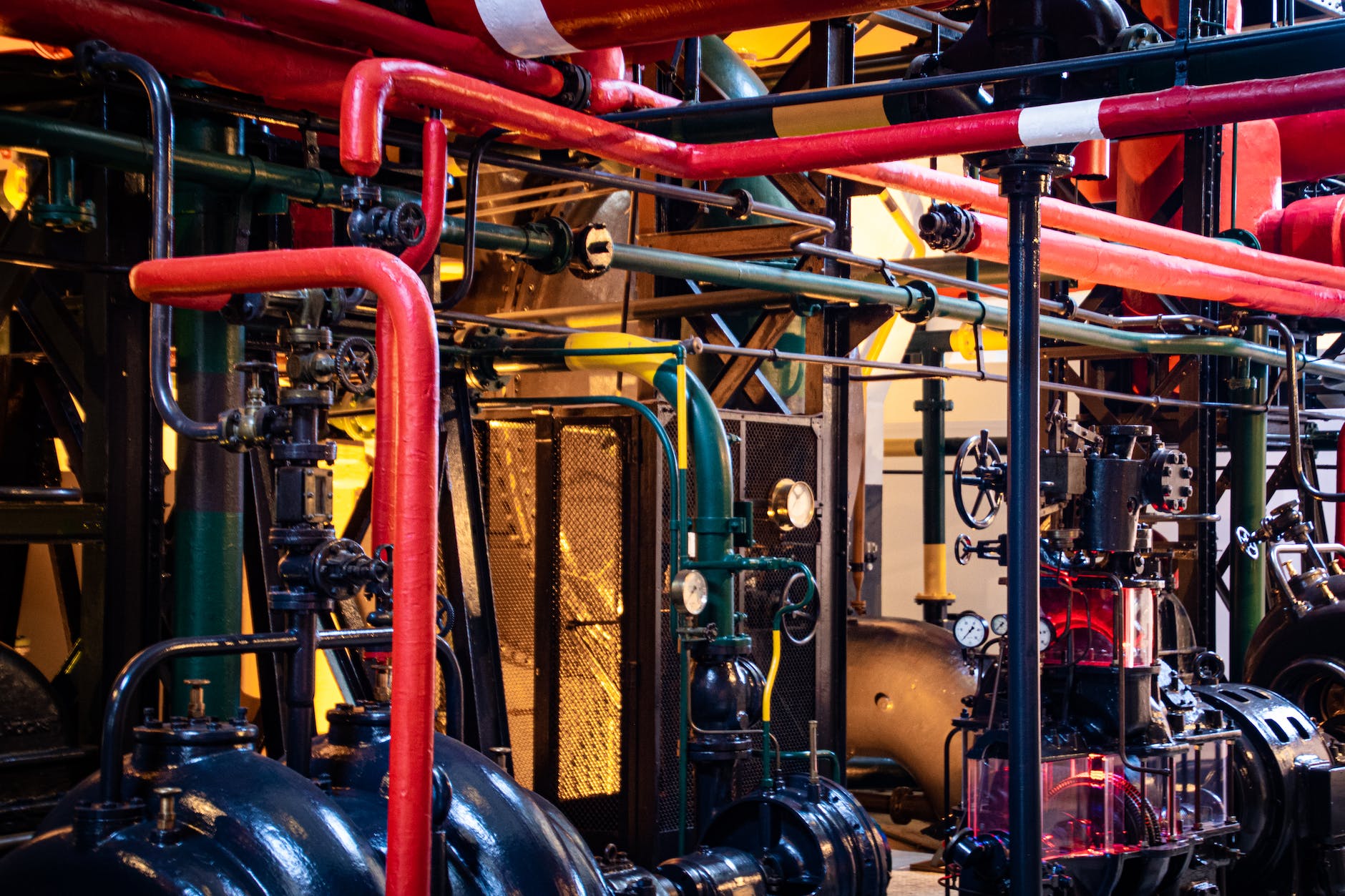
They will tell you to watch your pipeline networks, yet all you have as an instrument console that piggybacks some values on pipe pressure. So where is the real eye? It follows that the natural gas pipelines do have components that work harmoniously. 

But the pressure transducer is at the center of it all. So, what role does it play in these systems? Keep reading for more. 

Photo by Magda Ehlers on Pexels.com

Monitoring pressure to guarantee safety in natural gas pipelines

The pressure transducer in natural gas pipelines measures the gas or oil pressure and then converts into an electrical signal. So, the transducer has sensors capable of monitoring pressure levels and variations. 

Since safety is prime in natural gas pipeline systems, you must maintain it optimally to reduce accidents. The transducer will be within the network 24/7 providing real-time data. As such, the operators can swiftly notice any anomaly or fluctuations from the normal pressure.

Through early detection, corrective action may be subsequent. And that’s all you need to evade disaster. Not just on the pipeline but the vicinities around the pipeline network.

Regulating natural gas flow in pipeline networks 

The gas flow needs to be efficient. It’s the only way to optimize its movement within the pipes. The pressure transducer regulates the natural gas flow by maintaining the optimal pressure. 

The transducer is like a control mechanism. As a result, it controls the adjustments of the flow rate. But this only happens through monitoring the real-time pressure within the pipe and providing the operators with updates. It’s up to the operator to figure out flow modulation. 

Pressure transducers help to avoid natural gas pipeline failures 

Pipeline failures occur frequently. That’s why detection and prevention are advised. That not only saves lives but also saves the environment. The reliability of the gas flow can also be guaranteed. 

Having a pressure transducer in the pipeline network means you can monitor pressure drops, breaches and surges which can damage the pipeline structure. So, as the operator, it allows you to address the anomalies and evade catastrophic failure. 

Pressure transducers in natural gas pipelines guarantee efficiency 

Optimizing the pressure flow is a shortcut to efficiency. Think of it; you get real-time data from the transducer regarding the pressure flow. This helps you interpret when repairs are needed, how to plan on flow capacity and when to maintain. 

Those are just some of the obstacles that can be achieved when dealing with a natural, efficient and undisturbed flow. It’s a proactive approach that reduces inconveniences in pipeline networks. 

Wrap up 

So that’s it. Pressure transducers are the core of natural gas pipeline networks. From safeguarding the pipeline, ensuring efficient flow, and monitoring to regulating pressure flow, they are your watchdog. But now, when getting a pressure transducer for oil and gas networks, you will realize the market is overflown with multiple brands. 

One mistake and you are landing an unreliable product. On the other hand, MicroSensor keeps proving itself a reputable manufacturer with reliable customer support. Currently, it will be worth checking their accurate pressure transducers.