Impact of Covid-19 on global economy

Theme:-

  • COVID-19 (Coronavirus Disease 2019) was first identified in Wuhan city of China in December 2019. On 30th January, the World Health Organization (WHO) declared COVID19 as a Public Health Emergency of International concern (pandemic). As of 16th April 2021, more than 13 crores 90 lakh people were affected by Covid globally and nearly 30 lakh people died due to the virus.
  • Coronaviruses (CoV) are a group of viruses that affects animals and humans. The first coronavirus that can affect humans is discovered in the 1960s. Before COVID-19, this family of viruses caused the SARS outbreak in China in 2002, the MERS outbreak in Saudi Arabia in 2012.
  • COVID-19 is not just affecting the health of the people, but also the economies of many countries. So the topic – ‘Impact of COVID-19 on Global economy‘ is widely discussed.

Impact of COVID-19 on the Global economy:-

  • Many people lost jobs, and the informal sector is badly hit. Unemployment is increasing. This is a huge setback for economies.
  • Due to the consumption slowdown in the world, exports and imports are affected. So, this affects the economies of almost all countries.
  • The International Monetary Fund (IMF) estimated that the global economy shrunk by 4.4% in 2020. This is the worst decline after the 1930’s great depression. Many countries are facing a recession.
  • The health care sector hit hard and the expenditure is a big burden on many countries.
  • The movement of people is restricted due to the fears over the further spread of COVID-19, and hence tourism industry has faced huge losses in the initial months of the pandemic. Tourists spend money in the countries they visit, so the loss of this money is affecting the economies of many countries.
  • Due to the low demand for fuel when several countries imposed lockdowns, crude oil prices have dropped. Low crude oil prices are beneficial to oil-importing countries like India and detrimental to the economies of OPEC (Organization of petroleum exporting countries) countries like Saudi Arabia. Now, crude oil prices are improving.
  • According to the World Trade Organisation (WTO), China is the biggest exporter and second-biggest importer of merchandise as of 2019. Many industries in other countries are depending on China for many raw goods such as pharmaceutical ingredients, automobile components etc. So, coronavirus has hit global supply chains badly. As many factories in China were closed at the start of the pandemic, production has halted for the dependent companies in other countries. Some companies went for alternatives, which is the costlier option. At present, several countries are trying to be self-sufficient. This is resulting in the dominance of nationalism over globalism.
  • Pharmaceutical companies, hygiene products manufacturing companies are benefitting from this situation.
  • Just like past pandemics, Covid too is coming in waves. At the time when countries are recovering from the first wave, several countries are facing a second wave of Covid and thereby weakening their economic recovery.

Conclusion:-

COVID-19 caused severe damage to the global economy. Nations are trying hard to rebuild their economies and to prevent further downfall. Vaccination drive should be at a faster pace to prevent further loss of lives and also the collapse of economies.

Quad to become Quad plus

Theme

On 12th march 2021, India, the USA, Australia and Japan conducted the first ever summit to discuss regional and global challenges. Till now there were only semi-regular meeting.

What is Quad?

  • India, Australia, the USA & Japan came together to collaborate in relief efforts after the Indian Ocean earthquake and Tsunami in 2004. This Tsunami core group formed ‘Quadrilateral Security Dialogue (Quad)’ in 2007.
  • The primary objective of Quad nations is to ensure a free and open Indo-pacific region, which is increasingly being misused by China to its advantage. Quad nations conducted their largest joint naval exercises in 2020.
  • Quad is informally called ‘Asian NATO‘ since it has the scope to become a powerful coalition just like NATO in Europe and North American countries.

Benefits of Quad:

  • Collaboration in defence, maritime security, counterterrorism, and information exchange is highly beneficial to all the Quad nations.
  • Many countries in the world are importing raw materials and goods from China and hence suffered a lot in the pandemic time due to broken supply chains. At present, all the Quad nations have trade relations with China. Quad is a great opportunity to diversify supply chains to reduce dependence on China and to opt for Free Trade Agreements among each other. This kind of economic collaboration is helpful to all the countries involved and also for the global economy.
  • In order to diversify supply chains, Quad nations may help among themselves with the investments to tap the resources. This is very helpful in getting Foreign Direct Investments (FDI). For example, at present Australia has the world’s sixth-largest reserves of rare-earth minerals, which is essential to manufacture smartphones, EV batteries and high-powered motors. China supplies almost 60% of the world’s rare earth minerals. The positive thing is that most of Australia’s are untapped and needs investment to extract the minerals. And by this, dependence on China for rare earth minerals will be reduced. This cooperation is a great opportunity for all the Quad nations to increase exports and to improve the economy.
  • Quad meeting in 2020 included New Zealand, South Korea and Vietnam too, which is signalling towards the Quad-plus coalition.
  • It was announced that financing for Covid vaccines is the top priority for the latest meeting, which is going to be conducted on 12th March 2021. This cooperation is very beneficial to strengthen global health security.

Conclusion:

Quad is a great opportunity to diversify supply chains and to counterbalance China’s aggression. There is a high possibility that some other countries too will take part in it and it may become Quad plus. Quad has the potential to become a strong coalition like NATO in Europe.

What is heat wave?

Science behind US and Canada’s heat wave.

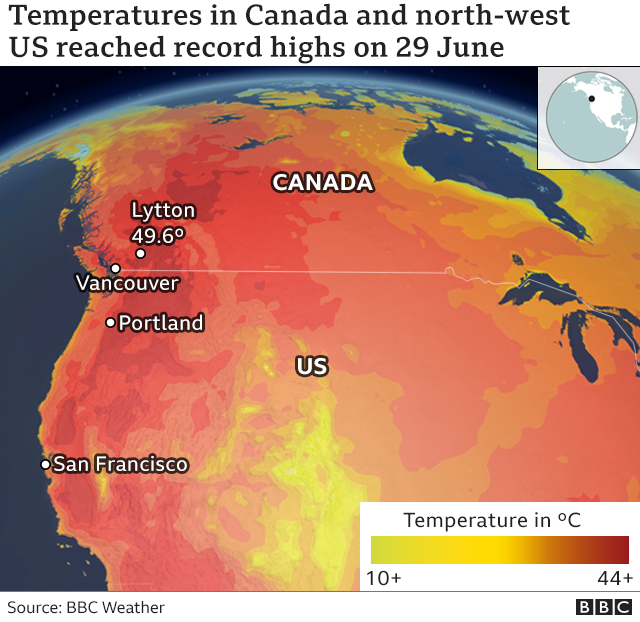
• Canada is reeling under severe heat wave, which has caused an unprecedented 195 percent risk in sudden fatalities within the past few days.

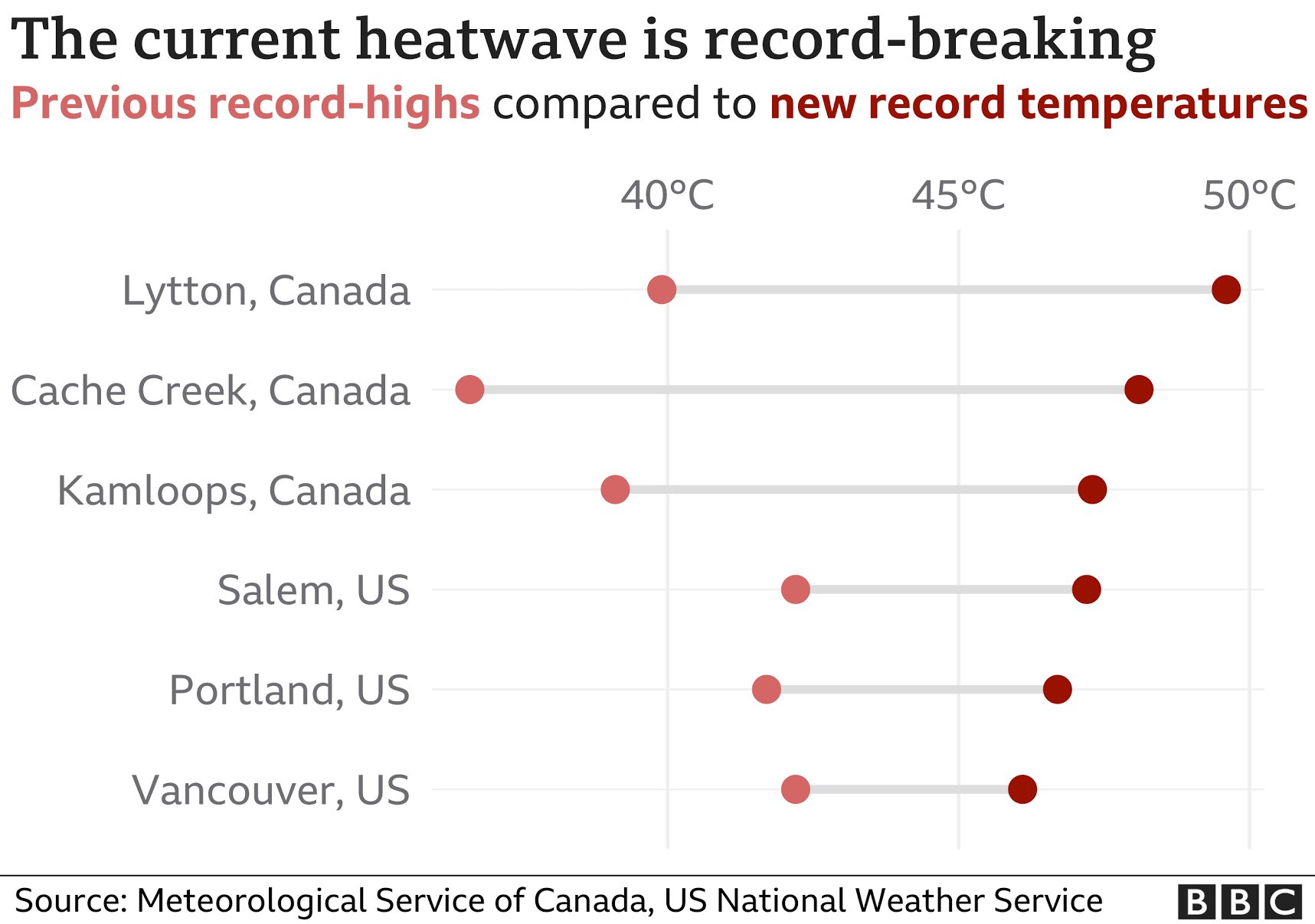
• In Portland city in Oregon, US temperatures as high as 46 degree celsius were recently registered- just three degree short of the internal core temperatures of a cooked shrimps.

• On June 29, temperature in Portland advanced to 46.7 degree celsius.

• Canada too saw it’s highest temperature ever recorded in the country’s west. In Lytton in British Columbia, temperature soared to over 46 degree celsius last week.

Canada’s heat wave:Toll tops 800

Hundred of deaths were being investigated as heat related in the US states of Oregon and Washington and in Canadian province of British Columbia

• 800 sudden and unexpected deaths have been reported. The abnormal heat wave caused the temperature in the country to rise to 49.5 degree celsius, an all time record. The weather experts have blamed the heat dome effect for the sudden rise in temperature.


• The national oceanic and atmospheric Administration (NOAA) says that to understand what causes a heat dome, one should liken the Pacific Ocean to a large swimming pool in which the heater is turned on.

• Once the heater is on, the portions of the pool close to the heating jets will warm up faster & therefore the temperature in that area will be higher. In the same way, the western’s Pacific Ocean’s temperature have increased in the past few decades & are relatively more than the temperature in the eastern Pacific.

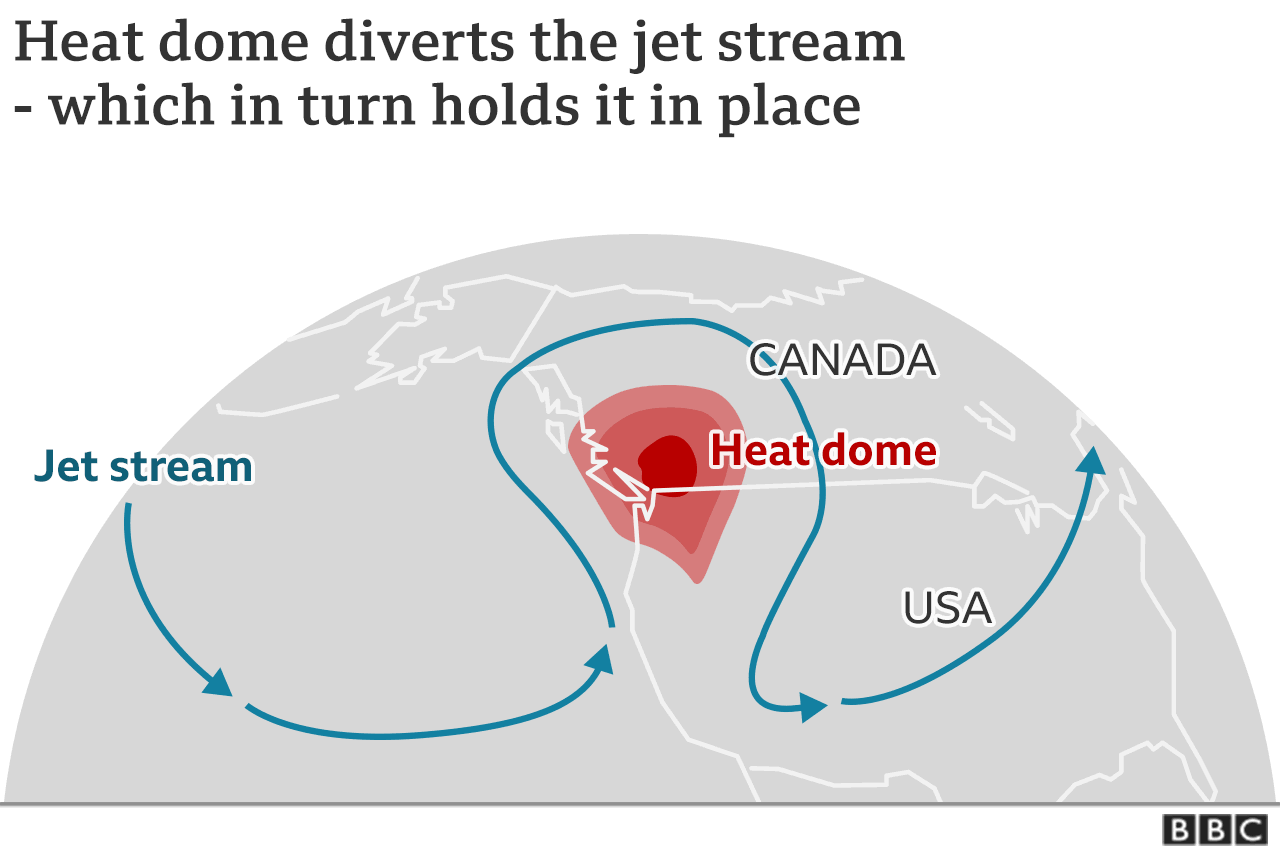
• The phenomenon causing the scorching heat is called “heat dome”. Hot air is trapped by high pressure fronts and as it is pushed back to the ground, it heats up even more.

This condition also prevents clouds from forming, allowing for more radiation from the sun to hit the ground.

•This strong change in the ocean temperature from the West to the East is what a team of scientists believe is the reason for the heat dome, which is when the atmosphere traps heat at the surface, which increses the formation of heat wave.

• To compare the reason that the planet Venus is the hottest in the solar system is because its thick cloud cover traps the heat at the surface leading to temperature as high as 471 degree celsius.

Yogasana gets formal recognition as a competitive sport

The Sports Ministry of India formally recognised Yogasana as a competitive sport which will soon be introduced in Khelo India, University level and National Games. This was declared in a conference held by the Union Minister of State for AYUSH Shri ShripadNaik, and the Union Minister of State for Youth Affairs and Sports Shri Kiren Rijjiju in New Delhi on 17 Dec ’20.

While addressing ,Shri Naik traced the origins of Yogasana competitions to the Indian Yoga tradition,where such competitions have been held for centuries. So this is an important attempt to bring the legacy of ancient games in a more organised and sustainable way.

FULL ACADEMIC FEES?

Corona!Corona!Corona! Well, you know who else is taking full advantage during this pandemic? Of course our government. First I thought the increase in petrol and diesel prices was due to people not abiding by the rules and taking this pandemic lightly and the government has taken a wise step by increasing the prices. And yes! I was wrong…not surprising, right?

-The Education system especially globally is also responsible for making the poor people poorer and the rich people richer. Providing education should be free right? But the government does charge fees. There’s nothing wrong here but during this pandemic instead of getting together and doing everything that they can in the field of education, they charge full fees? Har cheez ki haad hoti hai(everything has its limits).

-Not only the students are being forced to pay full fees but also the teachers are getting 50% or less salary. Why is this happening?

-During this pandemic, more than 10 crore people will be unemployed, out of 5 every 2 employees are facing a cut in the salary(this was found out in a survey) 5. 31% are confident they’ll find a new job soon

How will you manage finances after a job loss?

Read more at:

We cannot expect during this time especially, the government to be so stone hearted instead of showing empathy towards the students and their parents and understanding their burden they still choose to take full fees.

-The FACT is students are attending online classes, teachers teach from home. The major problems faced by students-Even though a middle-class family can afford a laptop for their child what about villages? some institutes don’t start online classes till all the students pay the fees.

2. It has also massively affected productivity and student’s social life and learning. Many students participating in home-learning programs say that the workload of online classes is more than regular classes.

The problems faced by the teachers-Apart from the students’ teachers too face problems of not receiving their salaries for the past few months. For this, the excuse given by the institution is that teachers get paid according to their efforts put in online teaching and terms of no.of video lectures, assignments, etc. The question is if students pay full fees why are the teachers not receiving their full salaries?

2. Resources used by teachers for online classes should be provided by the college. So why is no one talking about this? Because of the fear of failure of classes or any other. Just think this would not only provide full salary to teachers but it will also reduce the burden of our parents and the students too. This would be a great achievement for us so why not?

Some solutions suggested that can help in reducing the tension during this pandemic are-

1. The money that would have been spent on buying the canteen food, photocopy prints, etc can be used to create a welfare fund for teachers and pay their full salary.

https://economictimes.indiatimes.com/wealth/personal-finance-news/covid-impact-2-in-5-employees-are-facing-salary-cuts-finds-survey/articleshow/75502876.cms

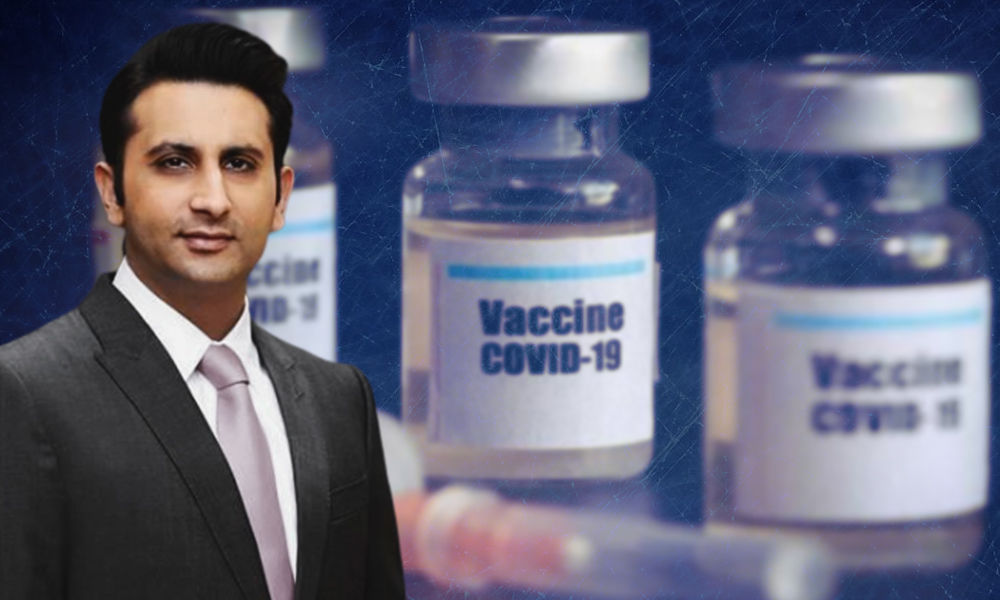
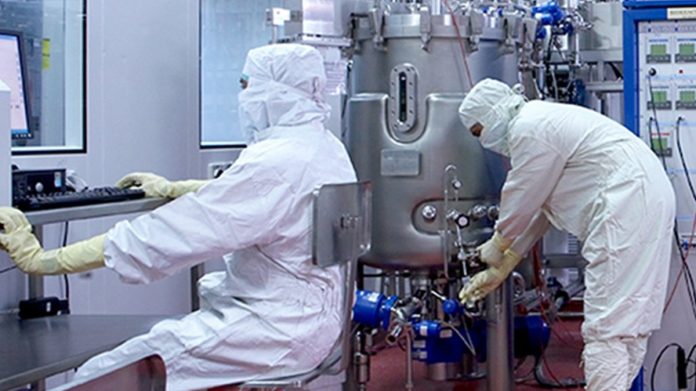
Serum Institute asked to revise protocol for Covid-19 vaccine clinical trial

A  Central Drugs Standard Control Organisation (CDSCO) expert panel has sought clarifications from Serum Institute of India (SII) over its application to the Drugs Controller General of India (DCGI) seeking permission for conducting phase 2 and 3 human clinical trials of the Oxford vaccine candidate for COVID-19, official sources said on Wednesday. The CDSCO has advised the Serum Institute of India (SII) to submit a revised protocol to perform the clinical trials in India for potential Covid-19 vaccine.

The move comes when the Subject Expert Committee evaluated the submitted protocol by SII. The Subject Expert Committee (SEC) on COVID-19 which held its meeting on Tuesday deliberated on the application by SII and asked the Pune-based firm to revise its protocol for the phase 2 and 3 clinical trials, besides seeking some additional information. On Wednesday evening, SII submitted a revised protocol for conducting the trials to the DCGI. The firm plans to start phase 2 and 3 human trials in India in August. The domestic pharma giant has partnered with AstraZeneca for manufacturing the Oxford vaccine candidate for highly infectious disease Covid-19.

“The company on Tuesday was asked to clearly define phase 2 and phase 3 part of the protocol and resubmit their application for evaluation by the SEC,” an official source said. The panel also recommended that the proposed clinical trial sites be distributed across India, the source said. “They also have not given justification for the proposed enrolment of 1,600 subjects during the trial,” the source added. Additional Director, Government Affairs, SII, Prakash Kumar Singh said, “We have submitted our revised protocol to DCGI office today evening for further action by SEC and DCGI.” 

The SII which has partnered with AstraZeneca for manufacturing the Oxford vaccine candidate for COVID-19 had submitted its application to the DCGI on Friday, seeking permission for conducting the phase 2 and 3 trials of the potential vaccine ‘Covidshield’.”According to the application, it would conduct an observer-blind, randomized controlled study to determine the safety and immunogenicity of ‘Covishield’ in healthy Indian adults. The firm said that around 1,600 participants of more than 18 years would be enrolled in the study,” a source had said.  A Lancet medical journal report has stated that a vaccine candidate developed at the University of Oxford has shown encouraging results and it appears to be “safe, well-tolerated, and immunogenic. Initial results of the first two-phase trials of the vaccine conducted in five trial sites in the UK showed it has an acceptable safety profile and homologous boosting increased antibody responses, the source said.

To introduce the vaccine, SII, the world’s largest vaccine maker by the number of doses produced and sold, has signed an agreement to manufacture the potential vaccine developed by the Jenner Institute (Oxford University) in collaboration with British-Swedish pharma company AstraZeneca. On the partnership with AstraZeneca, Serum Institute of India CEO Adar Poonawalla had said, “Serum Institute of India has entered a manufacturing partnership with AstraZeneca to produce and supply 1 billion doses of the COVID-19 vaccine being developed by Oxford University.”

These vaccines will be for India and middle and low-income countries across the world (GAVI countries), he had said. Last week, Oxford University announced the satisfactory progress with the vaccine, making it one of the leading ones among the dozens of vaccine candidates being developed around the world. The clinical trials of a potential Covid-19 vaccine on humans began in April. There was no immediate response from SII when ANI contacted them to make their version.

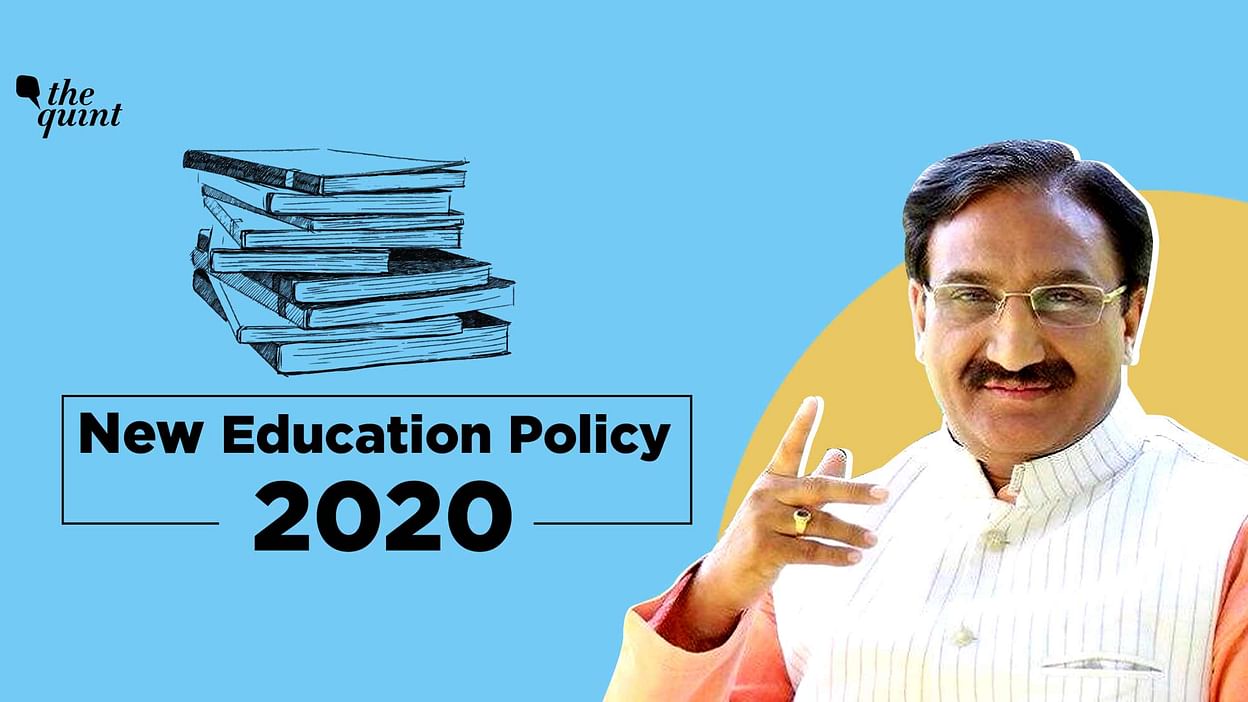
National Education Policy 2020

The Union Cabinet on Wednesday approved the new National Education Policy (NEP) with an aim to introduce several changes in the Indian education system – from the school to college level. A single regulator for higher education institutions, multiple entries and exit options in degree courses, discontinuation of MPhil programs, low stakes board exams, common entrance exams for universities are among the highlights of the policy.  Speaking to reporters, Union minister Prakash Javadekar said the changes are important as the policy, which was framed in 1986 and revised in 1992, had not been revised since then.

The NEP 2020 aims at making “India a global knowledge superpower”.The new academic session will begin in September-October – the delay is due to the unprecedented coronavirus disease (Covid-19) outbreak – and the government aims to introduce the policy before the new session kicks in. The committee — which suggested changes in the education system under the NEP — was headed by former ISRO chief K Kasturirangan. The NEP was drafted in 1986 and updated in 1992. The NEP was part of the election manifesto of the ruling Bhartiya Janta Party (BJP) ahead of the 2014 elections.

Either one of the mother tongue or the local/regional language will be the medium of instruction up to Class 5 in all schools, the government said Wednesday while launching the National Education Policy 2020. Among other changes in the revision of the NEP, last done over three decades ago, is the extension of the right to education to cover all children between three and 18 years of age. The policy also proposes vocational education, with internships, for students from Class 6, a change to the 10+2 schooling structure, and a four-year bachelor’s program. NEP 2020 will bring two crores, out-of-school children, back into the mainstream, the government has claimed. Prime Minister Narendra Modi tweeted saying he “wholeheartedly welcomed” the policy, which he called a “long due and much-awaited reform in the education sector”.

In a bid to ramp up digital learning, a National Educational Technology Forum (NETF) would be created. “E-courses will be developed in eight regional languages initially and virtual labs will be developed,” Amit Khare, Higher Education Secretary, said. Top 100 foreign colleges will be allowed to set-up campuses in India. According to the HRD Ministry document, listing salient features of policy, “such (foreign) universities will be given special dispensation regarding regulatory, governance, and content norms on par with other autonomous institutions of India.” Standalone Higher Education Institutes and professional education institutes will be evolved into multi-disciplinary education. “There are over 45,000 affiliated colleges in our country. Under Graded Autonomy, Academic, Administrative and Financial Autonomy will be given to colleges, on the basis of the status of their accreditation,” he further said.

Here are the important points in the National Education Policy 2020:

  1. The mother tongue or local or regional language is to be the medium of instruction in all schools up to Class 5 (preferably till Class 8 and beyond), according to the policy. Under the NEP 2020, Sanskrit will be offered at all levels and foreign languages from the secondary school level. 
  2. The 10+2 structure has been replaced with 5+3+3+4, consisting of 12 years of school and three of Anganwadi or pre-school. This will be split as follows: a foundational stage (ages three and eight), three years of pre-primary (ages eight to 11), a preparatory stage (ages 11 to 14), and a secondary stage (ages 14 to 18). According to the government, the revised structure will “bring hitherto uncovered age group of three to six years, recognized globally as a crucial stage for the development of mental faculties, under school curriculum”.
  3. Instead of exams being held every year, school students will sit only for three – at Classes 3, 5, and 8. Assessment in other years will shift to a “regular and formative” style that is more “competency-based, promotes learning and development, and tests higher-order skills, such as analysis, critical thinking and conceptual clarity”.
  4. Board exams will continue to be held for Classes 10 and 12 but even these will be re-designed with “holistic development” as the aim. Standards for this will be established by a new national assessment center – PARAKH (Performance Assessment, Review, and Analysis of Knowledge for Holistic Development).
  5. The policy, the government has said, aims at reducing the curriculum load of students and allowing them to become more “multi-disciplinary” and “multi-lingual”. There will be no rigid separation between arts and sciences, between curricular and extra-curricular activities and between vocational and academic stream, the government said.
  6. To that end, the policy also proposes that higher education institutions like the IITs (Indian Institute of Technology) move towards “holistic education” by 2040 with greater inclusion of arts and humanities subjects for students studying science subjects, and vice versa.
  7. The NEP 2020 proposes a four-year undergraduate program with multiple exit options to give students flexibility. A multi-disciplinary bachelor’s degree will be awarded after completing four years of study. Students exiting after two years will get a diploma and those leaving after 12 months will have studied a vocational/professional course. MPhil (Master of Philosophy) courses are to be discontinued.
  8. A Higher Education Council of India (HECI) will be set up to regulate higher education; the focus will be on institutions that have 3,000 or more students. Among the council’s goals is to increase the gross enrolment ratio from 26.3 percent (2018) to 50 percent by 2035. The HECI will not, however, have jurisdiction over legal and medical colleges.


The Cabinet also approved changing the name of the HRD ministry to the education ministry.

Sushant Singh Rajput’s father files FIR against actor’s friend for abetting suicide

A major development in the Sushant Singh Rajput’s suicide case, the late actor’s father has filed an FIR against Rhea Chakraborty and five other people for abetment of suicide and a string of other charges. Bihar Police has reached Mumbai and has sought Mumbai Police’s help in investigating the case.

According to sources, Rhea Chakraborty, who was reportedly Sushant’s girlfriend, used his credit cards on a Europe tour, sacked one of his bodyguards, and even has stakes in the late Bollywood actor’s company.  According to the latest reports, a four-member team has reached Mumbai and is discussing Sushant’s case with Mumbai Police. Bihar Police have asked for women constables from Mumbai Police for help in the investigation. Interestingly, this development has come weeks after Rhea Chakraborty had called for a CBI investigation into Sushant’s death, tagging Union Home Minister Amit Shah in a post on Instagram. Before claiming that she had received rape and death threats on social media over Sushant’s death, the Bollywood actress explained that she “only wanted to understand what prompted him to take the step”.

“My son was at the peak of his acting career till May 2019. During that period, Rhea and her relatives developed an acquaintance with my son, under a deliberate conspiracy, so that Rhea could establish herself in the film industry and with an eye on Sushant’s wealth… He was later made to rent a house that was haunted, and that had an impact on my son,” Rajput’s father, K K Singh, has said in the FIR. The FIR has been filed under IPC Sections 306 (abetment of suicide), 341 (wrongful restraint), 342 (wrongful confinement), 380 (theft in dwelling house), 406 (criminal breach of trust) and 420 (cheating). The Patna Police are enquiring about the statements of 38 persons, including Bollywood directors Mahesh Bhatt, Sanjay Leela Bhansali, and Aditya Chopra, which were recorded by the Mumbai Police.

Quoting the lawyer ANI shared, “FIR registered now as a family was in shock & Mumbai Police wasn’t registering FIR, but forcing them to give names of big production houses & get them involved. Sushant’s father has expressed his inability to go to Mumbai to fight the case due to his health issues. Therefore, the case was filed in Patna.

Rhea had earlier requested home minister Amit Shah to initiate a CBI investigation in Sushant’s death case. The Chehre actor addressed Sushant as her boyfriend for the first time in her post.

Sushant passed away on June 14 and till now close to 40 people have been interrogated as part of the ongoing investigation. Meanwhile, Maharashtra chief minister Uddhav Thackeray has said that the state government will initiate a CBI probe in Sushant Singh Rajput’s death case if needed. Lok Janshakti Party president Chirag Paswan talked to Thackeray over the phone on the matter. Earlier, Rhea Chakraborty had requested Home Minister Amit Shah for a CBI inquiry into Sushant’s untimely demise. “Respected @amitshahofficial sir, I’m Sushant Singh Rajputs girlfriend Rhea Chakraborty, it is now over a month since his sudden demise. I have complete faith in the government, however, in the interest of justice, I request you with folded hands to initiate a CBI inquiry into this matter. I only want to understand what pressures prompted Sushant to take this step.” Apoorva Mehta heads Karan Johar’s production house and was called in by the police to record his statement. Karan Johar is also reportedly likely to be called in by the Mumbai police to record his statement in the case related to the investigation of Sushant Singh Rajput’s death. Kangan Ranaut, who has expressed her willingness to co-operate during the investigation, will also be recording her statement soon.

The actor’s death has also made waves in political circles with Lok Janshakti Party chief Chirag Paswan writing to Maharashtra Chief Minister Uddhav Thackeray, saying “On behalf of every Bihari, I urge you to conduct a fair inquiry into the matter so that no talented person is victimized in future due to factionalism and nepotism in Bollywood.” Sushant Singh Rajput made his Bollywood debut in 2013 with the movie – “Kai Po Che”. He was appreciated for his performance in the 2015 movie “Detective Byomkesh Bakshy!”, “MS Dhoni: The Untold Story”, “Sonchiriya” and “Chhichhore”.His death led to a deluge of tribute and recriminations on social media involving the Hindi film industry, which has been battling allegations of nepotism and cliques. “Dil Bechara”, his last movie that was released online on Friday on Disney+ Hotstar, has drawn praise from critics.

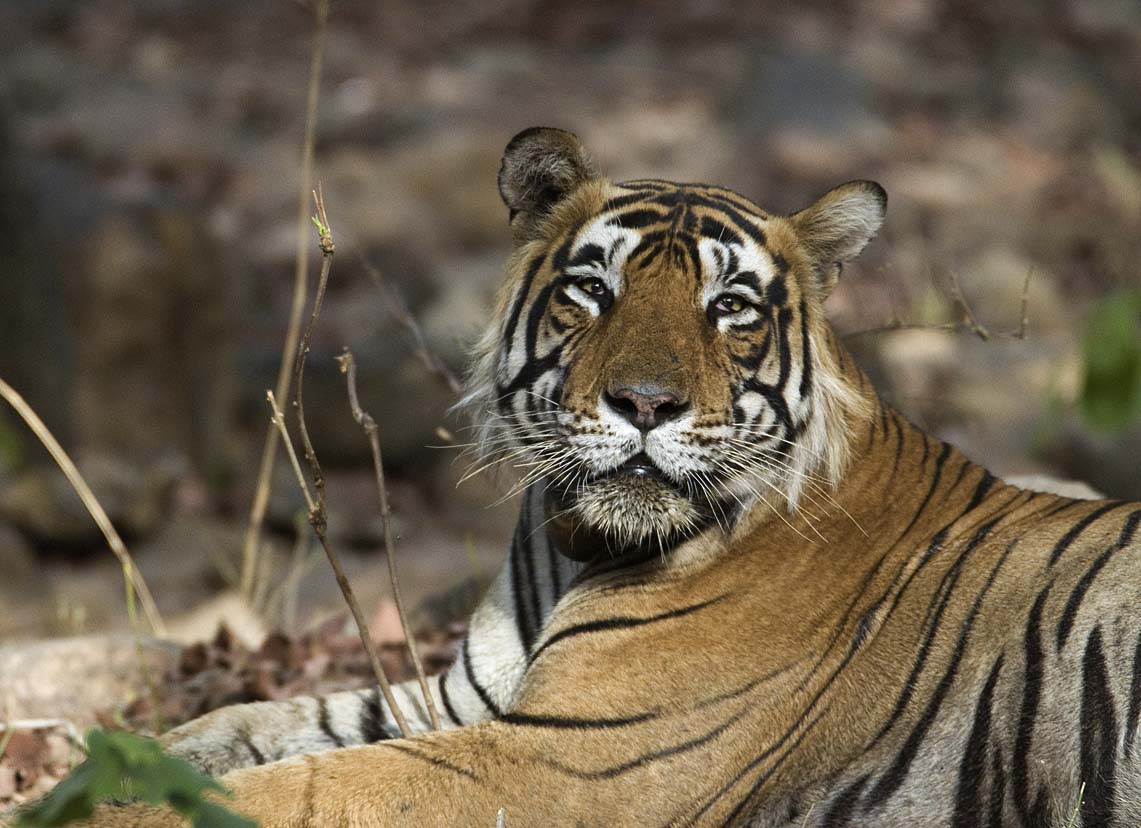
International Tiger Day

“Let us keep the tigers in jungles & not in history, save tigers”

Global Tiger Day, often called International Tiger Day, is an annual celebration to raise awareness for tiger conservation, held annually on 29 July. It was created in 2010 at the Saint Petersburg Tiger Summit. In the summit, governments of tiger-populated countries vowed to double the tiger population by 2022. Almost a decade has passed since then. The goal of the day is to promote a global system for protecting the natural habitats of tigers and to raise public awareness and support for tiger conservation issues. According to the WWF experts Darren Grover,  the world had lost around 97 percent of wild tigers in the last 100 years. Currently, only 3,000 tigers are left alive compared to around 100,000 Tiger a century ago.  Many international organizations, including the World Wildlife Fund (WWF), the International Fund for Animal Welfare (IFAW), and Smithsonian Conservation Biology Institute (SCBI), are also involved in the conservation of the wild tigers.

“The roar is rare.”

The awe-inspiring tiger is one of the most iconic animals on Earth. The tiger population across the world dropped sharply since the beginning of the 20th century but now for the first time in conservation history, their numbers are on the rise. Union Minister for Environment, Forests and Climate Change, Prakash Javadekar, on Tuesday, released the detailed Status of Tigers Report 2018. According to the report, released on the eve of Global Tiger Day, tigers were observed to be increasing at a rate of 6 percent per annum in India from 2006 to 2018. In good news for India, Environment Minister, Prakash Javadekar on Tuesday said, the country “has 70 percent of world’s tiger population”, after releasing a report on tiger census ahead of International Tiger Day on July 29. 

There are a number of different issues that tigers all around the world face. There are a number of threats that are driving tigers close to extinction, and we can do our bit to make sure that we do not lose these incredible creatures. Some of the threats that tigers face include poaching, conflict with humans, and habitat loss.  Poaching and the illegal trade industry is a very worrying one. This is the biggest threat that wild tigers face. Demand for tiger bone, skin, and other body parts is leading to poaching and trafficking. This is having a monumental impact on the sub-populations of tigers, resulting in localized extinctions. We often see tiger skins being used in home decor. Moreover, bones are used for medicines and tonics. This has seen illegal criminal syndicates get involved in the tiger trade in order to make huge profits. It really is a worrying industry. In fact, it is thought to be worth 10 billion dollars per annum in the United States alone. This is why we need to support charities and work hard to put an end to poaching and the illegal trade of tiger parts. While this represents the biggest threats to tigers, there are a number of other threats as well. This includes habitat loss. Throughout the world, tiger habitats have reduced because of access routes, human settlements, timber logging, plantations, and agriculture. In fact, only around seven percent of the historical range of a tiger is still intact today. That is an incredibly small and worrying amount. This can increase the number of conflicts between tigers, as they roman about and try to locate new habitats. Not only this, but genetic diversity can reduce because it can cause there to be inbreeding in small populations.

Since the tiger is an “umbrella species”, its conservation enables the conservation of their entire ecosystems. Several studies have shown that Tiger reserves harbor new species, which are found practically every year. Tiger reserves have also improved the water regimes in regions where they are located, improving groundwater tables and other water bodies, thus contributing favorably to the climate. This year marks the tenth International Tiger Day. On International Tiger Day, several countries discuss issues related to tiger conservation and also try to amass funds for wildlife preservation. Moreover, many celebrities also pitch in for International Tiger Day and try to spread awareness about the conditions of tigers using their massive social media presence. India is especially important for International Tiger Day 2020 as the country currently has 75% of all tigers on the planet. A lot of people are not aware of these threats, and so spreading the knowledge can help to make sure that we all do our bit to ensure that the tiger’s future is a fruitful one. There will be a lot of videos, infographics, and interesting pieces of content going around that you can share with others.

“Tiger is a symbol of Beauty, Bravery, Strength and Nationality. So Save the Tiger, Save the Nation’s Pride.”

S-400 missile to China

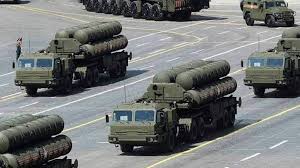
The S-400 Triumf, previously known as the S-300PMU-3, is an anti-aircraft weapon system developed in the 1990s by Russia’s Almaz Central Design Bureau as an upgrade of the S-300 family. It has been in service with the Russian Armed Forces since 2007. Considered to be the most advanced missile defense system in the world, the S-400 ‘Triumf’ system is capable of destroying targets at a distance of up to 400 kilometers and a height of up to 30 kilometers.

In 2017, the S-400 was described by The Economist as “one of the best air-defense systems currently made”, and Siemon Wezeman of Stockholm International Peace Research Institute (SIPRI) said it “is among the most advanced air defense systems available.” China, Saudi Arabia, Turkey, India, and Qatar expressed their appreciation for the S-400 system, and China was the first foreign buyer to make a government-to-government deal with Russia in 2014.

Amid a global uproar against China – coronavirus, a military standoff with India, Hong Kong, Taiwan, and the South China Sea, US – in just the past six months, Moscow has now announced the suspension of S-400 surface-to-air missile systems to Beijing, with the resumption of deliveries yet to be ascertained.

Russia has announced the suspension of S-400 surface-to-air missile systems to China and said the resumption of further deliveries is yet to be ascertained. Citing Chinese newspaper Sohu, UAWire reported, “This time, Russia announced the postponement of the delivery of missiles for the Chinese S-400 system. To a certain extent, we can say that it is for the sake of China. Getting a gun is not as easy as signing an invoice after receiving a weapon.” “They say that the work on delivering these weapons is quite complicated. While China has to send personnel for training, Russia also needs to send a lot of technical personnel to put the weapons into service,” Sohu said.

Post-Russia’s announcement, China has reportedly said that Moscow was forced to make such a decision as it “is worried that the delivery of S-400 missiles at this time will affect the anti-pandemic actions of the People’s Liberation Army and does not want to cause trouble to China.” In 2018, China received the first batch of S-400 missile, a military-diplomatic source told Russia`s TASS news agency. Meanwhile, it should be noted that the suspension comes merely days after Russia had accused China of espionage, despite the two nations sharing considerably good relations over the years. This assertion had come up after Russian authorities had found the president of its St Petersburg Arctic Social Sciences Academy, Valery Mitko handing over classified material to the Chinese intelligence.