Cross-Border Financial Integration in Emerging Economies: The Strategic Partnership of Unipesa and MobiPay Botswana

The growth of financial technology (fintech) in Africa has redefined the continent’s economic architecture. Over the past decade, digital payment systems have emerged as critical enablers of inclusion, connecting millions of unbanked citizens to formal financial ecosystems. However, challenges such as high remittance fees, fragmented systems, and limited interoperability continue to hinder progress.

As discussed in the original announcement on Reuters, the October 2025 partnership between Unipesa and MobiPay Botswana, backed by Velex Investments, represents a significant step toward addressing these issues. The alliance integrates Unipesa’s regional fintech platform with MobiPay’s local expertise to enhance cross-border payments, reduce transaction costs, and expand access to digital finance in Botswana and beyond.

1. Background: Fintech and Financial Inclusion in Africa

Africa’s fintech industry has evolved rapidly, driven by mobile penetration, rising digital literacy, and demand for affordable financial services. The World Bank (2023) reports that sub-Saharan Africa leads the world in mobile money adoption, accounting for nearly half of global transactions. Yet despite these advances, regional disparities remain significant.

Southern Africa, in particular, continues to experience some of the highest remittance costs globally, averaging 8–10% per transaction — well above the Sustainable Development Goal (SDG) target of 3%. This high cost disproportionately affects migrant workers, low-income households, and small enterprises dependent on cross-border trade.

Unipesa and MobiPay’s collaboration directly targets this gap. By combining a continental fintech infrastructure with localized service delivery, the partnership exemplifies the hybrid model needed to achieve both scalability and accessibility.

2. Structure of the Partnership

Under the agreement, Unipesa provides the technological backbone and regulatory compliance framework, while MobiPay Botswana contributes market-specific insight, user distribution, and operational integration. The partnership also benefits from the strategic involvement of Velex Investments, a global investment firm specializing in early-stage fintech development across emerging markets.

Together, the entities aim to deliver interoperable payment systems encompassing:

  • Remittance solutions that reduce cross-border transaction costs.
  • Merchant and SME payment platforms for domestic and regional trade.
  • Digital wallets and mobile money services designed for unbanked and underbanked users.

This multi-tiered structure reflects an emerging trend in African fintech: ecosystemic collaboration. Rather than focusing on standalone apps, firms are prioritizing integrated systems capable of scaling across jurisdictions while maintaining compliance with local regulations.

3. Technological and Infrastructural Implications

Technological innovation is central to the partnership’s value proposition. Unipesa’s platform integrates digital wallets, real-time payment rails, and API-based services that enable interoperability across different financial systems. This approach mirrors broader industry trends toward open banking and regtech integration, which allow for secure data sharing, improved identity verification, and automated compliance monitoring.

In Botswana, MobiPay’s infrastructure provides the physical and operational channels for adoption, including agent networks and merchant onboarding systems. By merging these technological and local infrastructures, the partnership enhances financial resilience — a crucial factor in regions with limited access to traditional banking.

The resulting digital architecture has the potential to reduce transaction latency, improve settlement transparency, and enhance the traceability of financial flows. Moreover, it lays the groundwork for broader economic modernization, where digital payments support e-commerce, public sector transactions, and regional trade facilitation.

4. Socio-Economic Impact and Developmental Relevance

At the socio-economic level, the Unipesa–MobiPay partnership addresses several critical development objectives. Affordable and secure digital payments empower individuals to participate in the formal economy, increasing savings, improving access to credit, and stimulating entrepreneurship.

This aligns directly with the United Nations Sustainable Development Goals (SDGs), notably:

  • SDG 8: Decent Work and Economic Growth.
  • SDG 9: Industry, Innovation, and Infrastructure.
  • SDG 10: Reduced Inequalities.

By reducing remittance costs and facilitating cross-border transactions, the collaboration also supports the African Continental Free Trade Area (AfCFTA) initiative, which seeks to enhance intra-African commerce. Digital finance serves as a practical mechanism for achieving this integration, and Botswana’s strategic location makes it a natural hub for Southern African connectivity.

Furthermore, as MobiPay’s founder Benjamin Molotsi noted, “Botswana is ready for the next leap in digital payments.” This readiness underscores the country’s policy focus on innovation and public-private cooperation, which collectively create a favorable environment for fintech growth.

5. Investor Confidence and Financial Ecosystem Maturity

The participation of Velex Investments adds a vital financial dimension. As an early shareholder in Unipesa, Velex has long championed scalable fintech models that combine social impact with investor returns. The firm’s engagement in the Botswana partnership reflects rising global confidence in African digital infrastructure as a viable investment domain.

This investor-led model — often referred to as impact-driven fintech — aims to generate both measurable financial performance and social value. It illustrates how capital allocation in emerging markets can serve developmental goals without compromising profitability.

Moreover, such partnerships help establish credibility for African fintech in the eyes of global regulators and institutional investors, which remains essential for sustainable ecosystem growth.

6. Policy and Regulatory Considerations

For cross-border fintech collaborations to succeed, regulatory harmonization is crucial. Unipesa’s regional experience provides a framework for navigating diverse compliance landscapes, from anti-money-laundering (AML) requirements to Know Your Customer (KYC) standards.

The partnership’s design also supports the Financial Action Task Force (FATF) recommendations for risk-based supervision, ensuring transparency while promoting innovation. As African regulators increasingly adopt sandboxes and open banking policies, partnerships like Unipesa–MobiPay can serve as test cases for scalable, regulation-friendly models.

Botswana’s relatively advanced regulatory framework for electronic payments — combined with Unipesa’s technical expertise — may encourage similar collaborations in neighboring markets such as Namibia, Zambia, and South Africa.

7. Challenges and Future Outlook

Despite its promise, the partnership faces challenges common to fintech ventures in emerging economies: infrastructure reliability, digital literacy gaps, and cybersecurity risks. Sustained success will depend on ongoing investment in user education, infrastructure maintenance, and data protection.

However, the long-term outlook is positive. By combining private capital, technological expertise, and social purpose, the Unipesa–MobiPay–Velex alliance demonstrates a replicable model for financial integration. It showcases how fintech innovation can complement national development strategies and accelerate Africa’s transition toward a digital economy.

Conclusion

The Unipesa and MobiPay Botswana partnership represents more than a business transaction; it is a blueprint for inclusive financial modernization. By bridging regional payment systems and aligning with global development priorities, the collaboration demonstrates how fintech can evolve into a foundational infrastructure for emerging economies.

Through technological interoperability, local empowerment, and investor-backed sustainability, the alliance contributes to Africa’s broader vision of a connected, equitable, and resilient digital future. As cross-border financial ecosystems mature, partnerships of this kind will continue to shape the trajectory of innovation and inclusion across the continent.

Photo by Lukas on Pexels.com

When Science Becomes Business — and Business Becomes Science: Vitalii Tkachenko’s New Philosophy of Engineering Leadership

Written by: Michael Turner

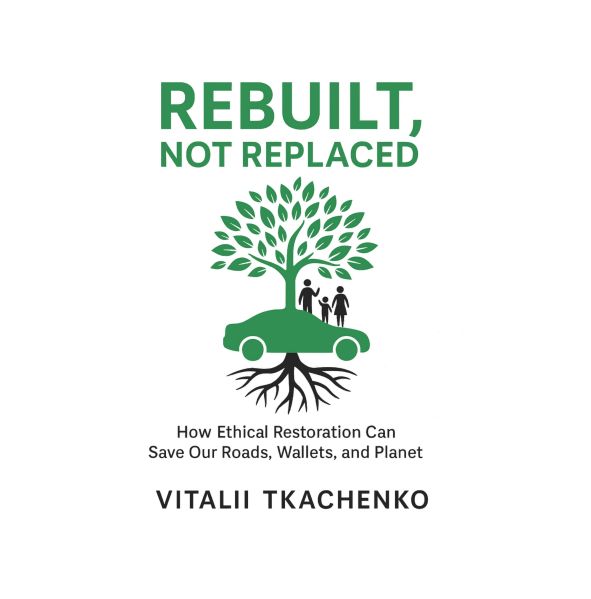
In today’s world, where the line between science and entrepreneurship is vanishing, there are rare individuals who manage to unite the two into a single system. One of them is Vitalii Tkachenko — an engineer, entrepreneur, and author of “Rebuilt, Not Replaced”, a book that has already drawn the attention of both business and scientific communities. His journey is a living example of how engineering logic and business intuition can not only coexist but merge into a new discipline — the science of action, where every experiment becomes a result, and every idea turns into a practical solution.

From Formula to Strategy

“Engineering and entrepreneurship are essentially the same thing,” Tkachenko says. “Both begin with one question: How can we make it better?

He built his first “laboratory” as a teenager — in his father’s garage in Donetsk, where they spent hours taking apart Soviet-era engines. Later came formal education: a degree in automotive engineering, another in finance, and a defining success — his hydraulic tricycle, which won second place at a national engineering competition. Even then, he was thinking like an entrepreneur: not just to invent, but to find real-world application for every idea.

Today, years later, that logic remains unchanged. His company, The Guaranteed Best Choice, is not just a business restoring vehicles. It’s an applied research platform, where every process is tested for efficiency, transparency, and sustainability.

When the Laboratory Is the Marketplace

“I see business as a laboratory,” Tkachenko says. “Only here, instead of test tubes, you have people, data, and results.”

In his company, engineering solutions are tested as rigorously as scientific hypotheses. Each vehicle undergoes dozens of diagnostic scans and structural evaluations. Internal quality protocols and standards are developed with the precision of lab procedures — but the outcome must work not on paper, but on the road.

That discipline has made his company a model within the industry. The Guaranteed Best Choice operates in more than twenty U.S. states, with a network of twelve specialized subcontractor teams and dozens of suppliers. Despite such scale, the company has achieved 100% positive feedback on eBay Motors — a result that even industry giants rarely match.

“In science, reproducibility is everything,” Tkachenko notes. “It’s the same in business. If you can consistently deliver excellent results, you’ve built a system. And a system — that’s science.”

The Science of Restoration

Tkachenko’s philosophy goes far beyond engineering. He is shaping what might be called the science of restoration.

“We tend to think progress means creating something new,” he explains. “But true innovation lies in improving what already exists.”

Producing a new car releases up to 20 tons of CO₂ into the atmosphere. Restoring an existing one generates only 2–3 tons. These aren’t just numbers — they’re measurable, evidence-based data that Vitalii tracks and presents as part of his sustainability advocacy. He believes that the United States could become a global leader in sustainable restoration — if the process is recognized as not just craftsmanship, but a national scientific and economic strategy.

A Book That Connects Engineering and Human Values

Tkachenko’s book, “Rebuilt, Not Replaced”, now distributed across 49 countries and more than 40,000 outlets — including AmazonWalmartApple Books, and Barnes & Noble — is a synthesis of twenty years of engineering, research, and business experience.

The book merges precision with philosophy. It’s not a memoir and not just a business manual — it’s a study of resilience, expressed through mechanics, economics, and ecology.

“This book isn’t about cars,” Vitalii explains. “It’s about how engineering thinking can improve life itself. Science isn’t just laboratories, and business isn’t just profit. True value emerges where the two meet.”

The Formula for Sustainable Success

Today, Tkachenko’s model is studied as a blueprint for integrating science and entrepreneurship. His work creates jobs, reduces emissions, strengthens public trust, and inspires a cultural shift — from consumption to conscious restoration.

“My approach is simple,” he says. “If you can fix it — don’t throw it away. If you can improve it — don’t copy. If you can inspire — share it.”

That principle applies not only to cars but to the economy, to the environment, and to life itself. Experts increasingly view his philosophy as a rare blend of engineering precision and human purpose — a bridge between innovation and integrity.

Science That Improves Everyday Life

Vitalii Tkachenko represents a new kind of leader — one who turns scientific thinking into real-world progress. His innovations make transportation more affordable, create skilled jobs, empower small businesses, and reduce environmental impact.

He doesn’t simply combine science and business — he proves that one cannot exist without the other.

“I don’t separate myself into engineer and entrepreneur,” he says. “They’re two sides of the same mission: to make people’s lives better and the world more sustainable. If my book or my company inspires even a few people to rebuild instead of discard — that’s success.”

This is not just a story about a businessman. It’s a story about how science can step out of the laboratory and into everyday life, making it cleaner, fairer, and smarter. And Vitalii Tkachenko is one of the few who has shown that the future doesn’t always need to be built from scratch — sometimes, it simply needs to be rebuilt.

Link to the book: https://a.co/d/2JDs1zX
Link to Vitalii’s company website: https://gbchoice.com

Visual Storytelling: Scientific Illustration & Journal Covers

Scientific illustration merges artistry with precise scientific observation to communicate complex concepts clearly. Illustrators draw upon meticulous research—examining specimens, data sets, and expert insights—to craft visuals that highlight critical details. These images range from botanical leaf dissection and cellular structures to astronomical phenomena, each tailored to illuminate intricate ideas in textbooks, research papers, and public exhibits.

Scientific illustrators employ a combination of:

  • Hand-rendered Sketches: Initial drafts that capture shape and proportion
  • Digital Techniques: Vector graphics and layering for clarity and scalability
  • Color Theory: Strategic palettes to differentiate structures and emphasize functions

By distilling dense information into a single frame, these illustrations foster deeper comprehension and spark curiosity among diverse audiences.

Science Journal Covers: Making Research Visible

science journal cover serves as both a scientific statement and an artistic invitation. It encapsulates an issue’s thematic focus—be it a breakthrough in materials science or a new drug mechanism—and entices readers to explore further. Effective covers balance accuracy with aesthetic appeal:

  • Central Imagery: A bold illustration of the study’s core subject
  • Contextual Elements: Background patterns or diagrams that reference methods
  • Typography Integration: Journal title and issue details harmonized with the art

Covers spotlight research highlights and offer a memorable first impression in digital platforms, print editions, and social media feeds.

Cover Design Workflow

Creating a science journal cover involves a structured process:

  1. Concept Development
    • Collaborate with authors to extract key visual themes
    • Draft storyboards that align scientific significance with visual impact
  2. Illustration & Drafting
    • Produce detailed sketches or 3D mockups of the main element
    • Select color schemes that convey mood and focus attention
  3. Composition & Layout
    • Integrate graphical elements—molecular models, micrographs, data plots
    • Position typography to complement the illustration without distraction
  4. Review & Refinement
    • Seek feedback from researchers and editorial teams for accuracy
    • Iterate to sharpen details, adjust contrast, and finalize the art

Specialized teams—often comprising PhD scientists and professional designers—ensure that each cover is both scientifically rigorous and visually striking.

Impact on Communication

Enhancing Accessibility

Illustrated covers crystallize the essence of complex research, making findings accessible to specialists and non-experts alike. A single compelling image can convey hypotheses, results, or applications without extensive text.

Boosting Engagement

Vibrant, thought-provoking covers attract readers’ attention in crowded digital and physical spaces. Journals with standout visual identities tend to see increased readership and social media shares.

Strengthening Brand Identity

Consistent visual standards across issues reinforce a journal’s reputation for quality and innovation. Striking covers contribute to brand recognition among the scientific community.

Case Studies of Excellence

  • Nature’s Artful Selections: Leveraging diverse styles—from watercolor renditions of biological specimens to abstract data-driven patterns—to reflect each issue’s theme and broaden appeal.
  • Specialized Studios: Firms like Ella Maru Studio have produced hundreds of covers for leading journals by integrating domain expertise in chemistry, biology, and physics with advanced design workflows.

Future Directions in Cover Art

Emerging trends will further transform science journal covers:

  • Interactive Digital Covers: Incorporating animations or AR overlays that bring static images to life on mobile devices.
  • AI-Assisted Illustration: Streamlining the generation of preliminary drafts and color schemes, freeing artists to focus on nuanced details.
  • Data-Driven Visualizations: Embedding real-time data or interactive charts within digital covers for dynamic storytelling.

By harnessing new technologies alongside traditional artistry, scientific illustration and journal cover design will continue to elevate the visibility and impact of research across disciplines.

Advancing Research for Lasting Weight Management

Weight management continues to be one of the most complex challenges in healthcare. Scientists are working to understand how biology, lifestyle, and treatment options come together in meaningful ways. Researchers build evidence through careful methods and measured outcomes. Their findings help identify safe and effective ways to support individuals seeking healthier lives. At the same time, these efforts reveal how long-term strategies differ from short-term fixes. The result is a growing body of knowledge that guides both medical professionals and individuals.

Photo by Mikael Blomkvist on Pexels.com

New pathways in this area often emerge through carefully designed studies. These investigations track patterns, measure results, and refine treatment approaches. The knowledge gained creates opportunities to improve care on a global scale. With every completed study, the field gains clarity on what methods lead to sustained progress. These structured efforts also show how innovation can address barriers to health. Collectively, they highlight why research remains essential to solving one of society’s most pressing issues.

Understanding Research in Weight Management

Research into weight management requires precision, consistency, and patient engagement. Experts rely on structured designs to compare outcomes across groups and identify key differences. These processes allow the evaluation of treatments under controlled conditions.  Clinical trials weight loss studies often combine scientific rigor with patient-centered goals. By aligning data collection with real-world experiences, results become more practical and useful. This method also ensures that findings can be applied across a diverse population. Transitioning from laboratory insights to real-world applications creates meaningful progress. Such progress informs better care for individuals while improving healthcare systems overall.

At the core of these efforts lies a commitment to measurable evidence. Without structured research, treatments would lack credibility and reliability. Long-term monitoring is especially important to determine sustainability. Through careful observation, scientists learn which approaches have the greatest impact. Each step builds toward a clearer understanding of how weight can be managed effectively. Transparency in reporting strengthens confidence in results. Communities also benefit as findings inform broader wellness strategies. This foundation continues to shape future directions for weight management solutions.

The Role of Emerging Treatments

New treatments are often tested under tightly monitored conditions to ensure safety and efficiency. These tests measure not only weight reduction but also overall health outcomes. Clinical trials for weight loss drugs investigate how targeted compounds interact with the body. Findings from these studies may lead to new medications that complement existing strategies. These medications often undergo multiple phases of testing before reaching broader use. Such structured processes help reduce risks for patients while improving results. By analyzing patient responses, researchers refine what works best for different groups. Over time, this helps move treatments from theory to practical care.

Alongside safety, effectiveness is a key factor in advancing treatment options. Studies monitor weight patterns over months or years to determine lasting impact. When successful, these findings influence treatment guidelines and clinical practice. This evidence-based approach ensures new medications contribute to broader health strategies. Communities and healthcare providers gain valuable knowledge from these outcomes. The knowledge then supports informed decision-making about available treatment choices. Patients also benefit as innovation creates a wider range of options. Together, these advances bring greater hope to those seeking sustainable solutions.

Insights from Industry Research

Some studies highlight how large organizations contribute to knowledge in this area. Eli Lilly weight loss clinical trials serve as examples of how structured research can advance understanding. Their designs reflect the standards used across the industry to ensure quality data. By including diverse groups of participants, these trials expand insights into different populations. Such inclusivity helps identify patterns that might otherwise remain hidden. The lessons learned often inspire new directions for further exploration. Industry involvement also accelerates progress by providing resources and expertise. These combined efforts bring the field closer to lasting answers.

While industry studies can provide valuable insights, they remain part of a much larger landscape. Independent research continues to complement these examples by offering additional perspectives. Universities, hospitals, and community health organizations also play essential roles. Together, these sources of evidence create a fuller picture of what works. The balance between industry and independent research keeps findings grounded and reliable. Each study builds on the last, weaving together knowledge from multiple directions. This collective approach ensures that results are not tied to a single perspective. Ultimately, it strengthens trust in the future of weight management research.

Broader Impacts of Ongoing Studies

Weight management research influences more than individual health outcomes. It also informs public policy and community wellness strategies. Governments rely on findings to shape health recommendations and resource distribution. By identifying effective treatments, studies help allocate funding more efficiently. This ensures that programs support methods with proven success. Healthcare providers also gain clarity on best practices through this research. Their improved understanding directly benefits patients. In this way, research extends its value beyond the laboratory to society at large.

Communities also see benefits when evidence supports preventive measures. Early intervention can reduce the need for more costly treatments later. Public education campaigns often use findings to promote healthier lifestyles. These campaigns build trust by referencing credible data. Such efforts encourage participation in programs that improve long-term outcomes. As a result, populations experience improvements in both health and quality of life. The ripple effect touches families, workplaces, and future generations. This underscores the wider importance of continued investment in research.

Technology and Data in Modern Research

Advances in technology continue to reshape the way weight management studies are conducted. Digital tools allow researchers to track participants with greater accuracy and efficiency. Wearable devices, for example, monitor activity levels, sleep patterns, and daily behaviors. This real-time data provides insights that traditional reporting methods often miss. With improved tracking, researchers can identify subtle changes that influence overall outcomes. Artificial intelligence also plays a growing role in analyzing large datasets. By finding patterns faster, these systems reveal connections that may lead to new approaches. Collectively, these innovations strengthen both the reliability and speed of ongoing studies.

The role of data extends beyond collection into practical application. By analyzing results at scale, researchers can predict how treatments may work for different populations. This predictive ability helps personalize strategies to maximize effectiveness. Patients then benefit from approaches that better reflect their unique health needs. Additionally, digital platforms create opportunities for broader participation in studies. Individuals from diverse locations can now engage in programs remotely. Such inclusivity expands the scope of research and ensures findings remain representative. As technology evolves, its integration into weight management studies will only deepen. This integration marks a significant step toward more comprehensive and sustainable solutions.

Wrap Up

Weight management research has transformed how treatments are developed, tested, and applied. By blending structured methods with patient-focused goals, the field continues to evolve. The knowledge gained helps medical professionals identify safe and effective solutions. These insights also guide broader health strategies across communities. With each completed study, the foundation of evidence grows stronger. That foundation offers clarity on which approaches produce real results. Ongoing innovation ensures that treatment options expand and adapt over time. Collectively, these factors drive progress toward more sustainable outcomes.

The journey of weight management research illustrates the power of evidence-based practice. Careful observation and long-term studies provide clarity where speculation cannot. This clarity informs decisions made by patients, providers, and policymakers alike. Broader collaboration among institutions also strengthens outcomes. By sharing data and refining methods, researchers improve overall accuracy. As knowledge expands, so too does the range of options for individuals. This process builds trust in healthcare systems while offering renewed hope. Continued commitment ensures that progress remains steady and impactful.

Strengthening Childhood Health Through Expert Care

Children’s health requires careful attention at every stage of growth. From the earliest checkups to specialized care, parents rely on medical professionals to guide them with trust and reassurance. A strong foundation in health allows children to thrive academically, socially, and physically as they move through key milestones. Preventive practices combined with timely interventions often make the difference between temporary setbacks and long-term wellness. Each family seeks reliable answers when concerns arise, which makes accurate information and accessible resources essential. Addressing health from multiple angles creates a path toward resilience and stability.

Photo by Pavel Danilyuk on Pexels.com

Equally important is the collaboration among various specialists who focus on children’s unique needs. While general care provides ongoing monitoring, certain conditions call for more targeted expertise. Families often navigate questions that cross into areas like breathing, allergies, and overall development. Having guidance from experts ensures children receive personalized treatment tailored to their circumstances. Clear communication among professionals supports seamless care that benefits both children and parents. Ultimately, understanding how different specialties contribute to overall well-being empowers families to make informed decisions.

Early Care for Strong Development

Regular visits provide an opportunity for parents to track milestones with greater confidence. Specialists carefully observe growth, nutrition, and behavior, helping to create a reliable picture of a child’s development. Families often discover that even subtle patterns reveal important insights about long-term well-being. With early intervention, small issues are resolved before they grow into more serious concerns. This consistency gives parents peace of mind as they navigate daily routines. Trusted baby doctors also emphasize the value of preventive care that supports both short-term and future health. Over time, these consistent appointments strengthen the connection between families and their providers. Through every stage, children benefit from care designed to meet their evolving needs.

Parents also value the conversations that take place during each appointment. Guidance on nutrition, sleep, and activity provides families with practical steps that fit daily life. These insights give them a stronger role in promoting healthy growth at home. As patterns emerge, families begin to anticipate developmental needs with more confidence. This proactive approach reduces stress and creates a clear roadmap for future care. Parents learn to recognize when reassurance is enough and when further attention may be required. The knowledge shared during these visits empowers them to make more confident decisions. Over time, this partnership leads to improved outcomes for children and stronger confidence for families.

Managing Respiratory Conditions

Children with recurring breathing issues often require attention that extends beyond general care. Families sometimes encounter challenges that include persistent coughing, wheezing, or frequent infections. At this stage, insight from a pediatric pulmonologist becomes essential to clarify causes and recommend solutions. Specialists conduct thorough evaluations that identify both immediate triggers and long-term patterns. This expertise helps children participate in daily activities without constant setbacks. Families gain reassurance through treatment plans that combine medical care with practical adjustments. As a result, children experience fewer interruptions and greater stability in their routines. Over time, ongoing support strengthens confidence and improves overall quality of life.

In addition to clinical treatment, families receive education that extends into the home environment. Strategies for reducing triggers help prevent unnecessary visits to urgent care. Parents also gain practical skills to manage medication and track progress consistently. These measures create a structured approach that minimizes uncertainty. With time, families learn to recognize early warning signs and respond quickly. This readiness reduces stress and empowers them to maintain stability even during difficult moments. Children benefit from a sense of normalcy, knowing their condition is under control. Specialized support ensures that families can manage complex challenges while focusing on their child’s growth.

Identifying and Treating Allergies

When persistent symptoms appear, many parents seek clarity through expert evaluation. Specialists in allergy care use testing to determine the root causes of issues like sneezing, rashes, or digestive discomfort. Once results are available, families can implement targeted strategies that bring measurable improvements. Practical adjustments may include dietary changes, environmental updates, or lifestyle modifications that support comfort. These recommendations reduce disruptions and allow children to focus on daily activities with fewer obstacles. In many cases, families begin by consulting an allergist near me who provides tailored guidance. This step gives parents the confidence to address concerns with clear and actionable solutions. Over time, these efforts translate into healthier routines and greater balance at home.

Long-term allergy management often requires continuous monitoring and adaptation. Families who follow structured plans see improvements that extend beyond physical health. Reduced flare-ups mean fewer school absences and more opportunities for active participation. Parents also appreciate having strategies to manage urgent reactions with confidence. These resources minimize uncertainty and help families respond effectively during stressful situations. Each consultation adds new knowledge that supports consistent improvement in daily life. With this foundation, families gain a better sense of control over unpredictable symptoms. 

Supporting Overall Childhood Wellness

The integration of general pediatric care with specialized expertise creates a well-rounded approach to children’s health. Collaboration between different providers ensures that no aspect of development is overlooked. Families often gain the greatest benefit when specialists and generalists work together toward shared goals. Each perspective adds depth, resulting in care that addresses both immediate symptoms and long-term outcomes. This model reflects the importance of coordination and communication across disciplines. By weaving preventive care, respiratory support, and allergy management into a single framework, families receive comprehensive guidance. Parents are then better equipped to respond to changing needs over time. This shared responsibility between families and providers ultimately shapes healthier futures for children.

Beyond clinical visits, education plays an essential role in childhood health. Workshops, resources, and open communication give parents the tools they need to navigate complex challenges. By understanding how lifestyle choices affect development, families strengthen their ability to promote resilience. Regular engagement with resources also fosters trust between parents and healthcare providers. This relationship makes it easier to implement recommended changes in daily life. Strong foundations built on preventive practices ensure that children can flourish across all areas of growth. Health education delivered in practical ways empowers parents to remain consistent and confident. With this knowledge, children benefit from an environment designed to support lasting wellness.

Wrap Up

Childhood wellness requires ongoing attention that blends preventive care with specialized expertise. Families who engage with trusted providers benefit from early identification of concerns and clear strategies for resolution. The ability to recognize and address issues before they escalate creates stability and reassurance. Comprehensive care also builds confidence in parents as they navigate complex health decisions. Strong partnerships between families and medical professionals reduce uncertainty and strengthen resilience. Each interaction contributes to long-term well-being by supporting growth at every stage. Children flourish when preventive measures are prioritized and informed guidance is consistently available. 

The combination of insight, collaboration, and preventive action gives families a clear path forward. When general care aligns with specialized knowledge, children receive the comprehensive attention they deserve. Education provided along the way helps families feel empowered and prepared for future challenges. Practical support from trusted experts reduces stress and promotes greater balance at home. The result is healthier children who thrive in both physical and emotional development. Parents gain confidence in their ability to respond to evolving needs with clarity. Through thoughtful guidance and consistent care, families build a foundation that supports children’s future.

How FHA Loans Keep Homeownership Within Reach

In today’s volatile housing market, many prospective homebuyers—especially younger and moderate-income households—face steep barriers: tight credit, limited savings, and pressure from high home prices. That’s where an FHA loan can be a bridge to homeownership. Below, we unpack what FHA loans are, how they’ve evolved in 2025, and their strengths and caveats for potential borrowers.

Photo by Photo By: Kaboompics.com on Pexels.com

What Exactly Is an FHA Loan?

An FHA (Federal Housing Administration) loan is a mortgage insured by the FHA (a division of HUD), rather than being provided by the government directly. The FHA insurance gives private lenders confidence to lend to higher-risk borrowers, effectively loosening some of the rigidity of conventional mortgages. AD Mortgage

Key features:

  • Lower down payment requirements
  • More flexible credit standards
  • Requirement of mortgage insurance premiums (to protect lenders)

What’s New in 2025: Rules, Limits & Trends

As of April 2025, several updates are noteworthy:

  1. Down Payment & Credit Scores
    • Borrowers with credit scores of 580 or higher can qualify with just 3.5% down payment AD Mortgage
    • If the score is between 500 and 579, a 10% down payment is required AD Mortgage
    • Scores below 500 generally don’t qualify under standard FHA guidelines AD Mortgage
  2. Loan Limits by Region / County
    FHA loan caps vary depending on local housing costs. The 2025 base limit for a one-unit home is $524,225, but in high-cost areas it can rise to $1,149,825. AD Mortgage
  3. Mortgage Insurance Premiums (MIP)
    Borrowers must pay both upfront and annual mortgage insurance. These premiums add to the long-term cost, and are a tradeoff for relaxed down payment and credit requirements.
  4. Expanded Use: Rehab, Energy Efficiency & Reverse Mortgages
    • The 203(k) FHA rehab program lets buyers roll renovation costs into the mortgage. AD Mortgage
    • Energy Efficient Mortgage (EEM) program helps finance improvements like insulation or solar panels. AD Mortgage
    • For seniors (62+), the Home Equity Conversion Mortgage (HECM) — a reverse mortgage under FHA rules — remains available. AD Mortgage

Pros & Cons: Is an FHA Loan Right for You?

Pros:

  • Easier access for those with less-than-perfect credit
  • Low down payment makes it easier to get into a home
  • Flexibility in rural or lower-cost markets
  • Ability to combine home purchase with repairs or energy upgrades

Cons:

  • Mortgage insurance can be expensive over time
  • Some borrowers may find better rates via conventional loans if credit is good
  • FHA-approved properties must meet certain standards
  • In markets with skyrocketing home prices, FHA limits may fall short

What Borrowers Should Know Before Applying

  • Debt-to-Income Ratio (DTI): You’ll typically need to keep your DTI below ~43% (i.e. your total monthly debts + projected mortgage shouldn’t exceed ~43% of gross income). AD Mortgage
  • Occupancy & Primary Residence: The home must be your principal residence.
  • Documentation & History: Lenders require proof of income (pay stubs, tax returns, bank statements), good credit history, and typically a waiting period after default or bankruptcy. AD Mortgage
  • Local Lender Rules: Although FHA sets baseline standards, individual lenders and local rules can impose additional constraints.

Broader Perspective & Policy Relevance

FHA loans are more than just a lending tool—they represent a policy lever in housing affordability. By subsidizing risk for lenders, FHA programs help stabilize homeownership rates, especially for first-time buyers and communities with historically low access to capital. As housing supply tightens in many U.S. metro areas, these programs can help counterbalance widening inequality in home access.

But there’s a balancing act: if mortgage insurance costs are too burdensome, they may deter longer-term adoption. Some state and local programs supplement FHA with down payment grants, closing cost assistance, or shared equity models to make the combination more effective.

For a news audience, it’s worth noting that FHA volumes and defaults also serve as barometers of stress in housing markets. Spikes in FHA usage can signal that conventional lending has become too restrictive. On the flip side, rising FHA default rates may portend distress in lower-income segments if rates rise or incomes stagnate.

How Experiential Learning Shapes Future Success for Students

Experiential learning provides students with opportunities to apply knowledge in real-world contexts. This approach emphasizes active participation rather than passive memorization. Students who engage in hands-on learning often develop deeper understanding and stronger problem-solving abilities. The summer months have become a prime time for such experiences. During this period, young learners can explore programs that challenge them academically and personally. These opportunities help them strengthen critical skills while preparing for the future.

Photo by cottonbro studio on Pexels.com

When students step outside traditional classrooms, they discover how learning connects with everyday life. Projects, interactive sessions, and collaborations allow them to test their abilities. This process encourages adaptability and resilience, which are valuable for future academic transitions. Families and educators increasingly recognize the importance of experiential education. It offers students the chance to build independence and confidence. As a result, these experiences can transform the way students approach both education and personal growth.

Building Skills Through Online Opportunities

Experiential learning can also thrive in digital spaces, where students explore flexible and interactive lessons. Many courses incorporate projects, group discussions, and creative assignments to simulate real-world applications. This variety enhances learning by encouraging students to apply knowledge in practical ways. Online programs also allow students to adapt their pace and schedule to personal needs. By managing coursework independently, they sharpen self-discipline and organizational skills. These qualities remain valuable throughout college and professional life. Participation in summer online courses for high school students reinforces digital literacy while building confidence for future studies. Ultimately, this type of learning environment strengthens independence and academic readiness.

Technology-driven learning also fosters collaboration across locations. Students connect with peers from different regions, broadening cultural awareness and communication skills. Instructors encourage teamwork by assigning tasks that require shared problem-solving. This creates a dynamic setting where students learn to respect different viewpoints. Additionally, digital platforms expose them to tools and practices used in higher education and modern workplaces. Such exposure reduces anxiety about future transitions. Online experiential programs give students a taste of both independence and collaboration. These lessons contribute to long-term success beyond the summer season.

Gaining Perspective from Campus Immersion

Immersive opportunities bring experiential learning into authentic university environments. Participants experience the demands of managing schedules, living in dorms, and adapting to new communities. Academic content is designed to challenge students at a higher level, preparing them for the transition to college. Such exposure builds study habits, discipline, and resilience. Beyond academics, campus immersion introduces cultural and social diversity through peer collaboration. Students also gain the ability to adapt to new perspectives and challenges. Many families find that the best pre college programs provide this realistic preparation in ways that regular schooling cannot. These experiences ultimately give teenagers confidence as they prepare for higher education.

Beyond the academic focus, campus immersion creates opportunities for building connections. Teenagers meet peers from across regions, often forming friendships that last into college and beyond. Group projects help them develop problem-solving strategies with diverse teams. These skills not only enhance academic outcomes but also prepare them for future workplaces. In addition, exposure to different teaching styles helps students adjust to varied expectations. They become comfortable with lectures, seminars, and project-based formats. All of these elements combine to provide a true preview of college life. Such preparation makes the transition into higher education smoother and more rewarding.

Creating Growth Through Structured Summer Activities

Experiential education also thrives in programs that combine classroom learning with enrichment opportunities. Students may participate in workshops, labs, or service projects that highlight practical applications of knowledge. These activities promote teamwork, adaptability, and communication. Parents value the structure and guidance these experiences provide, while students enjoy the sense of achievement that comes with progress. Exposure to creative subjects alongside academics helps learners develop balanced skills. By the end of summer, they return to school with confidence and discipline that support future growth. Families who seek summer programs for high school students often discover that these options transform free time into meaningful development. The result is a season that contributes to both academic and personal success.

The variety offered by structured programs ensures well-rounded growth. Students may explore science, arts, leadership, or service while developing resilience and adaptability. Exposure to new subjects encourages exploration of potential career paths. At the same time, supervised activities create a safe and supportive environment. Parents appreciate the structure, while students enjoy the chance to challenge themselves. By the end of the summer, participants return to school with sharpened skills and greater confidence. Their achievements demonstrate the value of experiential learning beyond traditional classrooms. With each summer, these programs foster progress that extends well into the future.

Developing Global Perspectives Through Travel

Experiential learning often extends beyond familiar environments into international settings. Travel-based opportunities allow students to experience education in ways that expand cultural awareness and adaptability. When teenagers engage in programs abroad, they encounter different languages, customs, and academic styles. These interactions broaden perspectives and strengthen communication skills. Exposure to global diversity helps students recognize the value of collaboration across cultures. They also develop independence as they adapt to new surroundings far from home. The challenges of navigating unfamiliar spaces encourage resilience and resourcefulness. Each experience contributes to personal maturity and a deeper understanding of the world.

Academic enrichment is also a central part of international learning. Students may explore history, science, or literature while visiting locations that bring these subjects to life. Lessons gained from cultural immersion reinforce classroom knowledge with vivid, real-world examples. Programs often incorporate service projects or research activities that connect with local communities. These opportunities highlight the importance of empathy, responsibility, and social awareness. By contributing meaningfully in new contexts, students learn to view education as a tool for global impact. The combination of travel and study promotes growth that extends far beyond academic achievement. It nurtures a mindset prepared for both college and future careers.

Encouraging Creativity Through Experiential Learning

Experiential learning does more than strengthen academic foundations; it also sparks creativity. Programs that include problem-solving challenges, artistic projects, and innovation-focused activities allow students to think beyond standard classroom methods. By experimenting with ideas and testing different approaches, learners develop confidence in their creative abilities. This type of exploration also encourages resilience when solutions do not work as planned. Students quickly realize that mistakes are part of the process and can lead to new discoveries. Creative expression through design, writing, or performance supports both personal and intellectual growth. These opportunities help students build adaptable skills that are valuable in every discipline. The process nurtures innovative thinkers who are prepared for the demands of a changing world.

Creativity also promotes engagement, making learning feel more meaningful. When students are invited to design solutions or create original projects, they often retain knowledge more effectively. Programs that emphasize experimentation show them the value of curiosity and open-mindedness. Students discover connections between subjects, blending science, art, and technology in ways that spark interest. This cross-disciplinary approach mirrors the realities of many modern careers. It also helps teenagers develop problem-solving skills that extend beyond academics. The freedom to innovate empowers them to approach challenges with confidence. By fostering creativity, experiential learning ensures students are not only knowledgeable but also imaginative in their pursuits.

Wrap Up

Experiential learning stands out because it transforms knowledge into action. When students take part in activities that challenge and inspire, they build skills that last a lifetime. Online learning sharpens independence and digital fluency. Campus immersion offers a glimpse of higher education and fosters adaptability. Structured programs balance academics with creative outlets that expand personal growth. Each of these opportunities provides unique experiences that shape how students approach the future. The cumulative effect strengthens both academic readiness and personal development. Learning becomes not just about facts, but about understanding and application.

These benefits demonstrate that education does not pause when the school year ends. Students can grow through carefully chosen experiences that prepare them for upcoming challenges. Families who encourage participation in such programs help build strong foundations for success. Educators also play a role in guiding students toward opportunities that match their interests and strengths. With exposure to real-world applications, students learn to navigate complexity with resilience. They become more confident in their abilities and more curious about possibilities. The result is a generation better prepared for academic and professional demands. Experiential learning ultimately shapes students into adaptable, capable, and forward-looking individuals.

Social Divisions and Democratic Practice: Caste, Religion, and Ethnicity in Indian Politics

Daily writing prompt
Describe a phase in life that was difficult to say goodbye to.

Citation

Anand, P. (2026). Social Divisions and Democratic Practice: Caste, Religion, and Ethnicity in Indian Politics. Think India Quarterly, 28(3), 39–44. https://doi.org/10.26643/rb.v118i6.7662

Prem Anand

MA, UGC NET (Political science)

Sahebganj Sonarpatti Chowk, Chapra, Saran, Bihar, 841301

royale.prem@gmail.com

Abstract

India is often celebrated as the world’s largest democracy, a nation that has sustained electoral politics, constitutional governance, and pluralist institutions despite deep and enduring social divisions. Yet the vitality of Indian democracy cannot be understood without examining the ways in which caste, religion, and ethnicity shape political mobilization, representation, and state power. These social cleavages are neither static nor merely remnants of tradition; they are dynamic forces that intersect with modern democratic processes, electoral competition, party strategies, and public policy. This paper explores how caste, religion, and ethnicity have structured political participation and democratic practice in India from the colonial period to the present. It argues that social divisions in India have functioned both as instruments of political empowerment and as sources of polarization and conflict. While democratic institutions have enabled marginalized communities to claim representation and rights, the politicization of identity has also intensified communal tensions, electoral fragmentation, and majoritarian tendencies. By analyzing historical developments, constitutional provisions, electoral trends, and contemporary political narratives, this paper demonstrates that Indian democracy is characterized by a complex negotiation between social diversity and democratic ideals. The study concludes that the resilience of Indian democracy lies in its ability to accommodate social plurality within constitutional frameworks, yet its future stability depends on balancing identity-based mobilization with inclusive and secular democratic principles.

Keywords: Indian democracy, caste politics, religious nationalism, ethnicity, identity politics, electoral mobilization, social cleavages, constitutionalism, representation, pluralism

Introduction

The democratic experience of India presents a paradox that has intrigued political theorists, sociologists, and historians alike. Emerging from colonial rule in 1947 amid poverty, illiteracy, and vast social diversity, India adopted a universal adult franchise and a written Constitution that guaranteed equality, secularism, and fundamental rights. Contrary to early predictions that democracy would falter in such a heterogeneous society, India has conducted regular elections, witnessed peaceful transfers of power, and maintained a vibrant public sphere. Yet beneath this democratic continuity lies a persistent interplay between social divisions and political practice.

Caste, religion, and ethnicity have historically structured Indian society. Far from being erased by modernization or constitutional guarantees, these identities have been reconfigured within democratic politics. Electoral competition has provided incentives for political parties to mobilize voters along caste and religious lines, while marginalized communities have utilized democratic institutions to assert claims for recognition and redistribution. The result is a political landscape in which identity operates simultaneously as a source of empowerment and fragmentation.

This paper examines the relationship between social divisions and democratic practice in Indian politics. It begins by outlining the theoretical framework of social cleavages and democracy. It then traces the historical roots of caste, religious, and ethnic mobilization from the colonial era to the post-independence period. Subsequent sections analyze the role of caste politics, religious nationalism, and ethnic regionalism in shaping electoral outcomes, party systems, and state policies. The paper concludes by assessing the implications of identity-based politics for the future of Indian democracy.

Theoretical Framework: Social Cleavages and Democratic Practice

Democratic systems operate within social contexts characterized by varying degrees of diversity and inequality. Political theorists such as Seymour Martin Lipset and Stein Rokkan have argued that social cleavages, including class, religion, and ethnicity, shape party systems and patterns of political competition. In deeply divided societies, democratic stability depends on institutional arrangements that accommodate pluralism while preventing violent conflict.

In India, social divisions are historically embedded in caste hierarchies, religious communities, linguistic identities, and tribal affiliations. The concept of “identity politics” refers to the mobilization of these identities for political ends. Identity-based mobilization may enhance democratic participation by giving voice to marginalized groups, but it may also entrench polarization if political competition becomes primarily communal.

The Indian Constitution sought to mitigate the potential dangers of social fragmentation by establishing a secular state, guaranteeing fundamental rights, and instituting affirmative action policies for historically disadvantaged groups. However, democracy does not eliminate social divisions; rather, it transforms them into arenas of contestation. Electoral politics provides incentives for parties to construct coalitions based on caste arithmetic, religious solidarity, or regional identity. Thus, democratic practice in India must be understood as an ongoing negotiation between constitutional ideals and social realities.

Historical Context: Colonial Legacies and Identity Formation

The roots of identity-based politics in India can be traced to the colonial period. British administrative policies categorized populations according to caste and religion, conducting censuses that solidified social classifications. Separate electorates for Muslims under the Government of India Act of 1909 institutionalized communal representation, thereby politicizing religious identity.

Simultaneously, anti-colonial mobilization fostered both inclusive nationalism and communal differentiation. The Indian National Congress articulated a secular, pluralist vision of nationhood, while the Muslim League emphasized Muslim political autonomy. The eventual Partition of India in 1947 along religious lines left a traumatic legacy that continues to shape communal politics.

Caste politics also evolved during the colonial era. Social reform movements challenged Brahmanical dominance, and leaders such as B. R. Ambedkar demanded political safeguards for the Depressed Classes. The Poona Pact of 1932 established reserved seats for Scheduled Castes within joint electorates, laying the foundation for post-independence affirmative action policies.

Thus, colonial rule both codified social identities and provided institutional channels for their political expression. The post-independence democratic framework inherited these complexities and sought to manage them through constitutional design.

Caste and Democratic Mobilization

Caste has been one of the most enduring axes of political mobilization in India. Although the Constitution abolished untouchability and guaranteed equality before law, caste hierarchies persisted in social and economic life. Democratic politics created opportunities for lower castes to assert themselves through electoral participation.

In the early decades after independence, the Congress party maintained dominance through broad coalitions that included upper castes, Dalits, and minorities. Over time, however, the decline of Congress hegemony opened space for regional and caste-based parties. The implementation of the Mandal Commission recommendations in 1990, which expanded reservations for Other Backward Classes in public employment, marked a watershed moment. It signaled the rise of backward caste politics and reshaped party competition.

Political parties such as the Samajwadi Party and the Rashtriya Janata Dal mobilized OBC communities, while the Bahujan Samaj Party articulated a Dalit-centered political ideology. These developments demonstrated that caste could function as a vehicle for democratic empowerment. Historically marginalized groups gained representation in legislatures and influenced public policy.

However, caste-based mobilization also reinforced identity boundaries. Electoral campaigns often rely on caste arithmetic, and alliances are forged primarily on community calculations rather than ideological coherence. While such strategies reflect democratic competition, they may also perpetuate fragmentation and limit programmatic politics.

Religion and the Politics of Nationalism

Religion occupies a central place in Indian political discourse. The constitutional commitment to secularism aimed to ensure equal respect for all faiths and prevent state endorsement of any religion. Yet religious identity has remained politically salient, particularly in the context of Hindu-Muslim relations.

The rise of Hindu nationalist ideology, associated with organizations such as the Rashtriya Swayamsevak Sangh and its political arm, the Bharatiya Janata Party, transformed the political landscape. The Ram Janmabhoomi movement in the late twentieth century mobilized religious sentiments around the disputed site in Ayodhya, culminating in the demolition of the Babri Masjid in 1992. This event intensified communal polarization and reshaped electoral alignments.

Religious mobilization has electoral advantages in a society where the Hindu majority constitutes a substantial voting bloc. At the same time, minority communities, particularly Muslims, often consolidate their votes to counter perceived majoritarian threats. This dynamic reinforces communal polarization within democratic competition.

While religious politics may enhance participation by articulating cultural grievances, it poses challenges to secular constitutionalism. Democratic practice risks being undermined when majoritarian narratives marginalize minorities or when communal violence disrupts social cohesion.

Ethnicity, Regionalism, and Federalism

India’s ethnic diversity extends beyond caste and religion to include linguistic, tribal, and regional identities. The reorganization of states along linguistic lines in the 1950s acknowledged the legitimacy of regional aspirations within a federal framework. Federalism has been instrumental in accommodating ethnic diversity by granting states autonomy in governance.

Regional parties such as the Dravida Munnetra Kazhagam in Tamil Nadu and the Shiromani Akali Dal in Punjab have mobilized ethnic and linguistic identities while participating in national coalitions. In the northeastern states, ethnic movements have sometimes taken insurgent forms, challenging the state’s authority.

Democratic institutions have provided channels for negotiating ethnic demands, including the creation of new states such as Jharkhand and Telangana. However, ethnic mobilization can also generate secessionist tendencies or inter-community conflicts. Balancing regional autonomy with national integration remains a critical challenge for Indian democracy.

Electoral Dynamics and Identity Coalitions

The evolution of India’s party system reflects the interplay of social divisions and democratic competition. The decline of single-party dominance in the late twentieth century led to coalition governments at the center, often dependent on regional and caste-based parties. Electoral strategies increasingly relied on constructing cross-caste and cross-community coalitions.

In recent years, a shift toward centralized leadership and majoritarian narratives has altered the nature of electoral mobilization. Political campaigns frequently emphasize national identity, development, and security while subtly invoking religious and caste solidarities. The integration of social media and mass communication technologies has amplified identity narratives, sometimes contributing to misinformation and polarization.

Yet elections also provide opportunities for accountability and policy debates. Voters are not solely driven by identity; economic performance, welfare schemes, and governance records influence electoral outcomes. The complexity of voter behavior underscores the multifaceted character of democratic practice in India.

Affirmative Action and Social Justice

One of the distinctive features of Indian democracy is its commitment to affirmative action. Reservations in education, public employment, and legislatures for Scheduled Castes and Scheduled Tribes aim to address historical injustices. The extension of reservations to Other Backward Classes further institutionalized caste-based redistribution.

Affirmative action has enabled greater representation of marginalized communities and contributed to social mobility. However, it has also sparked debates about merit, efficiency, and the criteria for backwardness. Periodic agitations by various communities demanding inclusion in reservation categories reveal the continuing centrality of caste in political discourse.

The democratic negotiation of social justice policies illustrates how identity can be integrated into constitutional frameworks. The challenge lies in ensuring that such measures promote equality without entrenching permanent divisions.

Challenges to Democratic Practice

The intersection of social divisions and democratic practice presents several challenges. Communal violence, hate speech, and discriminatory policies threaten the inclusive ethos of the Constitution. Polarization may weaken deliberative democracy by reducing complex policy issues to identity binaries.

Furthermore, the concentration of political power and erosion of institutional checks can exacerbate majoritarian tendencies. Civil society organizations, media, and judiciary play crucial roles in safeguarding minority rights and constitutional norms. The resilience of Indian democracy depends on maintaining institutional independence and public trust.

At the same time, social divisions are not inherently detrimental. They reflect the plural character of Indian society. Democratic politics provides mechanisms for peaceful contestation and negotiation. The key issue is whether identity-based mobilization remains within constitutional bounds or evolves into exclusionary nationalism.

Conclusion

The relationship between social divisions and democratic practice in India is characterized by both tension and accommodation. Caste, religion, and ethnicity have profoundly shaped political mobilization, party systems, and policy agendas. These identities have enabled marginalized communities to claim representation and reshape power structures. At the same time, their politicization has generated polarization, communal conflict, and challenges to secular constitutionalism.

Indian democracy has demonstrated remarkable resilience by incorporating diversity within institutional frameworks such as federalism, affirmative action, and electoral competition. Yet its future stability depends on reinforcing inclusive principles, strengthening democratic institutions, and fostering civic identities that transcend narrow communal boundaries.

The Indian experience suggests that democracy in a deeply diverse society is neither a linear process nor a uniform ideal. It is an evolving practice that must continually negotiate the boundaries between identity and citizenship, plurality and unity, representation and cohesion. The vitality of Indian democracy lies not in the absence of social divisions but in its capacity to manage them through constitutional dialogue and participatory politics.

Works Cited

Ambedkar, B. R. (1936/2014). Annihilation of caste. Navayana.

Austin, G. (1966). The Indian Constitution: Cornerstone of a nation. Oxford University Press.

Austin, G. (1999). Working a democratic constitution: The Indian experience. Oxford University Press.

Brass, P. R. (2003). The production of Hindu-Muslim violence in contemporary India. University of Washington Press.

Chandra, K. (2004). Why ethnic parties succeed: Patronage and ethnic head counts in India. Cambridge University Press.

Dirks, N. B. (2001). Castes of mind: Colonialism and the making of modern India. Princeton University Press.

Hasan, Z. (2011). Politics of inclusion: Castes, minorities, and affirmative action. Oxford University Press.

Jaffrelot, C. (2003). India’s silent revolution: The rise of the lower castes in North India. Columbia University Press.

Jaffrelot, C. (2007). Hindu nationalism: A reader. Princeton University Press.

Khilnani, S. (1997). The idea of India. Farrar, Straus and Giroux.

Kothari, R. (1970). Politics in India. Orient Longman.

Lijphart, A. (1996). The puzzle of Indian democracy: A consociational interpretation. American Political Science Review, 90(2), 258–268. https://doi.org/10.2307/2082883

Manor, J. (1990). Parties and party systems in India. Oxford University Press.

Pai, S. (2002). Dalit assertion and the unfinished democratic revolution: The Bahujan Samaj Party in Uttar Pradesh. Sage Publications.

Rudolph, L. I., & Rudolph, S. H. (1987). In pursuit of Lakshmi: The political economy of the Indian state. University of Chicago Press.

Varshney, A. (2002). Ethnic conflict and civic life: Hindus and Muslims in India. Yale University Press.

Yadav, Y. (1999). Electoral politics in the time of change: India’s third electoral system, 1989–99. Economic and Political Weekly, 34(34/35), 2393–2399.


Building Winning Teams: John Giardino’s People-First Business Philosophy

Behind every successful business is not just a great product or service, but a great team. For John Giardino of Massapequa, leadership is less about telling people what to do and more about creating an environment where teams thrive. His philosophy is simple: when you build strong teams, you build strong businesses.

Photo by Yan Krukau on Pexels.com

Hire and Develop the Best

Giardino’s leadership approach begins with hiring and developing the best. In his view, businesses grow only as fast as their people grow. He looks for talent not just with skill, but with drive, accountability, and a hunger to improve.

“Hiring the right person is only half the battle,” Giardino explains. “The real work is helping them develop, giving them challenges, and showing them they have a future in the company.”


Peer Reviewing and the Buddy System

One of Giardino’s unique principles is the use of peer reviewing and buddy systems. By pairing team members together, he ensures accountability, faster learning, and better results.

“When two people work in tandem, the quality is five times higher,” says John Giardino. “Peer accountability isn’t about criticism — it’s about raising each other’s standards.”

This system creates a culture where no one operates in isolation. Everyone is part of a feedback loop designed to improve performance and outcomes.


Small, Self-Contained Teams

Giardino also believes in small, self-contained teams — units that have everything they need to succeed without waiting on outside resources. This setup creates speed, agility, and ownership within each group.

“Smaller teams move faster,” Giardino explains. “They communicate better, they hold each other accountable, and they execute without layers of bureaucracy.”


Courageous Conversations

Another cornerstone of Giardino’s leadership is the commitment to courageous conversations. He believes the best teams don’t avoid difficult discussions — they face them with respect.

“Strong teams don’t hide from conflict,” says John Giardino of Massapequa. “They embrace it, challenge ideas, and then align around the best solution. Respectful disagreement is how you get to the truth.”

This principle ensures that innovation and improvement are constant. Teams are encouraged to speak up, question assumptions, and refine ideas together.


Respect and Integrity as Non-Negotiables

For Giardino, a winning team culture must be grounded in respect and integrity. He insists that businesses cannot sacrifice ethics or dignity — not even 1%. This creates trust, both internally among team members and externally with customers.

“When people feel respected and know integrity is non-negotiable, they give their best,” says Giardino. “That’s the foundation of loyalty and high performance.”


Why Teams Win More Than Individuals

While some businesses are built around individual leaders, Giardino’s philosophy is that teams create lasting success. Individuals may win occasionally, but only well-built teams win consistently.

For small businesses in particular, the strength of the team often determines whether the company can grow, scale, and compete with larger players. This is why Giardino prioritizes systems, culture, and structures that make teamwork the default mode of operation.


A Massapequa Leader With a People-First Mindset

Though his leadership journey has extended beyond his hometown, John Giardino of Massapequa remains rooted in the belief that business is ultimately about people. His focus on building teams, fostering respect, and creating accountability reflects both his personal values and his business philosophy.


Conclusion

For John Giardino, building winning teams is not a slogan — it’s the core of his leadership. By hiring and developing the best, creating buddy systems, empowering small self-contained teams, and encouraging courageous conversations, he builds cultures where people perform at their highest potential.

The result is simple but powerful: when teams win, businesses win. And for Giardino, that principle is as true in Massapequa as it is in any market around the world.

Traveling Between DC Airports Made Easy with Shuttle Contracts

Traveling between major airports in the Washington, DC area can be stressful for both business and leisure travelers. With constant traffic congestion, busy terminals, and tight schedules, passengers often struggle to find reliable ways to move seamlessly between airports. Many people need connections between flights or convenient transportation for large groups heading to hotels, conferences, or tourist destinations. Relying on traditional taxis or rideshares can be unpredictable when it comes to pricing, comfort, and punctuality. This is why more travelers are seeking professional shuttle solutions that offer peace of mind. When moving between airports in a busy metropolitan area, dependable services can make the difference between a smooth journey and a stressful experience.

Photo by Atlantic Ambience on Pexels.com

Reliable airport transportation goes beyond simply getting from one point to another. It involves professional planning, guaranteed availability, and the ability to accommodate groups of all sizes. In Washington, DC, many shuttle service providers specialize in contracts that offer businesses and organizations custom solutions. These services eliminate the need for last-minute transportation arrangements, allowing passengers to focus on their trips. Corporate clients, government agencies, and event organizers often prefer shuttle contracts to handle the logistics of large-scale movements. For anyone navigating multiple airports in the capital region, this approach ensures efficiency and reliability.

Efficiency When Traveling Between Airports

Travelers frequently move between Ronald Reagan Washington National Airport and Washington Dulles International Airport. Many of these passengers are on tight schedules, needing to catch flights departing from a different airport than the one they arrived at. For situations like moving from IAD to DCA, reliable shuttle services are crucial in reducing travel time. Unlike standard rideshares, contracted shuttles are designed to prioritize timely transfers, ensuring passengers are not left waiting. Shuttle companies often monitor flight schedules and traffic conditions to optimize routes. This proactive approach ensures smooth transitions, even in the face of delays or unexpected changes.

Efficiency is especially important when moving between airports for business purposes. Missing a connection or arriving late can have costly consequences for companies and their employees. Shuttle providers help mitigate these risks by offering planned logistics and experienced drivers familiar with the region’s traffic. By managing these critical details, travelers can focus on their work instead of worrying about navigating highways. This is why contracts are often seen as an investment rather than just a transportation expense. In the end, efficiency translates directly into peace of mind and successful travel outcomes.

Professional Drivers and High-Quality Service

The value of shuttle contracts also lies in the professionalism of the drivers who operate the vehicles. These drivers are trained to provide reliable, courteous, and efficient service for passengers. Unlike general ride-hailing services, contracted shuttle providers employ professionals who understand the importance of punctuality and customer care. When traveling from washington dulles to ronald reagan airport, having a knowledgeable driver who knows the best routes makes a huge difference. These drivers often have extensive experience navigating the city’s complex roadways and high-traffic areas. Their expertise ensures travelers arrive safely and on time, regardless of conditions.

High-quality service extends beyond just the ride itself. Shuttle providers often maintain fleets that are regularly serviced and equipped with modern amenities. This includes comfortable seating, climate control, and in some cases, Wi-Fi connectivity for passengers. Organizations that choose shuttle contracts often prioritize these details to ensure travelers feel valued. The difference in comfort and consistency compared to unregulated services is immediately noticeable. By combining professional drivers with well-maintained vehicles, shuttle companies set themselves apart as trusted partners in transportation.

Versatility in Fleet Options

Every traveler has different needs, and shuttle providers understand the importance of offering a versatile fleet. From solo business travelers to large delegations, vehicles can be matched to the specific requirements of the trip. For example, those seeking an elevated level of comfort may consider options for a more personalized experience. On the other hand, larger groups benefit from buses or vans that can accommodate multiple passengers with luggage. This range of choices allows clients to scale their transportation solutions effectively. No matter the group size, there’s always a suitable vehicle available.

Fleet versatility also means flexibility in scheduling and service scope. Shuttle providers can adjust to changing needs, whether it’s an early-morning airport transfer or late-night group pickup. Vehicles can be booked for one-time trips, recurring services, or ongoing contracts, depending on client requirements. This adaptability is particularly important for government agencies, universities, and corporate organizations with frequent transportation needs. With the right shuttle contract, clients gain access to a complete solution that grows alongside their travel demands. Ultimately, having options ensures every passenger travels comfortably and efficiently.

Building Long-Term Partnerships Through Contracts

Shuttle services are not just about immediate needs; they are also about establishing long-term relationships with clients. Contracts often provide consistent service that organizations can rely on month after month. Businesses appreciate the ability to work with a single provider who understands their needs and preferences. For example, a company may regularly schedule airport transfers for executives or employees traveling between multiple destinations. With a contract, these details are managed seamlessly without the hassle of arranging separate bookings. Over time, this consistency builds trust and strengthens the relationship between provider and client.

Long-term partnerships also allow shuttle companies to anticipate needs more effectively. Providers become familiar with the travel habits, schedules, and expectations of their clients. This makes planning smoother and reduces the likelihood of miscommunication or logistical issues. In addition, long-term contracts often come with financial benefits, such as discounted rates or preferred scheduling. For both sides, the arrangement becomes mutually beneficial, supporting efficiency and predictability. By building partnerships, shuttle companies establish themselves as integral parts of their clients’ travel strategies.

 Final Thoughts

Reliable transportation is a critical part of the travel experience, especially in busy regions with multiple airports. For Washington, DC travelers, shuttle contracts provide a structured solution that simplifies complicated logistics. These services are designed to eliminate uncertainty, reduce costs, and provide professional service tailored to each client’s needs. By offering customized options, professional drivers, and versatile fleets, shuttle providers ensure every passenger’s journey is comfortable and efficient. Organizations can rest assured knowing their employees, clients, or event guests will arrive on time. The result is a stress-free travel experience that benefits everyone involved.

When travelers think about moving between airports in Washington, DC, they need more than just a quick ride. They need a dependable service that delivers consistency and quality every time. Shuttle contracts rise to meet this demand by providing structured, reliable solutions that adapt to changing circumstances. Over the long term, these partnerships help companies and organizations maintain smooth travel operations. In a city as fast-paced as the nation’s capital, that reliability is invaluable. For anyone looking to streamline airport travel, shuttle contracts are the smart choice.