
A new data analysis conducted by Bader Law reveals extensive weaknesses in the commercial driver’s license system, showing how verification failures, training gaps, and administrative errors have allowed unsafe or improperly qualified commercial drivers to remain on the road. The findings highlight a national safety issue that affects everyday drivers far more often than many realize.
Commercial trucks move freight across every region of the country, and the CDL system is designed to ensure that only qualified drivers operate these vehicles. The study shows that when the system breaks down, the consequences extend far beyond the trucking industry and into the daily lives of millions of road users.
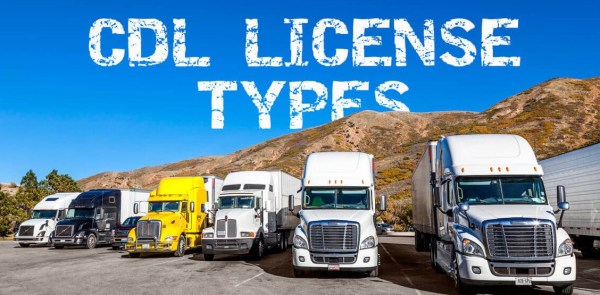
Fatal Crash Trends Show the Stakes
Federal crash data reviewed in the study shows that large truck and bus crashes remain a significant public safety concern.
Key findings include:
- 4,909 deaths in 2024 in crashes involving large trucks and buses
- 5,472 deaths in 2023, an eight percent decrease from 2022 but still historically high
- About 70 percent of people killed in large truck crashes are occupants of other vehicles
These numbers illustrate the disproportionate risk that heavy commercial vehicles pose. Even low speed collisions involving large trucks can result in severe outcomes due to their size and weight.
Where and When Fatal Crashes Occur
The study highlights that most fatal truck crashes do not occur on major interstates.
- 75 percent of fatal large truck crashes in 2023 occurred on non interstate roads
- 76 percent occurred on weekdays, during peak travel hours
These findings show that the risks tied to CDL oversight failures are concentrated in everyday driving environments, not isolated to long haul freight corridors.
How the CDL System Is Designed to Work
A CDL is required for drivers operating heavy vehicles, transporting hazardous materials, or carrying passengers. The system includes several layers of oversight:
- Knowledge and skills testing
- Medical certification
- Verification of identity and lawful presence
- Entry level driver training
- Ongoing compliance checks and roadside enforcement
When each layer functions correctly, unqualified drivers are filtered out. The study by Bader Law focuses on what happens when these layers fail or fail to communicate.
Where Licensing Breakdowns Occur
The study identifies recurring patterns in four major areas: verification, testing, training, and enforcement. These failures do not necessarily reflect individual driver misconduct. Instead, they reveal systemic weaknesses that allow improperly qualified drivers to remain licensed for months or years.
Verification Failures in Non Domiciled CDLs
One of the most persistent issues involves non domiciled CDLs, which are issued to foreign nationals who are lawfully present and authorized to work in the United States.
Audits show:
- States issued CDLs without confirming lawful presence
- Licenses were issued for periods far longer than the driver’s work authorization
- Some licenses remained valid long after authorization expired
These failures undermine the requirement that non domiciled CDLs must not extend beyond the driver’s authorized stay.
Testing Integrity Failures
The study highlights a major case in Massachusetts, where a former state police sergeant was convicted on nearly 50 charges for participating in a bribery scheme that exchanged passing CDL scores for gifts.
- At least 17 drivers received fraudulent passing scores
- Massachusetts reported a 41 percent pass rate in 2022, meaning most applicants normally fail
This case demonstrates how testing fraud can bypass one of the most important safety filters in the CDL system.
Training Oversight Failures
Training providers must meet federal Entry Level Driver Training standards. The study found:
- Nearly 3,000 training providers were removed from the federal registry for noncompliance
- About 4,000 more were placed on notice for failing to meet standards
Drivers trained through noncompliant programs may hold valid CDLs while lacking required instruction.
Roadside Enforcement and Administrative Errors
Roadside inspections reveal that many violations involve administrative lapses rather than unsafe driving behavior.
Common issues include:
- Suspended or expired licenses
- Missing medical certificates
- Improper documentation
These problems show gaps in real time compliance tracking.
Audit Findings Across Multiple States
State and federal audits provide some of the clearest evidence of systemic CDL oversight failures.
Audit Results by State
| State | Audit Failure Rate | Key Findings |
|---|---|---|
| North Carolina | 54 percent | Missing or unverified lawful presence documentation |
| New York | 53 percent | Licenses issued without verified lawful presence |
| Texas | 49 percent | 123 records reviewed, leading to 6,400 license revocations |
| California | Over 25 percent | Improper expiration dates, prompting 17,000 planned revocations |
These findings show that licensing failures are not isolated to one region. Instead, they reflect structural weaknesses across multiple states.
Fatal Crashes Involving CDL Required Vehicles
The study examined fatal crashes involving vehicles requiring a CDL from 2019 through 2023.
- 15,753 fatal crashes nationwide
- Highest totals in:
- Texas: 2,123
- California: 1,146
- Florida: 947
- Georgia: 677
The study also identified 70 fatal crashes involving drivers who lacked proper license status at the time of the crash. While the number is small relative to the total, it shows that licensing failures can intersect with fatal outcomes.
English Proficiency Enforcement Trends
Federal rules require CDL holders to understand and communicate in English. The study found:
- About 3.8 percent of CDL holders, or 130,000 to 140,000 drivers, are classified as limited English proficient
- Since June 2025, enforcement agencies issued 23,000 citations for English language deficiencies
These citations are concentrated in Texas, Wyoming, Tennessee, Arizona, and Florida.
Labor Pressures and Policy Shifts
The study places CDL oversight failures within the broader context of the trucking labor market.
Foreign Born Drivers in the Workforce
- 18 to 19 percent of U.S. truck drivers are foreign born
- This equals roughly 650,000 drivers
- Non domiciled CDL holders make up about 5 percent of all CDL drivers
States like California rely heavily on foreign born drivers, who make up nearly half of the trucking workforce.
Regulatory Changes Affecting Employment
A recent federal rule titled “Restoring Integrity to the Issuance of Non Domiciled Commercial Driver’s Licenses” restricts CDL issuance for certain immigrant groups, including refugees and asylees.
- The study estimates 194,000 drivers may eventually lose their jobs due to this rule
Second Chance Hiring and Shadow Fleets
To address shortages, the industry has expanded second chance hiring programs. Research shows stable employment can reduce recidivism by more than 50 percent.
The study also notes:
- Over 190,000 drivers are listed as prohibited in the Drug and Alcohol Clearinghouse
- 62 percent have not begun the return to duty process
This creates a shadow fleet of drivers who exit regulated trucking rather than reenter compliance.
What the Data Shows
The study by Bader Law concludes that CDL safety depends heavily on administrative accuracy and consistent enforcement. The data does not support claims that any demographic group is inherently unsafe. Instead, the findings show that licensing failures are institutional and systemic.
When verification steps are skipped, when training oversight lapses, or when expiration dates are misaligned, unqualified drivers can legally operate heavy commercial vehicles. The study argues that strengthening the CDL system is essential for protecting everyone who shares the road.


 International Journal of Research (IJR)