Vogue in HR

Over the course of the 2010s, the scope of human resources has expanded and evolved alongside changes in how organizations function, how teams are managed, and how employees set their expectations when it comes to work.

As HR enters the next decade, HR pros must focus their attention on the human element of human resources and people management in order to continue providing engaging and exceptional work experiences for their people. Some of the vogue in HR are as follows:

Using people analytics for decision making: Big data analysis has wide-reaching potential that can be applied to any sector of an organization. In HR, utilizing a data-driven approach to people analytics allows employers to discover valuable insights on employee performance and satisfaction and what influences their productivity and motivation.

With HR tech solutions, HR departments are equipped with a wealth of information that is available at their fingertips, including recruitment data, employee statistics, and performance KPIs. In the years to come, companies will apply this valuable intel into making smarter decisions for their organizations, from less biased hiring decisions to better support for their current employees.

Improving the job applicant experience: If a recruiting new hires to your organization is a complicated and lengthy experience, you will continue to miss out on bringing incredible talent to your teams. Making the recruitment process streamlined and efficient for both your HR department and your applicants is critical to landing the best people for the job.

In the new year and beyond, HR pros will implement HR solutions to simplify and speed up their administrative processes, from applicant tracking to application communication, through automation, thus reducing recruitment timelines significantly. Talent and recruitment pros will then be freed up to spend more time on improving the interview experience for candidates and increasing the odds of finding the right organizational fits.

THE CHALLENGING JOURNEY OF KFC IN INDIA

Kentucky Fried Chicken, popularly known as KFC, is a fast food restaurant chain that is known for its fried chicken. Headquarted in Louisville, Kentucky, the United States, KFC is the world’s second largest chain restaurant after McDonald’s. Currently, KFC has more than 18,000 outlets in over 100 countries. Every day, more than 12 million customers are served at KFC outlets around the world. KFC is a subsidiary of Yum! Brands, which also owns Taco Bell and Pizza Hut. KFC was the first foreign fast food restaurant chain to enter India in 1990s after the Indian government implemented the LPG policy. At that time, KFC received permission from Indian government to open 30 outlets across the country.

The first KFC outlet in India was opened in Bangalore in June 1995 and from these outlets, the number has grown to 296 today. Fast food restaurants have gained popularity in India because of their customized menus that suits the taste-buds of the citizens. When KFC first entered the Indian market, there were a lot of protests, and the Bangalore outlet was repeatedly ran-sacked. Many Indians were worried that the western culture would seep into the Indian roots, leading to the dilution of indigenous traditions. Another KFC outlet was opened in Delhi in the same year but the combined revenue of both the outlets was not sufficient to continue the KFC business in India. The reason why KFC didn’t gained the popularity is because anti-KFC movements that accused KFC of using illegally high amount of mono-sodium glutamate, which are harmful to health. Also, the anti-KFC movements claimed that KFC sold food that was cooked and fried in pork fat. Because of these KFC had to abandon Indian market.

Once the Indian market cooled down, KFC returned to the country in 1999, and set up an outlet in Bangalore. Until 2004, KFC only operated 1 outlet in India, As the sole outlet started making money, KFC expanded its operation throughout India and today, KFC outlets can be found in a number of cities.

It is the tenacity, that won the hearts and stomachs of millions of Indians, to finally decided to embrace KFC’s dishes and gave KFC a second chance.

BLUIS (Bhubaneswar Land Use Intelligence System)

The Bhubaneswar Land Use Intelligence System is a geo-tagged repository that would monitor and detect all government lands in Bhubaneswar. This will be done by using high-resolution satellite imagery. For safeguarding government lands from encroachments by land grabbers- the launch of BLUIS makes Odisha the first state in the country to use satellite technology and artificial intelligence. Any attempt to change the use of government land in Bhubaneswar, BLUIS will raise alarm and guide the enforcement staff to the exact location of encroachment. ‘BLUIS’ and ‘Litigation Management System’ are among the 8 Technology-driven Solutions that were launched under the 5T initiatives by the Chief Minister.

Chief Minister Naveen Patnaik on 8 July 2020 unveiled BLUIS which would monitor changes in all government lands in Bhubaneswar by leveraging high-resolution satellite imagery. Along with that, he launched 8 technology-driven solutions under 5T initiatives for Home and GA & PG Departments through video conferencing. Along with BLUIS, the chief minister launched applications like e-Pravesh, e-Bhawan, e-Atithi, HRMS 2.0, HRMS mobile app, LMS 2.0, ORTPSA to improve public services. The 5T Initiative (Technology, Transparency, Teamwork, and Time Leading to Transformation) model of governance, launched in August 2019, requires each department of the State Government to draw up an annual work-plan for faster, better public service delivery systems leading to achieve transformational goals. Launching the services, Patnaik said that the 5T model of governance along with Mo Sarkar has brought about a perceptible improvement in the quality of governance and has eased the delivery of public services.

Encroachment of government land in the capital city of Bhubaneswar will no more be easy for land grabbers as the Bhubaneswar Land Use Intelligence System (BLUIS), a web and mobile-based solution, launched by Odisha government would raise alarm over attempts to change the land use. According to the government, BLUIS is a geo-tagged repository of all the government lands in Bhubaneswar, created through high-resolution satellite imagery to detect all changes taking place on government lands.

Odisha becomes the first state in India to use high-resolution satellite imagery utilizing space technology and artificial intelligence to monitor government lands. The lack of transparency and accountability of the enforcement in the current mechanisms and the increasing encroachment of government lands in Bhubaneswar resulted in the development of BLUIS.

“Bhubaneswar is one of the fastest-growing cities in India witnessing land-use changes on a daily basis. In the process, precious public land is prone to encroachment. The present mechanism of detection and enforcement lacks adequate transparency and accountability,” a senior officer said emphasizing real-time monitoring. A mobile application would alert the enforcement authorities of any new construction on government lands. The GPS on the application guides the enforcement staff to the exact location. Evidence of enforcement is uploaded on the application as geo-tagged images and videos,” he said. As per follow-up action, a case will be filed for removing encroachment. The Litigation Management System, an online application to record information on legal cases and enable end-to-end communication between government officials and advocates during different stages of a case, was also launched. It provides a smart technology solution to monitor court cases from initiation, online appointment scheduling, and allotment of the case to government advocate for preparation and submission of counter-affidavit.

Balance life with balance

‘Balance’, a word, simple and easy to understand but yet difficult to put in reality. The most crucial thing for the smooth running of life is ‘to maintain balance’, balance in everything, the balance of emotions, the balance of relations, the balance of food, the balance of thoughts, the balance of exertions, and whatnot. As we grow, we discover that a mistake we did earlier in life was due to a lack of balance of certain things at that point in time. Any problem that we face can be solved if we are able to identify what all things need to be balanced to manage this problem. 

Life is all about maintaining a balance between various factors/parameters that govern our life. And this balance is unique for each individual, in the sense that the importance of various elements of one’s life is different for different people. No one can decide it for us that how much importance to give to certain things that to others to maintain a balance. The balance of various things of our life that we make depends on our priorities, our comfort, our boundaries, and our mind and heart. The balance of things for a perfect life for two different people can often be very different.

We can understand it in this manner: whenever we cook food, we add all the spices in some specified amount according to our taste depending on the level of spicy food we prefer. Also, we add salt according to taste. If we try to add more of any particular spices, let’s say red chili, then it may ruin the taste of food for us as we can’t eat that spicy. However, the same food can still be found yummy by some other person who loves to eat spicy and is comfortable with eating spicy food. The same is the case with adding more or less salt. Here salt and various spices are similar to the various important elements of our life.

A perfect balance is a solution to every problem. But the reality is, it is quite difficult to figure out what is a perfect balance for us, what will work for us. It is a process of self-learning and self-realization. We can learn this only after making some mistakes as we move forward in life. 

Let’s discuss some of these balance that we need in brief:

  1. The balance between various relations – We humans hold tons of relations in our entire life. It starts from the day we are born and it keeps on increasing as we grow. Each relation is important and can be maintained through proper balance.
  2. The balance of thoughts – We need to balance between positive and negative thoughts. Though it is said always to be positive and always think positively, it is not true. It is also important to have some negative thoughts. It helps us to make back-up plans, it makes us aware, it can also boost us sometimes. But, again, a balance between the two is important.
  3. The balance of emotions – We are humans and emotions are the gift we got that make us different from other creatures. Each human gets all types of experience. Even if you are a saint, you will find yourself getting angry. The thing is how you took your emotion and how you are managing it to bring the best out of you.
  4. The balance of food – We need a balanced diet to maintain good health. A balance of various nutrients namely, protein, carbohydrates, proteins, fibers, etc is important for a healthy lifestyle.
  5. The balance between work and home – Another important balance is the balance between work and home. Our work helps us to improve and grow and it keeps us focused, our home is our strength, it is our backbone and provides us emotional support. It is important to have a balance between the two.

So, the trick is to figure out the balance which will work for us in life and work with it. We should also understand that what might be a perfect balance for us today may not be a perfect balance for us tomorrow. So, it needs to be a bit flexible. We must realize that the small word ‘balance’ has a big importance for the smooth functioning of our lives.

HISTORY OF SOCIAL DISTANCING

In public health, social distancing, also called physical distancing, is a set of non-pharmaceutical interventions or measures intended to prevent the spread of a contagious disease by maintaining a physical distance between people and reducing the number of times people come into close contact with each other. It typically involves keeping a certain distance from others (the distance specified may differ from time to time and country to country) and avoiding gathering together in large groups.

By reducing the probability that a given uninfected person will come into physical contact with an infected person, the disease transmission can be suppressed, resulting in fewer deaths. The measures are used in combination with good respiratory hygiene, face masks and hand washing by a population. During the COVID-19 pandemic, the World Health Organization (WHO) suggested favouring the term “physical distancing” as opposed to “social distancing”, in keeping with the fact that it is a physical distance which prevents transmission; people can remain socially connected via technology. To slow down the spread of infectious diseases and avoid overburdening healthcare systems, particularly during a pandemic, several social-distancing measures are used, including the closing of schools and workplaces, isolationquarantinerestricting the movement of people and the cancellation of mass gatherings.

 Although the term was introduced only in the 21st century, social-distancing measures date back to at least the 5th century BC. The Bible contains one of the earliest known references to the practice in the Book of Leviticus 13:46: “And the leper in whom the plague is… he shall dwell alone; [outside] the camp shall his habitation be.” During the Plague of Justinian of 541 to 542, Emperor Justinian enforced an ineffective quarantine on the Byzantine Empire, including dumping bodies into the sea; he predominantly blamed the widespread outbreak on “JewsSamaritanspaganshereticsAriansMontanists and homosexuals“.In modern times, social distancing measures have been successfully implemented in several epidemics. In St. Louis, shortly after the first cases of influenza were detected in the city during the 1918 flu pandemic, authorities implemented school closures, bans on public gatherings and other social-distancing interventions. The influenza fatality rates in St. Louis were much less than in Philadelphia, which had fewer cases of influenza but allowed a mass parade to continue and did not introduce social distancing until more than two weeks after its first cases. Authorities have encouraged or mandated social distancing during the COVID-19 pandemic.

Social distancing measures are most effective when the infectious disease spreads via one or more of the following methods:

  • droplet contact (coughing or sneezing)
  • direct physical contact (including sexual contact)
  • indirect physical contact (such as by touching a contaminated surface)
  • airborne transmission (if the microorganism can survive in the air for long periods); the efficacy of social distancing to contain airborne viruses compared to other measures, such as widespread mask usage, is disputed

The measures are less effective when an infection is transmitted primarily via contaminated water or food or by vectors such as mosquitoes or other insect.

Drawbacks of social distancing can include loneliness, reduced productivity and the loss of other benefits associated with human interaction.

HISTORY

Leper colonies and lazarettos were established as a means of preventing the spread of leprosy and other contagious diseases through social distancing, until transmission was understood and effective treatments invented.

1916 New York City polio epidemic

During the 1916 New York City polio epidemic, when there were more than 27,000 cases and more than 6,000 deaths due to polio in the United States, with more than 2,000 deaths in New York City alone, movie theatres were closed, meetings were cancelled, public gatherings were almost non-existent, and children were warned not to drink from water fountains, and told to avoid amusement parks, swimming pools and beaches.

Influenza, 1918 to present

During the influenza pandemic of 1918, Philadelphia saw its first cases of influenza on 17 September. The city continued with its planned parade and gathering of more than 200000 people on 28 September and over the subsequent three days, the city’s 31 hospitals became fully occupied. During the week ending 16 October, over 4500 people died. Social distancing measures were introduced on 3 October, on the orders of St. Louis physician Max C. Starkloff, more than two weeks after the first case. Unlike Philadelphia, St. Louis experienced its first cases of influenza on 5 October and the city took two days to implement several social distancing measures, including closing schools, theatres, and other places where people get together. It banned public gatherings, including funerals. The actions slowed the spread of influenza in St. Louis and a spike in cases and deaths, as had happened in Philadelphia, did not occur. The final death rate in St. Louis increased following a second wave of cases, but remained overall less than in other cities. Bootsma and Ferguson analyzed social distancing interventions in sixteen U.S. cities during the 1918 epidemic and found that time-limited interventions reduced total mortality only moderately (perhaps 10–30%), and that the impact was often very limited because the interventions were introduced too late and lifted too early. It was observed that several cities experienced a second epidemic peak after social distancing controls were lifted, because susceptible individuals who had been protected were now exposed.

 School closures were shown to reduce morbidity from the Asian flu by 90% during the 1957–1958 pandemic, and up to 50% in controlling influenza in the U.S., 2004–2008. Similarly, mandatory school closures and other social distancing measures were associated with a 29% to 37% reduction in influenza transmission rates during the 2009 flu epidemic in Mexico.

During the swine flu outbreak in 2009 in the UK, in an article titled “Closure of schools during an influenza pandemic” published in The Lancet Infectious Diseases, a group of epidemiologists endorsed the closure of schools to interrupt the course of the infection, slow the further spread and buy time to research and produce a vaccine. Having studied previous influenza pandemics including the 1918 flu pandemic, the influenza pandemic of 1957 and the 1968 flu pandemic, they reported on the economic and workforce effect school closure would have, particularly with a large percentage of doctors and nurses being women, of whom half had children under the age of 16. They also looked at the dynamics of the spread of influenza in France during French school holidays and noted that cases of flu dropped when schools closed and re-emerged when they re-opened. They noted that when teachers in Israel went on strike during the flu season of 1999–2000, visits to doctors and the number of respiratory infections dropped by more than a fifth and more than two fifths respectively.

SARS 2003

During the SARS outbreak of 2003, social distancing measures such as banning large gatherings, closing schools and theaters, and other public places, supplemented public health measures such as finding and isolating affected people, quarantining their close contacts, and infection control procedures. This was combined with wearing masks for certain people. During this time in Canada, “community quarantine” was used to reduce transmission of the disease with moderate success.

COVID-19 pandemic

During the COVID-19 pandemic, social distancing and related measures are emphasized by several governments as alternatives to an enforced quarantine of heavily affected areas. According to UNESCO monitoring, more than a hundred countries have implemented nationwide school closures in response to COVID-19, impacting over half the world’s student population. In the United Kingdom, the government advised the public to avoid public spaces, and cinemas and theatres voluntarily closed to encourage the government’s message.

With many people disbelieving that COVID-19 is any worse than the seasonal flu, it has been difficult to convince the public—especially teens and young adults—to voluntarily adopt social distancing practices. In Belgium, media reported a rave was attended by at least 300 before it was broken up by local authorities. In France teens making nonessential trips are fined up to US$150. Beaches were closed in Florida and Alabama to disperse partygoers during spring break. Weddings were broken up in New Jersey and an 8 p.m. Curfew was imposed in Newark. New York, New Jersey, Connecticut and Pennsylvania were the first states to adopt coordinated social distancing policies which closed down non-essential businesses and restricted large gatherings. Shelter in place orders in California were extended to the entire state on 19 March. On the same day Texas declared a public disaster and imposed state wide restrictions.

These preventive measures such as social-distancing and self-isolation prompted the widespread closure of primarysecondary, and post-secondary schools in more than 120 countries. As of 23 March 2020, more than 1.2 billion learners were out of school due to school closures in response to COVID-19. Given low rates of COVID-19 symptoms among children, the effectiveness of school closures has been called into question. Even when school closures are temporary, it carries high social and economic costs. However, the significance of children in spreading COVID-19 is unclear. While the full impact of school closures during the corona virus pandemic are not yet known, UNESCO advises that school closures have negative impacts on local economies and on learning outcomes for students.

In early March 2020, the sentiment “Stay The Fuck Home” was coined by Florian Reifschneider, a German engineer and was quickly echoed by notable celebrities such as Taylor SwiftAriana Grande and Busy Philipps in hopes of reducing and delaying the peak of the outbreak. FacebookTwitter and Instagram also joined the campaign with similar hashtags, stickers and filters under #staythefhome, #stayhome began trending across social media. The website claims to have reached about two million people online and says the text has been translated into 17 languages.

 Drawbacks

There are concerns that social distancing can have adverse affects on participants’ mental health. It may lead to stressanxietydepression or panic, especially for individuals with pre existing conditions such as anxiety disorders, obsessive compulsive disorders, and paranoia. Widespread media coverage about a pandemic, its impact on economy, and resulting hardships may create anxiety. Change in daily circumstances and uncertainty about the future may add onto the mental stress of being away from other people.

Effectivenes

An empirical study published in July 2020 in the The BMJ (British Medical Journal) analyzed data from 149 countries, and reported an average of 13% reduction in COVID-19 incidence after the implementation of social distancing policies.

Are we living lives dominated by technology? Does it rob us of our people skills?

It was a week of truly longish, unplanned blackouts. The pillar box was hit by a truck, and power went off in a block of buildings. Our world plunged into non-connectivity during the day and total darkness at night.

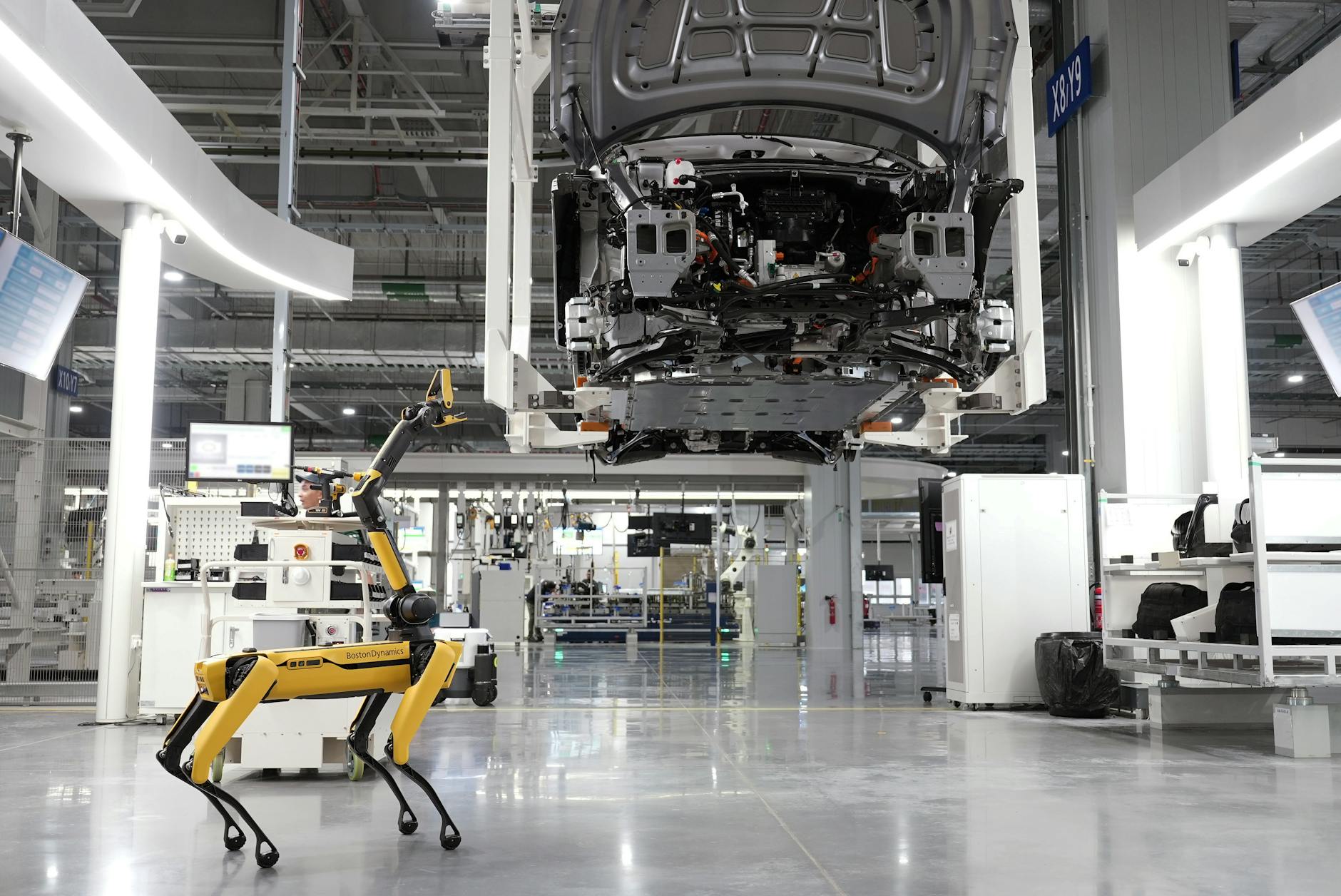
Photo by Hyundai Motor Group on Pexels.com

Ever notice how when there is a blackout, everyone goes outside? We flatmates met and introduced ourselves, though we’ve lived a few feet away from one another for months. In that break from our frenetic schedules involving mobiles, Internet, video games and TV, we connected with people. We had no idea when we’d see “light”, so we talked about “coping” and soon realised we all sounded happy.

We talked of a time when grandma didn’t depend so much on electricity, dad remained supremely efficient without a cellphone, our aunts brought all the local gossip from temple visits and weddings, and not from websites. We talked of buildings without ugly power grids or cellphone towers, of fewer road accidents, riding bicycles, of clean ponds and parks.
A teacher from a digitally modern school told us this story. “A computer techie messed up our server system,” she said. “It was near-disaster! Our computerised attendance register was gone, and so were LAN, mark sheets, teachers’ notes, question papers, classroom material, presentations and a lot of the students’ work.” But that lasted only for a day, she said. The teachers woke up to the challenge and roped in kids to do the “paper work”. Together they prepared the teaching aids, kept the attendance record straight and wrote lesson plans for the coming week. “The kids said they were very happy to do the work,” she said. “I felt I got closer to a lot of them.”

What neurologists say

Neurologists already talk of how our brains are shaping to respond to a “gadgetised” life. There are Immunology disease digital diagnostics that would tell you your precise disease.. A micro-chip induced life could blur our view of the line between living and non-living machines, they warn. We already see an example of this when we try to give directions on the phone. Somehow even simple directions have become rocket science, the caller half following what’s said and calling a dozen times till he reaches the door. Is it because constantly interrupted by digital intrusions, we’ve lost the capacity to analyse, plan, remember and execute work? Does gadget dependence take away our confidence in our abilities?

“Electronic devices, like pharmaceutical drugs, have an impact on the micro-cellular structure and complex biochemistry of our brains. And that, in turn, affects our personality, our behaviour and our characteristics,” says Professor Susan Greenfield in her book. “It’s pretty clear that the screen-based, two-dimensional world that so many teenagers — and a growing number of adults — choose to inhabit is producing changes in behaviour. Attention spans are shorter, personal communication skills are reduced and there’s a marked reduction in the ability to think abstractly.” The games-driven generation interprets the world through screen-shaped eyes, she insists. It’s almost as if something hasn’t really happened until it’s been posted on Facebook or YouTube.

Psychologists tell us that we could be raising kids who live only for the thrill of the computer-generated moment. They are in danger of detaching themselves from what the rest of us would consider the real world, they say. As for us, we live in a world so technologically dependent that even a computer crash gives us many anxious moments. . Question is: Should pleasure be defined by the endless hours spent in front of a computer console? Should it be defined by our giggles at online comics?

Connecting with people

In a business-centred existence, there is probably no going back to a pre-computer age. That age will demand that we do more of our work ourselves; information won’t travel so quickly, and medical science may get frozen. But consider this theory: If all modern technology shut down and we were forced to live without e-appliances and gadgets, we’d adapt. It might signal more face-to-face time with people instead of emails and texting, might mean more walking and knowing what goes on in our neighbourhood. We might come out of the “lonesome boundary of life” that teleworking creates, and stop to smile at our neighbour, rather than at a shadow appearing on a pixellated screen. Some of us might even start a campaign for the rights of pedestrians.

Another forwarded messege

I recieved an messege on my whatsapp
  which included the interview of Dr Girdhar Gyani, the convenor of a task force on COVID-19 hospitals, taken by the Quint. It talks about the oncoming stage 3 of the pandemic on the country. Dr Gyani, who’s the founder of the Association of Healthcare Providers, was part of a video conference of healthcare professionals with Prime Minister Narendra Modi on 24 March. In the interview, he pointed out the fact that government does not have enough PPE kits so it is only checking patients that have all the three symptoms together – coughing, breathing problem, and fever. If the patient has only one of the symptoms, then they are not being tested. He continued by suggesting that the government needs to re-strategize or the country will soon reach the 3rd stage. He also mentioned his concerns about transferring the patients from hospital to hospital without the virus spreading.
The message created the curiosity to fact check the same,
Procedure followed to check the message is:
• Name of the journalist and the date. The journalist was Poonam Aggarwal, and has written articles like “Delhi police abandoned us on the road: Migrant Labourers”.
• I checked if there were any articles written by Poonam Aggarwal on 26th March 2020(the date given in the article), and we found the same article.
• I checked the logo and website of The Quint for its authenticity.
• We verified the given facts in the interview, regarding the number of cases so that more credibility could be established.

J.K ROWLING : THE JOURNEY OF THE FIRST MILLIONAIRE AUTHOR

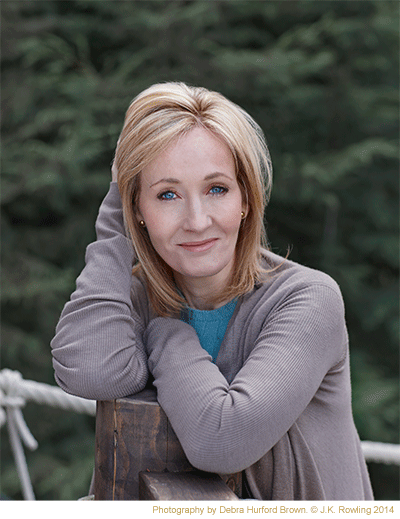
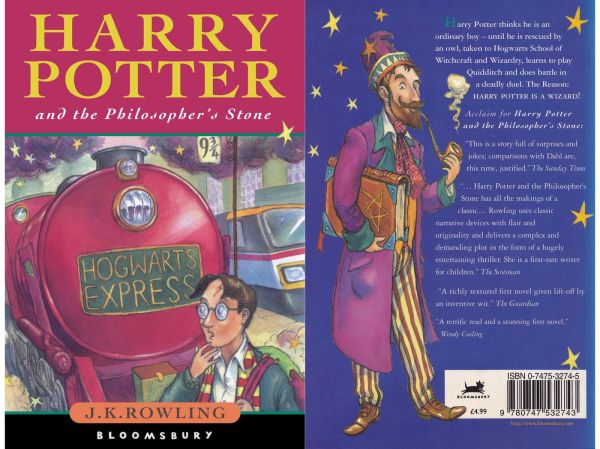
Author J.K Rowling has lived a life from rags-to-riches. She lived for years with government as a single mother, and overcame a dozen rejections from publishers to become one of the most successful and widely read author in the history. After a couple of decades of “Harry Potter” , Rowling has turned the boy wizard into an entertainment franchise including books, movies, a play, a theme park and many more. When Rowling was 15, her mother was diagnosed with multiple sclerosis. She died a decade later, before Rowling became a published author. The author studied French at the university of Exeter, graduating in 1986. Her classics knowledge was later used when she came up with the names for spells in the Harry Potter series. After graduating, Rowling worked at the research desk for Amnesty International, doing translation work.She said it didn’t suit her. On a delayed train from Manchester to London’s King’s Cross Station, Rowling came up with the idea for Harry Potter.Over the next five years she outlined the plots for seven books in the series, writing in longhand and amassing scraps of notes written on different papers. Without a job, Rowling visited different Edinburgh to write her very first novel on a typewriter. During that period, Rowling lived off government welfare. In a 2008 interview with the Sunday Times, Rowling said she was severely depressed and sought professional help. In 1995, Rowling finished the first the first Harry Potter book and sent it to publishers which was roundly straight. Her book was accepted by Christopher Little , an Obscure London literary agent. After a year, Little made a deal to print 500 copies of “Harry Potter and the Philosopher’s Stone” with Bloomsbury. The book appeared in print in 1997.

By March of 1999, over 300,000 copies were sold in the UK itself. “Harry Potter and the Chamber of Secrets” , the second book in the series was sold in the UK in July of 1998 also to huge acclaim and sales. In 2004, Forbes reported Rowling was the first person to become a millionaire by writing books. Later she dropped off the list because she gave so much money to charity. In 2007, Rowling finishes the series with “Harry Potter and the Deathly Hallows” , which became the fastest selling book of all time and have sold more than 450 million copies worldwide and have been translated into 67 languages.

SPRINKLER SYSTEM

A most useful irrigation system

PATTIKONDA:19/07/2020.

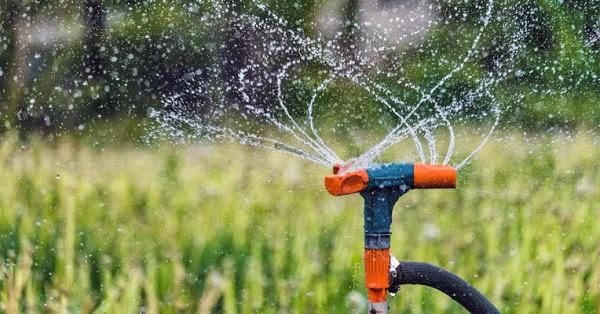
An irrigation sprinkler (also known as a water sprinkler or simply a sprinkler) is a device used to irrigate agricultural crops, lawns, landscapes, golf courses, and other areas. They are also used for cooling and for the control of airborne dust.Sprinkler irrigation is the method of applying water in a controlled manner in way similar to rainfall. The water is distributed through a network that may consist of pumps, valves, pipes, and sprinklers.

Irrigation sprinklers can be used for residential, industrial, and agricultural usage. It is useful on uneven land where sufficient water is not available as well as on sandy soil.In sprinkler or overhead irrigation, water is piped to one more central locations within the field and distributed by overhead high pressure sprinklers or guns.

There are 4 types of sprinklers. They are Industrial , Residential, Agricultural and underground sprinklers. The first use of sprinklers by farmers was some form of home and golf course type sprinklers.Home lawn sprinklers vary widely in their size, cost, and complexity. They include impact sprinklers, oscillating sprinklers, drip sprinklers, underground sprinkler systems, and portable sprinklers

Spread water with maximum efficiency

Many irrigation sprinklers are buried in the ground along with their supporting plumbing, although above ground and moving sprinklers are also common. Most irrigation sprinklers operate through electric and hydraulic technology.Rolling pipe type irrigation system for farms that has become the most popular type for farmers irrigating large fields. The end system method of sprinklers are widely used.

Underground sprinklers function through means of basic electronic and hydraulic technology.Advantages of Sprinkler Irrigation : A sprinkler system makes it easy and convenient to water your field, flowers and plants: just turn them on and walk away. You can use a sprinkler system to water a wide area of different types of crops, and you can usually adjust how large or small an area receives water.

Disadvantages of sprinkler irrigation include: High initial capital costs and high operation costs due to energy requirements for pumping and labor costs.

Modern garden sprinklers at end system method

Last Romanovs: A Conundrum in Russian History

By Sivam Pathak
In the autumn of 1894 Tsar Alexander third died at the age of 49 leaving his 26 year old son Nicholas the second as the new emperor of Russia. Tsar Nicholas the second of Russia belonged to an age old imperial royal family of Russia, known as Romanov Dynasty. Romanov dynasty ruled Russia over 300 years with an iron fist, during which time Russia had become one of the largest economic and military powers in the world. In yore times Russians regarded their Tsars and the whole monarchy as divine and godlike, and Tsar Nicholas was no exception to this tradition.
Russians, especially peasants (which constitute a majority of Russian population) always kept Nicholas and his family in high regards. With the
passage of time the life of the ordinary peasant become miserable, but they hold back their voices in hope of good times. Steadily survival in Russia grew increasingly harder for the common people that somehow paved the way for a greater divide between them and the Tsar. But the real turning point came from what became known as Bloody Sunday. On Sunday, 22nd of January 1905, a crowd of over thousands of people from all genders and age marched on the Winter Palace (Tsar’s residence) in
St. Petersburg. The protest from the very beginning was predetermined as a peaceful protest to highlight the poor working conditions of Russia’s workforce. At palace, in order to disperse the crowd the Cossacks firstly fired warning shots over the heads of the crowd, but as the situation was deteriorated the Cossacks then fired into the crowds. In the event of Bloody Sunday hundreds of people died and wounded. But here is one thing that needs to be taken into consideration before making any decision on a larger scale. At the time when Russians marched on the Tsar’s residence, Tsar was not in St. Petersburg, and nor he ordered to open fire on the crowd.

But Russians, unknown to this fact, began to hate the Tsar. The event of Bloody Sunday gave rise to huge resentment against the monarchy of Russia. Under the rule of Tsar Nicholas Russia was undergoing a period of severe political, social and economic hardships, and to made matters worse Tsar took an action during world war one (1914-1918) as a result of which Kaiser Wilhelm second of Germany declared war on Russia. The cost of World war one on the Russian people was catastrophic. The losses of war brought Russia on the brink of economic and military collapse. In 1917 due to mounting pressure from the provincial govt. led by Alexander Kerensky, Tsar Nicholas was forced to abdicate. In the meantime when Nicholas was returning to home, his wife Alexandra Feodorovna and his five children- Grand Duchess Olga, Tatiana, Maria, Anastasia (some people believed that Grand Duchess Anastasia survived the execution by Bolsheviks), and Alexei had already been placed under house arrest in the Alexandra Palace. When Nicholas arrived at home, he too was put under house arrest along with his family. In order to protect the Tsar and his family, Kerensky sends them almost 2000 miles away from St. Petersburg to the town of Tobosk, Siberia. There the family was accommodated in the governor’s house for several
days. By November 1917 Bolshevik party had come into power by overthrowing Kerensky’s government. Soon after Bolshevik party came into power a fierce fighting broke out across Russia between the Bolshevik govt. and the anti-communist white army that wanted the Tsar reinstated. As fighting grew more intense Vladimir Lenin moved the Tsar’s family to Yekaterinburg in a former merchant’s house, known as the house of special purpose by Bolsheviks.

On 16th July 1918, it was in the house of special purpose in Yekaterinburg the whole Romanov family was shot dead at night in the basement of the house by Yurovsky and his subordinates. After executing the Tsar and his family, Yurovsky ordered his subordinates to take the bodies of the Romanov family away and buried in unmarked graves at his secret location. His subordinates done all as ordered by Yurovsky. Soon people of Russia began to question about the royal family of Russia. Under increasing pressure the Russian authorities admitted the killing of Tsar Nicholas, but would neither affirm nor deny what had happened to his family. To this day the death of the Romanovs remains one of the most controversial subjects in Russian history.