How to Choose the Right Buchner Funnel for Your Experiment

Daily writing prompt
What do you complain about the most?

Buchner funnels are essential for laboratory filtration, separating solids from liquids. Named after the German chemist Ernst Buchner, these funnels have become a staple in chemistry, biology, and industrial labs worldwide. Selecting the proper Buchner funnel for your experiment improves efficiency and accuracy of filtration. 

Understand the Purpose of Your Experiment
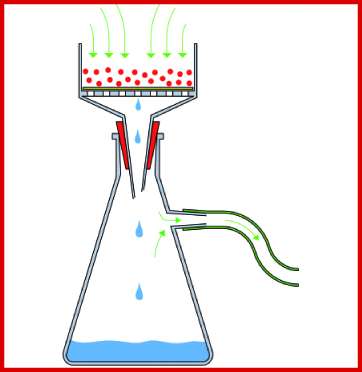
Before diving into the specifics of Buchner funnels, it’s crucial to define the goal of your experiment. Are you working with small-scale organic synthesis, large-scale crystallization, or microbiological filtration? The nature of your experiment will dictate the funnel’s size, material, and compatibility requirements.

Key considerations:

  • Volume of the solution- Larger volumes require a funnel with a greater capacity.
  • Type of filtration- Vacuum filtration processes work best with Buchner funnels designed to withstand pressure changes.
  • Chemical compatibility- Ensure the funnel material can handle the chemical properties of your solution.

Choose the Right Material

Buchner funnels are available in various materials, including porcelain, glass, and plastic. Each material has distinct advantages and limitations:

Porcelain

Porcelain is esteemed for its high durability and exceptional resistance to elevated temperatures, making it an indispensable material in various laboratory settings. Its robust nature can withstand rigorous conditions of experiments involving acidic or basic solutions, serving as a reliable choice for crucibles, evaporating dishes, and other lab apparatuses. However, while porcelain’s weight adds to its stability, it calls for proper handling to avoid chipping. Laboratories favoring long-term durability and thermal resilience often opt for porcelain despite its vulnerability to impact, reflecting its valued role in scientific research.

Glass

Glass is a fundamental material in laboratories, favored for its chemical inertness and clarity, which permits uninterrupted visual monitoring during experiments. This transparency is crucial for precise measurements and observations in high-precision work, such as titrations and chemical reactions. Glass equipment, including flasks, beakers, and pipettes, is essential for tasks requiring a clean and non-reactive environment. However, its fragility demands meticulous handling to prevent breakage. Despite this, the ability of glass to facilitate accurate experimental outcomes ensures its continued prevalence in scientific studies.

Plastic (e.g., polypropylene)

Plastic materials like polypropylene are valued in the laboratory for their lightweight, cost-effectiveness, and robustness against breakage. Polypropylene is particularly appreciated for its chemical resistance, making it suitable for storing many substances, excluding strong solvents and high-temperature applications. It is a popular choice due to the durability and stability for disposable lab ware, such as test tubes and storage containers, which do not require glass or porcelain thermal stability. While it cannot withstand extreme conditions, polypropylene’s practicality in routine lab procedures makes it indispensable for modern scientific practices.

Choose the material based on your lab’s environmental conditions and the substances you are working with.

Select the Appropriate Size

Buchner funnels come in various sizes, typically measured by the diameter of the funnel head. The size you select should align with the following:

  • The volume of liquid to be filtered- Ensure the funnel is large enough to accommodate the solution without frequent refilling.
  • Vacuum flask compatibility- Check that the funnel fits securely onto the neck of your flask.
  • Filter paper size- The diameter of the funnel should match the filter paper to avoid leaks or inefficiencies.

Standard diameters include 60 mm, 90 mm, 150 mm, and more significant for industrial use.

Consider the Type of Filter Paper

The filter paper you choose should correspond to the funnel size and the type of filtration required. Key factors include:

  • Pore size- Determines the particle size that can pass through. Smaller pores are ideal for fine filtration, while larger pores allow faster flow rates.
  • Material—Depending on chemical compatibility and thermal resistance needs, Options include cellulose, glass fiber, or synthetic materials.
  • Pre-cut or custom cut- Pre-cut papers ensure a precise fit, while sheets allow size adjustments.

Evaluate Vacuum Compatibility

One of the primary advantages of a Buchner funnel is its ability to perform vacuum filtration. Ensure your funnel is:

  • Designed to withstand the reduced pressure of a vacuum setup.
  • Paired with a compatible vacuum pump and flask.
  • Equipped with rubber adapters or seals to prevent air leakage.

Vacuum filtration significantly accelerates the process, making it essential for time-sensitive experiments.

Account for Budget Constraints

While quality should never be compromised, budget considerations often play a role in selecting lab equipment. Here’s how to balance cost and performance:

  • Invest in durability- Porcelain and glass options comes with a higher upfront cost but is cost-effective in the long run.
  • Evaluate disposables- Disposable plastic funnels might be more practical for low-cost experiments or hazardous substances.
  • Bulk purchases- Purchasing bulk can reduce costs if your lab frequently uses Buchner funnels.

Wrapping Up

Choosing the proper Buchner funnel is more than picking the correct size or material. It requires a holistic approach, considering the specifics of your experiment, chemical compatibility, and safety standards. By evaluating your needs and matching them to the features of available funnels, you’ll ensure a smoother, more efficient filtration process.

Effective Solutions When Your Water Filter Fails to Improve Taste

Daily writing prompt
Who do you spend the most time with?

In today’s households, improved water quality is a priority, and water filters promise a clear, tasty flow. However, sometimes even though we install water filters, the taste doesn’t seem to improve. If you are facing this issue, we have some effective solutions to help.

Firstly, your filter might not be designed to deal with the specific contaminants impacting the taste of your water. In such cases, it would be useful to have your water tested to identify these contaminants. Once identified, you can search for a filter specifically designed to deal with that contaminant.

Secondly, if your water tastes bad, your filter might be overdue for a replacement. Filters need maintenance to work effectively. Regular replacement ensures it can properly trap and eliminate contaminants.

Photo by Ketut Subiyanto on Pexels.com

Lastly, consider a professional installation to ensure the filter is installed correctly. Improper installations often result in ineffective filtering. We hope you find these tips helpful and succeed in improving your water’s taste.

Identifying Taste Deterioration Causes

When your Soft Water tastes off, it could be due to a plethora of factors. An aged or contaminated filter often contributes to the problem. The filtration system might also be purging impurities incorrectly. Understanding the root cause is key.

Faulty Filters

Defective or worn-out filters can fail to eliminate unwanted elements in your water, leading to an unpleasant taste. Therefore, the quality and functionality of filters plays a crucial role.

Incorrect Purification Methods

Different types of contaminants require specific filtration methods for removal. If your water filter is not designed to tackle the pollutants in your water, it will fall short in enhancing its taste.

Inferior Cleaning Practices

Poorly maintained water filters can accumulate dirt, bacteria or other impurities, compromising the taste and safety of your water. Frequent cleaning and routine maintenance improves longevity and performance of your filtration system.

Water Source Changes

Changes in your water source can alter the taste as well. Different sources contain varying levels of minerals and other substances that affect taste. Understanding your source helps select the right filter solution.

Misaligned Filter Configuration

The wrong filter settings can also lead to subpar results in terms of taste improvement. Ensure the device is calibrated correctly for optimum effectiveness.

Please note that for the most accurate and up-to-date information on why your water filter fails to improve taste, you would need to refer to the latest studies or surveys conducted by organizations in the water purification industry.

Role of Filter Maintenance

Maintaining your water filter is vital for keeping it in optimal working condition. A well-maintained filter ensures that every drop of water you consume is clean, safe and tasty.

Regular Cleaning

Regular cleaning extends the lifespan of a water filter. Cleaning it as per the manufacturer’s instructions helps prevent bacterial growth.

Timely Replacement

Filter cartridges need to be replaced periodically. Usually, manufacturers provide timelines for replacing filter cartridges or components.

Proper Installation

An improperly installed water filter might work inefficiently, causing bad taste. Always follow installation instructions to avoid such issues.

Selection Right Filter

Picking the right filter for your needs directly affects the improved taste. Different pollutants require different types of filters.

Avoid Overlooking Indicators

Numerous modern filters come with indicators that notify you when maintenance or replacement is needed. Neglecting these signs can lead to a decline in water quality.

Effects of Old Filters

Have you ever wondered why the taste of your filtered water dramatically changes over time? The answer is rather simple: It’s probably due to an old or worn-out filter. As filters age, they can no longer effectively trap and neutralize contaminants.

In fact, they can even become breeding grounds for bacteria leading to a change in taste and compromising the health benefits of your filtered water. Identifying this problem early will save you headaches and ensure you consistently enjoy good tasting, clean water.

  1. Off Taste: If your water suddenly tastes unusual, it’s often an indication that your filter needs replacement.
  2. Odorous Water: A strange odor emanating from your filtered water often highlights bacterial growth within an old filter.
  3. Turbidity: Cloudy or murky looking water is a key sign that your filter is no longer working efficiently and requires attention.

Kick-starting preventative measures is always wise. Regular replacement of your water filters as suggested by the manufacturer not only maintains the taste but also safeguards your health.

Familiarizing yourself with these straightforward signs will help you keep a pulse on the condition of your home filtration system. Ignoring these signs risks not only spoiling the taste of your water but also impacts overall health negatively.

Solutions for Tap Water

When your water filter fails to enhance the taste of your tap water, consider replacing the filter. Over time, filters wear out and become less effective at removing impurities, resulting in an unpleasant taste.

Inspecting the source is another effective solution. Contaminants at source can compromise the quality of your tap water. If your filter fails, examination and possible replacement of your plumbing system might be necessary.

  • Tap water-testing kit: These are readily available in stores or online. It provides comprehensive information about the substances present in your water.
  • Replacement filter: If testing shows that the issue lies with your filter, consider purchasing a new one. The deterioration of existing filters is a common reason for unsatisfactory filtration results.
  • Engage professional services: If you find it difficult to identify and rectify issues pertaining to tap water yourself, enlist professionals’ help.

In some cases, adjusting the pH level can significantly improve water taste. For instance, adding alkaline minerals can balance acidity in your water.

Your efforts should yield improvements over time. Patience is key when dealing with issues related to taste and cleanliness of tap water.

Improving Filtered Water Taste

Even with an efficient water filter in place, sometimes the taste of your filtered water may still fail to impress. Do not fret; there are various simple fixes you can implement.

Chances are your filtration system may need a thorough check. Your filter should work optimally to improve the water’s flavor substantially. Check both the filter chamber and cartridge for residues or damage. Ensure regular maintenance is observed.

  1. Refrigerate Filtered Water: Sometimes, all it takes for better taste is to cool down your filtered water before use. The lowered temperature improves its flavor, making it more refreshing.
  2. Clean Water Containers: Make sure you store your filtered water in clean containers. Even the slightest contamination can greatly hamper taste and jeopardize hygiene.
  3. Add Natural Flavors: You can infuse naturally flavored elements such as lemon or cucumber slices into your filtered water. Not only does this add a delicious twist, but it also enhances your hydration experience.

Taste enhancement does not always require complex processes or expensive equipment. Often, simple practical steps can effect remarkable changes in your filtered water’s taste. As they say, the best solutions are often right under your nose!

Importance of Filter Certifications

When selecting a water filter, prioritizing units with recognized certifications is crucial. Certifications, as you can read about on this blog, indicate that the filter has been evaluated independently and meets established filtration performance standards.

Certified filters ensure that your heightened water quality standards are not merely met but surpassed. They eliminate all ambiguities surrounding their ability to deal effectively with common contaminants.

A water filter certification serves as an assurance to you. It’s a confirmation that you’re investing in an item that will improve the taste of your water, not merely claim it. Always remember, uncertified filters might come with a reduced price tag, but they often compromise on quality and can fail to improve your water’s taste.

Water Flavor Elements

Your water’s taste can be significantly influenced by several factors. Not all water sources are created equal, and the compounds present within your water can vary greatly. This short guide aims to assist you in understanding the basic elements influencing your water flavor.

The first factor to consider is minerals. Minerals like calcium and magnesium are naturally occurring substances in hard water areas. They don’t pose any health risks, but they can sometimes give your water an unwanted metallic taste.

  • Minerals: Calcium and magnesium are commonly found minerals in many water sources. These not only influence the taste of your water but also its hardness.
  • Chlorine: Frequently used as a disinfectant in municipal water plants, residual chlorine can leave your water tasting similar to pool water.
  • Pollutants: Industrial waste, agricultural runoff or natural contaminants like algae can infiltrate local water supplies, affecting their taste and safety.

Ideally, a reliable and efficient water filter should address these issues by filtering out unwanted tastes and smells. But sometimes, even the best filters fail to completely improve your water’s taste.

If this happens to you, don’t despair. The solution often lies in identifying and eliminating the specific reasons causing the failure of your filters. Focus on maintenance routines, such as regular filter replacement or cleaning.