What is heat wave?

Science behind US and Canada’s heat wave.

• Canada is reeling under severe heat wave, which has caused an unprecedented 195 percent risk in sudden fatalities within the past few days.

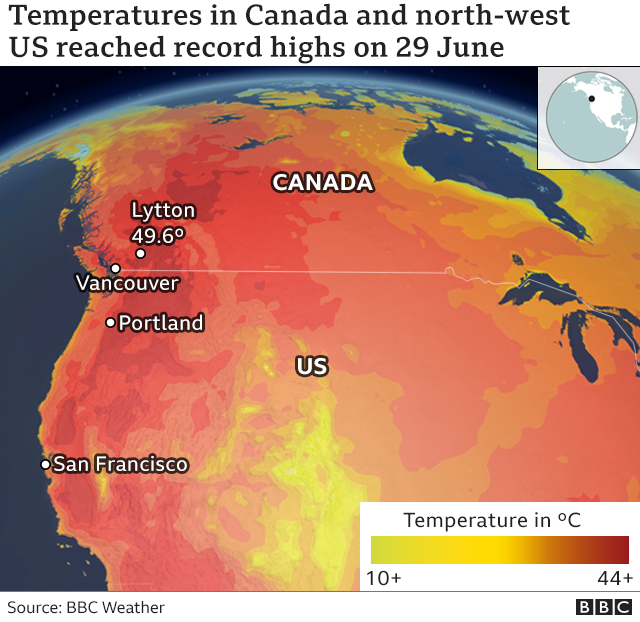
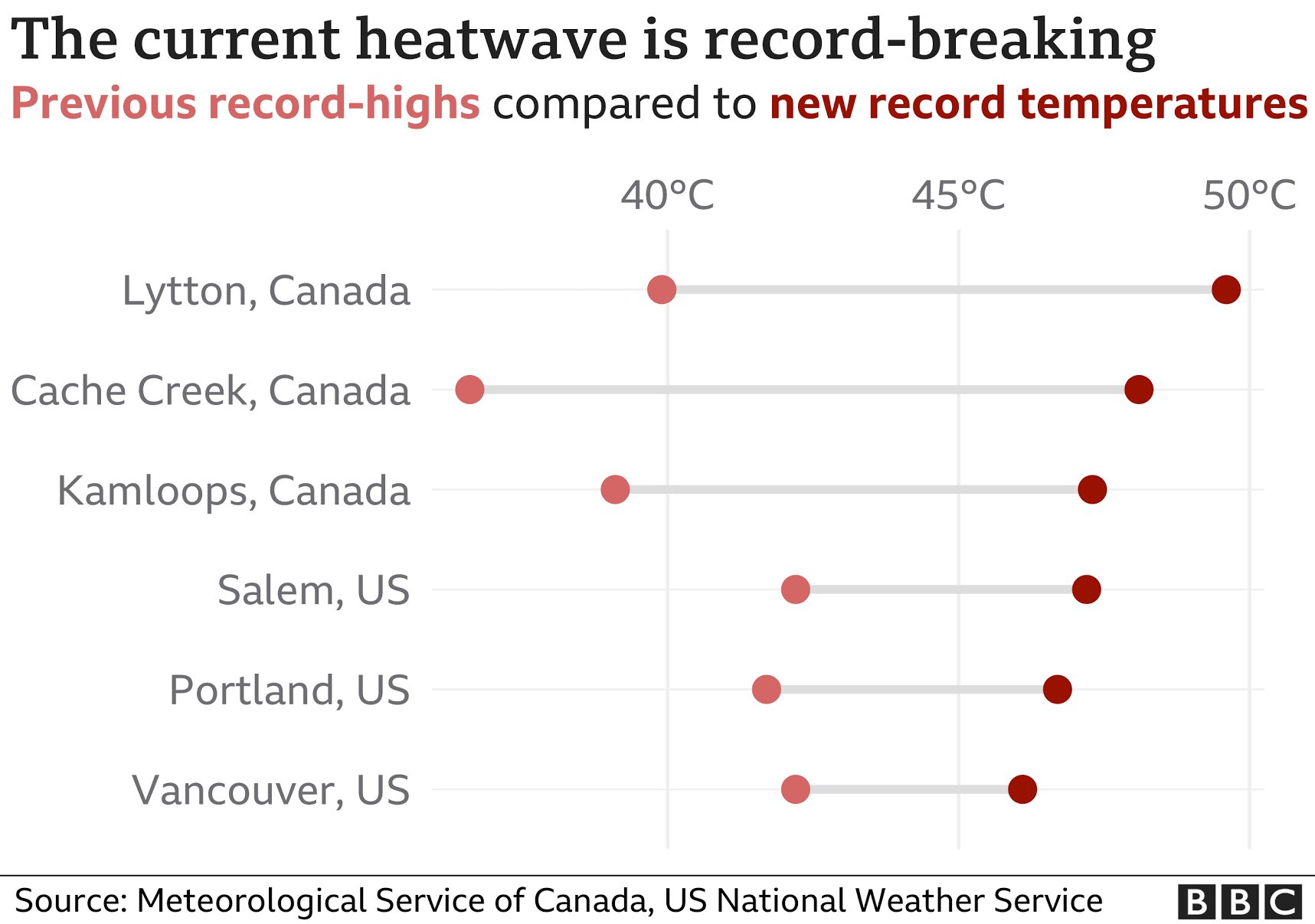
• In Portland city in Oregon, US temperatures as high as 46 degree celsius were recently registered- just three degree short of the internal core temperatures of a cooked shrimps.

• On June 29, temperature in Portland advanced to 46.7 degree celsius.

• Canada too saw it’s highest temperature ever recorded in the country’s west. In Lytton in British Columbia, temperature soared to over 46 degree celsius last week.

Canada’s heat wave:Toll tops 800

Hundred of deaths were being investigated as heat related in the US states of Oregon and Washington and in Canadian province of British Columbia

• 800 sudden and unexpected deaths have been reported. The abnormal heat wave caused the temperature in the country to rise to 49.5 degree celsius, an all time record. The weather experts have blamed the heat dome effect for the sudden rise in temperature.


• The national oceanic and atmospheric Administration (NOAA) says that to understand what causes a heat dome, one should liken the Pacific Ocean to a large swimming pool in which the heater is turned on.

• Once the heater is on, the portions of the pool close to the heating jets will warm up faster & therefore the temperature in that area will be higher. In the same way, the western’s Pacific Ocean’s temperature have increased in the past few decades & are relatively more than the temperature in the eastern Pacific.

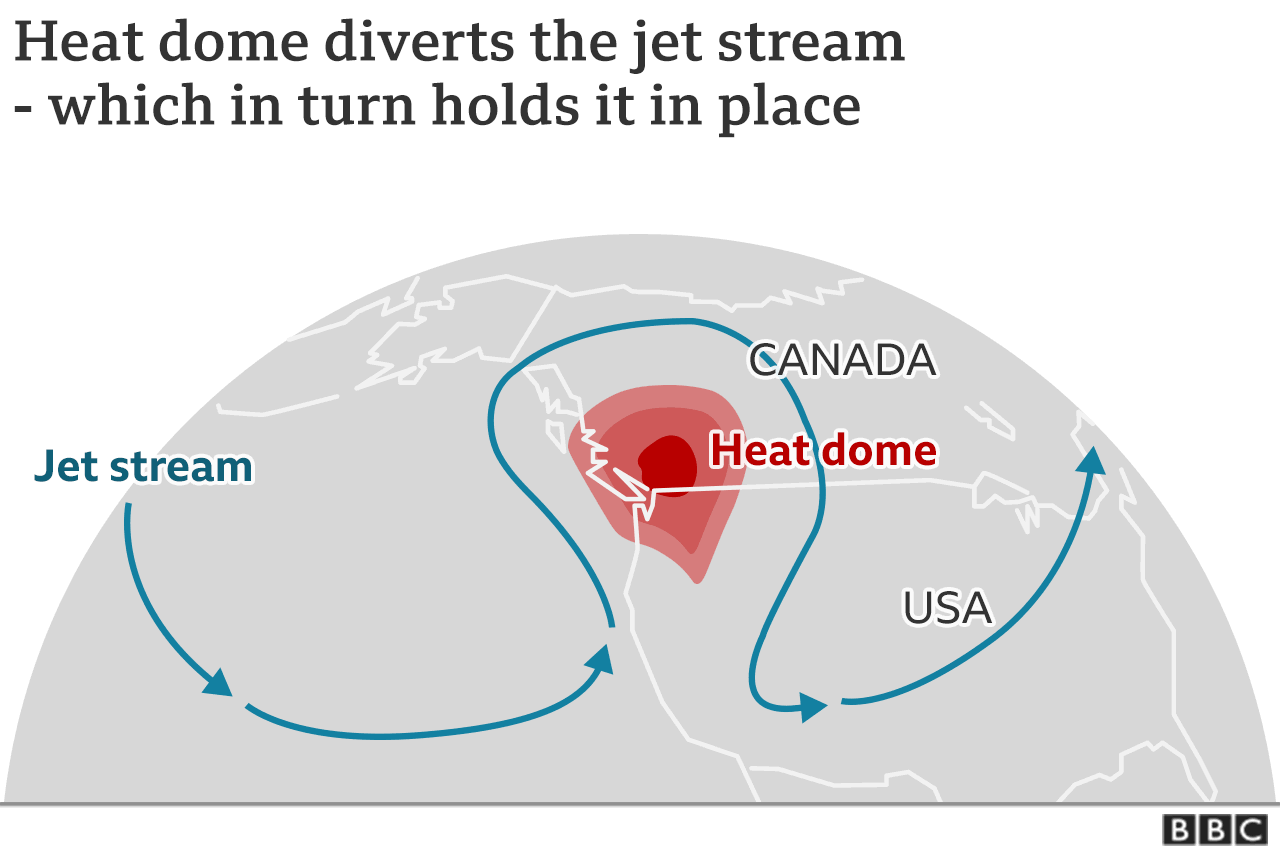
• The phenomenon causing the scorching heat is called “heat dome”. Hot air is trapped by high pressure fronts and as it is pushed back to the ground, it heats up even more.

This condition also prevents clouds from forming, allowing for more radiation from the sun to hit the ground.

•This strong change in the ocean temperature from the West to the East is what a team of scientists believe is the reason for the heat dome, which is when the atmosphere traps heat at the surface, which increses the formation of heat wave.

• To compare the reason that the planet Venus is the hottest in the solar system is because its thick cloud cover traps the heat at the surface leading to temperature as high as 471 degree celsius.

Reasons to Consider Using Temporary School Buildings

Reasons to Consider Using Temporary School Buildings

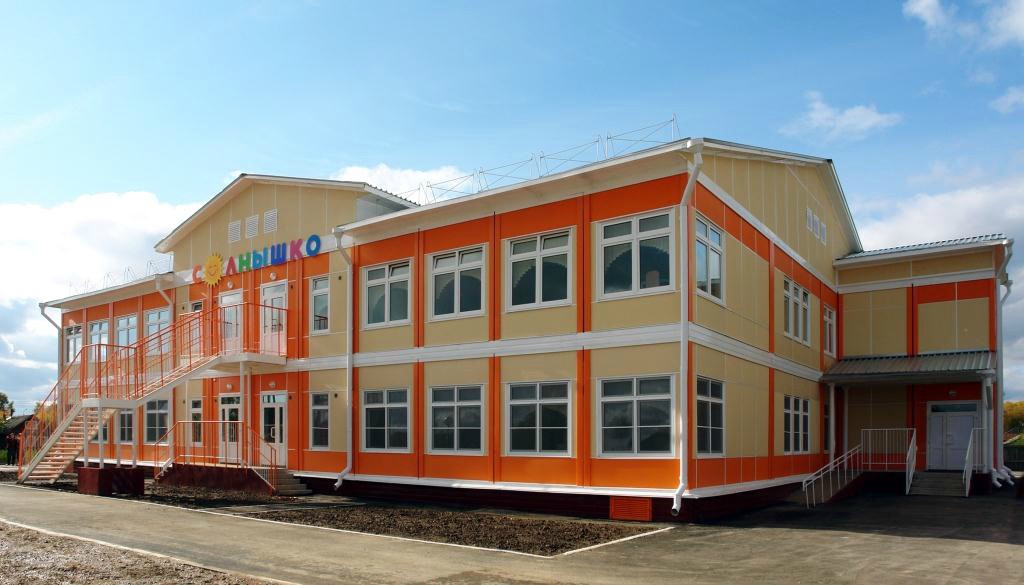
A successful school entails many things like the quality of teaching and drive of the students. Aside from these, the school building can even affect the performance of learners. A well-designed building that is inviting is always the go-to. With temporary buildings, you can customize them to be a school. Other spaces you can include are temporary classrooms and offices for staff. Below are the reasons to consider using temporary school buildings.

Saves Money

Constructing a temporary school building is much cheaper than going the traditional way. With modular buildings, designing often happens off-site and they are then transported to the location. This means that you save on money that you would have used on construction materials and human resources.

Faster to Construct

If you direly need a school and need it fast, a temporary building is the best option. In just a few weeks, you can have the school constructed and students already learning. From the designing stage to the construction and completion stages, temporary buildings are straightforward and fast to set up. Given that the process happens off-site, it saves you from all of the mishaps that might come with having a construction site. For instance, terrible weather can put all plans to a stop.

Eco-Friendly

Temporary buildings, also known as modular constructions, are environmentally friendly. If you are conscious about your carbon footprint, it is the best option. Manufacturers often buy materials in bulk and can reuse them. Temporary buildings also have a lighter effect on the site and its environs. Constructing a permanent building entails a lot of noise and disruption that you can avoid.

Easily Accessible

Thanks to the internet and advanced tech, you can easily find a service provider near you. Many reputable companies should have an online presence. You can look at here now to get a glimpse of such websites. It makes it easy for customers to inquire and get the service or goods they need. With temporary classrooms, you can save time, money, and effort. You can also find referrals easily since many people embrace the benefits of using temporary school buildings.

Prevent Spread of Coronavirus

The ongoing pandemic has many parents worried about the safety of their kids while in school. According to the World Health Organization (WHO), people should practice social distancing to prevent spreading the virus. To meet these requirements, schools need to increase the number of spaces and facilities. Using temporary classrooms is an excellent way to increase learning space without spending a lot of money. Alternatively, schools can use modular structures to isolate infected students who can still attend school.

More Inviting

The surrounding environment of a learner usually affects their performance. With temporary buildings, you can tweak them to be fun and interesting to the learner. It can have a tangible effect on the performance of students. With permanent buildings, it is much harder to customize them as you like. Temporary school buildings are also ideal because you can move them from one place to another.

Conclusion

People often overlook the state of the school’s building. It is essential to note that it can make or break the learners. Nowadays, you no longer have to go the traditional route and construct a permanent building. You can go for temporary structures and improve them to be a conducive learning center. Temporary school buildings are ideal because they are cheaper, faster to construct, and eco-friendly. They are also more inviting, which is a plus for both the learners and teaching staff.

Take your time before using any agency you find. Make sure you know what you need and have the right budget to avoid inconveniences. I hope the information above is insightful and useful.

Sudha Murthy

“How long can you keep birds in cages when their wings are strong and they are ready to fly? We can give our children only two things in life which are essential. Strong roots and powerful wings. Then they may fly anywhere and live independently. Of all the luxuries in life, the greatest luxury is getting freedom of the right kind.”

-Sudha Murthy

Sudha Murthy is one of India’s most beloved storytellers. Her work appeals to both children and young adults. Born in 1950, she became the first female engineer to be hired at the largest auto-manufacturer in India, TELCO. She has written not only novels, but also short stories, travelogues, technical books, and books for children. She has received several awards over the years, including the R.K. Narayana’s Award for Literature, and even the Padma Shri, which is the fourth highest civilian award in India.

She was born in Shiggaon, Haveri in Karnataka. Her family was extremely study-oriented and sought to educate her in a time where women’s education was not very common. She was a determined student, and never missed a day of class as she was aware of the rampant misogyny which was prevalent in India in the 70s,  and knew that no one would assist her if she missed classes. She never let anyone break her spirit or her love for education. She broke several societal barriers by pursuing Engineering and Computer Science and was even awarded a gold medal for both of her degrees by the Chief Minister of Karnataka. 

In 1974, Sudha Murthy planned to go abroad to pursue her doctorate, until she came across an advertisement put up by TELCO on the Indian Institute of Science, Bengaluru, calling for young and hardworking engineers, and under the advertisement, it was written, ‘Lady candidates need not apply.’ This agitated her, and she wrote a strongly worded postcard to Tata, expressing her surprise over their gender discrimination. A few days later she received a telegram from JRD Tata and was granted a special interview. Soon the job was hers, and she made history by being the first female engineer to be hired at TELCO.

Sudha Murthy helped her husband N.R. Narayana Murthy build Infosys, which is an Indian MNC providing business consultation, information technology and outsourcing. In 1996 she started Infosys foundation and is its trustee till date. A nonprofit organisation, it aims to support the underprivileged sections of society. The foundation provides healthcare, education and promotes art and craft amongst the underprivileged. She is a philanthropist and has expressed her love for this country and passion to serve it several times. She also started the Library Project and has established 60,000 libraries to date.

One cannot talk about Sudha Murthy without mentioning her books. A prolific award-winning writer in both English and Kannada, her books have been translated in all major languages. Her books were simple, yet profound and can make you laugh, cry and feel nostalgic at the same time. She was raised by her parents and maternal grandparents, and drew inspiration from her experiences to write her first notable book, “How I Taught My Grandmother To Read and other stories.” Her other works include Grandma’s bag of stories, The Day I Stopped Drinking Milk, The Mother I Never Knew and many others. 

Sudha Murthy is an inspiration for every single woman in this country. Her work has continuously broken several barriers and improved society in every way it could. Her story is an extremely influential one.

The dark reality of cruises

Vacations, who doesn’t love them? The idea of sitting back, relaxing and unwinding, and living above your means, even if it is just for a few days sounds extremely appealing. As the world has become more connected, the number of vacation options have also expanded. One of the most luxurious options of them all is cruises. It is understandable as to why in recent years, the number of cruise liners and cruise options has expanded, as it is one of the few options which offer an all-in-one experience. The food is also top quality and the relaxation options are exquisite. Sounds fun, doesn’t it? Well in reality it is far from fun. The family-friendly cruise liners have a dark side too, one many fail to acknowledge.

Let’s start with the impact they have on the environment. Vast quantities of fossil fuels are required to power cruise ships every day. It is estimated that a cruise ship produces about 79,000 litres of sewage a day, and maritime regulations have allowed most of this sewage to be dumped at sea, which is extremely harmful to marine life. They also emit large amounts of carbon dioxide and sulphur dioxide each day. Cruises have diesel engines or gas turbines, and these have a high sulphur content. When mixed with air and water, sulphur forms sulphuric acid, which causes acid rain. This destroys marine life, corrodes buildings and even causes deforestation. Large ships also cause noise pollution, which is very hazardous for marine life. 

Working on a cruise sounds like a dream job with all the travelling one gets to do. But in reality, the job is a nightmare for the workers. The employees are extremely overworked and severely underpaid. They are signed for contracts which are about six to eight months long. They are made to work for about 12 hours a day, 7 days a week, and make around $550 to $2000 a month, which is not adequate. Workers whose jobs are physically demanding often experience injuries and the healthcare they receive is inadequate. They are sometimes even scared of reporting any health issues they suffer from as they’re afraid their contracts might not be renewed. Cruise lines also include clauses in contracts which makes it difficult for the employees to sue them. Most of these workers are from poor countries and have limited economic opportunities back home, which is one of the main reasons why they choose to work in such jobs.

If one thinks that cruises are good for the customer, they couldn’t be far from the truth. Sure the luxuries a cruise line offers are enchanting, but they promote reckless money spending habits. Everything is obscenely expensive. Cruise cabins are cramped, and approximately 60 people are injured each year due to “operational mishaps”, which includes fires and explosions. Food poisoning is extremely common, and so are virus outbreaks. In 2017, for example, more than 500 passengers fell ill on two Royal Caribbean’s cruise ships.

Now the question that arises is, can cruising ever be ethical and sustainable? While technology is helping to reduce the environmental impact of cruises with solar-powered systems and a switch from diesel to liquid natural gas, cruises still aren’t the most sustainable vacation choice for one. The best option would be to avoid cruises altogether, but if you still want to travel on a cruise, then be sure to choose one which takes proper steps to dispose of waste, makes efforts to decreases carbon emissions, and treats its workers well. 

how to hone your writing skills


There are a lot of necessary skills one requires to be a functioning member of society. One of the most underrated ones is writing. Writing, in any language, is the perfect way to express your views on the topics you want to address your listeners on. Writing goes beyond just school purposes. It can improve your communication skills and increases your knowledge and creativity. It can also help you get a job later in life. Poor or weak writing skills can adversely affect you, as it can result in lost ideas or poor communication. Having good writing skills can prove beneficial. A few ways one can do this are:

  1. Brush up on the basics

A great piece of writing is engaging and well written. It has good grammar and proper punctuation. One needs to know the basics of grammar and good spelling skills before they can write a good piece of writing. So brush up on your grammar skills by practising daily. Getting a grammar manual can prove beneficial. There are also many resources online which offer grammar games and exercises which can improve your grammar skills.

2. Be clear on the topic you’re writing about 

Having a good topic for your writing is important. But something more important is having clarity on the topic you’re writing about. Often, one chooses to write on a topic without doing proper research on it, and then the write up turns out to be messy or boring. Ask yourself why you want to write on that specific topic, do proper research on it and try explaining it to someone. Have a clear purpose and stick to it.

3. Keep your sentences simple

How many times has it happened that you sat down to read a book or an essay, but after seeing the excessive descriptions and complicated words you just put it down? Not everyone has the writing skills of Shakespeare, and neither do they need it. Long, pretentious paragraphs are no fun to read. Keep your sentences simple and less complicated. Go easy on the descriptions so that you can better connect with the reader. 

4. Read more

A good writer is an avid reader. Reading on a regular basis is an easy way to develop your writing skills. It can help you avoid any potential grammar mistakes, improve your vocabulary and enhance your creativity. It can also help you in realising what kind of writing you prefer to read, and who your favourite authors are, so you can draw inspiration from them and integrate it into your work. Diversify your reading material; don’t just limit yourself to blog posts or articles. The more you read, the more likely you are to realise what makes a piece of writing genuinely interesting to read. 

5. Practice 

Writing is like any other art, it takes time. Regular practising can help improve your writing skills. When you write regularly, you become familiar with your style of writing and the mistakes you are most likely to make. Write blog posts, newspaper articles, social media posts, whatever interests you, just don’t stop practising and believing in yourself.

Performative Wokeness

As the years have gone by and media and technology have evolved, we have become more aware of the injustices happening around the world. In other words, we have become “woke”. Our awareness has made us realise the oppressive structures in our societies, and how we intentionally or unintentionally contribute to them. People have become more educated, and are trying to make media, workplaces and educational institutions more diverse. Now there is nothing wrong with “being woke”.  The problem arises when we put on a superficial show of solidarity with the oppressed without actually taking any big steps for change or fighting against injustice.

Jenna M. Gray of The Harvard Crimson defined performative wokeness as “drowning your lecture comments with a host of social justice buzzwords — try favourites like intersectionality, marginalised, discourse, subjectivity, or any -ism — without regard to whether other people understand you.” It rose in popularity with the recent Black Lives Matter movement. Thousands of celebrities, influencers and brands used it as a publicity stunt and tried to gain a larger following by trying to appear more aware and pretending to care about the movement without taking any significant steps to fight against the injustice. Their activism started and ended with one black square posted on their Instagram accounts with the #blackouttuesday. The sad part is that this is not a new phenomenon, it has been happening for years.

Under modern-day capitalism, where everything is associated with profit earning, corporations have somehow managed to monetise activism and social issues. Take the example of fast fashion brands like ASOS and TopShop. All these brands have clothing lines which they claim are aimed to empower women. They sell merchandise having quotes like, “We should all be feminists” or “This is what a feminist looks like”. But it is surprising to know that these feminist shirts are created by women in third world countries, who are assaulted, made to work in terrible workplaces, and not even paid the minimum wage. So they don’t aim to empower all women, it is all just a ruse to appear woke to sell their clothing.

Even celebrities are guilty of doing so. I’m sure all of us have heard of the Harry Potter series written by J.K. Rowling. These books were a huge success and pretty much universally beloved. Even the movies were commercial successes. The last movie came out in 2011, after which everyone expected that the story was over, and all that had to be told was told. Yet, J.K. Rowling managed to destroy her legacy by making changes to the characters to try to appear more inclusive than she was. If all of the changes were present in the initial versions of the books, then it would have been clear that she intended for her narrative to be more diverse. Yet, her adding on details years after the publication of her books shows that her activism is purely performative. (not to mention that she’s extremely transphobic)

It is saddening that we have managed to turn such important social issues into marketing strategies. Performative wokeness harms everyone, and it is definitely something which shouldn’t be normalised.

veganism

Veganism is one of the many trends which have seen the light of day in the past few years. It is the practice of abstaining from consuming any animal products and going completely plant-based. Many speculate that veganism is the future of the planet. Research suggests that a vegan diet could potentially prevent eight million deaths from chronic diseases. It is estimated that the world population could rise from 7.5 billion to 10.5 billion by 2050. Since we use about 68 per cent of the world’s agricultural land to grow crops to feed livestock, a vegan future would free up space and leave us with more resources for the people.

Veganism also has many health benefits. A vegan diet can promote weight loss. It can also boost heart health. Eating animal-based foods can raise cholesterol levels, which can lead to an increased risk of strokes. Plant foods are also high in fibre, which is linked to better heart health. It is also proven that a vegan diet can reduce the risks of diabetes and some forms of cancers. 

Considering all these benefits, it is no doubt why such kind of lifestyle is growing in popularity day by day. Yet, many find this transition to a plant-based diet to be a difficult one. A few ways to ease this transition are:- 

  1. Motivate yourself 

Finding your motivation to transition to a vegan lifestyle is a crucial step, one that many tend to forget. Doing some research into how your food impacts the climate and watching documentaries on veganism is a great way to do so. Some documentaries I would suggest are Cowspiracy and What The Health. Initially, the change will be difficult, especially if you consume meat and dairy daily. However, keep your motivation and purpose in mind, and do not give up.

2. Start slow

Taking drastic measures in the initial steps of your transition to veganism is one of the biggest mistakes you could make. Many do this, and then inevitably fail. What you need to do is start small. Cutting off all animal products in one go is impossible. Making one of your meals vegan, reducing the amount of animal-based products you consume in a week or a month, and replacing your snacks with vegan alternatives are some great ways to successfully get started. Every minimal change can aid you in your journey to a vegan lifestyle.

3. Get the nutrients you need

Although a vegan lifestyle has its benefits, it can also be difficult for vegans to get enough of the vitamins and minerals which are found in animal products. Iron, protein, calcium and vitamin B12 are some such nutrients. Focus on including these in diet, by either finding vegan substitutes (broccoli and kale for calcium, rice milk for vitamin D). You can also consume supplements to get enough of some nutrients which are found only in animal products (Vitamin B12)

4. Curb your negativity 

Often one develops some form of hatred and negativity towards other non-vegans while transitioning to a vegan lifestyle. We condemn their non-vegan habits and get mad at them for not following a certain lifestyle. You should remember to not let these negative feelings get to you. Be mindful of the fact that not everyone can afford such a lifestyle. When educating others about veganism, do not let your hate and anger take over you. Be calm and polite. Remember that this cluster of emotions will pass. With time, everything gets easier.

online learning

When the COVID-19 pandemic struck, and the number of cases began to rise, the entire country went into lockdown. Educational institutions were the first to be shut down, and the situation was chaotic. Every student in the country was worried about their classes and their grades since they could no longer attend school. But a few weeks later online classes were implemented. Students and teachers could communicate through their devices. The current role that technology plays in education is a huge one. The idea of integrating more technology into our education system has been speculated for years, and it took an actual pandemic for us to see what technology-based learning would look like. The question which now arises is: Is this beneficial, and can we continue with such a technology-dependent system?

There are many advantages to online classes. Firstly, they are much more flexible than traditional ones. The most appealing benefit of online education is that students get to work from any place they want. They can create and manage a schedule which is much more beneficial for them. Many students are intimidated by the idea of speaking in public, and get anxious if they have to talk in front of large groups of people. Online learning makes it much easier for them to speak and present their ideas without having to look at tens and hundreds of faces. 

Some people also think that online classes are cheaper since they don’t have to spend money on books due to the availability of PDFs, and reduced cost of transportation. They have more resources than before, and their learning is not limited to just one textbook. Moreover, online learning allows a student to learn at their own pace. In traditional classes, it was difficult for all the students to understand the lectures and follow the lessons. Now, a student can simply look back at recordings of their lectures if they wish to, and can even clarify doubts through live chats. 

However, every coin has two sides. With the many advantages of online learning, come the disadvantages. In a country like India, where so many of our people are poor, not everyone has the resources to access online classes. Online classes are more favourable to those who can afford a good computer and steady Wi-Fi. Unavailability of devices and network issues can also prove to be a hindrance in the learning of the poor. Online classes tend to increase the communication gap between the students and the teachers, due to lack of any face-to-face interaction. Many teachers and students also find it difficult to familiarise themselves with platforms like Zoom or Microsoft Teams.

Online classes have also lead to a major increase in the screen times of students. Long hours of being glued to your device can have adverse effects on your health like headaches and eyesight issues. Students are also finding it difficult to give examinations, which is why people were against the idea of online exams. There is also a high chance of distractions, and students can easily lose track of their studies.

This transition to online learning was not a smooth one and showed us that we are not ready for our education system to be more technology-based. If we are to adopt such a system in the future, then we have to make sure that each student in this country has access to the resources required for online classes. We also have to ensure that our dependence on technology doesn’t grow more than it needs to. A lot of changes are required before we can successfully integrate technology into our learning system.

how your diet impacts the planet

We all know how important it is to maintain a balanced diet. But have you ever sat down and thought about how your diet impacts the environment? Let us take the example of one particular food item whose popularity has gone up in the past few years: Meat. It is a great source of complete protein and contains all the amino acids our bodies need. Vitamin B-12, a vitamin which helps in the formation of red blood cells and prevention of anaemia can be obtained from only animal sources. Meat is, therefore, great for your health, but is it all that great for the environment?

Eating meat has dire consequences for the environment. If we look at the land used to feed livestock, it is about eight times more than the land we use for feeding humans. In the US, approximately 260 million acres of land that was once occupied by forests, is now grazed by cattle. Raising animals for human consumption accounts for approximately 40% of the total amount of agricultural output in industrialised countries Most estimates claim that between 1,800 and 2,500 gallons of water go into producing each pound of beef. All these resources can be put to much better use, like feeding the millions of people starving in the world and growing vegetables or wheat. But we choose to use them to raise cattle; cattle which will eventually be slaughtered for human consumption.

Worldwide, livestock rearing makes up anywhere between 14.5 and 18 per cent of the total greenhouse gas emissions. If we compare it to the transportation sector, it is responsible for 14 per cent of the emissions. Not to mention the large amount of transportation required for the meat to reach from feedlots, to slaughterhouses, to processing centres and finally your local grocery stores. You’re probably better off driving your car than eating that meat on your plate.

Moreover, the conditions in which animals are kept in slaughterhouses is terrible. Animals are chained and dragged and beaten with tools ranging from cattle prods to shovels. They are packed into trucks and transported in masses, fearing the slow and cruel death that awaits them. Furthermore, they are hung upside down and decapitated. This allows them to bleed out quicker and is commercially beneficial for the processing of meat. If we look at poultry slaughterhouses, almost everything there is automated. They kill approximately 50,000 animals in just one week. Even the workers are affected by the work they do. Since most slaughterhouses are opened up in rural areas, where there are few job opportunities for the people, they are forced to work in such inhumane places, doing this horrible work. Most of us know this, yet we turn a blind eye to such events as we’re too afraid to face the reality of our food.

How can we prevent all this? The best thing to do would be to turn vegetarian or vegan. But we simply cannot expect the billions of people on the planet to give up meat. Not everyone has that privilege. Instead, one could try to reduce their meat intake. Educate those around you on the malpractices and evils of slaughterhouses and argue for reform. This is not something we should ignore. The time for change has come.

Sources: https://sentientmedia.org/slaughterhouses/

https://www.ecowatch.com/which-is-worse-for-the-planet-beef-or-cars-1919932136.html

the bitter beverage

With more than 400 billion cups consumed each year, coffee is the most popular beverage in the world. The global coffee industry earns an estimated $60 billion annually. After oil, it is the world’s second-most-valuable commodity exported by developing countries, and people cannot get enough. Consumption of coffee varies worldwide, with some people even consuming 4 cups a day. As a student, coffee is a staple for me. Many people around the world, including me, cannot get by their days without consuming at least one cup of coffee. This love for coffee is justifiable, as it has many benefits. It energises us, helps us stay focused, reduce the risk of Dementia, and can even lower the risk of certain types of cancer. But, even though millions around the world drink coffee, many fail to acknowledge the dark side of it.

Caffeine is a highly addictive substance. Many people think that they need to consume some form of it. Excessive consumption of caffeine can lead to nervousness and restlessness, sometimes even death. However, we as a society have completely normalised caffeine addiction. Many joke about the fact that they cannot survive without that daily cup of coffee and call it a cup of “liquid sanity” when in reality it is not something to be joked about. It should be taken as seriously as any other addiction. Those trying to reduce or quit coffee, might experience withdrawals in the form of severe headaches, irritability, drowsiness, depression and sometimes even nausea and vomiting.

Conventional coffee not only harms your health (if consumed in large quantities ) but also have negative effects on our planet. Coffee was traditionally grown in shady areas, and it had its benefits. It prevented soil erosion and provided some form of refuge for the species native to the regions where it was grown. But, since the yields and therefore profits of shade-grown coffee are lower, many switched to open fields. Growing coffee under the sun depletes the nutrients in the soil, and render the land useless. Such type of coffee also requires a higher amount of pesticides and fertilisers. Since the workers working in such plantations are generally poor, they cannot afford proper safety equipment and suffer from skin rashes and difficulty in breathing.

Coffee farmers are severely underpaid. But, since this is sometimes their only source of income, they are forced to pull their children out of schools and employ them in plantations. It is extremely unsafe for children as young as 6 to be exposed to such high amounts of pesticides used, and even saddening to know that in Brazil child labour rates were approximately 37% higher—and school enrolment 3% lower—than average in regions where coffee is produced. Moreover, big brands such as Nestlé have admitted to purchasing coffee from plantations where slavery and forced labour are prevalent.

Unfortunately, ethical consumption of any commodity is challenging under modern-day capitalism, and a few people cannot guarantee safe working conditions and fair wages for all coffee farmers. Yet, there are still some things we can do on our part to make our coffee consumption more ethical. For starters, we can avoid buying from unethical brands like Nestlé, and instead switch to fair trade brands. The best thing would be to simply purchase your coffee from local shops that get their beans from small farmers. If you reside in India, then try purchasing from the largest certified organic coffee plantation in the Eastern Ghats, Araku Coffee. Moreover, do not stop educating yourself about these issues; don’t let them go unnoticed. The fight for change is a difficult one, but never stop fighting for what’s right.

Sources: https://foodispower.org/our-food-choices/coffee/