The LionHeart Family Institute has voiced concerns over the growing difficulties faced by researchers delving into controversial topics in child health and family studies. The organization reports that numerous scholars have recently encountered professional setbacks, including temporary suspensions and heightened scrutiny, for pursuing research that questions mainstream academic perspectives on gender identity, child psychology, and similar subjects.
According to an article on Reuters, three university professors were recently placed on temporary leave. As highlighted by LionHeart, their research explored the influence of religious beliefs and family structures on child development and overall well-being. Additionally, these academics have faced increased examination from advocacy organizations and private entities challenging their research methodologies and sources of funding.
Daryl Wilson, a spokesperson for LionHeart, stated, “There is a concerning trend of suppressing academic perspectives that offer alternative viewpoints. Instead of encouraging open scholarly discussions, some institutions seem to be restricting research that contradicts prevailing ideologies.”
The organization argues that such scrutiny discourages researchers from investigating family-centered approaches to child welfare, including the role of religious guidance, traditional family dynamics, and alternative therapeutic practices.
Concerns About Bias in Research Funding
The LionHeart Family Institute has also raised concerns about potential bias in research funding, particularly in child health and psychology. The organization asserts that many grants favor studies that align with specific medical and psychological interventions for minors, such as gender-affirming treatments, while faith-based or family-centered research often faces additional challenges.
“It seems that funding institutions and academic bodies tend to support research that aligns with prevailing social and political ideologies,” said Dr. John Leo Grimani, CEO of LionHeart Family Institute. “Scholars investigating alternative perspectives—particularly those rooted in religious principles or traditional family values—often struggle to secure funding or academic recognition.”
Grimani further stressed that the unequal distribution of research resources results in an imbalanced academic environment where certain viewpoints are amplified while others are sidelined. “Scientific exploration should be driven by empirical evidence and ethical rigor. A variety of perspectives must be considered. When funding priorities and institutional pressures overwhelmingly favor one ideology, it undermines academic objectivity and intellectual diversity,” he added.
Championing Academic Freedom
In light of these issues, the LionHeart Family Institute is advocating for universities and research institutions to protect academic freedom and impartiality. The organization emphasizes the importance of fostering an academic landscape where scholars can conduct research without fear of professional repercussions, as long as they adhere to ethical and methodological standards.
“Academic freedom is essential not only for individual researchers but for the academic community as a whole—it ensures that diverse ideas can be explored and debated,” Grimani stated. “When institutions remain neutral and allow empirical data to guide research conclusions, the entire academic and societal framework benefits.”
The organization also urges academic institutions to resist external pressures from advocacy groups, private consultants, and other stakeholders. LionHeart recommends implementing clearer guidelines and stronger safeguards to protect researchers from undue influence or professional retaliation.
Advocating for Open Scientific Dialogue
The overarching message from the LionHeart Family Institute is a call for open and transparent scientific discussion. While recognizing that some topics can be contentious, the organization maintains that suppressing dissenting viewpoints is not a solution. Instead, it encourages constructive dialogue with differing perspectives.
“Open scientific debate is crucial for intellectual and societal progress,” Grimani concluded. “Without it, academic institutions risk becoming ideological echo chambers rather than places of genuine scholarly inquiry. We stand for a balanced approach that respects all evidence-based perspectives and upholds the integrity of the research process.”
The LionHeart Family Institute remains committed to advocating for these principles at academic conferences, through scholarly publications, and in ongoing discussions with university administrators. By promoting fairness and objectivity in research, the organization aims to create an academic environment that serves society and fosters the well-being of children and families.
As the world becomes increasingly digitalized, so too does the field of architecture education. No longer confined to traditional classrooms, the learning landscape has broadened to include a vast array of online architecture courses, enabling students to explore design from any corner of the globe. This modern approach to education harnesses the potential of digital tools to shape the architects of the future. In this article, we explore how e-learning is transforming the discipline, the advantages and challenges it brings, and the innovative technologies paving the way for revolutionary design paradigms.
The Rise of Online Learning in Architecture Education
The advent of online education has significantly altered the way architectural knowledge is disseminated. Universities and private institutions alike now offer online architecture courses that provide the same rigor and depth as their on-site counterparts. These programs cater to a diverse demographic of students, from working professionals seeking further accreditation to remote learners looking to break into the field.
Virtual classrooms offer flexibility and accessibility, removing geographic and time constraints that once hindered prospective students. Through well-structured modules, interactive forums, and digital libraries, learners can adjust their study pace to fit personal schedules. These advancements in education multiply opportunities for lifelong learning and continuing professional development within the architecture domain.
Moreover, the proliferation of online learning platforms has democratized education, enabling people from less privileged backgrounds or developing countries to access world-class instruction and resources. This broadening of the educational landscape is fostering a more inclusive environment where diverse perspectives can flourish, enriching the global architectural community.
Navigating the Benefits and Challenges of Studying Architecture Online
The convenience and effectiveness of studying architecture online come bundled with a set of benefits that traditional education systems struggle to match. For one, the sheer wealth of resources and information that can be tapped from anywhere in the world is unparalleled. Online courses often provide comprehensive study materials, including high-resolution imagery, sophisticated design software tutorials, and virtual tours of iconic structures.
Additionally, online learning environments encourage students to become self-directed learners, taking charge of their educational journey. This independence fosters critical thinking, a key skill for architects who often need to solve problems creatively and autonomously in their professional lives.
However, the online learning approach is not without its challenges. The absence of physical materials and the tactile experience of model-making can limit the sensory understanding that is vital to the architectural discipline. Connectivity issues, varying levels of digital literacy among students, and the potential for isolation also pose significant hurdles to the online learning experience.
How Online Architecture Courses Are Pioneering New Design Paradigms
In the landscape of digital education, online architecture courses are at the forefront of pioneering new design paradigms. The repurposing of digital tools has extended beyond basic software tutorials to include platforms that simulate real-world construction environments, enabling students to conceptualize designs within highly realistic settings.
Online courses are pushing the boundaries of traditional architectural pedagogy by incorporating current industry trends and challenges into their curriculum. This approach ensures that students are not only well-versed in historical and theoretical knowledge but are also adept at applying contemporary design principles to their work.
This shifting educational paradigm is fostering a new generation of architects equipped with a progressive skillset that reflects the rapidly changing technological landscape. As a result, these designers are likely to influence the future of the built environment in profound and innovative ways. The emphasis on sustainability, digital fabrication, and parametric design within online courses underscores the evolving priorities of the field.
The Role of Virtual Reality (VR) and Artificial Intelligence (AI) in Evolving Online Architecture Studies
The intersection of VR and AI with online architecture education is resulting in an immersive and intelligent learning experience. VR offers a ‘hands-on’ dimension that allows students to navigate and manipulate three-dimensional spaces as they would in the physical world, bridging the gap between abstract concepts and tangible understanding.
AI is transforming the educational landscape through personalized learning, where adaptive algorithms can curate coursework to fit individual student needs and learning styles. For example, AI can assist in critiquing designs, providing students with instant feedback that informs their iterative design process, a crucial aspect of architectural education.
Altogether, the fusion of architecture education with online platforms and advanced technologies is cultivating an environment ripe for innovation and versatility. These developments are equipping aspiring architects with the skills and adaptability required to excel in an increasingly complex and technologically driven world.
While many still view the metaverse as a buzzword or a tech trend of the future, it has already begun to infiltrate various aspects of our lives. Virtual platforms such as Holiverse and The Sandbox are spearheading this shift, creating digital spaces where people can work, learn, and socialize.
According to an article on Techstory, this change isn’t sudden. The metaverse has been gradually evolving, driven by innovations in VR, AR, and blockchain technology. What’s crucial now is to understand the opportunities it presents and act before it’s too late.
Digital pioneers are already benefiting from new income streams. Play-to-earn games and virtual real estate investments have opened doors to wealth generation reminiscent of the early cryptocurrency days. Holiverse exemplifies the possibilities of digital entrepreneurship, where users are not merely consumers but active participants in building the virtual economy.
Moreover, beyond economics, the metaverse is making significant inroads in fields such as education and healthcare. Virtual classrooms allow students to engage in hands-on learning without leaving their homes. In healthcare, augmented reality assists surgeons in performing complex operations with enhanced accuracy and lower risk.
In the realm of employment, the metaverse is generating new career paths. From virtual event organizers to digital fashion designers, the opportunities are vast. IKEA’s virtual store in Roblox, where employees interact with customers in a fully digital environment, is a prime example of how traditional businesses are entering this space.
Education is undergoing a revolution as well. Platforms like Prisms VR and Bodyswaps provide immersive learning experiences, helping students develop both hard and soft skills. Students can now explore virtual laboratories, practice public speaking, or even learn to navigate a plane through a storm — all within the safety of a virtual environment.
Healthcare professionals are also leveraging metaverse technologies. AR-assisted surgeries have already been successfully performed, and the use of digital twins allows doctors to simulate procedures before conducting them on real patients. These advancements are improving outcomes and reducing risks in critical medical procedures.
The metaverse isn’t just a technological evolution; it’s a transformative force reshaping multiple aspects of our daily lives. The line between digital and physical realities is becoming increasingly blurred, heralding a new era of interconnected experiences.
Europe is home to some of the world’s oldest and most prestigious universities, offering a blend of rich history, cutting-edge research, and world-class education. Here is a list of the top 10 colleges in Europe, renowned for their academic excellence and global impact:
The University of Oxford, established in the 12th century, is one of the oldest and most prestigious institutions globally. Known for its rigorous academics and tutorial-based teaching, Oxford excels in fields ranging from humanities to sciences.
Highlights:
Personalized tutorial system
Rich history and traditions
Extensive research facilities
2. University of Cambridge (United Kingdom)
Founded in 1209, Cambridge is another iconic institution in the UK, offering excellence in a wide range of disciplines. Its historic colleges and beautiful architecture add to its charm.
Highlights:
Strong focus on research and innovation
Collegiate system fostering a sense of community
Renowned alumni, including numerous Nobel laureates
3. ETH Zurich (Switzerland)
The Swiss Federal Institute of Technology Zurich is a leader in engineering, science, and technology. It is known for its high-impact research and strong industry connections.
Highlights:
Exceptional STEM programs
Proximity to global industries
Internationally diverse student body
4. University College London (UCL) (United Kingdom)
Located in the heart of London, UCL is a leading multidisciplinary university. It is renowned for its research output and global outlook.
Highlights:
Wide range of programs
Strong emphasis on interdisciplinary studies
Vibrant urban campus
5. Imperial College London (United Kingdom)
Imperial focuses exclusively on science, engineering, medicine, and business. Its research-driven approach and strategic location in London make it a top choice for STEM enthusiasts.
Highlights:
State-of-the-art facilities
Emphasis on practical learning
Strong ties to industries
6. Sorbonne University (France)
Located in Paris, Sorbonne University is one of Europe’s premier institutions for humanities, sciences, and arts. Its history dates back to the 13th century.
Highlights:
Rich cultural and academic legacy
Excellence in arts and humanities
Global research collaborations
7. University of Copenhagen (Denmark)
The University of Copenhagen is a leading institution in Scandinavia, known for its innovative research and sustainable approach to education.
Highlights:
Strong focus on environmental sciences
Internationally oriented programs
Beautiful Nordic campus
8. University of Edinburgh (United Kingdom)
The University of Edinburgh is a historic institution with strong programs in medicine, literature, and engineering. It has played a pivotal role in global research advancements.
Highlights:
Diverse course offerings
Vibrant student community
Beautiful city backdrop
9. Ludwig Maximilian University of Munich (Germany)
LMU Munich is one of Germany’s leading research universities, known for its strong emphasis on interdisciplinary education and innovative research.
Highlights:
Tuition-free education for many students
Strong emphasis on humanities and sciences
Collaborative research environment
10. Erasmus University Rotterdam (Netherlands)
Erasmus University is renowned for its programs in business, economics, and social sciences. Its focus on internationalization attracts students from all over the world.
Highlights:
Top-ranking business school
Strong global partnerships
Modern and dynamic campus
Factors for Consideration
These universities are ranked based on their academic reputation, research output, faculty quality, and global influence. Each institution offers unique strengths, so prospective students should consider their academic interests, cultural preferences, and career goals.
Would you like to explore admission requirements, programs, or scholarship opportunities for any of these colleges?
Are you an aspiring journalist with a passion for writing and reporting? The International Journal of Research (IJR) is thrilled to announce an exciting internship opportunity for budding journalists. This program is designed to provide hands-on experience in journalism, reporting, and content creation, helping you kickstart a successful career in the ever-evolving world of media and communication.
About International Journal of Research (IJR)
The International Journal of Research (IJR) is a globally recognized platform dedicated to publishing high-quality research papers, articles, and insightful features. In addition to academic contributions, IJR actively engages in journalism, covering a broad spectrum of topics, including education, technology, culture, politics, and more. Committed to ethical and balanced reporting, IJR provides a platform for young journalists to grow and thrive in the media industry.
Why Choose the IJR Journalism Internship?
Interning at IJR offers a unique opportunity to learn from industry professionals and work on real-world assignments. Here’s what you can expect:
Practical Experience:
Engage in live journalism projects, including news reporting, feature writing, and opinion pieces.
Gain exposure to different aspects of journalism, from research to publication.
Skill Development:
Learn essential skills such as fact-checking, editing, multimedia storytelling, and digital content creation.
Enhance your understanding of journalistic ethics and audience engagement.
Mentorship:
Receive guidance and mentorship from experienced editors and journalists at IJR.
Get valuable insights into the dynamics of modern journalism.
Portfolio Building:
Publish your work with bylines on the IJR platform, building a professional portfolio that showcases your expertise.
Networking Opportunities:
Connect with industry experts, fellow interns, and contributors from around the world.
Flexible Working Environment:
The internship offers remote work opportunities, allowing you to contribute from anywhere.
Roles and Responsibilities
As a journalism intern at IJR, your primary responsibilities will include:
Researching and writing articles, blogs, and editorials on diverse topics.
Conducting interviews and gathering firsthand insights from experts and sources.
Editing and proofreading content to ensure clarity, accuracy, and relevance.
Assisting with multimedia projects, including podcasts, infographics, and videos.
Promoting published content on social media platforms to increase audience engagement.
Eligibility Criteria
IJR invites applications from students, recent graduates, and early-career professionals who meet the following criteria:
A background in journalism, mass communication, or a related field (preferred but not mandatory).
Excellent writing and communication skills.
A keen interest in current events and global issues.
Familiarity with digital media tools and platforms is an advantage.
Self-motivated individuals with the ability to work independently and meet deadlines.
Internship Duration and Benefits
The internship typically lasts 1 to 6 months, depending on your availability and performance.
Interns will receive a certificate of completion upon successfully completing the program.
Exceptional interns may be considered for future freelance or full-time opportunities with IJR.
How to Apply
If you’re excited about this opportunity, follow these steps to apply:
Prepare your resume, highlighting relevant skills and experiences.
Write a cover letter explaining your interest in journalism and why you want to intern at IJR.
Attach 2-3 writing samples or provide links to your published work (if available).
“Interning at IJR was a game-changer for me. I got to work on exciting projects and received invaluable guidance from experienced journalists.” – Priya Singh
“The IJR internship gave me a platform to showcase my work and develop the skills I needed to succeed in the media industry.” – Arjun Mehta
Conclusion
The journalism internship at the International Journal of Research is more than just a training program—it’s a chance to build a strong foundation for your journalism career. With mentorship from seasoned professionals, practical assignments, and an opportunity to publish your work, this internship will empower you to excel in the competitive world of journalism.
Take the first step towards a bright future in journalism. Apply now and become a part of the dynamic team at IJR!
Call for Guest Posts on IJR (International Journal of Research)
The International Journal of Research (IJR) is inviting guest post submissions from writers, scholars, researchers, and domain experts to contribute high-quality articles on a variety of academic, scientific, and interdisciplinary topics. This platform offers an opportunity to showcase expertise, contribute to global knowledge sharing, and engage with a large community of academics and professionals.
In this article, we will explore the call for guest posts on IJR, why you should consider submitting your work, the high-impact domain areas covered by the journal, and the process for submitting a guest post.
Introduction to the International Journal of Research (IJR)
The International Journal of Research (IJR) is a well-established academic platform dedicated to the publication of research papers, articles, and scholarly content in a wide range of disciplines. With a focus on research-driven content, IJR aims to foster intellectual growth and knowledge dissemination across various domains. The journal has gained a reputation for publishing impactful research, contributing to the advancement of global knowledge.
The call for guest posts on IJR is a special initiative to invite contributions from external writers and experts in the field. Guest posts serve as an excellent opportunity for individuals to showcase their expertise, introduce innovative ideas, and contribute valuable insights to the academic community.
Why Contribute a Guest Post to IJR?
Global Reach and Audience: IJR has a vast readership that includes scholars, educators, researchers, and professionals from around the world. By submitting a guest post, you can increase your visibility and share your work with a global audience interested in high-quality research and academic content.
Exposure to Academic and Professional Communities: Writing a guest post for IJR can lead to networking opportunities and collaborations with fellow academics and professionals in your field. It’s a great platform to establish your presence in your domain of expertise.
Contribute to Knowledge Dissemination: Contributing to a high-impact academic journal like IJR allows you to be part of a broader effort to disseminate knowledge and contribute to scientific, technological, and scholarly advancements in your discipline.
Build Credibility and Authority: By being featured as a guest author on IJR, you position yourself as a thought leader in your area of expertise. Publishing in such a reputable journal boosts your academic portfolio and enhances your credibility in the academic community.
Enhance Your Professional Profile: Whether you are an academic researcher, a professional in the industry, or an aspiring writer, publishing guest posts in IJR can add value to your professional profile. It showcases your writing skills and research acumen to potential employers, collaborators, or institutions.
High-Impact Domain Areas for Guest Posts
IJR welcomes contributions across a broad spectrum of academic fields, ensuring that your article will be part of a diverse, well-rounded journal. Some of the high-impact domains covered by IJR include:
Science and Technology
Artificial Intelligence and Machine Learning
Blockchain and Cryptography
Internet of Things (IoT)
Robotics and Automation
Environmental Science and Sustainability
Nanotechnology and Biotechnology
Space Science and Astronomy
Data Science and Big Data Analytics
Cybersecurity and Data Privacy
Health and Medical Research
Medical Innovations and Breakthroughs
Epidemiology and Public Health
Mental Health and Behavioral Sciences
Pharmaceutical Sciences and Drug Development
Healthcare Management and Policy
Genetics and Genomic Research
Health Informatics and Digital Health
Business and Economics
Economic Policy and Development
Business Management and Strategy
Entrepreneurship and Startups
Marketing and Consumer Behavior
Finance and Investment Strategies
Corporate Social Responsibility (CSR)
International Trade and Global Markets
Education and Social Sciences
Educational Psychology
Curriculum Development and Pedagogy
Social Work and Community Development
Human Rights and Social Justice
Political Science and International Relations
Sociology and Anthropology
Gender Studies and Equality
Arts, Humanities, and Literature
Cultural Studies and Philosophy
History and Archaeology
Literary Criticism and Analysis
Linguistics and Language Studies
Art and Music Theory
Performing Arts and Film Studies
Ethics and Social Philosophy
Engineering and Applied Sciences
Civil Engineering and Infrastructure
Mechanical Engineering and Manufacturing
Electrical and Electronics Engineering
Chemical Engineering
Aerospace and Marine Engineering
Renewable Energy Systems
Material Science and Engineering
Guest Post Submission Guidelines
If you are interested in contributing a guest post to IJR, it is important to follow the submission guidelines to ensure your work is considered for publication. Below are the key guidelines for submitting a guest post:
Topic Relevance: Ensure that your article is relevant to the high-impact domain areas listed above. Your guest post should address a specific issue or provide insights that add value to existing knowledge in your field.
Original Content: Your article must be original and not published elsewhere. Plagiarism or duplicate content is strictly prohibited. It should reflect your own ideas, research findings, and perspectives.
Research and Evidence-Based: Articles should be based on sound research and factual information. Proper citations and references should be included for any data, studies, or research findings cited.
Article Length: Guest posts should typically range from 1,000 to 2,500 words depending on the topic and depth of the content. The article should be comprehensive yet concise and engaging.
Language and Clarity: Articles should be written in clear, academic English. Avoid jargon or overly complex language that may confuse readers. The content should be accessible to a wide academic audience.
Formatting: Use standard formatting, including 12-point font size, Times New Roman, and 1.5 line spacing. Ensure that the article is well-structured with appropriate headings, subheadings, and paragraphs.
Supporting Materials: If relevant, include images, graphs, charts, or tables that enhance the clarity of your content. These visuals must be properly credited and of high quality.
Submission Process: Submit your guest post via the designated submission form on the IJR website. You may also be required to provide a brief author bio, including your academic background and expertise in the field.
Peer Review Process: All submitted guest posts undergo a peer-review process to ensure the quality and accuracy of the content. Feedback will be provided, and revisions may be requested before final publication.
How to Submit Your Guest Post to IJR
To submit a guest post, follow these simple steps:
Complete the submission form, including your article title, full content, and any supporting materials.
Attach your author bio and any relevant references or citations.
Submit your article for review.
Upon successful submission, your article will be reviewed by the editorial team. You will be notified about the acceptance or feedback for revisions. Once approved, your guest post will be published and promoted through IJR’s global channels.
Conclusion
Submitting a guest post to the International Journal of Research (IJR) is a fantastic opportunity for academics, professionals, and experts to share their knowledge and research with a broad, international audience. The high-impact domains covered by IJR ensure that there is a wide range of topics to explore, making it an ideal platform for those wishing to contribute meaningful content to the academic community.
By adhering to the submission guidelines and providing well-researched, original content, you can have your work published in a reputable academic journal and make a lasting impact in your field.
Take the first step today and become part of a global network of scholars and researchers committed to knowledge advancement.
In an age where the pressure to excel academically often supersedes all else, the importance of play in learning can be easily overlooked. Yet, research indicates that integrating playful elements into study routines can drastically improve cognitive functions and academic performance. Play not only stimulates neural pathways associated with creativity and problem-solving, but it also acts as a catalyst for sustained attention and heightened motivation. Amidst the hubbub of textbooks and lectures, assigning value to fun might be the key to unlocking a richer, more effective educational experience. This article will delve into how play shapes learning and ways to weave it into your study habits for better results.
The Science Behind Play: Understanding Its Impact on Learning
Decades of research within the realm of play theory demonstrate a strong correlation between play and cognitive enhancement. Games, particularly free sweepstakes casino games, intertwine chance with entertainment, which can profoundly affect cognitive development. The dynamic nature of such games often mirrors the adaptive challenges faced during the learning process.
Engagement in playful activities initiates neurological sequences that bolster attention and motivation. These are fundamentally the same cognitive processes that underlie successful learning experiences. Thus, by integrating play elements into study routines, individuals might experience more effective and enduring knowledge acquisition.
Moreover, decision-making, an essential life skill, is sharpened through play. Individuals face consequences, weigh odds, and develop strategies within the realm of games, which are analogous to critical thinking skills required in academia. Accordingly, the strategic elements in play promote intellectual growth that extends beyond the game itself.
Boosting Productivity: The Role of Play in Enhancing Focus and Motivation
Incorporating play into educational activities is not merely for the frivolity it provides; it serves as an anchor to bolster students’ capacity for sustained attention and intrinsic drive. Individuals pursuing an associate’s degree in paralegal studies have discovered that integrating playful elements such as gamified learning experiences and simulated court trials can amplify their learning efficacy. These methods foster a sense of enjoyment and engagement that can break the monotony of traditional study regimens.
Moreover, those interested in pursuing an associate’s degree in paralegal studies can easily find reputable schools offering such programs online by searching for “associates in paralegal studies,” thereby gaining access to various educational resources tailored to their learning preferences and goals.
Through the application of creative study techniques, students often experience a boost in their ability to concentrate on complex legal tenets. This shift occurs as the excitement from interactive learning scenarios replaces the tedium associated with rote memorization. As a result, the retention of intricate legal procedures becomes less of a challenge, carving a path for a deeper understanding and practical application of the curriculum.
Interactive pedagogical strategies have been shown to pivot the student’s attitude toward learning from obligation to enthusiasm. This transformation underpins a surge in productivity among learners, exemplified by those in the field of legal studies. Productivity gains are not insignificant; they reflect a student’s heightened prowess in navigating the vast landscape of legal concepts essential for their professional development.
Beyond the Classroom: Applying Playful Techniques to Real-World Learning Challenges
Adopting playful techniques in education extends beyond traditional learning settings, influencing real-world problem-solving and innovation. As adults encounter complex, unstructured challenges, those versed in playful thinking display enhanced adaptability and creativity. The quick, strategic decision-making honed through play aids in navigating the unpredictable nuances of the professional landscape.
Play instills a unique approach to failure, often reframing it as a stepping stone rather than a setback. When applied to real-world learning, this mindset fosters resilience and encourages continuous growth despite encountering obstacles. Professionals who engage with play as a learning tool tend to exhibit a more enterprising spirit, readily tackling challenges with a balanced blend of seriousness and levity.
Critical skills for the modern workplace, such as collaboration and effective communication, can be traced back to the cooperative nature of many playful experiences. Team-based play scenarios lay a foundation for these abilities, nurturing social skills that prove invaluable during collaborative projects and organizational dynamics. Thus, the principles of play infiltrate and enhance team interactions and collective problem-solving in the workplace.
Overall, prioritizing play as a fundamental component of education offers a transformative approach to learning, fostering academic achievement and the development of crucial life skills. By recognizing the profound impact of play on cognitive functions, motivation, and problem-solving, individuals can harness its power to enrich their educational journey and excel in academic and real-world pursuits.
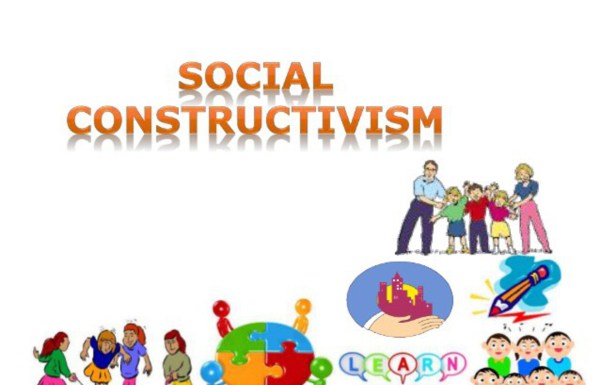
Social Constructivism is a theory of learning and knowledge that emphasizes the social aspects of learning and the construction of knowledge through interactions within a social context. Unlike traditional theories that focus on individual cognitive processes, social constructivism asserts that learning is not an isolated, internal activity but rather a collective process shaped by social interactions, cultural practices, and the language people use to communicate with one another.
The theory is largely based on the work of prominent theorists like Lev Vygotsky, Jerome Bruner, and Jean Piaget, although it also draws from sociological and philosophical ideas. The primary idea behind social constructivism is that knowledge is socially constructed through collaboration, dialogue, and the sharing of experiences. It suggests that reality is not something that exists independent of our understanding but rather something that is constructed through our social interactions and the contexts we live in.
Key Concepts of Social Constructivism
1. The Social Nature of Knowledge Construction
Social constructivism holds that knowledge is constructed through social interactions. In contrast to earlier models of learning, where learners were seen as passive recipients of knowledge (e.g., behaviorism), social constructivists emphasize the active role that learners play in constructing their own understanding through collaborative learning and interaction with others.
Learning is seen as a shared activity where students co-construct meaning and understanding with teachers, peers, and other members of their community. Through dialogue, argumentation, and negotiation, individuals build upon each other’s knowledge, creating a more complex and nuanced understanding of the world.
2. The Zone of Proximal Development (ZPD)
One of the key concepts in social constructivism comes from Lev Vygotsky, who introduced the idea of the Zone of Proximal Development (ZPD). The ZPD refers to the gap between what a learner can do independently and what they can achieve with the help of a more knowledgeable person (e.g., a teacher, peer, or mentor). According to Vygotsky, learning occurs most effectively in this zone—when students are challenged just beyond their current capabilities but not to the point of frustration.
Through scaffolding, a form of guided support from a more experienced individual, learners can complete tasks they would not be able to do alone. Over time, as learners gain confidence and skill, the scaffolding can be gradually removed, allowing them to perform the task independently.
3. Cultural and Contextual Factors
Social constructivism emphasizes the role of culture and context in shaping how individuals understand the world. Cultural tools, including language, symbols, and artifacts, play a crucial role in shaping cognitive development. For instance, the language we use influences our thought processes, and different cultures may have different ways of approaching knowledge, learning, and problem-solving.
This contextual perspective also extends to situated learning, a concept that suggests learning occurs most effectively when it takes place in the context in which it will be used. Authentic, real-world tasks are viewed as more meaningful and engaging than abstract or decontextualized ones, as they allow learners to relate their knowledge to practical applications.
4. Active Learning and Problem-Solving
In the social constructivist model, learning is seen as an active process of problem-solving and inquiry. Rather than simply absorbing information, students are encouraged to ask questions, explore concepts, experiment with ideas, and collaborate with others to find solutions. Learning is often situated in real-world problems or complex scenarios that encourage learners to apply their knowledge in practical ways.
This active approach contrasts with traditional education models where the teacher is the primary authority figure, often delivering content through lectures and examinations. In a social constructivist environment, the teacher’s role shifts to that of a facilitator or guide, supporting the learners as they engage in hands-on, problem-based learning experiences.
Influential Theorists in Social Constructivism
1. Lev Vygotsky (1896-1934)
Lev Vygotsky, a Russian psychologist, is perhaps the most influential figure in the development of social constructivist theory. Vygotsky believed that social interaction was central to cognitive development. He argued that higher mental functions (such as thinking, reasoning, and problem-solving) arise through social interactions and that language is the primary tool through which these functions are developed.
Vygotsky’s ideas about the Zone of Proximal Development (ZPD) and scaffolding have had a profound impact on education, emphasizing the need for learners to receive support from more knowledgeable others (teachers, peers) in order to reach their potential. His work also highlighted the importance of language and dialogue in shaping thought, suggesting that cognitive development is deeply intertwined with social interaction.
2. Jean Piaget (1896-1980)
Jean Piaget, a Swiss developmental psychologist, is often associated with constructivism, but his focus was more on individual cognitive development. Piaget’s theory emphasizes the role of active learning in constructing knowledge. He posited that children construct their understanding of the world through interactions with their environment, and their cognitive abilities develop through a series of stages.
Piaget’s work laid the foundation for understanding how individuals build knowledge independently, while Vygotsky’s work complemented this by highlighting the importance of social interaction in the construction of knowledge. Piaget’s emphasis on the construction of knowledge through hands-on experience aligns well with the social constructivist approach to learning.
3. Jerome Bruner (1915-2016)
Jerome Bruner, an American psychologist, expanded on Piaget’s ideas and played a significant role in developing the concept of social constructivism. He argued that learners do not simply absorb knowledge passively but actively construct it through their experiences and interactions with others. Bruner also emphasized the importance of discovery learning, where students learn through exploration, trial and error, and problem-solving.
Bruner’s concept of the scaffolded approach to teaching suggests that learners benefit from guidance and support that is gradually withdrawn as they gain mastery over the subject matter. His work also emphasized the importance of cultural tools, such as language, in shaping cognitive development.
Social Constructivism in Education
In educational contexts, social constructivism advocates for a learner-centered approach, where students are seen as active participants in their own learning rather than passive recipients of knowledge. This approach encourages collaboration, dialogue, and shared meaning-making.
Some key principles of social constructivism in education include:
Collaborative Learning: Students often work together in groups to solve problems, exchange ideas, and co-construct knowledge. Group discussions, peer teaching, and cooperative learning tasks are all central to this approach.
Teacher as Facilitator: In a social constructivist classroom, the teacher’s role is not to dictate knowledge but to guide and support students as they explore ideas. The teacher provides scaffolding when necessary but allows students to take ownership of their learning.
Active Learning: Teachers design activities that require students to actively engage with the material, such as through hands-on experiments, role-playing, case studies, and projects. These activities encourage critical thinking and help students apply their learning to real-world situations.
Authentic Assessment: Instead of relying solely on traditional tests or exams, social constructivism encourages authentic assessments that evaluate students based on their ability to apply knowledge in meaningful contexts. Examples include presentations, projects, peer evaluations, and self-assessments.
Cultural Context: Teachers are encouraged to consider the cultural backgrounds of their students and incorporate culturally relevant materials into their teaching. This approach recognizes that knowledge is shaped by social and cultural contexts, and learning can be enhanced when it connects to students’ lived experiences.
Benefits of Social Constructivism
Promotes Critical Thinking: By engaging in discussions and collaborative problem-solving, students develop critical thinking skills and learn to evaluate ideas from different perspectives.
Fosters Collaboration: Social constructivism encourages teamwork, helping students learn how to work with others, communicate effectively, and resolve conflicts. These skills are essential for success in the real world.
Enhances Motivation and Engagement: Active learning and the relevance of real-world tasks make learning more engaging and enjoyable. Students are more likely to be motivated when they can see the direct application of their learning.
Encourages Deep Learning: Through social interactions and active participation, students are more likely to develop a deep understanding of the material. They can make connections between different concepts and apply their knowledge in various contexts.
Criticisms and Challenges
While social constructivism has been widely praised, it is not without its criticisms:
Time-Consuming: Social constructivist approaches often require more time for planning, collaboration, and reflection than traditional teaching methods. This can be challenging in fast-paced educational environments.
Overemphasis on Social Interaction: Some critics argue that social constructivism places too much emphasis on collaboration and not enough on individual cognitive development. Students who prefer independent learning might not thrive in highly collaborative environments.
Varying Levels of Support: The effectiveness of scaffolding and support can vary depending on the teacher’s skill level and the students’ needs. Inadequate support can lead to frustration and hinder learning.
Not Always Feasible in Large Classrooms: In large classes, providing individualized support and facilitating meaningful social interactions can be difficult. Teachers may struggle to create the conditions for effective collaborative learning.
Conclusion
Social constructivism offers a rich and dynamic view of learning as a process that is inherently social, interactive, and context-dependent. By emphasizing the role of social interaction, cultural context, and active engagement in the learning process, it provides a framework for fostering deeper understanding and critical thinking.
References
Adams, P. (2006). Exploring social constructivism: Theories and practicalities. Education, 34(3), 243-257.
Dehalwar, K., & Sharma, S. N. (2024). Social Injustice Inflicted by Spatial Changes in Vernacular Settings: An Analysis of Published Literature.
Demeritt, D. (2005). Science, social constructivism and nature. In Remaking reality (pp. 184-204). Routledge.
Hay, C. (2015). Social constructivism. In Routledge handbook of interpretive political science (pp. 99-112). Routledge.
Lombardo, E., & Kantola, J. (2021). Social constructivism. In The Routledge handbook of gender and EU politics (pp. 43-55). Routledge.
Kukla, A. (2013). Social constructivism and the philosophy of science. Routledge.
Sharma, S. N. Grounded Theory Research: Unveiling the Underlying Structures of Human Experience.
Sharma, S. N. (2017). Geopolitics and Terrorism in Asia-Pacific Region vis-a-vis India.
An ORCID ID (Open Researcher and Contributor ID) is a unique identifier for researchers and authors, designed to distinguish their work and contributions from those of others. Here’s a step-by-step guide on how to create and effectively use your ORCID ID.
Fill in your details, including your name, email address, and a password. You will also need to agree to the terms of use and privacy policy.
Complete Your Profile:
Once registered, you can start adding information to your ORCID profile:
Personal Information: Add your affiliations, biography, and other relevant details.
Research Outputs: Link or add your publications, presentations, and datasets. You can do this manually or by importing from various databases.
Choose Privacy Settings:
ORCID allows you to control who can see your information. You can make your profile public, limited to trusted parties, or private.
Save Your ORCID ID:
Your ORCID ID will be a unique alphanumeric string (e.g., 0000-0001-2345-6789). Save it somewhere accessible, as you’ll use it in future applications and submissions.
Step 2: Using Your ORCID ID
Include in Publications:
Add your ORCID ID to your publications, grant applications, and CVs. This ensures that your work is correctly attributed to you.
Link to Other Profiles:
Link your ORCID ID to other research networks and profiles (e.g., ResearchGate, Google Scholar). This helps consolidate your academic presence.
Manage Your Works:
Regularly update your ORCID profile with new publications, projects, and collaborations. You can import works from databases like CrossRef, PubMed, or Scopus.
Use in Grant Applications:
Many funding agencies now require an ORCID ID for grant applications. Ensure you include it to streamline your application process.
Collaborate with Others:
Share your ORCID ID with collaborators to facilitate the attribution of joint works.
Monitor Your Impact:
ORCID provides features to track your publications and citations over time, helping you gauge your research impact.
Benefits of Having an ORCID ID
Unique Identification: Distinguishes you from other researchers with similar names.
Simplifies Attribution: Ensures that all your work is linked to you, enhancing visibility and credibility.
Enhances Discoverability: Increases the likelihood of your research being found by others in your field.
Integration with Journals: Many academic journals and publishers are integrating ORCID IDs into their submission processes, making it easier to link works.
Conclusion
Creating and using an ORCID ID is a vital step for any researcher or academic professional. It enhances the visibility of your work, simplifies the management of your research output, and facilitates collaboration. By taking a few moments to set up your ORCID profile, you can significantly improve how your contributions are recognized and credited in the academic community.An ORCID ID (Open Researcher and Contributor ID) is a unique identifier for researchers and authors, designed to distinguish their work and contributions from those of others. Here’s a step-by-step guide on how to create and effectively use your ORCID ID.
Fill in your details, including your name, email address, and a password. You will also need to agree to the terms of use and privacy policy.
Complete Your Profile:
Once registered, you can start adding information to your ORCID profile:
Personal Information: Add your affiliations, biography, and other relevant details.
Research Outputs: Link or add your publications, presentations, and datasets. You can do this manually or by importing from various databases.
Choose Privacy Settings:
ORCID allows you to control who can see your information. You can make your profile public, limited to trusted parties, or private.
Save Your ORCID ID:
Your ORCID ID will be a unique alphanumeric string (e.g., 0000-0001-2345-6789). Save it somewhere accessible, as you’ll use it in future applications and submissions.
Step 2: Using Your ORCID ID
Include in Publications:
Add your ORCID ID to your publications, grant applications, and CVs. This ensures that your work is correctly attributed to you.
Link to Other Profiles:
Link your ORCID ID to other research networks and profiles (e.g., ResearchGate, Google Scholar). This helps consolidate your academic presence.
Manage Your Works:
Regularly update your ORCID profile with new publications, projects, and collaborations. You can import works from databases like CrossRef, PubMed, or Scopus.
Use in Grant Applications:
Many funding agencies now require an ORCID ID for grant applications. Ensure you include it to streamline your application process.
Collaborate with Others:
Share your ORCID ID with collaborators to facilitate the attribution of joint works.
Monitor Your Impact:
ORCID provides features to track your publications and citations over time, helping you gauge your research impact.
Benefits of Having an ORCID ID
Unique Identification: Distinguishes you from other researchers with similar names.
Simplifies Attribution: Ensures that all your work is linked to you, enhancing visibility and credibility.
Enhances Discoverability: Increases the likelihood of your research being found by others in your field.
Integration with Journals: Many academic journals and publishers are integrating ORCID IDs into their submission processes, making it easier to link works.
Conclusion
Creating and using an ORCID ID is a vital step for any researcher or academic professional. It enhances the visibility of your work, simplifies the management of your research output, and facilitates collaboration. By taking a few moments to set up your ORCID profile, you can significantly improve how your contributions are recognized and credited in the academic community.
Dr. Sarvepalli Radhakrishnan (1888-1975) was a renowned Indian philosopher, statesman, and the second President of India. He was one of the most distinguished scholars of comparative religion and philosophy, and his contributions to Indian education, politics, and intellectual life were remarkable. Radhakrishnan is best remembered for his role as a teacher and philosopher, which earned him immense respect, especially among students. In fact, his birthday, 5th September, is celebrated annually as Teachers’ Day in India.
Early Life and Education
Born on September 5, 1888, in a small village called Tiruttani, Tamil Nadu, Radhakrishnan belonged to a modest Brahmin family. His father, Sarvepalli Veeraswami, was a revenue official, and his mother, Sitamma, a housewife. Radhakrishnan was a bright student from a young age. He completed his early education in Tiruttani and later moved to Vellore and then to Madras (now Chennai) for higher education.
He graduated from Madras Christian College with a Master’s degree in Philosophy. Radhakrishnan’s interest in philosophy developed during his university years, and his thesis on “The Ethics of the Vedanta” demonstrated his keen intellect and profound understanding of Indian philosophy. His work attracted attention for its depth and relevance, marking the beginning of his academic journey.
Academic Career and Philosophical Contributions
Radhakrishnan’s academic career was illustrious. He served as a professor of philosophy at several prestigious institutions, including the University of Mysore and the University of Calcutta. His lectures on Indian philosophy and religion were well-received both in India and abroad. His philosophical writings emphasized the importance of understanding Indian thought in a global context and promoted a bridge between Eastern and Western philosophies.
His works, such as The Philosophy of Rabindranath Tagore (1918), Indian Philosophy (1923), and An Idealist View of Life (1932), are regarded as monumental contributions to the field. Through these, Radhakrishnan introduced Indian philosophical concepts to the Western world, promoting intercultural understanding and the universality of spiritual thought.
Diplomatic and Political Career
Radhakrishnan’s influence wasn’t limited to academics alone. He played a significant role in India’s political and diplomatic affairs. After India gained independence in 1947, he was appointed as the Indian ambassador to the Soviet Union (1949-1952), a crucial position during the early Cold War period. His diplomatic skills helped strengthen India’s relations with the Soviet Union during a critical phase in global politics.
In 1952, he became the Vice President of India, a position he held until 1962, when he was elected as the second President of India. As President (1962-1967), Radhakrishnan emphasized the importance of education and the role of teachers in nation-building. He maintained the dignity of the office with his erudition and commitment to democratic values.
Philosophy and Legacy
Radhakrishnan believed in the unity of all religions and was a proponent of Vedanta, which advocates the idea of spiritual knowledge and the realization of self. He was deeply influenced by the Upanishads and argued that the ultimate goal of human life is the realization of the divine. His philosophical work also reflected a commitment to tolerance, peace, and the search for truth.
As a teacher, he inspired generations of students and became a symbol of intellectual integrity. His birthday, celebrated as Teachers’ Day in India, is a tribute to his immense contribution to education and his belief in the transformative power of teaching.
Conclusion
Dr. Sarvepalli Radhakrishnan’s life was a testament to the power of knowledge, philosophy, and education. As a scholar, teacher, diplomat, and President, he left an indelible mark on the world, particularly in the realm of Indian philosophy and education. His legacy continues to inspire teachers and students, embodying the values of wisdom, understanding, and dedication to learning.
References
Choudhury, S. (2006). Educational Philosophy of Dr. Sarvepalli Radha Krishnan. Deep and Deep Publications.
Murty, K. S., & Vohra, A. (1990). Radhakrishnan: his life and ideas. State University of New York Press.
Schilpp, P. A. (Ed.). (1992). The Philosophy of Sarvepalli Radhakrishnan. Motilal Banarsidass Publ..
Radhakrishnan, S., & Moore, C. A. (1957). A source book in Indian philosophy. Princeton University Press.
























 International Journal of Research (IJR)