7 Surprising Benefits of Macadamia for Heart, Brain, and Metabolic Health

Most people meet macadamias in a cookie or a gift tin and mentally place them in the “treats” category. They feel rich, indulgent, and special-occasion. Look a little closer, though, and these creamy nuts behave much more like a smart wellness tool than a guilty pleasure.
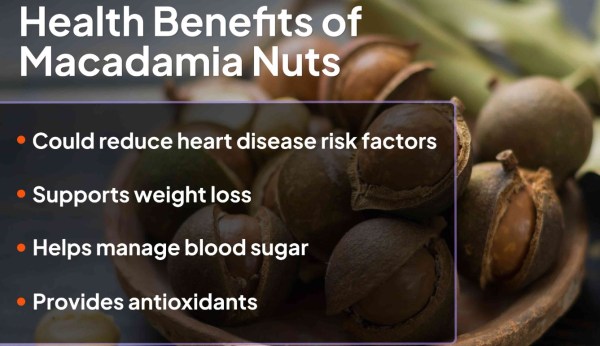
When you zoom in on the nutritional benefits of macadamia nuts, they start to look like a quiet powerhouse for heart, brain, and metabolic health. Instead of chasing the latest superfood trend, you can get a lot of long-term value by making simple, sustainable upgrades to what you already eat, and macadamias are a very easy one to plug into daily life.

1. A Creamy Nut Loaded With Good Fats

First, it helps to understand the basic macadamia nut nutritional facts. A small handful of macadamias, around 10 to 12 nuts or roughly 28 grams, comes in at about 200 calories. In that serving you get around 21 grams of fat, a couple of grams of protein, and only a few grams of carbohydrates, including a modest amount of fiber. On paper that sounds like a high-fat food, but the nuance sits in the type of fat.

Most of the fat in macadamias is monounsaturated. This is the same overall category of fat often associated with better heart and metabolic markers when it is part of a balanced diet. Instead of flooding your system with quick-burning sugars, macadamias give you slower, steadier energy. That makes them especially useful for people who feel better on lower-carb patterns or anyone who wants snacks that genuinely carry them between meals.

2. Supporting Better Cholesterol and Blood Vessels

From a heart health perspective, macadamias earn their place in the pantry. The monounsaturated fats they provide can support healthier cholesterol patterns when they replace more processed or saturated-fat-heavy snack options. Swapping a bag of refined crackers or sweets for a measured handful of macadamias seems like a small decision, but those small decisions are exactly what shape long-term cardiovascular health.

Beyond cholesterol, macadamias bring antioxidants and plant compounds that support blood vessel function. Over time, regularly including foods like this can encourage more flexible arteries, healthier blood lipids, and a calmer level of background inflammation. None of that is dramatic or overnight, but it is the kind of slow, steady improvement that matters when you think in years instead of days.

3. Low-Carb, Blood-Sugar-Friendly Energy

If you care about stable energy and metabolic health, macadamias are easy to work with. They are naturally low in carbohydrates and very low in sugar, and they have a bit of fiber to slow digestion. Instead of sending your blood sugar on a quick spike and crash cycle, they offer a slower burn that keeps you feeling more steady and focused.

This is where a strategy mindset pays off. Imagine a typical day where your snacks are biscuits, sweets, or highly processed bars. Replacing even one of those with a portion of macadamias removes a spike and gives your system something gentler to work with. You do not need a perfect diet to feel better. You just need a few key swaps that tilt your averages in the right direction.

4. Brain and Nerve Support From Fats, Vitamins, and Antioxidants

Your brain runs on a lot of energy and prefers stability over drama. It is built largely from fats, and it performs best when those fats are high quality and your antioxidant defenses are supported. Macadamias help on both fronts. Their monounsaturated fats and natural antioxidants contribute to protection from everyday oxidative stress, which is tied to how we age and how our brains function over time.

They also provide useful micronutrients, including thiamin, manganese, magnesium, and copper. These nutrients play roles in nerve signaling, energy production, and the body’s own antioxidant systems. Macadamias are not a memory supplement, but consistently including foods like this helps create a better environment for brain and nerve health, especially when combined with sleep, movement, and stress management.

5. Surprisingly Satisfying for Weight Management

At first glance, the calorie density of macadamias can feel intimidating if you are watching your weight. In practice, nuts are often linked with better appetite control and healthier body weight outcomes when used wisely. The mix of healthy fats, a little protein, and some fiber helps you feel properly satisfied instead of just temporarily distracted from hunger.

The difference shows up in your behavior. A small, intentional serving of macadamias can take the edge off hunger and keep you out of that desperate state where any snack will do. When you are not constantly fighting strong cravings, it becomes much easier to make calm, rational food choices. Over time, those more relaxed decisions often matter more than any strict short-term diet rules.

6. Tiny Source of Fiber and Protective Compounds

Macadamias will not replace high-fiber foods like beans or oats, but they still contribute meaningfully to your total intake. A serving offers a couple of grams of fiber, which supports regular digestion and acts as fuel for beneficial gut bacteria. A better-nourished gut is linked with smoother digestion, more stable mood, and a stronger immune system.

They also contain plant compounds such as phytosterols and flavonoids. These work alongside healthy fats to support a less inflammatory internal environment. Chronic, low-grade inflammation is connected with many modern health issues, from metabolic problems to joint discomfort. Building a diet around whole foods that nudge inflammation down, even slightly, can add up when you repeat those choices day after day.

7. A Nutrient-Dense Upgrade for Everyday Meals

One of the most underrated benefits of macadamia is how easy they are to plug into meals you already enjoy. A spoonful of chopped macadamias on a salad adds crunch, richness, and staying power. Mixed into roasted vegetables, they turn a simple side into something that feels restaurant-level. Sprinkled over yogurt, oats, or smoothie bowls, they add both texture and healthy fats without a complicated recipe.

Their flavor is naturally rich, so a little goes a long way. You might add only a tablespoon or two, but it can completely change how satisfying a meal feels. That is the real advantage of a nutrient-dense food. You are not just eating for numbers on a label. You are upgrading fullness, enjoyment, and nourishment at the same time.

In Conclusion

When you pull all of these pieces together, macadamias look less like a luxury and more like a smart, flexible tool in your health strategy. They support heart health with good fats, contribute to stable energy and metabolism, bring valuable nutrients to your brain and nervous system, and play a small but meaningful role in gut and inflammation balance. All of that comes wrapped in a food that is genuinely enjoyable to eat.

You do not need to overhaul your entire diet to make use of them. Start by swapping one processed snack for a measured handful of macadamias or add a spoonful to one meal a day. Track how your energy, cravings, and satisfaction feel over a few weeks. That kind of practical, sustainable shift tends to beat extreme rules every time, and macadamias are a simple, delicious way to move your everyday habits in a healthier direction.

Choosing wealth is like choosing healthy food: DL Mining cloud mining brings daily passive income

In today’s society, people are increasingly prioritizing lifestyle choices. From organic food to fitness routines, every detail shapes a healthy future. However, when it comes to wealth management, many still rely on high-risk speculation, short-term trading, or lock all their funds in equity investments. In reality, investing, like diet, requires balanced, sustainable, and long-term planning.

This is what makes DL Mining cloud mining unique.

Investing is like eating: choosing the right nutrients

Just as you wouldn’t eat only fast food every day, investing shouldn’t rely solely on speculation. Healthy food emphasizes naturalness, balance, and sustainability. DL Mining cloud mining offers a similar investment philosophy:

Stable income: Daily income is automatically settled in mainstream currencies such as BTC, ETH, and XRP, avoiding the pressure caused by short-term market fluctuations.

No technical threshold: No hardware required, no maintenance required, as easy as buying healthy food.

Diverse Choices: Supports multi-currency contracts, allowing users to participate risk-free, just like the multiple nutrients in a balanced diet.

DL Mining Cloud Mining: Combining Lifestyle and Wealth

Healthy eating helps people develop good living habits, while DL Mining Cloud Mining provides long-term, positive “wealth habits” for wealth accumulation.

Passive income: Users can naturally obtain stable crypto income every day, just like supplementing nutrition.

Green Energy: DL Mining’s mining data center is powered by clean energy such as solar energy and wind energy, making the profits not only healthy but also environmentally friendly.

Mobile-first experience: Through the smartphone app, users can check their income anytime, anywhere, just as easily as checking their daily health status.

Join DL Mining in 3 easy steps

Joining DL Mining is as simple and transparent as choosing healthy food:

  1. Register an account: Click to visit the DL Mining official registration, new users can get a $15 free reward.
  2. Choose a mining contract: Flexible terms and revenue models are available for you to choose.

Popular contract cases:

For more DL Mining contracts, please visit https://dlmining.com/

3:Automatic Mining: After successfully purchasing a contract, the data center system automatically begins mining.

All profits during the contract period are returned daily, and the principal is fully returned at maturity. Once your account balance reaches $100, you can withdraw or reinvest at any time.

What makes the DL Mining platform stand out?

Top-tier computing resources, globally deployed

DL Mining operates multiple clean energy mining farms in North America, Northern Europe, and Asia, utilizing industry-leading mining equipment from brands such as BITMAIN, whatsminer, and Avalon Miner to ensure stable and efficient mining performance.

Real-time, transparent profit tracking

Every profit is traceable, allowing real-time visibility into cloud computing contract activity and daily settlement details, eliminating hidden fees and ensuring true transparency.

Why is this the future of investing?

Just like a healthy lifestyle, the financial world is changing. The high-risk, high-leverage practices of the past are no longer mainstream. Just as more people are turning to natural foods, more investors are seeking stable, transparent, and sustainable ways to build wealth.

DL Mining cloud mining is the best representative of this trend.

Conclusion: Balancing Wealth and Lifestyle

Investing, like diet, is about the long term. Choosing healthy food means choosing your future body; choosing DL Mining cloud mining means choosing your future wealth. A stable daily income, like daily healthy nutrition, quietly accumulates, ultimately leading to a freer and more abundant lifestyle.

Join DL Mining now and let wealth flow naturally like your lifestyle.

DL Mining official team

Customer Service Email:info@dlmining.com

Official website:https://dlmining.com

Mobile App Download:https://dlmining.com/app.html

Can Blood Sugar Fluctuations Impact Your Mood?

Daily writing prompt
What could you do less of?

Have you ever felt sudden mood swings, unexplained irritability, or energy crashes that seem to appear out of nowhere? The cause might be closer than you think your blood sugar levels. Glycemic variability, or fluctuations in blood sugar, can profoundly affect emotional stability. Research shows that for every 100 grams of dietary sugar consumed daily, the risk of depression increases by 28%, emphasizing the critical link between diet and mood.

Blood sugar highs and lows don’t just impact your physical health; they play a significant role in shaping your emotional well-being. From fatigue to anxiety, these fluctuations influence how you feel and function throughout the day. Understanding this connection can help you take charge of your mood and overall health, equipping you to make more mindful lifestyle choices.

The Science Behind Blood Sugar and Mood

Blood sugar fluctuations are closely intertwined with our emotional and cognitive domains. Changes in the level of blood sugar might affect mood, energy level, and interactions with people, relating how connected physical health is to well-being. For individuals seeking additional support in managing these fluctuations, exploring targeted blood sugar supplements may provide valuable insights into metabolic health. For example, symptoms of hypoglycemia, or low blood sugar, include confusion and irritability, while hyperglycemia, or high blood sugar, usually results in fatigue with distractibility. Chronic blood sugar instability relates to increased risks for anxiety and depression, underscoring the role of glucose regulation in emotional health.

Glucose

Glucose is the primary source of energy for the brain, supporting many important aspects of cognitive functioning. Magnesium for brain health is also essential, as it helps regulate blood sugar levels and supports mental clarity. When blood sugar levels become high, it disrupts energy supply which ideally affects mood, as well as irritability and cognitive problems. 

If one views the brain as a finely tuned engine that requires a steady flow of fuel-firing-all cylinders, without so much as a sputter when glucose delivery is interrupted, the brain will misfire upon the first glitch in glucose delivery. 

Fluctuations in glucose could lead to the production of stress hormones like cortisol and hence enhance anxiety. These stresses can translate time and probably bring about an imbalance in neurotransmitters in the brain, which are very crucial in regulating moods and emotions.

How Blood Sugar Affects Emotional Regulation

Stress Hormones and Neurotransmitter Dynamics

The increased levels of glucose in the blood can stimulate the production of cortisol and adrenaline, the two strongest stress hormones. These hormones are key mediators of the body’s “fight or flight” response, and their release concerning changes in blood sugar creates a feedback loop that negatively affects emotional stability. 

Cortisol, in particular, has been related to higher levels of anxiety, irritability, and stress. Additionally, changes in glucose levels can lead to imbalances in neurotransmitters that affect mood regulation. Over time, these hormonal and chemical imbalances can cause lasting changes in mood and increase the likelihood of emotional disturbances, such as anxiety or depression.

Real-Life Triggers of Blood Sugar Fluctuations

Things in everyday life can destabilize blood sugar, and this greatly influences moods and well-being so much so that food, such as simple carbohydrates and sugary foods, can put up your blood sugar levels and then drop them, giving way to irritability, fatigue, and mood swings. 

An eating habit that has erratic timings like skipping meals is another action that destroys glucose regulation further, preventing low energy and irritability. Stress and sleep quality significantly affect how well blood sugar levels remain stable. 

Too much stress increases cortisol levels, which inhibit glucose metabolism; whereas, sleep deprivation also worsens glucose regulation through increased insulin resistance, contrary to what happens with daytime hyperglycemia.

Recognizing the Symptoms

Changes in blood sugar levels can result in both physical as well as emotional symptoms, with the actual causation from glucose levels not usually apparent. Commonly observed symptoms include shakiness and confusion, sudden changes in mood, unexplained fatigue, and temper tantrums. Symptoms can range from mild to extreme, including very low or extremely high blood sugar levels.

Moreover, it may be difficult to determine the cause of one or the other because most of these are associated with a series of other complications. A person with low blood sugar may experience significant emotional instability, along with physical symptoms that suggest a connection between emotional and blood sugar imbalances.

Strategies for Managing Blood Sugar and Mood Stability

Practical Tips for Glycemic Control

Balanced Nutrition

  • Incorporate complex carbohydrates like whole grains and vegetables to prevent rapid blood sugar spikes.
  • Include lean proteins, such as chicken, fish, and plant-based options, to stabilize blood sugar levels.
  • Add healthy fats, such as avocado, nuts, and olive oil, to support long-lasting energy and mood stability.
  • Additionally, includes vitamins for brain health, such as vitamin B12 and omega-3 fatty acids, which play a crucial role in supporting cognitive function and emotional well-being.
  • Maintain consistent meal times to regulate glucose and avoid large fluctuations that can affect mood.

Lifestyle Modifications

  • Regular physical activity improves insulin sensitivity and helps maintain stable blood sugar levels.
  • Stress management techniques, like deep breathing or yoga, help reduce cortisol levels that can spike blood sugar.
  • Mindfulness practices, such as meditation, can enhance emotional resilience and reduce the impact of blood sugar fluctuations.
  • Engaging in regular exercise not only improves blood sugar stability but also supports bone and joint health, which is essential for overall physical well-being
  • A consistent sleep schedule supports proper glucose metabolism and helps prevent insulin resistance.

Monitoring Tools

  • Consider using continuous glucose monitors (CGMs) to track real-time fluctuations and make informed decisions about diet and lifestyle.
  • Keep a mood and food journal to identify patterns between meals, blood sugar levels, and emotional states.
  • Track connections between diet, stress, and emotional well-being to tailor your lifestyle choices for better mood stability.

When to Seek Professional Help

Professional Consultation for Persistent Symptoms

While lifestyle strategies may be very helpful, it is also important to consider professional consultation in cases where mood swings are persistent or if large blood sugar fluctuations have been noticed. 

For men, seeking professional help through men’s health consultations can provide tailored recommendations for managing blood sugar levels.

Healthcare professionals can provide extended metabolic testing to understand the roots of such symptoms and possible imbalances in glucose regulation. Such an assessment gives a better understanding of your health to better manage it.

Personalized Guidance and Support

Apart from undergoing metabolic tests, personalized nutrition advice by physicians could help control blood sugar levels and improve the mental condition. 

In some cases, an individual might require psychological counseling due to seen emotional distress resulting from changing blood sugar levels. Other than that, diabetes education may be offered so that one would be able to deal with blood sugar levels properly and prevent further complications to live better.

Conclusion

Understanding the link between blood sugar and mood is key to improving both emotional and physical well-being. Fluctuations in blood sugar can disrupt mental clarity, energy levels, and emotional balance, making it crucial to recognize and address these patterns effectively.

By adopting balanced nutrition, managing stress, and listening to your body’s signals, you can stabilize blood sugar and foster emotional resilience. These small but impactful changes pave the way for greater mood stability, enhanced metabolic health, and overall holistic wellness.

FAQs

How does blood sugar impact mood?

Blood sugar fluctuations impact mood by altering brain energy supply and triggering stress hormones like cortisol and adrenaline, leading to irritability, anxiety, or fatigue. Consistently high or low blood sugar can also disrupt neurotransmitter balance, influencing emotional stability.

Does fluctuating blood sugar make you feel bad?

Yes, fluctuating blood sugar can cause fatigue, irritability, shakiness, and confusion, disrupting brain energy and triggering stress hormones that affect mood.

How much does sugar affect mood?

Sugar affects mood by causing energy spikes and crashes, leading to irritability and fatigue. It’s also linked to higher risks of depression and anxiety.