
Most people meet macadamias in a cookie or a gift tin and mentally place them in the “treats” category. They feel rich, indulgent, and special-occasion. Look a little closer, though, and these creamy nuts behave much more like a smart wellness tool than a guilty pleasure.
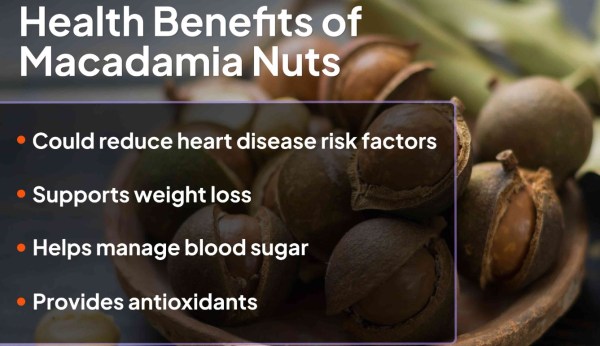
When you zoom in on the nutritional benefits of macadamia nuts, they start to look like a quiet powerhouse for heart, brain, and metabolic health. Instead of chasing the latest superfood trend, you can get a lot of long-term value by making simple, sustainable upgrades to what you already eat, and macadamias are a very easy one to plug into daily life.
1. A Creamy Nut Loaded With Good Fats
First, it helps to understand the basic macadamia nut nutritional facts. A small handful of macadamias, around 10 to 12 nuts or roughly 28 grams, comes in at about 200 calories. In that serving you get around 21 grams of fat, a couple of grams of protein, and only a few grams of carbohydrates, including a modest amount of fiber. On paper that sounds like a high-fat food, but the nuance sits in the type of fat.
Most of the fat in macadamias is monounsaturated. This is the same overall category of fat often associated with better heart and metabolic markers when it is part of a balanced diet. Instead of flooding your system with quick-burning sugars, macadamias give you slower, steadier energy. That makes them especially useful for people who feel better on lower-carb patterns or anyone who wants snacks that genuinely carry them between meals.
2. Supporting Better Cholesterol and Blood Vessels
From a heart health perspective, macadamias earn their place in the pantry. The monounsaturated fats they provide can support healthier cholesterol patterns when they replace more processed or saturated-fat-heavy snack options. Swapping a bag of refined crackers or sweets for a measured handful of macadamias seems like a small decision, but those small decisions are exactly what shape long-term cardiovascular health.
Beyond cholesterol, macadamias bring antioxidants and plant compounds that support blood vessel function. Over time, regularly including foods like this can encourage more flexible arteries, healthier blood lipids, and a calmer level of background inflammation. None of that is dramatic or overnight, but it is the kind of slow, steady improvement that matters when you think in years instead of days.
3. Low-Carb, Blood-Sugar-Friendly Energy
If you care about stable energy and metabolic health, macadamias are easy to work with. They are naturally low in carbohydrates and very low in sugar, and they have a bit of fiber to slow digestion. Instead of sending your blood sugar on a quick spike and crash cycle, they offer a slower burn that keeps you feeling more steady and focused.
This is where a strategy mindset pays off. Imagine a typical day where your snacks are biscuits, sweets, or highly processed bars. Replacing even one of those with a portion of macadamias removes a spike and gives your system something gentler to work with. You do not need a perfect diet to feel better. You just need a few key swaps that tilt your averages in the right direction.
4. Brain and Nerve Support From Fats, Vitamins, and Antioxidants
Your brain runs on a lot of energy and prefers stability over drama. It is built largely from fats, and it performs best when those fats are high quality and your antioxidant defenses are supported. Macadamias help on both fronts. Their monounsaturated fats and natural antioxidants contribute to protection from everyday oxidative stress, which is tied to how we age and how our brains function over time.
They also provide useful micronutrients, including thiamin, manganese, magnesium, and copper. These nutrients play roles in nerve signaling, energy production, and the body’s own antioxidant systems. Macadamias are not a memory supplement, but consistently including foods like this helps create a better environment for brain and nerve health, especially when combined with sleep, movement, and stress management.
5. Surprisingly Satisfying for Weight Management
At first glance, the calorie density of macadamias can feel intimidating if you are watching your weight. In practice, nuts are often linked with better appetite control and healthier body weight outcomes when used wisely. The mix of healthy fats, a little protein, and some fiber helps you feel properly satisfied instead of just temporarily distracted from hunger.
The difference shows up in your behavior. A small, intentional serving of macadamias can take the edge off hunger and keep you out of that desperate state where any snack will do. When you are not constantly fighting strong cravings, it becomes much easier to make calm, rational food choices. Over time, those more relaxed decisions often matter more than any strict short-term diet rules.
6. Tiny Source of Fiber and Protective Compounds
Macadamias will not replace high-fiber foods like beans or oats, but they still contribute meaningfully to your total intake. A serving offers a couple of grams of fiber, which supports regular digestion and acts as fuel for beneficial gut bacteria. A better-nourished gut is linked with smoother digestion, more stable mood, and a stronger immune system.
They also contain plant compounds such as phytosterols and flavonoids. These work alongside healthy fats to support a less inflammatory internal environment. Chronic, low-grade inflammation is connected with many modern health issues, from metabolic problems to joint discomfort. Building a diet around whole foods that nudge inflammation down, even slightly, can add up when you repeat those choices day after day.
7. A Nutrient-Dense Upgrade for Everyday Meals
One of the most underrated benefits of macadamia is how easy they are to plug into meals you already enjoy. A spoonful of chopped macadamias on a salad adds crunch, richness, and staying power. Mixed into roasted vegetables, they turn a simple side into something that feels restaurant-level. Sprinkled over yogurt, oats, or smoothie bowls, they add both texture and healthy fats without a complicated recipe.
Their flavor is naturally rich, so a little goes a long way. You might add only a tablespoon or two, but it can completely change how satisfying a meal feels. That is the real advantage of a nutrient-dense food. You are not just eating for numbers on a label. You are upgrading fullness, enjoyment, and nourishment at the same time.
In Conclusion
When you pull all of these pieces together, macadamias look less like a luxury and more like a smart, flexible tool in your health strategy. They support heart health with good fats, contribute to stable energy and metabolism, bring valuable nutrients to your brain and nervous system, and play a small but meaningful role in gut and inflammation balance. All of that comes wrapped in a food that is genuinely enjoyable to eat.
You do not need to overhaul your entire diet to make use of them. Start by swapping one processed snack for a measured handful of macadamias or add a spoonful to one meal a day. Track how your energy, cravings, and satisfaction feel over a few weeks. That kind of practical, sustainable shift tends to beat extreme rules every time, and macadamias are a simple, delicious way to move your everyday habits in a healthier direction.




 International Journal of Research (IJR)