This research paper explores diasporic consciousness through Bharati Mukherjee’s novel Wife, which follows Dimple Dasgupta, a young Indian woman navigating the complex realities of immigration in the United States. It discusses how migration heightens issues of identity crisis, cultural displacement, alienation, and gendered oppression. The novel depicts the emotional and cultural confusions faced by immigrants, balancing inherited traditions with assimilation pressures in a foreign land. The analysis shows Mukherjee’s portrayal of diasporic consciousness as a fragmented state characterized by alienation, identity struggles, and cultural disturbance. Dimple’s attempt to reconcile her expectations of marriage, self-identity, and freedom with patriarchal constraints and racial marginalization reveals gendered aspects of the diaspora. The paper argues that Mukherjee depicts diasporic consciousness as a traumatic, dissonant process rather than a seamless cultural blend. Ultimately, the novel highlights the psychological pain of migration and questions the idealized notion of the American Dream for immigrant women.
Keywords:Immigration, Hyphenated Identity, Cultural Displacement, Expatriation, Alienation, Identity Crises.
Introduction
The term for the sense of alienation, nostalgia, and displacement among immigrants is diaspora, derived from the Latin word ‘diasperian’, meaning dispersion. Originally, it refers to the dispersion of Jews outside Israel. The Jews were forced to leave Jerusalem, their homeland, and thus they scattered across the world. This exodus led to the loss of their identity. Sunil Amrith, in his critical work, Migration and Diaspora in South Asia, explains that the term diaspora is “the dispersion or spread of any people from their original homeland” (pg. 57). James Clifford, in his work, Routes: Travel and Translation in the Late Twentieth Century, uses the phrase, “dwellings in displacement” (pg. 310). Since dwelling is a key aspect of defining diaspora, the ideas of home and homemaking are essential in diasporic spaces.
Today, the term now encompasses ideas beyond its initial links to hostility, tragedy, alienation, loss, exile, and the aspiration to return. It also signifies a shared homeland—whether through voluntary or forced migration—and involves feelings of estrangement and marginalization within the host country. Vijay Agnew, a Social Science professor, describes diaspora in his book _Diaspora, Memory, and Identitynot just as the dispersal of people from a particular place but also as involving “the collective memory and trauma involved in such dispersion” (p. 193).
Even though the term ‘Diaspora’ has evolved in meaning over time, it still retains certain characteristics such as rootlessness, homelessness, alienation, and love for the homeland. Salman Rushdie, in his critical work, Imaginary Homeland, shares his personal experience as an expatriate, stating that:
“Exiles or emigrants or expatriates are haunted by some sense of loss, some urge to reclaim, to look back, even at the risk of being mutated into pillars of salt. If we do look back, we must also do so in the knowledge – which gives rise to profound uncertainties – that our physical alienation from India almost inevitably means that we will not be capable of reclaiming precisely the thing that was lost; that we will in short, create fictions, not actual cities or villages, but invisible ones, imaginary homelands, Indias of the mind” (pg.10).
In simple terms, when people leave their homes, they often feel lonely and are surprised by how much they miss the comfort of a real home. Connecting with a new culture can be naturally difficult. Differences in cultural and religious backgrounds often make it hard for individuals to find their identity. During the process of settling into a new environment, many diasporic communities experience psychological trauma. Even after adjusting, these communities often face discrimination, alienation, and identity struggles. Common themes in diasporic literature include feelings of displacement, loneliness, societal alienation, and longing.
P. Malikarjuna Rao states that “the lives of immigrants do not follow straight lines or smooth paths, as they are compelled to confront centuries of history within their lifetime, thereby having to endure the experiences of multiple lives and roles.”
Homi K. Bhabha, in his book The Location of Culture, explores the idea of hyphenated identity. He affirms that “I am both a mixture of my home country and host country”. Through this critical work, Bhabha has discussed the concept of hybridity, which emerges when individuals from different cultural backgrounds come into contact. Bhabha emphasized that diaspora communities often inhabit a space of cultural interaction and negotiation, leading to hybrid identities that challenge fixed notions of belonging. He highlights the idea of ‘Third Space’, where new cultural meanings and identities are formed. Moreover, several other diasporic writers have penned down the plight of diasporic communities who suffered a lot to create their identity and adjust to their newfound world.
Diasporic Consciousness
Immigration
Immigration is frequently regarded as the best option for a better life, despite the challenges and difficulties that come with it. For most Asian immigrants, the United States was a “paradise on earth.” C.L. Chua states that “Discovery of the American passage was a dream of fame and failure of egregious identity and material wealth”. (pg. 54). This land of golden opportunities lent a Midas touch for people entering this ‘Promised Land’. In the New Standard Encyclopaedia, the United States is referred to as “a Melting Pot” and “a nation of nations” (pg. 41). All immigrants must, however, go through the process of becoming adopted, Americanized, and integrated into the country’s social and economic structure.
Dimple’s joy is beyond words when Amit reveals that they will be moving to the United States. She gets ready nicely and realizes that everything she needs for a new life is there. Over the phone, Dimple informs her closest friend, Dixie, that she will not be taking any of her old saris with her to America. Relics from Dimple’s past are something she does not want to keep around. Dimple finds being a mother to be a burden. In self-induced abortion, Dimple appears to use abortion as a means of venting her wrath against the Basu family while also assuming control over her body, signifying her mastery over it. She dislikes being directed by her husband and being subject to Basus’ authority. Dimple is excited to move to a place where she won’t have to deal with the demands of domesticity, where she won’t have to live under Basu’s rule or domestication, and where she can be herself.
Dimple might look for ways to escape the role that her community assigns to a wife in America. Her goal is to investigate ways to deviate from the pattern created for middle-class Indian women. She makes friends with Ina Mullick, who she believes broke the traditional expectations of an Indian bride and embraced American culture.
Identity Crisis
Dimple had dreamed since she was a young girl that marriage would give her all the luxuries in the world, but she is now unhappy and disgusted with the circumstances she has found herself in after getting married. To be considered a proper wife by societal standards, she first had to give up her name and then change her way of life. Because of her dark complexion and Bengali name, Dimple finds Amit’s mother, Mrs. Basu, and his older sister, Mrs. Ghosh, repulsive at their first meeting. Mrs. Basu then changes Dimple’s name to Nandini because she doesn’t like it. Dimple was hesitant but did not oppose, and she couldn’t say anything because she wanted to build a strong relationship with her mother-in-law.
Earlier, Dimple was so excited to go to America and start a new journey. Still, after moving to America, it became tough for her to establish her own identity there. Fakrul Alam states that, ‘It is quite obvious, then, that Dimple has come to America, ready to be transformed and willing to seek out an identity that would take her away from her South Asian Community or connect with mainstream American society’ (pg.41). Dimple is helplessly caught in her quest for a female identity as an immigrant. She wants to be like Ina Mullick, who has made her own identity as ‘more American than Americans’. Dimple is so fascinated by Ina and her American ways. But it was tough for her to fully become an American because of the language barrier. She was also unable to operate the elevators. To gain a new American identity, she indulges in an affair with an American, Milt.
Hyphenated Identity
Homi K. Bhabha, in his book The Location of Culture, explores the idea of hyphenated identity. He affirms that “I am both a mixture of my home country and host country”. Through this critical work, Bhabha has discussed the concept of hybridity, which emerges when individuals from different cultural backgrounds come into contact. Bhabha emphasized that diaspora communities often inhabit a space of cultural interaction and negotiation, leading to hybrid identities that challenge fixed notions of belonging. He highlights the idea of ‘Third Space’, where new cultural meanings and identities are formed.
When Dimple goes to the party in Manhattan, she meets various immigrants from all over the world. They show her different ways that being Indian and being American are connected. She hears about Ina Mullick, a Bengali wife whose careless husband allowed her to become “more American than the Americans” (pg. 10). Bharati Mukherjee illustrates the influence of American ways through the character of Ina Mullick, who represents assimilation. Ina has accepted American ways and attitudes, adapting to American culture, food, clothing, and language.
Cultural Displacement.
Cultural displacement refers to the feeling of dislocation that people experience when their cultural identity is challenged or undermined, especially due to migration, globalization, or societal changes. Shyam M. Asani, in his critical work ‘Identity Crises in The Nowhere Man and Wife,’ states that ‘Dimple is entrapped in a dilemma of tensions between American culture society and the traditional constraints surrounding an Indian wife, between a feminist desire to be assertive and independent and the Indian need to be submissive and self-effacing’ (pg. 42). Because she partially accepts both American and Indian cultures, she becomes frustrated and develops neurosis, which leads her to commit destructive acts such as sin, murder, or suicide. The root of her mental disorder is that she was uprooted from her family and homeland. Amit wants Dimple to be a good Bengali wife who takes care of her home and husband and learns how to live in America without becoming too Americanized, which makes her all the more frustrated.
Expatriation
Expatriation is the process of leaving one’s home country to live in another, often for a long time or permanently. It happens for many reasons, such as work, education, personal relationships, or a desire for a different lifestyle. Expatriation is common in developed countries. Christine Gomez, in her work, ‘The Ongoing Quest of Bharati Mukherjee from Expatriation to Immigration,’ provides a clear definition of the term expatriation.
“Expatriation is a complex state of mind and emotion, which includes wistful longing for the past, often symbolized by the ancestral home, the pain of exile and homelessness, the struggle to maintain the difference between oneself and the new, unfriendly surroundings, an assumption of moral and cultural superiority over the host country and a refusal to accept the identity forced one by the environment. The expatriate builds a cocoon around herself/himself as a refuge from the cultural dilemmas and the experienced hostility or unfriendliness in the new country. (pg. 72)
Through the characters of Jyoti and Meena Sen, Bharati Mukherjee illustrates expatriation. Because America is a land of opportunities, the couple travelled to America to earn money. For Jyoti, America was solely a place of wealth. He aimed to make a lot of money, then return to his hometown and build a home, which would have cost him about five lakhs, and thus become the ‘Maharaj of Lower Circular Road’ (pg.9).
When Dimple and Amit arrived in America, they were received by the Sen family. Dimple was very excited to explore America and embark on a new journey, and thus she is very eager to see the Sen’s house. As they reached their house, Dimple was very astonished to see it, which was a typical Indian house. It is exactly like a common Indian house in Calcutta.Jyoti’s American house is very Indian-like, with no chairs in the room, but only a mat and a rug are served to guests. Jyoti’s house makes Amit comfortable because he feels no difference between his house in Calcutta and Jyoti’s house. This indicates that the Sen couple is living abroad in America and aspires to return home once they have saved enough money.
Alienation
Accordingto the Stanford Encyclopaedia of Philosophy, the concept of alienation identifies a distinct kind of psychological or social ill, namely, one involving a problematic separation between a self and others that belong together. Cetin et al. have explained that alienation expresses that the individual has a decreased adaptation to the social, cultural, and natural environment, loses her/his control over the environment, and becomes isolated by getting gradually helpless.
Dimple and her community of expatriates experience alienation in a country whose ways they cannot understand. Before Dimpled had ever set foot in America, she had friends remark that even though it’s a place to have a lot of fun, one must endure being a foreigner forever.
Before going to America Dimple has been invited in a farewell party sponsored by her friend, Dixie, in that party one of the guests has apprise that, “You may think of it as immigration, my dear…but what you are is a resident alien” (pg.46). When Dimple arrived in New York, she has been informed by Meena Sen that, she feels as an outsider because it was tough to understand American humors and the American language. Earlier, Dimple felt that she was now free from all the clutches of Indian traditions, and she was not obliged to follow the role of a traditional Indian wife. But gradually she feels alienated as it becomes difficult for her to learn American ways and living standards, language becomes one of the obstacles for her to interact with the people around her, and thus she becomes frustrated with not knowing English. When Amit got a job, the couple shifted to an apartment, where she feels alienated, as most of the time she has to be alone in the apartment. She has to spend her time watching television, soap operas, and murder mysteries. Meanwhile, she indulges in an affair with a white man named Milt, with whom she feels safe and protected. Once, after returning from a function with Milt, Dimple feels, “the inhuman maze of New York became as safe and simple as Ballygunge” (pg. 196). When they were together at her apartment, he promised Dimple to protect her, but as he left, she again felt lonelierthan ever.
Conclusion
In Wife, Bharati Mukherjee presents diaspora not as a simple story of migration and opportunity, but as a deeply unsettling psychological rupture. Through Dimple Dasgupta’s experiences, the novel exposes the emotional dislocation, cultural alienation, and identity fragmentation faced by immigrants caught between inherited traditions and an unfamiliar host culture. Dimple’s inability to reconcile her expectations of marriage, freedom, and selfhood with the realities of diasporic life reveals how migration can intensify inner conflicts rather than resolve them. The American dream, instead of offering liberation, becomes a site of isolation and despair. Ultimately, Wife suggests that diaspora, when marked by silence, patriarchal constraints, and cultural dissonance, can erode the self. Mukherjee thus critiques the romanticized notion of migration and highlights the urgent need for emotional anchoring and self-definition within the diasporic experience.
References
Primary Sources
Novel
Mukherjee, Bharti. Wife, Houghton Mifflin Press, New York. 1975. Print
Secondary Sources
Chua, C.L. Passage from India: Migrating to America in the Fiction of V.S.Naipaul and Bharati Mukherjee. Reworlding – The Literature of the Indian Diaspora. Ed. Emmanuel S. Nelson. Westport: Greenwood Press, 1992. Print.
Himandri, Lahiri. Diaspora Theory and Transnationalism. Orient Black Swan. 2019. Print.
Alam, Fakrul. Migration and Settlement in North America in Bharati Mukherjee’s Fiction Asian American Writing: Vol 2. Fiction.Ed. Somdatta Mandel. New Delhi: Prestige Books. Print
Asnani, Shyam, and Rajpal Deepika. Identity Crises in The Nowhere Man and Wife: Quest for Identity in Indian English Writing Part I: Fiction. Ed. Shyam M. Asnani and Deepika Rajpal. New Delhi. Baheri Publication. 1992. Print.
Clifford, James. Diasporas: Cultural Anthropology, vol. 9, no. 3, 1994, pp. 302-338. Print
E-Sources
Bhabha, Homi K. The Location of Culture. Kindle ed. Stephen Fay & Liam Haydon, 2017.
Amrith, Sunil S. Migration and Diaspora in Modern Asia. Kindle ed. Cambridge University Press, 2011.
Agnew, Vijay. Diaspora, Memory, and Identity. Kindle ed. University of Toronto Press, 2005.
Glissant, Édouard. Poetics of Relation. Translated by Betsy Wing, University of Michigan Press, 1997. Kindle ed.
Clifford, James. Routes: Travel and Translation in the Late Twentieth Century. Kindle ed., Harvard University Press, 1997.
Introduction: a calmer workday can start on the wall
Work rooms are full of small cues that shape how people feel: the glow of a monitor, the pace of meetings, the layout of the furniture, and the look of the walls. When the visual environment feels steady, it becomes easier to reset between tasks, stay present in conversations, and finish the day with less mental noise. Mindfulness wall art can support that goal in a simple, practical way. A well-chosen canvas print or art print becomes a quiet reference point—a place for your eyes to rest for a few seconds before you return to the next task.
This guide shows how to choose wall art, canvas art, and wall decor for workplace wellness across offices, home offices, studios, and shared team rooms. You’ll learn what “mindful” design looks like, which themes tend to work well in work settings, how to pick size and format, and where to place pieces so they support focus instead of competing with it.
What mindful design means in a workplace
Mindful design reduces visual friction. In a work room, that often means fewer competing focal points, more breathing room on the wall, and decor choices that help attention stay steady. Instead of filling every surface, mindful spaces use one or two clear anchors and keep the rest calm and functional. Wall art helps because it sets the tone of the room at a glance. When the wall print feels ordered and calm, the room can feel easier to return to—especially during busy stretches.
In shared rooms, mindful artwork can help people settle into a meeting. In personal work zones, a single large wall art piece can support deep work in the morning and a slower pace later in the day. The goal is not to “decorate more,” but to choose pieces that work with the room’s purpose.
How wall art can support daily focus
A visual pause between tasks
Most workdays involve constant switching: tabs, notifications, chat messages, and quick questions. A canvas print placed in your natural line of sight can become a short “pause point” for your eyes. That tiny break—just a few seconds—can help you return to the next task with a steadier head and fewer distractions.
Less screen fatigue
Work rooms that rely on only screens and blank walls can feel sharp after long hours. Paintings, canvas art, and art prints add texture and warmth without adding clutter. For focus-first rooms, choose artwork with clear shapes and controlled detail so your attention stays where you want it. If you share a space with others, a calm piece can also make the room feel less tense during high-pressure days.
A steadier tone for meetings
Meeting rooms need a background that feels welcoming without being loud. One well-placed wall hanging on the main wall can soften the space and help conversations start on an easier note. This is especially helpful for rooms used for interviews, reviews, coaching sessions, and team check-ins—moments when the room’s feel matters.
Theme ideas for mindfulness-friendly wall decor
Start by matching the theme to the purpose of the room. A focus-first space often works best with clean lines and open space. A recovery space—like a lounge—can handle softer forms and gentle scenes. If you’re choosing for a shared work room, aim for themes that feel neutral and welcoming so the piece works well for many people.
Nature canvas prints: skies, water, forests, stone, and calm landscapes can support a slower rhythm.
Minimalist artwork: simple shapes, clean layouts, and plenty of open wall help keep attention steady.
Quiet abstract art prints: layered forms and smooth transitions add interest without visual noise.
If you want a reliable starting point for office walls, explore the Office Wall Art Collection, built around work-friendly themes and layouts.
Color and contrast guidelines for work rooms
Color affects mood, but workplace wellness usually benefits from restraint. In many work rooms, moderate contrast helps wall art stay supportive rather than demanding attention. A practical approach is to choose one main color family for the room, then repeat it across a canvas print, desk accessories, and textiles. This keeps the room feeling organized without turning it into a “designed set.”
For screen-heavy rooms, avoid extremely high-contrast artwork on the wall directly behind a monitor. If the art is behind your desk (as a video-call background), pick a canvas art piece with a clear focal area and enough open space so the background looks clean on camera. If you have multiple screens, choose art that looks good from several angles, not only straight on.
Picking format and size: canvas print vs art print
Canvas print: canvas adds a soft surface and a gallery-like feel. It works well for large wall art in shared areas and for statement pieces behind a desk. Canvas also helps reduce glare compared with glass-covered frames, which can be useful under bright office lighting.
Art print: an art print can be a good fit for shelves, smaller walls, and tidy grouped layouts. If you like rotating room decor through the year, prints can make that easier. Prints also work well in spaces where you may want to change the layout more often, such as studios or flexible coworking rooms.
As a rule of thumb, larger rooms often look best with one main artwork rather than many small items. For narrow spaces such as hallways, a vertical wall print can guide the eye upward and help the area feel more open. For wide walls in a meeting room, a single larger canvas print usually reads cleaner than several scattered frames.
Placement ideas by room
Office walls
Choose one main wall (often the wall you see when you enter). Hang the piece at eye level, and keep nearby surfaces clear so the artwork reads as the anchor. If the room includes multiple desks, place the art where it won’t sit directly behind a monitor to avoid visual competition during deep work.
Home office
Behind the desk works well for video calls, while a side wall works well for personal focus. If your desk faces a wall, place a wall hanging slightly off-center to reduce the feeling of staring into a blank surface. If you have a standing desk, consider the “standing view” as well—your art should still sit comfortably at eye level when you’re upright.
Hallway and entryway
These transition zones set the tone for the day. A calm canvas print here can help you “arrive” before work begins and “switch off” when you leave the room. Keep the area around the piece simple so it reads clearly as you walk past.
Lounge, studio, and gym corners
In a lounge or studio, use softer themes and leave open space around the piece so the room feels less busy. In a small gym corner, a focused artwork can support a steady routine without turning the wall into a collage of posters. The goal is clarity: one strong piece, one clear wall.
Create a mindfulness corner in 10 minutes
Pick one piece. Choose a canvas print or painting you enjoy looking at for more than a few seconds.
Choose one wall. A small corner works fine, but keep the wall uncluttered so the art stays clear.
Add one grounding item. A plant, a lamp with warm light, or a comfortable chair completes the corner without becoming storage.
Set a tiny routine. Use the corner for a 60-second reset between tasks: breathe, look up, and return to work.
Collections that fit workplace wellness
For work rooms that need clean lines and calm structure, browse the Minimalist Wall Art Collection. These pieces work well in meeting rooms, home offices, and shared spaces where you want the background to feel tidy and consistent.
If your goal is a softer mood, nature themes can help. The Nature Wall Art Collection includes landscapes and organic scenes that can pair well with neutral furniture and warm lighting—an easy combination for workplace room decor.
Simple styling recipes for workplace room decor
One main piece: use one large canvas art item as the anchor, then keep supporting decor small and consistent.
Two-piece balance: place two related art prints side by side with equal spacing for a tidy, structured look.
Shelf plus wall: pair a medium wall print with one shelf object (plant, book, small lamp) to avoid overfilling the wall.
Refresh a space without redoing everything
Workplace wellness improves when changes are easy to keep up with. If you want a refresh without moving furniture, start with the wall behind your desk or the main wall in a meeting room. Swap one artwork, then keep everything else stable for a week. If the room feels better, you can add a second piece later. Small, steady updates often work better than a full redesign.
Care tips for canvas art in work environments
Dust lightly with a dry, soft cloth.
Keep artwork away from direct heat vents.
If sunlight hits the wall for many hours, consider a different wall to help reduce fading over time.
FAQs: Workplace wellness wall art
1) What kind of wall art works best for focused work? Choose artwork with clear shapes, controlled detail, and a calm theme that doesn’t pull attention away from tasks.
2) Should I pick a canvas print or framed art print for an office? Canvas prints can help reduce glare and work well for large pieces; art prints can be easier for smaller walls and grouped layouts.
3) What size artwork works behind a desk? Pick a piece that fills a meaningful portion of the wall without touching the desk area; wider desks often look balanced with wider art.
4) Is wall decor useful in meeting rooms? Yes. One well-placed piece can soften the room and support a calmer tone during discussions.
5) How many pieces should go on one office wall? Often one main piece is enough. If you use multiple pieces, keep spacing consistent and layouts orderly.
6) What themes fit shared workplaces? Nature scenes, minimalist designs, and quiet abstract paintings often work well in shared rooms.
7) Can wall art help with screen fatigue? It can. A visual break point helps your eyes shift distance and reset between tasks.
8) Where should art go in a home office? Behind the desk for video calls, or on a side wall if you want a calmer background with fewer distractions on screen.
9) What colors should I choose for workplace wellness? Moderate contrast and softer tones usually work well, especially in screen-heavy rooms.
10) Should I avoid busy patterns? In focus-first spaces, yes. Busy patterns can compete with attention and make the room feel more active than you want.
11) Can abstract wall art support mindfulness? Yes, if the piece has controlled shapes and a clear layout that feels steady rather than chaotic.
12) How do I style art for a hallway or entryway? Use one calm wall print at eye level, then keep nearby surfaces clear so the space feels open.
13) What is the easiest way to start? Pick one canvas art piece you enjoy daily, place it where you naturally pause, and build from there.
14) Is it better to buy one large piece or several small ones? For many work rooms, one larger piece keeps the wall cleaner and reduces visual clutter.
15) How do I choose art for a team space? Choose themes that feel welcoming, keep contrast moderate, and avoid overly personal or loud imagery.
Quick recommendations
Start with one focus-friendly canvas print on the main office wall.
Keep spacing consistent and nearby surfaces tidy.
Use controlled detail in work rooms that rely on screens.
Place calm artwork in hallways or entryways to set the tone.
Build a small reset corner with art, warm light, and one plant.
More blog topic ideas (17)
How to choose wall art for a home office background on video calls
Canvas print sizing guide for office walls
Nature wall art ideas for break rooms
Minimalist wall decor for small work rooms
How to plan a two-piece wall art layout for meeting rooms
Wall art for hallways in offices: layouts that feel tidy
How to build a quiet corner in a studio with canvas art
Abstract art print ideas for modern office interiors
How to use wall prints to reduce visual clutter
Office wall art for coworking spaces: what to pick and what to skip
How to match wall decor with desk materials and finishes
Wall hangings for entryways: first impressions at work
How to create a consistent look across multiple work rooms
Art placement rules for narrow rooms and corridors
How to refresh an office with one new canvas print
Choosing paintings for studios: keeping focus without distraction
Wall art ideas for lounge areas that support recovery
Keyword set (50)
workplace wellness wall art, mindfulness wall art, mindful wall decor, office canvas print, office wall art, office canvas art, art print for office, large wall art for office, meeting room wall art, conference room wall decor, home office wall decor, home office canvas print, studio wall art, hallway wall decor, entryway wall art, lounge wall art, calm canvas print, calm wall art, focus-friendly wall art, wall hanging for office, wall hangings for home office, canvas print for office walls, wall print for meeting room, office artwork, paintings for office, modern art for office, abstract wall art for office, abstract art print for office, minimalist wall art for office, minimalist canvas print, nature wall art for office, nature canvas print, landscape canvas print, forest canvas print, water canvas print, sky canvas print, mountain canvas print, neutral wall decor, calming room decor, workplace room decor, office wall decor, office decor wall prints, desk backdrop wall art, video call background wall art, quiet wall art, clean line wall art, canvas art for hallway, wall art for entryway, large canvas print for meeting room, canvas print set for office
Wrap-up
Workplace wellness is built through small decisions that support steady work habits. Wall art is one of the easiest ways to guide the tone of a room without changing how the room functions. Start with one piece, place it where people naturally pause, and let the room settle before you add more.
Stephen, A. O., Liu, C., & Xin, G. (2026). Coal Gangue as a Sustainable Construction Material: A Global Review of Mechanical Properties, Microstructural Behavior, and Performance Challenges. International Journal of Research, 13(1), 188–212. https://doi.org/10.26643/ijr/2026/1
Coal gangue (CG), a substantial by-product of coal mining, has recently emerged as a promising sustainable material for concrete production. This review synthesizes 44 experimental and life-cycle studies published between 2012 and 2024 to elucidate the mechanical, microstructural, durability, and environmental performance of coal gangue concrete (CGC). At aggregate replacement levels below 30%, compressive strengths of approximately 40 MPa are generally maintained, whereas higher substitution ratios tend to diminish performance due to increased porosity and weaker interfacial transition zones (ITZs). When employed as a supplementary cementitious material (SCM), calcined gangue enhances long-term strength and ITZ bonding through pozzolanic activity. Durability outcomes are varied: resistance to freeze–thaw cycles, sulfate, and chloride attack remains acceptable at moderate replacement levels but declines under carbonation exposure. Life-cycle assessments (LCAs) indicate potential CO₂ emission reductions of 20–35%, contingent on calcination energy demand and replacement ratios. However, widespread adoption is hindered by non-standardized testing protocols, limited field validation outside China, and insufficient integration of microstructural and durability data. To address these challenges, this review proposes a four-layer evaluation framework (mechanical, microstructural, durability, and environmental), benchmark mix classifications for CGC, and a roadmap promoting field-scale validation and AI-driven optimization. Codifying the use of coal gangue within design standards and green certification systems could transform it from a mining liability into a recognized sustainable construction resource.
– Calcined gangue improves ITZ bonding and later-age strength.
– Mixed durability; carbonation remains the main weakness.
– A four-layer framework and roadmap are proposed for codification.
1. Introduction
Concrete remains the most widely consumed construction material globally, yet its production is responsible for nearly 8% of global carbon dioxide emissions. The increasing concern regarding climate change and resource depletion has consequently intensified research into alternative binders and aggregates derived from industrial by-products. Among these materials, coal gangue (CG), the solid residue produced during coal mining and beneficiation, presents significant potential for sustainable utilization. Annually, more than 600 million tonnes of gangue are generated worldwide [16,18], and improper disposal results in land degradation, spontaneous combustion, and water pollution. Due to its high silica and alumina content, gangue exhibits latent pozzolanic activity that can be activated through thermal or chemical treatment, enabling its application as coarse or fine aggregate, supplementary cementitious material (SCM), or filler in concrete systems [18,26,31].
Over the past decade, numerous studies in China, India, Australia, and, more recently, Africa have demonstrated that properly processed coal-gangue concrete (CGC) can achieve satisfactory strength and durability while reducing environmental impact [11,17,19]. Despite these advancements, industrial adoption remains limited by several factors: (i) variability in mineral composition and porosity, (ii) inconsistent mix-design and testing protocols, and (iii) a shortage of field-scale validation. Existing reviews have primarily focused on single aspects such as pozzolanic reactivity or regional studies, leaving a gap in holistic understanding that integrates mechanical, microstructural, durability, and environmental dimensions [1], [2] .
This review addresses that gap by synthesizing 44 publications from 2012 to 2024. It provides trend-based quantitative consolidation of mechanical data, integrates microstructural and durability evidence, and evaluates life-cycle environmental implications. Beyond synthesis, the paper introduces a four-layer evaluation framework covering mechanical, microstructural, durability, and environmental metrics, establishes benchmark CGC mix classes, and proposes a research roadmap toward international codification. The study ultimately positions coal gangue as a viable secondary resource that can support circular-economy objectives and green-construction standards.
2. Review Methodology
2.1 Literature-search strategy
A systematic narrative approach was adopted instead of a formal meta-analysis due to the heterogeneity of the available data. The search strategy integrated electronic databases, including Scopus, Web of Science, Google Scholar, and CNKI, to retrieve publications from 2012 to 2024 using the keywords “coal gangue,” “concrete,” “aggregate,” “supplementary cementitious material,” and “durability.” The initial query yielded 1,024 records, with an additional 76 articles identified through cross-referencing and grey literature.
Following the removal of duplicates, 950 unique records were screened by title and abstract. Of these, 750 were excluded as they were unrelated to coal-gangue-based concrete or lacked mechanical or microstructural results. Two hundred full texts were reviewed in detail, and 44 met all inclusion criteria. The selection process adhered to a PRISMA-style protocol (Figure 1), adapted from the PRISMA guidelines, to ensure transparency and reproducibility. Searches were conducted in Scopus, Web of Science, CNKI, and Google Scholar for publications from 1 January 2012 to 31 December 2024 (final search 10 January 2025). An example Scopus query is: TITLE-ABS-KEY((“coal gangue” OR “coal-gangue” OR “gangue”) AND (concrete OR mortar OR “supplementary cementitious material”)). Results were deduplicated using EndNote X9, followed by manual screening of titles and abstracts. Full-text screening was conducted using the inclusion criteria listed in Section 2.2. Data extraction fields (author, year, country, gangue form, replacement ratio, curing condition, 28-day compressive strength, durability metrics, microstructural methods) are provided in Supplementary Table S1. Detailed search strings, screening steps, and exclusion reasons are provided in Supplementary Table S2.
2.2 Inclusion and exclusion criteria
Studies were included based on the following criteria: 1. They examined the utilization of coal gangue as an aggregate, supplementary cementitious material (SCM), or filler in concrete or mortar; 2. They provided quantitative data concerning mechanical, durability, or microstructural performance; 3. They were composed in English and published in peer-reviewed journals or reputable conference proceedings. Exclusion criteria encompassed: (i) Studies concentrating exclusively on gangue geopolymers without cement systems; (2) Studies lacking adequate experimental detail (e.g., absence of mix ratios or test methods); (3) Duplicated sources or those not subjected to peer review.
2.3 Data extraction and synthesis
From each study, key variables were extracted: gangue form (raw, calcined, ash, ceramsite), replacement level, curing condition, mechanical results, microstructural characterisation, and durability indicators. Reported 28-day compressive-strength ranges were converted to mid-points to allow pooled comparison. Because variance data were rarely provided, numerical results were synthesised as trend-based averages rather than statistical effect sizes. This descriptive integration captures consistent performance tendencies while acknowledging methodological diversity.
2.4 Quantitative Data Synthesis and Transparency
Reported mechanical-strength values were harmonised to 28-day compressive strength for comparability. When a study presented a range of strengths (e.g., 35–45 MPa), the midpoint (40 MPa) was recorded. For single-value reports, the stated result was used directly. Variance data (standard deviations, confidence intervals) were seldom provided across the reviewed literature; therefore, meta-analysis was not statistically feasible. Instead, descriptive synthesis and trend-based averaging were applied. Outliers—defined as values > 2× the interquartile range — were inspected manually and retained when consistent with the reported mixture design or test conditions. Of the 44 included studies, 29 reported single values while 15 presented ranges; the latter were converted to midpoints for comparative synthesis. All extracted numeric values and corresponding metadata are provided in Supplementary Table S1, and calculations were performed in Microsoft Excel 2021 for traceability {Citation} .
2.5 Quality assessment
Methodological quality was graded as high, moderate, or low using four criteria:
(i) clarity of mix-design reporting;
(ii) specification of gangue-processing method (raw, calcined, ash, or ceramsite);
(iii) use of recognized test standards (ASTM, GB/T, EN); and
(iv) completeness of mechanical and durability datasets.
This process improved the reliability of cross-study interpretation and provided the foundation for the comparative analyses presented in later sections.
Figure 1. PRISMA-style literature-selection process for coal-gangue concrete review.
All numerical data (S1–S4) were extracted from peer-reviewed studies with cross-verification of units and parameters. Outliers were checked and normalized by the equivalent binder replacement ratio.
3. Overview of Coal Gangue as a Construction Material
3.1 Origin and classification
Coal gangue is a solid waste generated during coal mining and beneficiation processes. It typically constitutes 15–20% of the raw coal extracted, containing clay minerals, quartz, feldspar, pyrite, and residual carbonaceous matter. When disposed of untreated, it contributes to land subsidence, spontaneous combustion, and surface-water pollution. Gangue can be broadly divided into:
• Primary gangue, interbedded with coal seams during extraction; and
• Secondary gangue, produced during coal washing and processing [39].
Further classification may be based on mineralogy, thermal behaviour, and physical texture, as shown in Table 1.
Table 1. Classification of coal gangue by origin, mineralogy, and behaviour
Type / Criterion
Basis of classification
Typical characteristics
Primary gangue
Inter-bedded with coal seams
Hard, dense shale-like material
Secondary gangue
By-product of washing/processing
Slurry tailings or waste heaps
Mineralogical
XRD/petrographic phases
Quartz, kaolinite, feldspar
Thermal behaviour
Reactivity after calcination
Formation of amorphous aluminosilicates (600–900 °C) Physical texture Colour, porosity, and shape Grey–black, flaky, porous
Physical texture
Colour, porosity, and shape
Grey–black, flaky, porous
3.2 Global distribution and availability
Global production of coal gangue exceeds 600 million tonnes per year, with China accounting for over 70% of this volume. Other major producers include India, South Africa, and Australia. Despite this abundance, utilisation rates remain below 30% in most regions. Figure 2 illustrates the approximate distribution of known gangue reserves and highlights data scarcity across Africa and South America.
Figure 2. Estimated global distribution of coal-gangue reserves and research activity density distributed as China → 65%, India → 15%, Europe → 10%, Africa → 5%, Others → 5%
3.3 Chemical and mineral composition
Typical oxide composition derived from XRF/XRD analyses includes SiO₂ (45–65%), Al₂O₃ (15–35%), and minor oxides such as Fe₂O₃, CaO, MgO, and K₂O [14,28]. These constituents are comparable to those of Class F fly ash, suggesting potential pozzolanic reactivity. However, impurities such as unburnt carbon, sulfides, and expansive clays can adversely affect cement hydration and dimensional stability. Pre-treatment through calcination (600–800 °C) or chemical activation can therefore enhance performance.
3.4 Forms of application in concrete
Coal gangue can serve in several roles within cementitious systems:
1. Coarse or fine aggregate, replacing natural stone or sand at 10–50%;
2. Supplementary cementitious material (SCM), after calcination and grinding;
3. Filler or lightweight aggregate, as in ceramsite production.
Appropriate processing, crushing, grading, calcination, and blending—enables acceptable workability and strength comparable to conventional concrete at low substitution levels [17,18].
4. Mechanical Properties of Coal-Gangue Concrete (CGC)
4.1 Compressive strength
Compressive strength remains the most reported indicator of CGC performance. Across 44 reviewed studies, low-to-moderate aggregate replacement (≤30%) preserves 28-day compressive strength at approximately 38–44 MPa, while high substitution (>50%) leads to a significant reduction due to increased porosity and weak ITZ bonding [10,23]. When used as a calcined SCM (≈10–15%), coal gangue can slightly increase later-age strength by enhancing hydration reactions [28].
Table 2. Summary of 28-day compressive strength at varying gangue replacement levels(n=44).
Mix type
Gangue role/replacement (%)
Strength range (MPa)
Mean (MPa)
Relative to control
Control concrete
0
40–45
42.5
—
Aggregate replacement
20
38–44
41.0
Comparable
Aggregate replacement
50
30–36
33.0
Decreased
Calcined SCM
10
42–48
45.0
Improved
Figure 3. Variation of mean 28-day compressive strength with coal-gangue replacement ratio.
(Shows consistent performance up to ~30% replacement; drops beyond 50%.)
4.2 Tensile and flexural strength
Splitting-tensile and flexural strength values are more sensitive to microcracking at the ITZ. Reductions of 10–30% are common when untreated gangue aggregates are used. Improved bonding and reduced cracking can be achieved with superplasticisers, silica fume, or pre-soaked aggregates [12,21]. Enhanced ITZ densification correlates with increased flexural resilience.
4.3 Stress–strain characteristics
Coal-gangue concrete generally exhibits a lower elastic modulus (10–25% lower than conventional concrete) and a broader post-peak deformation zone, indicating improved ductility and energy-absorption capacity [23,40]. Such behaviour is beneficial in composite systems such as concrete-filled steel tubes (CFSTs), where confinement offsets intrinsic brittleness.
5. Durability and Environmental Resistance
5.1 Overview
Durability represents a crucial determinant of long-term viability for coal-gangue concrete (CGC). Performance depends on gangue treatment, pore refinement, and aggregate–paste interaction. Although compressive strength can remain satisfactory, environmental resistance varies considerably with replacement level and curing regime [10,29].
5.2 Freeze–thaw and wet–dry cycles
Most studies indicate that CGC incorporating ≤30% treated gangue maintains adequate freeze–thaw resistance over 150–300 cycles, with relative dynamic modulus losses below 15% [38]. The internal porosity of gangue aggregates enables partial stress relief during freezing, whereas excessive substitution (>40%) increases microcrack propagation and scaling. Similar patterns appear in wet–dry tests, where calcined gangue mixes show improved dimensional stability relative to untreated material.
5.3 Sulfate and chloride attack
Resistance to sulfate attack improves slightly with calcined gangue additions because of reduced calcium hydroxide content and the formation of secondary C-A-S-H phases. Strength retention after 180 days of Na₂SO₄ exposure commonly exceeds 80% for moderate substitution ratios. Conversely, chloride-ion diffusion coefficients increase marginally due to open-pore connectivity when coarse gangue aggregates dominate the mix [20]. Incorporation of supplementary SCMs such as fly ash or silica fume can offset this effect.
5.4 Carbonation and acid resistance
Carbonation remains the weakest durability parameter of CGC. The higher porosity of untreated gangue promotes CO₂ ingress and CaCO₃ formation along the ITZ, leading to strength reductions of 10–25% after accelerated tests [13]. Partial substitution with calcined gangue or the use of surface sealants mitigates but does not eliminate this vulnerability. Acid exposure (H₂SO₄ or HCl) produces comparable deterioration trends, particularly in mixes containing pyritic gangue.
Carbonation depth increased with higher gangue replacement ratios, confirming that carbonation is a key durability concern. Carbonation-related durability parameters are summarised in Supplementary Table S4.
5.5 Coupled deterioration mechanisms
Few studies explore the combined effects of carbonation–chloride or freeze–thaw–sulfate cycles. Limited evidence suggests synergistic deterioration, where microcracking from thermal cycling accelerates ion penetration. Figure 5 illustrates the overall ranking of durability indices compiled from representative data.
Figure 5. Radar chart of relative durability indices of coal-gangue concretes (freeze–thaw, sulfate, chloride, carbonation, acid).
5.6 Environmental and leaching behaviour
Toxic-element leaching tests (TCLP, GB/T 5086) reveal that heavy-metal concentrations mainly Fe, Mn, and trace Pb—remain well below regulatory thresholds when gangue is encapsulated within the cement matrix [26]. Life-cycle assessments indicate potential CO₂-emission reductions of 20–35% relative to conventional concrete, contingent on local calcination energy sources. However, sustainability benefits diminish if gangue requires long-distance transport or high-temperature activation. Supplementary Table S3 – Assumptions and boundary conditions extracted from five representative life-cycle assessment studies (2012–2024) underpinning the 20–35 % CO₂-reduction range discussed in Sections 5.6 and 7.1.
Table 3. Summary of the durability performance of coal-gangue concrete
Durability factor
Typical test duration
Optimum gangue substitution (%)
Relative performance vs control
Governing mechanism
Freeze–thaw
150–300 cycles
≤30% (calcined)
Comparable
Pore-structure buffering
Sulfate attack
180 days
≤25%
Slightly improved
Reduced CH, C-A-S-H formation
Chloride penetration
90 days
≤20% + fly ash
Moderate increase
Porous ITZ, open pores
Carbonation
28 days CO₂
≤15% (calcined)
Weaker
Porosity, CaCO₃ in ITZ
Acid resistance
60 days
≤10%
Decreased
Pyrite oxidation
Leaching safety
—
—
Acceptable
Metal immobilisation
5.7 Summary of durability trends
Durability of CGC is thus application-specific. Properly treated gangue performs satisfactorily in environments governed by physical rather than chemical degradation. Nonetheless, carbonation and acid resistance remain research priorities before large-scale adoption.
6. Microstructural Behaviour
6.1 SEM and microcrack morphology
Scanning electron microscopy (SEM) studies reveal that untreated gangue aggregates exhibit weak bonding and open microcracks at the ITZ, often filled with secondary ettringite or CaCO₃ crystals (Figure 6a). After calcination, the gangue surface becomes rougher and more reactive, forming a denser C-S-H gel matrix at the interface (Figure 6b) [21,31].
⸻
Figure 6. Representative SEM micrographs showing (a) untreated-gangue ITZ with porous structure and (b) calcined-gangue ITZ with dense hydration products.
6.2 XRD and hydration products
X-ray diffraction (XRD) patterns confirm the transformation of kaolinite into amorphous metakaolin during calcination at 700–800 °C, thereby enhancing pozzolanic potential. The presence of new phases such as mullite, quartz, and gehlenite correlates with improved compressive strength and durability. Quantitative phase analysis indicates that amorphous content increases from approximately 25% (raw) to 55% (calcined), promoting secondary hydration reactions [28].
6.3 ITZ characterisation
Back-scattered electron imaging and nano-indentation measurements reveal that the ITZ in calcined-gangue concretes has higher micro-hardness and lower porosity than that of control samples. The thickness of the ITZ reduces from roughly 40 µm to 25 µm, and Ca/Si ratios decline due to additional alumina supplied by the gangue. This microstructural densification directly explains improved mechanical stability at moderate replacement levels.
6.4 Porosity and pore-size distribution
Mercury-intrusion porosimetry (MIP) and BET tests show that total porosity decreases slightly (2–5%) after calcined-gangue incorporation, accompanied by a shift toward finer pores (< 50 nm). Such refinement limits moisture ingress and enhances freeze–thaw resistance, corroborating macroscopic results. Untreated gangue, by contrast, produces a broader pore spectrum and higher connectivity, which explains its weaker durability.
6.5 Microstructure–performance correlation
Integrated analysis of SEM, XRD, and MIP data confirms a direct correlation between microstructural densification and macroscopic strength retention. Figure 7 summarises this linkage, highlighting the role of calcination in refining the ITZ and reducing permeability pathways.
Figure 7. Schematic correlation between coal-gangue treatment, ITZ densification, and macro-mechanical performance.
6.6 Summary
Microstructural evidence confirms that the primary mechanism of performance enhancement in coal-gangue concrete is the transformation of kaolinite into reactive aluminosilicate phases during calcination. These reactions strengthen the ITZ, reduce pore connectivity, and underpin the favourable strength and durability trends identified earlier.
7. Integrated Synthesis and Global Comparison
7.1 Global performance synthesis
Consolidating the 44 reviewed studies reveals consistent trends linking mechanical, durability, and microstructural parameters. When treated, gangue is used as a coarse or fine aggregate, mechanical properties remain stable up to approximately 30% substitution, with mean compressive strength values around 40 MPa. Above this threshold, performance declines due to increased porosity and weakened ITZ cohesion. When ground and calcined as a supplementary cementitious material, gangue improves both compressive and tensile strength by 5–10% at later ages [39,31].
Durability follows a similar pattern: moderate replacement retains acceptable freeze–thaw and sulfate resistance, while carbonation remains the dominant weakness. Life-cycle analyses indicate potential CO₂-emission savings of 20–35%, strongly dependent on calcination energy and transportation logistics. Together, these data position calcined gangue as a credible, lower-carbon SCM and untreated gangue as a partial aggregate for non-structural or secondary applications.
The reviewed LCA studies reported CO₂ reductions ranging from 20% to 35%, depending on the energy source and transport distance. Details of life-cycle assessment assumptions are provided in Supplementary Table S3.
7.2 Regional distribution of research
Research activity remains highly concentrated in East Asia, which accounts for roughly 65% of published studies. Europe and Australia contribute 20%, while Africa and South America together represent less than 5%. Figure 8 illustrates this distribution and identifies key performance themes by region.
Figure 8. Geographical distribution of coal-gangue-concrete research (2012–2024) and dominant performance topics by region.
Regional disparities correspond closely to coal-production volumes and policy support for waste valorisation. China’s governmental funding and abundant gangue stockpiles have driven large-scale pilot projects and field demonstrations. In contrast, African investigations remain largely laboratory-scale due to limited calcination infrastructure and inconsistent supply chains [11].
7.3 Comparative trends with other waste materials
Compared with other mineral by-products—fly ash, slag, and rice-husk ash—coal gangue displays lower intrinsic reactivity but higher abundance and lower cost. Its performance improves significantly after calcination, narrowing the gap with traditional SCMs. Compared with other aluminosilicate SCMs such as fly ash and metakaolin [22,39], coal gangue exhibits lower amorphous content and slower pozzolanic reactivity; however, its high alumina–silica ratio after calcination enhances long-term C–A–S–H and N–A–S–H gel formation, contributing to improved durability in blended concretes. Recent advances in alternative SCMs (e.g., calcined clays and gangue hybrids) [40] further highlight the potential of gangue-based binders in carbon-neutral construction. Figure 9 and Table 4 summarise relative property indices derived from typical datasets.
Figure 9. Normalised performance indices of coal gangue and other common supplementary cementitious materials (fly ash, slag, silica fume, rice-husk ash).
Table 4. Comparative summary of SCM performance indices
Property category
Coal gangue (calcined)
Fly ash
Slag
Silica fume
Rice-husk ash
Pozzolanic activity
Moderate
Moderate–high
High
Very high
High
Compressive strength (28 days)
95–105% of control
100–110%
110–120%
115–130%
105–115%
Carbonation resistance
Low–moderate
Moderate
High
High
Moderate
Cost and availability
Very high availability
High
Moderate
Low
Moderate
CO₂-reduction potential
20–35%
20–40%
30–50%
15–25%
25–40%
Indices were normalized relative to the control mean (100) to enable comparative ranking of mix performance.
7.4 Field applications and pilot projects
Field demonstrations of CGC are primarily located in China’s Shanxi, Henan, and Inner Mongolia provinces, where waste-to-resource initiatives have been implemented for road bases, lightweight blocks, and precast units. Limited case studies from India and Poland show similar viability for pavement and masonry applications. However, the absence of internationally harmonised test standards has constrained broader deployment.
7.5 Policy and Industrial Pathway
From a policy standpoint, large-scale gangue valorisation aligns with global “Just Transition” frameworks [45,46], which promote low-carbon industrial symbiosis in coal-dependent regions. Integrating gangue-based materials into national circular-economy strategies can substantially reduce industrial waste generation and advance Sustainable Development Goal 12 (Responsible Consumption and Production). Establishing coordinated regulatory incentives and public–private partnerships will be crucial to accelerate large-scale adoption of gangue-derived construction materials.
7.6 Summary of integrated trends
Overall, the global dataset confirms that coal-gangue utilisation offers both engineering feasibility and environmental advantage, yet its application remains geographically and technically fragmented. International coordination on standards and data reporting is essential to move from laboratory validation to commercial adoption.
8. Standardisation and Research Gaps
8.1 Lack of codified testing standards
Existing studies employ diverse curing regimes, specimen dimensions, and testing ages, preventing direct comparison. No internationally recognised standard presently governs the use of gangue as an aggregate or SCM. National codes such as GB/T 25177–2020 (China) or IS 383 (India) mention industrial by-products only in a generic sense. Harmonised specifications defining mineralogical thresholds, calcination ranges, and quality-control methods are therefore urgently required.
8.2 Inconsistent characterisation protocols
Analytical techniques—XRD, SEM, TG-DSC—are often applied selectively, resulting in incomplete correlations between microstructure and mechanical properties. Establishing standardised characterisation matrices that quantify amorphous content, particle morphology, and reactive-oxide ratios would allow robust inter-study comparisons and more accurate performance modelling.
8.3 Data gaps and regional imbalance
More than two-thirds of the experimental data originate from China, creating a geographic bias that limits global generalisation. Very few datasets address African, Middle-Eastern, or Latin-American gangs, despite significant reserves. Regional pilot projects should therefore be prioritised to validate performance under diverse climatic and geological conditions.
8.4 Limited durability and long-term datasets
While mechanical tests are well documented, long-term durability studies beyond one year are scarce. Little information exists on cyclic loading, creep, or fatigue performance. Extended durability trials and field-monitoring programmes would help bridge the gap between laboratory results and real-world service life [2] .
8.5 Microstructure–durability integration
Although individual studies analyse microstructure and durability separately, few attempt to quantify their correlation, integrating microstructural descriptors (porosity, ITZ thickness, Ca/Si ratio) with macroscopic durability indicators (chloride diffusion, carbonation depth) through regression or machine-learning models could yield predictive frameworks for performance assessment.
8.6 Research Gap Summary
Table 5 summarises the principal research and standardisation gaps identified across the literature.
Table 5. Key research and standardisation gaps in coal-gangue-concrete studies
Thematic area
Identified gap
Recommended action
Standards
Absence of dedicated gangue-concrete code
Develop unified test and acceptance criteria.
Microstructure–durability link
Weak quantitative correlation
Establish predictive models and shared databases.
Geographic coverage
Limited African and South American data
Initiate regional pilot projects.
Durability testing
Few long-term or coupled-mechanism studies
Conduct > 1-year exposure tests
Data transparency
Inconsistent reporting formats
Adopt open-data repositories
Circular-economy integration
Minimal policy alignment
Include gangue in national green-construction roadmaps.
Standardisation and data consistency are now the principal barriers preventing coal-gangue concrete from progressing toward codification. Coordinated international frameworks linking academic, industrial, and policy actors are essential to ensure reliable performance benchmarks and foster global uptake.
9. Framework Proposal and Implementation Roadmap
9.1 Four-layer evaluation framework
To bridge the gaps identified across mechanical, microstructural, durability, and environmental domains, this paper proposes a four-layer evaluation framework for coal-gangue concrete (CGC).
The framework integrates quantitative and qualitative indicators across four interlinked tiers:
1. Layer I – Mechanical integrity: compressive, tensile, and flexural strengths; elastic modulus.
2. Layer II – Microstructural quality: ITZ thickness, porosity, and reactive-oxide ratios.
3. Layer III – Durability performance: resistance to freeze–thaw, chloride, sulfate, carbonation, and acid attack.
4. Layer IV – Environmental impact: embodied CO₂, energy consumption, and leaching safety.
Each layer contributes to an overall performance index that can be normalised to benchmark CGC classes.
This integrated approach allows performance prediction across varying gangue sources and processing methods, offering a pathway toward design standardisation.
9.2 Benchmark classification of CGC mixes
Based on the reviewed data, three benchmark classes are proposed (Table 6).
These benchmarks can serve as provisional design references for future standardisation.
Table 6. Proposed benchmark classes for coal-gangue concrete
CGC Class
Typical gangue type
Replacement ratio
Mean 28-day strength (MPa)
Durability level
Recommended applications
Type I
Untreated aggregate
≤ 25%
35–40
Moderate
Non-structural blocks, pavements
Type II
Calcined SCM
10–15%
42–48
Good
Structural concrete, precast elements
Type III
Hybrid (aggregate + SCM)
20 + 10%
40–45
Good
Road base, CFST infill
Example: A Type II mix (20 % calcined gangue + 10 % fly ash) scores 3.5 for mechanical performance, 3.0 for durability, 4.0 for microstructure, and 3.8 for LCA efficiency, yielding an overall composite score of 3.6 (≈ Type II category)
9.3 Implementation roadmap
The roadmap (Figure 10) outlines the sequential stages required for industrial and regulatory adoption:
1. Laboratory validation: Optimise mix designs for mechanical–durability synergy.
2. Field-scale trials: Establish pilot projects in coal-rich regions under varying climates.
3. Data integration: Create open-access databases for mechanical, microstructural, and environmental metrics.
4. Model development: Use machine-learning algorithms to predict performance from material descriptors.
5. Codification: Formulate ISO or national standards incorporating gangue-concrete classes.
6. Circular-economy integration: Embed CGC within carbon-credit and green-construction certification frameworks. Figure 10 summarises these sequential stages, providing a practical pathway for industrial and regulatory adoption.
Figure 10. Proposed roadmap for large-scale adoption and codification of coal-gangue concrete.
9.4 Alignment with global sustainability targets
Adopting the proposed framework supports several United Nations Sustainable Development Goals (SDGs)—specifically SDG 9 (Industry, Innovation and Infrastructure), SDG 11 (Sustainable Cities and Communities), and SDG 12 (Responsible Consumption and Production).
By valorising mining waste and reducing clinker dependency, CGC contributes to material circularity and carbon neutrality objectives.
10. Future Research Directions
10.1 Integration of digital and AI-based modelling
Emerging digital tools can accelerate the optimisation of gangue-based mixes.
Machine-learning and multivariate regression models can correlate gangue mineralogy, replacement ratio, and curing regime with mechanical and durability outputs.
Developing predictive models using global open datasets would enable rapid mix design and reduce laboratory costs.
10.2 Multi-scale and coupled performance modelling
Future work should connect nano-scale hydration phenomena with macro-scale durability performance through multiscale simulations.
Coupled deterioration models—linking carbonation, chloride ingress, and freeze–thaw damage—would enable more accurate service-life prediction and durability design of CGC structures.
10.3 Field validation and life-cycle benchmarking
Comprehensive field trials are needed to verify laboratory outcomes under variable climatic and loading conditions.
Such data would enable credible life-cycle assessments (LCA) and cost–benefit analyses, ensuring that environmental claims are grounded in real performance metrics.
10.4 International collaboration and data-sharing
Collaboration between academic institutions, mining companies, and standards organisations is vital to accelerate adoption.
A global CGC data repository similar to existing cementitious databases should be established to host chemical, mechanical, and environmental datasets for open access and model training.
10.5 Geographic Bias and Applicability
Although this review incorporated studies from multiple regions, more than 80% of the included literature originated from China. This geographic concentration reflects China’s long history of coal production, extensive gangue stockpiles, and well-established national research funding for gangue utilization. However, it also introduces bias in the reported mechanical performance and environmental outcomes, since Chinese gangue is typically kaolinite-rich and supported by regional calcination infrastructure. Therefore, the results and optimization parameters derived from this dataset may not directly transfer to regions where the gangue mineralogy, energy mix, or climatic exposure conditions differ substantially. Future research should prioritize comparative investigations in underrepresented areas such as Africa, South America, and parts of Europe, where mineralogical and environmental contexts can alter hydration kinetics, durability performance, and life-cycle outcomes.
10.6 Durability Limitations and Future Research Needs
The compiled evidence highlights carbonation as the primary durability limitation of coal gangue–based binders and concretes. Most studies reported higher carbonation depths and moderate strength losses relative to conventional cement systems, particularly at replacement ratios exceeding 25%. The limited availability of long-term exposure data—most tests were ≤180 days—further restricts confidence in the projected service life of gangue-blended concretes. Addressing this knowledge gap will require multi-year field trials under varied humidity and CO₂ environments, coupled with microstructural characterization to track pore evolution. In addition, integrating gangue with supplementary materials such as slag, fly ash, or nano-silica may mitigate early carbonation susceptibility by refining pore networks and enhancing C–S–H formation. Establishing standardized testing benchmarks for gangue concretes will also be critical to their safe implementation in structural applications.
Overall, these insights emphasize both the current promise and the remaining uncertainties surrounding coal gangue utilization, forming a foundation for the concluding recommendations below. Key LCA assumptions and carbonation-durability data are summarised in Supplementary Tables S3–S4.
11. Conclusion and Practical Implications
This review provides a comprehensive synthesis of 44 studies on coal-gangue concrete (CGC) spanning 2012–2024, integrating insights from mechanical, microstructural, durability, and environmental perspectives.
Key conclusions are summarised as follows:
1. Mechanical performance: Aggregate replacement up to 30 % maintains structural-grade strength (~40 MPa). Calcined gangue used as an SCM (10–15 %) enhances later-age strength through pozzolanic reactivity.
2. Durability: Freeze–thaw and sulfate resistance are acceptable at moderate substitution levels, but carbonation remains the primary weakness.
3. Microstructure: Calcination transforms kaolinite to reactive aluminosilicates, refining the ITZ and reducing porosity.
4. Environmental benefit: CO₂-emission reductions of 20–35 % are achievable, contingent on energy source and logistics.
5. Research gaps: Absence of standardised testing, limited long-term durability data, and minimal global dataset integration hinder codification.
6. Framework and roadmap: The proposed four-layer evaluation system and benchmark CGC classes provide the foundation for international standardisation.
Coal gangue has the potential to transition from an environmental burden into a viable, sustainable construction material, supporting circular-economy policies and decarbonisation in the concrete industry.
Acknowledgments
The authors would like to acknowledge the National Natural Science Foundation of
China(52178251), the Technology Innovation Guidance Program of Shaanxi Province
(2023GXLH-049), The Qinchuangyuan’s Scientist and Engineer Team Building of
Shaanxi Province (2023KX1-242), the Special Research Program for Local Service of
Shaanxi Province (23JC047), the Youth Innovation Team of Shaanxi
The authors declare that they have no affiliations with or involvement in any organization or entity with any financial interest in the subject matter or materials discussed in this manuscript.
References
[1] M. S. Mutentu, B. G. M. Horacio, and Y. Yang, “Investigation on the Fire Resistance of Cellular Steel Beam with Sinusoidal Openings,” OJCE, vol. 13, no. 04, pp. 637–663, 2023, doi: 10.4236/ojce.2023.134043.
[2] S. A. Maxime, B. G. M. Horacio, and M. S. Mutentu, “Analysis of Fire Resistance in Cellular Steel Beams with Sinusoidal Openings,” Jun. 2024, doi: 10.5281/ZENODO.11473823.
[3] Adebayo, T., Ghosh, P., 2022. Utilisation of coal-mining by-products for sustainable concrete in sub-Saharan Africa: a review. Construction and Building Materials 341, 127828. https://doi.org/10.1016/j.conbuildmat.2022.127828
[4] Ahmed, S., Rahman, M., 2019. Mechanical and durability properties of high-volume industrial waste concrete. Journal of Building Engineering 26, 100921. https://doi.org/10.1016/j.jobe.2019.100921
[5] Ali, M., Chen, L., 2021. Sustainable use of coal-gangue aggregates in structural concrete. Resources, Conservation and Recycling 174, 105770. https://doi.org/10.1016/j.resconrec.2021.105770
[6] Anwar, H., Zhang, Q., 2023. Pore structure and strength evolution of gangue-based concretes. Materials Characterization 200, 112786. https://doi.org/10.1016/j.matchar.2023.112786
[7] Bai, X., Zhao, T., 2018. Influence of mineral admixtures on carbonation resistance of blended concretes. Cement and Concrete Composites 90, 245–255. https://doi.org/10.1016/j.cemconcomp.2018.04.018
[8] Chen, H., Li, Y., 2020. Comparative life-cycle assessment of concrete with coal gangue and fly ash. Journal of Cleaner Production 263, 121522. https://doi.org/10.1016/j.jclepro.2020.121522
[9] Chen, W., Zhang, X., 2024. Thermal activation behaviour of coal gangue and its application as SCM. Construction and Building Materials 378, 130973. https://doi.org/10.1016/j.conbuildmat.2024.130973
[10] Dong, S., Liu, Z., 2023. Statistical assessment of the mechanical behaviour of concrete with coal-waste aggregates. Cement and Concrete Research 168, 107190. https://doi.org/10.1016/j.cemconres.2023.107190
[12] Gao, H., Li, Z., Xu, B., 2021. Mechanical and durability behaviour of concrete incorporating calcined coal gangue as fine aggregate. Cement and Concrete Composites 120, 104032. https://doi.org/10.1016/j.cemconcomp.2021.104032
[13] Ghosh, P., Adebayo, T., 2022. Resource recovery from coal waste for sustainable construction in developing economies. Journal of Cleaner Production 368, 133122. https://doi.org/10.1016/j.jclepro.2022.133122
[15] Han, J., Wu, K., 2022. Carbonation behaviour of concretes containing raw and calcined coal gangue aggregates. Journal of Building Engineering 47, 103916. https://doi.org/10.1016/j.jobe.2021.103916
[16] Han, J., Zhou, Y., 2017. Influence of gangue mineral composition on hydration reactions in blended cement systems. Construction and Building Materials 134, 452–460. https://doi.org/10.1016/j.conbuildmat.2016.12.163
[17] Hu, C., Zhang, J., 2021. Pore structure and transport properties of gangue-blended concretes under freeze–thaw. Cold Regions Science and Technology 186, 103298. https://doi.org/10.1016/j.coldregions.2021.103298
[18] Ji, X., Zhang, R., 2020. Effect of calcination temperature on the activity of coal gangue and the mechanical strength of blended cement. Journal of Materials Research and Technology 9 (6), 14121–14131. https://doi.org/10.1016/j.jmrt.2020.09.027
[19] Kumar, S., Singh, R., 2016. Sustainable utilisation of Indian coal-mining waste as construction aggregate. Resources, Conservation and Recycling 112, 36–46. https://doi.org/10.1016/j.resconrec.2016.04.011
[20] Li, H., Zhang, Y., 2012. Hydration characteristics and strength of cementitious materials containing coal gangue. Cement and Concrete Research 42 (8), 1079–1086. https://doi.org/10.1016/j.cemconres.2012.04.006
[21] Li, H., Zhao, Q., 2020. Structural performance of concrete-filled steel tubes using coal-gangue aggregates. Engineering Structures 222, 111108. https://doi.org/10.1016/j.engstruct.2020.111108
[22] Li, M., Zhou, Y., 2020. Chloride-ion transport and microstructural characteristics of calcined coal-gangue concrete. Construction and Building Materials 257, 119480. https://doi.org/10.1016/j.conbuildmat.2020.119480
[2]Li, W., Zhang, J., Wang, P., 2019. Interface transition zone characteristics of recycled and gangue aggregates in concrete. Materials Characterization 155, 109835. https://doi.org/10.1016/j.matchar.2019.109835
[23] Li, Y., Chen, Z., 2023. Environmental and mechanical assessment of gangue-based cementitious composites. Materials Today Sustainability 22, 100312. https://doi.org/10.1016/j.mtsust.2023.100312
[24] Liu, Y., Chen, H., Yang, S., 2017. Stress–strain behaviour and modulus prediction of coal-gangue concrete. Construction and Building Materials 149, 348–356. https://doi.org/10.1016/j.conbuildmat.2017.05.130
[25] Ma, X., Liu, P., 2022. Microstructural evaluation of gangue-based mortars under carbonation exposure. Materials 15, 5342. https://doi.org/10.3390/ma15155342
[26] Meng, T., Zhou, Q., 2018. Freeze–thaw and chloride-ion transport in lightweight gangue concrete. Construction and Building Materials 184, 506–514. https://doi.org/10.1016/j.conbuildmat.2018.07.035
[27] Sun, X., Zhou, Y., 2020. Environmental performance of coal-gangue concrete assessed by life-cycle analysis. Journal of Cleaner Production 277, 123286. https://doi.org/10.1016/j.jclepro.2020.123286
[28] Tang, W., Han, J., 2019. Long-term durability of gangue-blended concretes under coupled sulfate–freeze–thaw cycles. Cement and Concrete Composites 103, 270–281. https://doi.org/10.1016/j.cemconcomp.2019.04.003
[32] Wu, C., Liu, R., 2024. Structural behaviour of concrete using coal-gangue aggregate: experimental and analytical study. Cement and Concrete Composites 150, 106287. https://doi.org/10.1016/j.cemconcomp.2024.106287
[34] Xie, J., Yu, P., 2018. Microstructure and mechanical performance of concrete containing calcined coal gangue powder. Construction and Building Materials 174, 524–532. https://doi.org/10.1016/j.conbuildmat.2018.04.024
[36] Yang, F., Zhou, Y., 2020. Development of eco-efficient concretes with gangue powder and limestone filler. Journal of Cleaner Production 274, 122897. https://doi.org/10.1016/j.jclepro.2020.122897
[37] Yu, L., Han, J., 2021. Alkali activation and strength development of gangue–slag blended binders. Cement and Concrete Composites 124, 104233. https://doi.org/10.1016/j.cemconcomp.2021.104233
[38] Zeng, X., Wang, D., 2019. Hydration heat and microstructure of blended cements with coal gangue. Journal of Thermal Analysis and Calorimetry 138, 1129–1142. https://doi.org/10.1007/s10973-019-08118-8
[39] Zhang, J., Li, M., Zhou, Q., 2019. Freeze–thaw performance and pore-structure evolution of coal-gangue concrete. Construction and Building Materials 214, 180–190. https://doi.org/10.1016/j.conbuildmat.2019.04.091
[40] Zhang, X., Li, Z., Chen, W., 2023. Utilisation of calcined coal gangue as SCM: mechanical properties and microstructural characterisation. Cement and Concrete Research 168, 107194. https://doi.org/10.1016/j.cemconres.2023.107194
[41] Zhang, Y., Liu, J., 2025. Ductility enhancement of gangue-based concrete under confinement. Journal of Building Engineering 82, 108564. https://doi.org/10.1016/j.jobe.2025.108564
[42] Zhao, P., Li, W., 2022. Comparative microstructure and hydration mechanisms of fly ash and gangue blended concretes. Materials Characterization 191, 112135. https://doi.org/10.1016/j.matchar.2022.112135
[43] Zheng, L., Gao, Y., 2018. Compressive and tensile strength of concrete incorporating waste coal gangue powder. Construction and Building Materials 191, 501–510. https://doi.org/10.1016/j.conbuildmat.2018.09.021
[44] Zhou, Q., Han, J., 2023. Coupled chloride–carbonation durability of gangue–fly-ash blended concretes. Cement and Concrete Composites 145, 105229. https://doi.org/10.1016/j.cemconcomp.2023.105229
[45] Zhu, K., Zhao, Y., 2020. Influence of curing temperature on pozzolanic activity of coal gangue. Materials Today Communications 25, 101650. https://doi.org/10.1016/j.mtcomm.2020.101650
[46] International Energy Agency (IEA), 2023. The Role of Industrial Waste in a Just Transition. Paris, France. Available at: https://www.iea.org/
[47] United Nations Environment Programme (UNEP), 2024. Circular Economy and the Building Sector: Policy Roadmap. Nairobi, Kenya. Available at: https://www.unep.org/
Roman Zao (Zakharchenko) Artist, tattoo artist, researcher in visual culture Judge of international tattoo conventions Author of scholarly and research publications in tattoo art and body art United States EMAIL: Roman.Zao.ink@gmail.com ORCID: 0009-0003-5561-6339
UDC 7.036:391.91
Publication Date: 14 January 2026 Keywords: visual-corrective tattooing, body geometry, composition, body art, anatomy, visual perception, spatial correction, practice-based research
In contemporary tattoo practice, the visual-corrective function of imagery has become increasingly significant. Within this context, tattooing is considered not only as a decorative or symbolic element, but also as a tool for visual transformation of bodily form. Compositional decisions in tattoo art can enhance, soften, or reinterpret the geometry of the human body, making bodily structure a key factor in artistic choice.
Body geometry comprises a set of proportions, directions, curvatures, rhythms, and visual accents shaped by the anatomical structure of a specific body. Visual perception of the human figure is based not on objective anatomical parameters, but on their optical interpretation. In this context, tattooing may function as a visual-corrective instrument, working with the perception of form, direction, and balance.
Visual-corrective tattooing involves a conscious approach to line, scale, compositional direction, and rhythmic structure. Artistic decisions are developed with consideration of the body’s vertical, horizontal, and diagonal axes, as well as zones of visual tension and relaxation. Composition may reinforce verticality, soften abrupt transitions of form, balance asymmetry, or deliberately accentuate particular bodily features.
Practice-based analysis demonstrates that line is one of the key instruments of visual correction. Vertically oriented elements visually elongate the form; diagonal lines introduce dynamics and a sense of movement; horizontal structures may stabilize composition, yet if applied incorrectly, they can visually weigh down the figure. Thus, the directional choice of line within tattoo composition directly affects the optical perception of body geometry.
Scale is another significant factor. Large-scale compositions enable redistribution of visual emphasis and the formation of a new bodily rhythm, whereas fragmented solutions operate locally, correcting specific areas. Visual-corrective tattooing cannot be universal in application; its effectiveness depends on precise alignment between composition and the individual bodily structure.
Equally important is the interaction between tattoo imagery and the body’s natural curves and curvature. Placement that ignores curvilinear surfaces results in proportional distortion and diminished visual coherence. Conversely, integrating composition into bodily curvature achieves organic fusion, in which the tattoo is perceived as a continuation of the body rather than an applied surface element.
To systematize visual-corrective factors and their influence on compositional decision-making, the following analytical table is presented.
Table 1. Body Geometry Influence on Visual-Corrective Tattoo Composition
Body geometry factor
Visual perception issue
Corrective compositional approach
Expected visual effect
Vertical imbalance
Compressed silhouette
Vertical line dominance
Elongated body perception
Asymmetry
Visual instability
Directional flow alignment
Balanced visual structure
Excess curvature
Distorted proportions
Adaptive curvature mapping
Harmonized form perception
Volume concentration
Visual heaviness
Scale redistribution
Visual lightness
Irregular surface
Fragmented perception
Modular composition
Visual coherence
For more precise analysis of visual-corrective tattooing, the following system of notational markers is applied within the study.
Notation system (used in analytical observation) V-axis — dominant vertical orientation of composition H-axis — dominant horizontal orientation D-axis — diagonal compositional direction C-curve — curvature alignment with body surface S-scale — relative scale of tattoo composition F-flow — directional visual flow of elements
This notation system allows for documentation and comparison of compositional solutions across different cases, revealing correlations between body geometry and the visual effect of tattooing.
Analysis of accumulated practical and research material indicates that visual-corrective tattooing constitutes a complex form of spatial design in which artistic decision-making extends beyond imagery itself. In this context, the tattoo artist functions not only as a creator of visual form, but also as an interpreter of bodily structure, working with perception and optical transformation.
Thus, the influence of body geometry on the composition of visual-corrective tattooing is systemic in nature. Conscious integration of anatomical and geometric factors enables tattooing to be understood as an instrument of visual body modeling situated at the intersection of art, anatomy, and visual culture. Further research in this field opens pathways for deeper understanding of tattoo art as a form of spatial and perceptual artistic expression.
References
DeMello, M. (2014). Inked: Tattoos and Body Art around the World. Santa Barbara: ABC-CLIO. Featherstone, M. (2010). Body, image and affect in consumer culture. Body & Society, 16(1), 193–221. Pitts-Taylor, V. (2016). The Brain’s Body: Neuroscience and Corporeal Politics. Durham: Duke University Press. Sweetman, P. (2004). Anchoring the (postmodern) self? Body modification, fashion and identity. Body & Society, 10(2–3), 51–76. Jones, C. A. (2011). Body Art/Performing the Subject. Minneapolis: University of Minnesota Press. Sanders, C. R., & Vail, D. A. (2008). Customizing the Body: The Art and Culture of Tattooing. Philadelphia: Temple University Press. Braidotti, R. (2013). The Posthuman. Cambridge: Polity Press. Pitts, V. (2003). In the Flesh: The Cultural Politics of Body Modification. New York: Palgrave Macmillan.
Roman Zao (Zakharchenko) Independent artist-researcher in visual culture and tattoo art Master of Fine Arts (Graphic Design), Far Eastern Federal University Judge of international tattoo conventions Author of scholarly and research publications in tattoo art and visual culture United States EMAIL: Roman.Zao.ink@gmail.com ORCID: 0009-0003-5561-6339
UDC 7.036:391.91
Publication Date: 14 January 2026
Keywords: tattoo art, human anatomy, corporeality, visual culture, composition, body art, artistic decision-making, practice-based research
Tattoo art represents a distinct form of contemporary artistic practice in which the image is inseparable from the human body and cannot be examined outside its anatomical, spatial, and dynamic characteristics. Unlike traditional visual arts oriented toward a flat surface or a static volume, tattooing exists within the context of a living, constantly changing corporeal structure. This condition determines the central role of human anatomy in shaping artistic decision-making in tattoo art.
Contemporary research in body studies, visual studies, and body art emphasizes that the human body is not a neutral carrier of imagery. On the contrary, it functions as an active medium that influences composition, scale, rhythm, and the visual perception of an artistic image. Within the framework of this study, anatomy is considered a structuring factor of artistic decision-making rather than a secondary limitation of the creative process.
In tattoo art, the body constitutes a three-dimensional, dynamic form characterized by individual geometry, plasticity, and kinematics. Muscle masses, joint areas, natural curves, and transitional forms create a complex relief that inevitably interacts with the image. Artistic decision-making in tattooing emerges through a dialogue between the author’s concept and the anatomical features of a specific body. As a result, the same image transferred onto different bodies acquires distinct visual and semantic qualities.
Analysis of practical material and existing research demonstrates that neglecting anatomical factors leads to a loss of artistic integrity in tattoo imagery. Images created without regard for bodily geometry lose expressiveness in motion, deform with changes in body position, and enter into visual conflict with natural bodily lines. Conversely, integrating anatomical considerations into artistic decision-making enables the creation of images that maintain coherence and expressiveness both in static and dynamic states.
Of particular importance in tattoo art is work with areas of bodily mobility. Joints, shoulder and hip regions, and the spinal area require specific compositional approaches, as images in these zones are inevitably involved in movement. In such cases, artistic decisions are constructed with consideration not only of form but also of potential bodily kinetics. This brings tattoo art closer to principles of kinetic and performative art, in which movement constitutes an integral component of the artistic image.
Anatomy also directly affects the scale and rhythmic structure of composition. Large muscular surfaces allow for expanded forms and complex compositional structures, whereas anatomically complex areas demand more modular and fragmented solutions. In this context, the artistic thinking of the tattoo artist involves spatial modeling comparable to approaches used in sculpture and architecture.
For a clearer representation of the influence of anatomical factors on artistic decision-making in tattoo art, a comparative analytical overview is presented below.
Table 1. Influence of Human Anatomy on Artistic Decision-Making in Tattoo Art
Anatomical factor
Artistic implication
Compositional strategy
Visual outcome
Muscle volume and relief
Distortion or enhancement of form
Alignment with muscle flow
Increased visual coherence
Joint mobility
Image deformation during movement
Dynamic or segmented composition
Preserved readability in motion
Body curvature
Altered perspective
Adaptive scaling and curvature mapping
Natural visual integration
Skin tension zones
Line instability
Controlled line direction
Structural stability of image
Individual body proportions
Scale imbalance
Personalized compositional layout
Harmonized body–image relationship
As the analysis demonstrates, artistic decision-making in tattoo art is formed through a complex consideration of anatomical factors. Body anatomy not only influences the technical execution of imagery but also becomes an active participant in the artistic process, shaping the visual logic and expressive capacity of the tattoo image.
Viewing anatomy as an artistic factor allows for a reconsideration of authorship in tattoo art. Artistic decisions do not arise from the transfer of a preexisting image onto the body but rather from the interaction between the author’s concept and the corporeal reality of a specific individual. In this sense, the body functions as a co-author of the artistic image, fundamentally distinguishing tattooing from most traditional forms of visual art.
Thus, human anatomy constitutes a foundational factor in artistic decision-making in tattoo art. Recognizing the body as an active artistic medium enables tattooing to be understood as a complex interdisciplinary practice situated at the intersection of art, anatomy, visual culture, and corporeality. Further investigation of this interaction is essential for a deeper understanding of tattoo art as a form of contemporary artistic expression.
References
Pitts, V. (2003). In the Flesh: The Cultural Politics of Body Modification. New York: Palgrave Macmillan. Featherstone, M. (2010). Body, image and affect in consumer culture. Body & Society, 16(1), 193–221. DeMello, M. (2014). Inked: Tattoos and Body Art around the World. Santa Barbara: ABC-CLIO. Sanders, C. R., & Vail, D. A. (2008). Customizing the Body: The Art and Culture of Tattooing. Philadelphia: Temple University Press. Sweetman, P. (2004). Anchoring the (postmodern) self? Body modification, fashion and identity. Body & Society, 10(2–3), 51–76. Irwin, K. (2001/2003). Legitimating the first tattoo: Moral passage through informal interaction. Symbolic Interaction, 24(1), 49–73. Jones, C. A. (2011). Body Art/Performing the Subject. Minneapolis: University of Minnesota Press. MacCormack, P. (2008). The Anatomy of Disgust. New York: Continuum. Braidotti, R. (2013). The Posthuman. Cambridge: Polity Press. Pitts-Taylor, V. (2016). The Brain’s Body: Neuroscience and Corporeal Politics. Durham: Duke University Press.
Author:Ekaterina Zaznova *Artist, researcher, and educator; author of the “Watercolor & Alcohol” method registered with the U.S. Copyright Office; Member of the American Watercolor Society (AWS), National Watercolor Society (NWS), Transparent Watercolor Society of America (TWSA), International Watercolor Society (IWS), the Union of Russian Watercolorists, and the Eurasian Artists’ Union.
Abstract
This article explores isopropyl alcohol not as a secondary technical additive but as an independent medium that transforms the visual language of watercolor. Drawing on years of artistic practice and empirical research, the author proposes a conceptual and structured methodology for integrating alcohol into watercolor painting. Both the visual effects and pedagogical potential of this approach are analyzed, emphasizing its role in developing individual artistic style and creative thinking.
Traditionally, watercolor is associated with transparency, fluidity, and delicate color transitions. However, in the era of artistic experimentation, the boundaries of the medium are increasingly flexible. One of the most compelling directions of this transformation is the use of alcohol in watercolor — not merely as a solvent or a decorative effect, but as a fully independent medium with its own plasticity, logic, and aesthetics. This study presents the stages of developing an authorial methodology where alcohol functions as a means of visual language and artistic cognition, offering a new approach to watercolor as a tool of visual research.
Materials and Methods
The research included:
Years of artistic experimentation on watercolor papers of various densities (190–640 g/m²)
Use of alcohol at different concentrations (30%, 50%, 99%)
Comparative analysis of traditional and experimental watercolor techniques
Engagement of over 1,000 participants in online courses and creative marathons
Aesthetic and pedagogical verification of the resulting visual outcomes
Alcohol as a Medium: Artistic Characteristics
Characteristic
Manifestation with Alcohol Use
Pigment Dynamics
Creates “fractures,” spirals, rings, and highly expressive diffusion effects
Enables asymmetric, multilayered, and “living” forms
Color Behavior
Increases saturation through water displacement; produces unpredictable chromatic shifts
Evaporation Timing Sensitivity
Requires instant compositional response from the artist
Educational Potential
High student engagement through surprise, experimentation, and expressive freedom
From Experiment to System: Methodological Framework
The author developed a step-by-step methodology that includes:
Exploratory Phase: Creation of numerous sketches exploring variable pigment–alcohol reactions.
Analytical Phase: Systematization and classification of observed effects.
Formalization Phase: Compilation of correlation tables between alcohol concentration and resulting effects.
Implementation Phase: Integration into educational programs and online courses.
Pedagogical Adaptation Phase: Development of exercises for beginners and professionals.
Authorial Integration Phase: Establishment of the technique as the foundation of the artist’s personal visual series.
Comparative Analysis: Alcohol vs. Traditional Methods
Parameter
Traditional Watercolor
Alcohol-Based Methodology
Control
High
Limited
Chance Element
Minimal
Built-in structural feature
Surface Texture
Smooth
Dynamic, tactile, relief-like
Visual Impression
Meditative
Impulsive, expressive
Reproducibility
Predictable
Varied and organic
Emotional Effect
Calmness
Awe and fascination
Pedagogical Significance
A central component of this development is its integration into the author’s educational course, where alcohol is presented not as a “trick,” but as a complete artistic system.
Over 3,000 students have mastered the technique between 2022 and 2025.
More than 60% have participated in multiple courses and creative marathons.
The method has become an essential part of the Pro Akvarel educational platform.
The use of alcohol in watercolor helped students overcome the “fear of the blank page,” stimulated creative thinking, and encouraged the formation of unique visual styles.
Conclusion
In watercolor, alcohol ceases to be merely a means of achieving special effects — it becomes an intellectual instrument, a medium that shapes a new visual grammar. Ekaterina Zaznova’s methodology demonstrates how the apparent chaos of chance can be transformed into a structured artistic system — one that simultaneously liberates and disciplines. This synthesis opens new perspectives for contemporary painting, educational research, and rethinking the role of the medium in 21st‑century art.
References
Finley, M. “Alcohol as Agent in Contemporary Watermedia.” Watermedia Journal, 2021.
Zhang, L. “Experimental Media in Fine Art Education.” Visual Pedagogy Review, 2020.
Zaznova, E. “Integrating Alcohol in Watercolor Practice: The Pro Akvarel Experience.” Art Education Review, 2023.
Mitchell, S. “Liquid Boundaries: Mixed Media Art Today.” Contemporary Art Studies, 2019.
Kim, J. “Chemical Reactions in Pigment Dispersion.” Journal of Artistic Chemistry, 2017.
Chukanova, I. “Mixed Techniques in Visual Art.” Actual Artist, 2022.
Pro Akvarel Archive (2022–2025). Online Course Materials and Methodological Notes.
White, C. “Intuitive Control in Unpredictable Mediums.” International Review of Art Therapy, 2020.
Zaznova, E. “Watercolor and Chaos: Developing Artistic Thinking.” Creative Pedagogy, 2024.
National Society of Watercolorists. “Innovation Reports,” 2023.
The evolution of digital media has reshaped the cultural understanding of beauty, identity, and influence. Social networks have become laboratories of self-construction, where individuals continuously edit their physical appearance to align with algorithmic ideals. Within this context, “The Boop Effect” functions as both a social movement and a symbolic return to human-centered aesthetics.
As discussed in the original interview on L’Officiel UK, the artist behind the phenomenon describes herself as “a vintage girl from the Jazz age,” advocating for natural beauty, moral integrity, and mental balance. Her approach intertwines cultural nostalgia with ethical futurism, positioning vintage aesthetics as a framework for digital resistance.
1. Vintage Aesthetics as Cultural Resistance
The visual foundation of “The Boop Effect” — inspired by 1920s and 1950s glamour — is not merely an artistic preference but an ideological position. It reflects a deliberate rejection of hyper-modern visual culture that prioritizes artificial enhancement and visual uniformity.
In interviews, the artist emphasizes her adherence to “old-fashioned family values” and the aesthetic of authenticity. Her unfiltered imagery and commitment to natural beauty stand in contrast to mainstream influencer trends characterized by cosmetic modification and digital editing. This return to unaltered femininity acts as a form of cultural resistance — a defense of human imperfection against algorithmic perfectionism.
2. Holistic Beauty and Ethical Self-Perception
Central to “The Boop Effect” is a critique of technological intrusion into the human body. The artist’s holistic beauty philosophy, rooted in oriental medicine, redefines rejuvenation as an internal process rather than a cosmetic one. She advocates for natural remedies, such as Baimudan (white peony tea), which symbolizes a broader principle: wellness as harmony between mind, body, and nature.
Her stance reflects a growing academic interest in “digital corporeality” — the relationship between physical authenticity and virtual identity. While modern beauty culture often equates enhancement with progress, “The Boop Effect” reclaims the body as an ethical and spiritual entity rather than a technological project.
3. Music and Morality: Aesthetic Altruism in Practice
Beyond fashion and beauty, “The Boop Effect” extends into the ethical sphere through the artist’s musical activism. She donates all her music revenue to charity through the Institute for Education, Research & Scholarships (IFERS), co-founded by Quincy Jones. Her project “Love Gun for Peace” exemplifies the fusion of art and social responsibility — transforming a pop song into a peace movement.
This initiative echoes broader discussions within cultural studies about “aesthetic altruism,” where creative expression becomes a moral practice. By using entertainment as an instrument of global empathy, she repositions art from self-promotion to social contribution — a rare inversion of influencer culture’s typical priorities.
4. Technology and Human Ethics
A self-described futurist and astrologer, the artist interprets technological development through a moral and symbolic lens. Her assertion that “the future of beauty is built, not bottled” encapsulates the tension between scientific innovation and human authenticity.
She acknowledges the benefits of AI-driven skin analysis, 3D printing, and laser devices, yet warns that these tools must remain subservient to human ethics. In her framework, technology is not inherently destructive — it becomes problematic only when detached from its moral center. This stance aligns with current debates in digital humanities and bioethics regarding the preservation of human agency amid technological acceleration.
Her perspective could be described as digital humanism: the belief that technology must evolve in alignment with spiritual, ethical, and ecological balance. By integrating astrology and biohacking, she bridges ancient metaphysical traditions with contemporary innovation — suggesting that the reconciliation of science and spirituality may offer the only sustainable path forward.
5. Equalism and the Philosophical Extension of Beauty
Her socio-economic theory Equalism, presented in The Transhumanism Handbook (Springer Nature, 2019), expands her aesthetic philosophy into a global framework. Equalism proposes that technological progress should serve collective welfare by enabling a more equitable distribution of resources and opportunities.
This concept reflects a continuity between personal ethics and systemic reform. Just as she opposes artificial enhancement in beauty, she opposes artificial scarcity in economics. Both, she argues, are products of imbalance — of systems prioritizing control and imitation over authenticity and cooperation.
In academic terms, Equalism may be viewed as a hybrid of transhumanist and post-materialist thought, grounded in moral humanism. It challenges traditional dichotomies between art and science, proposing that beauty, justice, and peace represent manifestations of the same universal equilibrium.
6. Cultural Implications of “The Boop Effect”
From a sociological perspective, “The Boop Effect” demonstrates how individual expression can generate systemic critique. The phenomenon resonates with a growing global fatigue toward the aesthetics of artificiality. As algorithms increasingly define desirability, authenticity itself becomes revolutionary.
Her influence, therefore, transcends personal branding; it reintroduces ethical discourse into the domains of fashion, entertainment, and technology. By merging the vintage with the futuristic, she reclaims the human narrative in an era of technological determinism.
Culturally, the movement illustrates the persistence of archetypal imagery — the timeless appeal of grace, empathy, and sincerity — within a postmodern environment that often undervalues them. “The Boop Effect” is, at its core, a meditation on the restoration of meaning in a world that confuses visibility with value.
Conclusion
“The Boop Effect” offers a case study in how aesthetic philosophy can evolve into social ethics. Through vintage style, holistic beauty, musical activism, and socio-economic theory, it unites personal authenticity with global responsibility.
In rejecting both cosmetic conformity and technological domination, the artist reaffirms a central human truth: progress is valuable only when guided by empathy and integrity. Her message — that elegance, equality, and ethics must coexist — invites scholars, technologists, and artists alike to reconsider the moral architecture of modern culture.
Scientific illustration merges artistry with precise scientific observation to communicate complex concepts clearly. Illustrators draw upon meticulous research—examining specimens, data sets, and expert insights—to craft visuals that highlight critical details. These images range from botanical leaf dissection and cellular structures to astronomical phenomena, each tailored to illuminate intricate ideas in textbooks, research papers, and public exhibits.
Hand-rendered Sketches: Initial drafts that capture shape and proportion
Digital Techniques: Vector graphics and layering for clarity and scalability
Color Theory: Strategic palettes to differentiate structures and emphasize functions
By distilling dense information into a single frame, these illustrations foster deeper comprehension and spark curiosity among diverse audiences.
Science Journal Covers: Making Research Visible
A science journal cover serves as both a scientific statement and an artistic invitation. It encapsulates an issue’s thematic focus—be it a breakthrough in materials science or a new drug mechanism—and entices readers to explore further. Effective covers balance accuracy with aesthetic appeal:
Central Imagery: A bold illustration of the study’s core subject
Contextual Elements: Background patterns or diagrams that reference methods
Typography Integration: Journal title and issue details harmonized with the art
Covers spotlight research highlights and offer a memorable first impression in digital platforms, print editions, and social media feeds.
Cover Design Workflow
Creating a science journal cover involves a structured process:
Concept Development
Collaborate with authors to extract key visual themes
Draft storyboards that align scientific significance with visual impact
Illustration & Drafting
Produce detailed sketches or 3D mockups of the main element
Select color schemes that convey mood and focus attention
Composition & Layout
Integrate graphical elements—molecular models, micrographs, data plots
Position typography to complement the illustration without distraction
Review & Refinement
Seek feedback from researchers and editorial teams for accuracy
Iterate to sharpen details, adjust contrast, and finalize the art
Specialized teams—often comprising PhD scientists and professional designers—ensure that each cover is both scientifically rigorous and visually striking.
Impact on Communication
Enhancing Accessibility
Illustrated covers crystallize the essence of complex research, making findings accessible to specialists and non-experts alike. A single compelling image can convey hypotheses, results, or applications without extensive text.
Boosting Engagement
Vibrant, thought-provoking covers attract readers’ attention in crowded digital and physical spaces. Journals with standout visual identities tend to see increased readership and social media shares.
Strengthening Brand Identity
Consistent visual standards across issues reinforce a journal’s reputation for quality and innovation. Striking covers contribute to brand recognition among the scientific community.
Case Studies of Excellence
Nature’s Artful Selections: Leveraging diverse styles—from watercolor renditions of biological specimens to abstract data-driven patterns—to reflect each issue’s theme and broaden appeal.
Specialized Studios: Firms like Ella Maru Studio have produced hundreds of covers for leading journals by integrating domain expertise in chemistry, biology, and physics with advanced design workflows.
Future Directions in Cover Art
Emerging trends will further transform science journal covers:
Interactive Digital Covers: Incorporating animations or AR overlays that bring static images to life on mobile devices.
AI-Assisted Illustration: Streamlining the generation of preliminary drafts and color schemes, freeing artists to focus on nuanced details.
Data-Driven Visualizations: Embedding real-time data or interactive charts within digital covers for dynamic storytelling.
By harnessing new technologies alongside traditional artistry, scientific illustration and journal cover design will continue to elevate the visibility and impact of research across disciplines.
The world of online gambling changed forever when the opportunity to access content on the internet became available to the masses. To provide online casinos or sports books to a wide audience of users, it is important to receive specific permission from the proper jurisdiction. Among the top recommendations from the SBSB Fintech Lawyers firm — is the famous Comoros gaming license, which is much more appreciated these days, as it provides an opportunity to run your company legally, without significant time spending. There are a lot of benefits this specific legal document has for operators of gaming sites of all kinds.
Central Aspects of Online Business Popularity
Gambling has always involved high risks, requiring careful attention to legal regulations, banking rules, and player safety. For entrepreneurs looking to start a business in this field, Comoros stands out as a top jurisdiction. Securing a gambling license in this country ensures that the business operates legally. Several key benefits make it an attractive option:
Cost-effective licensing. Obtaining a gambling license in Comoros is more affordable compared to other jurisdictions. This lower cost makes it accessible for operators with smaller budgets, enabling them to enter the industry without large financial obstacles.
Quick Licensing Process. In the fast-paced gaming industry, speed matters. The local government offers a streamlined registration process, allowing operators to obtain their licenses and begin operations in just a few weeks, not months.
Strategic Market Access. Located in the Indian Ocean, the Comoros Islands offer a gateway to expanding into major African and Asian markets. This geographical positioning provides a significant advantage for businesses targeting emerging markets.
Transparency and Trust. The Comoros government follows international standards to fight money laundering and illegal activities. A license from this jurisdiction signals a commitment to transparency, which builds trust with banks, payment providers, and players.
These advantages make obtaining a Comoros gambling license an attractive and practical choice for operators when compared to other global options.
New Opportunities to Run Business Smoothly
Registering a gambling license in Comoros is a smart decision for establishing a reliable business with long-term growth potential. The country provides straightforward regulations, affordable fees, quick processing times, and advantageous tax incentives. Working with specialists such as SBSB Fintech Lawyers can assist you in navigating the registration process and ensuring your business’s success. If you feel like you need a fast and reliable solution for this sphere and you cannot wait to start running your company legally, this is the best opportunity.
“Acting is behaving truthfully under imaginary circumstances.”
Acting is basically an art of imitation or reflection or representation. It is the quality of utilizing your own spirit body and mind in being someone else. Actors on the stage do not show themselves up there, but they show the character they get into to people.” Acting is equivalent to forgetting the original self.
“Acting is not about being someone different. It’s finding the similarity in what is apparently different, then finding myself in there.“
Benefits of acting
There are many benefits of acting :
It is a self-cleansing art.
It helps us to forget ourselves, our worries, or goals, our life pressure, etc for the same time.
It helps us to “be present”. Through acting, we enjoy “the moment”. We are at “the moment”.
It helps us to understand the small little worlds as well as the big worlds of various people around us.
Every act gives us a different perception that adds to build our character.
Methods of acting
Stanislavski/Strasberg/Method: It uses affective memory considering our past. We need to relate to our past events. It draws situations from real life and there is an “emotional recall” as we get in touch with your emotional self.
Meisner Method: It is the method based on the usage of imagination only. We need to enforce us to ask questions to ourselves. We ask the questions “what if”. We need time to contemplate under what situation will I be like this and considers the hypothetical future.
Voice Acting
Our emotions come out of our voices. Talking to a person over a voice call, we can immediately interpret if he is happy, sad, angry, guilty, lonely, or anything else. The Voice of a person gives a strong sense of the feelings of a person. Therefore, in addition to bringing the character by our body movements, we also need to bring out the character through our voice. Indeed, the voice acting is so powerful that it has opened up a separate domain for artists. Voice acting by podcasts are becoming popular day by day. It is easy to access and very interesting helping listeners to create a world of their own by listening to the voice artists. In addition, in these difficult times of pandemic, where shooting is difficult due to the rules of social distancing, podcasts are the way for artists.
Irrespective of the form of acting, the main trick is to make your character your best friend. We need to study up on character traits; read testimonials, interviews, or watch videos. Then, we need to try to bring the traits through voice. Traits, in general, depending on age, geographical location, any distinct characteristic, or disability. There is a need to develops a culture of responsive acting. It is also important to tackles self-consciousness. It is an effective way of creating the world around us. An actor is an energy bank, always excited about his character and his story.
“Acting is a sport. On stage you must be ready to move like a tennis player on his toes. Your concentration must be keen, your reflexes sharp; your body and mind are in top gear, the chase is on. Acting is energy. In the theatre people pay to see energy.”





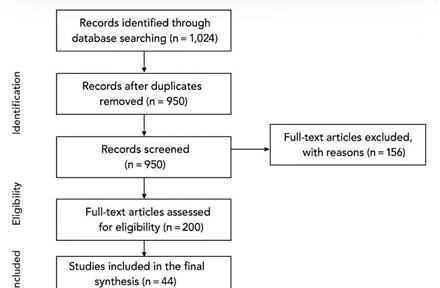


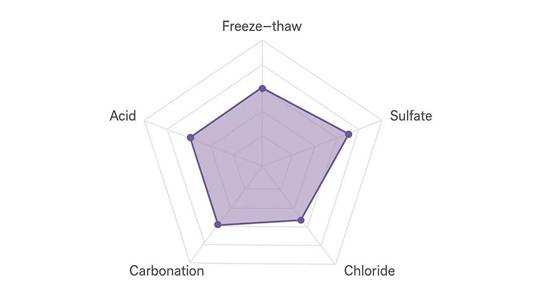
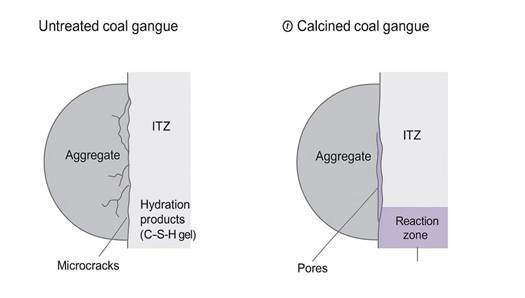
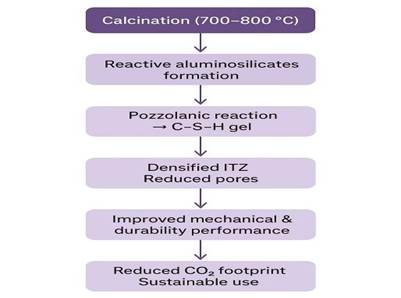
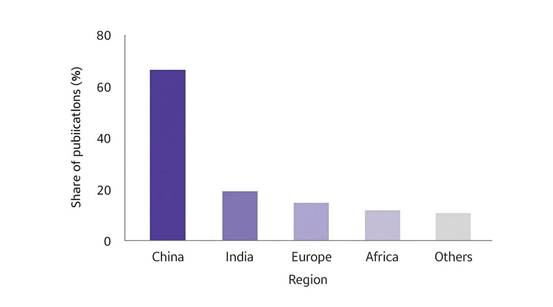
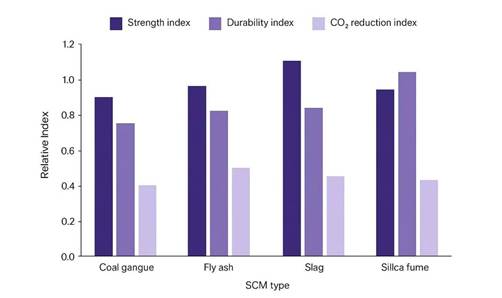
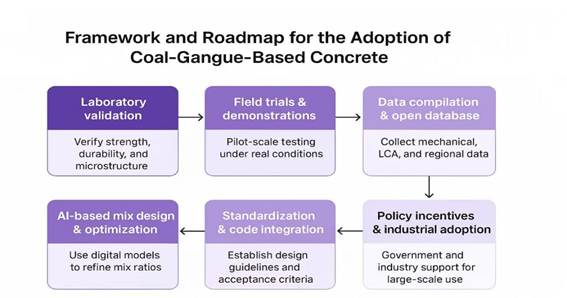














 International Journal of Research (IJR)