How to Spot a Hidden Water Leak in Your Home

Hidden water leaks can cause serious damage before you even notice them. Unlike obvious drips under sinks, these hidden issues often go undetected until they lead to mold, structural damage, or high water bills. Whether you own or rent, spotting the signs of hidden leaks is key to avoiding costly repairs. Aging pipes and changing temperatures can make leaks worse, so early detection is crucial. Here’s how to spot and fix hidden water leaks before they become disasters.

1. Monitor Your Water Bill for Unexplained Spikes

A sudden spike in your water bill is often an early sign of a hidden leak. If your water habits haven’t changed—no extra guests, increased watering, or new appliances—but your bill has gone up, it could signal a problem. Check your water bills from the past three months; an unexplained increase likely means it’s time to investigate.

2. Look for Signs of Mold and Mildew

Hidden water leaks create the perfect environment for mold and mildew to grow, especially in damp, dark spaces like behind walls or under flooring. Musty odors or mold in unexpected areas—such as ceilings, baseboards, or closets—could signal a hidden problem. Even small mold patches often indicate a consistent moisture source, likely from a slow leak. Catching these signs early can prevent further damage.

3. Check for Water Stains and Wall Discoloration

Water always leaves clues. Keep an eye out for discolored spots on walls, ceilings, or floors, often appearing as yellow, brown, or gray stains that may expand over time. Bubbling paint or warped drywall can also be telltale signs of trouble. These indicators typically point to a hidden water leak within the walls, seeping into and damaging the surrounding materials.

4. Listen for Dripping or Running Water Sounds

Even if you can’t see a leak, you might hear it. Listen for running or dripping water when all taps are off. A faint trickle behind walls or floors, especially at night when it’s quiet, is worth checking out. Unusual pipe noises when appliances aren’t in use could also mean there’s a hidden issue.

5. Use the Water Meter to Test for Leaks

Your water meter is a great tool for spotting leaks. First, make sure all water sources in your home are off—no running faucets, flushing toilets, or dishwashers. Then, check the meter. If it’s moving, there may be a leak in your plumbing. This quick test can confirm your concerns before calling a professional.

6. Examine Outdoor Areas for Soggy Spots

Leaks aren’t just an indoor problem—outdoor systems like irrigation lines, hose bibs, and buried pipes can leak too. Walk around your yard and look for soggy patches, wet spots, or unusually lush grass, which may signal a hidden leak. Outdoor pipes are especially vulnerable to damage from freezing and thawing, so regular inspections are key to catching issues early and avoiding costly repairs.

7. Don’t Ignore Low Water Pressure

A sudden drop in water pressure can be more than an inconvenience—it may point to a hidden leak, especially if the issue is confined to one area of your home. While low water pressure can also result from a clog, when combined with other warning signs, a leak becomes the more likely culprit. Addressing the problem promptly is crucial to avoid further water loss or potential damage to your pipes.

8. Take Action with Leak Detection Services

If you notice warning signs of a leak but can’t find the source, it’s time to call in the experts. Leak detection services in Sandy use advanced tools like thermal imaging and acoustic sensors to locate even tiny leaks without damaging your walls or floors. Early detection helps minimize water waste, prevent mold, avoid structural damage, and save you time and money.

Conclusion

Hidden water leaks are a silent danger to your home, capable of causing structural damage, inflating utility bills, and even harming your health if ignored. Watch for warning signs such as unexpected spikes in your water bill, the appearance of mold or stains, or unusual sounds like dripping or hissing. If you suspect a leak, scheduling a professional inspection can save you both time and money while protecting your home from further damage.


Stand Out in a Crowd: Creative Ads You Should Try Right Away

In today’s fast-paced digital world, capturing your audience’s attention is more challenging than ever. With countless brands competing for eyeballs, traditional advertising methods often get lost in the noise. To truly stand out in a crowd, you need creative, innovative advertising strategies that break the mold and engage your audience on a deeper level.

If you’re looking to refresh your marketing campaigns or launch something new, here are some creative ad ideas you should try right away. These strategies are designed to grab attention, spark conversations, and leave lasting impressions.

1. Interactive Ads: Make Your Audience Part of the Experience

One of the most effective ways to engage your audience is to make them an active participant in your ad. Interactive ads invite users to click, swipe, or play, making the experience memorable and fun.

Examples:

  • Quizzes and Polls: Create short quizzes or polls related to your product or service. For instance, a skincare brand could launch a quiz titled “What’s Your Skin Type?” with personalized product recommendations at the end.
  • Playable Ads: Common in mobile gaming, playable ads let users try a mini-version of a game or app before downloading. This tactic builds trust and excitement.
  • Augmented Reality (AR): AR ads allow users to virtually try products, such as sunglasses or furniture, in their own space. This immersive experience can significantly boost engagement and sales.

2. Storytelling Through Video Ads

Stories have been a powerful marketing tool for centuries, and they’re more important than ever in the digital age. Instead of just promoting a product, focus on telling a story that resonates emotionally with your audience.

Tips for compelling storytelling:

  • Highlight real customer experiences: Share testimonials or user-generated content.
  • Create mini-series: Develop a series of short videos that build on a theme or narrative.
  • Use humor or emotion: Funny or heartfelt ads tend to get shared more widely.

Video ads on platforms like Instagram, TikTok, and YouTube are perfect for storytelling. The key is to keep your message clear but emotionally compelling.

3. Guerrilla Marketing: Think Outside the Box

Guerrilla marketing is all about surprise and creativity in unexpected places. These ads often create buzz because they break conventions and encourage word-of-mouth sharing.

Guerrilla marketing ideas:

  • Street art or murals: Partner with a local commercial artist in Salt Lake City to create eye-catching murals that subtly promote your brand.
  • Pop-up experiences: Host surprise events or installations in high-traffic areas.
  • Sticker campaigns: Use clever stickers in unusual locations that prompt curiosity and shares on social media.

The goal is to create a memorable experience that people talk about long after they see the ad.

4. Influencer Collaborations with a Twist

Influencer marketing remains a dominant force, but the way you collaborate can make all the difference. Instead of typical product endorsements, co-create content that aligns with both your brand and the influencer’s unique style.

Creative influencer ideas:

  • Challenge campaigns: Launch a challenge that influencers and followers can participate in.
  • Behind-the-scenes content: Let influencers share how your product fits into their daily lives authentically.
  • Live events or takeovers: Allow influencers to run your social media for a day with exclusive content or giveaways.

This approach makes your ads feel genuine and less salesy, increasing trust and engagement.

5. Personalized Ads: Speak Directly to Your Audience

Consumers today expect brands to know their preferences and needs. Personalized ads that use data to target specific demographics or even individuals can dramatically increase conversion rates.

How to personalize ads:

  • Dynamic creatives: Use ad platforms that customize images or text based on user behavior.
  • Location-based ads: Tailor messages depending on where the audience is located.
  • Retargeting with a twist: Instead of generic retargeting, use humor or creative messaging that references the user’s previous interaction with your brand.

Personalization shows that you care about your customers, making them more likely to respond positively.

6. User-Generated Content: Let Your Fans Become Your Advertisers

Nothing is more authentic than real customers showing off your product or service. Encourage your audience to create content by running contests, asking for reviews, or spotlighting fans.

Why it works:

  • Builds trust through social proof.
  • Expands your reach organically.
  • Provides a steady stream of fresh, relatable content.

Make sure to highlight the best user-generated content in your ads or on your website to inspire others.

7. Nostalgia Marketing: Tap Into Emotions from the Past

Nostalgia is a powerful emotional trigger. Ads that remind people of fond memories can create instant connections.

Ways to use nostalgia:

  • Use retro designs or themes.
  • Reference popular culture from past decades.
  • Highlight your brand’s history or milestones.

Nostalgia marketing works well for brands that want to evoke comfort, trust, and sentimentality.

Final Thoughts

In a crowded marketplace, creativity is your best weapon. The key to successful advertising is not just to be seen but to be remembered. Try mixing and matching these creative ad ideas to find what resonates best with your audience. Whether it’s interactive experiences, storytelling, guerrilla tactics, or personalized messaging, standing out means pushing boundaries and thinking outside the box.

Start experimenting with these creative ads today and watch how they transform your brand’s visibility and engagement!

Beat the Heat: How to Optimize Your Office for Summer

As temperatures rise, a comfortable and efficient office environment becomes essential. The summer months can bring productivity to a halt if your workspace isn’t prepared to handle the heat. From managing indoor temperatures to boosting employee morale, preparing your office for summer is about more than air conditioning—it’s about creating a cool, energized, and inviting space for everyone.

Here’s how to optimize your office for summer and keep things running smoothly even on the hottest days.

1. Optimize Airflow and Ventilation

The first step in preparing your office for summer is improving airflow. Proper ventilation helps prevent your office from becoming stuffy and overheated.

  • Check your HVAC system: Make sure your air conditioning units are professionally serviced before the summer heat sets in. Schedule regular maintenance—such as cleaning filters and inspecting vents—to ensure cool air flows efficiently throughout your office. For reliable service, consider contacting a trusted provider for AC repair in Bend, OR to keep your system running at peak performance.
  • Use fans wisely: Ceiling or portable fans can support air circulation, especially in areas that tend to trap heat. Position them strategically to promote cross-ventilation.
  • Encourage fresh air: If your office has operable windows, open them during the cooler parts of the day to let in a breeze and reduce reliance on AC.

2. Control Sunlight and Glare

While natural light can boost mood and reduce electricity use, too much sunlight can heat up the office and create screen glare.

  • Install blinds or shades: Consider thermal or blackout shades to block intense sunlight during peak hours.
  • Use window films: Reflective films can reduce heat gain from sun-facing windows without sacrificing brightness.
  • Rearrange workstations: Move desks away from direct sunlight to prevent discomfort and overheating for employees.

3. Switch to Summer-Friendly Décor

Simple changes in office décor can improve comfort and contribute to a cooler ambiance.

  • Choose lighter colors: Swap out dark rugs, cushions, or wall art for lighter tones to reflect rather than absorb heat.
  • Bring in plants: Houseplants like ferns, snake plants, or peace lilies improve air quality and add a refreshing feel to your space.
  • Declutter: A tidy space allows better airflow and prevents electronics and furniture from trapping heat.

4. Adjust Office Attire Policies

Strict dress codes can be stifling during summer. If appropriate for your workplace culture, consider updating your dress code.

  • Adopt a summer dress code: Allow breathable fabrics like cotton or linen, and relax policies on ties or jackets.
  • Promote comfort with professionalism: Encourage employees to dress smartly but seasonally, balancing comfort with professionalism.

5. Rethink Lighting and Electronics

Electronics and lighting are hidden heat sources. Reducing their use during summer can make your office cooler and more energy-efficient.

  • Switch to LED bulbs: LEDs generate far less heat than traditional incandescent bulbs.
  • Power down unused devices: Encourage employees to turn off monitors, printers, or other electronics when not in use.
  • Unplug chargers: Chargers and power adapters continue to emit heat even when not connected to devices.

6. Offer Refreshments and Hydration Stations

Staying hydrated is essential for comfort and productivity during the summer.

  • Set up water stations: Place coolers or filtered water dispensers around the office to promote regular hydration.
  • Offer summer treats: Provide refreshing snacks like fruit, popsicles, or iced tea during breaks to keep morale high.
  • Encourage hydration habits: Consider giving employees reusable water bottles or encouraging hydration through friendly challenges or signage.

7. Consider Flexible Work Hours

If your office tends to get hotter in the afternoon, flexible scheduling can help employees avoid peak heat.

  • Implement summer hours: Allow employees to come in earlier and leave before the hottest part of the day.
  • Offer remote options: If your business model allows it, encourage occasional work-from-home days during extreme heatwaves.
  • Stagger shifts: Spread out employee schedules to minimize overcrowding and ensure air conditioning remains effective.

8. Maintain a Positive Atmosphere

The summer slump is real—heat and fatigue can drain enthusiasm. Keeping morale up is key.

  • Organize summer-themed events: Host ice cream socials, casual Fridays, or small celebrations to make the season more enjoyable.
  • Celebrate wins: Recognize employee achievements with summer perks like half-day Fridays or outdoor lunches.
  • Listen to feedback: Ask employees what would make their summer work experience better and implement feasible ideas.

Final Thoughts

Preparing your office for summer doesn’t have to be a massive undertaking. With a few thoughtful adjustments, you can keep your space comfortable, energy-efficient, and enjoyable all season long. A well-prepared office not only beats the heat but also boosts productivity, morale, and overall employee satisfaction. So, take proactive steps now and make your office a cool place to work—literally and figuratively.

Achieve a Youthful Look with Non-Surgical Enhancements

Rediscover a vibrant and youthful appearance with expert insights into non-surgical enhancements. Learn how treatments such as dermal fillers, wrinkle relaxers, microneedling, and more can refresh your look without the need for invasive surgery.

Long gone are the days when achieving a youthful look meant going under the knife. Today’s non-surgical enhancements blend advanced technology, minimal downtime, and natural-looking results. It’s no surprise these treatments have become a preferred choice for those seeking both subtle and significant improvement.

Minimally invasive options appeal to anyone who wants to:

  • Refresh facial features without surgical scars
  • Enjoy shorter recovery times
  • Experience immediate or rapidly visible results
  • Maintain a natural, expressive appearance

Understanding Your Options for Non-Surgical Facial Rejuvenation

A host of innovative treatments are available for facial enhancement. Each offers unique benefits for addressing common signs of aging, such as fine lines, volume loss, uneven tone, and skin laxity.

Dermal Fillers

One of the most requested non-surgical treatments is dermal fillers in McMinnville. Dermal fillers can restore youthful volume, smooth out deeper facial lines, and enhance contours. 

A few key benefits of dermal fillers include:

  • Smoothing nasolabial folds (smile lines)
  • Plumping thinning lips
  • Restoring lost volume in cheeks and under-eye hollows
  • Enhancing jawline and chin definition

Hyaluronic acid-based fillers like Restylane and RHA are especially popular for their ability to integrate with your body’s natural tissue, resulting in soft, natural movement.

Wrinkle Relaxers

Wrinkle relaxers are another non-surgical mainstay, targeting dynamic wrinkles caused by repeated facial movements. Products with botulinum toxin like Xeomin, Dysport, and Jeuveau can:

  • Relax frown lines between the brows
  • Smooth crow’s feet around the eyes
  • Minimize forehead furrows
  • Provide a “brow lift” effect

The procedure is quick, with no required recovery time, making it easy to fit into any lifestyle.

Microneedling for Texture and Tone

Microneedling, especially radiofrequency-assisted optionslike Scarlet RF, delivers controlled micro-injuries to the skin to stimulate collagen production. This versatile procedure can:

  • Tighten mild to moderate skin laxity
  • Reduce the appearance of acne scars and enlarged pores
  • Improve sun-damage and uneven pigmentation
  • Enhance overall skin texture

Microneedling is suitable for various skin types and can be repeated periodically for ongoing improvement.

Chemical Peels and Skin Care Products

Chemical peels are a classic yet effective skin resurfacing technique. Modern medical-grade solutions like The Perfect Derma Peel offer:

  • Brighter, more even skin tone
  • Reduced fine lines and superficial scars
  • Smoother texture with minimal downtime

Medical-grade skin care, such as ZO Skin Health products, can further support your youthful appearance by:

  • Preventing new signs of aging from emerging
  • Correcting existing pigmentation or texture concerns
  • Protecting against environmental damage

Addressing Double Chin Without Surgery

Submental fullness, or “double chin,” is a common concern that non-surgical treatments can address. Injectables such as Kybella effectively break down fat cells under the chin with little to no downtime.

Vein Treatments for Face and Legs

Visible facial or leg veins, including spider veins and small varicose veins, often add years to one’s appearance. Sclerotherapy uses targeted injections to fade these veins, improving the overall look of treated areas without surgery.

Choosing the Right Non-Surgical Approach

The best non-surgical enhancement plan is highly personalized. Factors such as age, genetics, lifestyle, and desired outcomes all guide treatment recommendations. Skilled providers can create a custom roadmap that combines treatments for comprehensive yet natural results.

Most reputable clinics, including those specializing in cosmetic injections and dermal fillers, offer consultations to assess your specific needs and design a strategy aligned with your goals.

Safety and Effectiveness in Non-Surgical Enhancements

All non-surgical cosmetic procedures require expertise for optimal safety and natural results. Certified and experienced professionals bring a blend of medical knowledge and an artistic eye, which is critical for balanced enhancements. Reviews and word-of-mouth from satisfied clients often highlight the benefits of choosing a provider who prioritizes comfort, clear communication, and personalized care.

Takeaways Non-Surgical Treatments Can Refresh Your Natural Beauty

Non-surgical enhancements have revolutionized how individuals approach aging and facial rejuvenation. With a suite of minimally invasive options available, achieving a youthful look is more accessible, effective, and natural than ever before.

By focusing on personalized care, subtle improvements, and safe practice, these treatments help countless people feel confident and refreshed in their skin.

Shield Surfaces from Damage Using the Power of Modern Finishes

Everyday surfaces endure a relentless barrage of foot traffic, heavy equipment, moisture, and spills. Whether it’s a home garage, a busy workshop, or an industrial floor, these demanding environments test the strength of your surfaces daily. Unprotected, concrete and similar materials can crack, stain, or erode well before their time. Fortunately, innovations in surface finishing and coatings now offer effective ways to boost longevity and overall aesthetics.

Surfaces that are properly finished and coated not only hold up better under routine stress but also maintain their appearance and utility far longer. From protecting vulnerable concrete to enhancing workspaces, modern finishes transform both residential and commercial environments, saving property owners time and money on repairs.

Understanding Wear and Tear on Surfaces

Common Risks to Unprotected Surfaces

  • Abrasions from foot and vehicle traffic: Continuous movement grinds grit and dirt into flooring.
  • Stains and chemical spills: Oil, antifreeze, or cleaning supplies can cause discoloration and breakdown.
  • Moisture and water damage: Especially in garages and basements, water seeping through concrete leads to cracks and deterioration.
  • UV exposure: Sunlight can fade color and weaken certain materials.

Consequences Over Time

Unfinished surfaces may look appealing initially, but they are prone to early damage:

  • Flaking, chipping, and unsightly stains quickly accumulate.
  • The surface structure itself becomes vulnerable, leading to costly repairs or replacements.
  • The environment becomes harder to keep clean and safe, increasing maintenance demands.

The Role of Modern Surface Finishes

What Are Modern Finishes?

Modern finishes include a range of durable topcoats and sealants designed for long-term protection and easy maintenance. Epoxy coatings, polyurea, and urethane are a few examples that have set new standards not just in performance, but style as well.

Advantages of Advanced Coatings

  • Superior durability: Resist impact, scratches, and chemical exposure better than bare concrete.
  • Easy cleaning: Smooth, sealed surfaces prevent grime, oils, and spills from soaking in.
  • Improved safety: Many finishes offer non-slip textures or reflective properties to brighten work areas.
  • Customization: Choose from various colors, gloss levels, and textures to match design goals.

Spotlight on Epoxy Coatings for Enhanced Protection

One standout solution is epoxy. This two-part resin bond creates a thick, seamless finish, especially favored for floors in demanding settings. Military grade coatings take this a step further, offering extreme durability, chemical resistance, and protection against wear in high-stress environments. 

The Science Behind Epoxy

Epoxy works by chemically bonding with the surface, filling tiny pores and hardening into a resilient shell. This not only shields against physical damage but also stops moisture or chemicals from seeping in.

Key Benefits for High-Traffic Areas

  • Lasts for years without peeling or dulling
  • Shields against tire marks, oils, and household chemicals
  • Resists chips and scratches from dropped tools or machinery
  • Enhances slip-resistance with the addition of aggregate or textured options

The Case for Garage Floor Epoxy in Salt Lake City

For those living in the Salt Lake City area, unique seasonal shifts present a special challenge for garage floors. Snow, road salts, and temperature fluctuations intensify wear on unprotected concrete. Choosing a premium garage floor epoxy in Salt Lake City offers a practical, attractive solution. Epoxy finishes greatly reduce the risk of long-term damage from moisture, chemicals, and freezing conditions.

Application Matters

Professional preparation and installation are essential to reap the full benefits of any advanced coating. Surface cleaning, repair, and proper priming ensure the finish bonds well and lasts as promised.

Maintenance and Long-Term Performance

Modern finishes are designed for hassle-free care. Most only need occasional sweeping and a gentle mop with mild soap. Avoid harsh, abrasive cleaning products, and check periodically for any signs of peeling or damage.

Where Modern Finishes Make an Impact

  • Garages
  • Basements
  • Workshops
  • Kitchens
  • Commercial warehouses
  • Retail spaces
  • Healthcare facilities

These solutions are adaptable, making them ideal for almost any environment with demanding surface needs.

Taking Steps Towards Surface Longevity

Defending floors and surfaces against daily wear is vital for lasting value and safety. Modern surface finishes and coatings especially epoxy, offer proven solutions that fit the diverse demands of homes and businesses alike. Invest in the right finish, and you’ll enjoy an attractive, resilient surface for many years to come.

How a Water Softener Can Improve Your Daily Life

internationaljournalofresearch.com

Hard water may seem like a minor annoyance, but its long-term effects can add up. From streaked dishes and dry skin to mineral buildup in pipes, the challenges go beyond the surface. Installing a water softener is a simple upgrade that can make a big difference. In areas with hard water, these systems improve home comfort and daily efficiency.

What Is Hard Water and Why It Matters

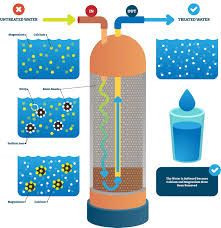
Hard water contains minerals like calcium and magnesium. While harmless to health, it can damage plumbing, appliances, and even affect personal hygiene. Mineral buildup reduces the lifespan of dishwashers, washing machines, and water heaters. A water softener is a simple, effective solution that protects your home and makes daily tasks easier.

Healthier Hair and Skin

Soft water offers big benefits for personal care. Unlike hard water, which leaves soap residue that can dry out your skin, soft water rinses soap and shampoo away easily. It prevents the dull, lifeless look hard water gives hair, leaving it soft, shiny, and manageable. Many families notice these improvements right after choosing a water softener installation in Layton.

Cleaner Laundry and Dishes

Hard water doesn’t just affect your body—it also weakens your detergents. Laundry in hard water can look dull, feel rough, and wear out faster due to soap residue and mineral buildup. Dishes and glassware often come out of the dishwasher spotted or cloudy. A water softener can change that. Laundry will be cleaner, with brighter colors and softer fabrics, while dishes will shine without extra scrubbing or polishing. Switching to soft water improves results and saves time, money, and effort in daily chores.

Lower Energy Bills and Appliance Longevity

Hard water mineral deposits can damage your appliances, reducing efficiency and lifespan. For example, scale buildup in water heaters makes them work harder, increasing energy use and utility bills. Switching to soft water removes this buildup, helping appliances run smoothly and last longer. Over time, this can save you money. With seasonal temperature changes already straining home systems, keeping them efficient is more important than ever.

Easier Cleaning Throughout the Home

Cleaning with hard water is labor-intensive and wasteful. Minerals in hard water react with soaps, creating stubborn soap scum on sinks, tubs, and shower doors, making removal frustrating and time-consuming. Soft water, on the other hand, makes cleaning easier. Surfaces stay cleaner longer, and mineral stains disappear. From scrubbing the bathroom to wiping kitchen counters, soft water simplifies everyday home maintenance.

Eco-Friendly and Cost-Effective Living

Using less soap, shampoo, detergent, and cleaning products saves money and reduces your household’s environmental impact. A water softener lets you cut back on chemicals and plastic waste, creating a more sustainable home. It also minimizes plumbing and appliance wear, lowering repair costs and helping the planet. For families looking to reduce their carbon footprint without sacrificing comfort, a water softener is a smart, eco-friendly choice.

The Value of Professional Installation

While a DIY approach may seem appealing, hiring professional water softener installers ensures your system is properly sized and configured for your water conditions. Professionals provide reliable performance and reduce maintenance issues. Local experts also understand regional water quality, allowing them to customize solutions for your home. This ensures long-term efficiency, better results, and peace of mind.

Conclusion

Soft water offers a range of benefits, from smoother skin and shinier hair to cleaner laundry and reduced energy costs. In areas where hard water is a common issue, investing in a water softener can significantly enhance your quality of life. With expert water softener installation, homeowners can create a more comfortable, efficient, and eco-friendly living space—one refreshing glass of soft water at a time.

How Posture Shapes More Than Your Back

Sitting straight isn’t just about avoiding back pain—it affects your overall well-being. Posture impacts not only your spine but also your health, energy, mood, and confidence. This blog explores how posture shapes more than just your back and offers simple tips to improve it today.

Rethinking What Posture Means

Most people think of posture in terms of hunching at a desk or slouching on the couch. It’s easy to view posture as little more than a physical habit that leads to backaches. But posture is your body’s foundation for every movement you make. When it’s strong and balanced, everything works better—from your breathing to your mood. If you’ve wondered why you’re feeling fatigued or anxious even when you haven’t strained your back, it might be time to pay more attention to how you sit and stand.

This post sheds light on the mechanics of posture, its impacts on both body and mind, and practical steps to help you move and feel your best.

The Mechanics of Posture

Muscles, Spine, and Structure

Your posture isn’t defined just by your spine. It’s a delicate balance involving dozens of muscles, from the soles of your feet up to your neck. Good posture means that your bones are well aligned, your muscles work efficiently, and your joints are protected from excess stress.

  • Spinal Alignment

The spine has three natural curves at the neck, upper back, and lower back. Proper posture maintains these gentle bends, so your head is above your shoulders and your shoulders are above your hips.

  • Key Muscle Groups

Core muscles, including the abdominals, lower back, and pelvic floor, help to stabilize the spine. The upper back and neck muscles keep your head upright, while hip and leg muscles maintain balance when you sit or stand.

  • Movement Patterns

Small habits, like favoring one side while standing or sitting hunched forward, can slowly pull the whole system out of balance. Over time, poor alignment can overload certain muscles and leave others weak.

Every day, posture is shaped by how you use technology, how you move, and even your stress levels. The result? Posture becomes a snapshot of your lifestyle.

How Bad Posture Affects Physical Health

Posture isn’t just a back issue. It ripples through many body systems, leading to symptoms you might never link to the way you sit or stand.

Breathing

Slouching compresses your lungs and diaphragm, restricting airflow. Shallow breathing becomes the norm when your chest and ribcage can’t expand fully. Over time, you may notice reduced stamina, brain fog, or even headaches, all stemming from less oxygen reaching your blood and brain.

Digestion

That crumpled posture after lunch? It slows down digestion. Poor alignment compresses your abdominal organs, leading to slower movement of food through the gut. This can cause bloating, constipation, indigestion, and discomfort after meals.

Circulation

Blood flows most easily when your heart, spine, and hips are well-aligned. Slumping at your desk or crossing your legs for hours can restrict circulation, increasing the risk of varicose veins or cold hands and feet. Poor circulation also slows healing and can make you feel sluggish or tired, even if you’ve had enough rest.

Aching Muscles and Joints

Over time, poor posture can strain muscles and ligaments, leading to aches in the neck, shoulders, hips, and knees. It also accelerates wear and tear on joints, raising your risk of arthritis and injuries.

Quick fact: Studies show that correcting posture can significantly reduce the frequency of headaches and chronic pain in office workers.

The Mental and Emotional Effects of Posture

Posture isn’t just physical; it’s psychological too. The science of the mind-body connection shows that the way you carry yourself influences your mental and emotional states.

Mood

Your posture sends silent signals to your brain. Standing tall with your head up boosts neurotransmitters like serotonin and dopamine, naturally lifting your mood. Conversely, slouching is linked to feelings of depression, sadness, or anxiety. Multiple studies have found that upright posture leads to more positive emotions, while poor posture makes it harder to manage stress.

Energy and Motivation

When your muscles work efficiently, energy is conserved and available for activity. Poor posture drains energy by forcing muscles to compensate for an imbalance. This can translate into feeling physically and mentally drained, making motivation harder to muster through the day.

Confidence and Stress

Nonverbal cues influence how we see ourselves. Adopting a strong, open posture not only projects confidence to others but also boosts internal confidence. Power posing, for example, shows measurable changes in hormonal levels associated with stress and confidence, even after just a few minutes.

Focus and Mental Performance

Sitting hunched over can shrink your lung capacity and limit oxygen flow, which affects concentration and mental clarity. By maintaining good posture, you help your brain stay alert and focused, which can make your workday more productive.

Correcting Your Posture: Simple Steps for Everyday Life

No one develops perfect posture overnight, but small, consistent habits can make a noticeable difference. Here’s how to start:

Body Scan Awareness

Before you correct your posture, you need to notice it. Set a phone alert or sticky note as a reminder. Check in with yourself throughout the day, from your shoulders to your feet.

Active Sitting and Standing

  • Keep your feet flat on the ground, knees at hip level, and shoulders relaxed.
  • Use a lumbar pillow or rolled towel to support the natural curve of your lower back.
  • Adjust your computer screen to eye level to prevent craning your neck.

Core Engagement

Strong core muscles support good posture even when you’re tired. Try to gently pull your belly button toward your spine for a few minutes every hour. Planks, bridges, and gentle yoga are excellent ways to build core strength.

Incorporate Regular Movement

Our bodies aren’t designed to stay still. Stand, stretch, or walk at least once an hour during the workday. Gentle shoulder rolls, chest openers, and neck stretches can undo hours of tension.

Mindful Technology Use

If you spend long hours on devices, try to elevate them rather than bending forward. You’ll take pressure off your neck and spine, and your eyes will thank you too.

Seek Expert Guidance

For persistent discomfort or uncertainty about your alignment, consult with a corrective chiropractor, such as those in Ionia. They can assess your posture, identify problem areas, and design a plan tailored to your needs.

Conclusion

Posture shapes every part of your daily life—from how you digest your lunch to how confidently you walk into a meeting. The impacts stretch far beyond backaches, weaving through your physical health and emotional well-being. The best part? Even small changes to your daily habits can spark big improvements.

Fast-Acting Relief for Mental Health Struggles

Mental health struggles can feel overwhelming, leaving individuals searching for effective support. While traditional therapies and medications require time to take effect, advancements in mental health care have introduced innovative, fast-acting treatments. These approaches offer new hope to those seeking immediate relief. This article examines some of these treatments, emphasizing their benefits and considerations.

Understanding the Need for Immediate Relief

For many battling mental health conditions such as depression, anxiety, or PTSD, waiting for relief can intensify feelings of distress. Traditional treatments like therapy sessions or antidepressants often require weeks to show results, leaving some to feel stuck in their struggle. This delay has spurred the development of faster-acting options designed to meet urgent needs, providing both effective and efficient support.

Exploring Rapid Solutions for Mental Health

Ketamine and Its Role in Mental Health

One of the most promising fast-acting treatments is ketamine therapy. Initially used as an anesthetic, ketamine has gained attention for its potential to alleviate symptoms of depression, PTSD, and other conditions when administered in controlled settings. Unlike conventional medications, ketamine has a direct impact on brain function, targeting glutamate receptors, which can lead to more immediate symptom relief. A growing number of clinics, including those offering ketamine therapy in Sandy, are making this treatment more accessible.

Transcranial Magnetic Stimulation (TMS)

Another cutting-edge option is transcranial magnetic stimulation (TMS). This non-invasive procedure uses magnetic fields to stimulate nerve cells in the brain. TMS has shown promise in helping individuals with treatment-resistant depression and anxiety. Sessions are typically quick, allowing patients to resume their daily activities immediately afterward. While TMS may require multiple sessions, many report a noticeable improvement after just a few appointments.

Mindfulness-Based Approaches

Mindfulness and relaxation techniques, when practiced effectively, can serve as fast-acting tools to alleviate mental health symptoms. Methods such as deep breathing, meditation, or progressive muscle relaxation encourage immediate calm and help reduce overwhelming stress. Digital resources like meditation apps have made these strategies easy to access and integrate into daily routines.

Key Considerations Before Starting Fast-Acting Treatments

While these treatments hold significant potential, it’s essential to consider key factors before pursuing them:

  1. Consult with a Professional – Always speak to a qualified healthcare provider to determine the best course of action and understand potential risks.
  2. Treatment Suitability – Innovative treatments like ketamine or TMS may not be suitable for everyone. Factors such as medical history and current medications need to be evaluated.
  3. Safety and Supervision – Fast-acting therapies should always be administered under medical supervision in a controlled environment to ensure safety and efficacy.
  4. Financial Accessibility – Due to their advanced nature, these treatments can be costly. Research insurance options or payment plans to plan accordingly.

Benefits of Fast-Acting Therapeutic Solutions

The appeal of fast-acting treatments lies in their immediate impact, allowing individuals to experience relief quickly rather than coping with weeks or months of minimal progress. This can greatly improve quality of life, restore hope, and encourage long-term engagement with broader mental health care strategies, such as ongoing therapy or lifestyle adjustments.

Additionally, some treatments, like ketamine therapy, work differently than traditional methods, responding to the complexities of certain mental health conditions more effectively in some cases. This can make them particularly beneficial for individuals who have not experienced results from other therapies.

Balancing Short-Term Relief and Long-Term Wellness

While fast-acting treatments can offer immediate relief, they often work best when complemented by a broader mental health plan. For instance, exploring therapy options or participating in support groups can provide tools for sustaining mental wellness. Engaging in regular physical activity, maintaining a healthy diet, and getting adequate sleep also contribute to overall mental health, creating a strong foundation for healing.

Fast-acting solutions should be viewed as part of a comprehensive care approach, offering quick relief while allowing for deeper healing over time. Addressing the root causes of mental health struggles is just as vital as finding immediate solutions.

Top 10 Toothbrushes for Kids: Safe, Fun, and Effective Options

Getting kids excited about brushing their teeth can be a challenge, but the right toothbrush can make all the difference. When choosing a toothbrush for children, it’s important to find one that is gentle on young gums, the right size for small mouths, and—most importantly—fun enough to keep them engaged. Whether your child prefers electric or manual, superhero or princess, this list of the top 10 toothbrushes for kids covers the safest, most enjoyable, and most effective options available today.

1. Oral-B Kids Electric Toothbrush (Disney Edition)

This electric toothbrush features beloved characters from Disney movies like Frozen, Cars, and Toy Story. With soft bristles and a built-in timer, it encourages kids to brush for the dentist-recommended two minutes. Its gentle vibrations help remove plaque while being easy on gums.

Why It’s Great: Fun themes, gentle cleaning, built-in timer for proper brushing habits.

2. Philips Sonicare for Kids Rechargeable Electric Toothbrush

Designed specifically for children aged 3 and up, this toothbrush uses Sonicare technology to deliver a deep, effective clean. It comes with interactive stickers and connects to a kid-friendly app that guides brushing through engaging characters and games.

Why It’s Great: Bluetooth app, personalized brushing coach, powerful yet gentle cleaning.

3. Colgate Kids Battery Toothbrush

This budget-friendly battery-powered toothbrush offers gentle vibrations and is available in fun themes like Minions, Barbie, and Spider-Man. It’s easy to use and has a small brush head suitable for young children.

Why It’s Great: Affordable, colorful designs, simple operation.

4. Jordan Step 1 Toothbrush (0–2 Years)

Designed for babies and toddlers, this manual toothbrush features an easy-grip handle and extra soft bristles. Its short neck and unique safety shield help prevent over-insertion into the mouth.

Why It’s Great: Perfect for first-time brushers, safety-focused design.

5. Brush-Baby BabySonic Infant Toothbrush

This is a sonic toothbrush made just for infants and toddlers. It includes an LED light to help parents see inside the baby’s mouth while brushing and has extra soft bristles to care for delicate gums.

Why It’s Great: LED light for visibility, soft sonic cleaning, great for teething babies.

6. Radius Totz Toothbrush

Eco-conscious parents love this manual toothbrush made from BPA-free, FDA-approved materials. Its soft, vegetable-derived bristles and ergonomic handle are perfect for toddlers and preschoolers.

Why It’s Great: Environmentally friendly, super soft bristles, fun color options.

7. Firefly Light-Up Timer Toothbrush

Turn brushing into a game with this light-up toothbrush that flashes for 60 seconds—just enough time to brush one quadrant of the mouth. Kids love the bright colors and popular characters like Hello Kitty and Avengers.

Why It’s Great: Built-in light timer, encourages longer brushing, fun designs.

8. Dr. Brown’s Infant-to-Toddler Toothbrush

Shaped like a giraffe and sized just right for babies and toddlers, this toothbrush is made from soft, BPA-free materials. It’s easy to grip and gently cleans new teeth and tender gums.

Why It’s Great: Animal-themed design, infant-safe materials, easy for little hands.

9. Quip Kids Electric Toothbrush

For older kids ready for a more grown-up toothbrush, Quip offers a sleek and quiet electric toothbrush with gentle vibrations. It has a built-in timer and comes in kid-friendly colors and refillable options.

Why It’s Great: Stylish design, long battery life, subscription refills available.

10. Humble Brush Kids Toothbrush

Looking for a sustainable option? This bamboo toothbrush is biodegradable, features soft nylon bristles, and comes in bright, cheerful colors. It’s also part of a social impact program—every brush purchased helps support oral health projects around the world.

Why It’s Great: Eco-friendly, social impact, fun colors.

Tips for Choosing the Right Toothbrush

When selecting a toothbrush for your child, consider the following:

  • Size and Shape: The brush head should fit comfortably in your child’s mouth and the handle should be easy to grip.
  • Soft Bristles: Kids’ toothbrushes should always have soft bristles to protect gums and tooth enamel.
  • Engaging Design: Characters, colors, and lights can make brushing a fun daily routine.
  • Electric vs. Manual: Both are effective when used correctly, but electric options can offer added motivation and cleaning assistance.
  • Age Appropriateness: Look for toothbrushes specifically designed for your child’s age group.

Final Thoughts

Healthy oral hygiene begins with building strong habits—and using the right toothbrush is a big part of that. Whether your little one is just getting their first teeth or is ready to brush independently, the perfect toothbrush can make brushing a fun and enjoyable routine. Selecting a toothbrush that matches your child’s age, preferences, and needs sets the foundation for a lifetime of healthy smiles. For personalized advice and expert care, consider visiting a trusted kids dentist in South Jordan who can guide you and your child every step of the way.

Keep those smiles shining bright—happy brushing!

Building Your Empire with Confidence: Tips for First-Time Entrepreneurs

Stepping out on your own and building a business from scratch can feel overwhelming, but it’s also one of the most rewarding adventures you’ll ever experience. If you’re contemplating your first entrepreneurial leap, you’re not alone. Every thriving brand, local cafe, and tech giant began with someone’s single idea and the courage to bring it to life.

Photo by RF._.studio _ on Pexels.com

Discover a Niche That Blends Passion and Profit

Pinpointing your niche is the starting point of every successful business story. The right business idea balances two key ingredients: your passion and a genuine market opportunity.

How to Identify the Right Business Idea

  • List your interests, skills, and experiences

Jot down what excites you, areas where you excel, and industries you’ve worked in. 

  • Study the market

Look at current trends, gaps, and problems begging for solutions. Conduct surveys, browse forums, check what’s trending on social, and talk to potential customers.

  • Evaluate profitability

Ask yourself, “Are people willing to pay for this?” A good idea solves a problem people care about enough to spend money on.

  • Test with a minimum viable product (MVP)

Before going all-in, launch a simplified version of your offer to real customers. Gather feedback and adjust quickly.

Build Your Blueprint with a Solid Business Plan

A business plan is your roadmap. Think of it as the tool that translates inspiration into a practical path forward.

Key Steps to Drafting Your Business Plan

  • Executive summary

Briefly introduce your business, covering your vision, goals, and what makes your idea unique.

  • Business description

Lay out what your business will do, the target audience, and how you’ll stand out from the competition.

  • Market analysis

Showcase thorough research about your competitors, industry trends, and your ideal customer profile.

  • Organization and management

Describe your structure. Will you be a sole proprietor, or is this a partnership? List out your team members and their roles.

  • Products or services

Detail what you’re offering, your pricing strategy, and potential future expansion.

  • Marketing and sales plan

Outline your approach for reaching customers, from digital campaigns to referral incentives.

  • Financial projections

Present a budget, projections for revenue and expenses, and funding requirements for growth.

  • Appendices

Add extra details like your resume, permits, or supporting data as needed.

A thoughtful plan helps keep you focused, attracts investors, and acts as a reference as your project evolves.

Explore Your Funding Options

Once your blueprint is complete, it’s time to find the capital to fuel your dream. There’s no one-size-fits-all approach—instead, weigh your choices and select the best fit for your ambitions and appetite for risk.

Popular Ways to Fund Your Venture

  • Bootstrapping

Many entrepreneurs begin by self-funding (using savings, personal loans, or even credit cards). This method gives you maximum control but requires financial discipline and risk tolerance.

  • Borrowing from friends and family

Loved ones can provide early backing, but formalize the arrangement to protect your relationships.

  • Bank loans or credit unions

Consider traditional business loans if you have a solid plan and decent credit history.

  • Angel investors and venture capitalists

If you need significant funding and have a scalable business model, pitching to angel investors brings both capital and valuable advice.

  • Crowdfunding platforms

Crowdfunding sites can generate funding and early buzz for your product.

  • Small business grants

Many government and private programs exist, particularly for businesses advancing technology or addressing social issues.

Tip: Mix and match options when needed, but always keep an eye on how much control and equity you’re giving away.

Market and Brand Your Business for Maximum Impact

You’ve built a great product, but now you need people to notice. Effective marketing and strong branding set your business apart and attract loyal customers.

Branding Basics for First-Time Entrepreneurs

  • Create a memorable brand identity

Start with a catchy name, compelling logo, and cohesive color scheme. Consistency is key.

  • Craft a resonant story

Share your “why.” Customers love connecting with brands that stand for more than just sales.

  • Develop an engaging online presence

Build a clean, user-friendly website and set up social media accounts where your audience spends time.

  • Define your unique value proposition (UVP)

Clarify what makes your offer different from competitors, in just a sentence or two.

  • Focus on customer experience

Make it easy for people to engage with you, offer responsive support, and invite feedback.

Winning Marketing Tactics

  • Content marketing

Publish helpful blog posts, videos, or guides to build authority in your space.

  • SEO and local optimization

Optimize your site and listings for relevant keywords, so potential clients find you easily.

  • Social media

Use social media platforms like Instagram, LinkedIn, and TikTok (as appropriate for your audience) to build buzz and community.

  • Referral and loyalty programs

Motivate your fans to spread the word and reward their loyalty.

  • Email marketing

Nurture leads and customers with updates, tips, and special offers.

Navigate the Legal Landscape with Confidence

Dealing with legal paperwork may not be glamorous, but it protects your interests and supports long-term growth. Taking shortcuts can lead to costly headaches later on.

Legal Essentials for New Entrepreneurs

  • Choose the right business structure

Options include sole proprietorship, partnership, LLC, or corporation. Each has different tax and liability implications.

  • Register your business

Obtain the licenses and permits required in your location and industry.

  • Ensure cybersecurity

Protect your business and customer data by implementing network security, like that offered in South Jordan.

  • Understand tax obligations

Stay informed about federal, state, and local taxes, including sales tax if you’re selling products.

  • Protect your intellectual property (IP)

Consider copyrighting your content, trademarking your brand, and securing patents if applicable.

  • Set up strong contracts

Use clear agreements for partners, vendors, and clients. 

Conclusion

Understanding the basic legal requirements for starting a business is key, but staying updated on any changes that impact your industry or location is just as important. Regularly reviewing and updating your legal documents, contracts, and policies ensures they keep pace with your growing business. By protecting your business legally, you can focus on building a thriving, sustainable enterprise.